
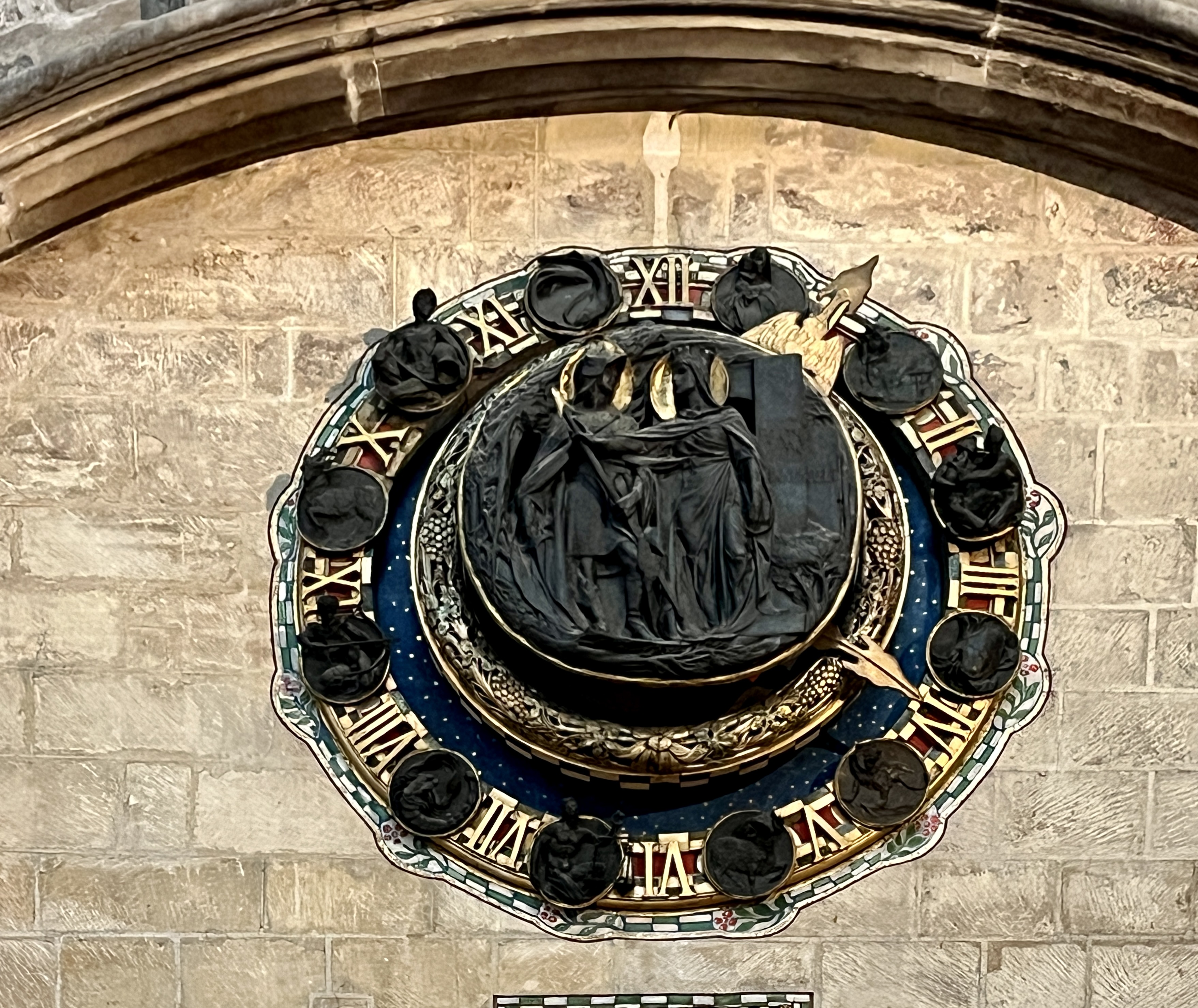
GREAT CLOCK . GLOUCESTER CATHEDRAL
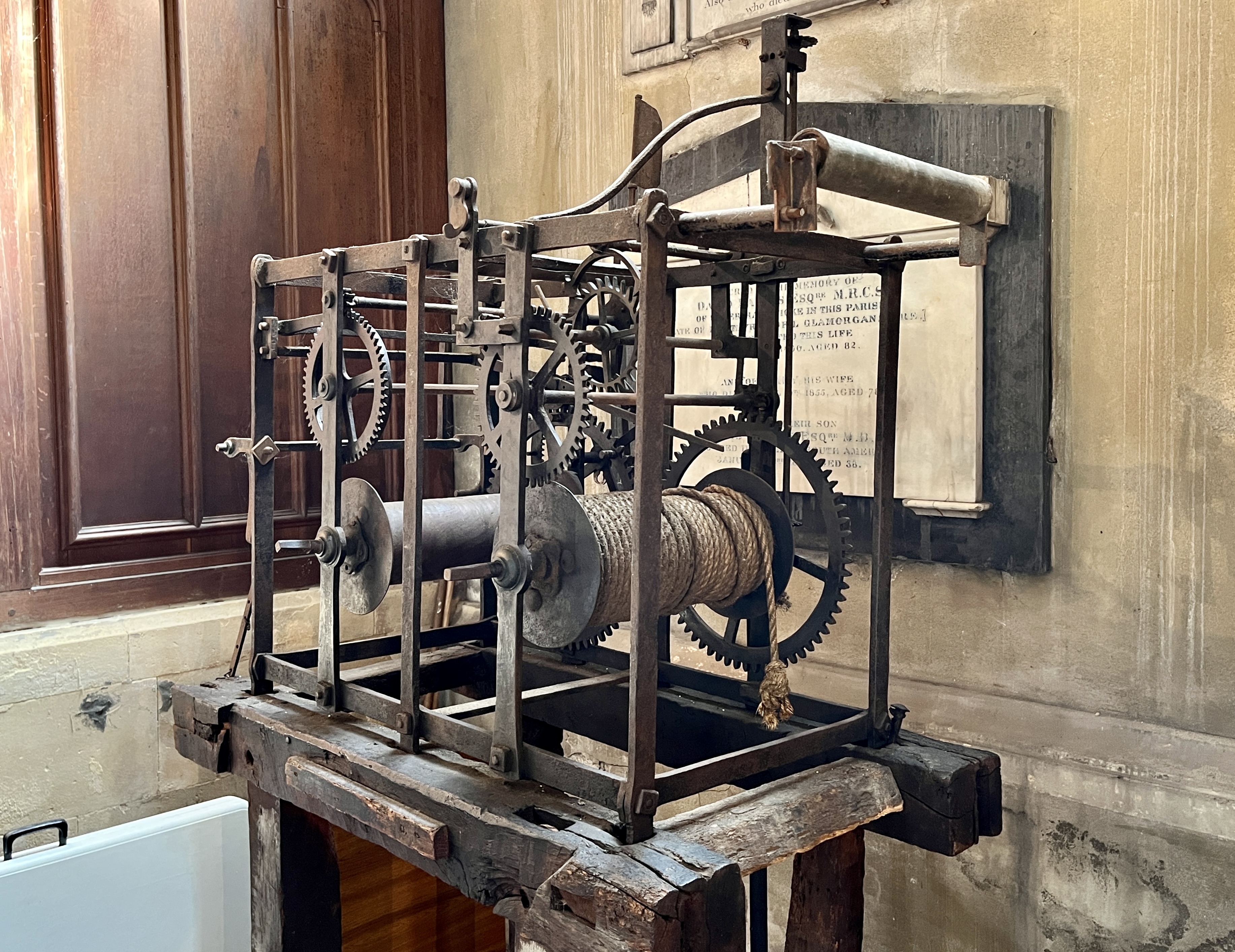
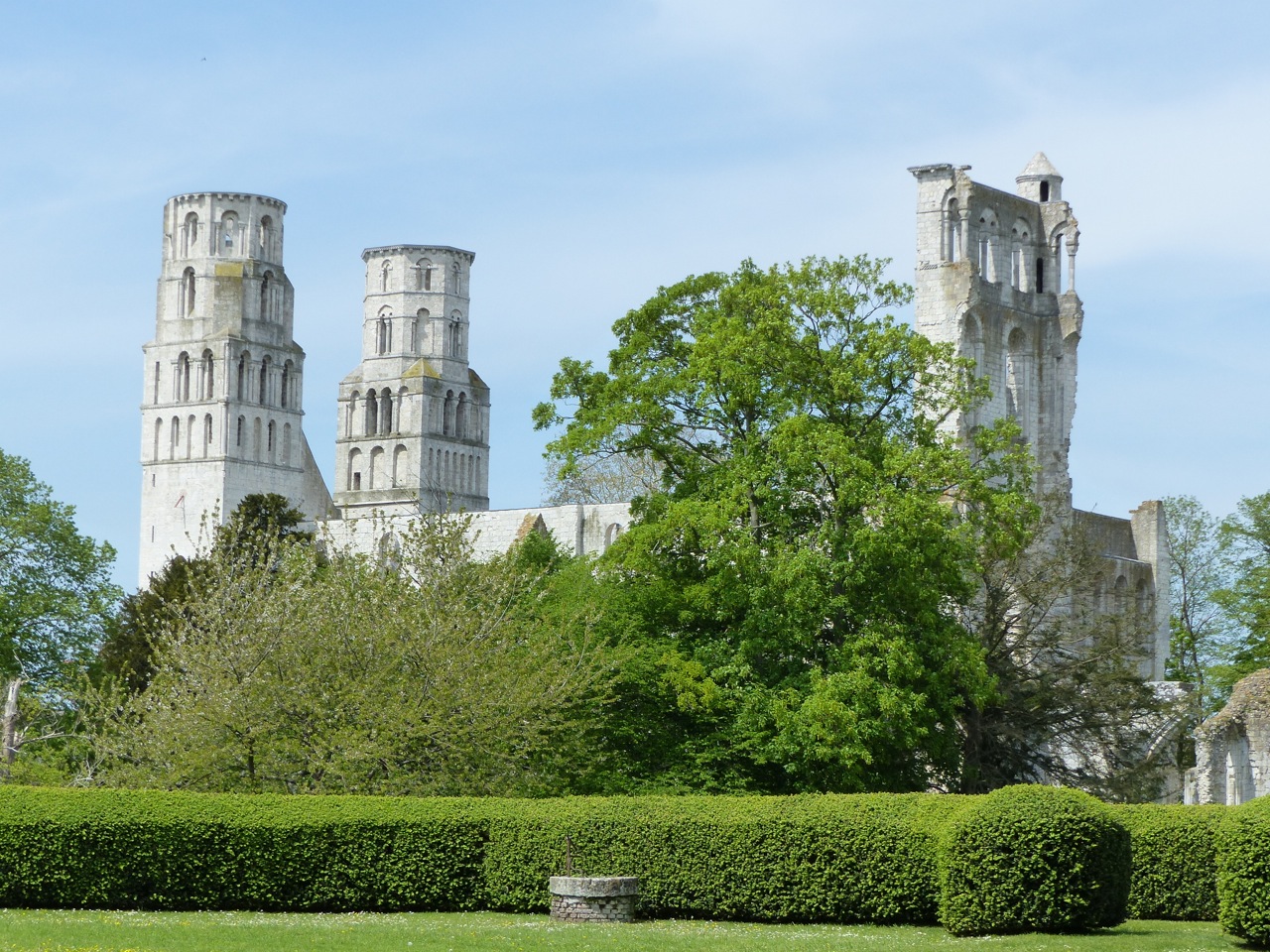
A picnic lunch at the Abbey of Jumièges, Normandy, has much to commend it – not least tranquility and a stunning view. As we sat enjoying the sunshine on our white bench, we both noticed something unusual on the nearest tower, something not mentioned in anything we had read about the Abbey. On the south wall below the 4 levels of arcaded towers you’ll see in the header image a small red item pointing down at 45º. A gnomon – and where there’s a gnomon, there’s a sundial (although the reverse is often not the case). So we went to investigate.
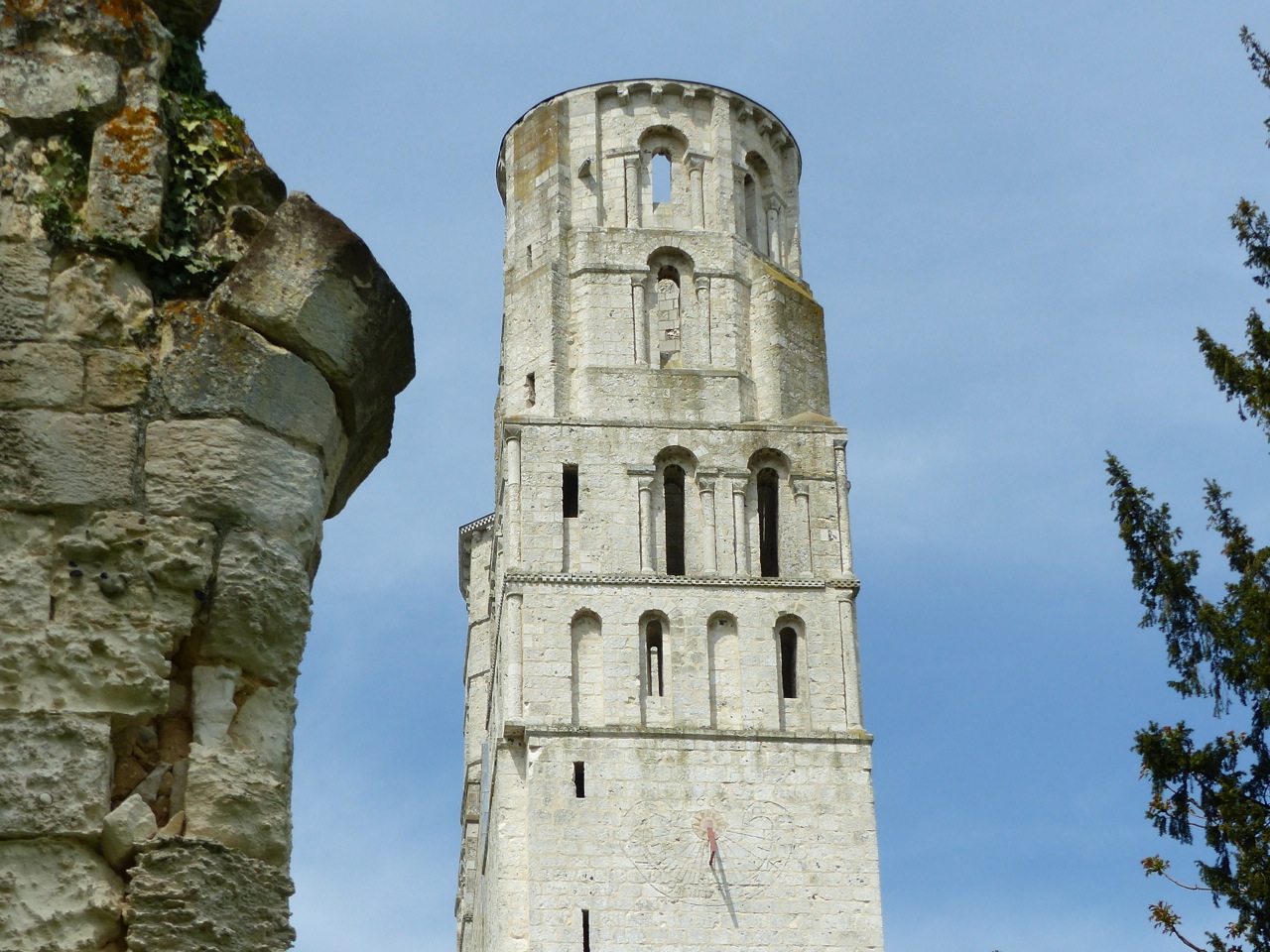
The Abbaye de Jumièges was a Benedictine monastery founded in 654AD. In the c9, the original abbey was burned down by Vikings, then rebuilt. A new and larger Abbey was consecrated in 1067, and it was further enlarged in the c13. Restoration work was carried out in the late c16. Subsequently, a vast sundial dated 1660 was crudely carved in the south face of the tower.
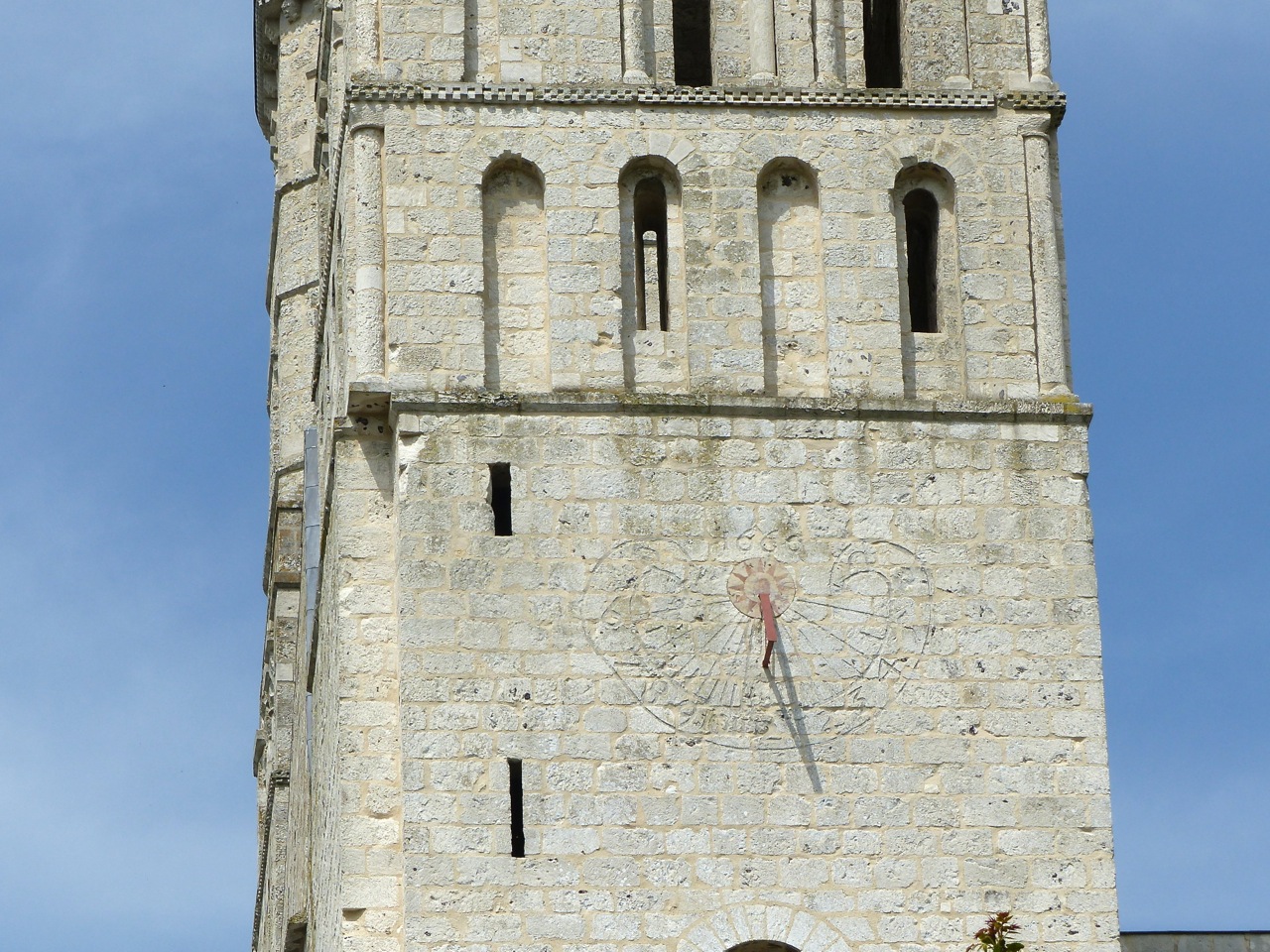
The primitive design and execution of the sundial is rather at odds with the architectural precision of the stonework and the daring of the conceit of building a hexagonal tower on two square ones, and topping it off with a circular tower… just because they could. The rustic sundial has more in common with the medieval Mass or Scratch sundials on churches, primitive devices that originally evolved simply to indicate the time of the next Mass, with the Priest moving a stick into the appropriate hole on the wall to mark the forthcoming canonical hour. From being an ‘event marker’, the addition of a gnomon and roughly scratched numerals placed higher on a church wall would later provide a community with a way to mark the hours – at least when the sun shone.
A rough medieval scratch dial above a church door near Epernay (sans gnomon)
Longburton Church, Dorset: a more sophisticated scratch dial high on the Ham stone south wall – ?c16
Returning to Jumièges, here is a closer look at the sundial, with embellishments that seem to have been carved freehand and endearingly ineptly for such a splendid and august building. Yet the time markers have clearly been carved with precision. My only negative comment on this exuberant and enjoyable timepiece is the modern gnomon that looks completely out of place to me. Maybe it’s the colour that’s the problem. Or the flat utilitarian blade of metal. Anyway, without glimpsing it from our picnic spot we would never have seen that side of the tower, and we would have missed an unusual treat.


All images: RH
LEVENS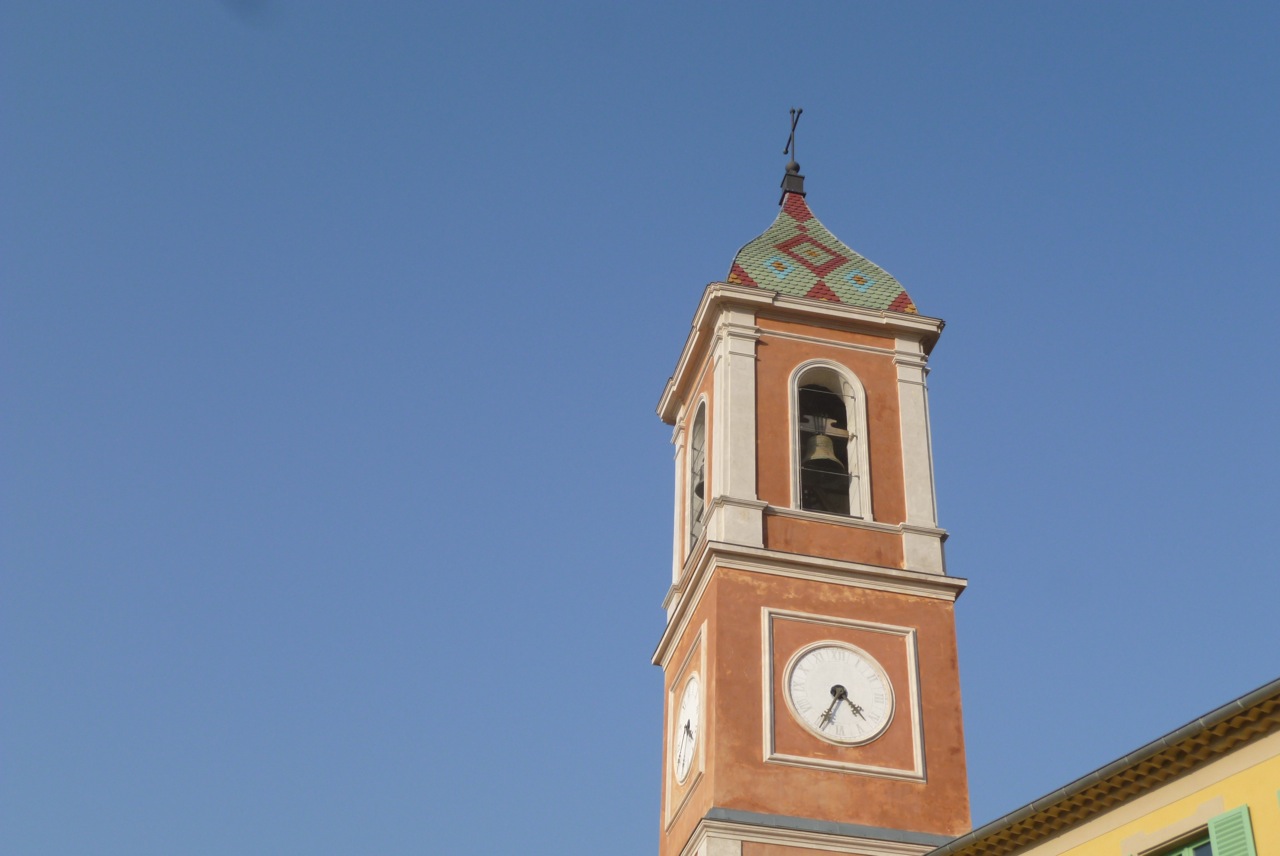

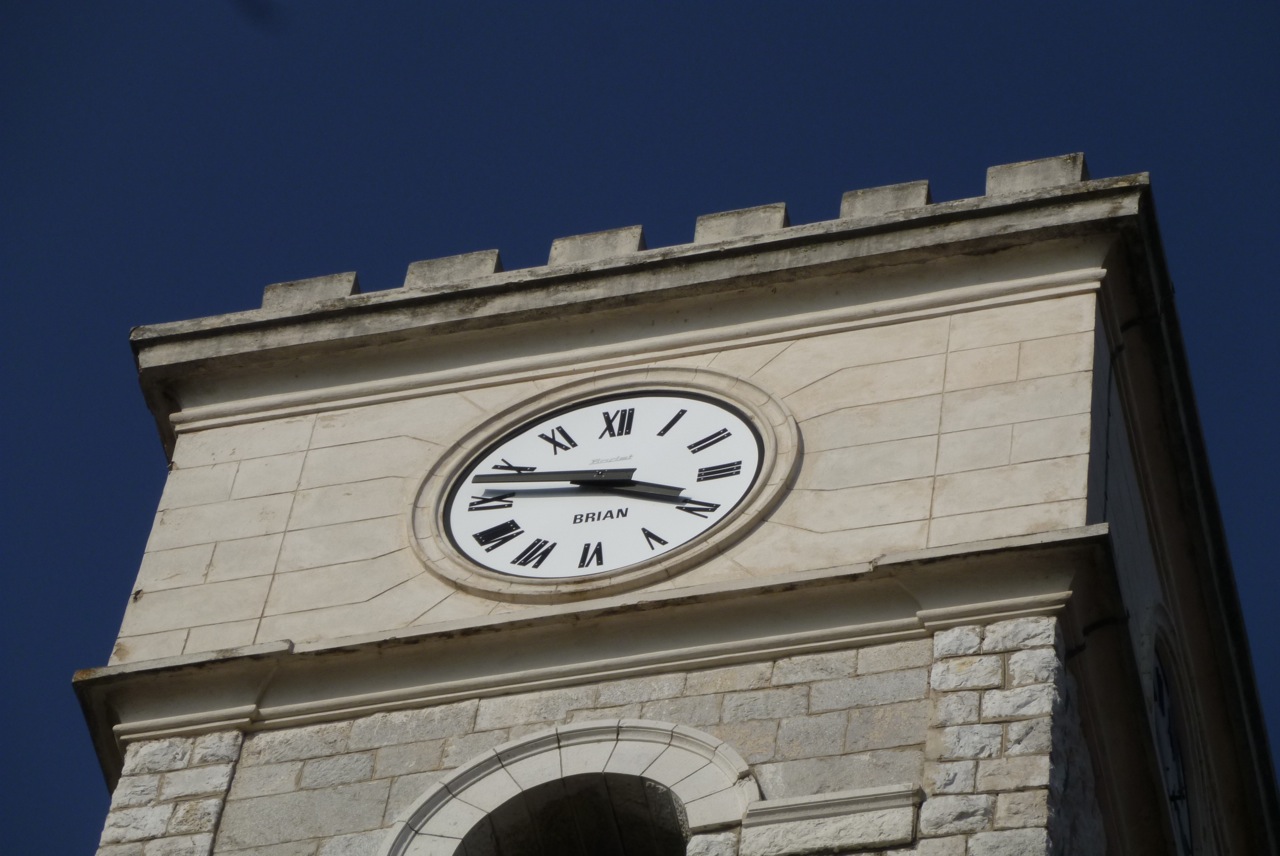
TOURETTE LEVENS A CLOCK NAMED BRIAN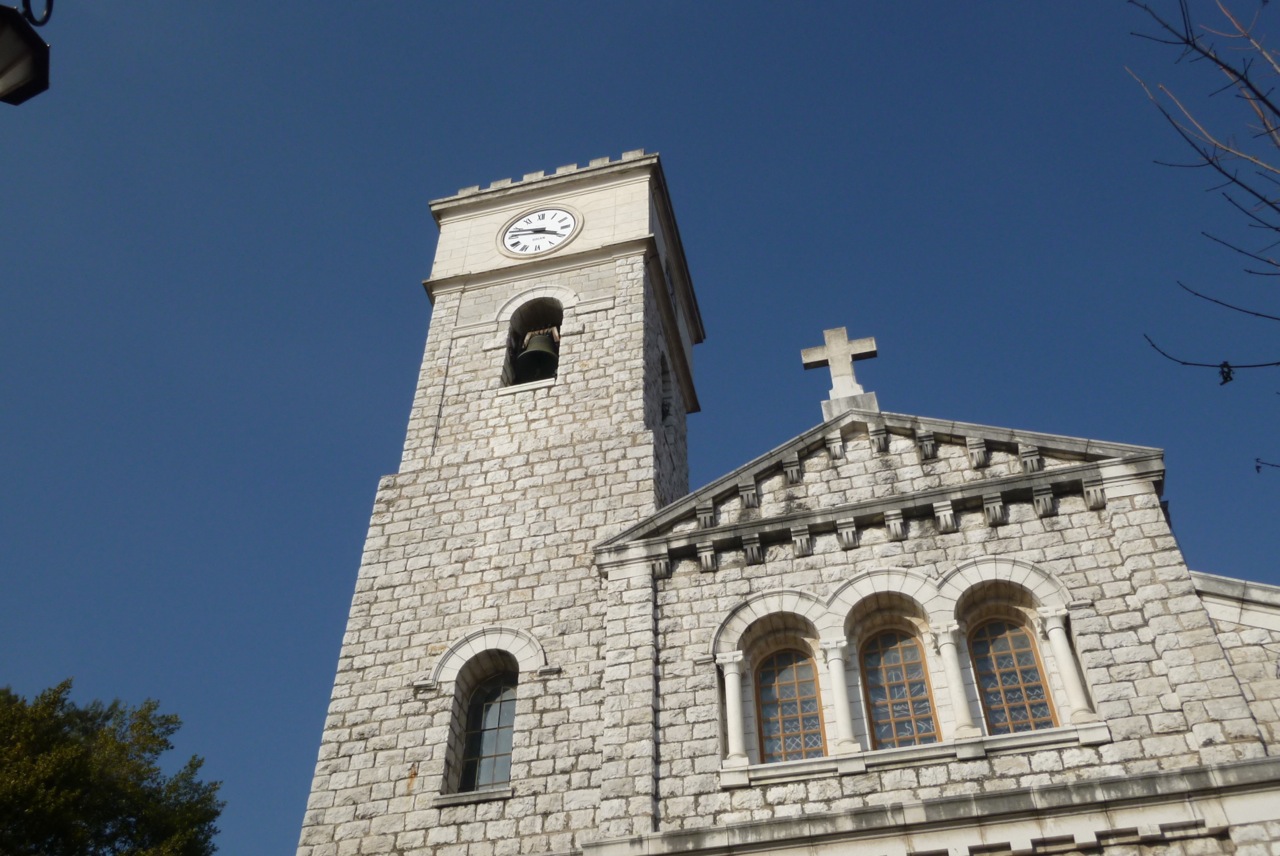
CHATEAUNEUF VILLEVIELLE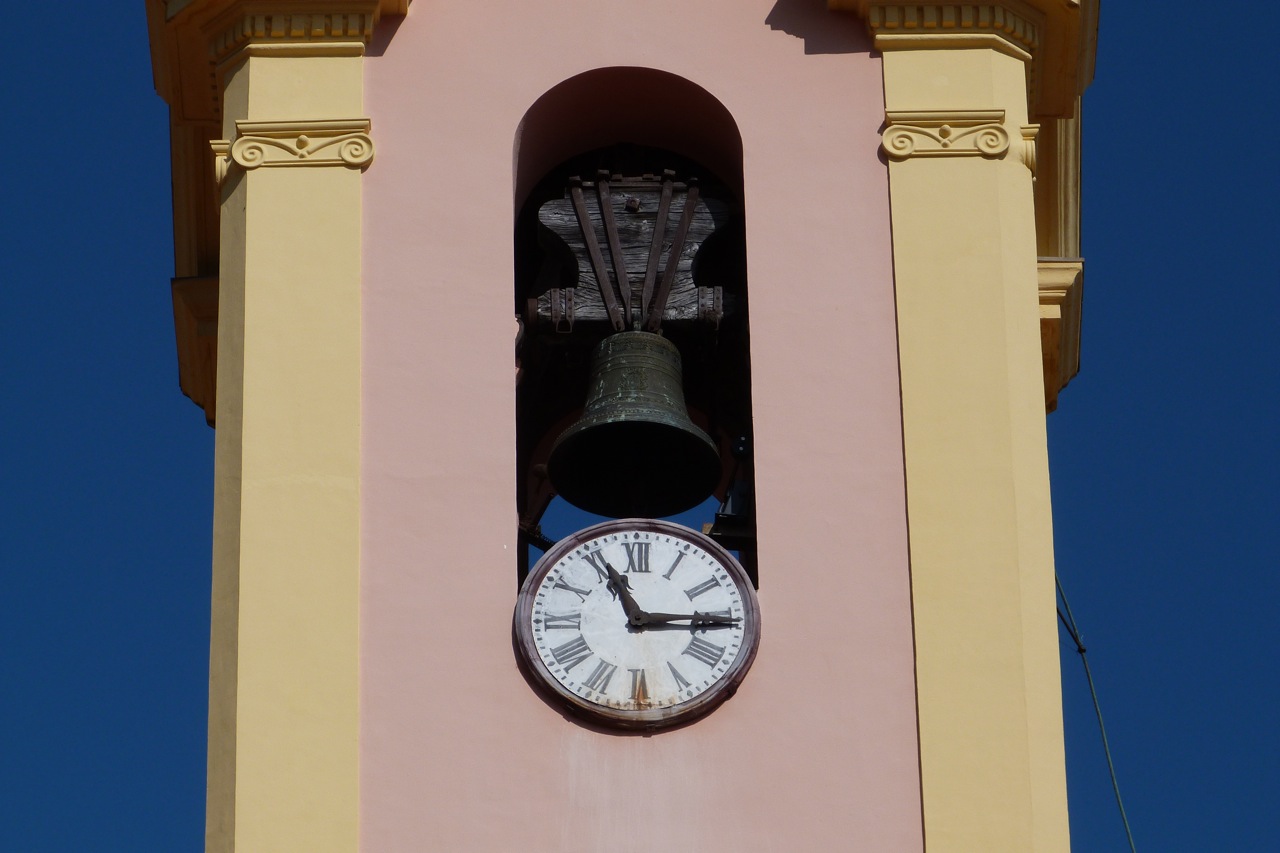
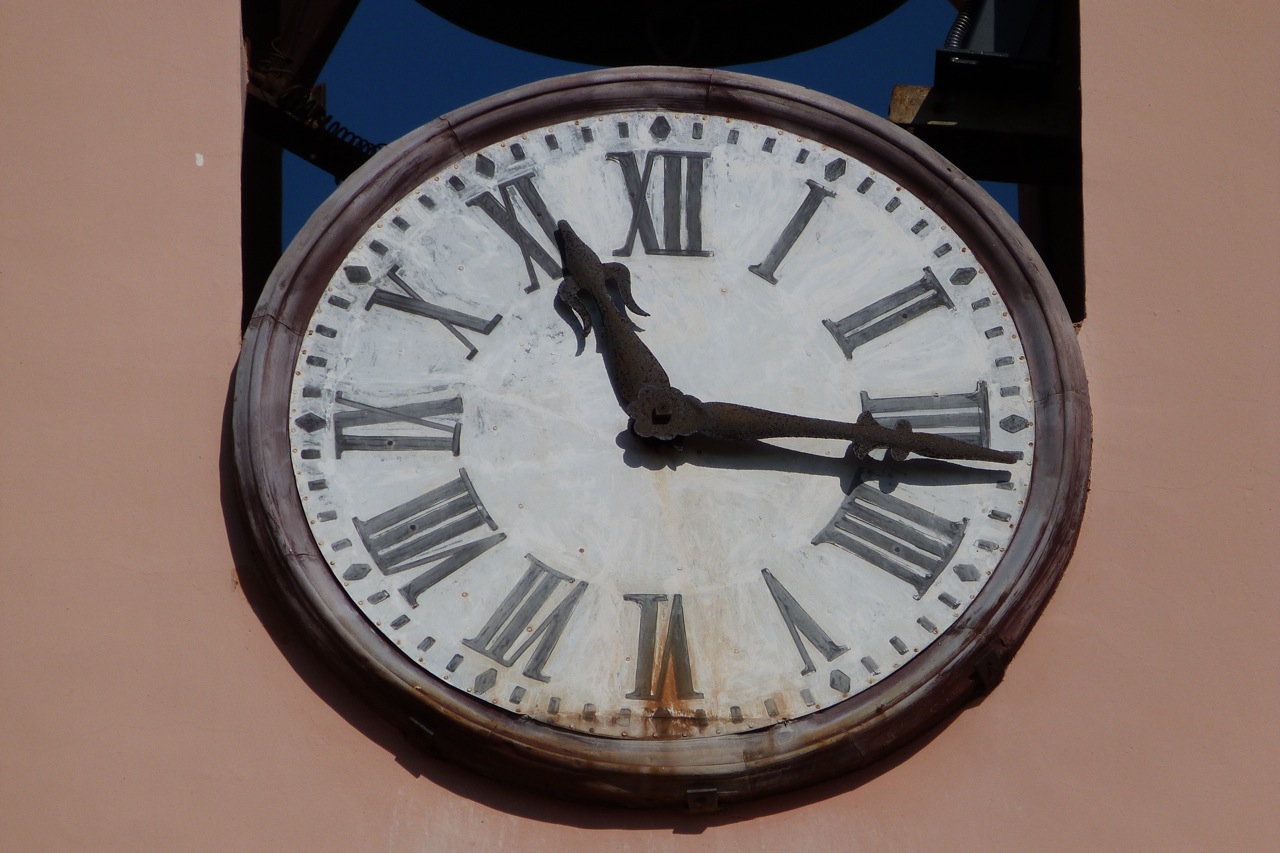
COARAZE
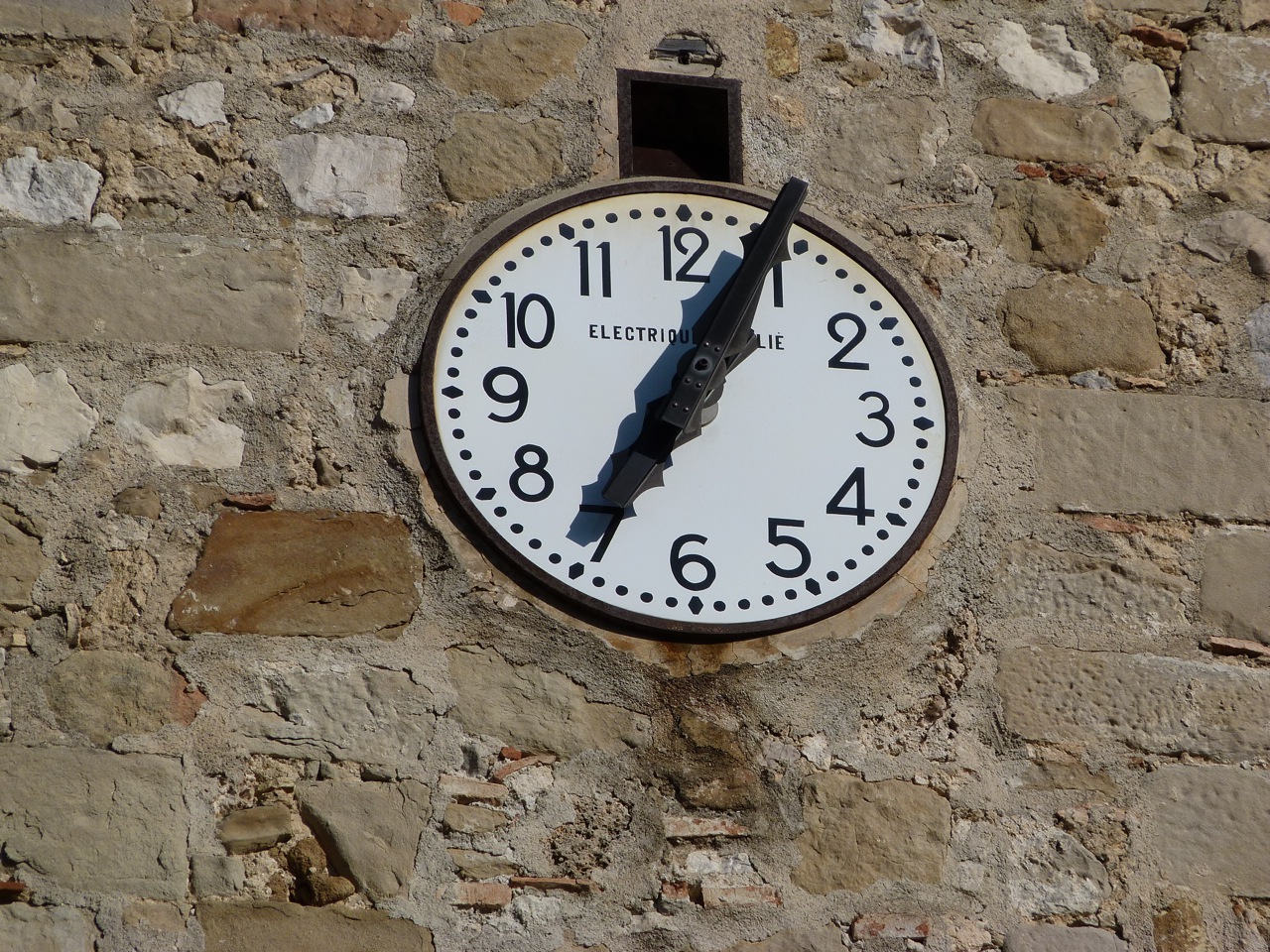
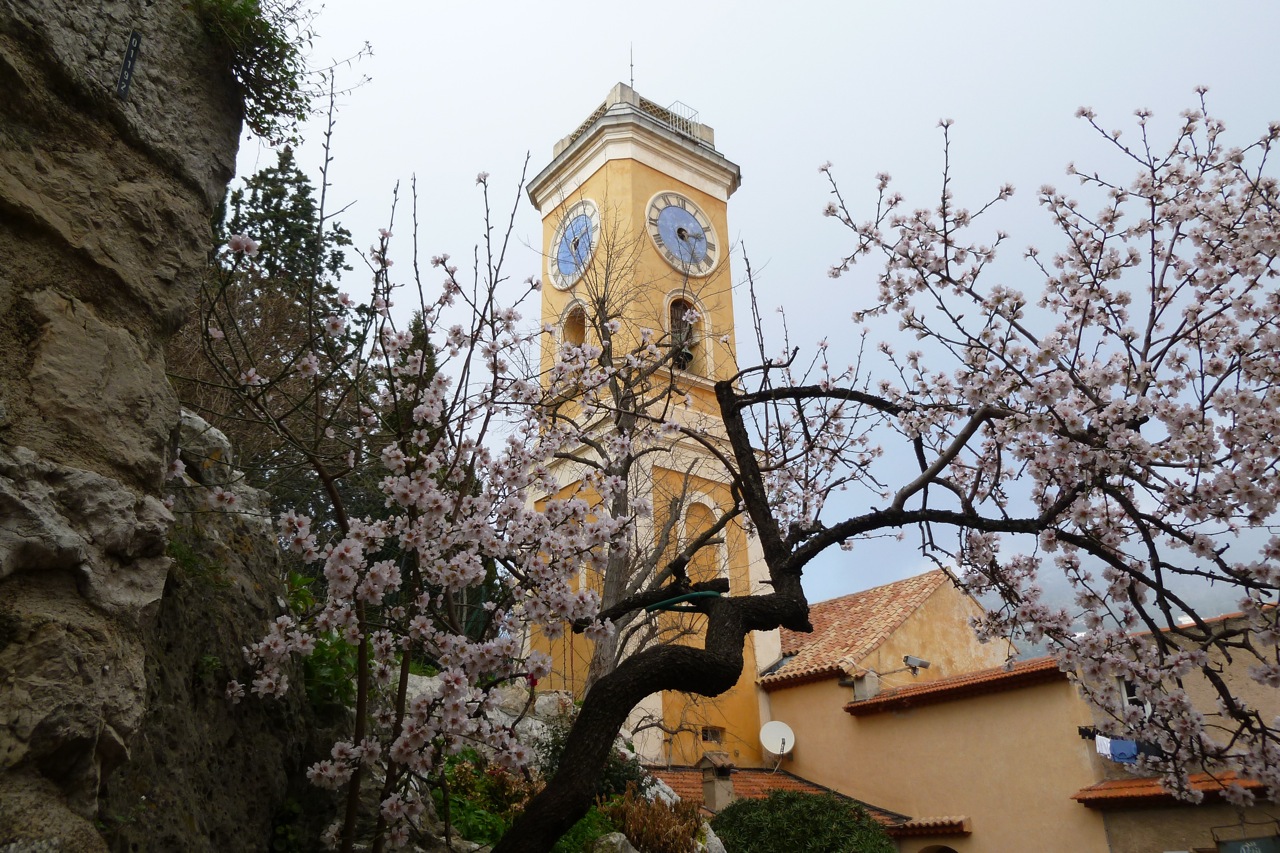
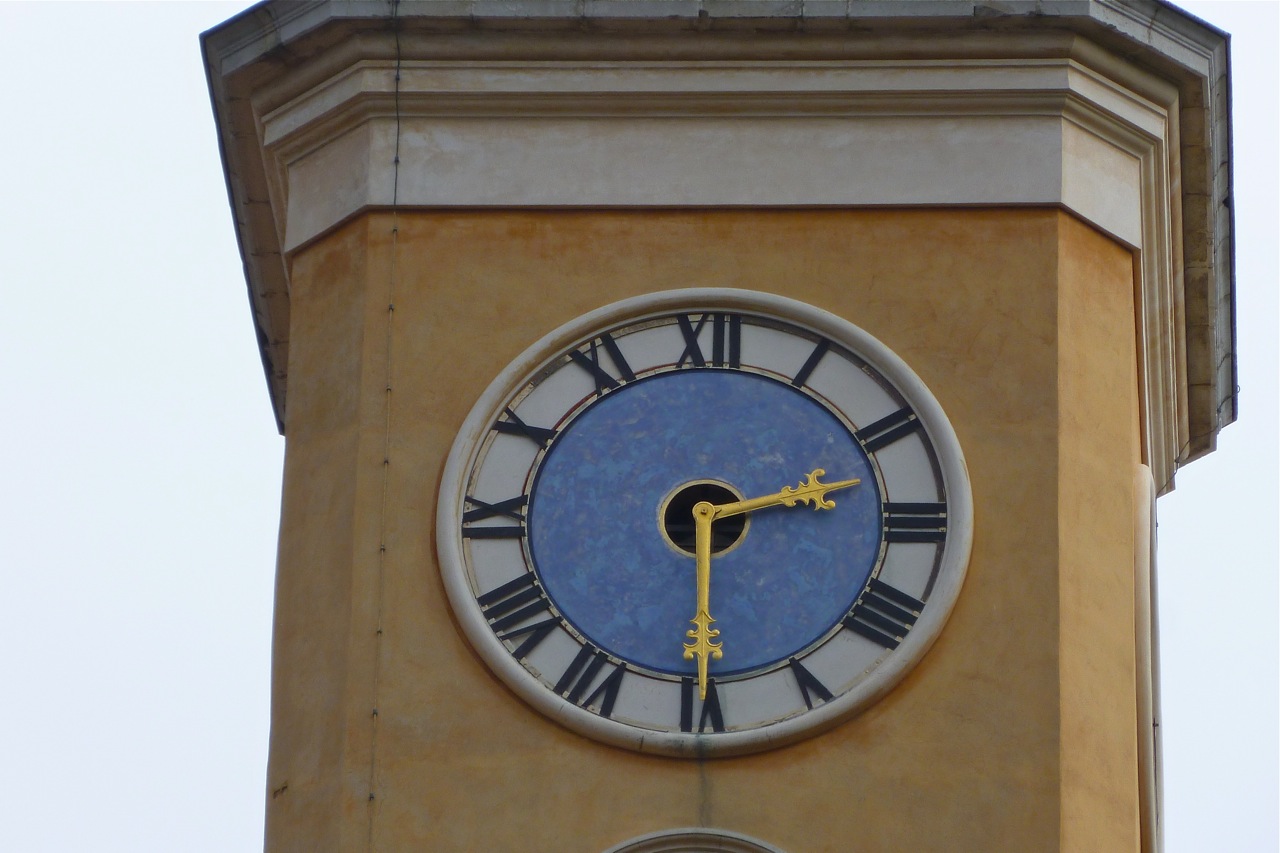
EZE SUR MER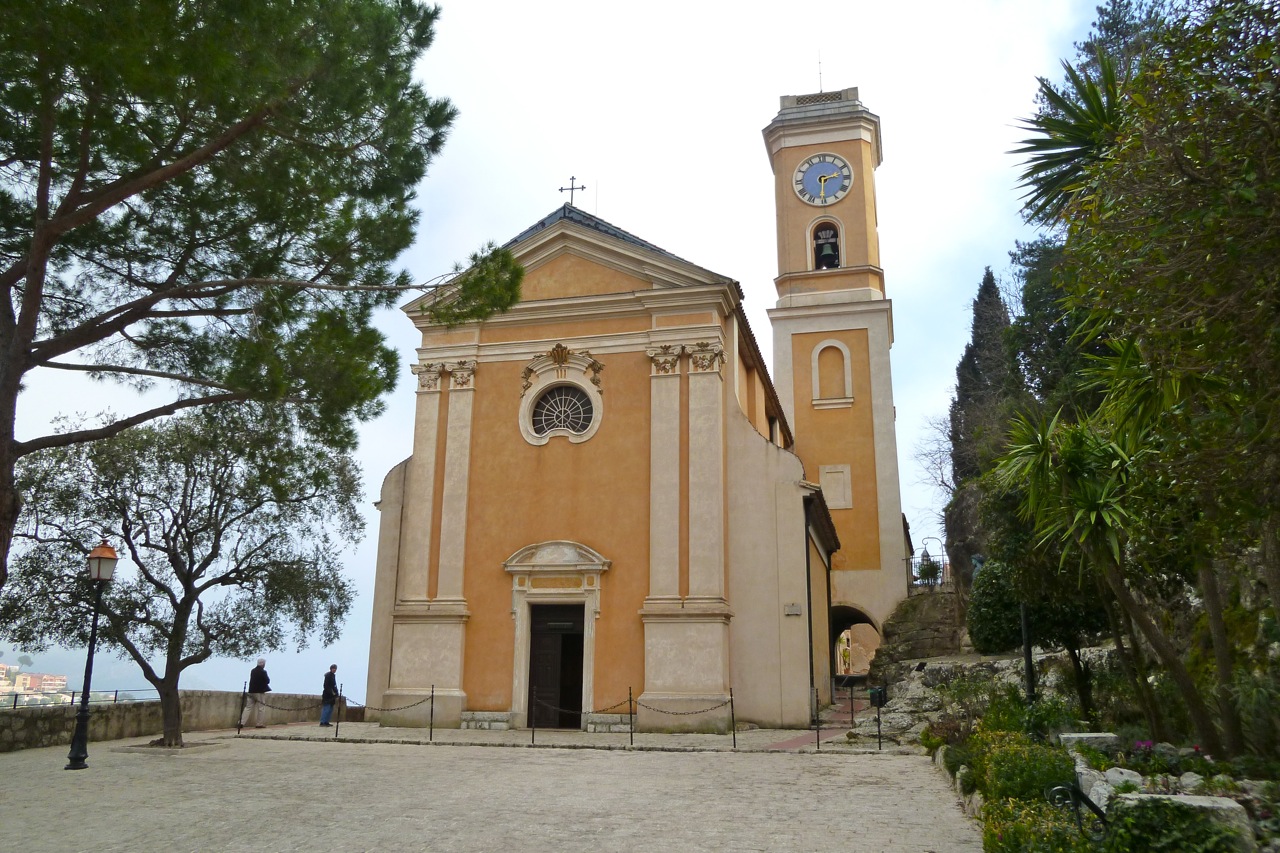
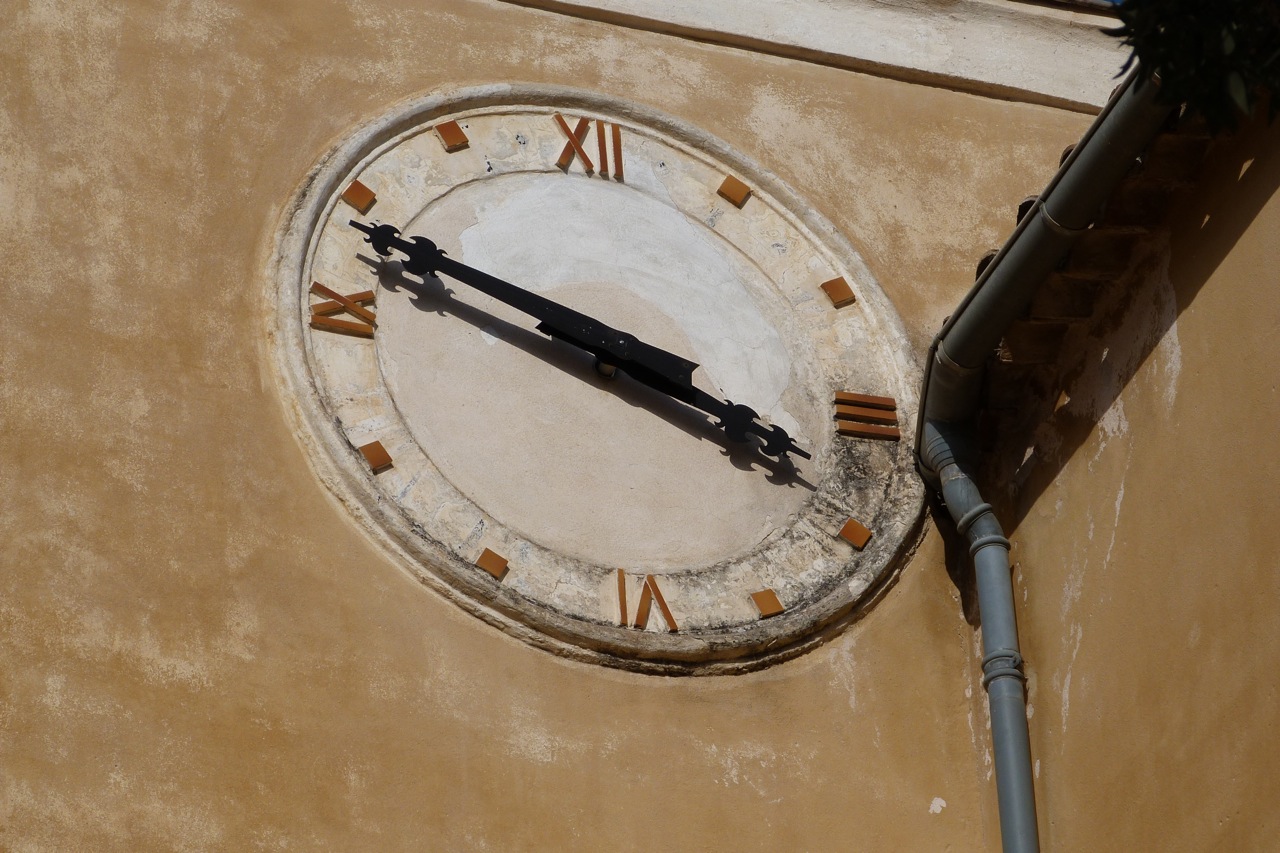
PEILLON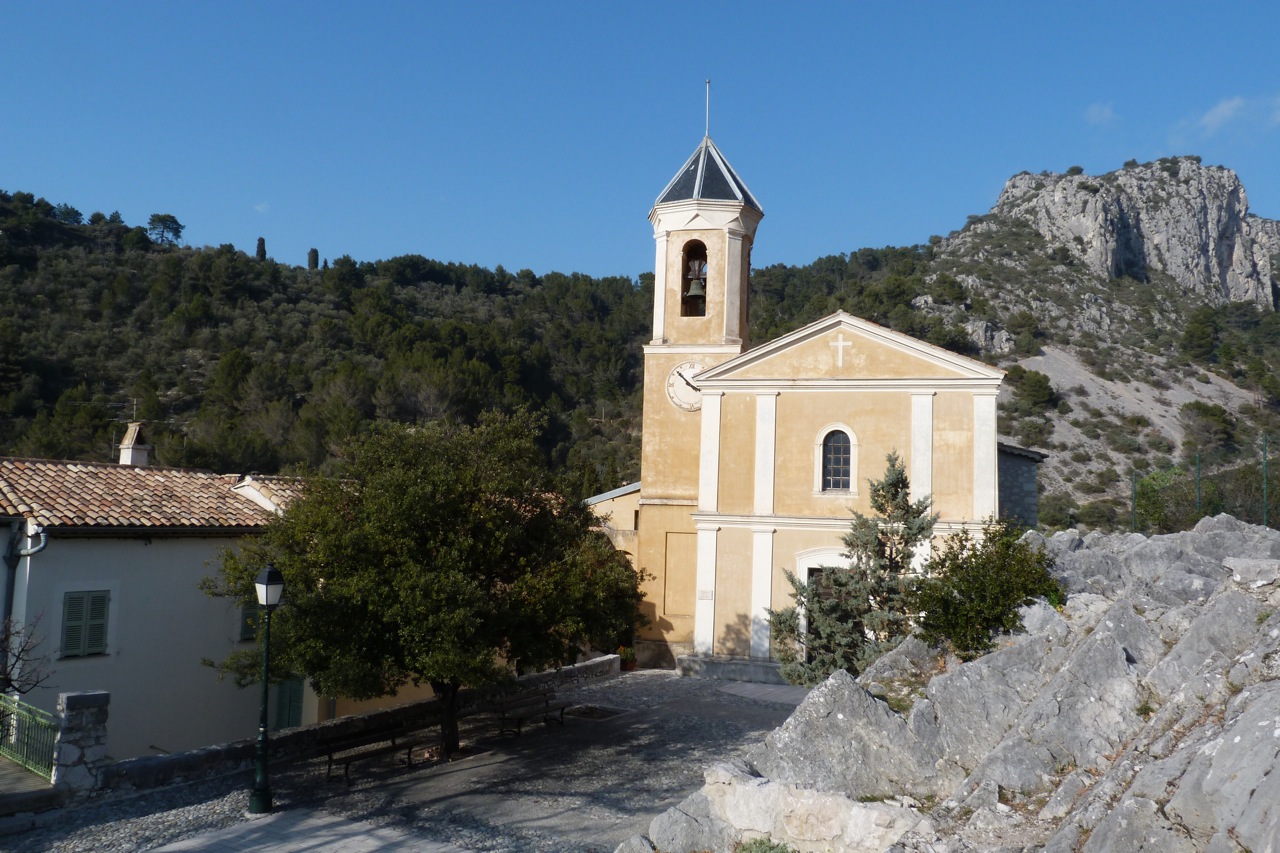


HAMPTON COURT PALACE – THE LESS ELABORATE CLOCK IN BASE COURT 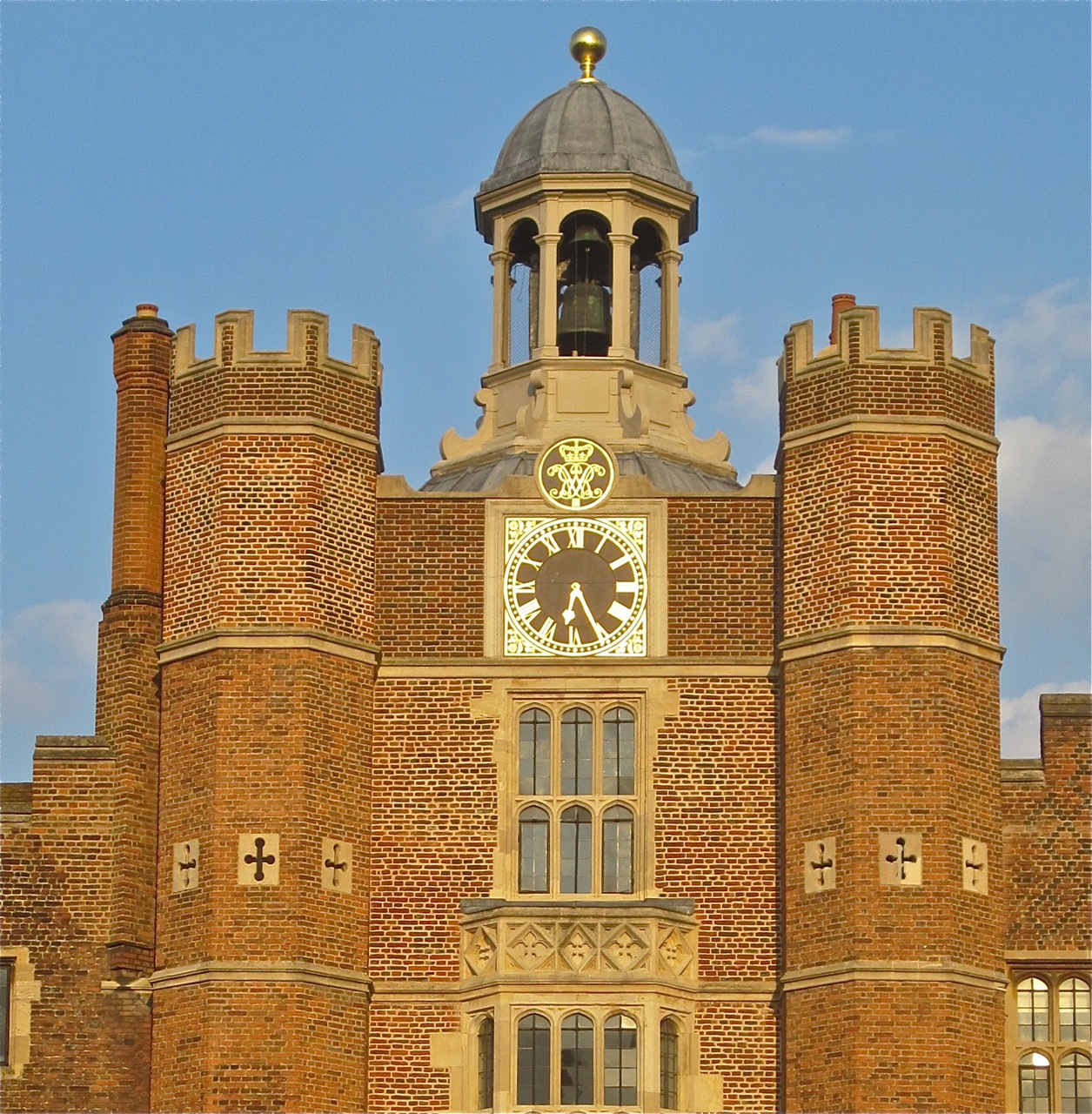
TRINITY COLLEGE, CAMBRIDGE
GREAT COURT CLOCK
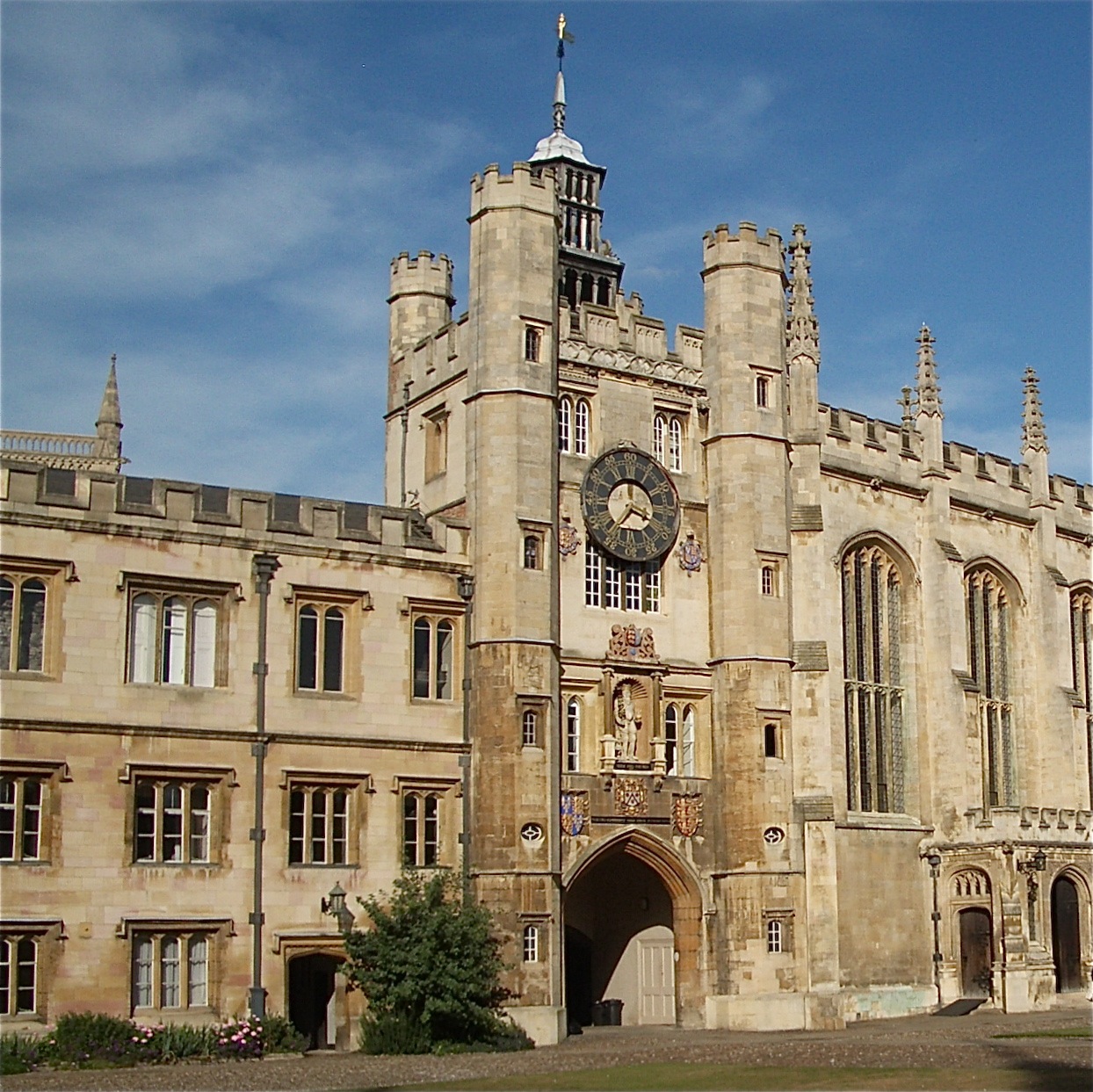

The Trinity Clock has a Denison Double Three-legged Gravity Escapement and was installed in 1910.
This is the timepiece that governed my life for 3 formative years…
To find out more, and to see photos of the complicated-looking works
Small image credit © Trinity College
1. SHERBORNE ABBEY DORSET
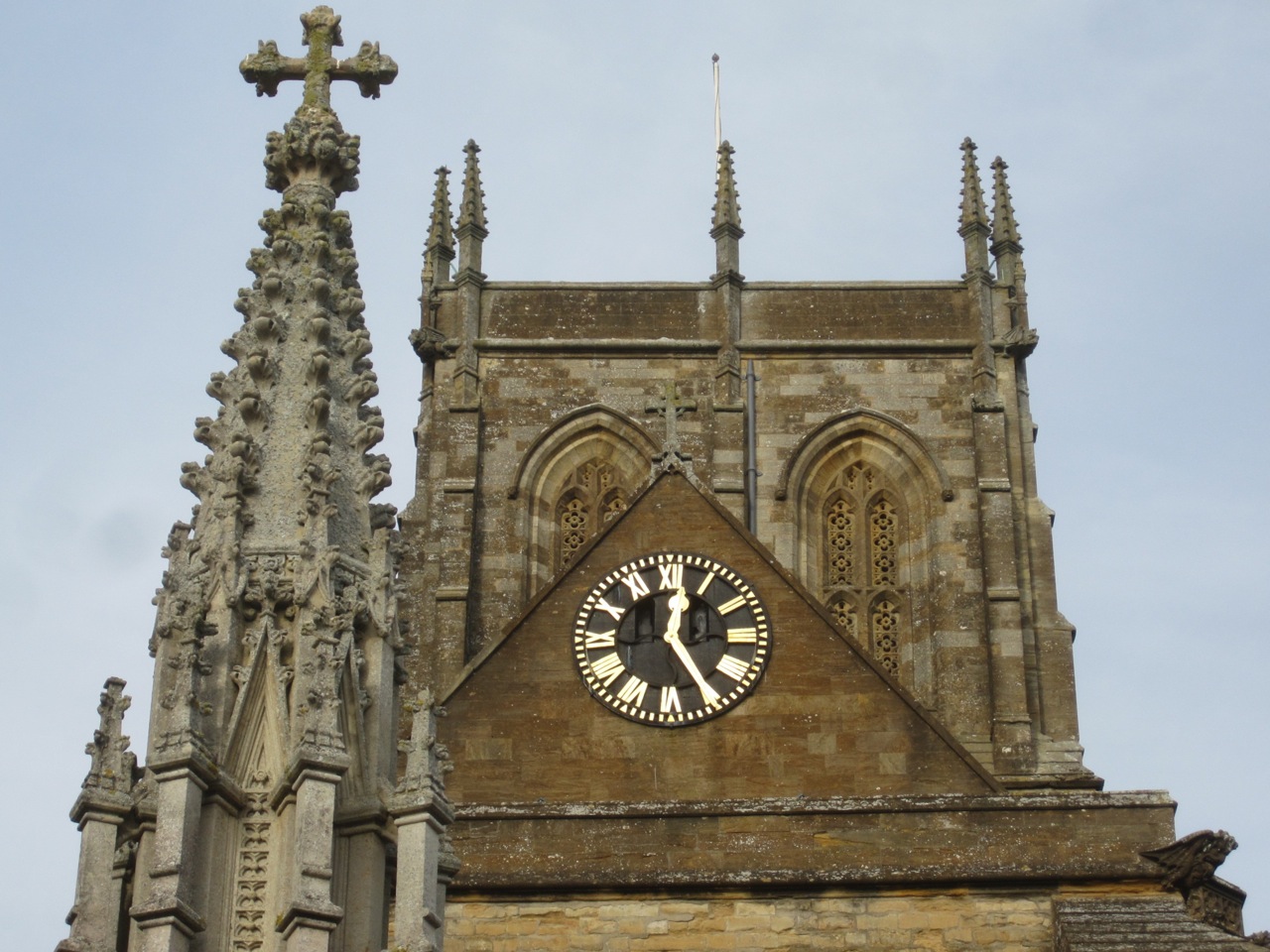
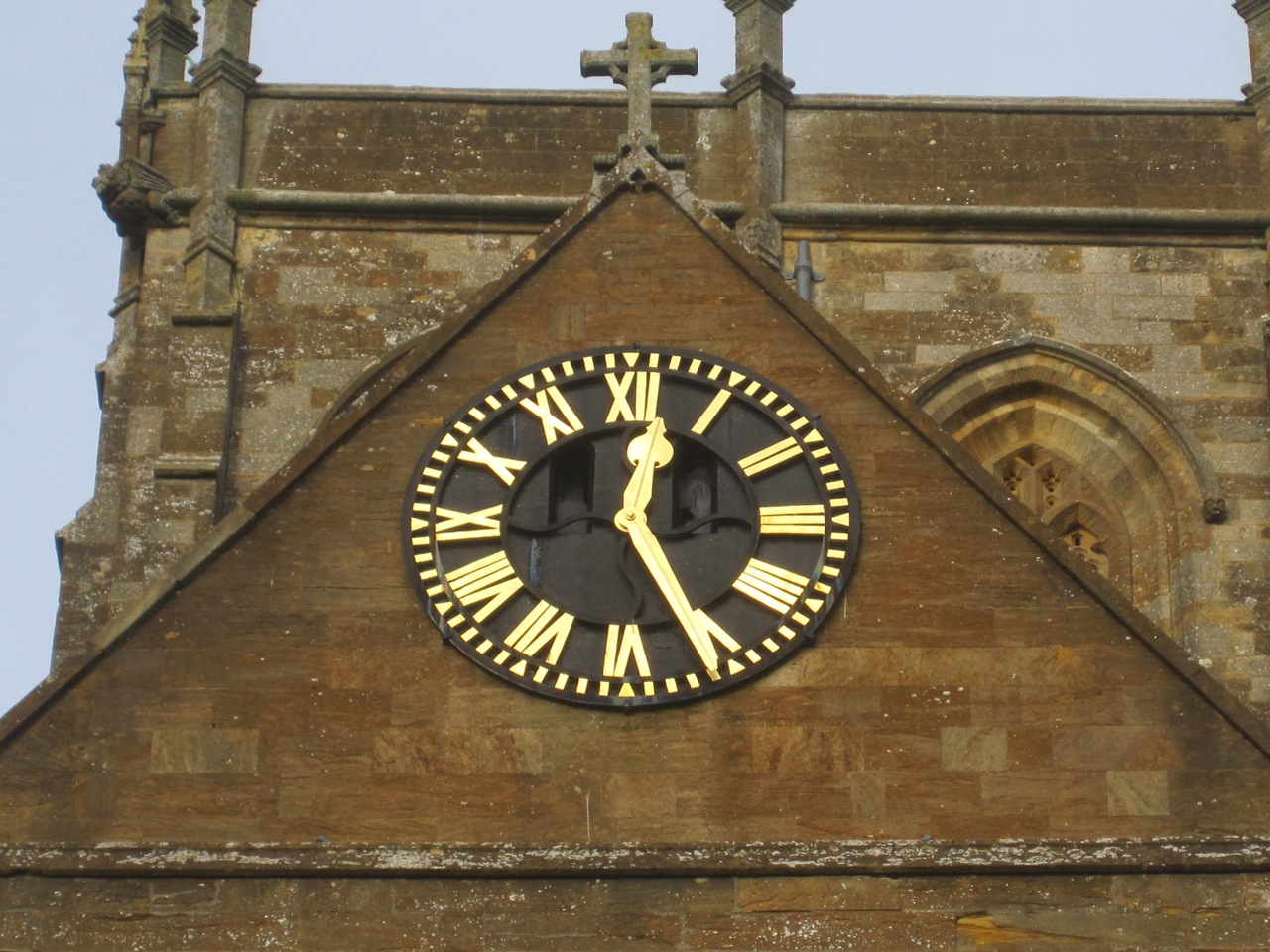
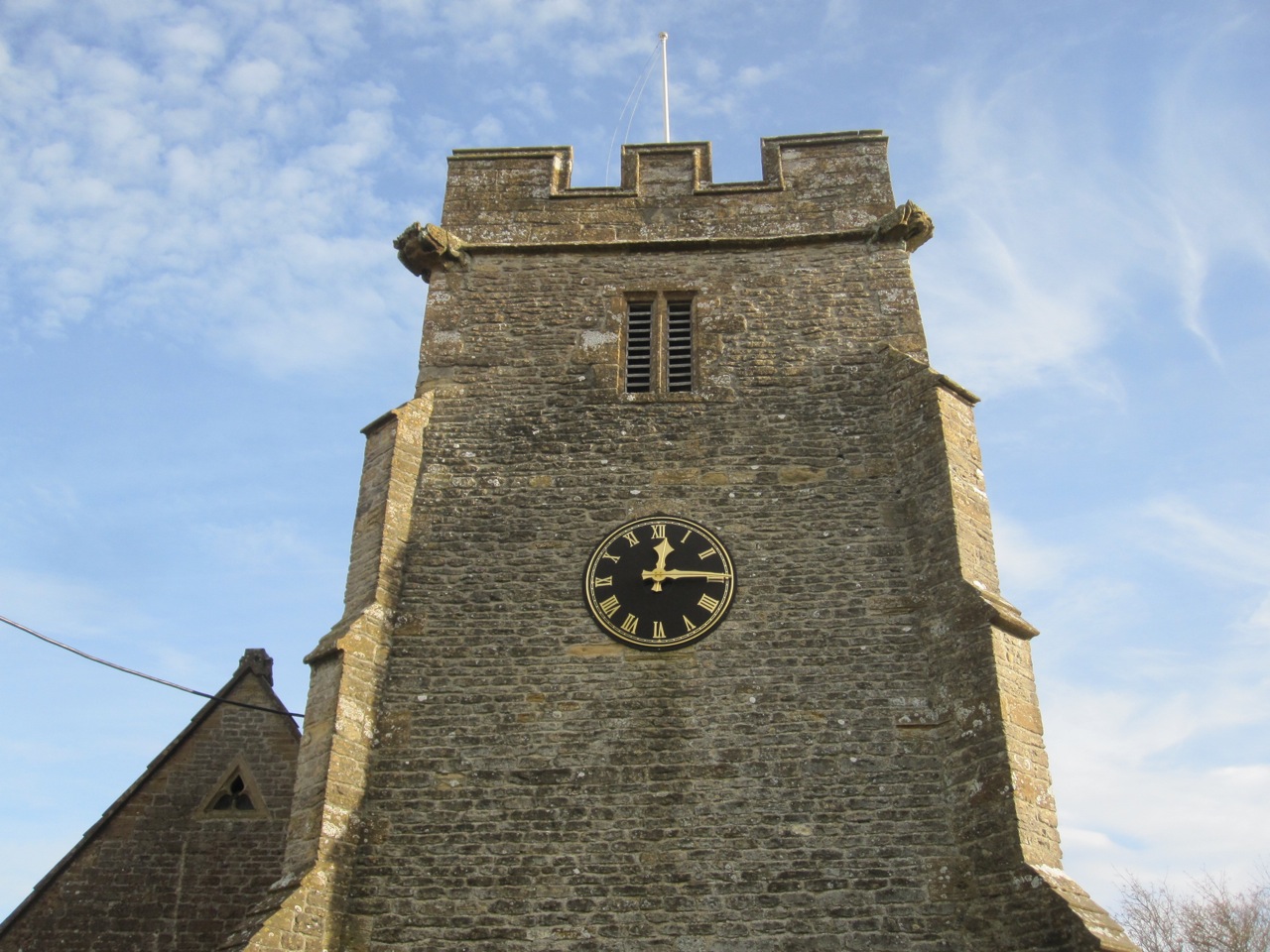
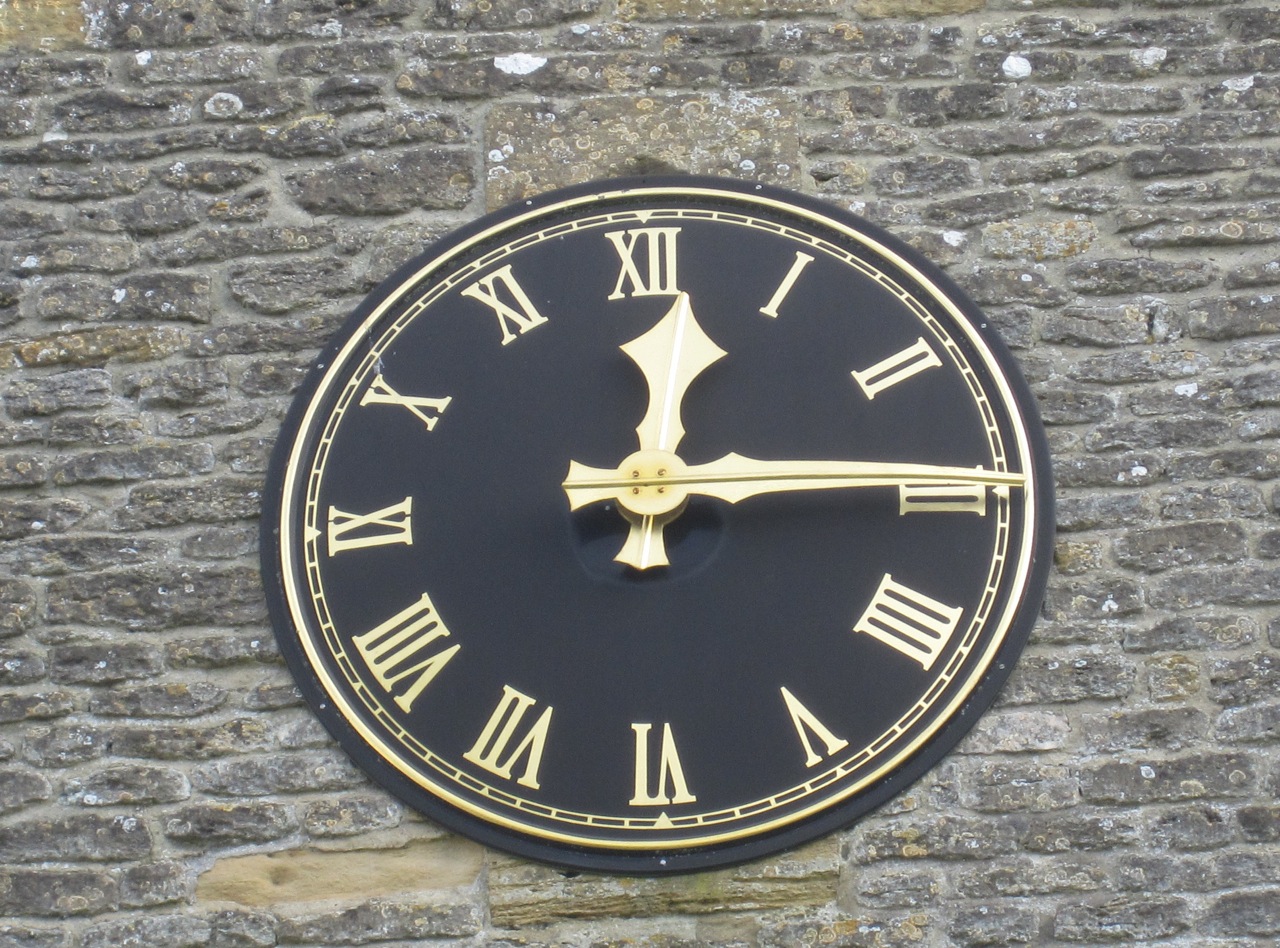
2. LONGBURTON CHURCH DORSET – ST JAMES THE GREAT
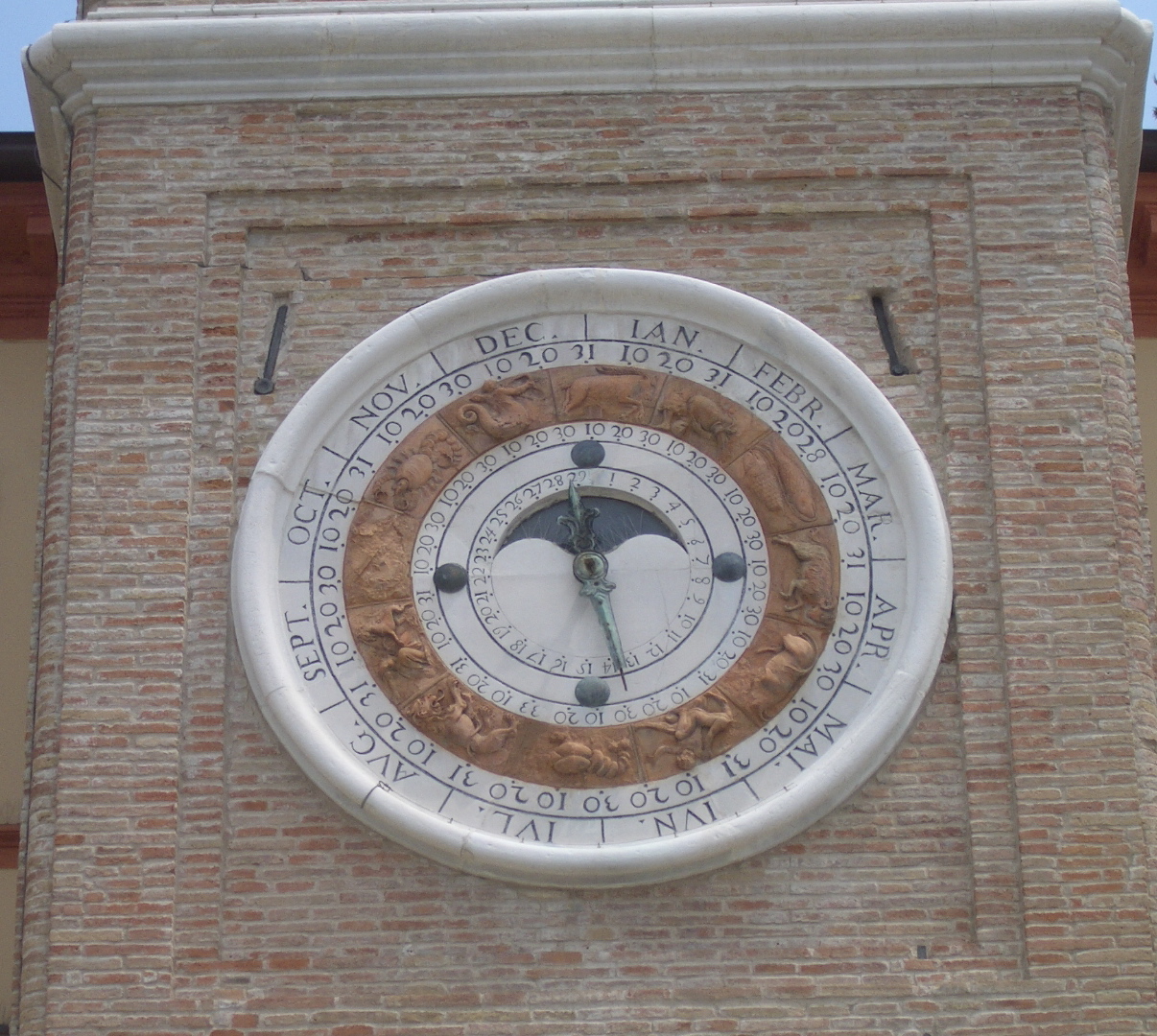
RIMINI – TORRE OROLOGICO, PIAZZA TRE MARTIRI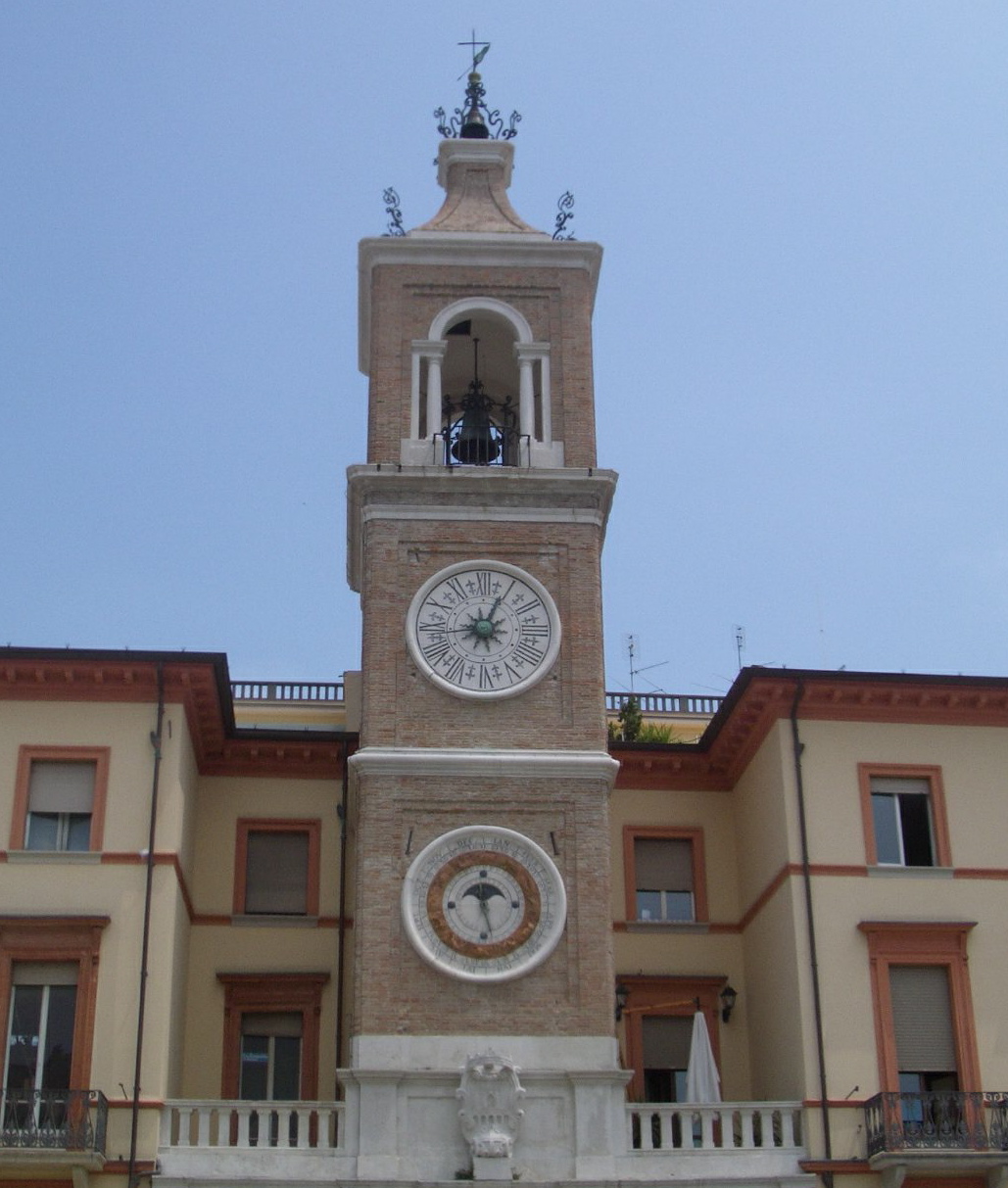
PRATO – CATTEDRALE DI SANTO STEFANO Sunlight clearly showing the change of numbering

PRATO CATHEDRAL – THE INTERIOR CLOCK IN A CORRESPONDING POSITION
PRATO – PALAZZO PRETORIO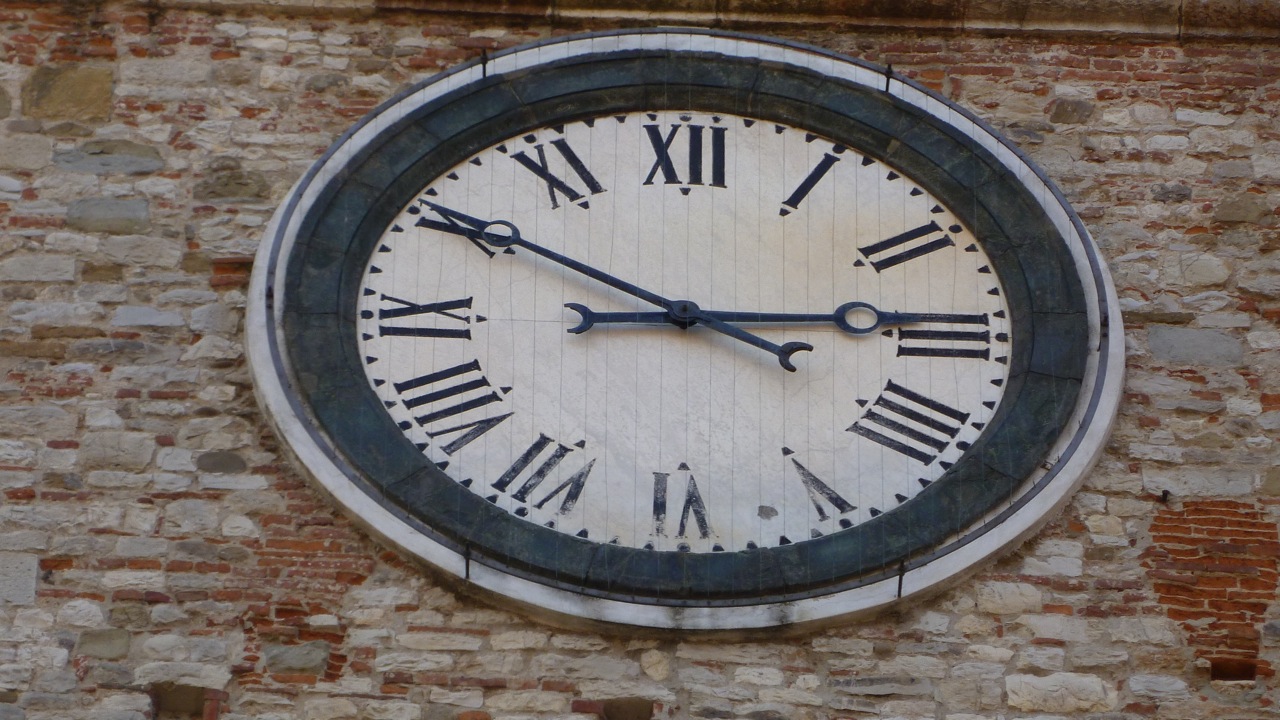
PALAZZUOLO SUL SENIO, MUGELLO – CHIESA DI SANTO STEFANO Impossible to date this ancient-looking clock. The church has had several restorations, the latest after WWII 
SANT’AGATA, MUGELLO
SCARPERIA, MUGELLO – PALAZZO DEI VICARI
This image: Tourist Info 
BRISIGHELLA, EMILIA ROMAGNA – A REMARKABLE TOWER ON A PROMONTORY Taken in the days when a 2mb digital camera was quite something. But not enough for a good quality distance shot…
AMSTERDAM – OUDE KERK 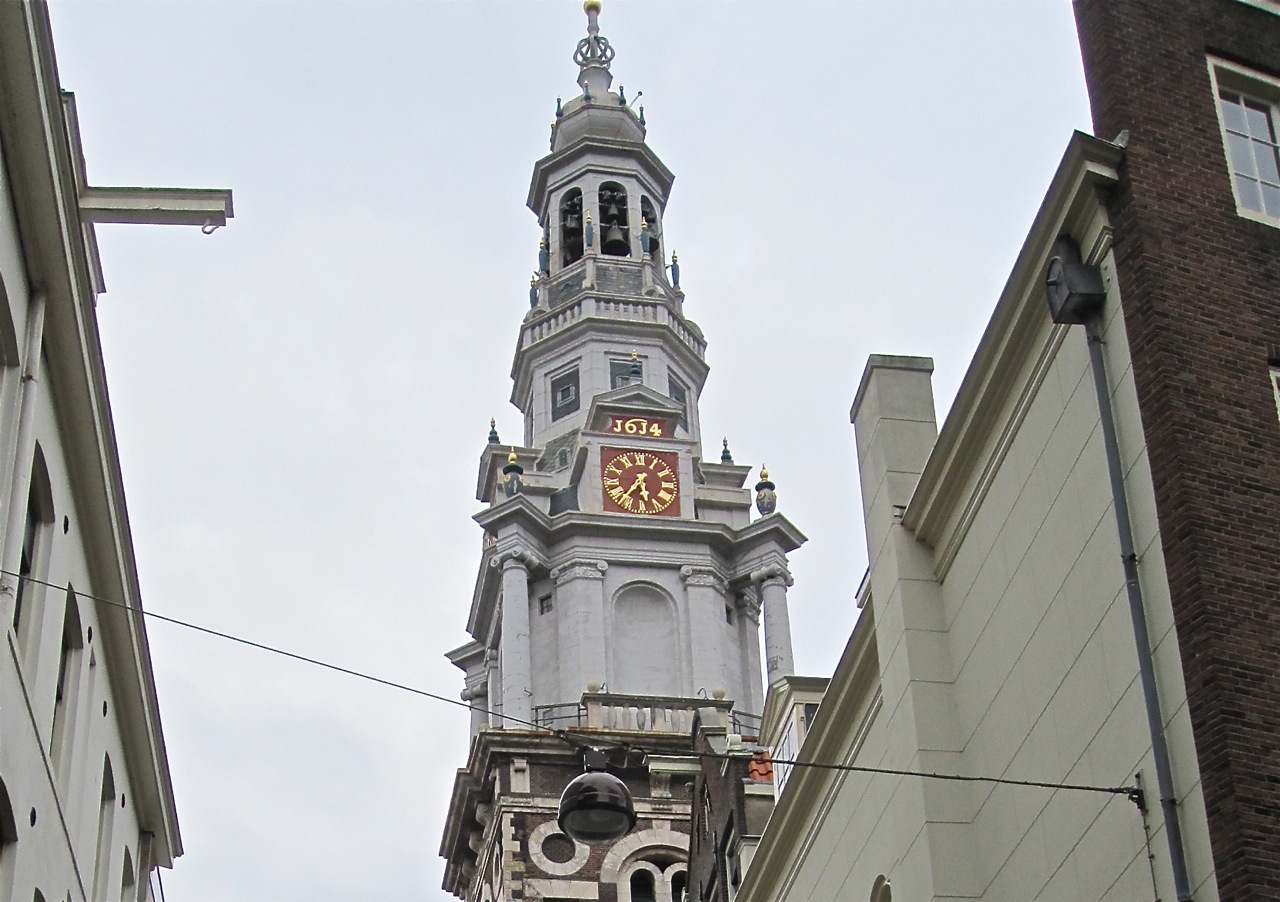
 ROLLING HARBOUR GALLERY