A STACK OF CHIMNEYS AT OXBURGH HALL, NORFOLK


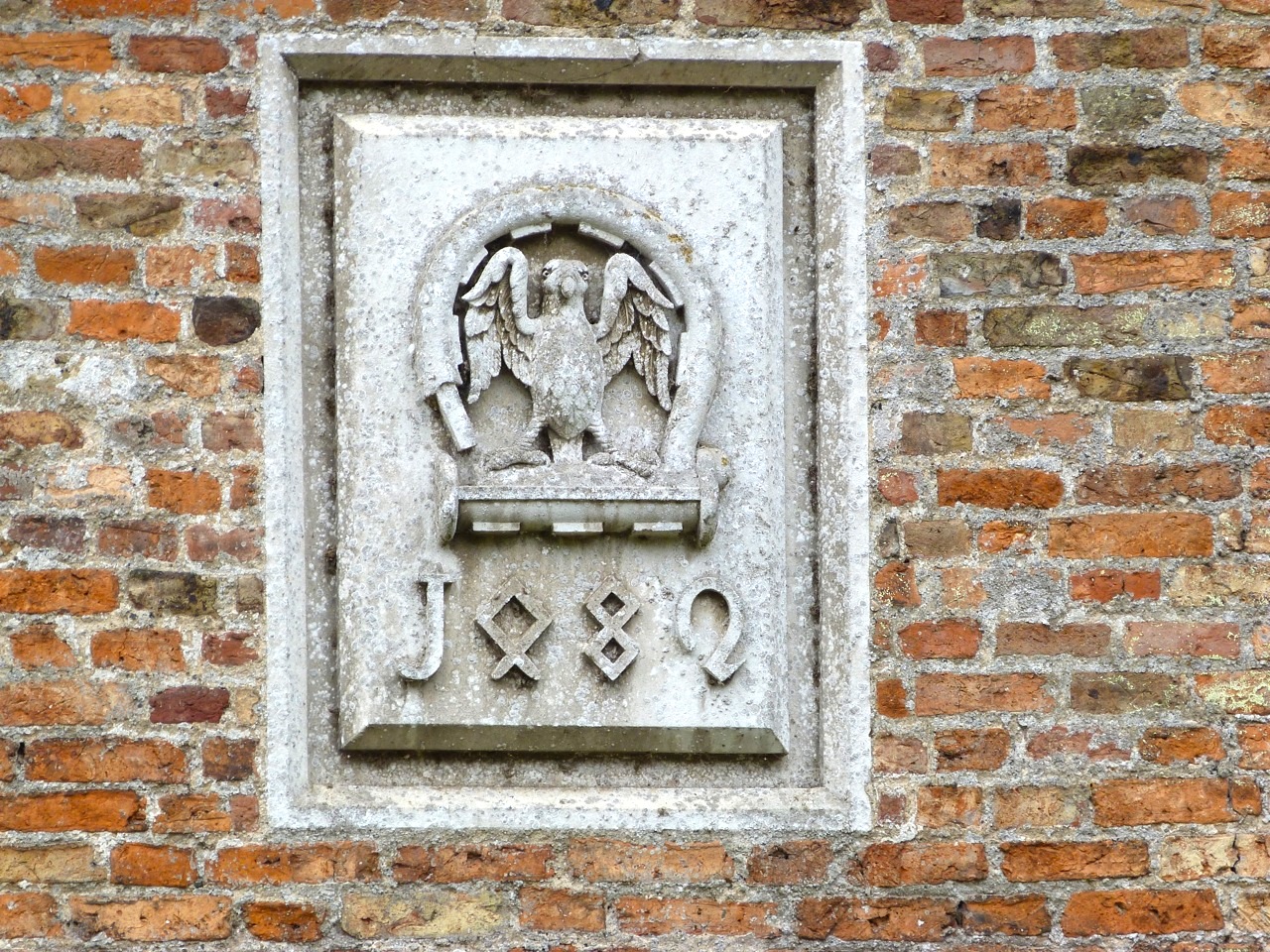
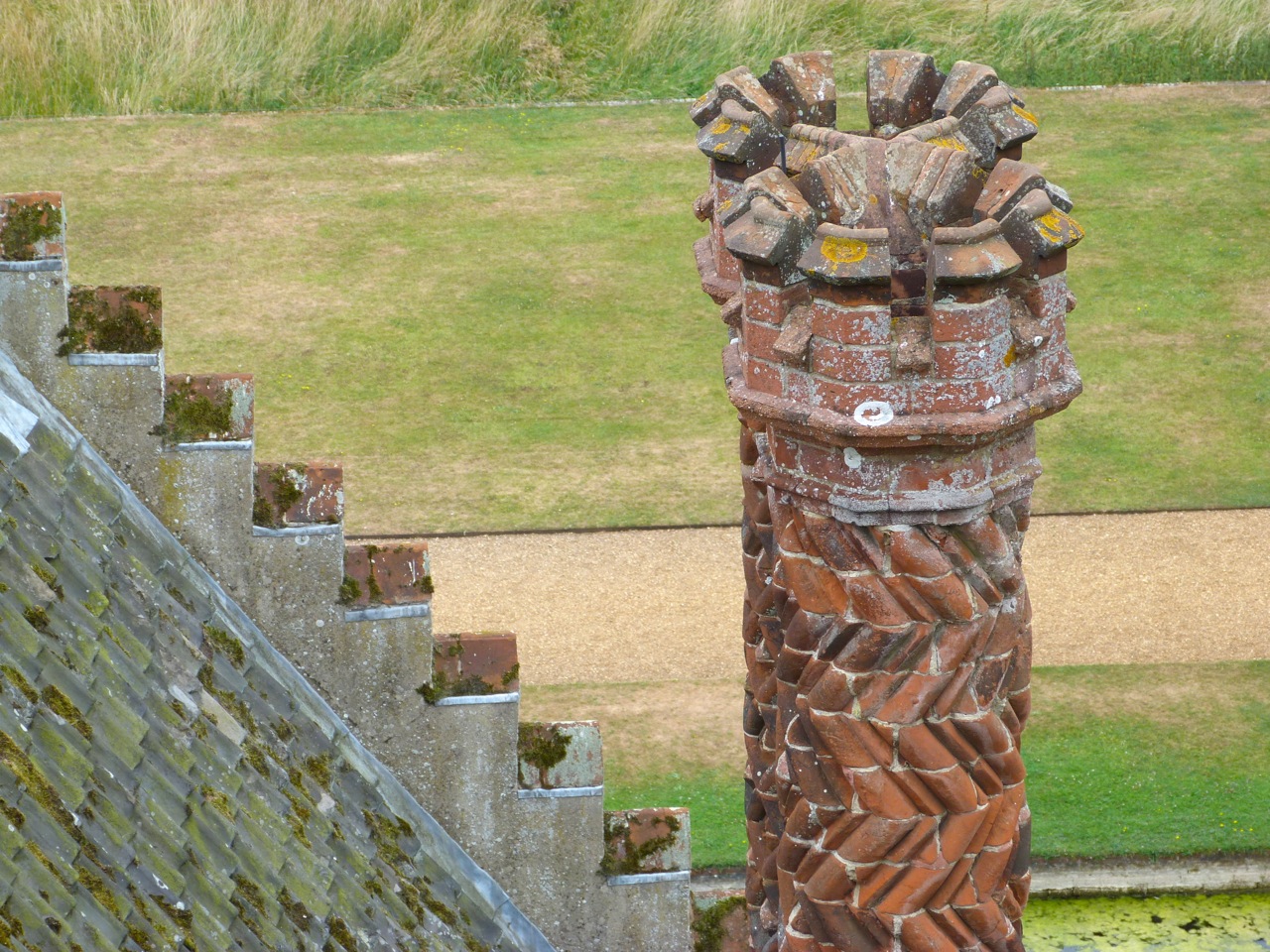
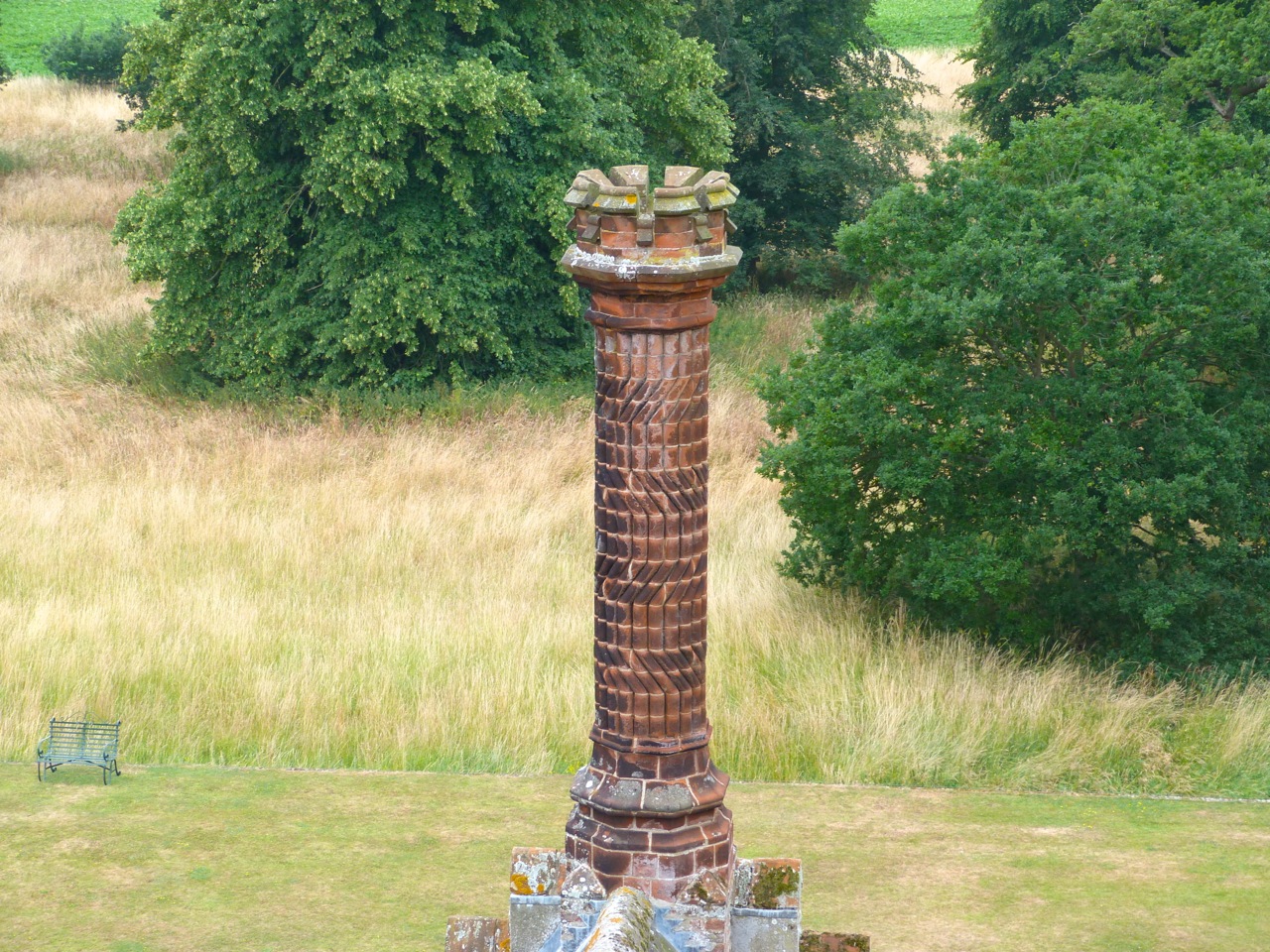
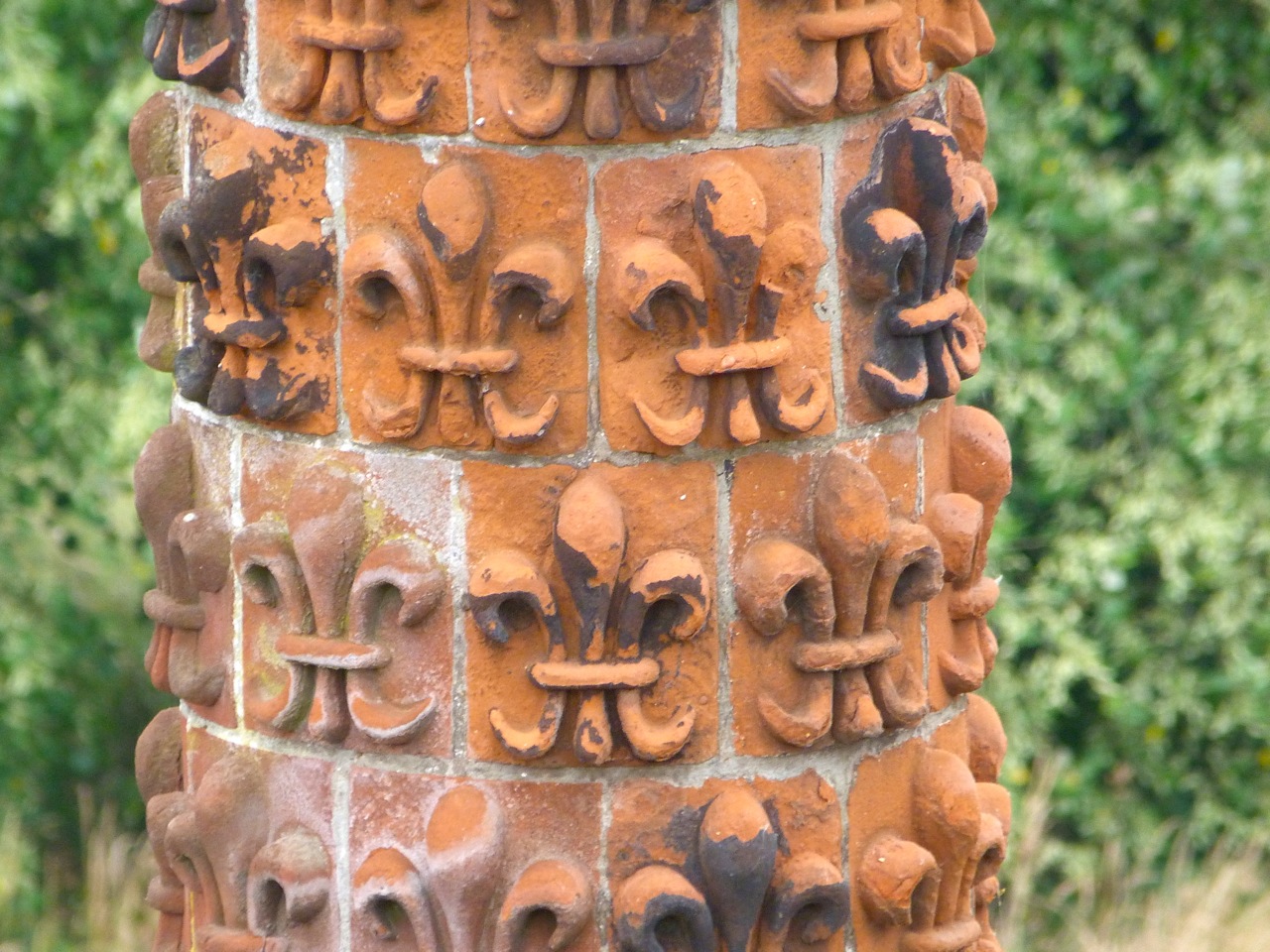
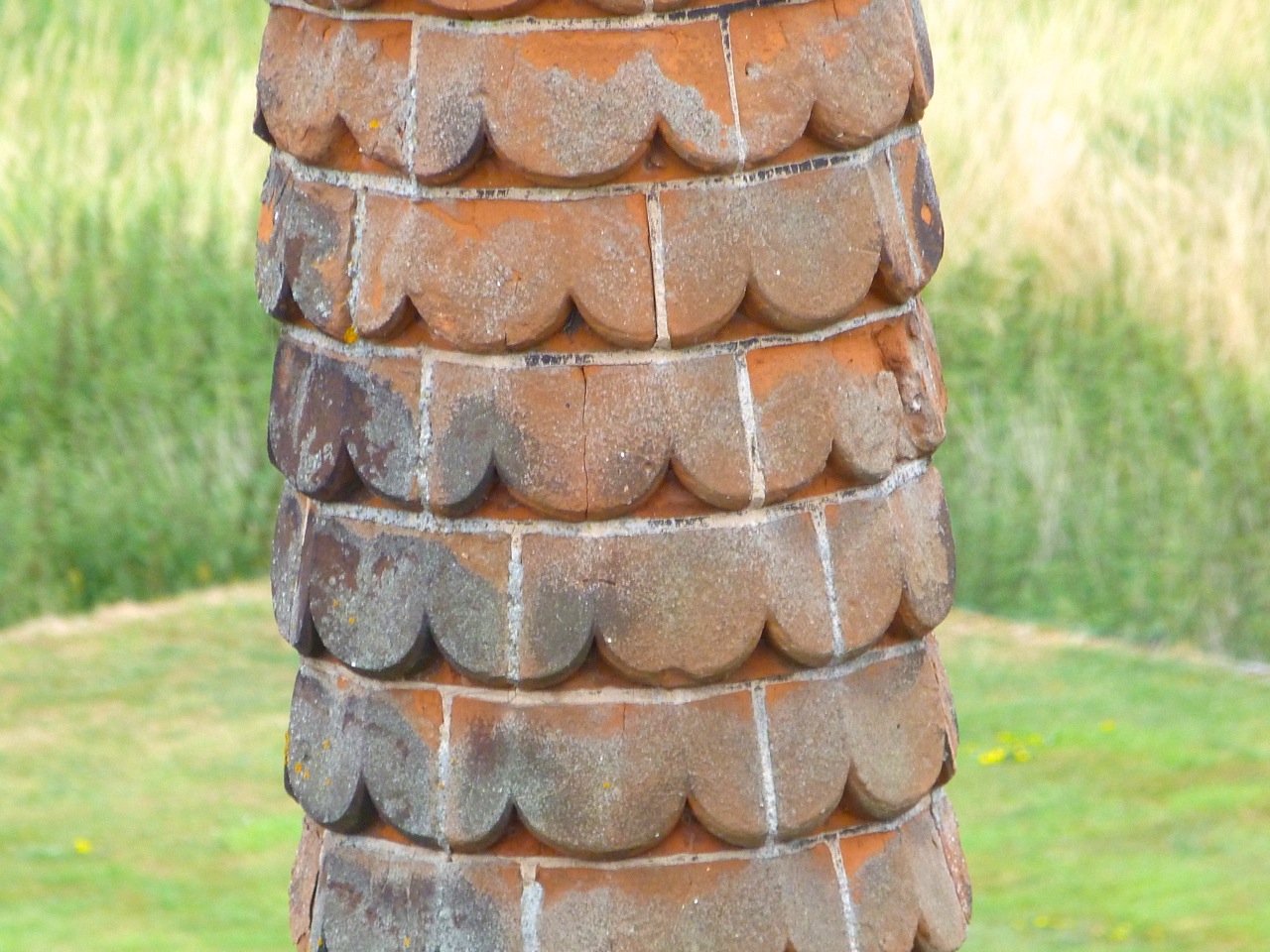
Terracotta Chimneys, Oxburgh Hall, Norfolk 1The medieval core of Oxburgh Hall dates from 1482. In the Victorian era, a number of features were added, including oriel windows overlooking the moat (see above), crow- (‘flemish’) stepped gables and a number of tall terracotta chimneys, all  differently patterned. Here are some of them.

1482Oxburgh Hall Date Terracotta Chimneys, Oxburgh Hall, Norfolk 2Terracotta Chimneys, Oxburgh Hall, Norfolk 3Terracotta Chimneys, Oxburgh Hall, Norfolk 5 Terracotta Chimneys, Oxburgh Hall, Norfolk 6 Terracotta Chimneys, Oxburgh Hall, Norfolk 7 Terracotta Chimneys, Oxburgh Hall, Norfolk 8 Terracotta Chimneys, Oxburgh Hall, Norfolk 9 Terracotta Chimneys, Oxburgh Hall, Norfolk 10 Terracotta Chimneys, Oxburgh Hall, Norfolk 11 Terracotta Chimneys, Oxburgh Hall, Norfolk 12

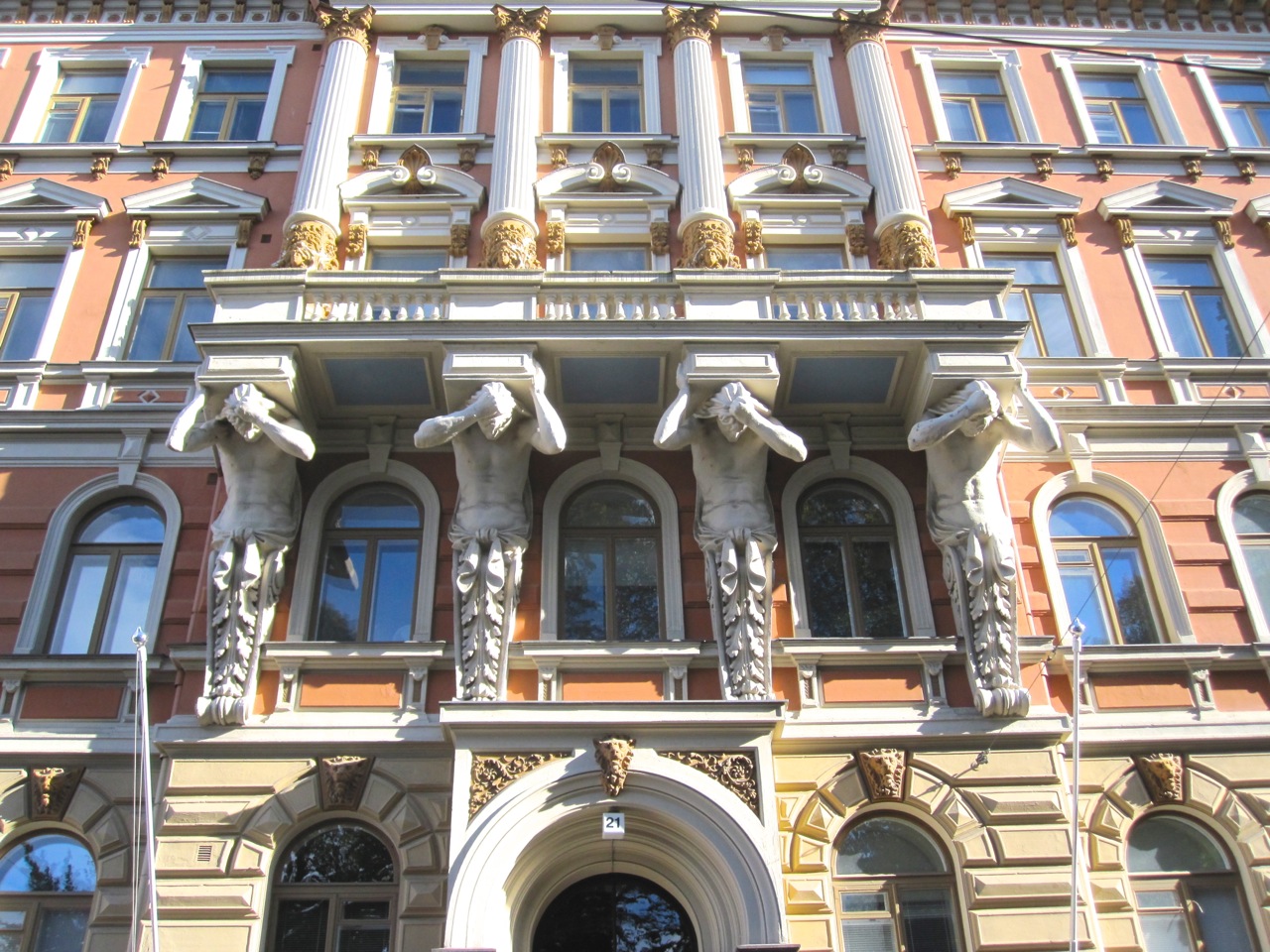
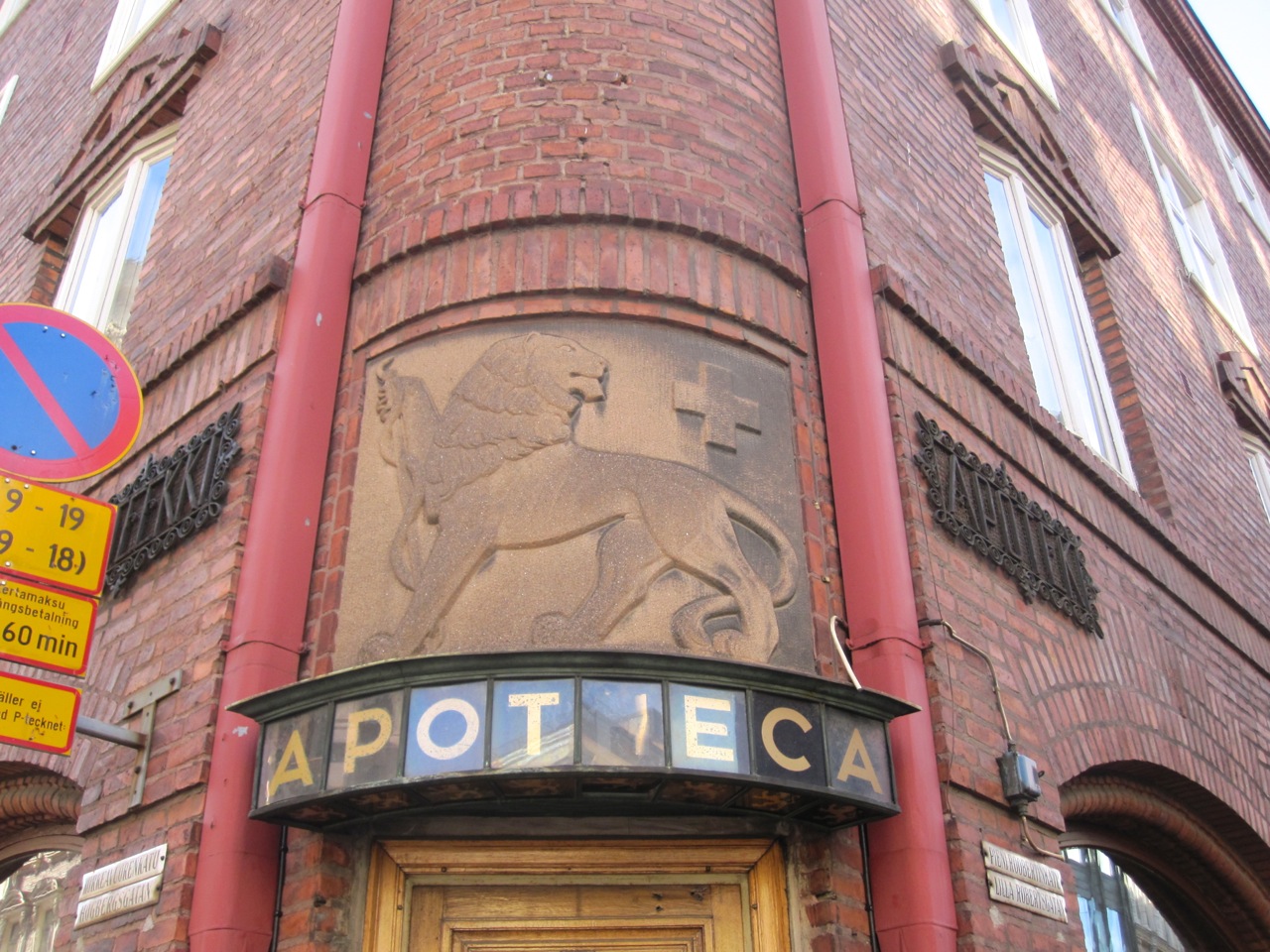
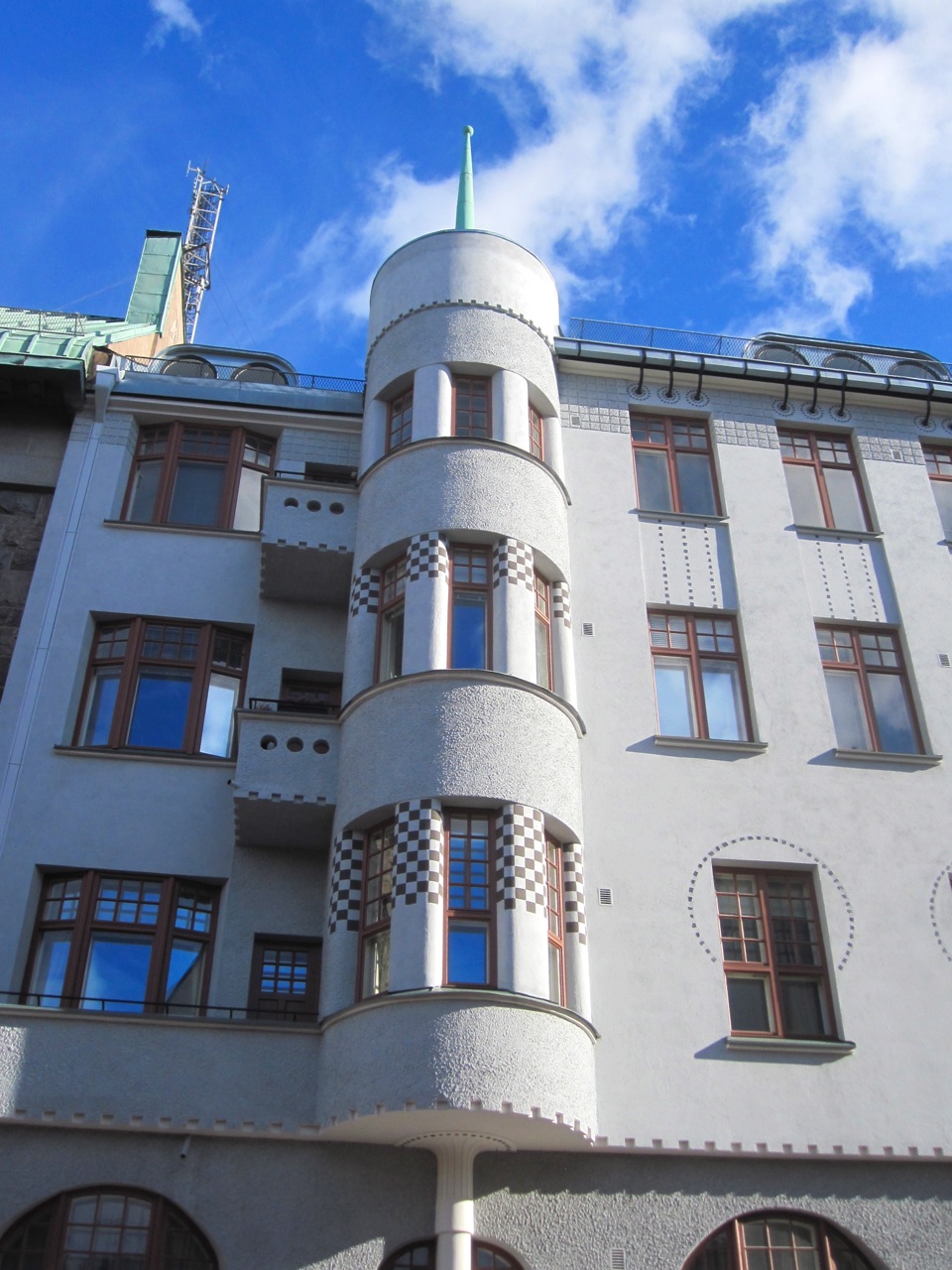
HELSINKI BUILDINGS: NATIONAL ROMANTIC STYLE & ART DECO


Helsinki Buildings 1 Helsinki Buildings 2 Helsinki Buildings 3 Helsinki Buildings 4 Helsinki Buildings 5 Helsinki Buildings 6 Helsinki Buildings 7 Helsinki Buildings 8 Helsinki Buildings 9 Helsinki Buildings 10 Helsinki Buildings 11

WALL INSCRIPTIONS, CALENZANO ALTO, ITALY


Wall Inscriptions, Calenzano, Italy 2Wall Inscriptions, Calenzano, Italy 4Wall Inscriptions, Calenzano, Italy 3Wall Inscriptions, Calenzano, Italy 1

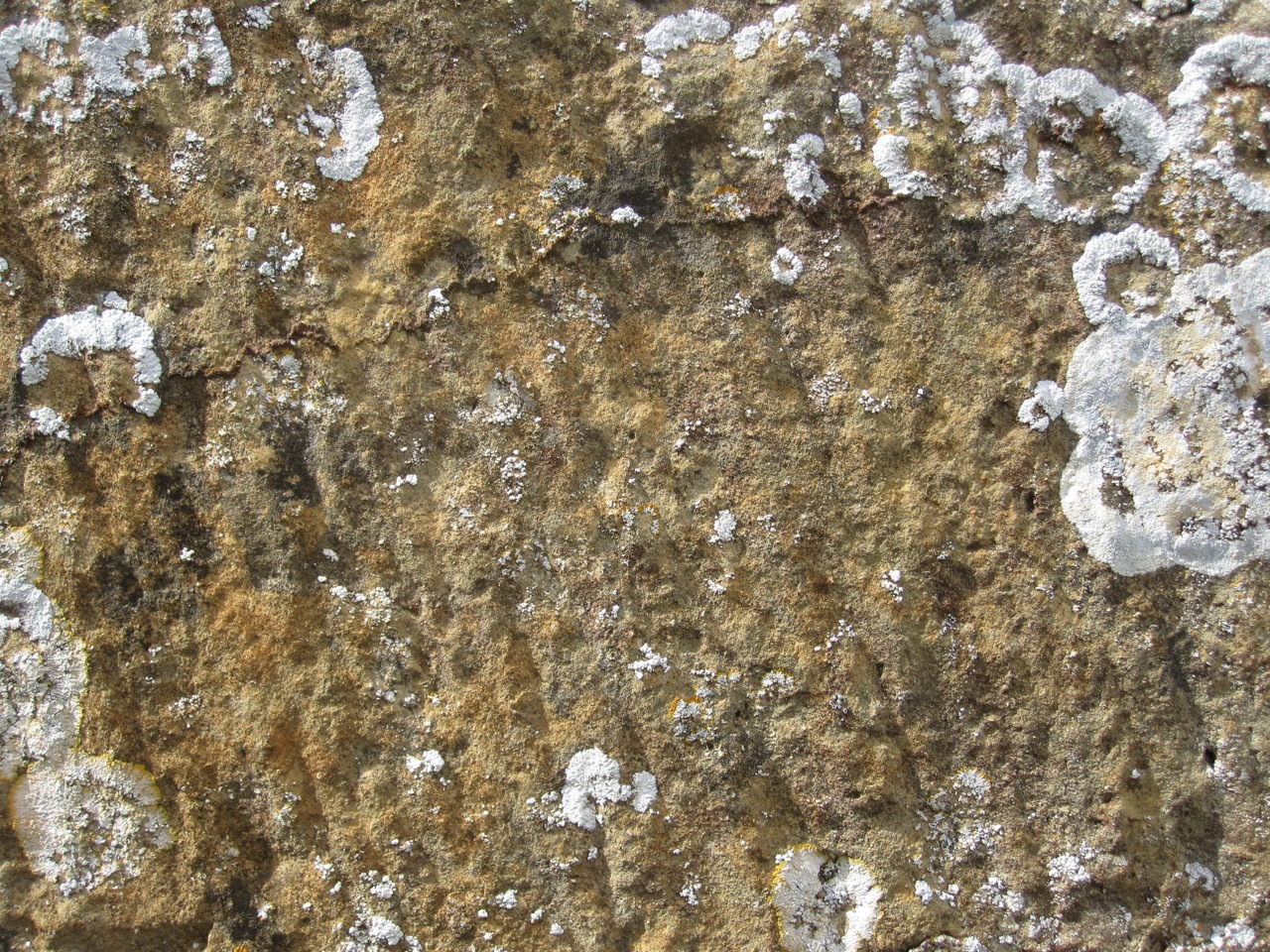
DETAILS OF A SOMERSET CHURCH WALL – ST MICHAEL’S, BLACKFORD


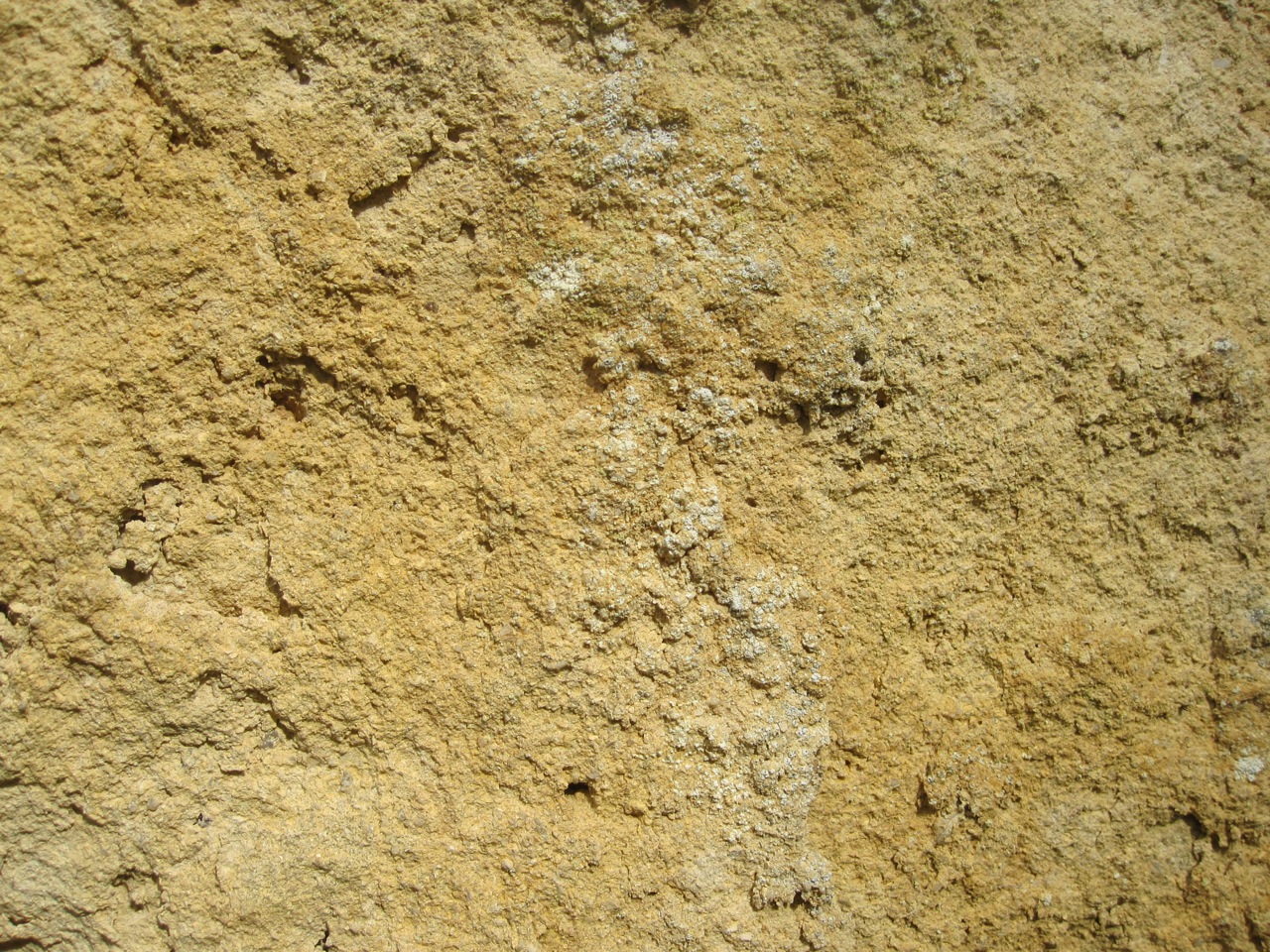
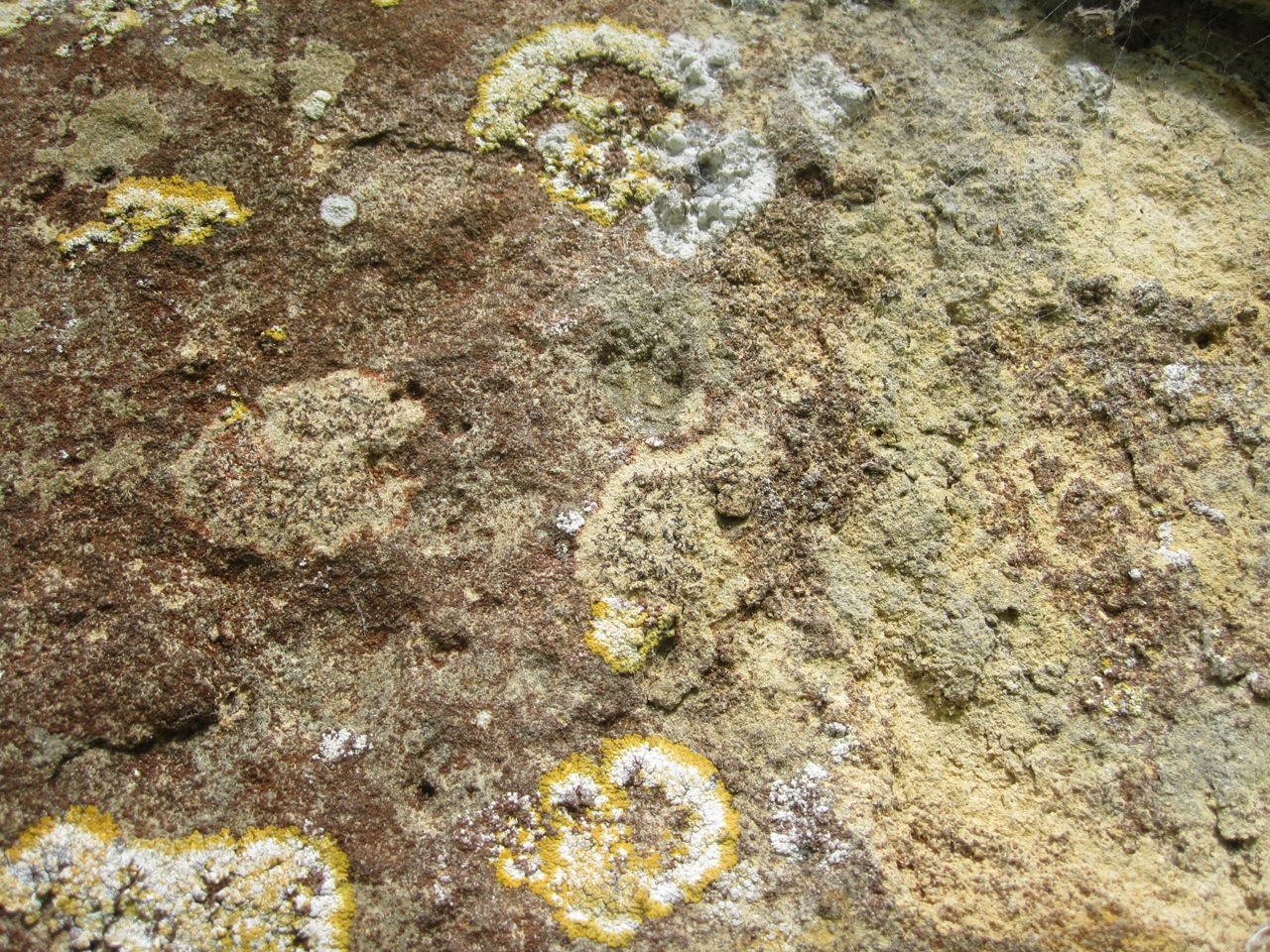
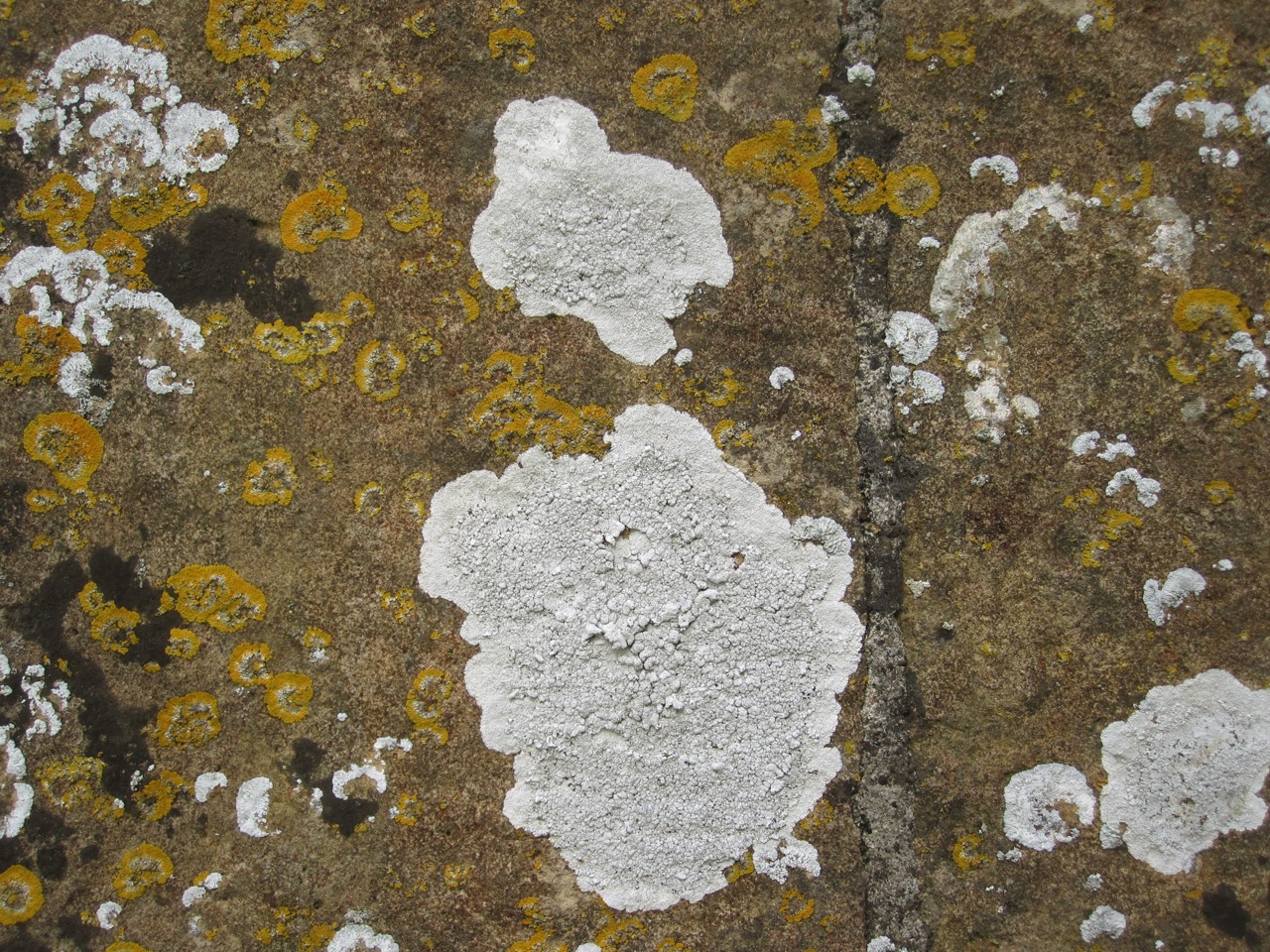
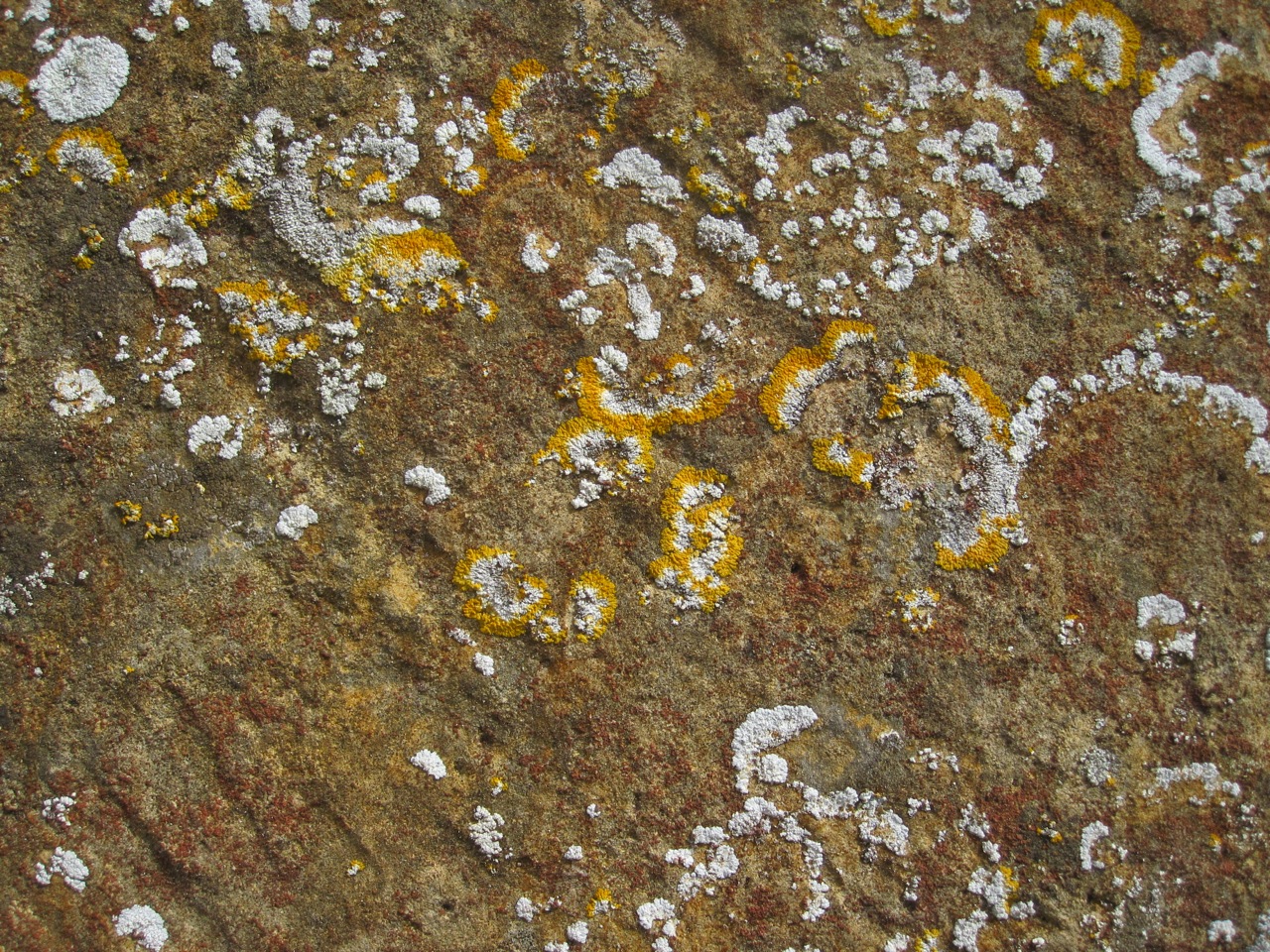
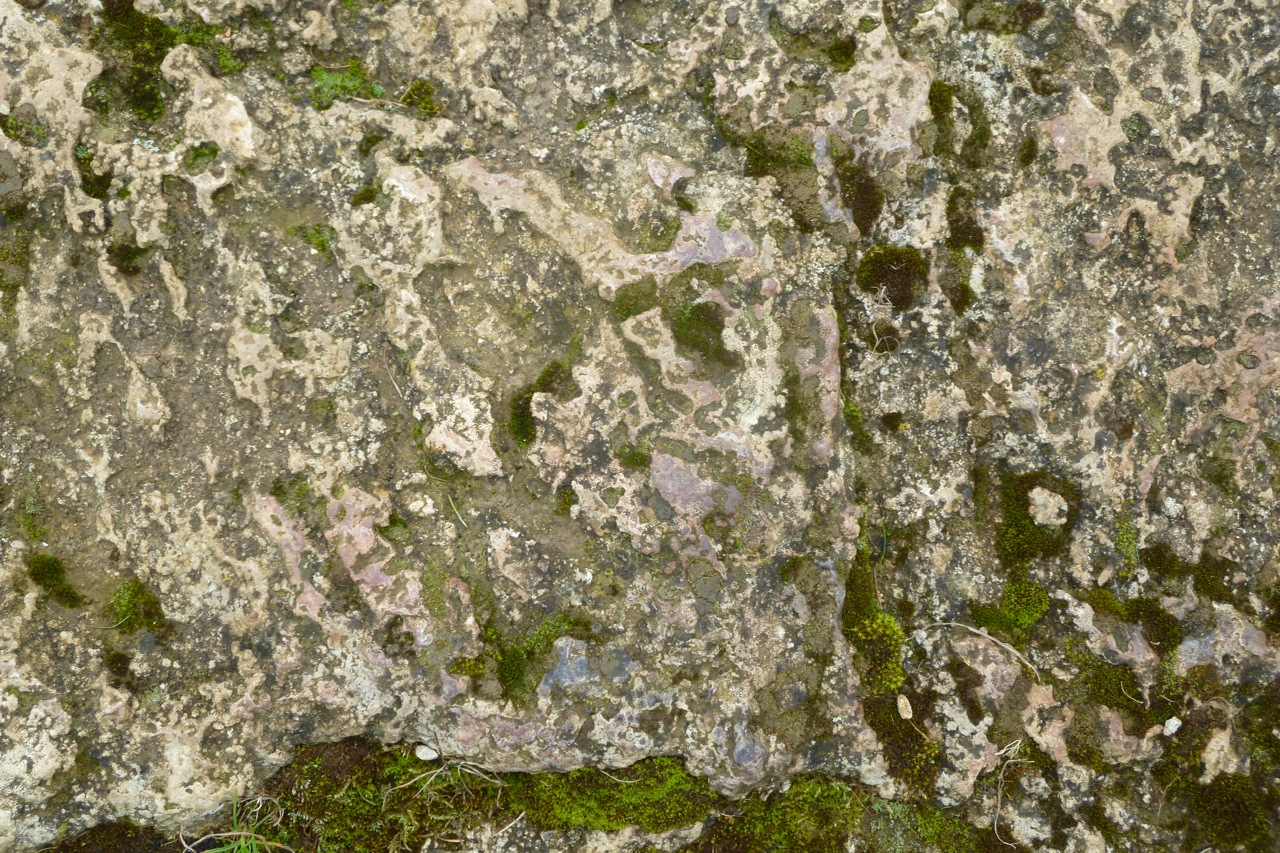
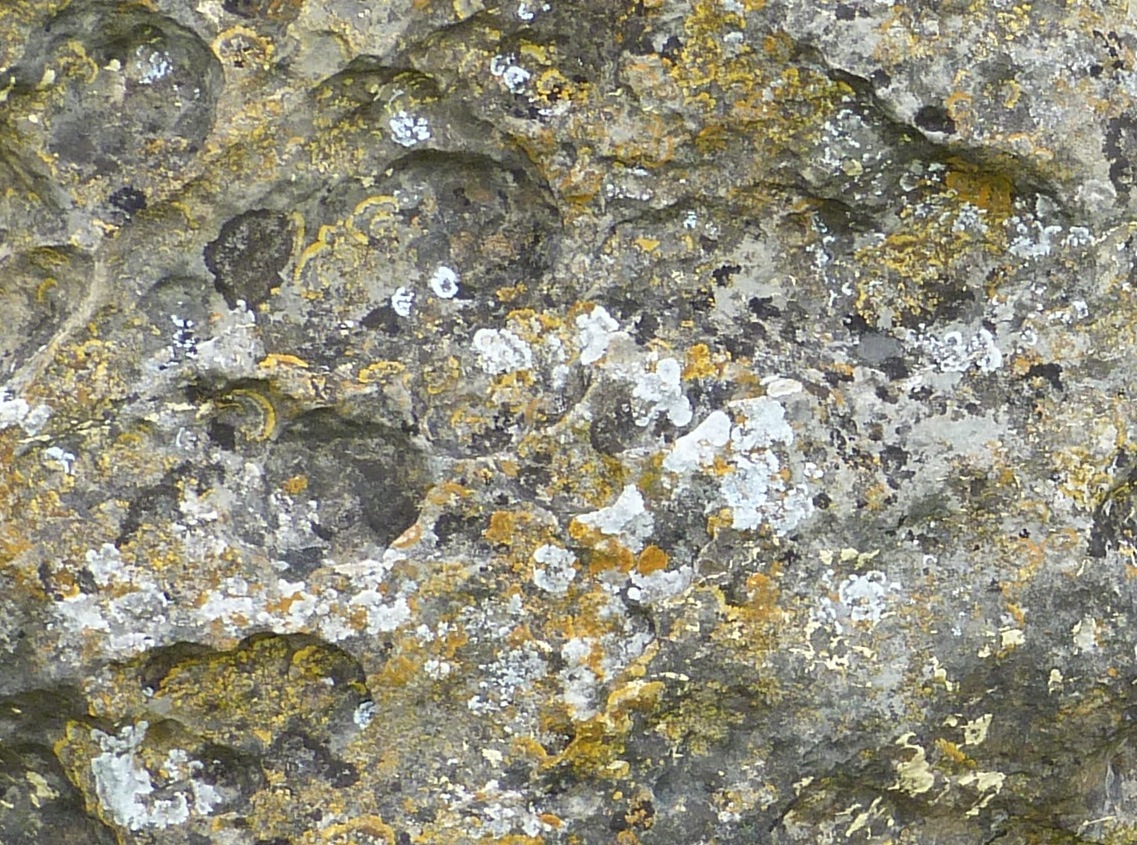
The walls of this church, apparently of uniform colour from a distance, are richly patterned with lichen and varied hues. All these images were taken within about 12 feet of each other, ranging from weathered Ham stone wall to lichen-capped stone face 

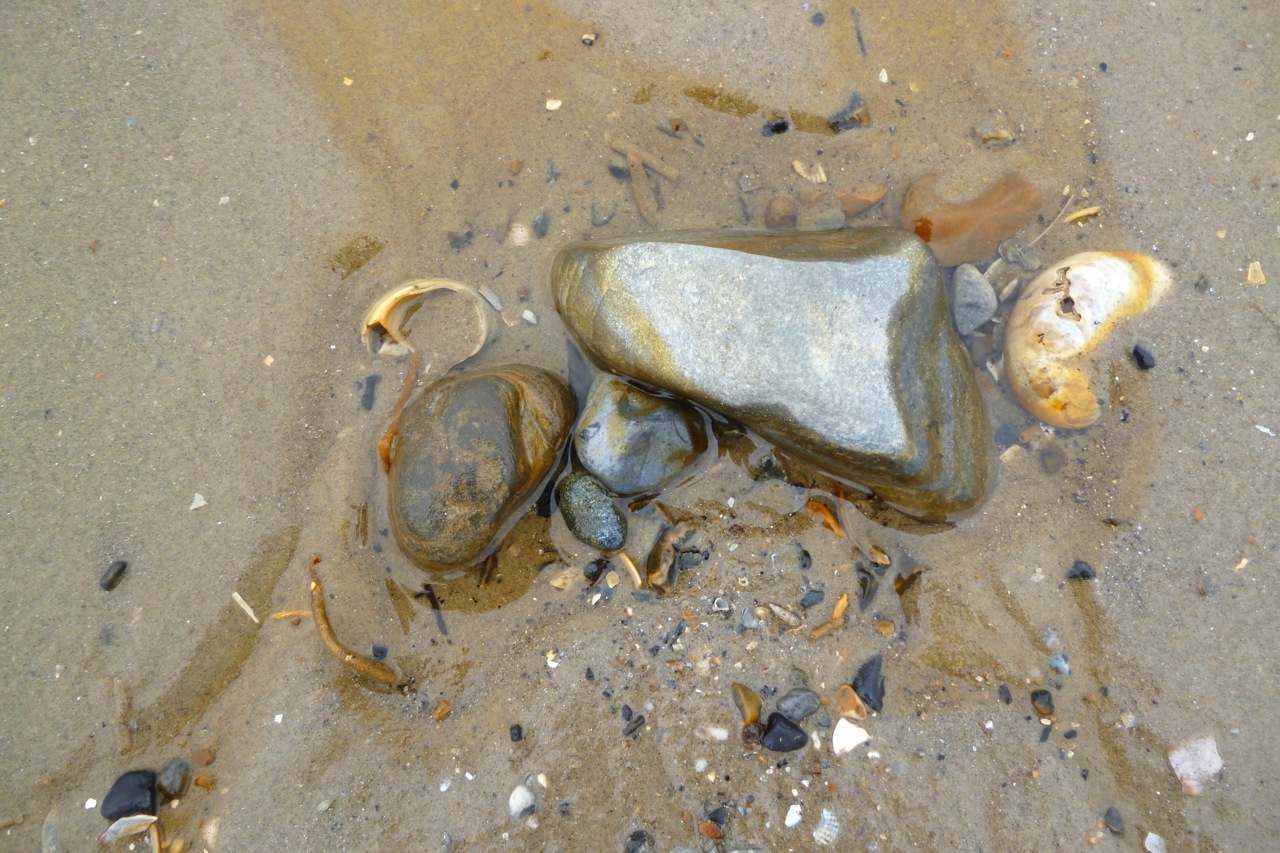
BEACH STONE PATTERNS, WEYMOUTH


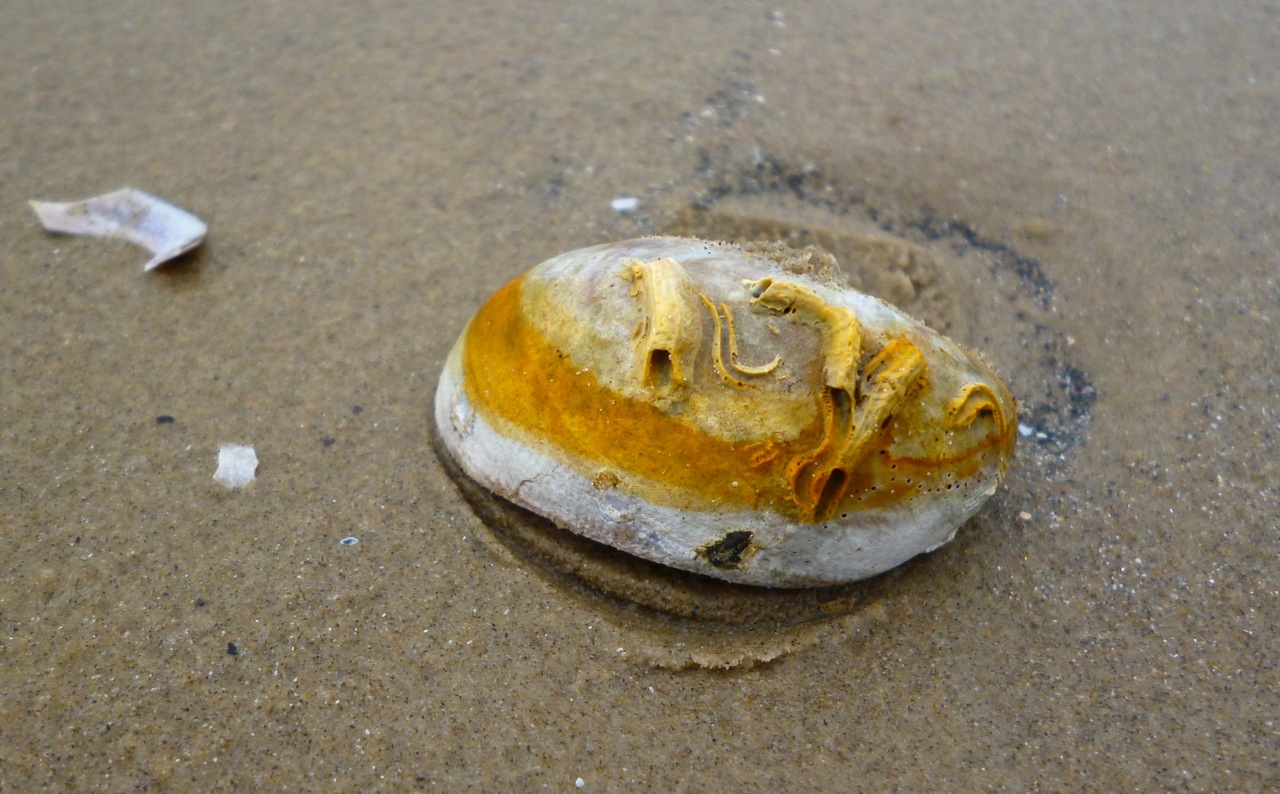
BEACH STONE PATTERNS ON WEYMOUTH BEACH, DORSET

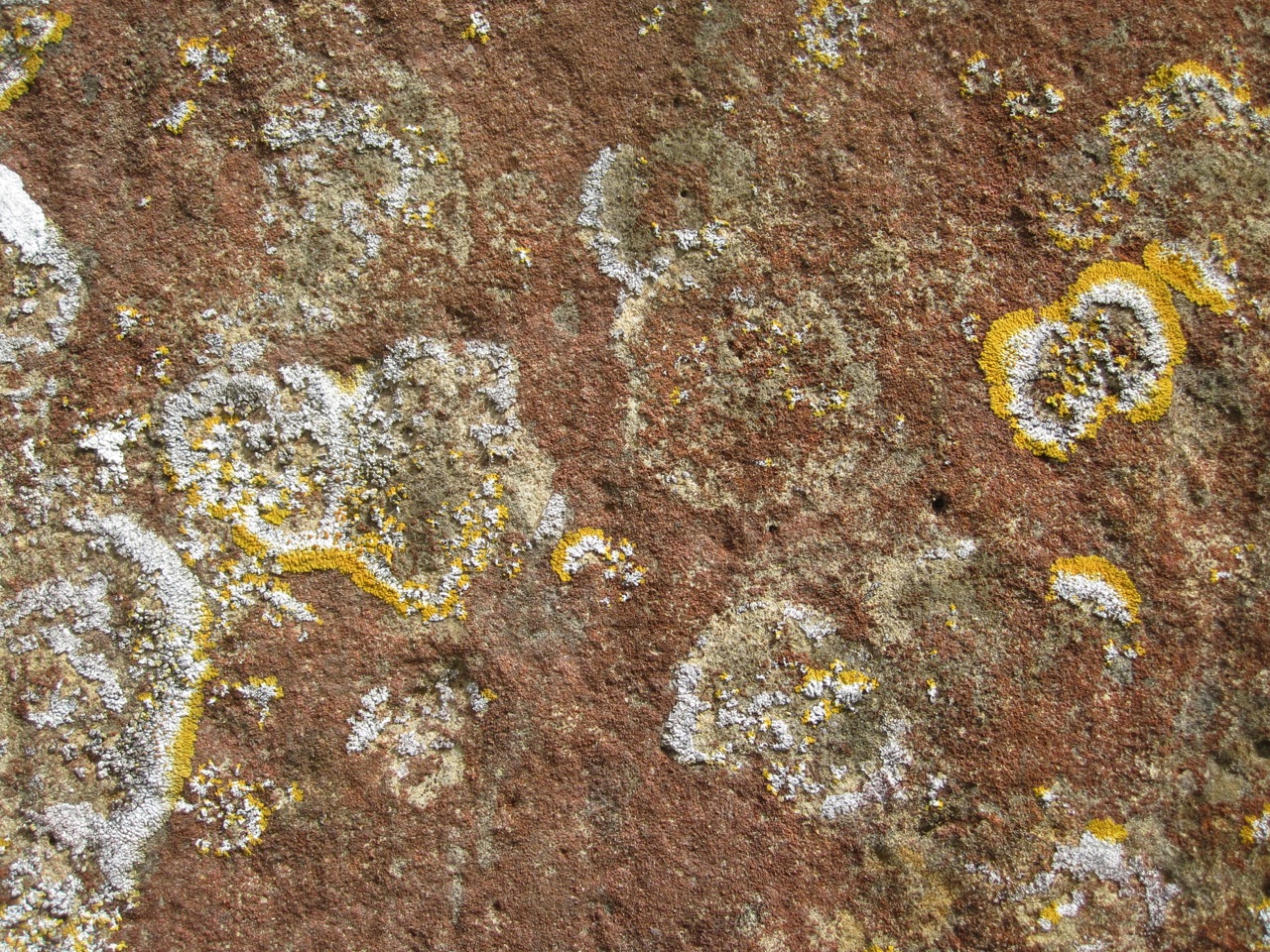
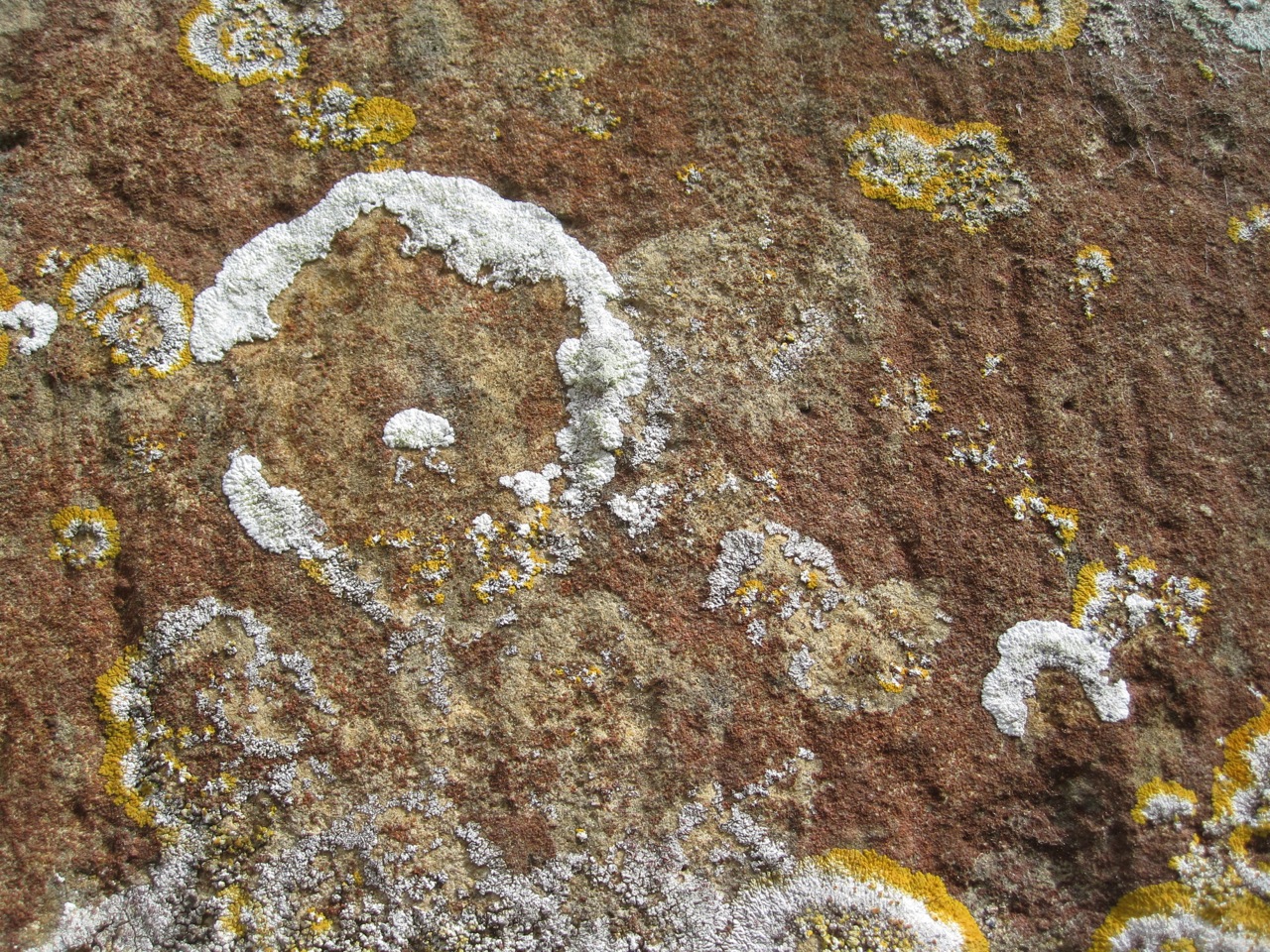
ROLLRIGHT STONES, OXFORDSHIRE: (1) PATTERNS


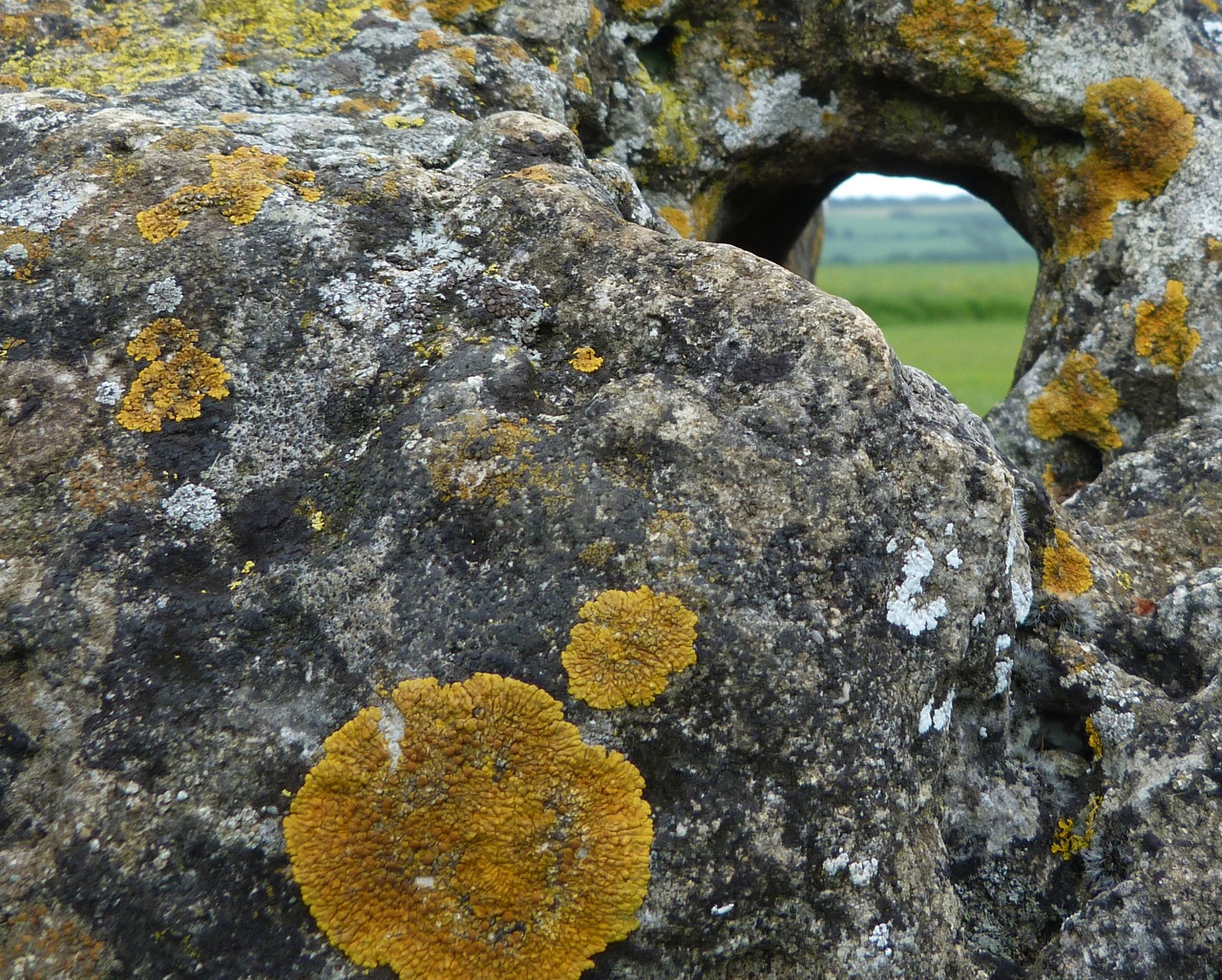
The Rollright Stones in Oxfordshire is a late-neolithic stone circle about 30 meters in diameter. The stones are heavily marked by time, and many have colourful lichen growths. Some of these lichens are thought to be 400 – 800 years old. Here are some examples of the stone patterns 

COMPTON: THE WATTS GALLERY, WATTS CHAPEL – THE ARTS & CRAFTS MOVEMENT


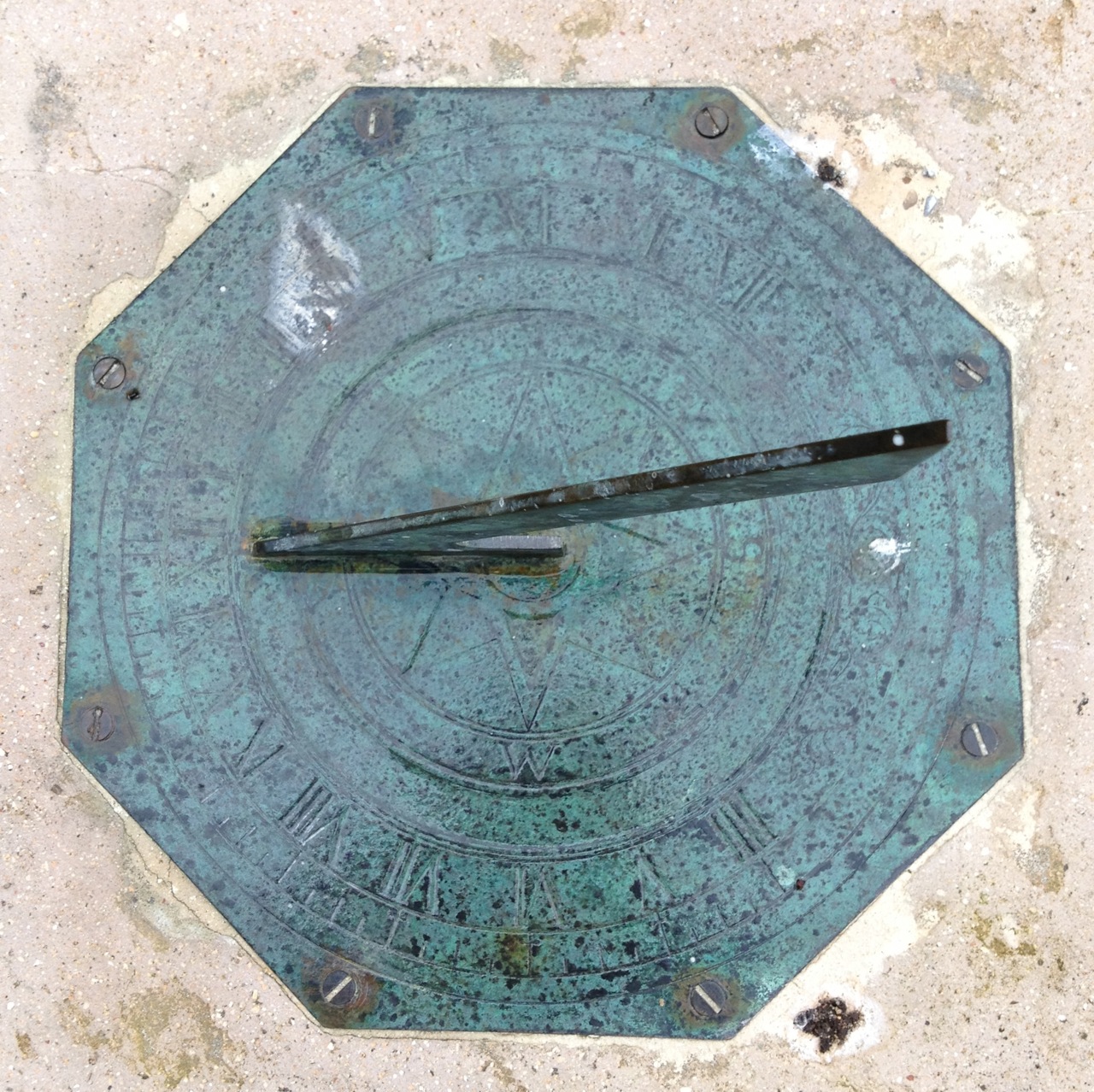
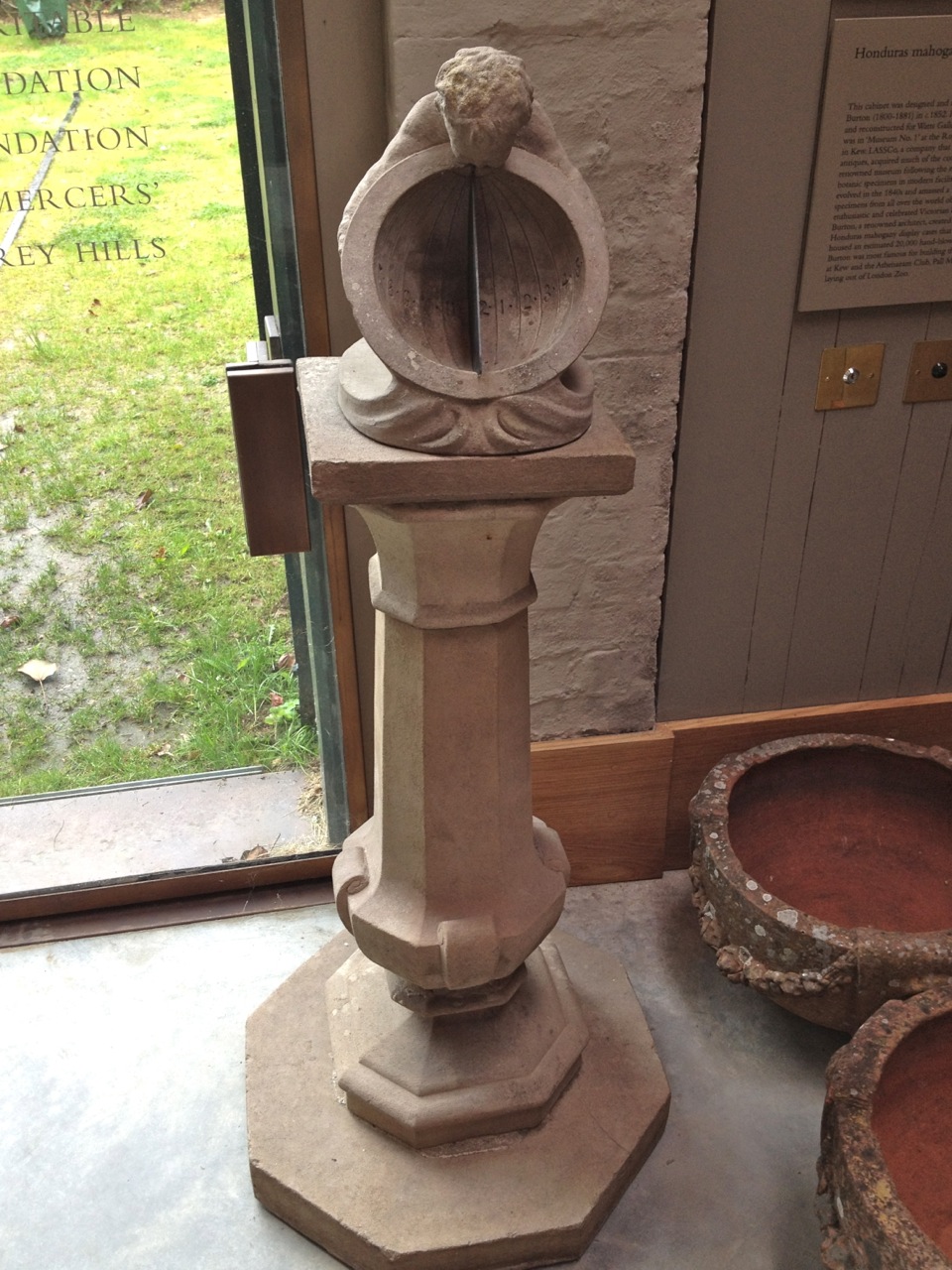
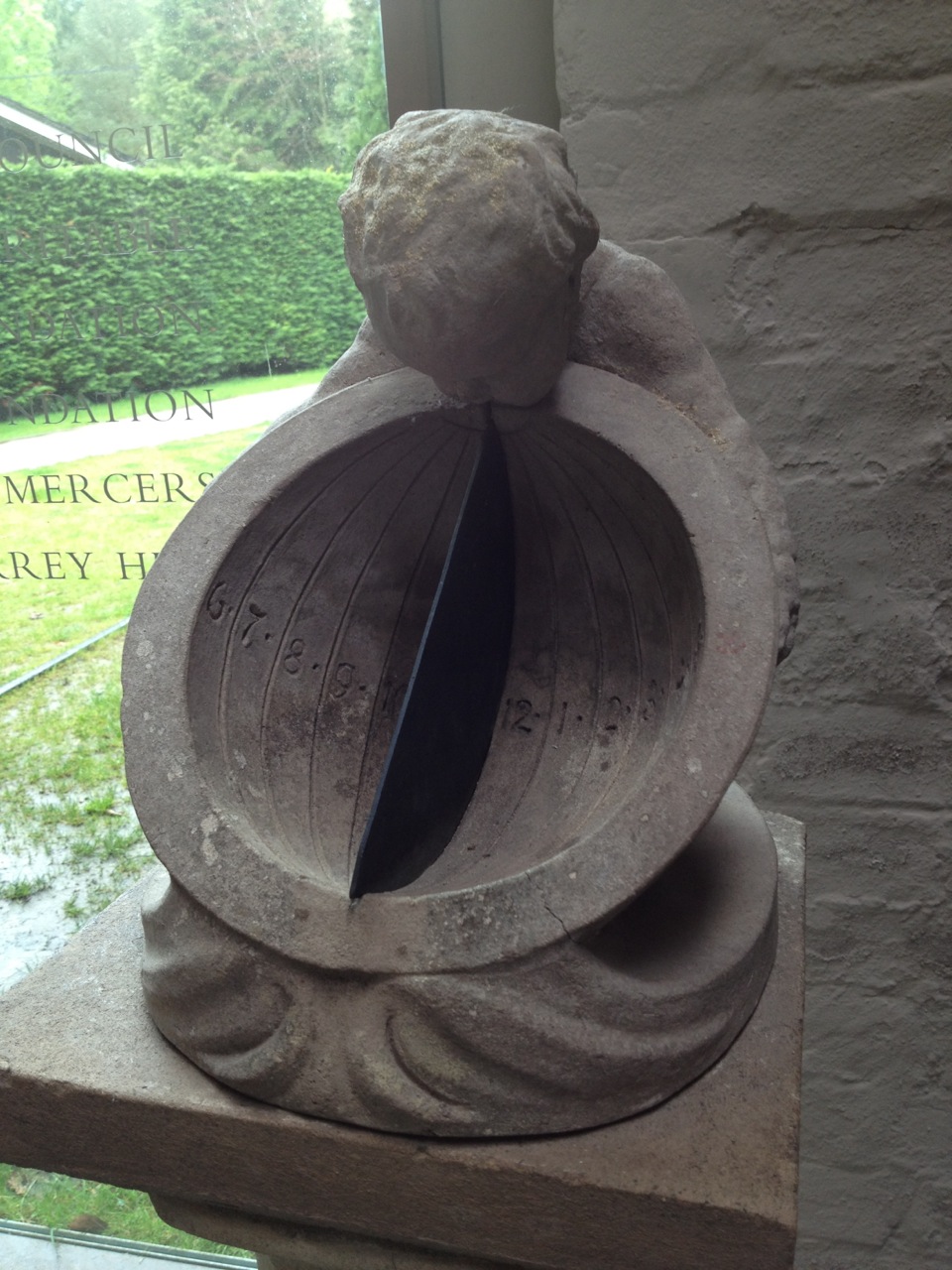
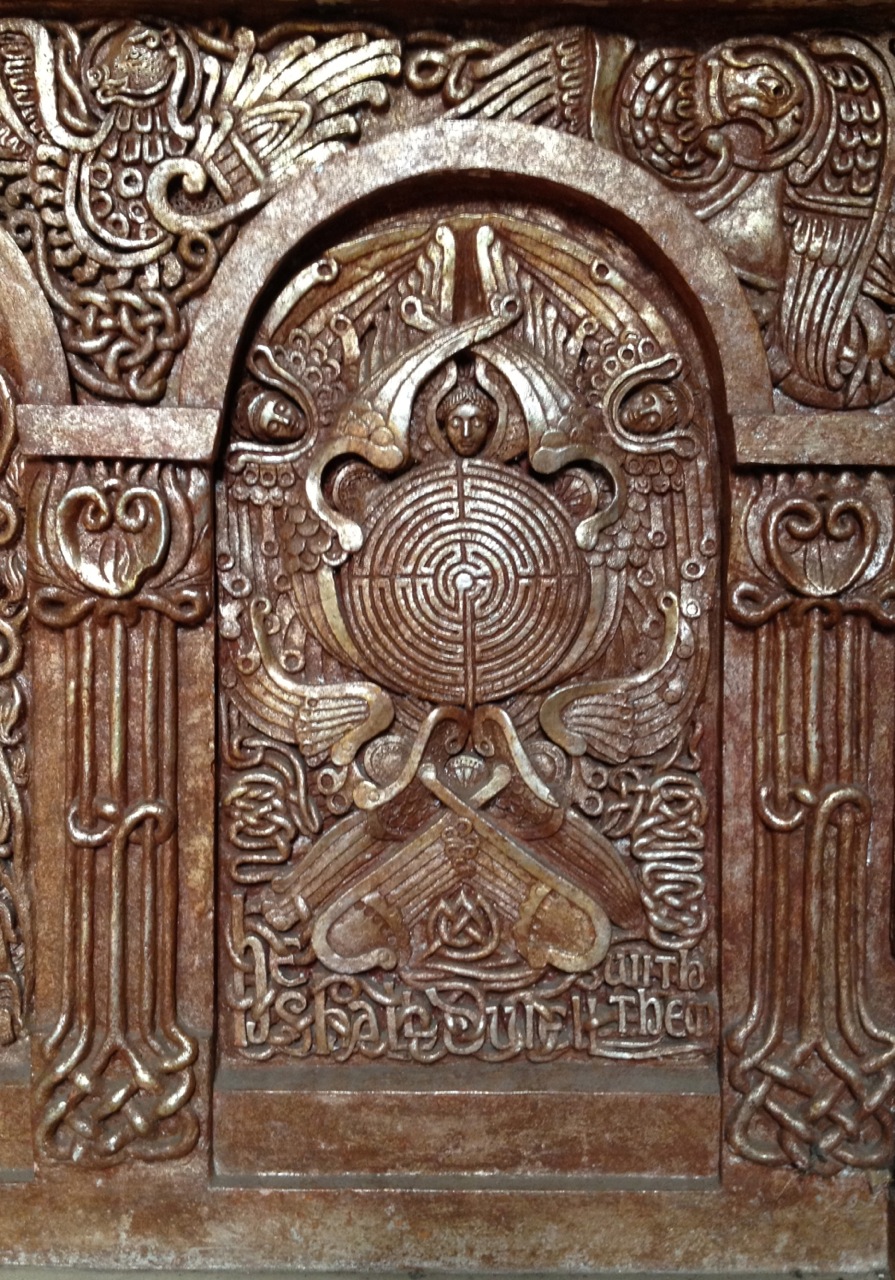
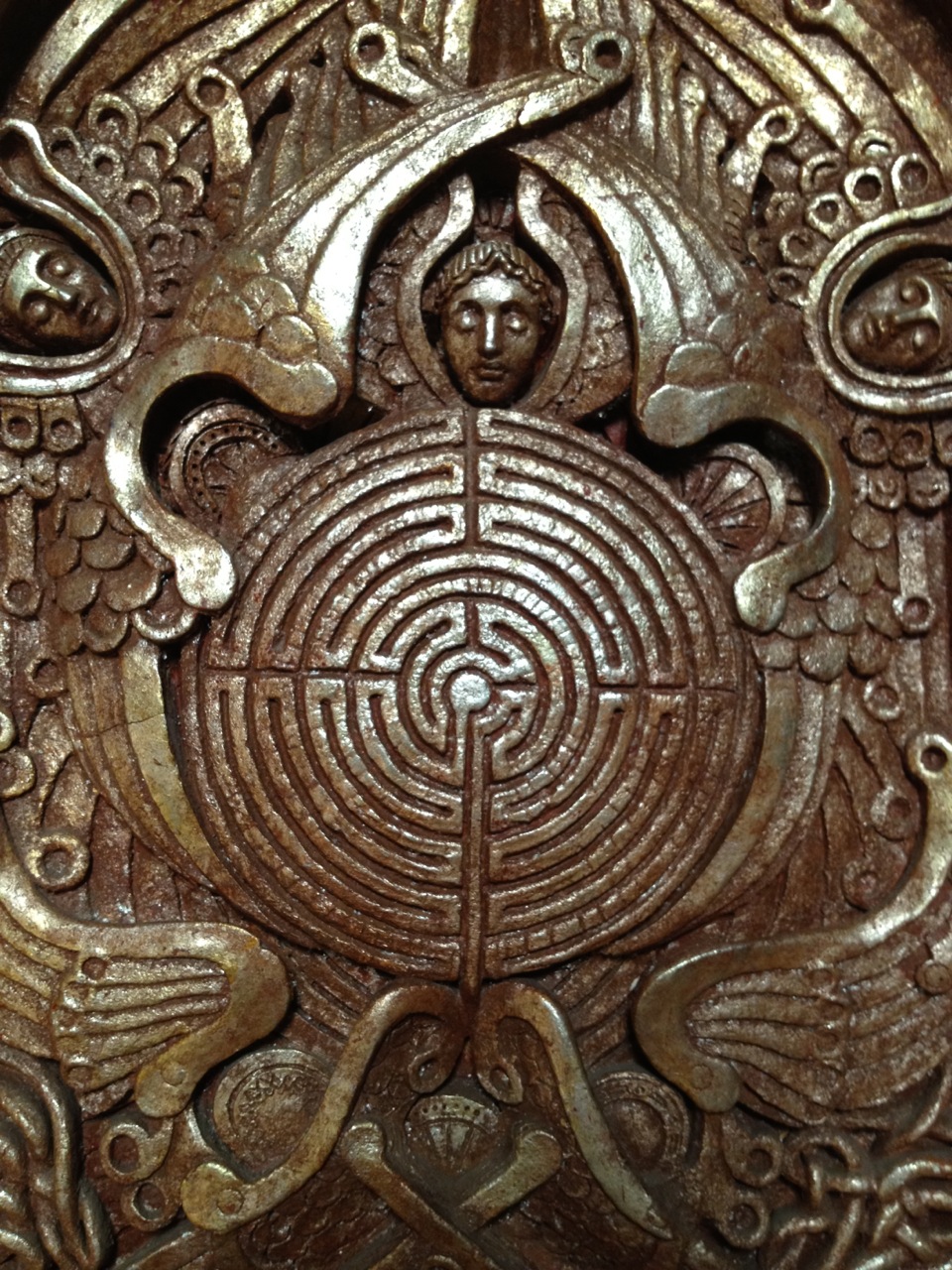
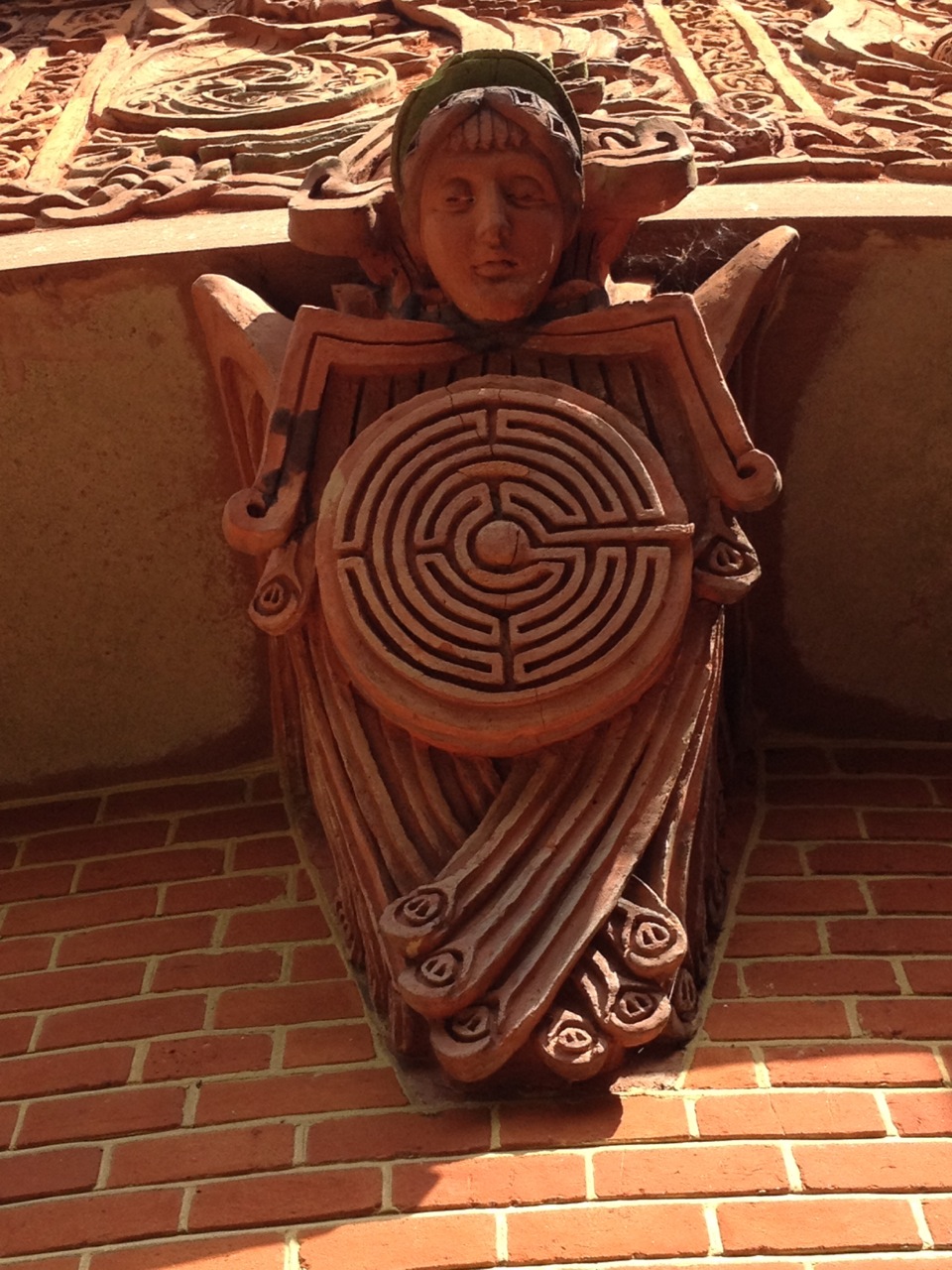
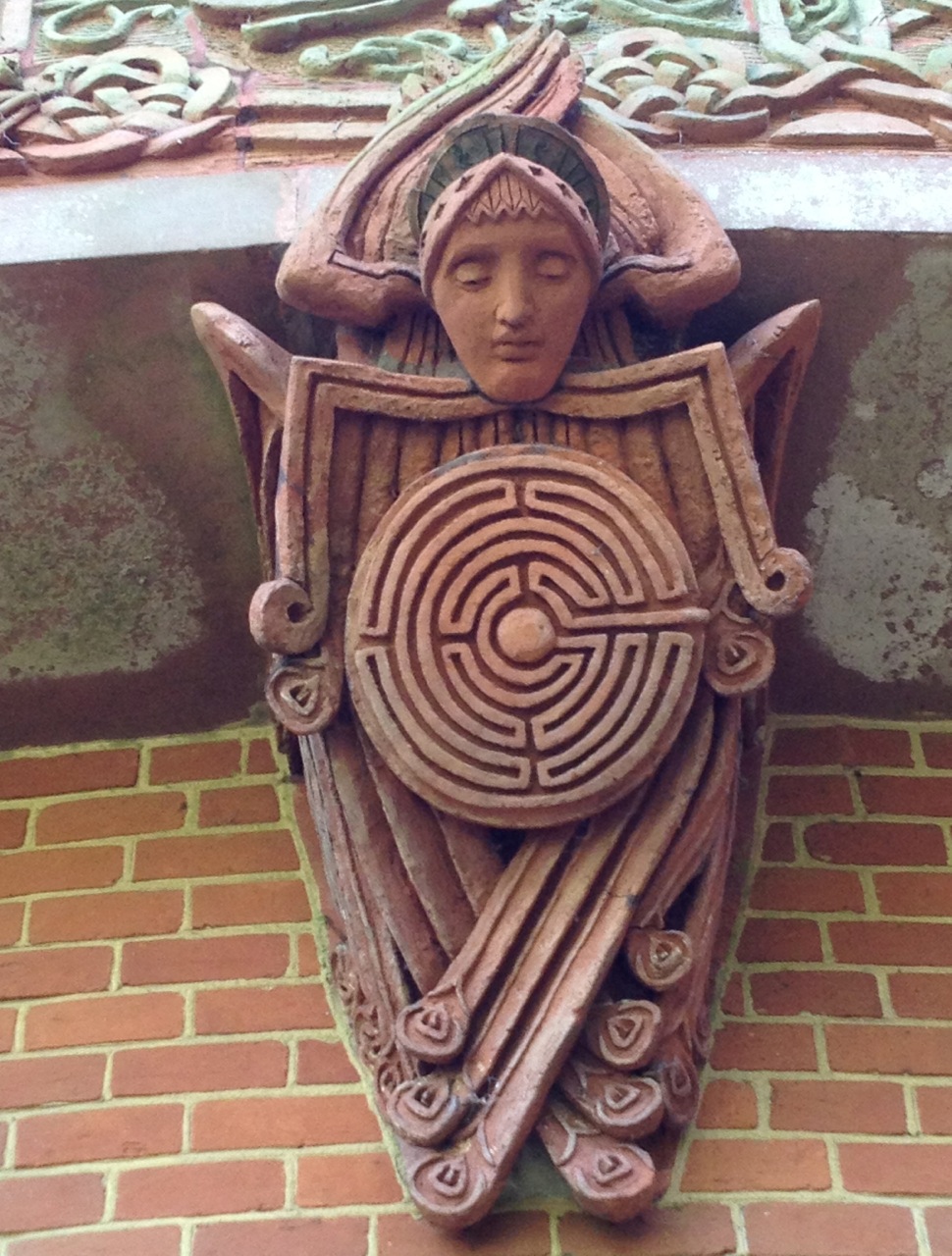
The newly restored Watts Gallery showcases the work of artist G. F. WATTS. There is also work by his wife MARY WATTS, though that is best seen at the Watts Chapel a short walk from the Gallery. I found material for 3 of my Themes – sundials, mazes** and (stretching the definition somewhat) ‘stone’ marks. Here are examples in the first two categories; I’ll leave the remarkable terracotta gravestones (and their lettering) for another time.

SUNDIALS AT COMPTON

The Garden Sundial

An ususual sundial, now kept inside the Gallery

‘MAZES’ [**in fact LABYRINTHS] AT COMPTON

These apparent mazes are, as Ellen has rightly pointed out in her comment, strictly-speaking labyrinths. The distinction is this:

MAZES provide multiple paths with only one “correct” one

LABYRINTHS which provide a single path to the centre. Here, you should follow the raised rather than the recessed paths to understand how the labyrinth works

A maze labyrinth on the altar front in the Watts Chapel

Terracotta Angel holding a maze labyrinth outside the Chapel, among other elaborate ornamentation

This similar Angel and maze labyrinth was on the other side of the Chapel

STONE PATTERNS, MAZES, MOSAICS and TILES


TWO STONE CLOTH MEASURES, ITALY

RIMINI – COMMUNAL MEASURING STONE dated 1544 (used in particular for fabrics). A very sophisticated multi-measurement example. See below for a rustic one.

CALENZANO ALTA – a simple cloth measure incised in side-stone of an archway. This standard medieval length is known as a “Braccio”, an arm’s length.

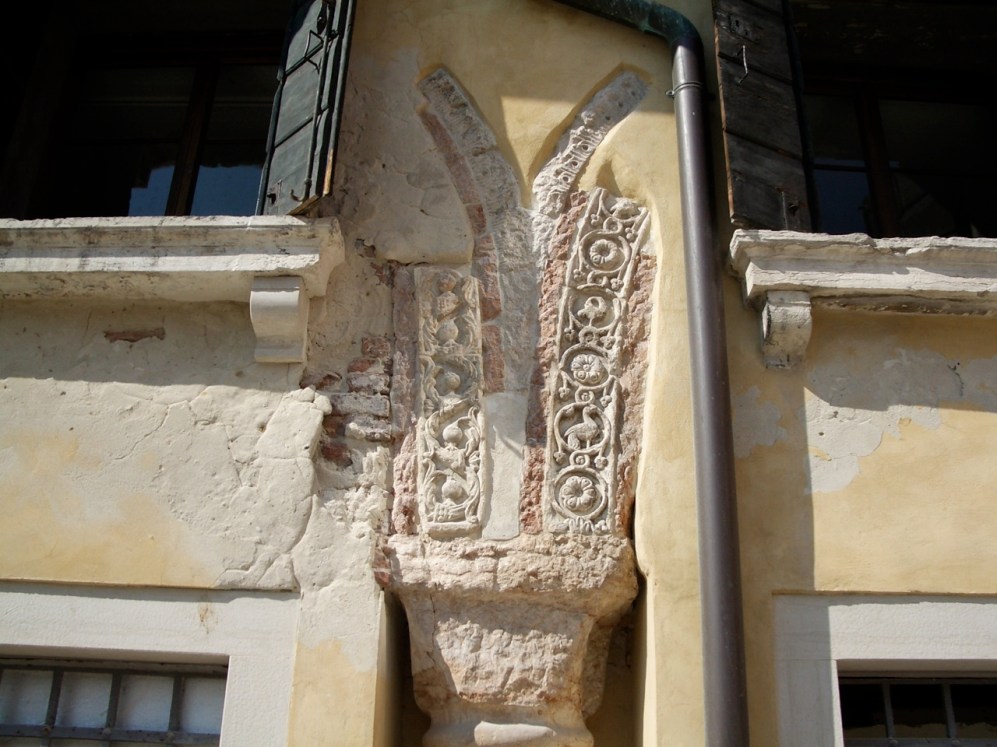
VENICE, GRAND CANAL – STONEWORK DETAIL on a quayside wall

The complete fragment, tastefully set off by a drainpipe
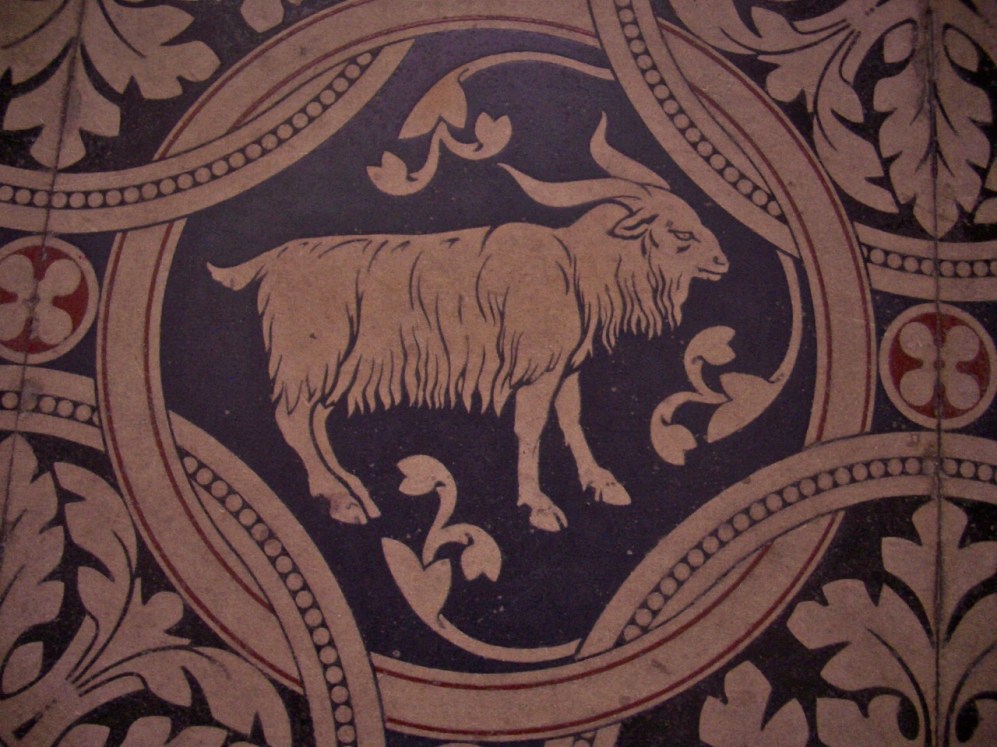
CATHEDRAL BASILICA OF ST DENIS (Paris) – PAINTED FLOOR TILE
TWO ITALIAN MAZES

1. MAZE IN THE ENTRANCE PORCH OF THE DUOMO S. MARTINO, LUCCA

This maze is embedded in the right pier of the portico and is believed to date from the 12th century or 13th century. Its importance is that it may well pre-date the famous Chartres maze, yet is of the Chartres pattern that became a standard for mazes. The attractive and rustic incised Latin inscription refers to ancient pagan mythology: “This is the labyrinth built by Dedalus of Crete; all who entered therein were lost, save Theseus, thanks to Ariadne’s thread.”

HIC QUEM CRETICUS EDIT

DAEDALUS EST LABERINTHUS

DE QUO NULLUS VADERE

QUIVIT QUI FUIT INTUS

NI THESEUS GRATIS ADRIANE

STAMINE JUTUS

2. BASILICA DI S. VITALE, RAVENNA – LARGE FLOOR MAZE
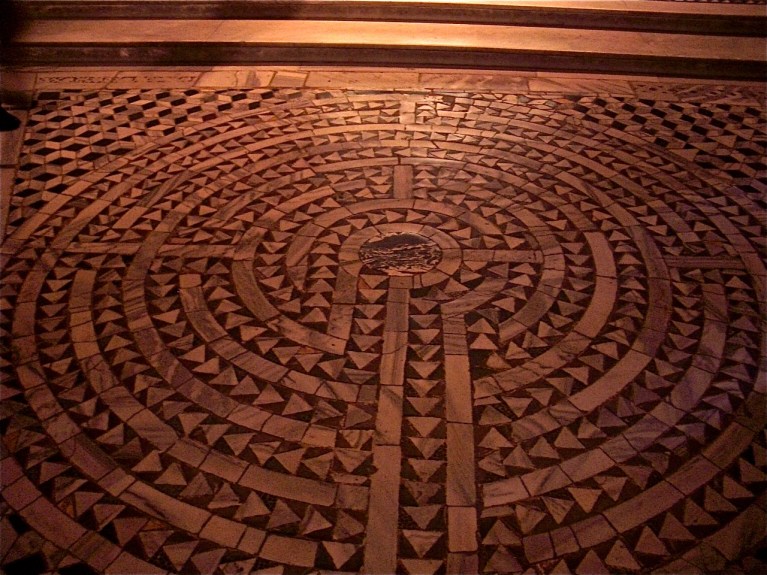
Both these maze images are now featured in the excellent and fascinating maze website at MAZES & LABYRINTHS  This site covers the history of mazes, with prolific examples both photographic and diagrammatic, and a multitude of links to other maze-related material. Once you start in there, you may never find your way out…

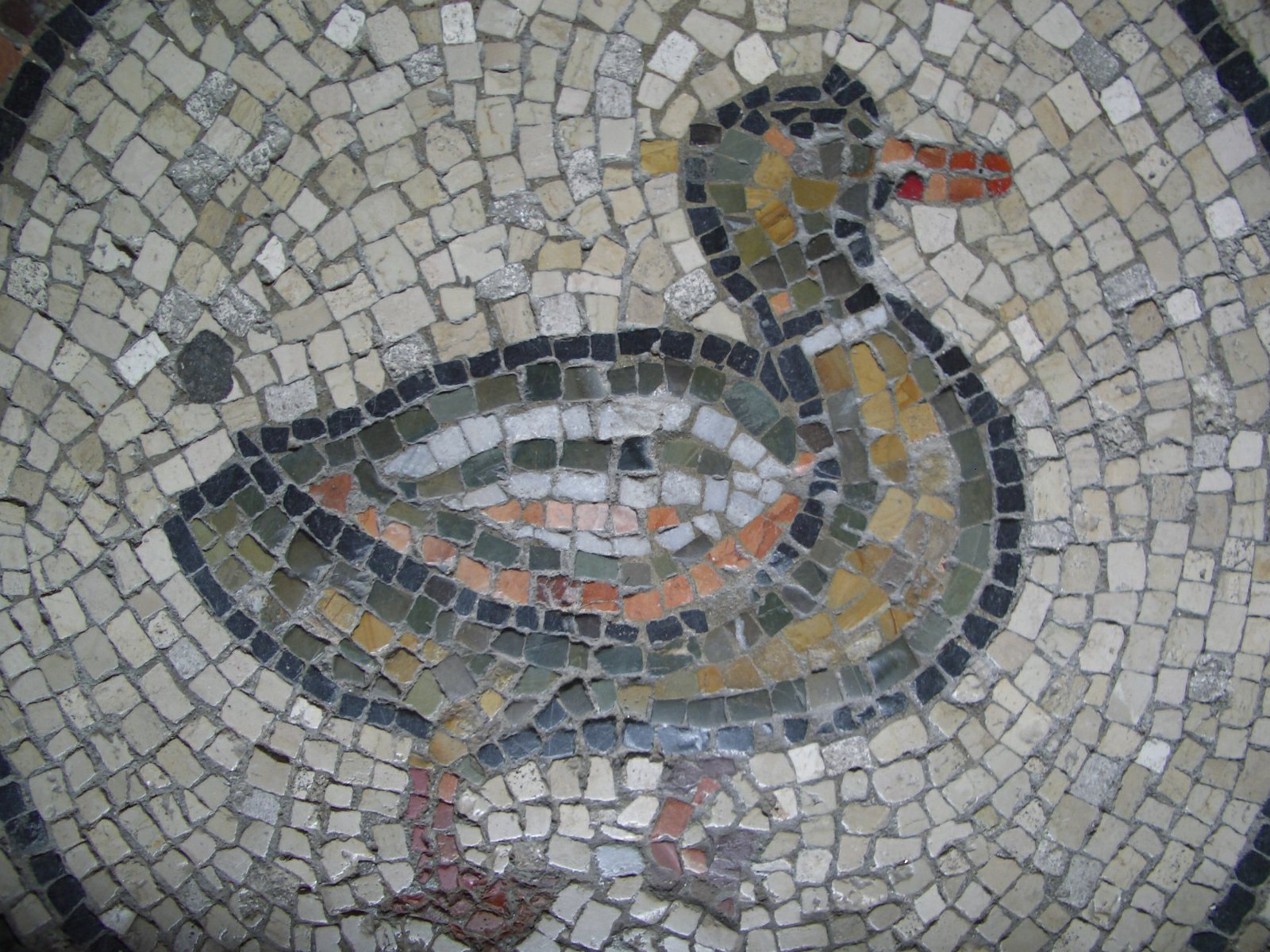
RAVENNA- BASILICA DI S. VITALE Small Floor Mosaic

SHERBORNE, DORSET: MASONIC EMBLEM ON THE LODGE OF BENEVOLENCE (1896)

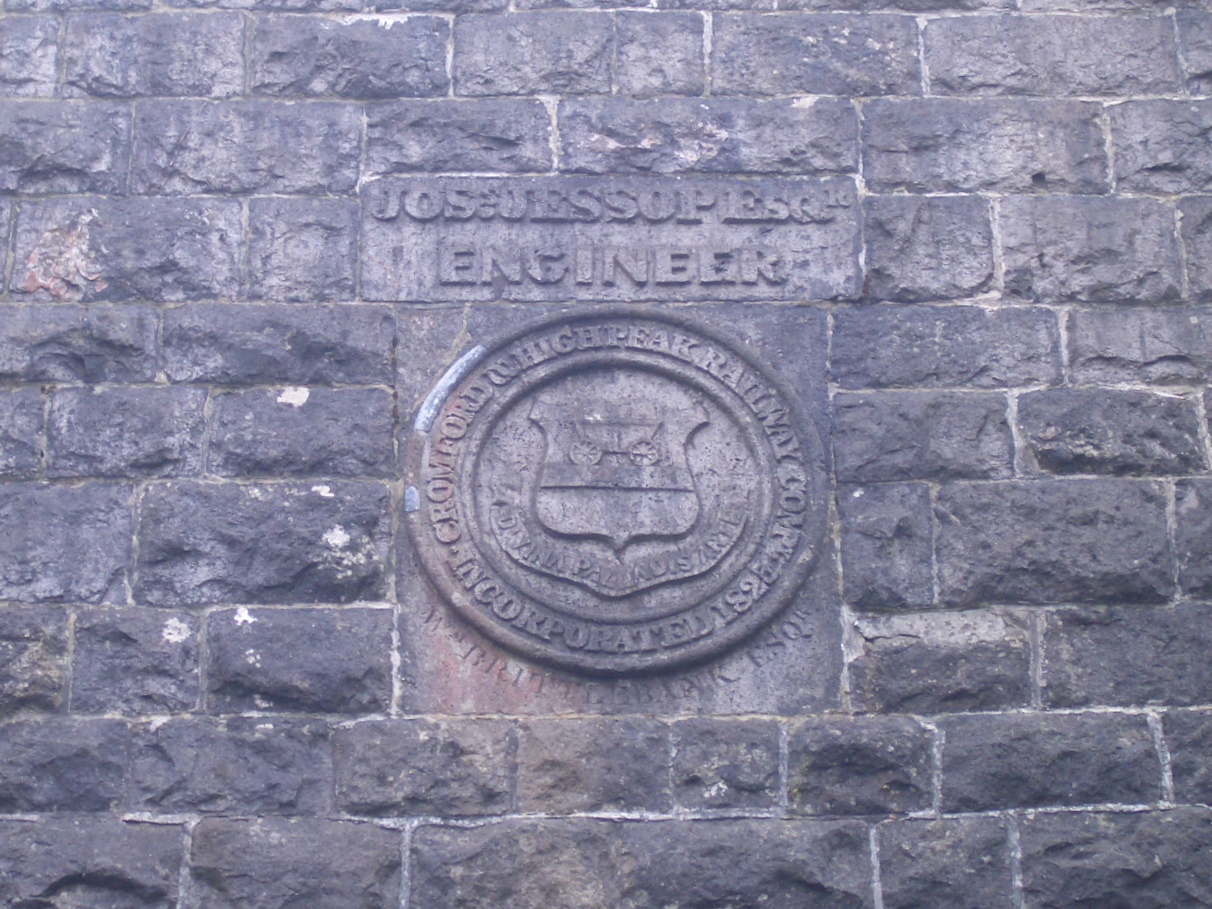
STONE PLAQUES  FROM EITHER SIDE OF A RAILWAY BRIDGE OVER THE HIGH PEAK RAILWAY, DERBYSHIRE (NOW DE-COMMISSIONED AND OPERATING AS THE TISSINGTON TRAIL FOR CYCLISTS & WALKERS)