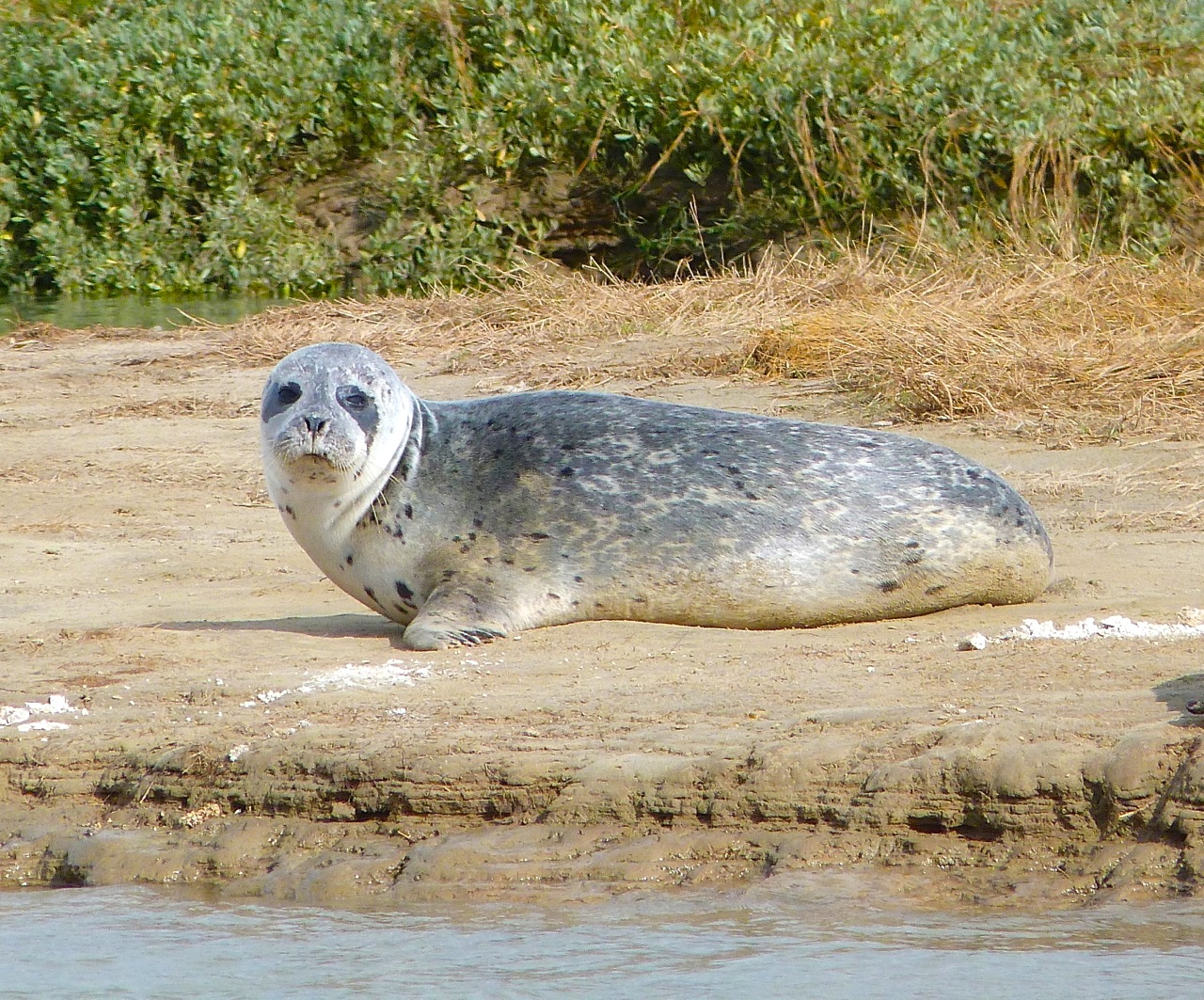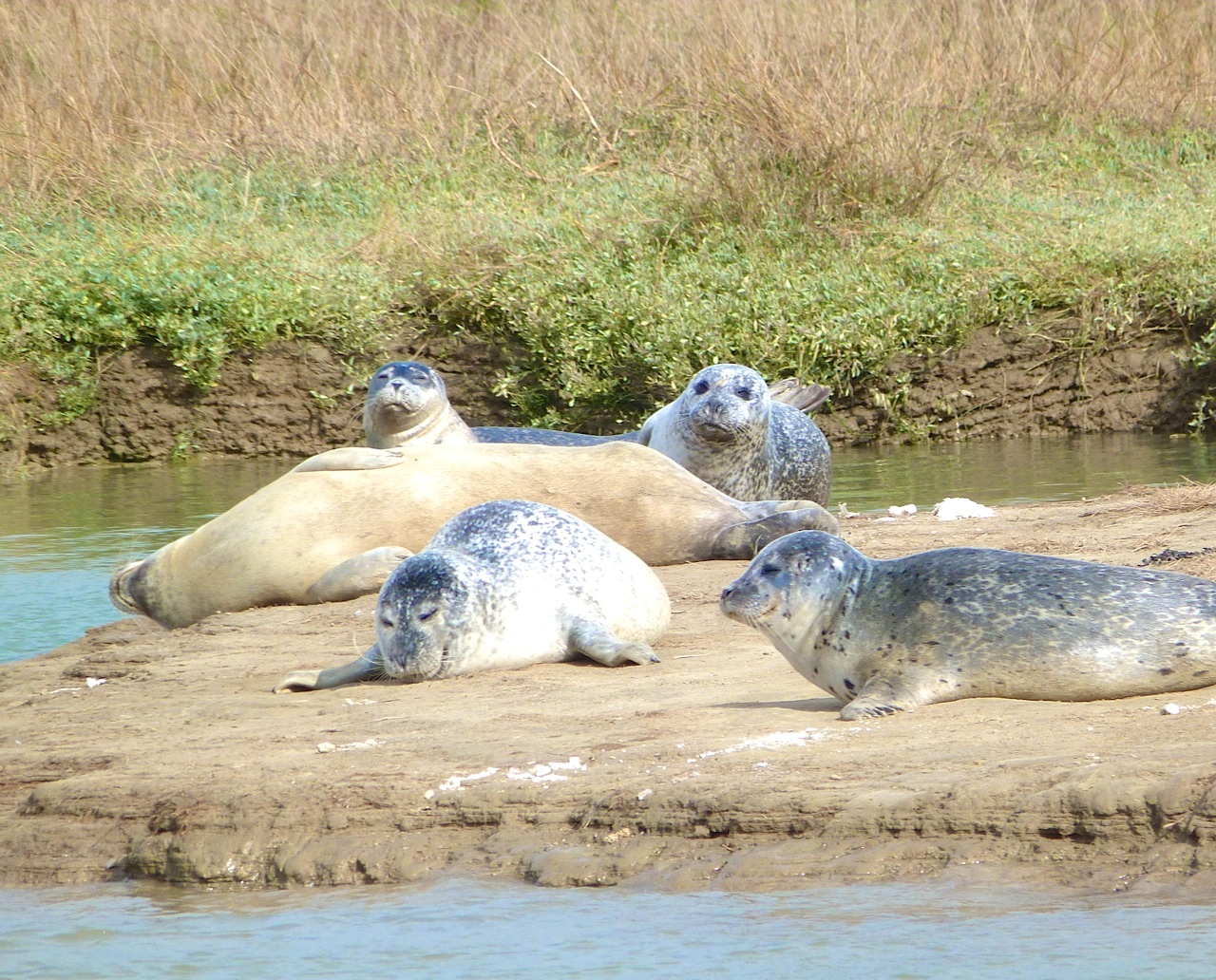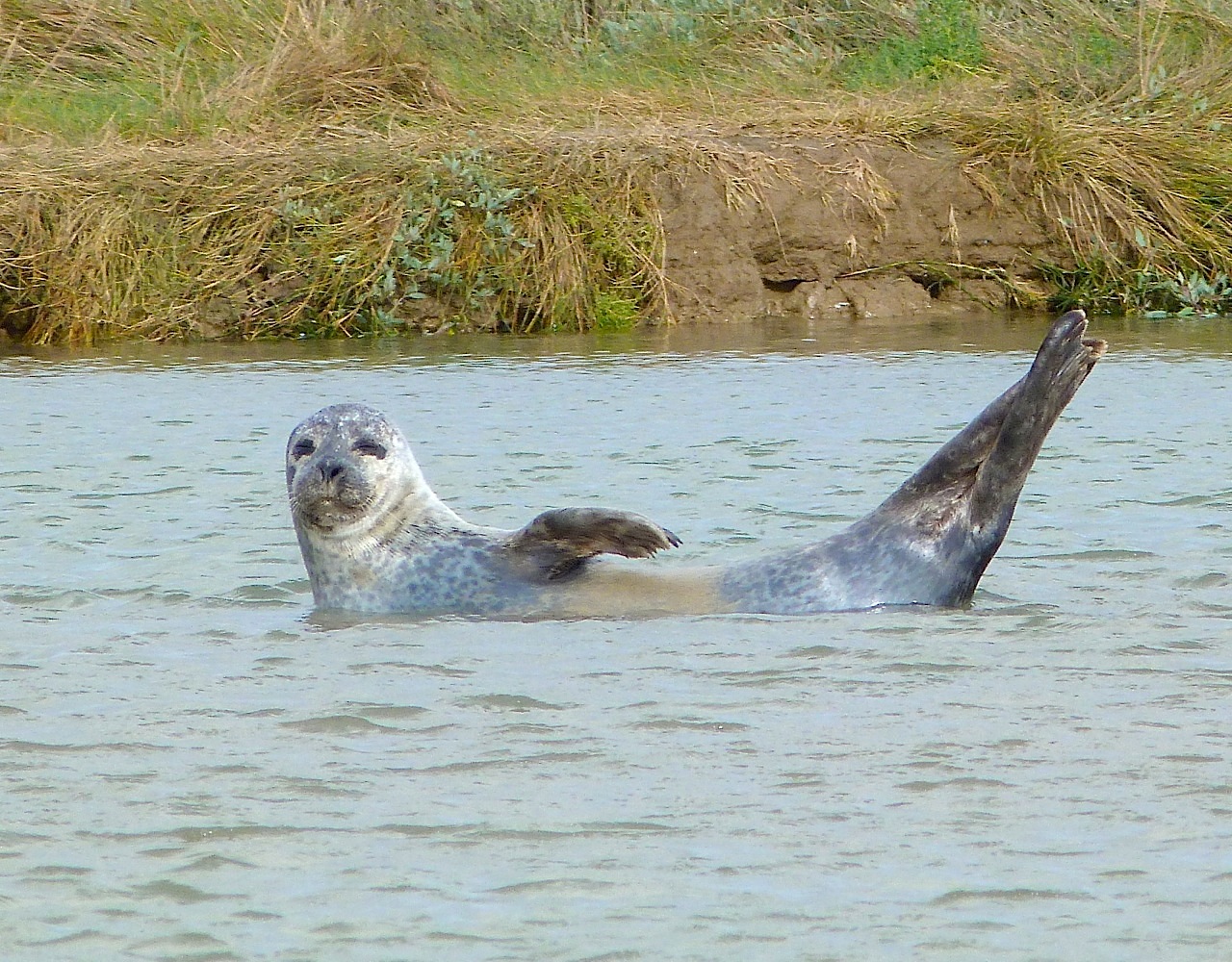
The estuary of the River Stour (“Store”), Kent lies between Ramsgate and Pegwell Bay a short distance to the south. Common seals can reliably be found near the mouth of the river, sunning themselves on the banks. These seals come in a variety of colours. In September some of this season’s pups could be seen growing up among the adults. To be frank, although I took plenty of photos of these lovely creatures looking appealing and / or in amusing poses, the end results were disappointing. Partly, a rocking boat made sharpness difficult to achieve but mainly the adult seals just looked like bloated sausages lying in an unattractive landscape of mud and coarse grass. Here are a few pictures that were spared deletion…
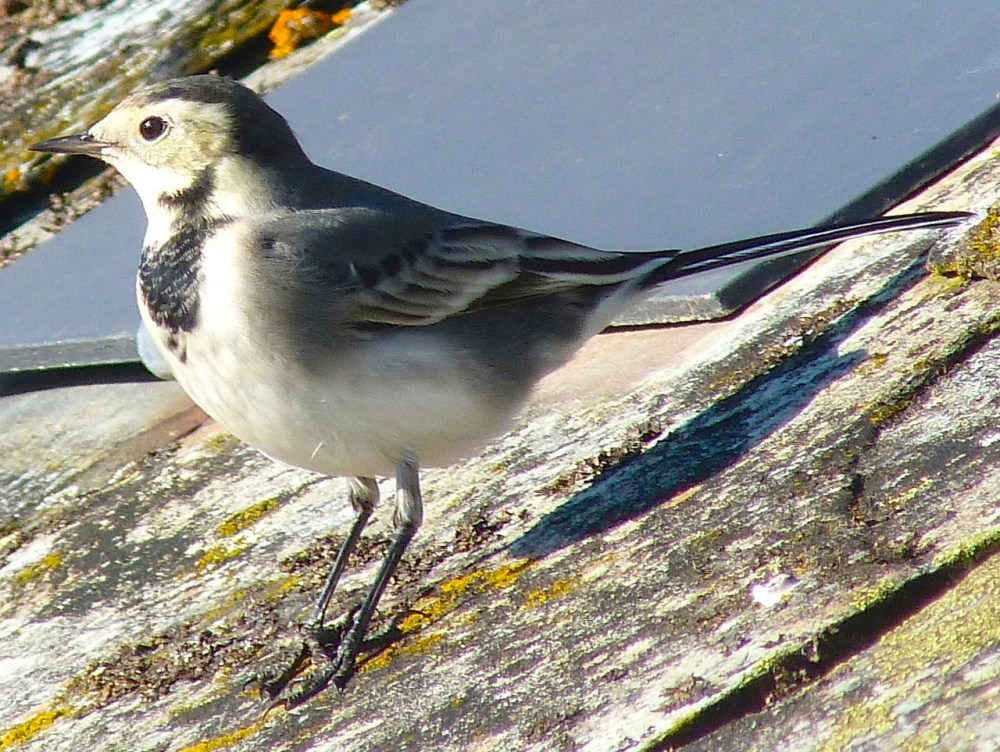
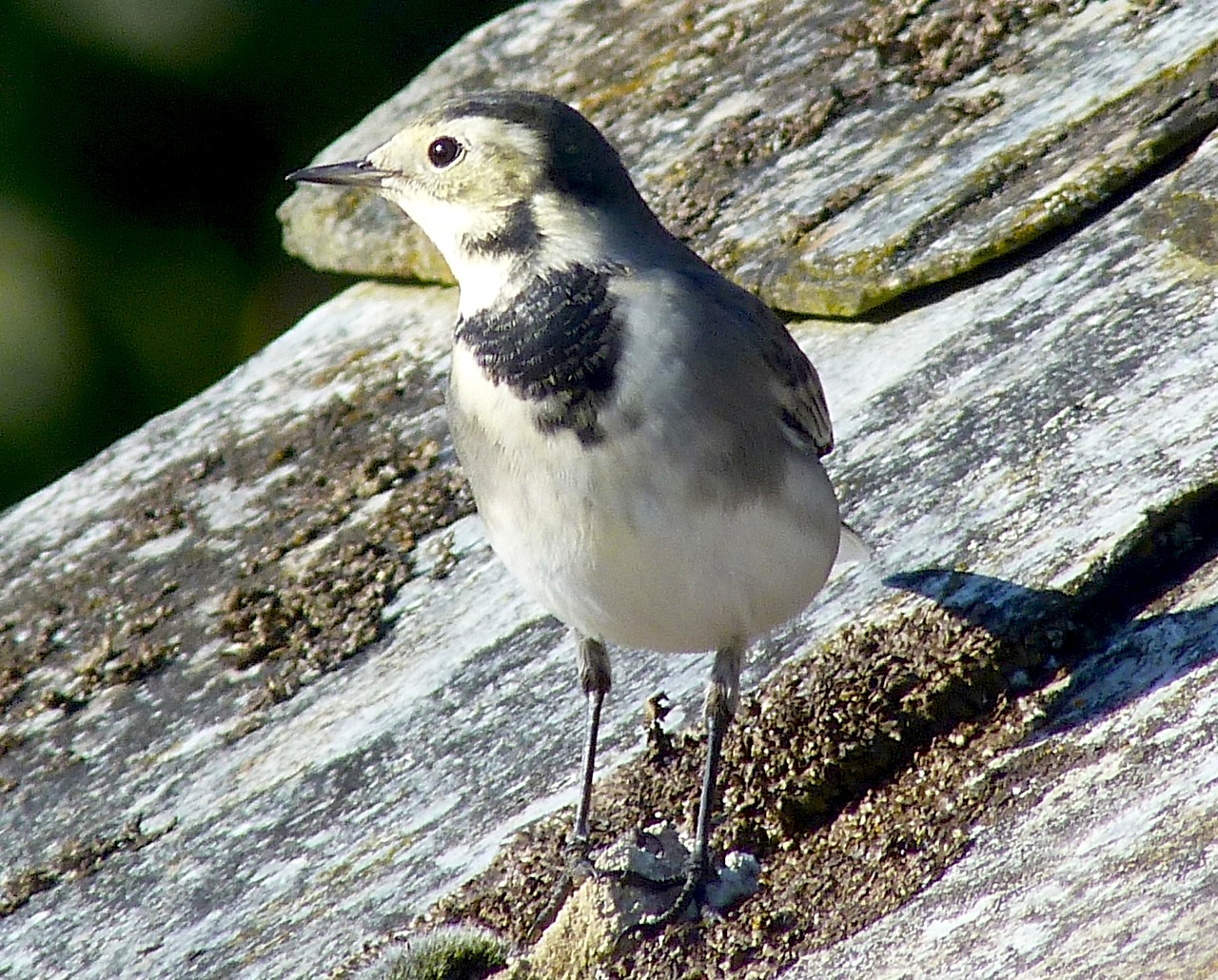
PIED WAGTAILS, OCTOBER, DORSET
We are lucky enough to have pied wagtails – usually just one pair – in the garden every year. They raised a family and for much of the summer there were 4 patrolling the roof ridge. Recently, prolific evening fly hatches have provided them with great sport as they hawk for the insects from the roof, fluttering briefly into action and returning to their perch. On some evenings they have been joined by up to 2 dozen other wagtails, and for half an hour at dusk they have looped and swooped round and round, eating on the wing. I wondered if there was a collective noun for wagtails to go with the charms, murmurations, murders and parliaments that other birds are awarded. The only one I found was in a jocular list by a determinedly downbeat birder, who applied the term ‘a permanent narcissism of wagtails’.
SANDWICH SHARING: IMAGES FROM A CINQUE PORT
Sandwich is a cinque port, along with Hastings, New Romney, Hythe and Dover – we had some warm family disagreements discussions about these until someone managed to get a phone signal and look them up. The town has a large number of medieval buildings, and we enjoyed a quick look round recently when we were staying nearby.
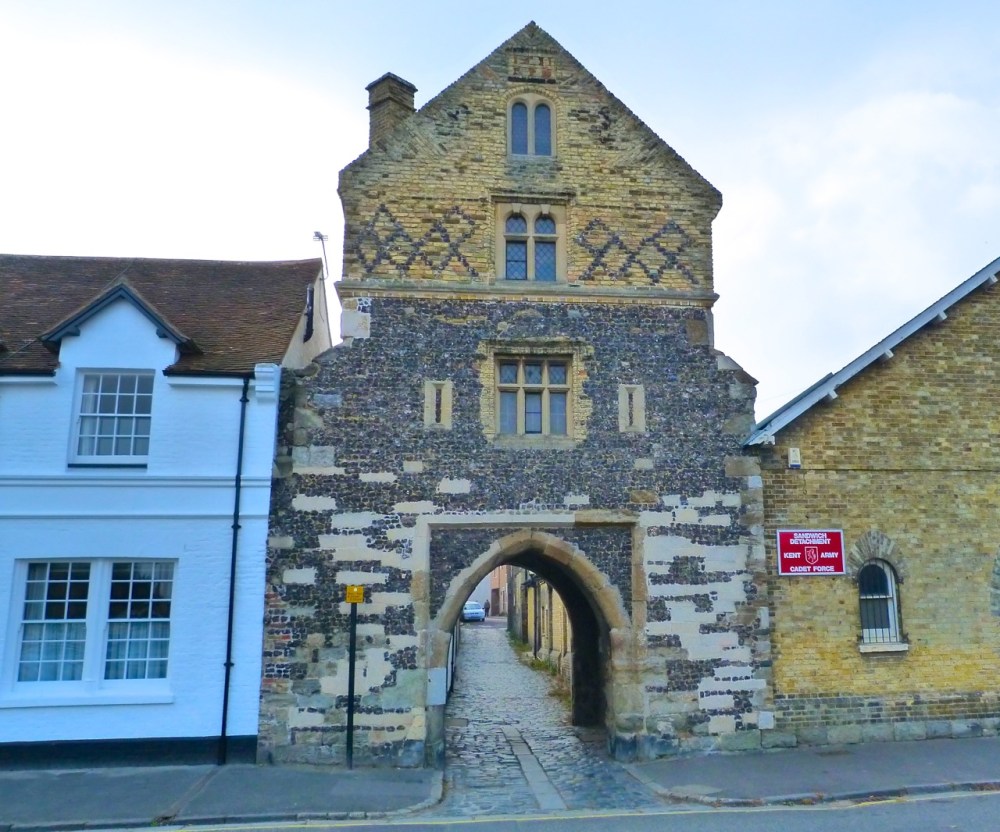
THE FISHER GATE (1384) on the quayside
THE BARBICAN (and toll house)
THE TOLL TABLE, 1905
Although viable vehicles using an internal combustion engine had only been in existence for about 6 years (and were few and far between), steam vehicles were not uncommon. It’s surprising to learn the variety of transport methods still catered for in post-Victorian England. I’d like to have possessed a ‘wain’. And a ‘chaise’, for that matter.
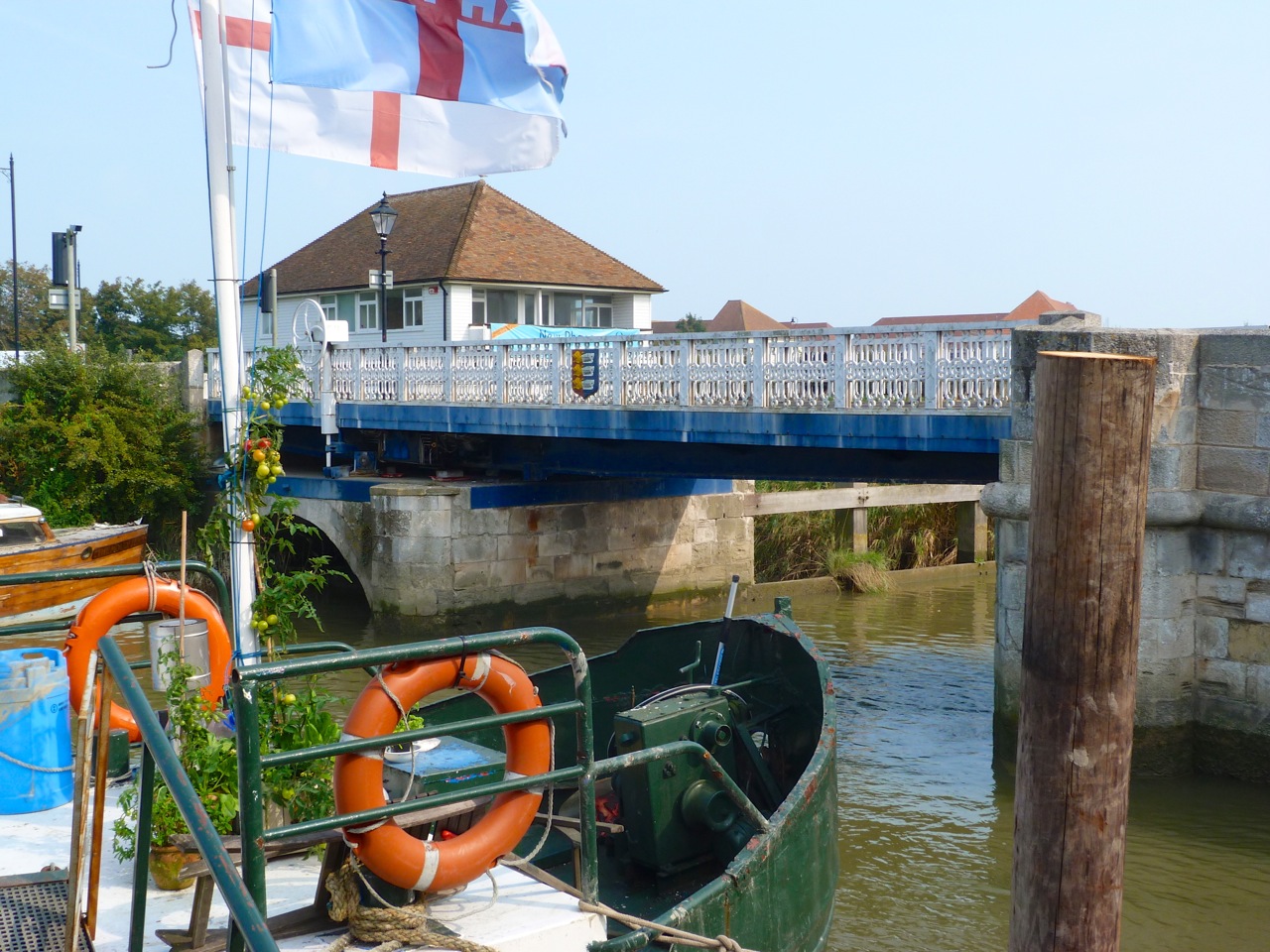
RIVER STOUR at the quayside, with the swing bridge road that now leads to the Barbican
IS THIS FOR REAL? (looking at the modern screws, I concluded not)
ST PETER’S CHURCH (C13 / 14), now in the care of the Churches Conservation Trust
MEMORIAL IN ST PETER’S CHURCH with ambiguous tribute
SANDWICH WEAVERS (1500) a home and workshop used by Dutch workers in the c16

THE SWING BRIDGE OVER THE STOUR
The quayside was used for army embarkations for wars with France
‘SHEEP MAY SAFELY GRAZE…’: PASTORAL DORSET
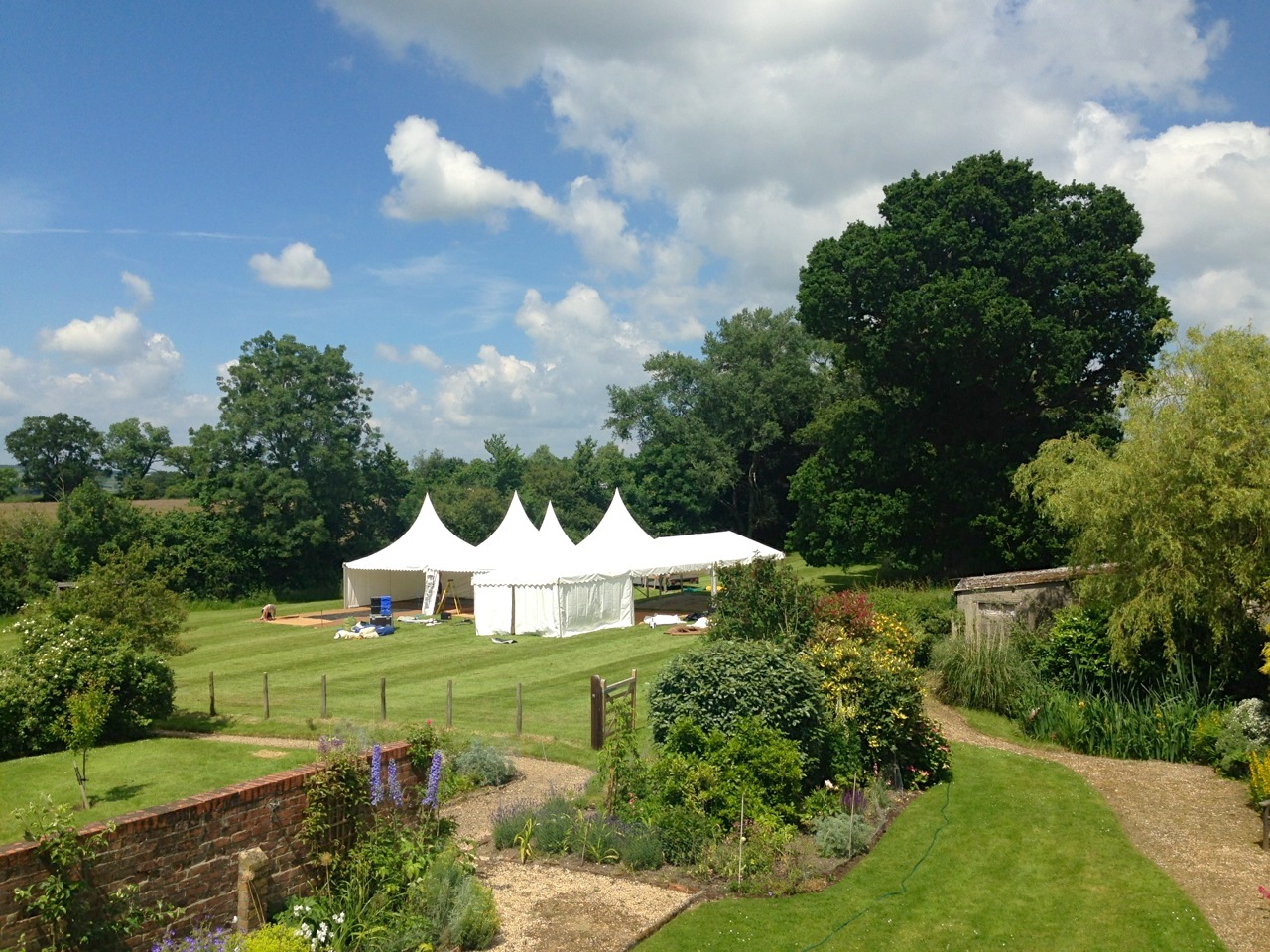
For six years we had our neighbour’s 3 alpacas in our paddock. Advantages: they mowed the grass and were decorative. Drawbacks: they caused a lot of damage by digging and from their peculiarly toxic waste; and were annoyingly passive / aggressive. So we moved them off, spent last winter filling in all the holes with a ton of topsoil and re-seeding, followed by a programme of regular harrowing, mowing and rolling to make the field ready for our son’s wedding on midsummer’s day (where we had our own reception a few years decades ago).
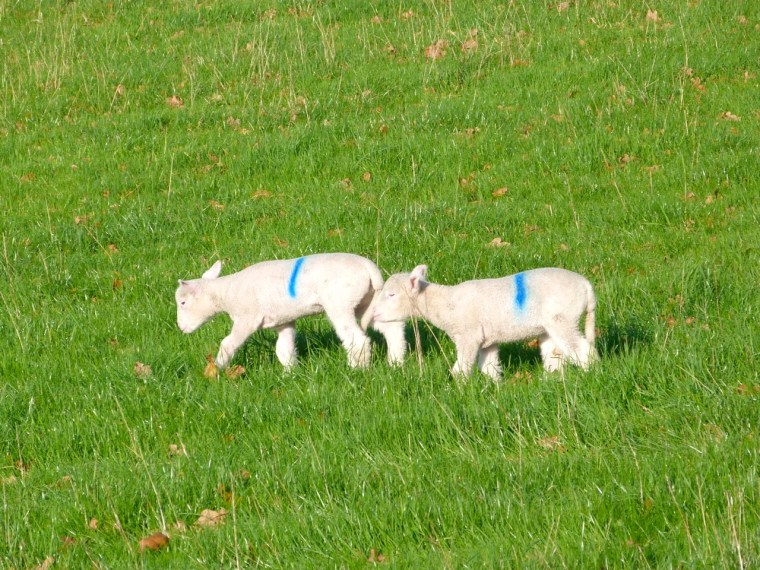
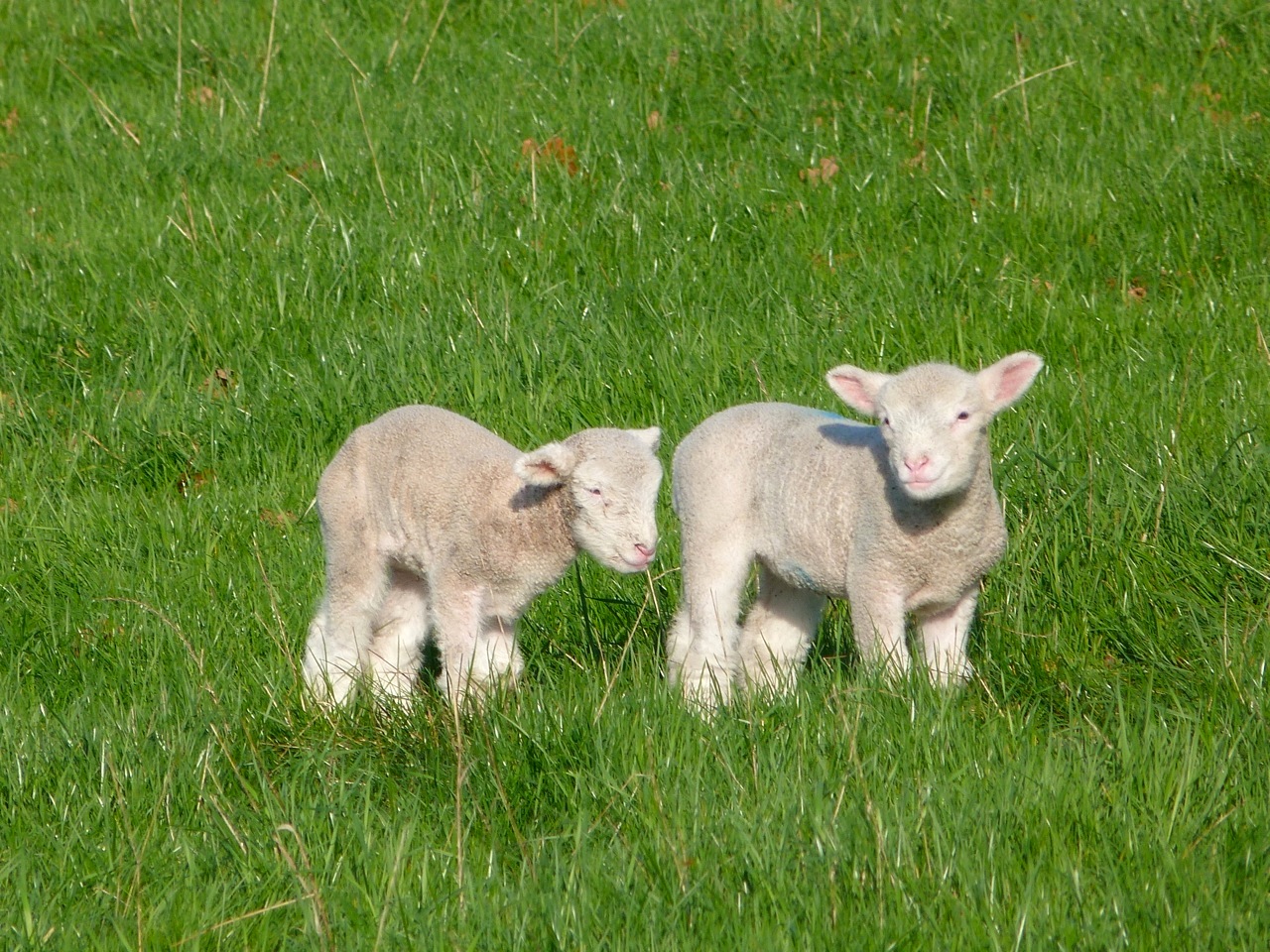
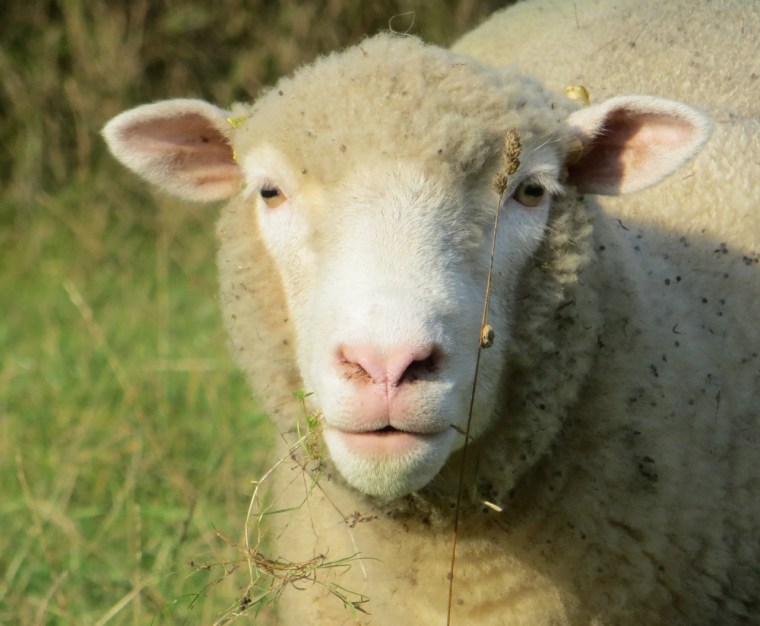
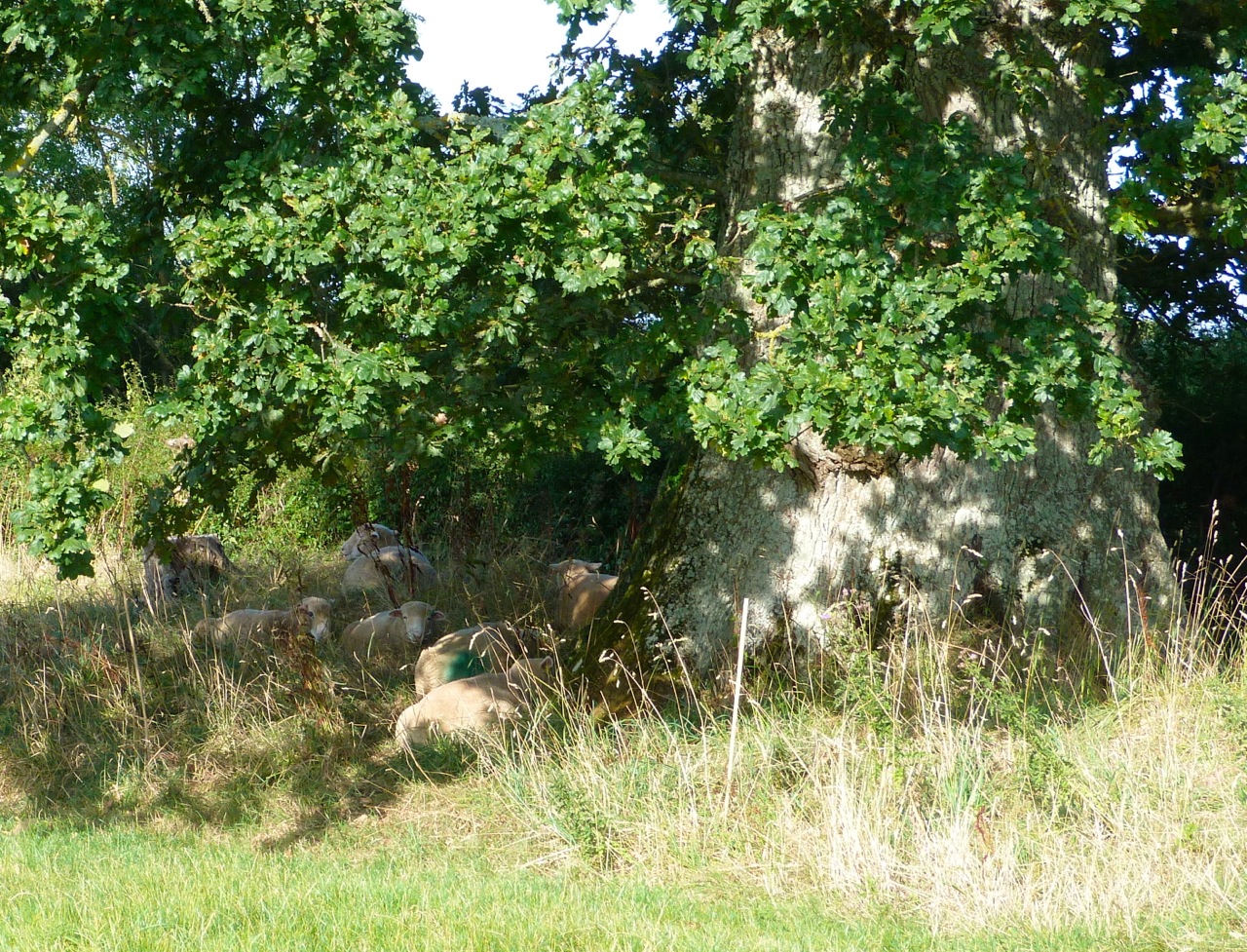
Now what? The answer is: sheep. Peaceful, munching grazers with no obvious drawbacks. A young farmer in the village has put 7 pregnant Poll Dorset sheep in the paddock. Result: pastoral scenes, evenly cropped grass, and a damage-free field – with pre-Christmas lambs in prospect. 


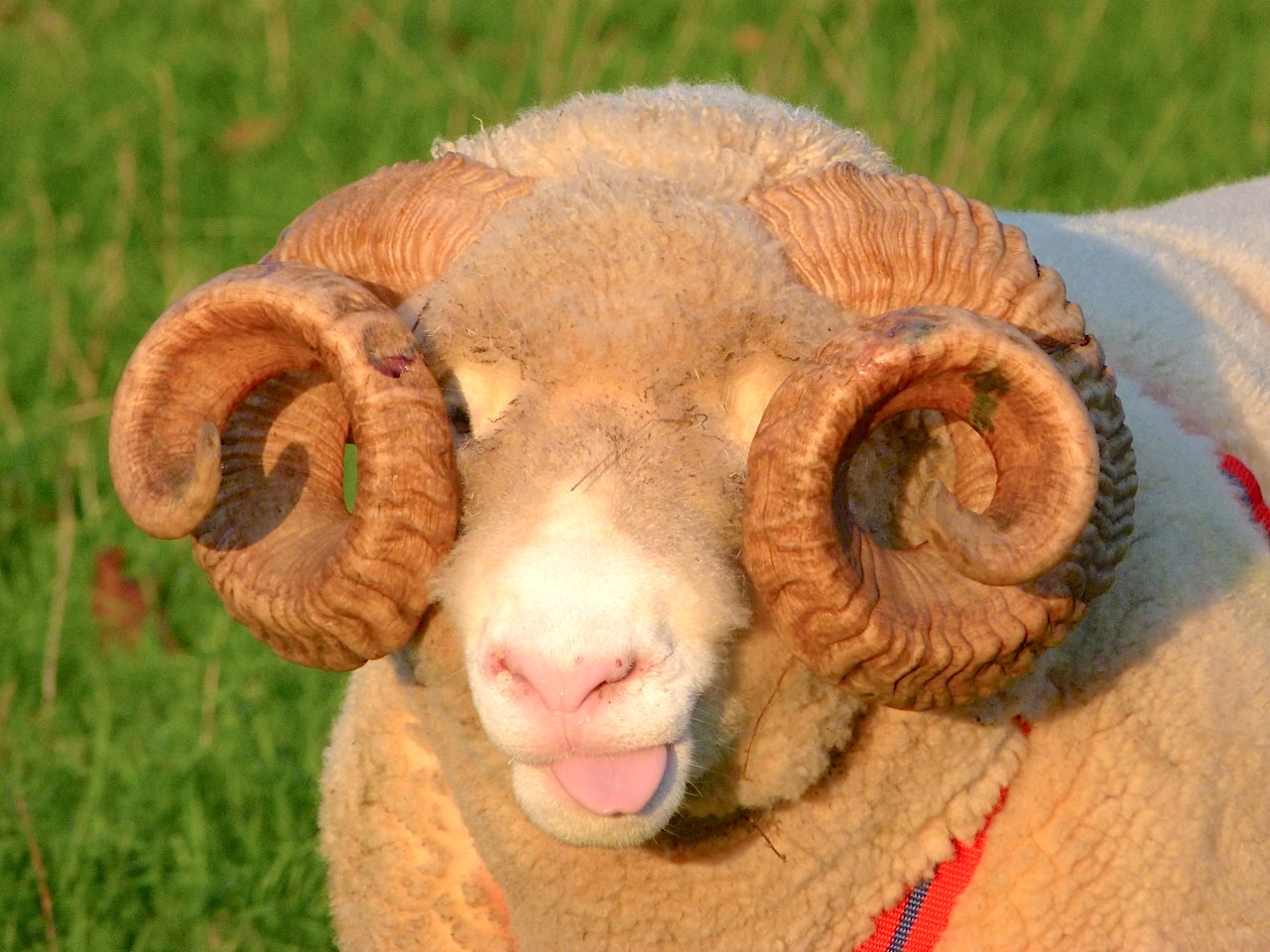
The Dorset breed of sheep comes in both poll and horn varieties. Here are specimens of each kind photographed at a recent show in Dorset. The breed is hardy (as befits Hardy country), and unusually they can lamb 3 times over the course of 2 years, making them a productive option for a young farmer building up his flock.
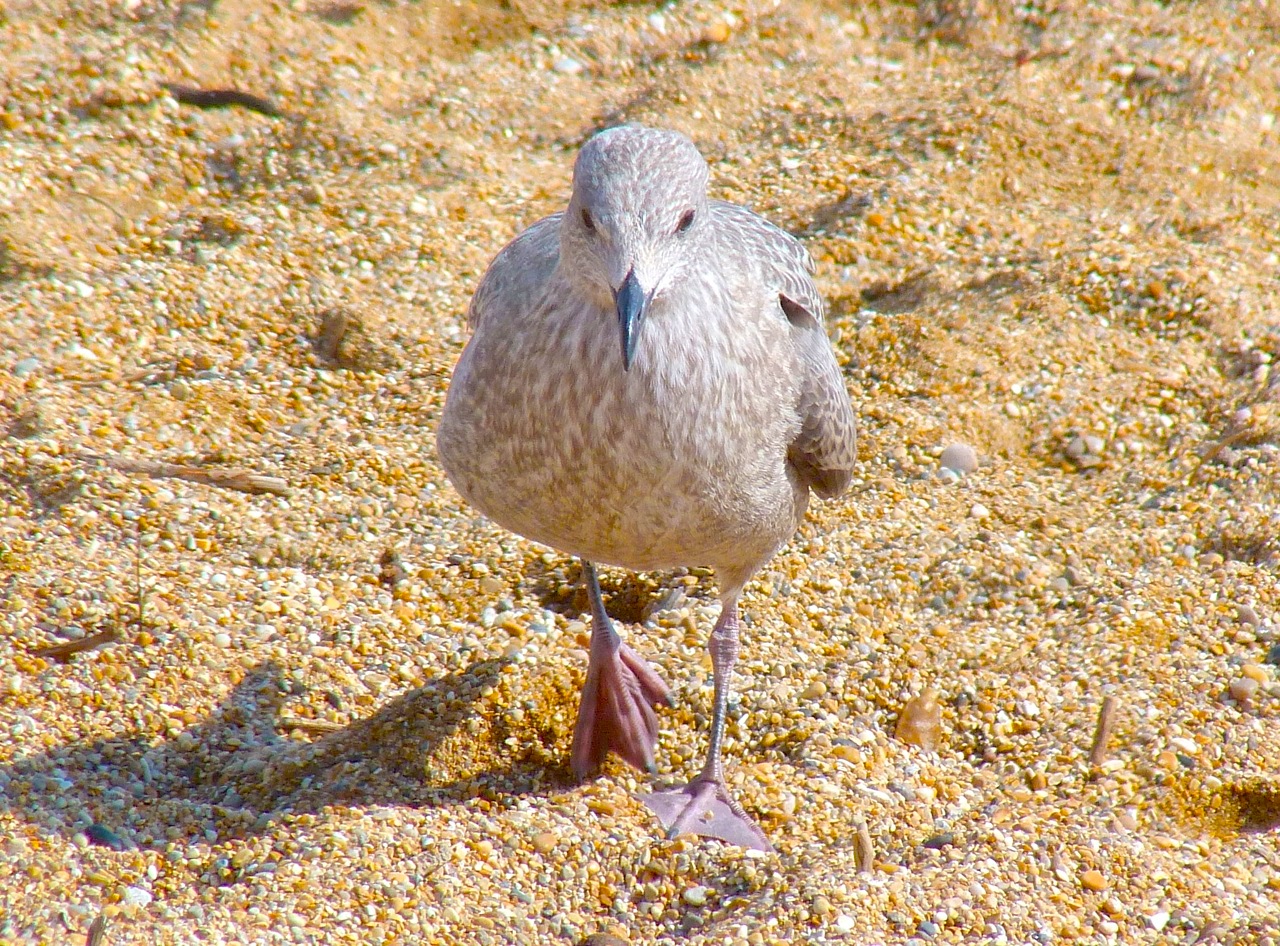
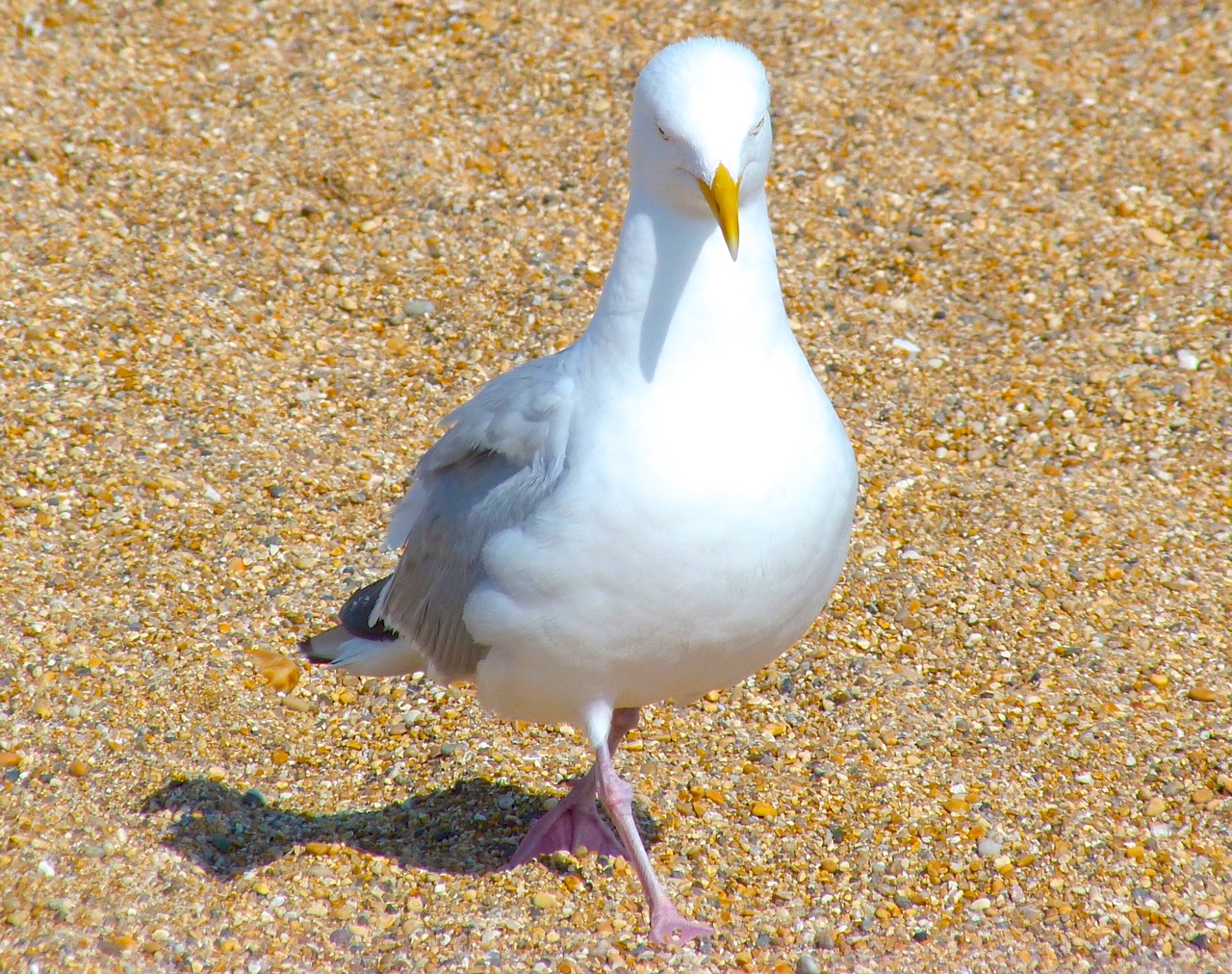
GULL STUDIES, WEST BAY BEACH, DORSET
MEADOW BROWN BUTTERFLY, DORSET
GATEKEEPER BUTTERFLY, DORSET
The Gatekeeper is (yet) another butterfly species that I have photographed this year for the first time in our garden in Dorset. There are several possible reasons for this: I haven’t bothered to notice them before; I have noticed them, but confused them with the similar meadow browns I do recognise; I have become more observant and butterfly-aware since we restored the garden and planted a lot of bee / butterfly / moth attractant plants; the species is in fact new to the garden, perhaps for the previous reason. Anyway, whichever is right, they suddenly arrived in the garden / I finally recognised this ‘new’ species in early August. Here are some.
THE FIRST GATEKEEPER I NOTICED THIS YEAR 
SWALLOWS (ADULT & FLEDGLING) IN DORSET
A few photos taken in July and August of swallows in Dorset. Our recently installed upgraded electricity cables are ridiculously large, but at least they provide a solid perch for the birds. The adult swallows shown are followed by a young trainee swallow nabbing a passing insect; and some cute fledglings including one (penultimate) who decides to call for its food the easy way – and the compliant parent…