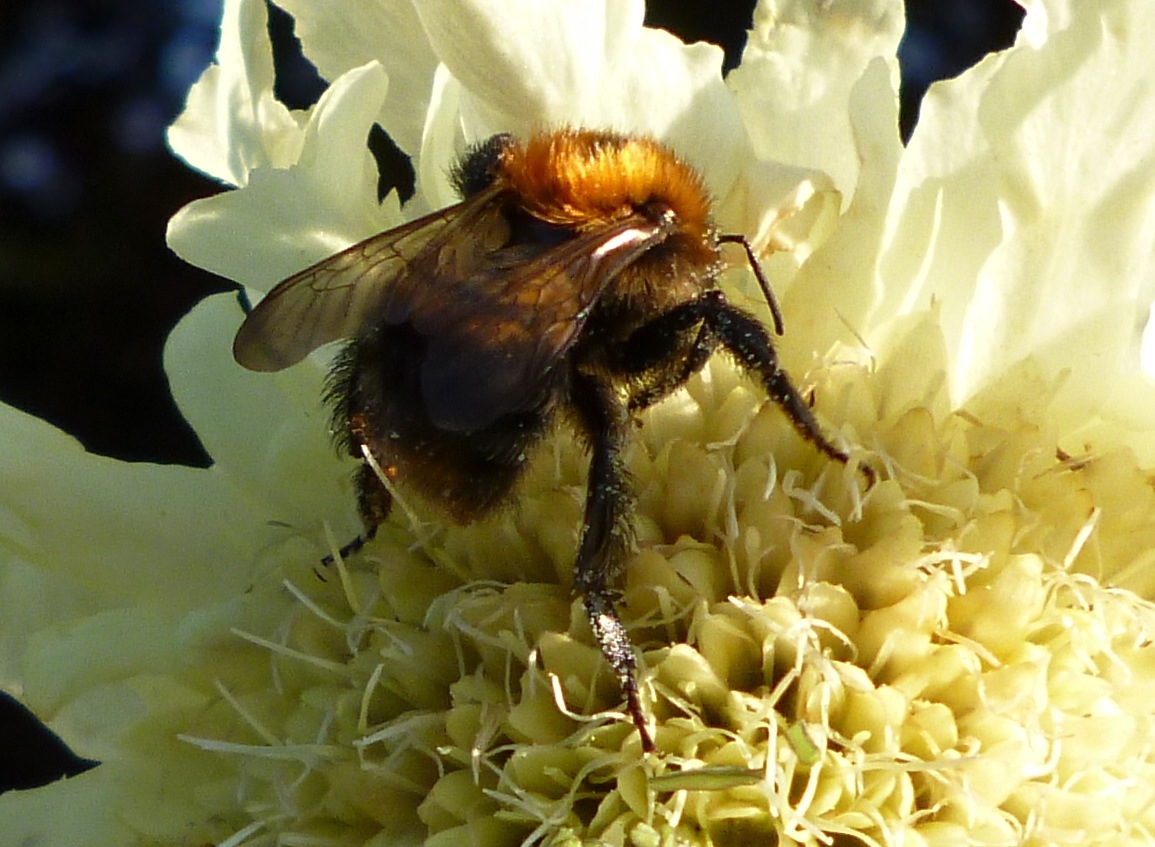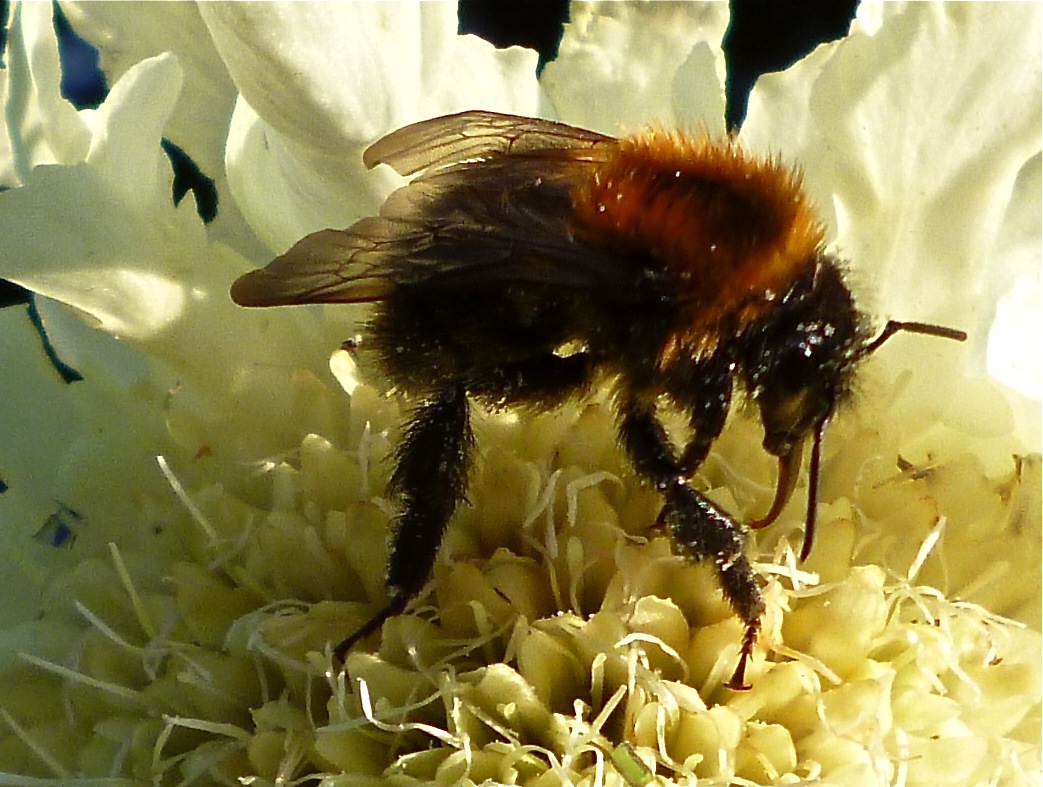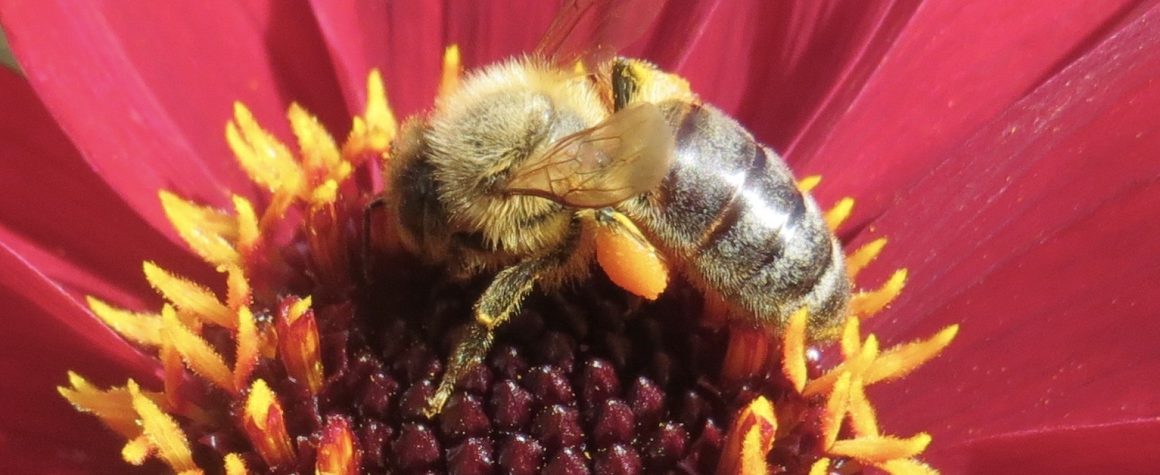
RED ADMIRAL BUTTERFLIES ON WHITE BUDDLEIA – DORSET
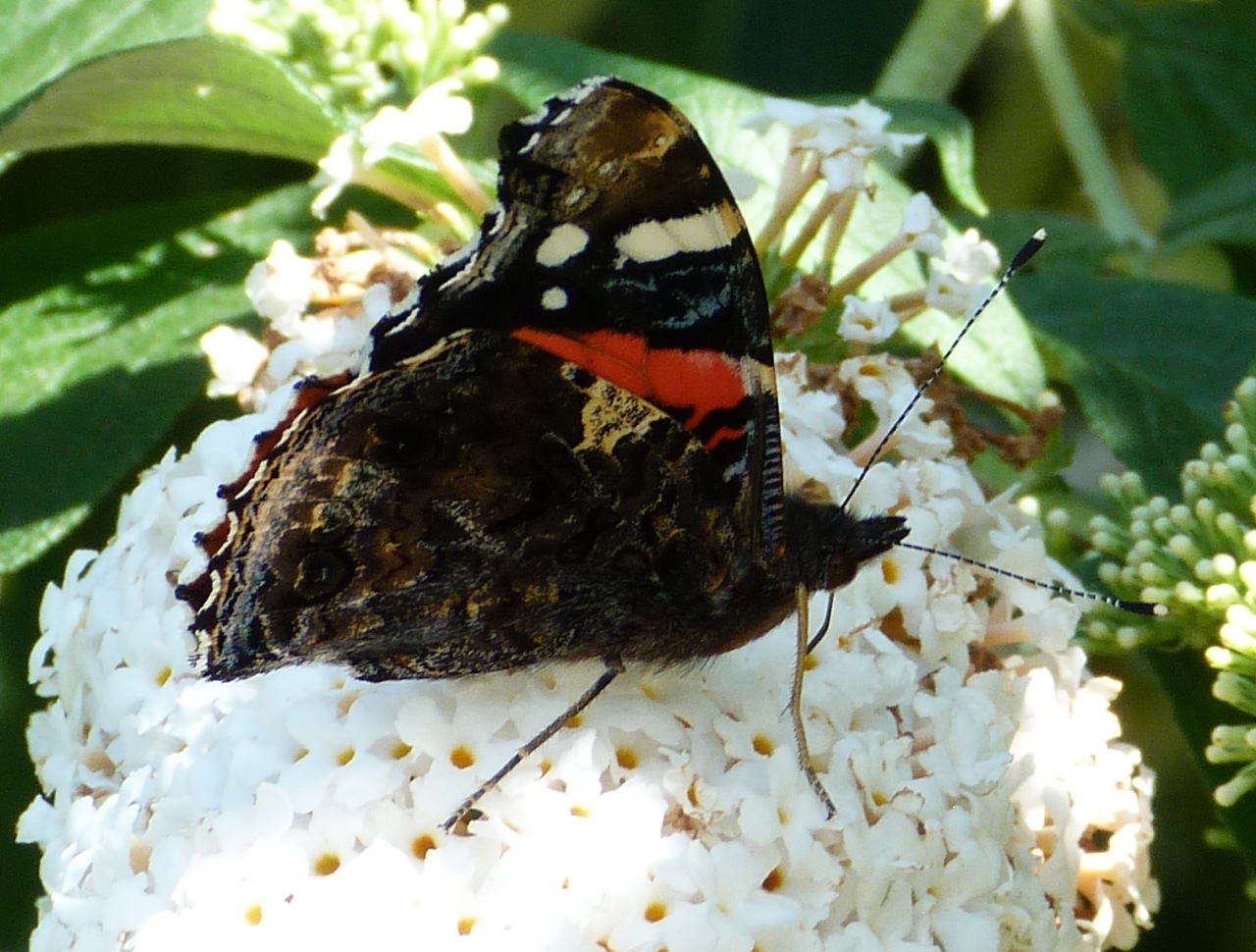


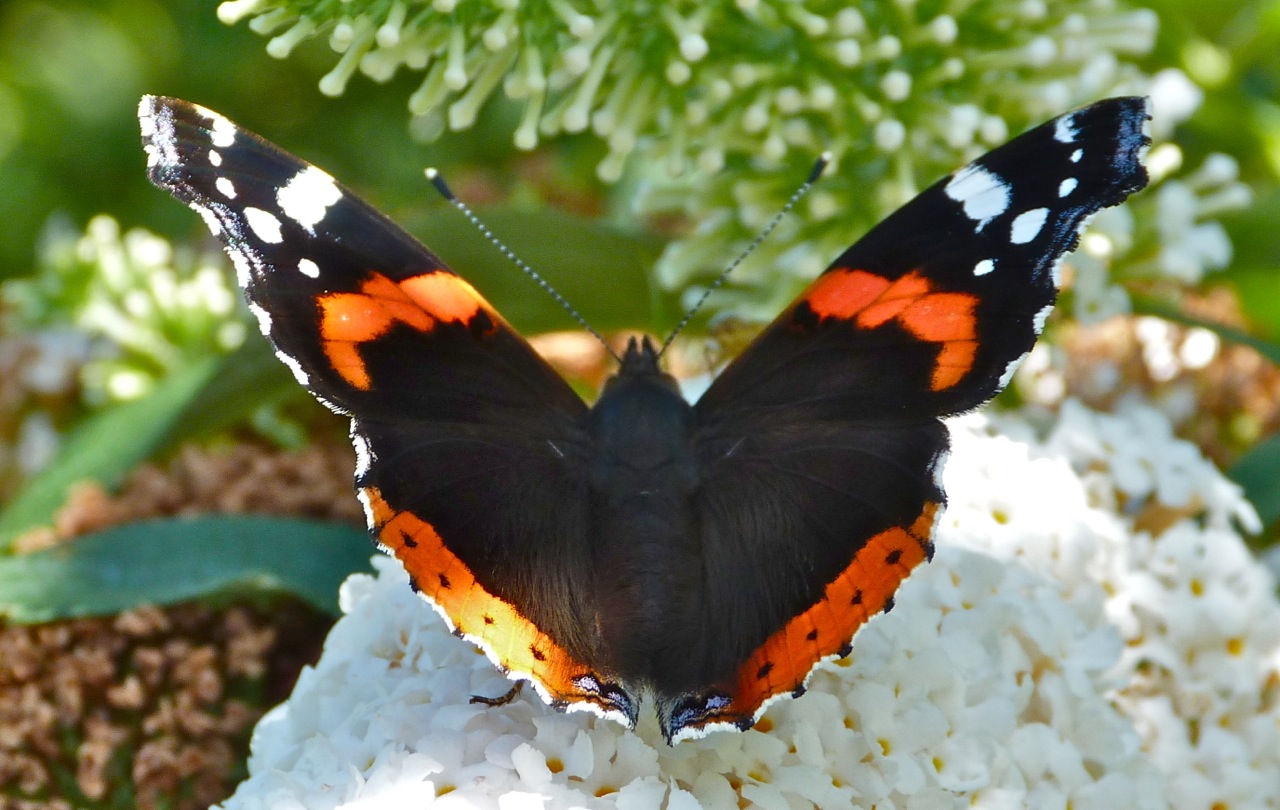

RED ADMIRAL BUTTERFLIES ON WHITE BUDDLEIA – DORSET
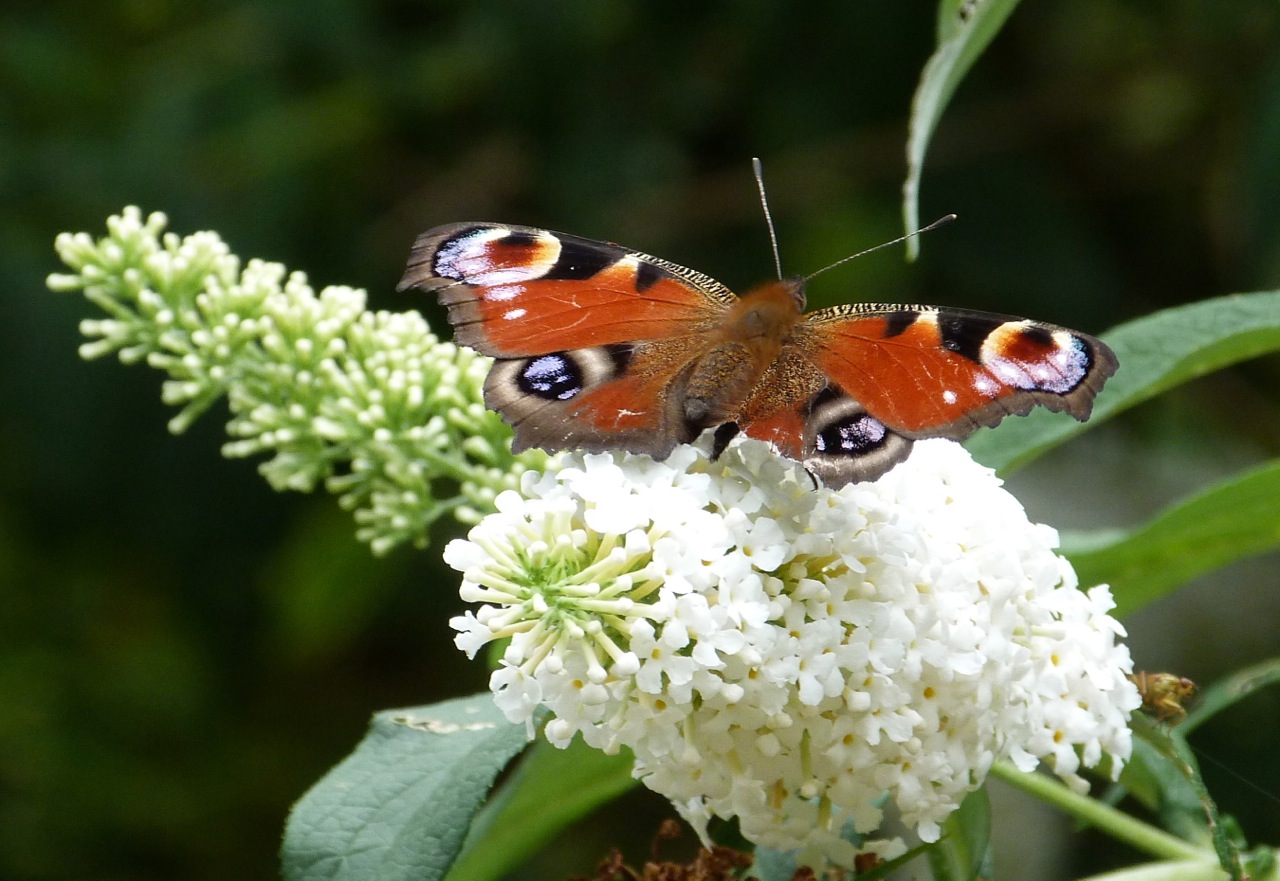
PEACOCK BUTTERFLIES ON WHITE BUDDLEIA – DORSET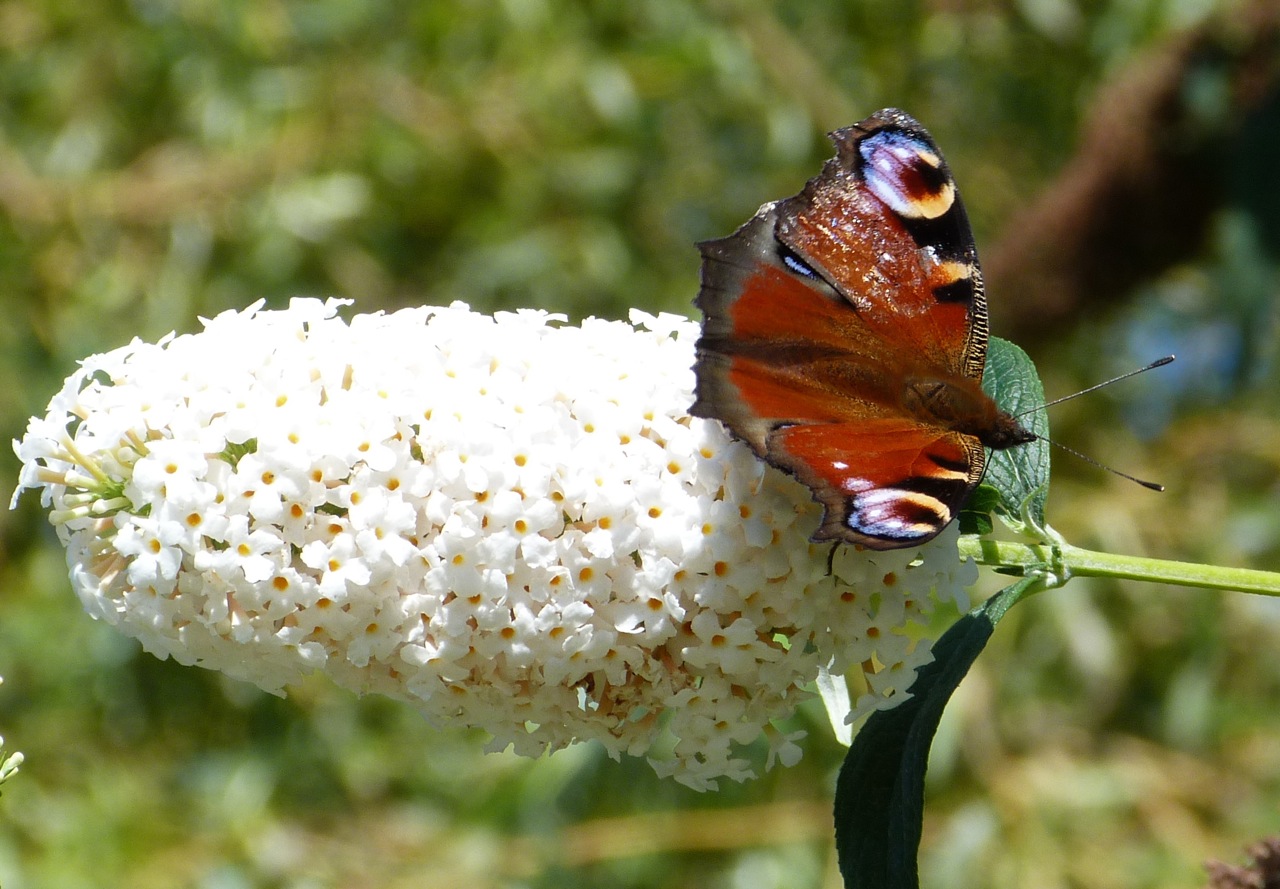



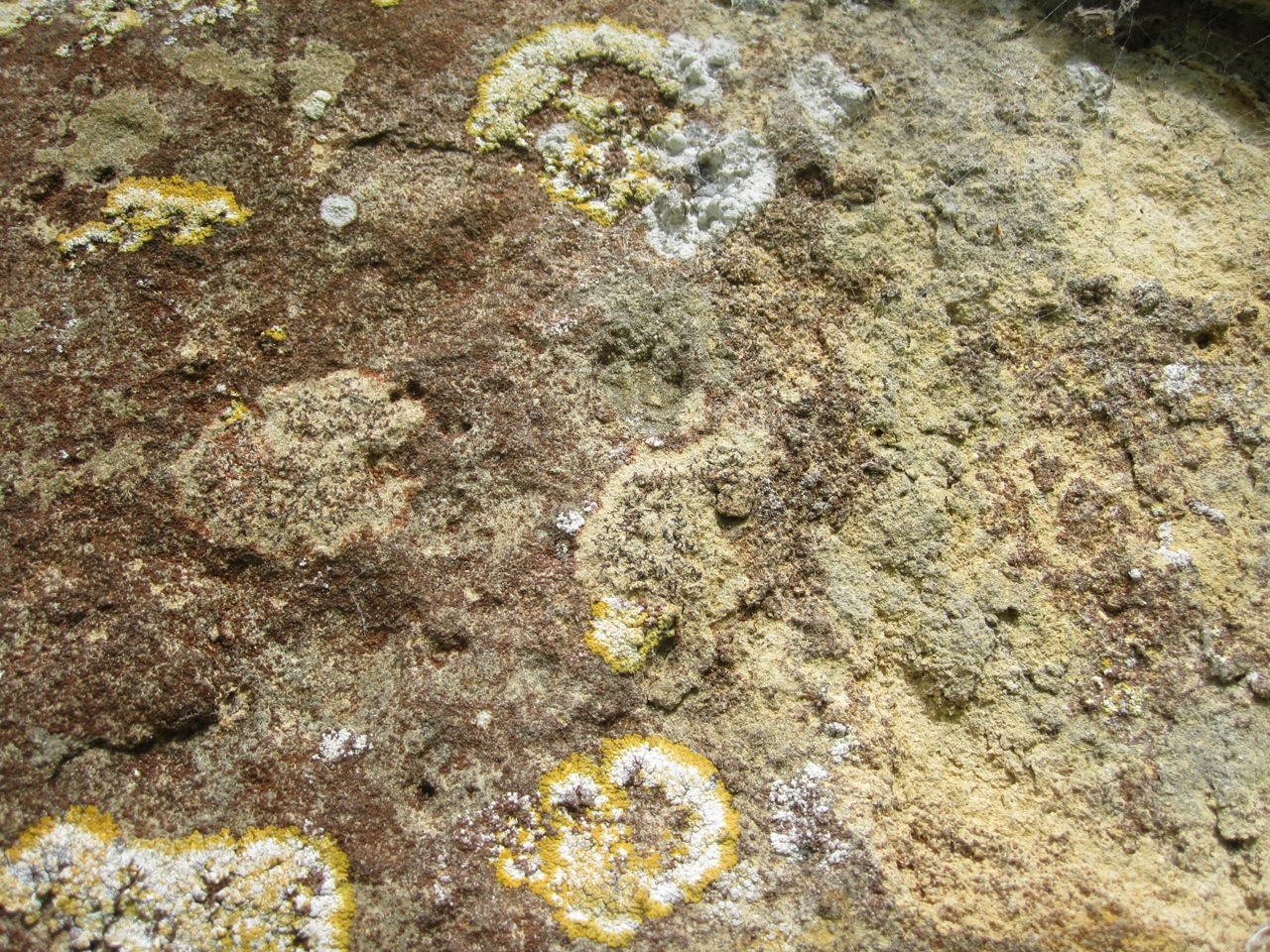
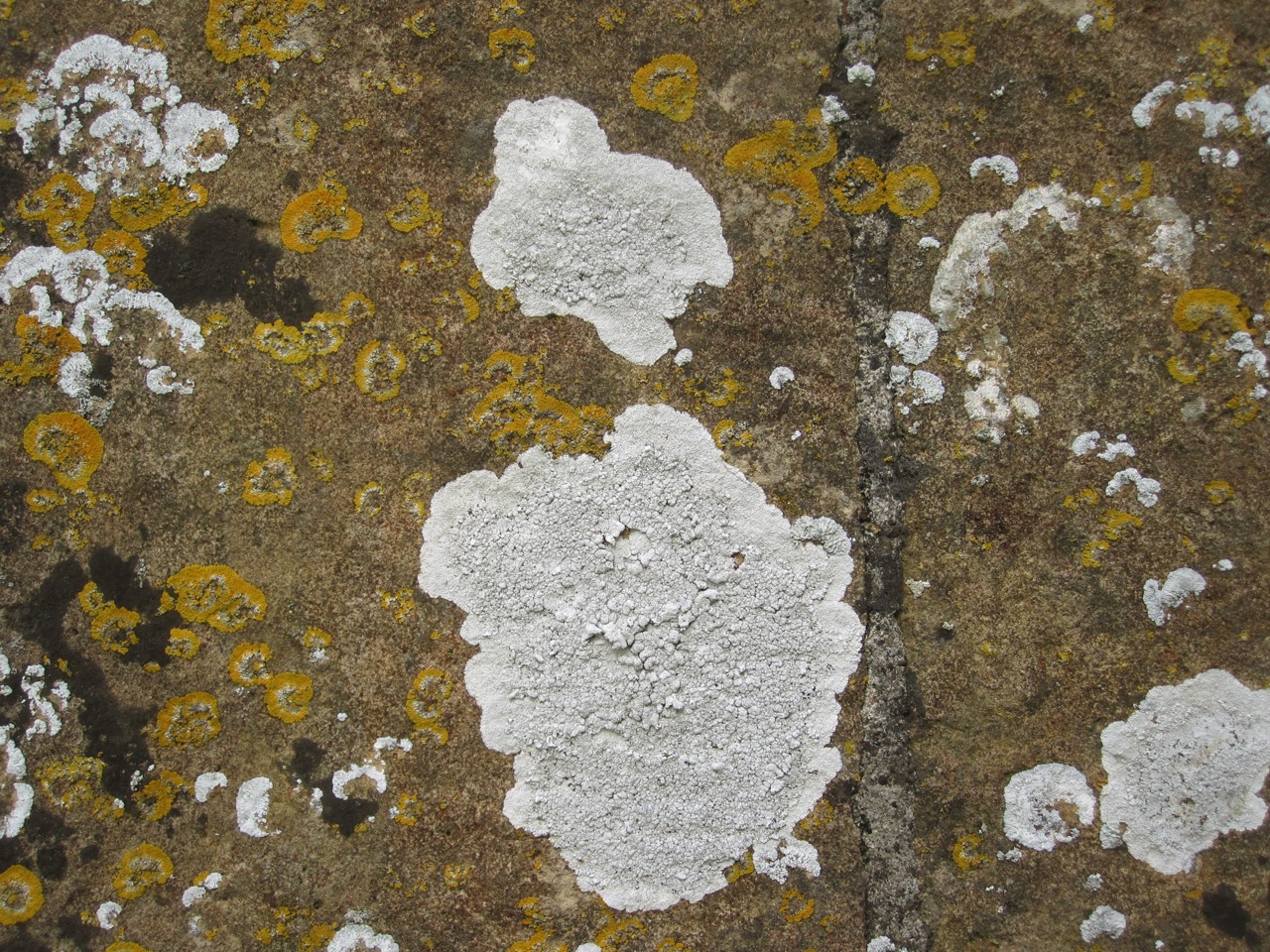
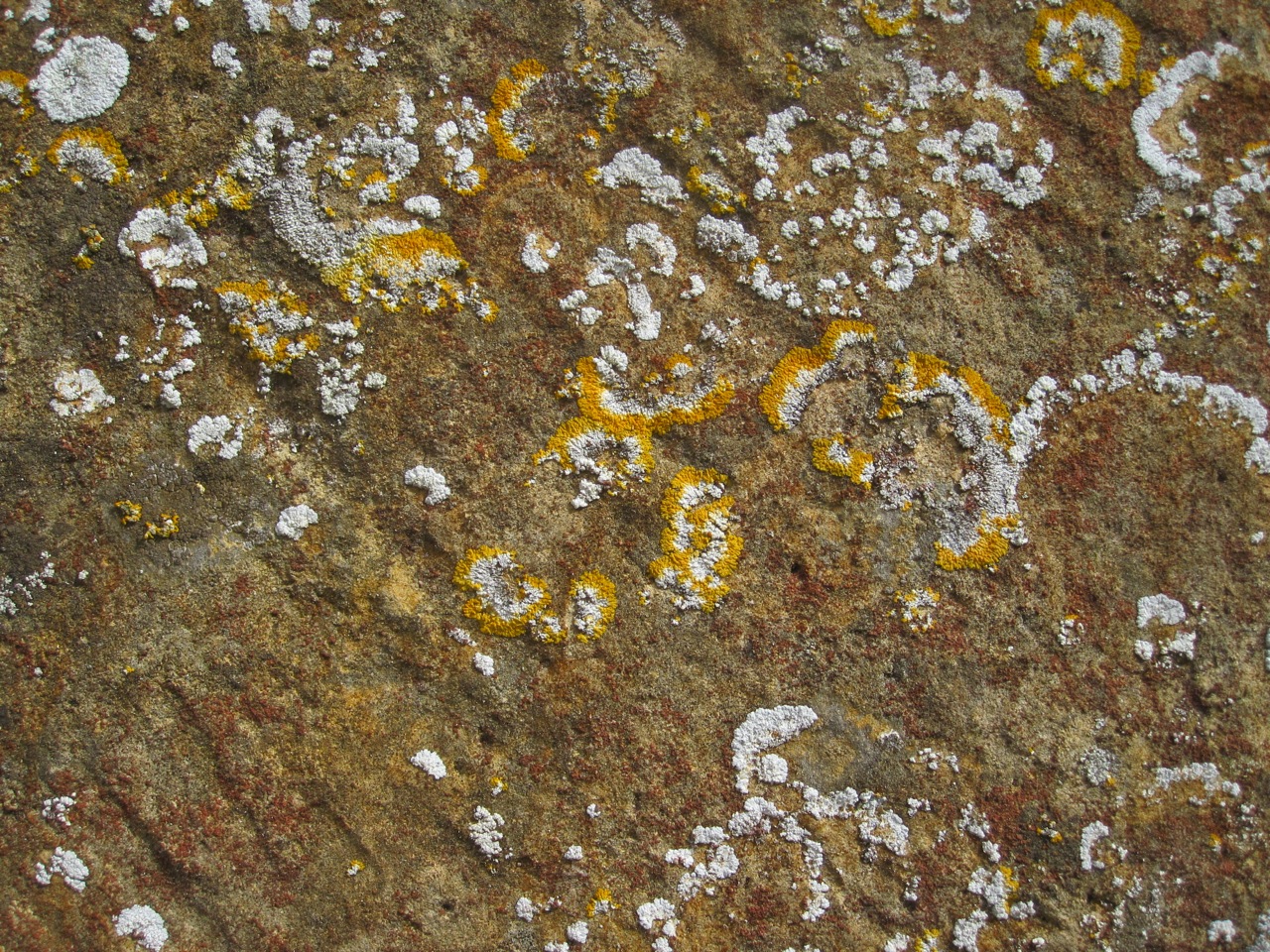
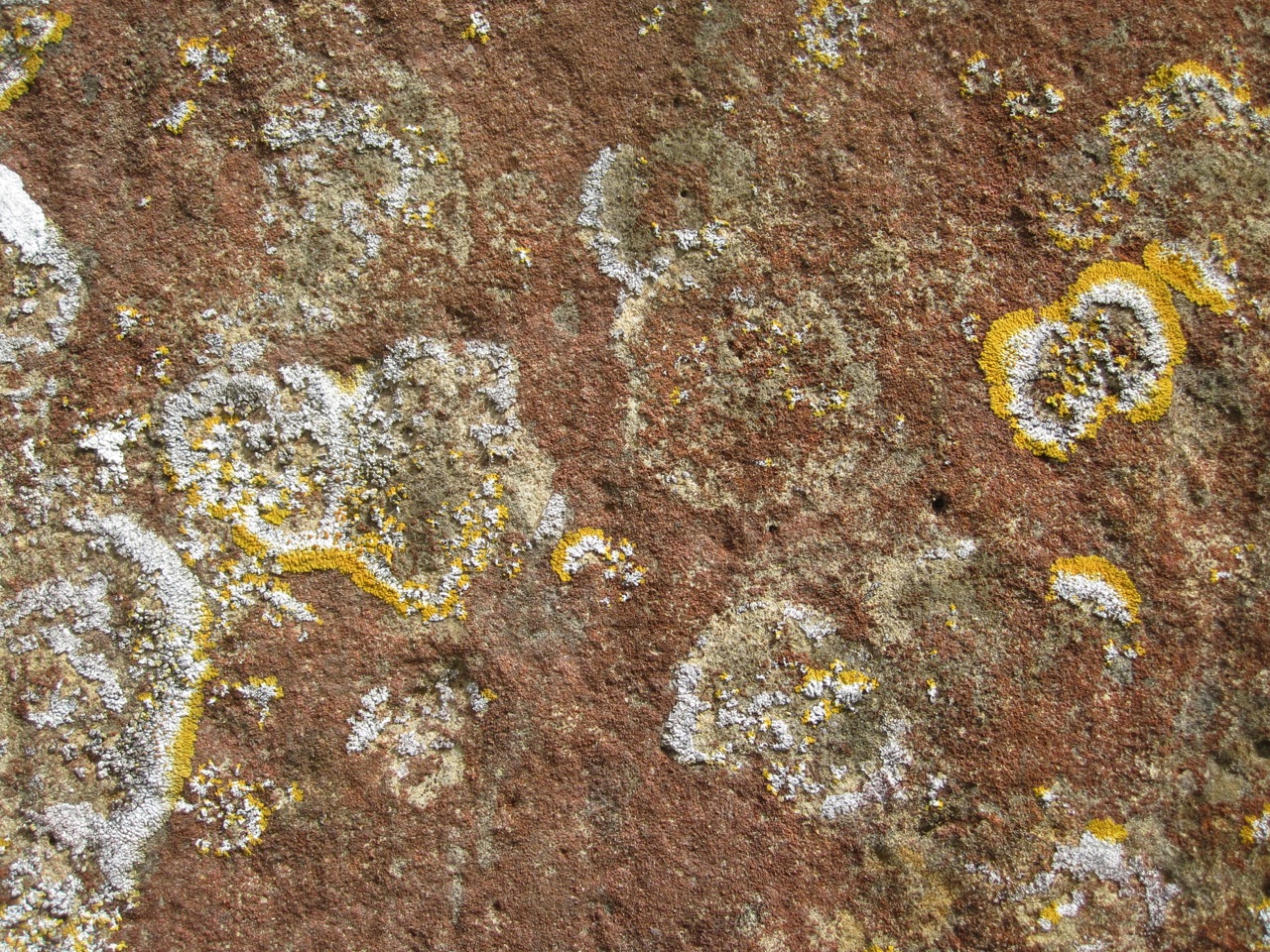
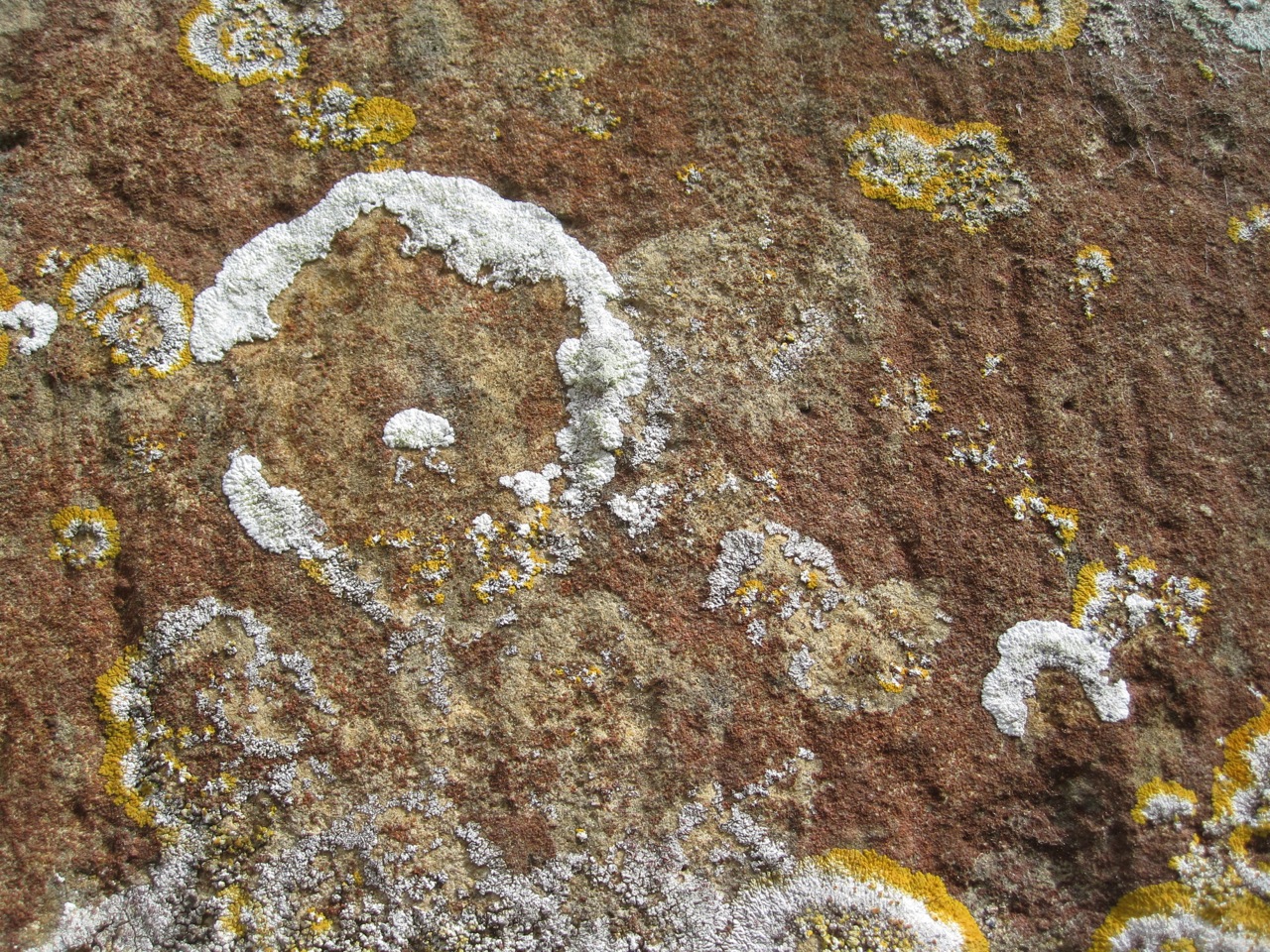
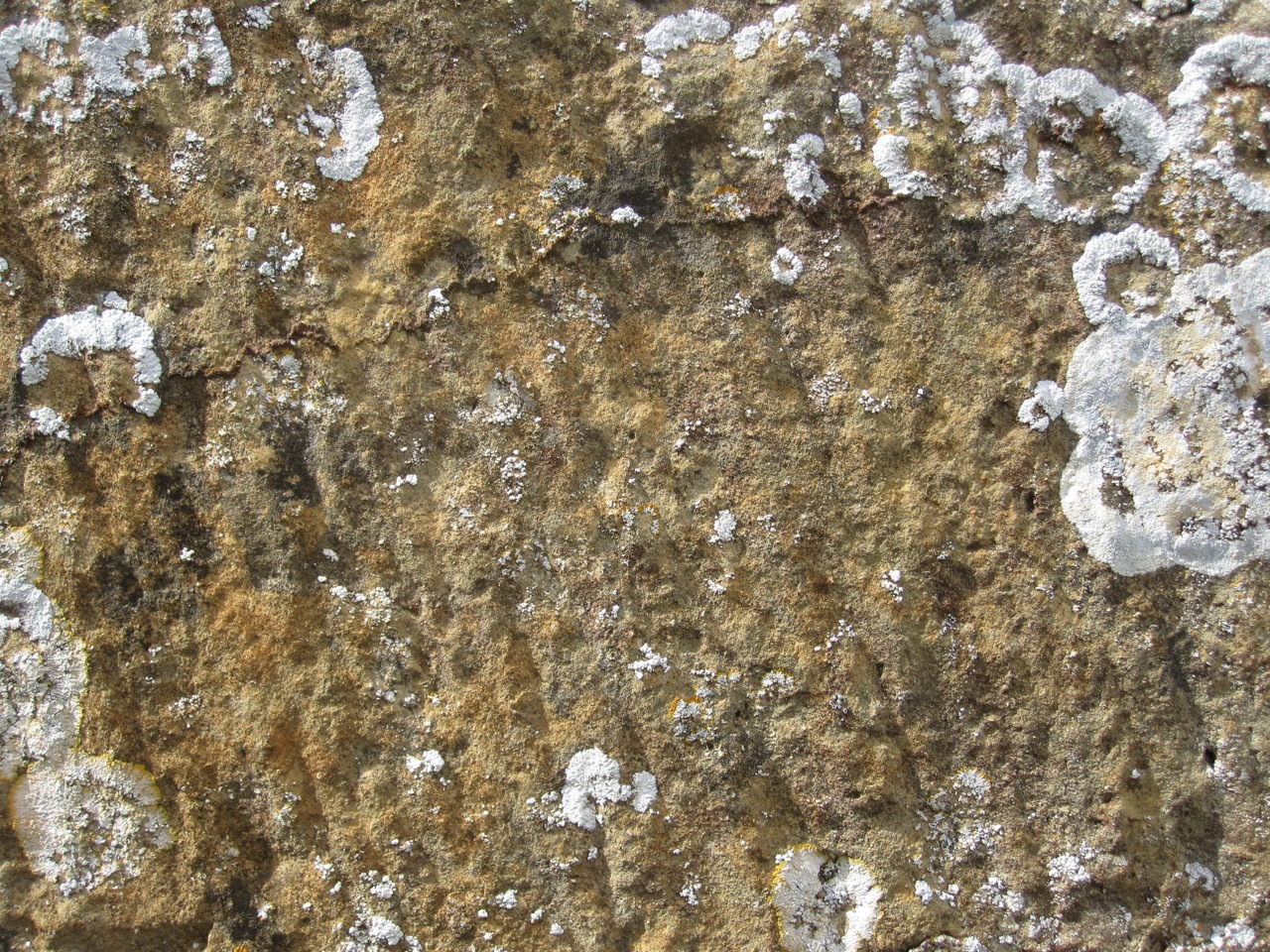
The walls of this church, apparently of uniform colour from a distance, are richly patterned with lichen and varied hues. All these images were taken within about 12 feet of each other, ranging from weathered Ham stone wall to lichen-capped stone face 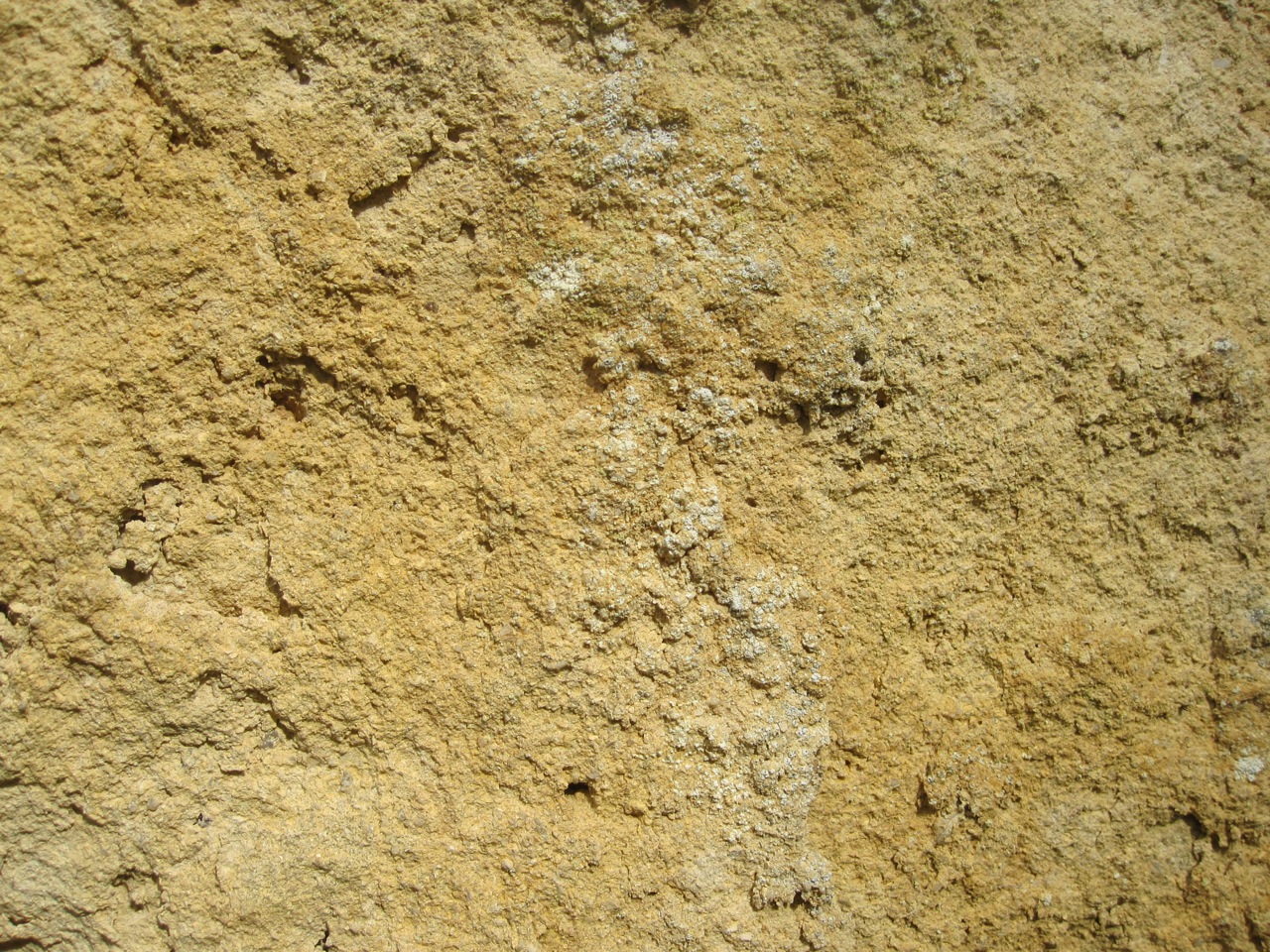



OLYMPIC GOLD PILLAR BOX TO HONOUR PETER WILSON’S GOLD MEDAL IN SHOOTING (DOUBLE TRAP) – OUTSIDE THE POST OFFICE, CHEAP STREET, SHERBORNE, DORSET 
STOP PRESS to see Magic Mo’s Golden Post Box in Isleworth, London, click the always excellent bee-centric blog http://missapismellifera.com Then look at all the bee posts to see the joy – and occasional sadness – of beekeeping
THE MO-BOX Oli Scarff / Getty / Guardian
I previously posted about the sparrows that started building nests this year in small cavities in the stone wall at the gable end of our house. The top room, now a bedroom, was formerly the hayloft – the brickwork shows the extent of the hayloft entrance
The walls are very thick, so there is plenty of room without the risk of birds bursting through into the room beyond…
Today the wall was busy with adults coming and going. I tried to see if I could get a picture of sparrow chicks, but they were too far into the cranny. Turn up the volume and you can hear them, though…
[vimeo https://vimeo.com/46443292]
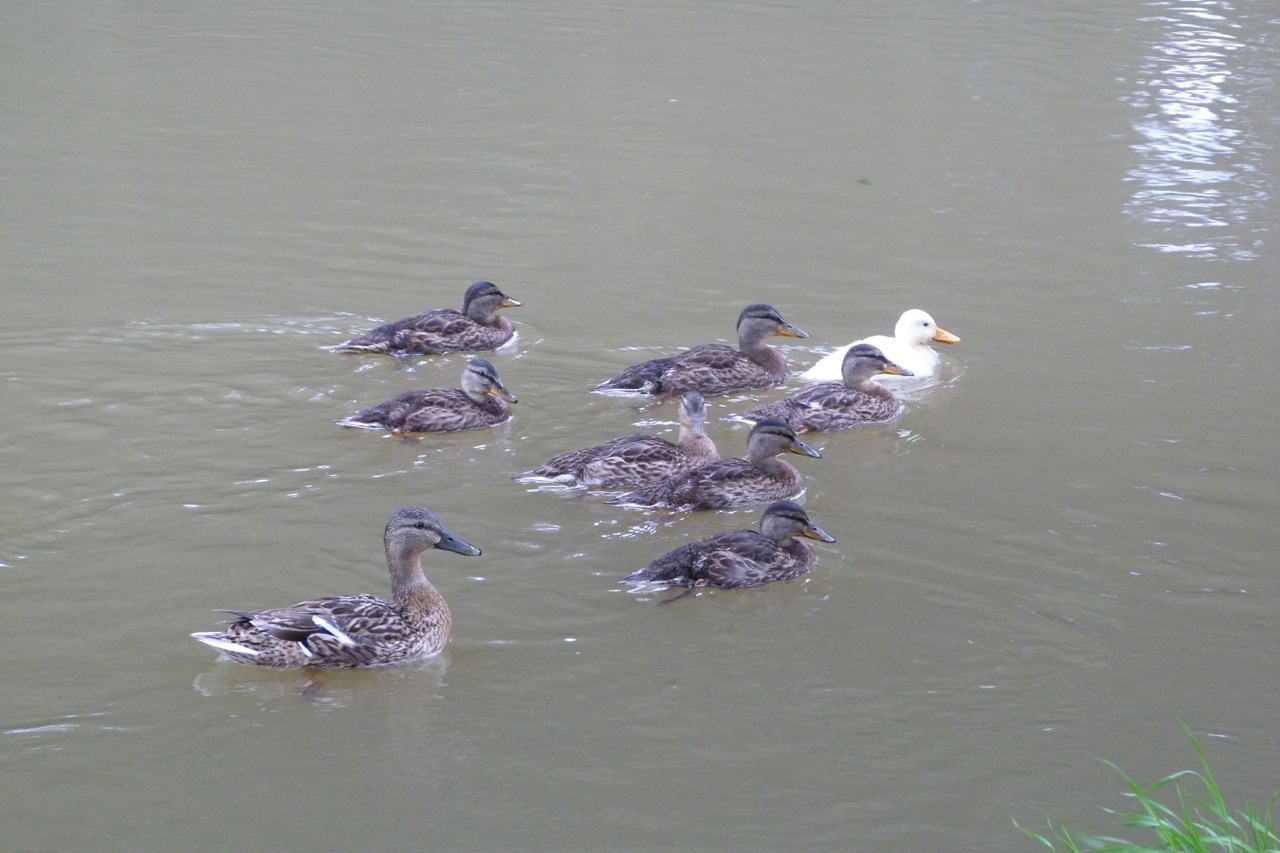
A WHITE DUCKLING AND HIS ADOPTIVE FAMILY – OXFORDSHIRE
This duckling struggled to keep up with the rest of the family in a rain-swollen current. He soon got the hang of it and was able to lead the troop…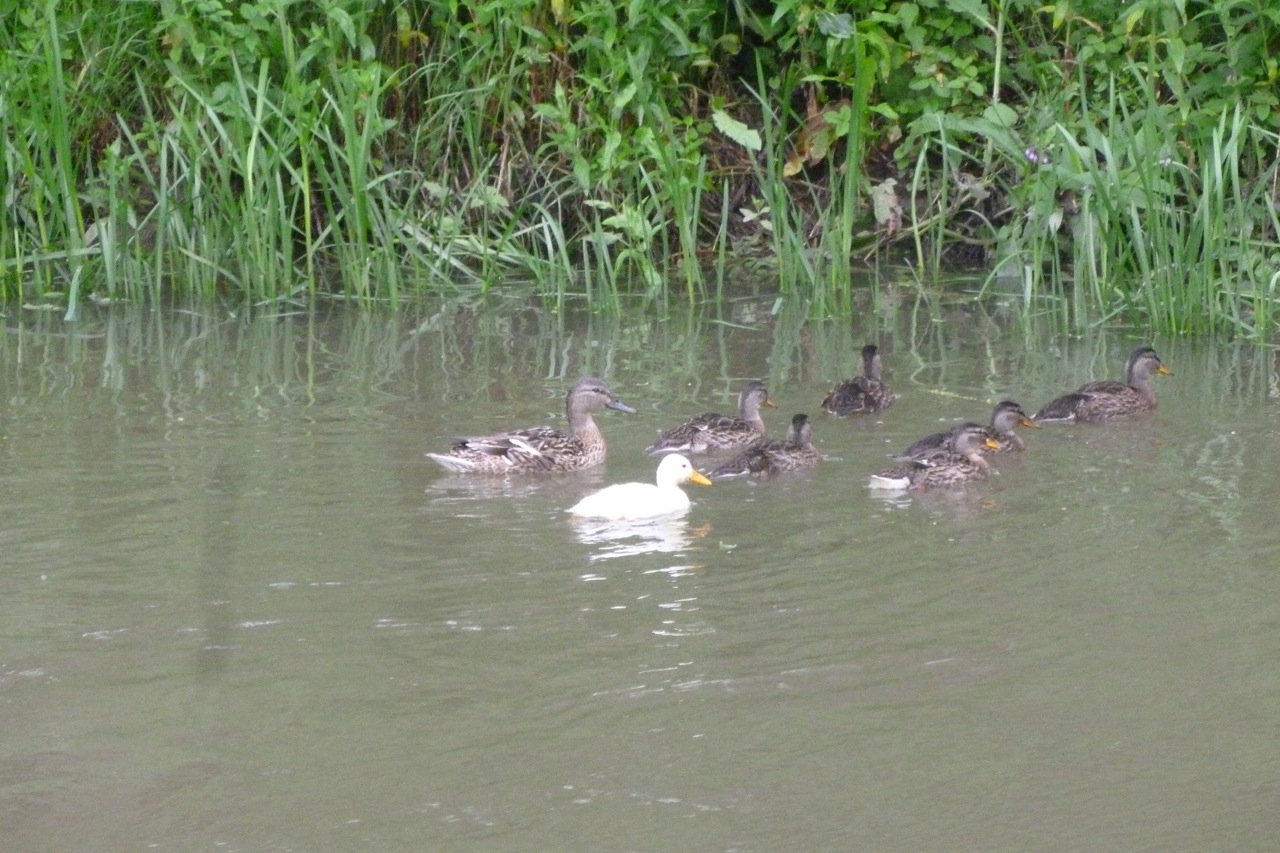

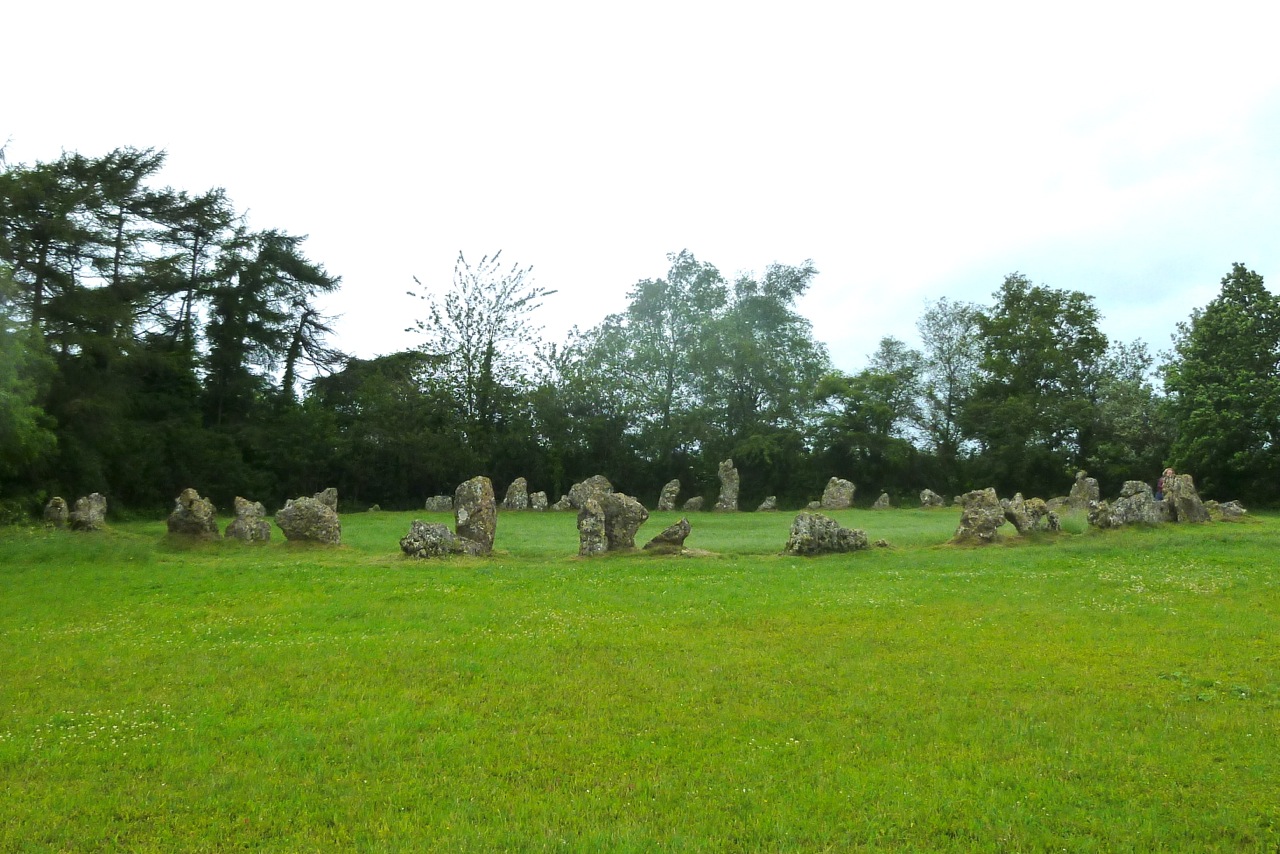
THE ROLLRIGHT STONES – OXFORDSHIRE


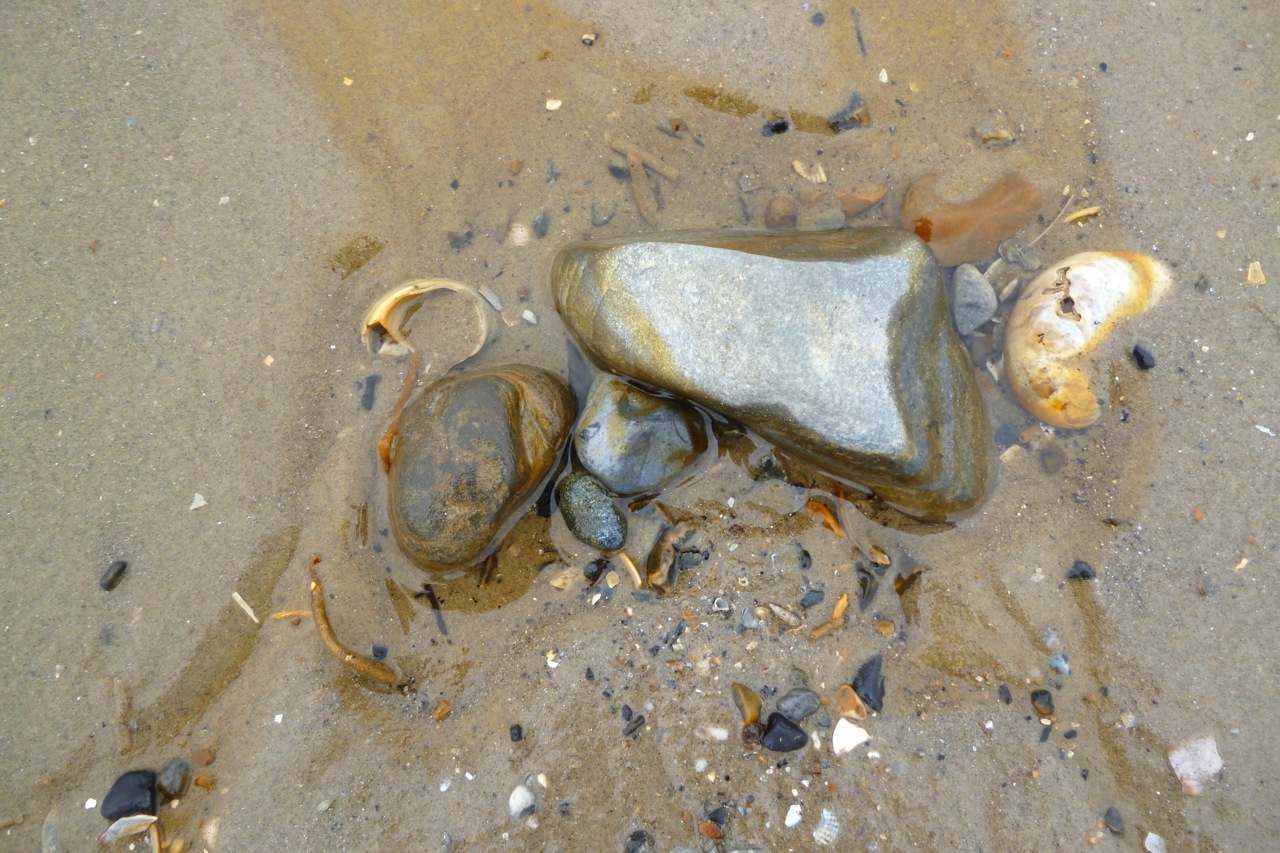
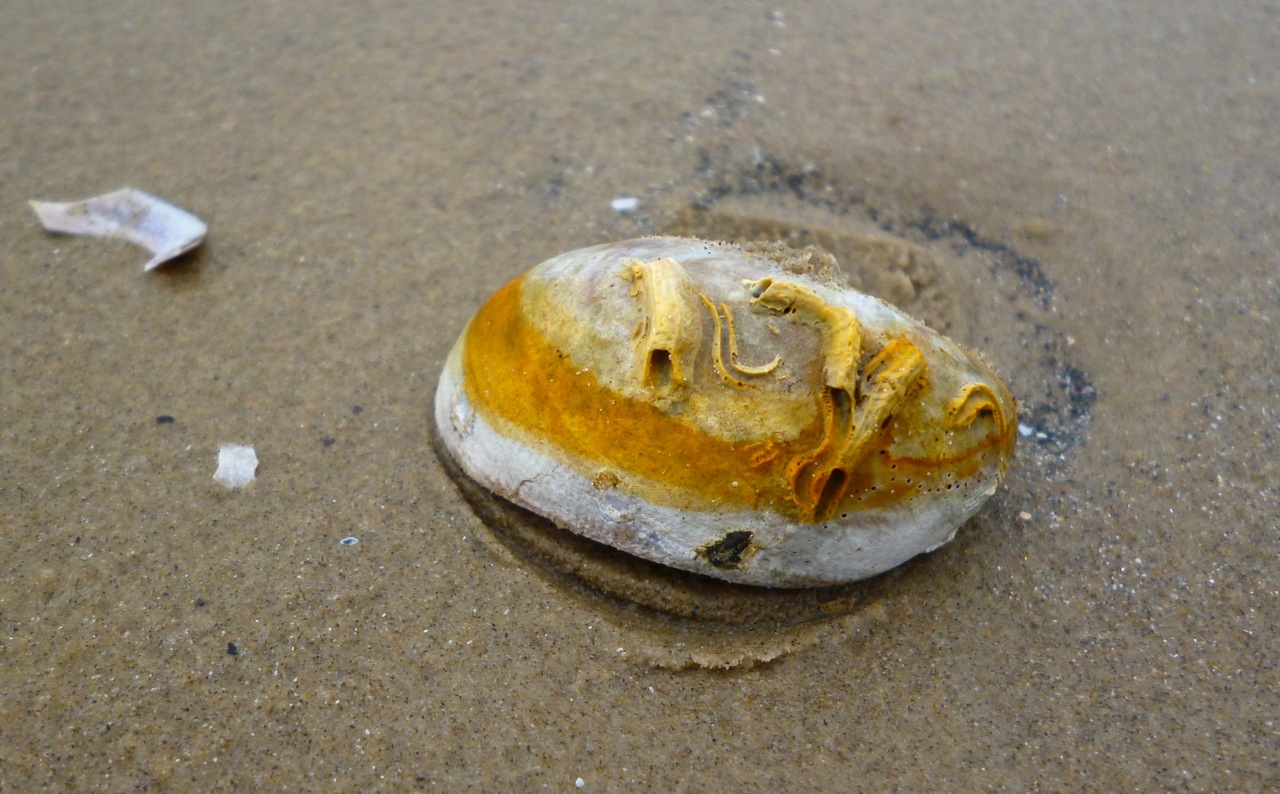
BEACH STONE PATTERNS ON WEYMOUTH BEACH, DORSET


4th JULY 2012 WEYMOUTH – 25 DAYS BEFORE THE OLYMPIC SAILING
Weymouth beach – a huge curve of sand. In July it should be filled with happy holiday makers and the renowned sand sculptures. Olympic sailing events will be taking place right here in less than 4 weeks. But this year the dull wetness of the summer has had a dramatic effect on Weymouth’s seaside charm, as this slideshow reveals. An almost empty beach and attractions mostly closed. There’s still some enjoyable colour, but overall my half-hour wandering the beach was fairly bleak. Total of sandcastles: 2. Total people relaxing behind windbreaks: 1 brave woman. Total actually in the water: 2 0r 3 paddlers, not one swimmer… Great British Summer? Bring it on… and quick!
THREE BUMBLEBEES FEEDING ON ONE FLOWER – DORSET