SPRING HARBINGER
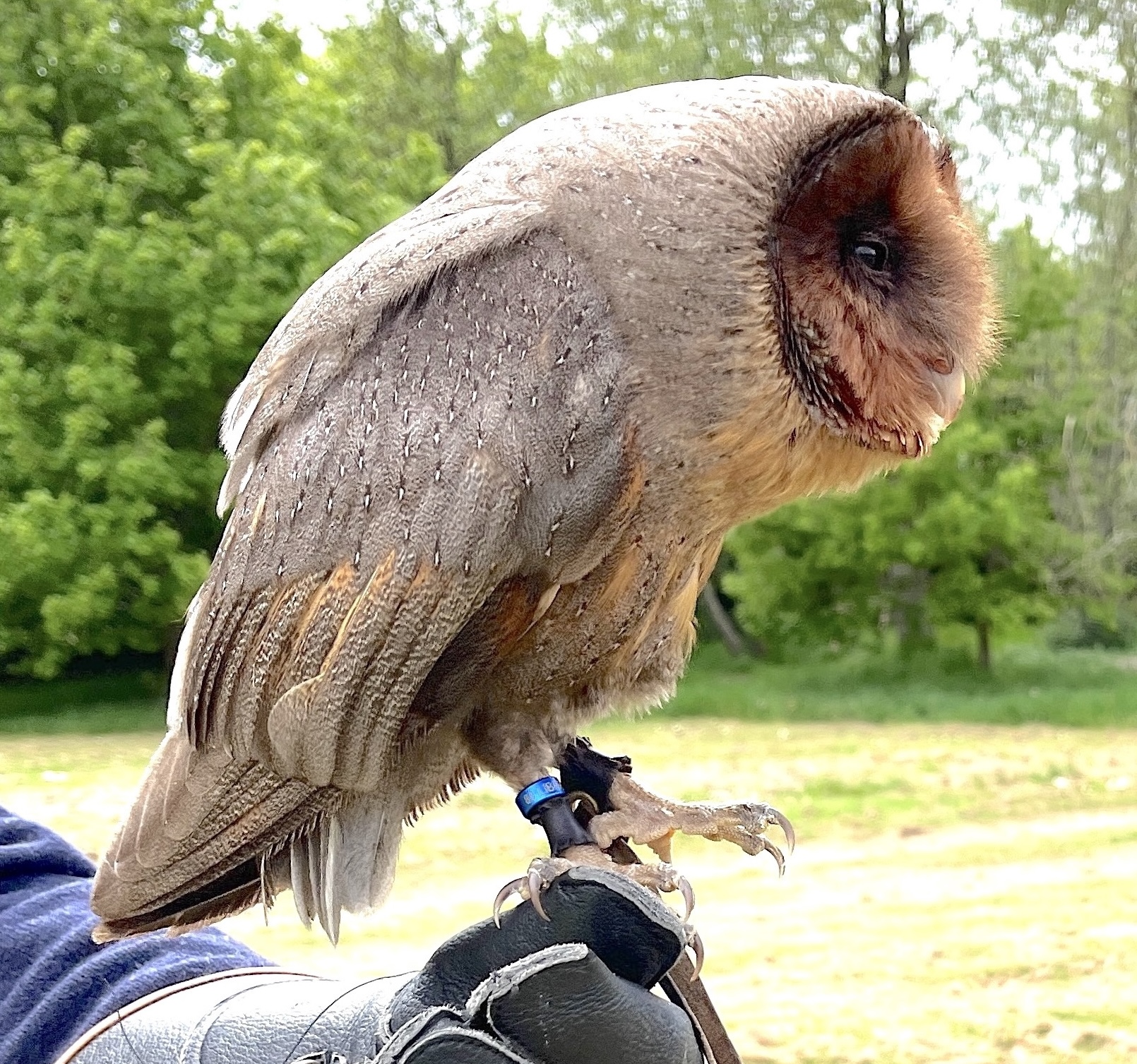
A rare black barn owl that I was privileged to fly

Rescued from our garden having fallen out of an oak tree. Replaced in the crook of a branch about 10 feet up. Completely relaxed throughout (the owlet, I mean), and keen to retain my rescue glove as a souvenir.


HOW THE TORTOISESHELL GOT ITS NAME


Amazing! Despite my rather feebly apologetic post bemoaning my own indolence in letting this site slide towards oblivion, erstwhile followers have kindly rallied round with some likes and comments. Completely undeserved, but for which many thanks indeed.
So here in return is Ebony, the very rare black barn owl that I was lucky enough to fly last summer. Definitely a top 5 experience for the year. Maybe it’s the start of a minor blog resurrection…

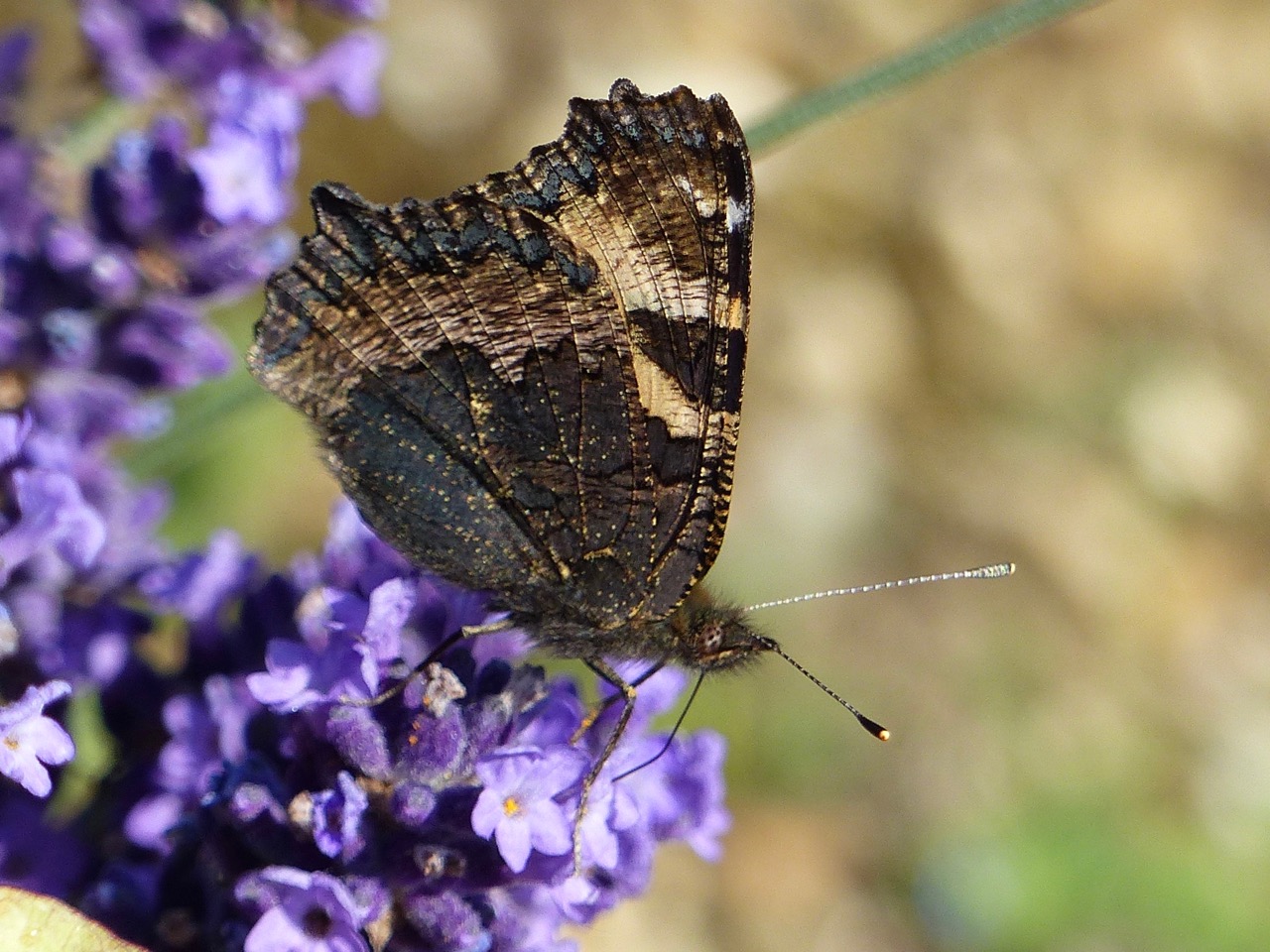
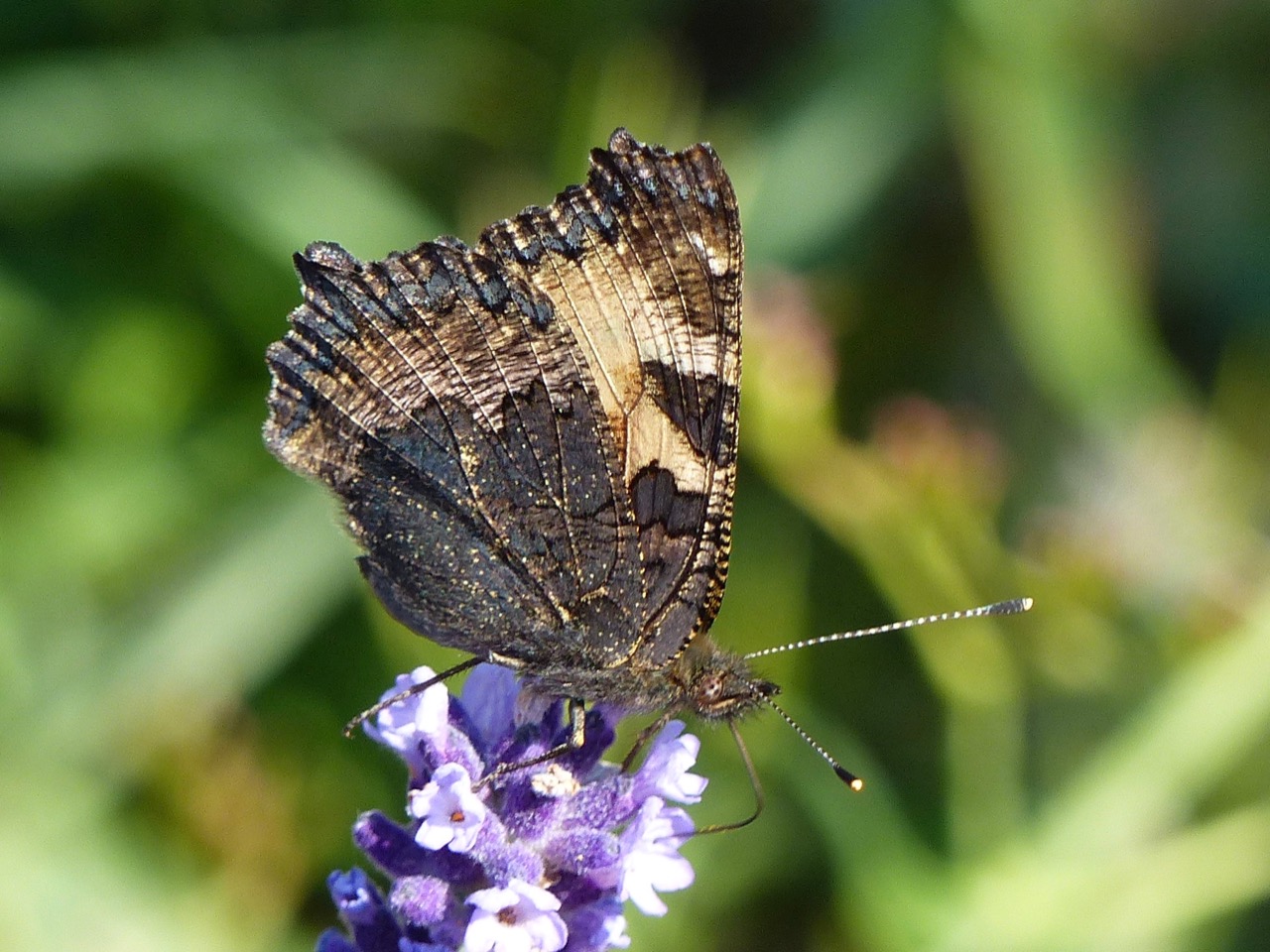
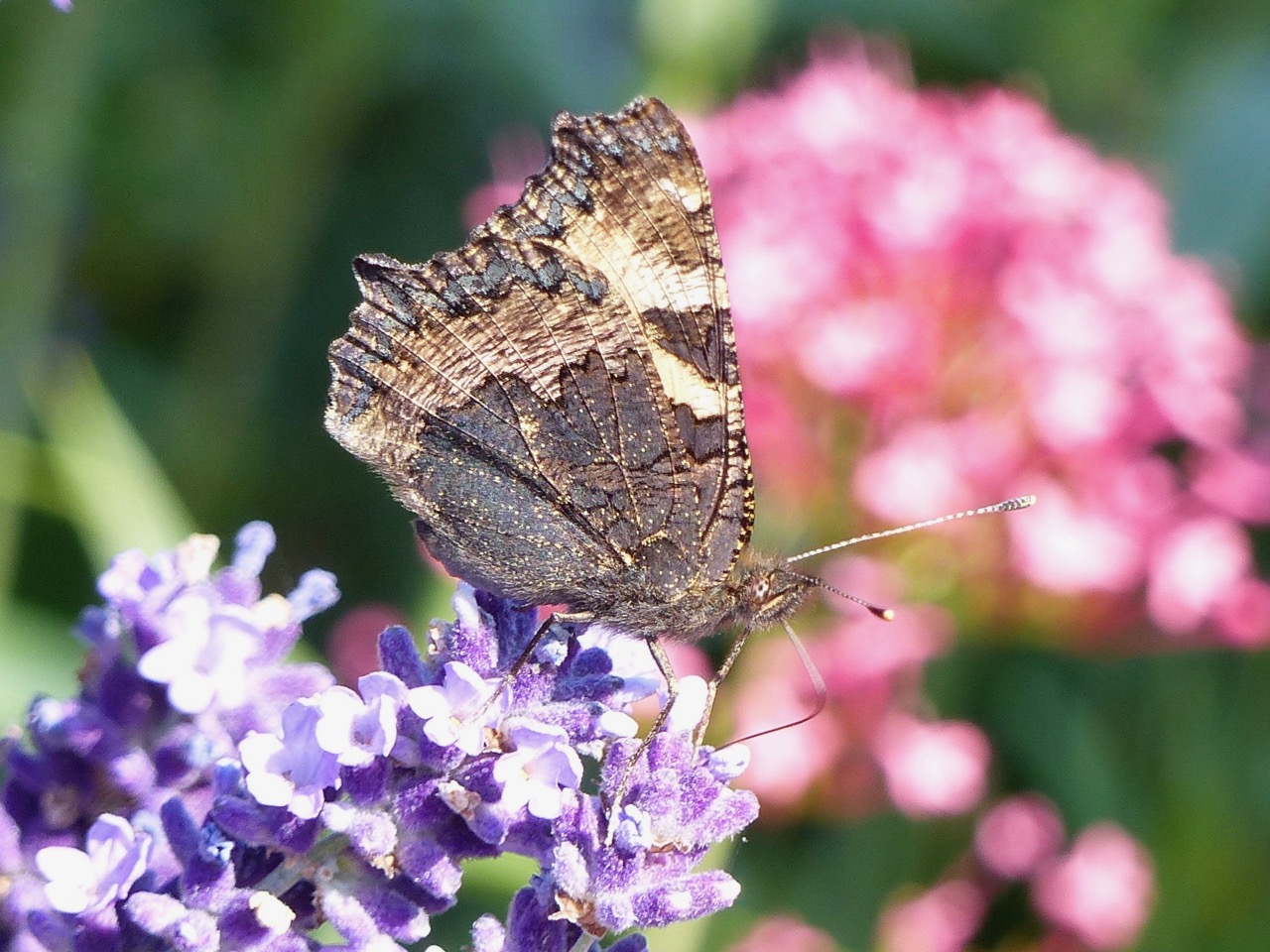
Red admiral butterflies – God’s gift to amateur photographers, including myself. Colourful, prolific, simple to identify, usually within easy camera reach. All very well, but sometimes they are so busy feeding that the colourful topside is kept hidden. These images from Dorset attempt to show that closed-wing images of feeding red admirals have the interest if not the good cheer factor of the popular view. See what you think…



It took a year before there were many settlers in the new bee house. To begin with, there were just some transients; tiny bees that stationed themselves at the mouth of a hole, retreating from time to time to the depths. I’ve no idea what type of bee they were, but they didn’t leave any building works. And then there were a few wax caps to wonder about.
The first resident occupied the penthouse.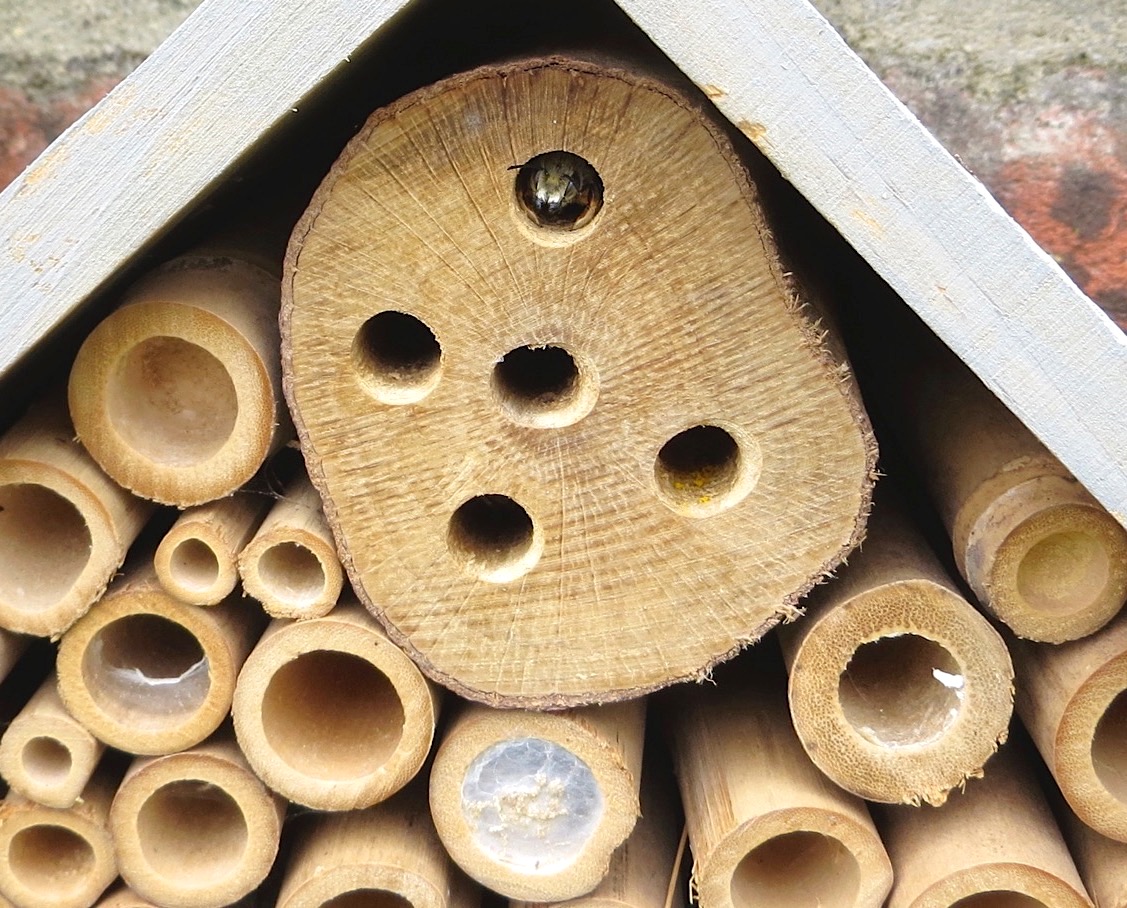
The box began to weather a bit during that first winter, and to fall apart slightly. That summer, we had mason bees in many of the holes, with around 60% occupancy – plus some waxed caps. The timber homes were clearly preferred to the bamboo sticks, and the first to fill up. Later, we noticed the first leaf cutters moving in, their green plugs slowly turning brown as the leaves withered.

This year, by the end of May, business was thriving. The house was weathered and had no doubt completely lost the heady scent of Garden Centre. The upper storey was more popular than the lower; maybe the horizontal stem of a cox apple tree growing against the old wall was a disincentive for potential downstairs dwellers.

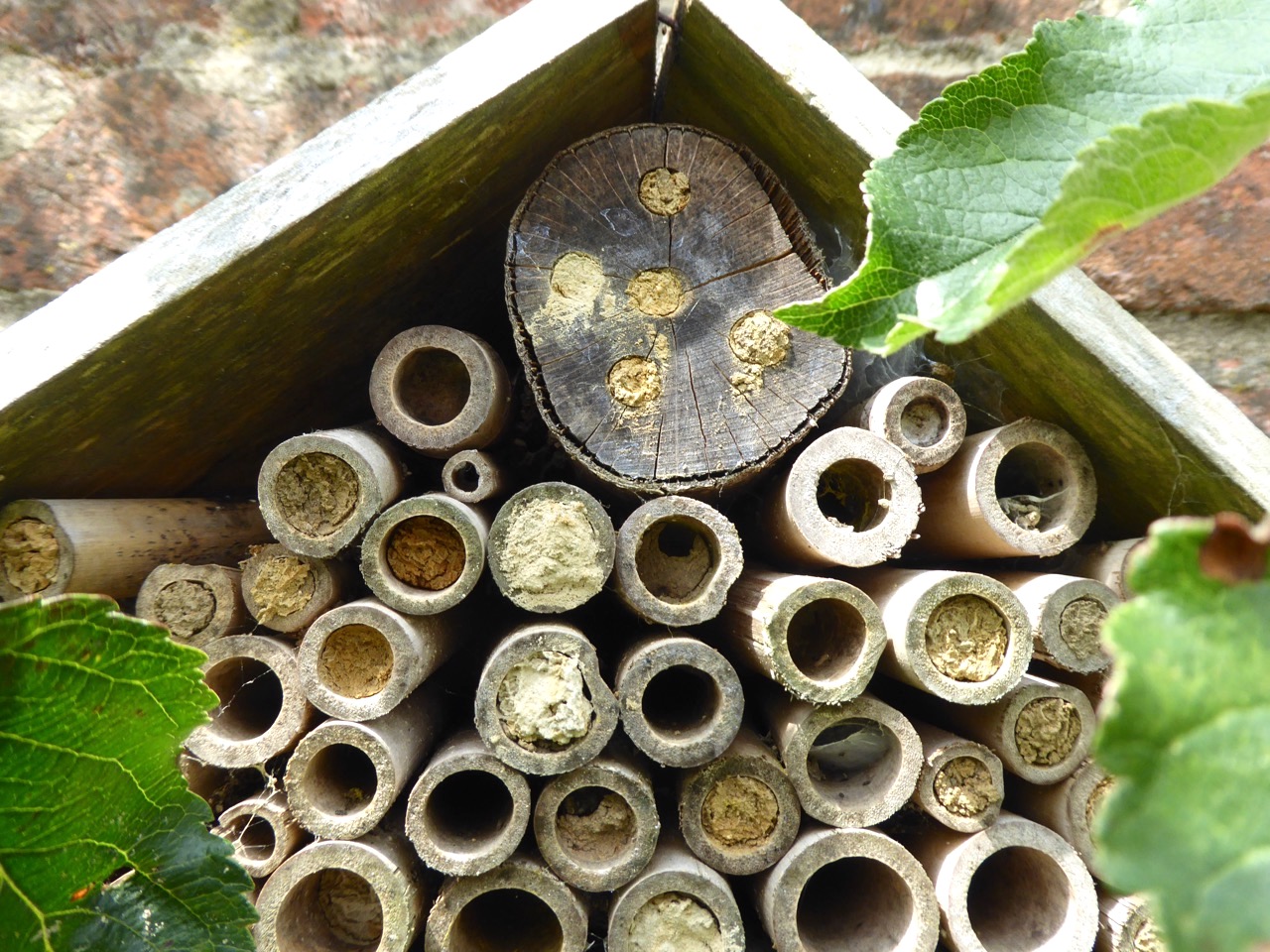
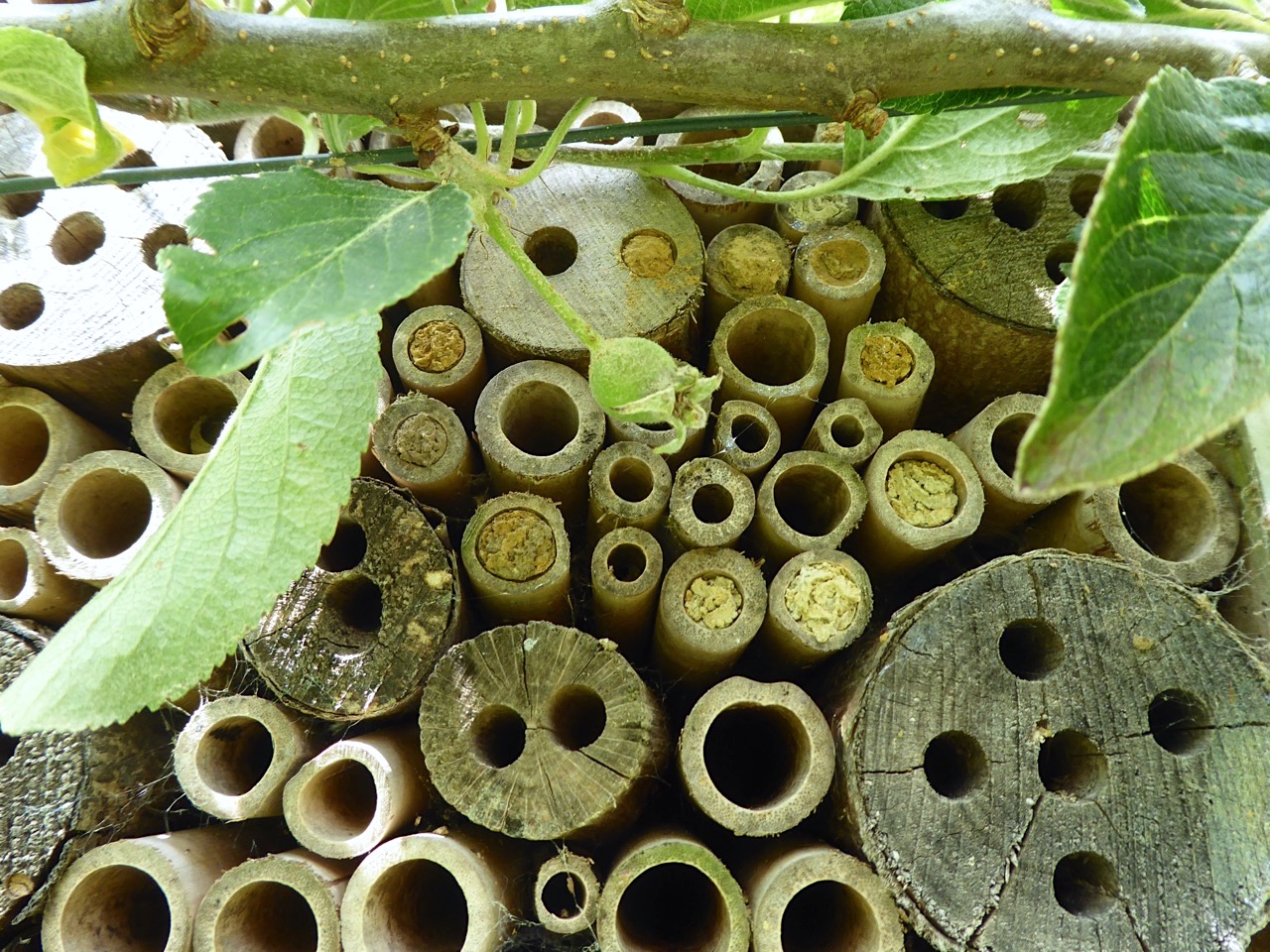
Two months later, as July fades into August, there are a few changes, but overall the house is much the same. So far, there have been no leaf cutters. And no little ‘peeping’ bees either. I’m disgracefully uninformed about the types of bee to which we offer a home. We’ve replanted much of the garden to benefit honeys and bumbles – with a consequent increase in butterflies and hitherto unknown types of moth. The solitaries are still a bit of a mystery. Time I got a grip, I think. Still, the apples are looking very promising…


All photos: Keith Salvesen / Rolling Harbour
 ROLLING HARBOUR GALLERY