CARL LINNAEUS: CLASSIFYING NATURAL HISTORY (1)


Carl Linneaus Portrait (OS)

‘THE FIRST EDITION’

Carl Linnaeus (1707 – 1778) is arguably the most renowned Swedish naturalist. Maybe unarguably. Before the age of 30, his orderly and rigorous scientific methodology had created a new standard system for the classification of the natural world. As initial challenges to his great work fell to one side, so he bestrode his present and the future natural world as a great innovator. His system has stood the test of time to this day – and in Latin, too. As the saying goes, “Deus Creavit; Linnaeus Disposuit“: God created, Linnaeus organised. In fact, Linnaeus himself was (rather vainly?) the originator of the adage…

ANIMAL, VEGETABLE & MINERAL

Linnaeus first had to define the broad categories in order to organise them into their component parts. He chose regnum animale, regnum vegetabile and regnum lapideum – the animal, vegetable (plant) and mineral kingdoms. Here are some examples, photographed in the climate-controlled ‘treasures room’ at the Linnean Society, London during a viewing with the Librarian.

The first column of the first substantive page of the first edition of Systema Naturae (1735). This is the start of it all – the ‘man-like’ creatures Man [classed as a quadruped], apes and… 3-toed sloths (Bradypus), later to be moved to a more comfortable place. After that come creatures large and small, wild and domesticated, including lions, bears, cats, weasels, and moles. Canis included not only the dog, wolf, and fox but also… the squillachi. The last one is a mystery – a quick online search reveals only a footballer of that name.

Systema Naturae 1735 - quadrupeds (© KS / Rolling Harbour)

At the bottom of the first column, horses, hippos, elephants and varieties of pig are classified together; followed by varieties of camel, deer, goat, sheep and cattle.

Systema Naturae 1735 - quadrupeds 2 (© KS / Rolling Harbour)

Linnaeus’s achievements in ‘organising’ were twofold. First, he grouped creatures, plants and minerals into similar species, using his prodigious knowledge to arrange the groups into defined hierarchies (and as it was to turn out, not invariably correctly). Secondly, he adapted and refined an existing but somewhat random scheme into his structured binomial system, attaching two names to each creature, plant or mineral. The first name was a general categorisation (‘genera’); the second was more specific (‘species’). Consistency was achieved for the first time. Linnaeus was indeed the ‘father of taxonomy’ as we still know it today. He probably called himself that as well.

Here are some of the birds – grackles, doves, gulls and so on down the list. The latin names will be very familiar to birders, since they are still used today. The birds are followed by columns for amphibians, fishes, insects and sea creatures such as jellyfish, conchs and urchins.

Systema Naturae 1735 - birds (© KS / Rolling Harbour)

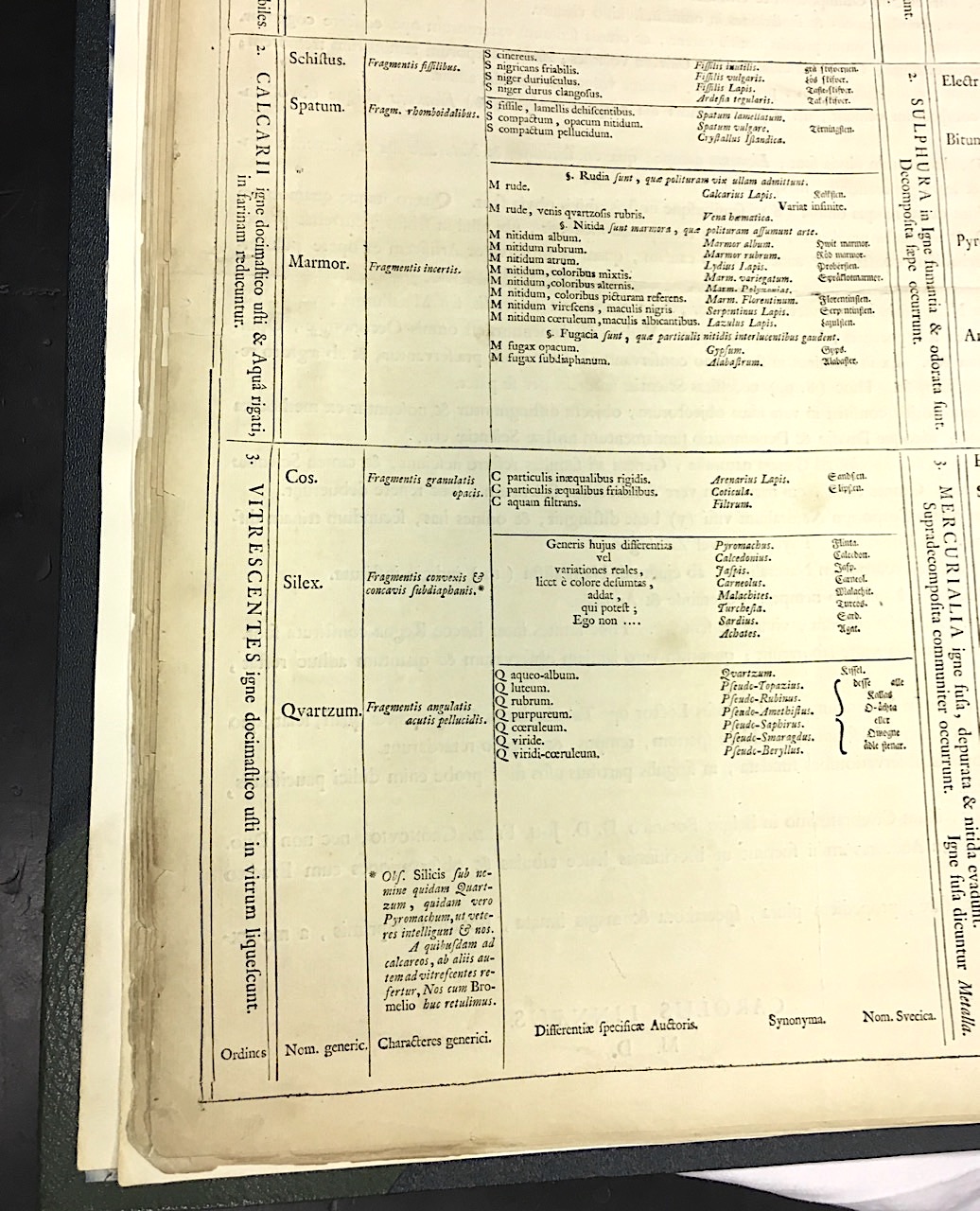
Entries in the minerals section, with schist, marble and quartz perhaps the most easily identifiable.Systema Naturae 1735 - minerals (© KS / Rolling Harbour)
PARADOXA

On the right of the bird column shown above is a hint of a ‘random’ category. My detailed photo of it didn’t work, so I include a facsimile copy is below. These were creatures that were known of, or believed possibly to exist but for which there was perhaps scant scientific evidence. The hydra. The monocerous. The pelican. The satyr. The borometz (half-sheep, half-plant), phoenix and dragon. And so on. Bearing in mind the date of this work, it is perhaps not surprising that Linnaeus kept his mind and his options open about such creatures. You can read about all these Paradoxa in an excellent Wiki article HERE

Systema Naturae 1735 - paradoxa (© KS / Rolling Harbour)

SYSTEMA NATURAE (1735)

The title page of the first edition of Systema Naturae (1735). This was the first page we were shown, after the book had been laid reverently on a special cushion by the Librarian. I have to admit to a jolt of excitement, both then and indeed several times more during our visit.

Systema Naturae 1735 - title page (© KS / Rolling Harbour)

Published in 1735 when Linnaeus was a mere 28, Systema Naturae was both revolutionary and evolutionary.The full title of the work spelled out the breadth of the enterprise: “System of nature through the three kingdoms of nature, according to classes, orders, genera and species, with characters, differences, synonyms, places”.  At least 12 further editions were published during his lifetime. Each was expanded as more scientific data was gathered; from 11 pages in the 1st edition to more than 2000 in the 12th, published about 30 years later.  Corrections were also made. For example, the initial assignment of whales to fishes, based on knowledge at the time, was later corrected to include them with mammals.

The Taxonomic Hierarchy (+ Setophaga pityophila)Taxonomic Hierarchy ' Olive-capped Warbler (© Tom Sheley / Keith Salvesen)

IN PART 2: THE COLLECTIONS OF LINNAEUS

The extraordinary manuscript, specimen and library collection of Linnaeus is preserved in this wonderful treasure store. I took this photograph at the end of the viewing. By this stage we had examined a selection of the sample cases – note the open drawers and cases on the table. Also, note the special cushion for the precious manuscripts.

Linnaeus Collection, Linnean Society (© KS / Rolling Harbour)

All photographs © Keith Salvesen; portrait and facsimile scan of Paradoxa, O/S; Olive-capped Warbler (as annotated by me), Tom Sheley; magpie pickings from a wide variety of sources inc. Linnean Society, Smithsonian, Encyclopaedia Britannica online – and not excl. Wiki!

ALPS FROM A GREAT HEIGHT…


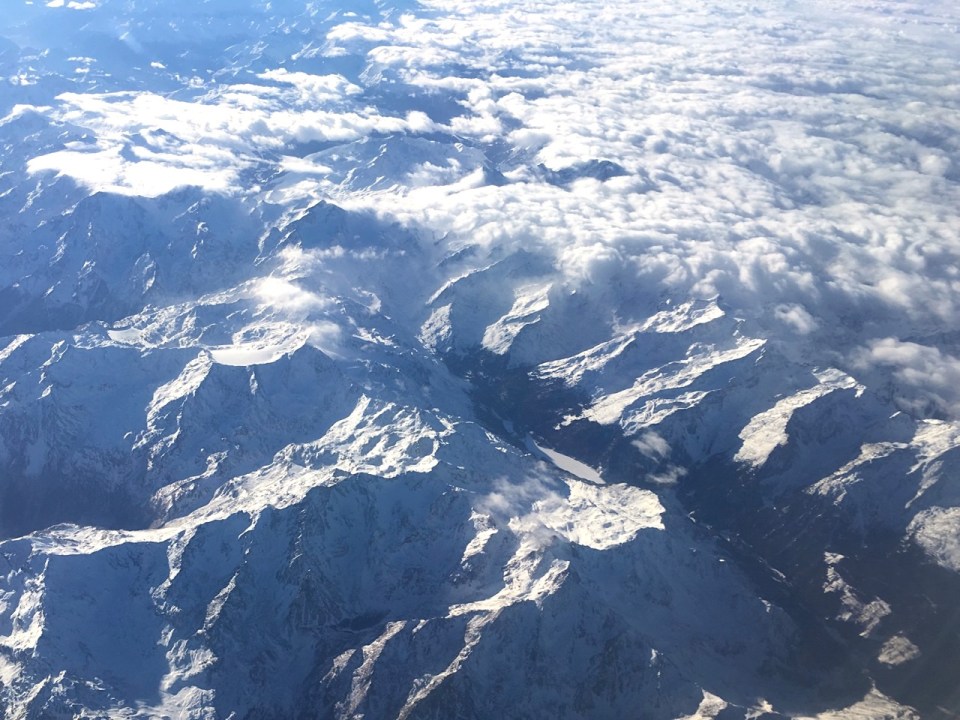
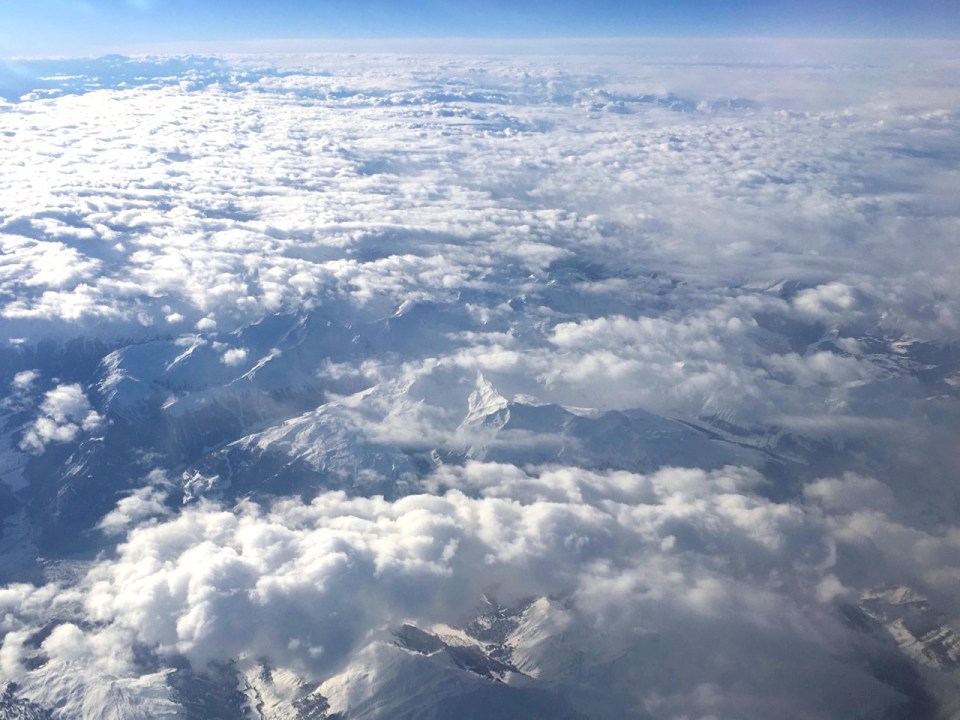
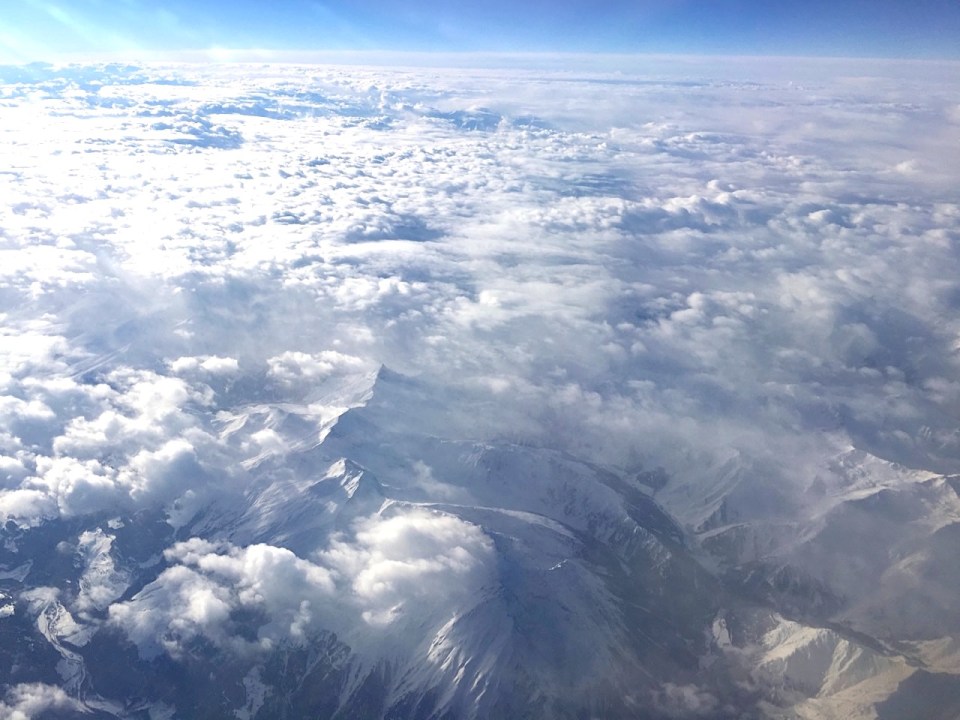
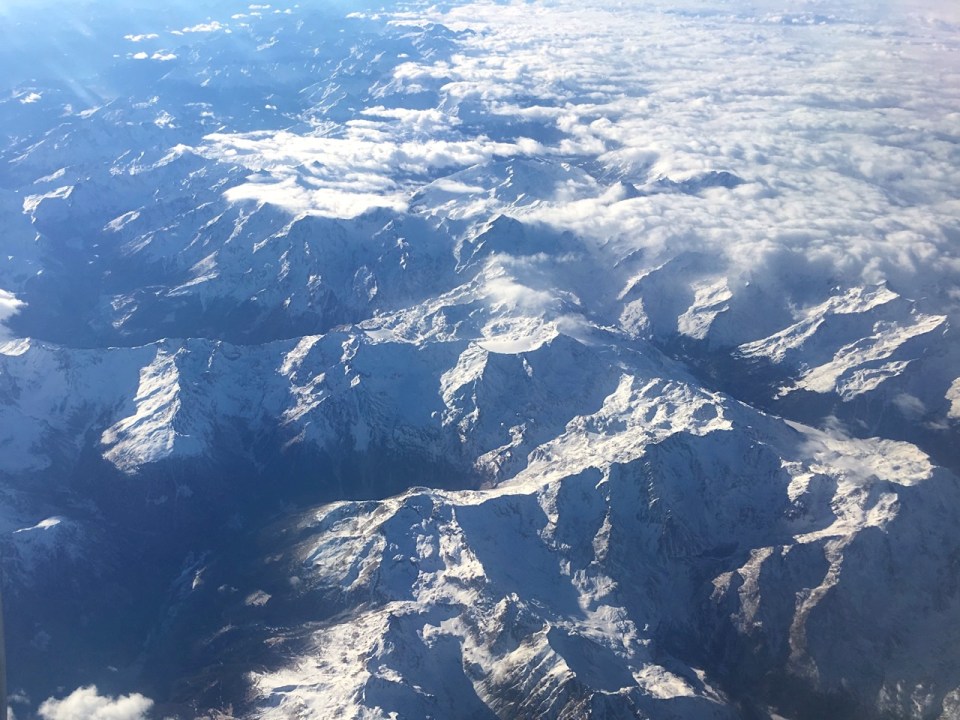
Generally speaking, I find that photographs taken from an aeroplane window are less than satisfactory. One has to have a window seat, for a start. And clean, clear, unscratched windows – a relative rarity. And good weather. Occasionally, it can work. I took these views with an iPhone earlier this year as we flew over the Alps. The photographic variables were more or less aligned in my favour…

The Alps from 30,000 feet (Keith Salvesen)The Alps from 30,000 feetThe Alps from 30,000 feet (Keith Salvesen)The Alps from 30,000 feetThe Alps from 30,000 feet (Keith Salvesen)

PENISTONE: THE BRAND NEW ‘MEDIEVAL’ MARKET HALL


Cruck Market Hall, Penistone Yorks (Keith Salvesen)

The historic market town of Penistone, South Yorkshire, lies in the foothills of the Pennines, in a farming area with its own rare breed of sheep. Records of the sheep market date from the c17. The Grade 1 listed church has a mainly c14 interior, with visible older origins. In the c19, the new railway brought prosperity and expansion; then Dr Beeching’s axe fell in the 1960s. The livestock market is long gone, but a general market still continues in a space now somewhat reduced by a Tesco store and car park. 

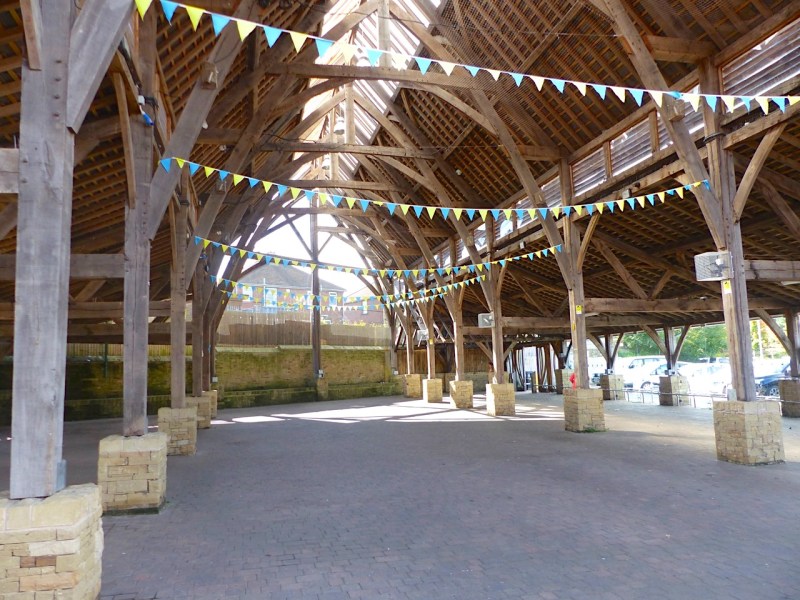
Cruck Market Hall, Penistone Yorks (Keith Salvesen)

THE NEW ‘OLD’ MARKET HALL

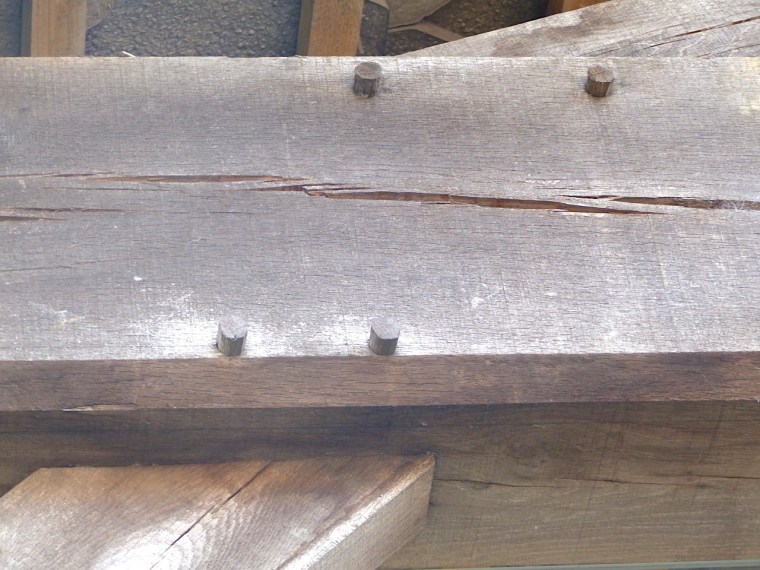
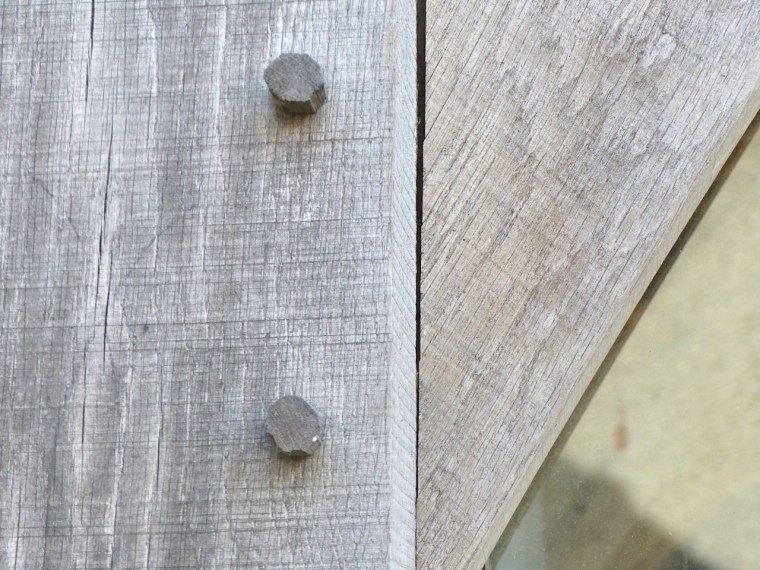
In 2011 a new and innovative building was opened in the town as a covered market hall. I say ‘innovative’, but in fact the splendid cruck building is made using techniques as old as the town’s church. Steel frame and mirror glass it is emphatically not. Built of oak by the firm Carpenter Oak of Devon, this striking building resembles a typical tithe barn of several centuries ago. The crucks, or curved timbers, bear the weight of the frames and beams that support the roof. The joints are held using stout wooden pegs. The use of such medieval building techniques in the c21 has produced a spectacular public space. The recently published Pevsner for Yorkshire West Riding includes the market hall in the entry for Penistone – and a photograph of it, an accolade indeed.

Cruck Market Hall, Penistone Yorks - wooden pegs (Keith Salvesen)

CARPENTERS’ MARKS

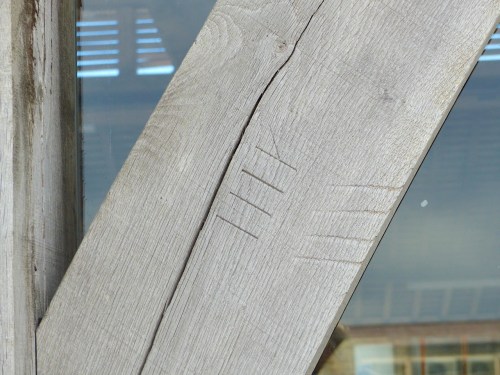
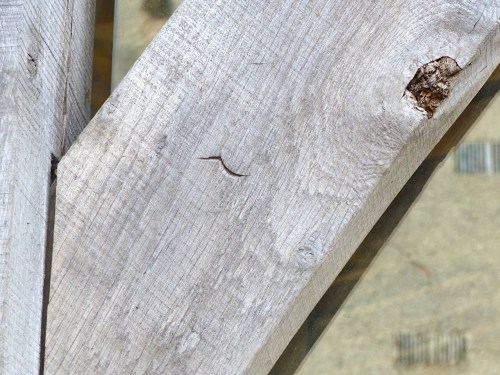
Most of the large timbers we saw were engraved with carpenters’ marks. These are traditionally used during the construction of wooden buildings. Their primary purpose is to identify the timbers, the component parts of the frame. Modified Roman numerals are mainly used. Some marks relate to positioning for joints or peg-holes. Sometimes individual carpenters will ‘make their mark’; but this is not such a common practice as it is with masons.

Examples of location markingsCruck Market Hall, Penistone Yorks - carpenters' marks (Keith Salvesen)Cruck Market Hall, Penistone Yorks - carpenters' marks (Keith Salvesen)Cruck Market Hall, Penistone Yorks - carpenters' marks (Keith Salvesen)Cruck Market Hall, Penistone Yorks - carpenters' marks (Keith Salvesen)

An interior timber denoted by a ‘roof’Cruck Market Hall, Penistone Yorks - carpenters' marks (Keith Salvesen)

A couple of different marks from the front of the hallCruck Market Hall, Penistone Yorks - carpenters' marks (Keith Salvesen)Cruck Market Hall, Penistone Yorks - carpenters' marks (Keith Salvesen)

Only one thing detracted slightly from the pleasure of this new old building. Most of the handsome oak pillars inside have already been disfigured by graffiti, much of it lewd or anatomical in the classic c21 manner…

Cruck Market Hall, Penistone Yorks (Keith Salvesen)

Acknowledgements: Carpenter Oak, Devon; Pevsner ‘Buildings of England’ series (West Riding); and a nod to Kate Rusby, well-known & outstanding folk singer, who was born nearby

AN UNUSUAL MAZE AT PAUL, CORNWALL & A VIEW TO DIE FOR


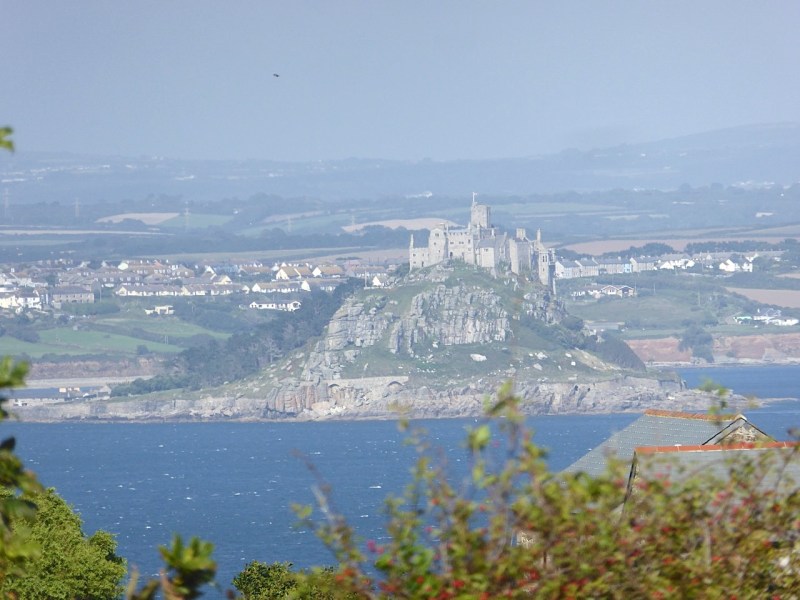
St Michael's Mount from Paul Churchyard, Cornwall (Keith Salvesen)

Paul is a small village west of Penzance, Cornwall. It sits high on the hill above its more famous neighbour, Mousehole. Paul’s historic parish church, St Pol de Léon, has origins reputedly dating from late fifth century. The medieval building was (to my ignorant surprise) badly damaged in a raid by the Spanish in 1595, several years after the Armada. Mousehole also suffered great damage in the same raid. Until visiting Paul this summer, I had no idea that the Spanish had ever managed to breach England’s defences. So I checked online and was quickly led to the BATTLE OF CORNWALL, of which I had never heard. So now I know… I hope Hispano-Kernowek relations have improved.

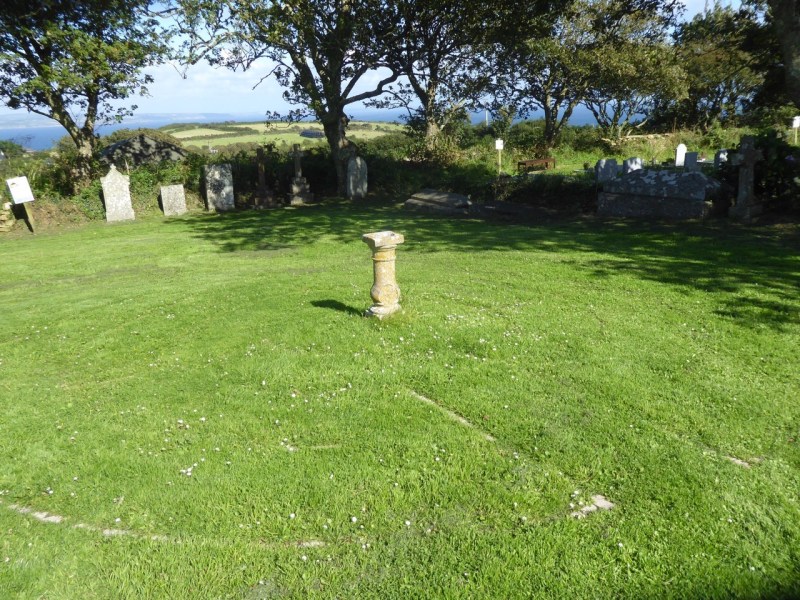
Paul, Cornwall: the extended churchyard (Keith Salvesen)

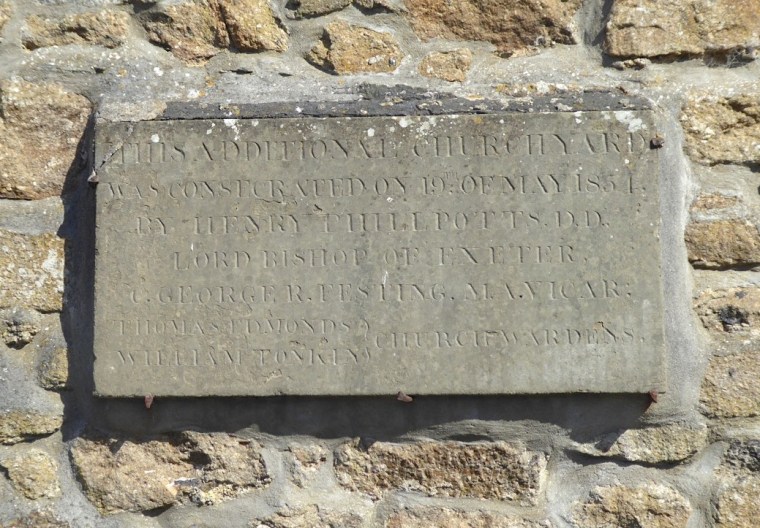
The Church merits its own post in due course. For the moment, the maze-collector in me found a different interest in a nearby extension to the churchyard. An engraved stone set into a wall, and a small diagram nearby, led me to a path and a large area of hillside with extensive views out to sea, and east towards St Michael’s Mount.  

Near the more recent gravestones was a sundial; and closer inspection revealed that it was at the centre of a small, overgrown maze outlined on the grass in granite. How I longed, interferingly, to have a strimmer handy. But apart from tracing some of the pattern with my foot, I restrained my quite unreasonable urge to disclose the maze…

Paul Churchyard Cornwall: sundial & maze (Keith Salvesen)Paul Churchyard Cornwall: sundial & maze (Keith Salvesen)Paul Churchyard Cornwall: sundial & maze (Keith Salvesen)