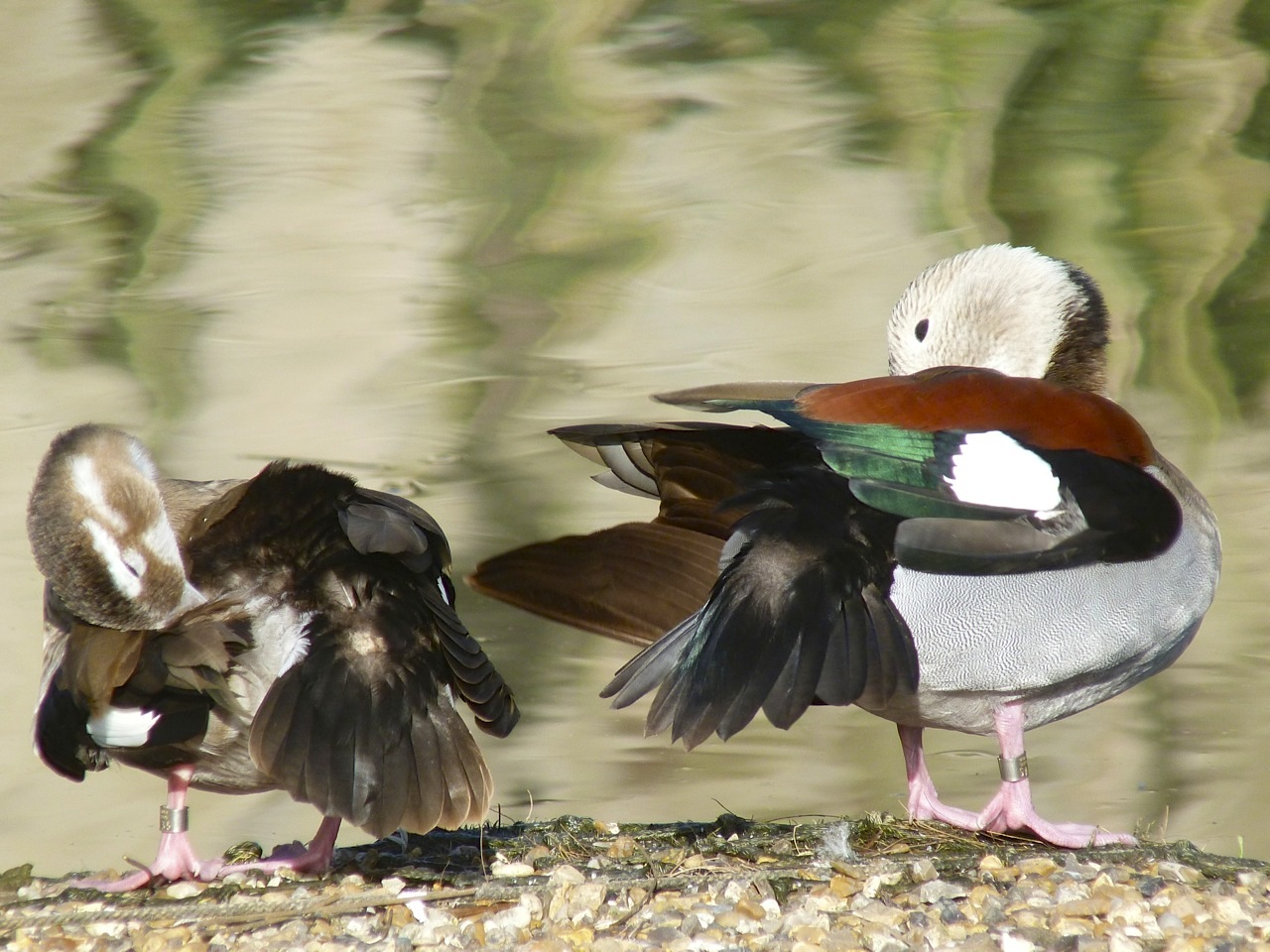
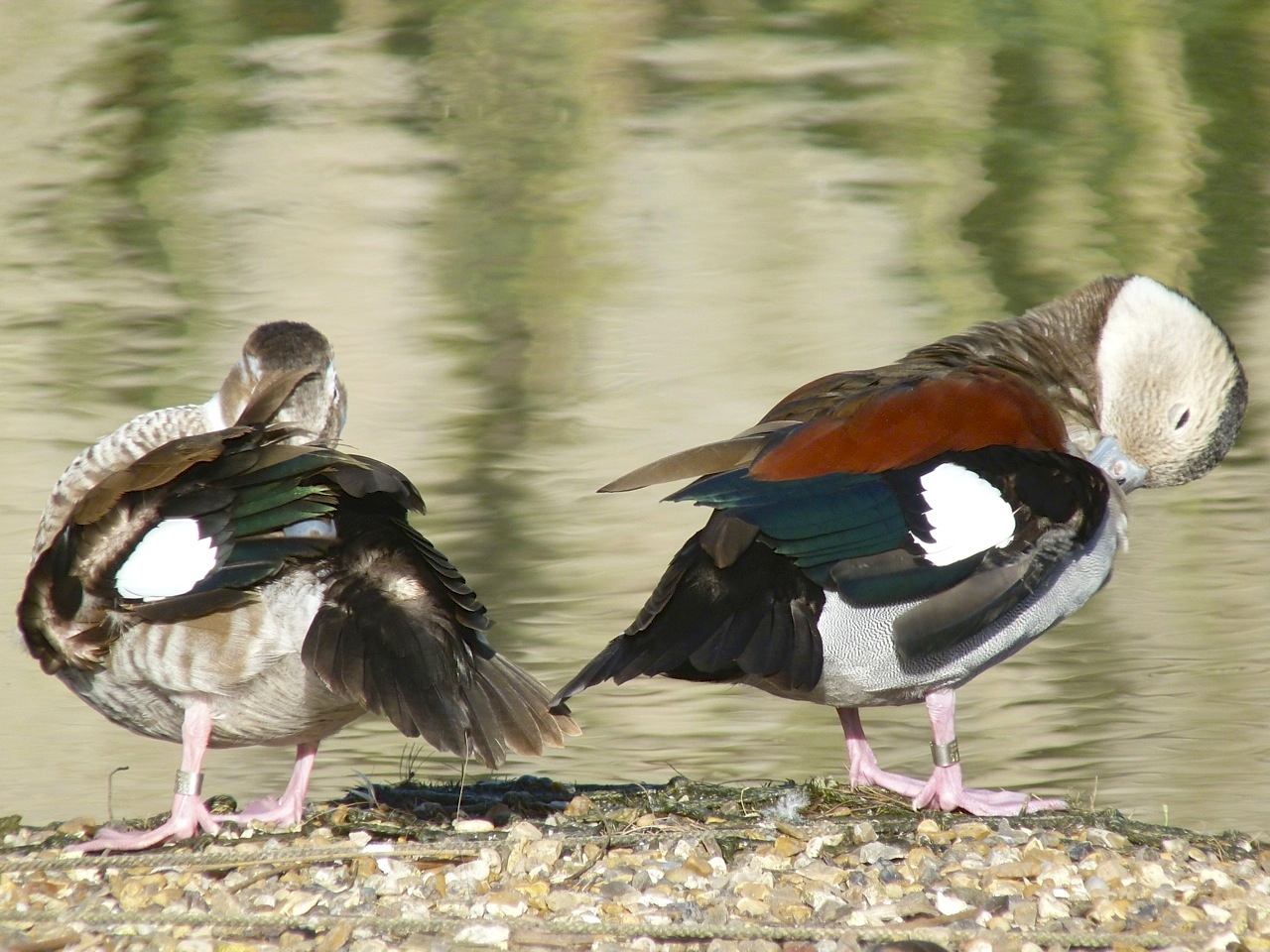
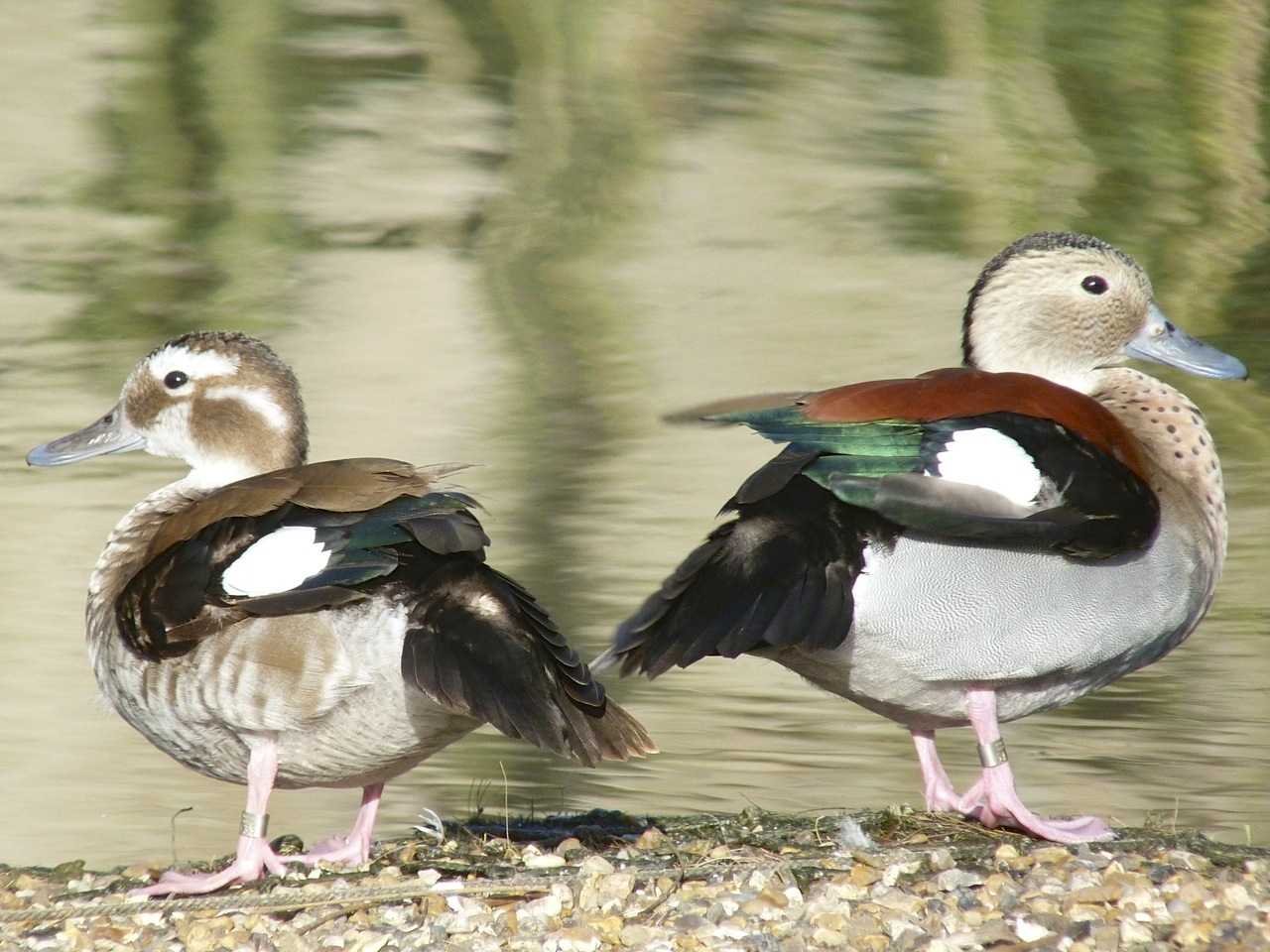
This sequence shows a pair of Ringed Teal preening in late autumn sunshine. The series of images shows the movements of both birds and the marked variations in the colouring of the male over a few minutes. At one stage the vivid green sheen of the wings gave way to dark blue. I was also trying to use the water behind them to create an impressionistic effect, which has worked in a way.
Author: Rolling Harbour
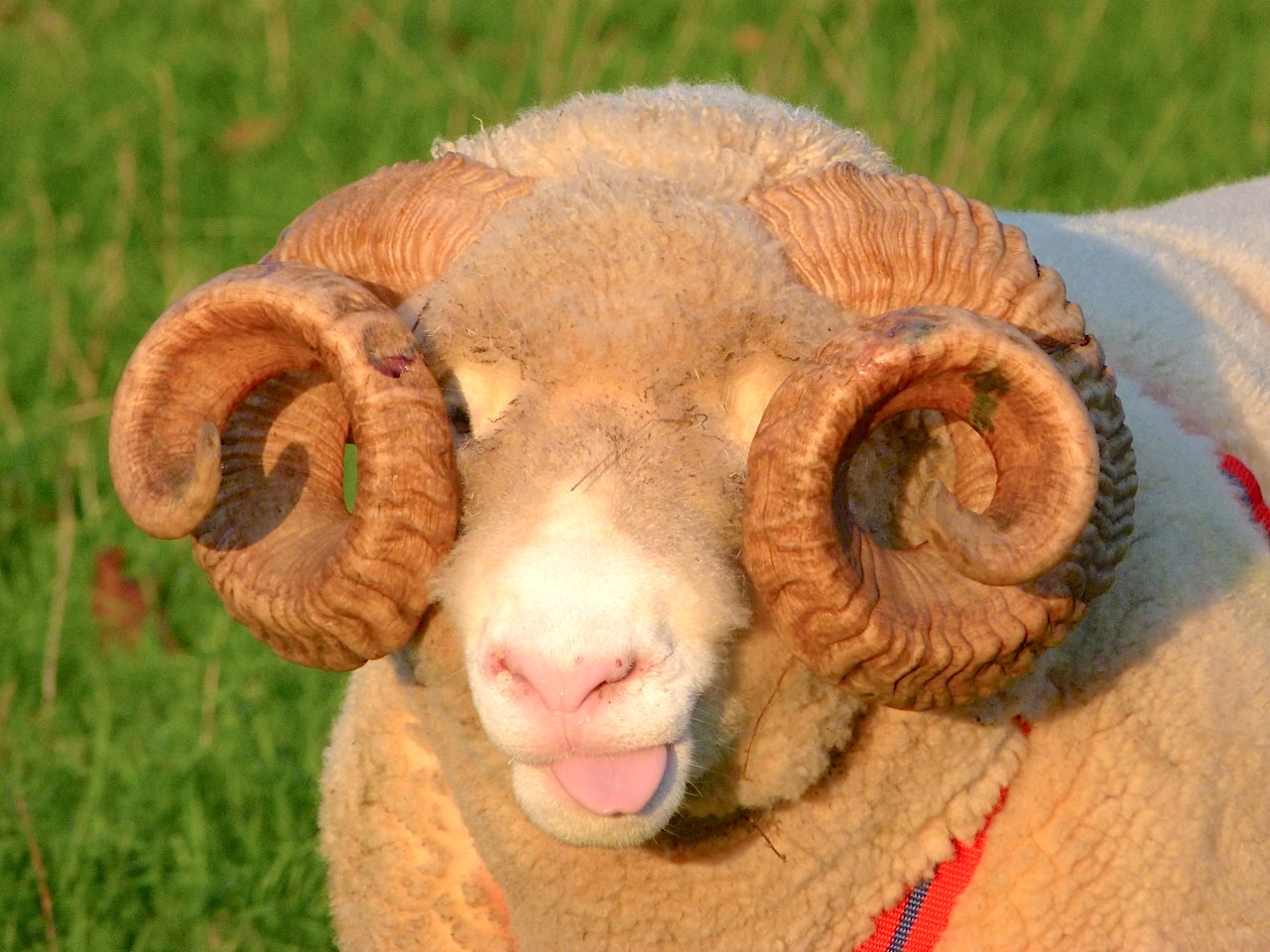
DORSET SHEEP: THE RAM, READY TO PLAY THE FIELD…
Sheep supposedly have peaceful, grazey lives. Counting them is allegedly soporific. But in reality they lead busy and productive lives. No sooner do they lamb than it’s time for the circle of life to begin again for them. In the evening sunshine the field gate swings open. A truck’s catch is slipped. Enter the ram, harnessed for action to mark his conquests and raring to go…
Some photos were taken after the ram had been investigating the 7 ewes in the field rather closely. Two had lambed, 5 were pregnant. The ram is demonstrating a FLEHMEN RESPONSE – see http://en.wikipedia.org/wiki/Flehmen_response which explains it better than I can, and with a particular reference to sheep.
FIRST OF THE WINTER LAMBS IN DORSET
In September I posted about the 7 pregnant Poll Dorset sheep that a young farmer in our village had put in our paddock. I predicted “pastoral scenes, evenly-cropped grass… with pre-Christmas lambs in prospect…”. The sheep were removed for a month or so to let the grass regrow. Yesterday morning there was an unusual sound coming from the field. Rounding the corner of the house we saw a single tiny lamb, 2 days old, mewing rather piteously.
Number 2: the first in its field…
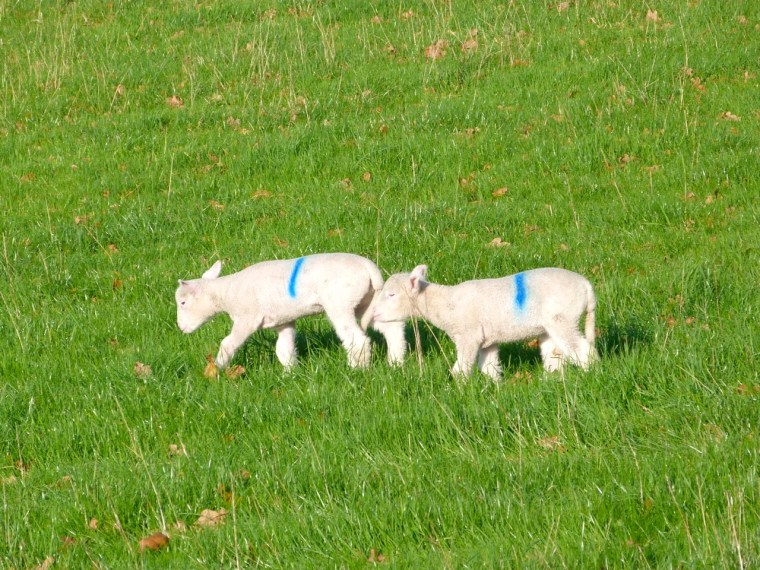
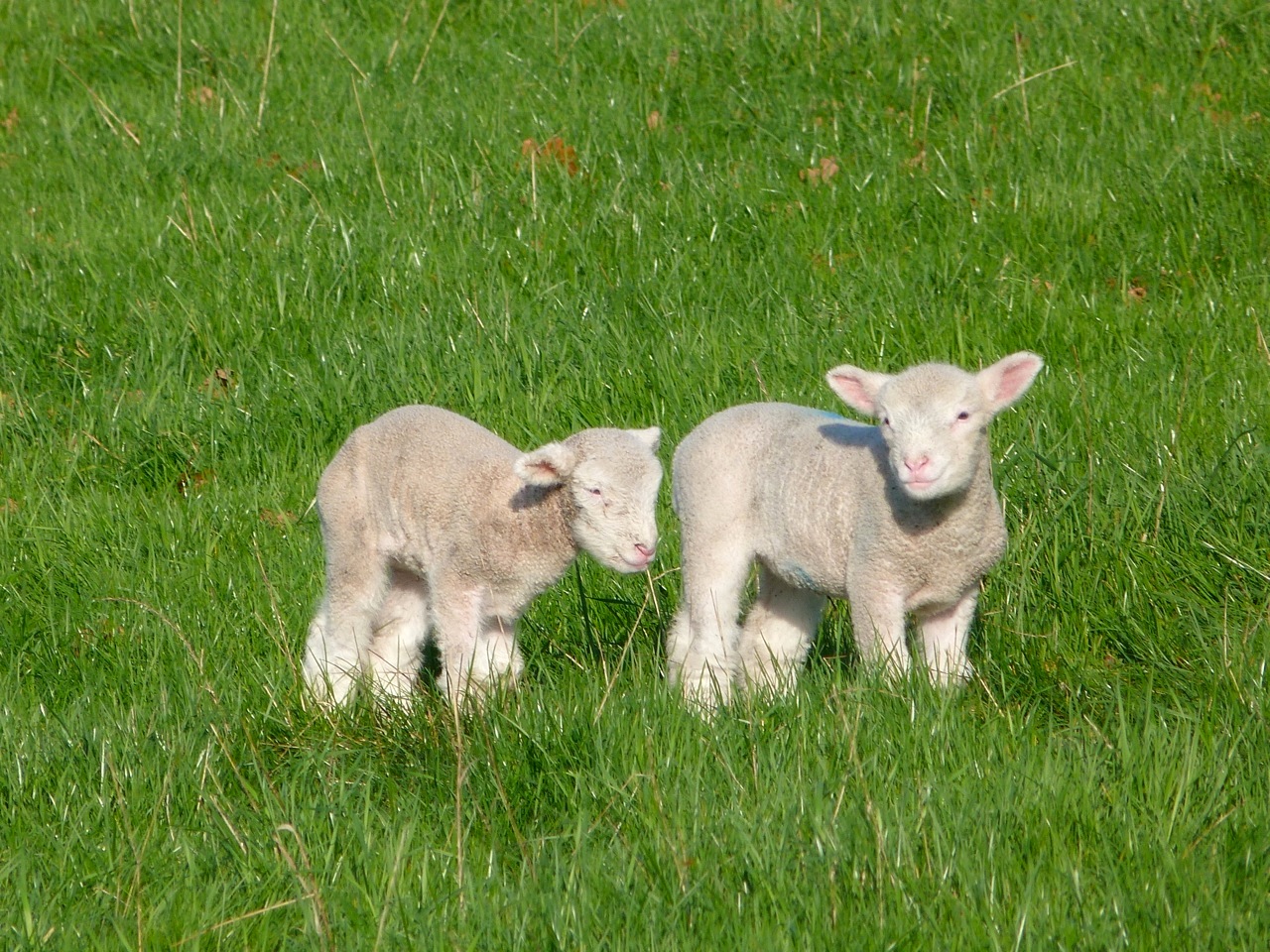
It was soon joined by twin lambs a few days older
Then came the 2 mothers. Then the 5 still-pregnant sheep waddled into the field, all due to lamb within the next 3 weeks. Here’s one of the proud mothers.
The sheep and lambs were numbered so it was easy tell which belonged to which. But whereas the mothers also knew their own lambs, it was taking the lambs a while to cotton on to the numbering system…
Correctly matched
Number 2 has still to get the hang of the system…
Pretty lambs all in a row
Settling in
OTTER STUDIES
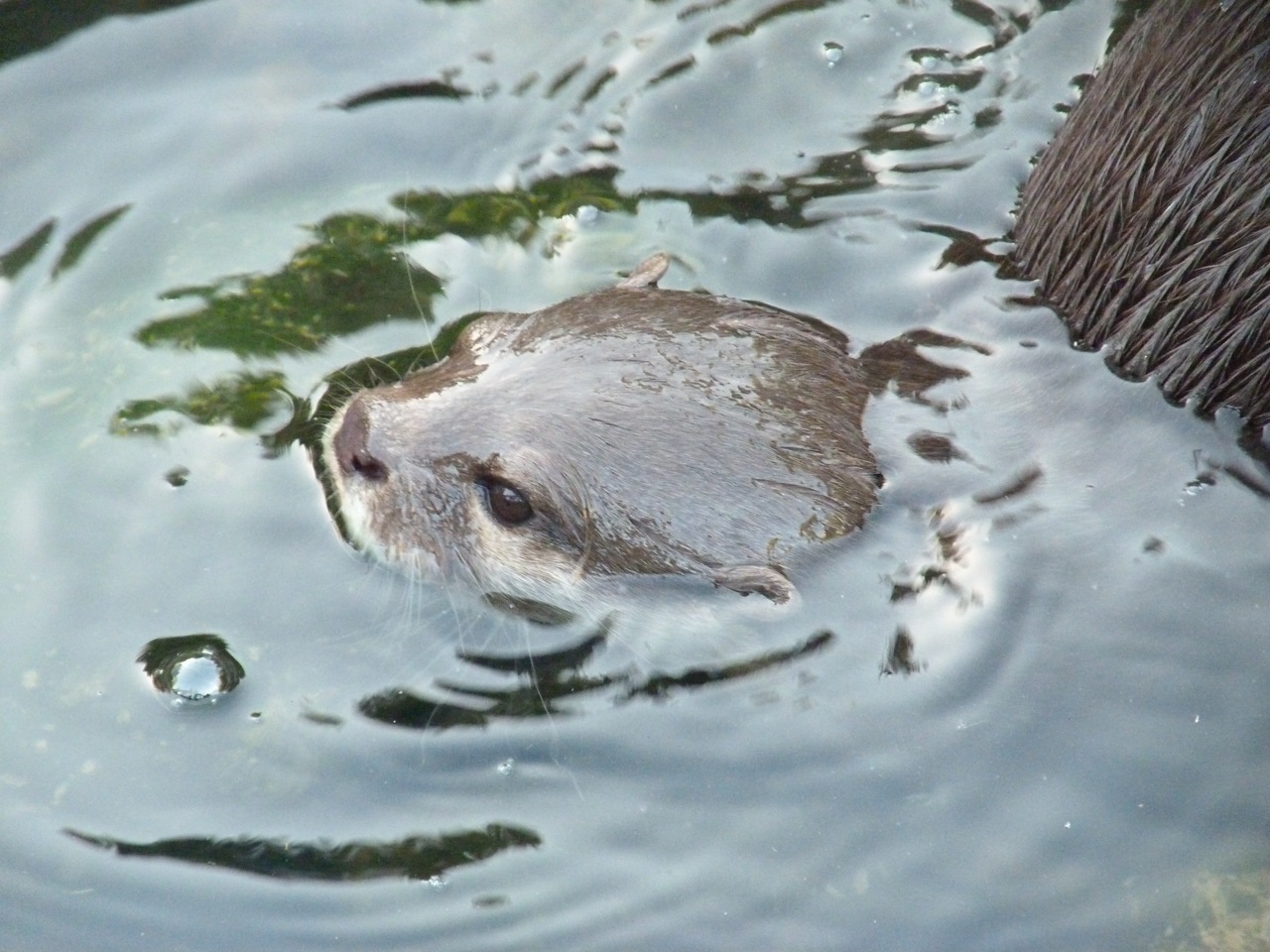
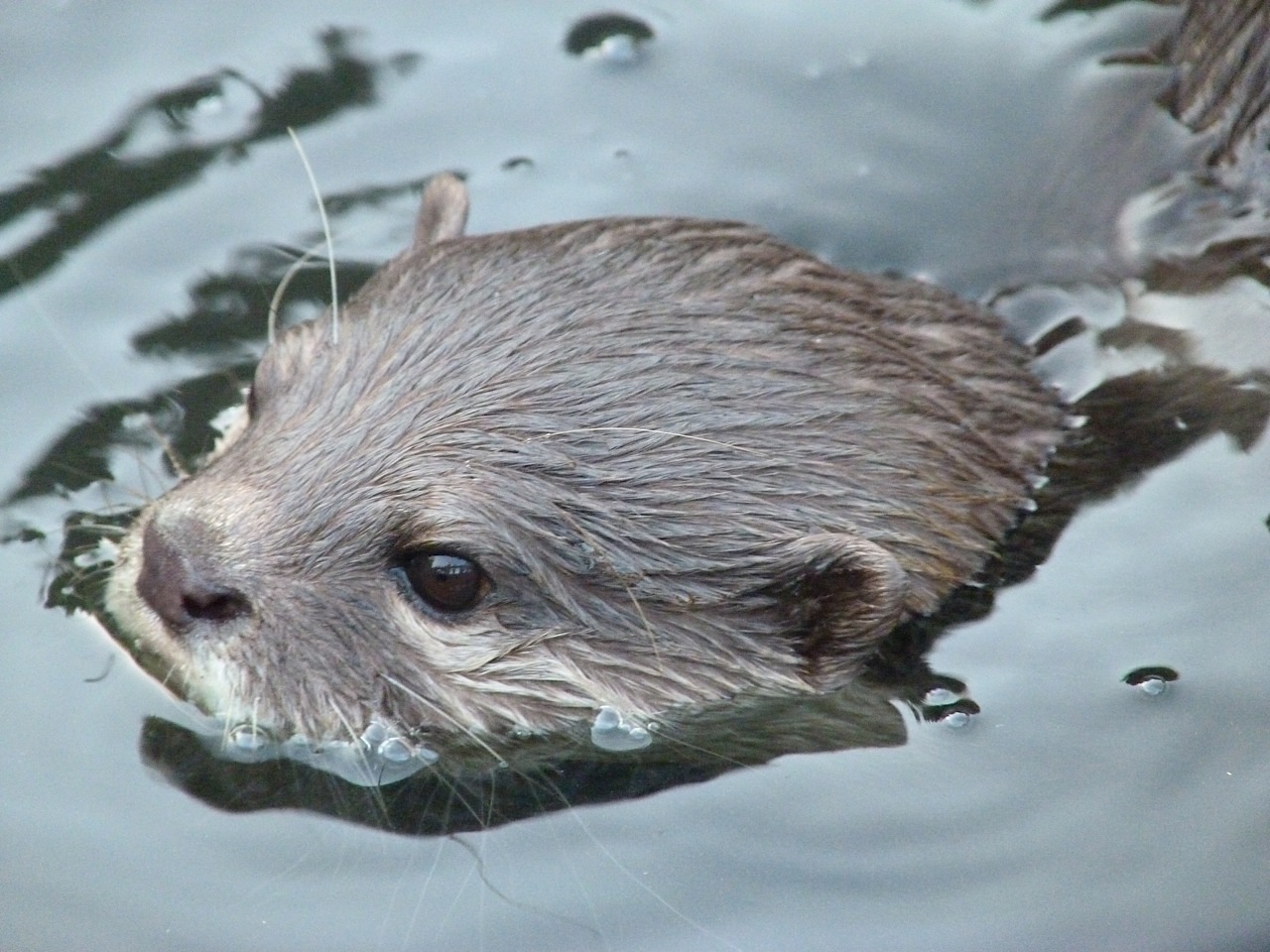
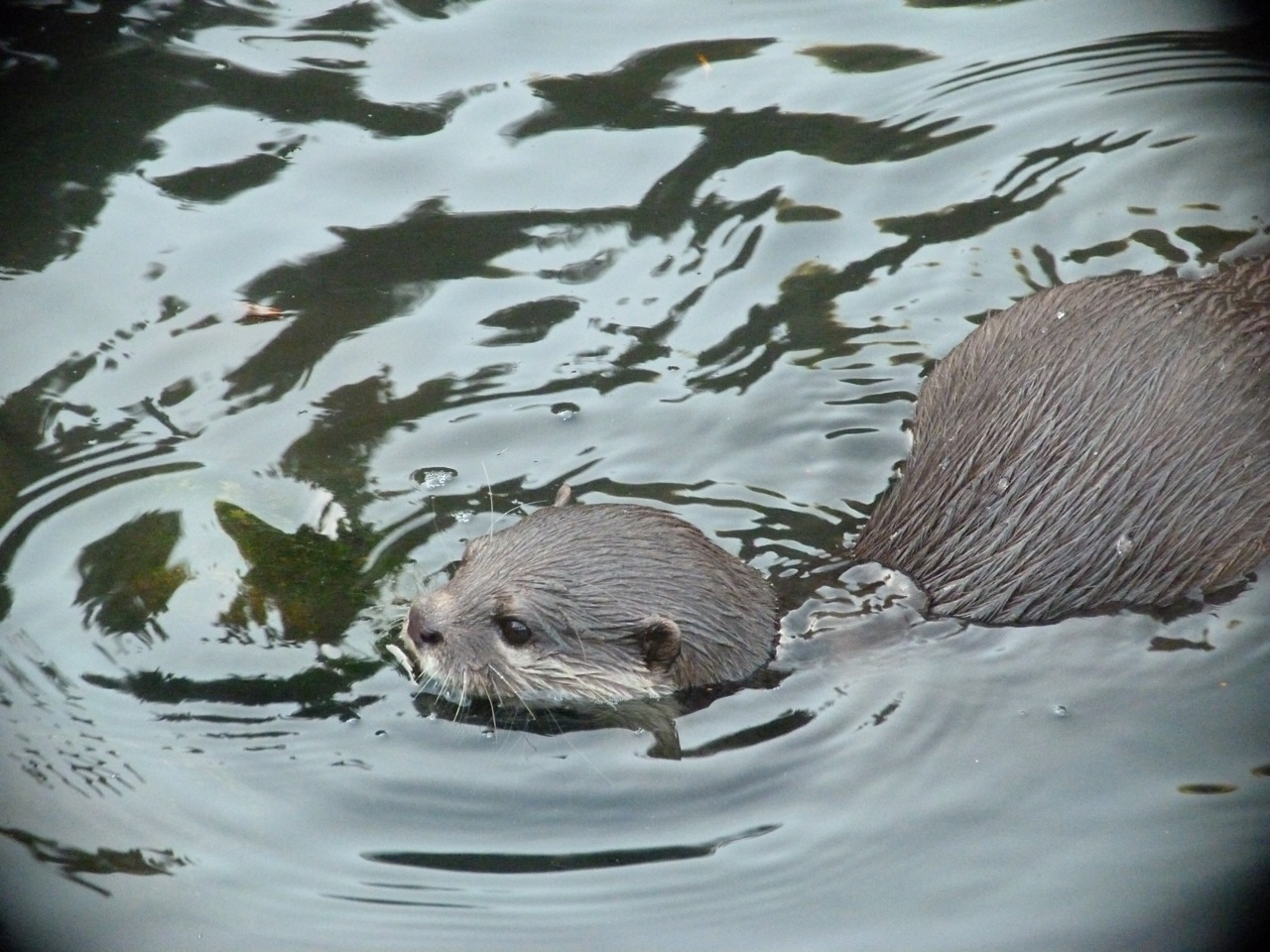
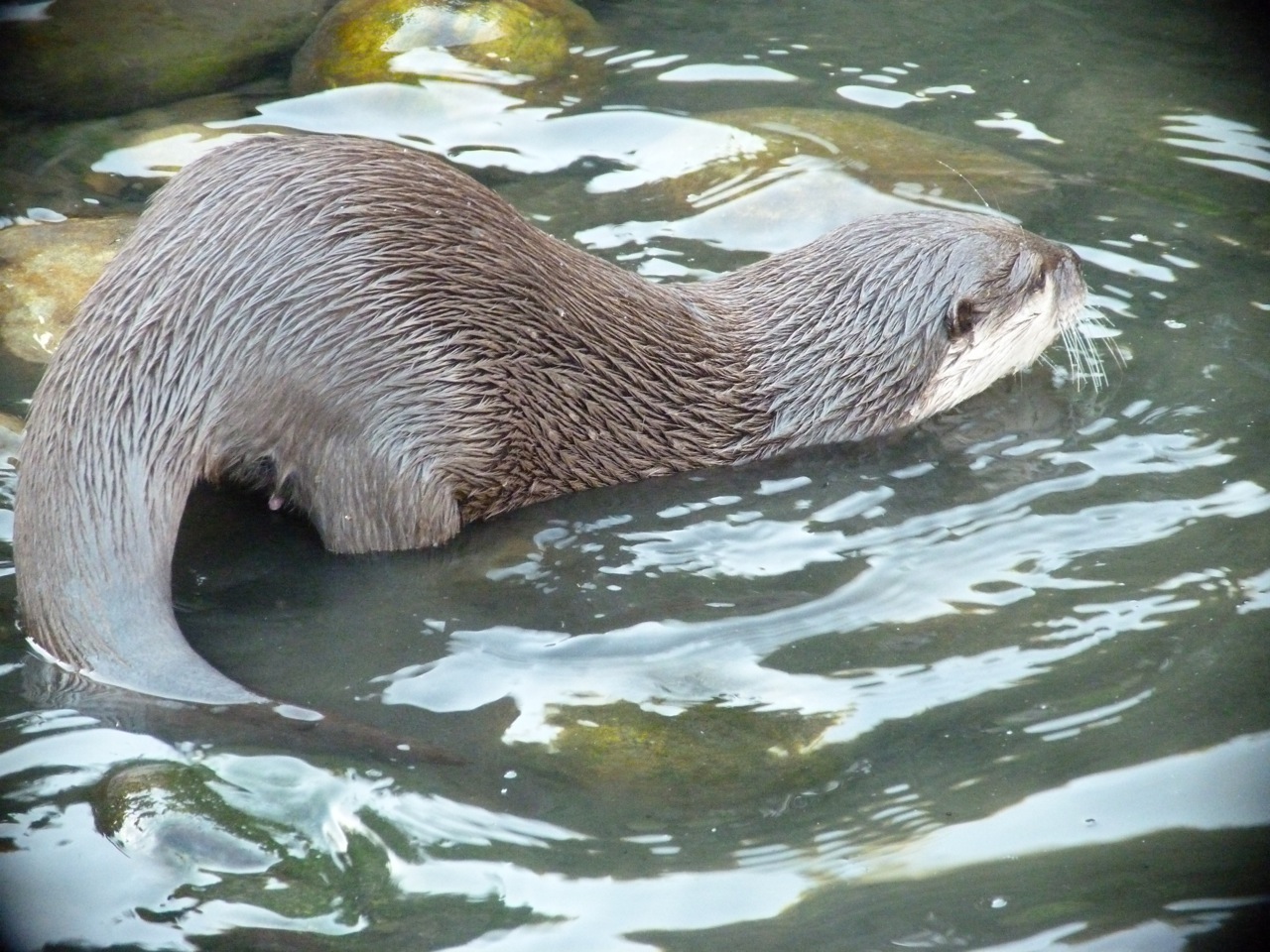
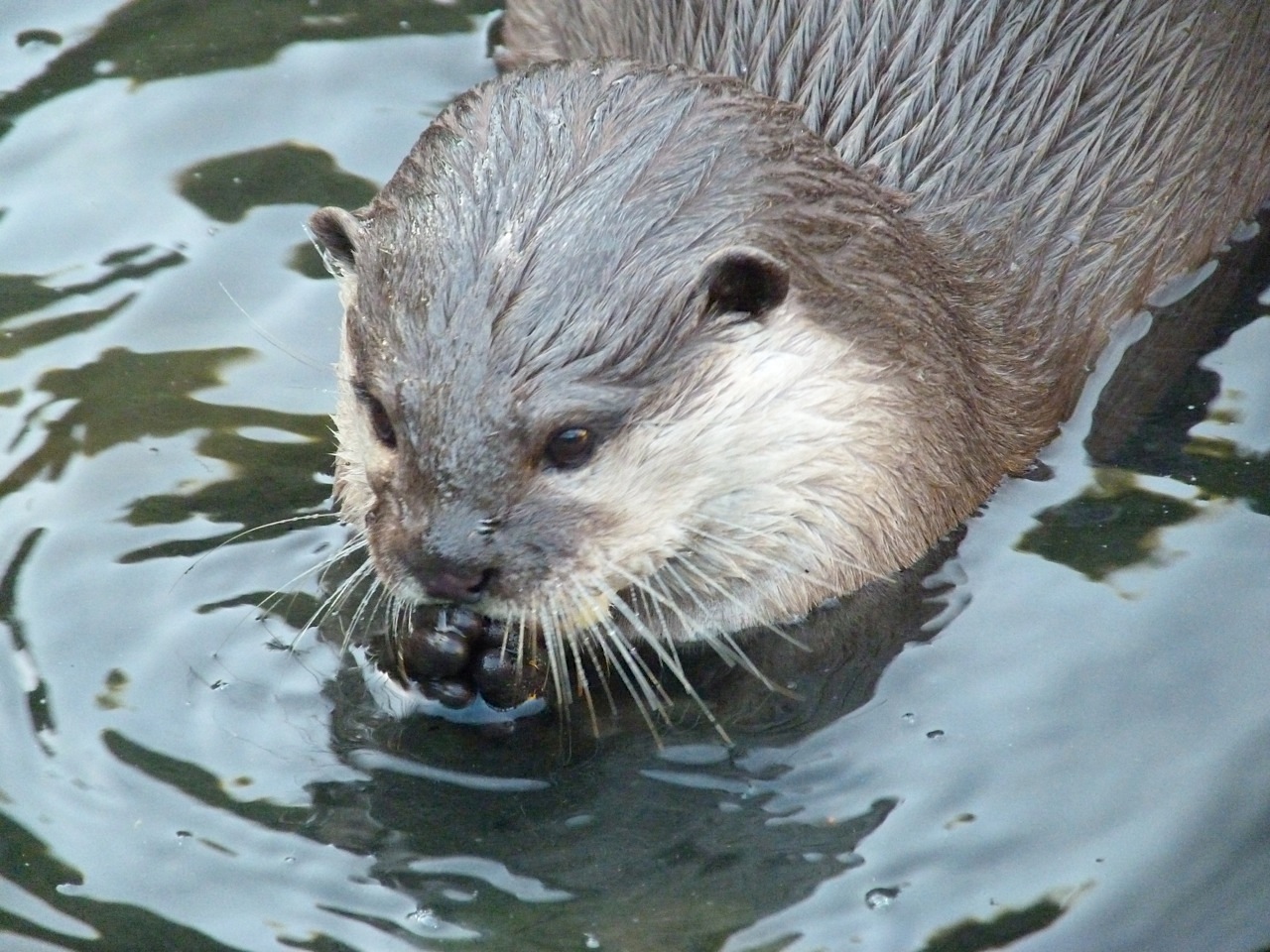
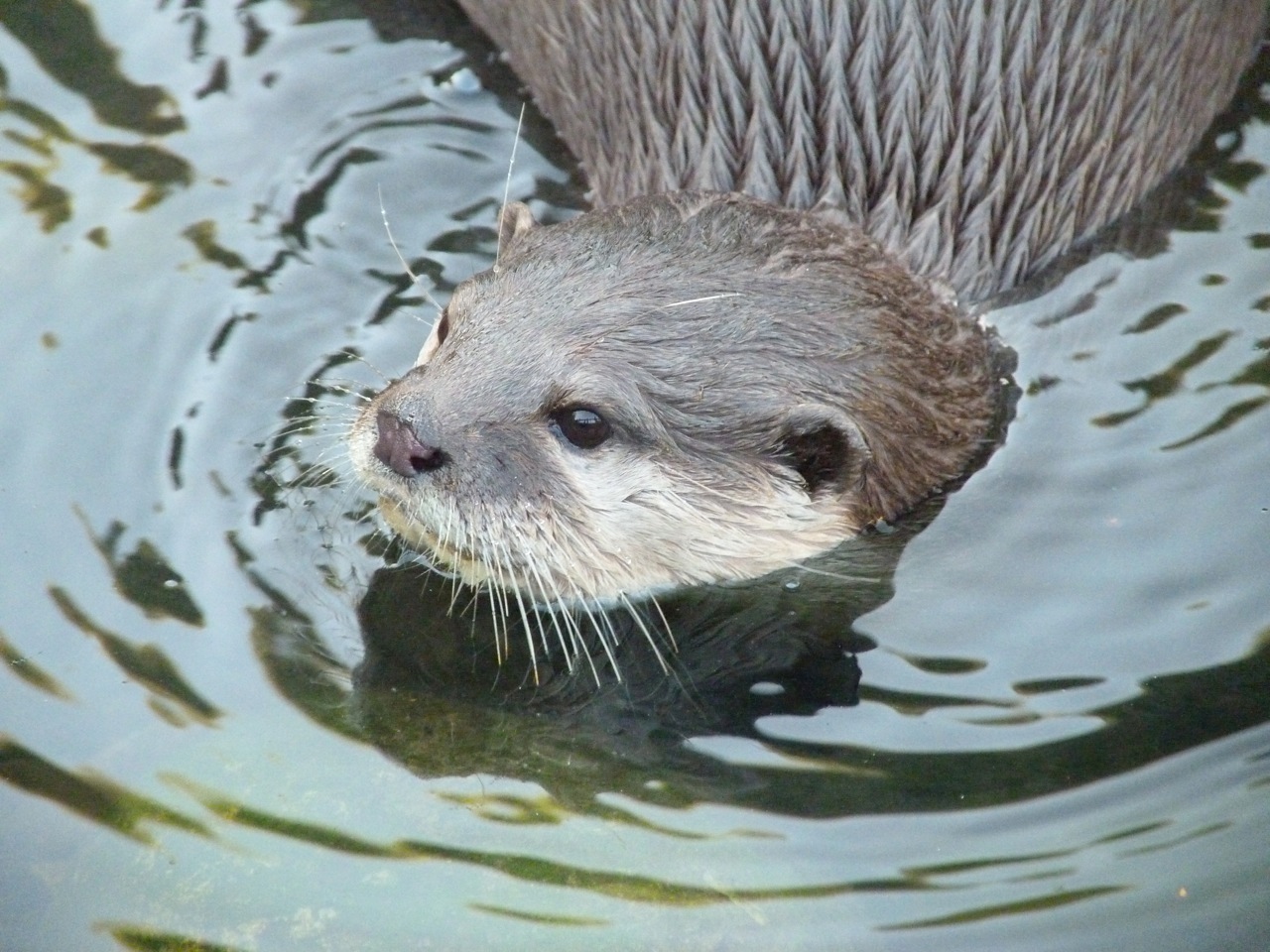
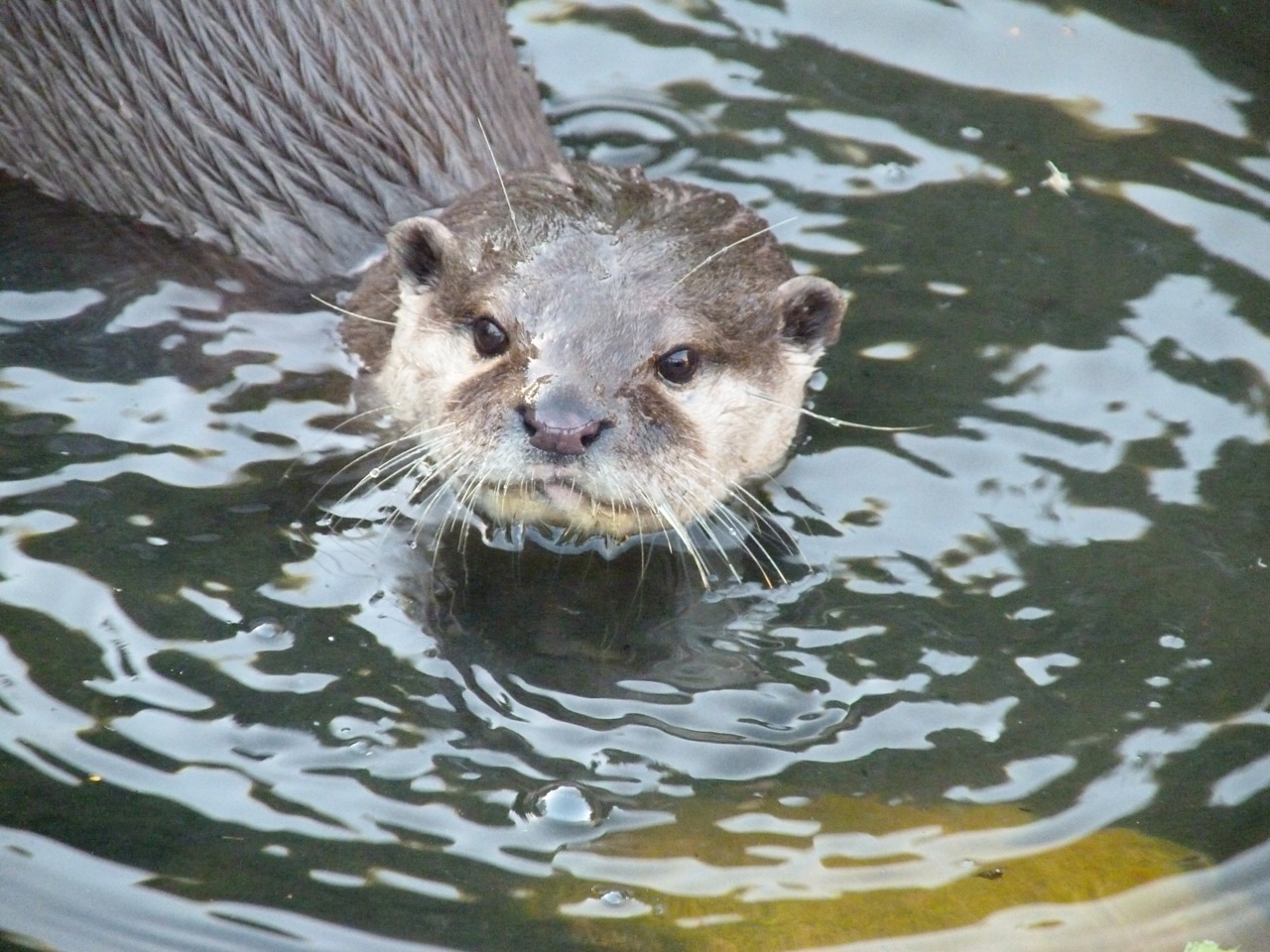
There’s no great kudos in finding these particular otters. They are Asian short-clawed otters and they are one of the attractions at WWT Barnes, where a number are kept in a spacious enclosure. There’s plenty of water for them, obstacle courses (pipes and so forth) have been set up, and they look sleek and well-fed (as well they might be, with feeding times twice daily). I managed to see 3 at an uncrowded time, and one in particular seemed to enjoy being admired.
BLACK-HEADED GULLS: FUN IN THE SUN
Halloween. Frequently a wet, cold and dreary day concluding with dubiously decked-out children ‘scarily’ collecting sweets with watchful parents in the shadows (and the odd teenage chancers ditto, but without the parents ). But this year on a warm sunny October 31st I went to have a look at some birds. To start with here are some black-headed gulls (winter plumage) enjoying a serious bathing and preening session at WWT Barnes.
GREAT GREY OWL
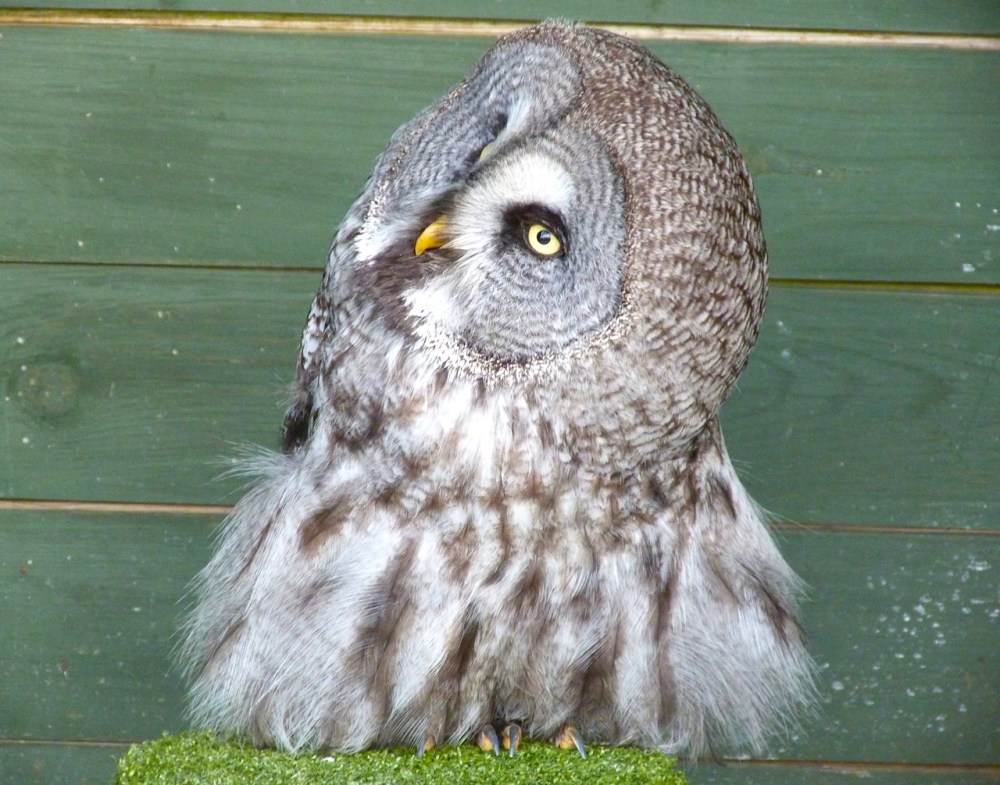
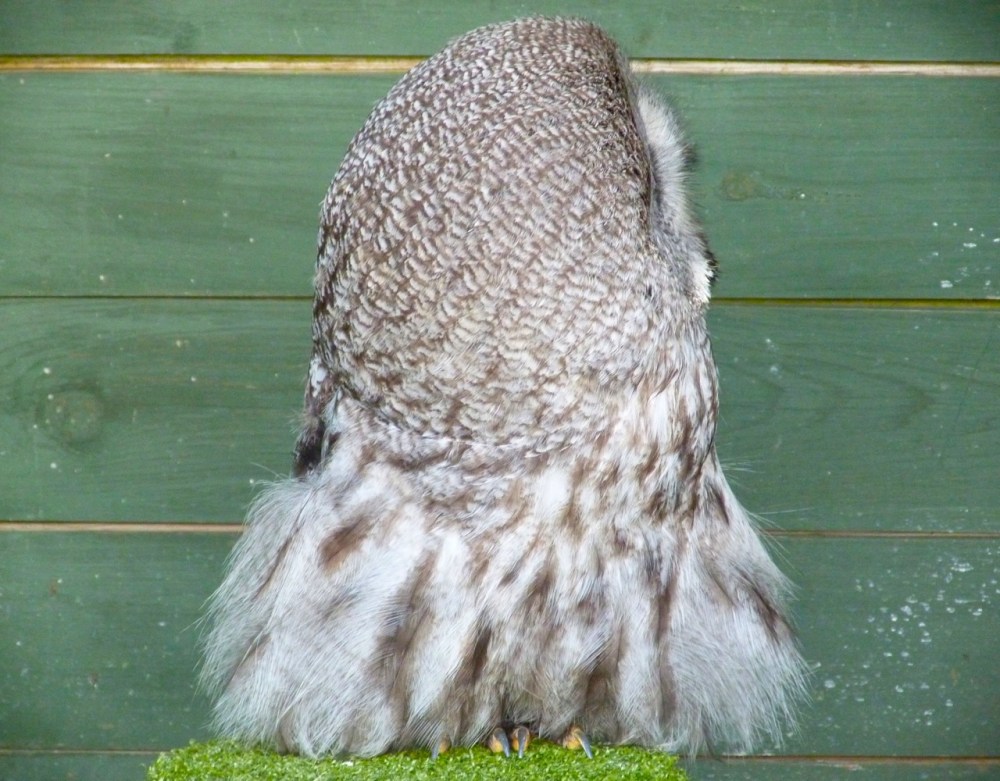
I met this remarkable-looking bird at an owl sanctuary near Bodmin. I saw a sign to the place on my way back from Cornwall to Dorset, and diverted to investigate. I found a large, well-kept enterprise with plenty of birds, visitors and school parties. There was a very informative open-air display of several species that were explained in turn, and which visitors were in most cases permitted to stroke. A very worthwhile diversion that I’d recommend to anyone trekking along the A30 with a bit of time to spare. The place is called THE SCREECH OWL SANCTUARY.
Many owl species can rotate their necks through 270º or more. This one managed a 180º rotation effortlessly, with its feet in identical positions.

COMMON SEALS IN THE STOUR ESTUARY, RAMSGATE, KENT
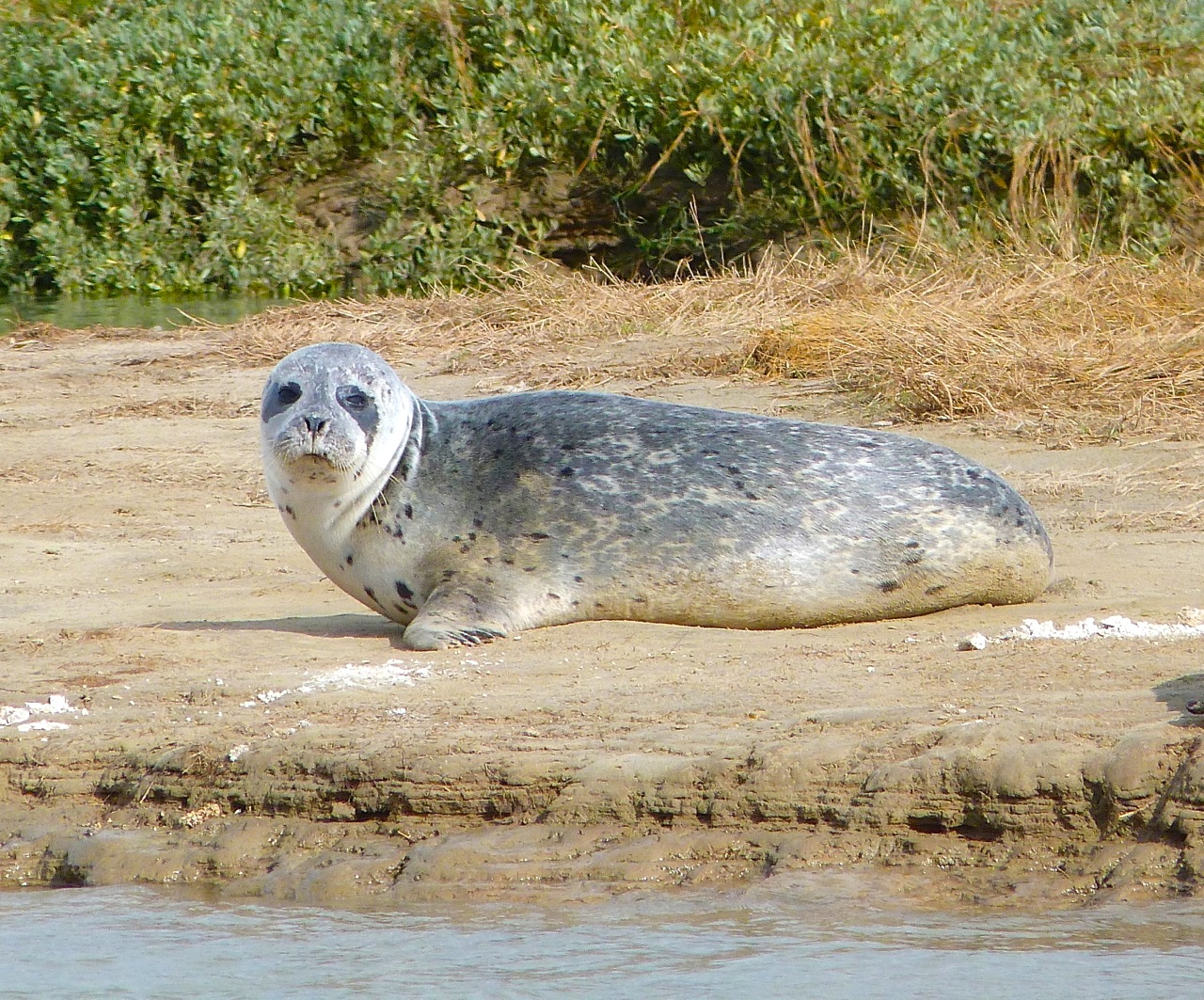
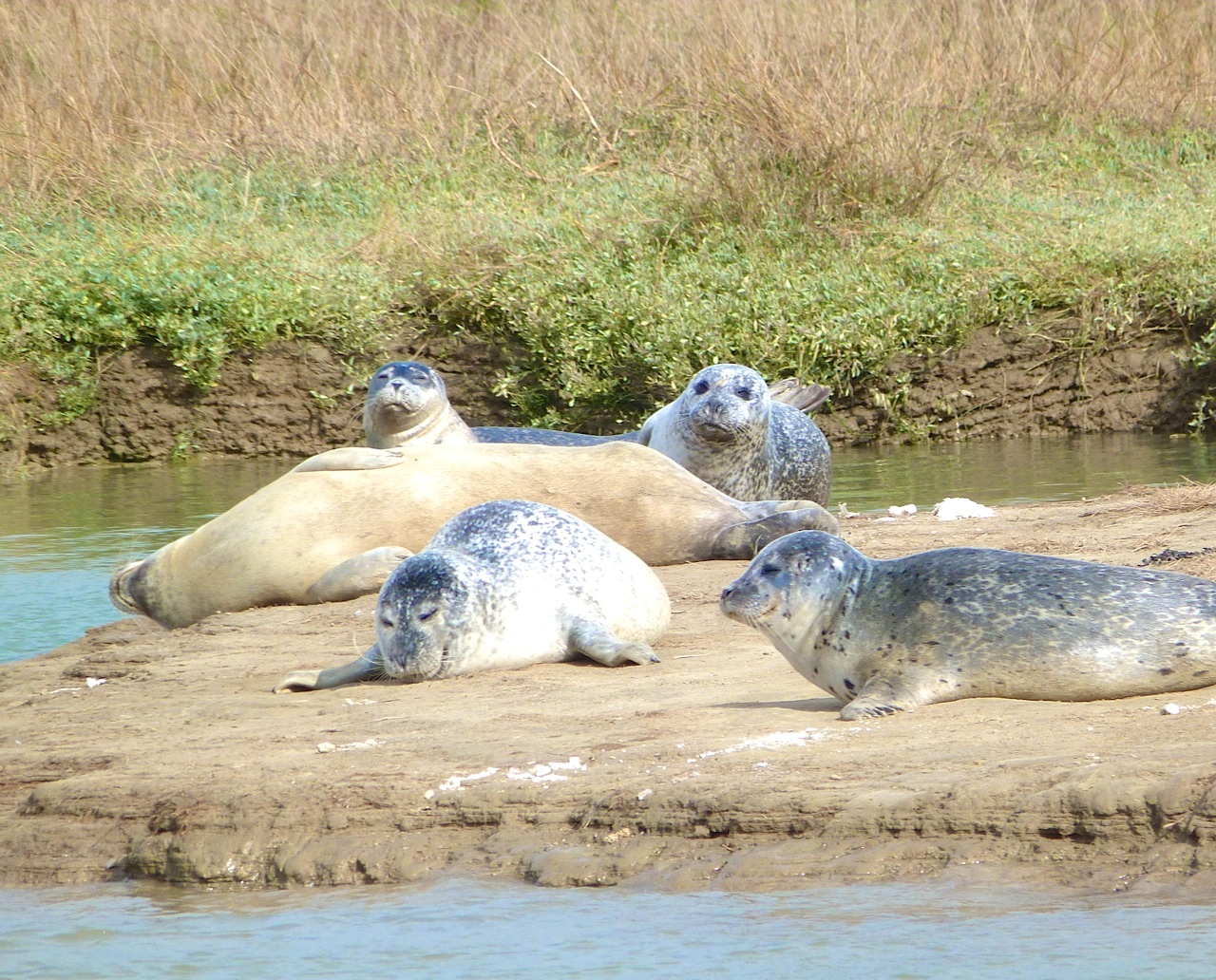
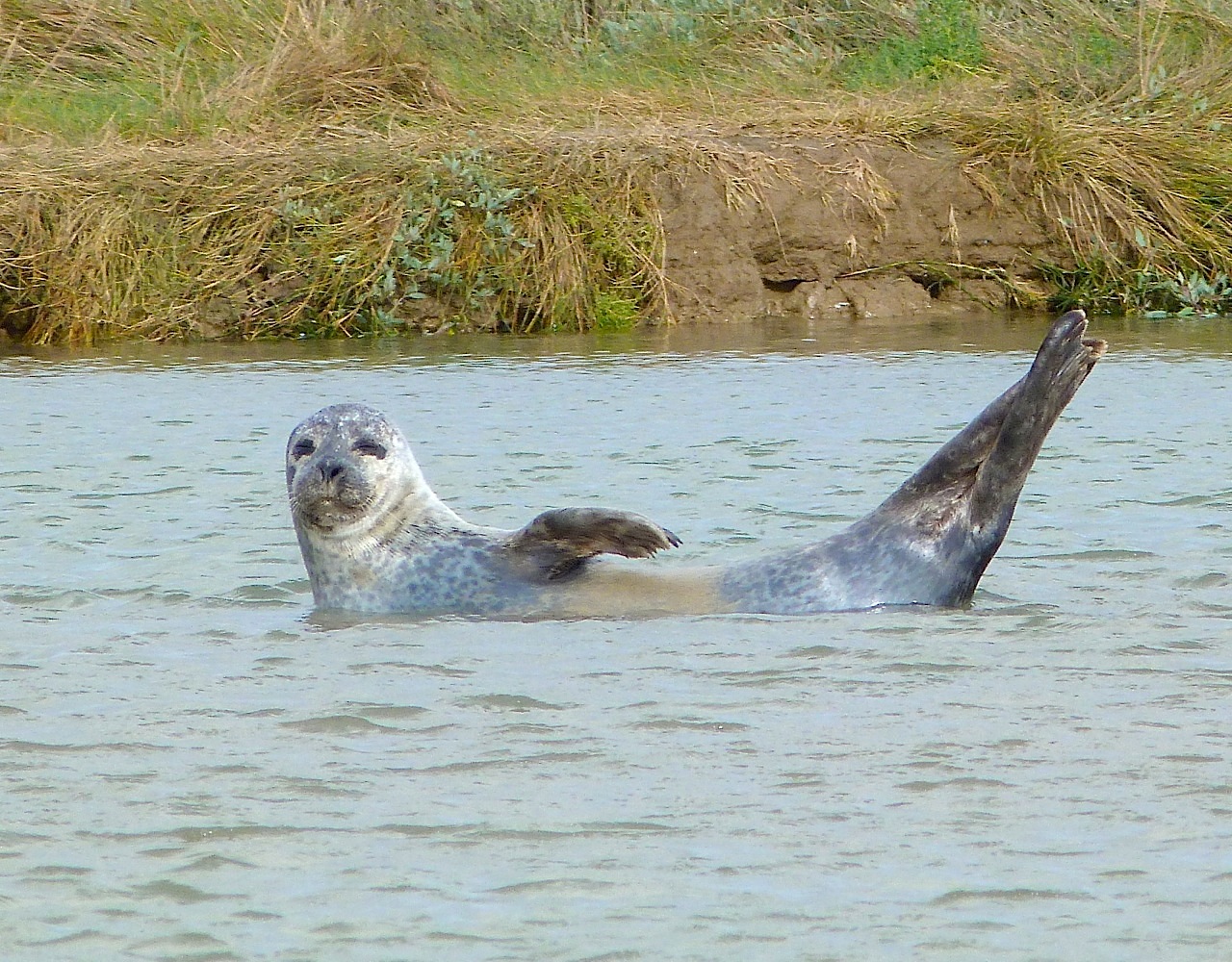
The estuary of the River Stour (“Store”), Kent lies between Ramsgate and Pegwell Bay a short distance to the south. Common seals can reliably be found near the mouth of the river, sunning themselves on the banks. These seals come in a variety of colours. In September some of this season’s pups could be seen growing up among the adults. To be frank, although I took plenty of photos of these lovely creatures looking appealing and / or in amusing poses, the end results were disappointing. Partly, a rocking boat made sharpness difficult to achieve but mainly the adult seals just looked like bloated sausages lying in an unattractive landscape of mud and coarse grass. Here are a few pictures that were spared deletion…
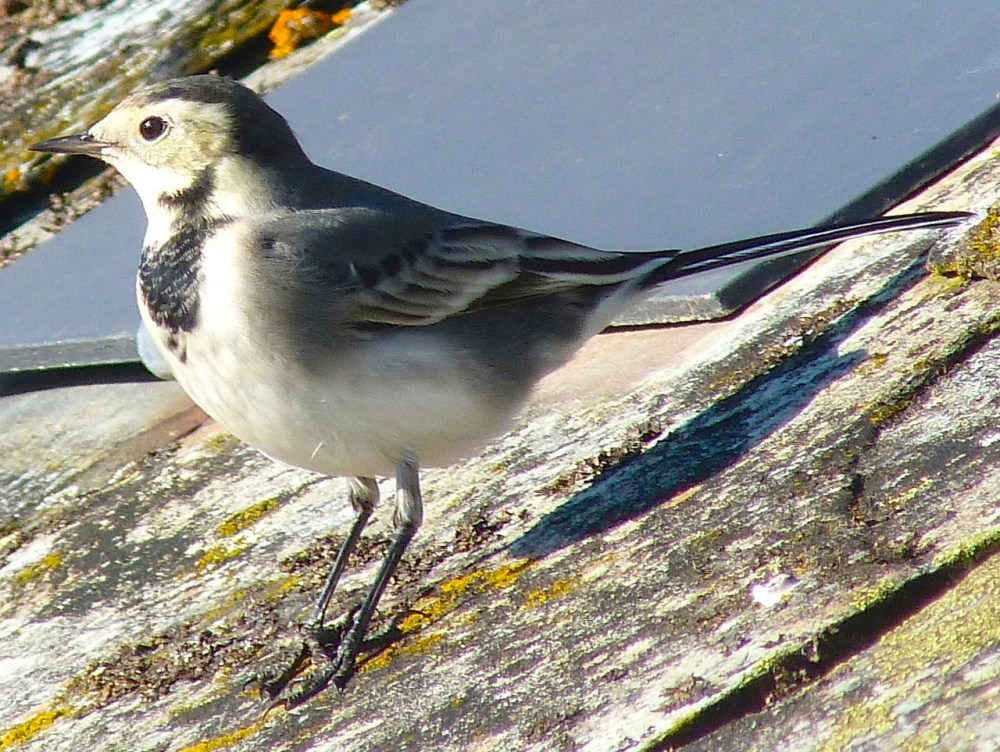
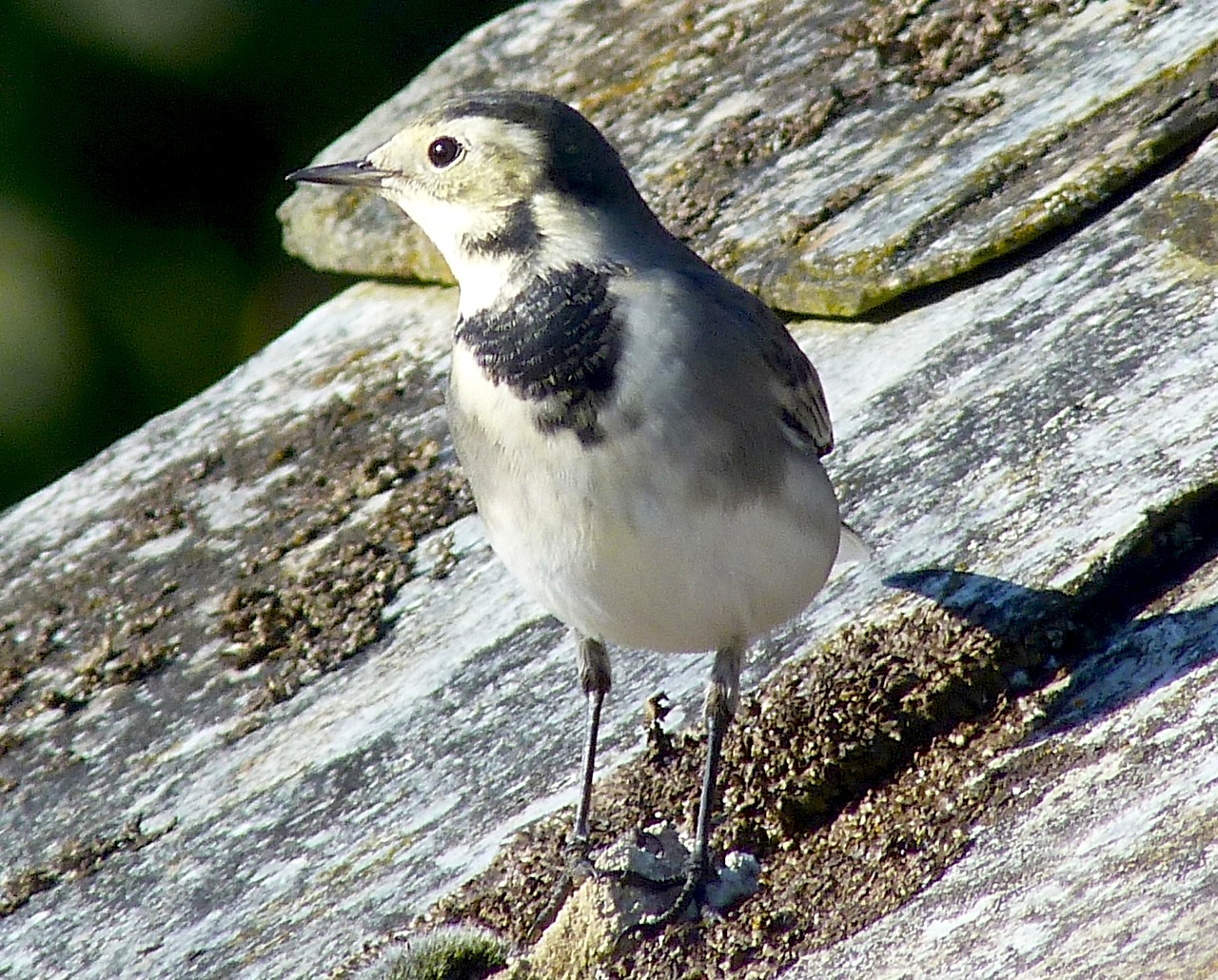
PIED WAGTAILS, OCTOBER, DORSET
We are lucky enough to have pied wagtails – usually just one pair – in the garden every year. They raised a family and for much of the summer there were 4 patrolling the roof ridge. Recently, prolific evening fly hatches have provided them with great sport as they hawk for the insects from the roof, fluttering briefly into action and returning to their perch. On some evenings they have been joined by up to 2 dozen other wagtails, and for half an hour at dusk they have looped and swooped round and round, eating on the wing. I wondered if there was a collective noun for wagtails to go with the charms, murmurations, murders and parliaments that other birds are awarded. The only one I found was in a jocular list by a determinedly downbeat birder, who applied the term ‘a permanent narcissism of wagtails’.
SANDWICH SHARING: IMAGES FROM A CINQUE PORT
Sandwich is a cinque port, along with Hastings, New Romney, Hythe and Dover – we had some warm family disagreements discussions about these until someone managed to get a phone signal and look them up. The town has a large number of medieval buildings, and we enjoyed a quick look round recently when we were staying nearby.
THE FISHER GATE (1384) on the quayside
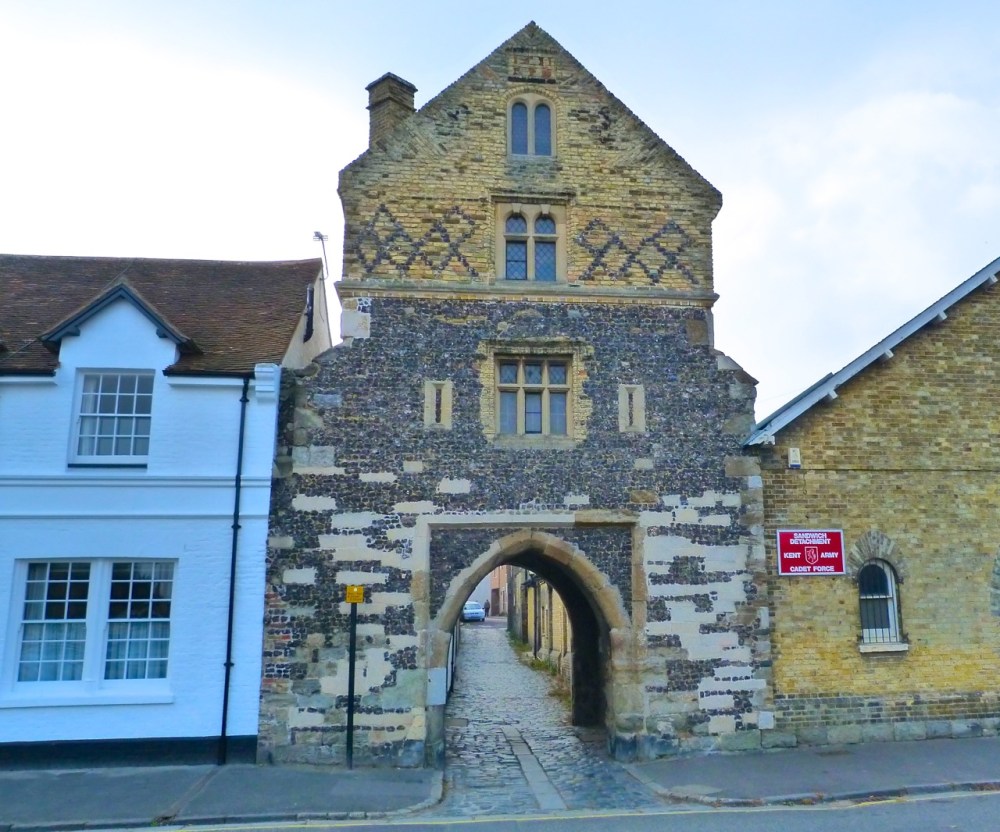
THE BARBICAN (and toll house)
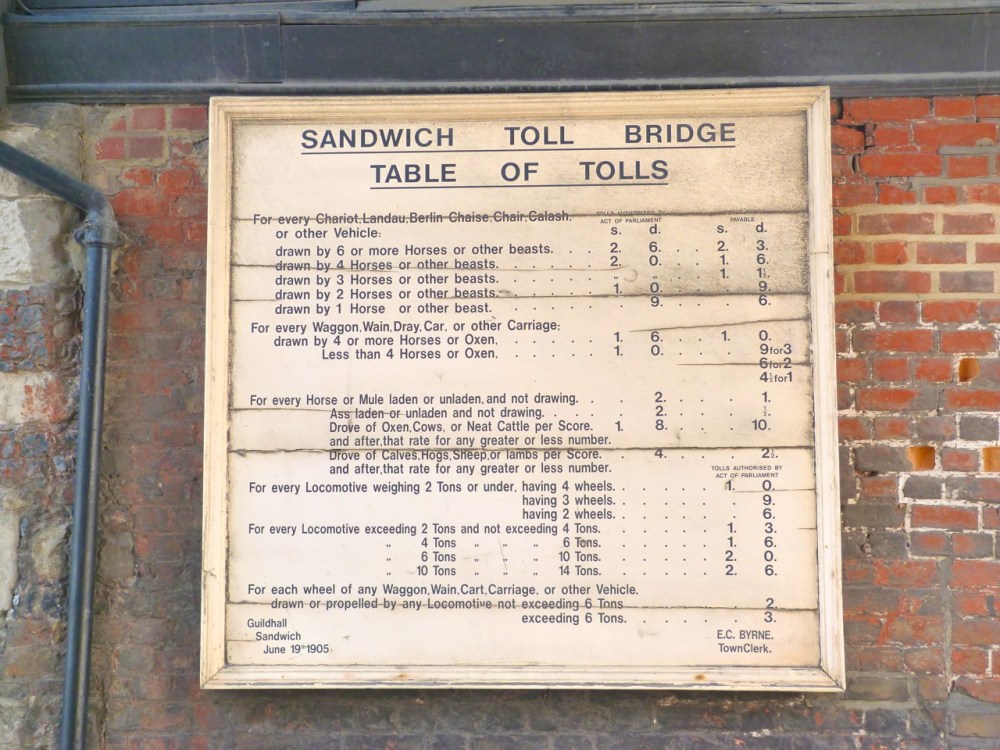
THE TOLL TABLE, 1905
Although viable vehicles using an internal combustion engine had only been in existence for about 6 years (and were few and far between), steam vehicles were not uncommon. It’s surprising to learn the variety of transport methods still catered for in post-Victorian England. I’d like to have possessed a ‘wain’. And a ‘chaise’, for that matter.
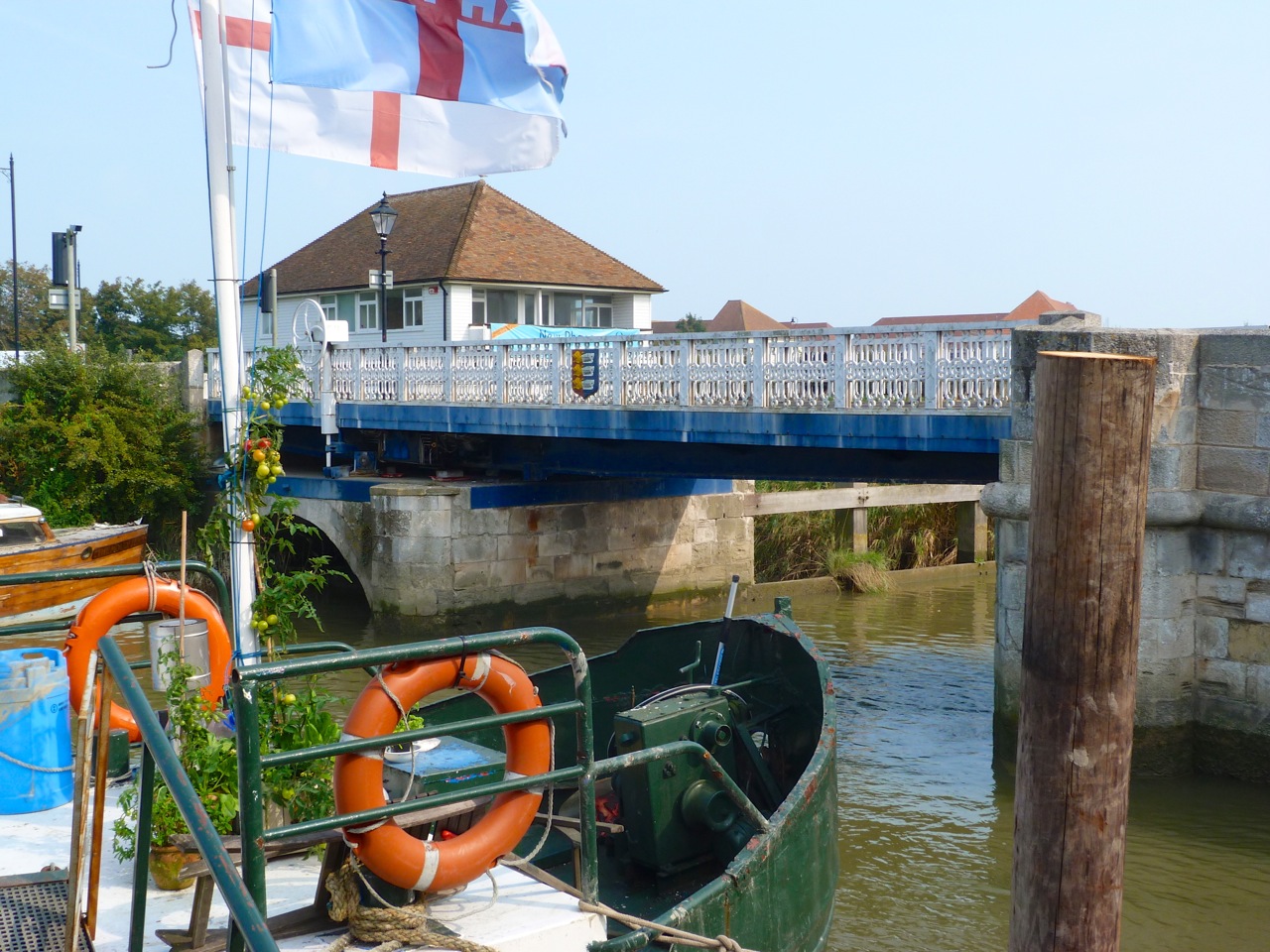
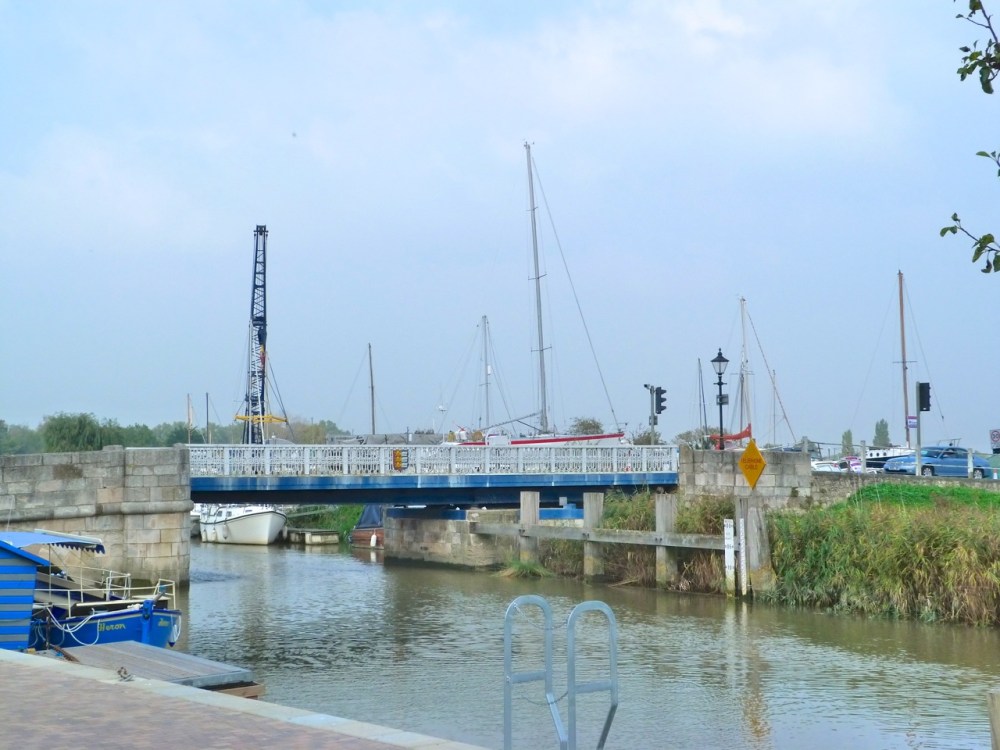
RIVER STOUR at the quayside, with the swing bridge road that now leads to the Barbican
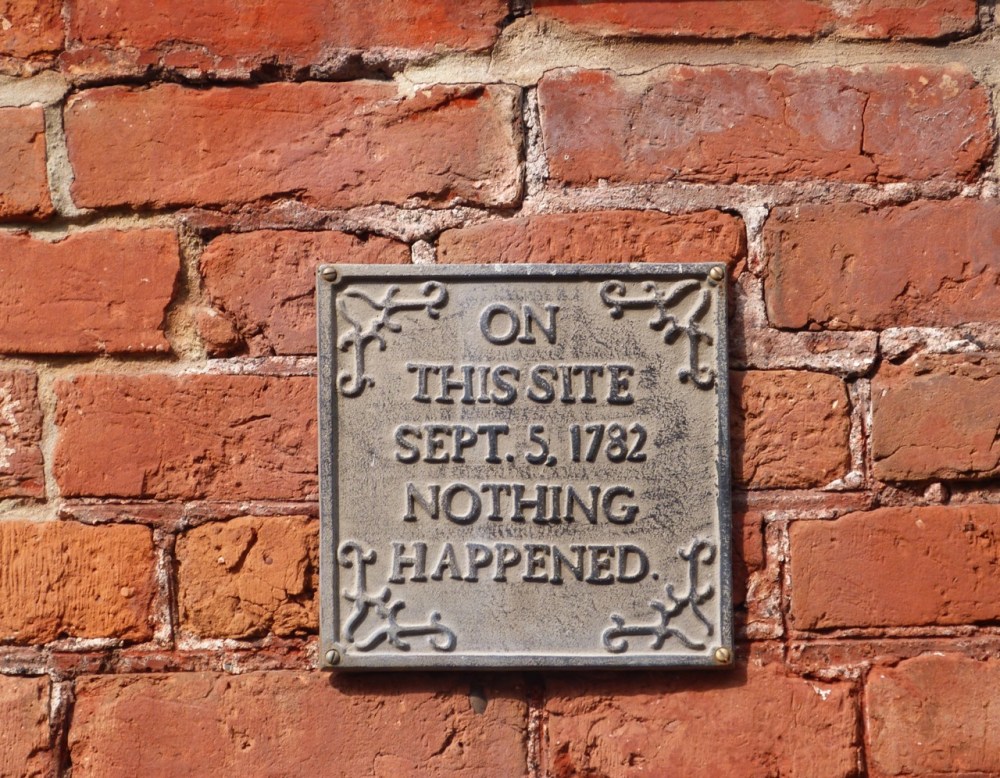
IS THIS FOR REAL? (looking at the modern screws, I concluded not)
ST PETER’S CHURCH (C13 / 14), now in the care of the Churches Conservation Trust
MEMORIAL IN ST PETER’S CHURCH with ambiguous tribute
SANDWICH WEAVERS (1500) a home and workshop used by Dutch workers in the c16

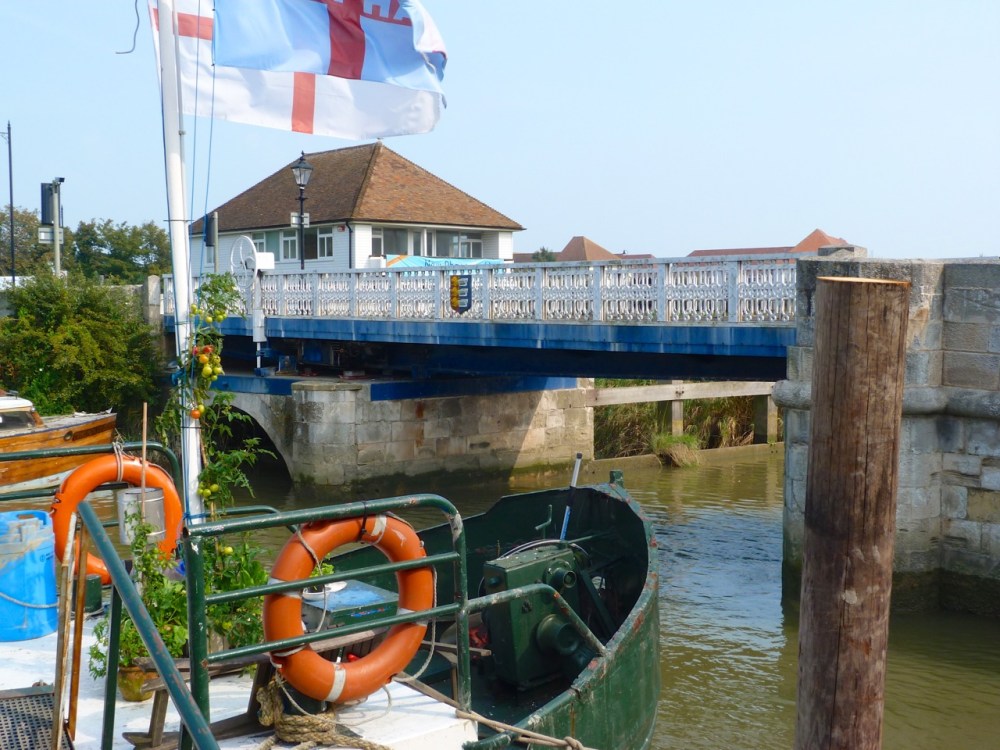
THE SWING BRIDGE OVER THE STOUR
The quayside was used for army embarkations for wars with France
‘SHEEP MAY SAFELY GRAZE…’: PASTORAL DORSET
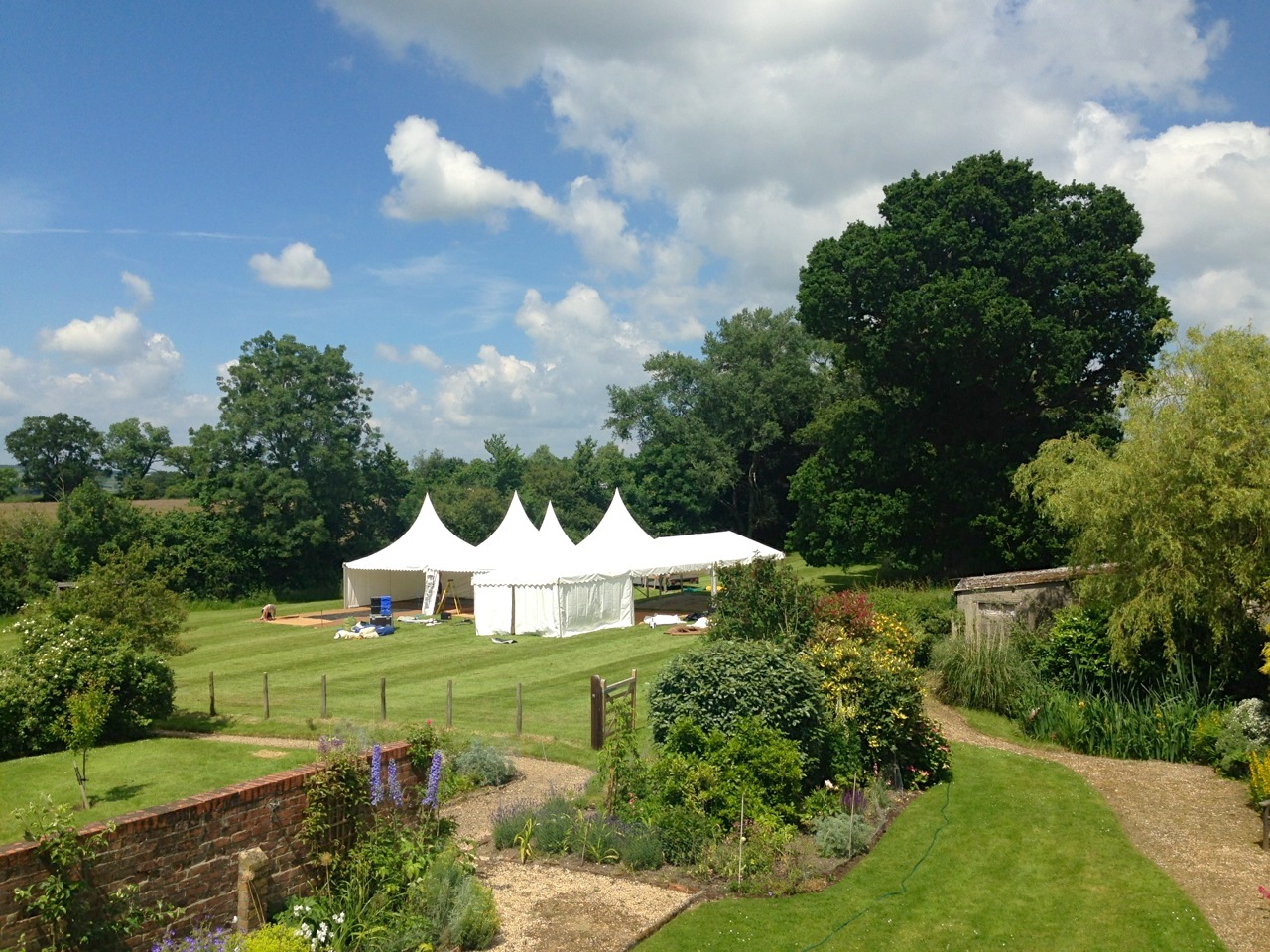
For six years we had our neighbour’s 3 alpacas in our paddock. Advantages: they mowed the grass and were decorative. Drawbacks: they caused a lot of damage by digging and from their peculiarly toxic waste; and were annoyingly passive / aggressive. So we moved them off, spent last winter filling in all the holes with a ton of topsoil and re-seeding, followed by a programme of regular harrowing, mowing and rolling to make the field ready for our son’s wedding on midsummer’s day (where we had our own reception a few years decades ago).
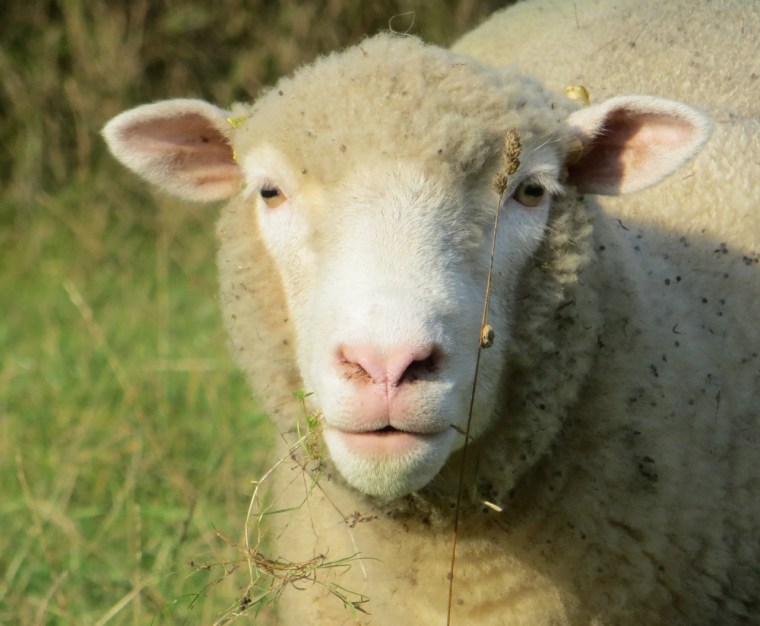
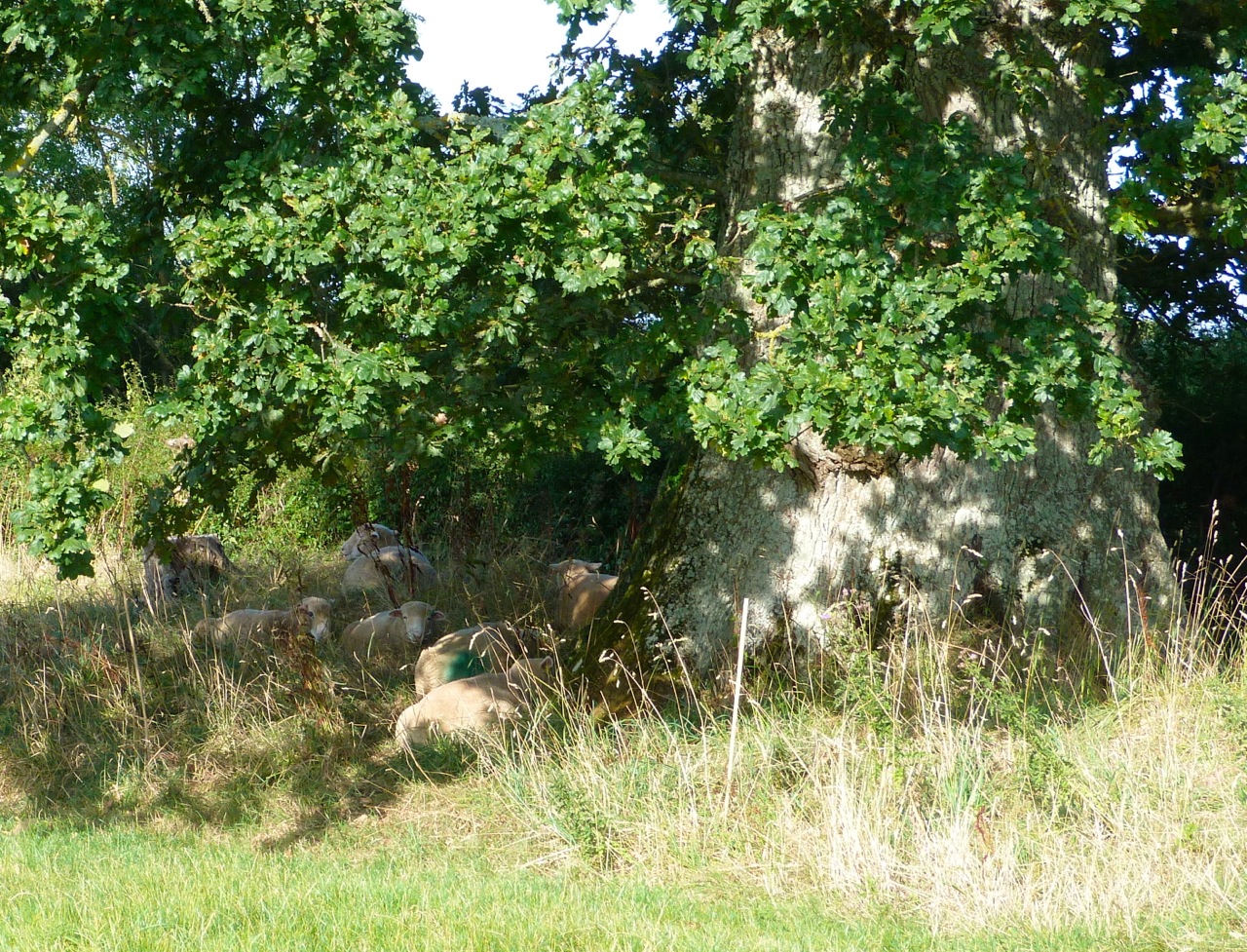
Now what? The answer is: sheep. Peaceful, munching grazers with no obvious drawbacks. A young farmer in the village has put 7 pregnant Poll Dorset sheep in the paddock. Result: pastoral scenes, evenly cropped grass, and a damage-free field – with pre-Christmas lambs in prospect. 


The Dorset breed of sheep comes in both poll and horn varieties. Here are specimens of each kind photographed at a recent show in Dorset. The breed is hardy (as befits Hardy country), and unusually they can lamb 3 times over the course of 2 years, making them a productive option for a young farmer building up his flock.