JERSEY TIGER MOTH: DORSET


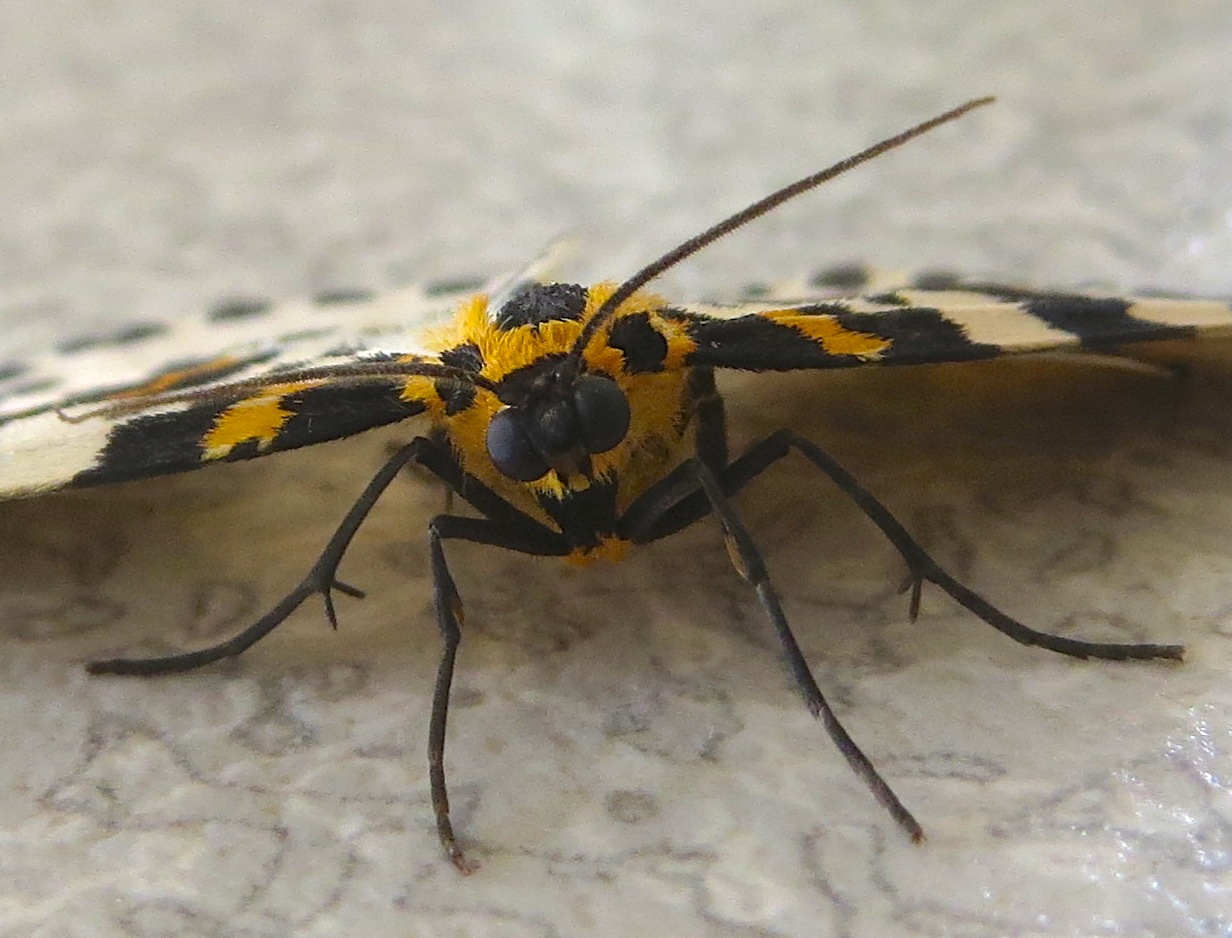
It’s been a remarkably mothy summer. Our interest in moths mainly centres on ‘clothes’ moths, detection, prevention and termination thereof. Suddenly, there are moths I’ve neither seen nor heard of before. MAGPIE MOTH. DRINKER MOTH. And now, on the hyssop last Sunday, a Delta-winged Stealth Moth. It wasn’t in our (basic) book, but a quick online search revealed it to be a Jersey Tiger Moth Euplagia quadripunctaria. UK MOTHS has this to say:

“One of the most attractive of the Tiger moths, this species was until recently restricted in distribution to the Channel Islands and parts of the south coast . On the mainland it is commonest in south Devon, but colonies have recently appeared in Dorset and the Isle of Wight, and it has also been found in other southern counties. It now seems to be expanding its range quite quickly. There is also a thriving population in parts of London, but whether this is due to range expansion or the result of accidental introduction is still unclear. It flies both in the daytime, when it can be found feeding on various flowers, as well as at night, when it is attracted to light. The main flight period is July to September. The hairy larvae feed on a range of herbaceous plants including nettle (Urtica).”

With only a basic camera to hand, I took the first photo, expecting it to fly away at onceJersey Tiger Moth Dorset 1
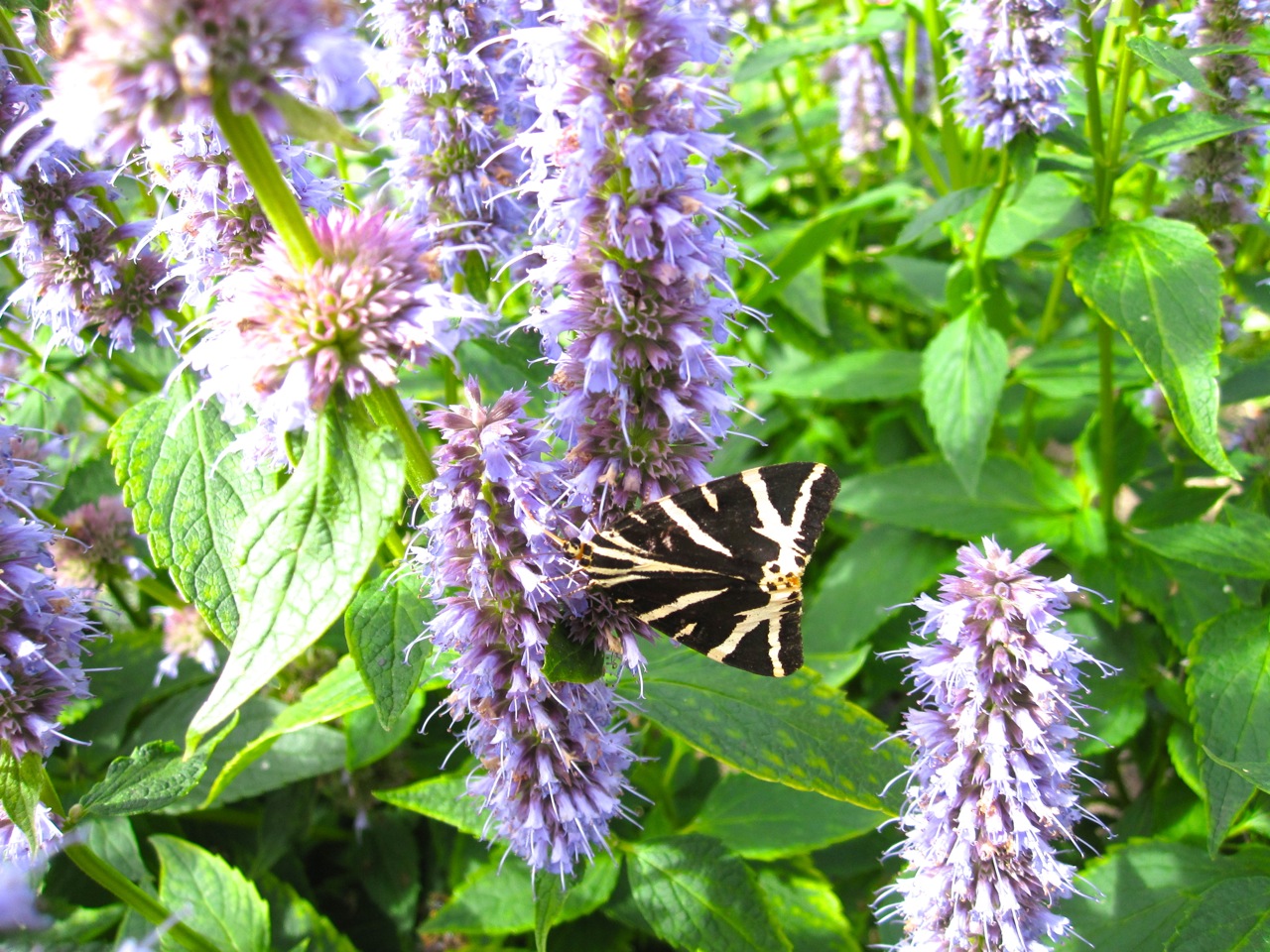
However it kindly stayed around for a few more shotsJersey Tiger Moth Dorset 2

It carried on feeding happily
Jersey Tiger Moth Dorset 3

It had particularly smart stripy legs…Jersey Tiger Moth Dorset 4
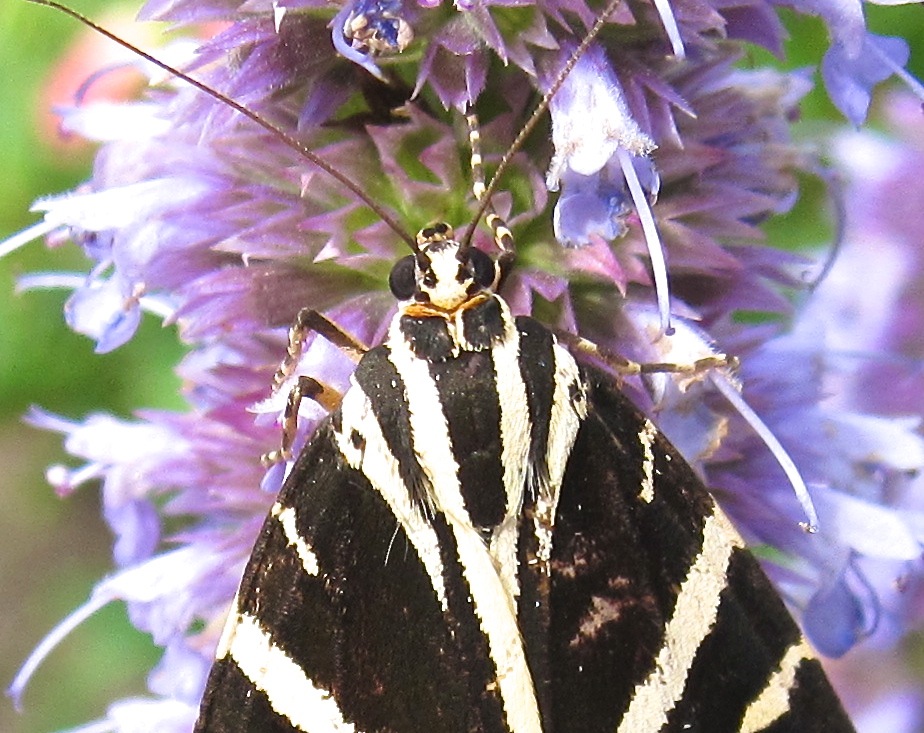
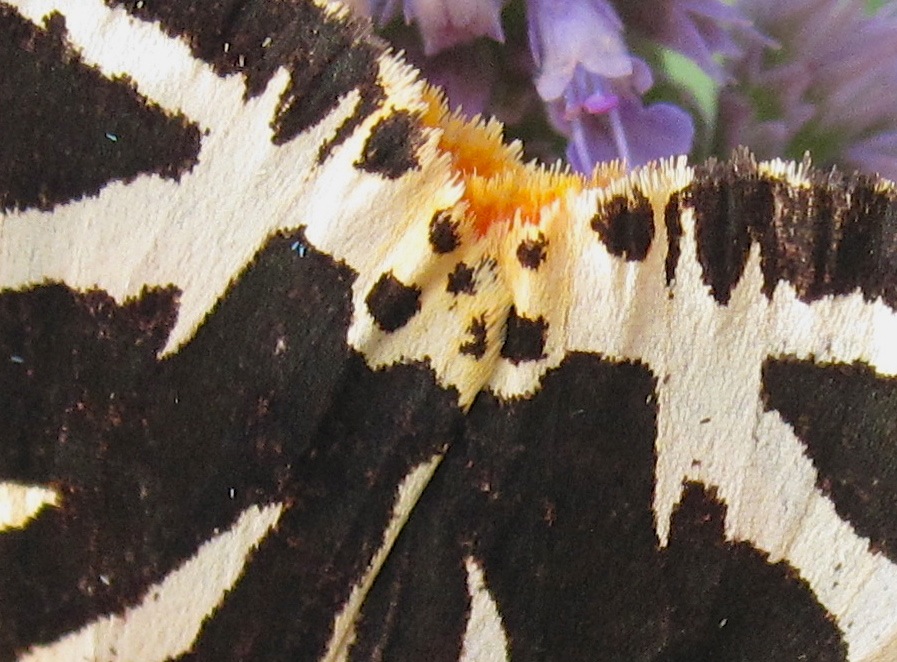
…but I didn’t realise what this hint of orange under the wings indicated
Jersey Tiger Moth Dorset 5

I never got a shot of the full glory of this moth – indeed I had no idea what to expect.  Courtesy of wiki, I now realise that beneath the black and white the moth was bright orange.File:Jersey Tiger Moth.JPG

A SMALL COPPER IN DORSET


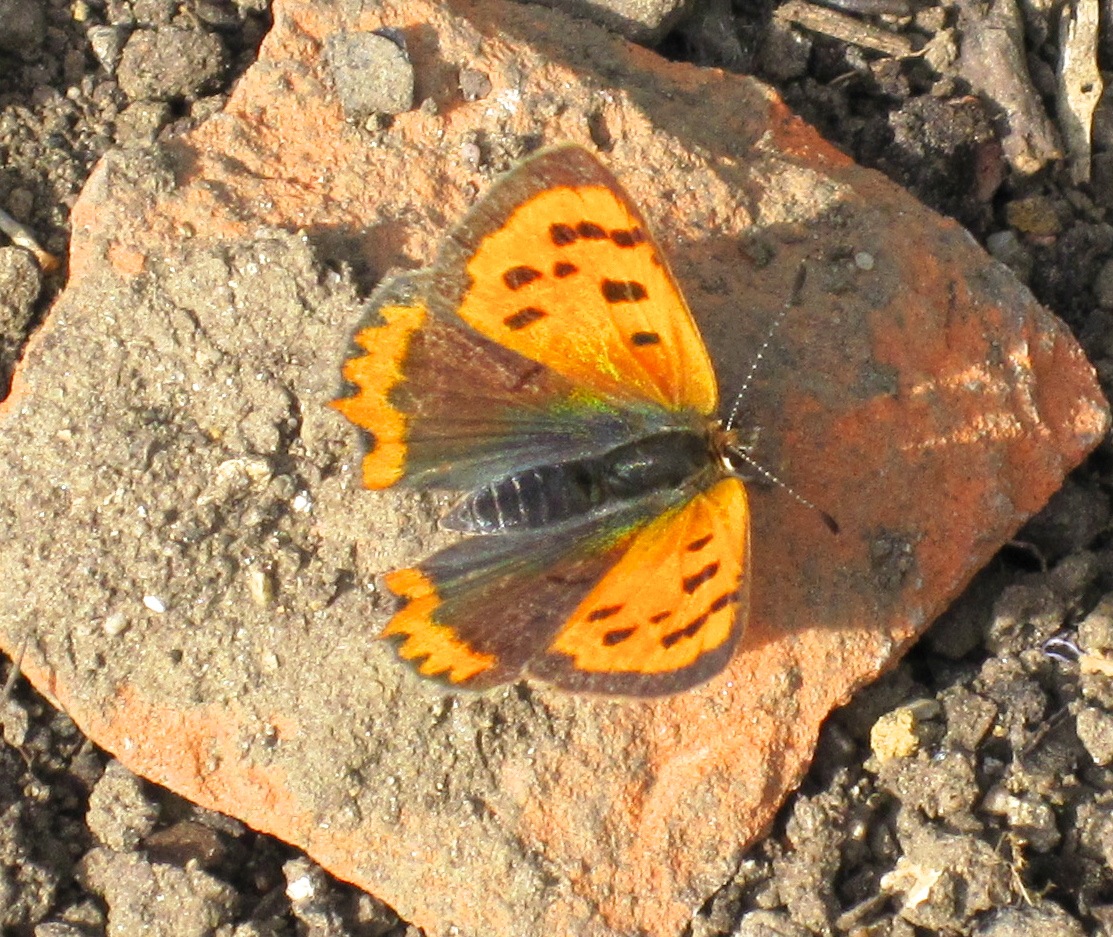
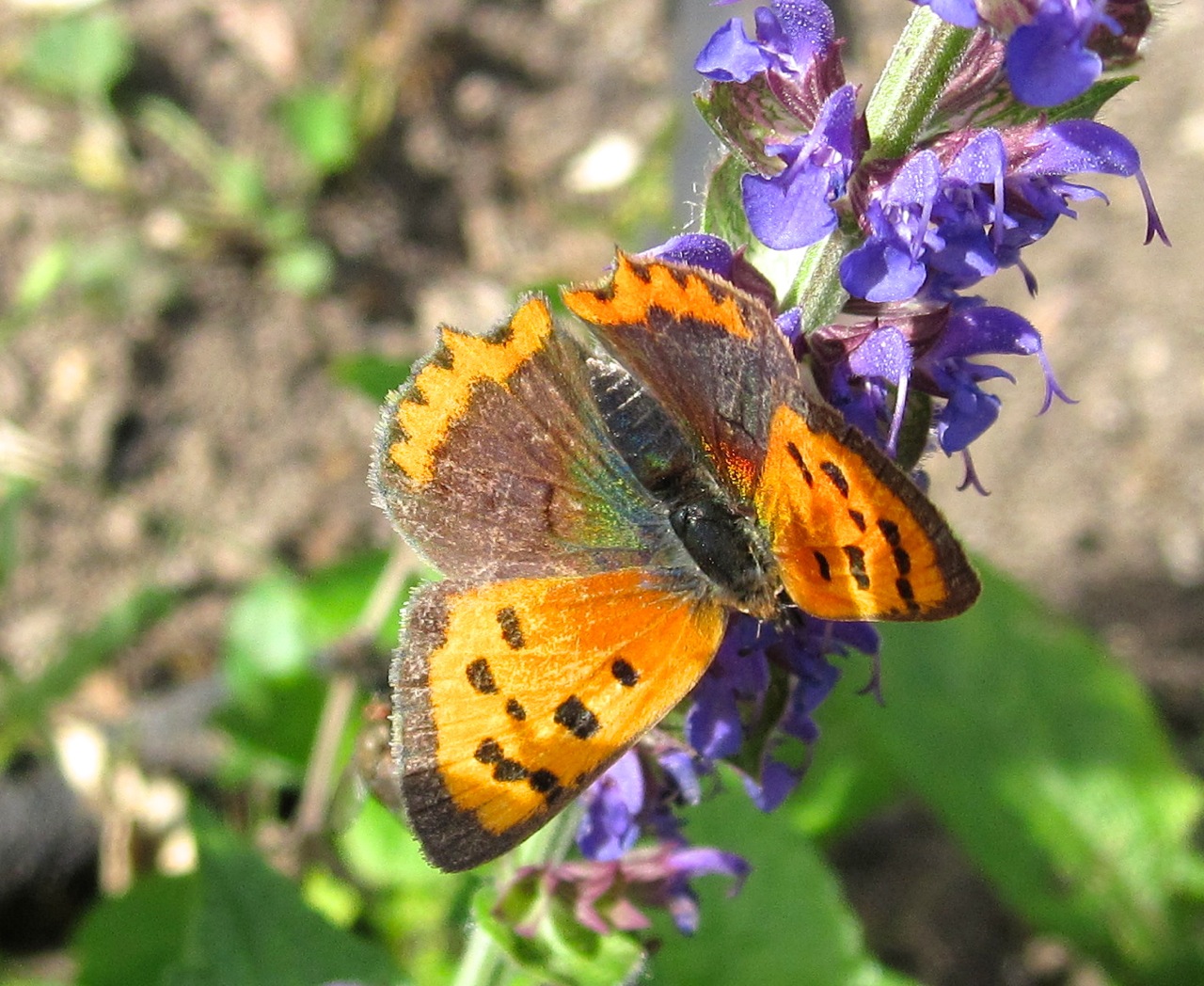
Putting aside thoughts of a ‘Two Ronnies’ sketch about policemen in Dorchester, the small copper referred to is a butterfly I photographed yesterday. I only had a tiny old Canon with me (hello, ‘Two Ronnies’ Church Dignitaries sketch), with its ‘battery dying’ light flashing and no charger to hand. So these pics are the best I could get in a hurry…

It’s been a remarkable late summer for butterflies and moths, with many species I have never seen / noticed before – including this little one. It’s possibly because we planted some hyssop in early May that has flourished. At any given time of day, there have been 3 or 4 butterfly species (mostly Red Admirals, Peacocks, Tortoiseshells and Whites); a couple of moth brands; 3 or 4 bumblebee types (mostly white-tailed and carders); and varied honeybees of indeterminate make. Apart from a white buddleia, we have never had a plant that has been so attractive to flying creatures. Even the flycatchers have enjoyed it.
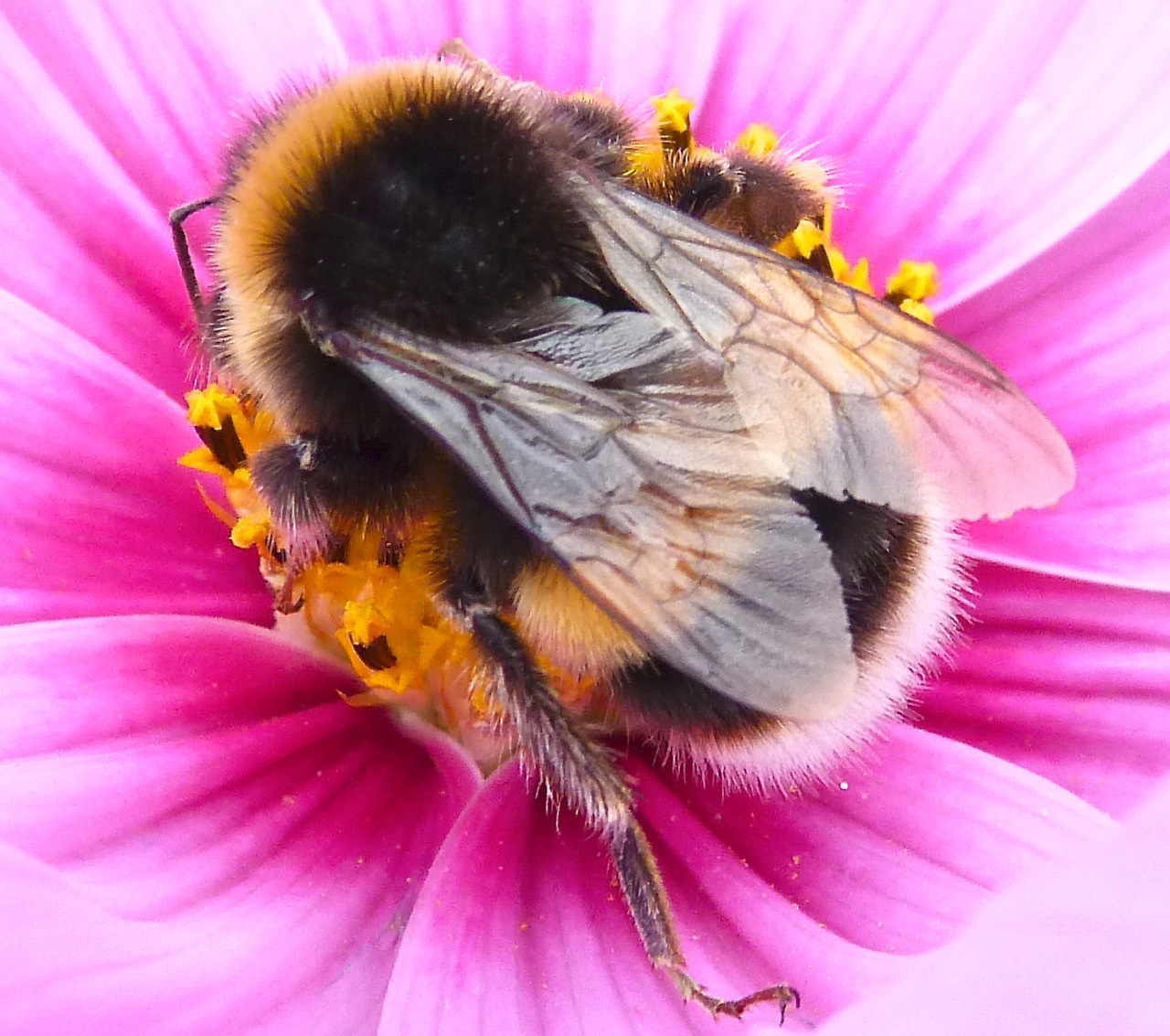
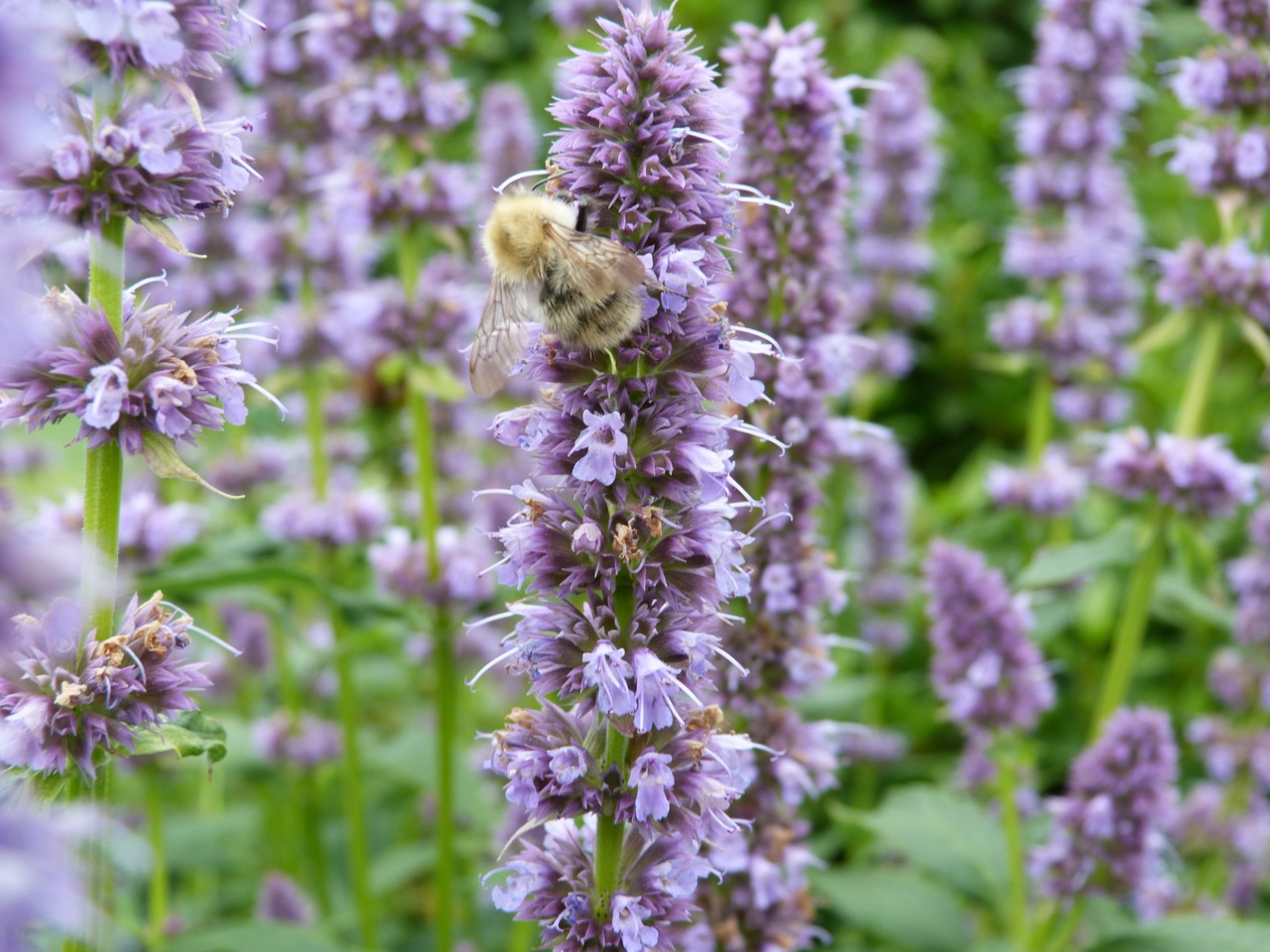
HYSSOP, WITH VERY PRETTY SMALL BEE [ID welcomed via ‘Comments’]Hyssop with Bee, Dorset

SMALL COPPER BUTTERFLYSmall Copper Butterfly, Dorset 1 Small Copper Butterfly, Dorset 2 Small Copper Butterfly, Dorset 4 Small Copper Butterfly, Dorset 5 Small Copper Butterfly, Dorset 6 Small Copper Butterfly, Dorset 7

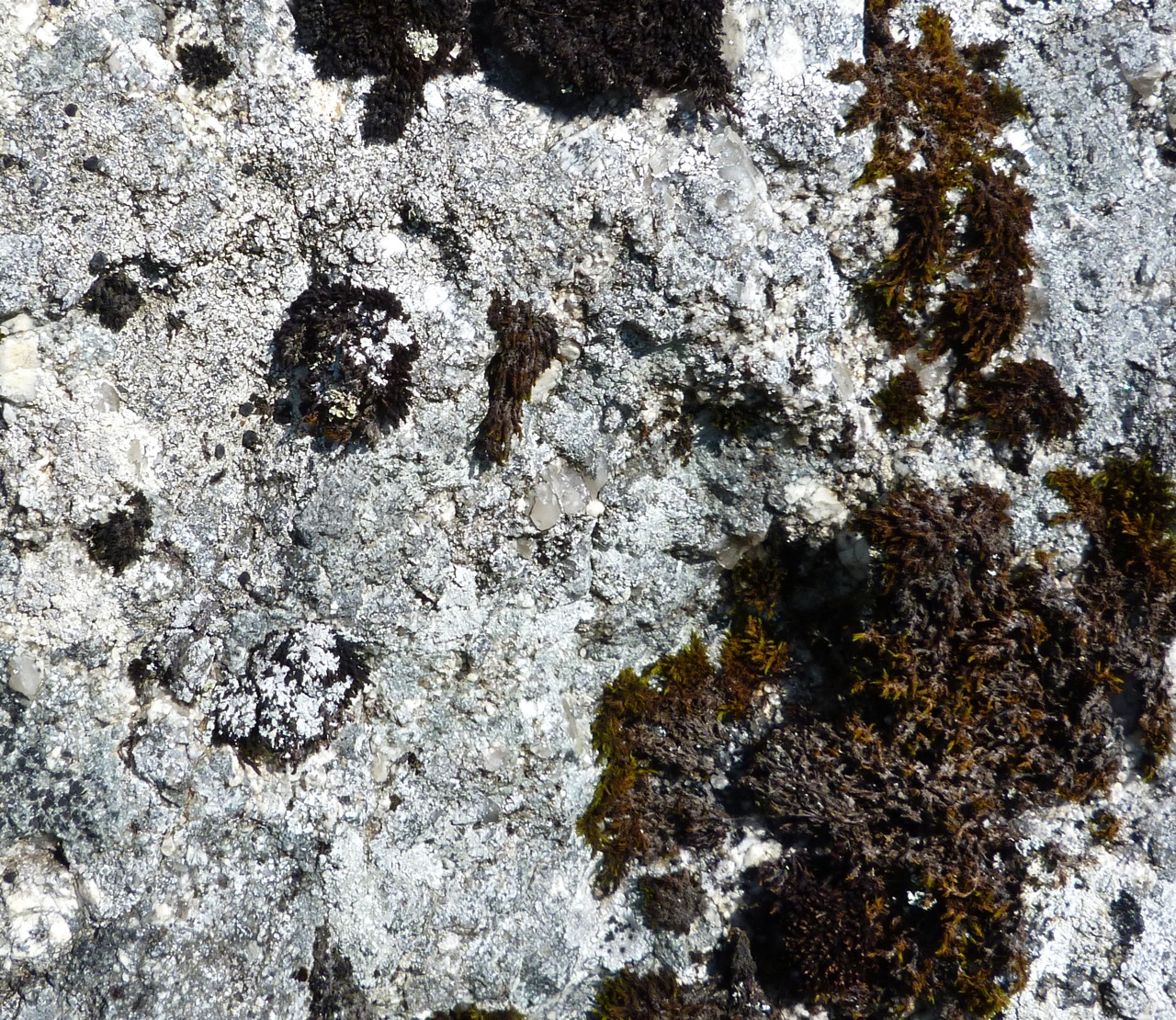
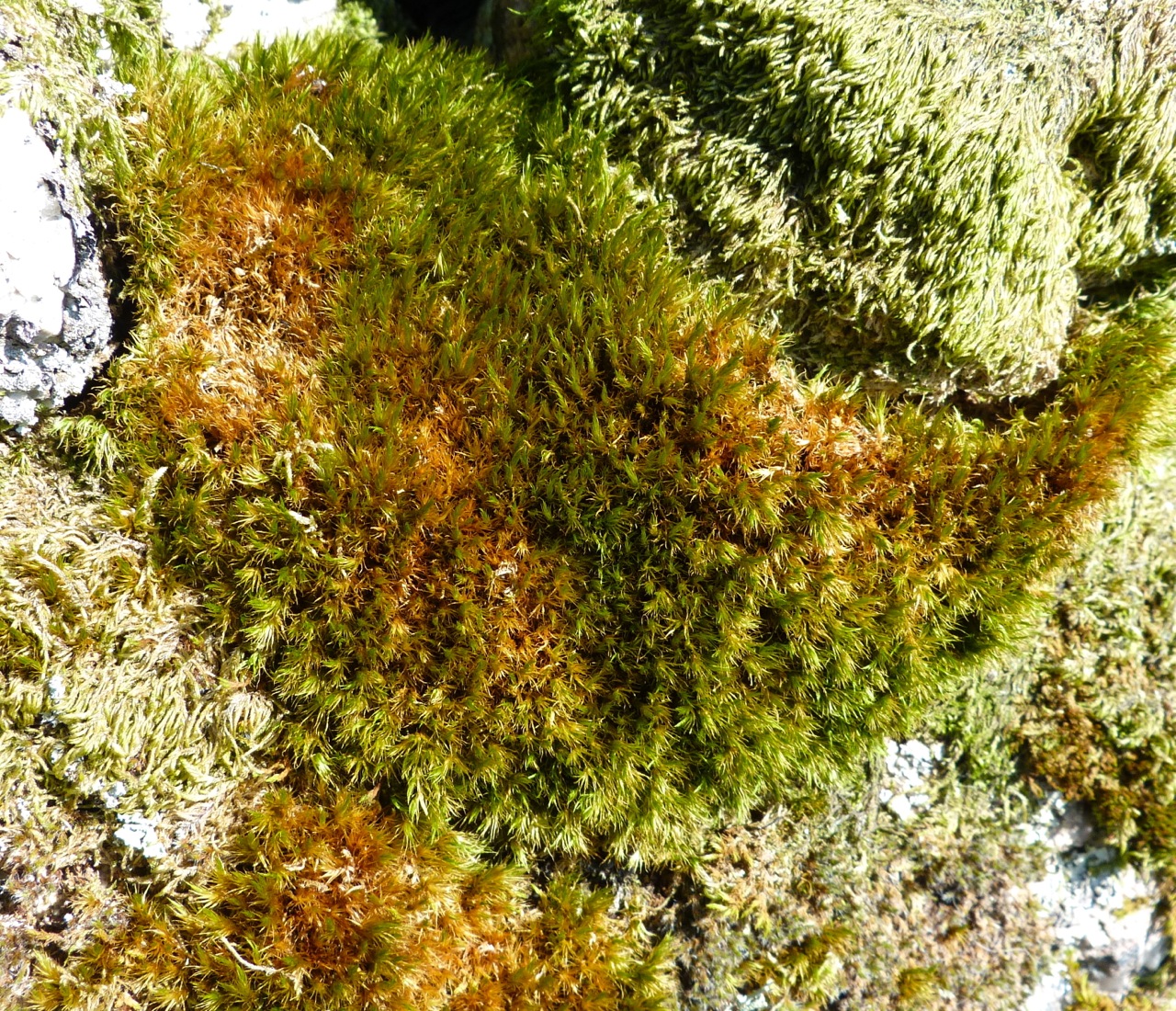
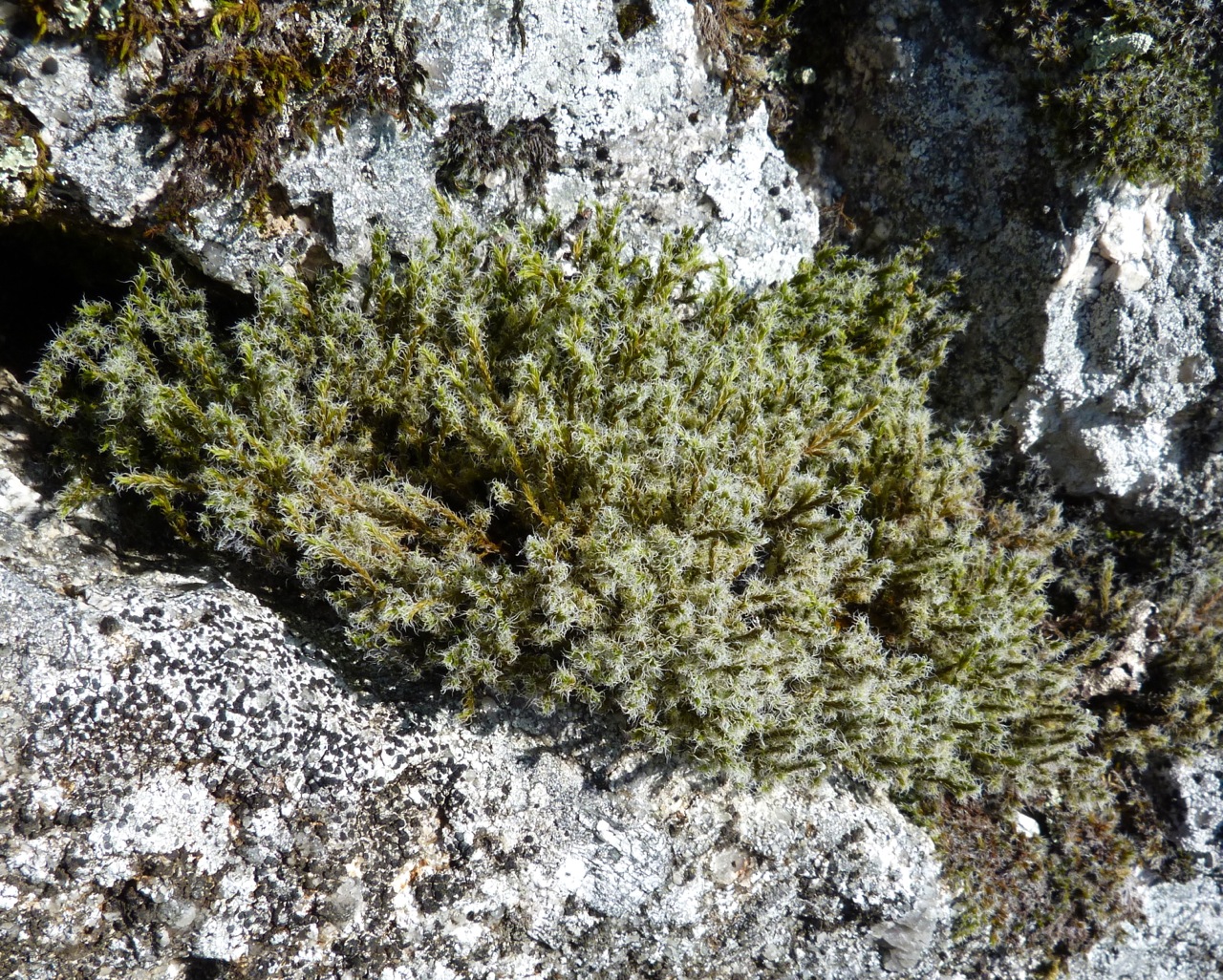
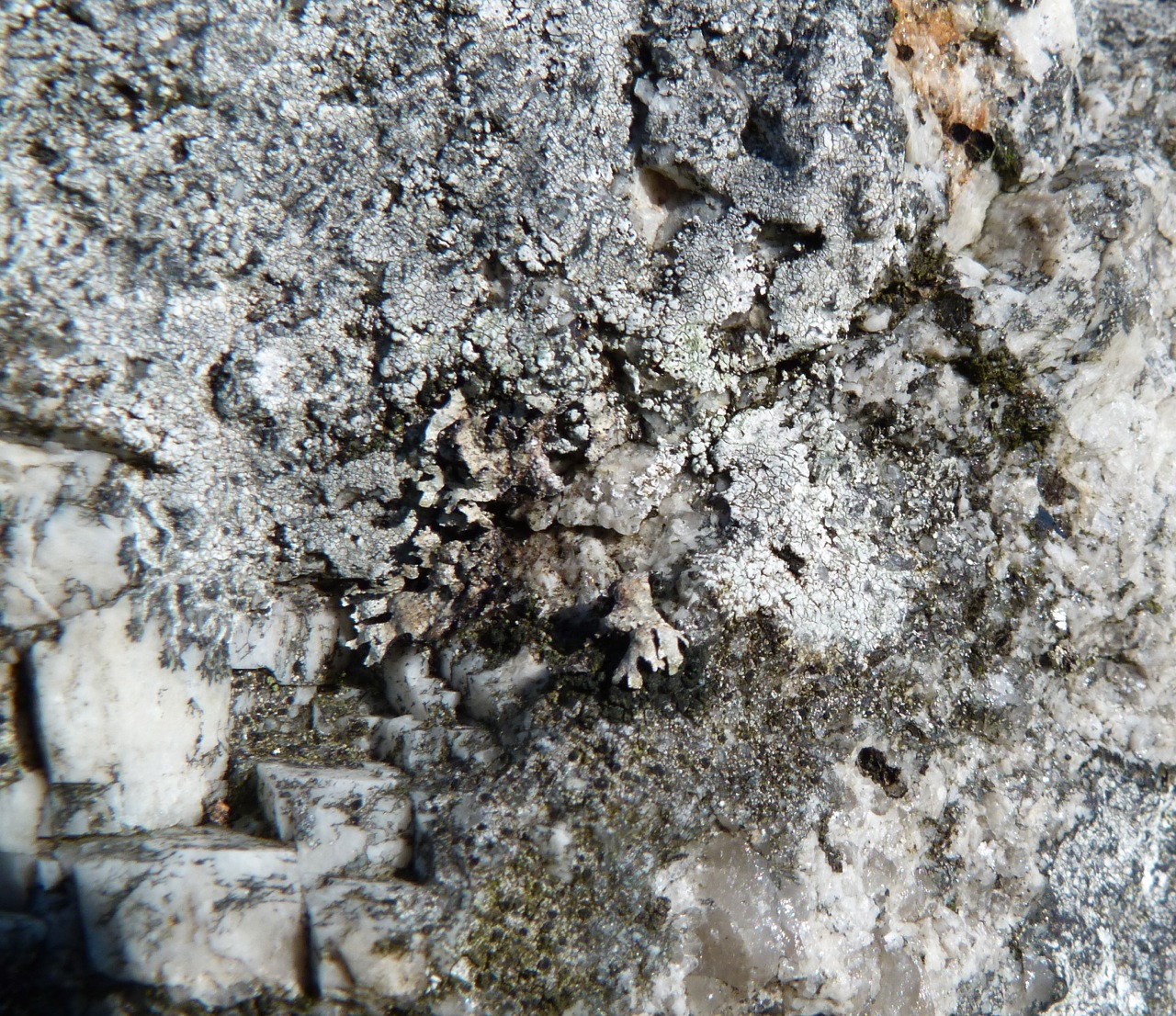
DARTMOOR ROCK WALL STUDIES: MOSS & LICHEN


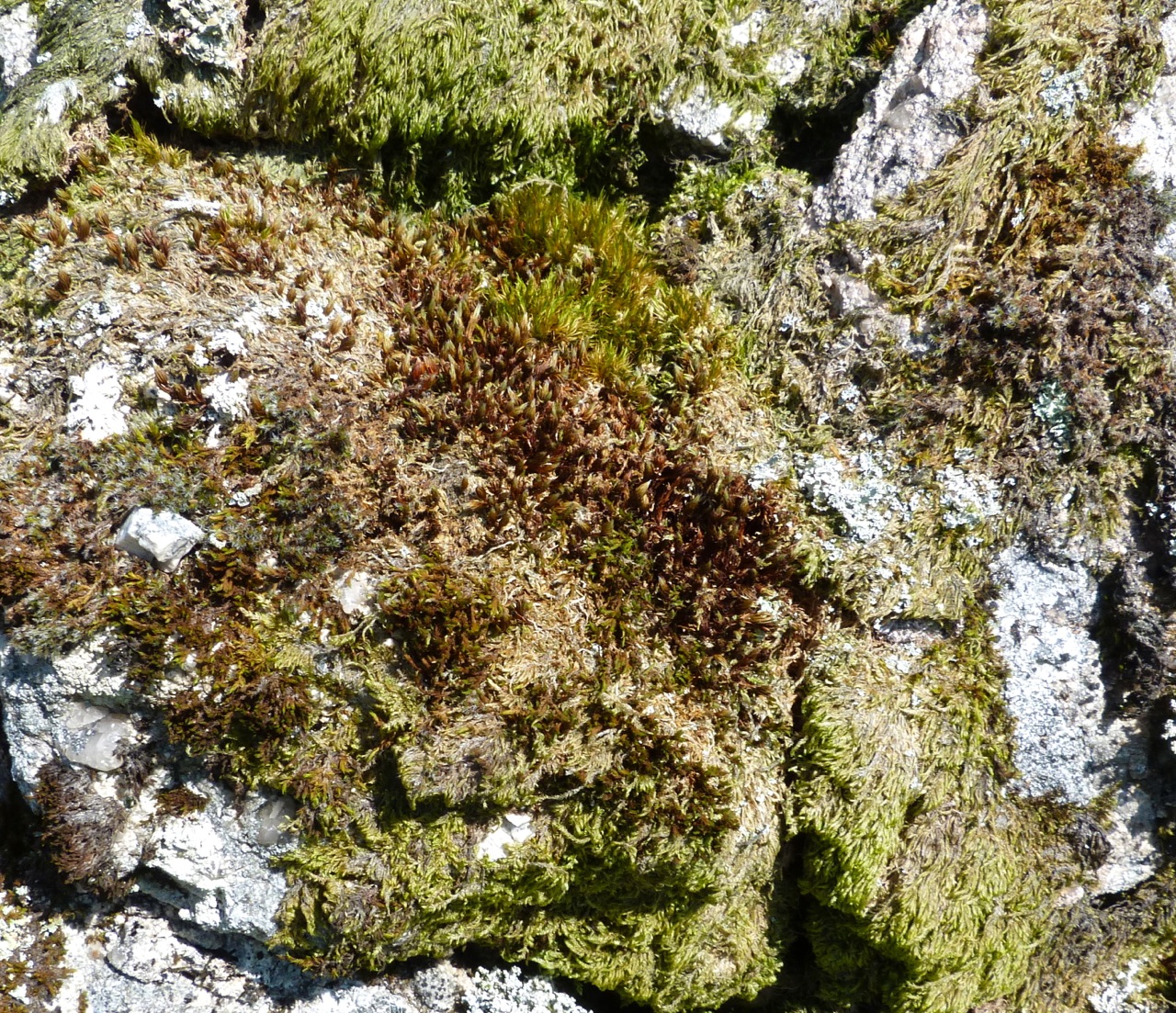
The images below come from one small section of rock wall in a remote part of Dartmoor. Every rock shown touched at least one of the others, yet the variety of rock composition, mosses and lichens over one area of wall is astounding.

Dartmoor Rock Wall 1 Dartmoor Rock Wall 2 Dartmoor Rock Wall 3 Dartmoor Rock Wall 4 Dartmoor Rock Wall 5 Dartmoor Rock Wall 6 Dartmoor Rock Wall 7 Dartmoor Rock Wall 8 Dartmoor Rock Wall 9 Dartmoor Rock Wall 10 Dartmoor Rock Wall 11

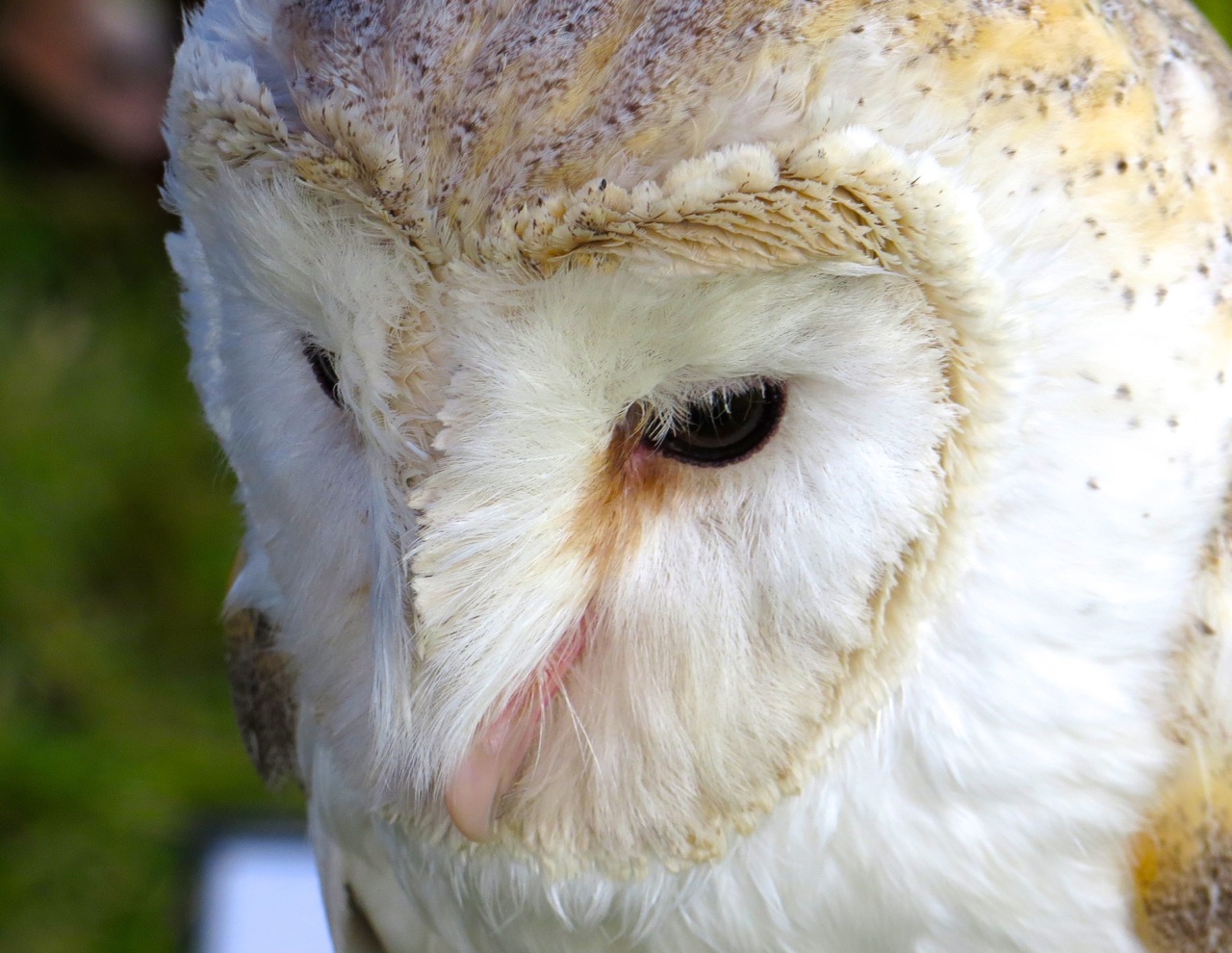
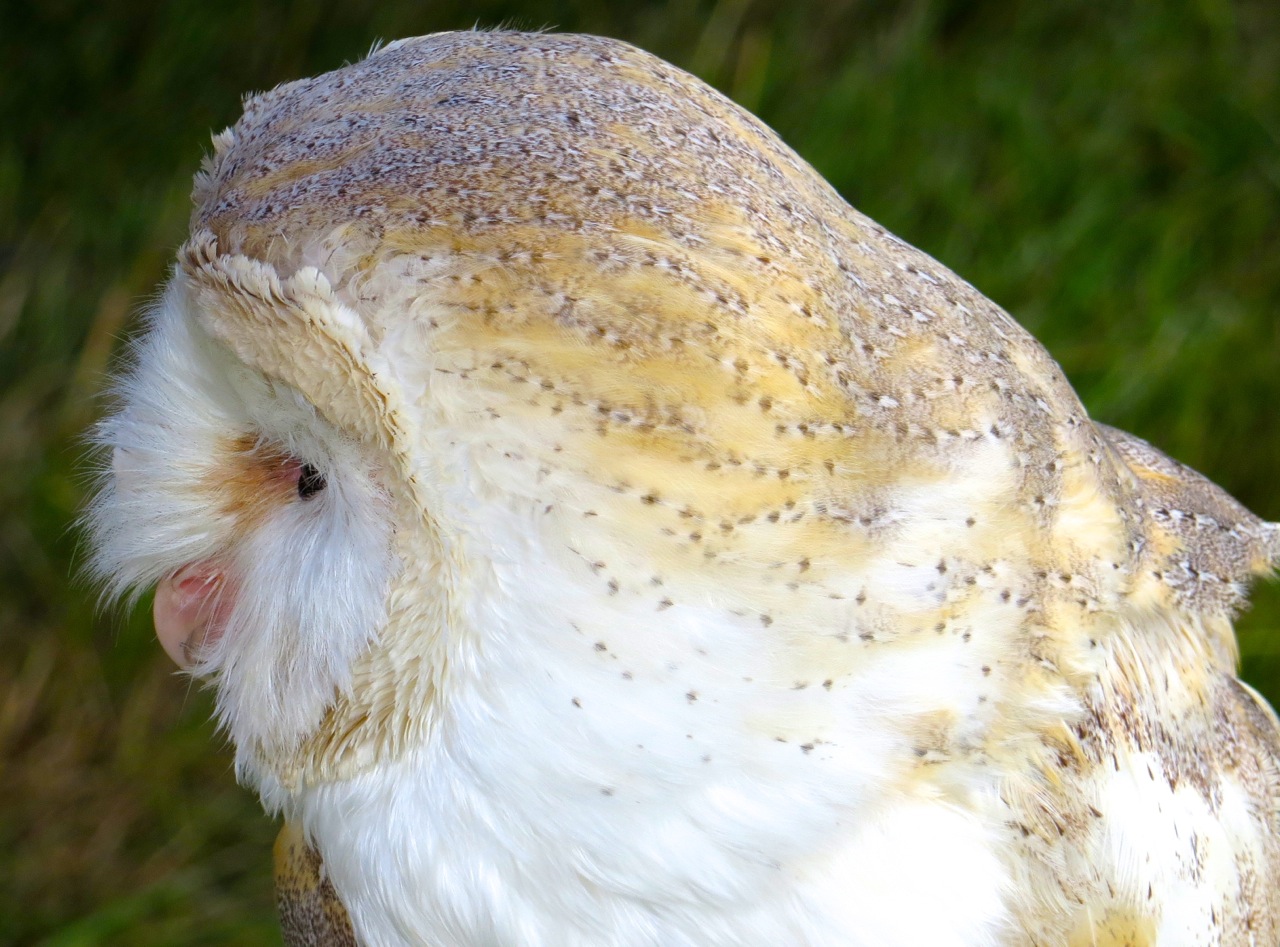
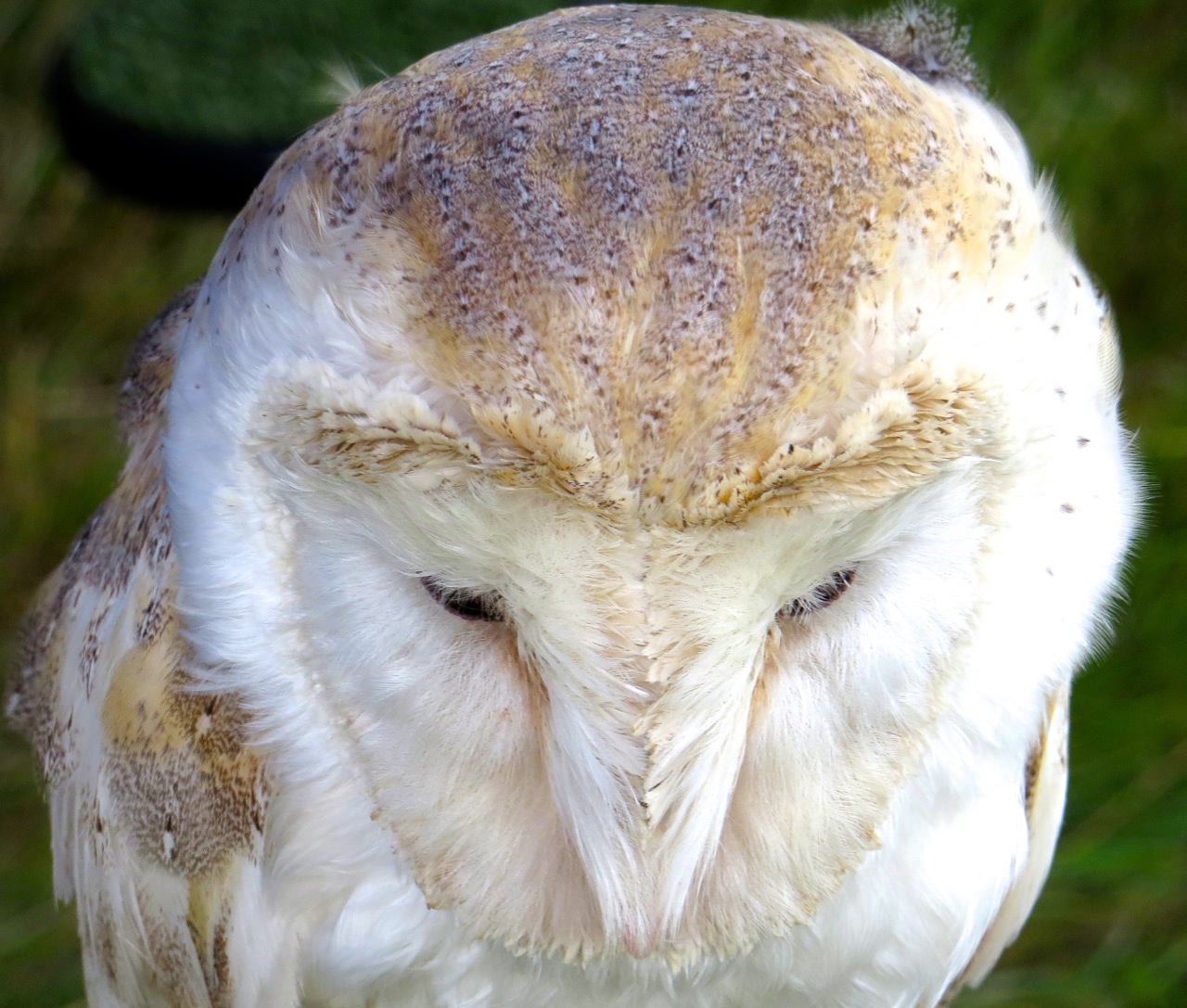
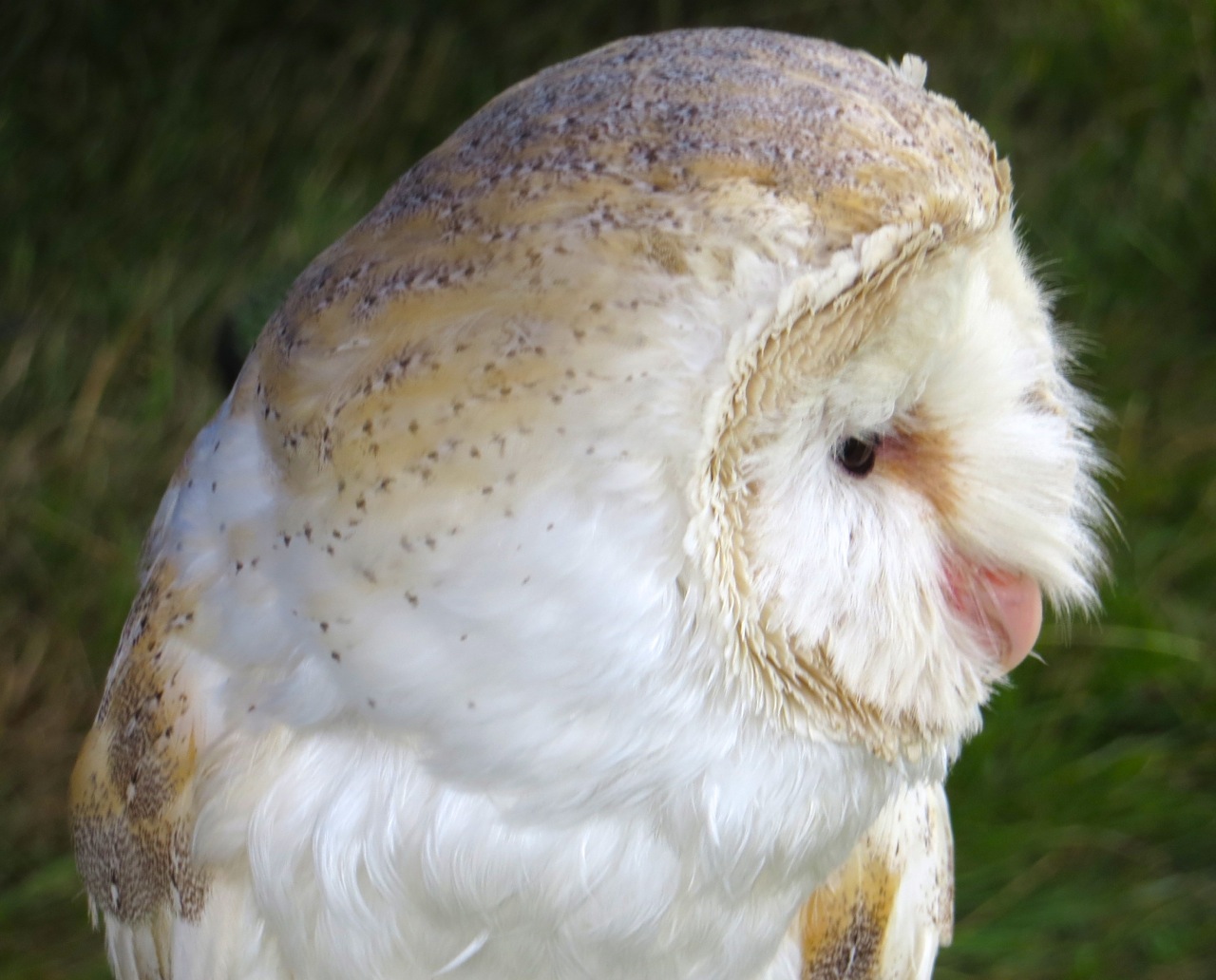
BARN OWL, DORSET: CLOSE-UP STUDIES


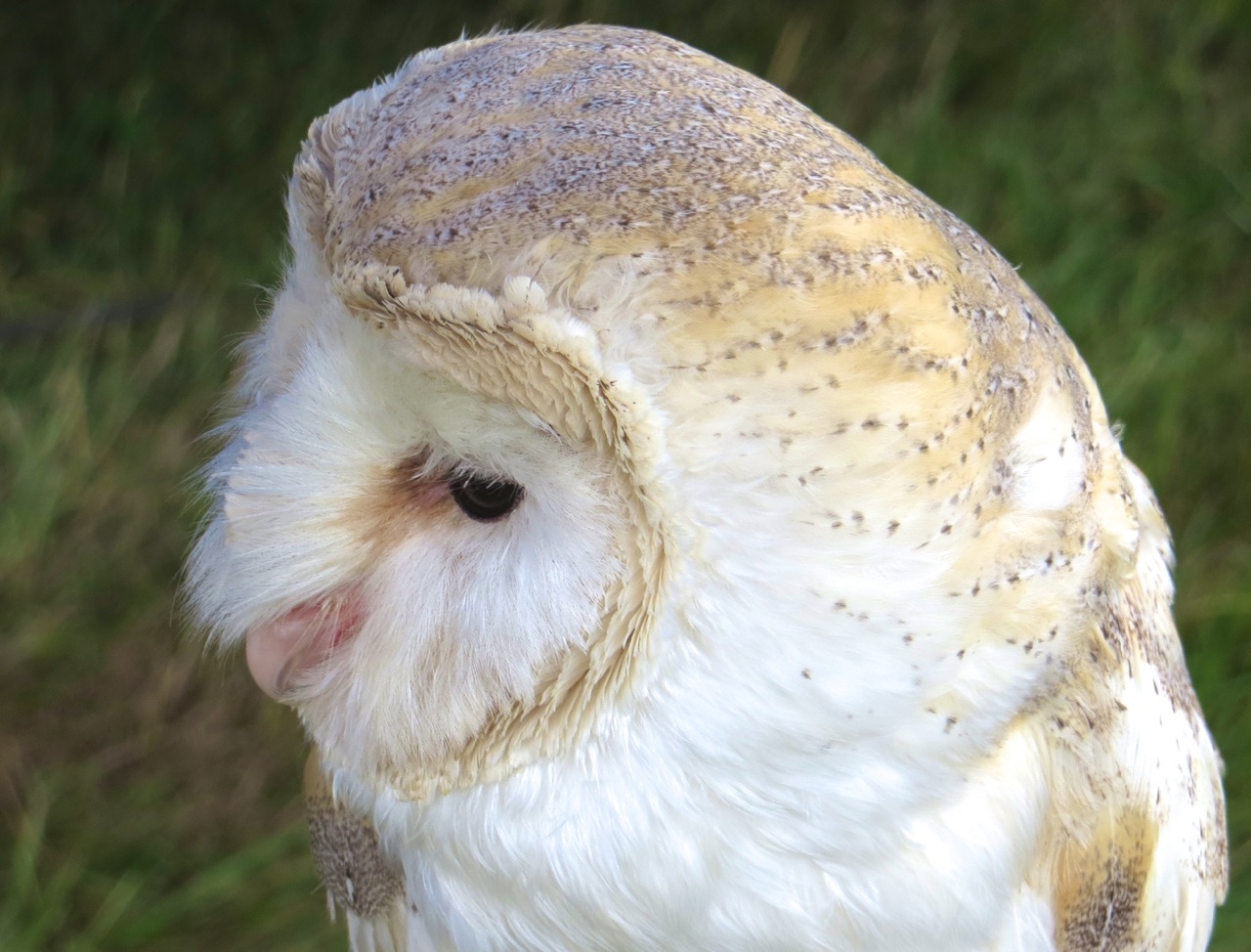
These close-up studies of a Barn Owl Tyto alba in Dorset show different aspects of its head, starting with the characteristic heart-shaped face. Despite their size, Barn Owls weigh only a few ounces and are completely silent in flight.Barn Owl Dorset 1Barn Owl Dorset 2 Barn Owl Dorset 3 Barn Owl Dorset 4 Barn Owl Dorset 5

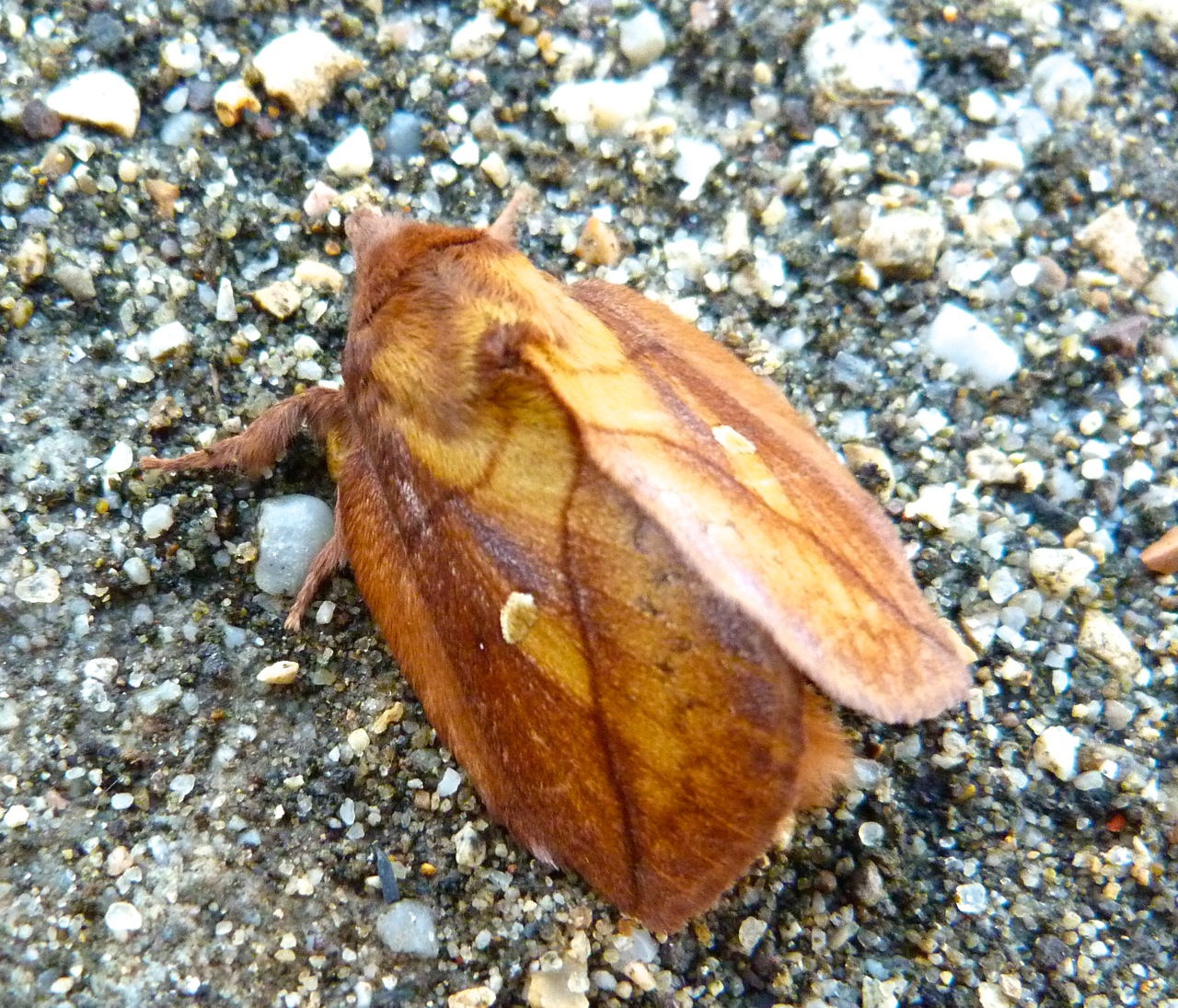
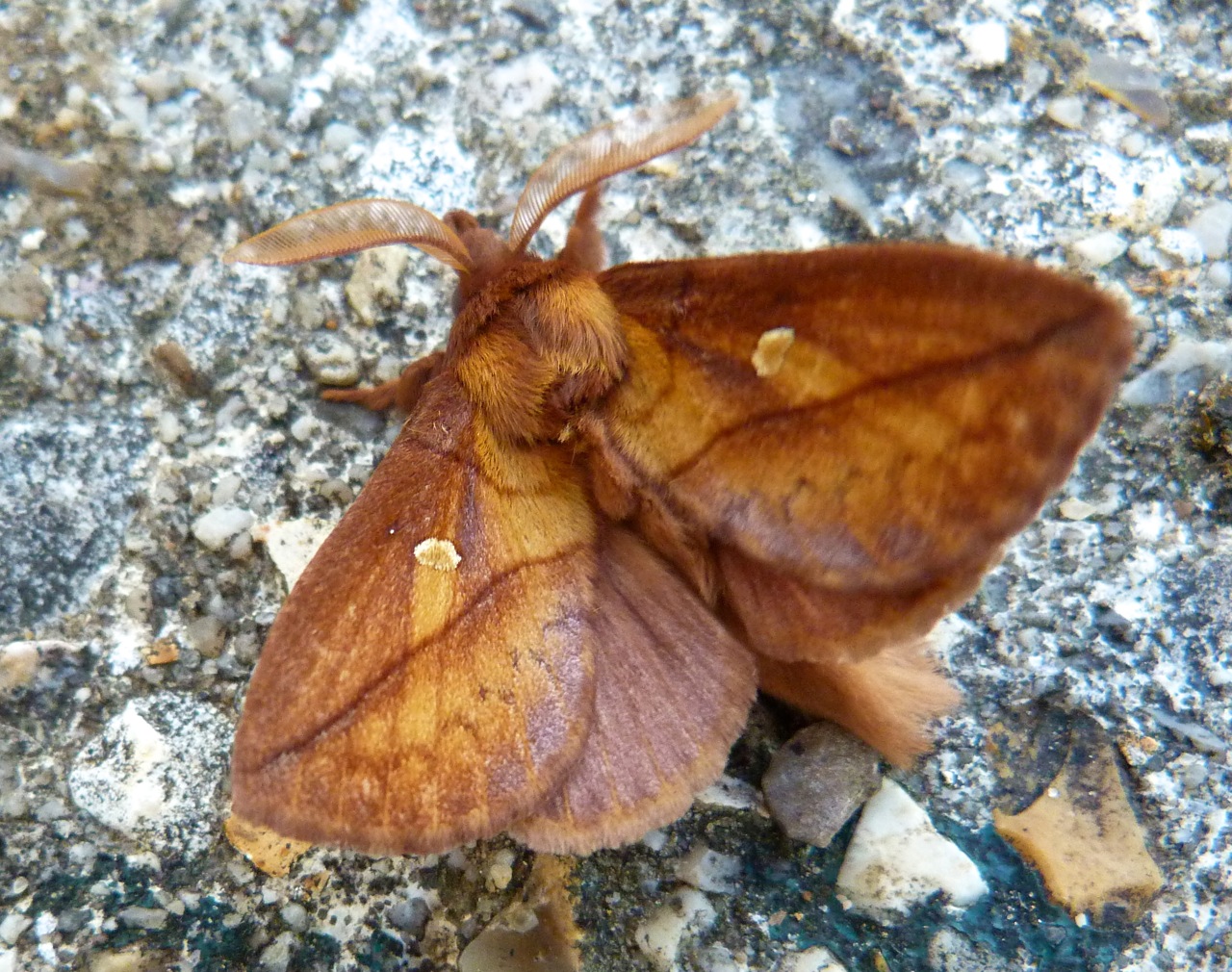
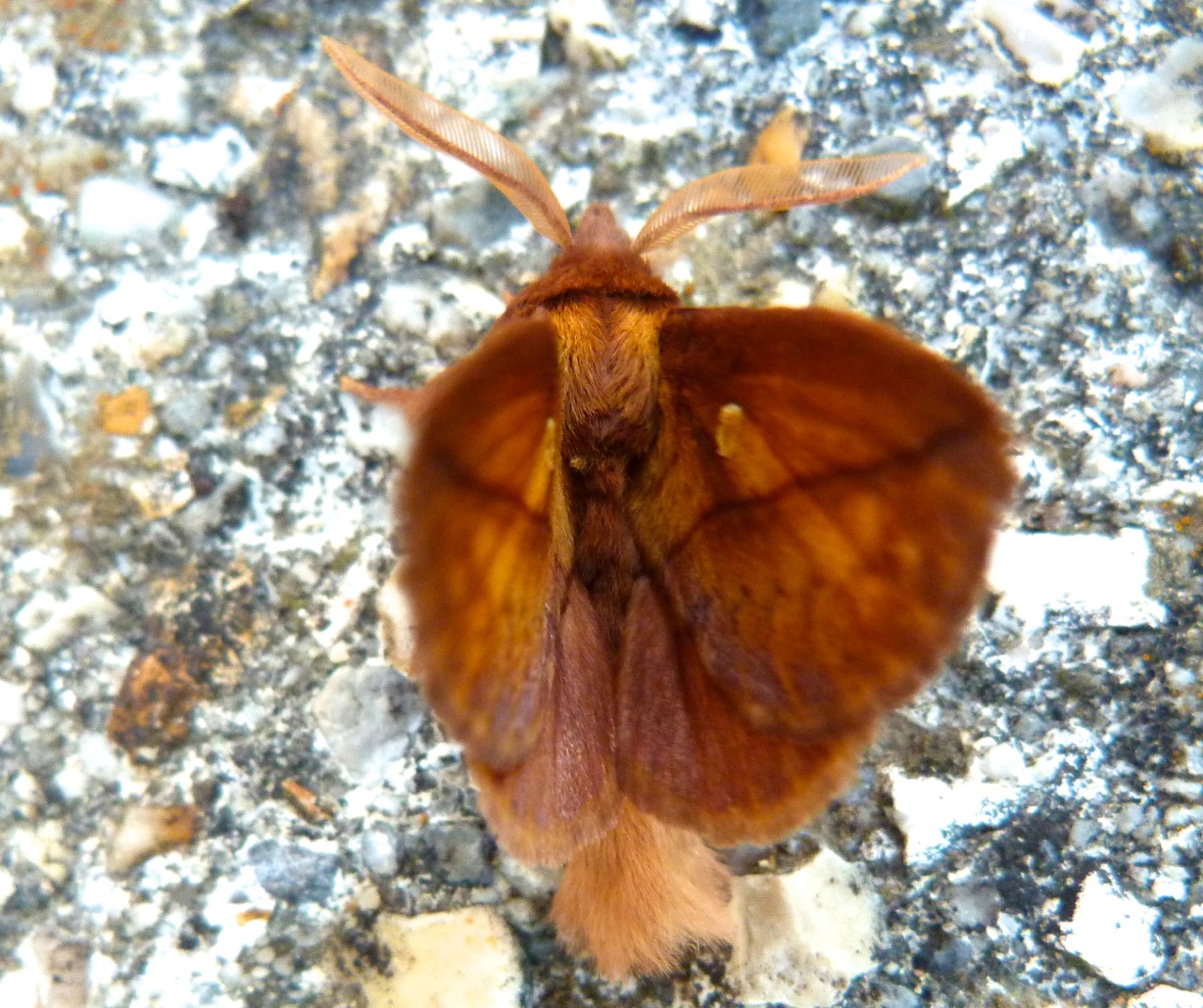
DRINKER MOTH Euthrix potatoria – Dorset


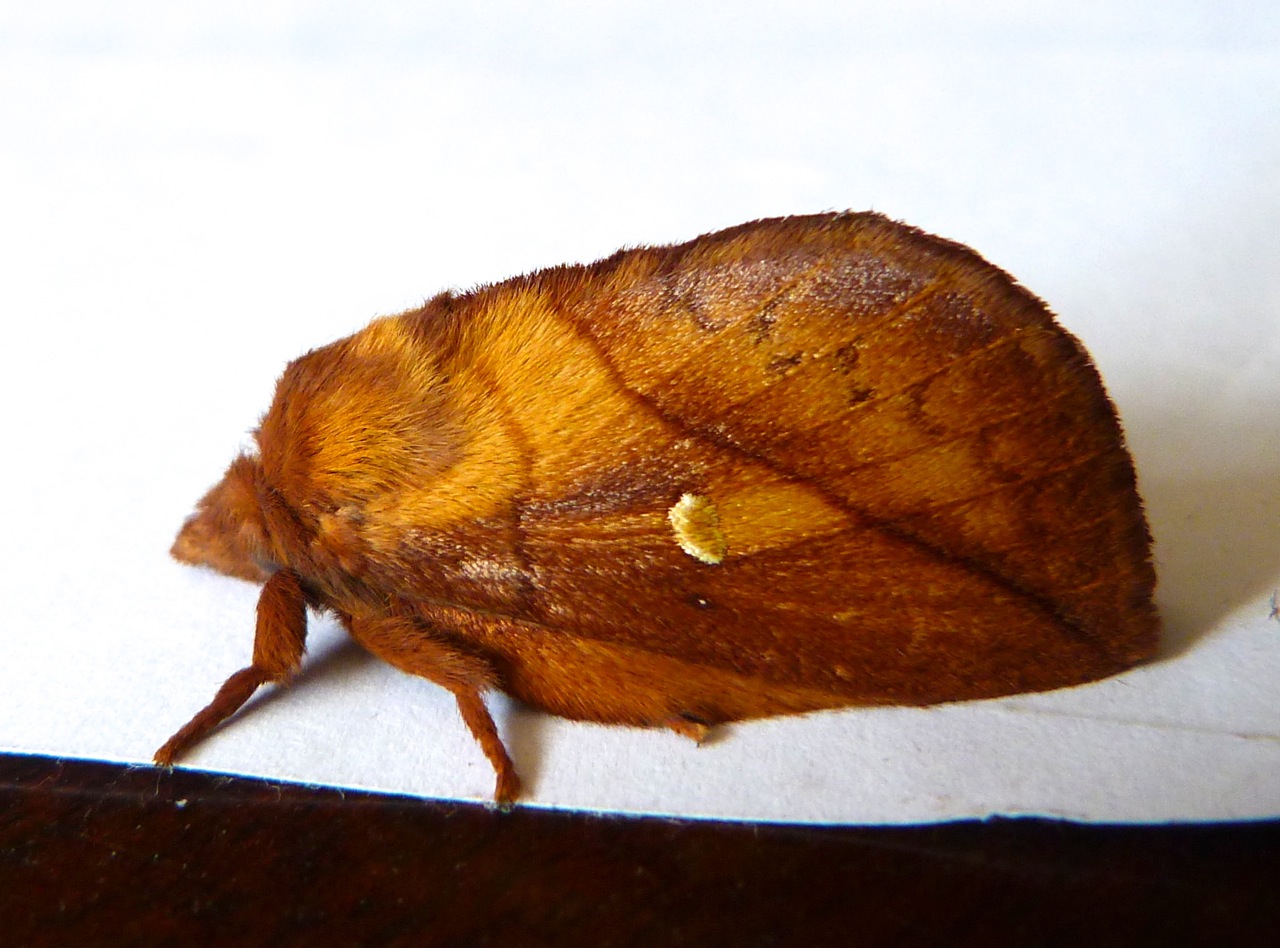
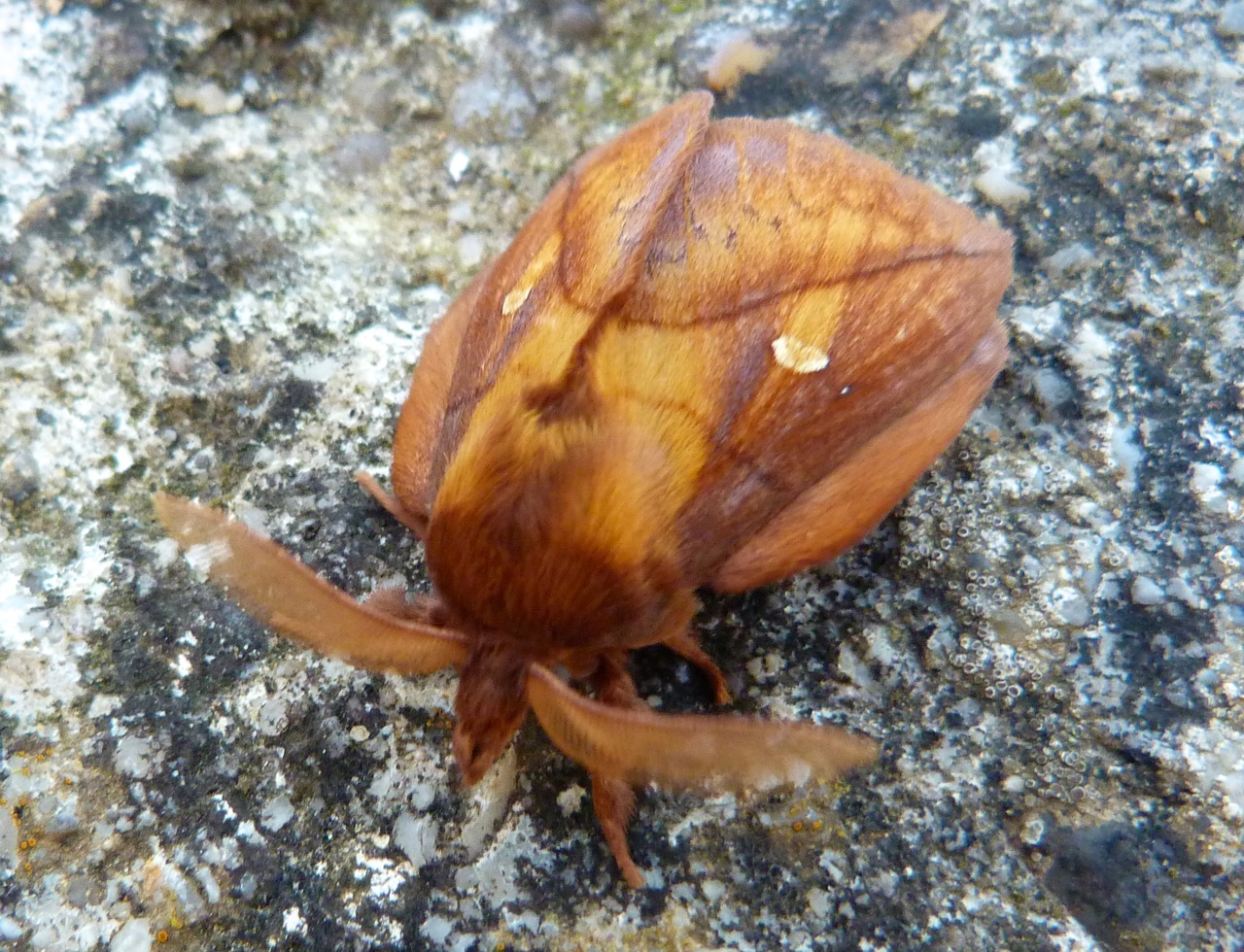
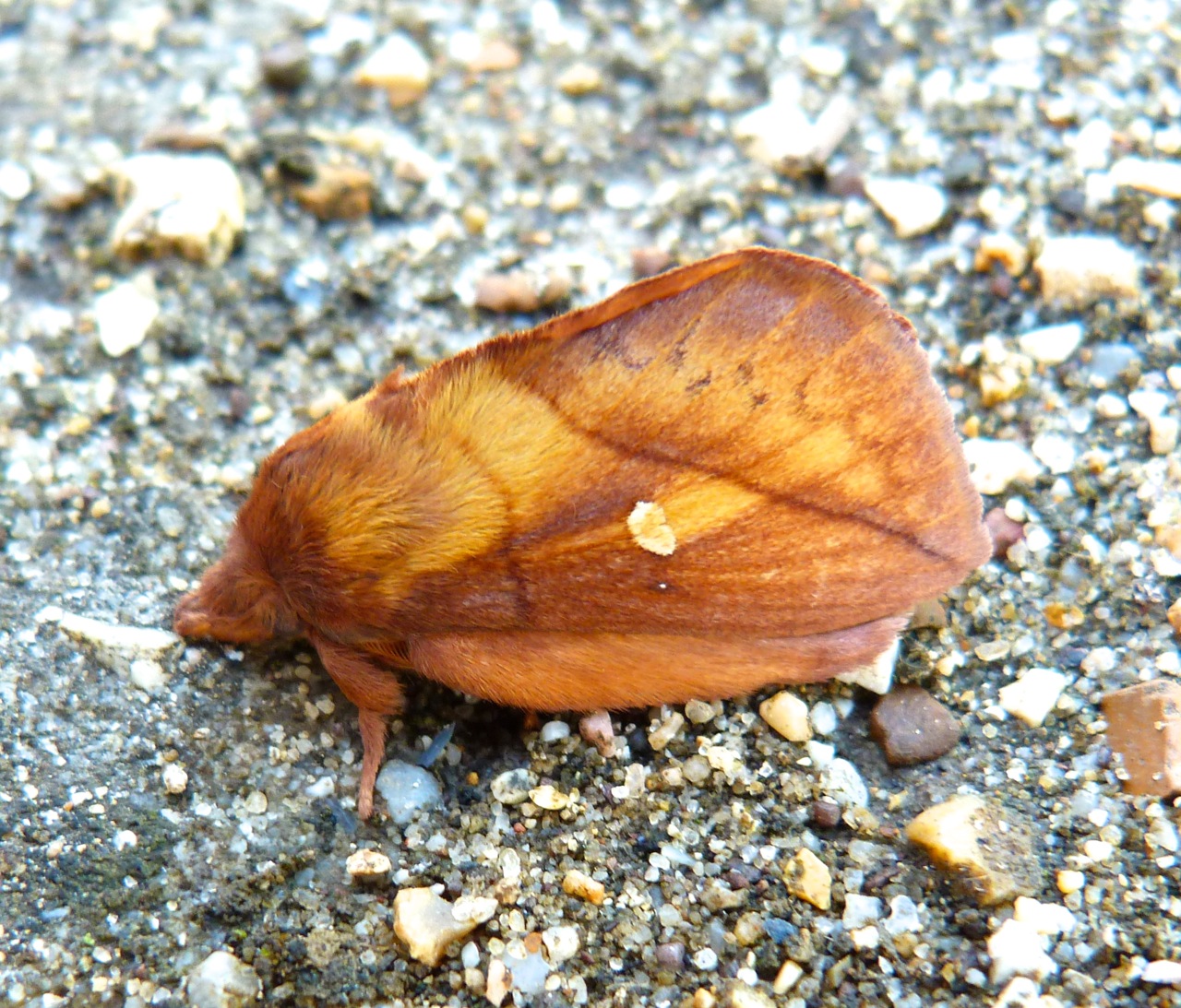
I’ve recently posted images of a moth I have never previously seen / noticed MAGPIE MOTH. Here’s another one that’s new to me – the endearingly alcohol-suggestive ‘Drinker Moth’. I thought at first it was an Oak Eggar moth, until I checked the ID. In some positions it looks more like a tiny mammal – check out those little feet  (photo 2), and furry tail (photo 7)… I rescued it from inside the house and took it outside. It didn’t much care for being on a sheet of paper and dropped to the ground, where it fluttered round rather feebly. In the end I put it on a flower to avoid inadvertent underfoot tragedy.

Drinker Moth Euthrix potatoria 1 Drinker Moth Euthrix potatoria 2 Drinker Moth Euthrix potatoria 3 Drinker Moth Euthrix potatoria 5 Drinker Moth Euthrix potatoria 6 Drinker Moth Euthrix potatoria 7 Drinker Moth Euthrix potatoria 8 Drinker Moth Euthrix potatoria 9

MAGPIE MOTH Abraxas grossulariata


This is an insect I had never knowingly heard of or seen until last weekend when it turned up in the kitchen. The species was once prized by collectors for its marking and colouring, apparently. They like currant and gooseberry bushes. And unwisely flying into kitchens. It’s also the first time I’ve seen or heard the word ‘Abraxas’ other than in the context of Santana’s 2nd album (1970), with its (at the time) controversial cover (Mati Klarwein’s ‘Annunciation’).

Magpie Moth 1 Magpie Moth 2 Magpie Moth 3santana-757-l

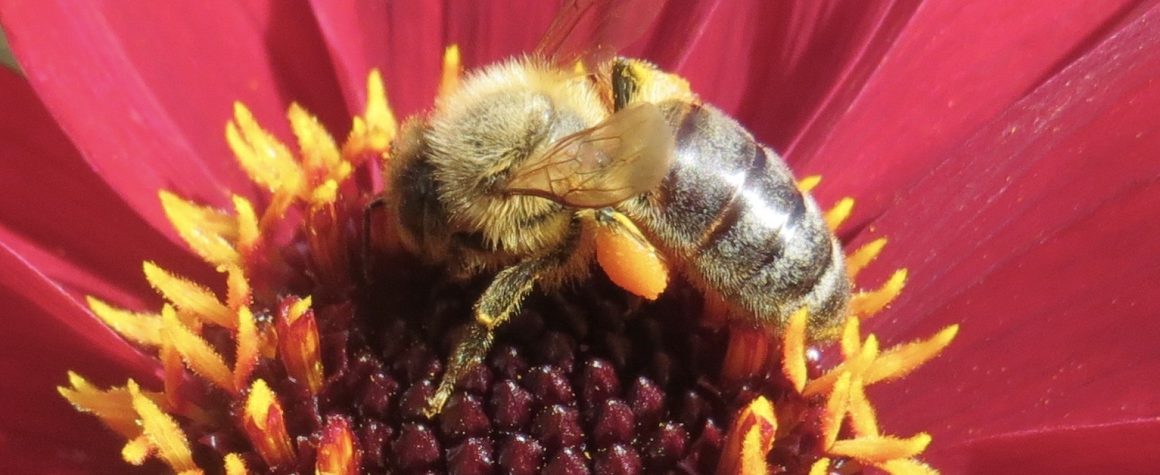
‘BUSY BEE’: COMMON CARDER BEE


Bumblebee Dorset - Close-upCommon Carder Bee Bombus pascuorum

COSMOS: THE FLOWER (with white-tailed bumblebee)


NOW YOU SEE IT…                 Comos, Dorset…NOW YOU DON’T                Comos & Bumblebee, Dorset

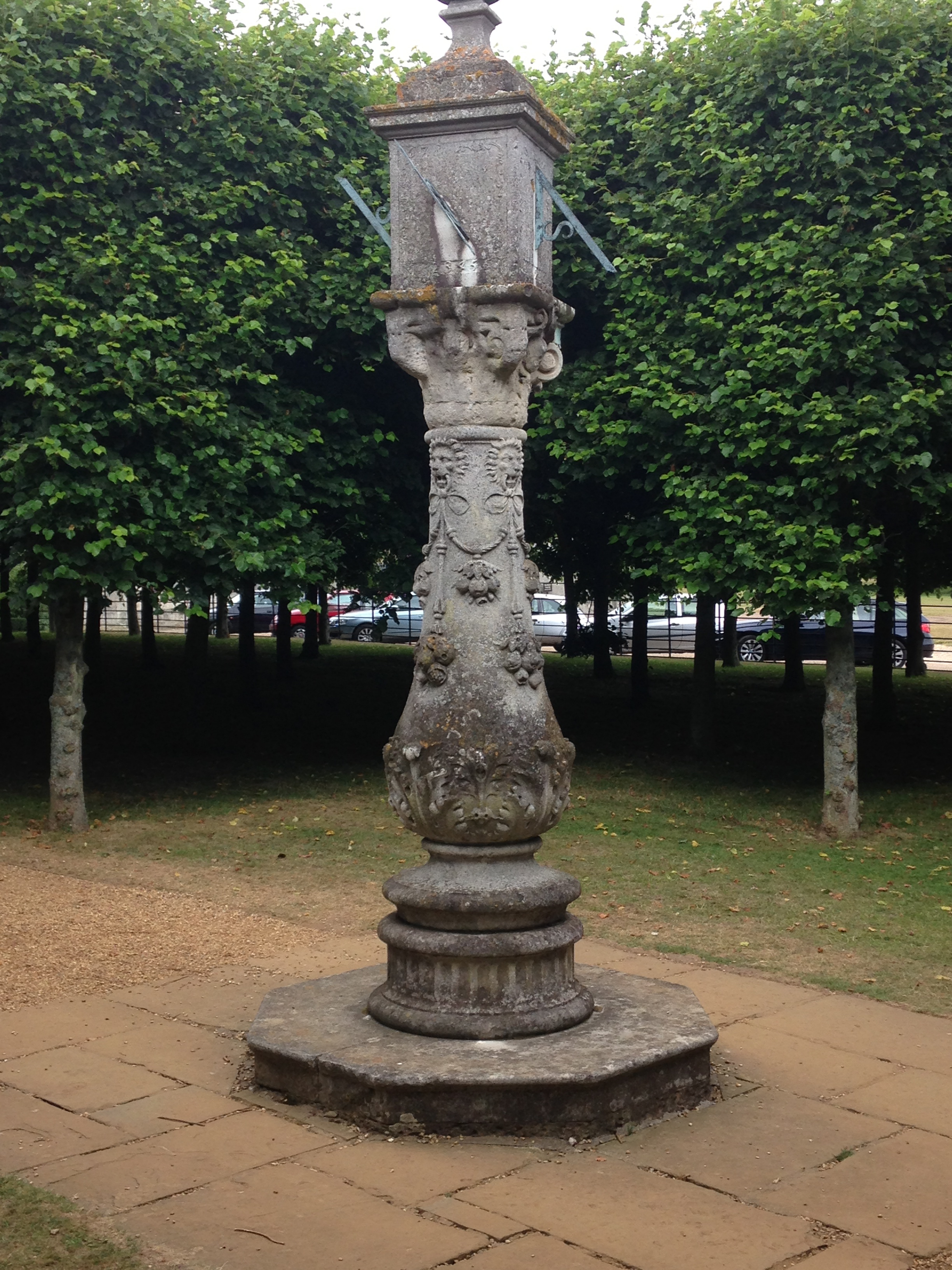
SUNDIALS AT HOUGHTON HALL, NORFOLK


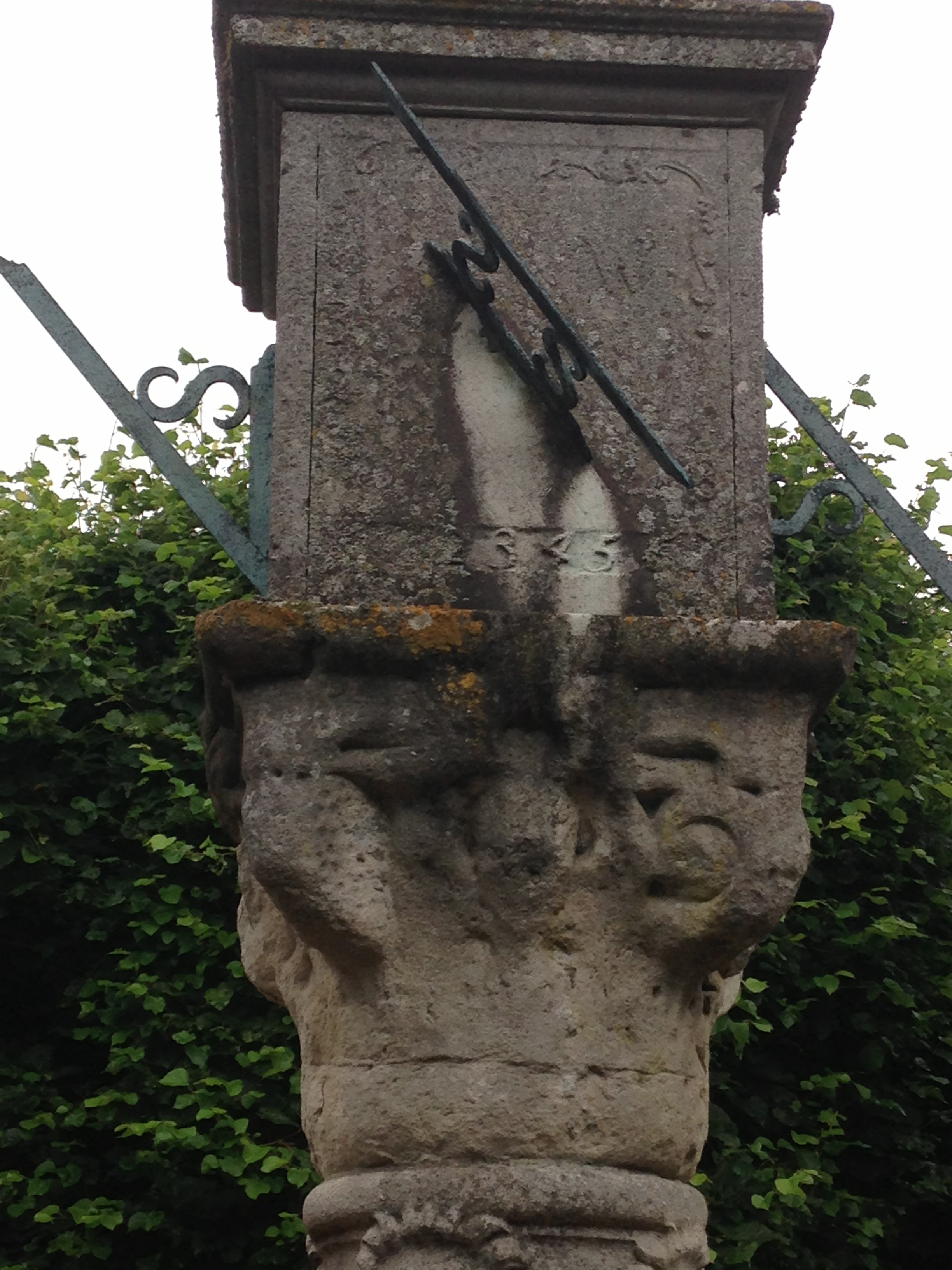
On a recent trip to Houghton for an exhibition, I forgetfully left my camera in the car. Suddenly we were confronted by a fine ornate C18 pillar or column sundial, fit for one of the marginally better-curated theme pages of this sub-blog, SUNDIALS. Resorting to an iPh*ne in low light was far from ideal, so apologies for the quality of the images. Fortunately you can see the ingenious ways in which the 4 gnomons are attached to achieve the correct shadow angles; and the numbering variations of the faces, depending on their orientation. The result is dawn-to-dusk time-telling. Always provided the sun is shining!

1.  A FOUR-SIDED C18 PILLAR  SUNDIAL IN THE GARDENS AT HOUGHTON

IMG_0168  IMG_0169 IMG_0170 IMG_0172 IMG_0173

2. A FOUR-FACED SUNDIAL ON AN OCTAGONAL TOWER: HOUGHTON HALL, WEST FRONT

By the time we got to the house a light drizzle was falling and there was no hope of a decent photo. I’ve had to borrow, as credited. I’ve included 1 poor effort at the end simply to give the sundial’s context in relation to the house. Thanks to Elliott Brown for use permission for the first two. You can see these and his other images HERE. Again, you can clearly see the variations in the gnomon placement; and in the numbering / angling of the faces. And, thankfully, proof that the sun does shine in  Norfolk.

Houghton Hall Sundial EB grab 1Houghton Hall Sundial EB grab 2

The image below is credited to Edmund Patrick and licensed via wikimedia commonsHoughton Hall Norfolk 4-face sundial Edmund Patrick wikimedia commons

Bad weather shot… in all senses
IMG_0176

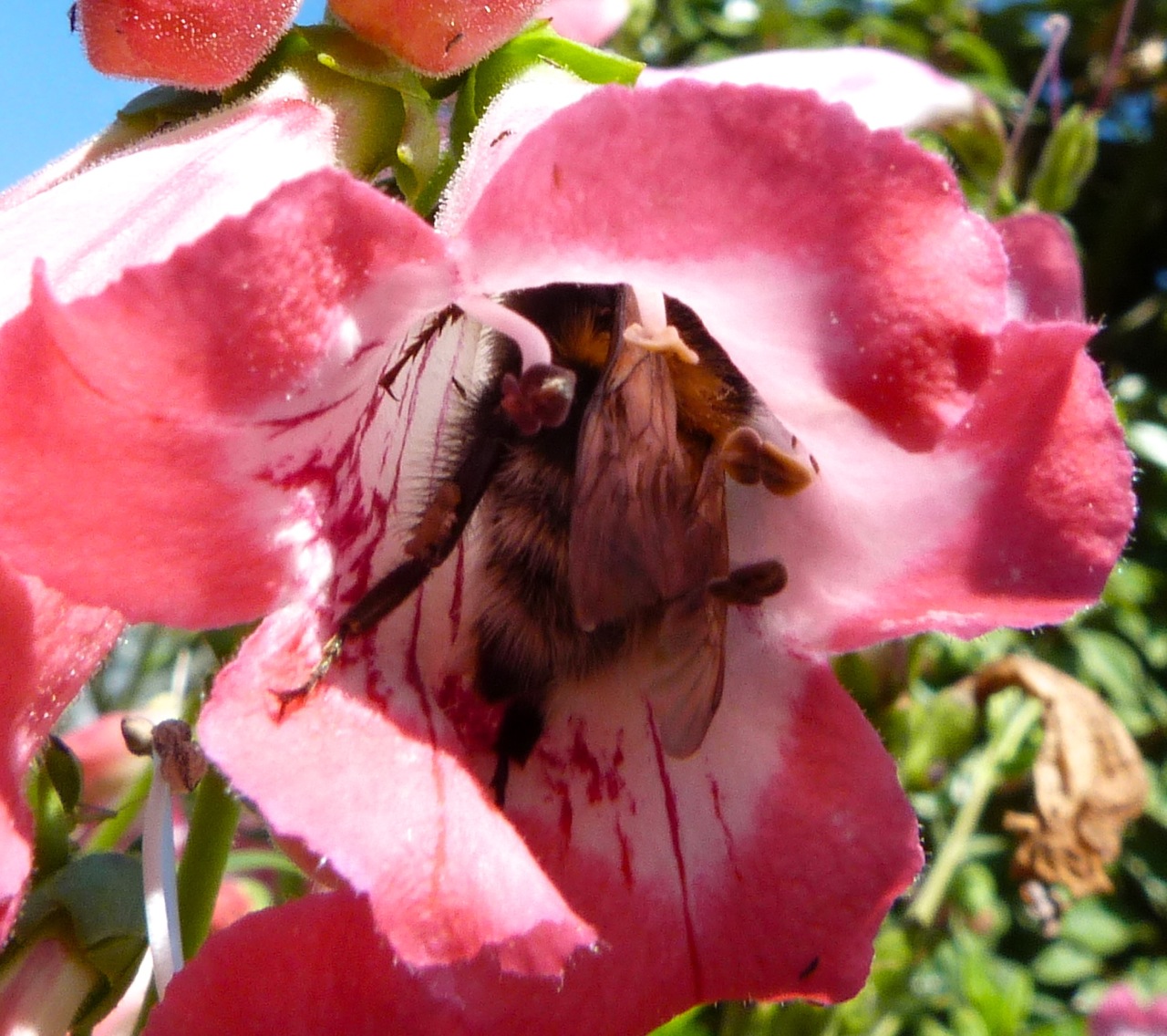
JULY BUMBLEBEES IN DORSET


Bee in Penstemmon - Dorset Bumble bee on lavender  Dorset Bumble bee on lavender - Dorset