RUS IN URBE: A REDWING VISITS LONDON


We don’t often see redwings in our garden on the western edge of central London. It is not their natural territory.  Occasionally when mid-winter weather has been very cold, with frost-hardened ground, they will venture to the city for food. Two days ago I was watching a pair of blackbirds apparently courting in a tree at the end of the garden, when 5 redwings landed in the branches beside them. By the time I had found my camera and returned to the window, only one redwing remained. I fired off some shots rather hopefully through the glass, before the bird flew off…

Reddish underwing – checkRedwing, London 1

Speckled front and pale flash above the eye – checkRedwing, London 2

A bit of zoom to confirm the IDRedwing, London 3

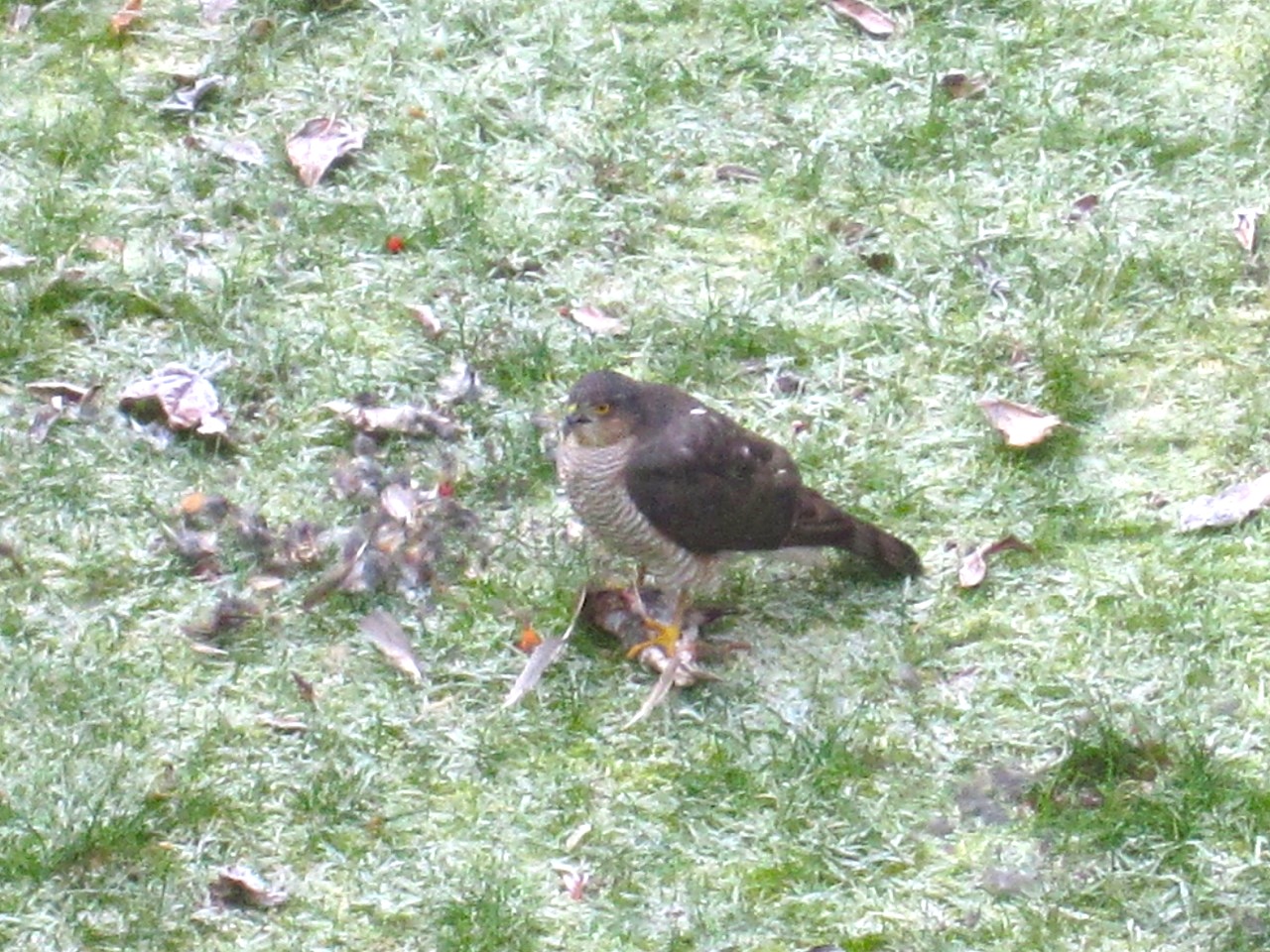
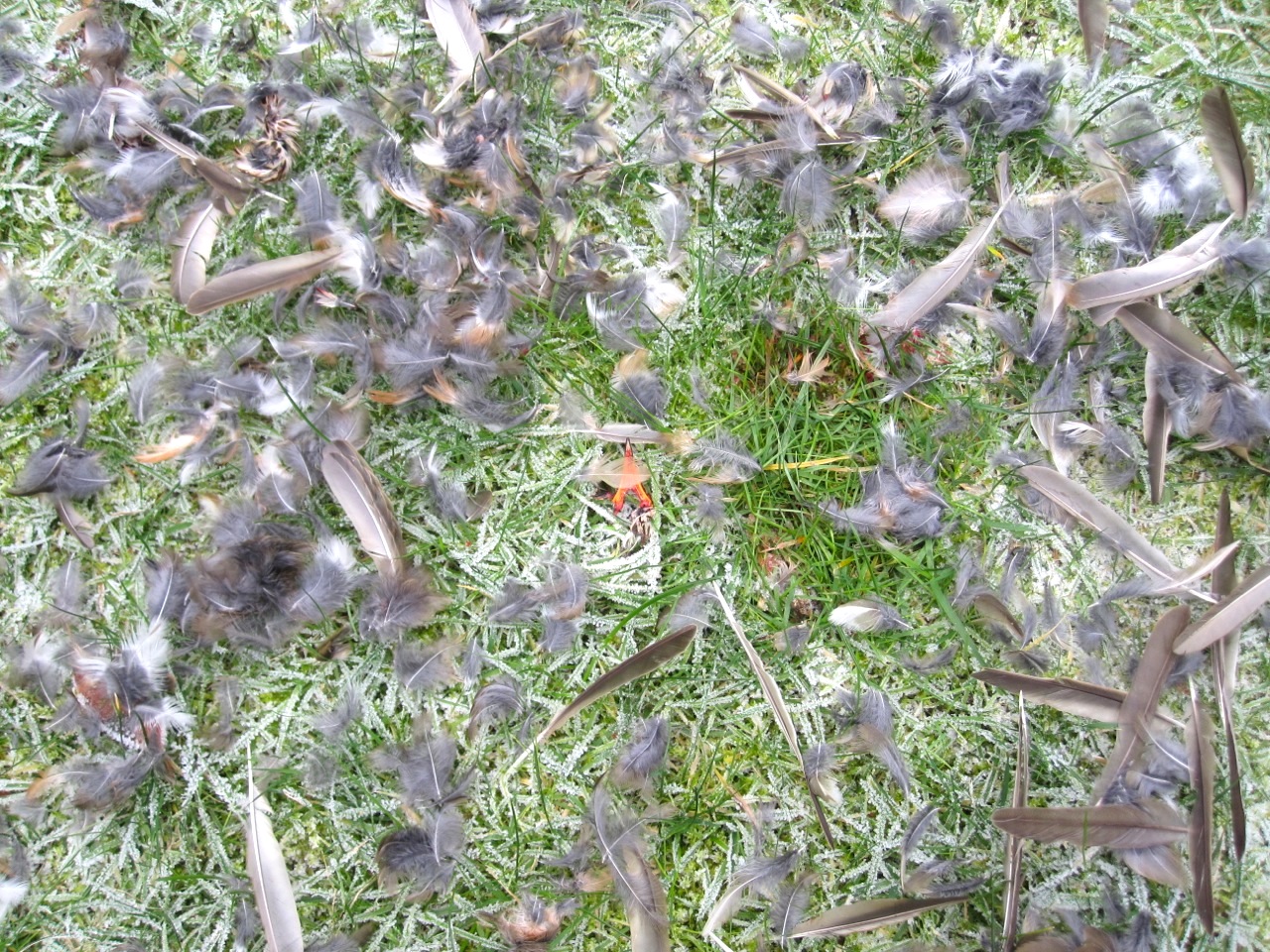
We last had a redwing in the garden couple of years ago, during a prolonged frosty period. I was watching it on the lawn from an upstairs window when suddenly out of the air came a blur of speeding feathers followed by a loud squawk. A sparrowhawk had found its breakfast. I watched it eviscerate to redwing and feast on it for about 15 minutes. After it flew off, I examined the scene of the crime. All that remained of the redwing was a pathetic ring of feathers and its orange beak. The bones and even the feet had all gone. There was a sad little area of melted frost where the deed had been done. Here is a sequence of photos of the drama, mostly taken through glass in the early morning. Notice the growing ring of ripped out feathers as the corpse disappears…
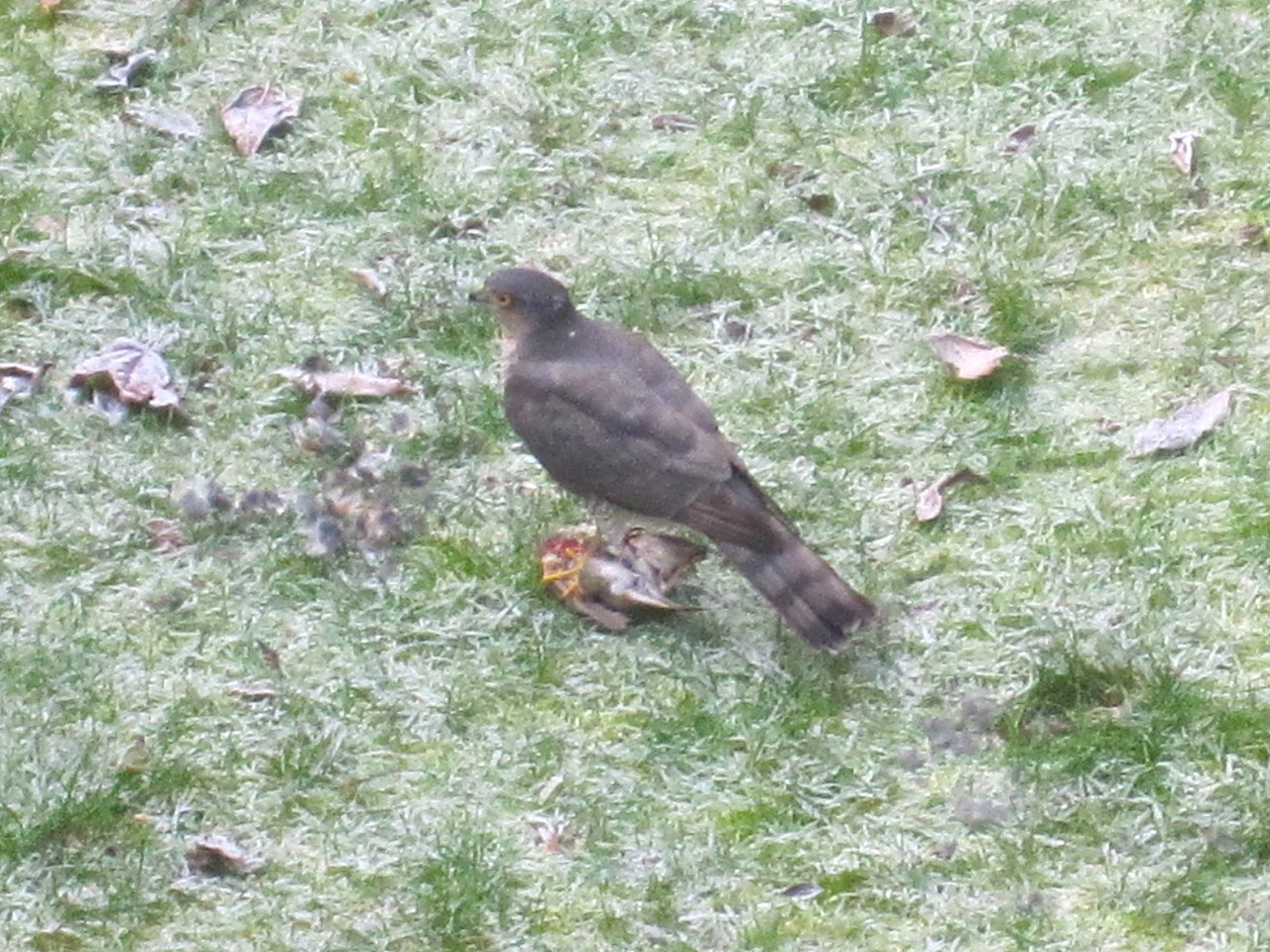
Redwing & Sparrowhawk, London 2 Redwing & Sparrowhawk, London 3 Redwing & Sparrowhawk, London 4 Redwing & Sparrowhawk, London 5 Redwing & Sparrowhawk, London 6

CSI photograph showing the last remains of the victimRedwing & Sparrowhawk, London 1
‘DUCKING & DIVING’: BUFFLEHEADS IN CENTRAL PARK NYC


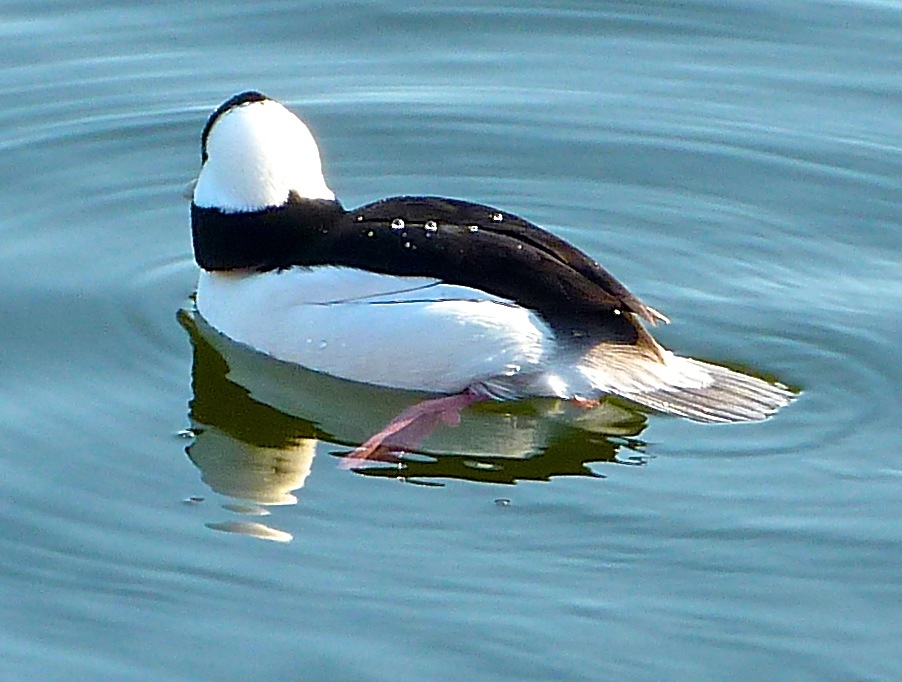
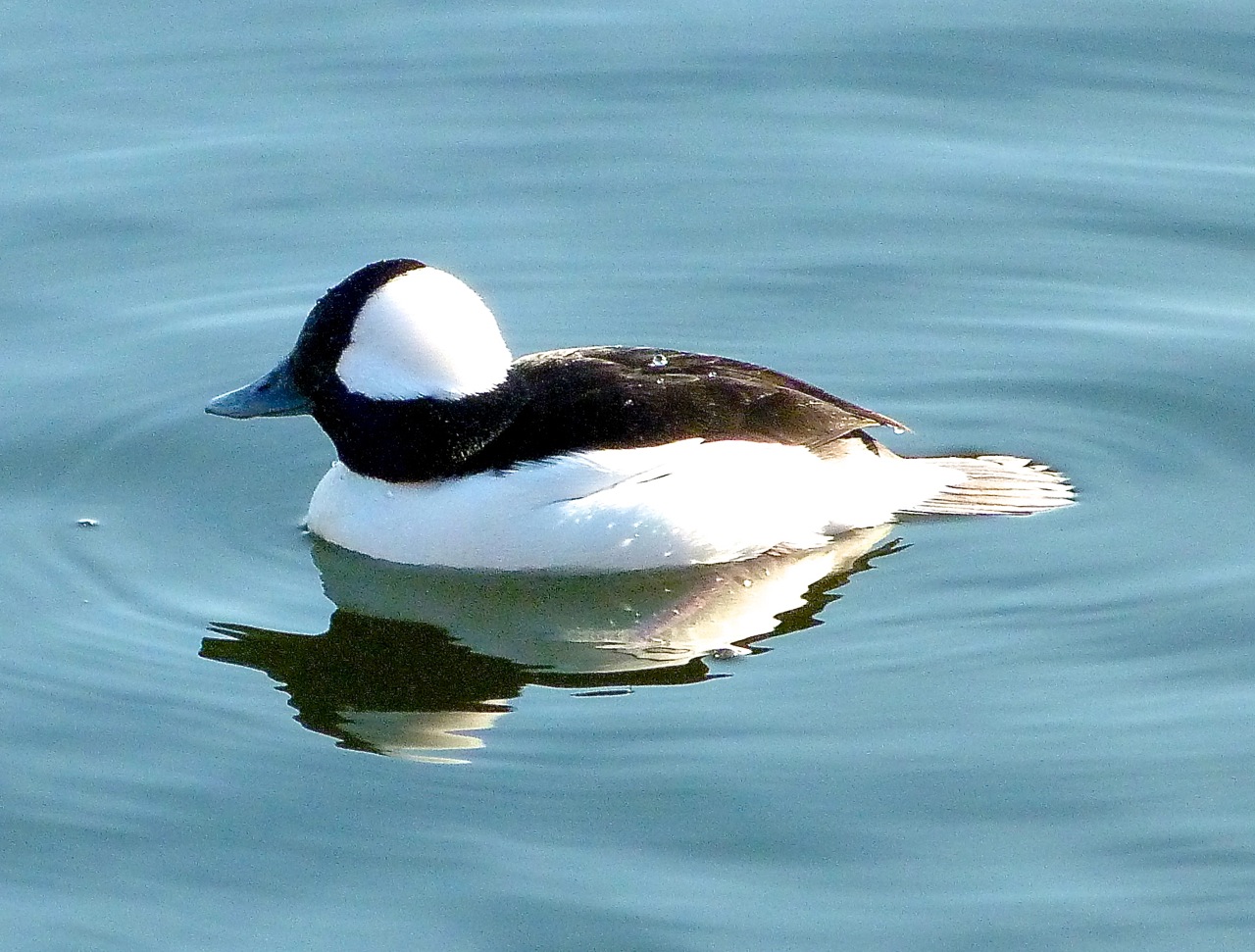
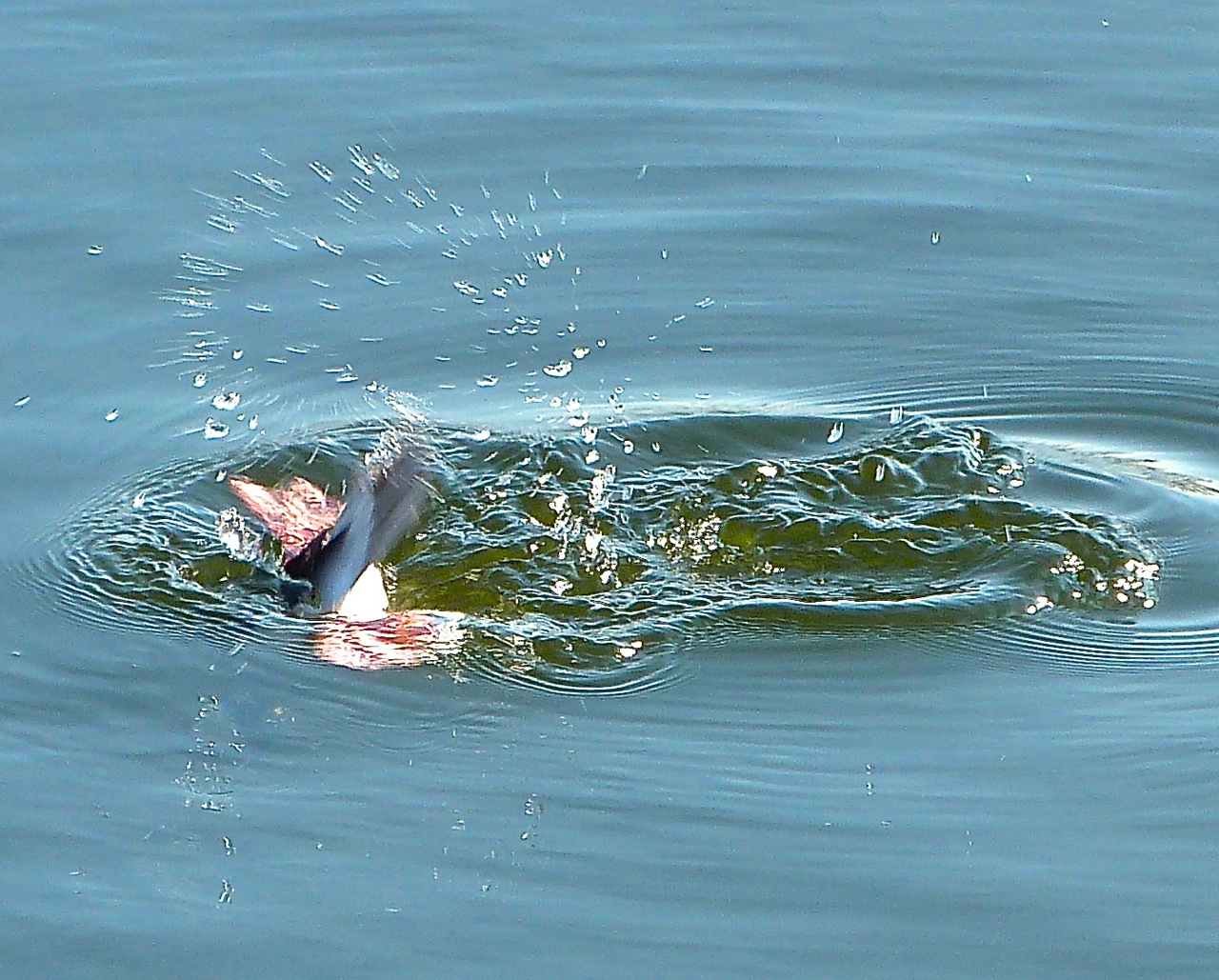
The Bufflehead Bucephala albeola is a small American duck of the goldeneye family, named for the ‘buffalo’ shape of its head. These shots were taken on the JKO Reservoir in central Park NYC, at a bit of a distance. The ducks were mostly floating peacefully, with the occasional sudden splashy dive. When they surfaced, fat beads of water stayed on their backs. Unfortunately the light / position of the sun meant that I never caught one head on, when the purple and green sheen of the face feathers would be clearly visible. 

Bufflehead Duck Central Park NYC 1Bufflehead Duck Central Park NYC 4Bufflehead Duck Central Park NYC 3Bufflehead Duck Central Park NYC 5Bufflehead Duck Central Park NYC 6Bufflehead Duck Central Park NYC 7

HOODED MERGANSERS IN CENTRAL PARK, NYC


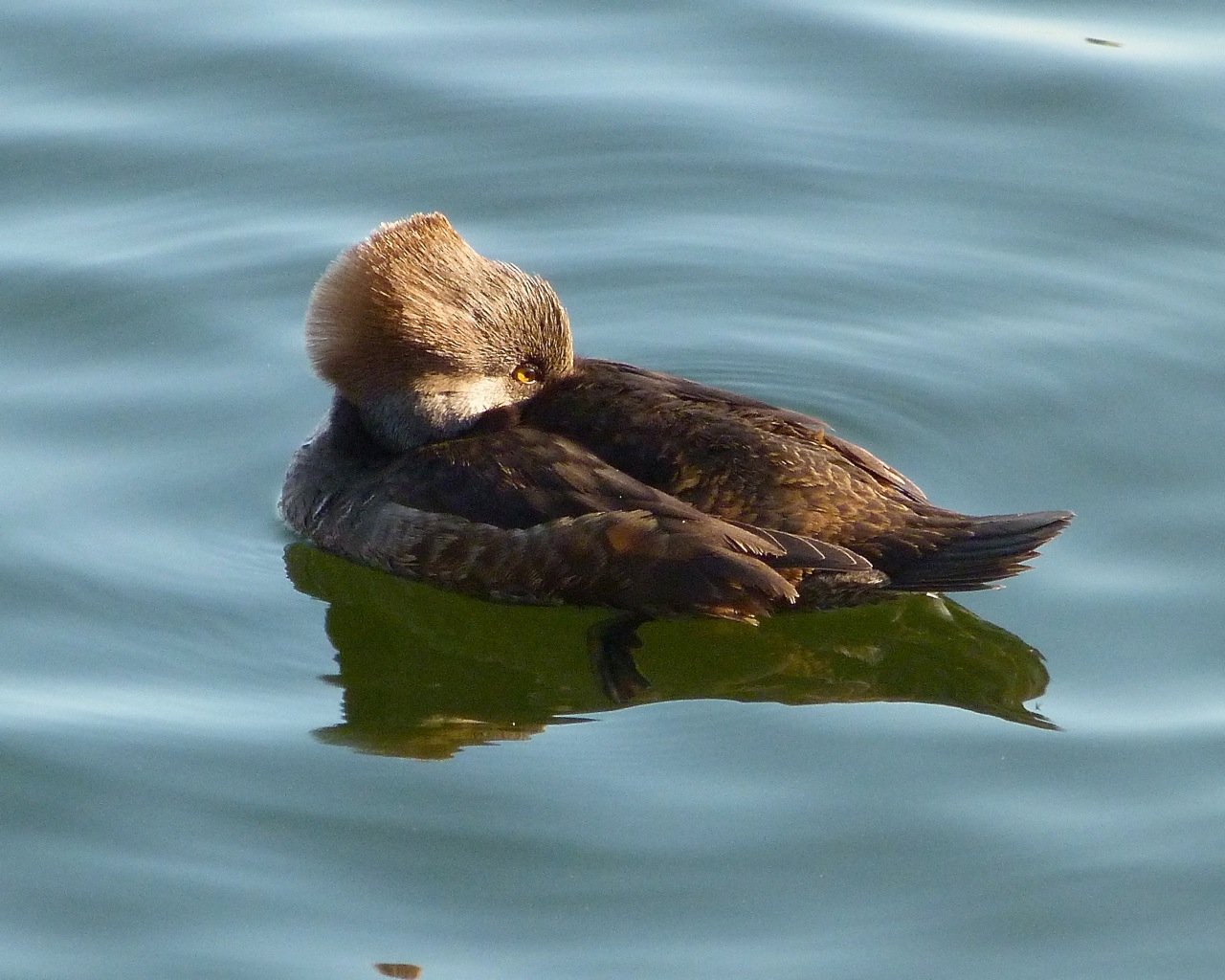
These hooded mergansers were on the JKO Reservoir in mid-Central Park, New York. The colourful male is shown first, then the less flamboyant female.

Hooded Merganser (m) NYC CP 3Hooded Merganser (m) NYC CP 2Hooded Merganser (m) NYC CP 1Hooded Merganser (f) NYC CP 2Hooded Merganser (f) NYC CP 3Hooded Merganser (f) NYC CP 1This bird has just surfaced from a dive, leaving her rather wet and dishevelled
FEMALE MALLARD STUDIES: PROSPECT PARK, BROOKLYN


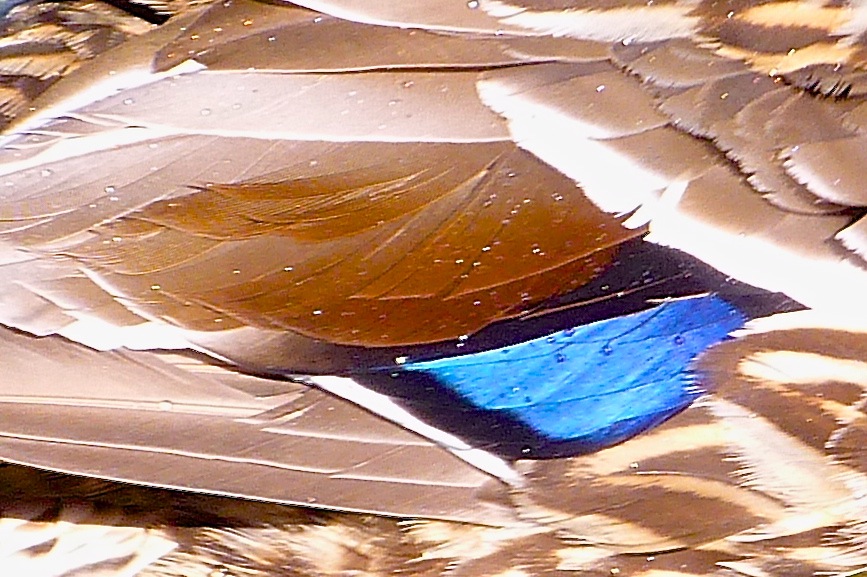
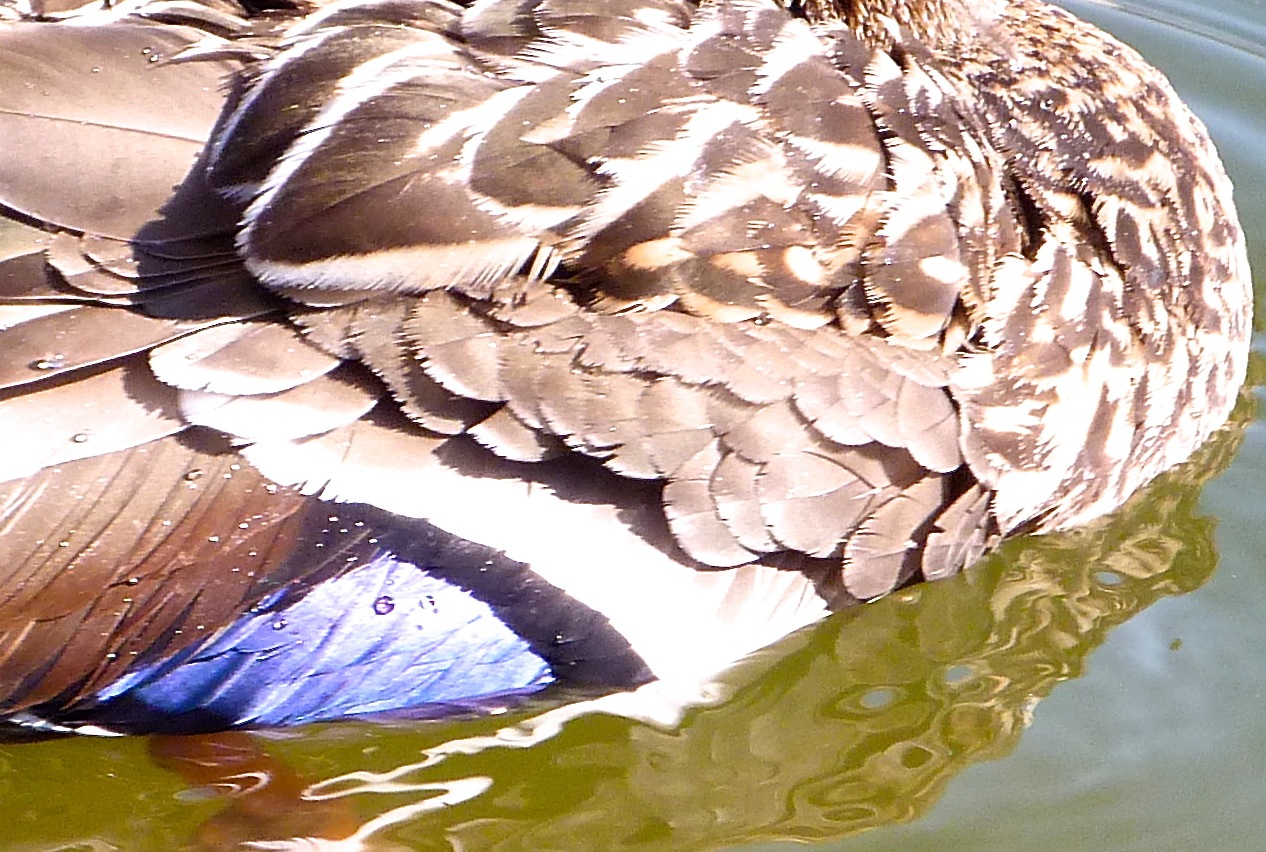
Mallard (female) Prospect Park, Brooklyn 3 Mallard (female) Prospect Park, Brooklyn 4 Mallard (female) Prospect Park, Brooklyn 5 Mallard (female) Prospect Park, Brooklyn 6Mallard (female) Prospect Park, Brooklyn 2 Mallard (female) Prospect Park, Brooklyn 7 Mallard (female) Prospect Park, Brooklyn 8

688px-Deiker_Jagdbare_Tiere_1093218Mallards by Carl Friedrich Deiker (1875) [Wiki]

HARRIS HAWK, DORSET


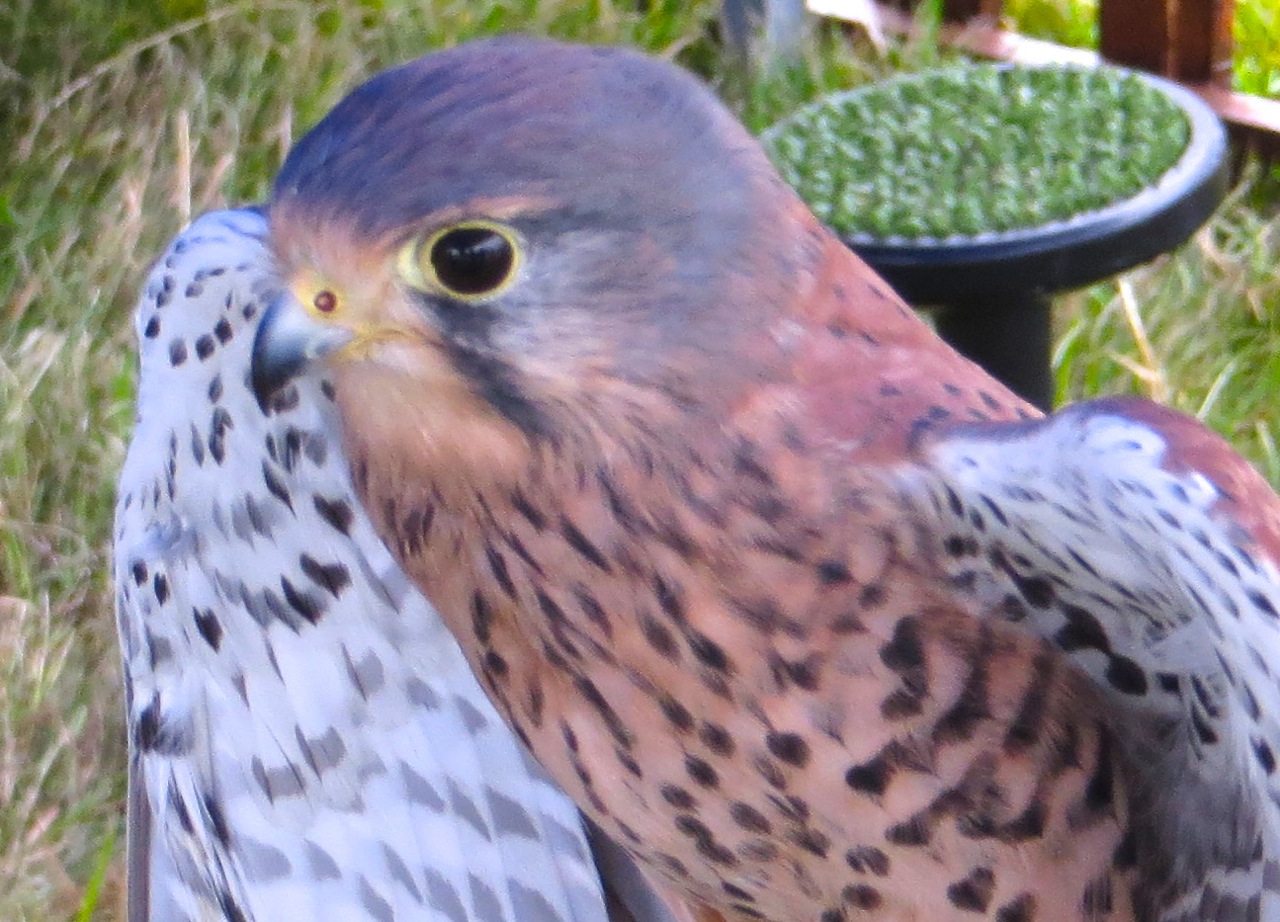
This hawk is a bird of the Americas, but they are found in Europe – in particular in Britain – as the result of escapes from captivity. They are popular hawks for falconry, being relatively easy to train. However, when released they don’t always return to their owner. The large feral pigeon population of London’s Trafalgar Square is controlled by the tactical deployment of Harris Hawks at dawn.

I was recently able to get quite close to one at an Oak Fair  in Dorset, where watery sunshine brought out the wonderfully rich colouring of the bird. I only has a snapping camera with me, but these photos give a pretty good idea of the bird and its plumage. I’ve included a shot of its characteristic white-tipped tail.

Harris's Hawk Dorset 1 Harris's Hawk Dorset 3 Harris's Hawk Dorset 4

EAGLE OWL: STOCK OAK FAIR, DORSET


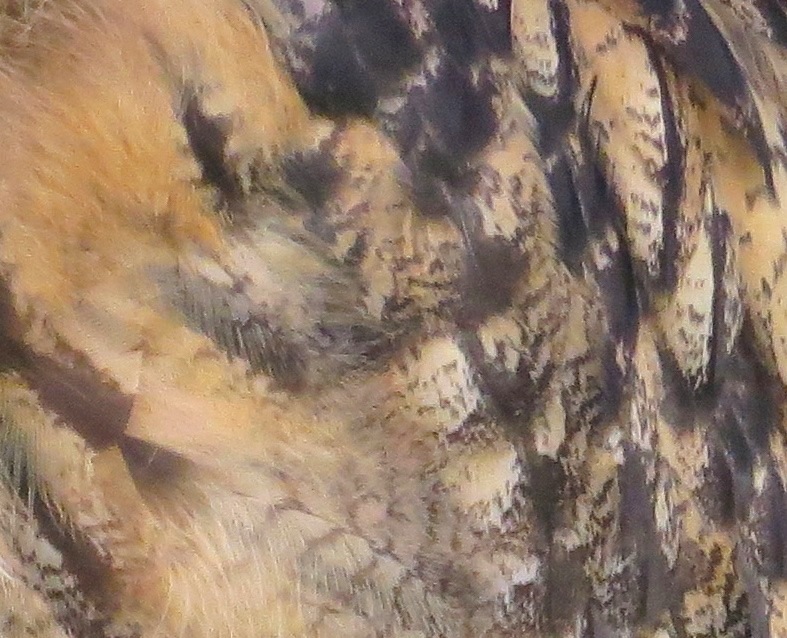
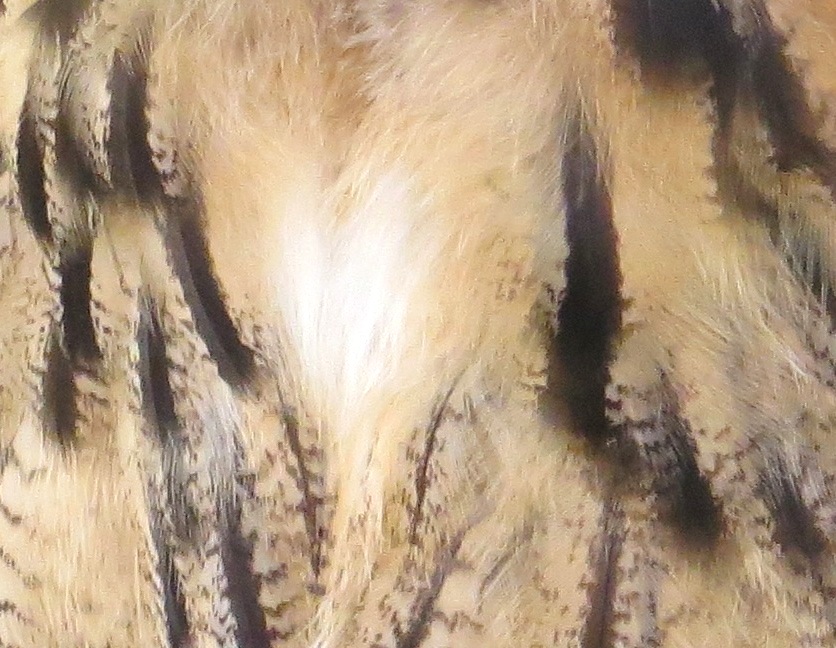
Eagle Owl 7Eagle Owl 6Eagle Owl 5Eagle Owl 4Eagle Owl 3Eagle Owl 2Eagle Owl 1

This fine bird was part of a display at an Oak Fair in Dorset (see also BARN OWL). I only had a ‘family day out snapping camera’ with me, so the close-ups are a little ‘soft’. Never mind, the feather patterns have come out reasonably well…

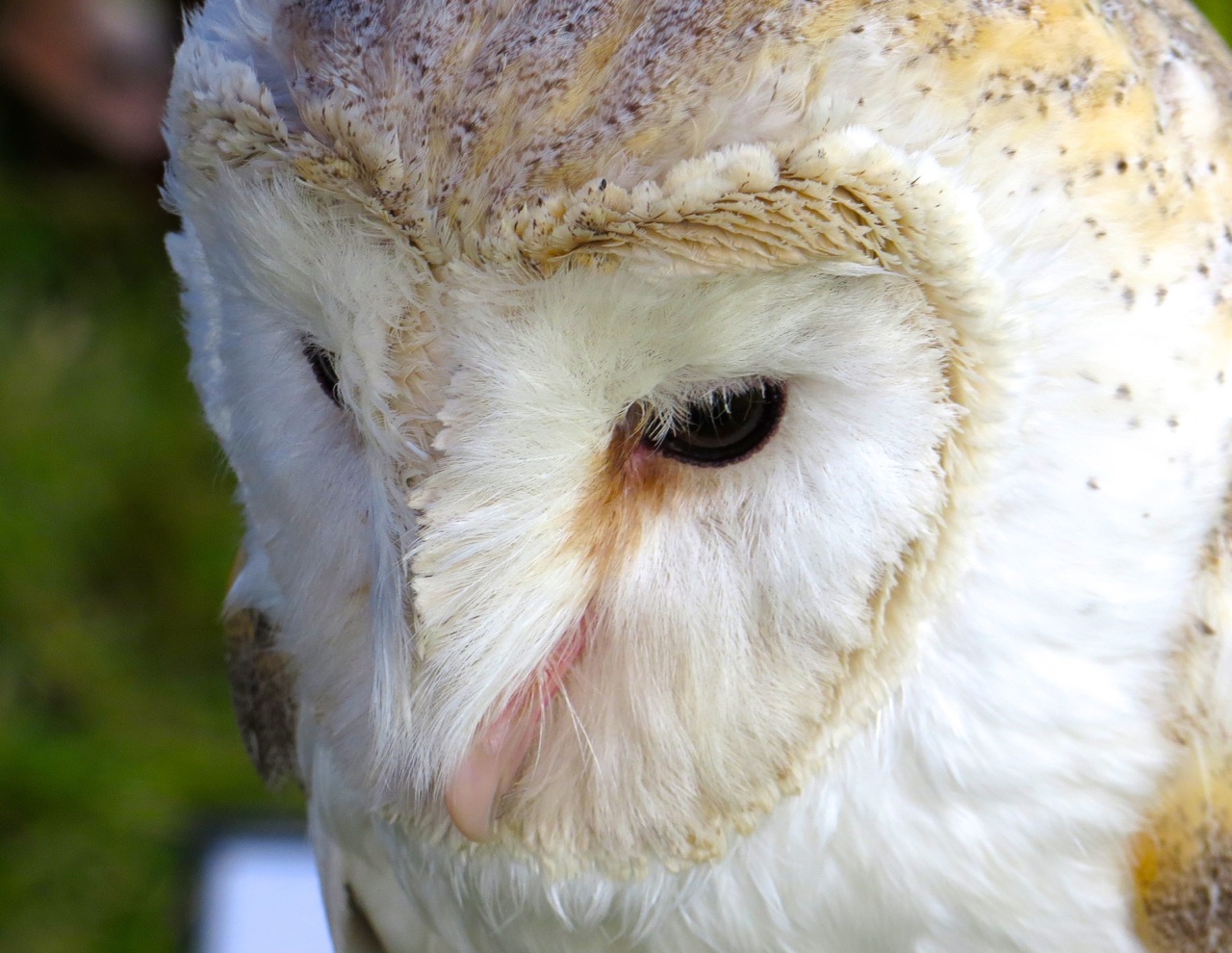
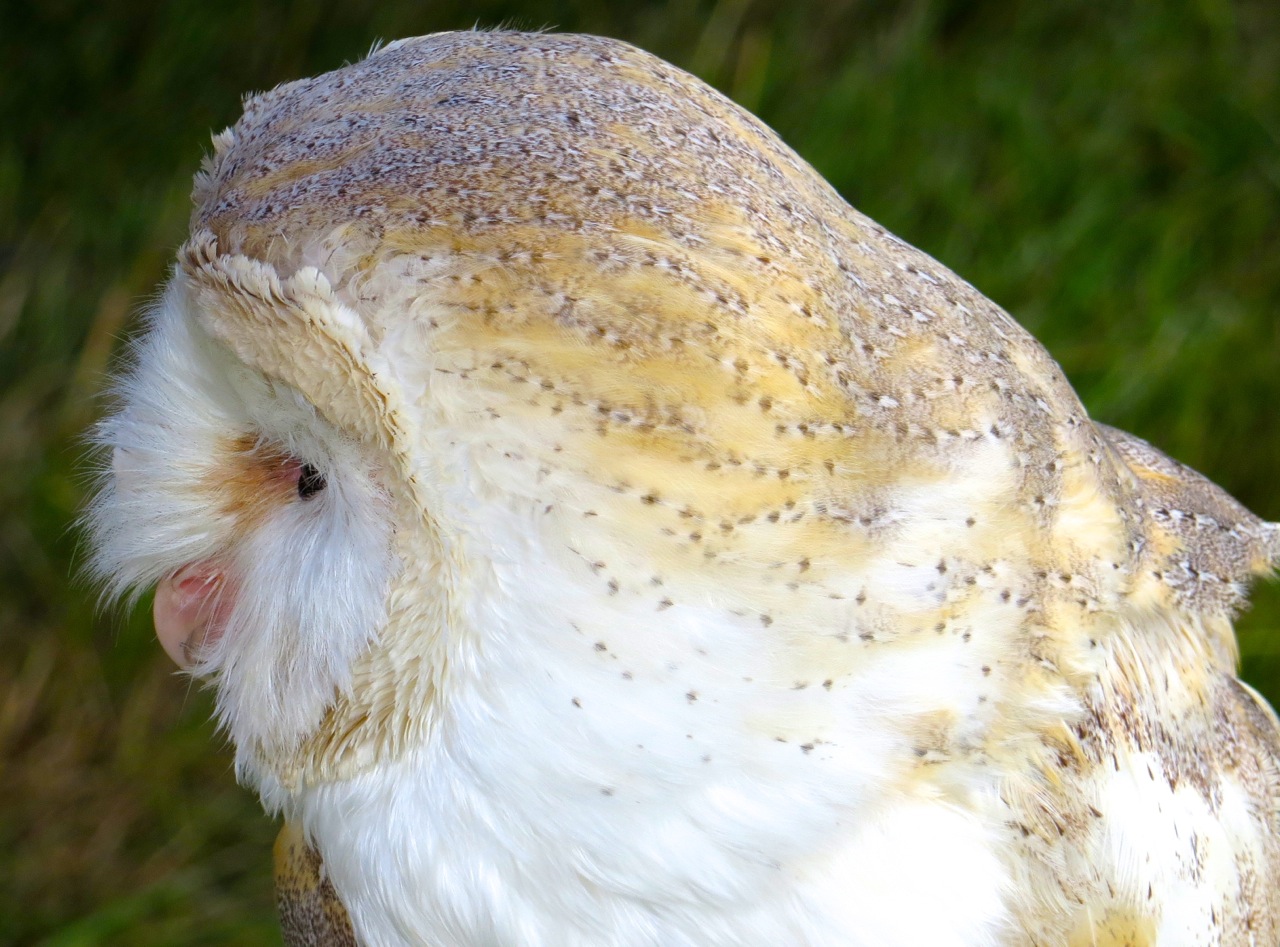
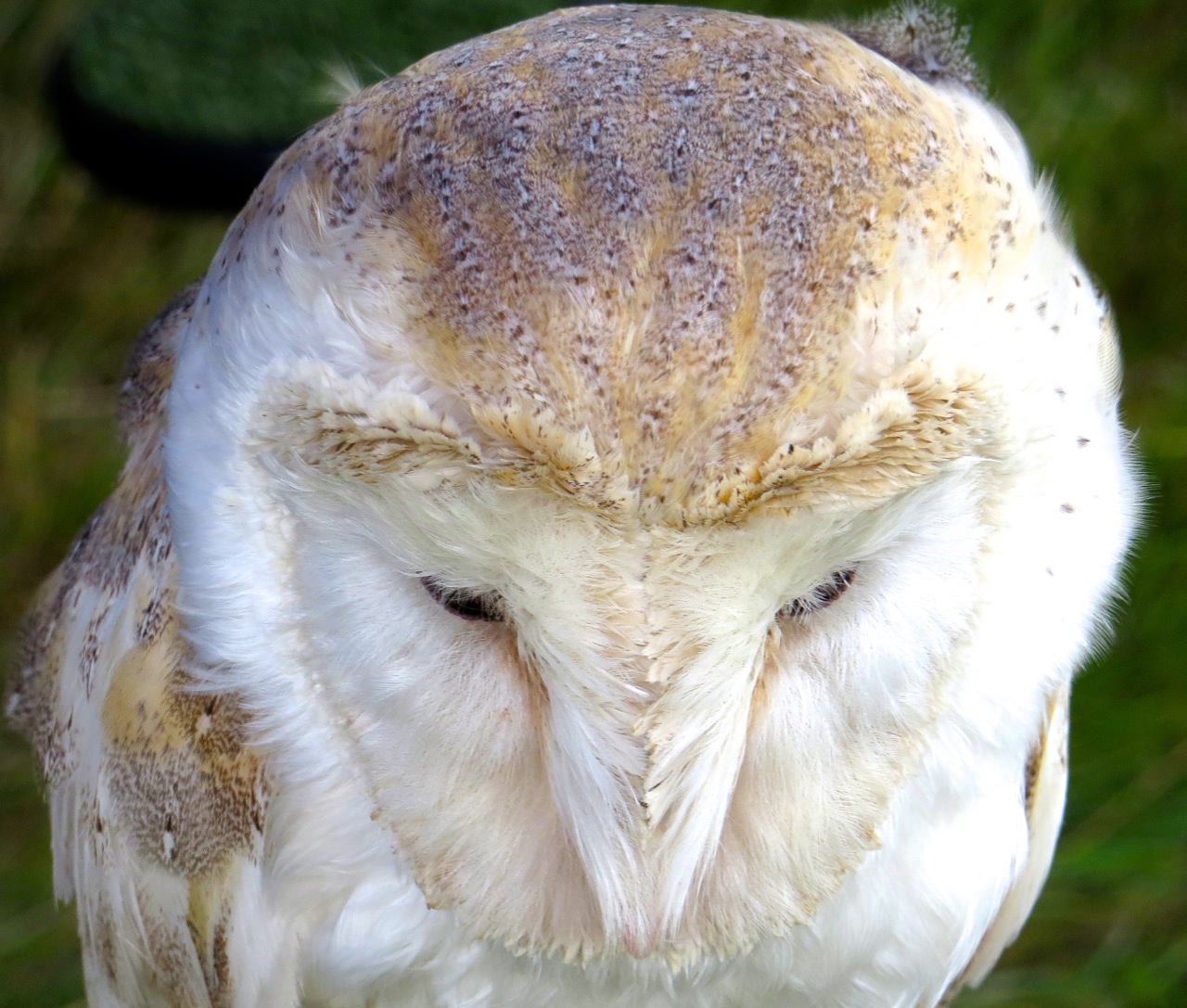
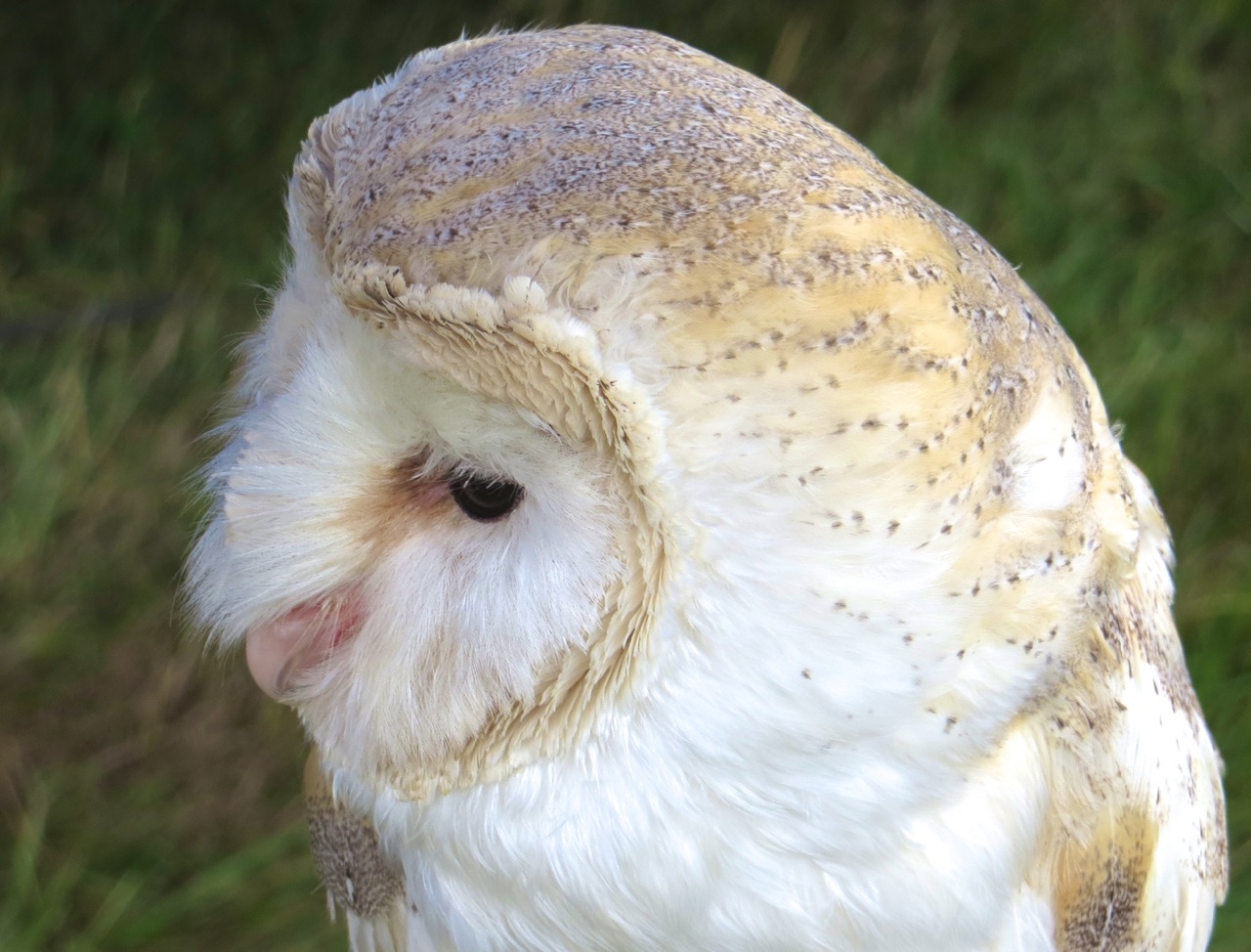
BARN OWL, DORSET: CLOSE-UP STUDIES


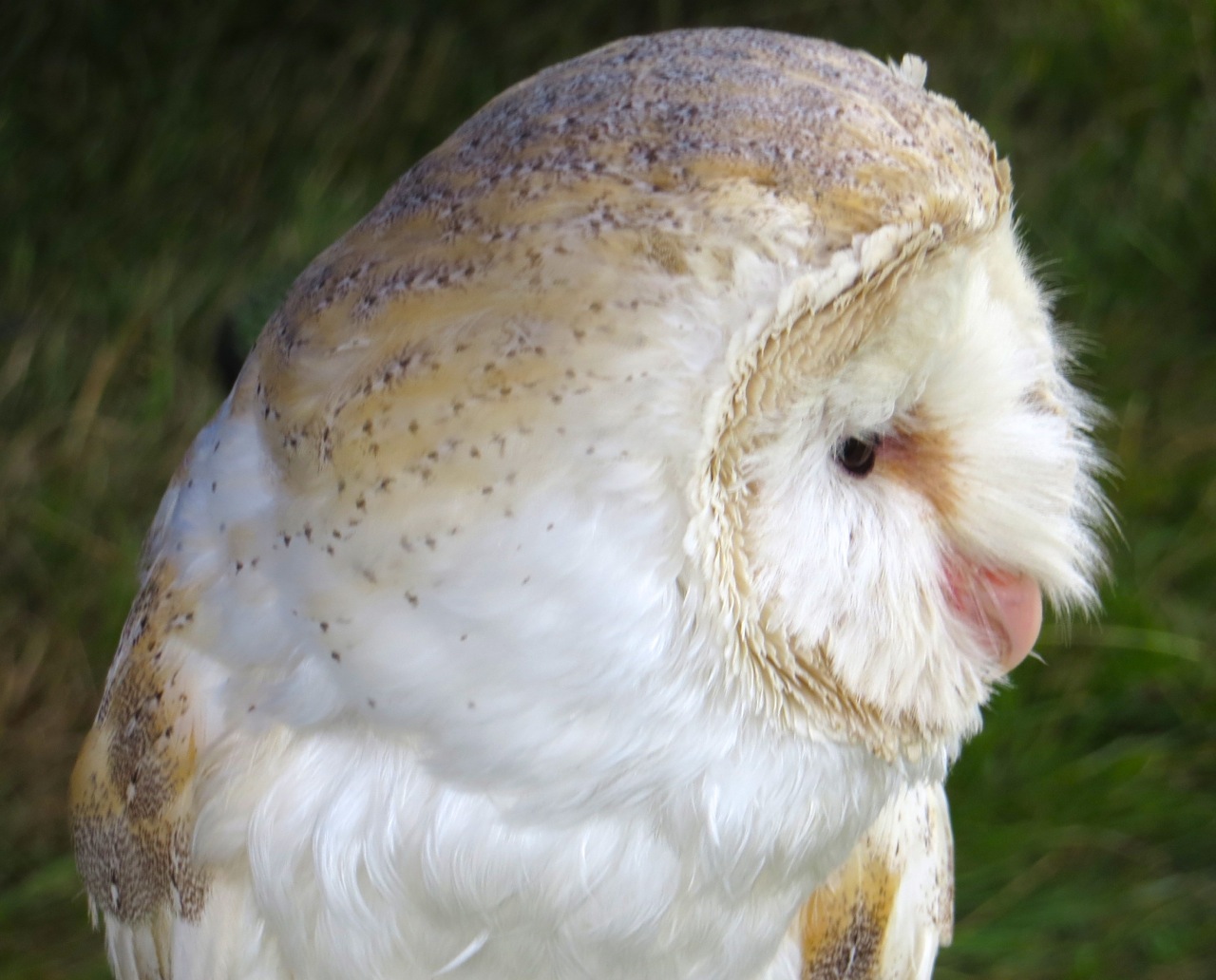
These close-up studies of a Barn Owl Tyto alba in Dorset show different aspects of its head, starting with the characteristic heart-shaped face. Despite their size, Barn Owls weigh only a few ounces and are completely silent in flight.Barn Owl Dorset 1Barn Owl Dorset 2 Barn Owl Dorset 3 Barn Owl Dorset 4 Barn Owl Dorset 5

GREEN WOODPECKERS IN DORSET: A FAMILY STORY


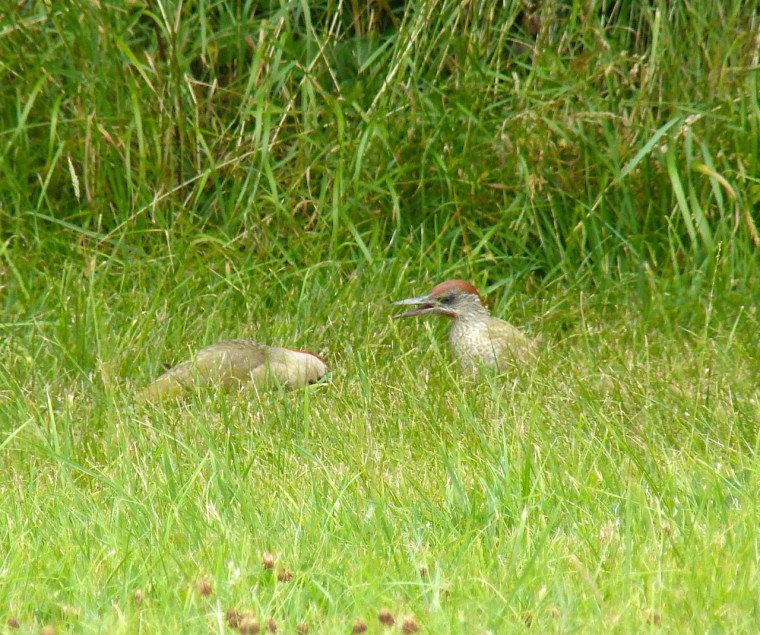
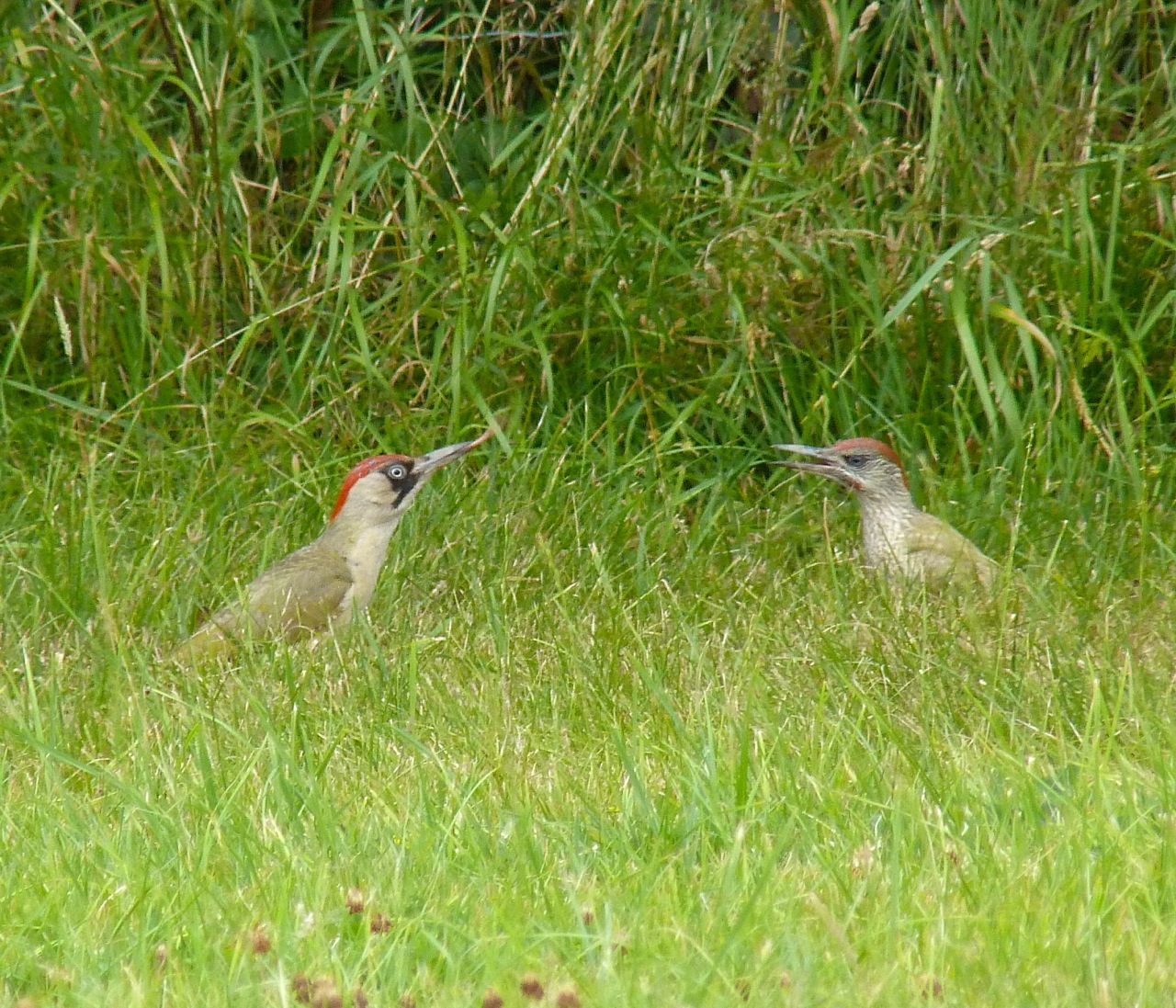
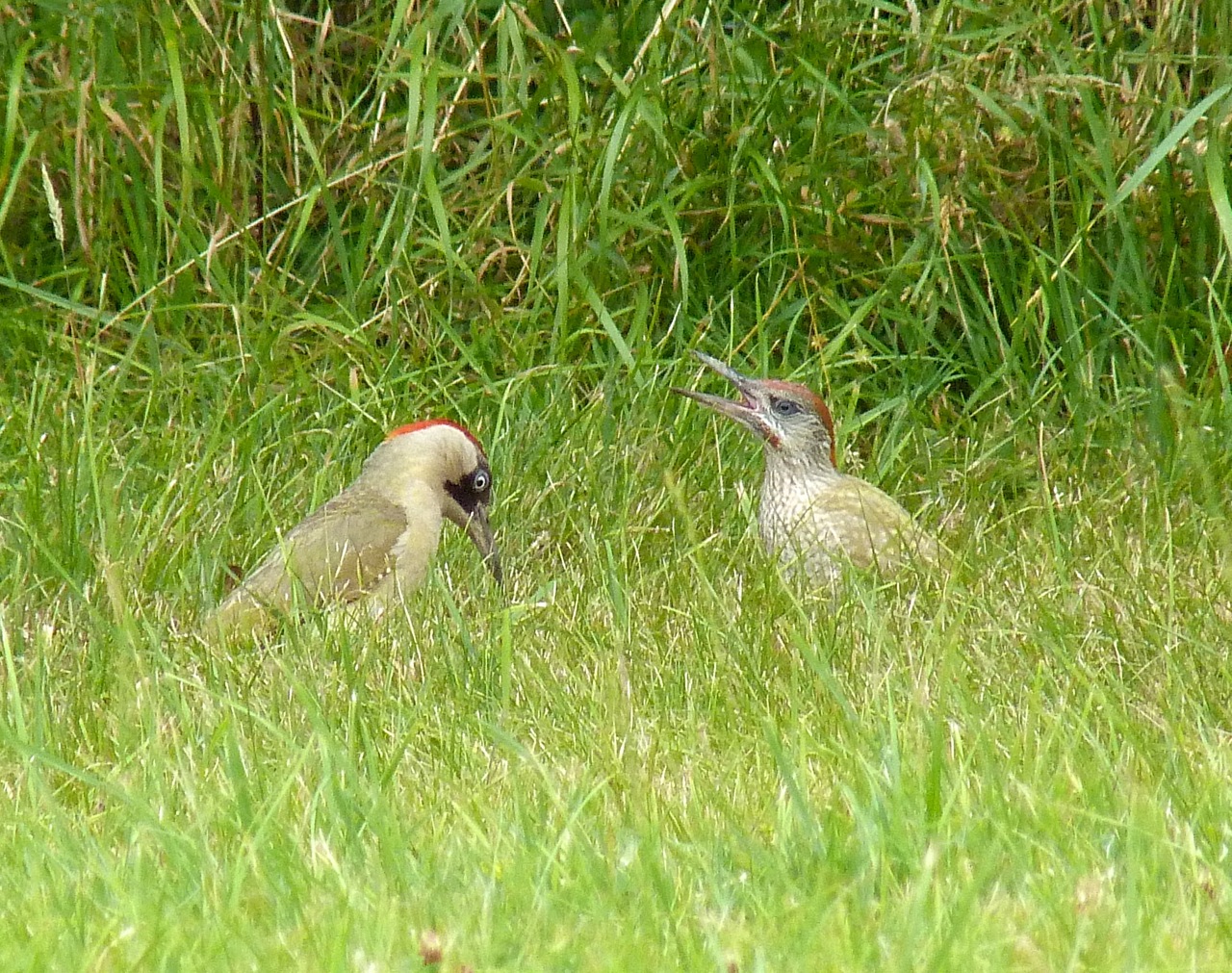
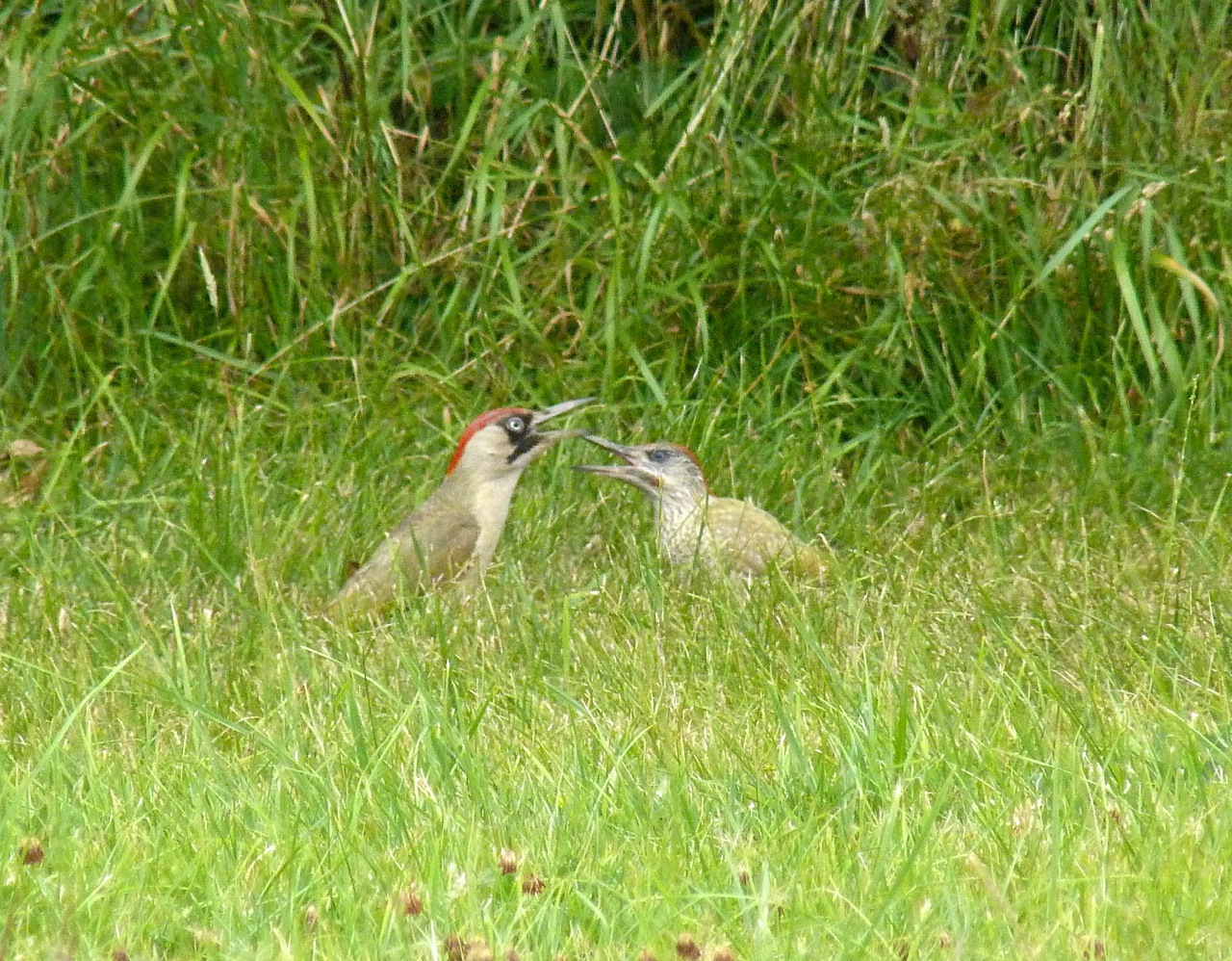
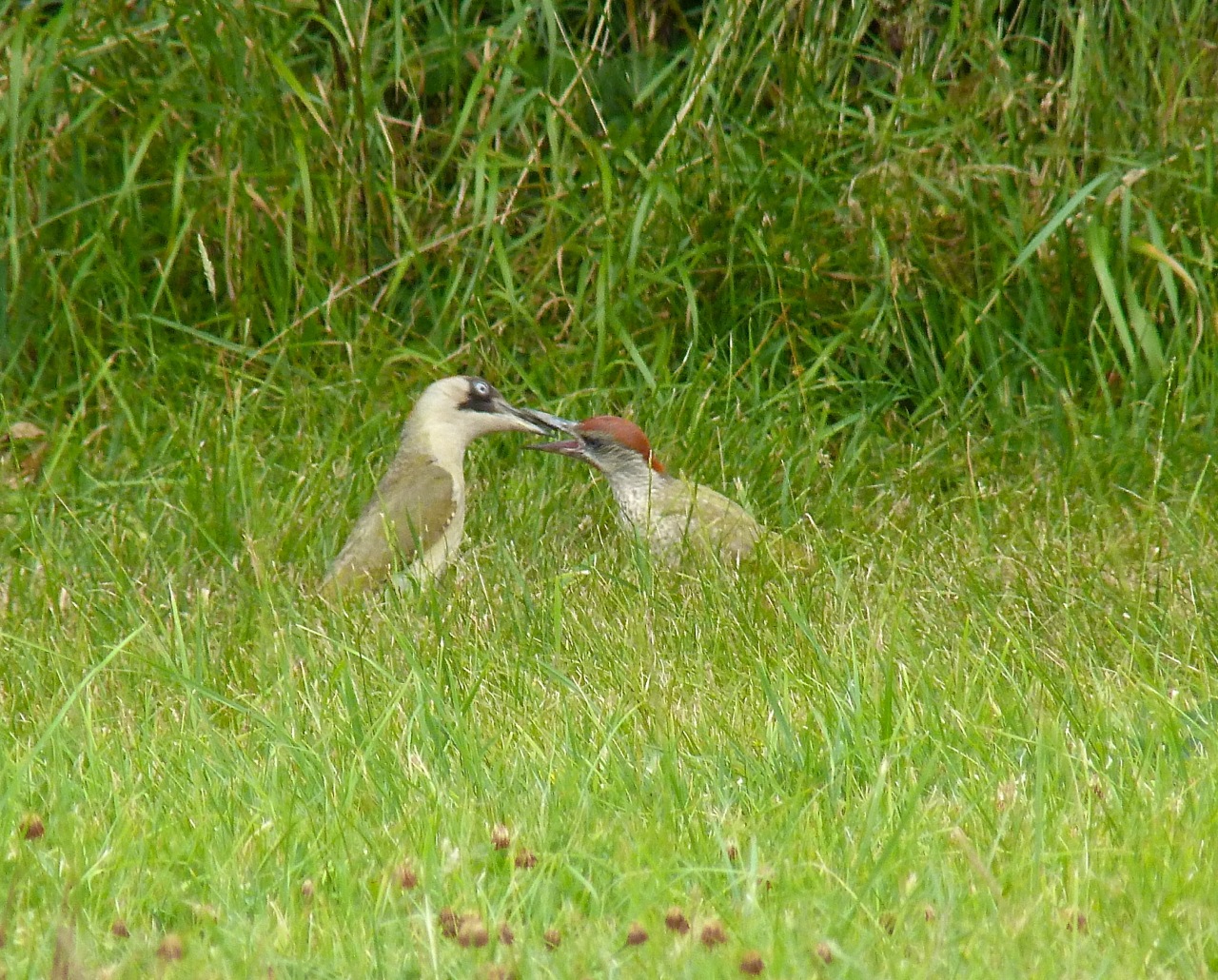
This morning my attention was caught by some inept avian fluttering in our field. Two birds, medium size. A flash of red on the head, and a large beak: green woodpeckers.  The lack of vivid green ruled out adult males – this was a mother / fledgling education lesson in flying and self-sufficiency. By the time I had grabbed a camera from the house, they had moved further away. I had to creep up to the field fence so as not to scare them, and fire off some distance shots from a slightly awkward position (avoiding barbed wire was one issue). These are quite poor images, as photographs go. But the story is a good and rather sweet one…

Mum!Green Woodpecker, Dorset 1

Uh huh….?Green Woodpecker, Dorset 2

I’m hungryGreen Woodpecker, Dorset 3

Hurry up… hungryyyyyyy

Green Woodpecker, Dorset 5

Ok dear, worm coming up. You’ll have to learn to do this for yourself now

Green Woodpecker, Dorset 4

Still hungryyyyyyGreen Woodpecker, Dorset 6

Well here’s a nice bug. Last one. Then you are on your own. Forever.Green Woodpecker, Dorset 7

Open wide…Green Woodpecker, Dorset 8

Thanks mum. I’ll be fine now. I think.Green Woodpecker, Dorset 9

Synchronised independence and self-reliance…
Green Woodpecker, Dorset 10

THE WOODPECKER SAGA: TWO HAPPY ENDINGS


GREAT SPOTTED WOODPECKERS, LONDONWoodpecker 5.13-9

The babies have flown! On Friday morning, the sound from the tree was a cacophony, with both parents appearing to urge their kids to leave home. By the time Mrs Harbour got back from work in the evening, they were gone. The nest was empty, and there was silence. So we never said goodbye, but we can say “good luck”.

WEST INDIAN WOODPECKERS, ABACO

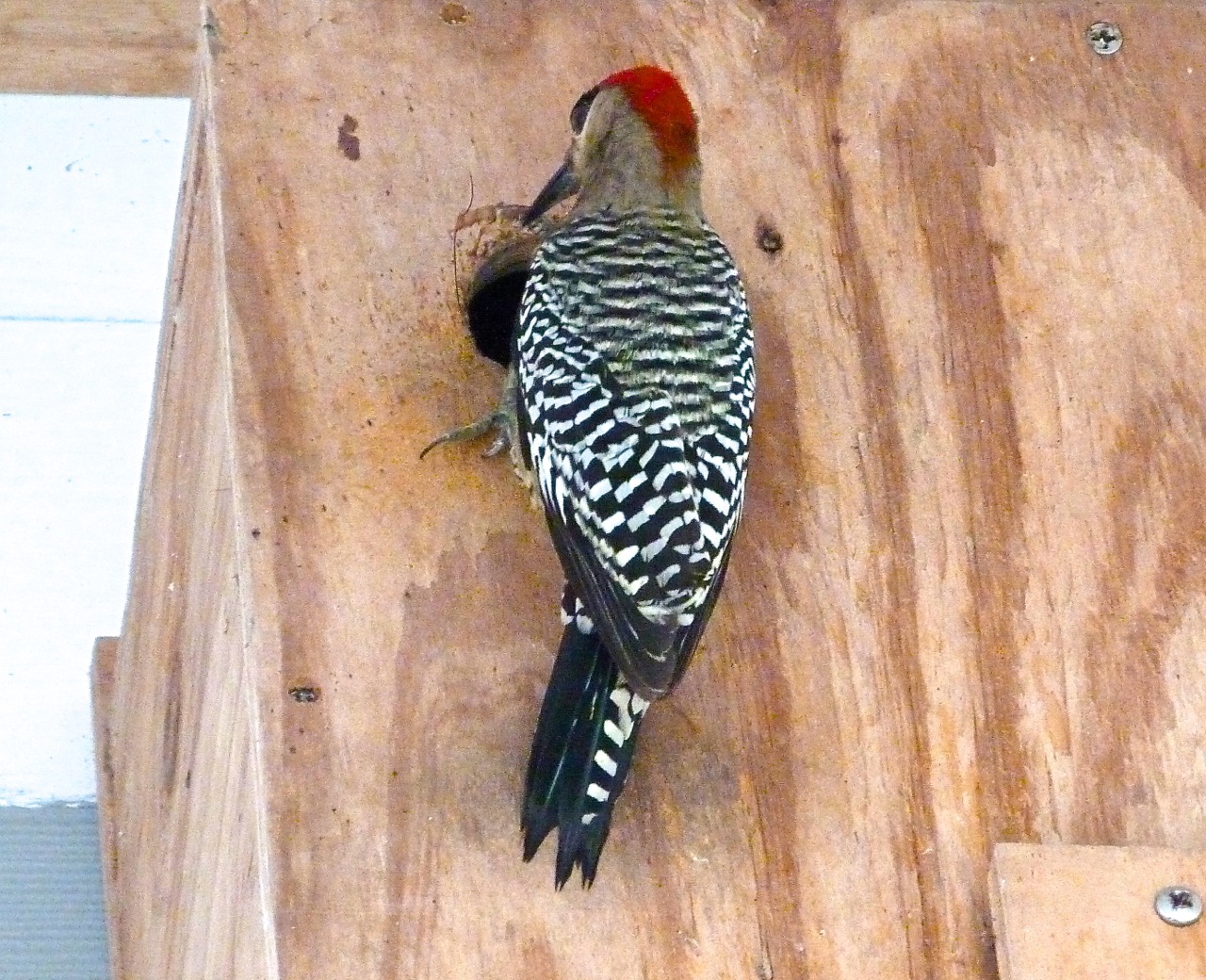
During the week, the babies have appeared with increasing bravery at the nest-hole West Indian Woodpecker a

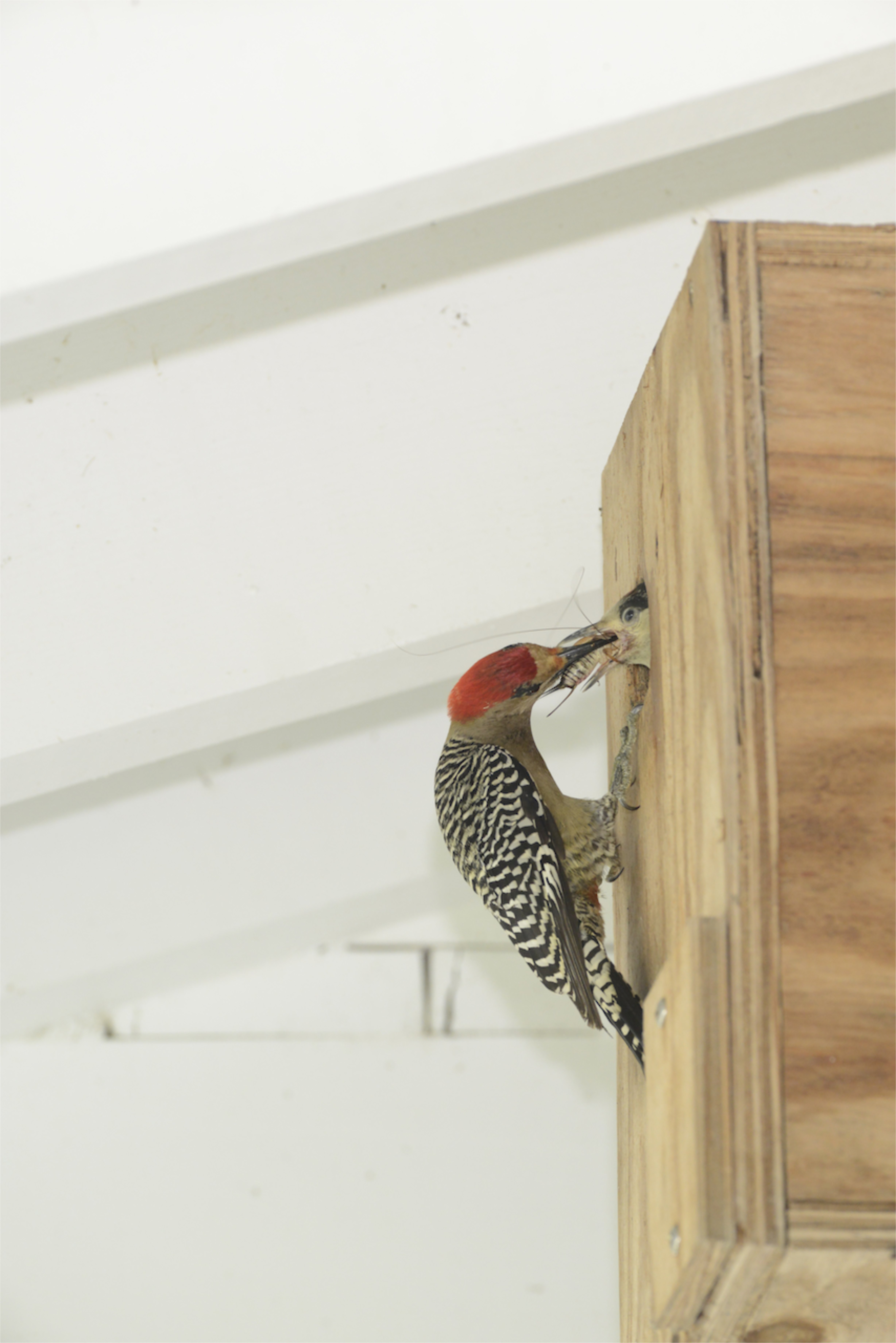
Feeding no longer involved a parent diving into the box with bugs, but feeding at the entranceWest Indian Woodpecker 2

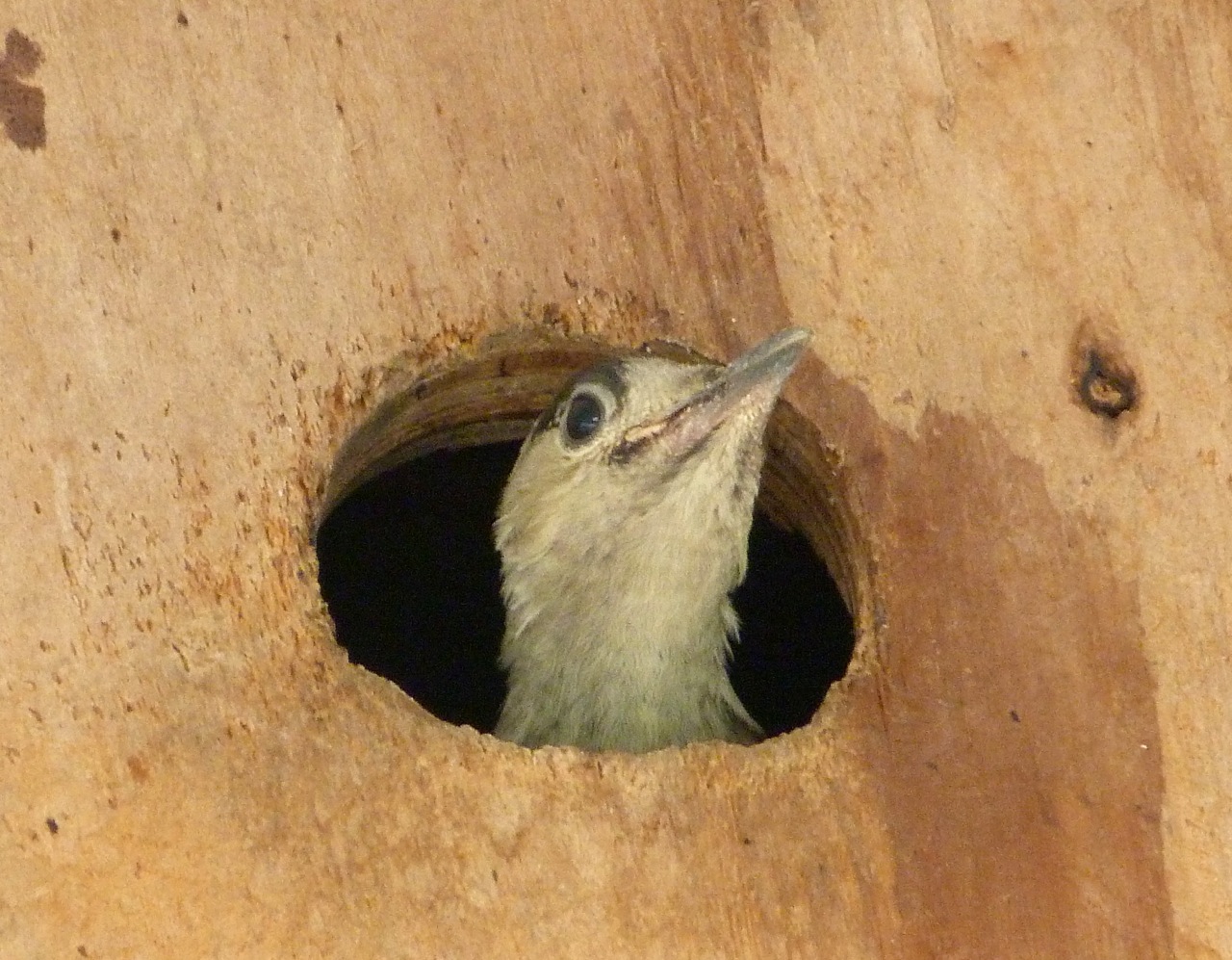
The heads began to stick out further…West Indian Woodpecker 3

…and the parents’ job got easierWest Indian Woodpecker 4

At 6.47 a.m. this morning, the first fledgling took flight, first to the roof, then to a tree. He’ll hang around for a couple of days, being fed less and less until he can stand on his own two feet. Fly on his own two wings, even. Meanwhile his parents are getting on with their next stage of family planning. They are spending increasing time in and around the second nest box, and – there’s not getting around it – copulating in public. The results will be their third family of the season.

So all is well in woodpecker land. I’ll finish the story with a photo taken by Tom Sheley, a wildlife photographer from Ohio, and his magnificent image taken a couple of days ago. Imagine being a chick expecting a tasty bug and getting one this size rammed down your throat…

West Indian Woodpecker TS

LATER Here’s a very short mobile phone video of a young squawker peering out at the wide world. I have better camera ones in another format, but for some reason WordPress is only accepting .MOV files at the moment…