“HONEY RUSH” – LAST ORDERS IN THE SEASON’S FLORAL SALOON


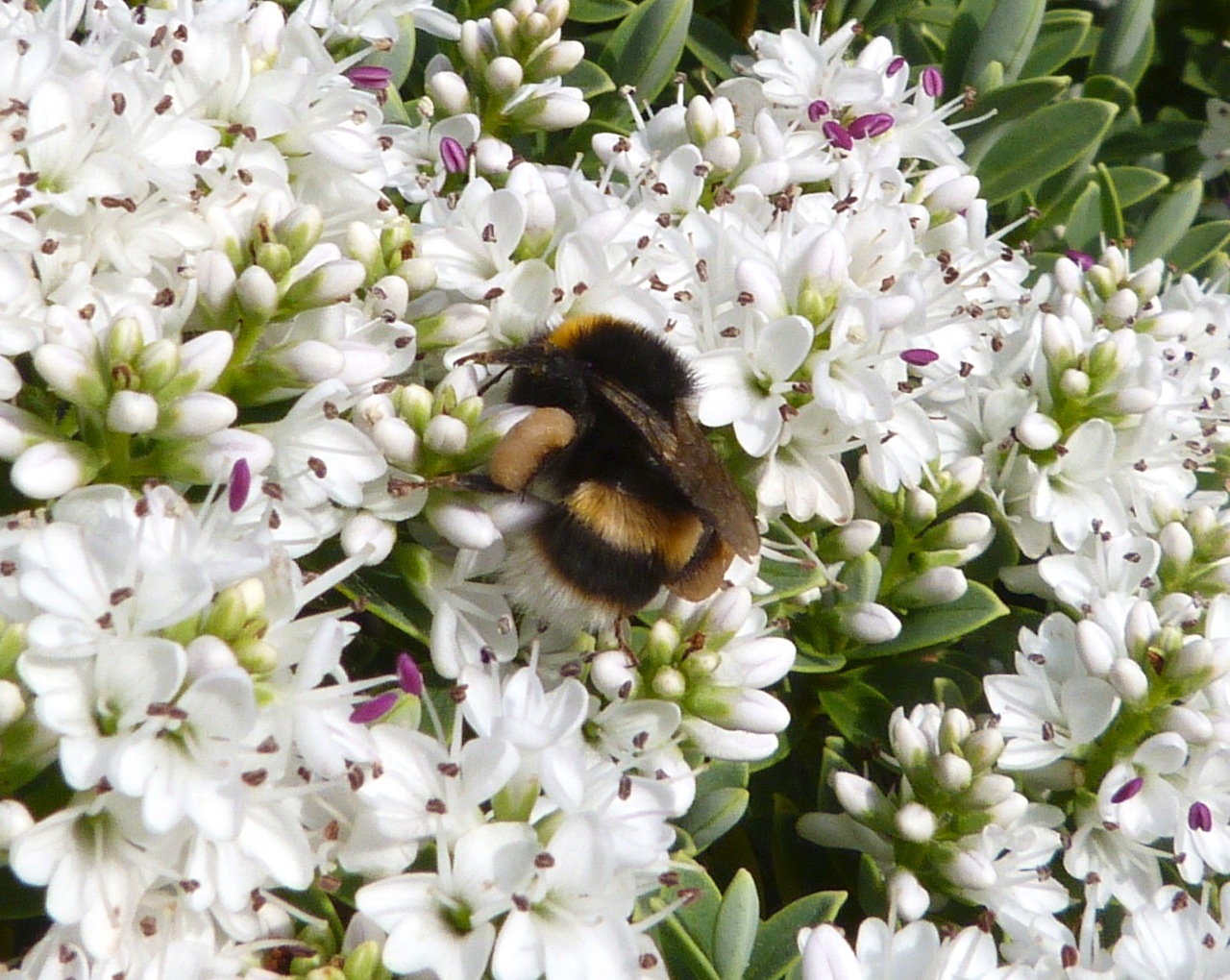
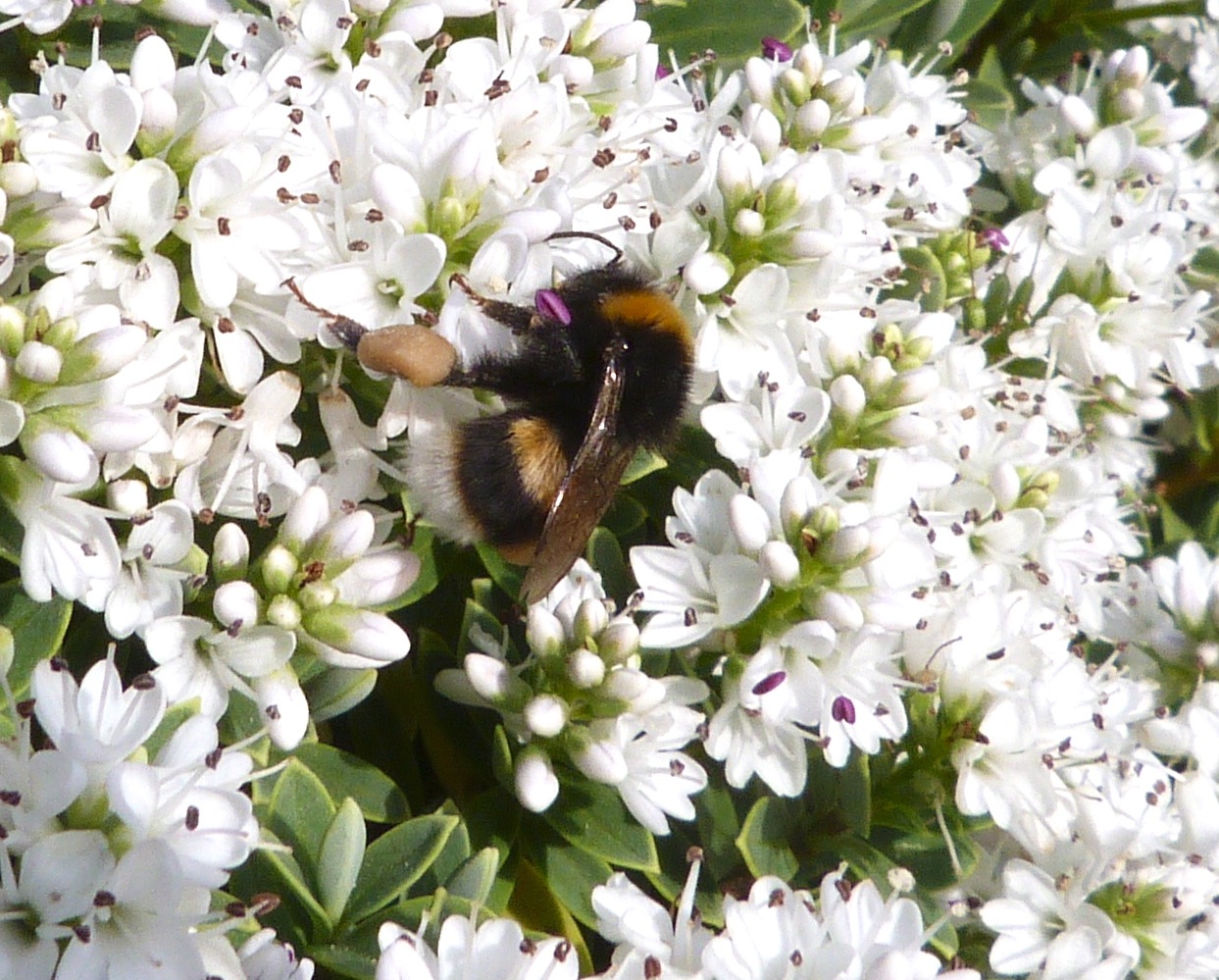
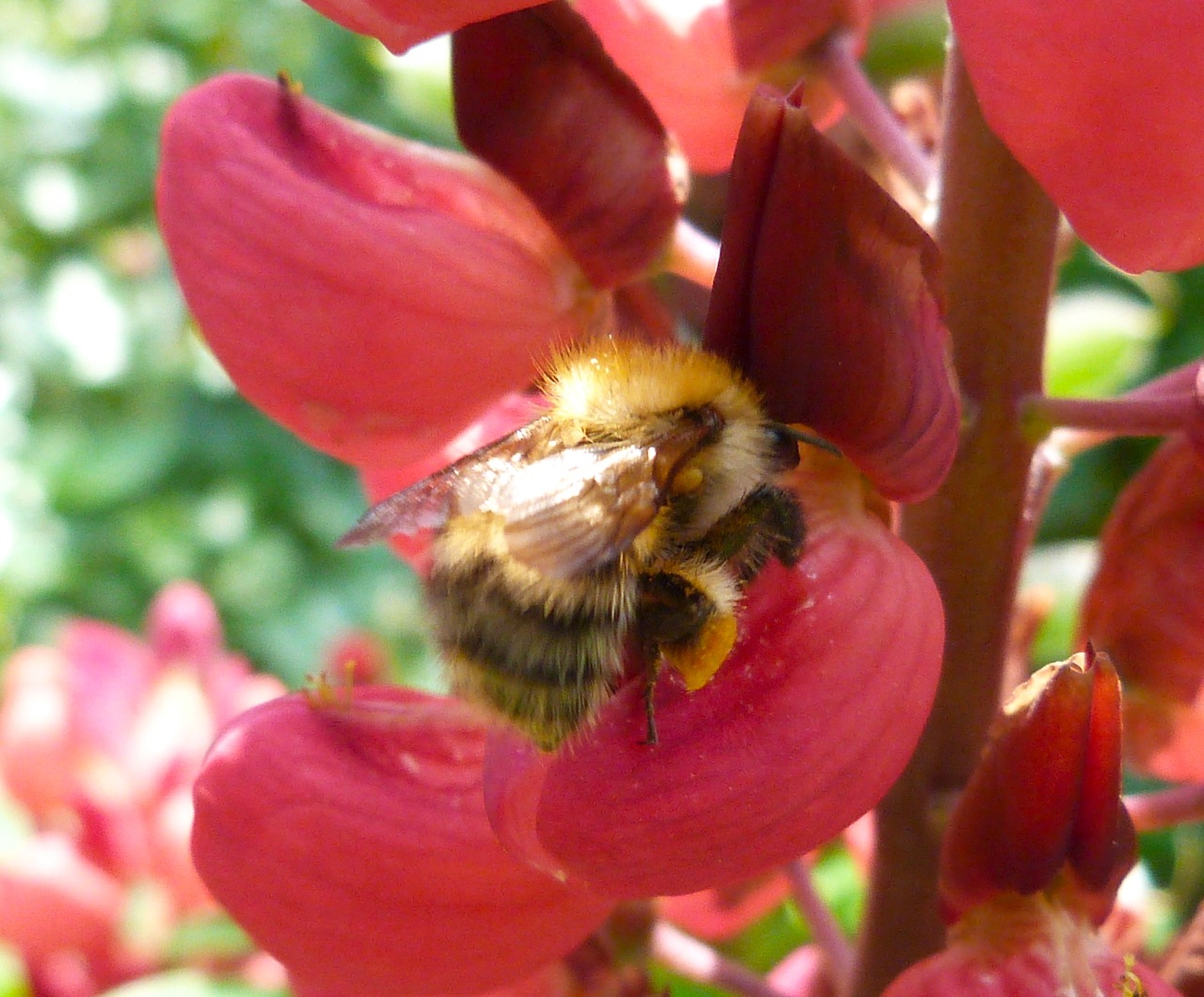
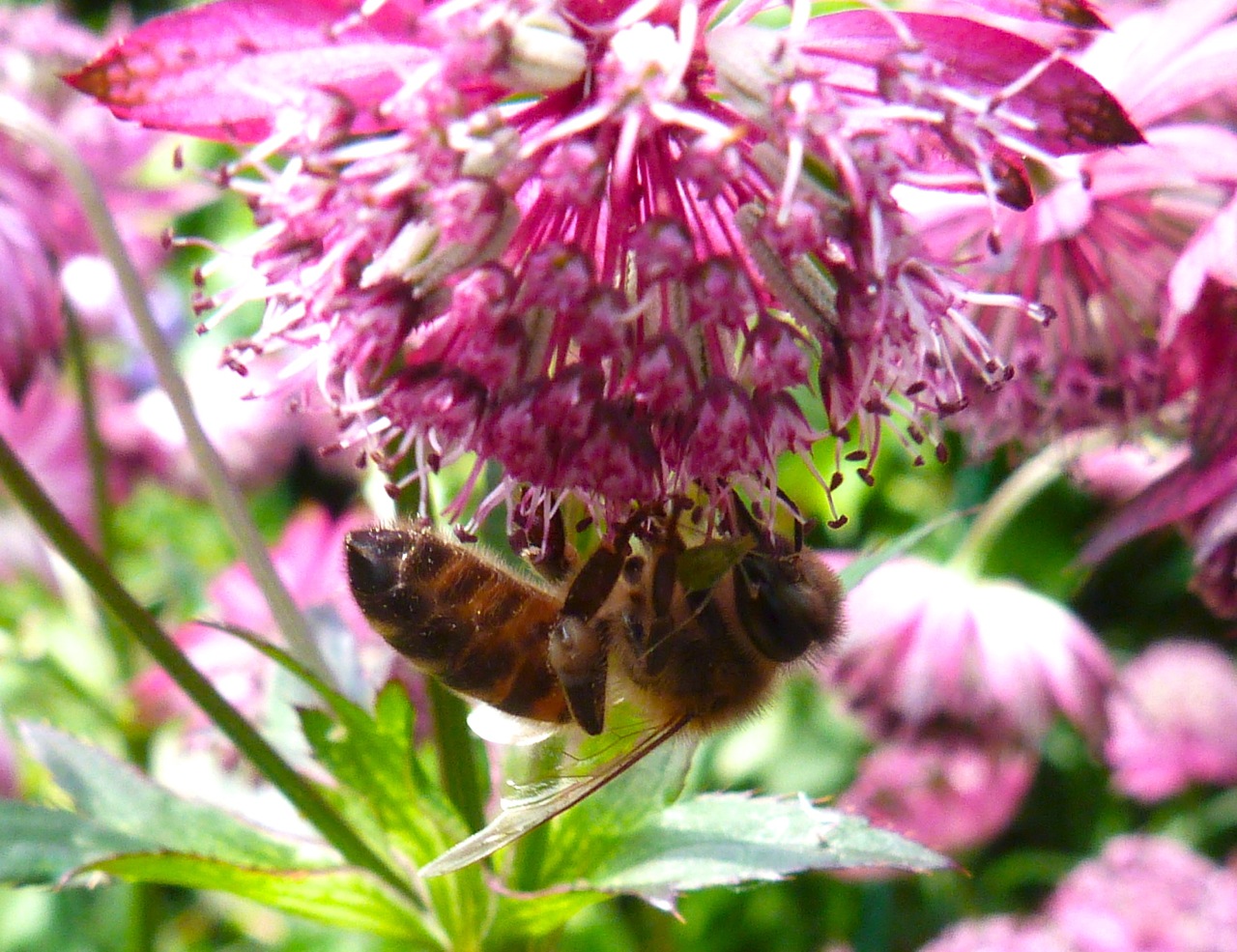
The bees are working overtime as a chill spreads over September and winter downtime looms for them. So busy are they that there is competition for individual flowers  – even though there are more than enough to go round. Bumbles were out in force yesterday, and there are still butterflies around, mainly tiny Small Coppers and Whites of different sizes.

We’ve done a quick assessment of plant popularity this spring and summer that produces this league table:

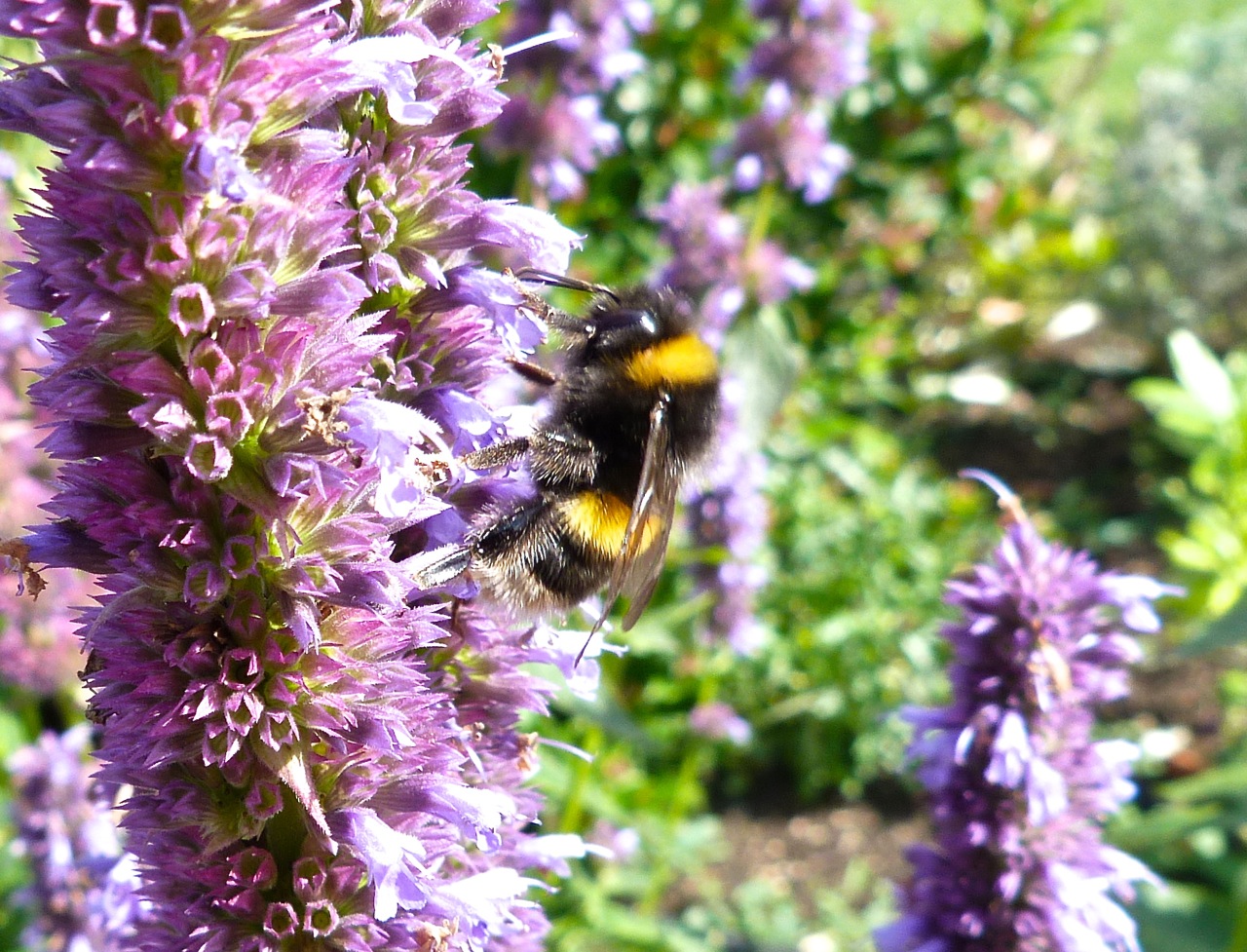
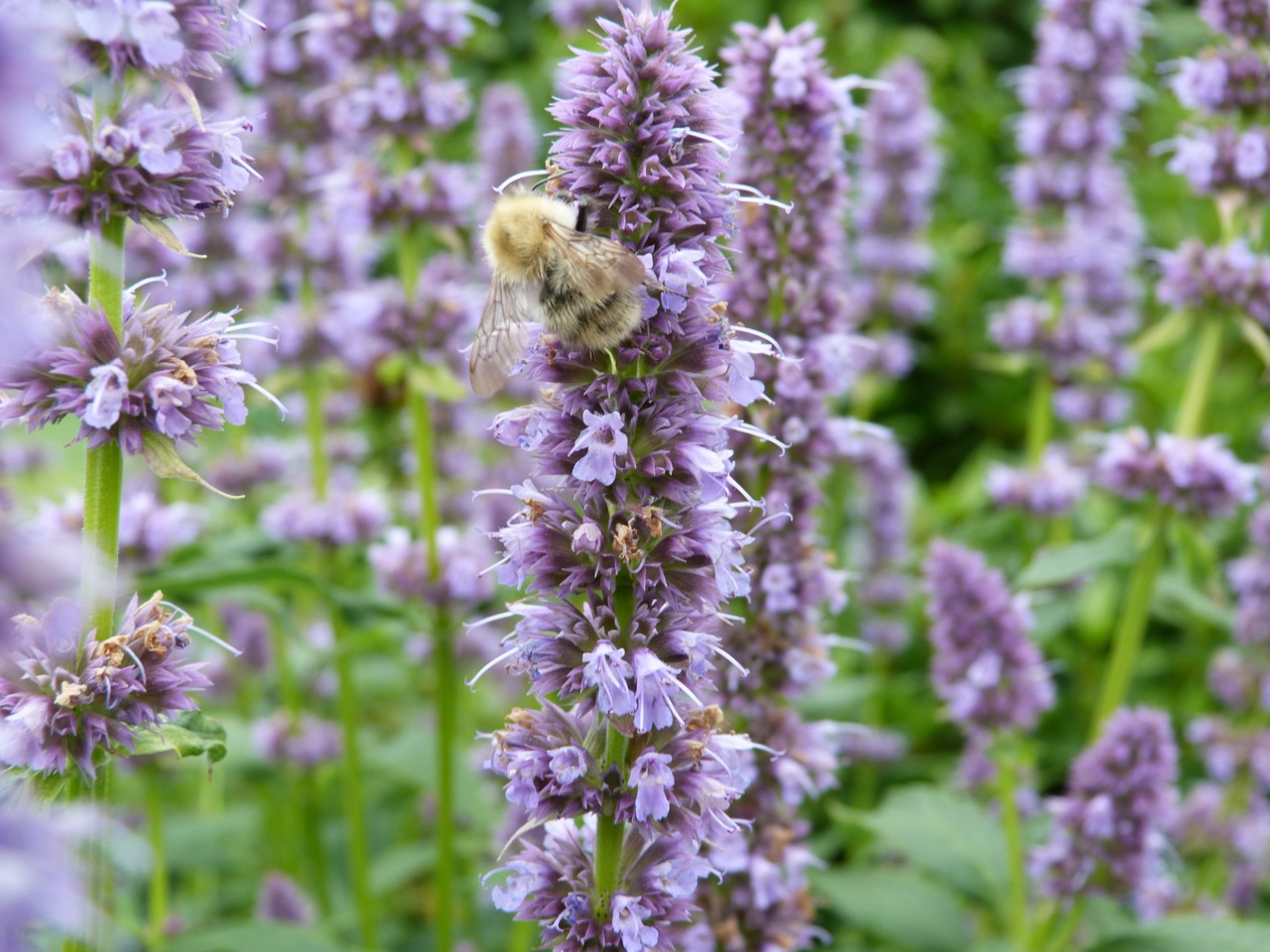
  1. Hyssop – the runaway winner for bees of many types, ditto butterflies and (new entry) moths. Planted for the first time in May, and has effortlessly thrived (throve? thriven?) to become Nectar Central.
  2. Lavender – perennial success with bees and butterflies. More planted this spring and very well visited.
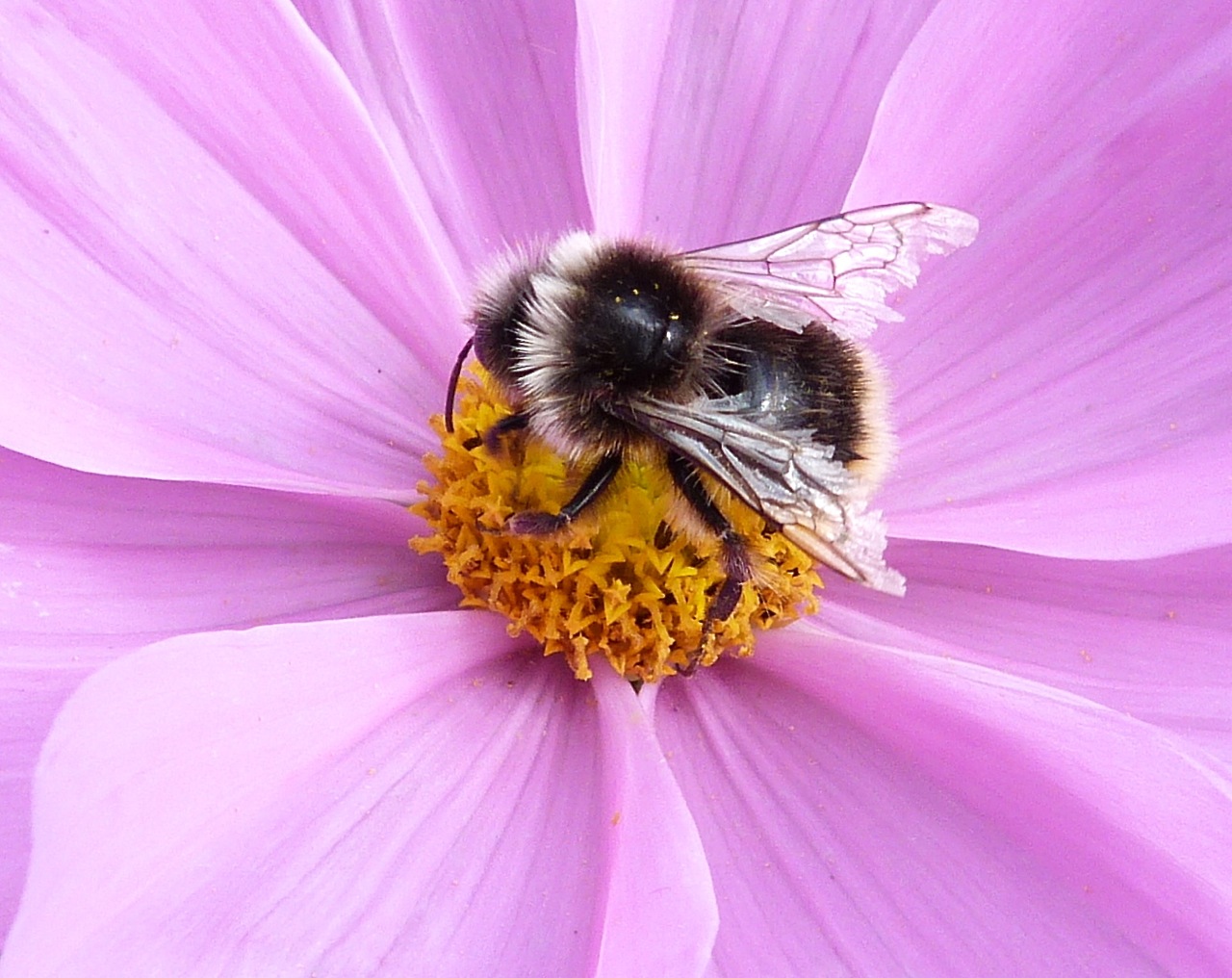
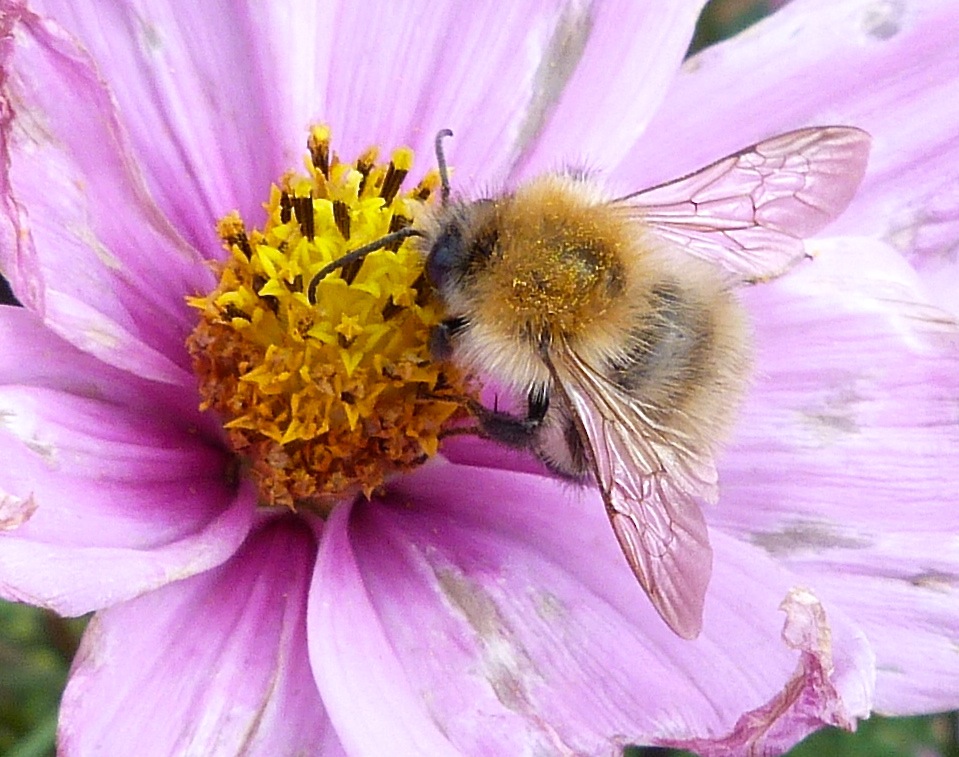
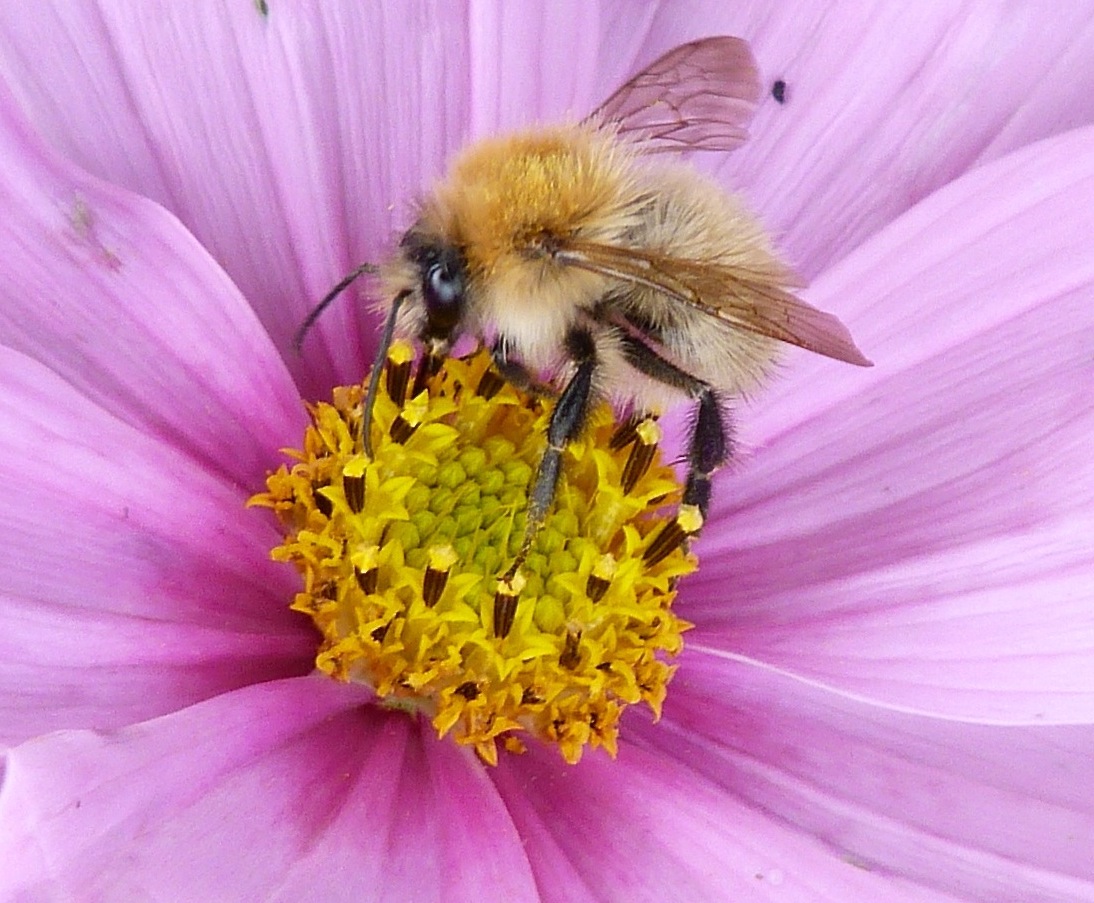
  3. Cosmos – new to the garden this year, a fast and easy grower, and hugely popular with bees, especially bumbles. Also visited by honey bees and butterflies, but only on their way the the hyssop.

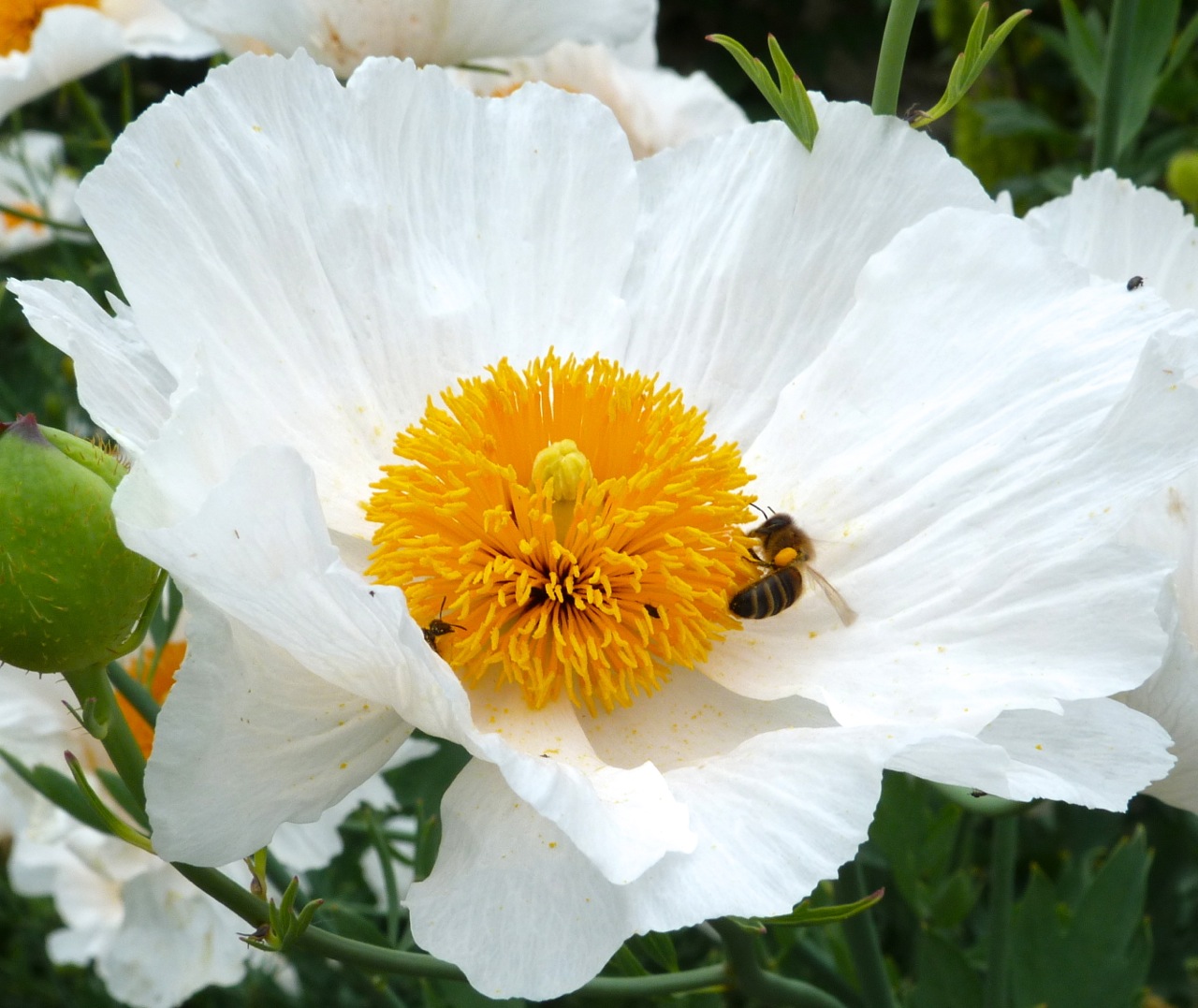
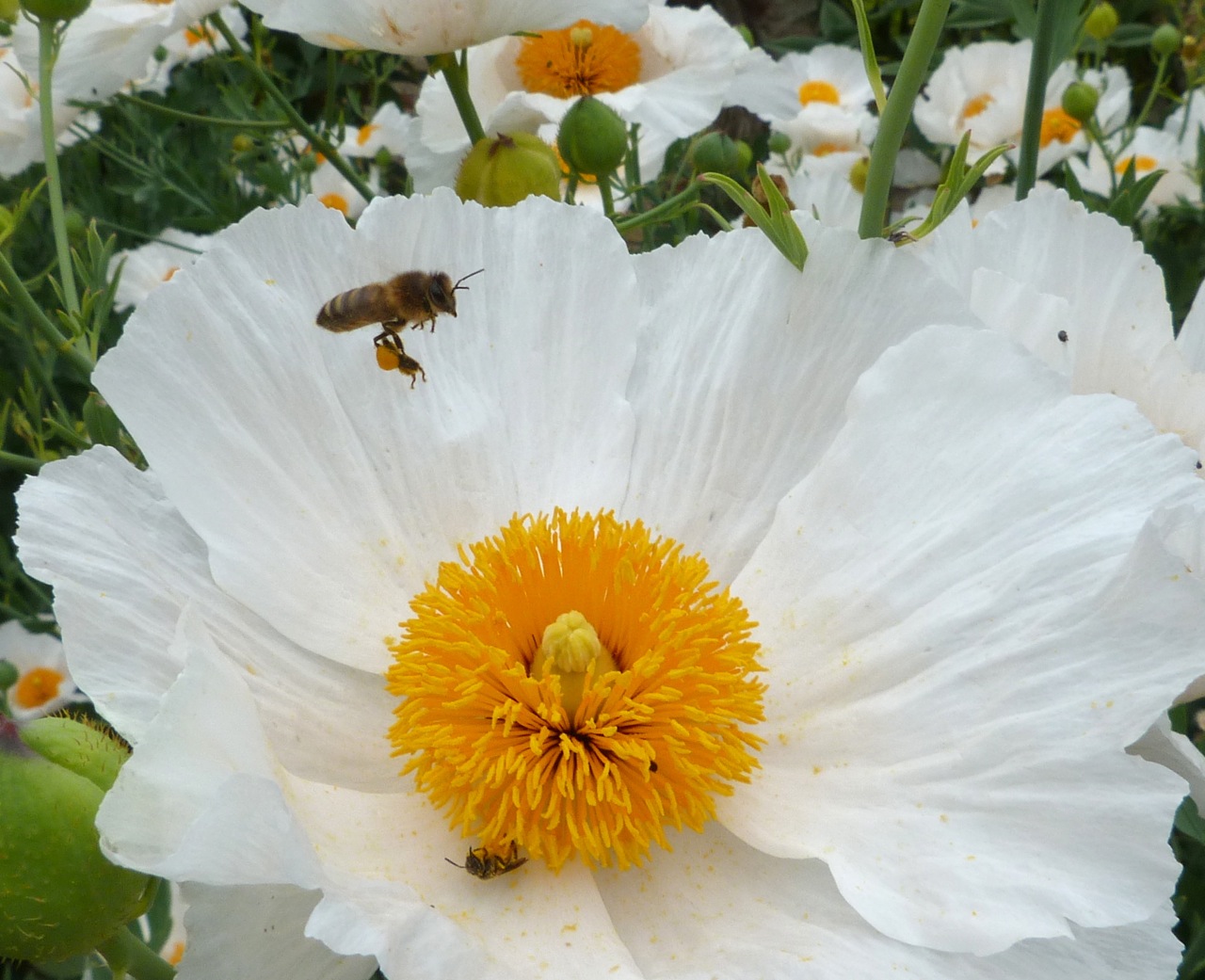
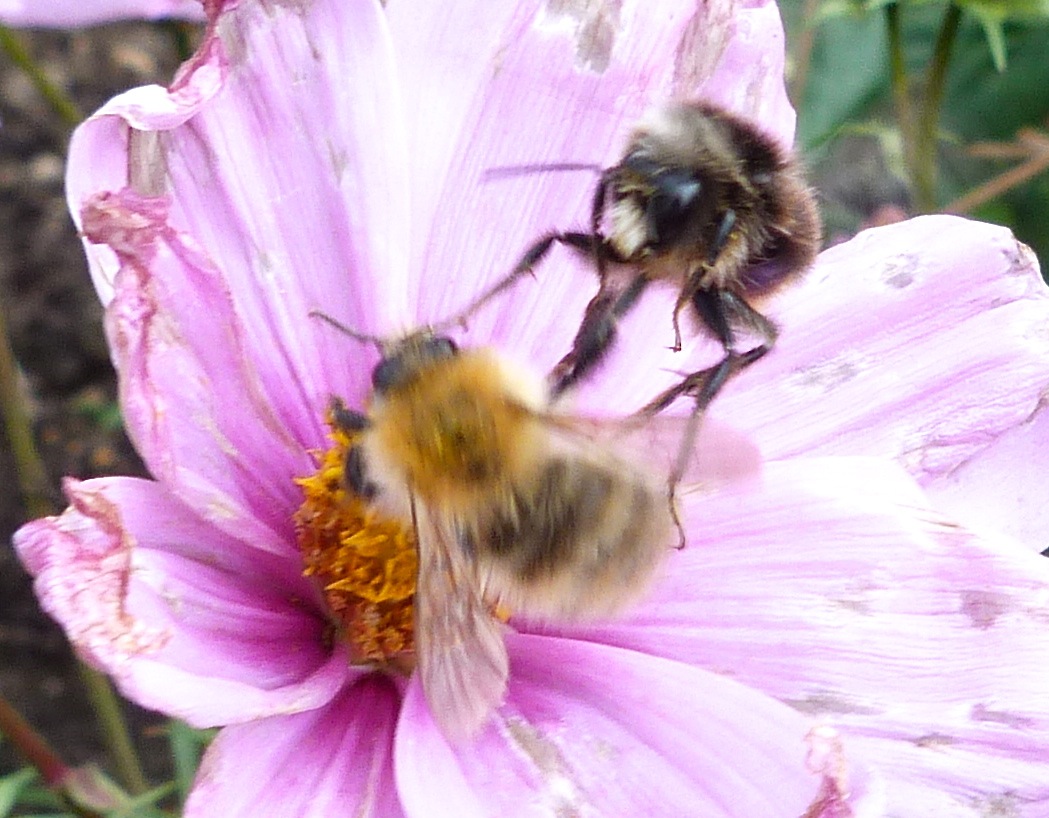
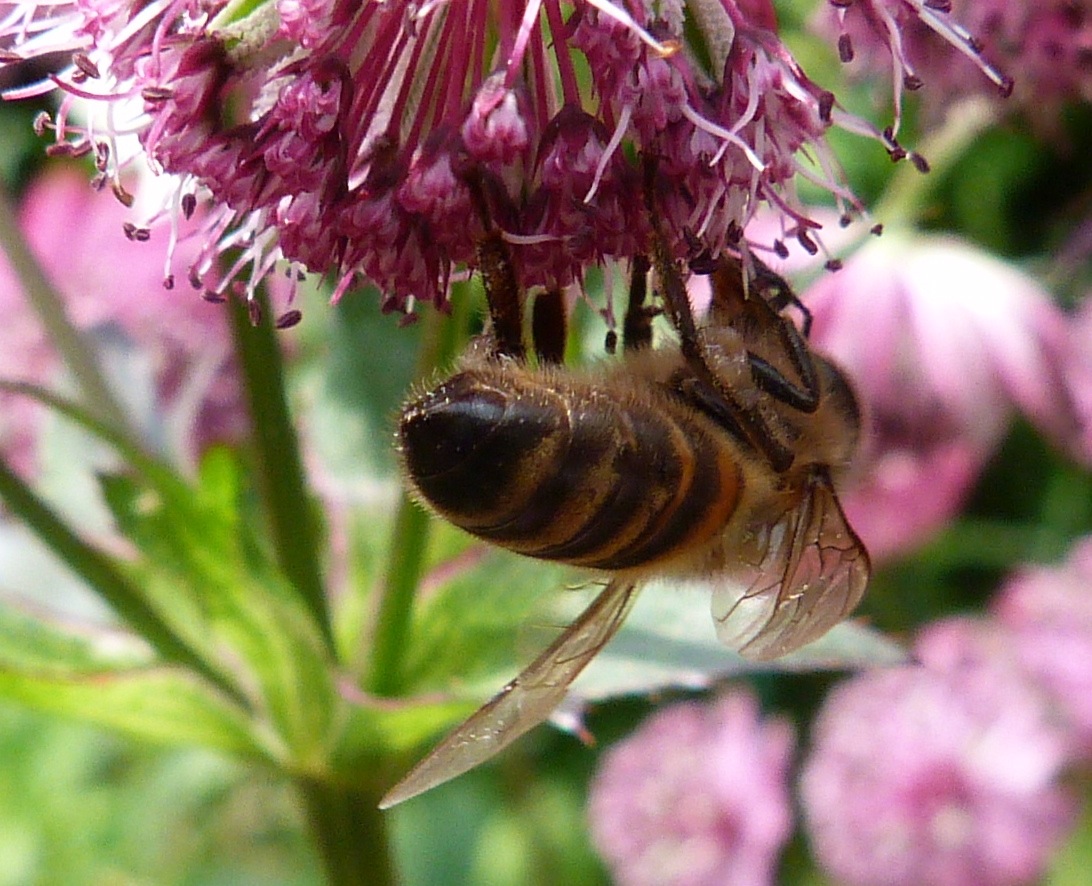
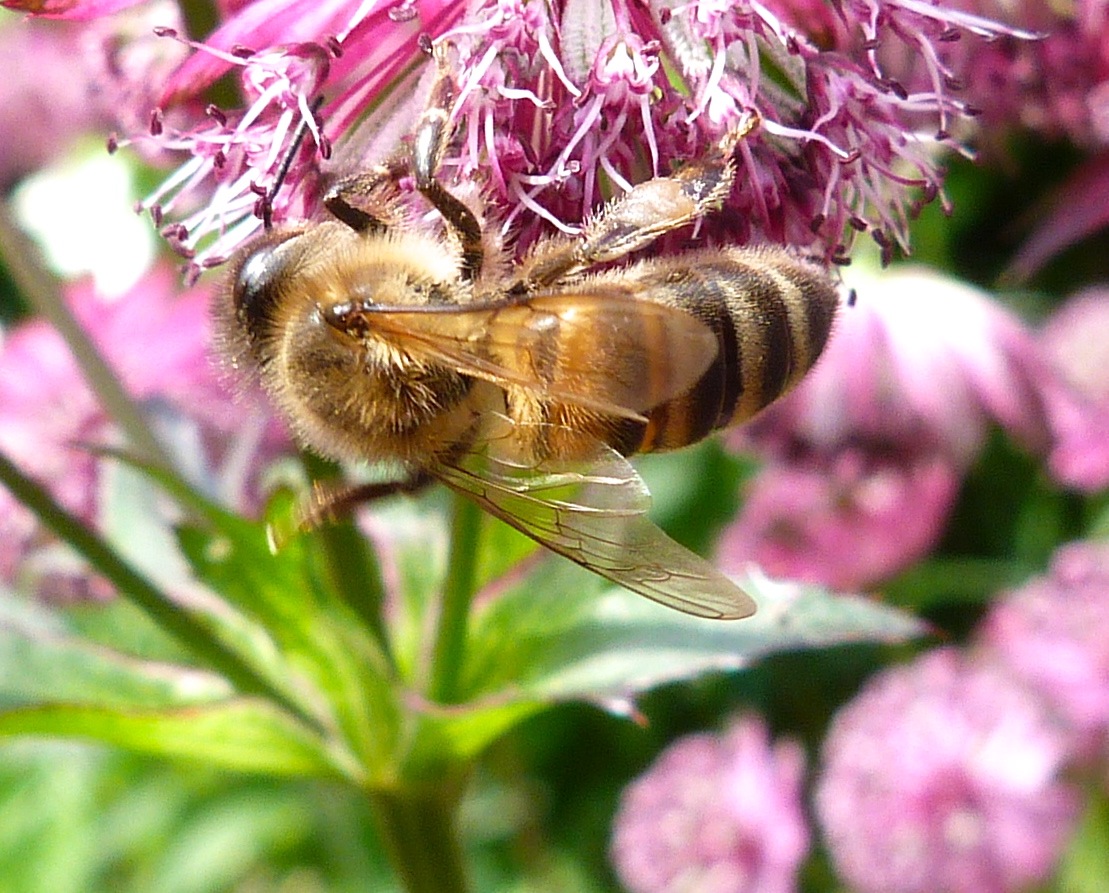
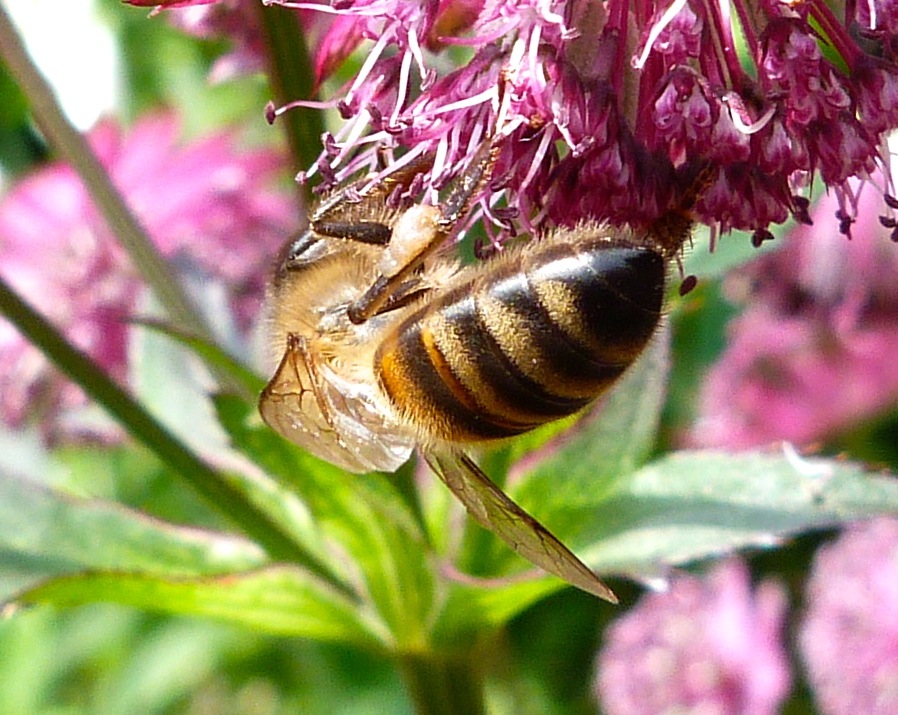
Bees in Dorset Summer's End 1 Bees in Dorset Summer's End 2 Bees in Dorset Summer's End 3 Bees in Dorset Summer's End 4 Bees in Dorset Summer's End 5 Bees in Dorset Summer's End 6 Bees in Dorset Summer's End 8 Bees in Dorset Summer's End 9Blurry, I know, but the intruder arrived from nowhere as I pressed the button… Why it didn’t land on one of several vacant flowers next to this one, I have no idea. Maybe fighting drunk on pollen?Bees in Dorset Summer's End 7

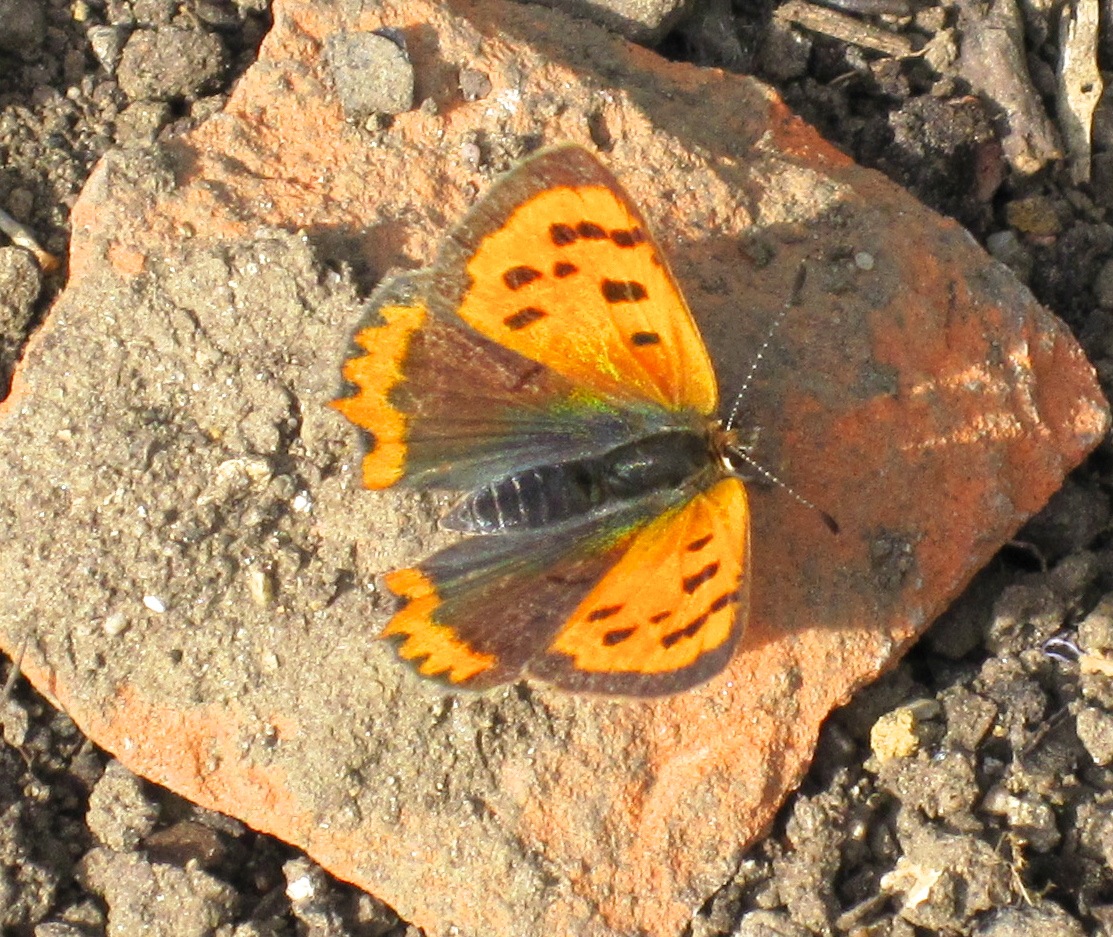
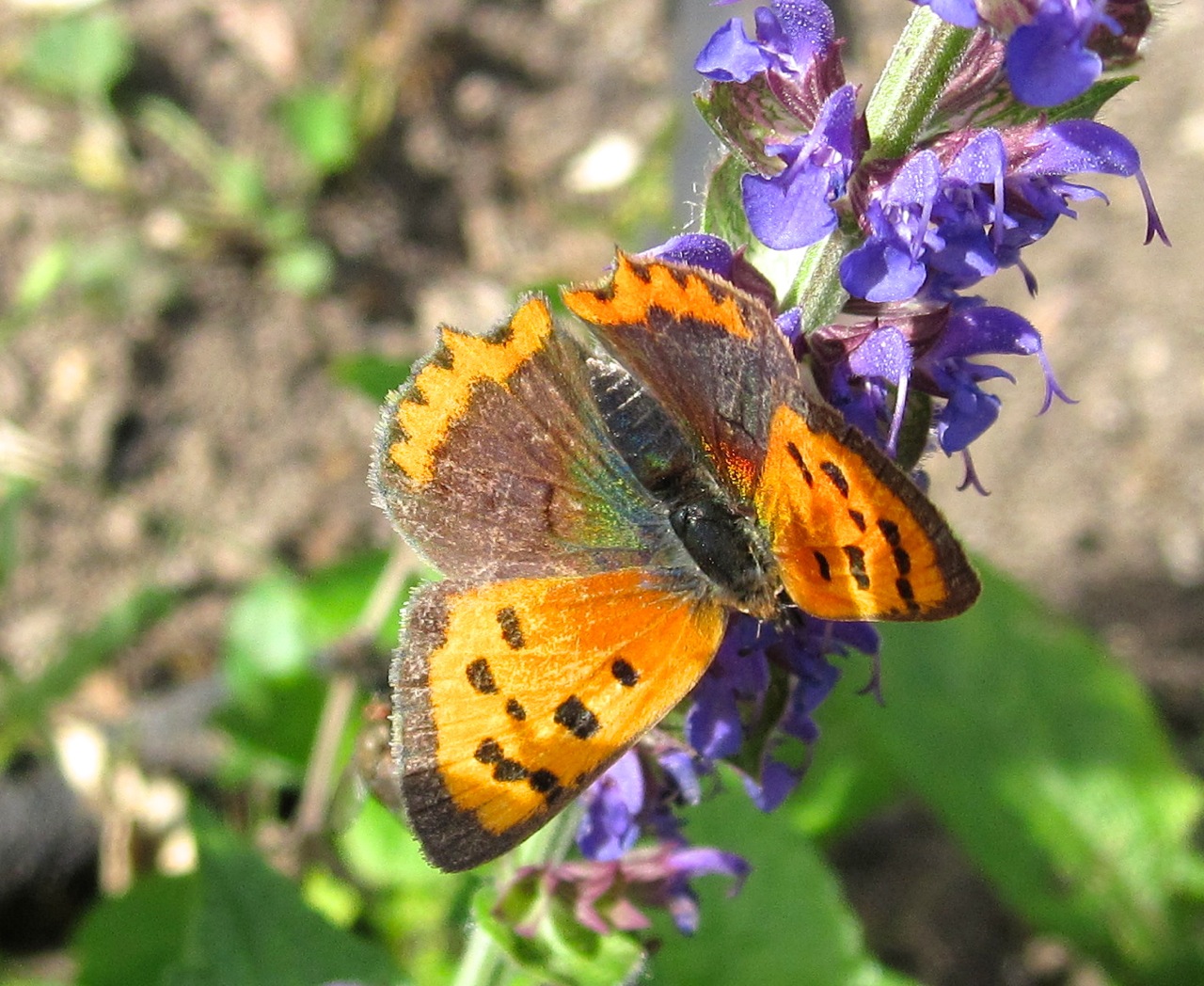
A SMALL COPPER IN DORSET


Putting aside thoughts of a ‘Two Ronnies’ sketch about policemen in Dorchester, the small copper referred to is a butterfly I photographed yesterday. I only had a tiny old Canon with me (hello, ‘Two Ronnies’ Church Dignitaries sketch), with its ‘battery dying’ light flashing and no charger to hand. So these pics are the best I could get in a hurry…

It’s been a remarkable late summer for butterflies and moths, with many species I have never seen / noticed before – including this little one. It’s possibly because we planted some hyssop in early May that has flourished. At any given time of day, there have been 3 or 4 butterfly species (mostly Red Admirals, Peacocks, Tortoiseshells and Whites); a couple of moth brands; 3 or 4 bumblebee types (mostly white-tailed and carders); and varied honeybees of indeterminate make. Apart from a white buddleia, we have never had a plant that has been so attractive to flying creatures. Even the flycatchers have enjoyed it.

HYSSOP, WITH VERY PRETTY SMALL BEE [ID welcomed via ‘Comments’]Hyssop with Bee, Dorset

SMALL COPPER BUTTERFLYSmall Copper Butterfly, Dorset 1 Small Copper Butterfly, Dorset 2 Small Copper Butterfly, Dorset 4 Small Copper Butterfly, Dorset 5 Small Copper Butterfly, Dorset 6 Small Copper Butterfly, Dorset 7

‘BUSY BEE’: COMMON CARDER BEE


Bumblebee Dorset - Close-upCommon Carder Bee Bombus pascuorum

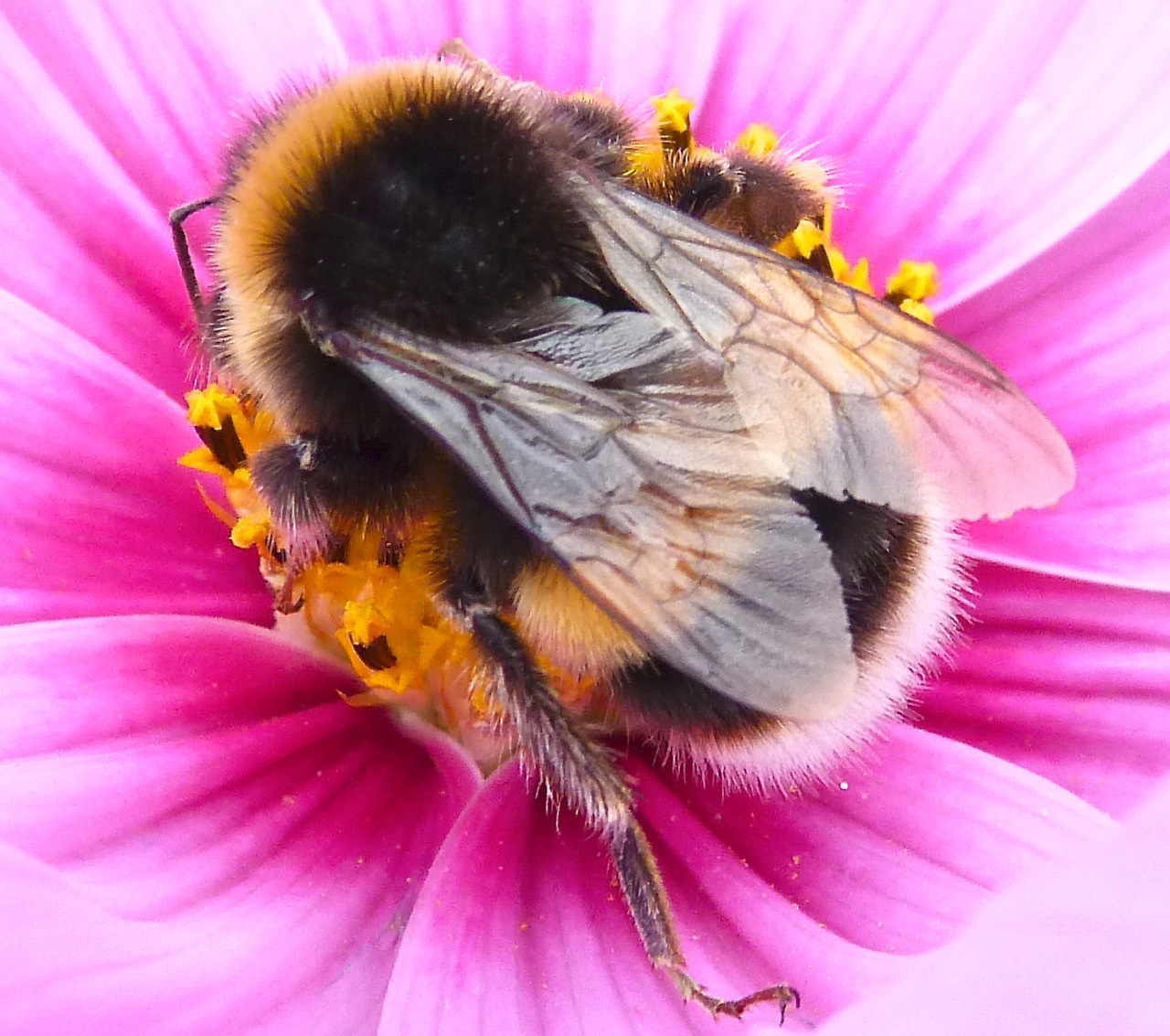
COSMOS: THE FLOWER (with white-tailed bumblebee)


NOW YOU SEE IT…                 Comos, Dorset…NOW YOU DON’T                Comos & Bumblebee, Dorset

JULY BUMBLEBEES IN DORSET


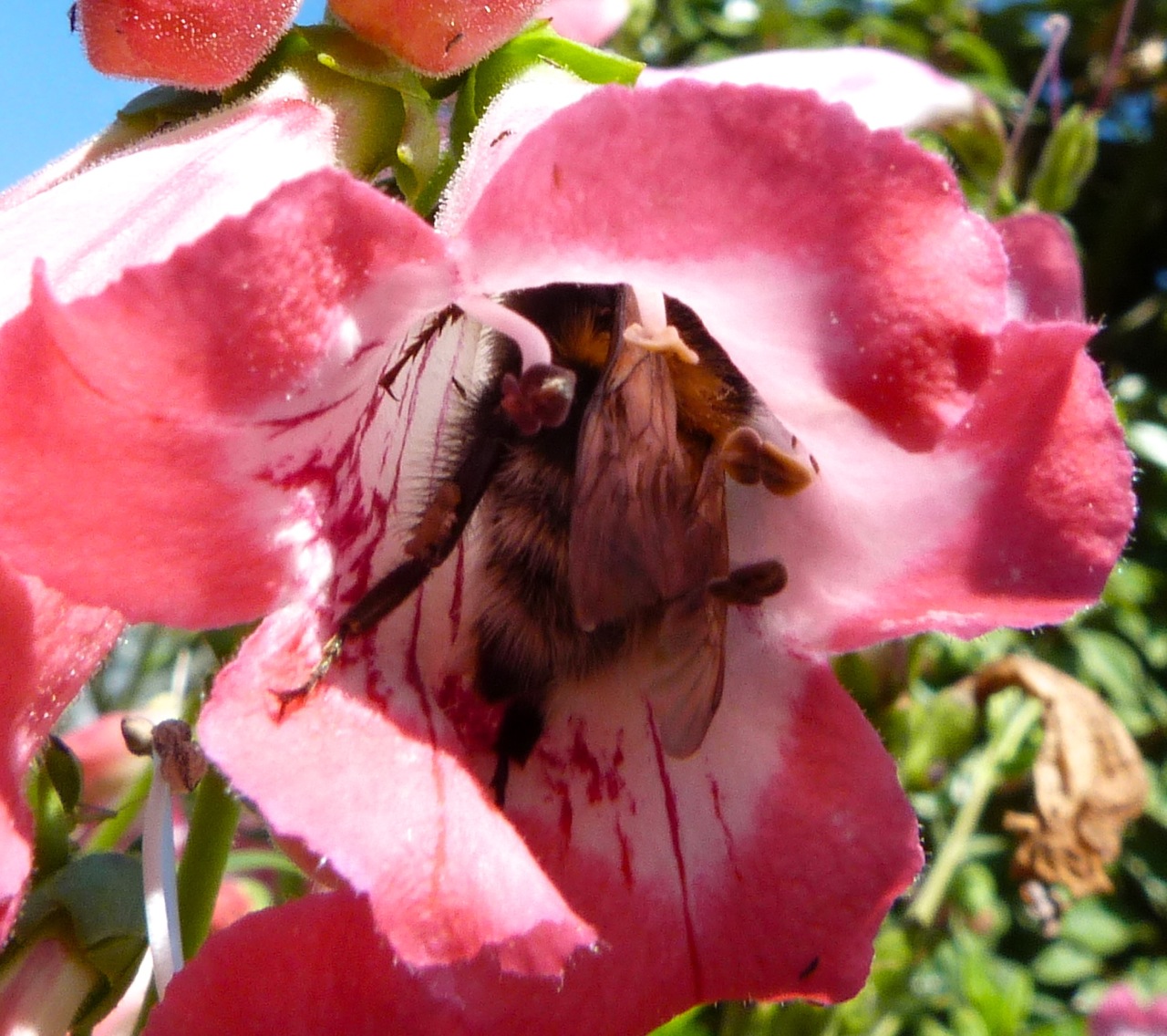
Bee in Penstemmon - Dorset Bumble bee on lavender  Dorset Bumble bee on lavender - Dorset

DORSET BEES, WILD HONEY & A RED SUNSET


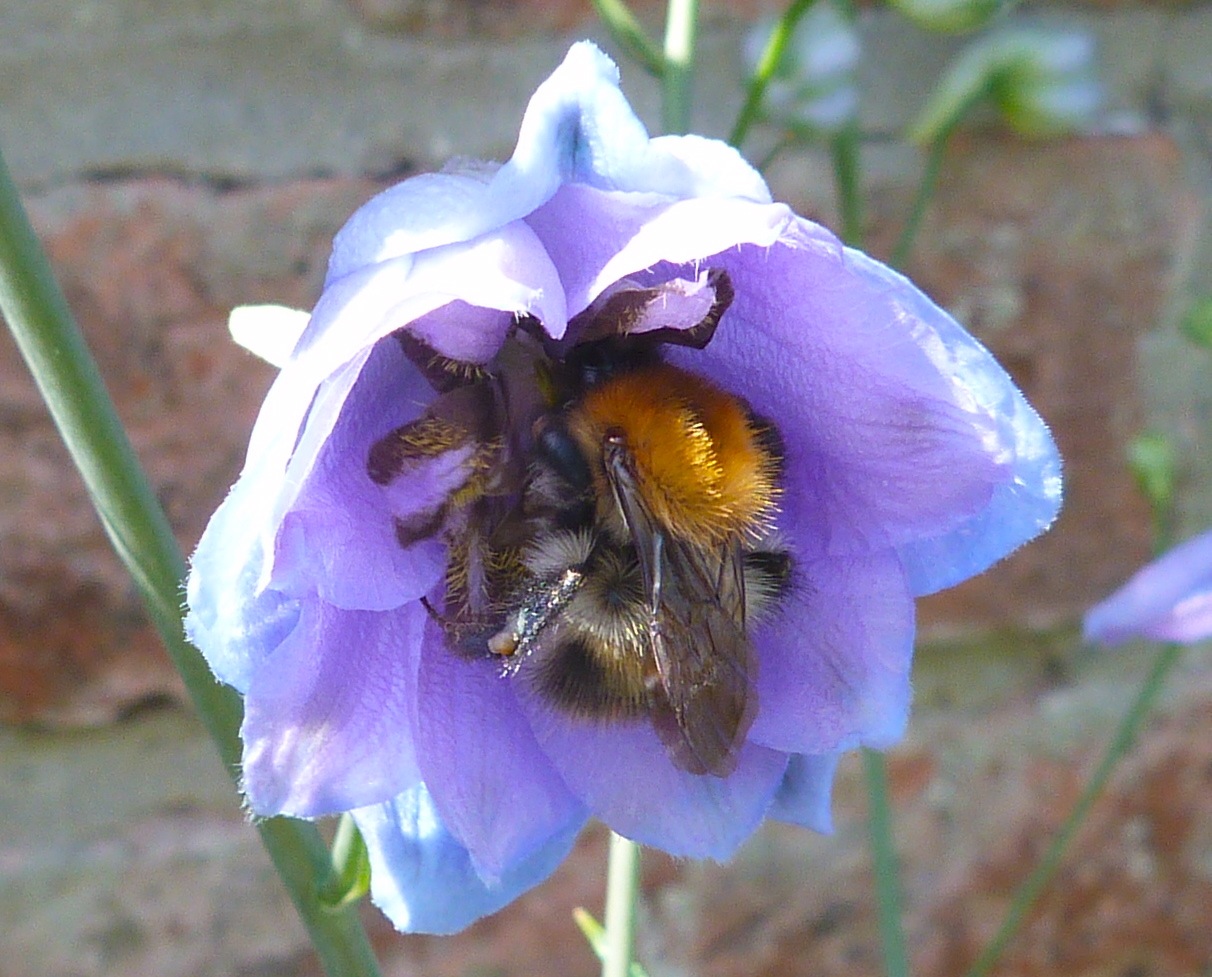
GETTING TO GRIPS WITH A CANTERBURY BELLDorest Bees July 13 1

IF THE CAP FITS…Dorest Bees July 13 2

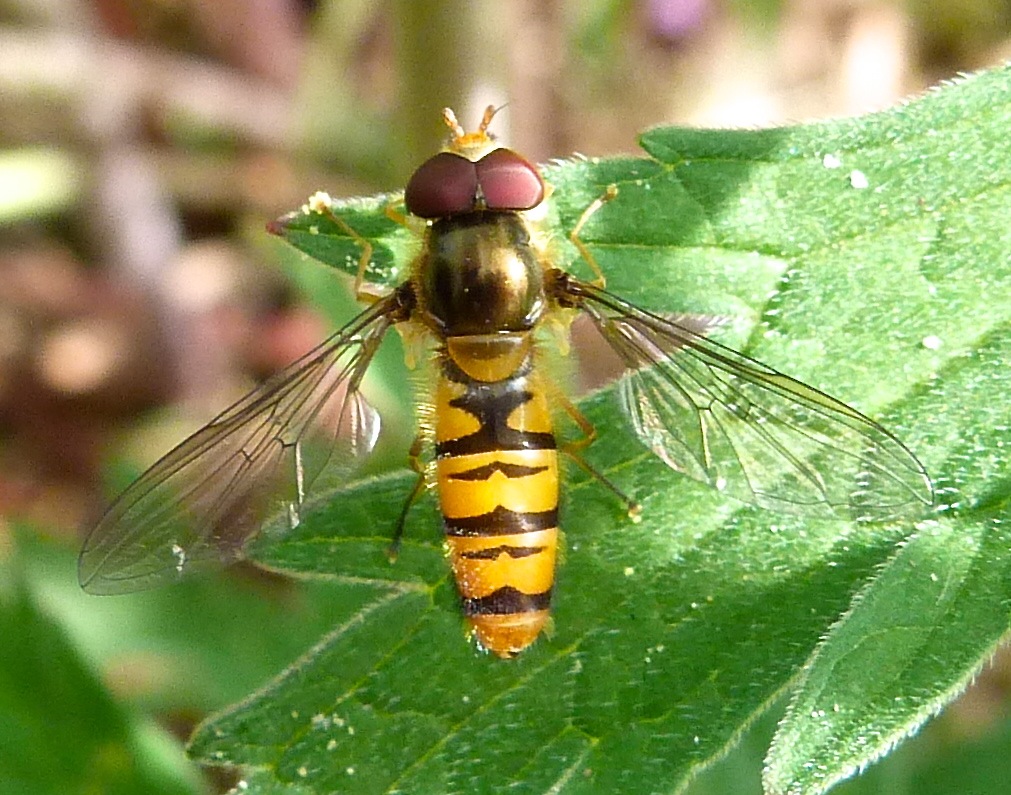
WHAT ARE THESE ‘HOVER-WASP’ GUYS CALLED?Dorest Bees July 13 3 Dorest Bees July 13I only noticed the gleaming gold thorax after downloading the photos

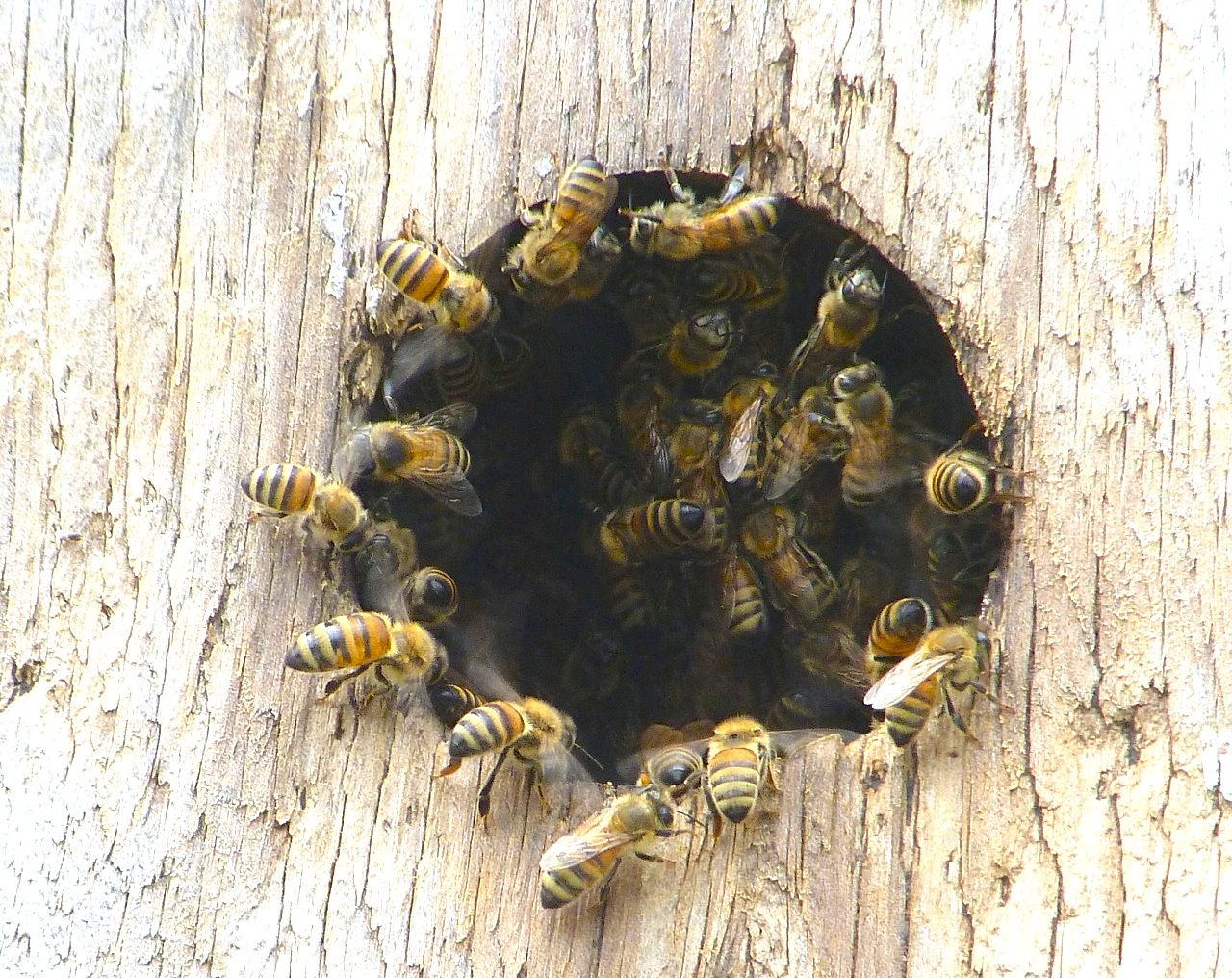
WILD BEES IN A WOODPECKER NEST BOX, ABACO, BAHAMASDelphi Wild Bees 2 Delphi Wild Bees 1

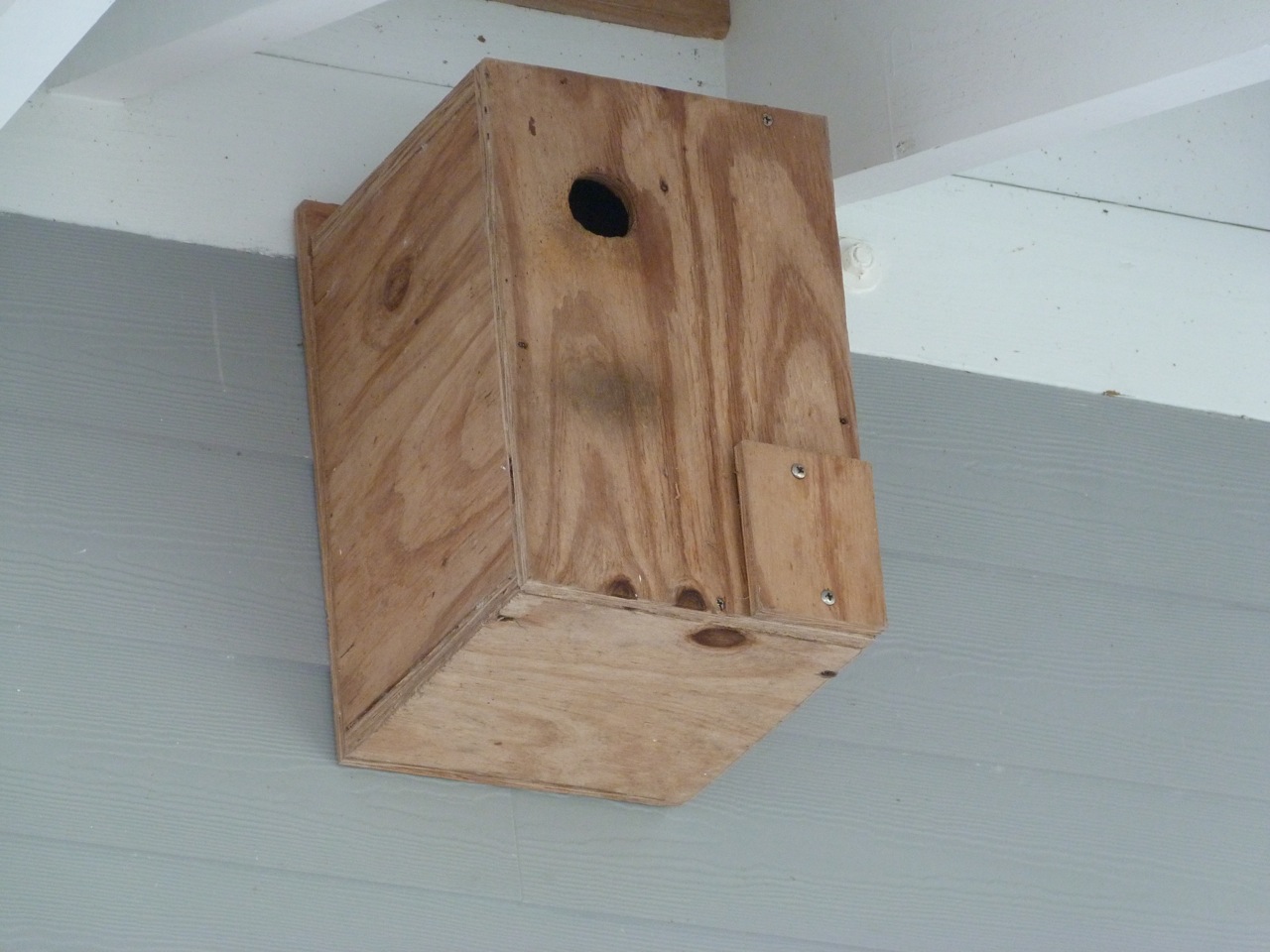
This year we had West Indian Woodpeckers using 2 nest boxes under the eaves.This successfully diverts them from drilling into the woodwork of the building. They raised two families this season, with 3 chicks fledging each time. Another nest box on a tree in the drive was not to their liking, and was quickly colonised by wild bees. The nearest small apiary – there are only two I know of on an island 120 miles long – is 15 miles away. These bees will never have known the luxury of a hive. I doubt they’d need or want it…

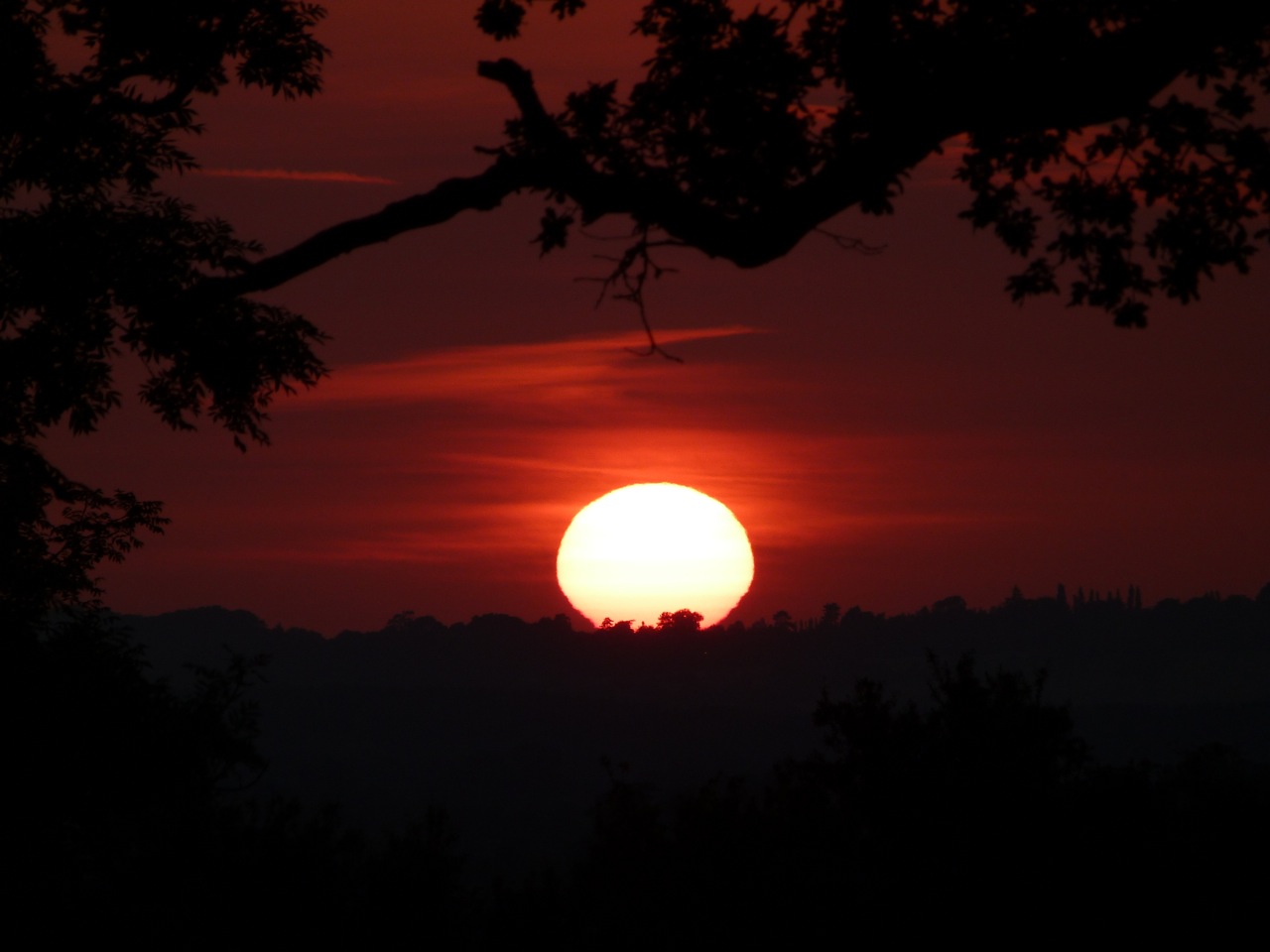
I photographed this sunset from our garden in Dorset a couple of evenings ago. In reality it was more dark pink than red, but by simply zooming directly at it the colour was altered dramatically. The second image is a simple crop of another photo taken seconds later, as the banding became clearer as the sun sunk below the horizon. It looks more like a planet. [NB No P/shop]
Dorset Sunset July 2 Dorset Sunset July 13

WHITE-TAILED BUMBLEBEES (Bombus lucorum), DORSET


White-tailed Bumblebee Dorset 1 White-tailed Bumblebee Dorset 2 White-tailed Bumblebee Dorset 3 White-tailed Bumblebee Dorset 4 White-tailed Bumblebee Dorset 5

DON’T WORRY. BEE HAPPY…


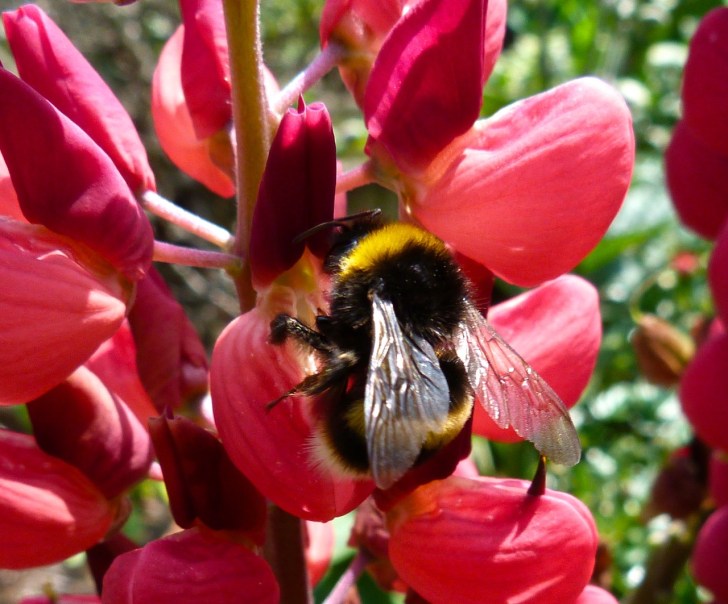
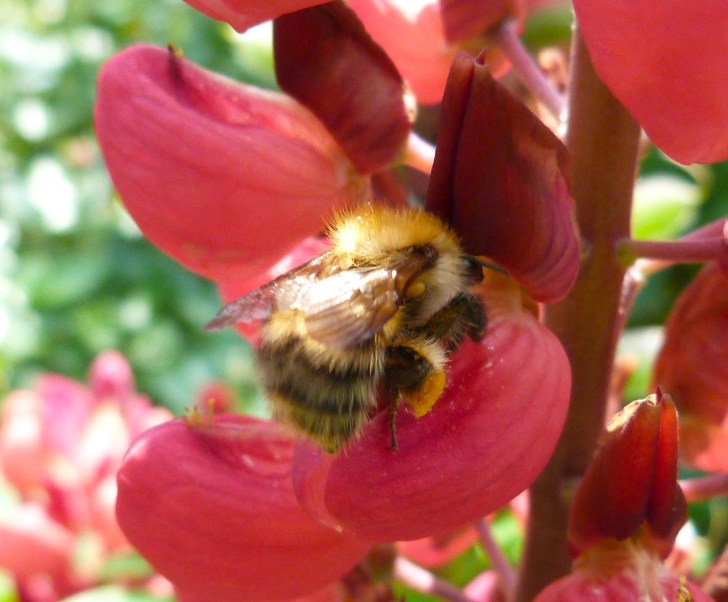
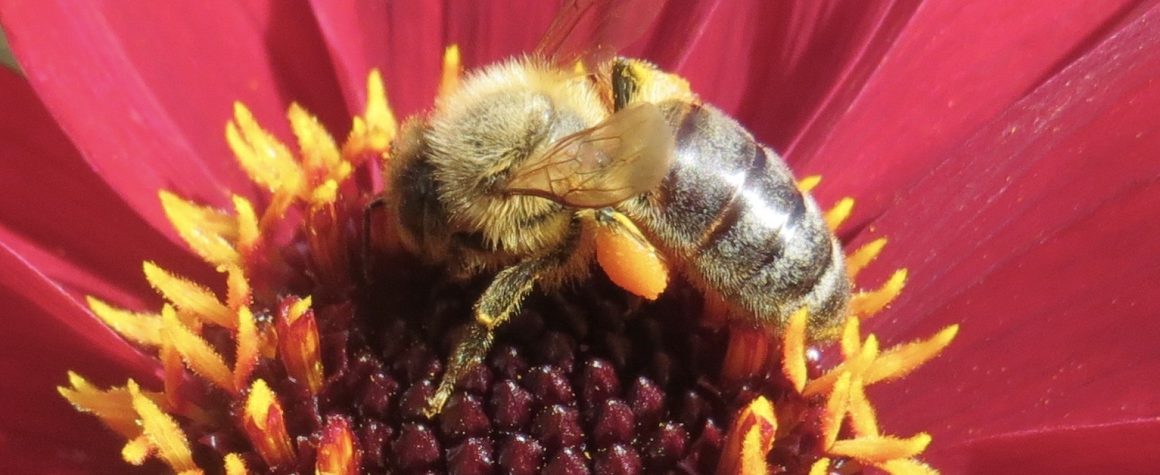
A strange yellow disc appeared intermittently in the sky today. It is warmer. Time to venture into the garden. First stop – the lupins. Bees in residence? Check. Looking closely, I notice that they part the individual pods with their legs to get at the contents. There’s certainly bags of what they are after, to judge by the leg pouches.Bees June 1 Bees June 2 Bees June 5 Bees June 6
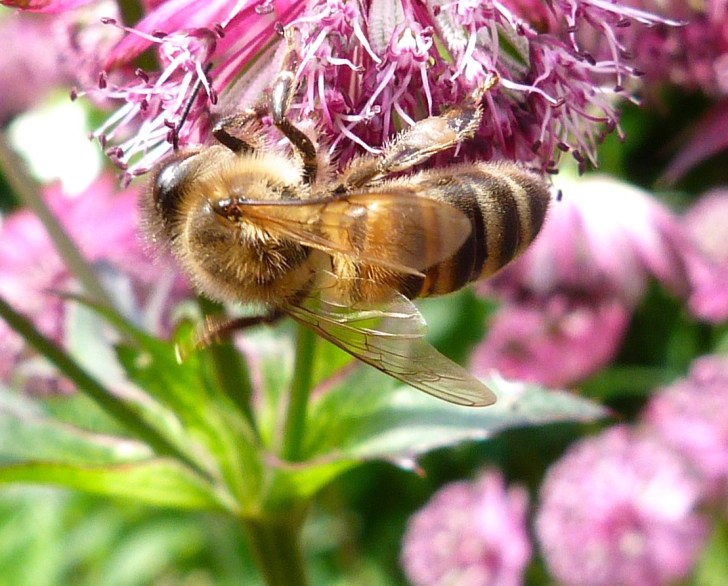
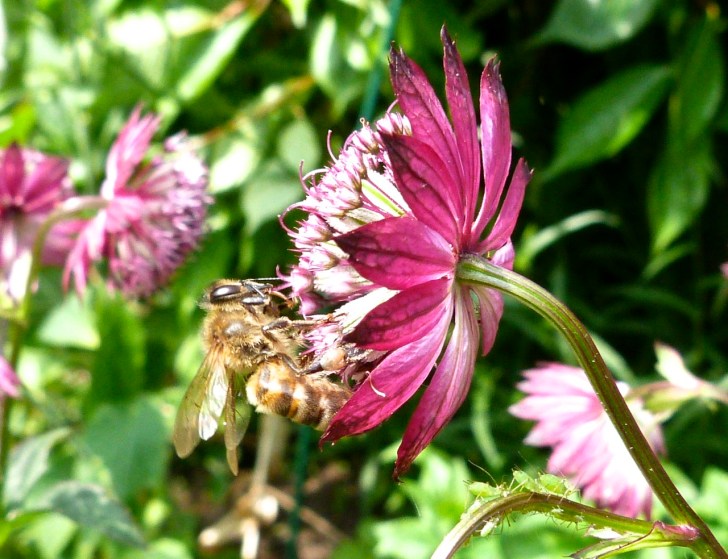
Next stop: the nice pink flowers that are called… well, if someone wants to remind me, please use the comment box. They came from a nice house in Kent and have flourished on my regime of benign neglect.Bees June 7 Bees June 9 Bees June 10 Bees June 11 Bees June 12
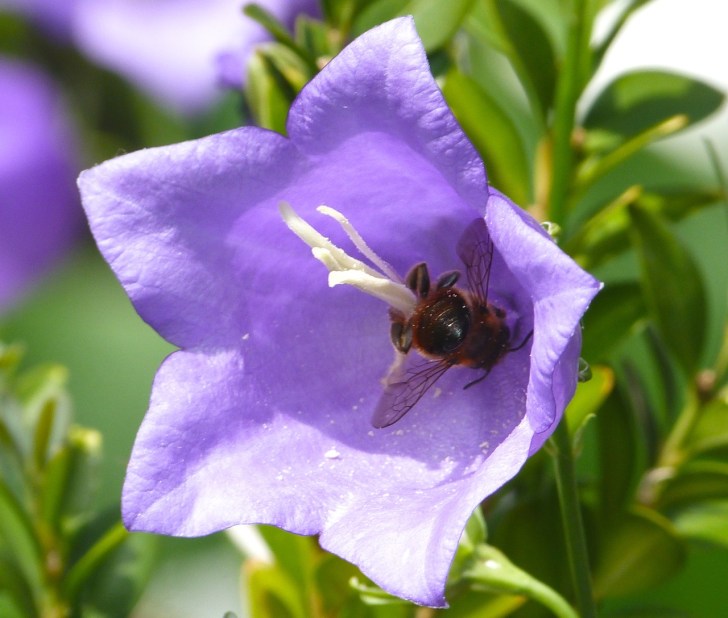
Now that blue thing – Canterbury Bell, is it? Bee inside? Tick.Bees June 8
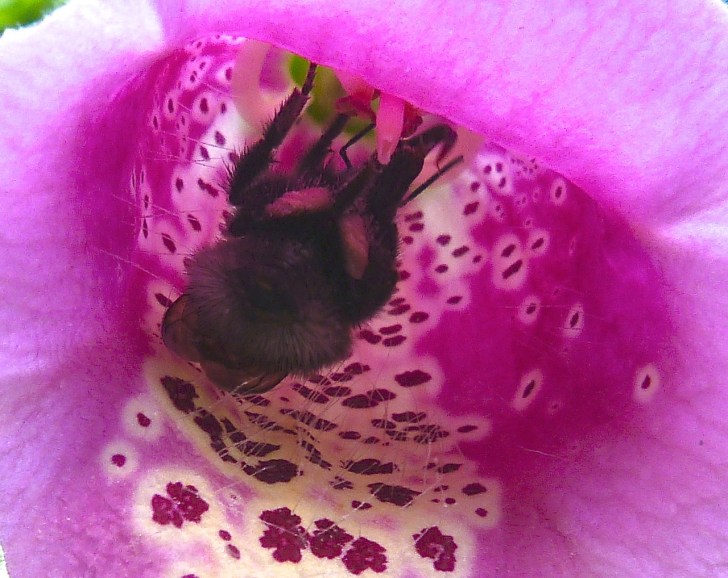
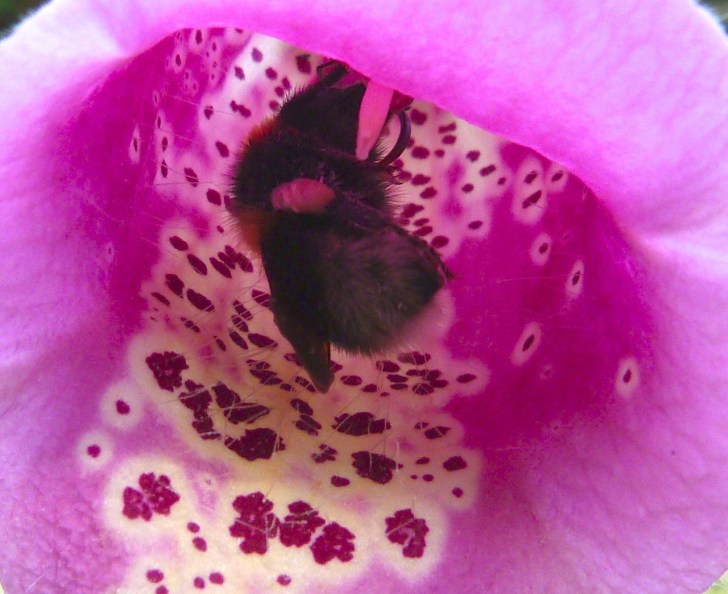
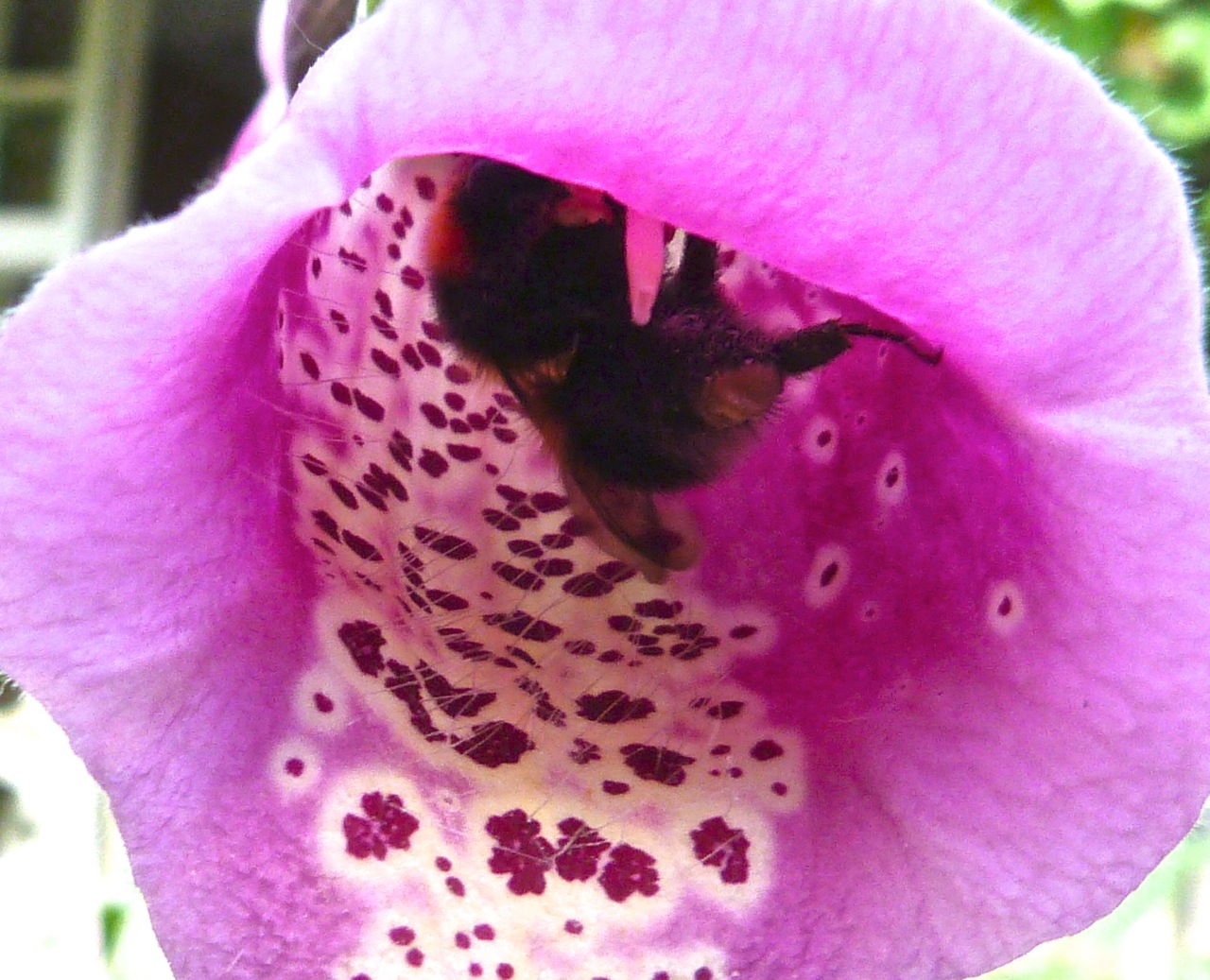
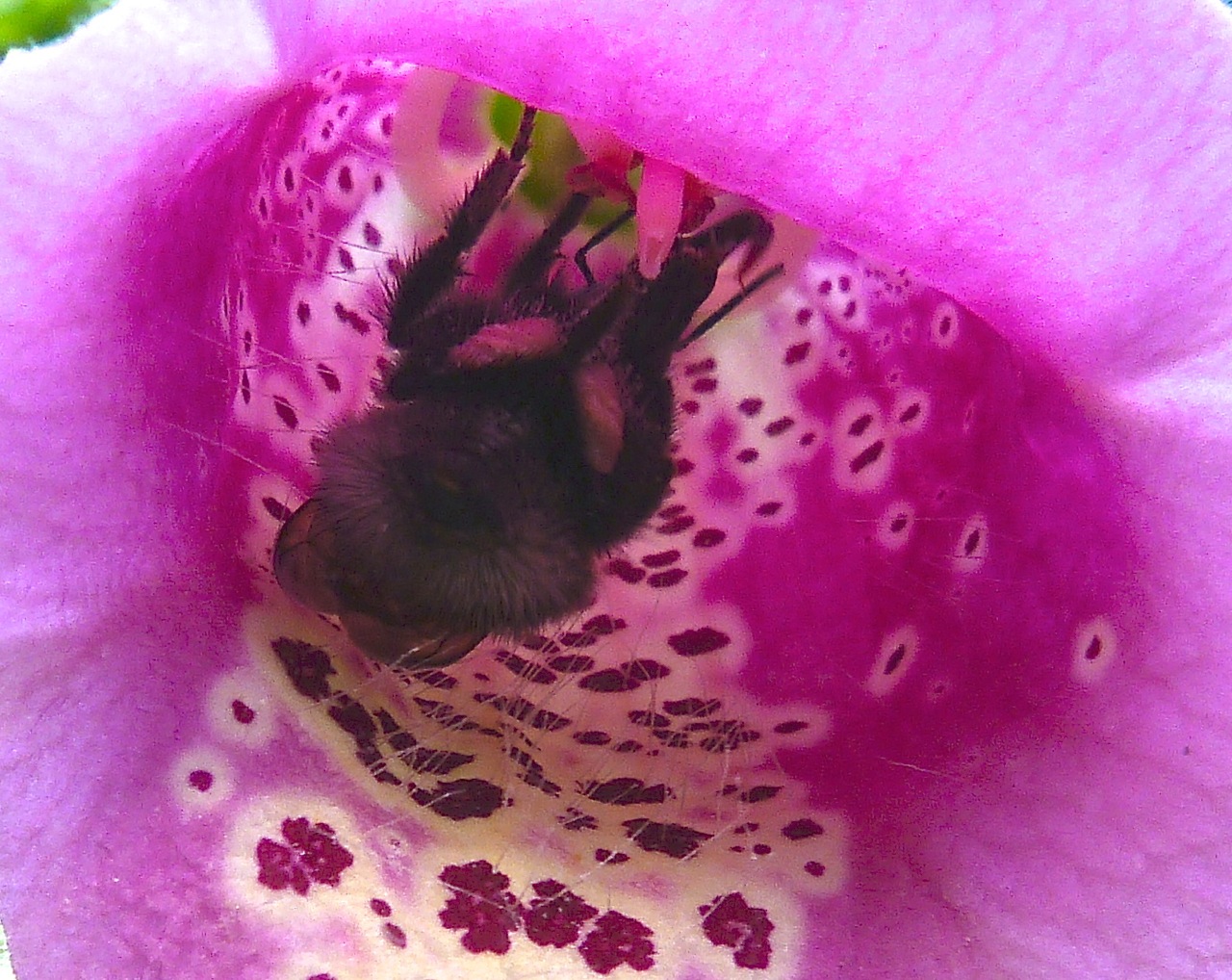
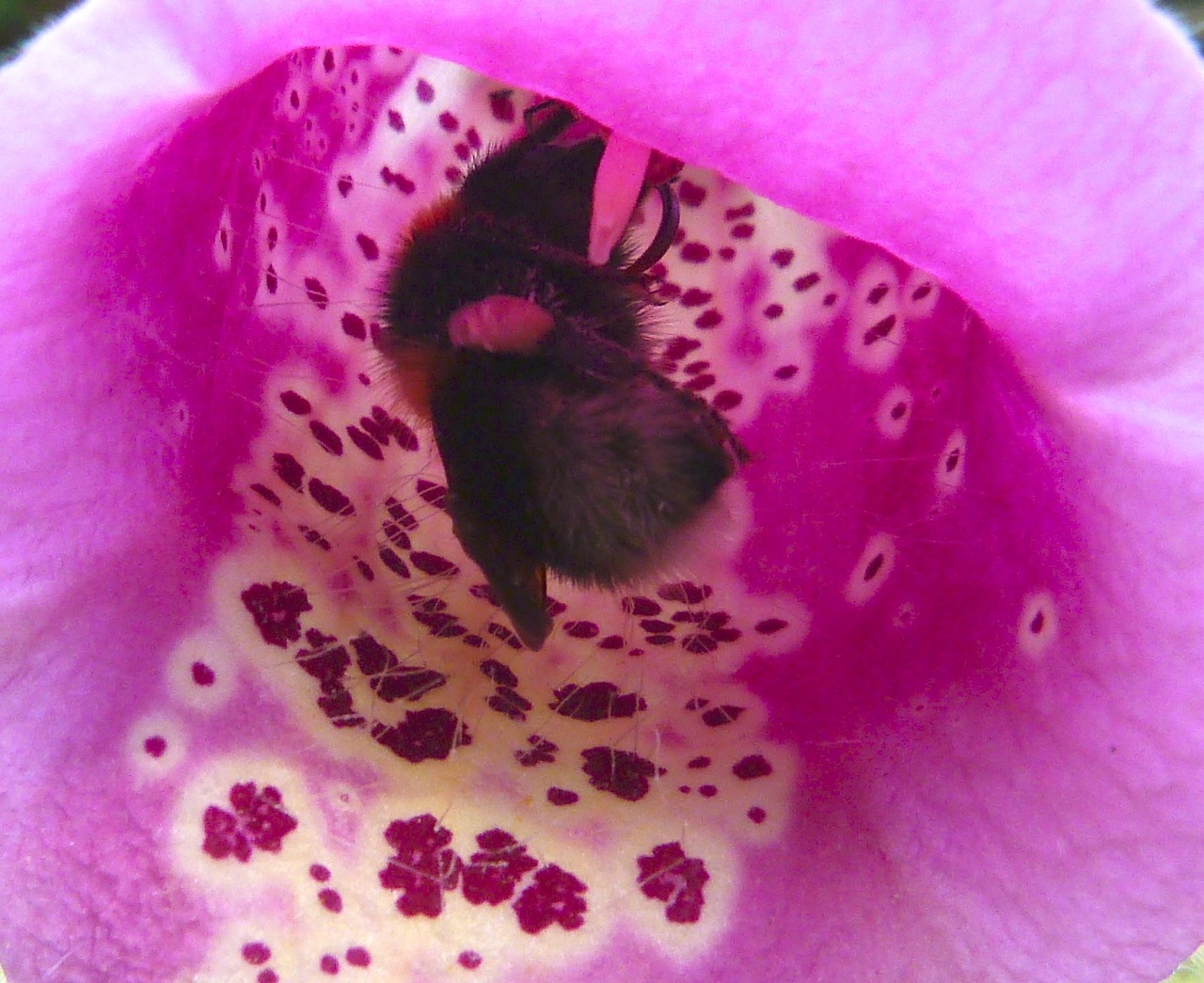
The foxgloves seem popular with the bumbles today. Only the purple ones, not the white ones. Such pretty patterns close-up, and such long hairs inside. The technical term for these is… forgettable.Bees June 13 Bees June 14 Bees June 15 Bees June 16 Bees June 18

GOOD GRIEF! When I pressed the ‘publish’ button, this turned out to be my 100th post on this ramshackle, poorly curated website. Thanks to the select, small (but slightly increasing) numbers who turn up to have a look from time to time. This isn’t my main project, but it’s a place to put a few nice pics from time to time. Merci, all. RH
WOODPECKER NEST BOXES: CORRECT & INCORRECT USES


I have left behind in the inner ‘burbs of London one family of woodpeckers, with fledglings almost ready to fly. I’ve immediately exchanged them for a family of West Indian Woodpeckers, at exactly the same stage, in the middle of nowhere. Here are a few comparative images. For some reason my ability to upload sound files of the raucous nestlings being fed is thwarted by a glitch, so I’ll add one in due course. 

TAKE ONE PAIR OF WEST INDIAN WOODPECKERSWIW nesting box 1WIW Nesting Box 4

GIVE THEM A COUPLE OF NEST BOXES TO PREVENT THEM DESTROYING THE ROOFWIW Nesting Box 2

SOONER OR LATER, THEY WILL PRODUCE A FAMILY – OR EVEN TWO IN A SEASONWIW Nesting Box 3

HOWEVER, AN UNUSED NESTBOX IS ATTRACTIVE TO WILD HONEY BEES TOO…WIW Nesting Box 6

SPRING IN DORSET: BETTER LATE THEN NEVER…


Spring arrived in mid-Dorset last week. On Tuesday evening, swallows appeared for for the first time. On Wednesday, they were joined by housemartins. That evening, the unmistakable sound of an attempted break-in at the back of the house turned out to be a male partridge landing on, and strutting round, a corrugated roof. His mate then set off a security light, to her great surprise. Last year they raised 13 chicks. On Saturday morning, I was fishing for wild and wily brown trout, when a sandpiper flew up from the water’s edge. Plenty of people have been posting lovely Spring pictures. I certainly can’t beat them, but I’ll join them with a few photos from the last few days.

Buds are burstingDorset Spring 2Dorset Spring 1The partridges are back, and other birds are out in forceDorset Spring 15Dorset Spring 19  Dorset Spring 3

The spring flowers are at their best Dorset Spring 7Dorset Spring 4Dorset Spring 10Dorset Spring 13Dorset Spring 16

Baby blackbirds are already fledgingDorset Spring 17

The rooks are pairing up, and nesting in the oaksDorset Spring 12Dorset Spring 8

The alpacas are enjoying fresh grass and the warmth of the sun (attractive they may be, and useful mowers, but they were looking the wrong way when brains were being handed out to the animal kingdom)Dorset Spring 6Dorset Spring 9

Other seasonal woolly creatures are out and about in the nearby fieldsSpring 2013 1Spring 2013 2

The river is full and running clear   Dorset Spring 5

A sure sign of spring – the first hotair balloon passes overheadSpring Balloon

A blazing sunset to end the day…    Dorset Spring 23

…and an early spring moon bright in the sky the following afternoonDorset Spring 24