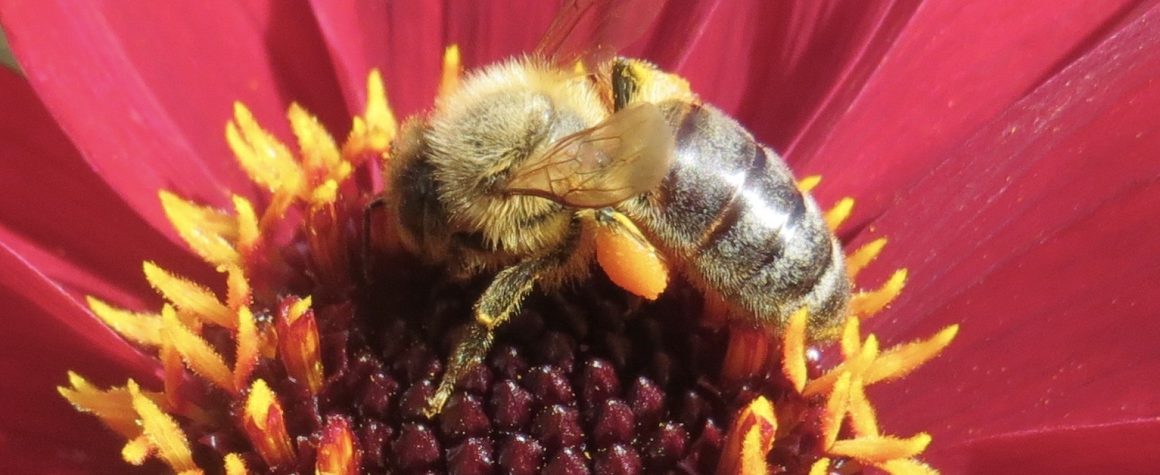


BEES GOING ABOUT THEIR BUSINESS (1)
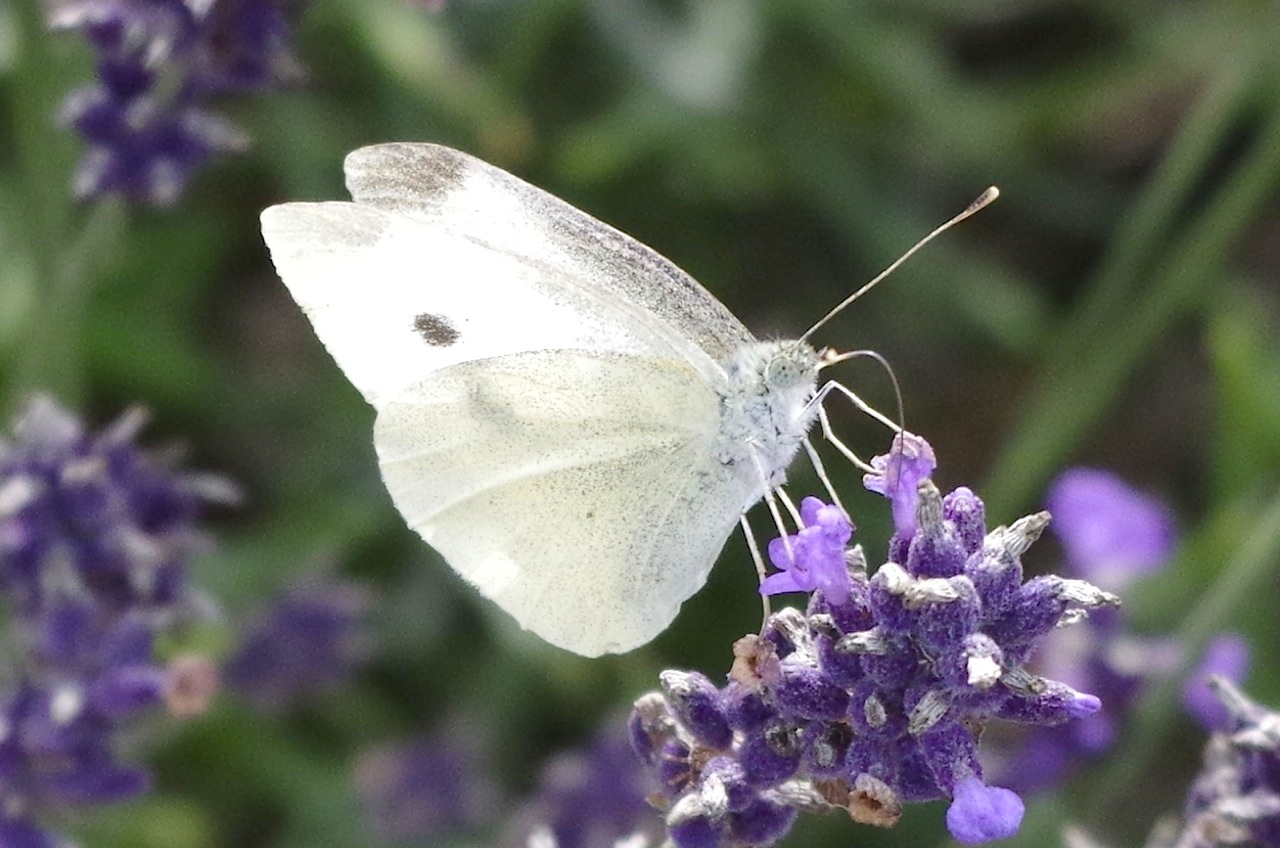
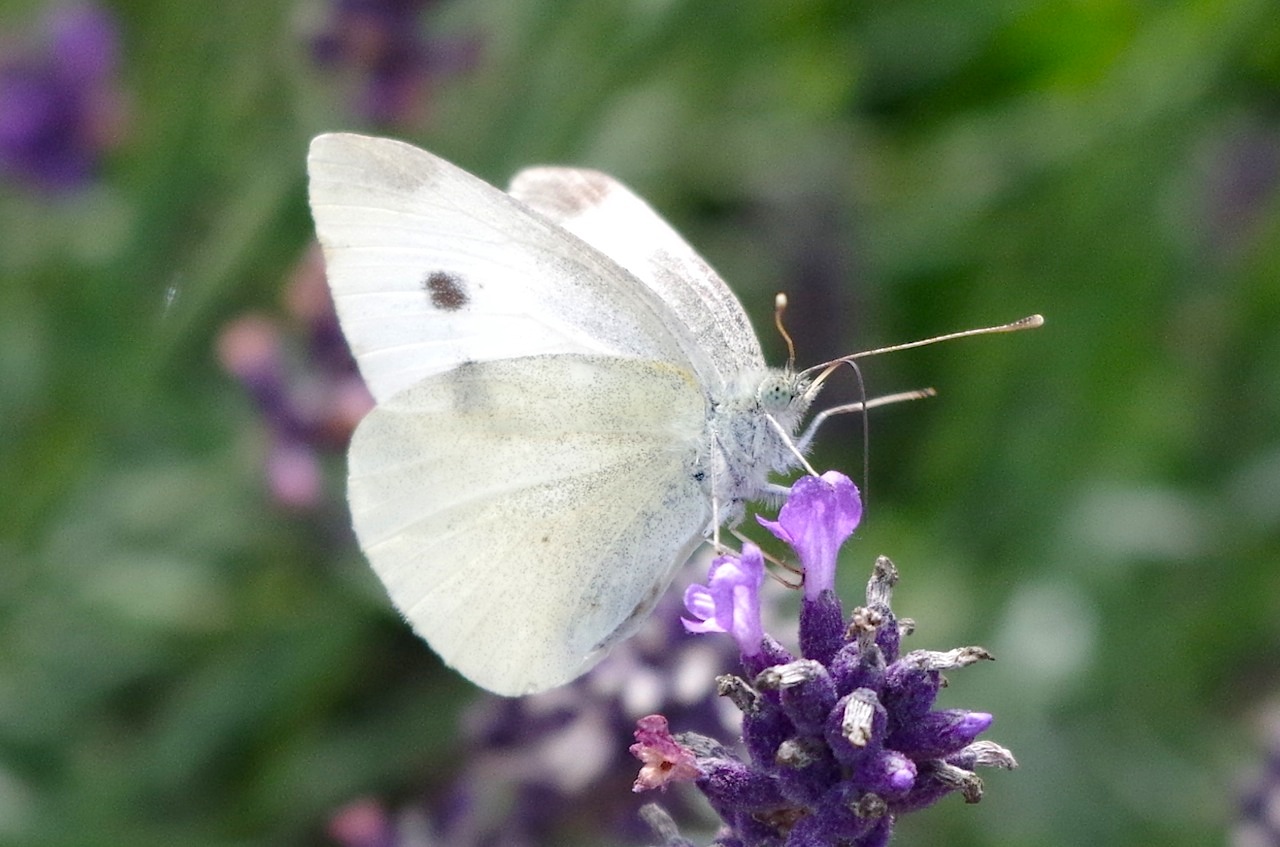
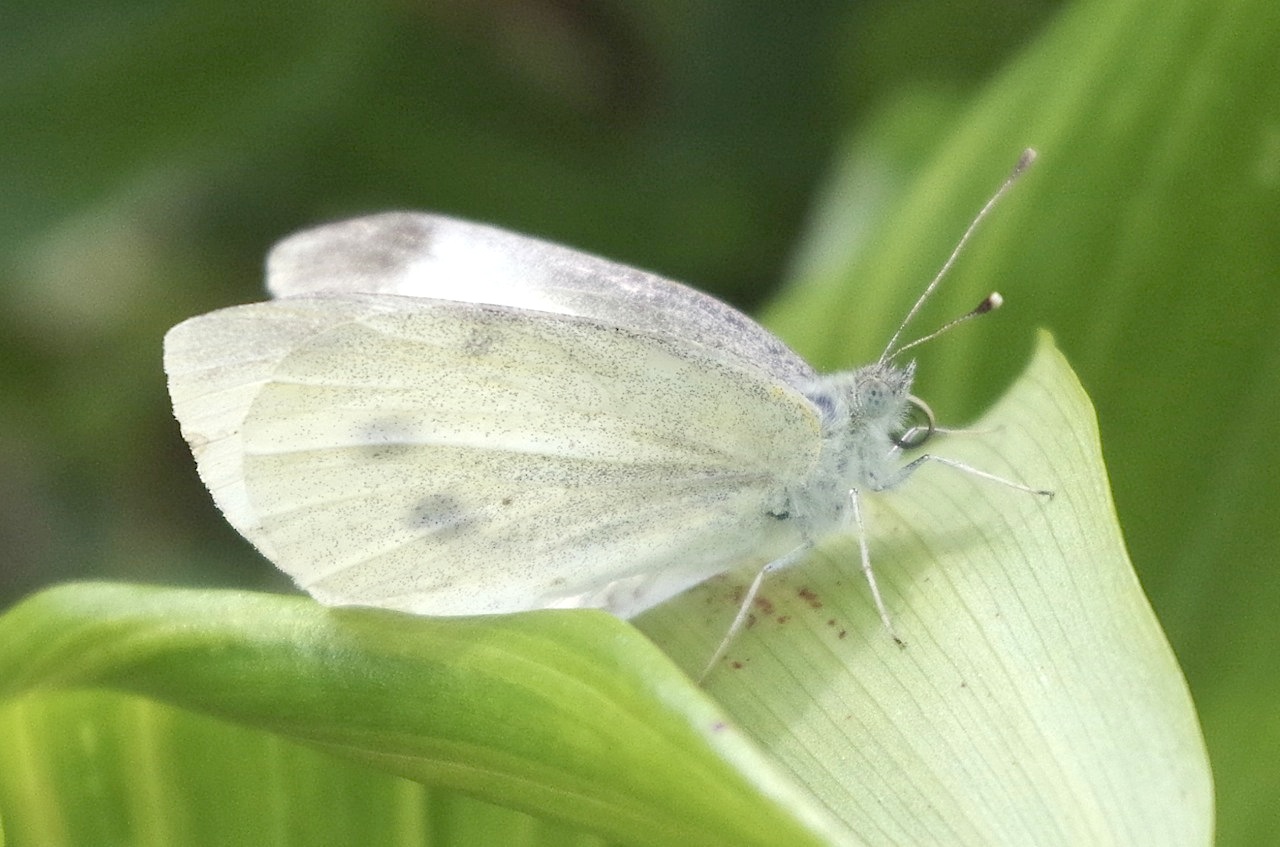
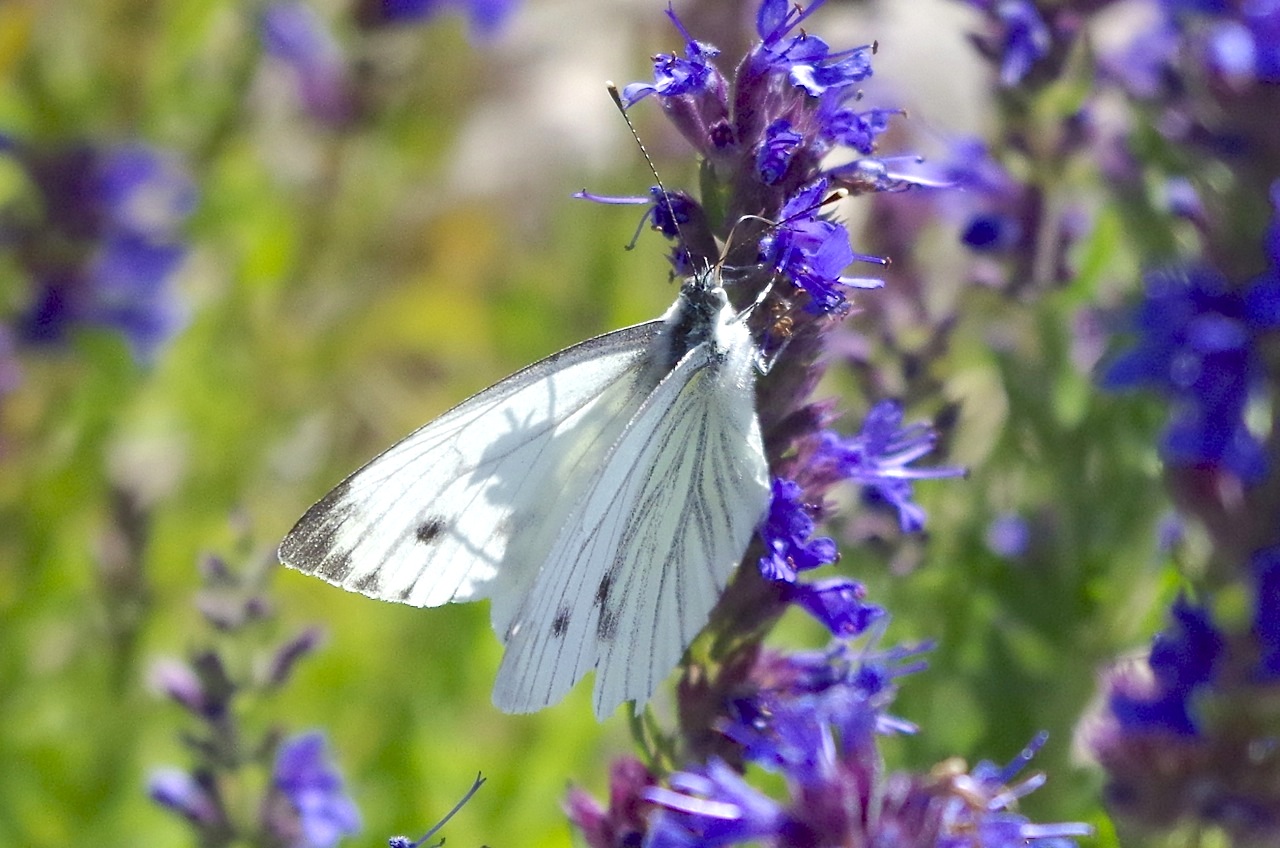
These exceptionally pretty little butterflies were prolific in the garden in late July and early August. However an autumnal chill arrived around the 18th. A few remained, but I saw only one or two last week.


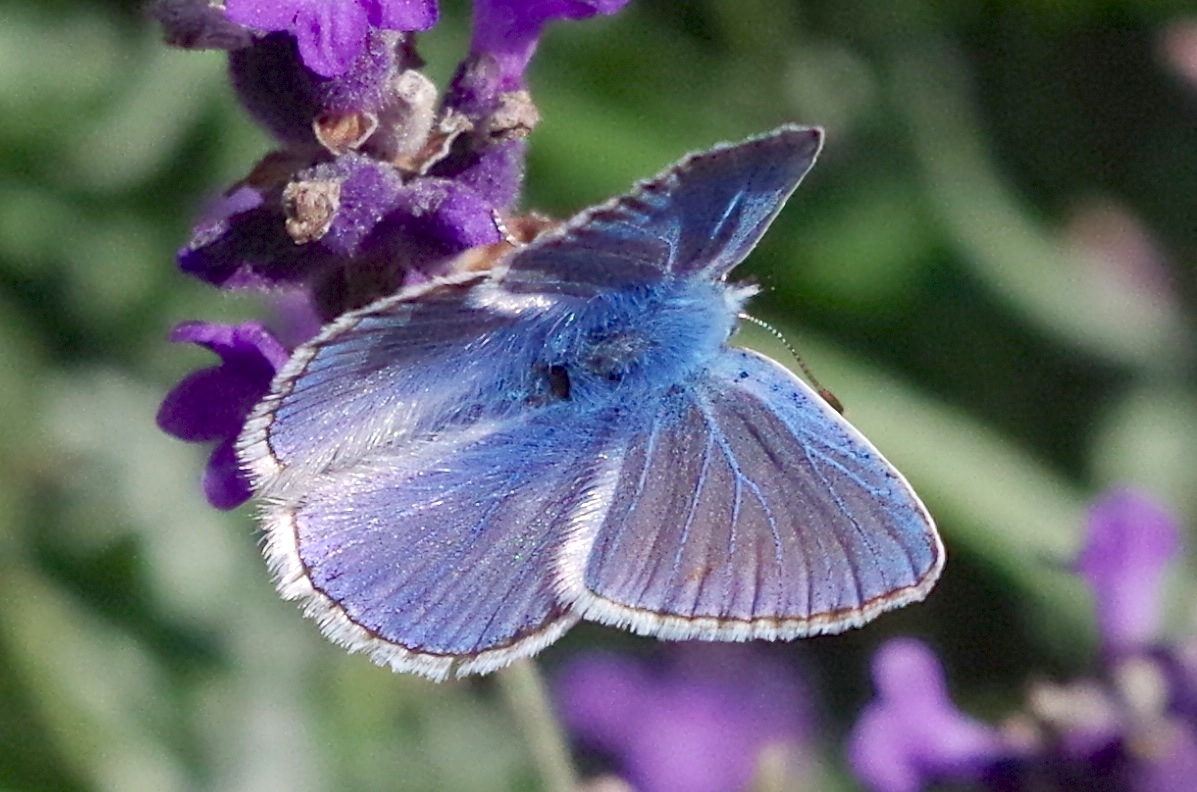
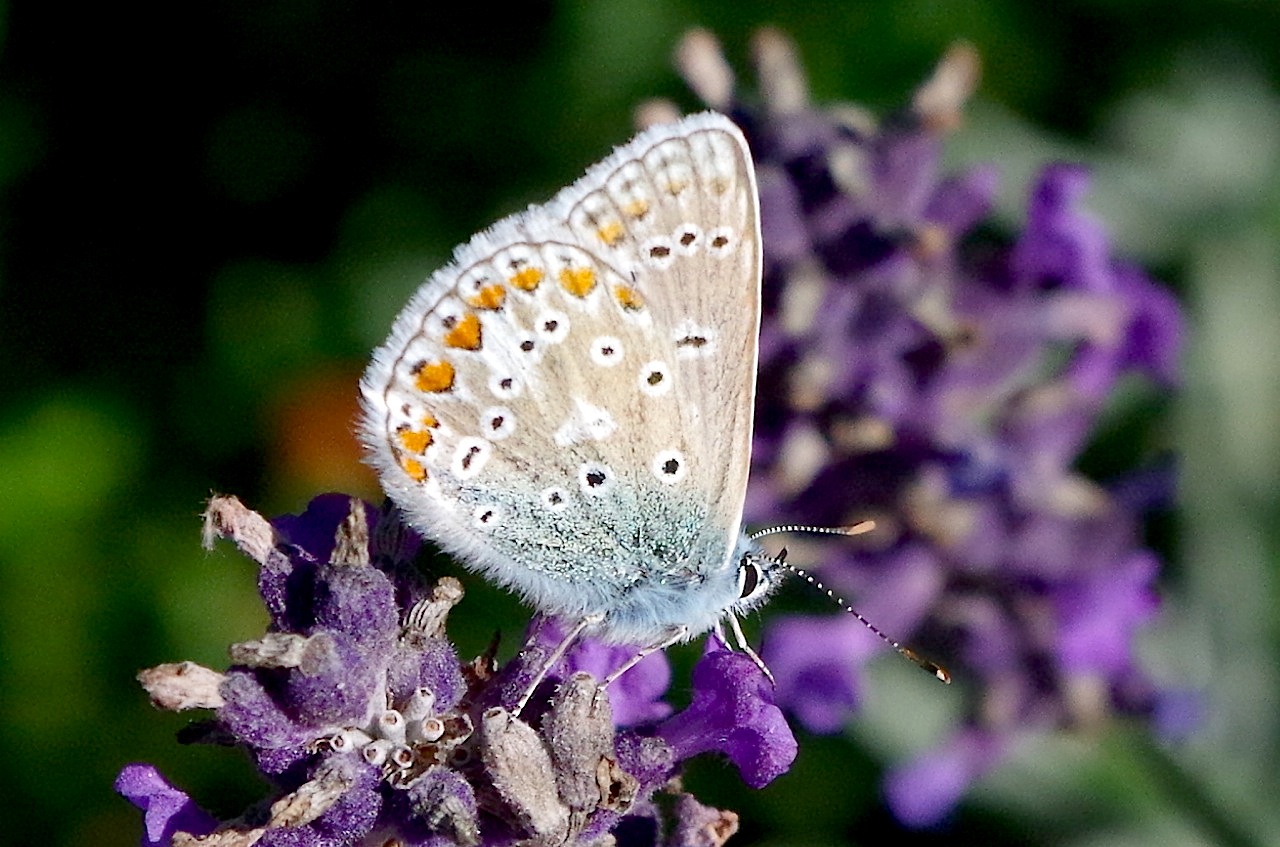


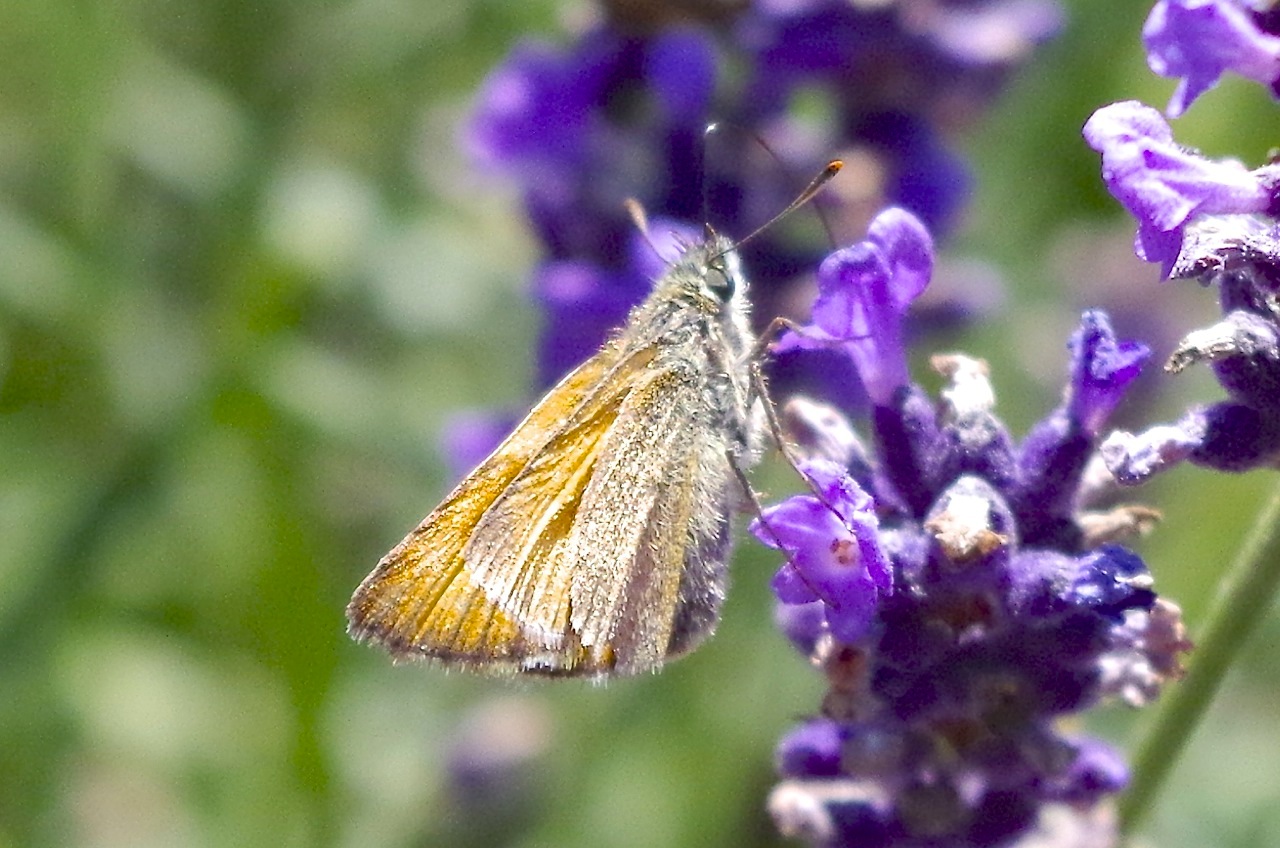
Two skippers taken recently in Dorset, before the rains came. Then, as the rain has poured over the garden, so I have pored over my ‘Dummy’s Guide to Lepidoptera’ to work out what type of skipper this is. Or should I say, ‘these are’, because although the photos are not particularly good, these two creatures look different to me. But that could just be the angle of the “sun”, whatever that was. Any hints from those kind enough to glance at this woefully under-curated ‘side-project’ blog would be welcome!
STOP PRESS Mike Kelly has been kind enough to leave this comment about these two skipper species: the first one “…COULD be Essex Skipper, the antenna tips are not clear enough to be certain. The 3 below are Small Skipper”.


The same type of skipper? Or another, maybe? [PS A Small Skipper – see above]


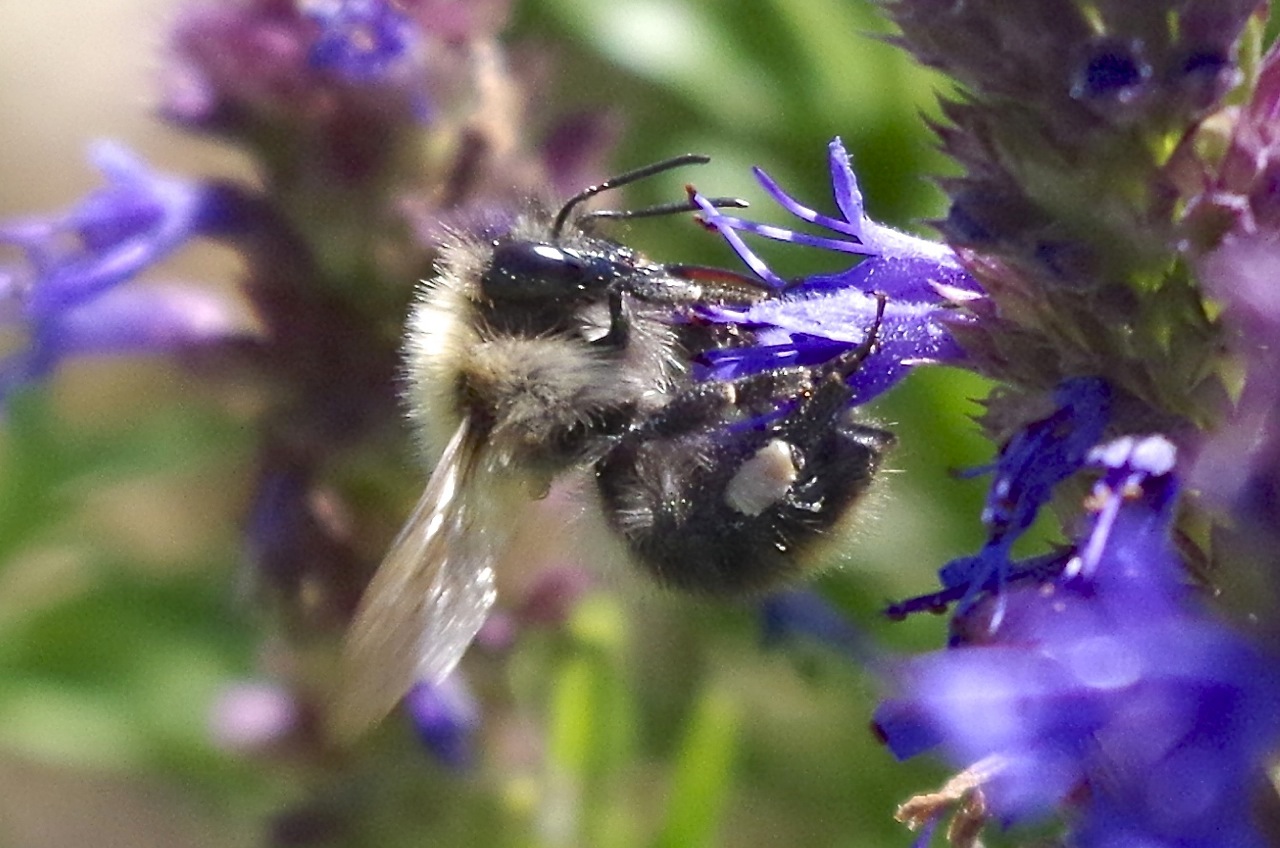
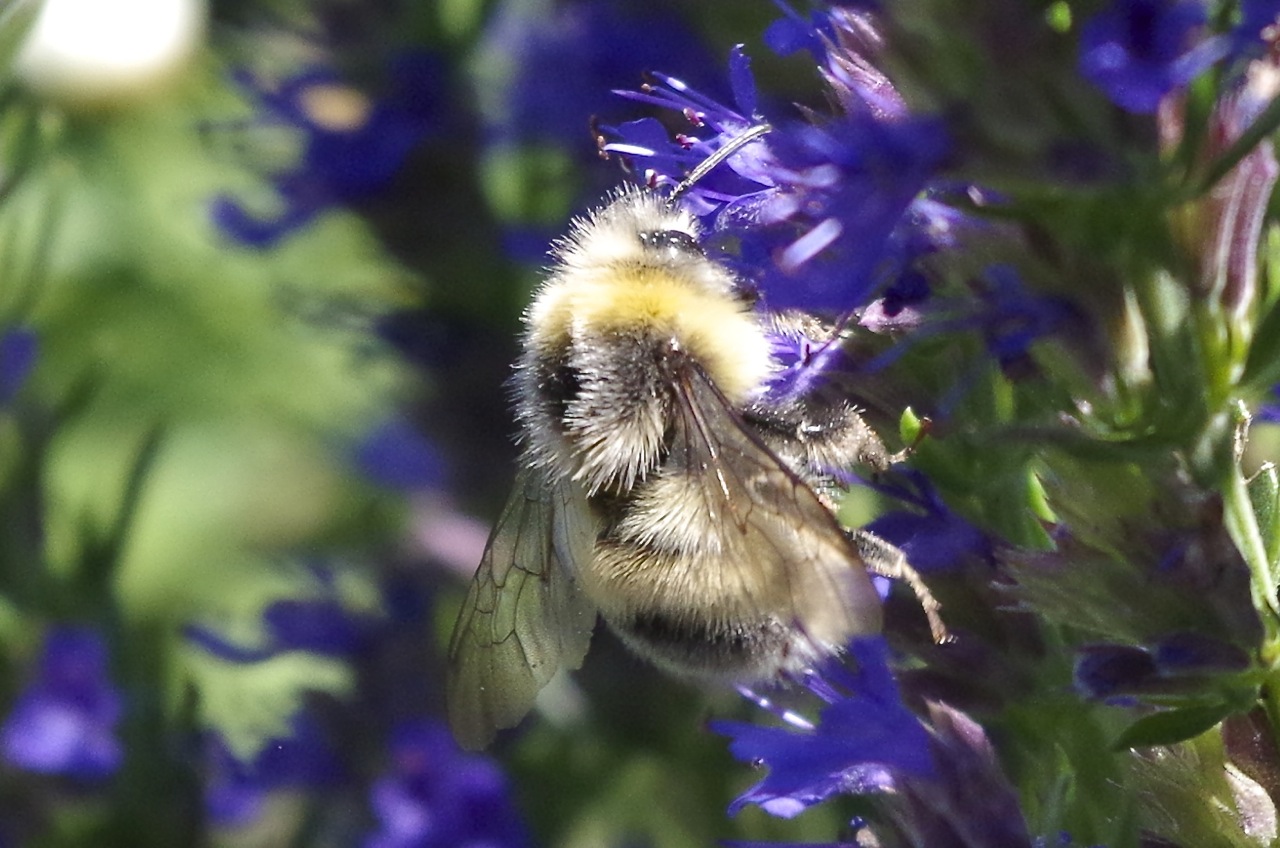
Whitchurch Canonicorum, Blandford Forum, Toller Porcorum and Bombus Lucorum – all very Dorset names. Except the last of course. Here are a few of them, feasting on hyssop. The first one is launching himself on his way to the next stem.

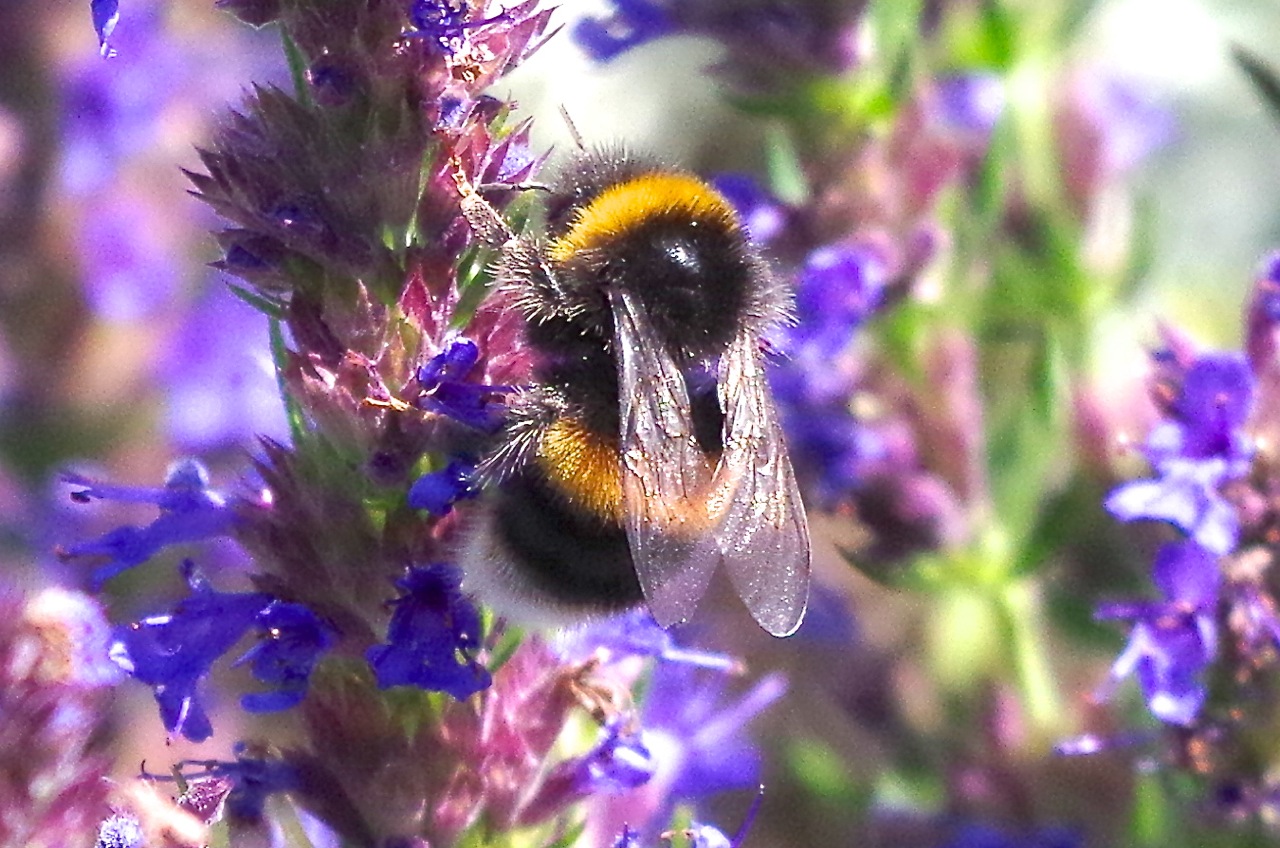

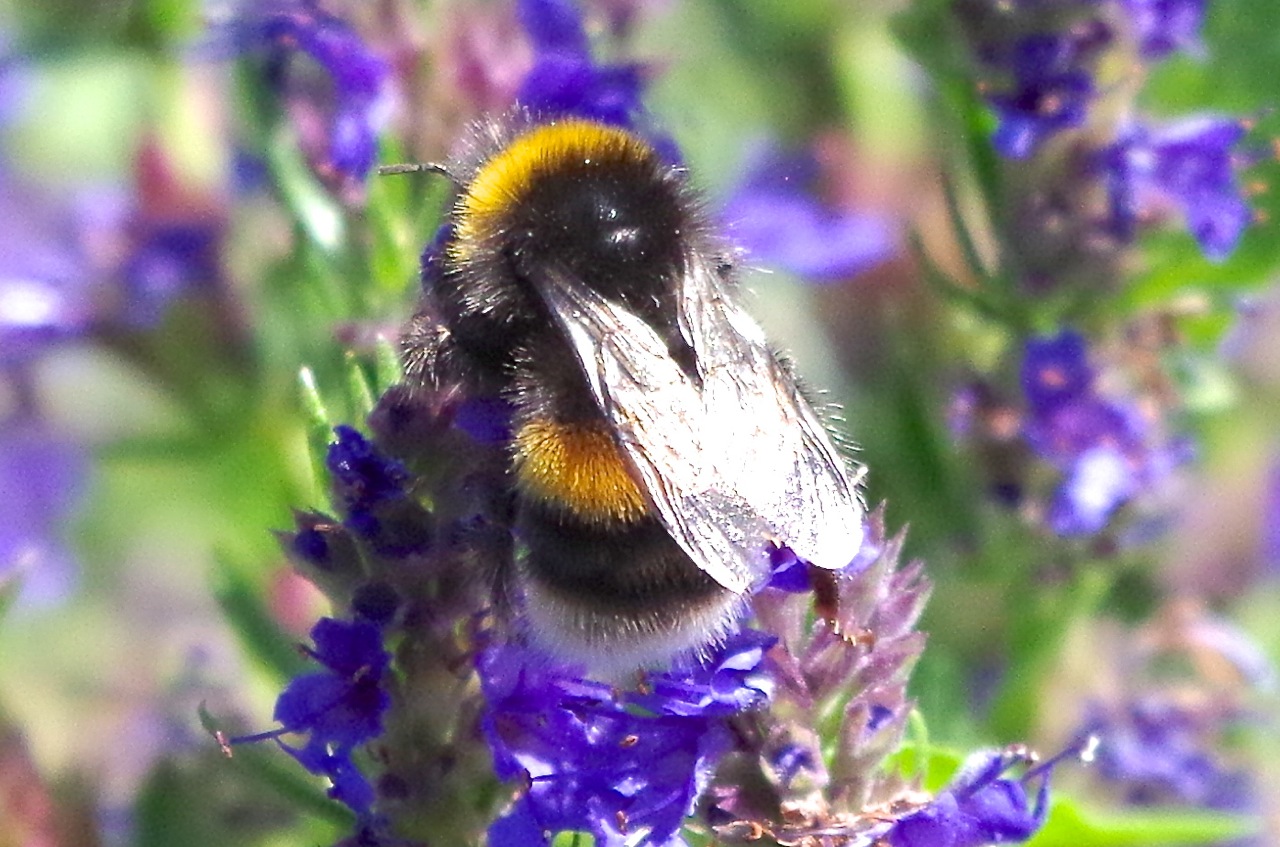




RED-TAILED BUMBLEBEES (BOMBUS LAPIDARIUS)
Classic view, feeding on hyssop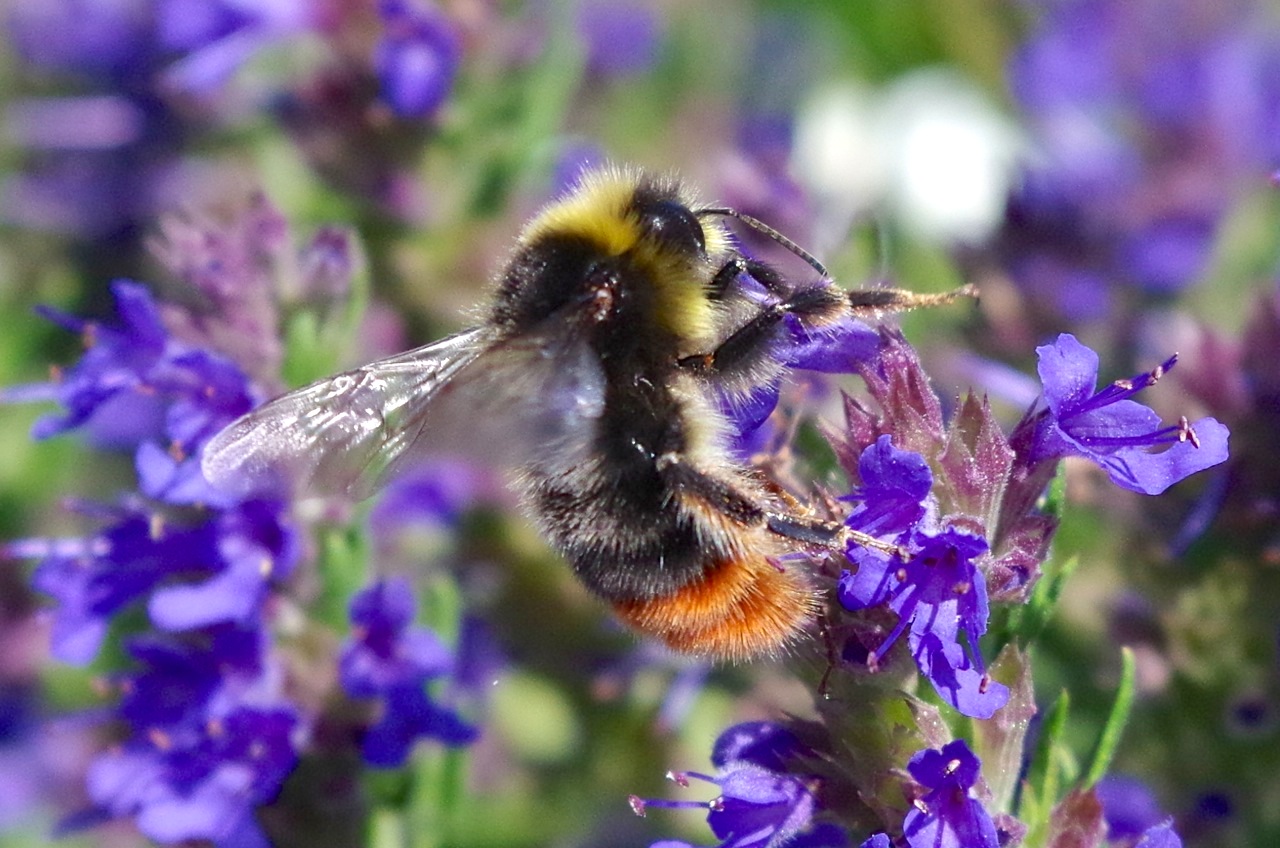
This bee has a fair-sized mite on its back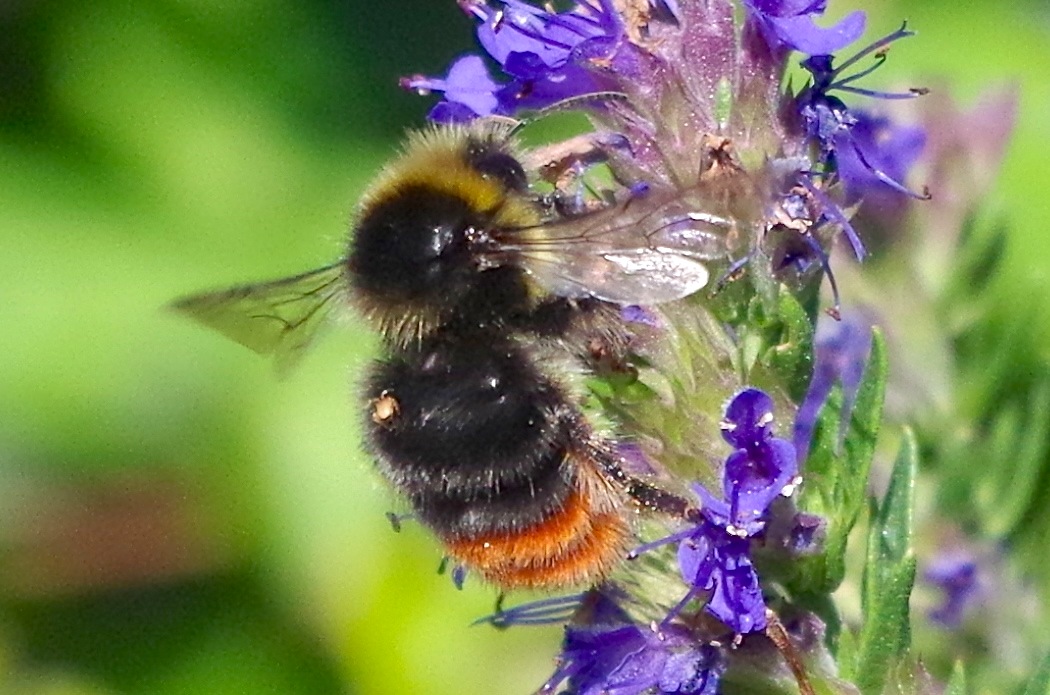
A frankly rather indelicate shot – somehow the light produced this extraordinary colouring of the ‘tail’
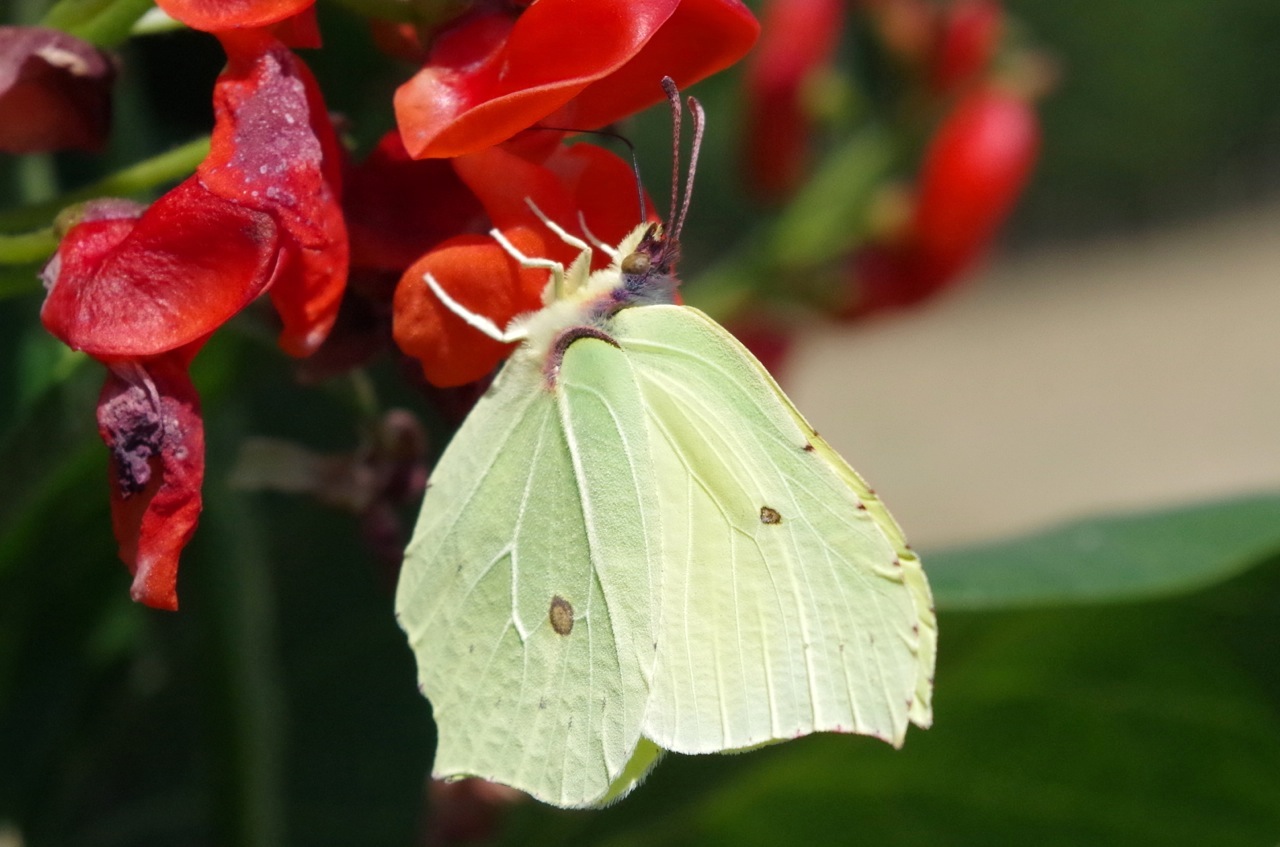
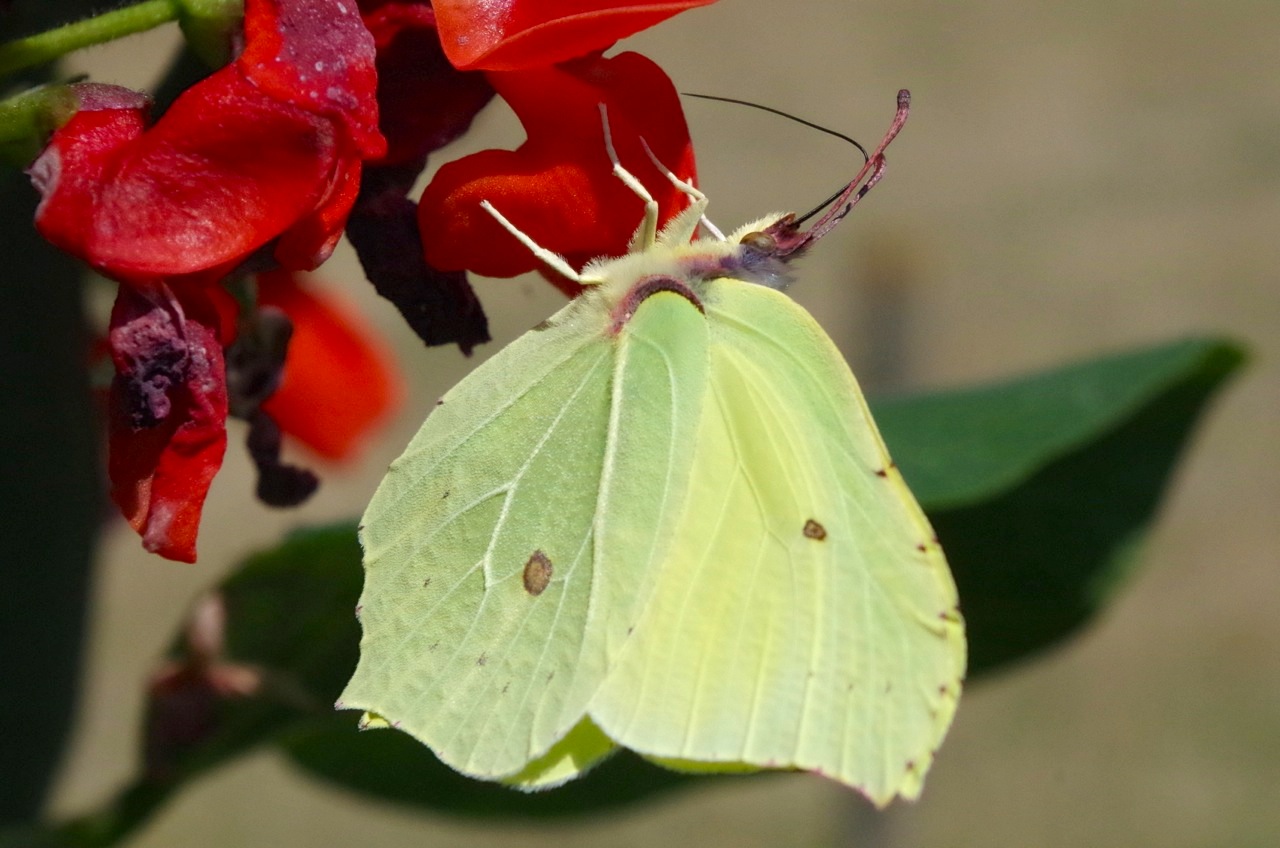
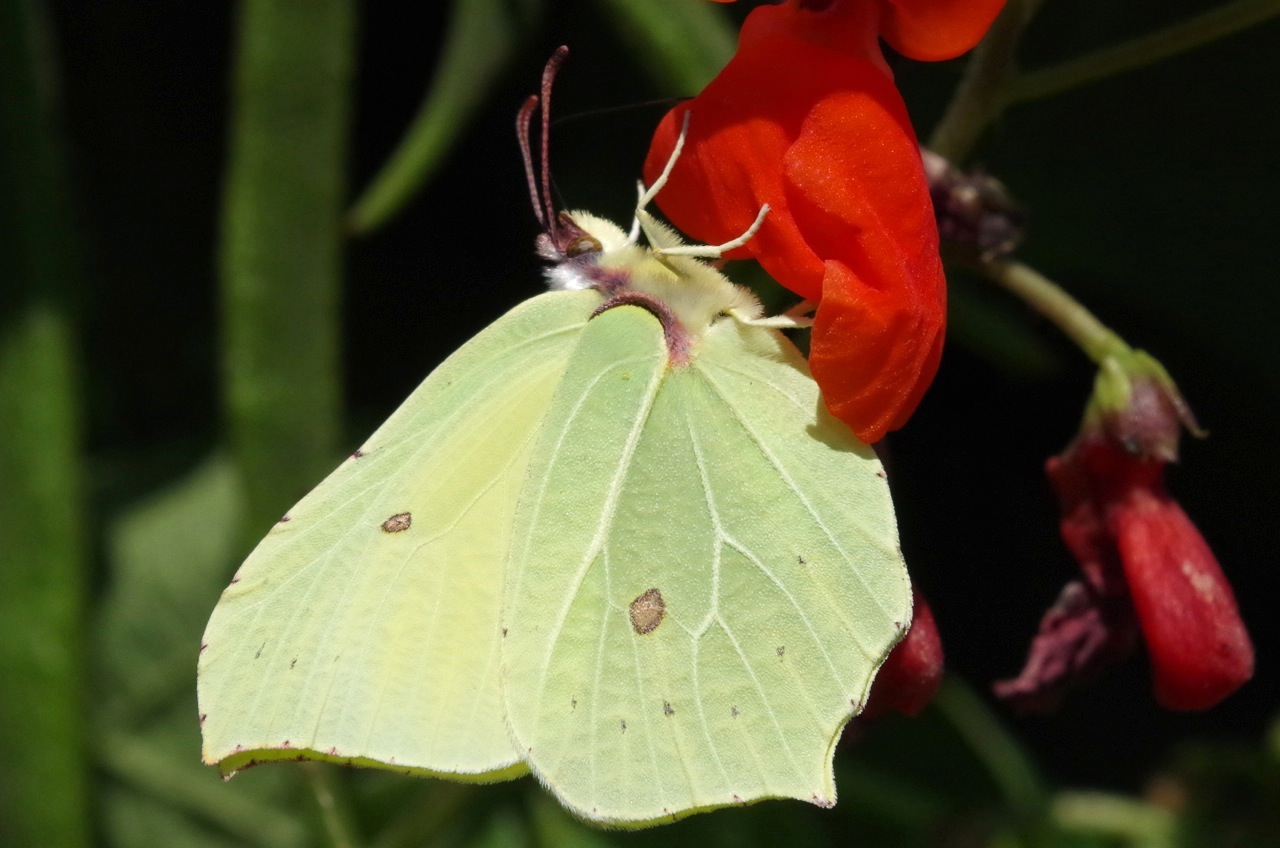
It’s high summer in the garden. That means beans. Beans does not mean Heinz in garden terms. Beans means butterflies, in this case a brimstone feeding on the bright fiery runner bean flowers. This female is a pale greeny yellow; males are a more striking bright yellow.


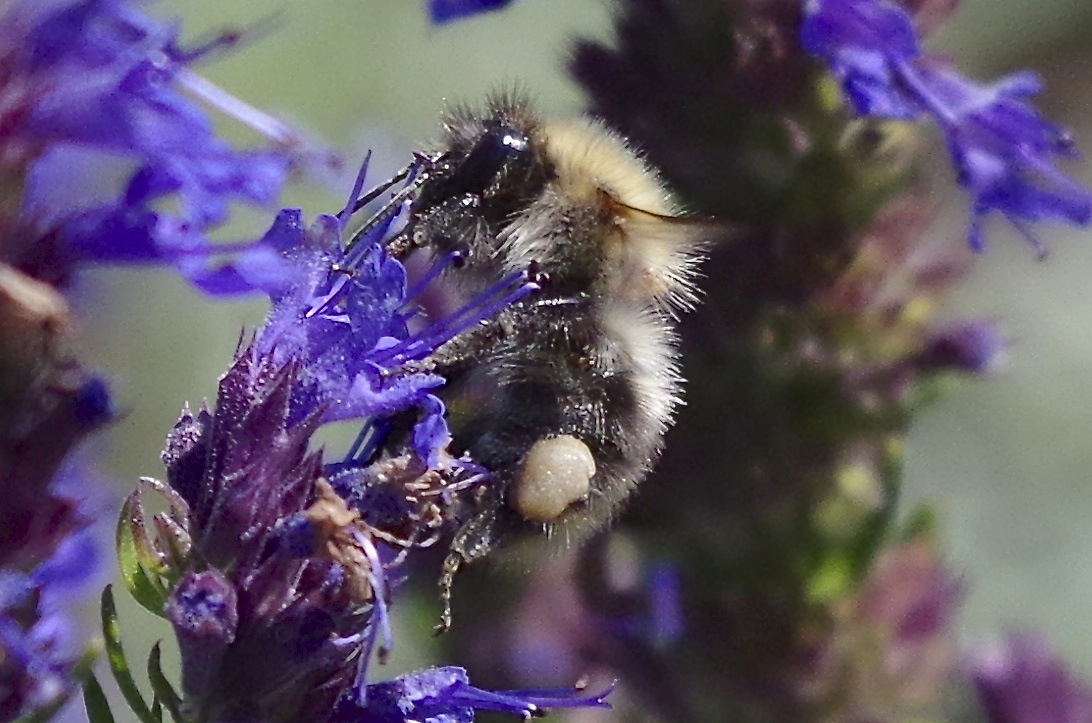
The sun was out, the bees were out and I was out trying camera settings having failed spectacularly to come to terms with a new(ish) SLR. The problem remains me, not it, but I sense that the hatred is mutual. Anyway, a few bee shots worked well enough to use… This is my favourite bee, tiny and pale, far smaller than the sturdy yellow and black bumbles jostling for the space on the hyssop and lavender. I like the way their packed saddlebags matched their colouring. There are probably two or even three different species of bee here for all I know, but it’s hot and I can’t be bumbled to look it up…
This is the first year I have taken on board the number of mites the bees carry. #1 has a fine one under the wing; and I saw one bumble with a smart necklace of mites. I realise they are mostly non-parasitic (apparently), and maybe it is even a sign of good bee health…




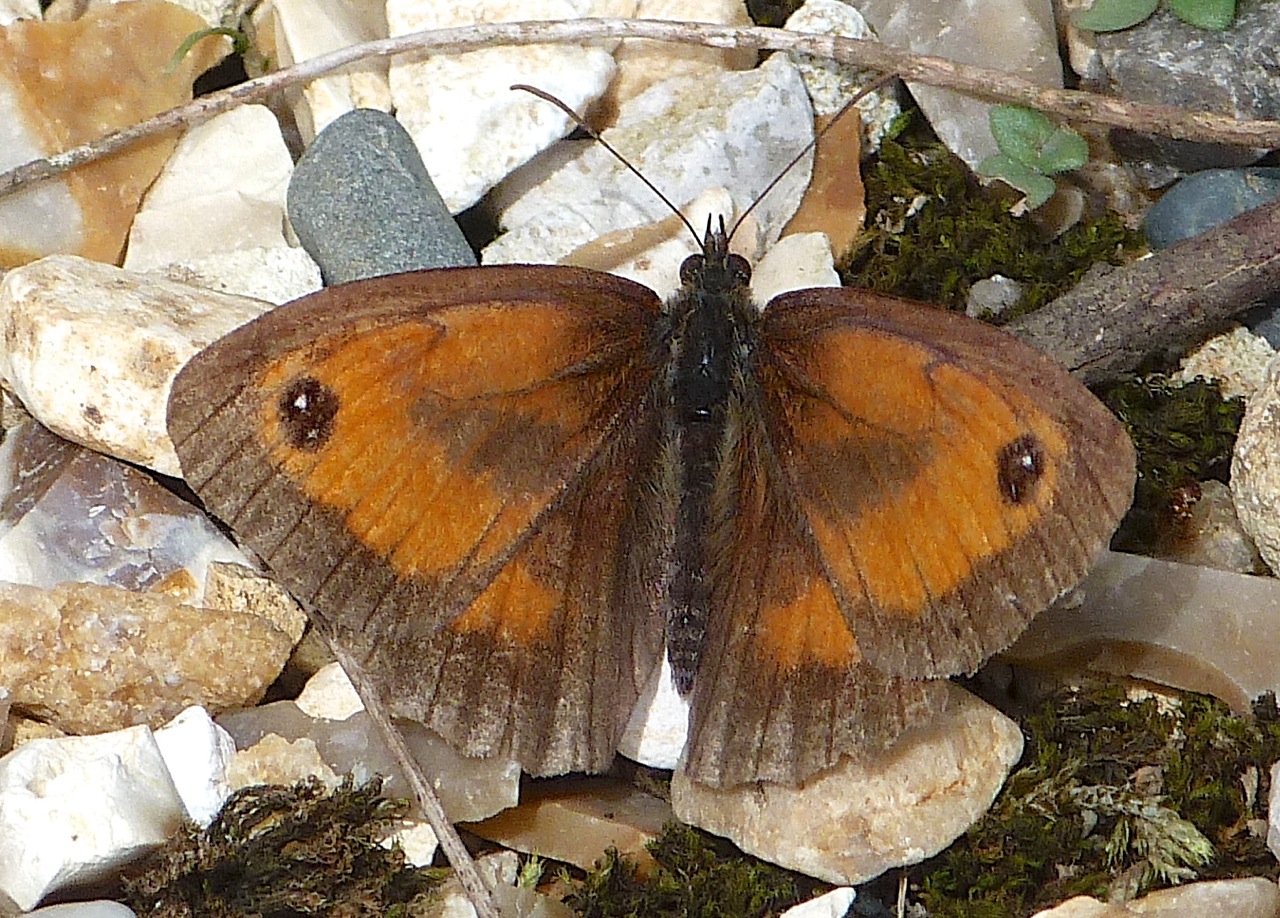
This is the first Gatekeeper I have seen this year. We have had an unusually prolific season for meadow browns over the last few weeks, which in ‘closed wing’ position I find easy to confuse with gatekeepers, unless I can see the wing spots clearly. But this one was obligingly drying its wings – they are very undamaged so I assume it is a very recent arrival (in butterfly form, anyway), maybe even today. 
Now I’ve seen the first, I’m hoping to see them everywhere…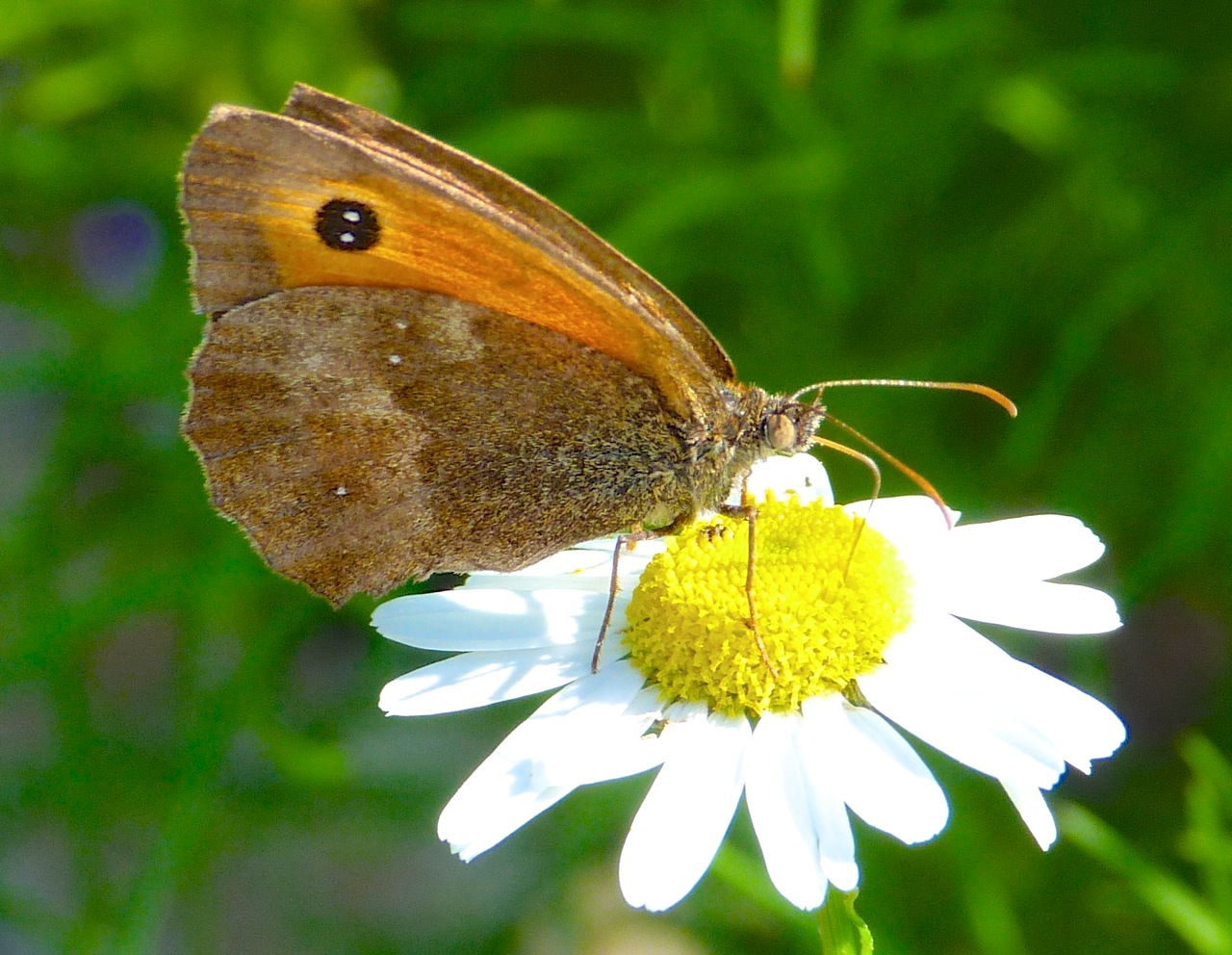

I was given a bee house in May. Previously I was the proud owner of a bumblebee nest box, which didn’t seem to be a success until, in early Spring 2014, I watched a small, dozy bumblebee crawl out of it, slowly get its act together, and fly off…
I wasn’t certain how a bee house would work, so I put it in a quiet south-facing out-of-the-way corner, later adding a pot of lavender under it.

After a couple of weeks of nada and niente, I decided to move the house to a length of wall that stayed longer in the morning sun, and to dispense with the lavender.


This looked more promising, but I was highly doubtful that such a fine multi-apartment abode would find favour with the bees. The holes looked good – a range of large down to very small – but still, it looked a bit… NEW. I thought it would need to be weathered for 6 months to get rid of the smell of ‘shop’.
Gratifyingly soon, however, I was proved wrong. One morning we found (a) a bee inspecting one of the penthouse suites and (b) 2 partial wax caps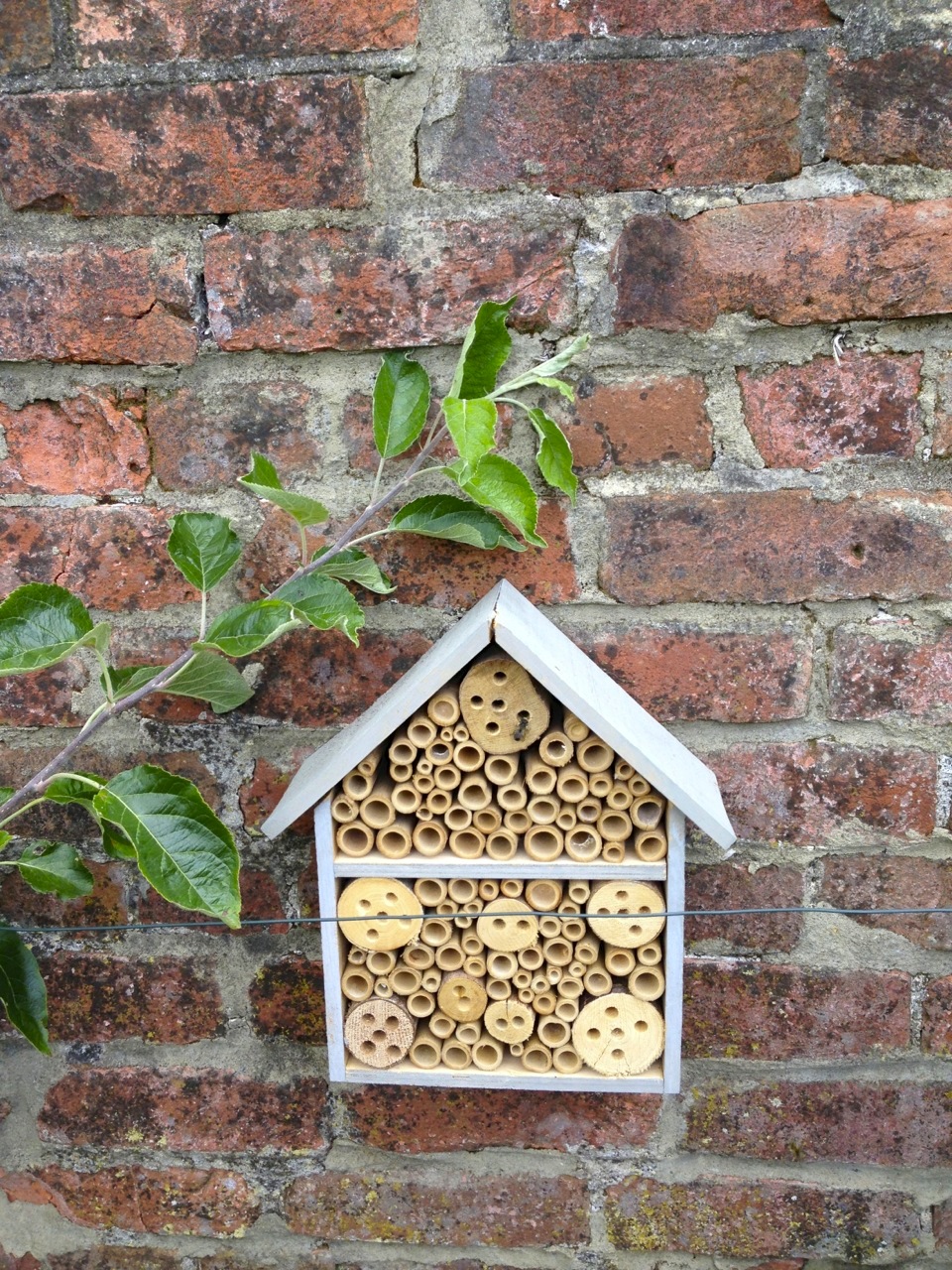
Note bees on the roof and on the lower storey; 2 partially capped cells on the upper storey
The following morning there was evidence of further activity – one completely capped cell


Since then a number of bees have taken overnight accommodation in the bee house. They prefer the holes drilled in wood over bamboo holes for a short stay, and at any given moment there are two or three small faces visible.
So overall we are pleased to report that the experiment can be counted a success. The garden has been revitalised during the last 2 years following 20 years or so of benign neglect, and bee-friendly plants have been a priority. So far, so good.

 ROLLING HARBOUR GALLERY