WINTER BIRDING IN NEW YORK CITY (1)


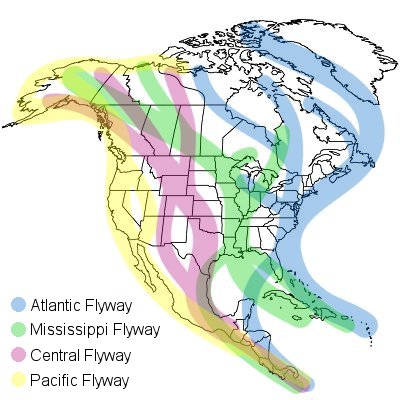
Strange as it may seem, New York City is a great place for birding. The city may not sleep, and maybe neither do the birds, but nonetheless there are several excellent locations to see a wide variety of species. NYC lies right on the East Atlantic Flyway, the eastern migratory route of the USA. Along it, birds hurtle forth and back twice a year, from tiny warblers to large shorebirds, as they seek winter warmth nearer the equator before returning in summer.

north-america-migration-flyways
wqed.org

The optimum hotspot is CENTRAL PARK, in particular The Ramble (central) and the secluded Pond / Ravine walk by a pretty stream (north). This is definitely the first place to head for if you have half a day to spare. There’s a very good Central Park website (link above). You’ll also find a CP birding map online, and several websites devoted to birding CP from which you can get or make your own checklist (caution: some sites are a bit… intense). Among books, I have Birds of Central Park by Carl Vornberger and The Ramble: A Wilderness West of 5th by Robert A. McCabe. These are small coffee table books to enjoy rather than field guides, and can be found on Amazon (.com), ABE and occasionally eBay.

It’s worth mentioning PROSPECT PARK BROOKLYN as another good place for birds. It is very large and has plenty of water, which is excellent for water fowl and geese. I’ve seen chipmunks there too (well, I was excited, anyway). There’s the added bonus that the BROOKLYN MUSEUM is right there – perfect for a morning followed by an afternoon in the park.

Here are a few birds photographed in and around the City when temperatures remained below freezing despite a bright sun. There’ll be some more soon.

STARLING BY THE HIGH LINE, LOWER MANHATTANStarling, High Line, NYC

NORTHERN MOCKINGBIRD, HIGH LINENorthern Mockingbird, High Line, NYC

NORTHERN CARDINALS, CENTRAL PARK Northern Cardinal, Central Park, NYCNorthern Cardinal, Central Park NYC

TUFTED TITMICE, CENTRAL PARKTufted Titmouse, Central Park NYCTufted Titmouse (2) Central Park NYC

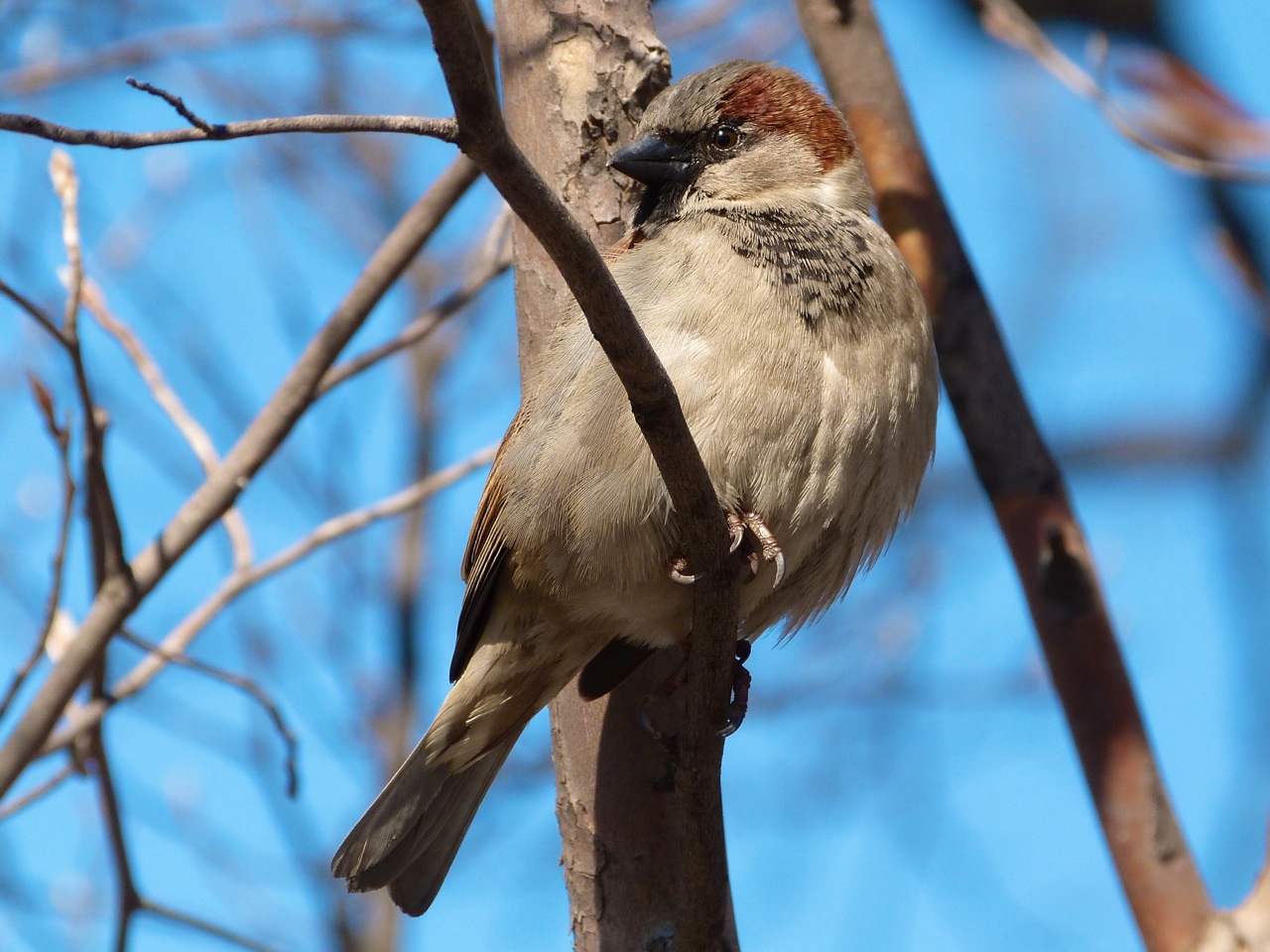
HOUSE SPARROW, CENTRAL PARKHouse Sparrow, Central Park NYC

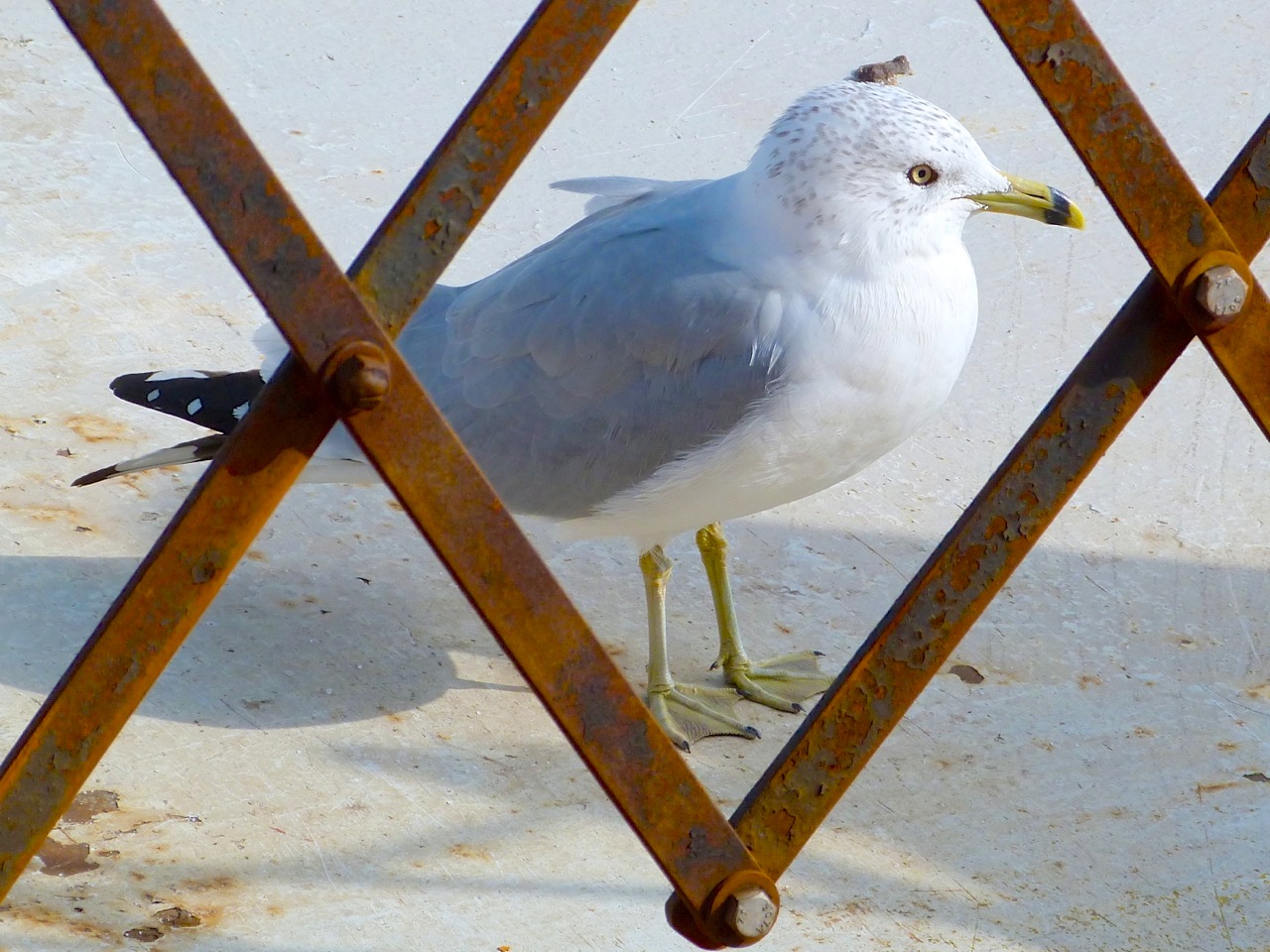
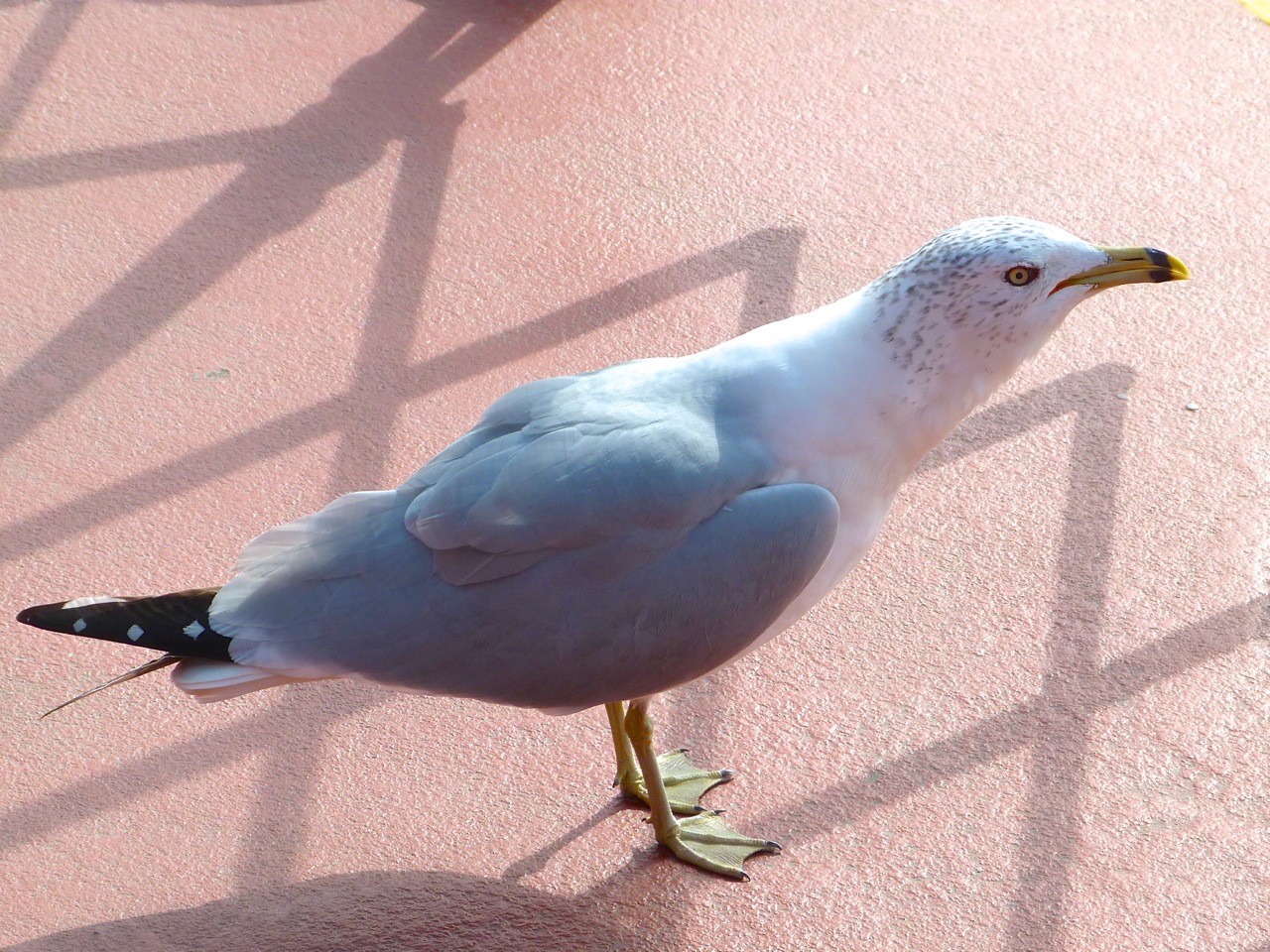
RING-BILLED GULLS, STATEN ISLAND FERRYRing-billed Gull, Staten Island Ferry NYCRing-billed Gull, Staten Island Ferry, NYC

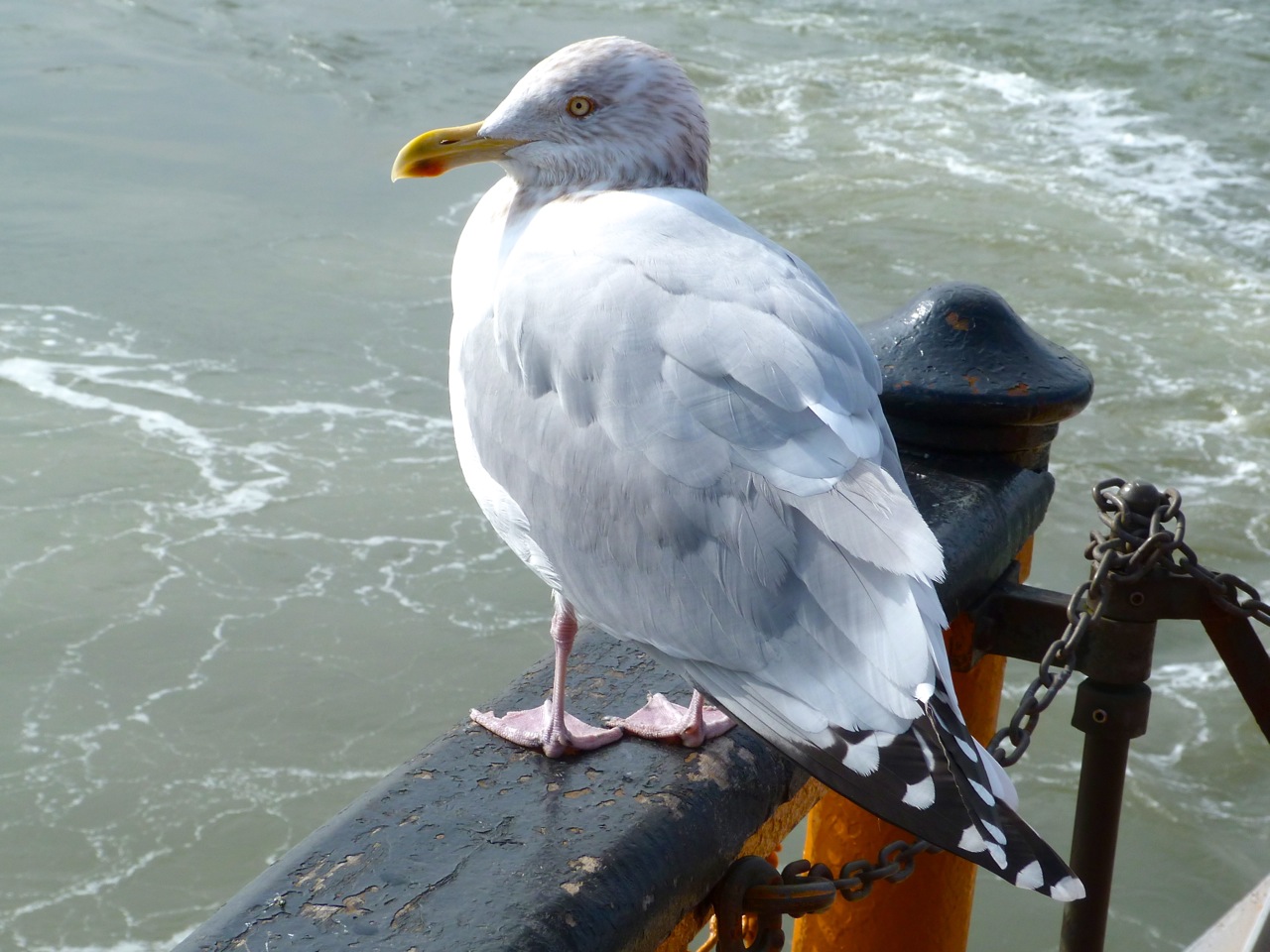
HERRING GULLS, STATEN ISLAND FERRYHerring Gull, Staten Island Ferry, NYC

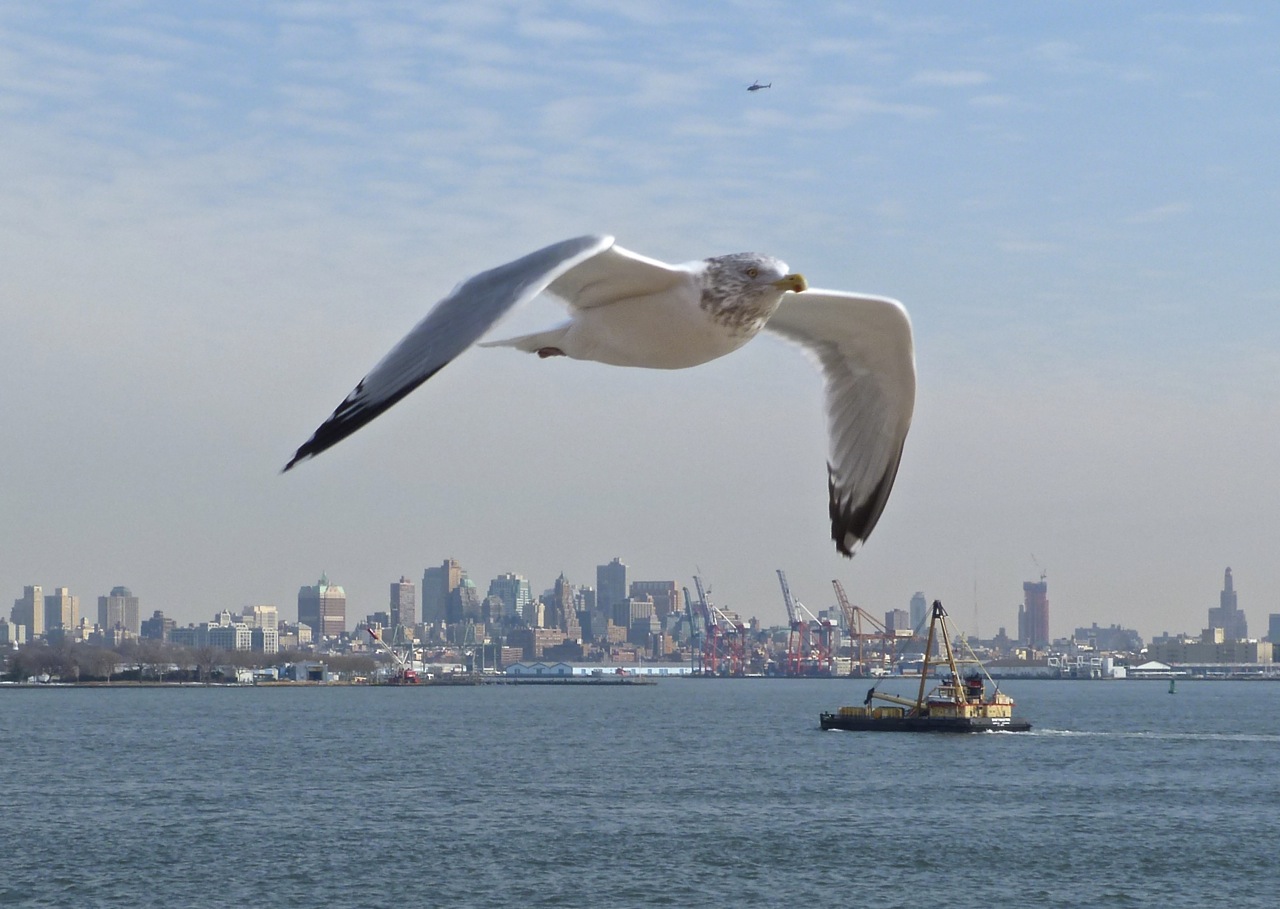
Helicopter photobomb above the bird!Herring Gull, NYC

DARTMOOR LETTERBOXING PART 1


Dartmoor Letterbox 2013-3
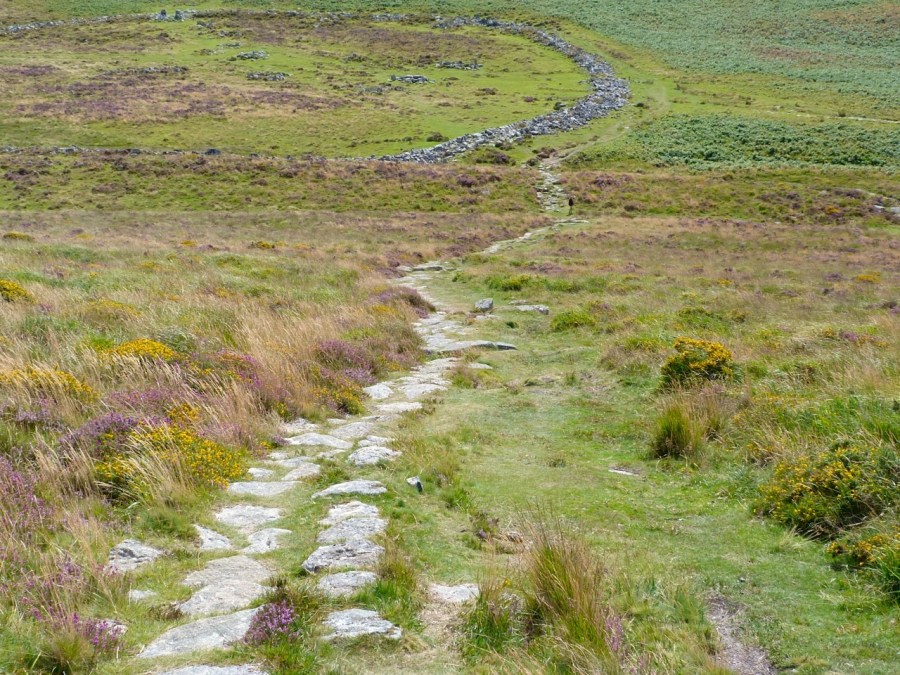
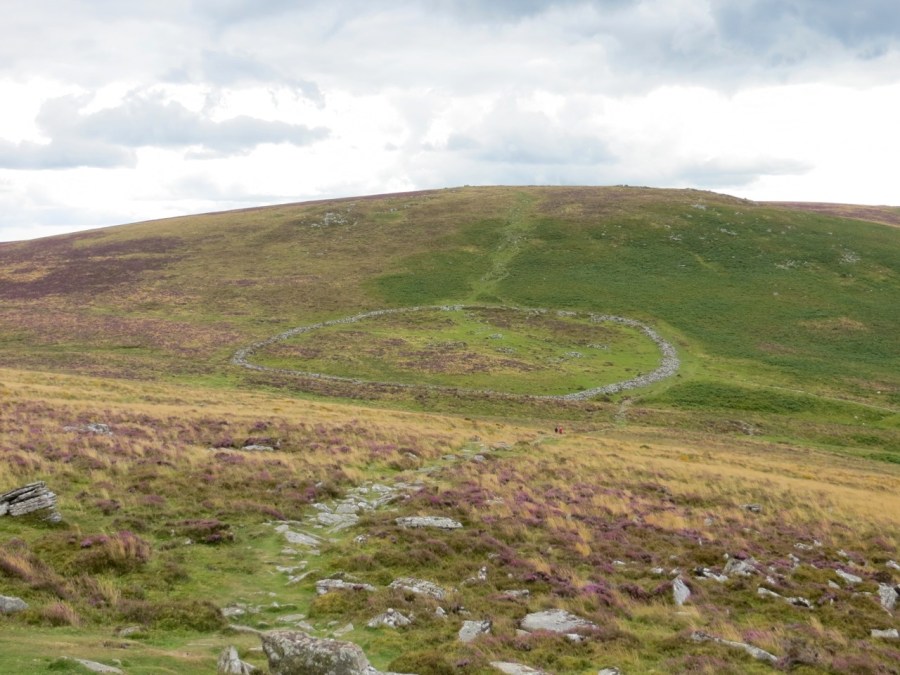
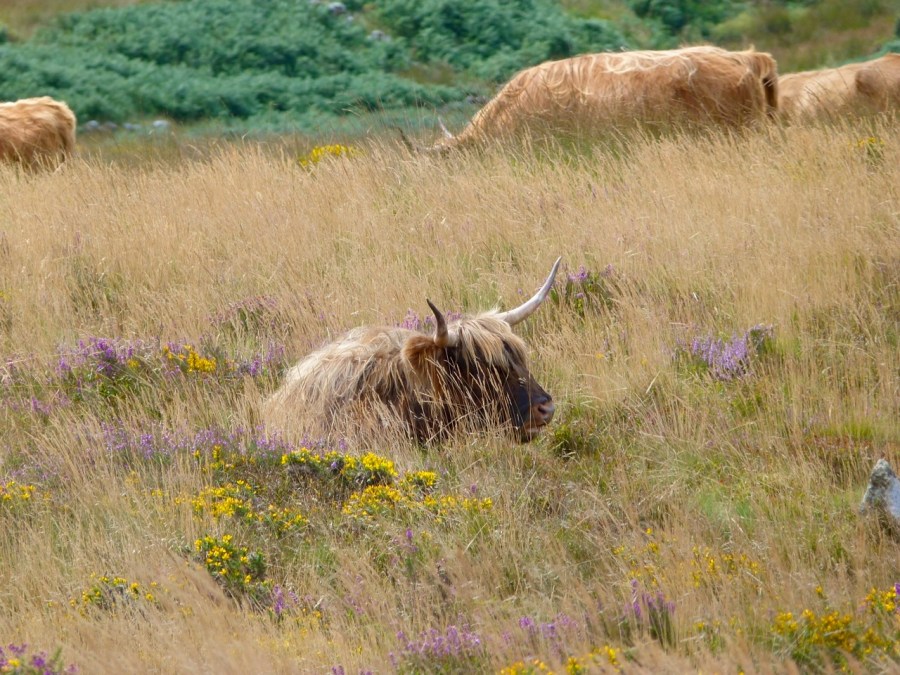
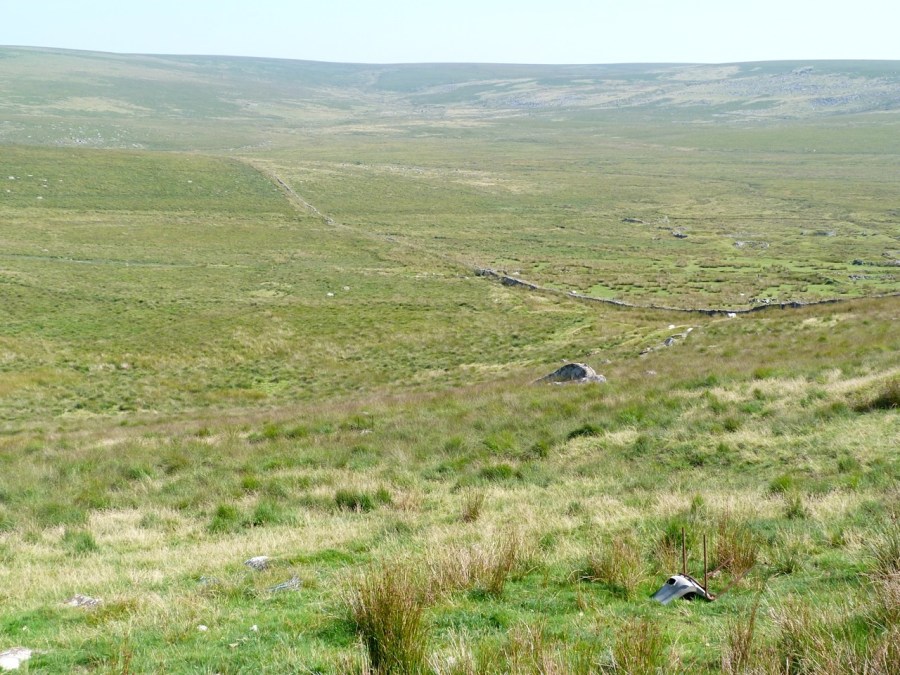
Somewhere in this wild landscape is a Dartmoor Letterbox

Summer 2013, and a 3-generation expedition to Dartmoor for a few days. I had vaguely heard about the – hobby? healthy outdoor activity? sport? – of GEOCACHING, the search for a concealed container in a (usually) remote place using clues. Or in some cases, coming across one by accident. However DARTMOOR LETTERBOXING was a variant new to me… Much the same principle, but on a smaller scale. Letterboxing originated on Dartmoor but has spread widely to many other places. As the official website puts it, Letterboxing is an outdoor pursuit with similarities to orienteering. A small pot (the letterbox) containing a stamp and visitors’ book is hidden on the moor, and a clue is written to lead others to its position. Clues may be as simple as a map reference and list of compass bearings, or may be more cryptic. When a letterbox is found, the letterboxer takes a copy of the stamp, as well as leaving their own personal print in the visitors’ book. Letterboxing began on Dartmoor but is now popular in areas all over the world.”

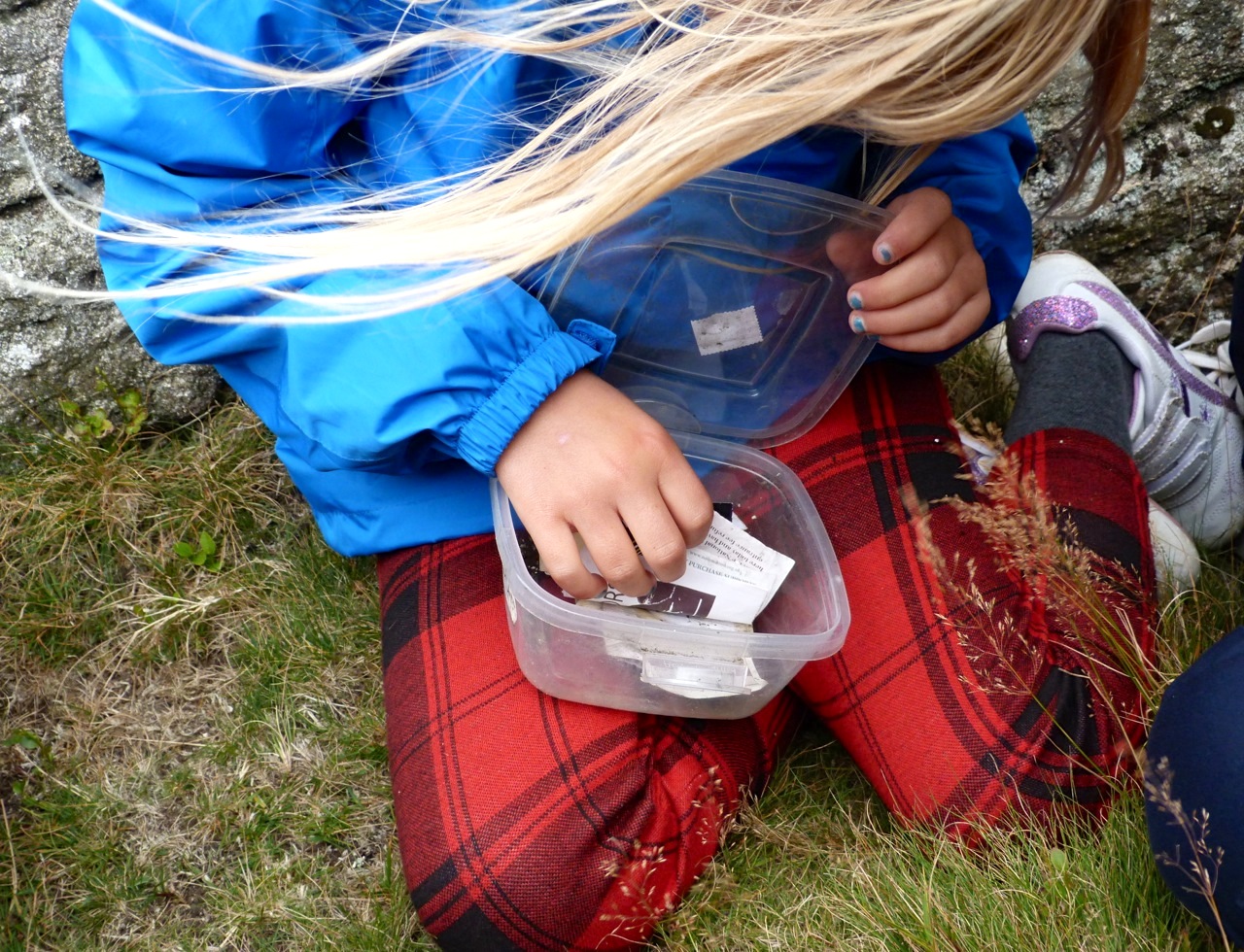
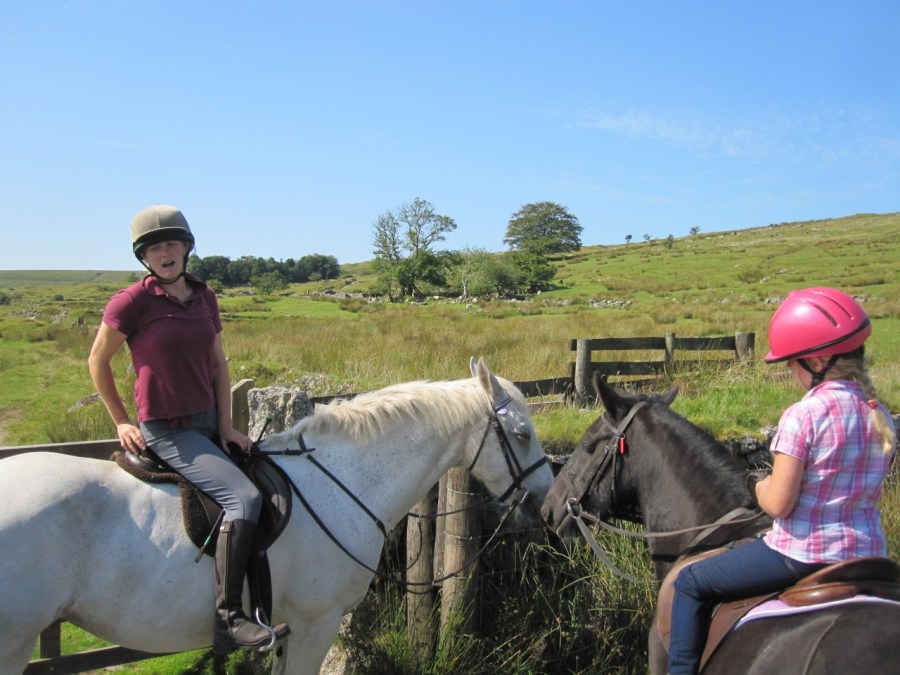
The quest originally began when Berry (then 7) was having a riding lesson on the moor. They reached a gateway and Adele said there was something interesting close by it. She was a bit mysterious about it, so at Berry’s suggestion we decided to investigate the next day…Dartmoor Letterbox 2013-4
This is the same gateway, set in a long dry stone wall (see header image). It looked a promising place to start the searchDartmoor Letterbox 2013-1

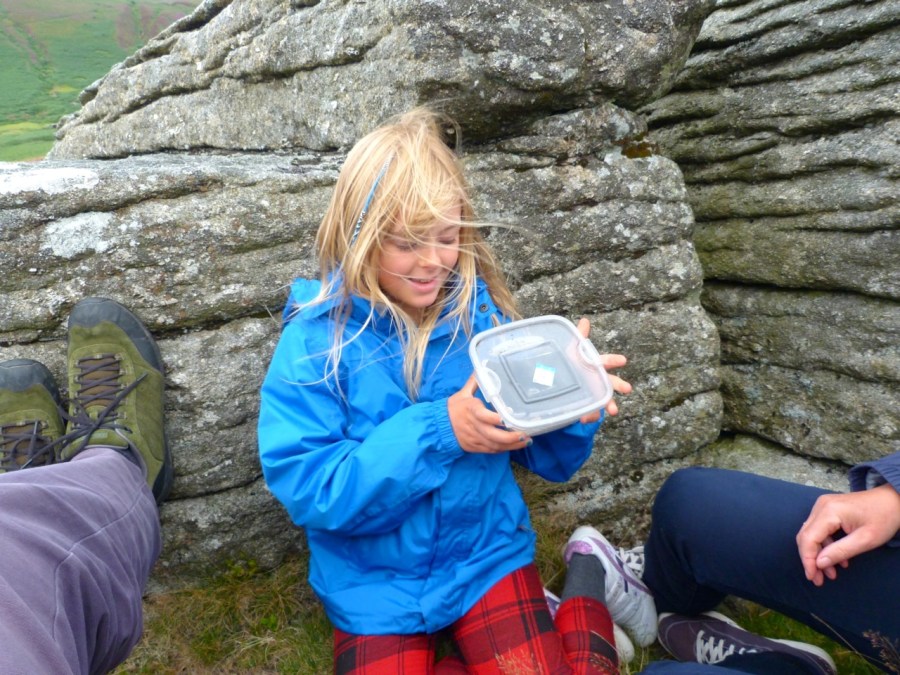
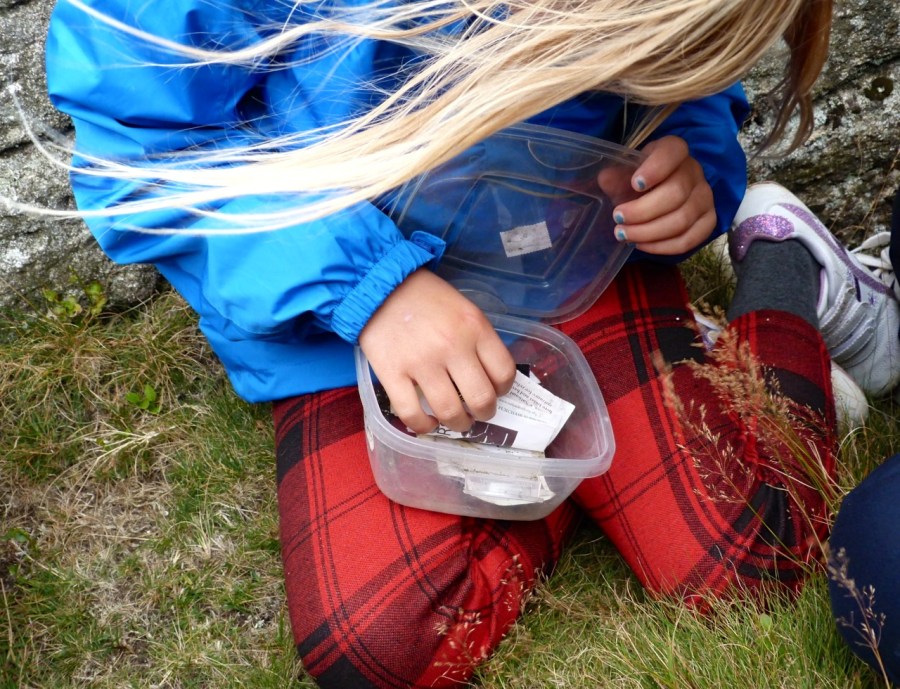
Berry is something of an expert at this sort of task, and worked her way methodically along the wall towards the gateway checking the crannies (avoiding a barbed wire fence). And there, almost entirely concealed in the stones at the side of the gate, was a Letterbox. It is shown here after discovery and retrieval – originally it was almost invisible. Inside was a small notebook to sign and date, and some tiny mementos that previous finders had left in the container. Then Berry replaced the Letterbox in its original position for someone else to discover…Dartmoor Letterbox 2013-2
The sun broke through the clouds, and after a major paddling session in a pool formed by a stone dam in a small stream, it was time for sustenance…. 

Chocolate Brownie Heaven… Choc Brownie Heaven, Dartmoor

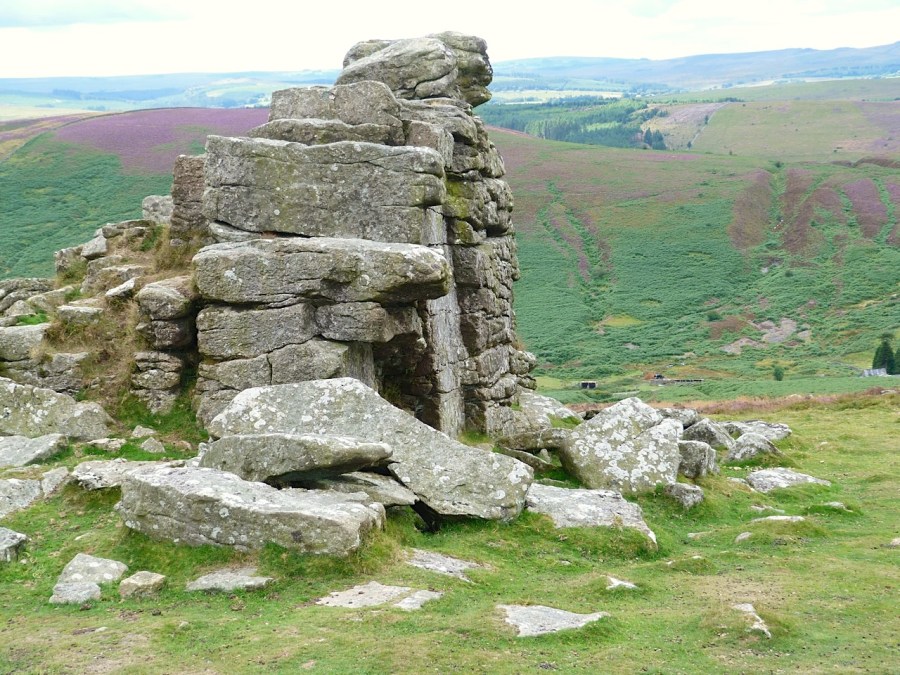
I wouldn’t dream of giving away this location, but I think I can leave a broad clue: “Hound of the Baskervilles”. Part 2 will feature a rather more adventurous and fortuitous (i.e. no clues) Letterbox find at the top of a Tor on Dartmoor last summer.

CORMORANT STUDIES AT WWT BARNES


Cormorant WWT 12Cormorant WWT 1Cormorant WWT 5Cormorant WWT 8Splosh! Gull Photobomb! It wasn’t there when I decided to press the trigger…Cormorant WWT 4 (gull photobomb)Itchy neck? You just have to scratch it…Cormorant WWT 6Relaxed now, thanks…Cormorant WWT 7Cormorant WWT 9Cormorant WWT 10Cormorant WWT 11

Cormorant WWT 13Last sight of the one on the small rock: “Hey, photographer, for !@£$%&* sake leave me alone, ok?”Cormorant WWT 14

THE ‘POMODORO SPHERE’, TRINITY COLLEGE DUBLIN


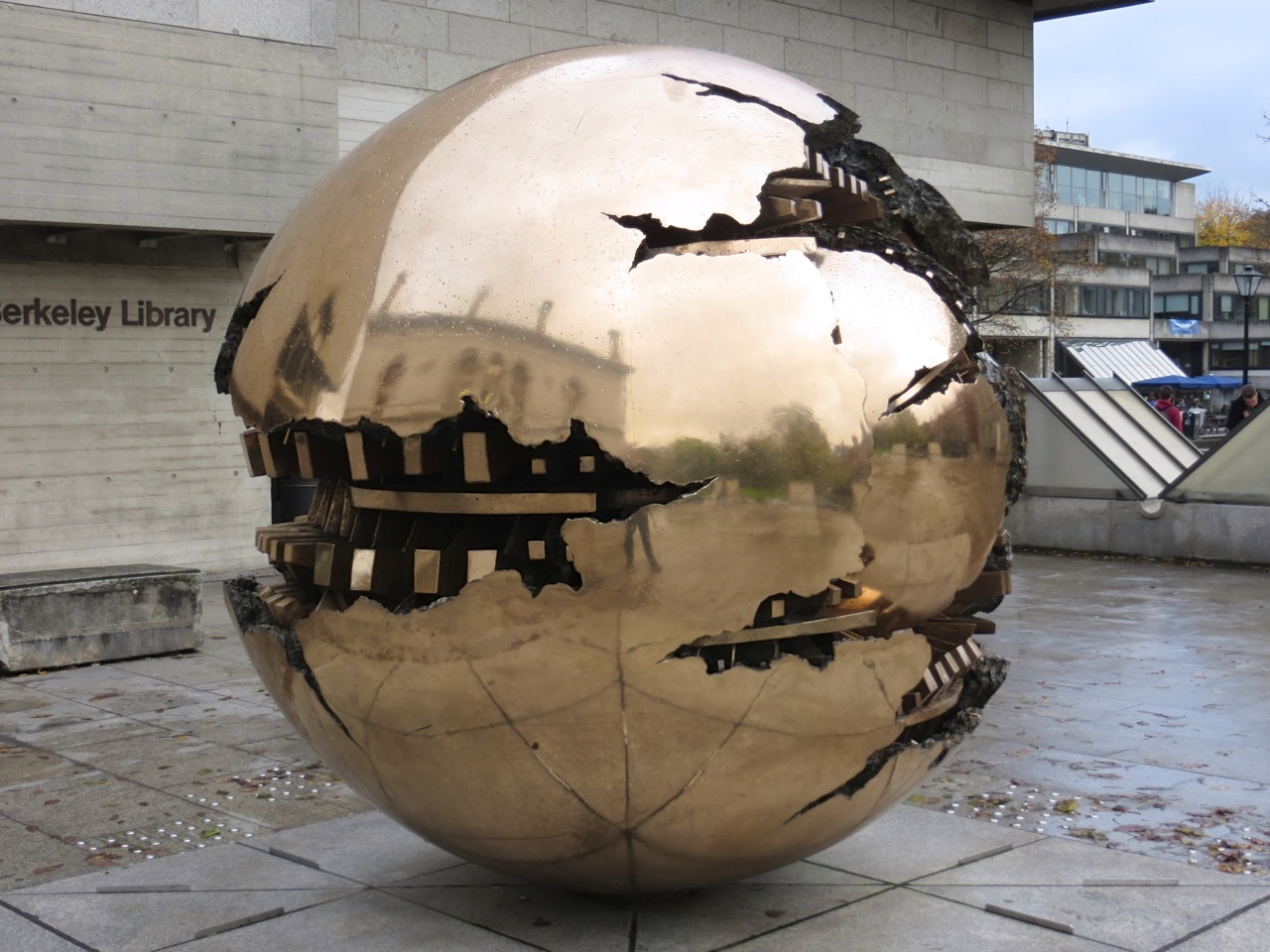
A short trip to Dublin brought the chance to wander round Trinity College, always an enjoyable experience. I’d either failed to notice the strange sculpture on the Berkeley Library forecourt on previous visits, or it has only arrived fairly recently. On a grey rainy day, it looked unpromising from a distance.Pomodoro Sphere TCD 12

On closer inspection, it was fascinating. The large bonze was donated to TCD by the artist, Arnaldo Pomodoro. As the TCD website says, “other similar works exploring this spherical format are on display at locations such as the United Nations plaza in New York, the University of California at Berkeley, the Museum of Contemporary Art in Tehran, the Ministry of Foreign Affairs in Rome, and the Cortile del Belvedere at The Vatican Museums. This sculpture underwent a major conservation project in 2008 which brought the surface of the piece back to its original condition while also restoring its complex sub-structure and pivot.”

Here are some photos taken as I walked round the work. I was struck both by the reflected ‘cityscapes’ – possibly post-apocalyptic – that seemed to appear, and by the complexity of the construction.

Arnaldo Pomodoro ‘Sfera con Sfera’ bronze (click here for artist’s biography, pdf)

Pomodoro Sphere TCD 1 Pomodoro Sphere TCD 2 Pomodoro Sphere TCD 3 Pomodoro Sphere TCD 4 Pomodoro Sphere TCD 6 Pomodoro Sphere TCD 8 Pomodoro Sphere TCD 10 Pomodoro Sphere TCD 11

Click here to read the poem ‘Six Ways of Looking at a Pomodoro’ by John Scattergood (pdf document)

Credits: TCD website for info & links; all photos RH

RINGED TEAL PAIR PREENING IN LATE SUNSHINE


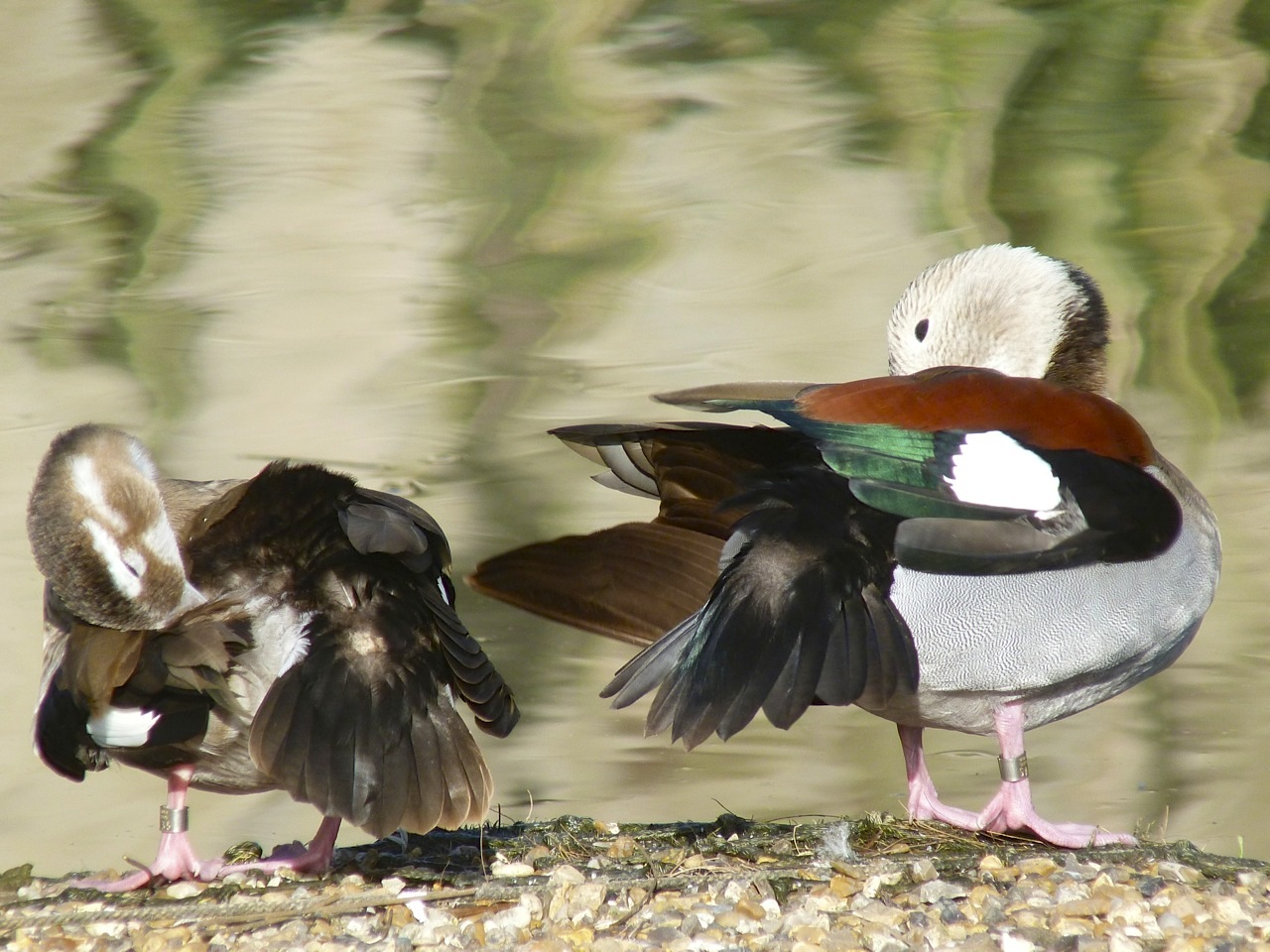
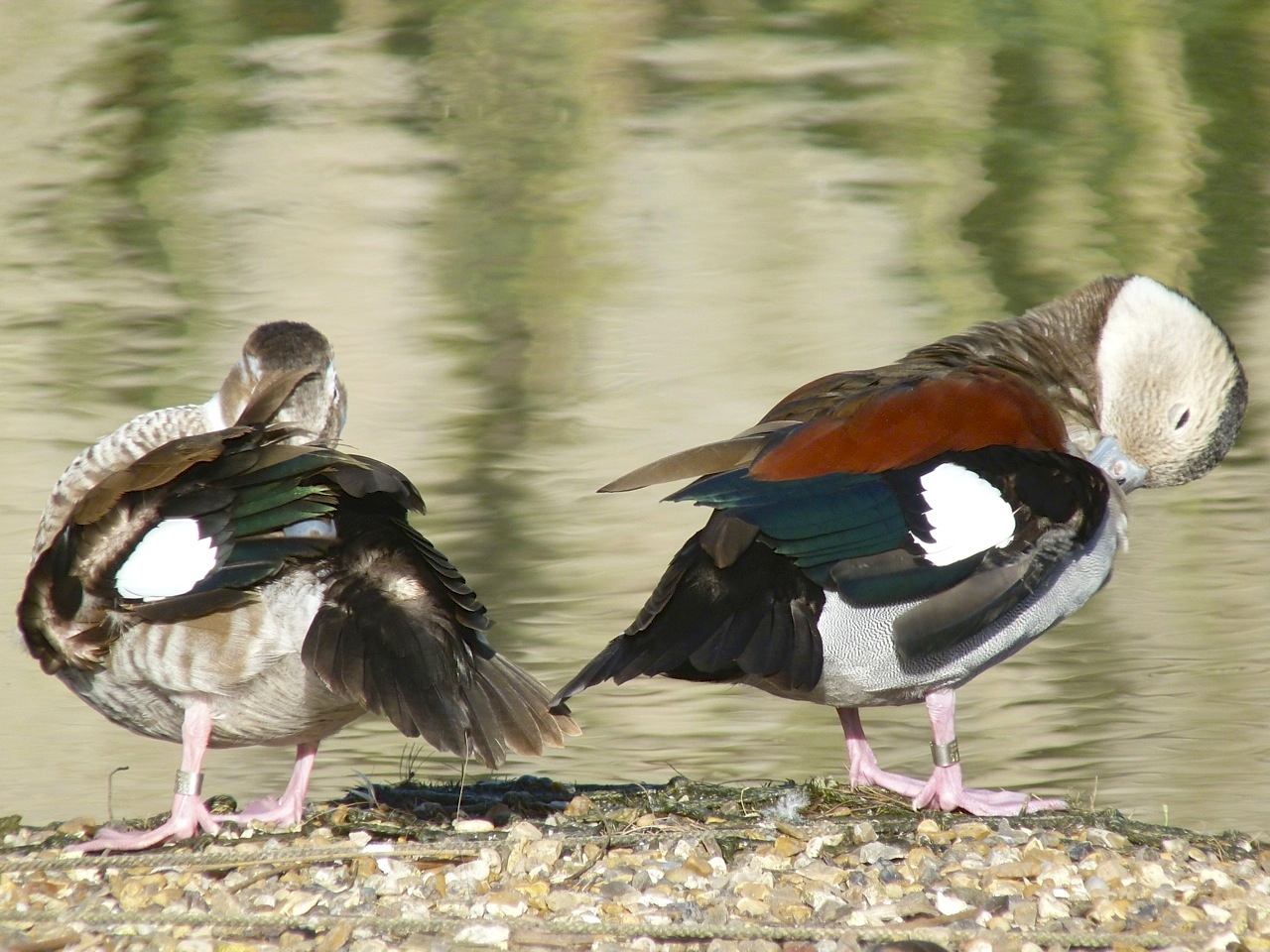
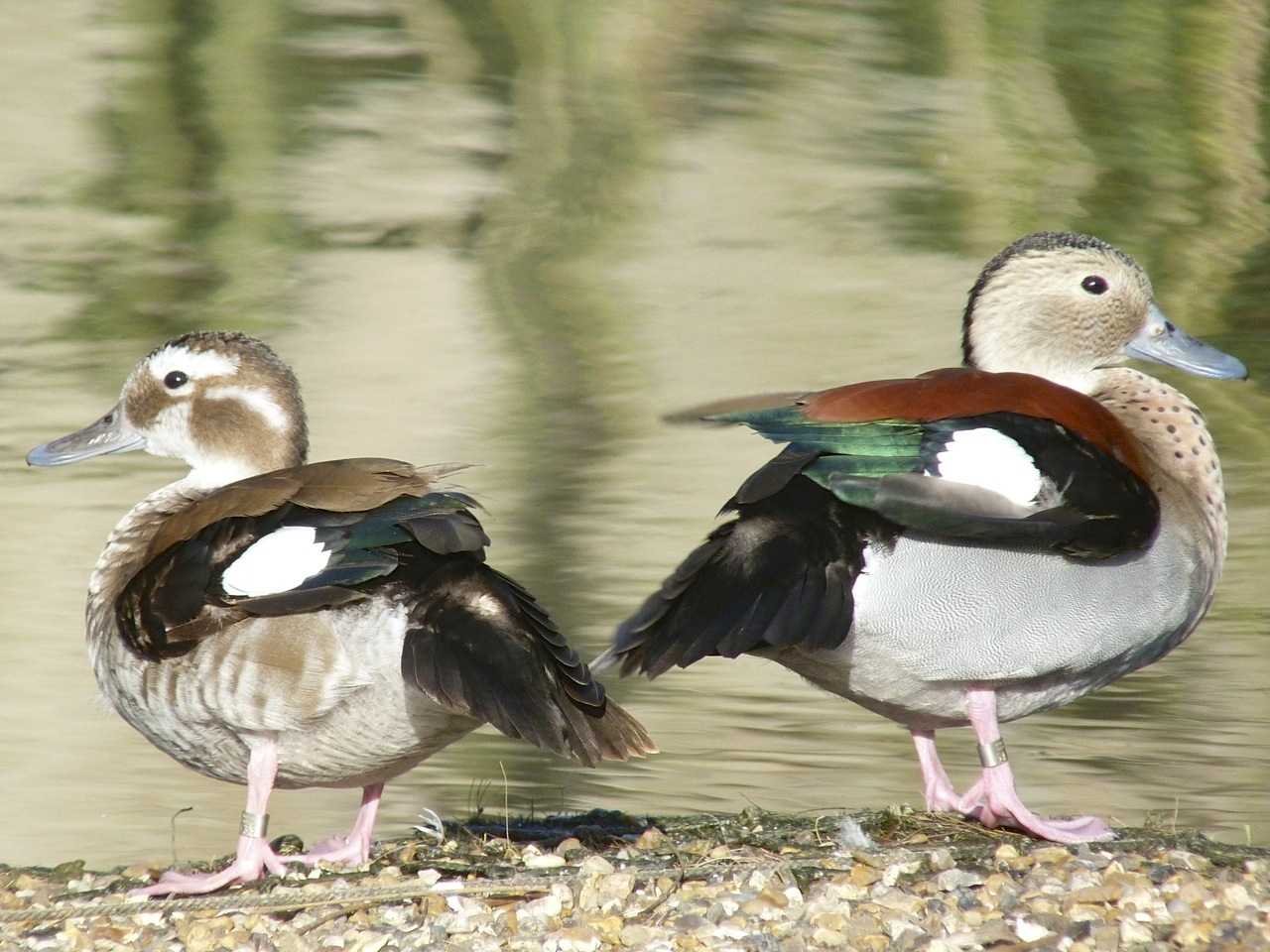
This sequence shows a pair of Ringed Teal preening in late autumn sunshine. The series of images shows the movements of both birds and the marked variations in the colouring of the male over a few minutes. At one stage the vivid green sheen of the wings gave way to dark blue. I was also trying to use the water behind them to create an impressionistic effect, which has worked in a way.

Ringed Teal pair WWT 1 Ringed Teal pair WWT 2 Ringed Teal pair WWT 3 Ringed Teal pair WWT 4 Ringed Teal pair WWT 6 Ringed Teal pair WWT 7 Ringed Teal pair WWT 9 Ringed Teal pair WWT 10 Ringed Teal pair WWT 11

DORSET SHEEP: THE RAM, READY TO PLAY THE FIELD…


Sheep supposedly have peaceful, grazey lives. Counting them is allegedly soporific. But in reality they lead busy and productive lives. No sooner do they lamb than it’s time for the circle of life to begin again for them. In the evening sunshine the field gate swings open. A truck’s catch is slipped. Enter the ram, harnessed for action to mark his conquests and raring to go… 

Some photos were taken after the ram had been investigating the 7 ewes in the field rather closely. Two had lambed, 5 were pregnant. The ram is demonstrating a FLEHMEN RESPONSE – see http://en.wikipedia.org/wiki/Flehmen_response which explains it better than I can, and with a particular reference to sheep.

Totnell Ram 8Totnell Ram 9Totnell Ram 5

THE FLEHMEN RESPONSETotnell Ram 6Totnell, Dorset - Ram - Flehmen response in SheepTotnell, Dorset - Ram - Flehmen response in SheepTotnell, Dorset - Ram - Flehmen response in Sheep

FIRST OF THE WINTER LAMBS IN DORSET


In September I posted about the 7 pregnant Poll Dorset sheep that a young farmer in our village had put in our paddock. I predicted “pastoral scenes, evenly-cropped grass… with pre-Christmas lambs in prospect…”.  The sheep were removed for a month or so to let the grass regrow. Yesterday morning there was an unusual sound coming from the field. Rounding the corner of the house we saw a single tiny lamb, 2 days old, mewing rather piteously.

Number 2: the first in its field…Totnell Lambs Nov 3

It was soon joined by twin lambs a few days olderTotnell Lambs Nov 12

Then came the 2 mothers. Then the 5 still-pregnant sheep waddled into the field, all due to lamb within the next 3 weeks. Here’s one of the proud mothers.Totnell Lambs Nov 11

The sheep and lambs were numbered so it was easy tell which belonged to which. But whereas the mothers also knew their own lambs, it was taking the lambs a while to cotton on to the numbering system…  

Correctly matchedTotnell Lambs Nov 7

Number 2 has still to get the hang of the system…Totnell Lambs Nov 1

Number 2Totnell Lambs Nov 10

Number 2 and one of the twinsTotnell Lambs Nov 9

Pretty lambs all in a row

Totnell Lambs Nov 4

Settling in

Totnell Lambs Nov 8  Totnell Lambs Nov 5   Totnell Lambs Nov 2

OTTER STUDIES


There’s no great kudos in finding these particular otters. They are Asian short-clawed otters and they are one of the attractions at WWT Barnes, where a number are kept in a spacious enclosure. There’s plenty of water for them, obstacle courses (pipes and so forth) have been set up, and they look sleek and well-fed (as well they might be, with feeding times twice daily). I managed to see 3 at an uncrowded time, and one in particular seemed to enjoy being admired.

OTTER WWT 5OTTER WWT 4OTTER WWT 2  OTTER WWT 3   OTTER WWT 6 OTTER WWT 7 OTTER WWT 8 OTTER WWT 9 OTTER WWT 10

BLACK-HEADED GULLS: FUN IN THE SUN


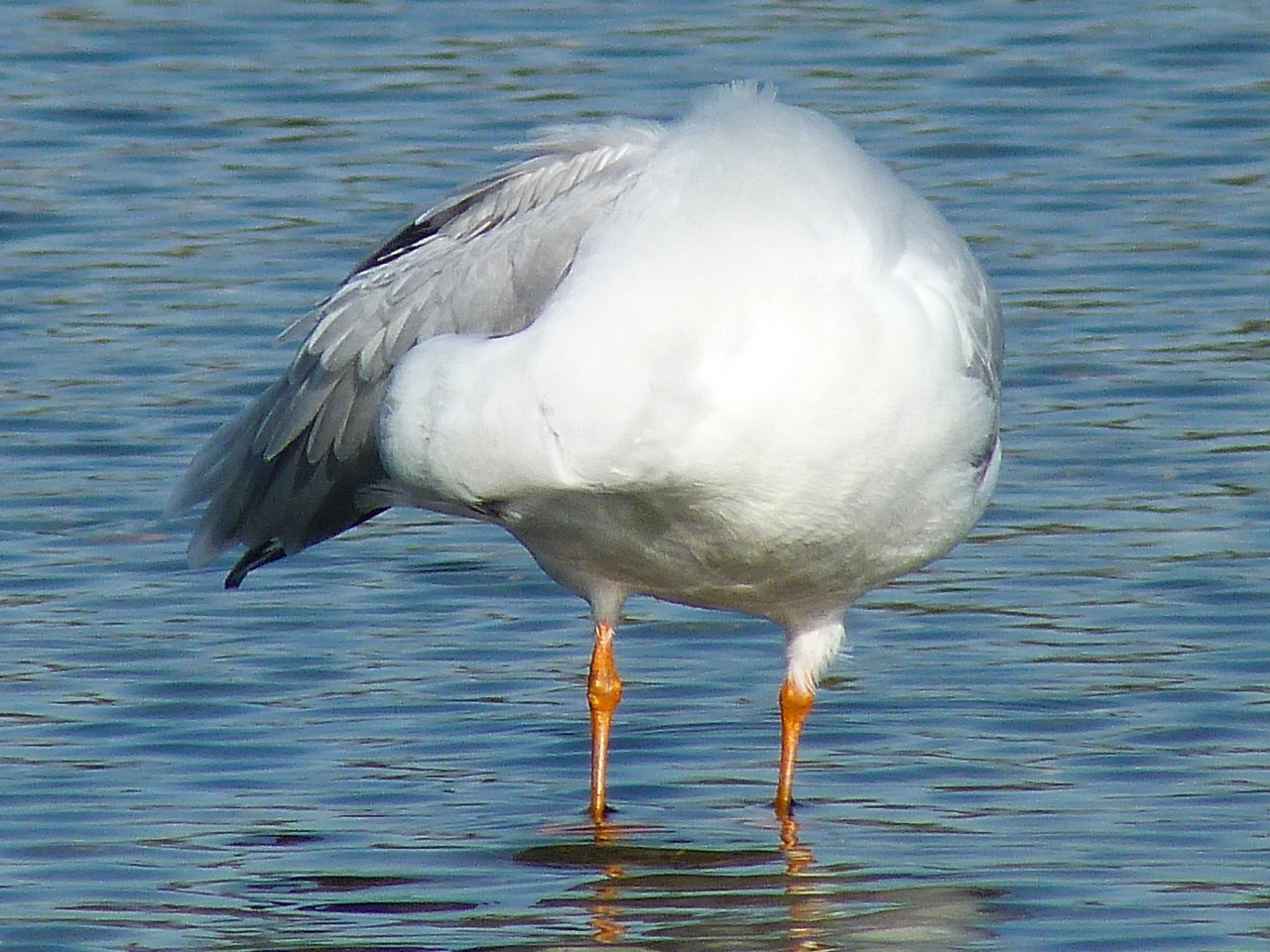
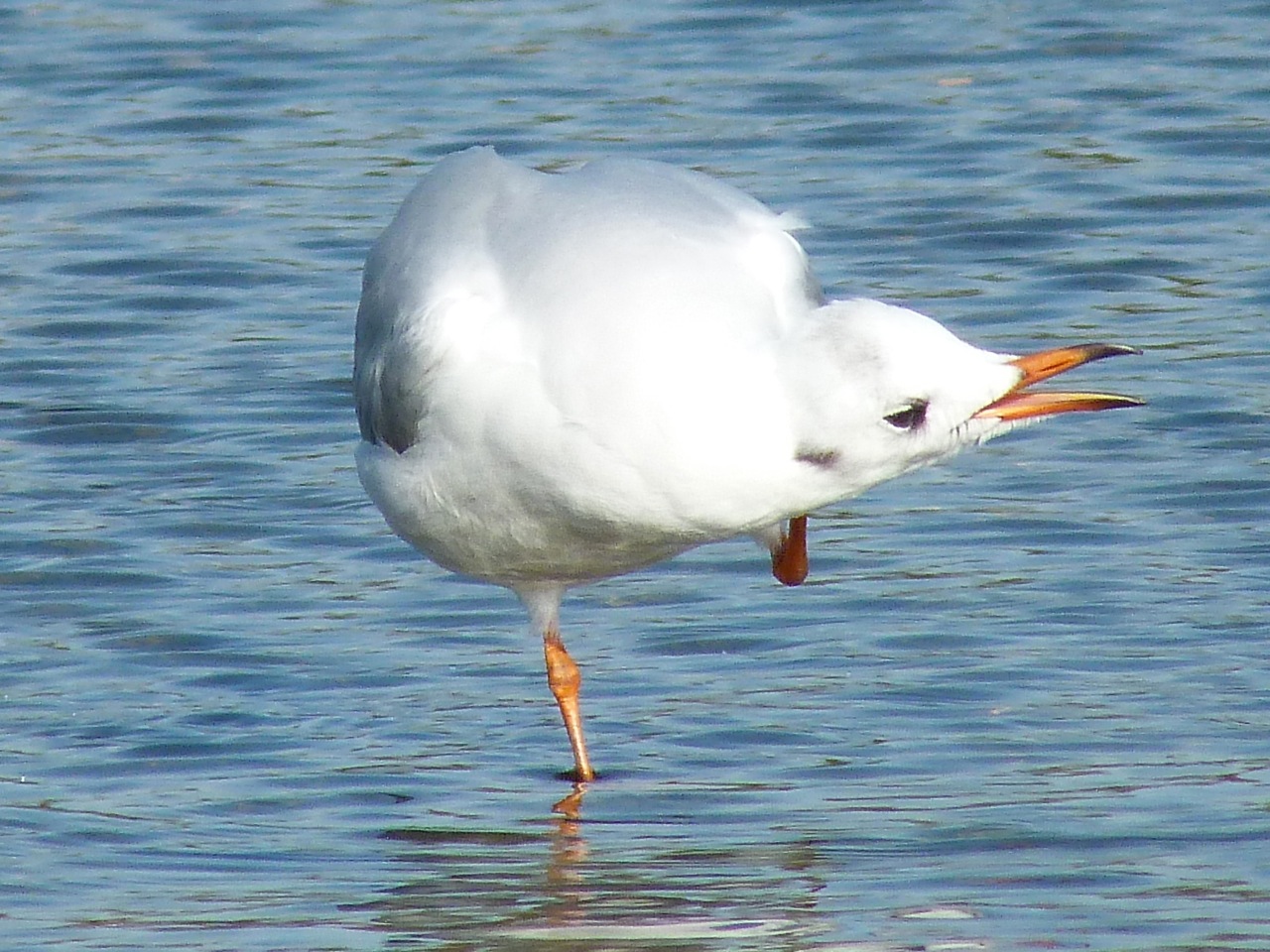
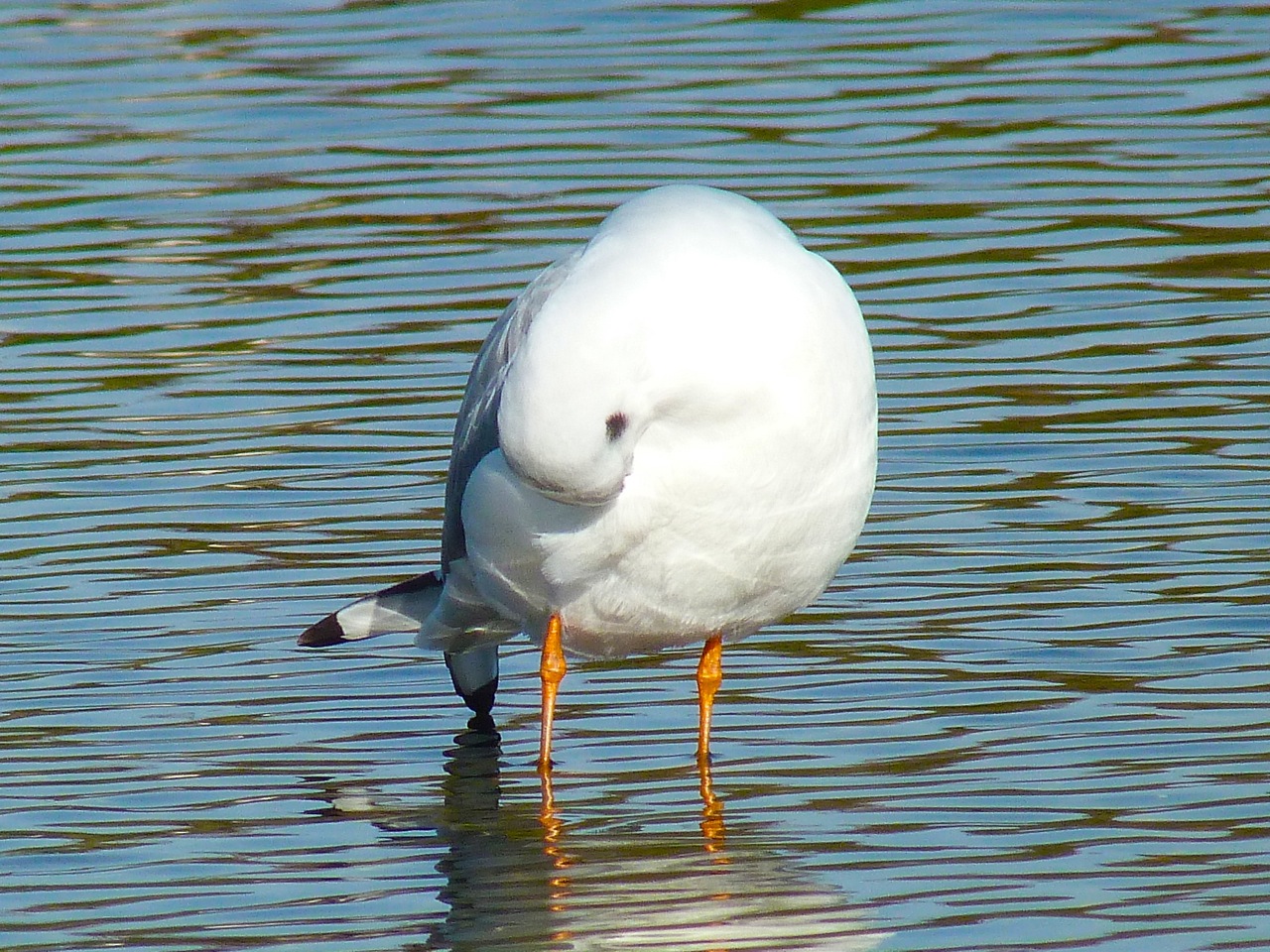
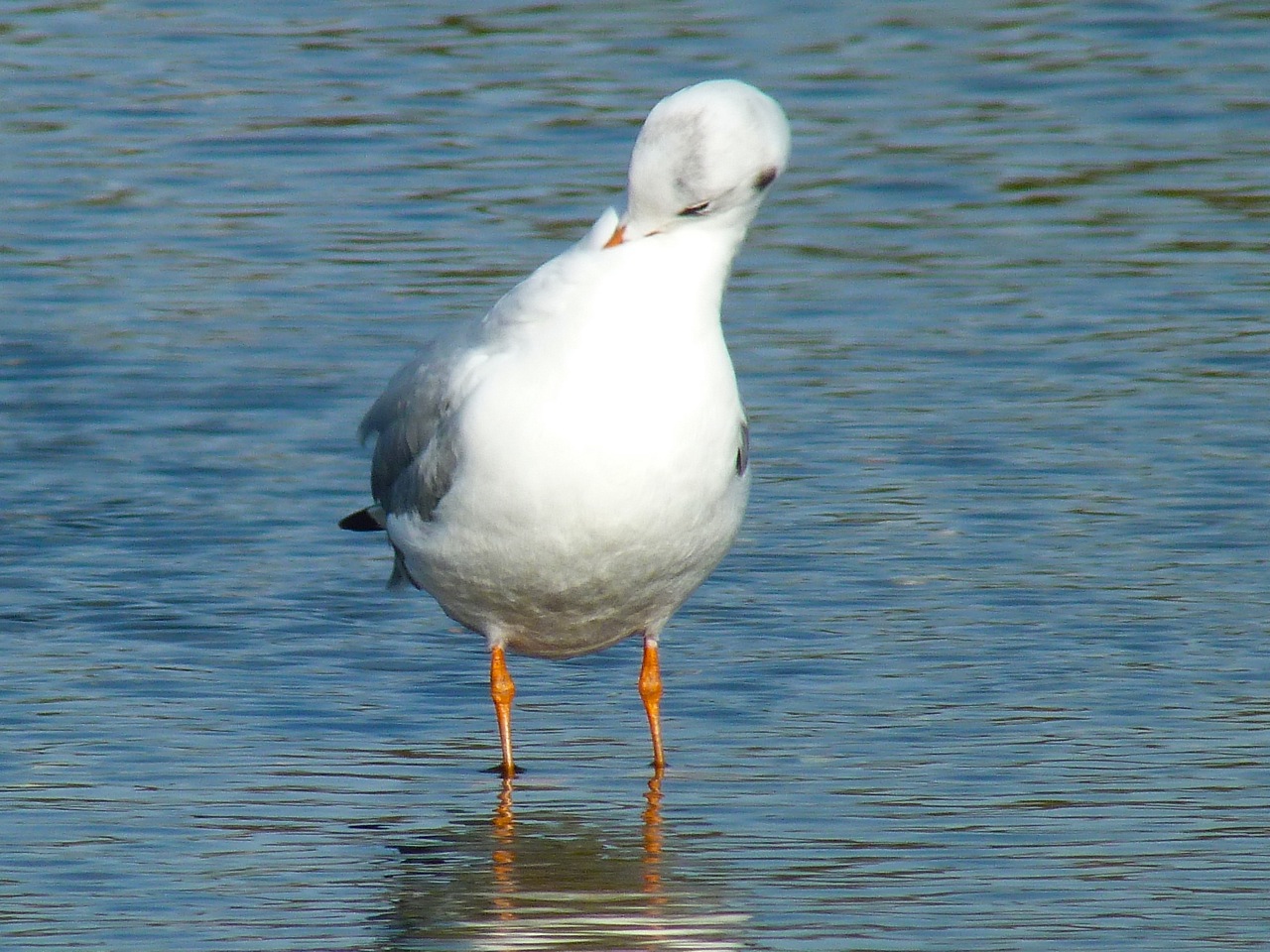
Halloween. Frequently a wet, cold and dreary day concluding with dubiously decked-out children ‘scarily’ collecting sweets with watchful parents in the shadows (and the odd teenage chancers ditto, but without the parents ). But this year on a warm sunny October 31st I went to have a look at some birds. To start with here are some black-headed gulls (winter plumage) enjoying a serious bathing and preening session at WWT Barnes.   

Black-headed Gull (winter plumage) WWT BarnesBlack-headed Gull (winter plumage) WWT BarnesBlack-headed Gull (Winter Plumage) WWT Barnes 7Black-headed Gull (Winter Plumage) WWT Barnes 8Black-headed Gull (Winter Plumage) WWT Barnes 9Black-headed Gull (Winter Plumage) WWT Barnes 10Black-headed Gull (winter plumage) WWT Barnes  Black-headed Gull (winter plumage) WWT Barnes  Black-headed Gull (winter plumage) WWT Barnes Black-headed Gull (winter plumage) WWT Barnes

GREAT GREY OWL


I met this remarkable-looking bird at an owl sanctuary near Bodmin. I saw a sign to the place on my way back from Cornwall to Dorset, and diverted to investigate. I found a large, well-kept enterprise with plenty of birds, visitors and school parties. There was a very informative open-air display of several species that were explained in turn, and which visitors were in most cases permitted to stroke. A very worthwhile diversion that I’d recommend to anyone trekking along the A30 with a bit of time to spare. The place is called THE SCREECH OWL SANCTUARY.

Great Grey Owl 1Great Grey Owl 4

Many owl species can rotate their necks through 270º or more. This one managed a 180º rotation effortlessly, with its feet in identical positions.Great Grey Owl 5Great Grey Owl 2 Great Grey Owl 6