


KESTREL STUDIES, DORSET

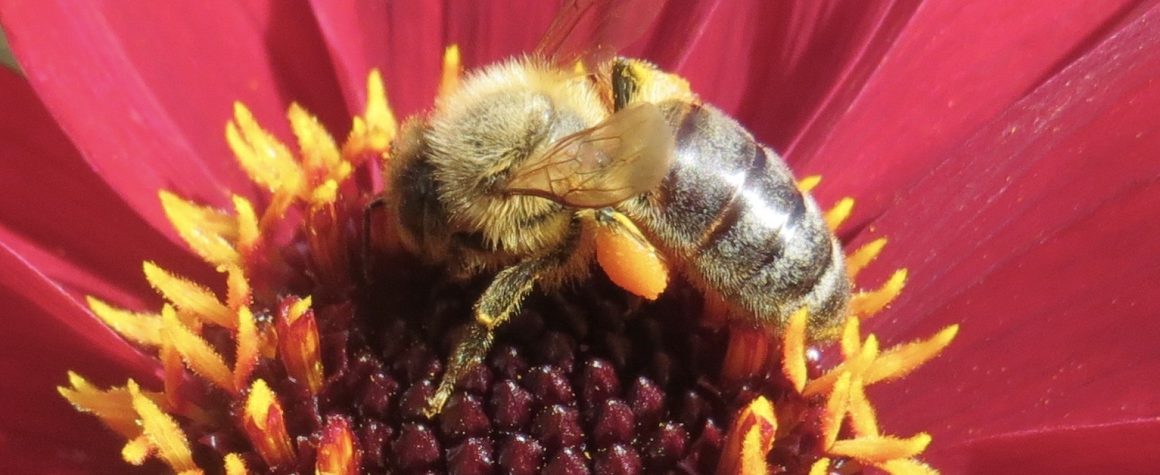
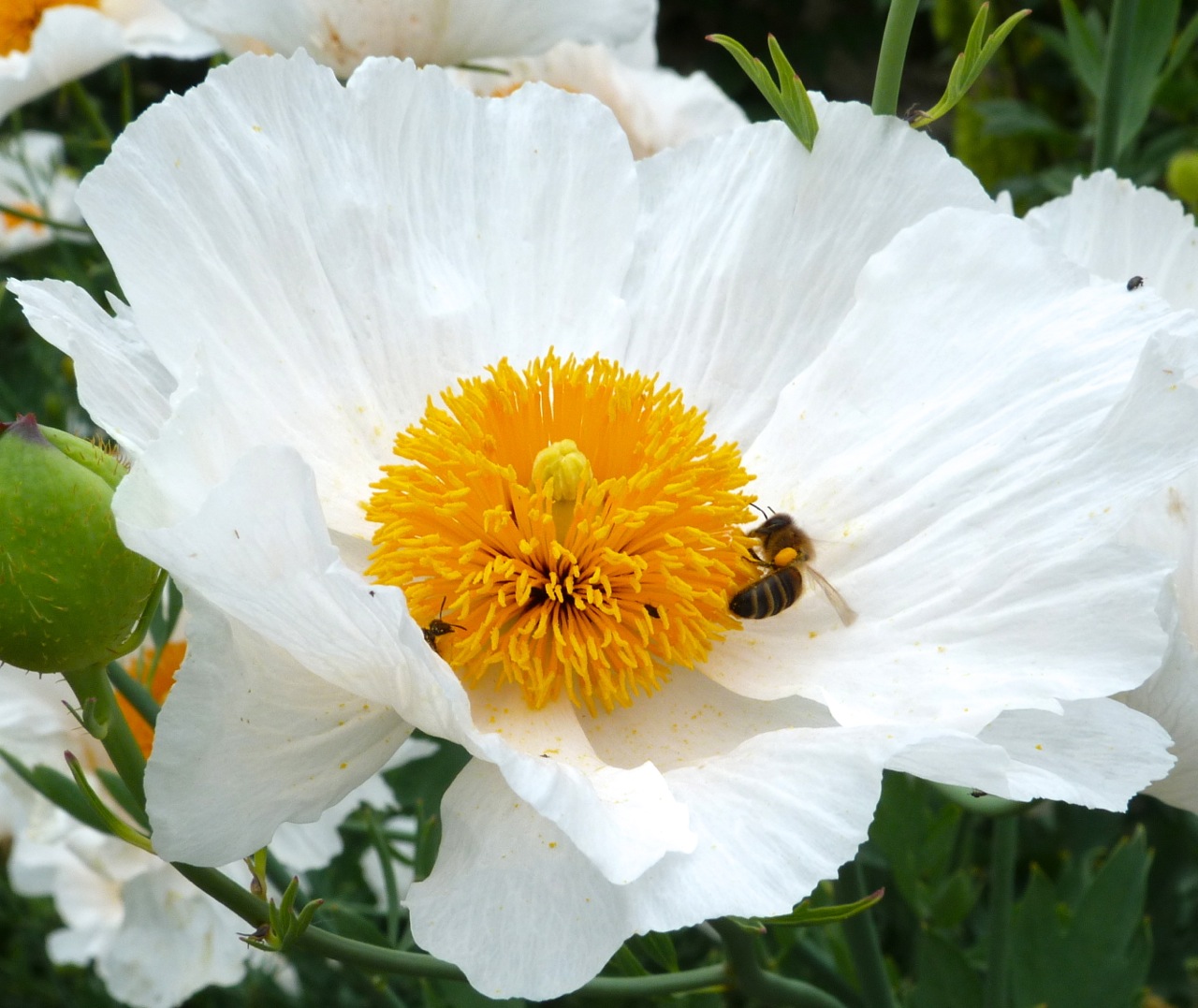
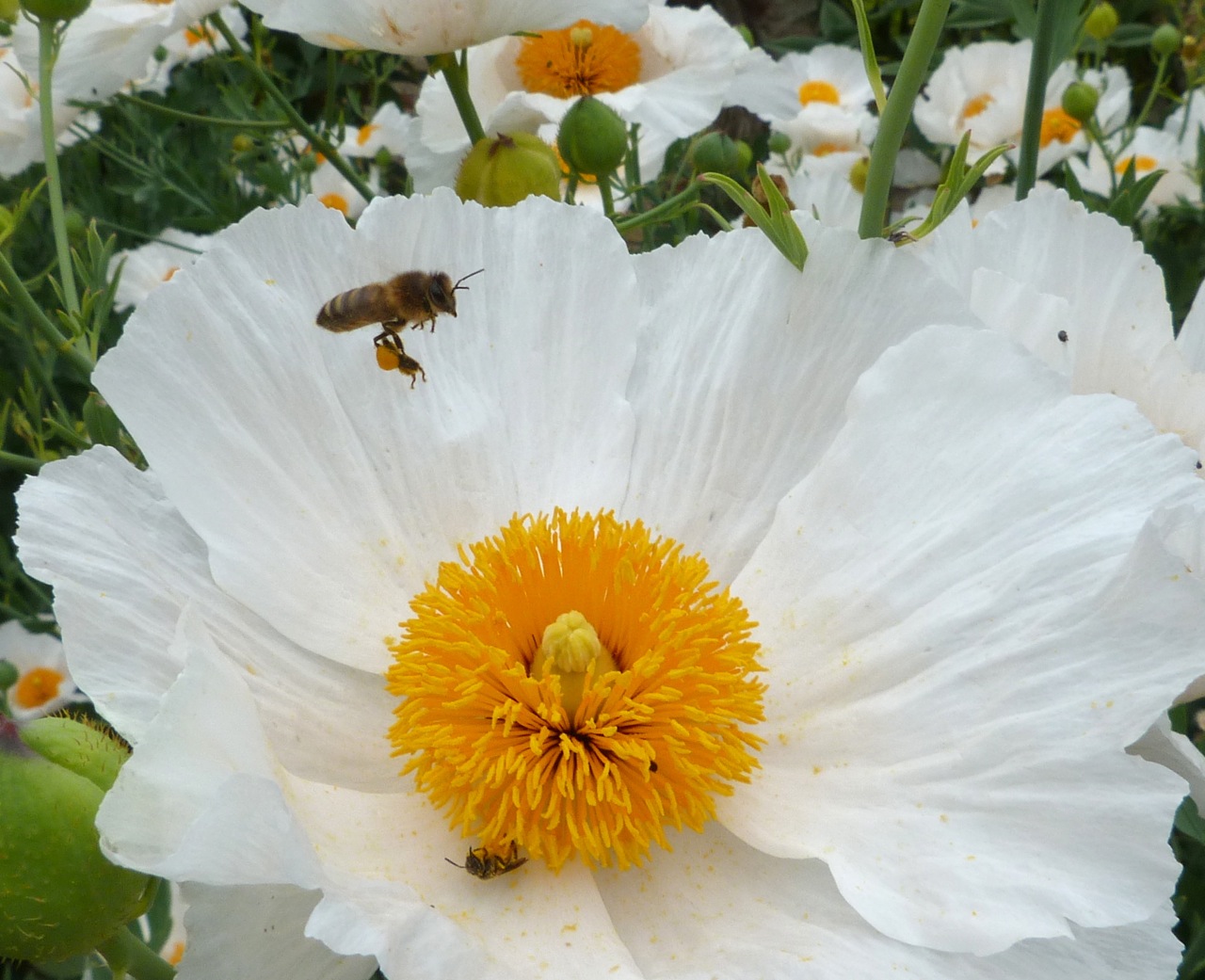
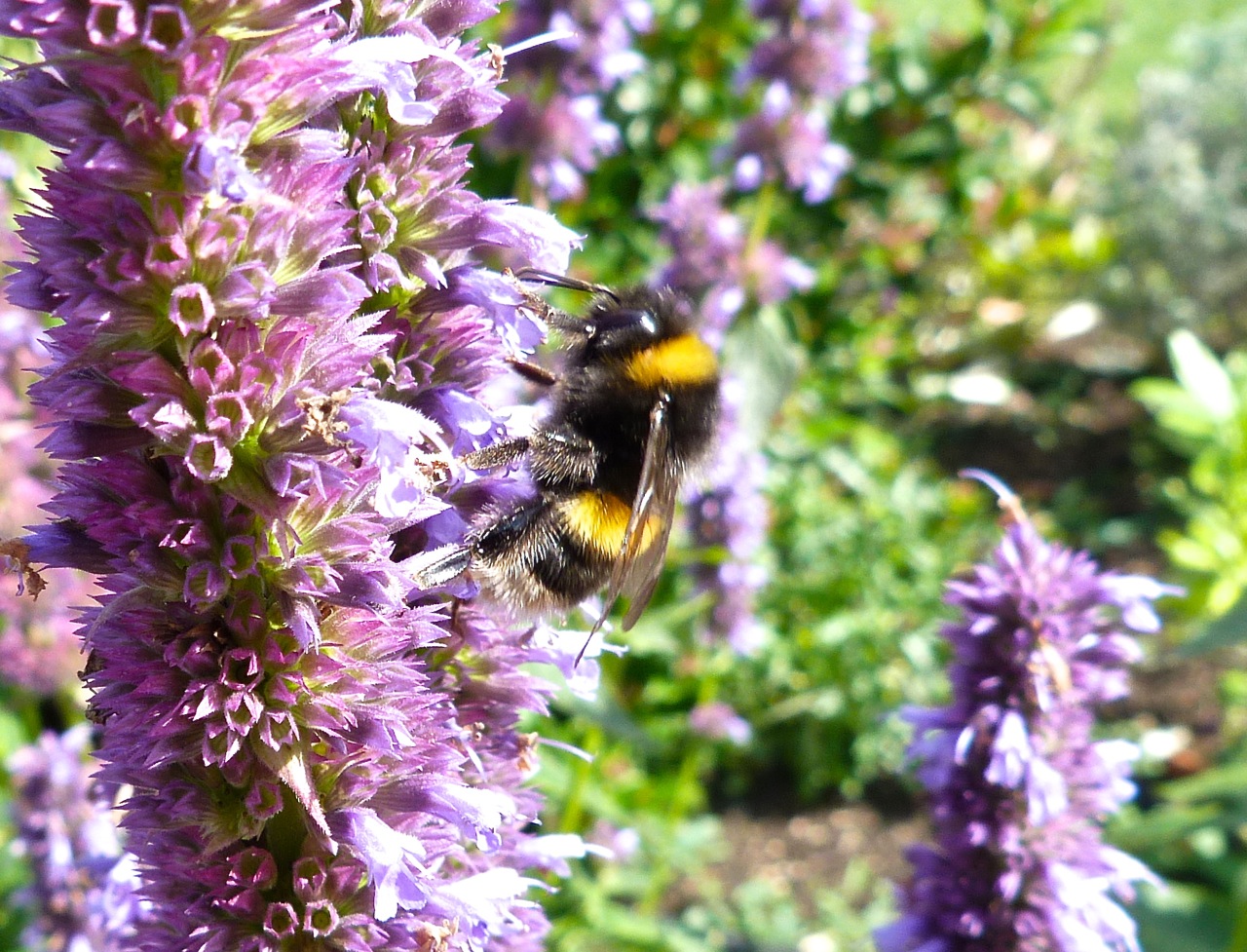
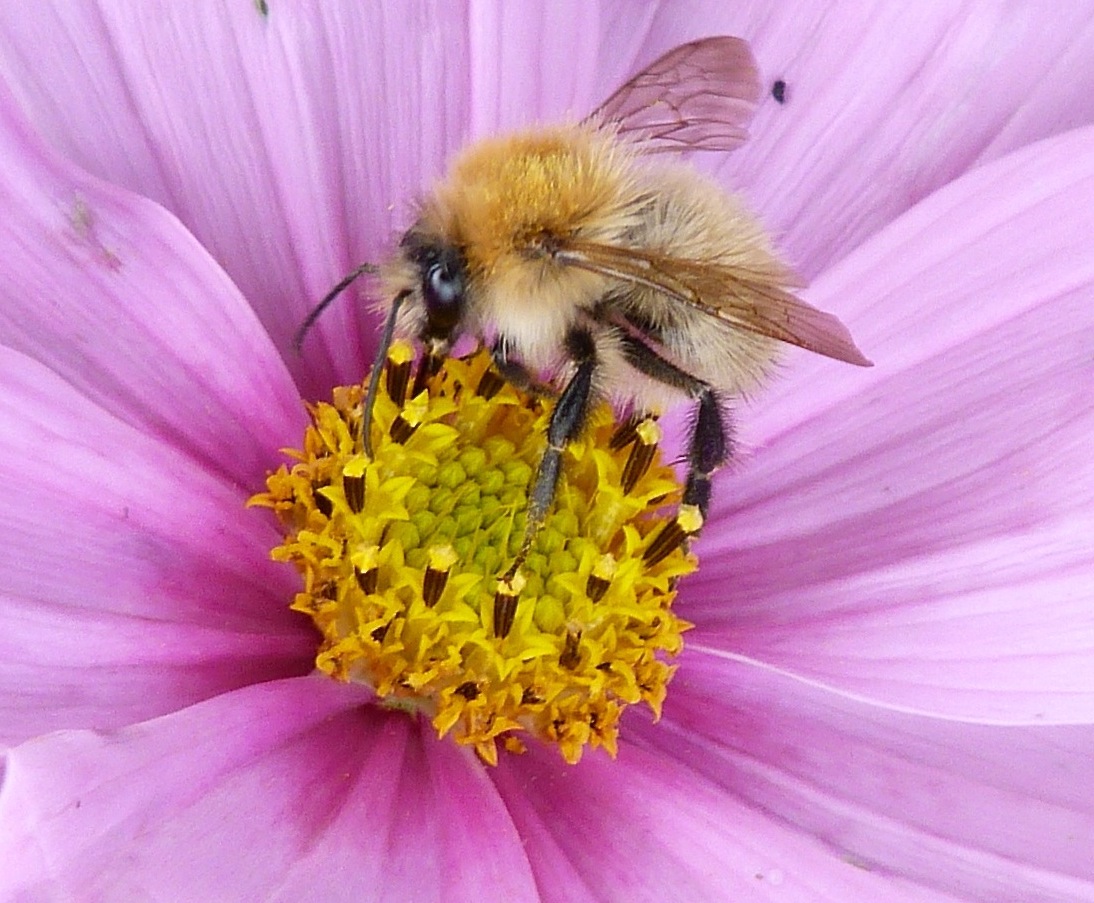
This plant at Oxburgh Hall, Norfolk was a magnet for small bees. We watched them come and go, filling up their little saddlebags. Photos of bees in flight don’t often work well. These are no exception. Still, they do catch the general bizzyness of the proceedings. The plant was lovely, not one we knew. Another new bee plant find for the year, along with Hyssop.



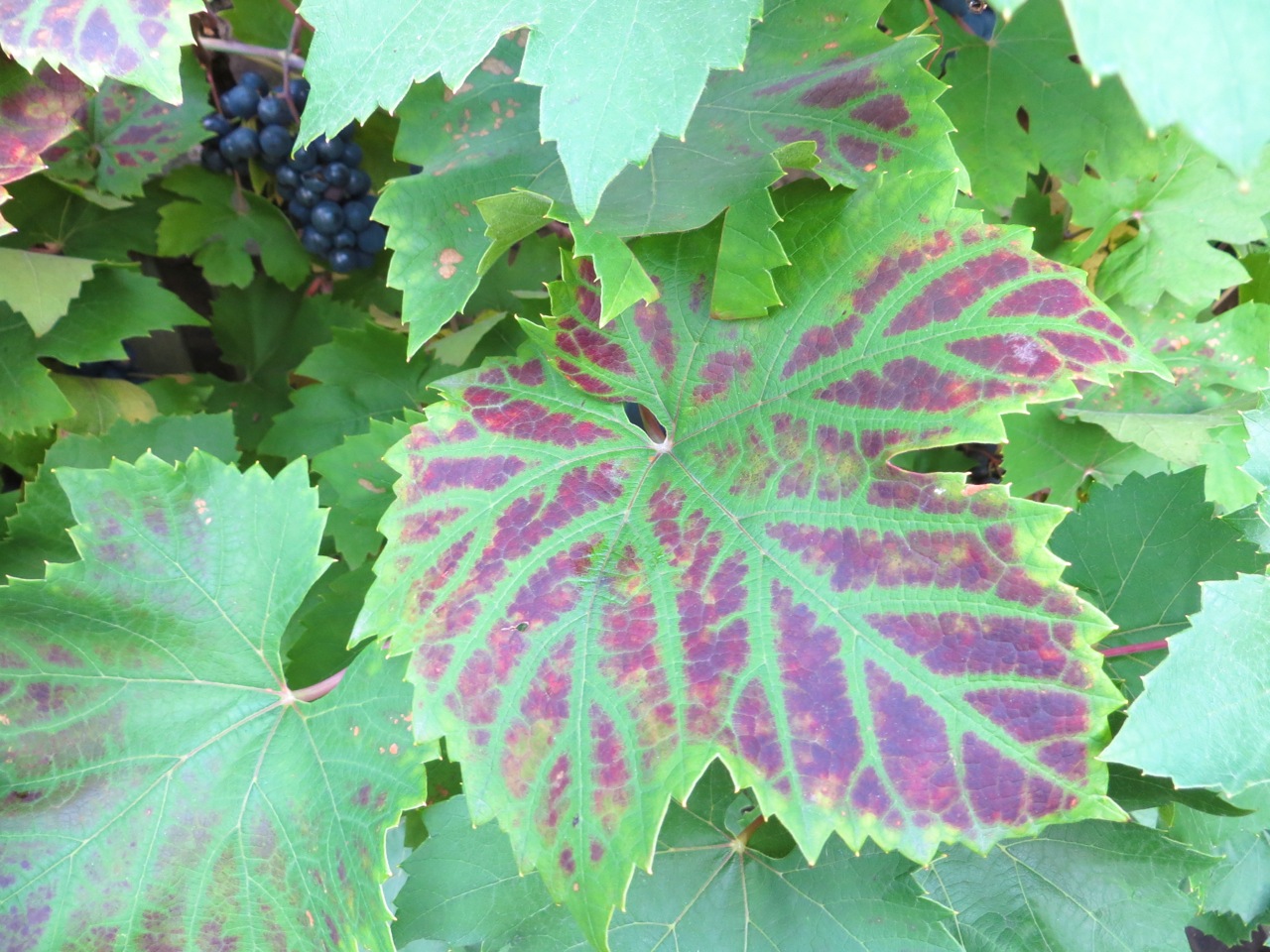
As summer gives way to autumn, the vine leaves start to turn rusty red

Grapes that have been green all summer gradually turn deep red, almost black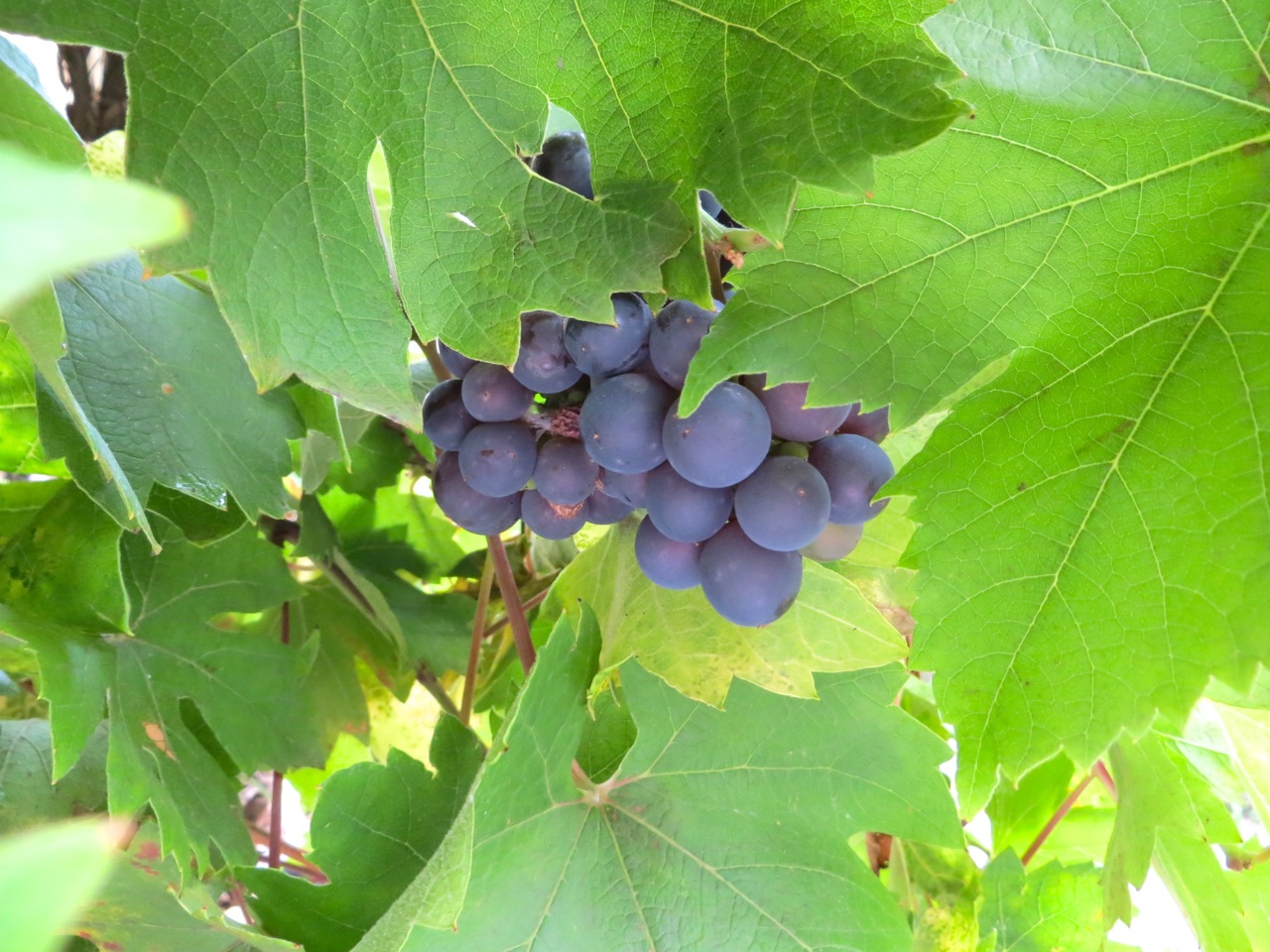
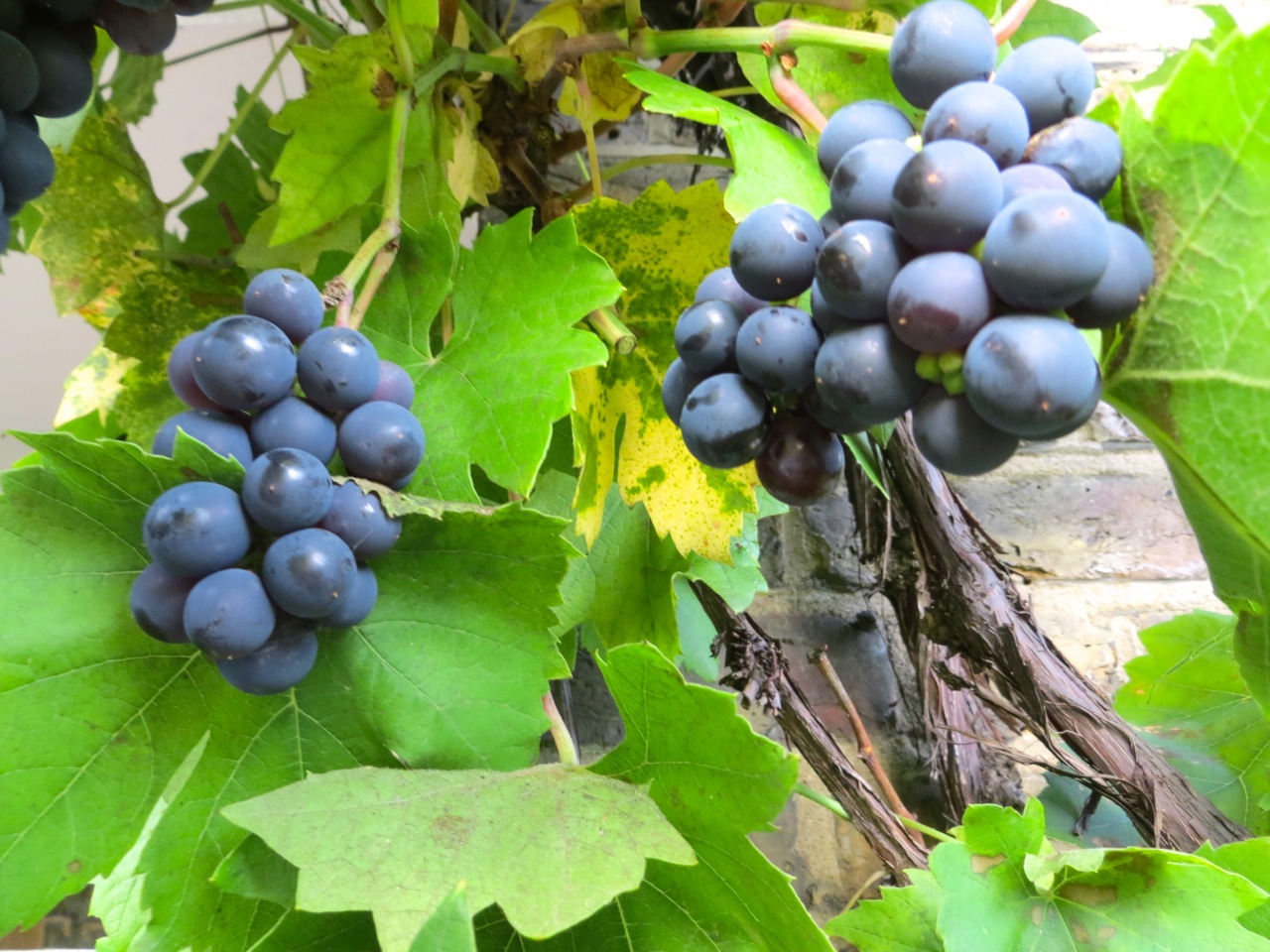
This year the grapes have been more prolific than for many years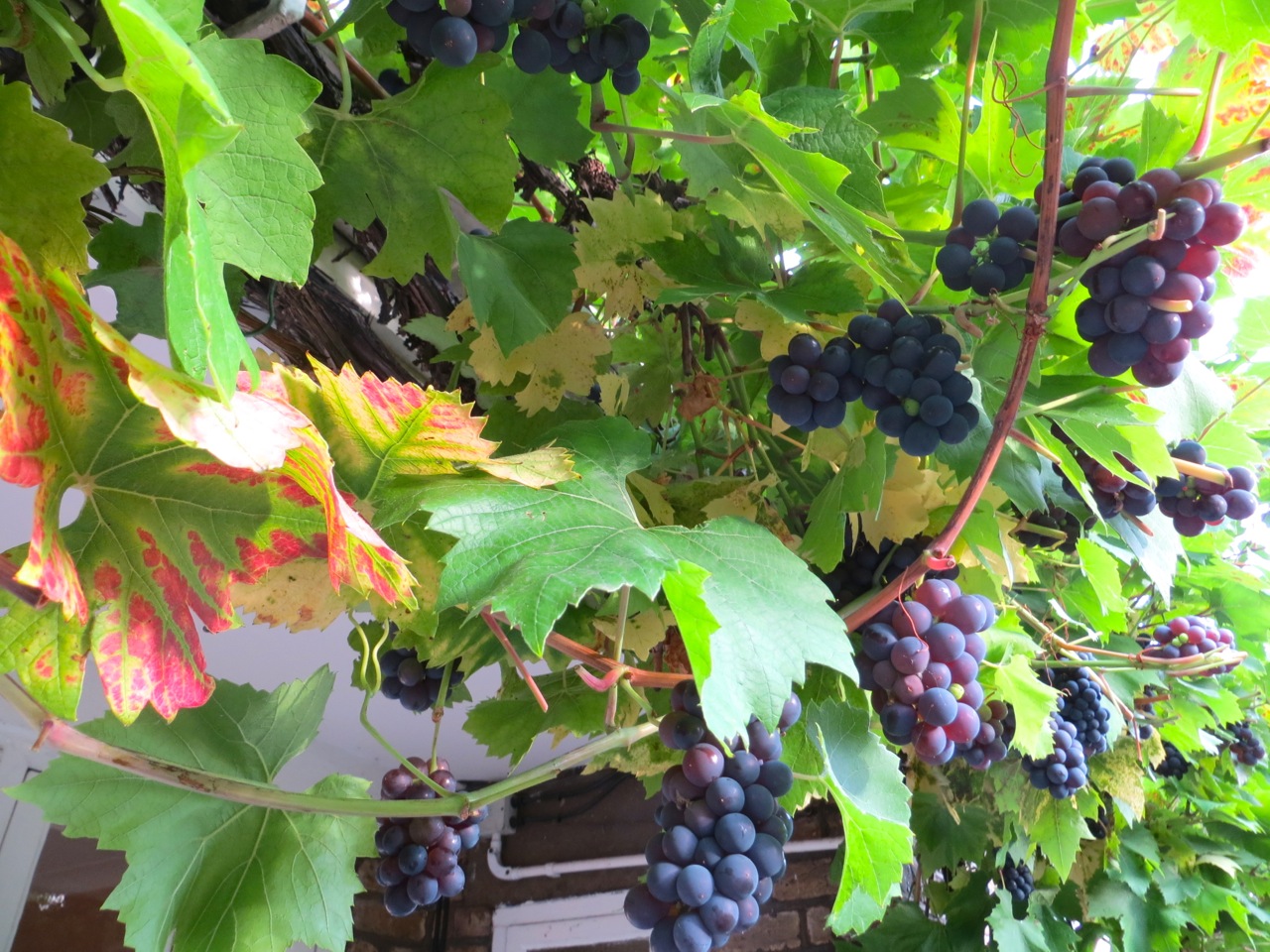
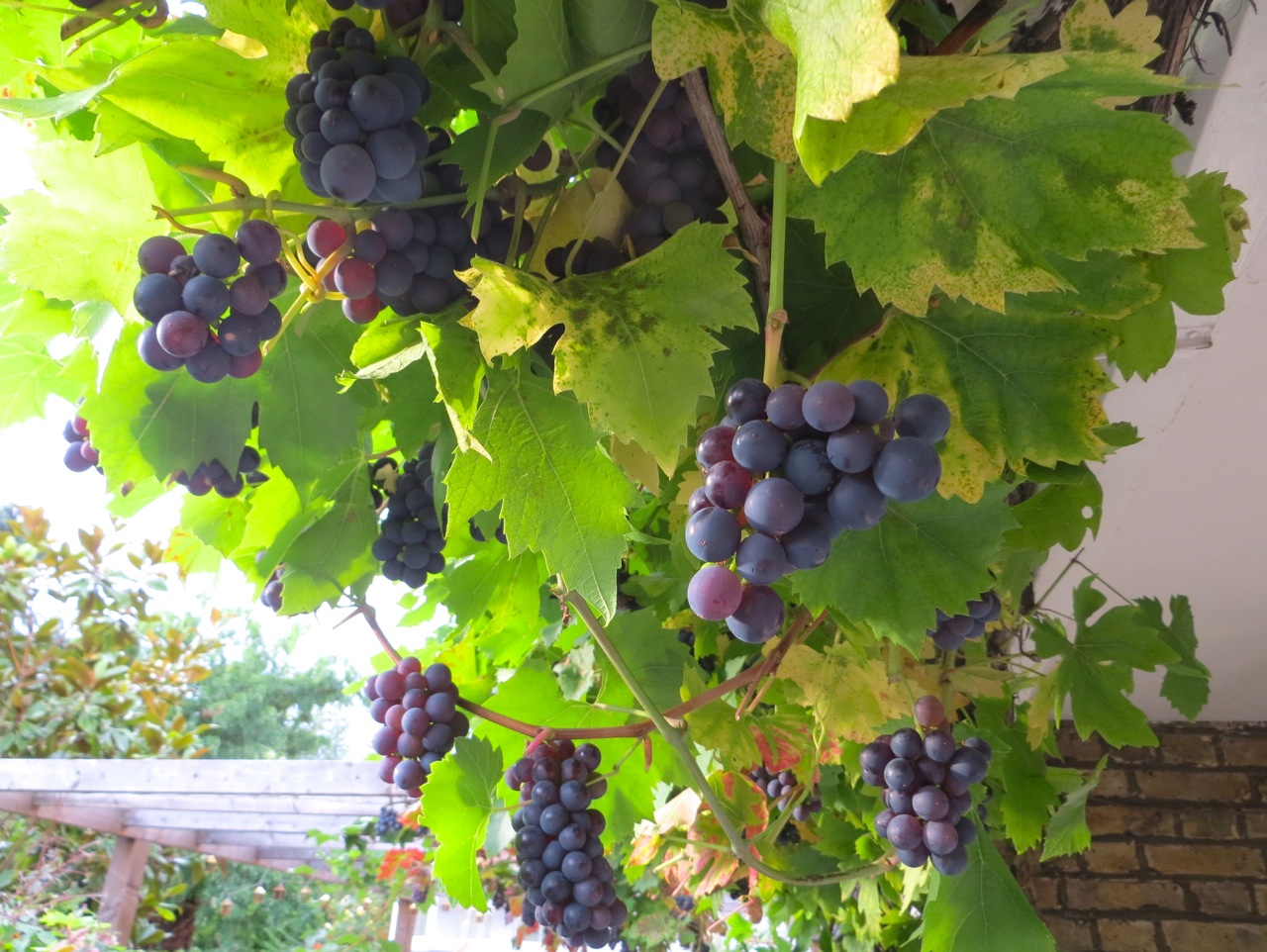
The bunches are larger, juicier and sweeter than ever before
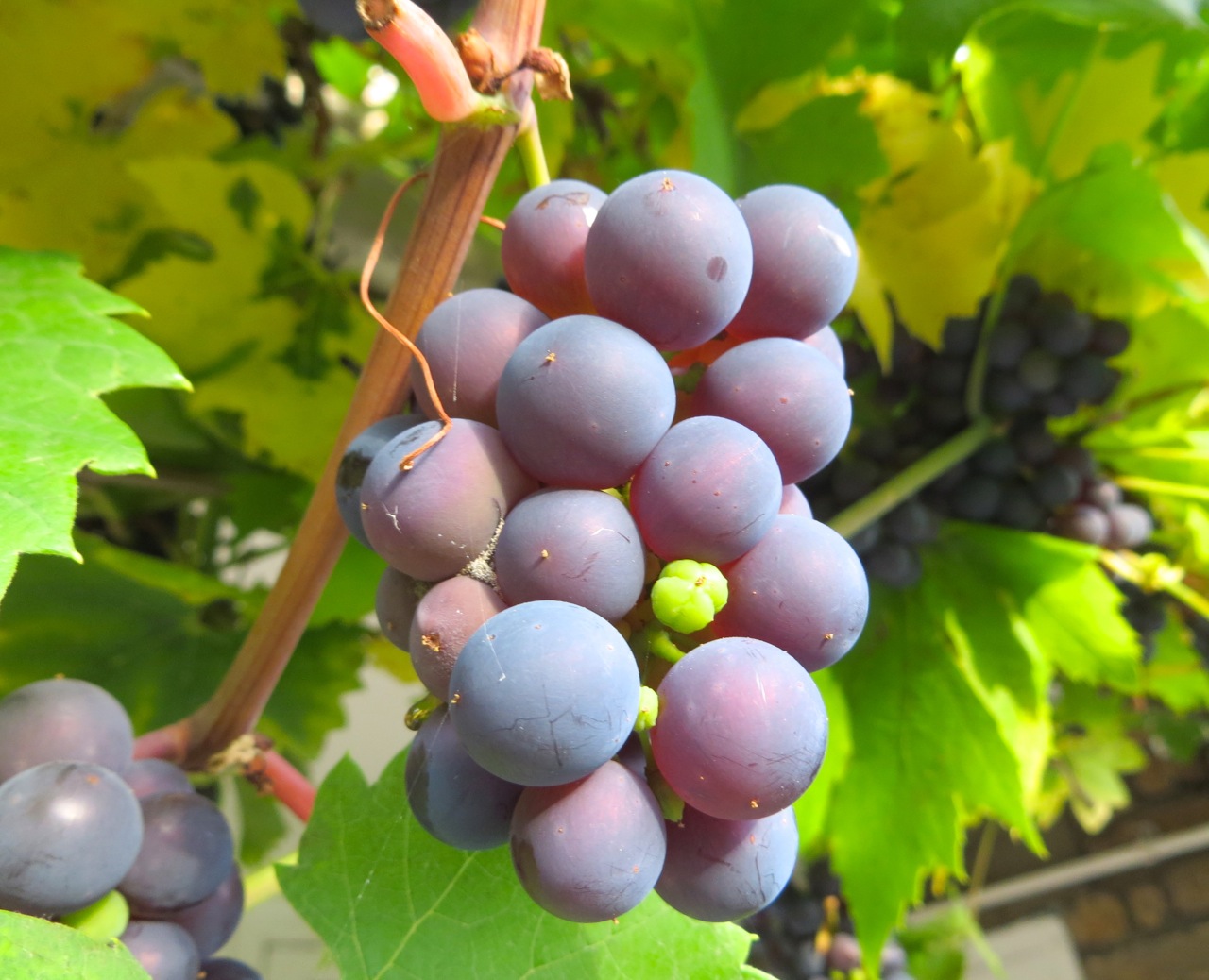
Today was the Vendemmia, the annual grape harvest

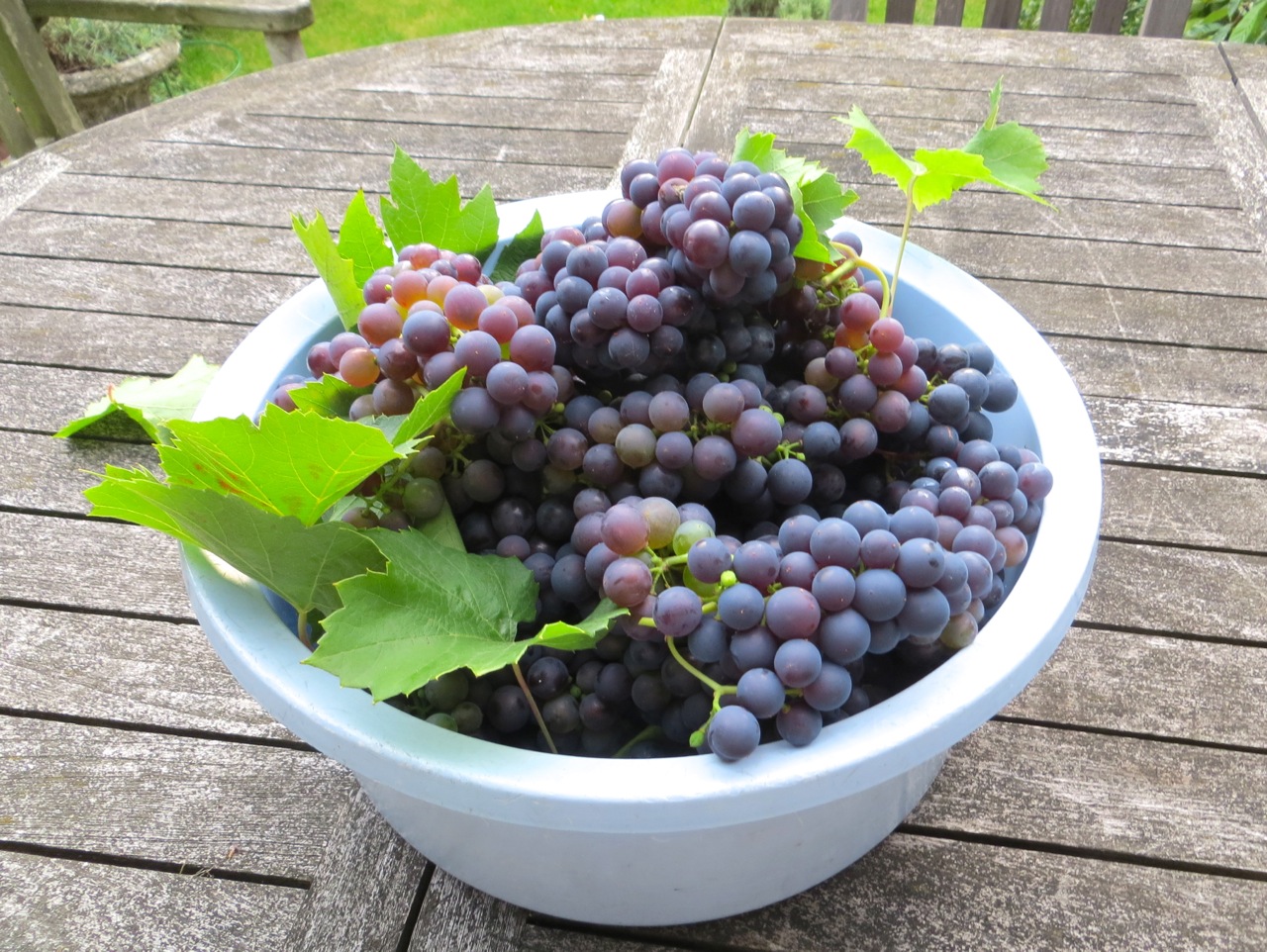
About 25% of the harvest filled a traditional blue grape-picking receptacle

 And this happened today in… West London



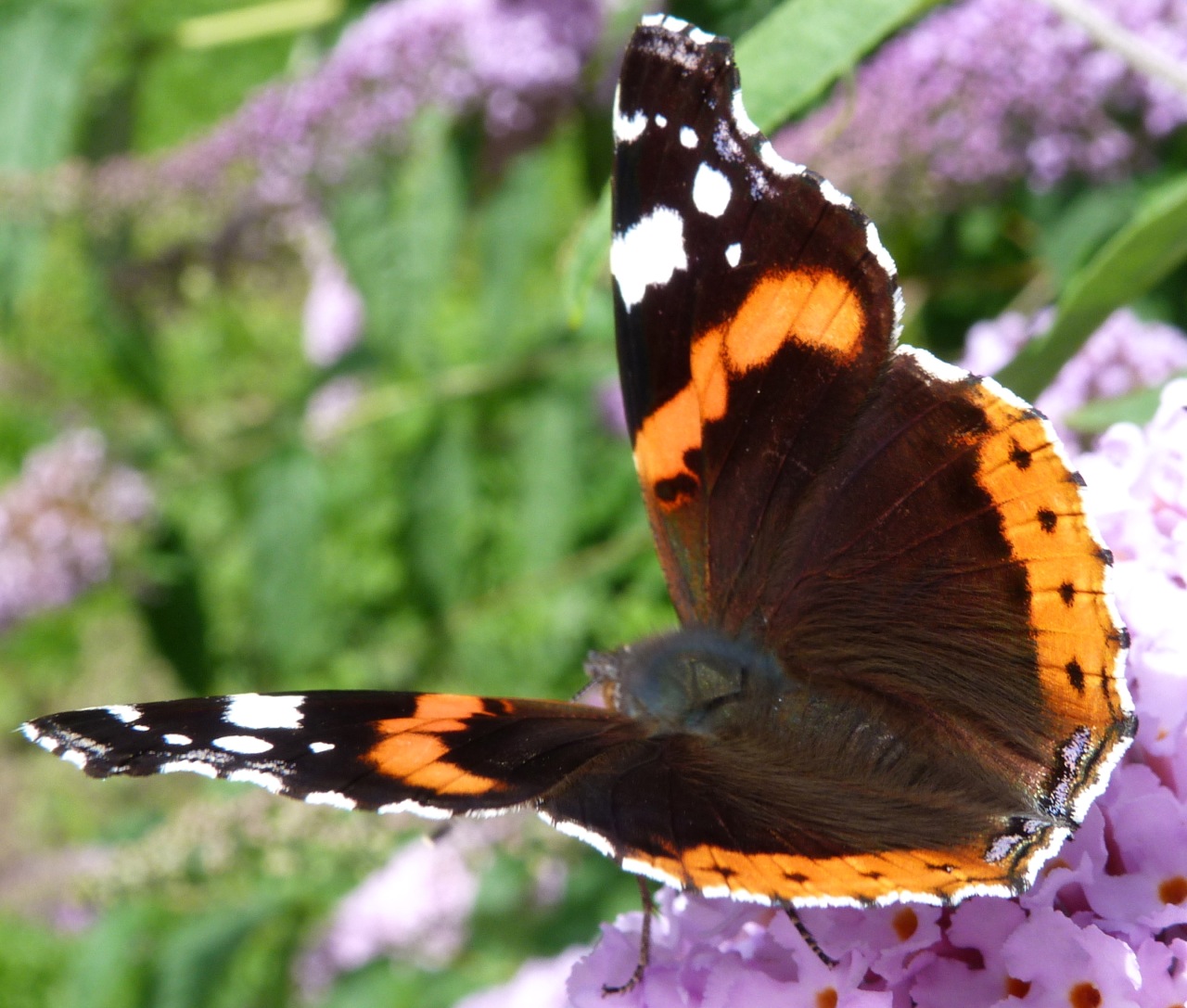
The bees are working overtime as a chill spreads over September and winter downtime looms for them. So busy are they that there is competition for individual flowers – even though there are more than enough to go round. Bumbles were out in force yesterday, and there are still butterflies around, mainly tiny Small Coppers and Whites of different sizes.
We’ve done a quick assessment of plant popularity this spring and summer that produces this league table:



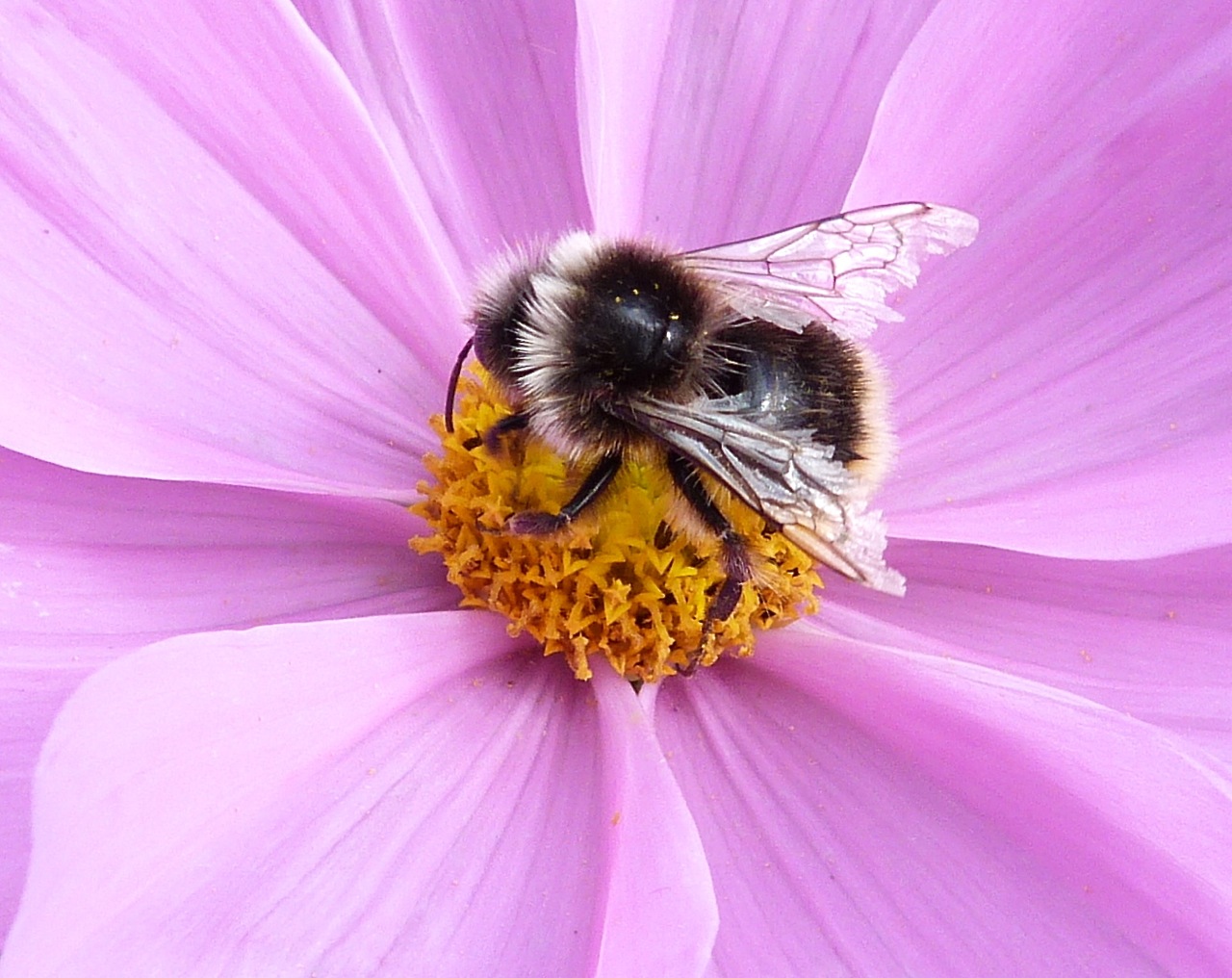
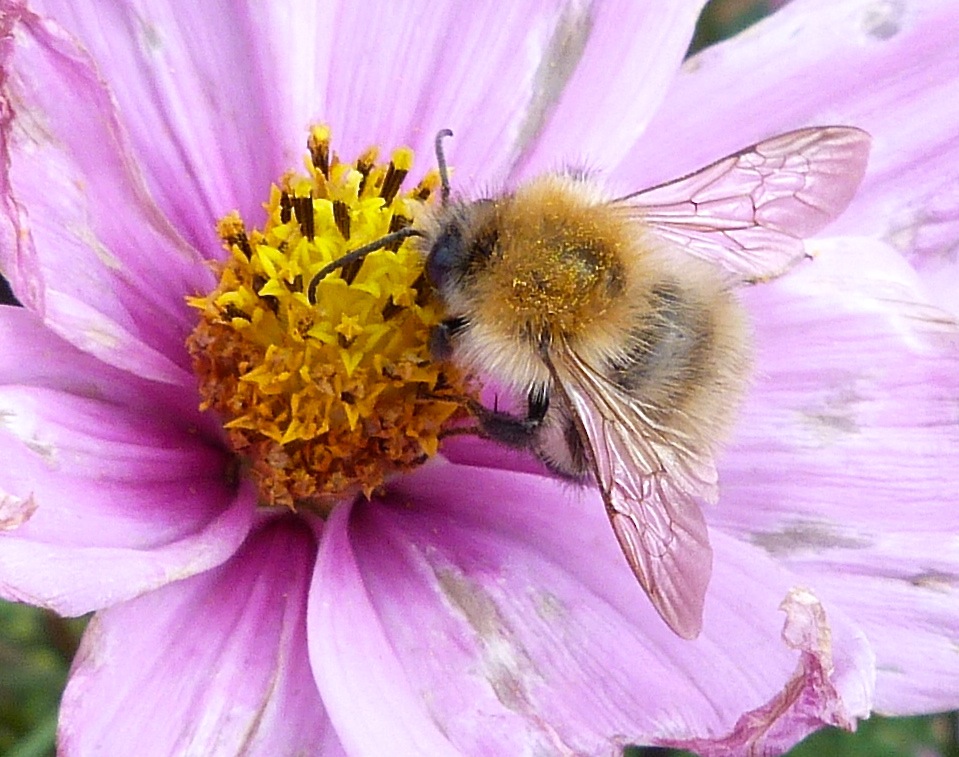

 Blurry, I know, but the intruder arrived from nowhere as I pressed the button… Why it didn’t land on one of several vacant flowers next to this one, I have no idea. Maybe fighting drunk on pollen?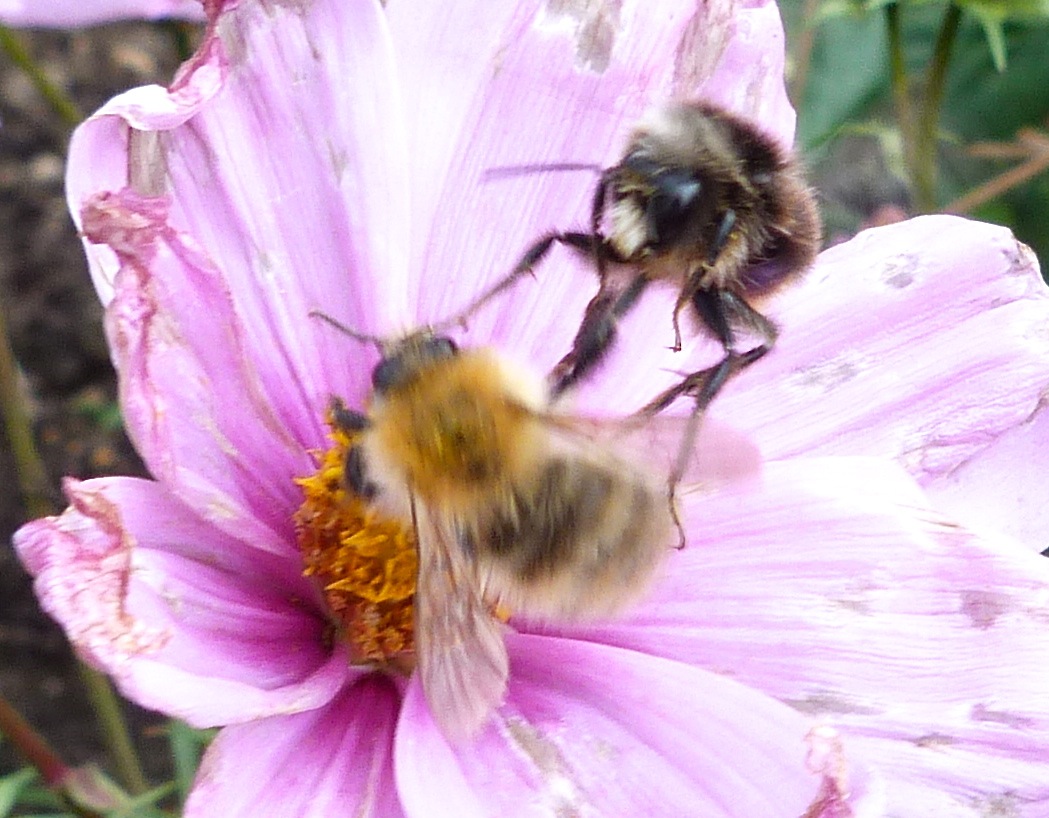




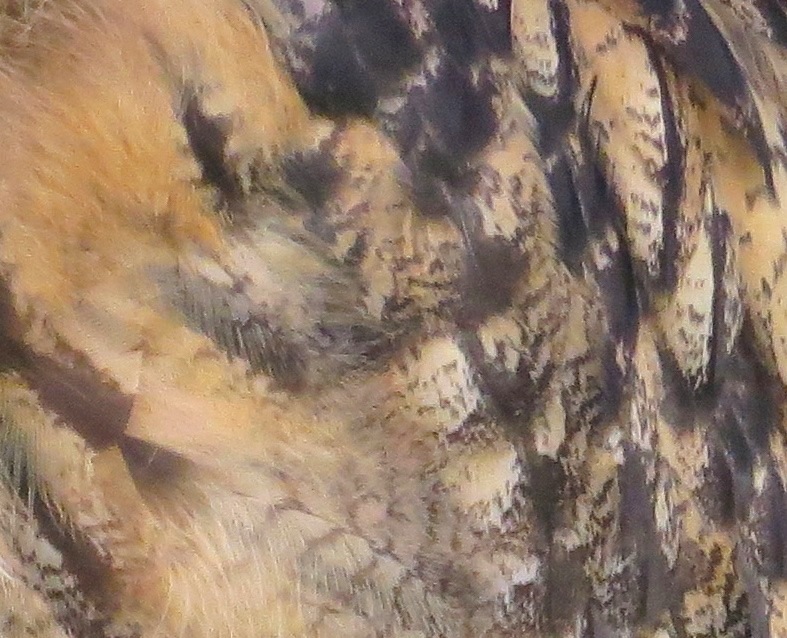
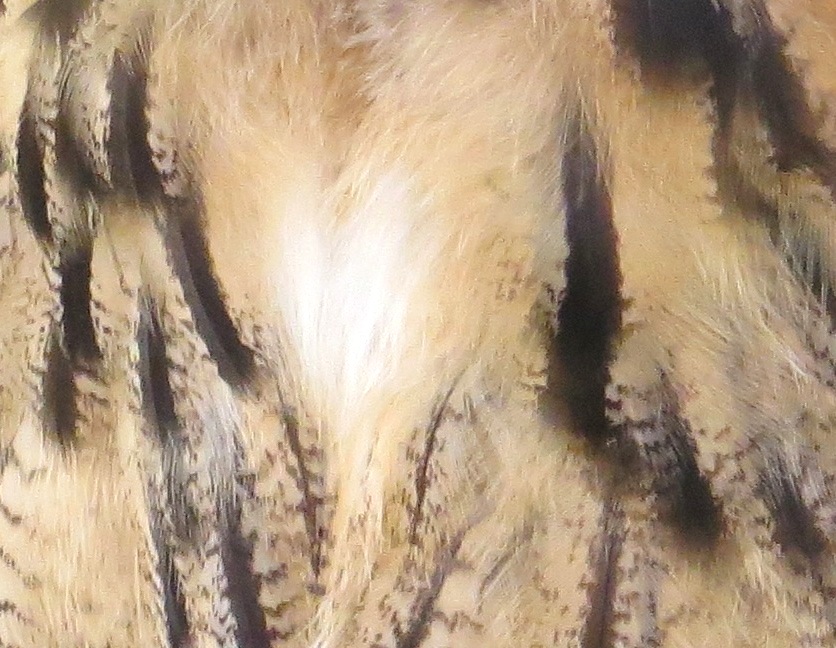


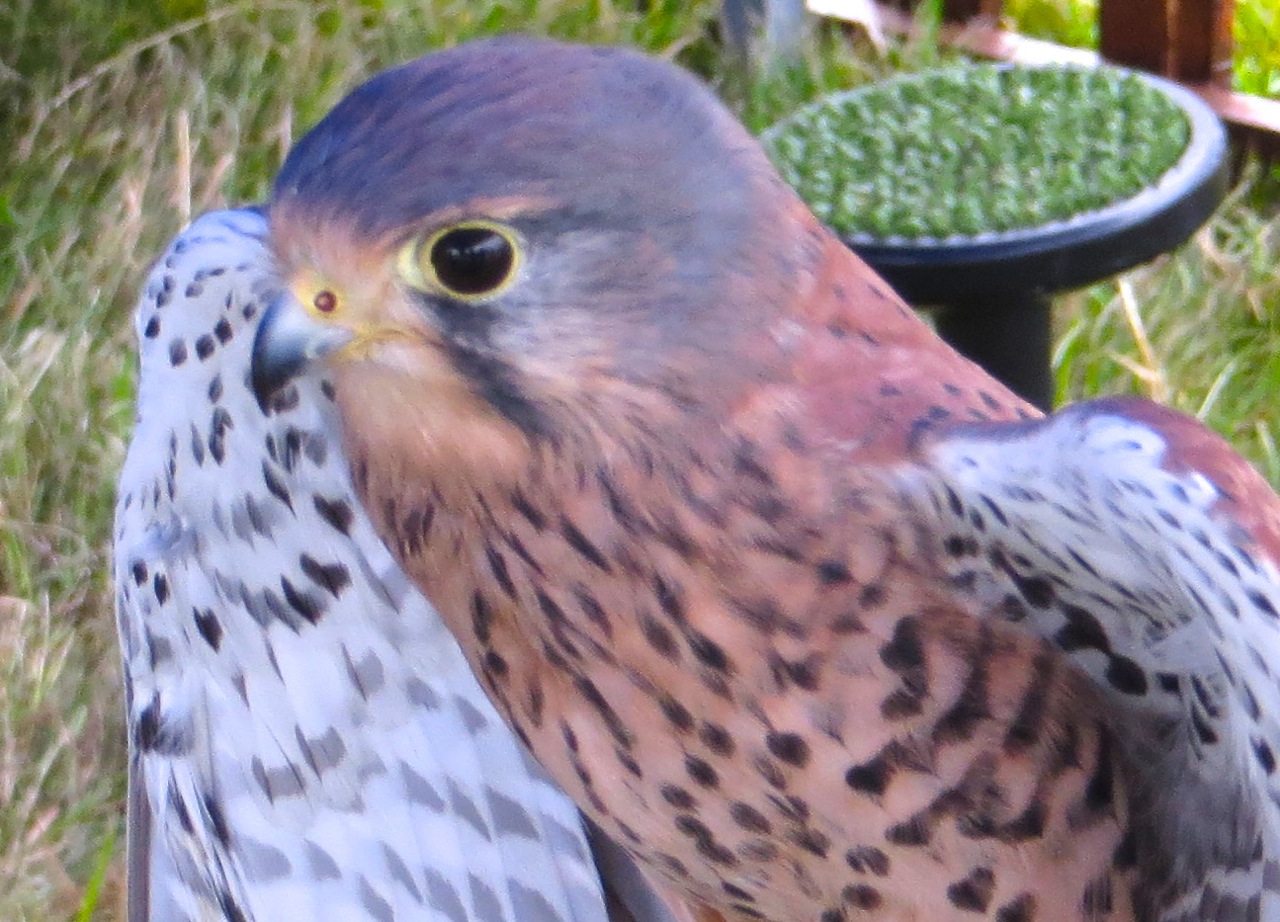
This fine bird was part of a display at an Oak Fair in Dorset (see also BARN OWL). I only had a ‘family day out snapping camera’ with me, so the close-ups are a little ‘soft’. Never mind, the feather patterns have come out reasonably well…
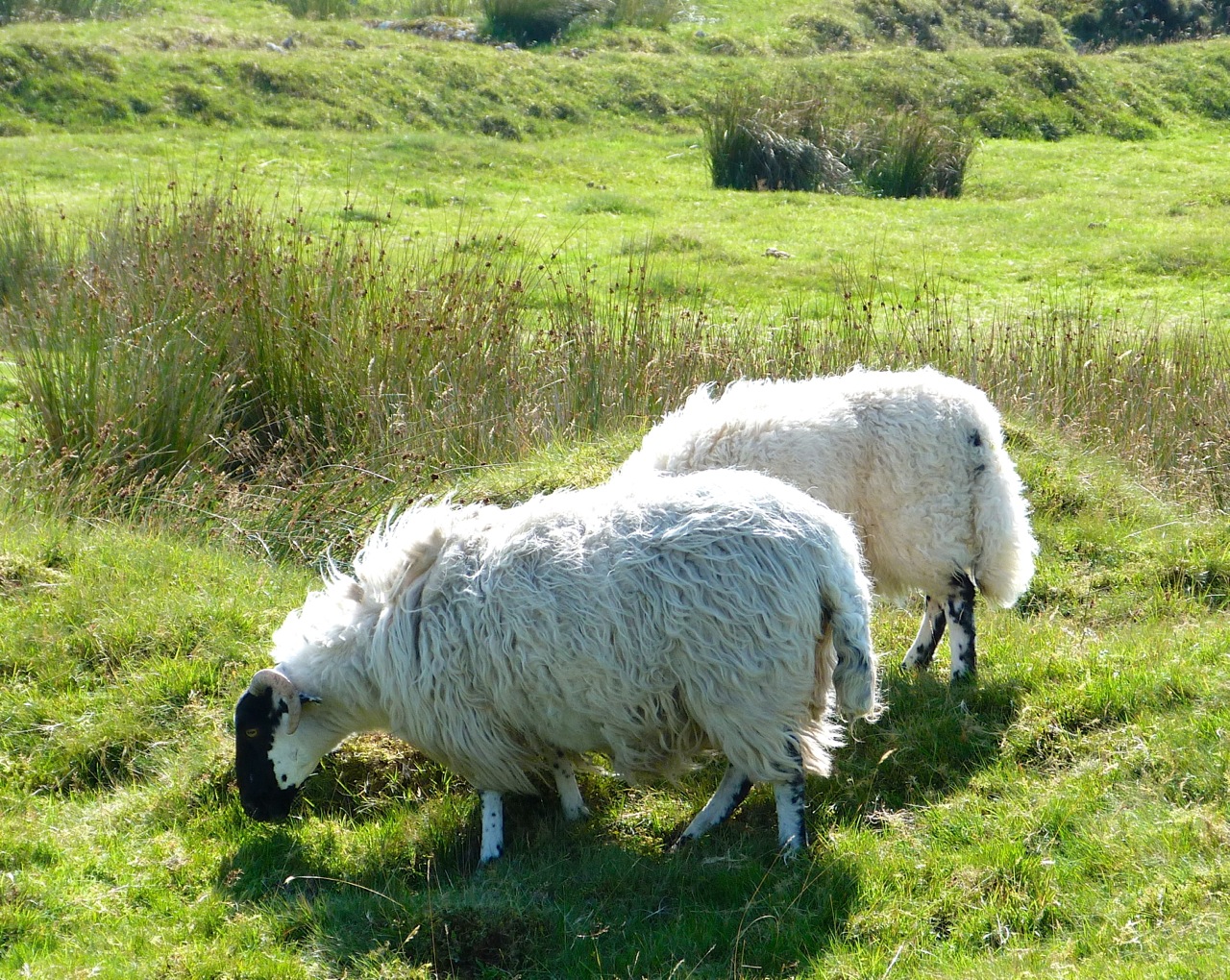
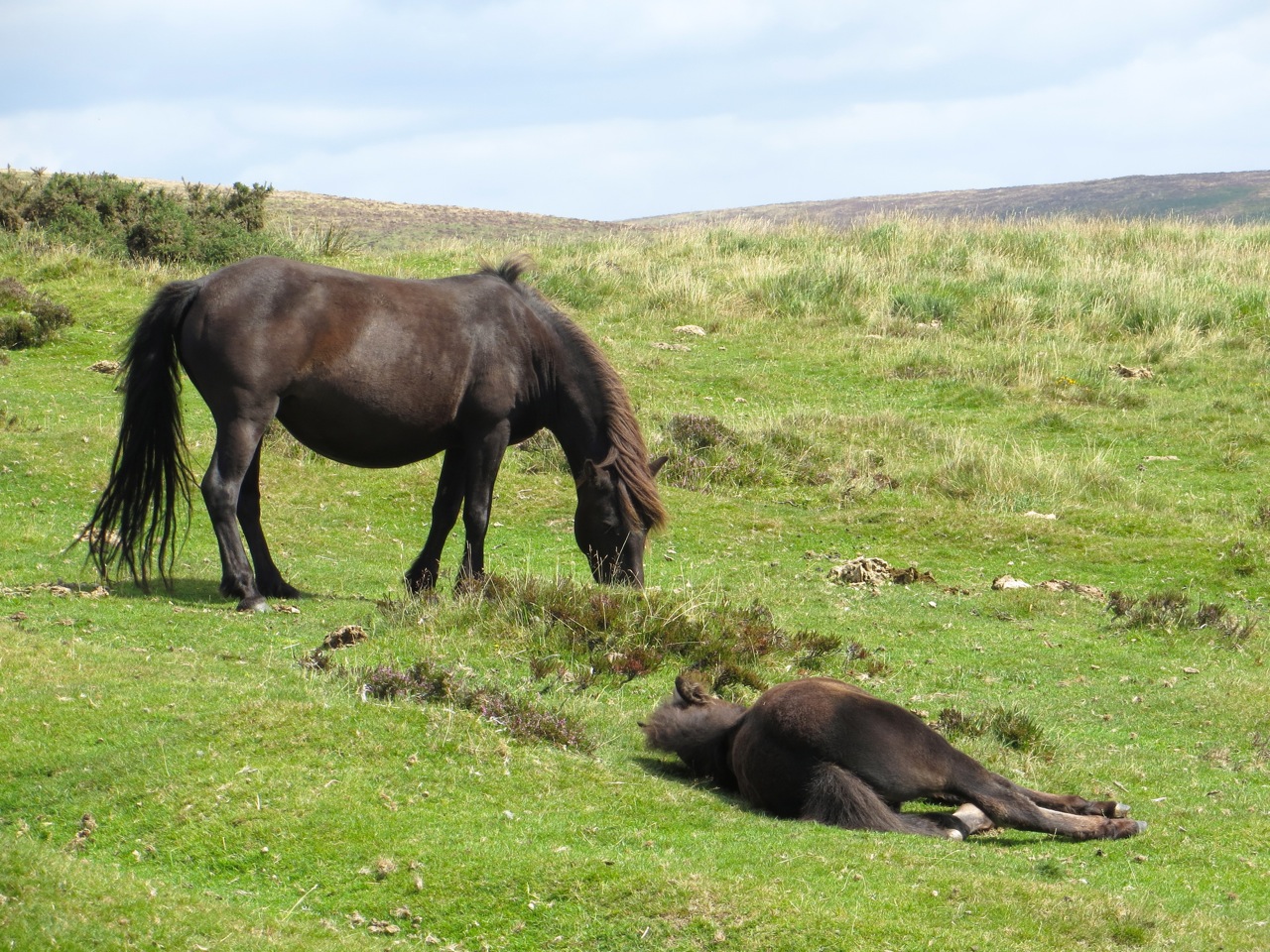
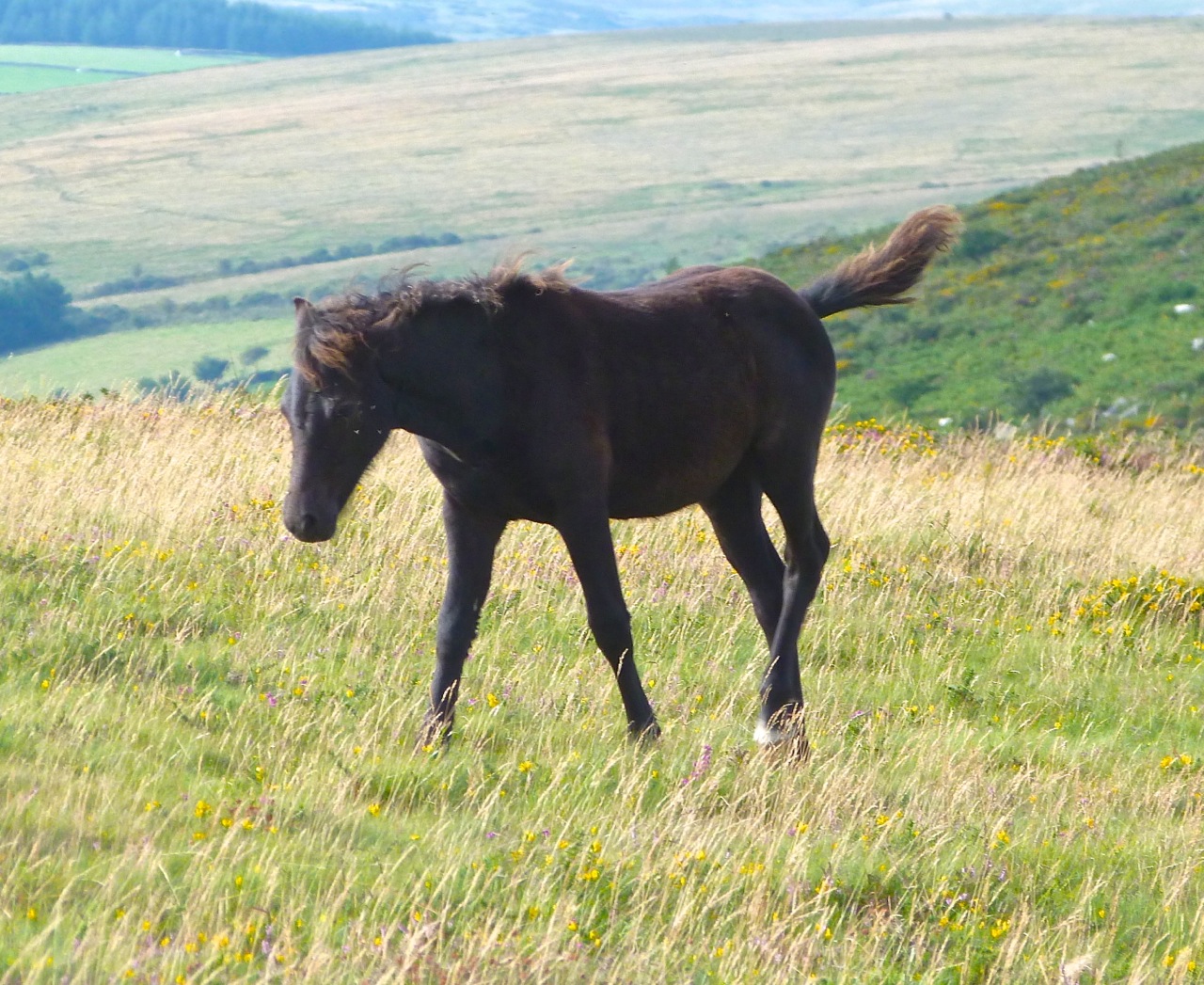
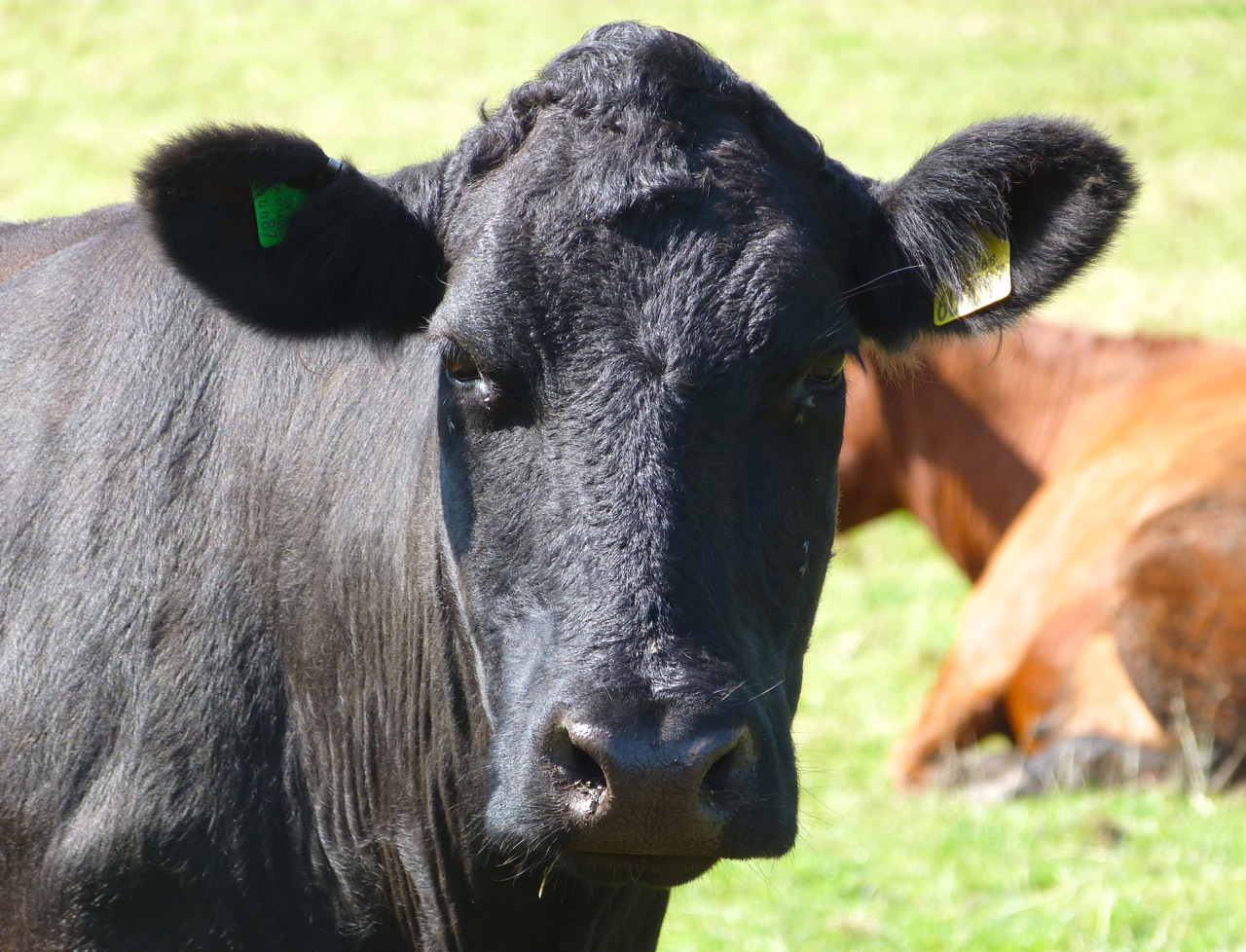
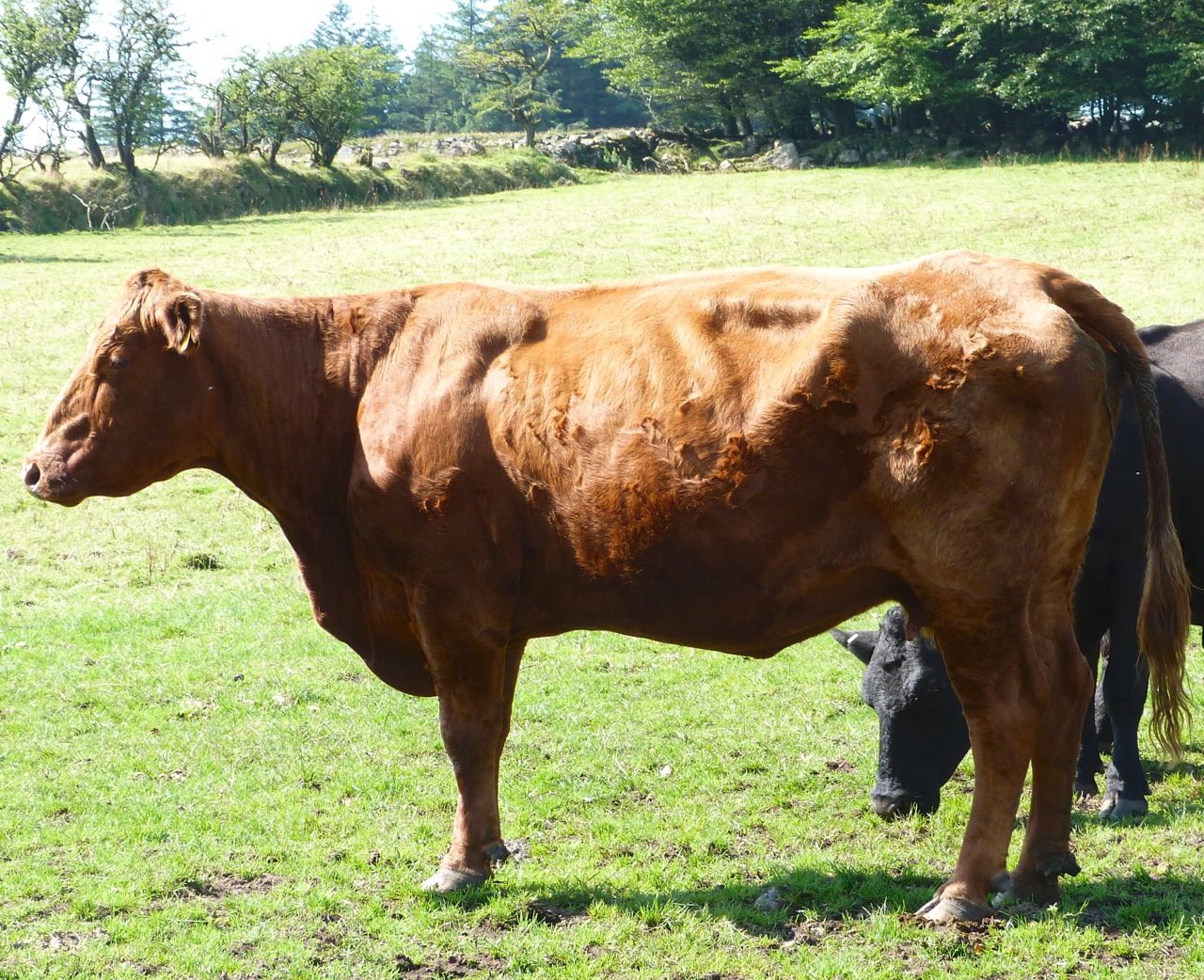
Dartmoor. Famous for ponies (future post). And sheep. Also, cattle.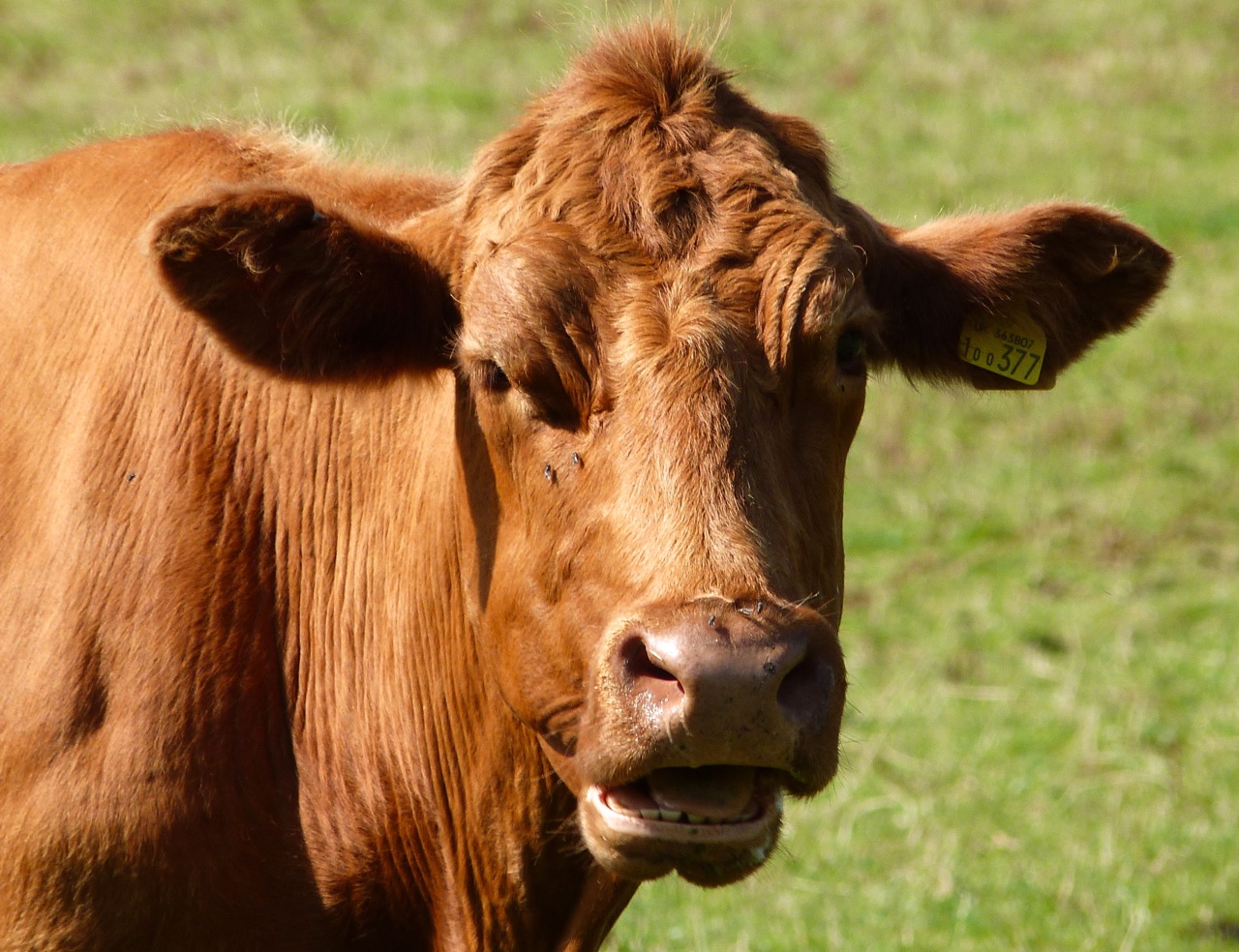


It’s been a remarkably mothy summer. Our interest in moths mainly centres on ‘clothes’ moths, detection, prevention and termination thereof. Suddenly, there are moths I’ve neither seen nor heard of before. MAGPIE MOTH. DRINKER MOTH. And now, on the hyssop last Sunday, a Delta-winged Stealth Moth. It wasn’t in our (basic) book, but a quick online search revealed it to be a Jersey Tiger Moth Euplagia quadripunctaria. UK MOTHS has this to say:
“One of the most attractive of the Tiger moths, this species was until recently restricted in distribution to the Channel Islands and parts of the south coast . On the mainland it is commonest in south Devon, but colonies have recently appeared in Dorset and the Isle of Wight, and it has also been found in other southern counties. It now seems to be expanding its range quite quickly. There is also a thriving population in parts of London, but whether this is due to range expansion or the result of accidental introduction is still unclear. It flies both in the daytime, when it can be found feeding on various flowers, as well as at night, when it is attracted to light. The main flight period is July to September. The hairy larvae feed on a range of herbaceous plants including nettle (Urtica).”
With only a basic camera to hand, I took the first photo, expecting it to fly away at once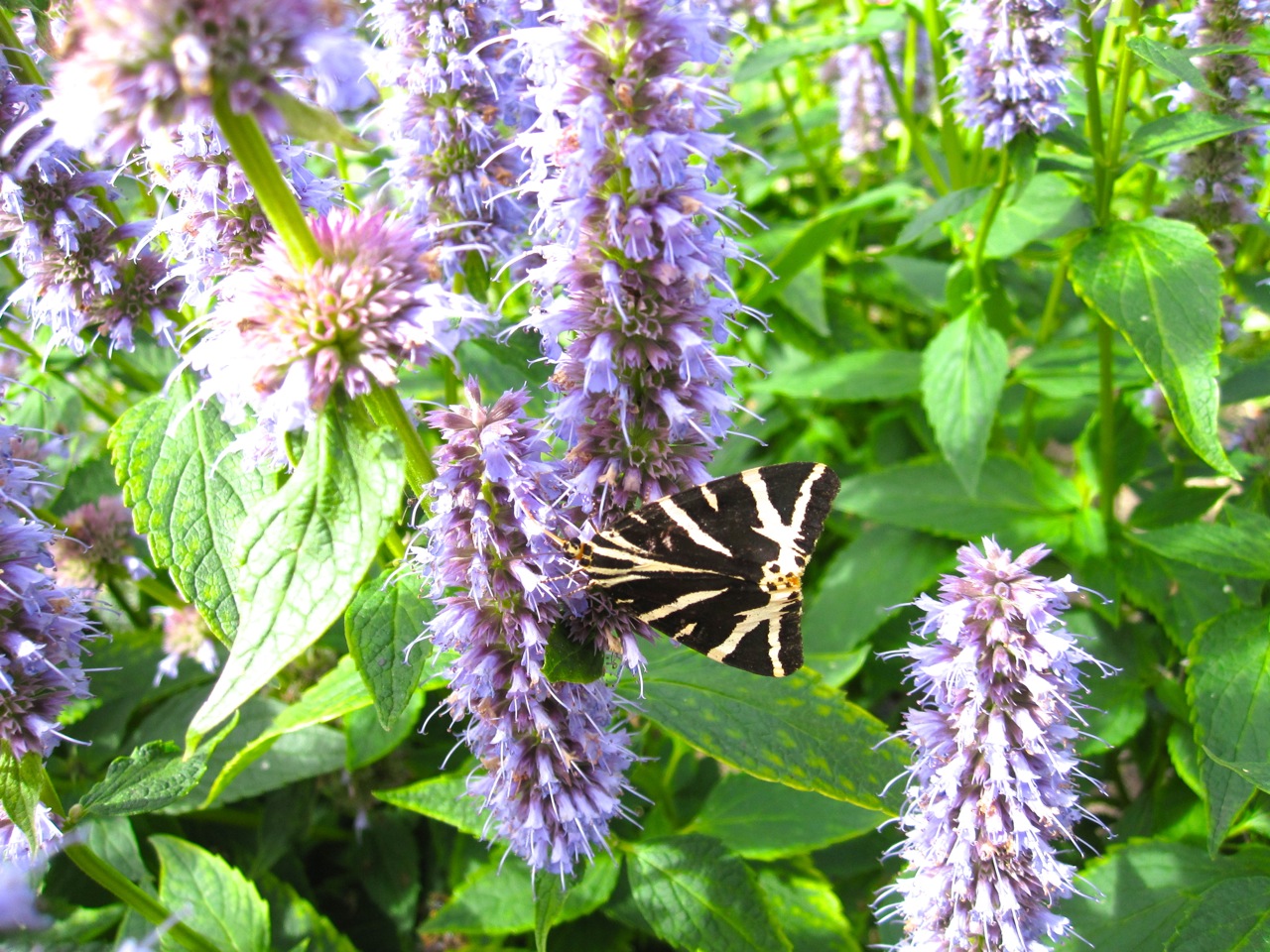
However it kindly stayed around for a few more shots
It carried on feeding happily

It had particularly smart stripy legs…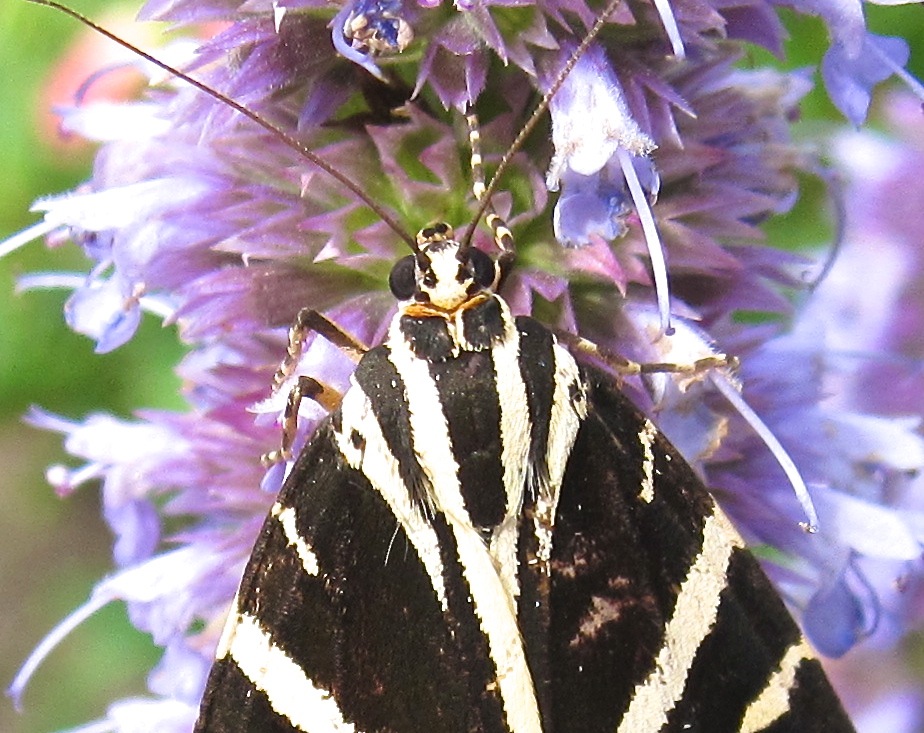
…but I didn’t realise what this hint of orange under the wings indicated
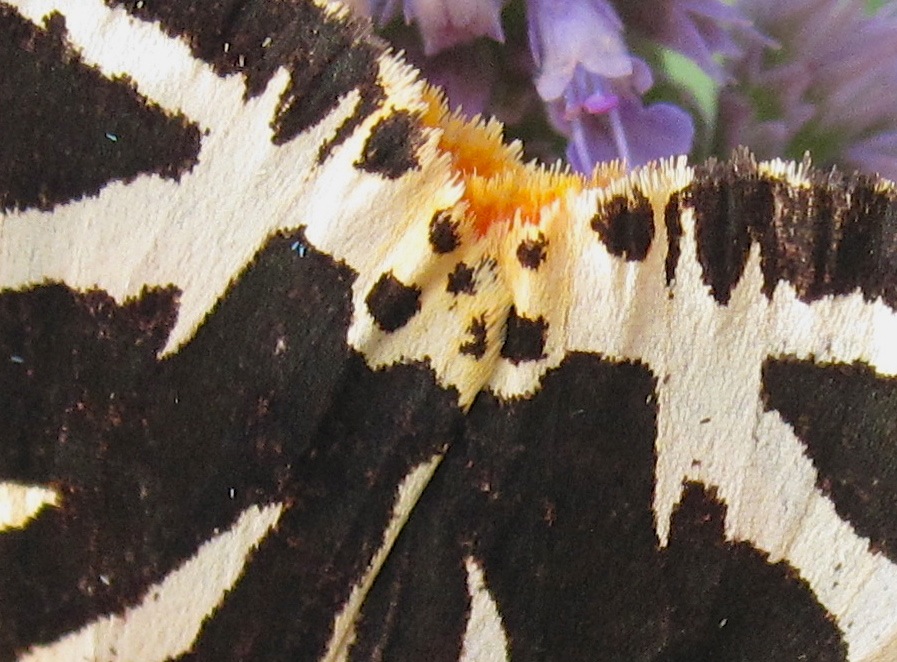
I never got a shot of the full glory of this moth – indeed I had no idea what to expect. Courtesy of wiki, I now realise that beneath the black and white the moth was bright orange.

