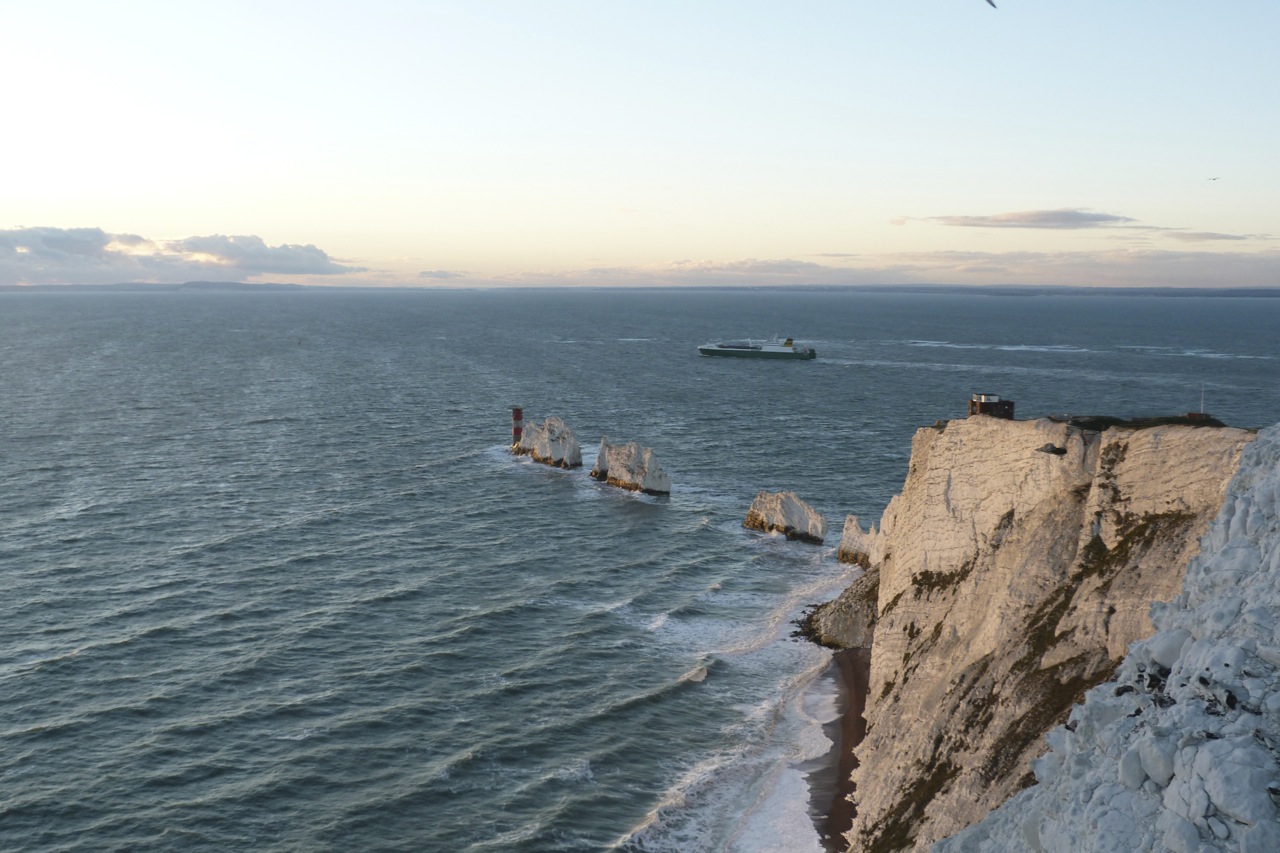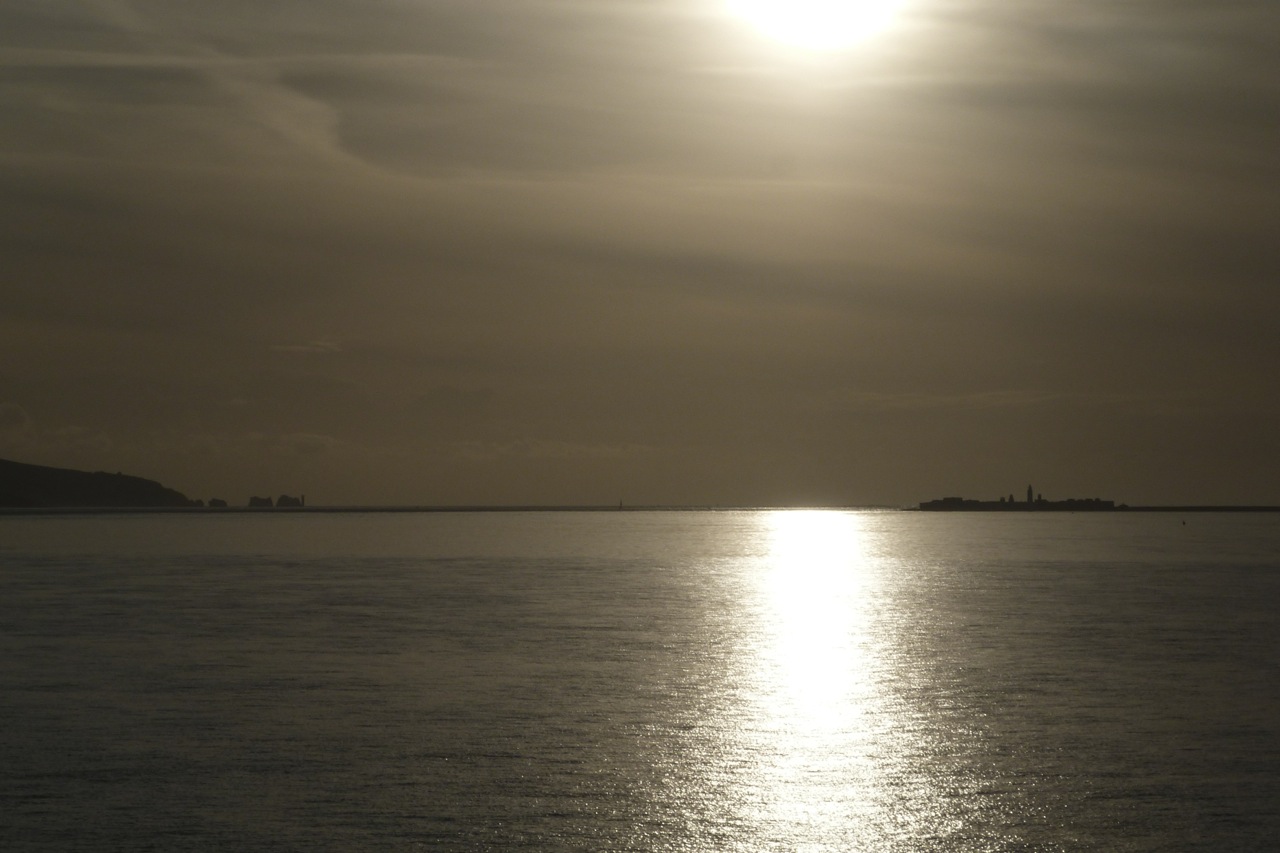
THE NEEDLES, ISLE OF WIGHT


THE NEEDLES, IOW – A COUPLE OF CONVENTIONAL TOURISTY SHOTSNeedles IoW 1 Needles IoW 2

LESS CONVENTIONAL EVENING SHOTS (nb unmodified images – no P/Shop!**)Needles IoW 3 Needles IoW 4 Needles IoW 5** and no sepia filter, in case you were wondering…

ROOSEVELT ISLAND LIGHTHOUSE NYC


220px-Blackwell_Island_Lighthouse

ROOSEVELT ISLAND LIGHTHOUSE NYC

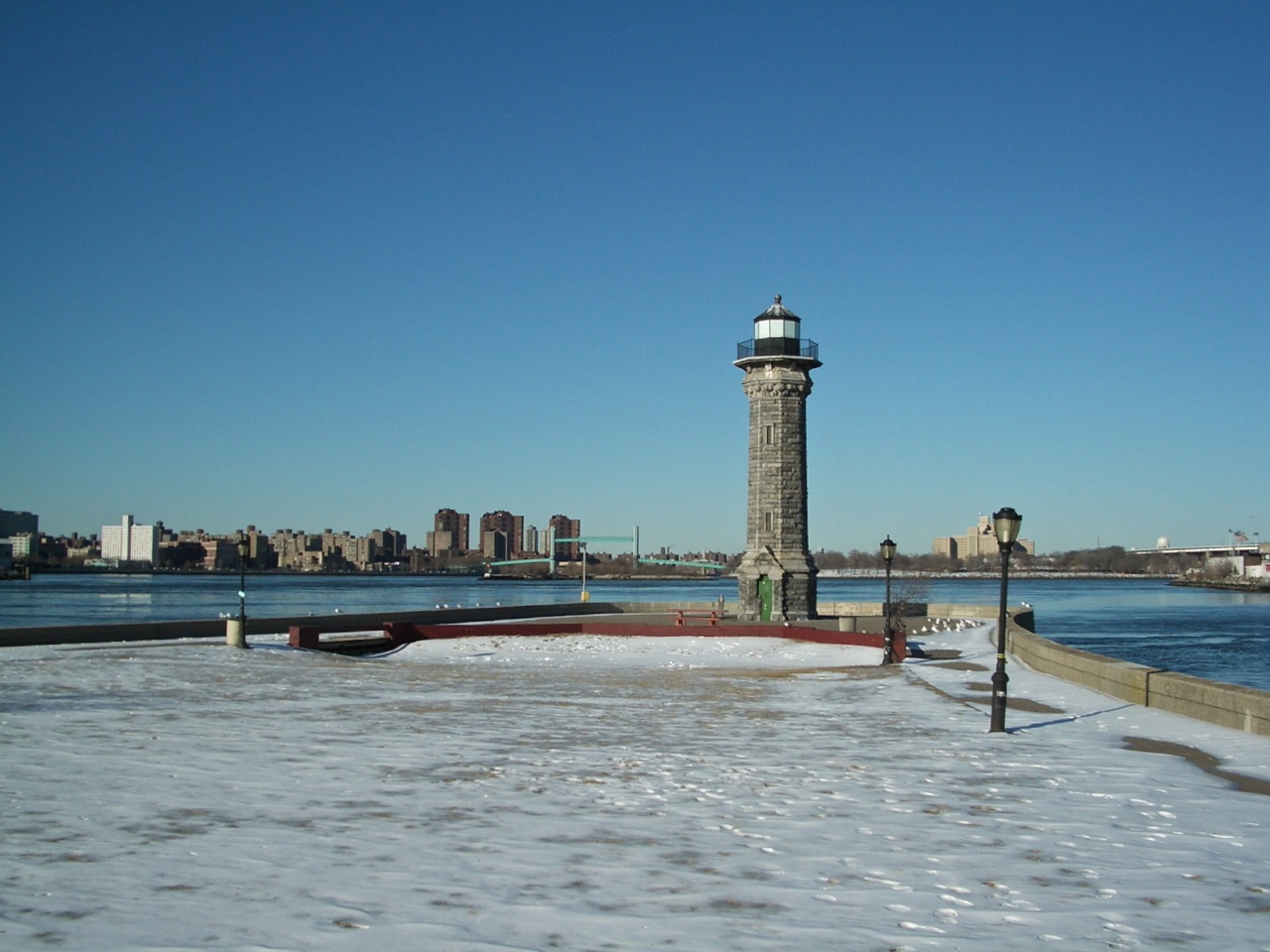
This New York City lighthouse is situated at the northeast tip of Roosevelt Island, in the East River. It is also known as Blackwell Island Lighthouse, named for the family that owned and farmed the island more than 200 years ago, and whose farmhouse (1796), recently-restored, can still be found nestling among the towering apartment blocks [a subsequent post on the farmhouse is planned]. The lighthouse is also known as Welfare Island Lighthouse, reflecting the use to which the island has been put in more recent times for hospitals, an asylum, and a penitentiary.

220px-Welfare_Island,_Lighthouse,_New_York_(New_York_County,_New_York)

The 50 ft octagonal lighthouse was built of stone in 1872 under the supervision of architect James Renwick Jr, and is a designated ‘New York City Landmark’. It operated until the 1940s, and has subsequently been restored, most recently in 1998. Despite several legends that are attached to the building, its function in a busy tidal shipping channel was prosaically practical. 

new-york-aerial-1NYC Aerial 2Roosevelt Island Lighthouse 1

The area shown above is known as Lighthouse Park. Like many waterside features on this side of the City, it was damaged by Hurricane Sandy. The green lift bridge visible below is the Wards Island Bridge, also known as the 103rd Street Footbridge.

Roosevelt Island Lighthouse 2Roosevelt Island Lighthouse 3

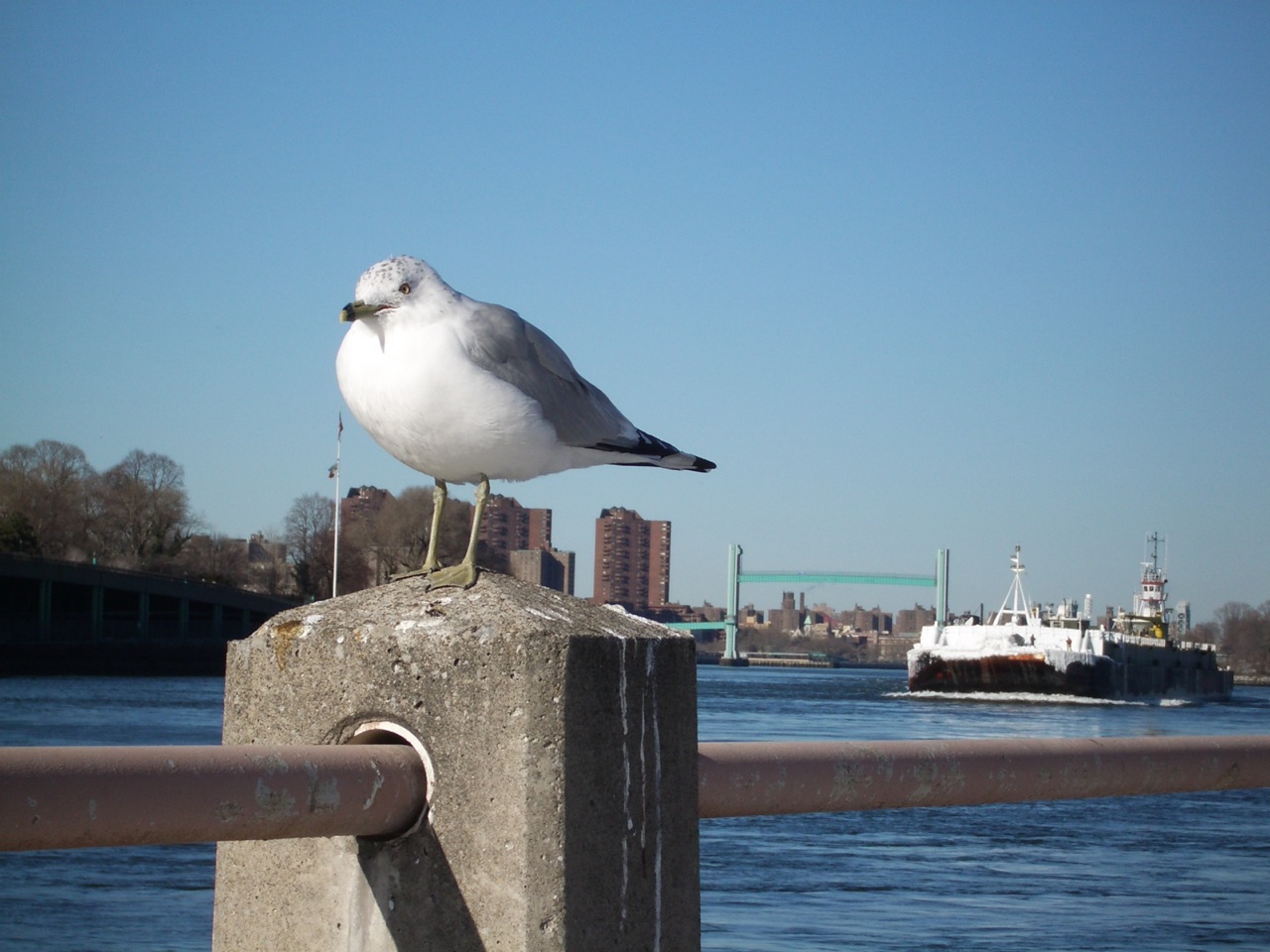
This photo, mainly of a ring-billed gull, was taken from near the lighthouse during a period of sub-zero temperatures. The freighter in the channel has its entire foredeck thickly covered in ice.Gull, Ship & Lift Bridge, NYC
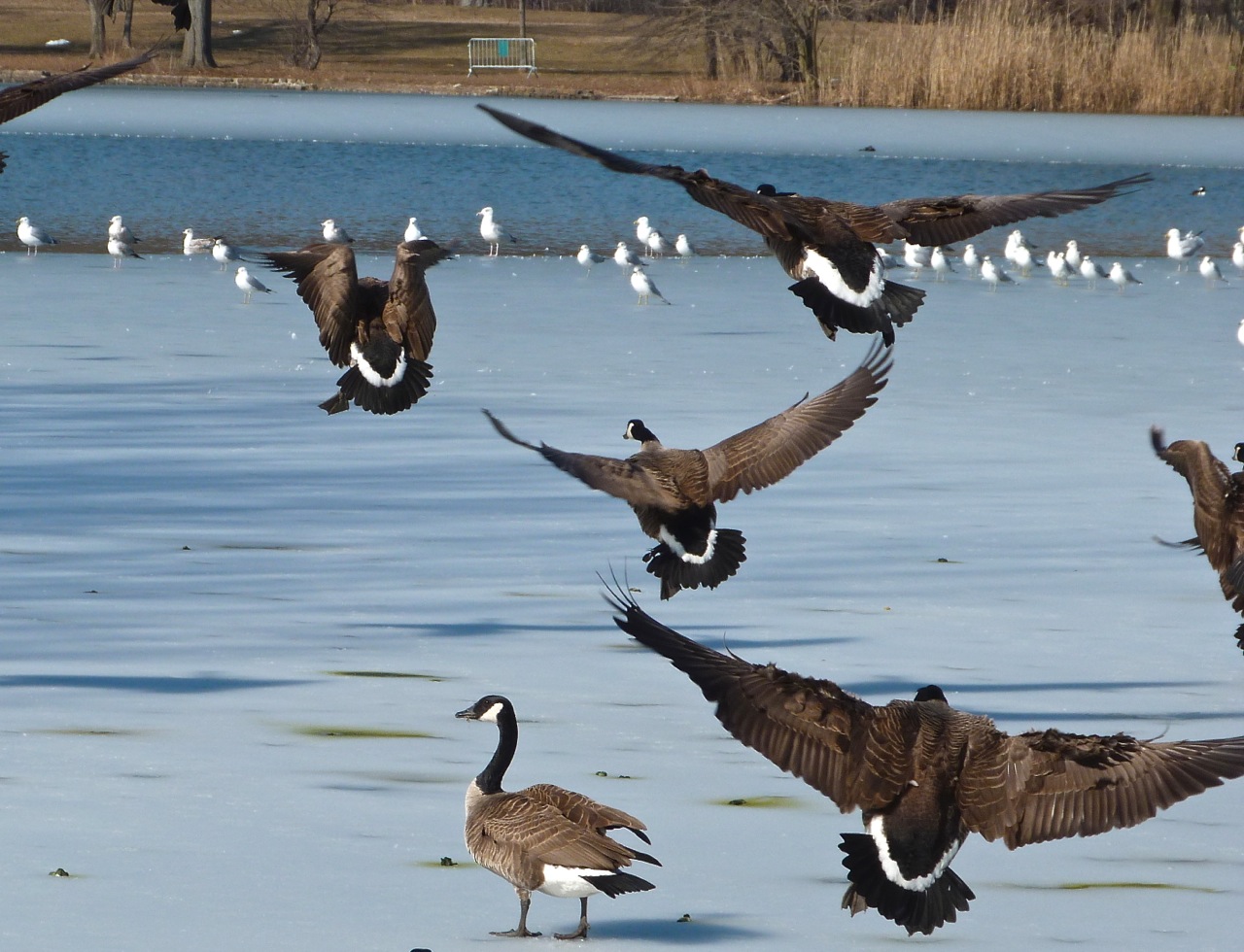
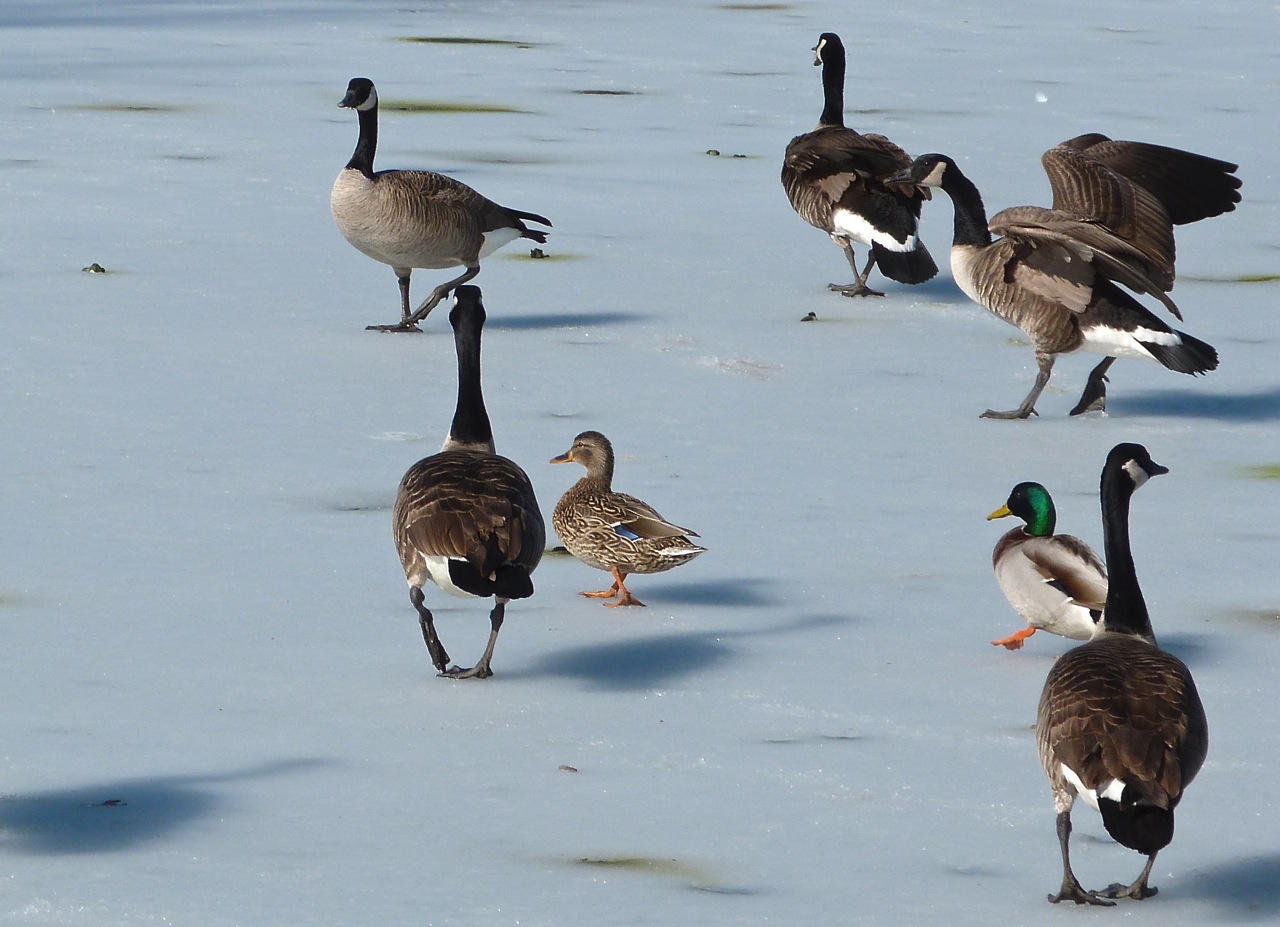
CANADA GEESE ON ICE, PROSPECT PARK BROOKLYN


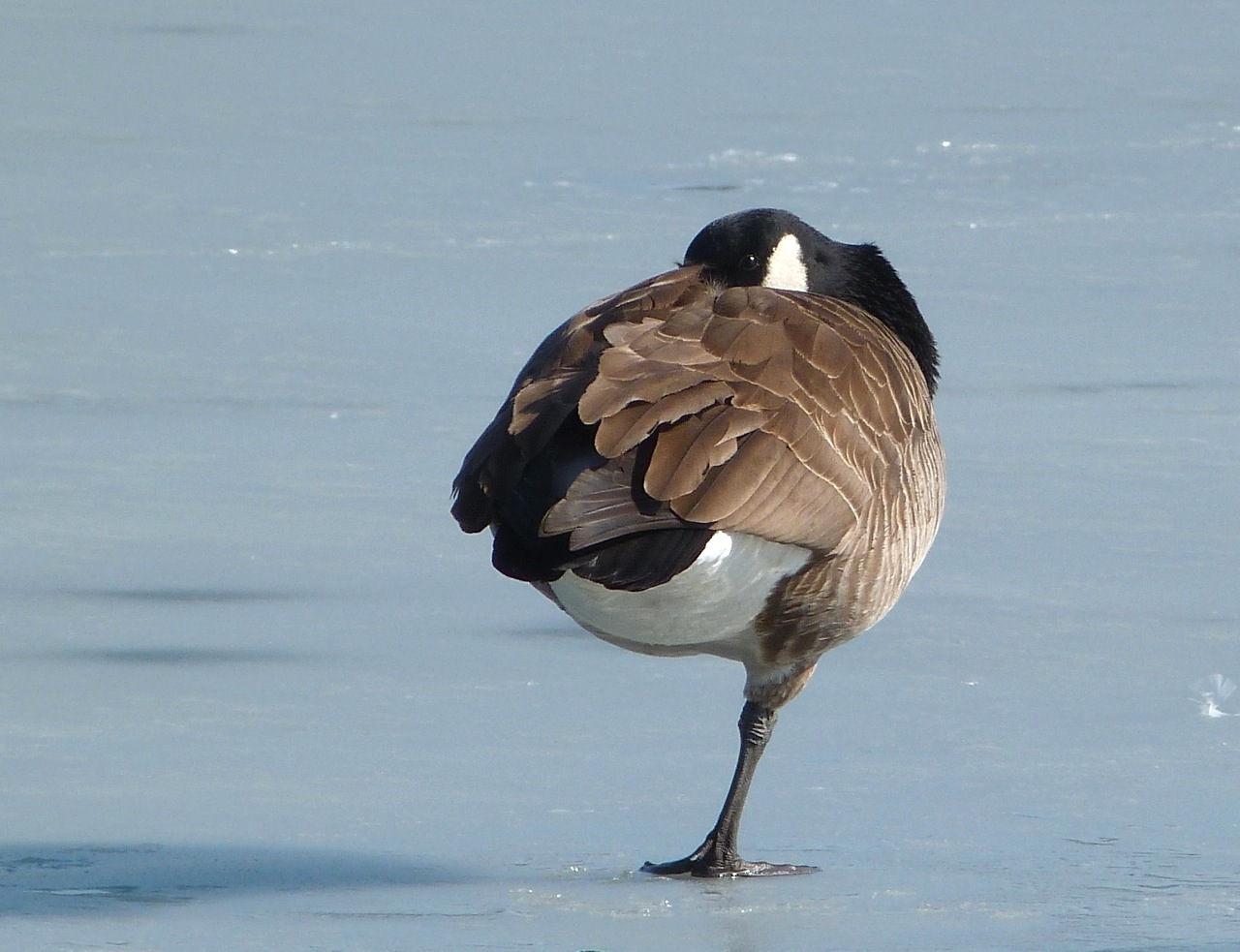
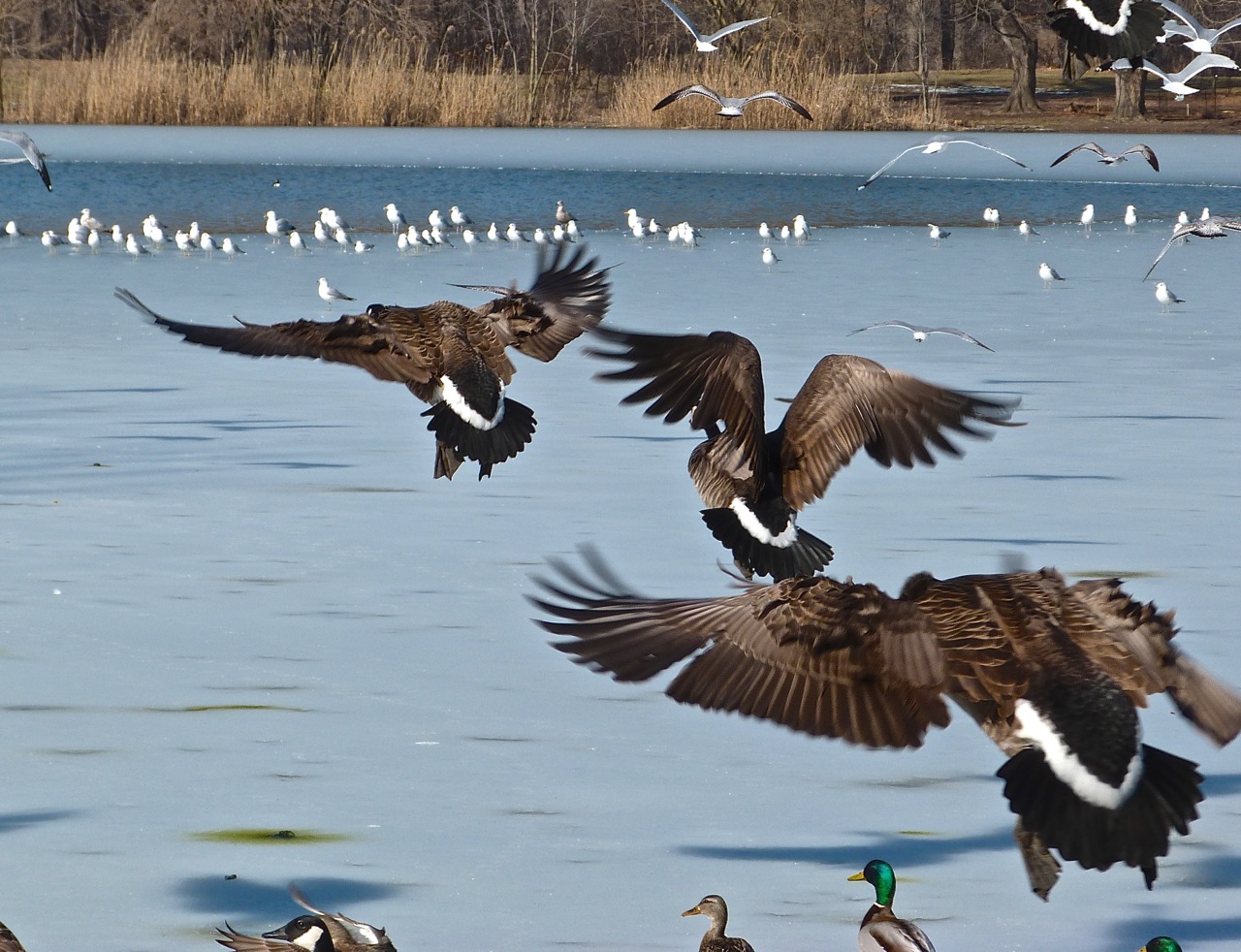
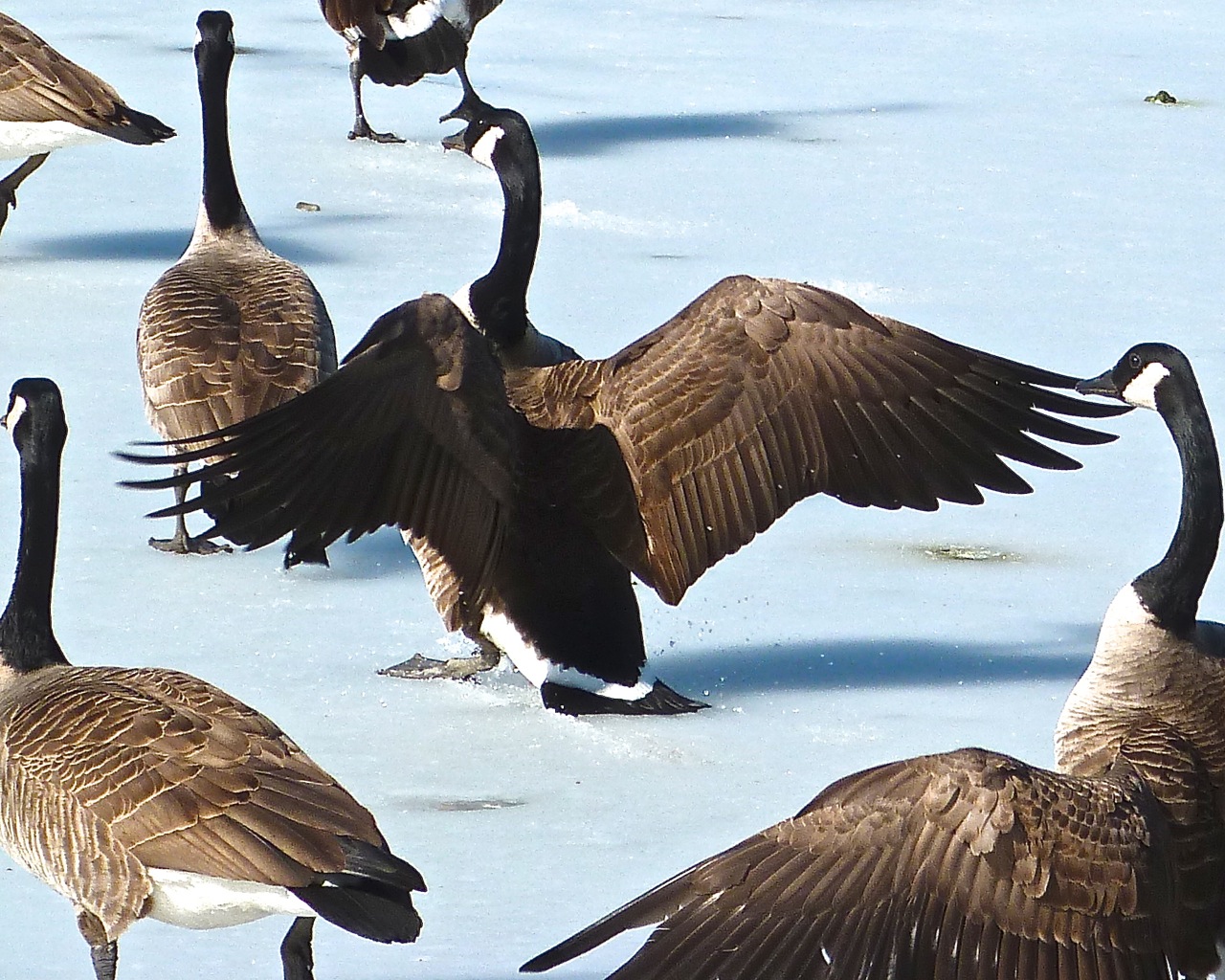
Gone Fishin' MatCanada Geese Prospect Park 1 Canada Geese Prospect Park 2 Canada Geese Prospect Park 3 Canada Geese Prospect Park 4A close-up of the photo above shows a goose using its tail to stabilise its ice landingCanada Geese Prospect Park 7Bandy legs also seem to be “in” this season…Canada Geese Prospect Park 6
This is probably my last post on this blog for a couple of weeks, while I am away “on-site” at main blog HQ . Posting using an iPhone is a fiddly exercise, and the photos and formatting always have to be redone from scratch… Apologies that this site is so casual, with half-finished projects galore. Half-started, even. And also, apologies if I leave replying to comments for now until we get back…

GULLS ON ICE: PROSPECT PARK, BROOKLYN


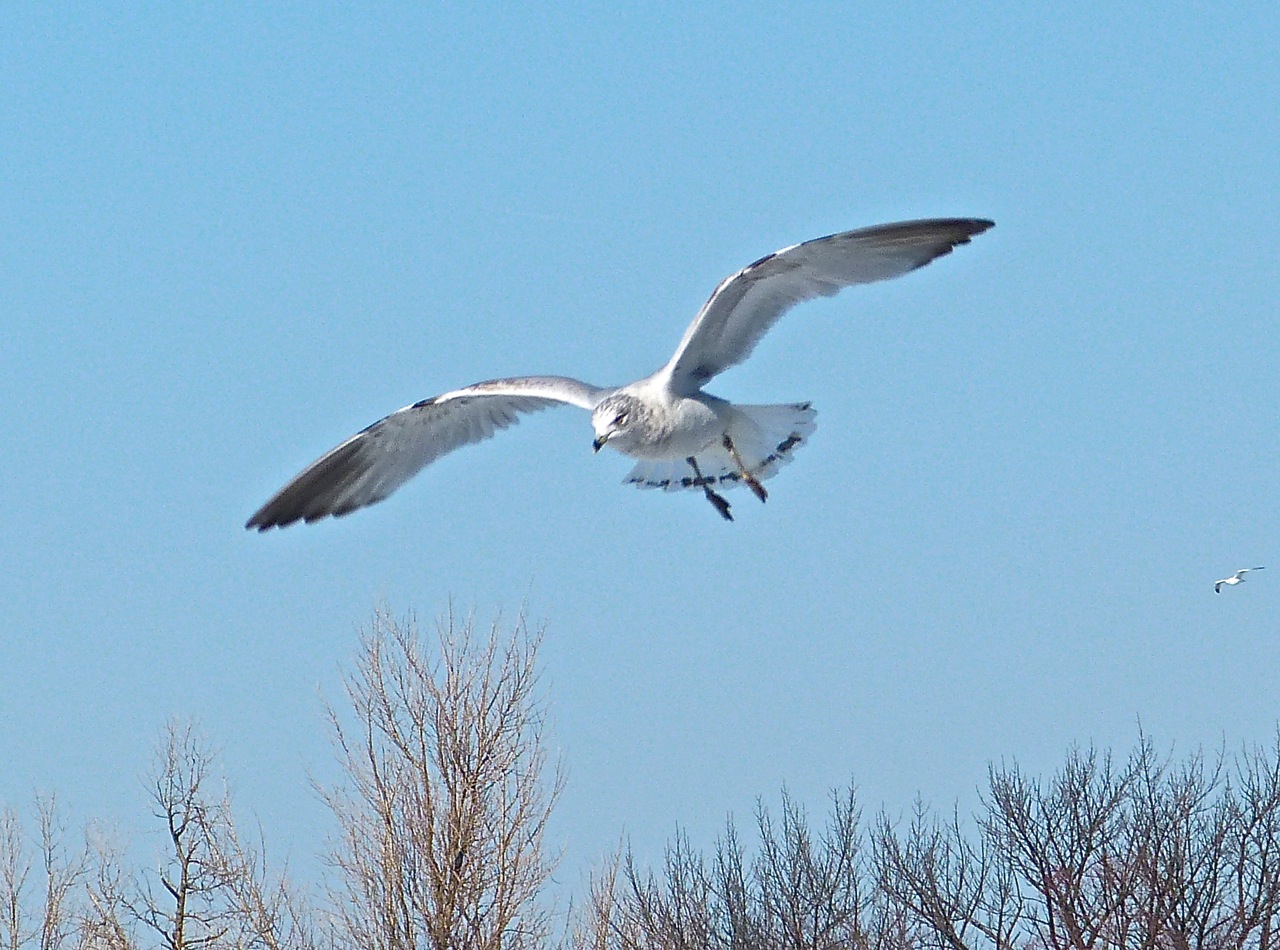
Prospect Gulls 2 Prospect Gulls 3 Prospect Gulls 4 Prospect Gulls 5 Prospect Gulls 6 Prospect Gulls 7 Prospect Gulls 8Prospect Gulls 1The gulls above are mainly ring-billed gulls of various ages, from last year’s fledgelings to mature adults of 4 years or more. To cope with landing on ice, they had to lower their undercarriages in very good time…

HERRING GULL Larus smithsonianus


Herring Gull 5LIKE LOOKING AT HERRING GULLS? CLICK HERE

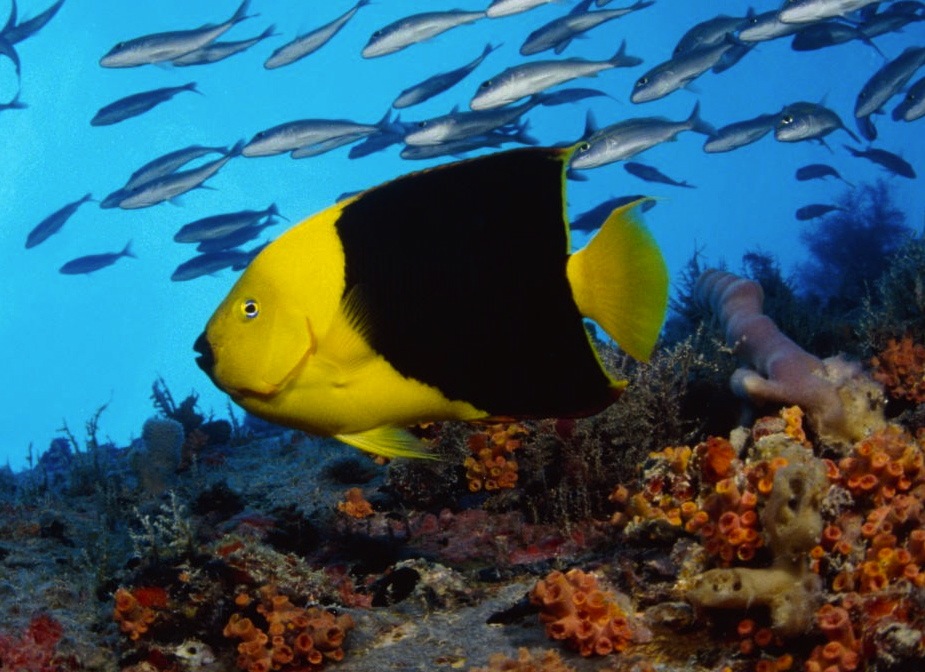
ROCK BEAUTY Holacanthus tricolor


Rock Beauty Desktop WP clip

WANT TO FIND OUT MORE ABOUT THIS REEF FISH SPECIES? CLICK HERE 

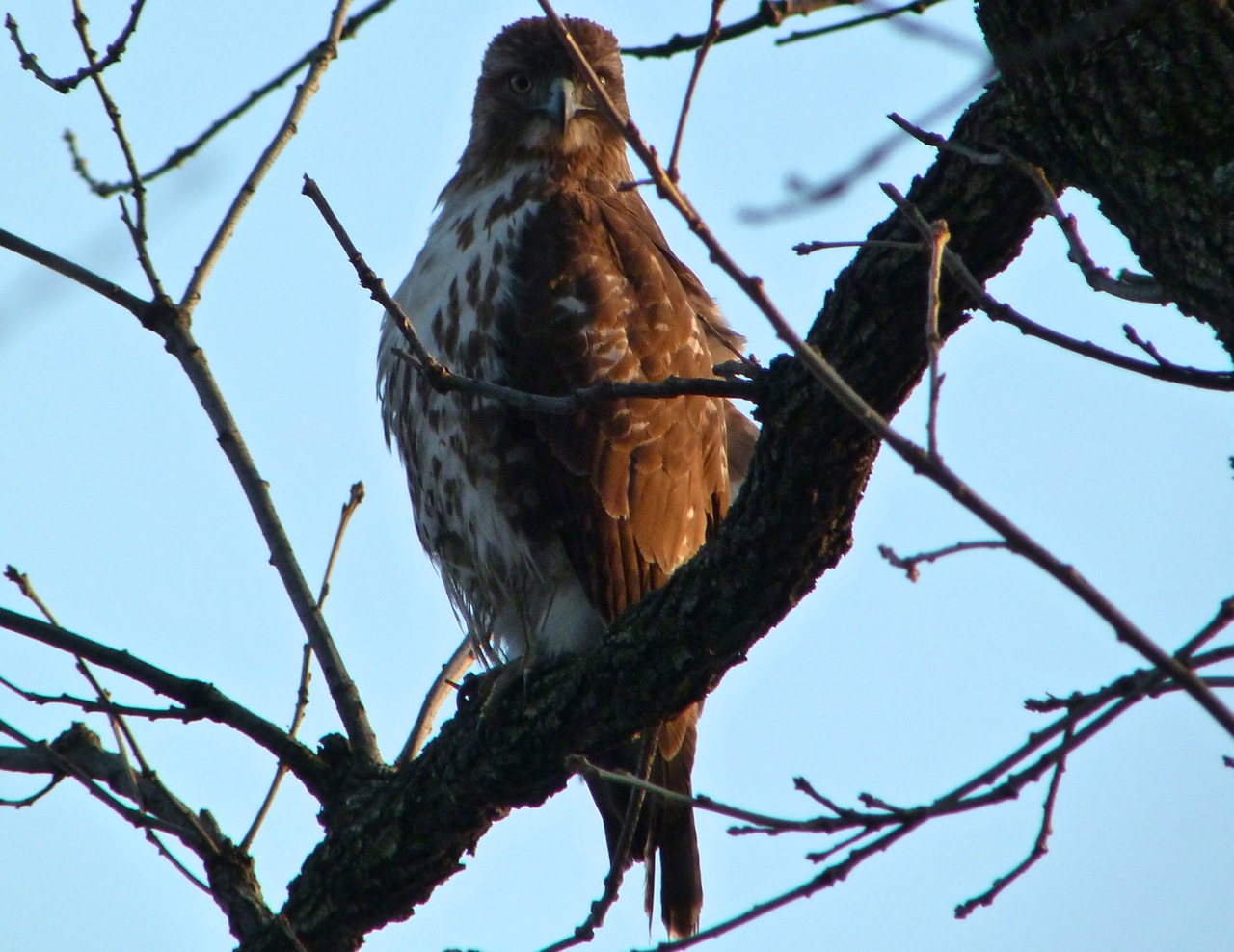
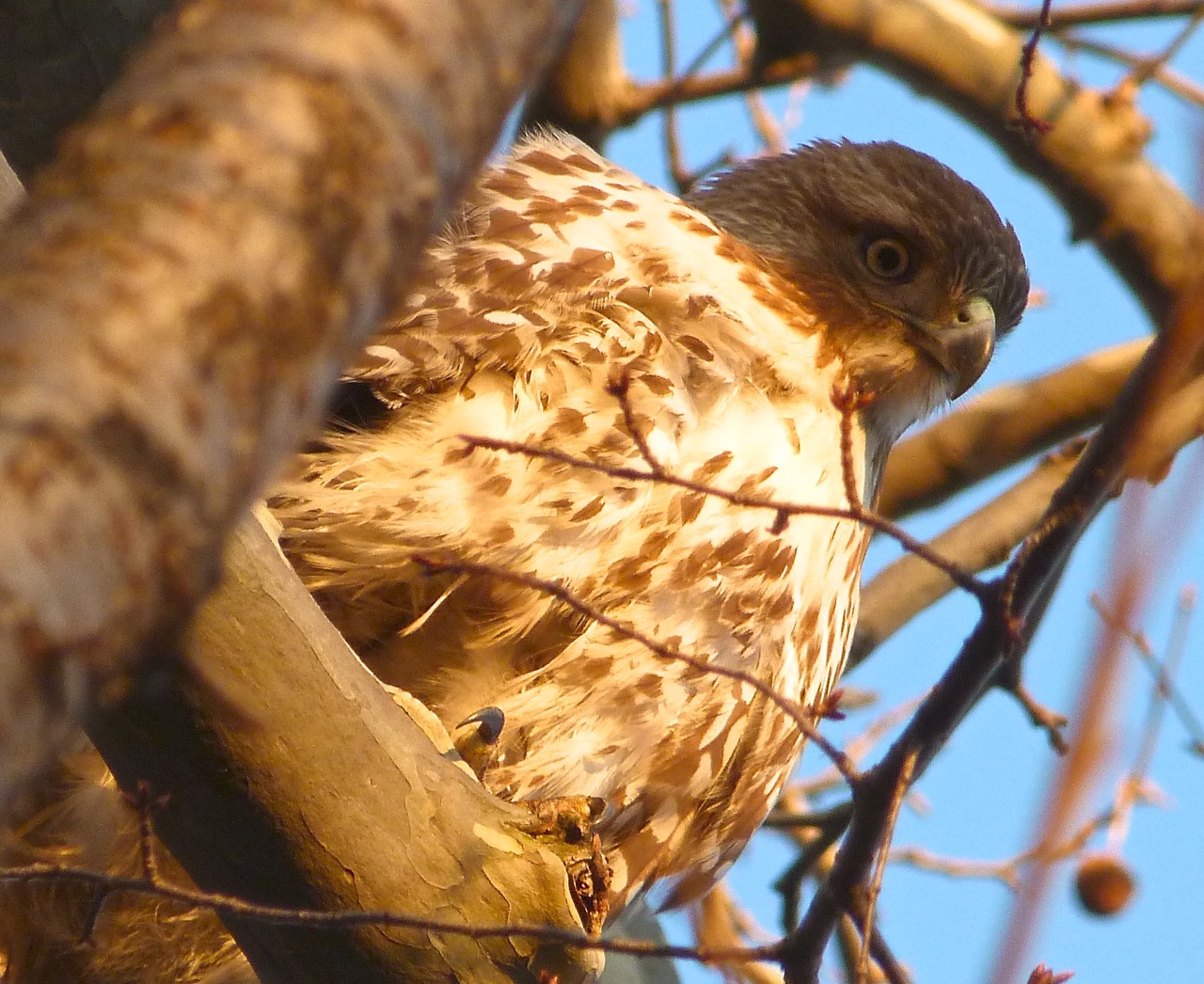
RED-TAILED HAWKS IN CENTRAL PARK & PROSPECT PARK, NYC


CENTRAL PARK

Red-tailed Hawk CP 7Red-tailed Hawk CP 1

PREPARING FOR FLIGHTRed-tailed Hawk CP 6Red-tailed Hawk CP 3Red-tailed Hawk CP 4Red-tailed Hawk CP 5

PROSPECT PARK, BROOKLYNRed-tailed Hawk PPB 6Red-tailed Hawk PPB 5Red-tailed Hawk PPB 1

BRIGHTENING UP FEBRUARY: NORTHERN CARDINALS IN NEW YORK


These birds were photographed in New York during a recent cold spell, with snow on the ground, and ice on the lakes of Central Park and Prospect Park, Brooklyn. Their colouring cut through the sub-zero cold and the wind chill.Northern Cardinal NYC 3Northern Cardinal NYC  4Northern Cardinal NYC 1 Northern Cardinal NYC 2Northern Cardinal NYC 6

TO BEE OR NOT TO BEE: “A TASTE OF HONEY…”


Camley Street Natural Park entrance

TO BEE OR NOT TO BEE: “A TASTE OF HONEY…”

The London Wildlife Trust has several small urban nature reserves close to the centre of the city. The Camley Street Natural Park was created in the early ‘8os on the site of a derelict coal yard, sandwiched between rail tracks and a canal. The site had become naturally colonised by plants over the years, and the small strip of land was preserved as a wildlife haven near the very heart of London

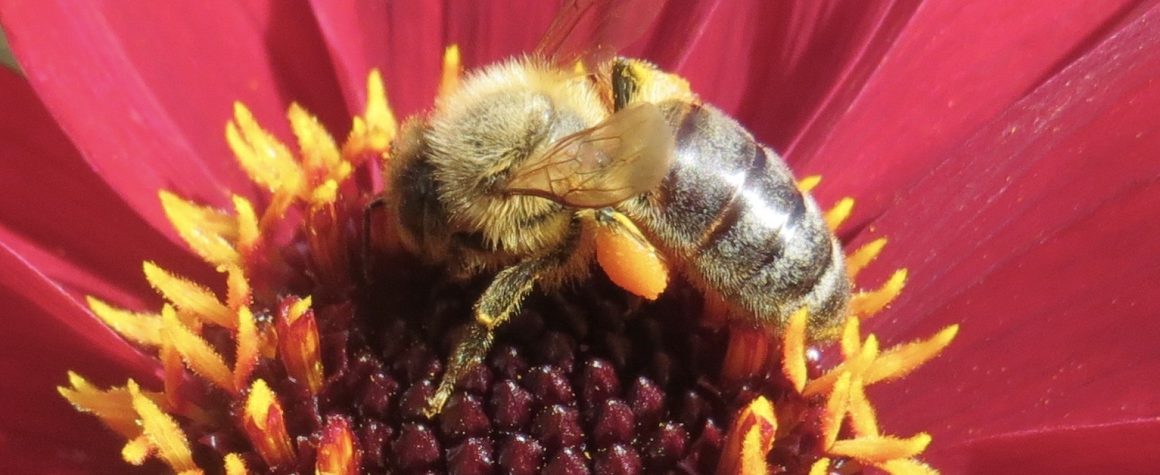
IMG_4083IMG_4084URBAN BEES runs beekeeping taster courses at Camley Street. We went there last weekend to taste the taster course, which is run by Brian McCallum and Alison Benjamin. Both are very experienced beekeepers, and the joint authors of 3 excellent books (two of which I already owned, but I had dimly failed to link the authors with the course leaders). More details of the books are at the end of this post. The early morning had seen inauspicious dark clouds and very heavy rain in London. Slowly it began to clear, and by mid-morning the skies were blue and the sun shone brightly.IMG_4089By 11.00, 20 of us had been welcomed to the lecture room by Brian and Alison, and we all settled down in learning mode. It quickly became clear that Brian’s relaxed yet sparky presentation would be (a) informative and (b) entertaining. And so it proved. We covered the ground quickly: bee varieties and their place in the world and in the hive; the caste system; bee anatomy; the birth and life cycles of bees; the basic hive structure; first steps to keeping bees; the pros and cons of keeping urban bees; the equipment needed and the (considerable) costs involved; and varroa.IMG_4091Brian presented the information clearly, with occasional interventions from Alison. They made an instructive double act. Time for a break and a practical demo, so we all trooped out into the fresh cold air and sunshine to visit the hives at the far end of the Park. This involved threading our way alongside the canal and past wild and picturesque ponds.IMG_4094IMG_4093IMG_4099At the ponds, youngsters (with adults!) were encouraged to use small nets to scoop out water and weed and inspect the contents. The rattle of the trains on the tracks into St Pancras barely seemed to intrude on this surprisingly pastoral strip of land.  IMG_4105Beyond the ponds were our targets – real hives with real bees. But would they be showing themselves in January? The team marched on to find out.IMG_4103And suddenly there they were. HIVES! BEES! And active, too (at least in the 3 hives actually in the sun) IMG_4115Brian was kind enough to demonstrate his own “waggle dance” (joking – he was saying “some grow this big…”)IMG_4116With the hive lid removed, we were able to view the hive through perspex. Brian showed us some winter food for the bees. I lost track a bit here – as the tallest person in the party, my head was slightly above the Park fence, and I became aware that it was on some bee ley-line direct from forage to hive… Minor avoiding action was called for (bent knees).IMG_4120 IMG_4123Under the hive was a tray designed to catch varroa mites in particular. The number on the tray is a good indication of the health of the hive. Although Varroa has only been around in the UK for about 30 years, surprisingly there are now no hives completely clear of infestation. So varroa mite control is a matter of limitation, not eradication.IMG_4124On this tray, we were clearly able to see a number of mites amongst the other debris – tiny shiny creatures capable of wiping out an entire hive if left uncheckedIMG_4125Having completed the outdoor practical stage, we wandered back to a sustaining lunch, before the afternoon sessionIMG_4110IMG_4131IMG_4095After lunch Brian dismantled a hive for us, explaining the structure and the purposes of each part. We entered the technical arena of frames, brood-boxes, supers and nukes. We learnt about identifying the queen; and swarming and how to control it (in theory). Any ‘beeks’ reading this (you perhaps, Miss Apis Mellifera?) may be chuckling at the naivety of all this.  Please smile benignly – we all have to start somewhere… By the end of the hive demonstration, interwoven with much of the bee material we had learnt about in the morning, we felt we had had a very thorough and clear introduction to the world of bees and beekeeping.Cliveden Bees 8

Brian and Alison posed some big questions. Why do you think you want to keep bees in the City? Might you be better finding a beekeeper you can help while you get some experience first? Do you believe you will make a living out of it – honey money? (Short answer – there’s no way you ever will). Are you trying to save bees from extinction? And if so, have you considered other ways to achieve this, not just for honey bees but for all bees. Planting bee-friendly flowers and plants is a good way to achieve this, or becoming involved in bee-related groups and projects locally.

Sussex - thirsty bee 6

For our part, we left feeling we had had an excellent day’s course, with information imparted thoroughly but in an easily assimilable way. And we both agreed that we will not be buying a hive, bees, a spacesuit and a smoker. Instead we will add some more bee-friendly plants to our garden, doing our bit that way – and buying local honey (very good as it happens) rather than the bland honey blends that come to us from halfway round the world. (Oh, and the mystic ingredient of Manuka honey that makes it 3 or 4 times more expensive than any other? Marketing skill, apparently…)

Bee engraving 1852

Plate 70, from Volume 2: A History Of The Earth And Animated Nature by Oliver Goldsmith, 1852

I bought the lovely original plate above 2 or 3 years ago for around £10 (there’s one on eBay now for about £11, though not in very good condition). It is featured on page 11 of one of Brian and Alison’s books. Which brings me to Brian and Alison’s joint-authored bibliography. Of the 3 books shown below, I would recommend the first for anyone looking for a well thought out and well illustrated introduction to beekeeping in all its aspects. All can be found on Amazon, ABE and other such places. Or contact the authors with this link URBAN BEES

Keeping Bees And Making Honey    Keeping Bees and Making Honey

A World Without Bees           A World Without Bees

Bees in the City: The urban beekeepers' handbook          Bees in the City

Finally, two recommended websites of active bee-keepers who describe the day-to-day reality of keeping bees, meeting the ‘twin imposters’ along the way and treating them just the same. Also included are details of the beekeepers exams, to challenge the the more experienced beekeeper.

MISS APIS MELLIFERA

ADVENTURES IN BEE LAND

Pride? Ambition? Frustration? What’s going on here?

Cliveden Bees 9

And is there any room for honey-based music and humour? There surely is…

[youtube http://youtu.be/BTuOAPE-LOo]

HENS IN A CORNER OF A CORNER OF DORSET…


HENS IN THE PADDOCK – DORSET

These hens live in a shady corner of our paddock. They belong to our neighbours (who also keep 3 Alpaca ‘mowers and fertilisers’ there). For us, pretty to look at and listen to as they fuss around scratching – and from time to time free eggs…Hens in the Paddock 1 Hens in the Paddock 2 Hens in the Paddock 3 Hens in the Paddock 4