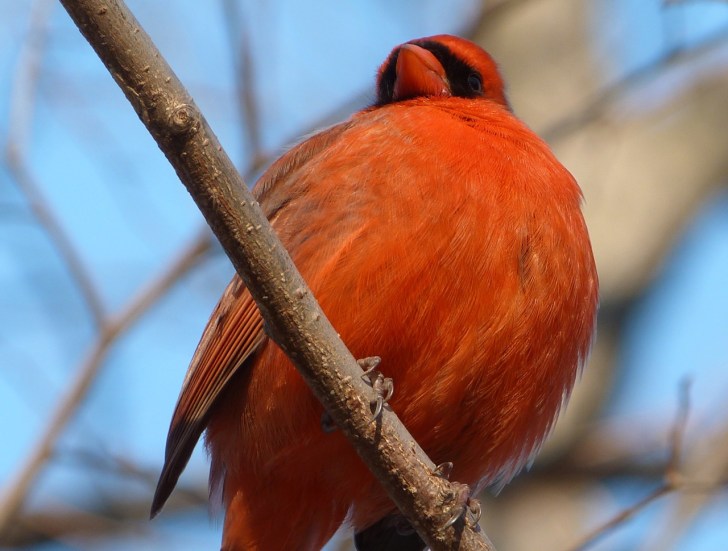
These birds were photographed in New York during a recent cold spell, with snow on the ground, and ice on the lakes of Central Park and Prospect Park, Brooklyn. Their colouring cut through the sub-zero cold and the wind chill.


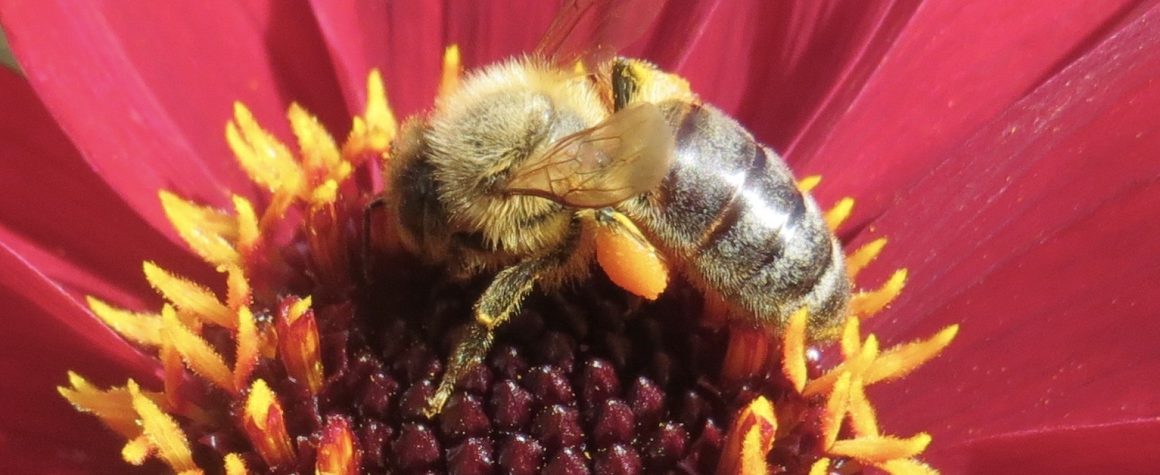
TO BEE OR NOT TO BEE: “A TASTE OF HONEY…”

TO BEE OR NOT TO BEE: “A TASTE OF HONEY…”
The London Wildlife Trust has several small urban nature reserves close to the centre of the city. The Camley Street Natural Park was created in the early ‘8os on the site of a derelict coal yard, sandwiched between rail tracks and a canal. The site had become naturally colonised by plants over the years, and the small strip of land was preserved as a wildlife haven near the very heart of London
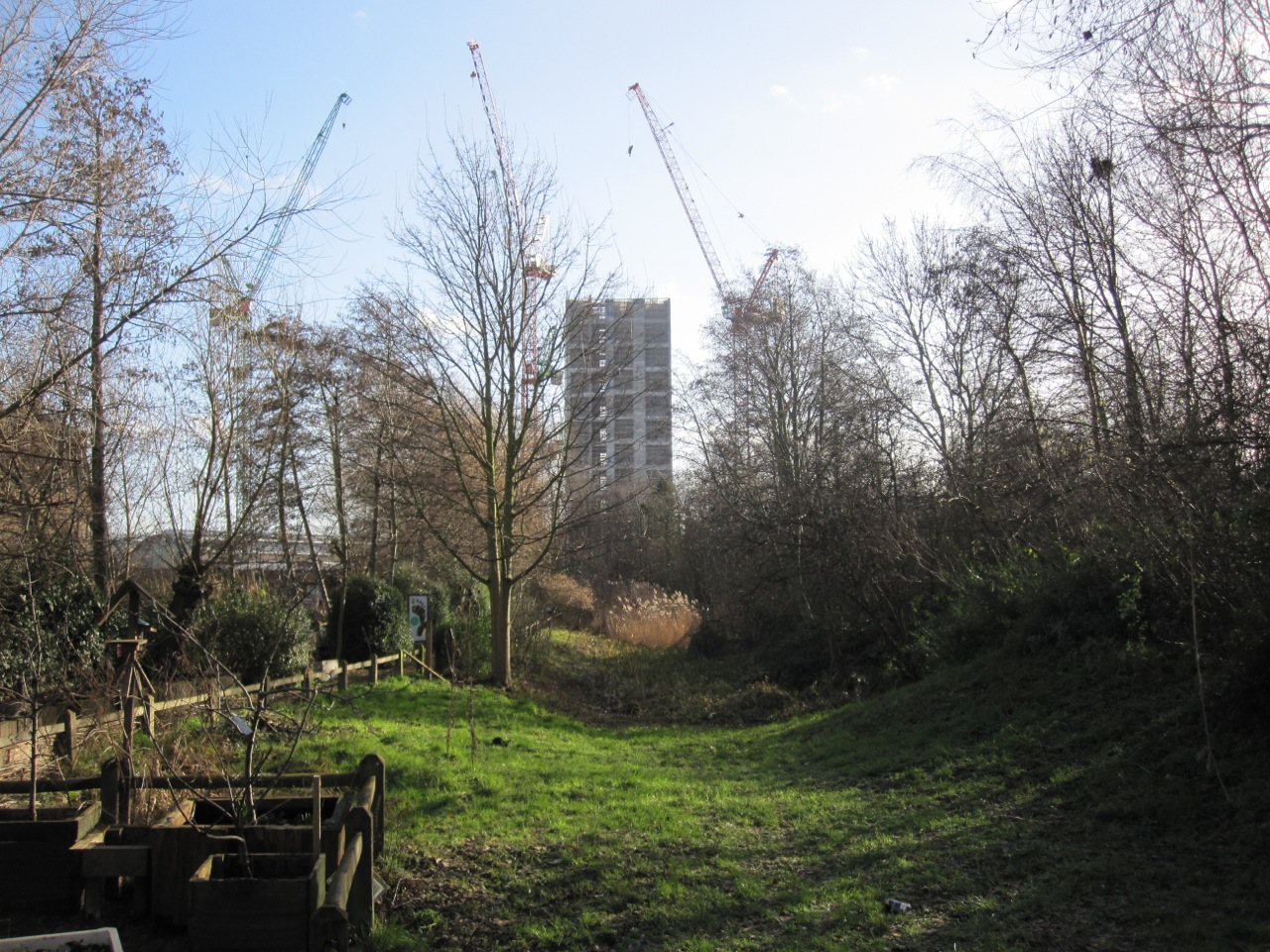
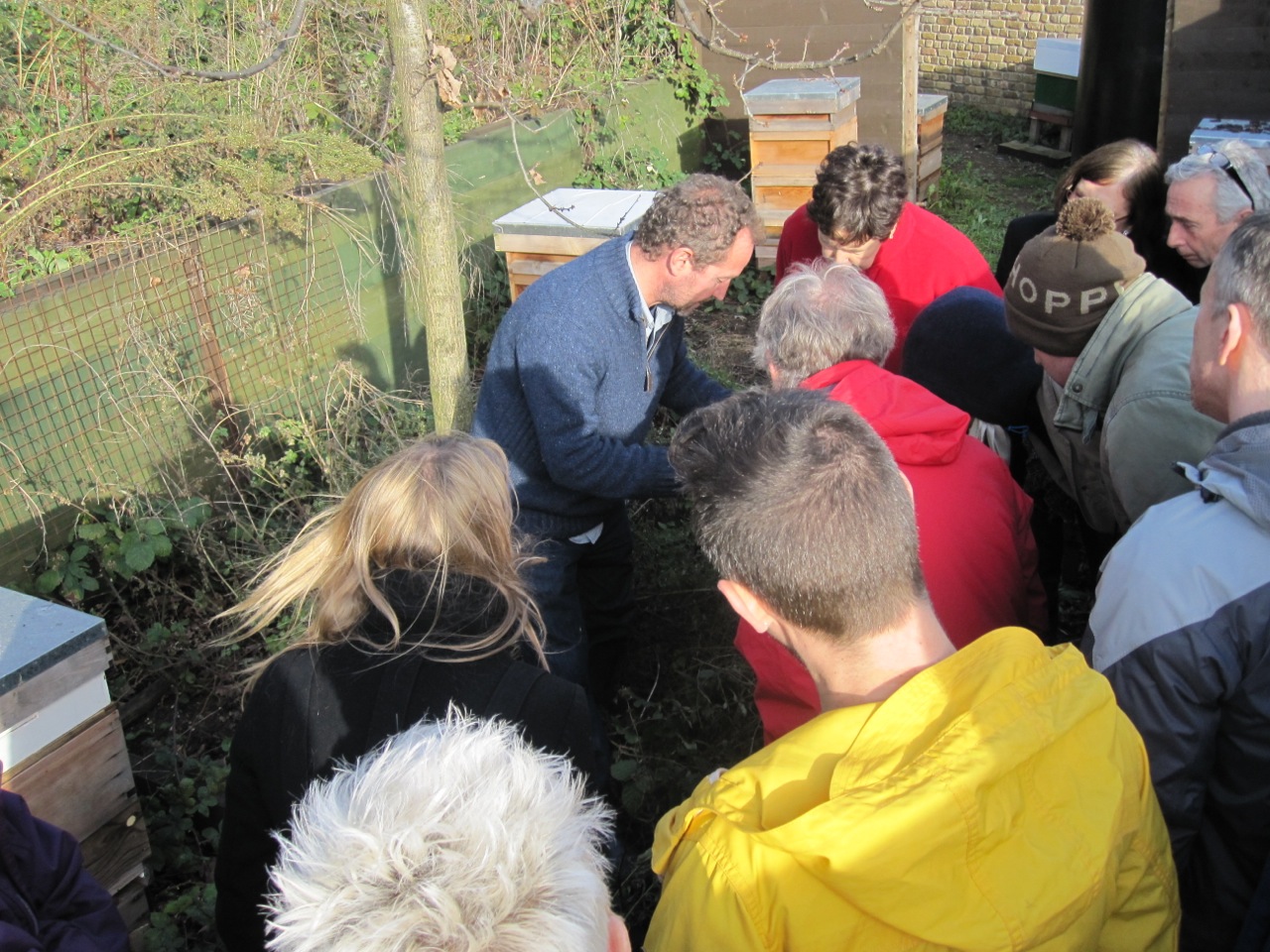
 URBAN BEES runs beekeeping taster courses at Camley Street. We went there last weekend to taste the taster course, which is run by Brian McCallum and Alison Benjamin. Both are very experienced beekeepers, and the joint authors of 3 excellent books (two of which I already owned, but I had dimly failed to link the authors with the course leaders). More details of the books are at the end of this post. The early morning had seen inauspicious dark clouds and very heavy rain in London. Slowly it began to clear, and by mid-morning the skies were blue and the sun shone brightly.
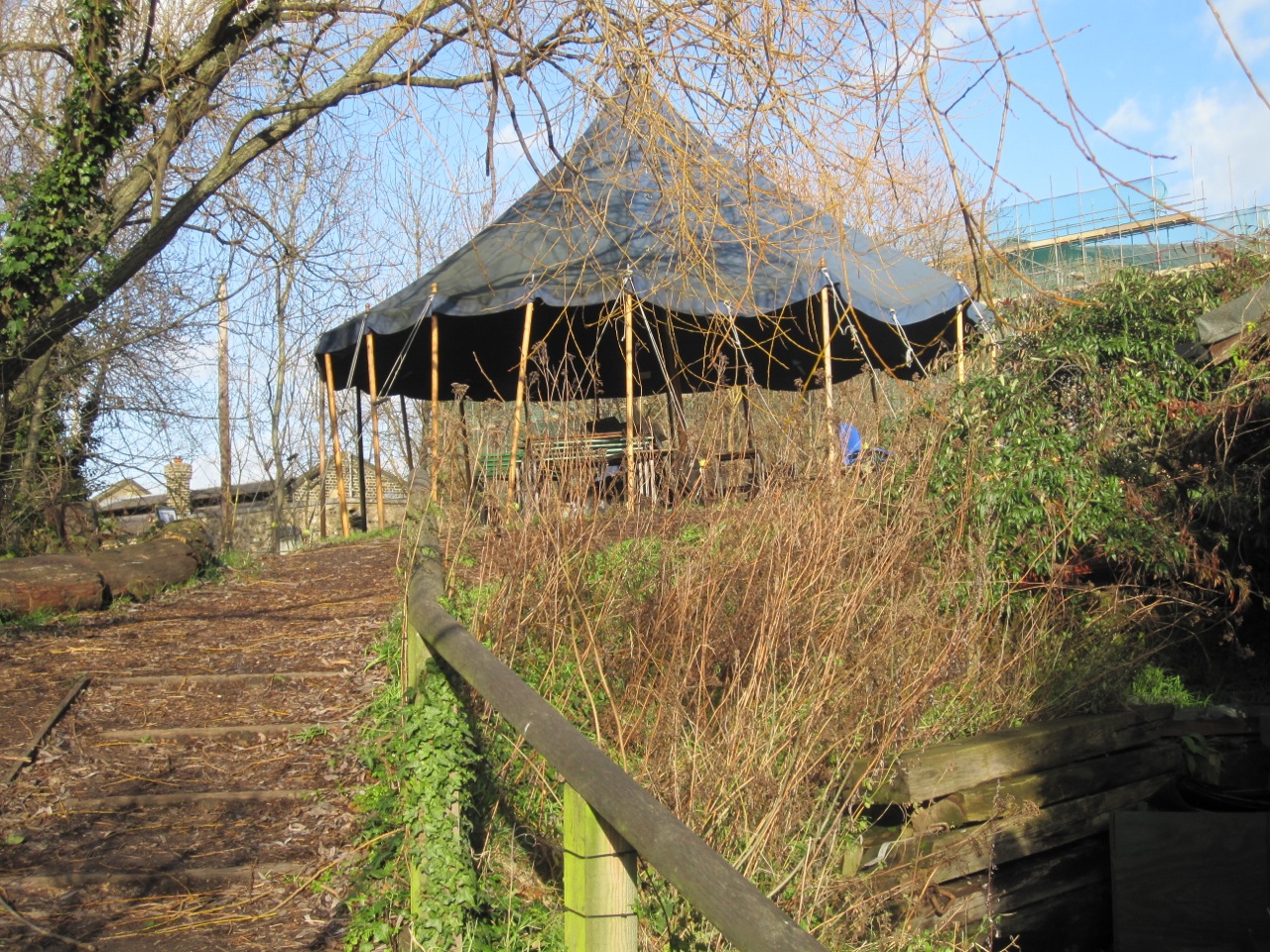 By 11.00, 20 of us had been welcomed to the lecture room by Brian and Alison, and we all settled down in learning mode. It quickly became clear that Brian’s relaxed yet sparky presentation would be (a) informative and (b) entertaining. And so it proved. We covered the ground quickly: bee varieties and their place in the world and in the hive; the caste system; bee anatomy; the birth and life cycles of bees; the basic hive structure; first steps to keeping bees; the pros and cons of keeping urban bees; the equipment needed and the (considerable) costs involved; and varroa.
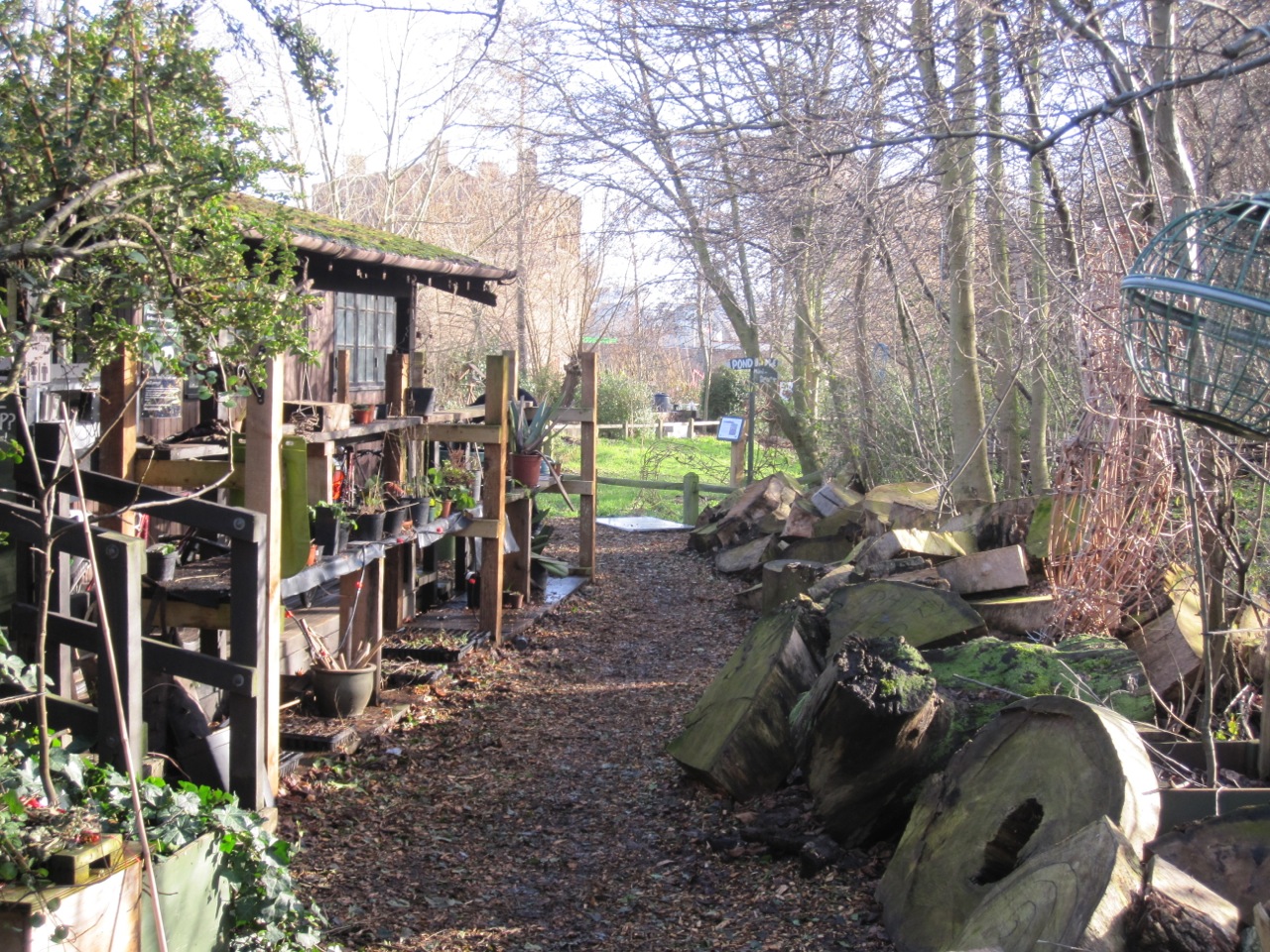 Brian presented the information clearly, with occasional interventions from Alison. They made an instructive double act. Time for a break and a practical demo, so we all trooped out into the fresh cold air and sunshine to visit the hives at the far end of the Park. This involved threading our way alongside the canal and past wild and picturesque ponds.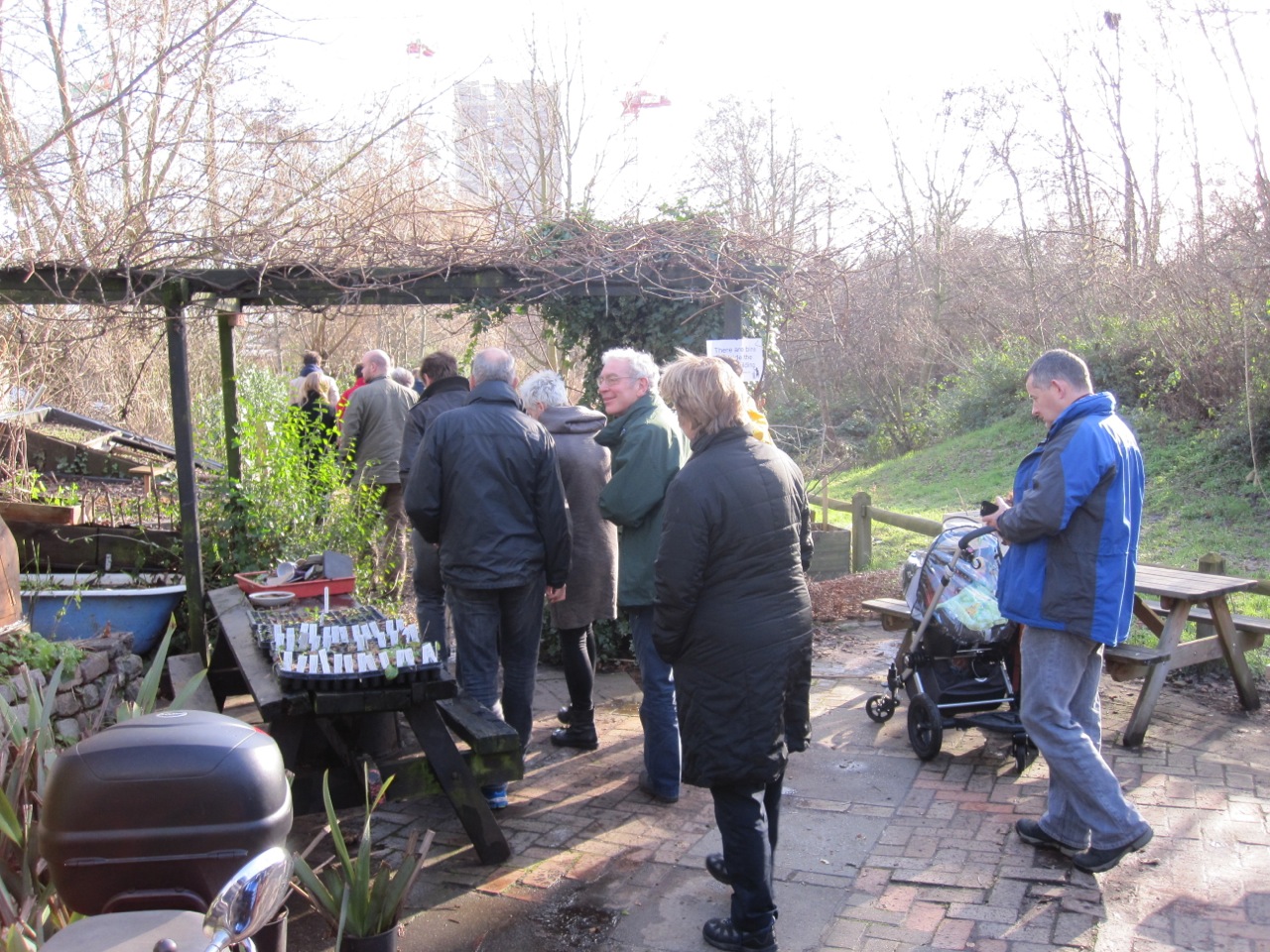
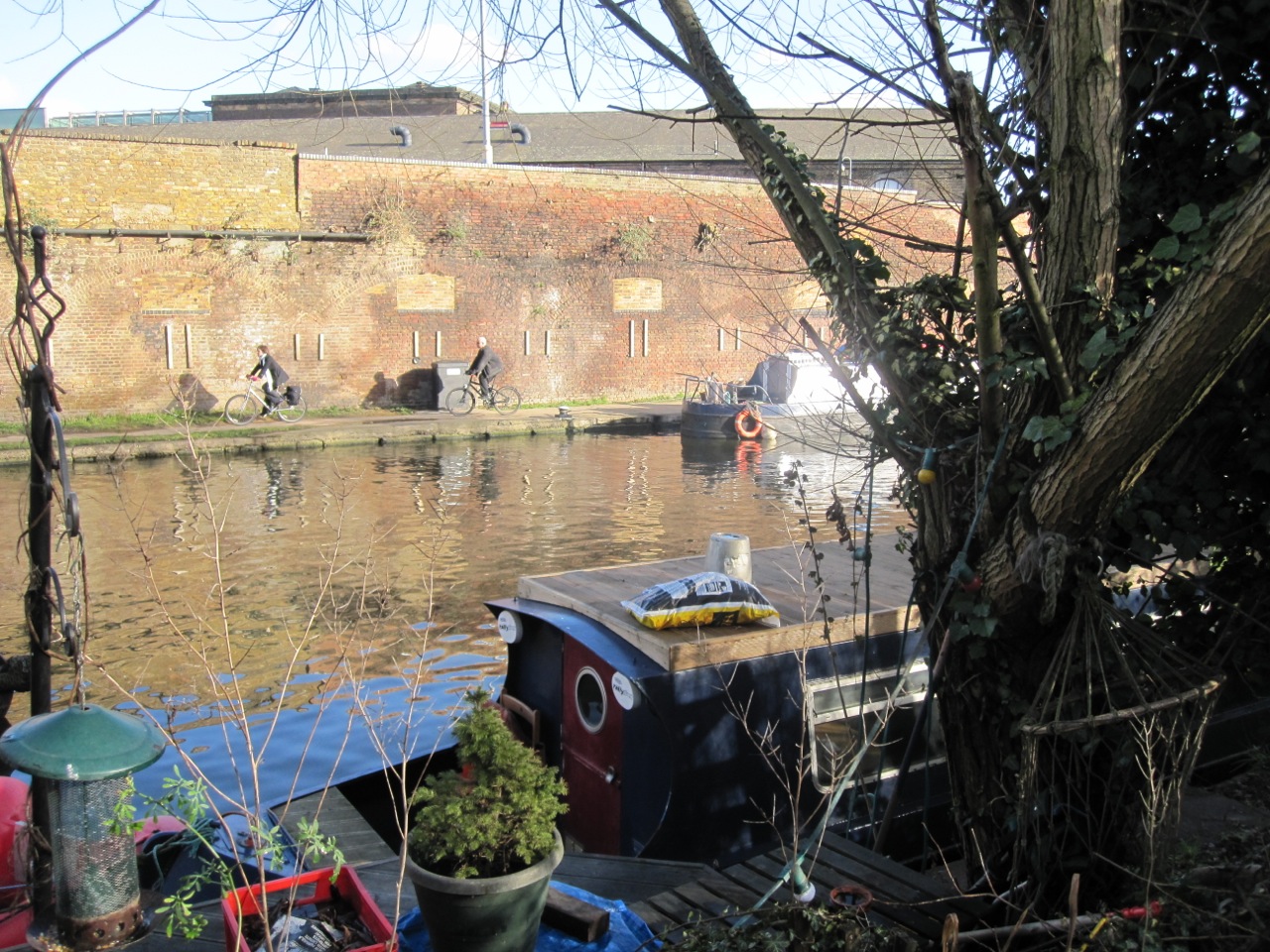
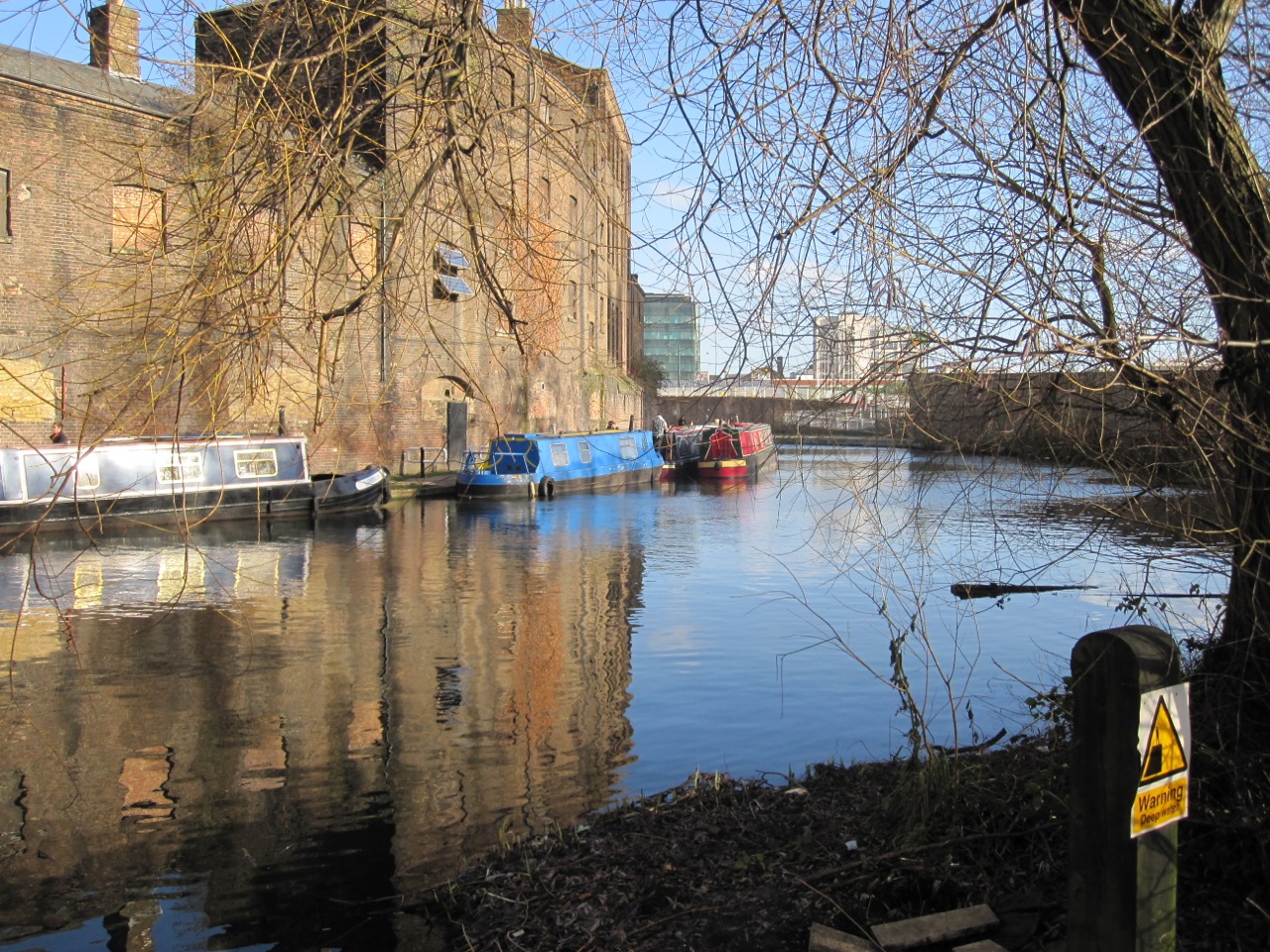 At the ponds, youngsters (with adults!) were encouraged to use small nets to scoop out water and weed and inspect the contents. The rattle of the trains on the tracks into St Pancras barely seemed to intrude on this surprisingly pastoral strip of land.
  Beyond the ponds were our targets – real hives with real bees. But would they be showing themselves in January? The team marched on to find out.
 And suddenly there they were. HIVES! BEES! And active, too (at least in the 3 hives actually in the sun)
  Brian was kind enough to demonstrate his own “waggle dance” (joking – he was saying “some grow this big…”)
 With the hive lid removed, we were able to view the hive through perspex. Brian showed us some winter food for the bees. I lost track a bit here – as the tallest person in the party, my head was slightly above the Park fence, and I became aware that it was on some bee ley-line direct from forage to hive… Minor avoiding action was called for (bent knees).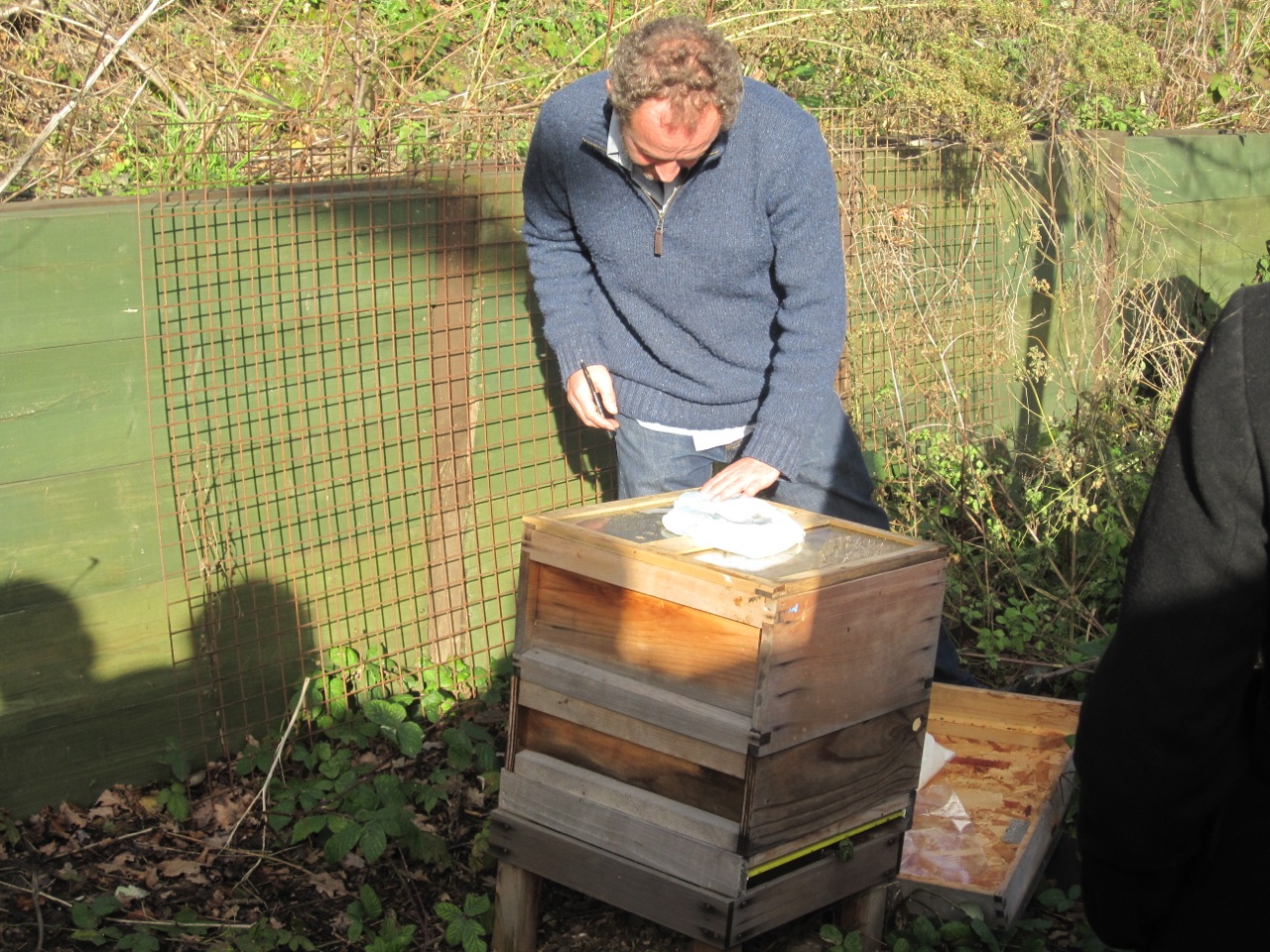
 Under the hive was a tray designed to catch varroa mites in particular. The number on the tray is a good indication of the health of the hive. Although Varroa has only been around in the UK for about 30 years, surprisingly there are now no hives completely clear of infestation. So varroa mite control is a matter of limitation, not eradication.
 On this tray, we were clearly able to see a number of mites amongst the other debris – tiny shiny creatures capable of wiping out an entire hive if left unchecked
 Having completed the outdoor practical stage, we wandered back to a sustaining lunch, before the afternoon session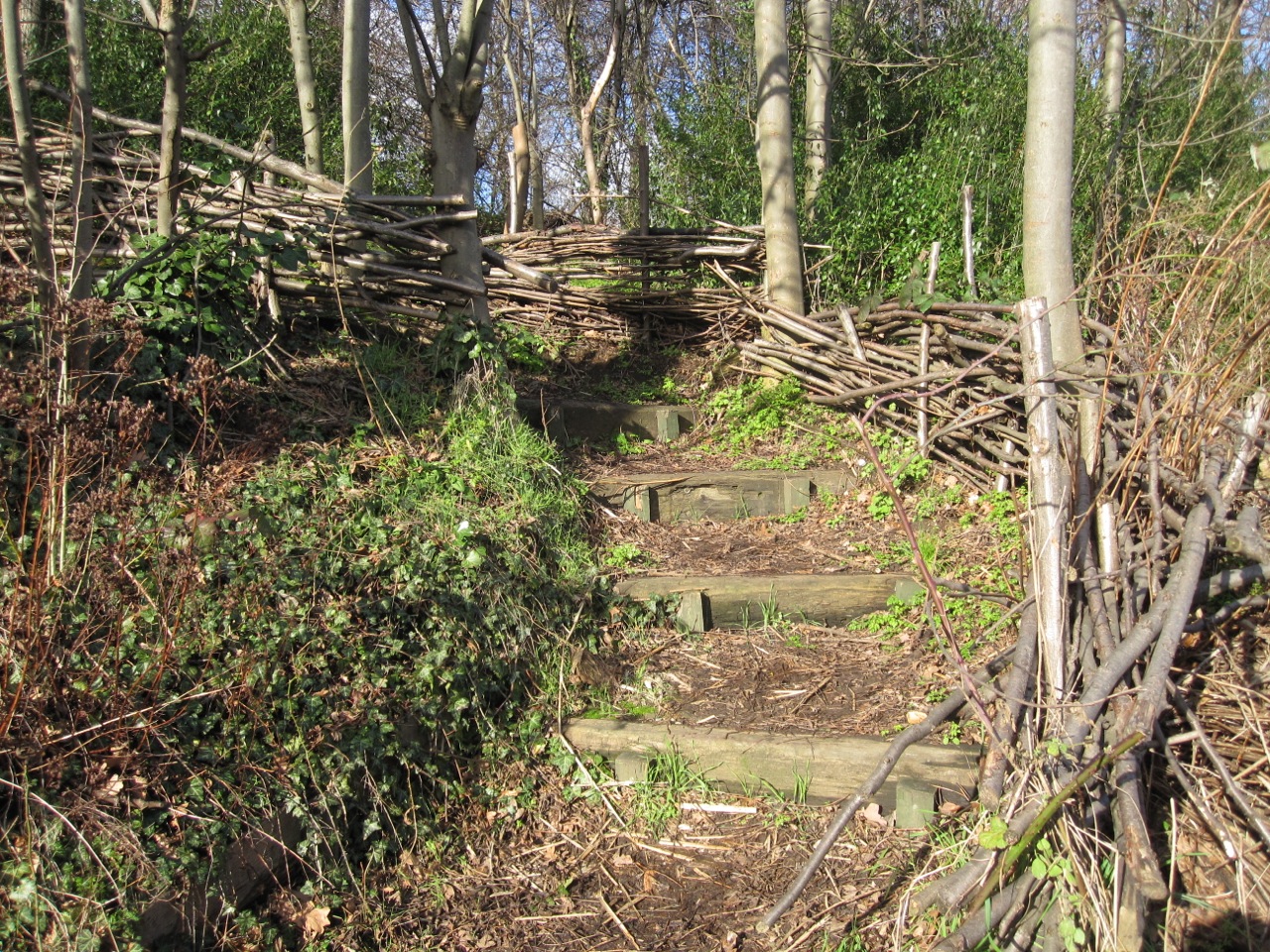

 After lunch Brian dismantled a hive for us, explaining the structure and the purposes of each part. We entered the technical arena of frames, brood-boxes, supers and nukes. We learnt about identifying the queen; and swarming and how to control it (in theory). Any ‘beeks’ reading this (you perhaps, Miss Apis Mellifera?) may be chuckling at the naivety of all this. Please smile benignly – we all have to start somewhere… By the end of the hive demonstration, interwoven with much of the bee material we had learnt about in the morning, we felt we had had a very thorough and clear introduction to the world of bees and beekeeping.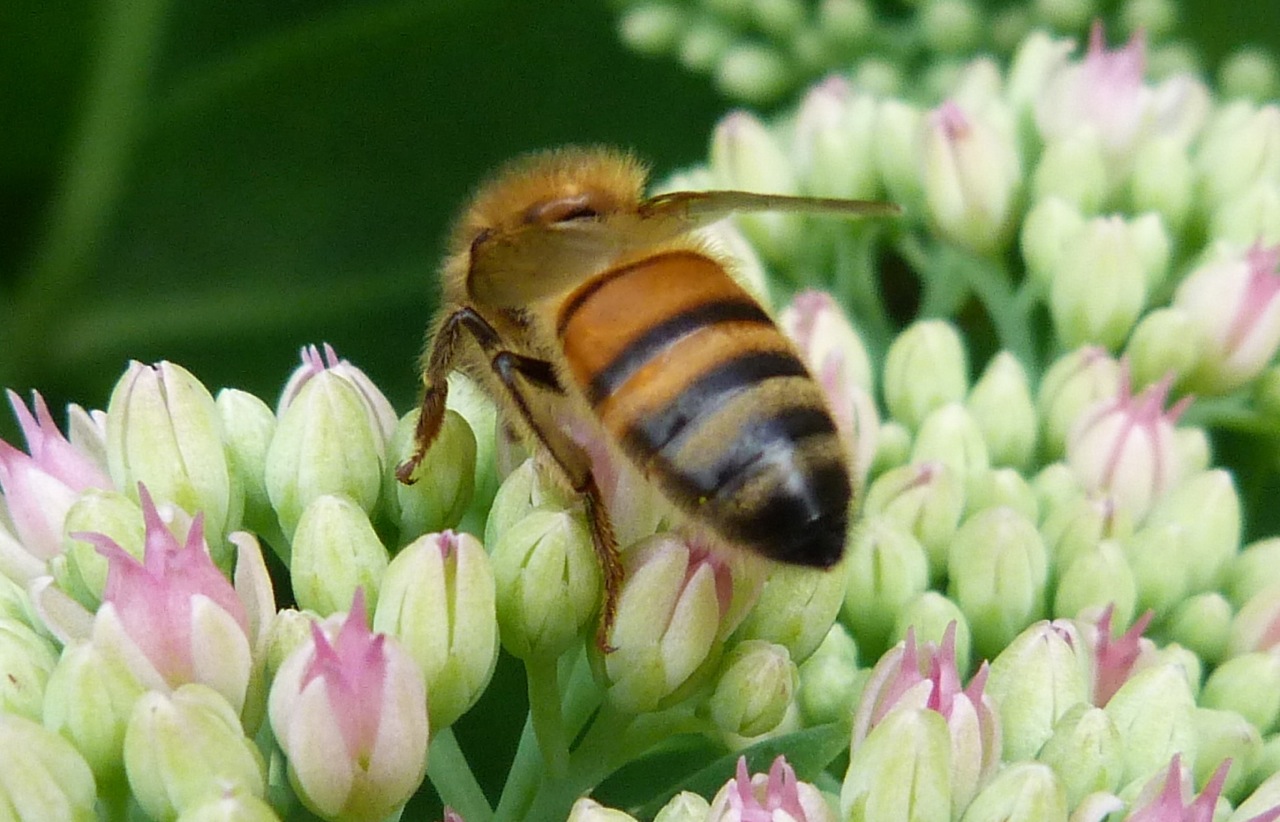
Brian and Alison posed some big questions. Why do you think you want to keep bees in the City? Might you be better finding a beekeeper you can help while you get some experience first? Do you believe you will make a living out of it – honey money? (Short answer – there’s no way you ever will). Are you trying to save bees from extinction? And if so, have you considered other ways to achieve this, not just for honey bees but for all bees. Planting bee-friendly flowers and plants is a good way to achieve this, or becoming involved in bee-related groups and projects locally.

For our part, we left feeling we had had an excellent day’s course, with information imparted thoroughly but in an easily assimilable way. And we both agreed that we will not be buying a hive, bees, a spacesuit and a smoker. Instead we will add some more bee-friendly plants to our garden, doing our bit that way – and buying local honey (very good as it happens) rather than the bland honey blends that come to us from halfway round the world. (Oh, and the mystic ingredient of Manuka honey that makes it 3 or 4 times more expensive than any other? Marketing skill, apparently…)
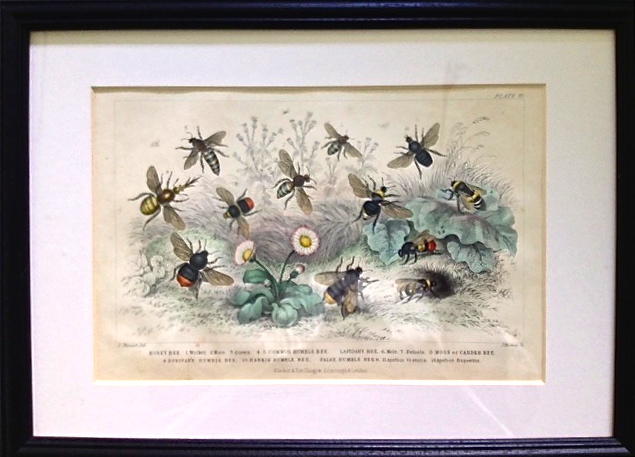
Plate 70, from Volume 2: A History Of The Earth And Animated Nature by Oliver Goldsmith, 1852
I bought the lovely original plate above 2 or 3 years ago for around £10 (there’s one on eBay now for about £11, though not in very good condition). It is featured on page 11 of one of Brian and Alison’s books. Which brings me to Brian and Alison’s joint-authored bibliography. Of the 3 books shown below, I would recommend the first for anyone looking for a well thought out and well illustrated introduction to beekeeping in all its aspects. All can be found on Amazon, ABE and other such places. Or contact the authors with this link URBAN BEES
 Keeping Bees and Making Honey
 A World Without Bees
 Bees in the City
Finally, two recommended websites of active bee-keepers who describe the day-to-day reality of keeping bees, meeting the ‘twin imposters’ along the way and treating them just the same. Also included are details of the beekeepers exams, to challenge the the more experienced beekeeper.
Pride? Ambition? Frustration? What’s going on here?
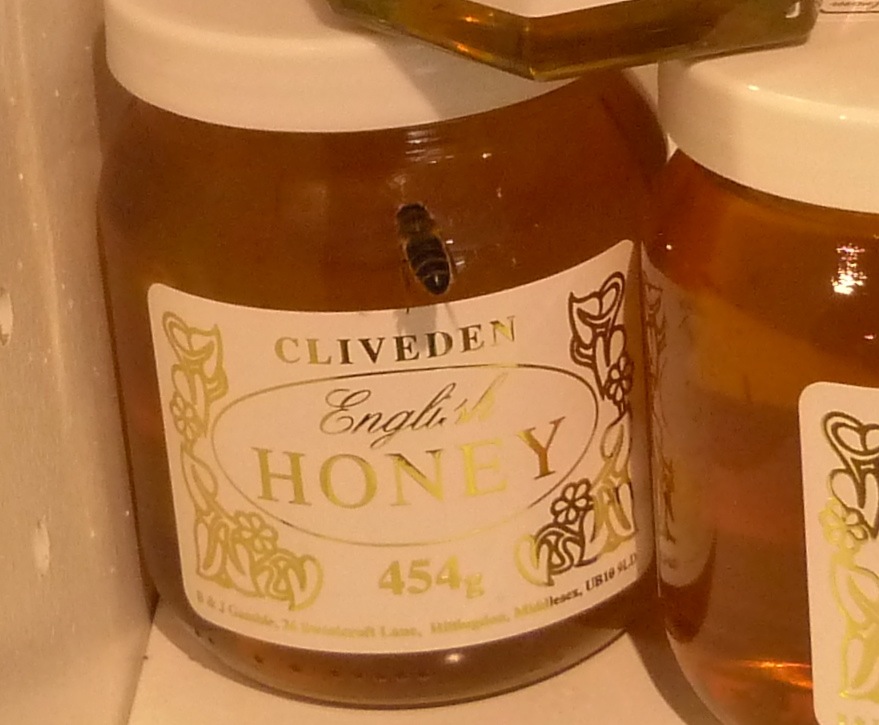
And is there any room for honey-based music and humour? There surely is…
[youtube http://youtu.be/BTuOAPE-LOo]
HENS IN A CORNER OF A CORNER OF DORSET…
HENS IN THE PADDOCK – DORSET
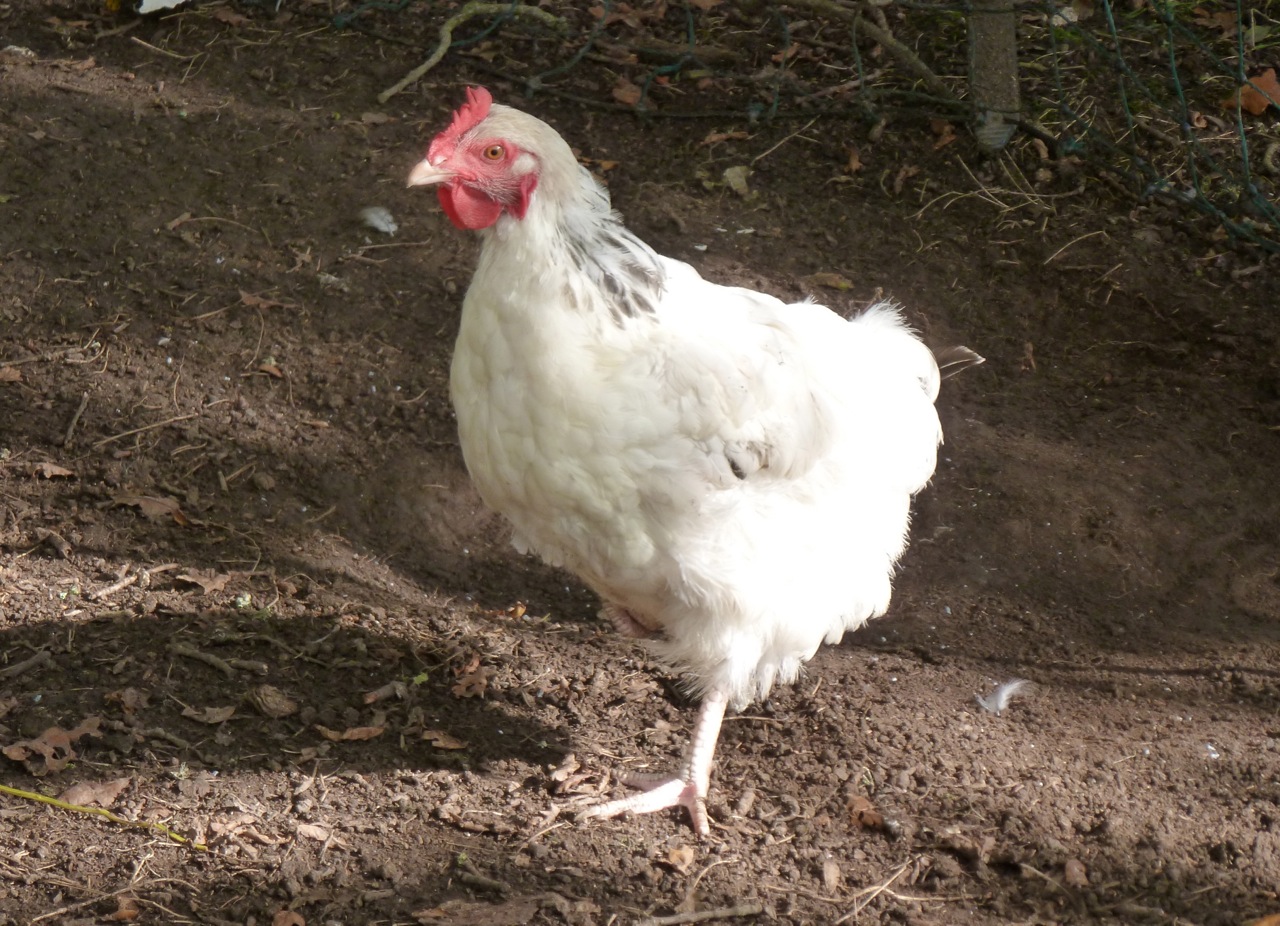
These hens live in a shady corner of our paddock. They belong to our neighbours (who also keep 3 Alpaca ‘mowers and fertilisers’ there). For us, pretty to look at and listen to as they fuss around scratching – and from time to time free eggs…


A WINTER BUZZARD ON THE ISLE OF WIGHT
A WINTER BUZZARD ON THE ISLE OF WIGHT
We saw this buzzard in a tree by the ramparts of Carisbrooke Castle from some distance away. Believing it would fly away at any moment, I started to take photos every few paces as we approached the tree. It stayed put, watching us carefully. I ended up with a batch of photos that improved as we got nearer the bird. Finally I got the one I wanted, with the sun just right. Thank goodness for digital cameras and the delete button for the earlier attempts… 
FROST CRYSTALS, DORSET
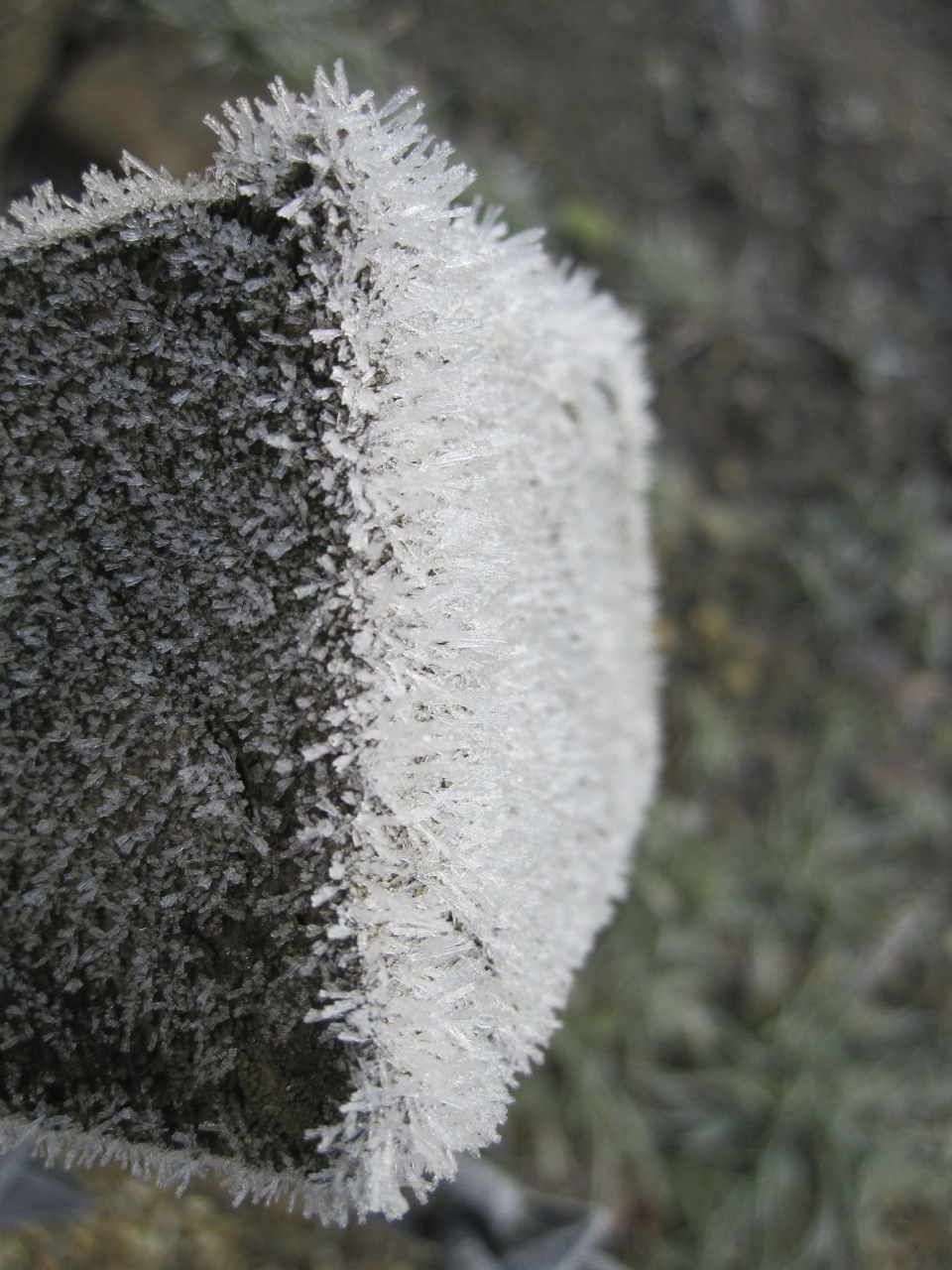
FROST CRYSTALS ON DIFFERENT PLANT SURFACES – BAY, BRAMBLE, GRASS – & A POST IN DORSET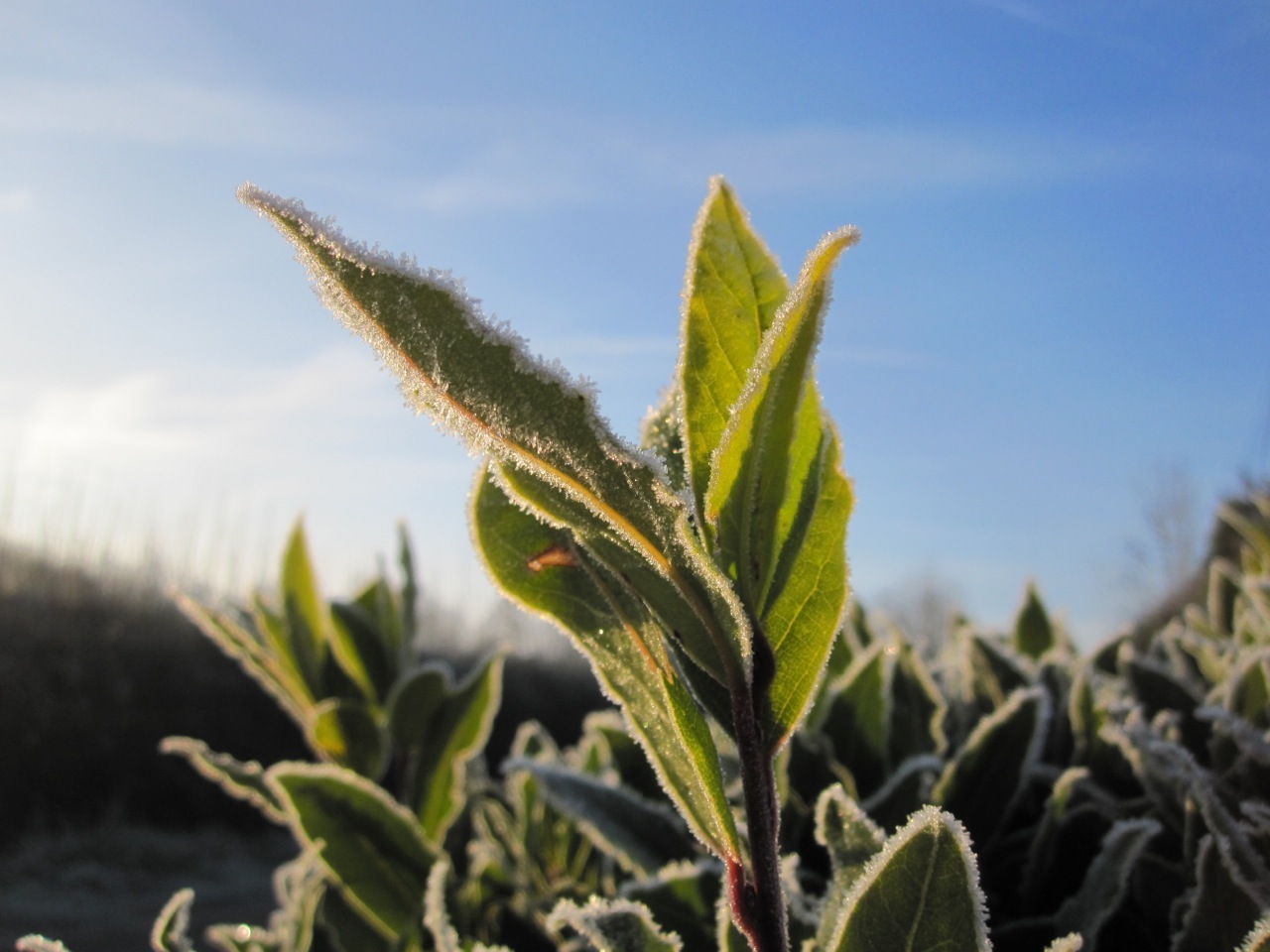


TWO BEES ON LAVENDER…
BOMBUS LUCORUM (WHITE-TAILED BUMBLE BEE)
BOMBUS PASCUORUM (COMMON CARDER BEE)
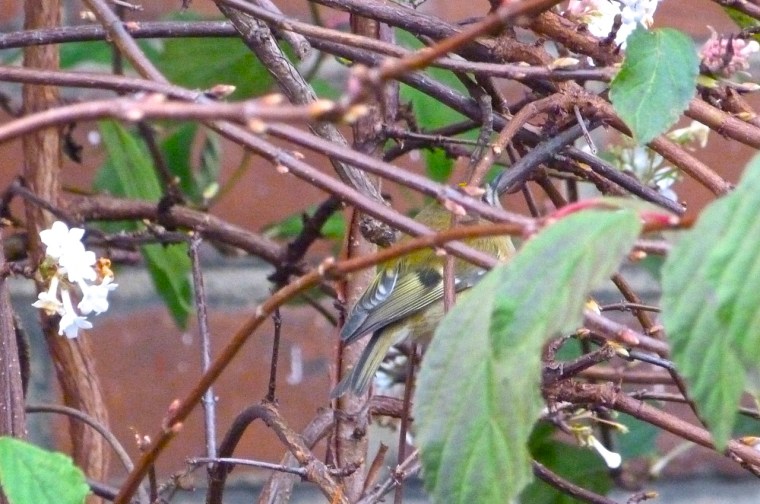
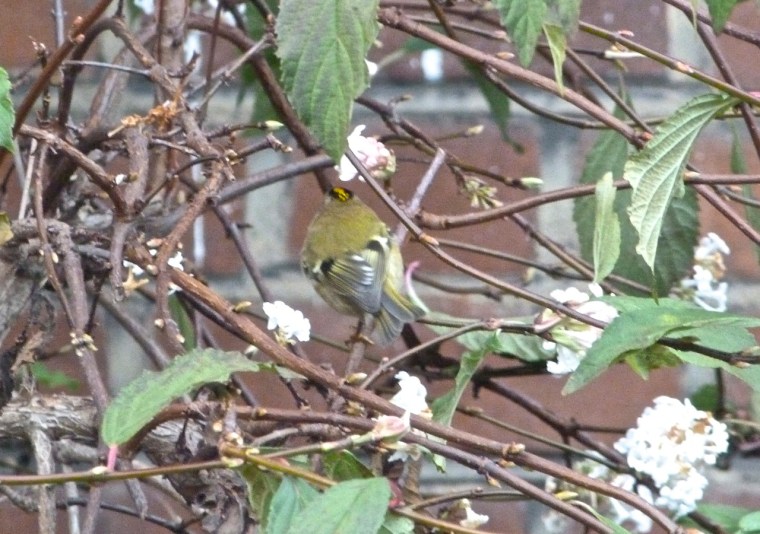
A GOLDCREST IN THE GARDEN
At 8.5 – 9.5 cms, Britain’s smallest bird, fractionally smaller than the Firecrest. They are part resident, part migratory but I’ve only ever seen them in winter. The last time was in our garden about 3 years ago. Then, yesterday, I saw a pair on some silver birches while I was watching a group of long-tailed tits. I managed to rush in, grab a camera, and re-locate them by their distinctive high piping call.

They move fast, and are one of the few birds apart from hummingbirds that can (briefly) hover while feeding – though I have seen robins manage this at a feeder. They were back today, in heavy rain. My photos below are the best of the bunch from yesterday – they never stopped flicking around a viburnum. Let’s hope I have another chance…
OTTERS AT WWT BARNES (VIDEO)
[vimeo https://vimeo.com/55522079]
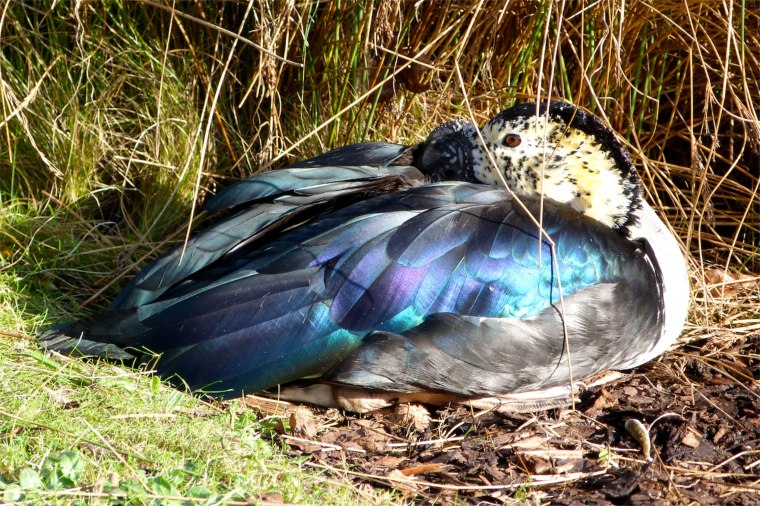
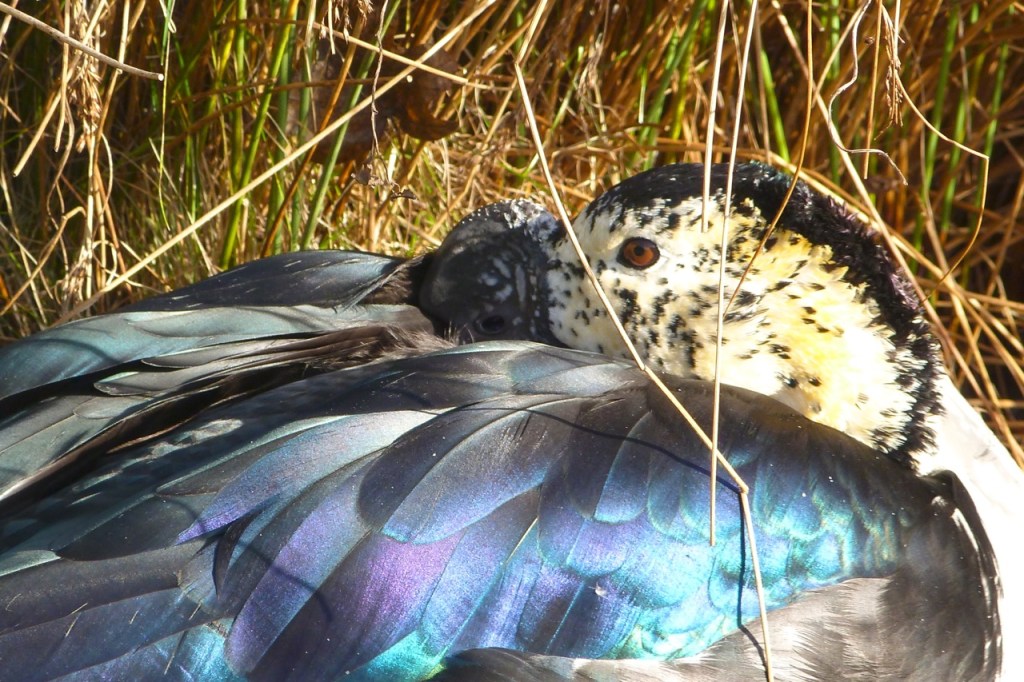
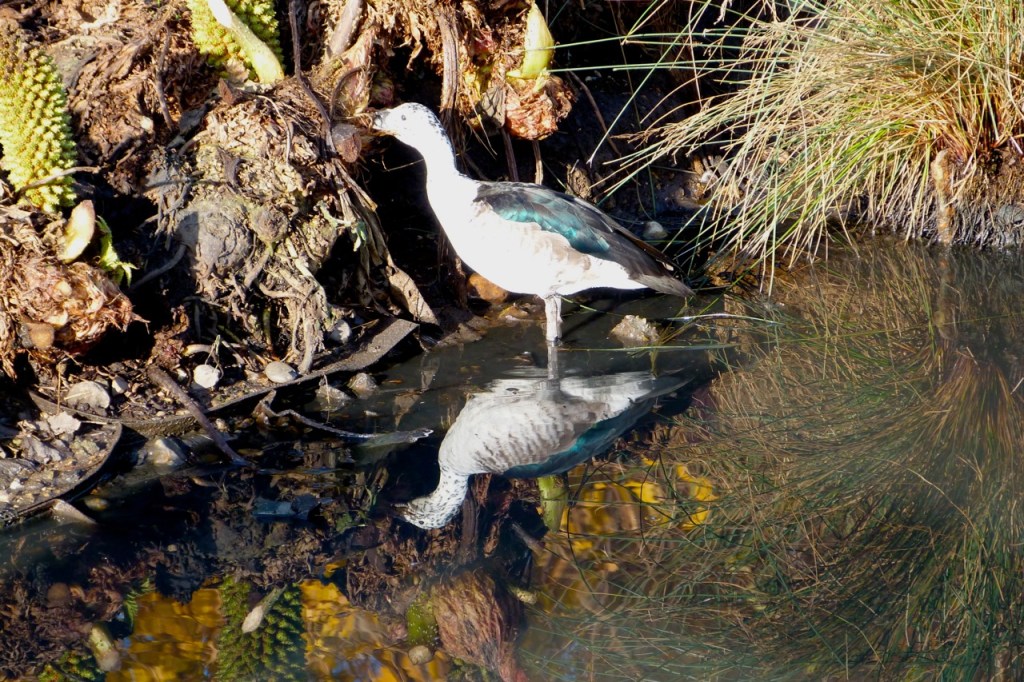
COMB / KNOB-BILLED DUCKS (SARKIDIORNIS MELANOTOS)

PEACEFUL COWS ON MOTTISTONE DOWN, IOW
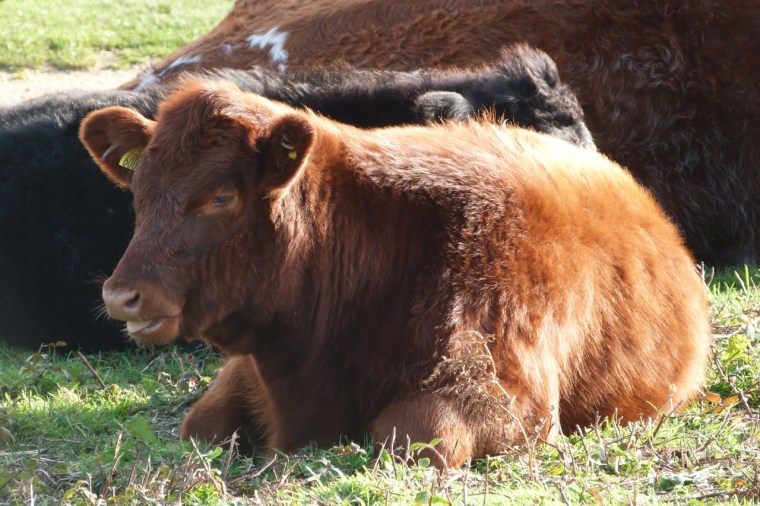
PEACEFUL COWS ON MOTTISTONE DOWN, IOW
These cows were clustered close to the neolithic Long Stone in the November sunshine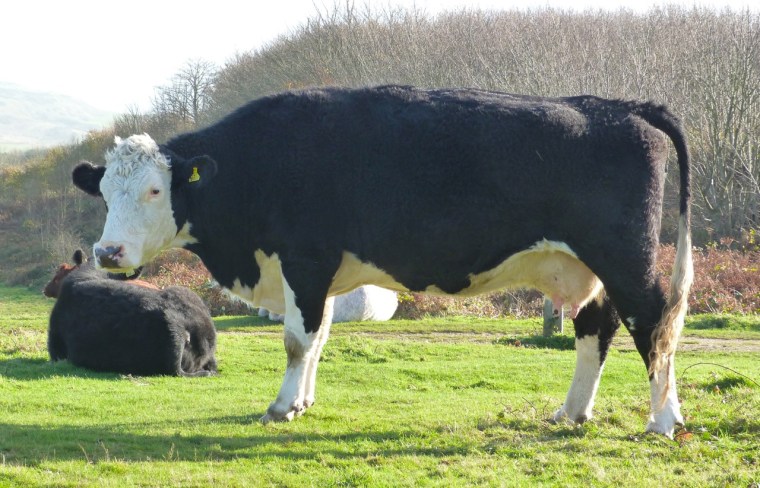



 ROLLING HARBOUR GALLERY