Orange-tip butterfly (Anthocharis cardamines)
Reminder of warmer days to come…
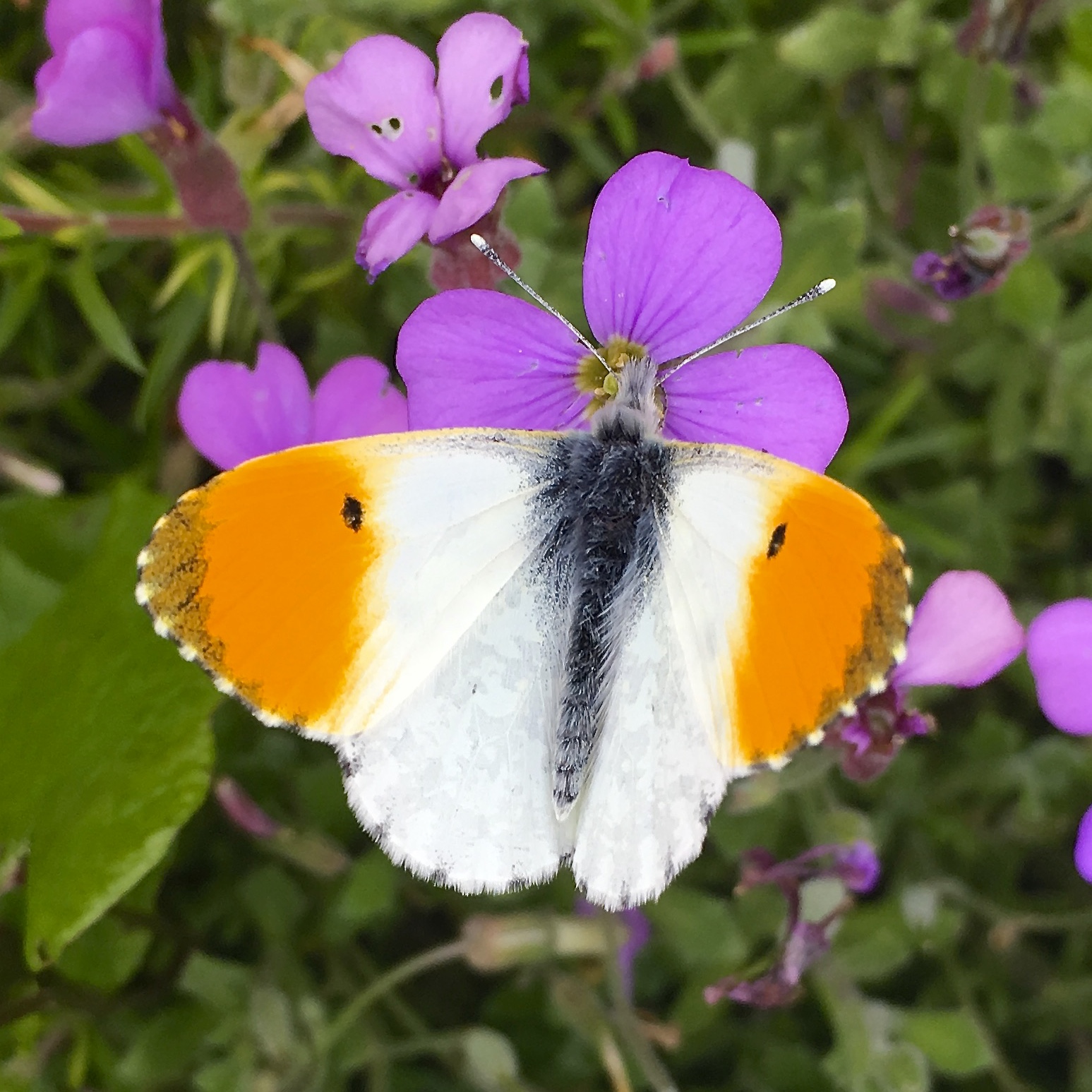
Orange-tip butterfly (Anthocharis cardamines)
Reminder of warmer days to come…
Rescued from our garden having fallen out of an oak tree. Replaced in the crook of a branch about 10 feet up. Completely relaxed throughout (the owlet, I mean), and keen to retain my rescue glove as a souvenir.


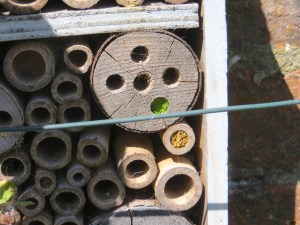
This is the first year that leaf-cutter bees have discovered the bee box placed invitingly on a south-facing wall – and only in the last month. Or maybe they had and didn’t like the box. Or the other occupants. Anyway, quite soon they had tenanted the remaining holes in the prestige penthouse log. 
Last week, the LCBs were quite active, so from time to time I watched them. The first one was completing its work in the top-right log on the lower storey. Having packed in the leaves, it spent quite some time perfecting the job, leaving a smooth end to the bright green plug.


Later on I saw a bee engaged in an earlier stage of construction. It chose the same log, and initially went for the middle hole, disappearing with a strip of leaf. It then revised its accommodation plans, reversed out with the leaf and took it to the adjacent hole.


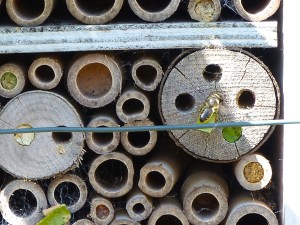
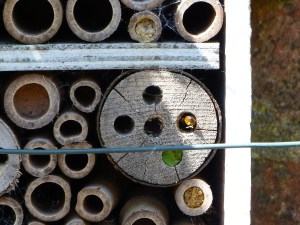
I found the bees surprisingly difficult to photograph. I had to change cameras to a ‘faster’ one, because a bee would zoom back to the hole with its leaf and dive straight in, dragging the leaf behind it; and emerge suddenly and fly off at speed. Sometimes there was a struggle to get the leaf into the hole, which helped take a shot; or I could see the bee pause in the dark but quite close to the entrance before flying off. But mostly, the comings and goings took me by surprise every time, even though I was ready for them…


I checked the plants in the vicinity for the tell-tale semi-circles cut out of the leaves. They seem to have liked a nearby rose and another plant whose name I forget (if I ever knew). They use saliva to glue the cuttings together to build the cells for their larvae. The larvae have a safe place to hatch and develop. They pupate in the autumn and hibernate during the winter. Now that the leaf-cutters have found the box, we are hoping that next year the new generation will go through the whole process again. And that I will be more handy with the camera.
NOTE: I see that these bees are often called Leafcutter bees, or Leaf Cutter bees, whereas I have plumped for a hyphen. I’m going (having retrospectively checked) with the Natural History Museum’s version…
Midsummer’s Day is usually the first day I begin to notice painted lady butterflies in our Dorset garden. They have probably been around for a few days before then without my noticing them. So when I actually start to look out for them to test the robustness of my ‘Midsummer’s Day’ theory for the ‘first’ ones, I am in fact working with a flawed self-fulfilling hypothesis. It worked again this year, as usual… And as so often these days I only had an iPh@ne with me to record the success, with unspectacular but tolerable results.
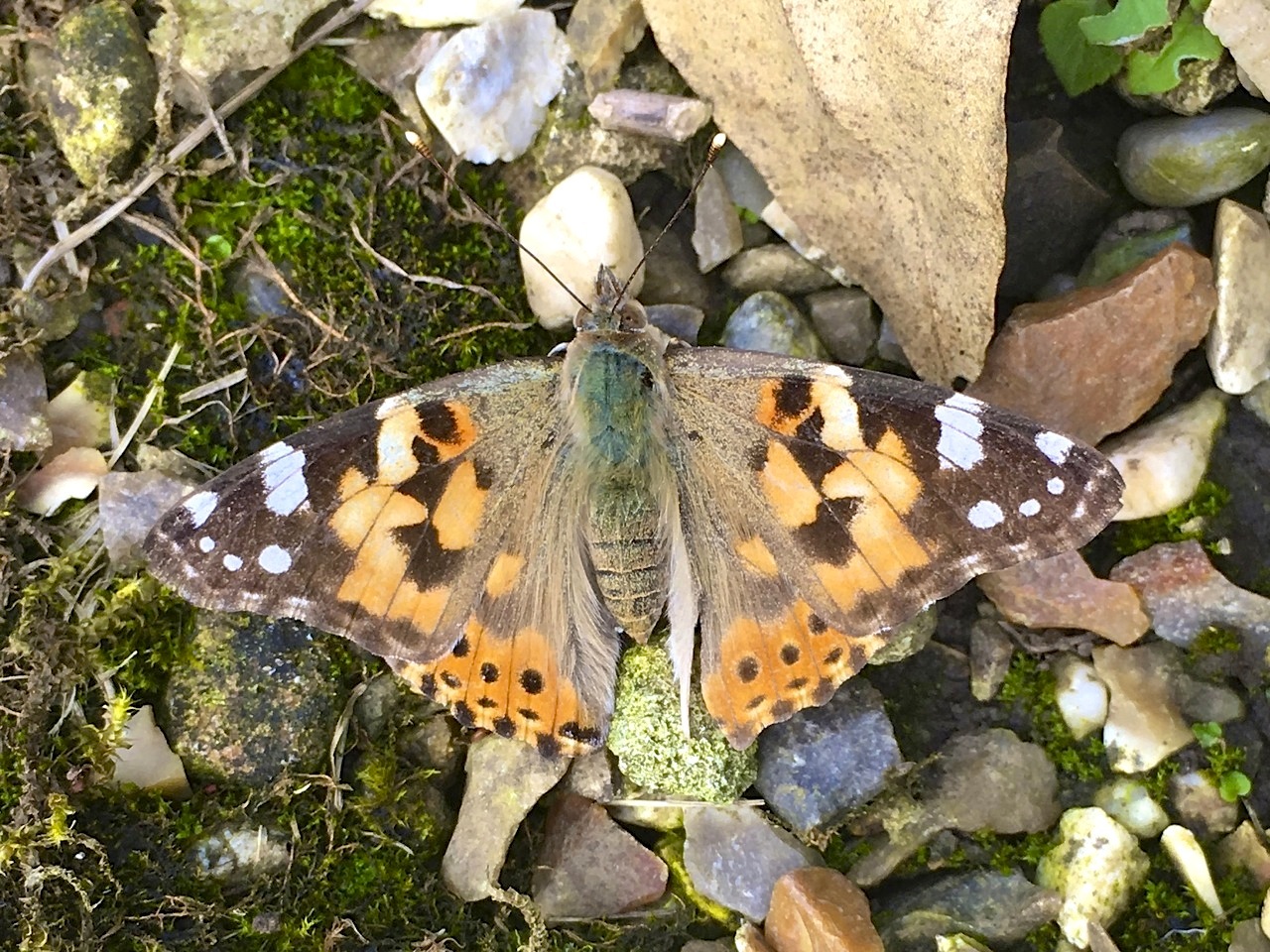
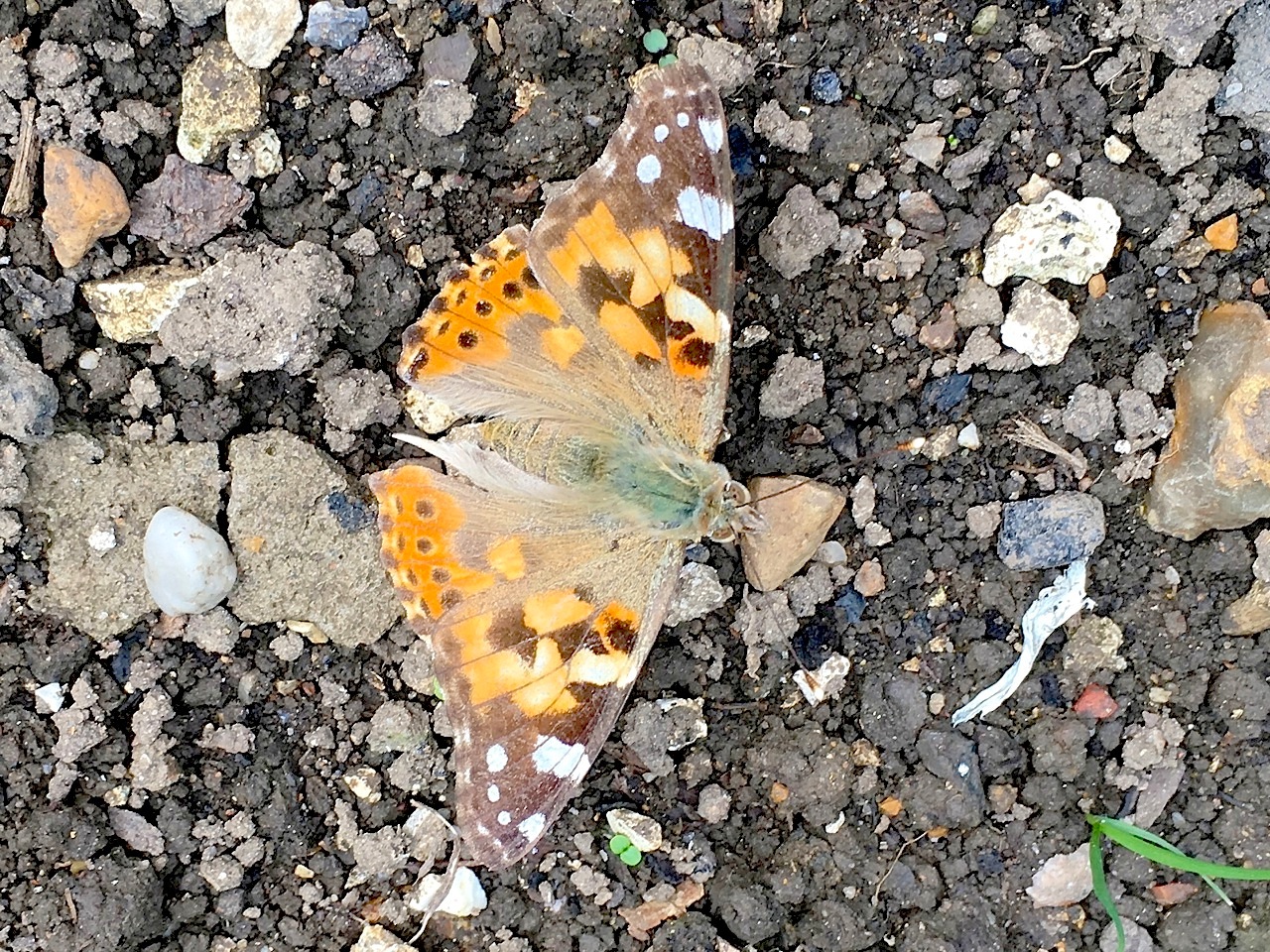

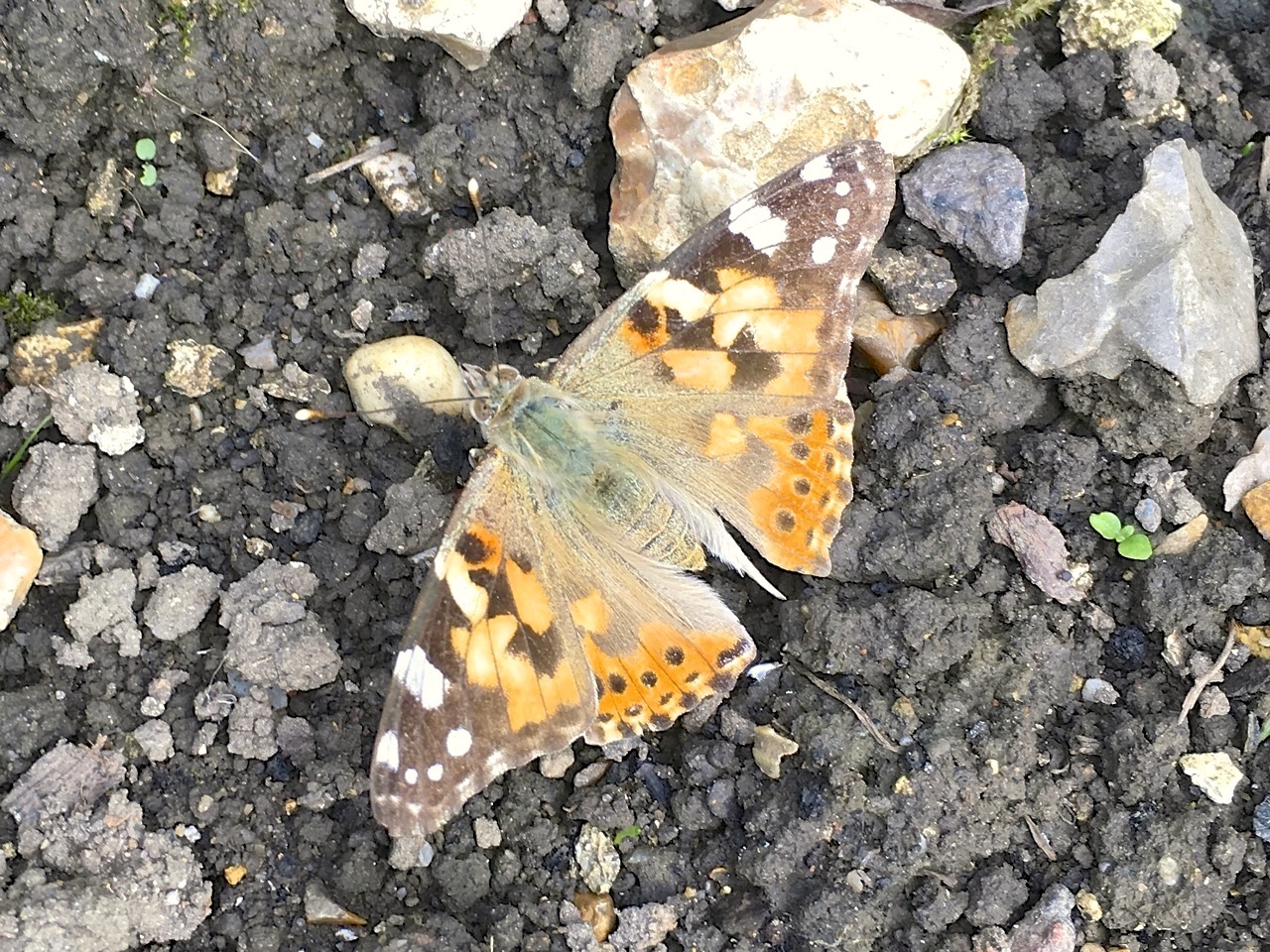

I was hoping to get an underwing shot, but no luck. So I have plundered Wiki to get one

All photo except the last, RH with an iPhone


These exceptionally pretty little butterflies were prolific in the garden in late July and early August. However an autumnal chill arrived around the 18th. A few remained, but I saw only one or two last week.


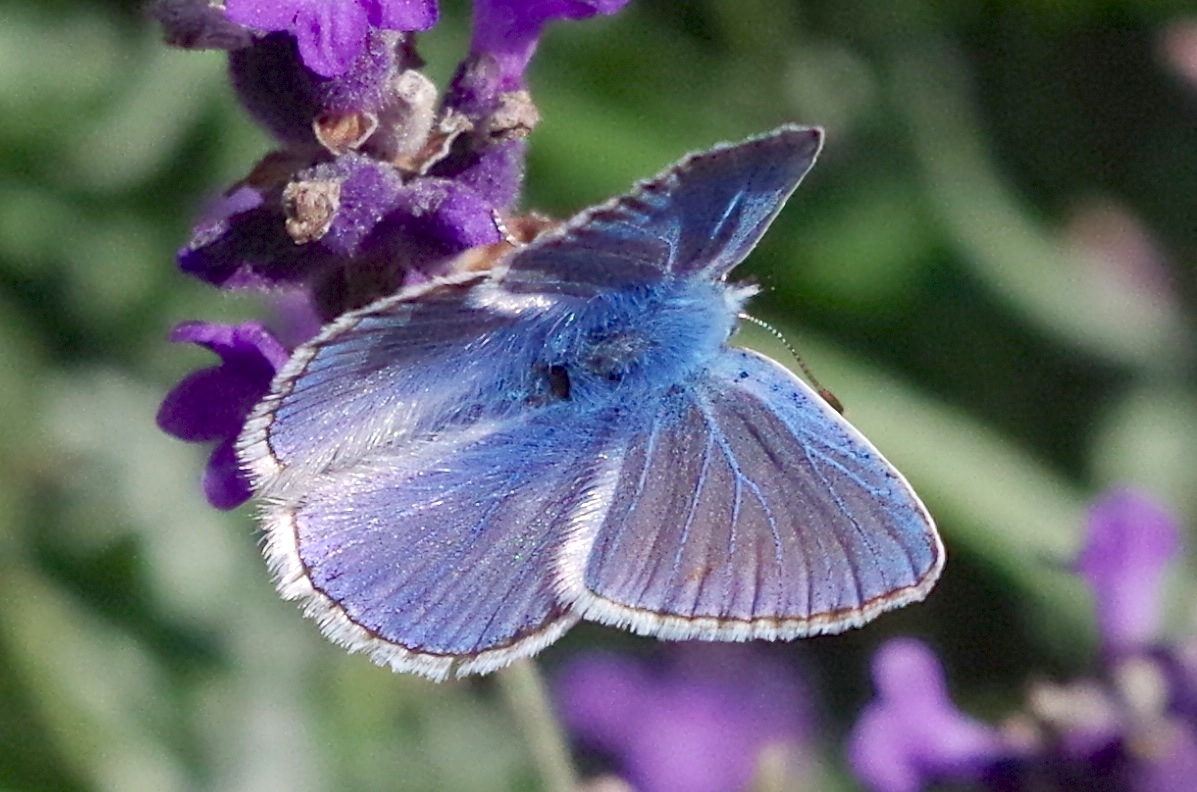
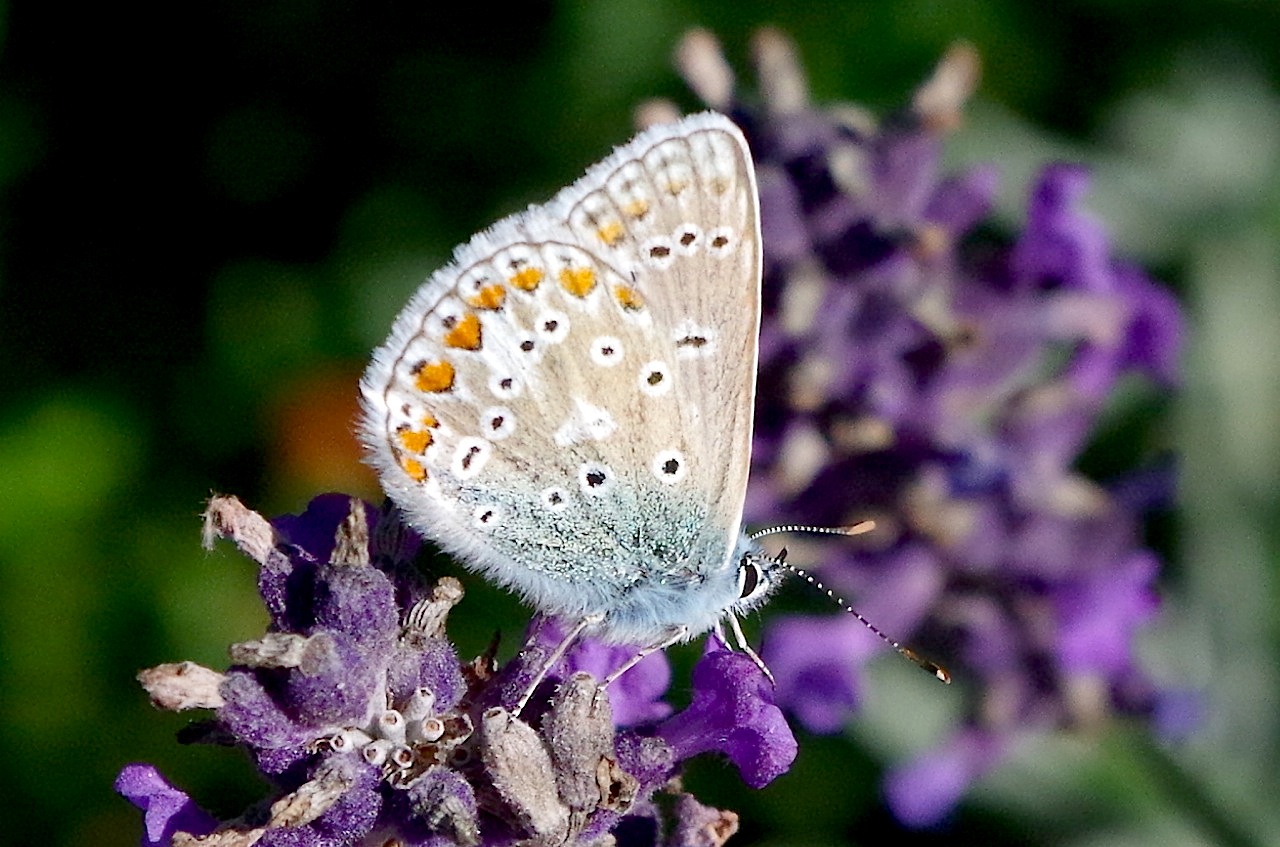


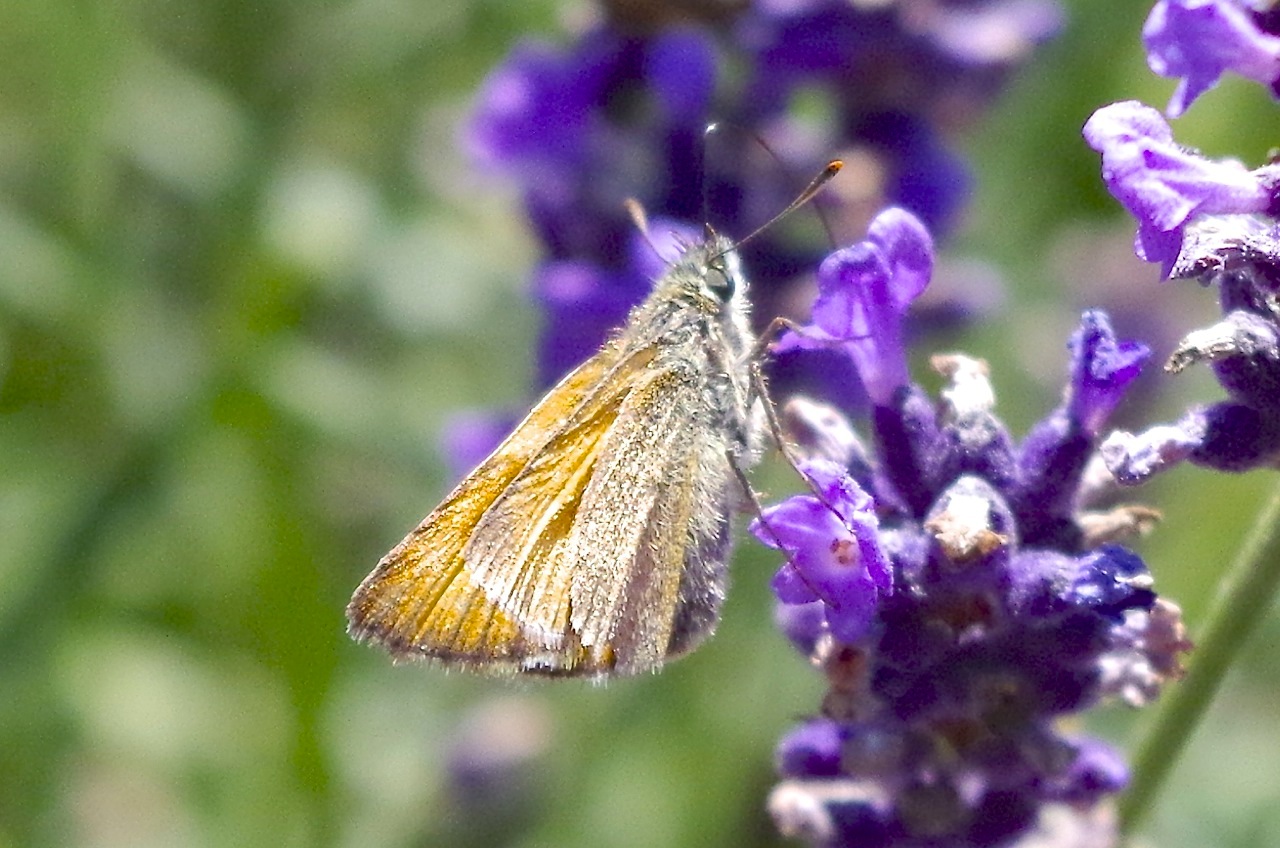
Two skippers taken recently in Dorset, before the rains came. Then, as the rain has poured over the garden, so I have pored over my ‘Dummy’s Guide to Lepidoptera’ to work out what type of skipper this is. Or should I say, ‘these are’, because although the photos are not particularly good, these two creatures look different to me. But that could just be the angle of the “sun”, whatever that was. Any hints from those kind enough to glance at this woefully under-curated ‘side-project’ blog would be welcome!
STOP PRESS Mike Kelly has been kind enough to leave this comment about these two skipper species: the first one “…COULD be Essex Skipper, the antenna tips are not clear enough to be certain. The 3 below are Small Skipper”.


The same type of skipper? Or another, maybe? [PS A Small Skipper – see above]


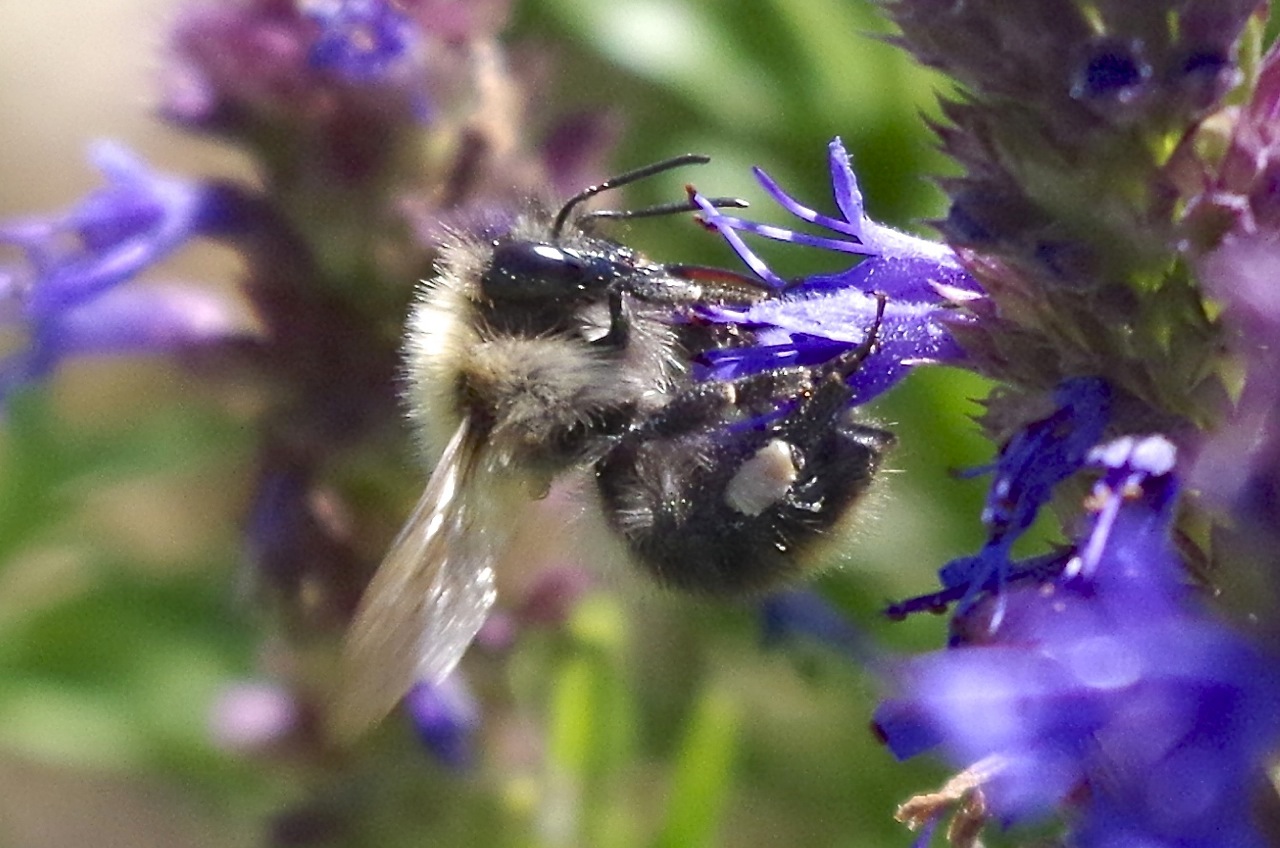
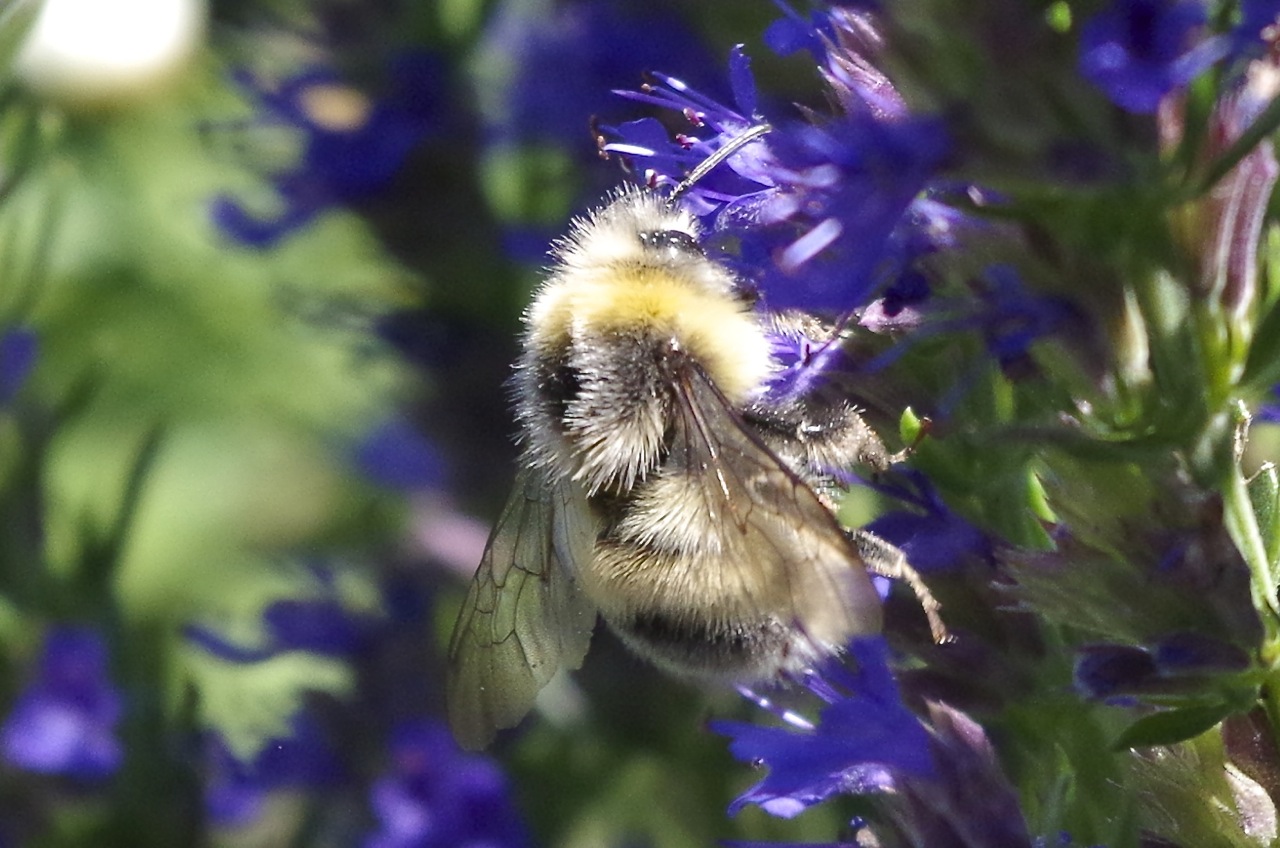
Whitchurch Canonicorum, Blandford Forum, Toller Porcorum and Bombus Lucorum – all very Dorset names. Except the last of course. Here are a few of them, feasting on hyssop. The first one is launching himself on his way to the next stem.

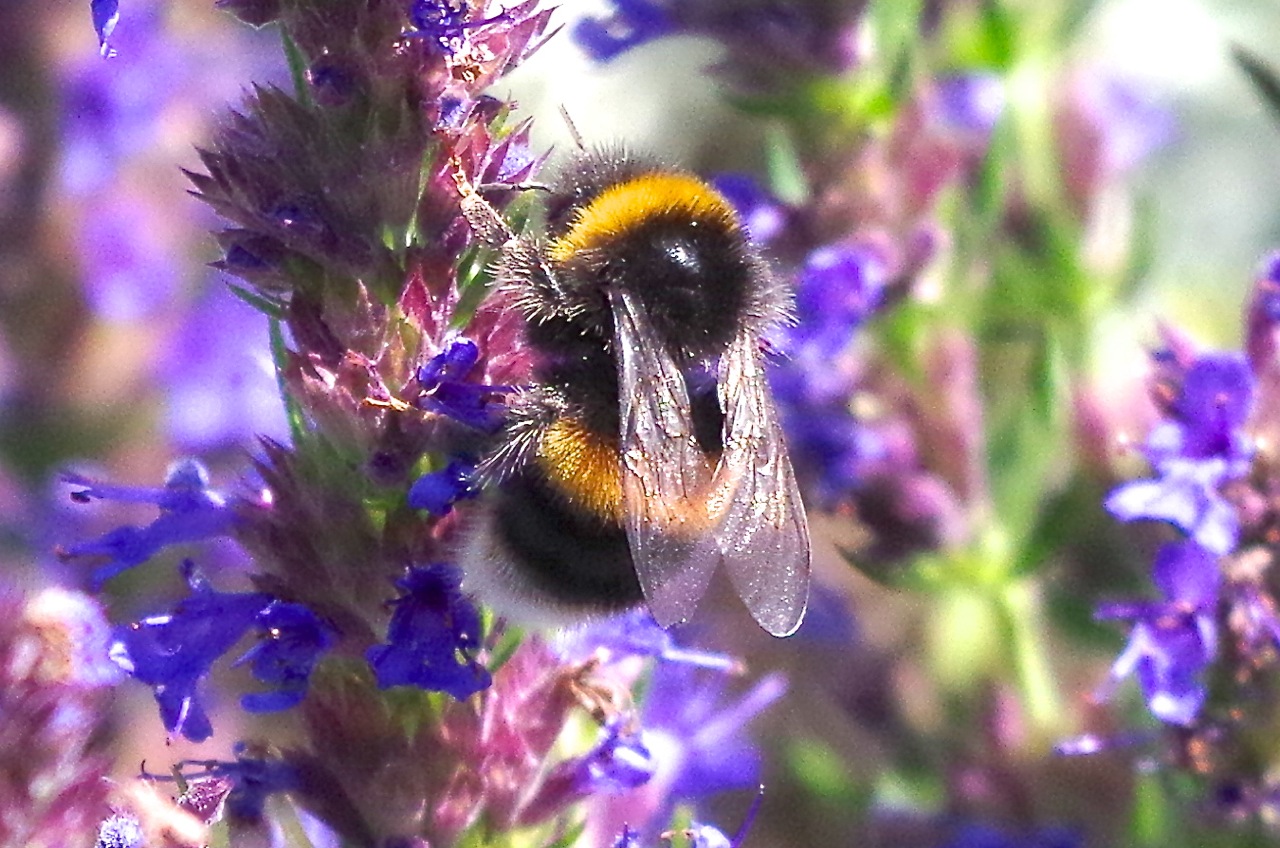

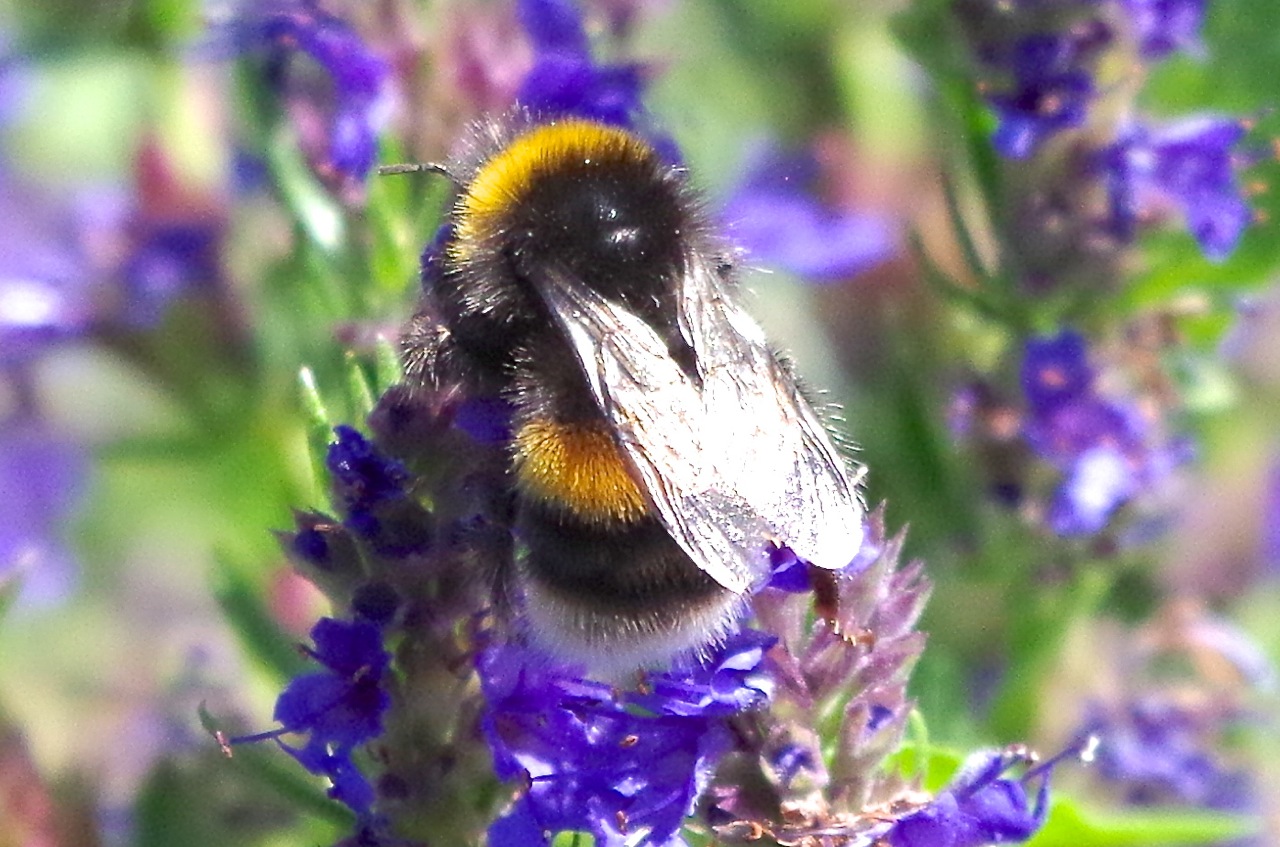


RED-TAILED BUMBLEBEES (BOMBUS LAPIDARIUS)
Classic view, feeding on hyssop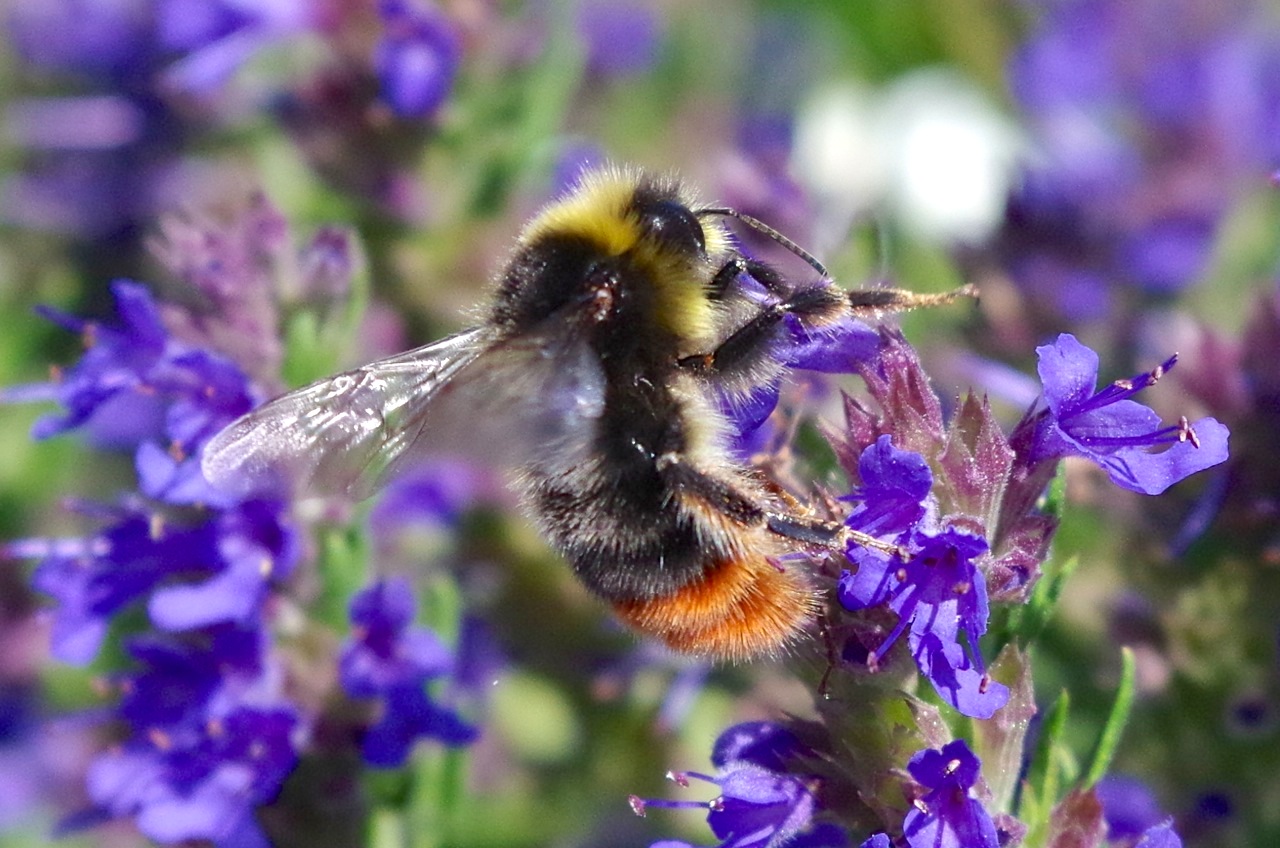
This bee has a fair-sized mite on its back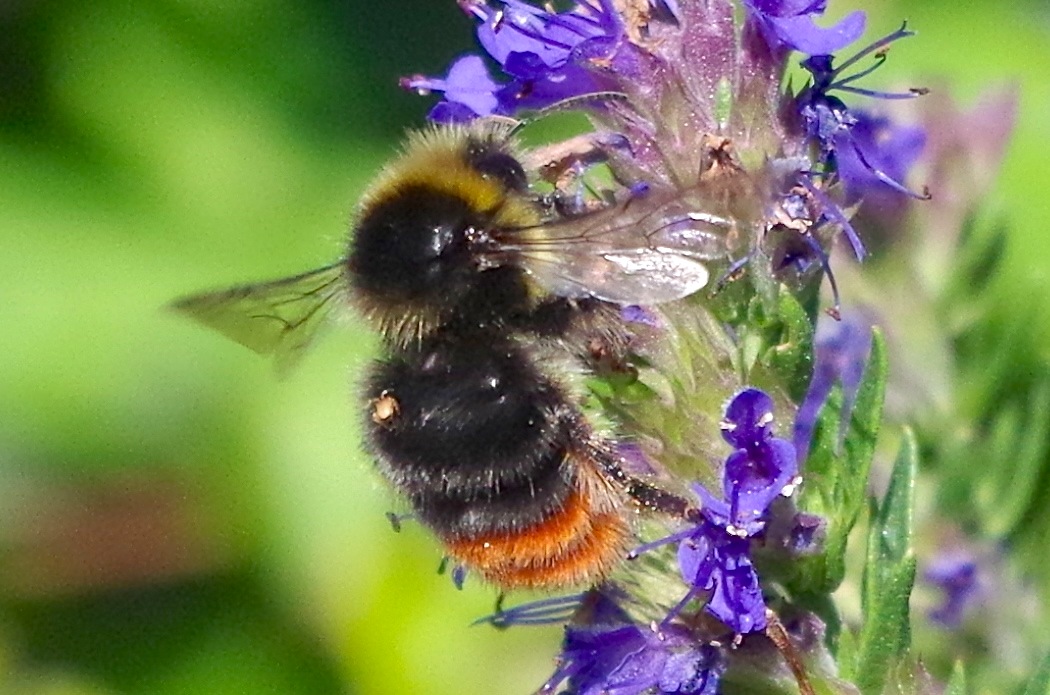
A frankly rather indelicate shot – somehow the light produced this extraordinary colouring of the ‘tail’
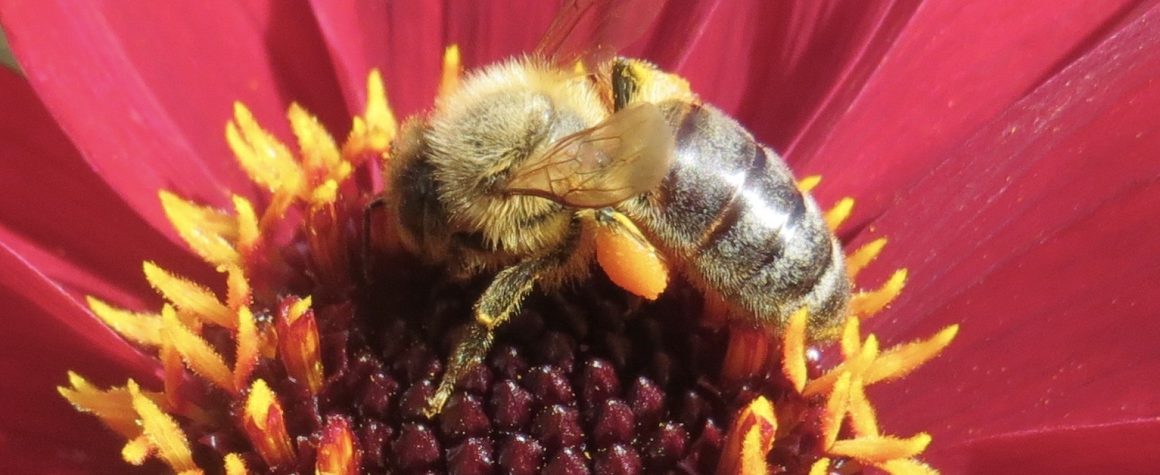
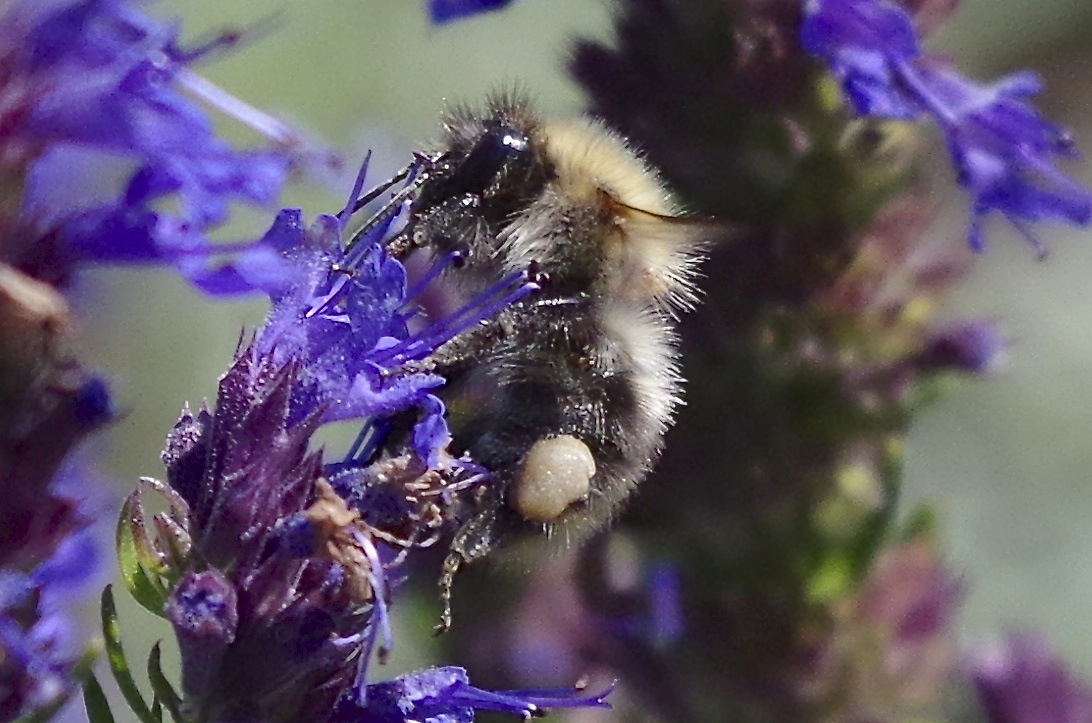
The sun was out, the bees were out and I was out trying camera settings having failed spectacularly to come to terms with a new(ish) SLR. The problem remains me, not it, but I sense that the hatred is mutual. Anyway, a few bee shots worked well enough to use… This is my favourite bee, tiny and pale, far smaller than the sturdy yellow and black bumbles jostling for the space on the hyssop and lavender. I like the way their packed saddlebags matched their colouring. There are probably two or even three different species of bee here for all I know, but it’s hot and I can’t be bumbled to look it up…
This is the first year I have taken on board the number of mites the bees carry. #1 has a fine one under the wing; and I saw one bumble with a smart necklace of mites. I realise they are mostly non-parasitic (apparently), and maybe it is even a sign of good bee health…




 ROLLING HARBOUR GALLERY