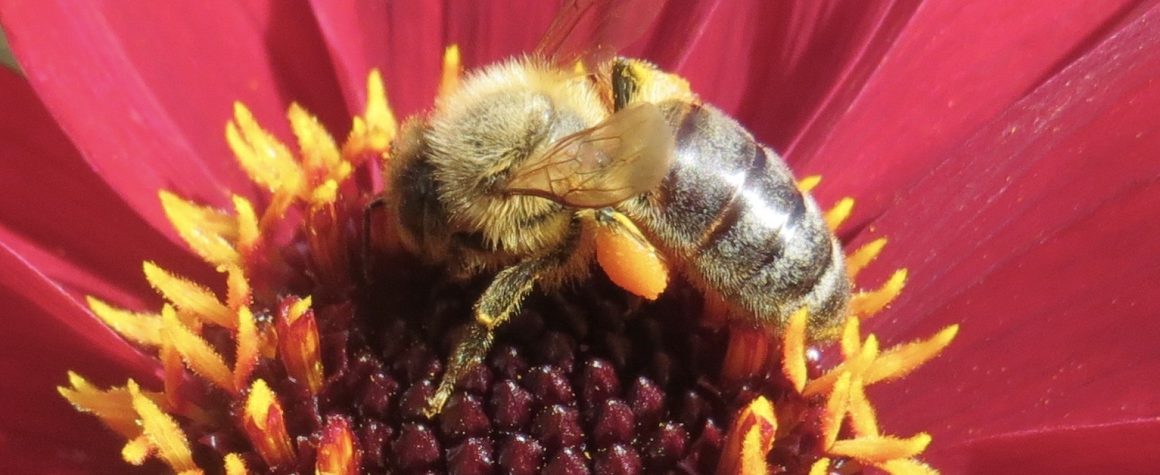






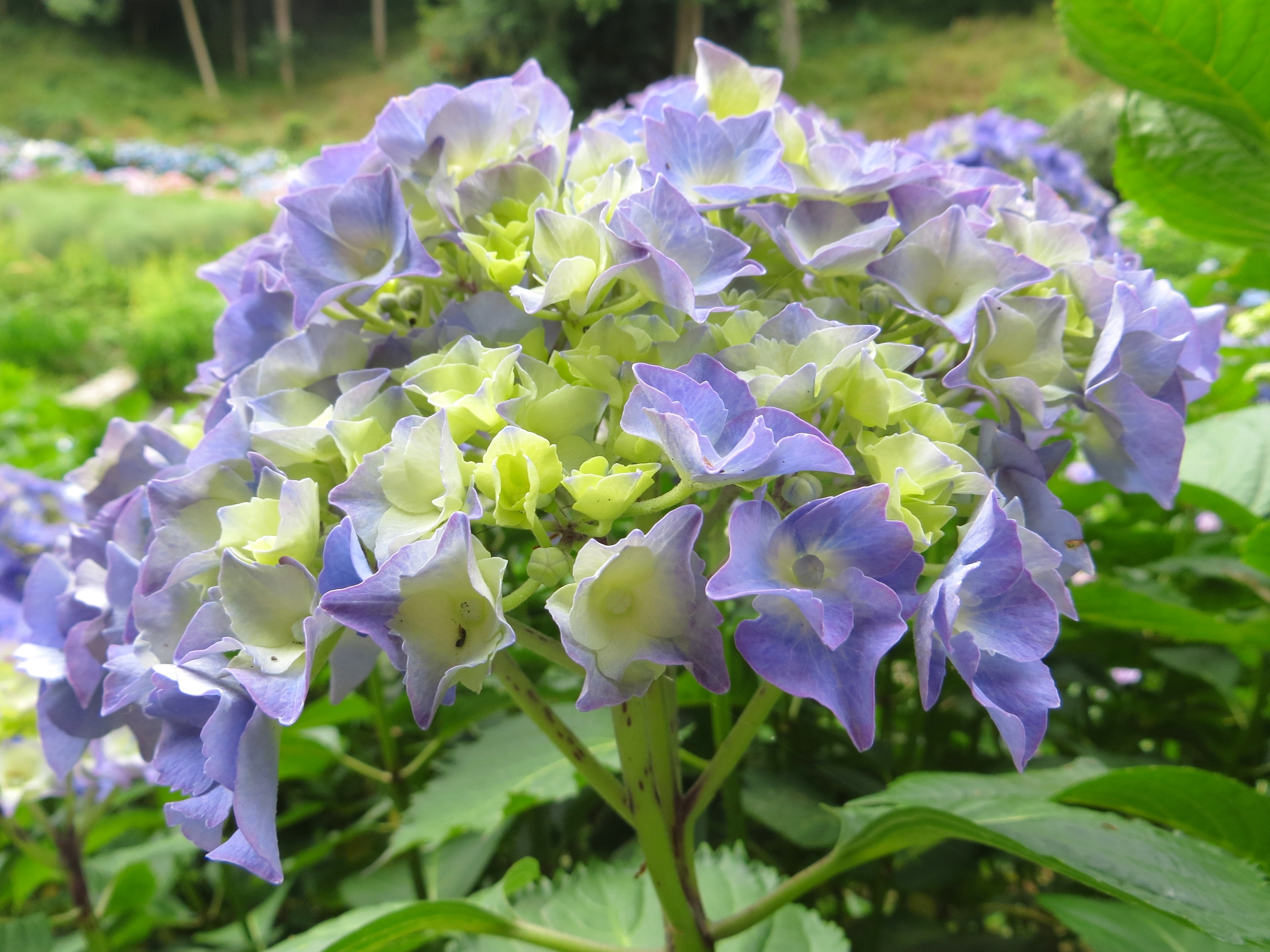



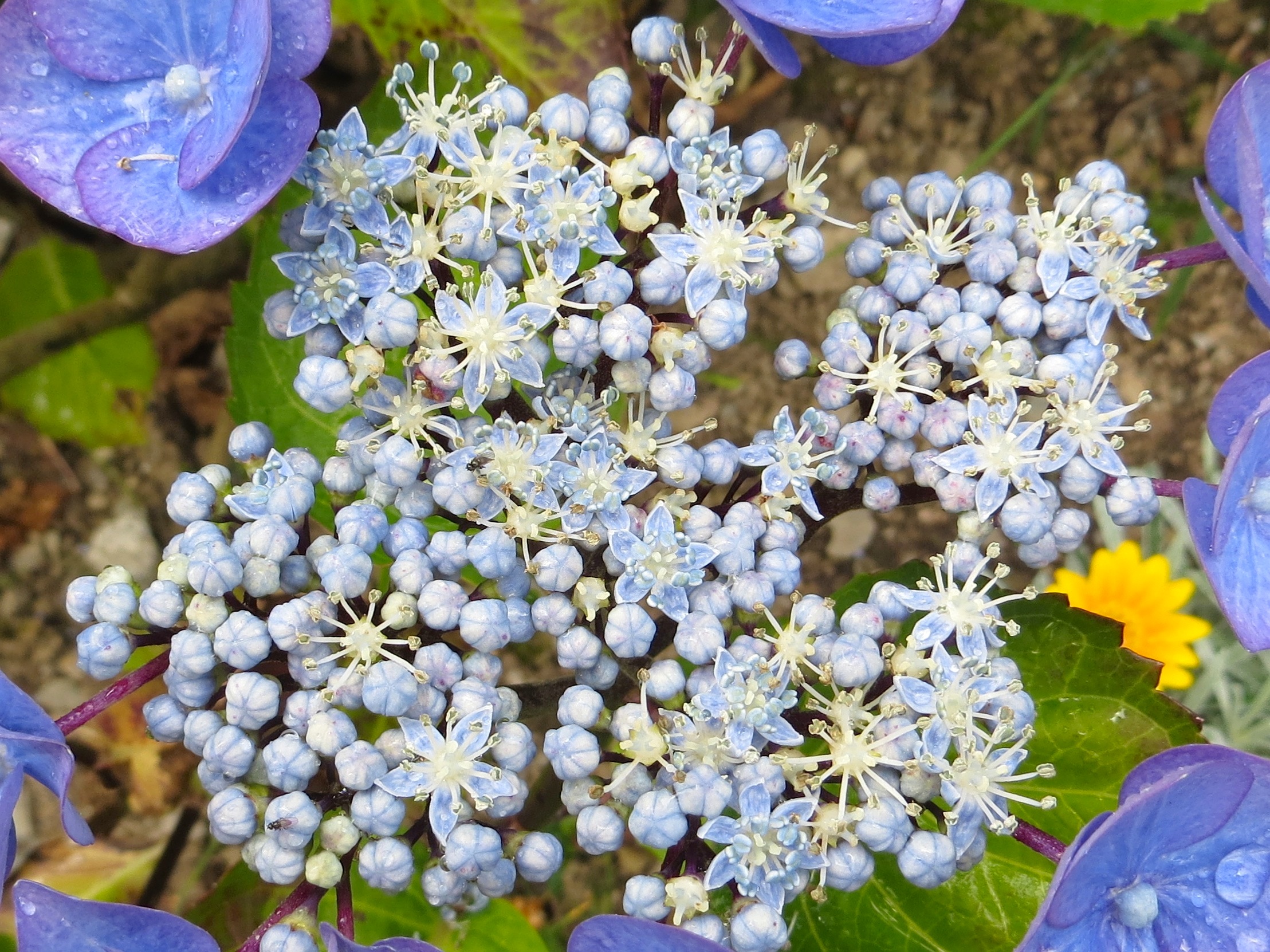
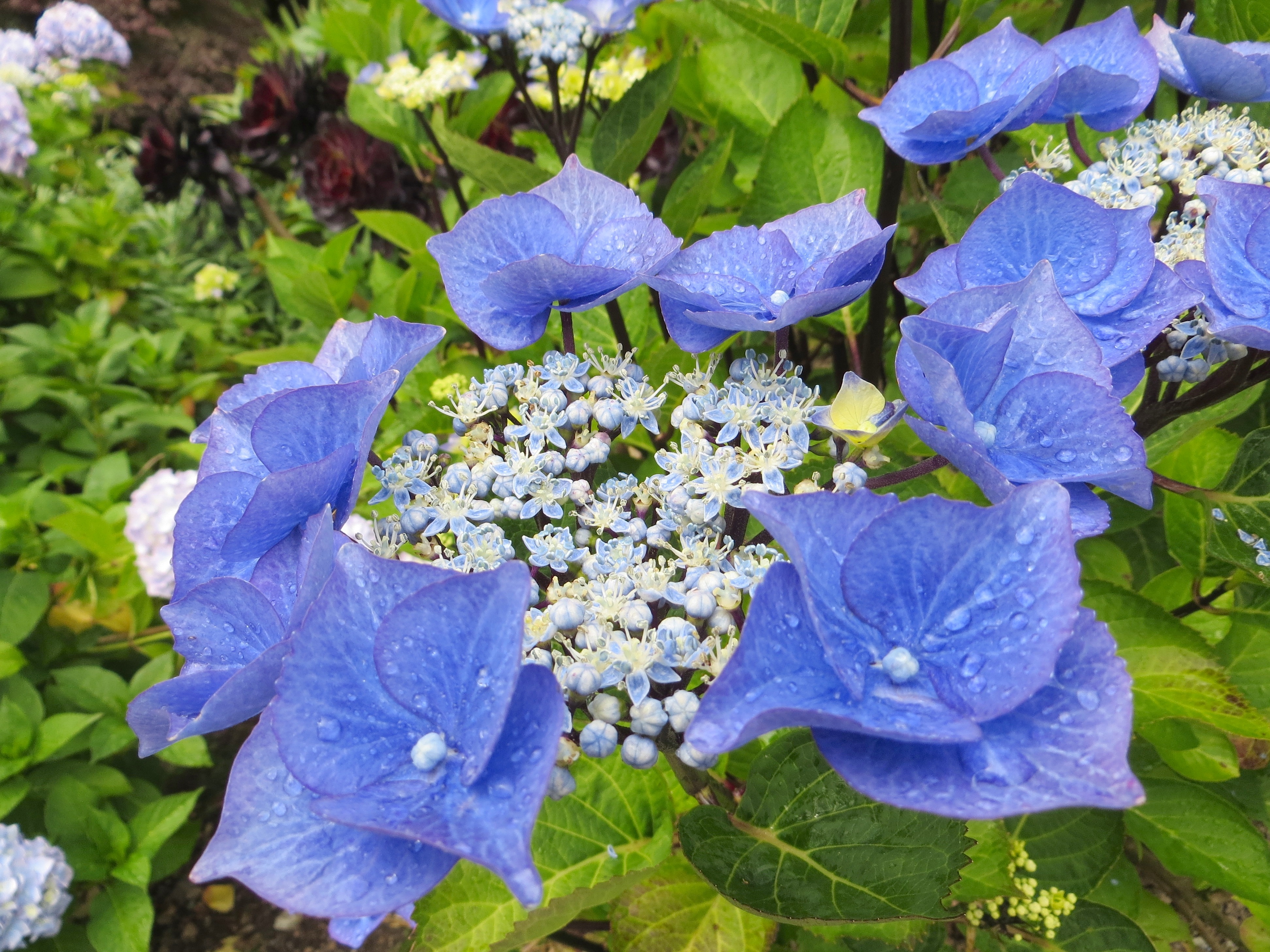
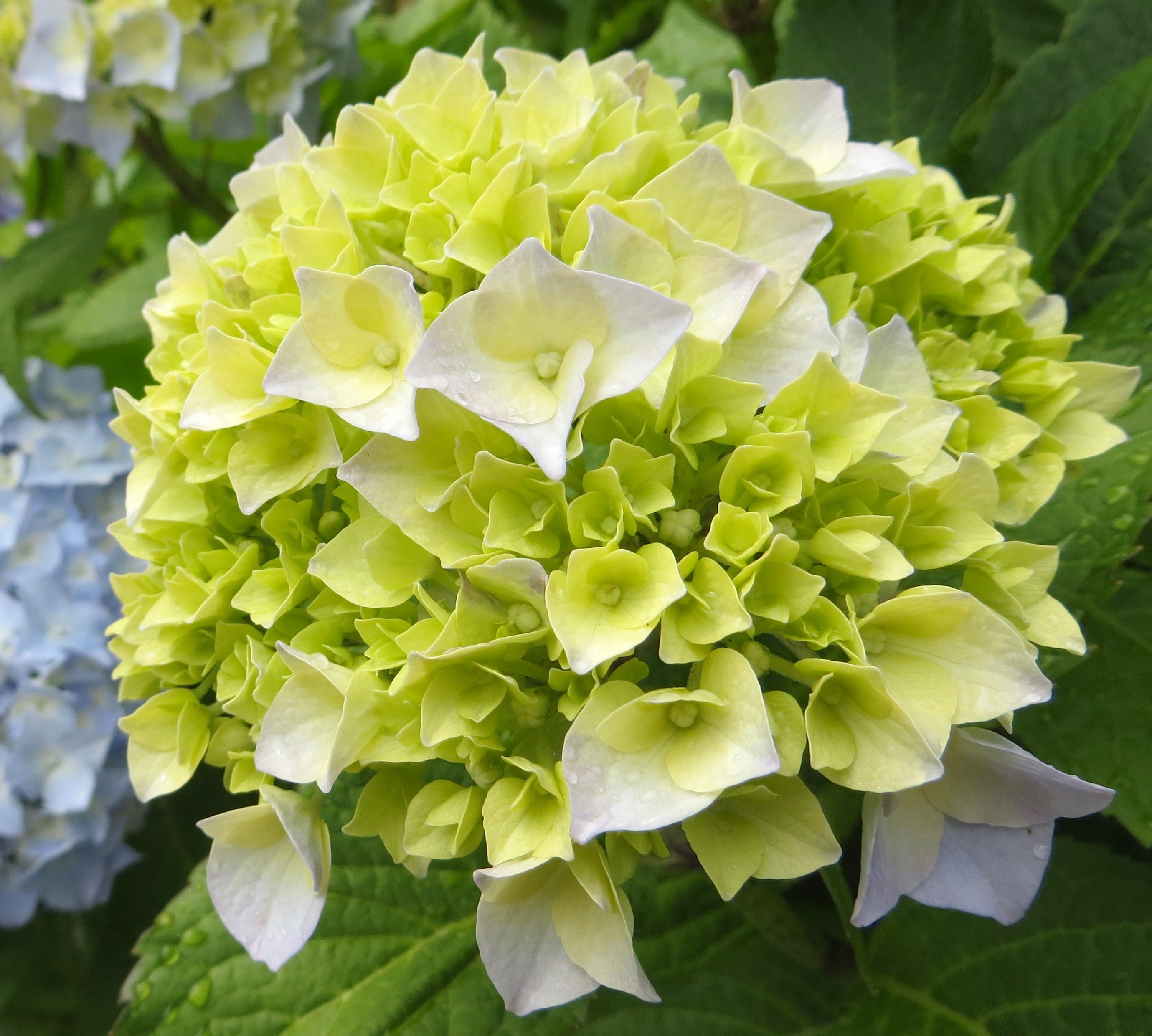
HYDRANGEA STUDIES, TREBAH GARDENS, CORNWALL
These photographs of Ramsgate Harbour were taken on a bright September day as we went on a 3-generational family seal boat trip, and on our return. 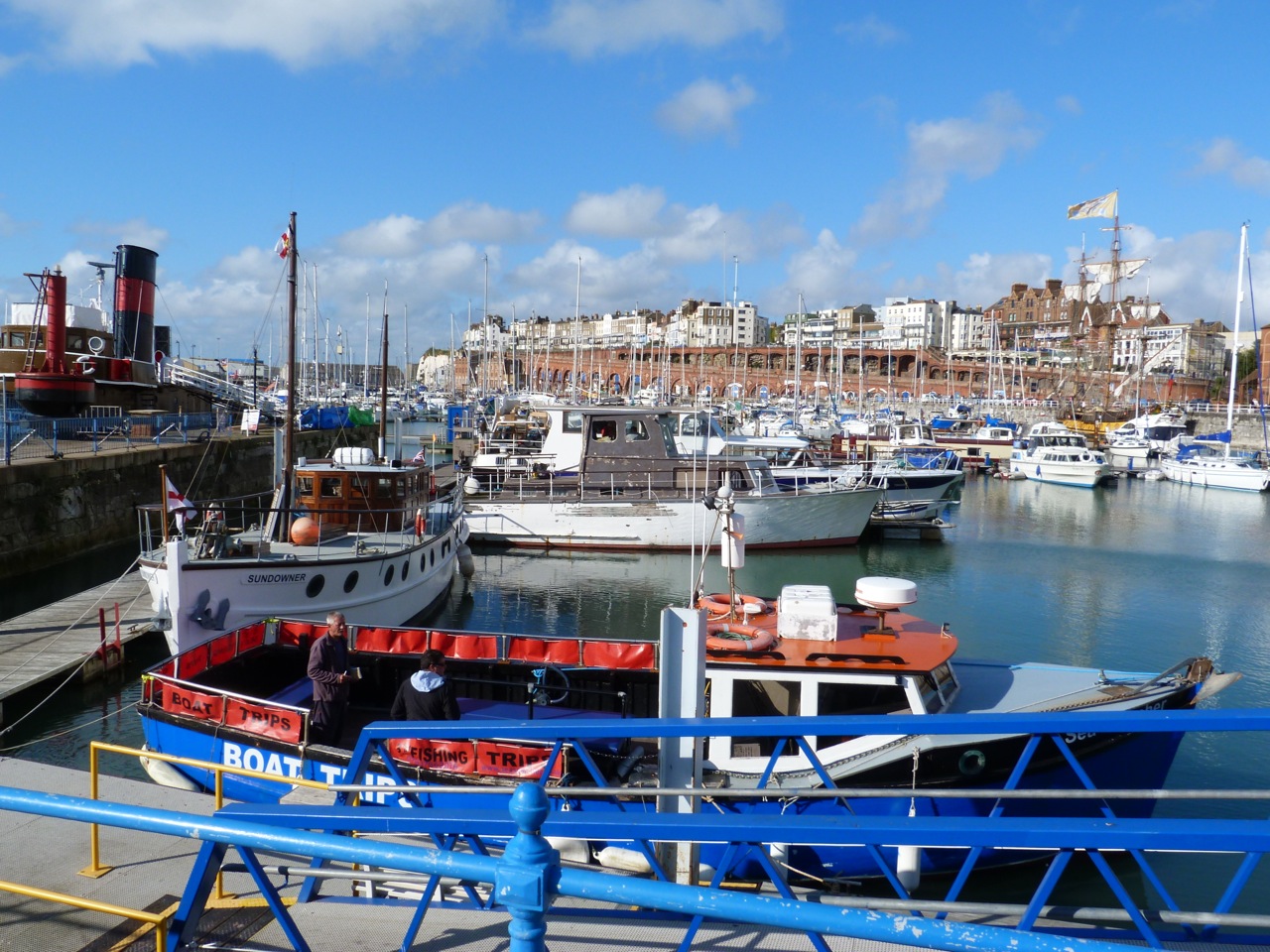
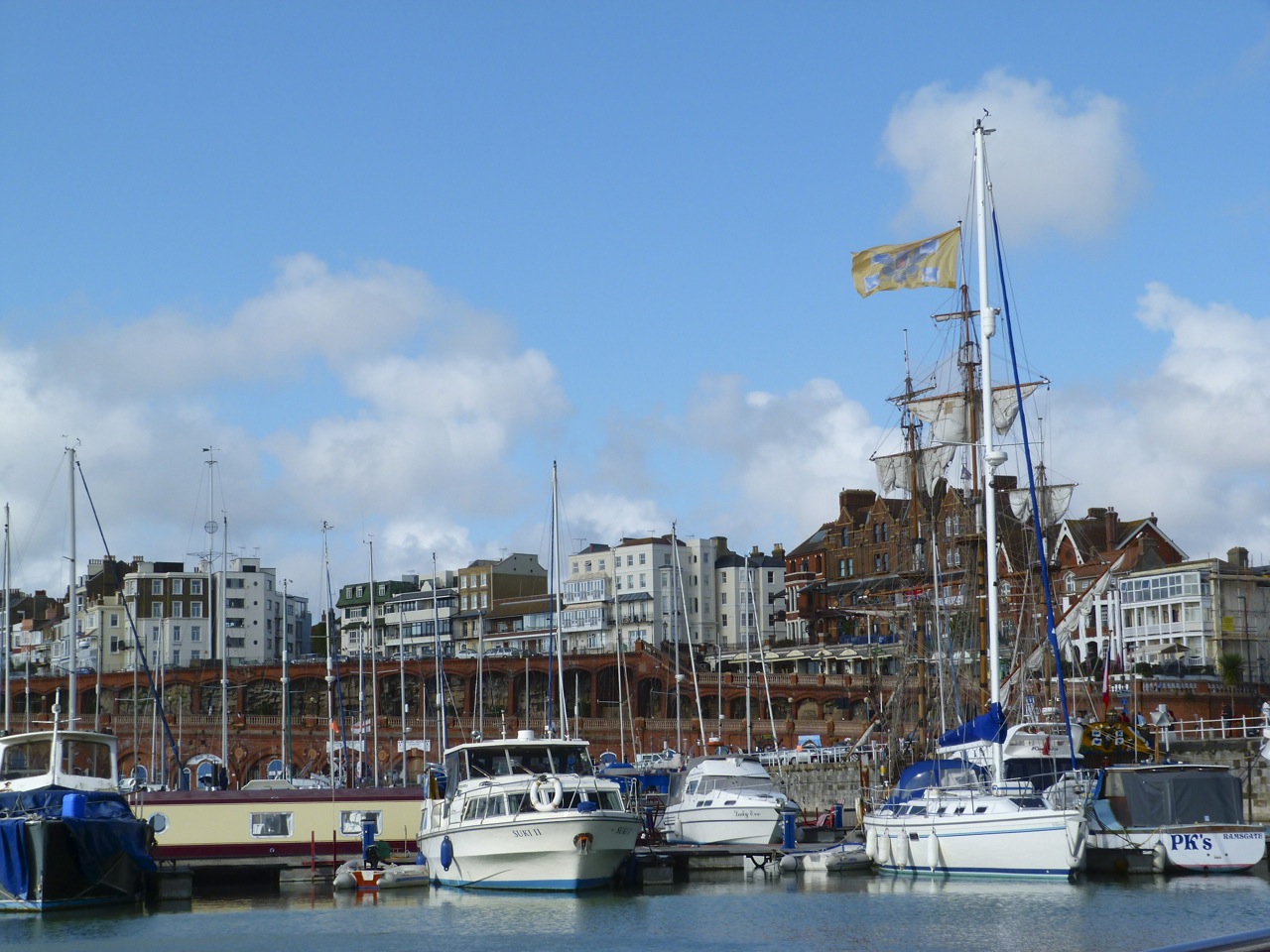
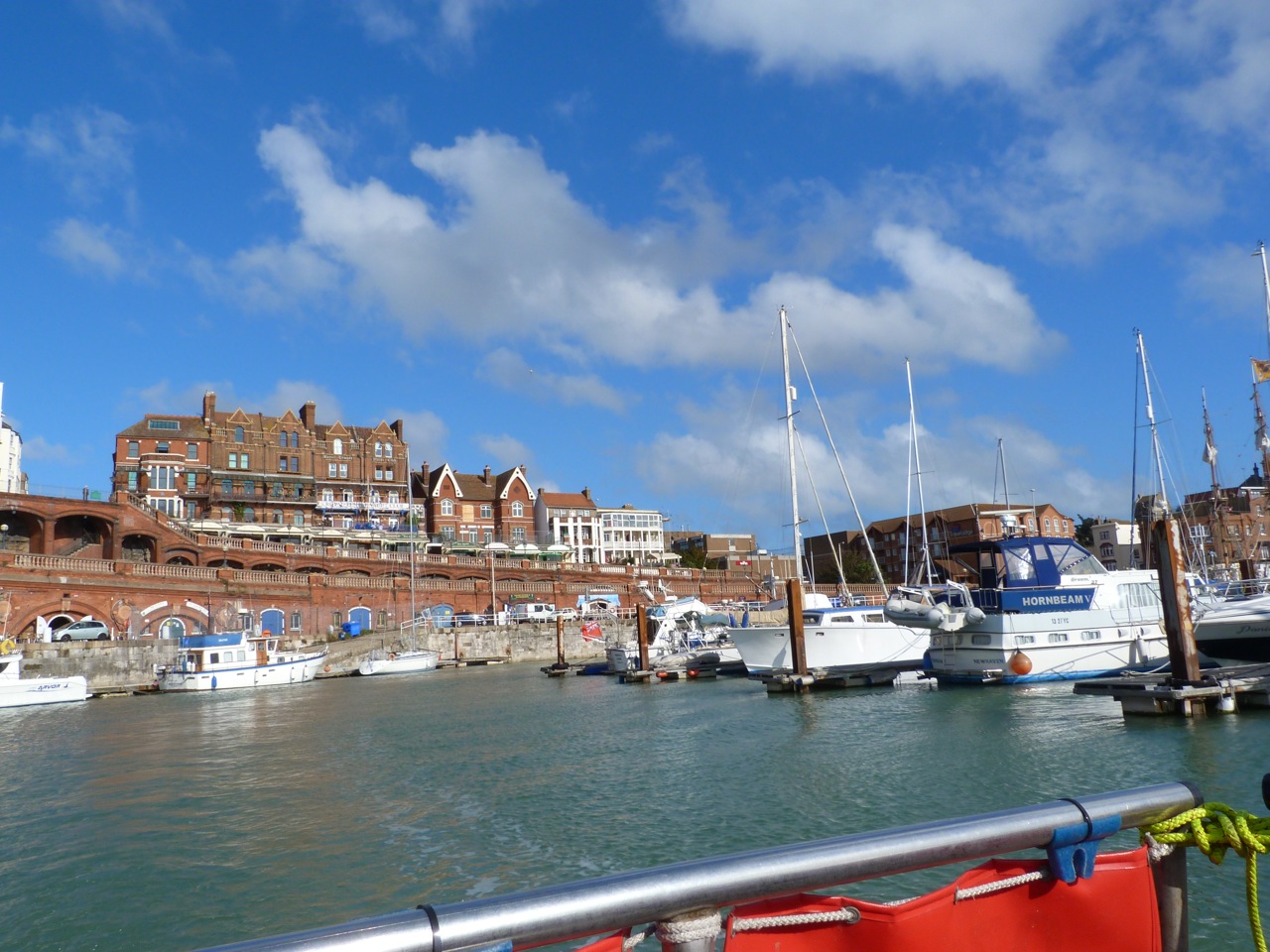
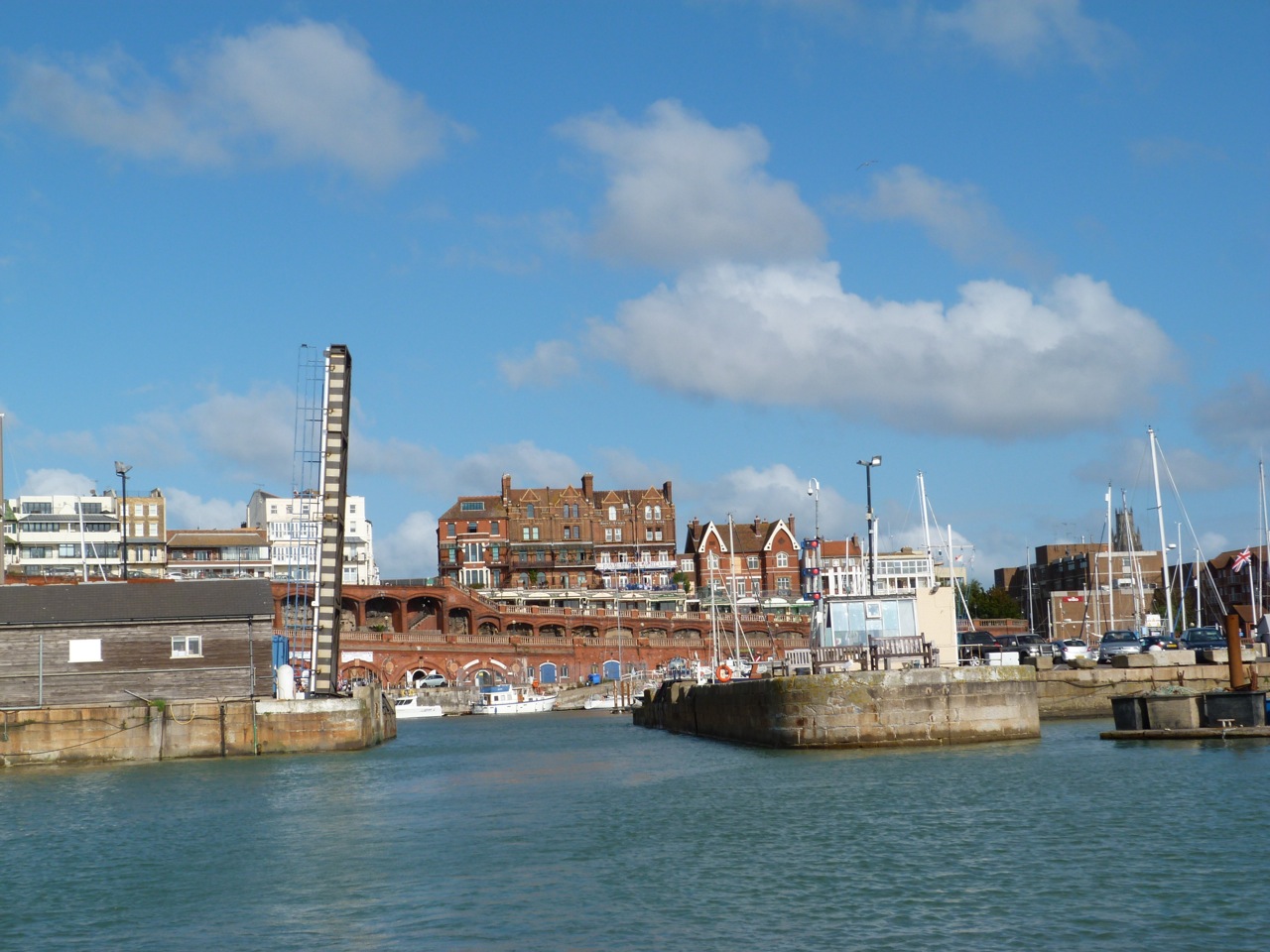
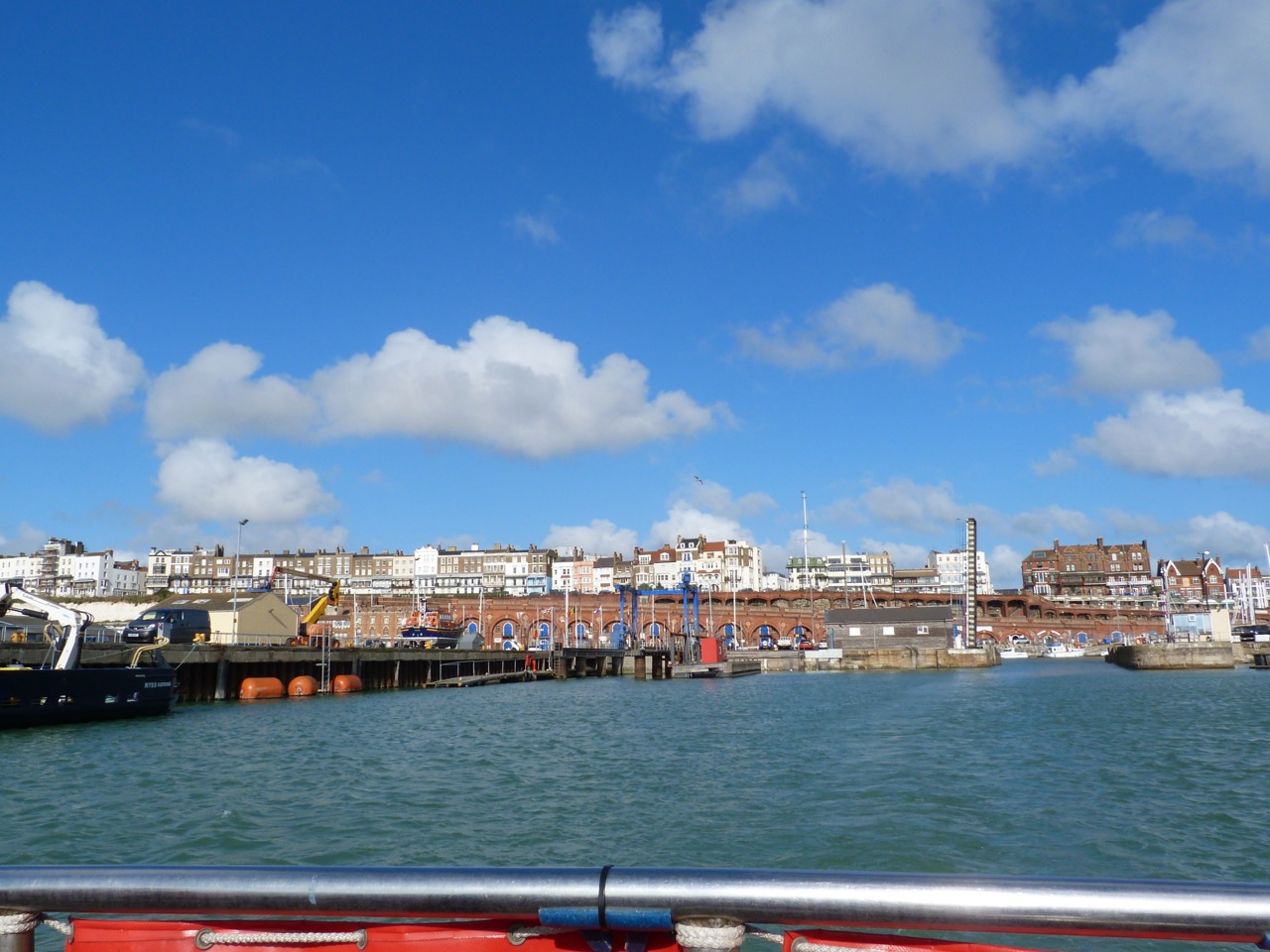


The photo below shows Pugin’s home The Grange, now a Landmark Trust property where we were staying for a family occasion. To the right is St Augustine’s, the church designed by Pugin and completed after his death by his son Edward. It has a nice walled garden, but overlooks the now-defunct ferry terminal, which slightly mars the charm…
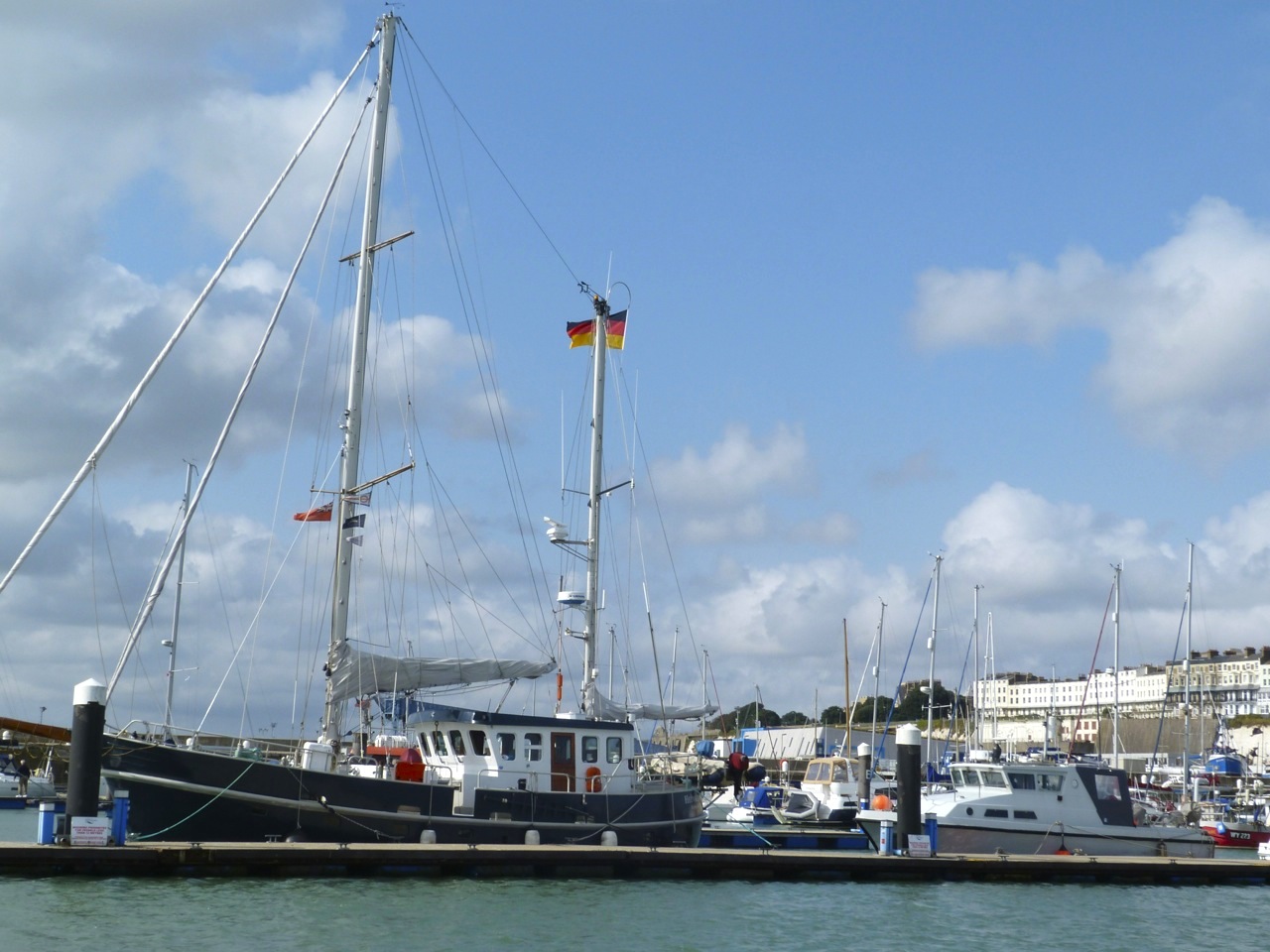
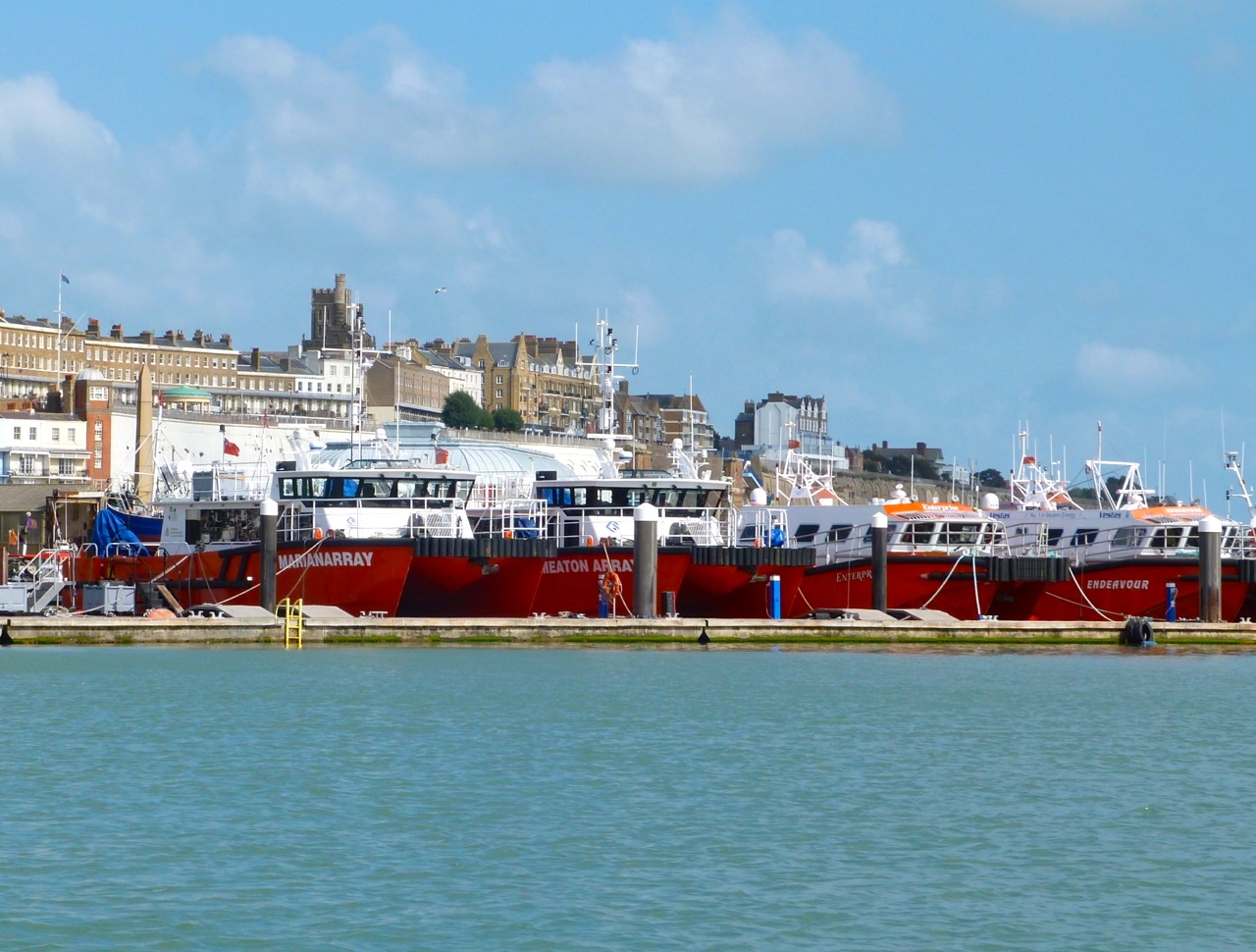


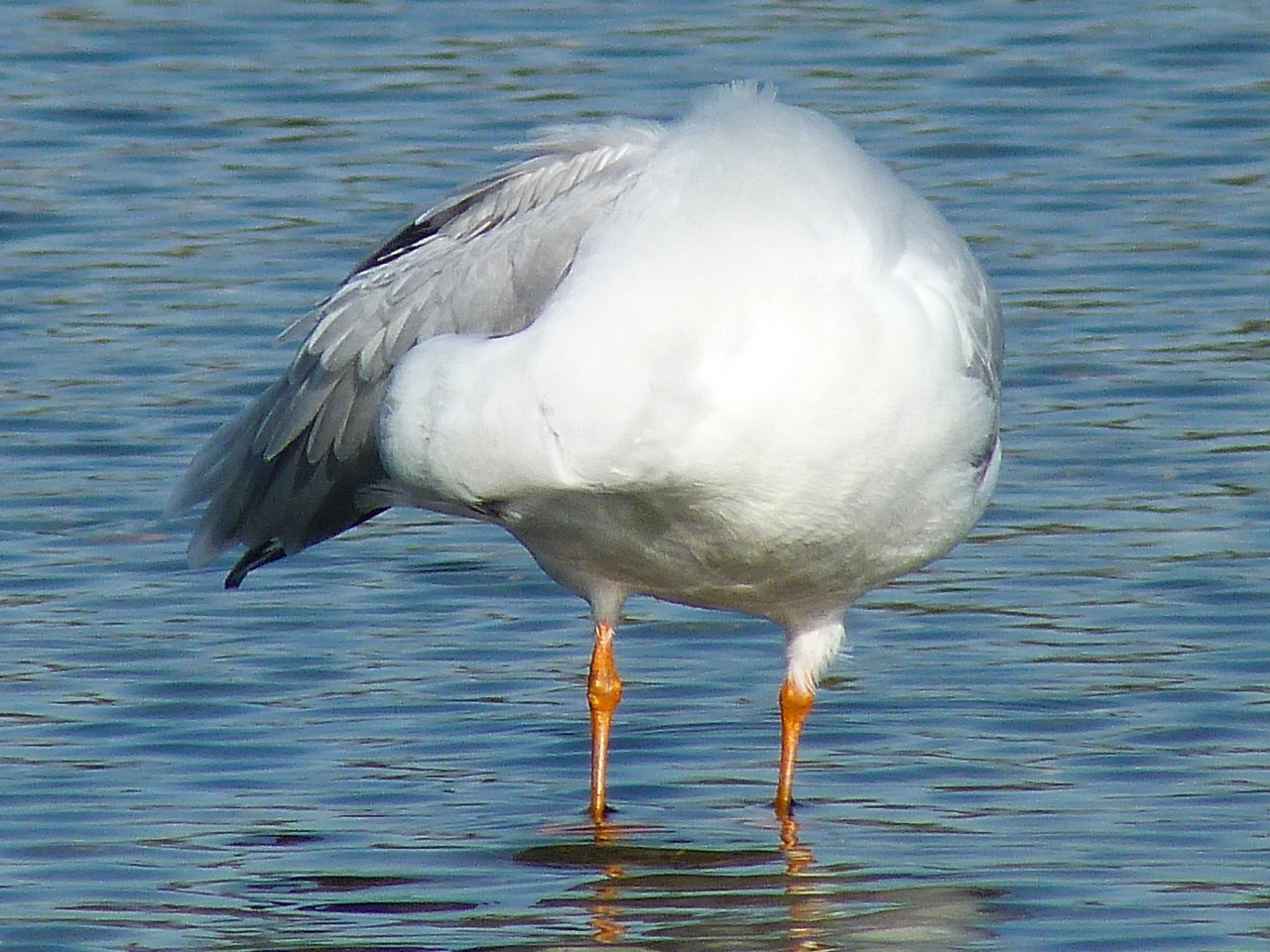
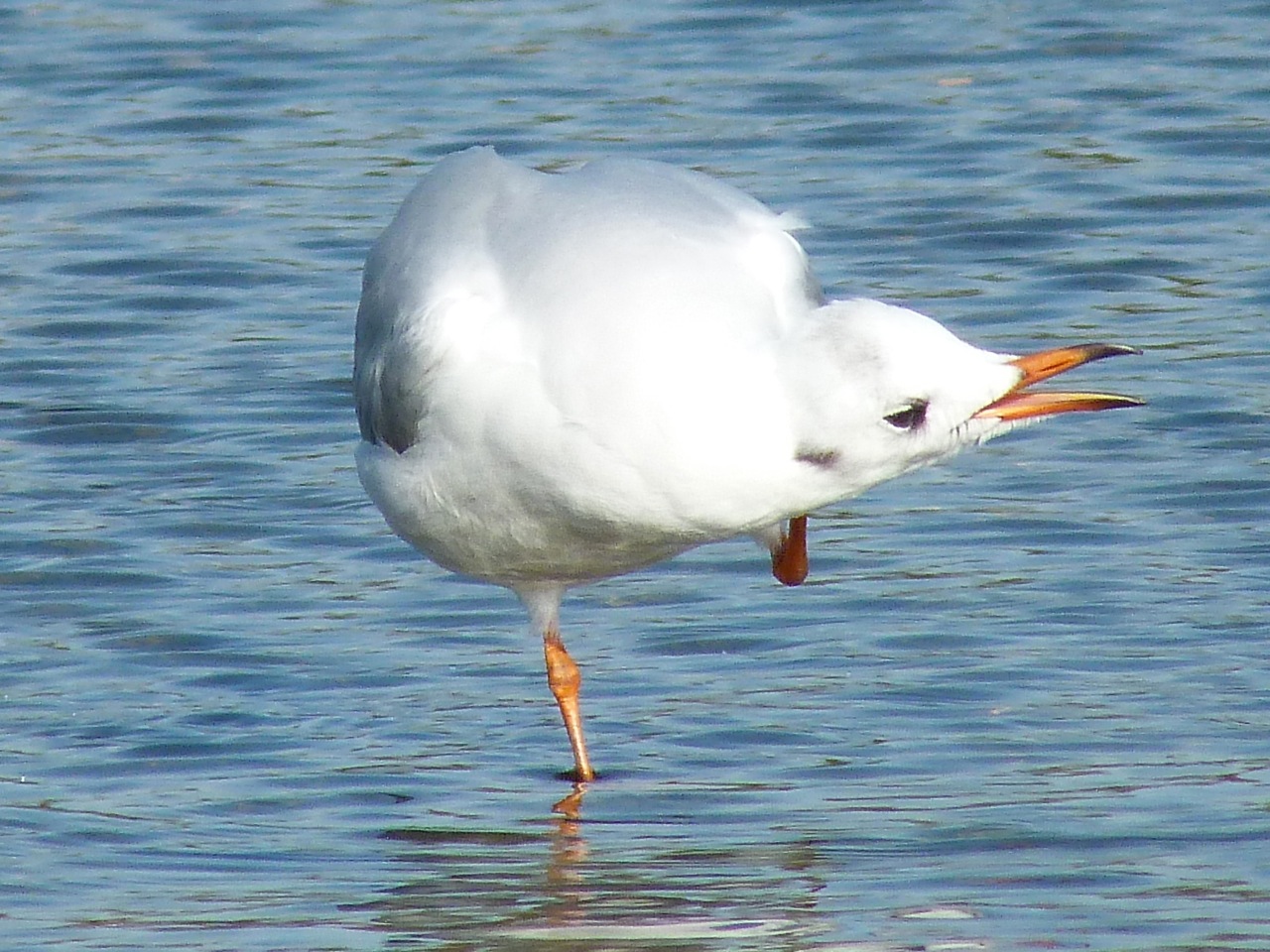
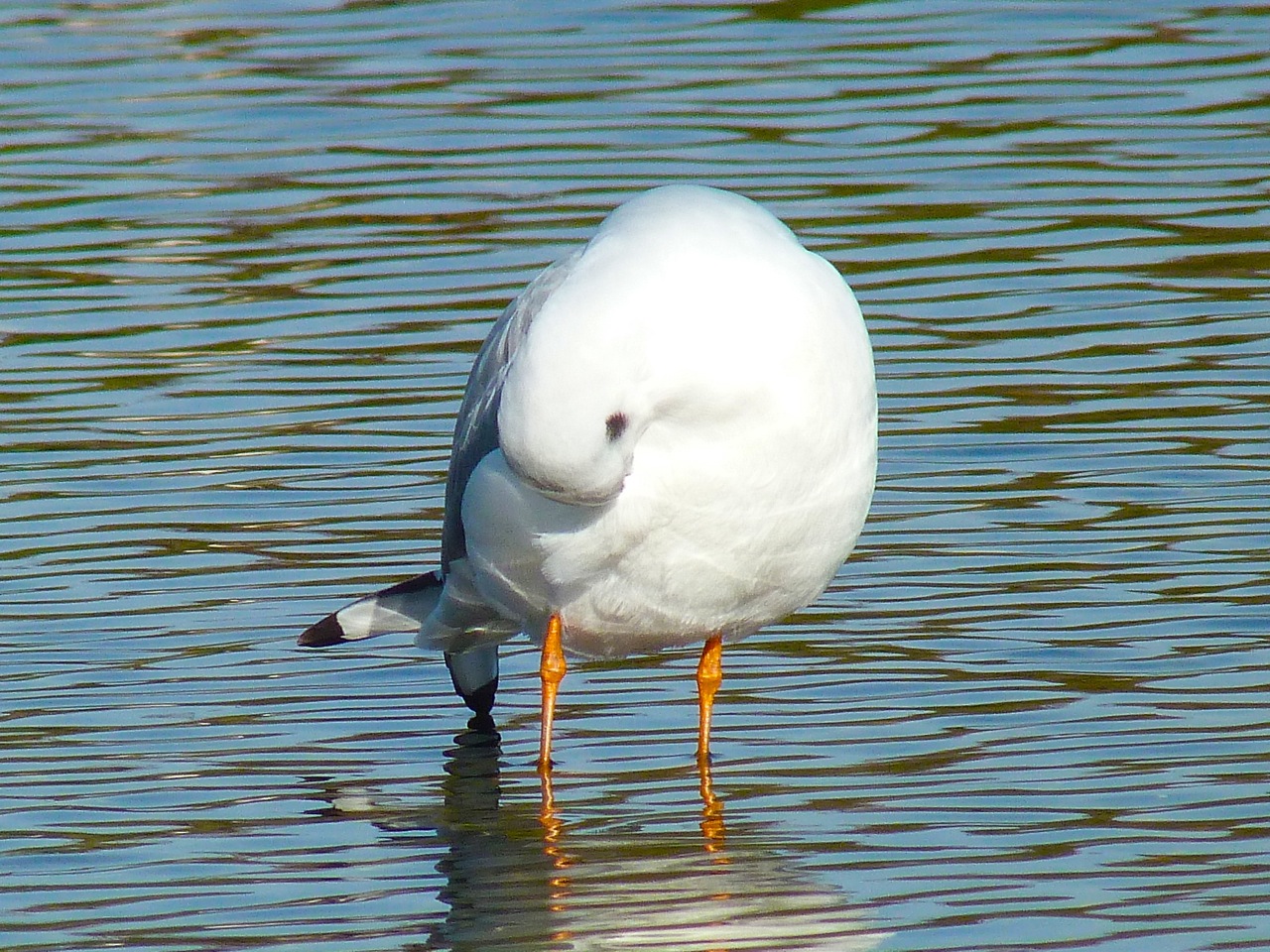
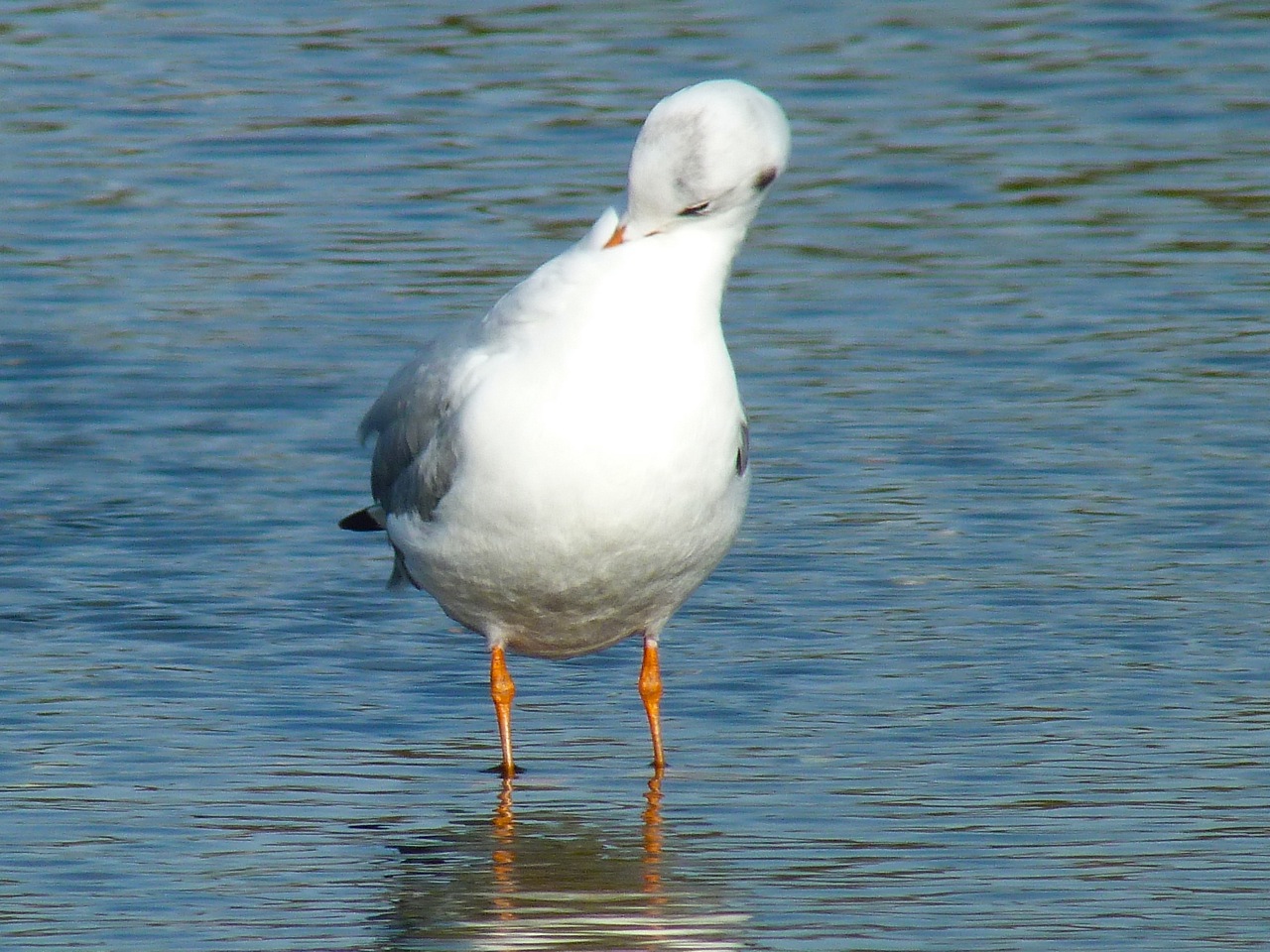
This sequence shows a winter-plumaged black-headed gull having a serious preening session in winter sunshine….




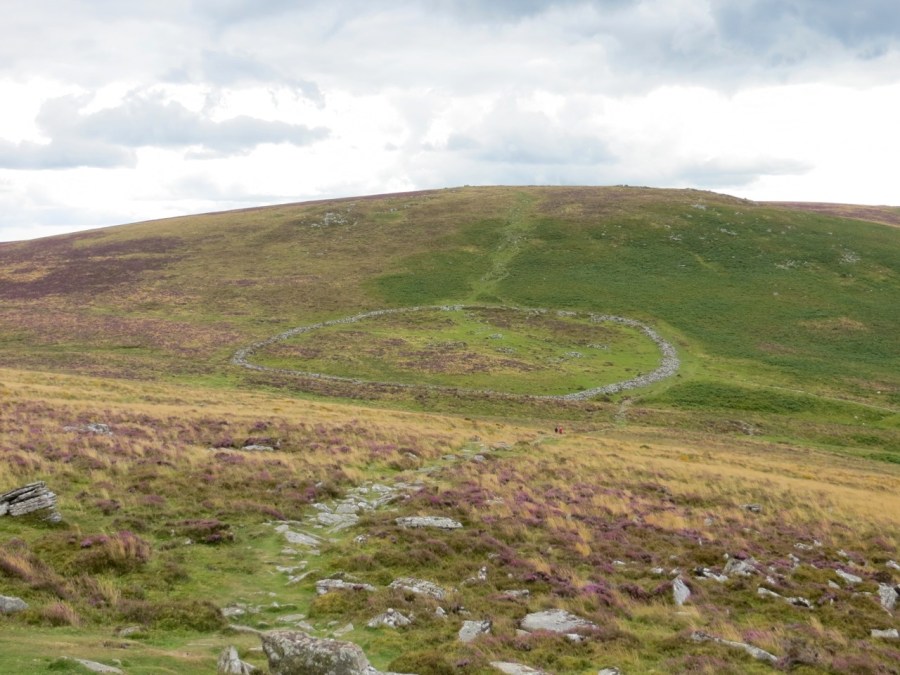
Hookney Tor is a windswept rocky outcrop on Dartmoor at 414m / 1358ft ASL. It watches over the Grimspound, an intriguing bronze-age circular enclosure with the remains of 24 houses, some inhabited until medieval times. It will have a post in its own right in due course. We investigated both with our granddaughter Berry last August during a short holiday together (grandparental treat!) on Dartmoor.
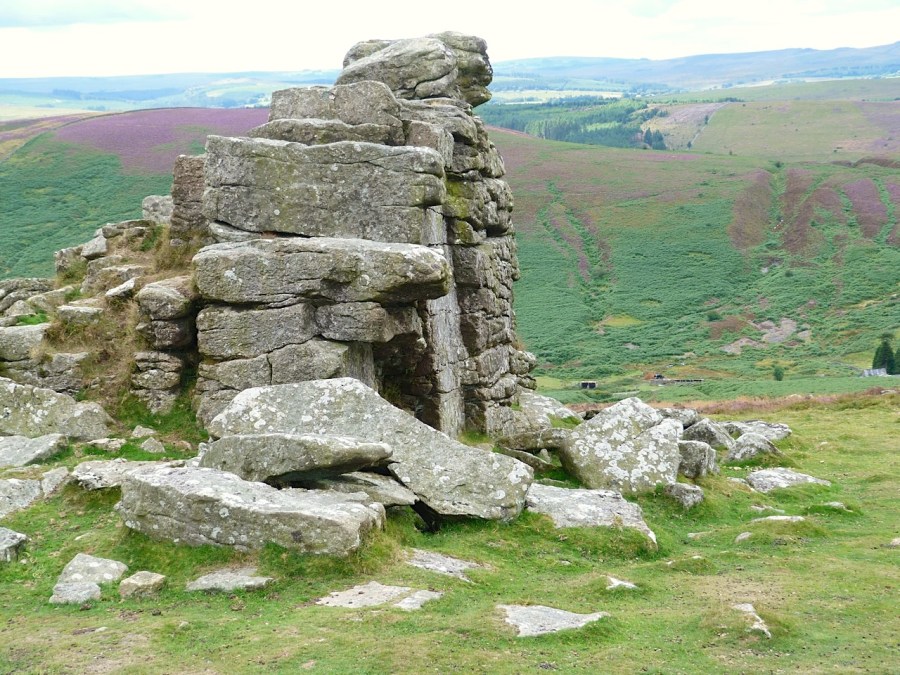

After exploring the Grimspound, there is no doubt about the next achievement to tackle: a steep stony path leads invitingly from the walls to the top of the Tor. As you climb, the Grimspound quickly gets smaller below you. 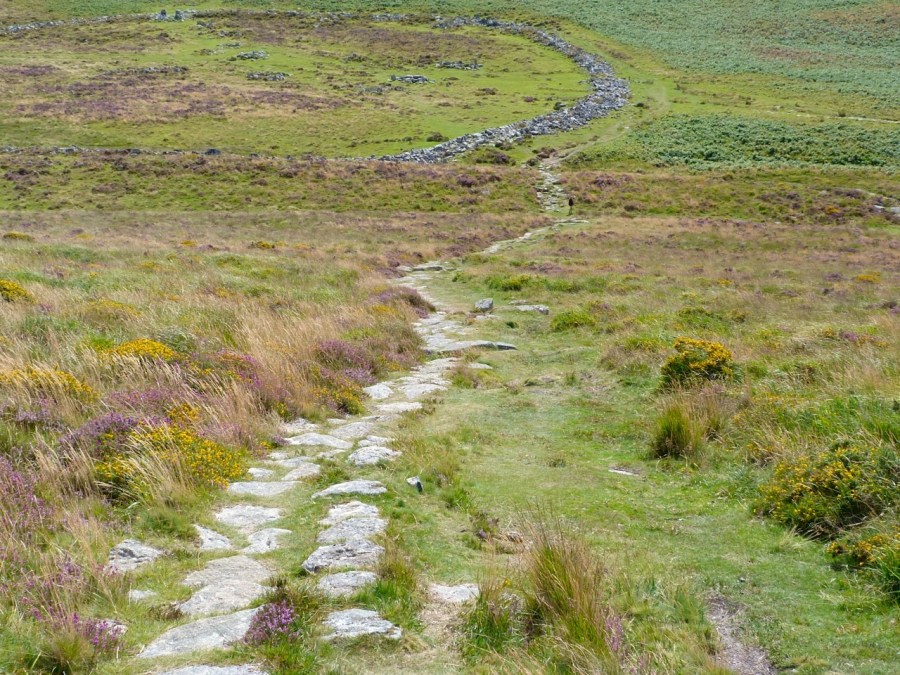
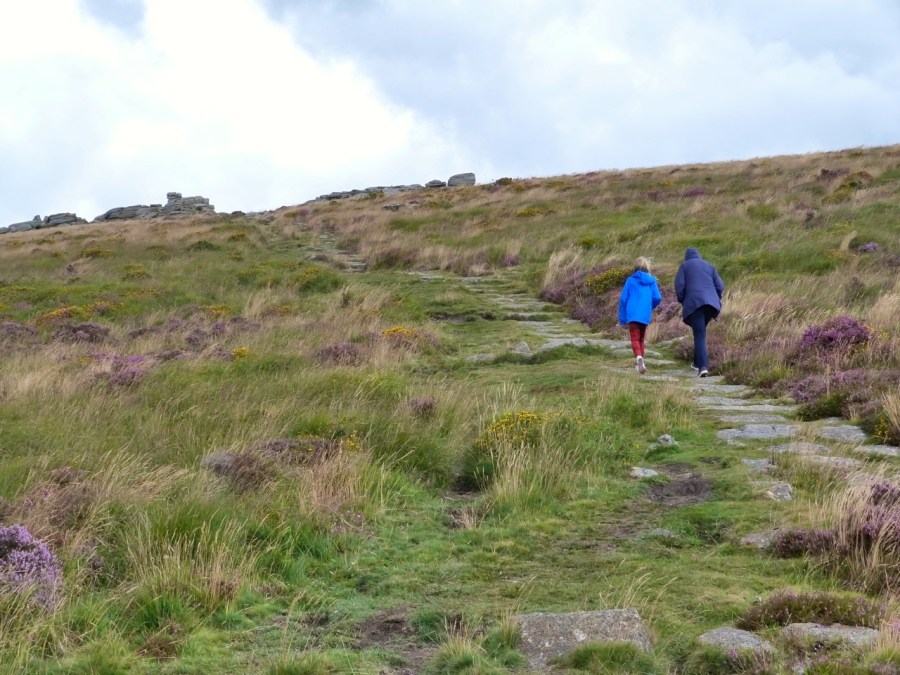
Berry was not the only wild creature on the moor…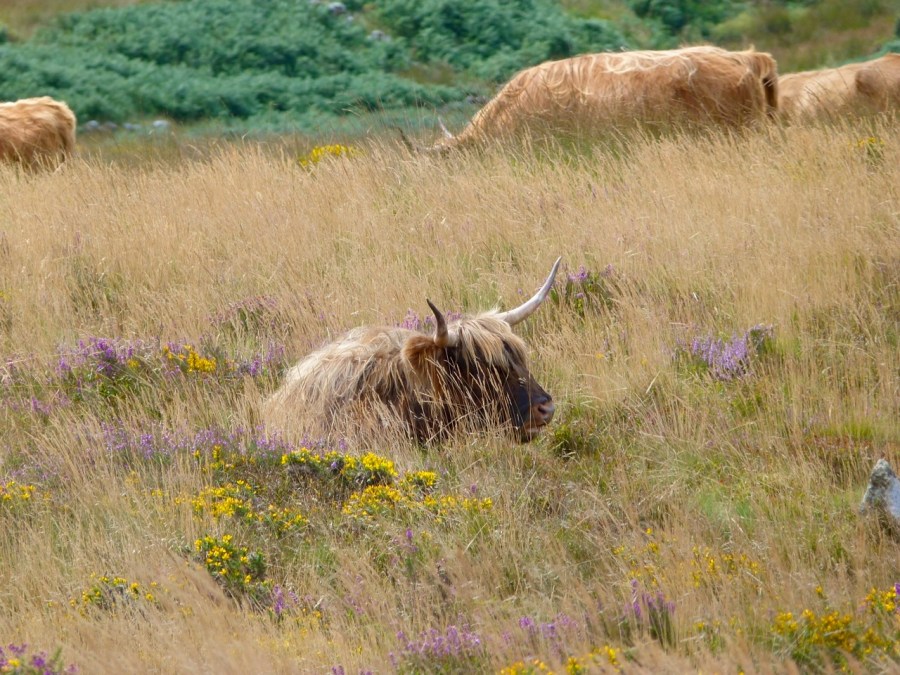
AN EXCITING DISCOVERY THAT WAS DISAPPOINTING
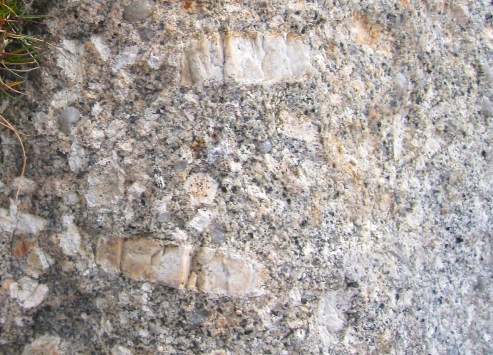
As we climbed, we noticed that the rocks all around were embedded with fossils. Or so we believed. We took lots of photos of these amazing calcified creatures that by some strange process were to be found at nearly 1500ft. Only later, when we did a bit of research online, did we find out the disappointing truth: not fossils, but megacrysts. The technical explanation is as follows:
The main exposure at the Tor is of megacryst granite (also known as “Giant Granite” or “Big-Feldspar Granite”). It is probably from near the roof area of the batholith. The feldpars are of perthitic orthoclase that is porphyroblastic (later replacive crystals) in origin and not phenocrysts (large crystals that have developed in the magma). In some places the southwest England granite megacrysts have been seen to develop into aplite (fine-grained quartz-feldpar veins of late origin), which is possible for porphyroblasts (developing by replacement after the veins) but not for phenocrysts (early and which should be cut through by the veins).


A DISAPPOINTING DISCOVERY THAT WAS EXCITING
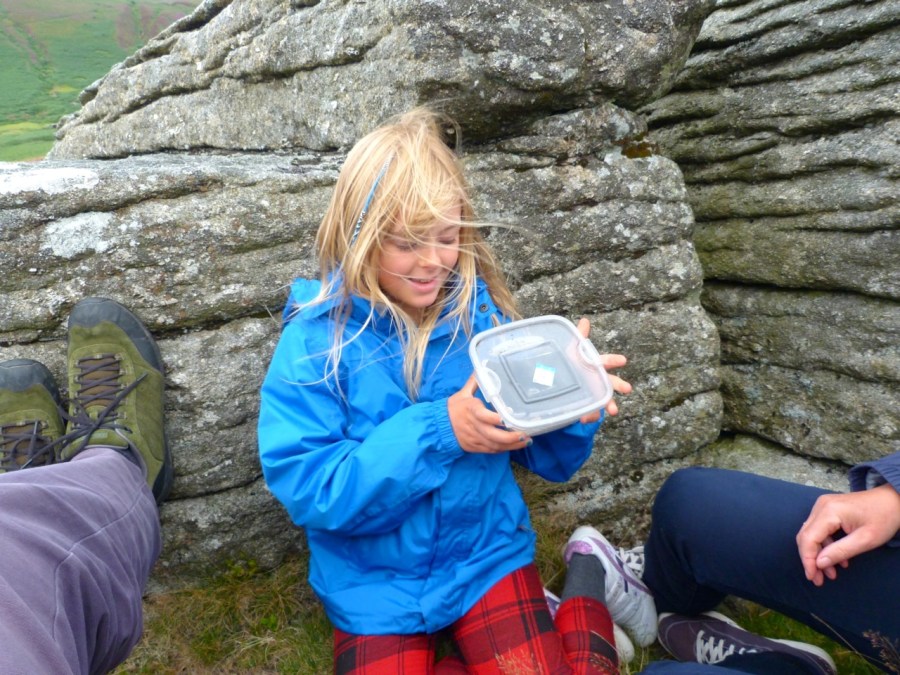
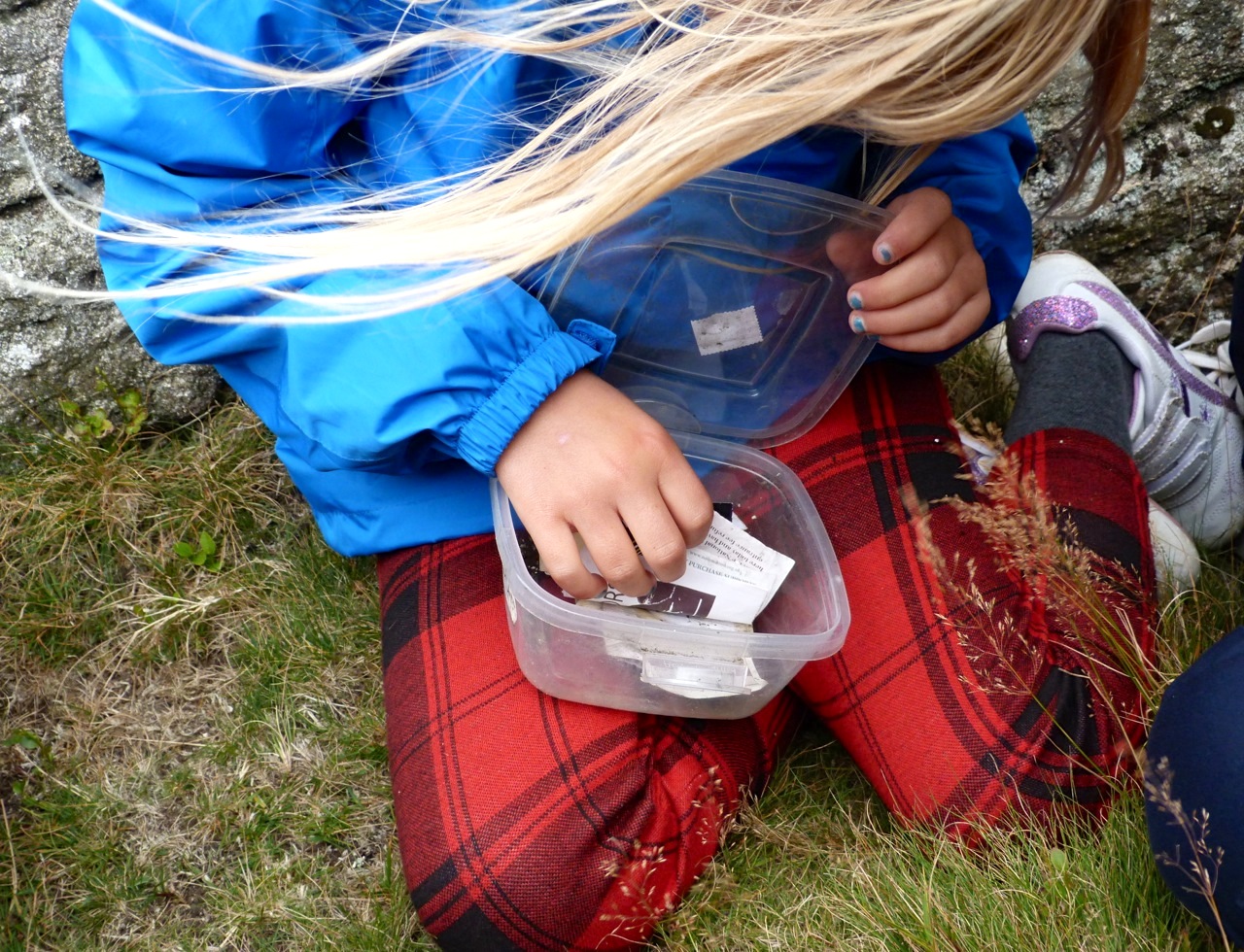
Tupperware at nearly 1500ft? The plastic rubbish left behind by some idle picnicker? But no… Berry spent some time exploring the crannies of the rockiest outcrops, and in the process made her next ‘Letterbox’ discovery… [The previous year’s find is HERE]


Berry was not the first person to discover the box, which had been left by a girl from Surrey, with a message encouraging people to write in the notebook inside. This was already well-filled with the names, addresses, messages and drawings of previous explorers. There was also a strange mix of ‘souvenir’ items people had left – a car park ticket from Alton Towers, a ‘poppy day’ poppy, a couple of smoothed-out sweet wrappers, a button, and other such debris that walkers might find in their pockets… So Berry added a 1p coin, and added her contribution to the notebook. It may not have been an official Dartmoor Letterbox, but it was a lovely idea to have hidden it for others to enjoy.

Credit: photos 4, 5, first megacryst, and all agile activity by Berry
Strange as it may seem, New York City is a great place for birding. The city may not sleep, and maybe neither do the birds, but nonetheless there are several excellent locations to see a wide variety of species. NYC lies right on the East Atlantic Flyway, the eastern migratory route of the USA. Along it, birds hurtle forth and back twice a year, from tiny warblers to large shorebirds, as they seek winter warmth nearer the equator before returning in summer.
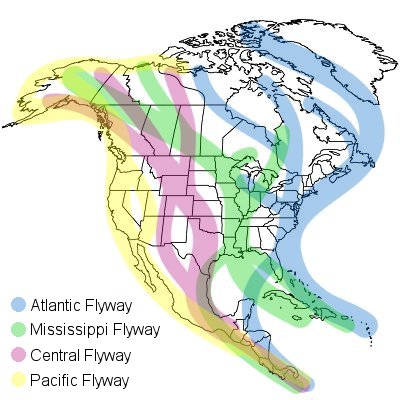
The optimum hotspot is CENTRAL PARK, in particular The Ramble (central) and the secluded Pond / Ravine walk by a pretty stream (north). This is definitely the first place to head for if you have half a day to spare. There’s a very good Central Park website (link above). You’ll also find a CP birding map online, and several websites devoted to birding CP from which you can get or make your own checklist (caution: some sites are a bit… intense). Among books, I have Birds of Central Park by Carl Vornberger and The Ramble: A Wilderness West of 5th by Robert A. McCabe. These are small coffee table books to enjoy rather than field guides, and can be found on Amazon (.com), ABE and occasionally eBay.
It’s worth mentioning PROSPECT PARK BROOKLYN as another good place for birds. It is very large and has plenty of water, which is excellent for water fowl and geese. I’ve seen chipmunks there too (well, I was excited, anyway). There’s the added bonus that the BROOKLYN MUSEUM is right there – perfect for a morning followed by an afternoon in the park.
Here are a few birds photographed in and around the City when temperatures remained below freezing despite a bright sun. There’ll be some more soon.
STARLING BY THE HIGH LINE, LOWER MANHATTAN
NORTHERN MOCKINGBIRD, HIGH LINE
NORTHERN CARDINALS, CENTRAL PARK 

TUFTED TITMICE, CENTRAL PARK
HOUSE SPARROW, CENTRAL PARK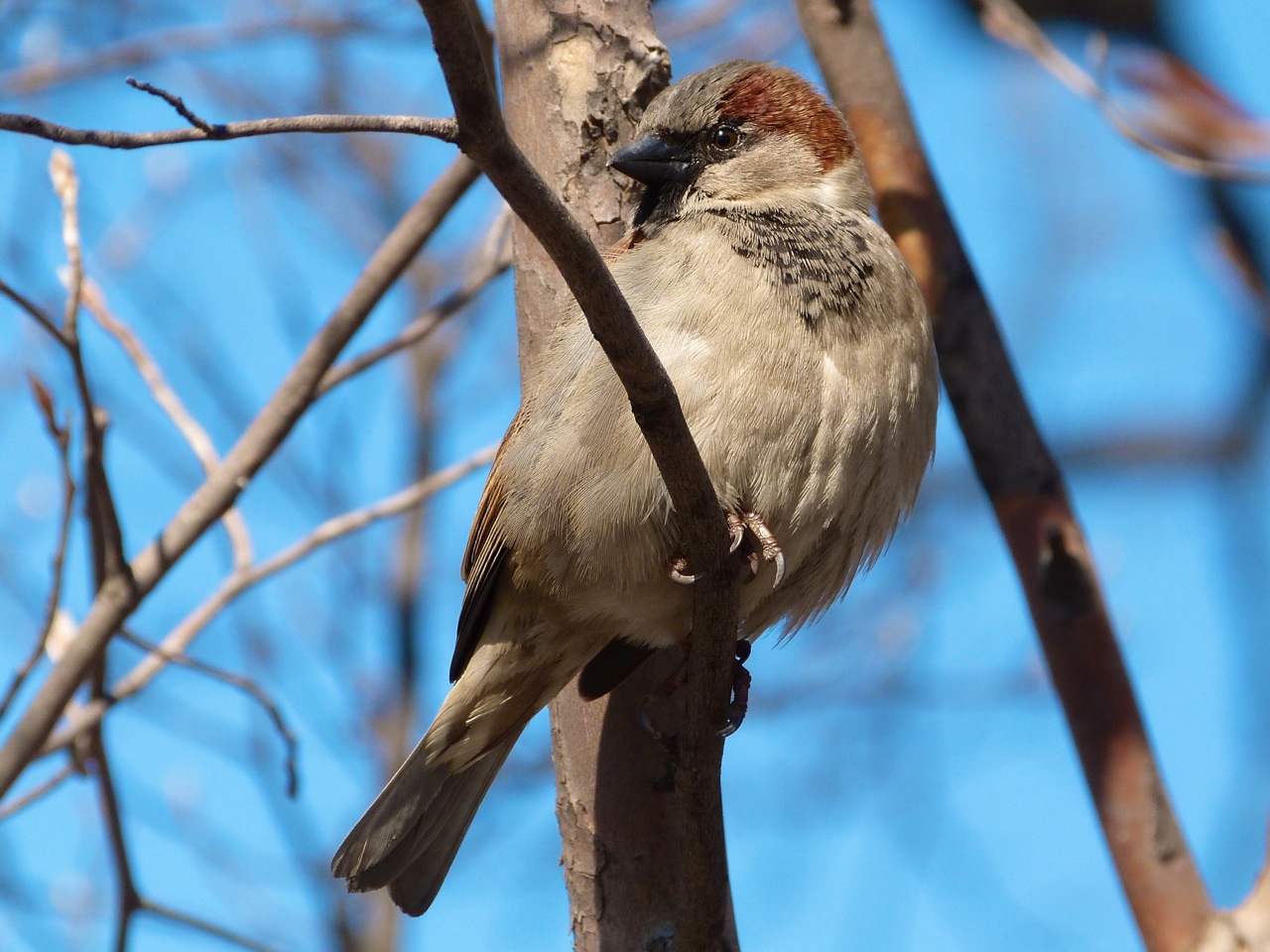
RING-BILLED GULLS, STATEN ISLAND FERRY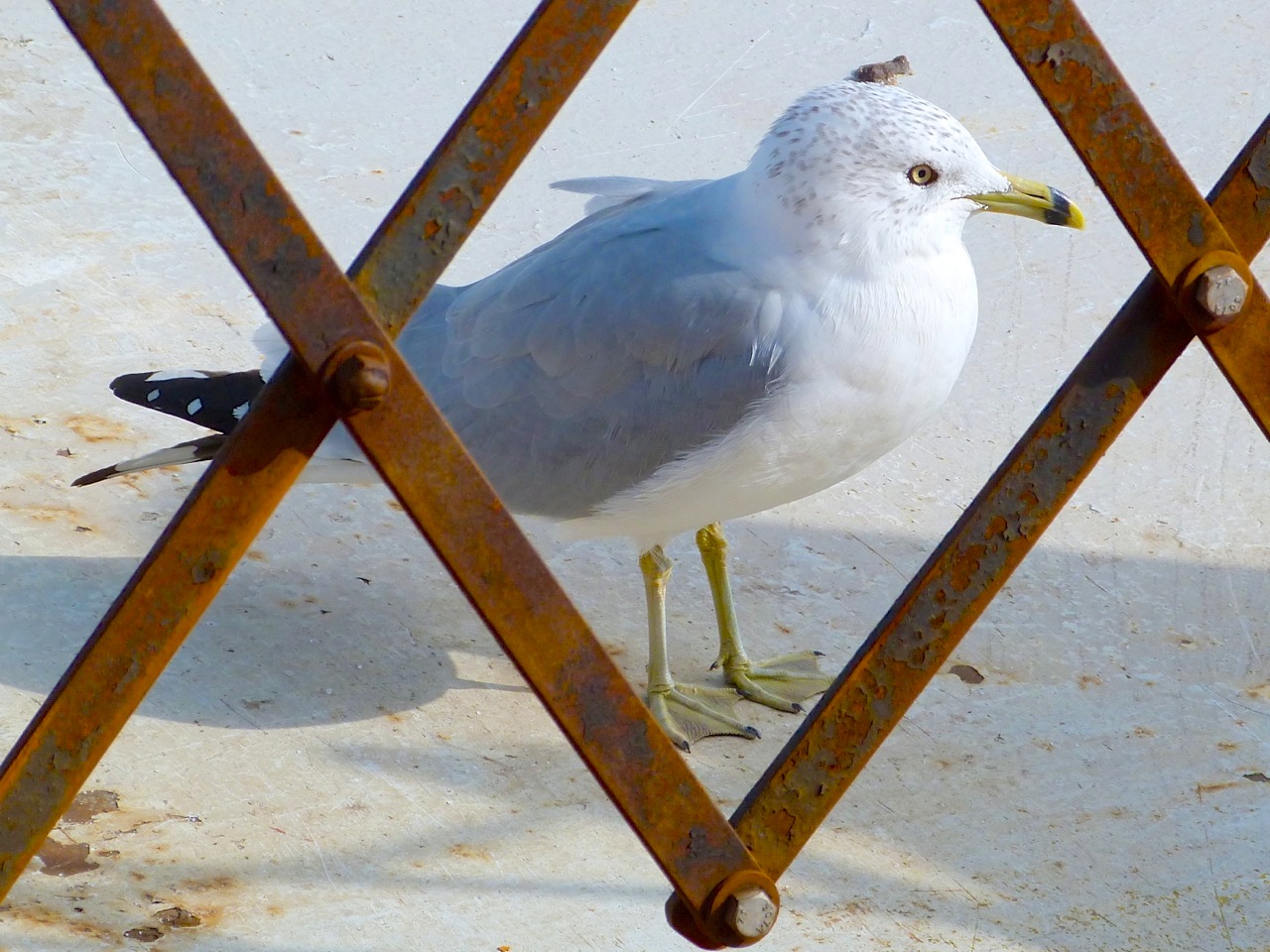
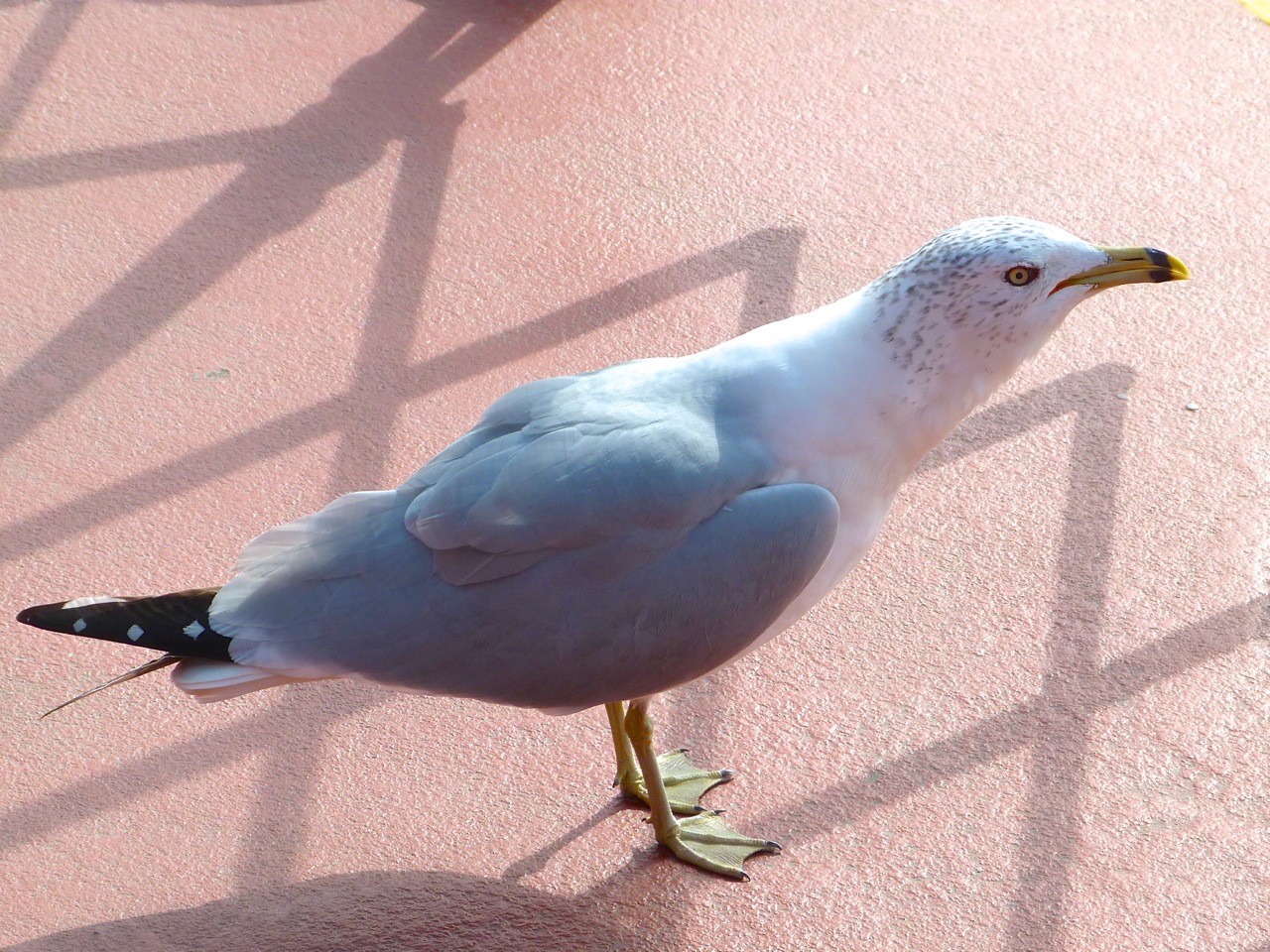
HERRING GULLS, STATEN ISLAND FERRY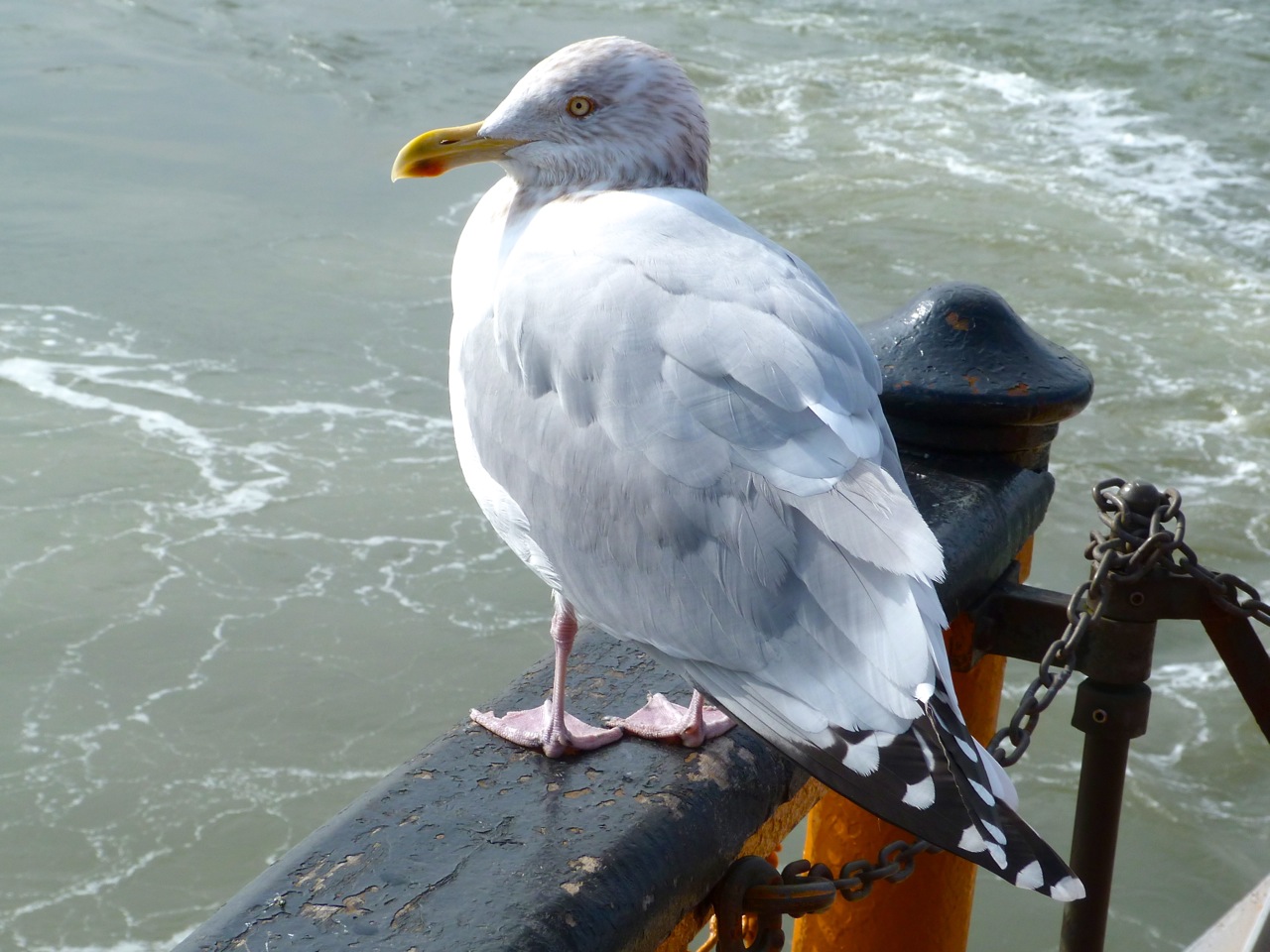
Helicopter photobomb above the bird!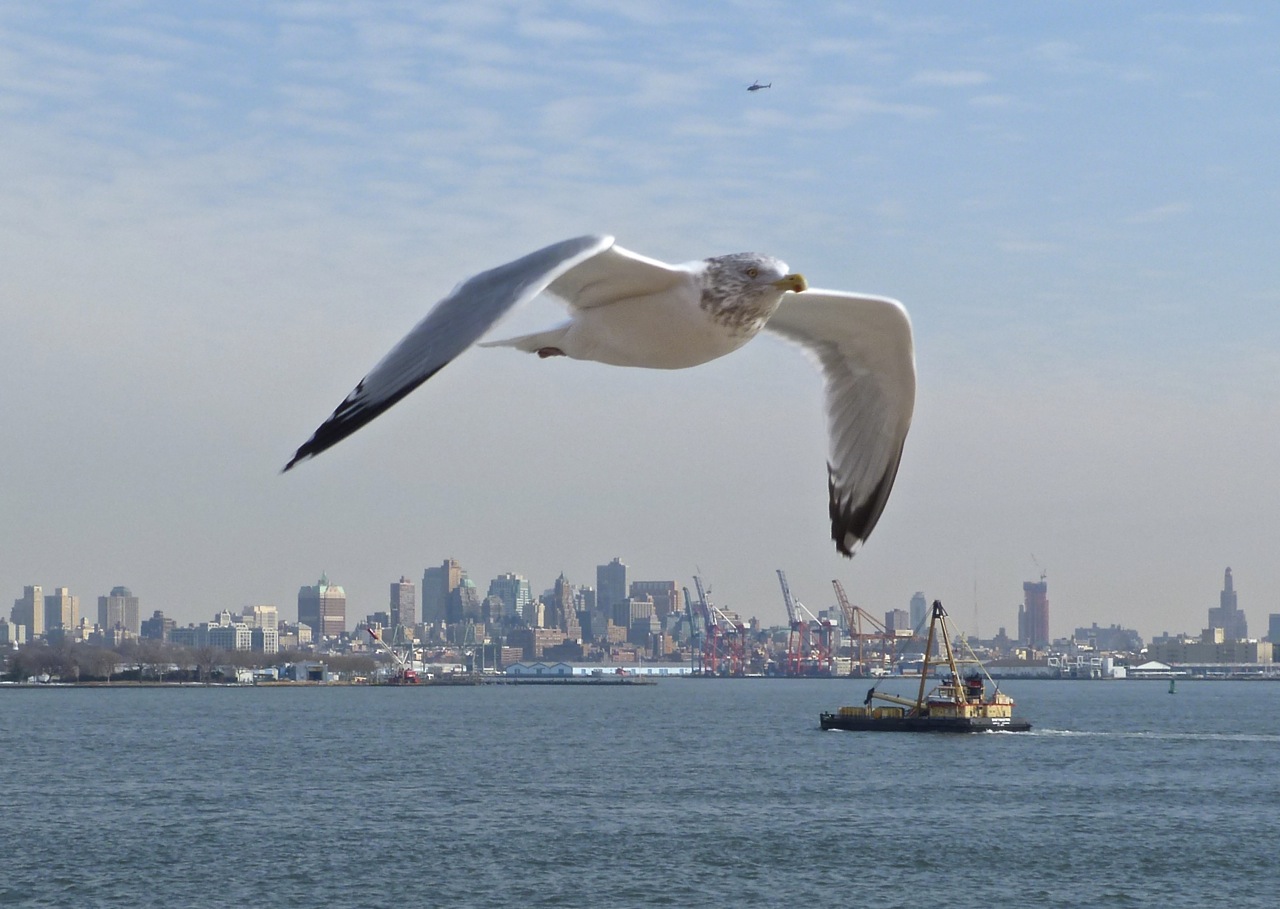
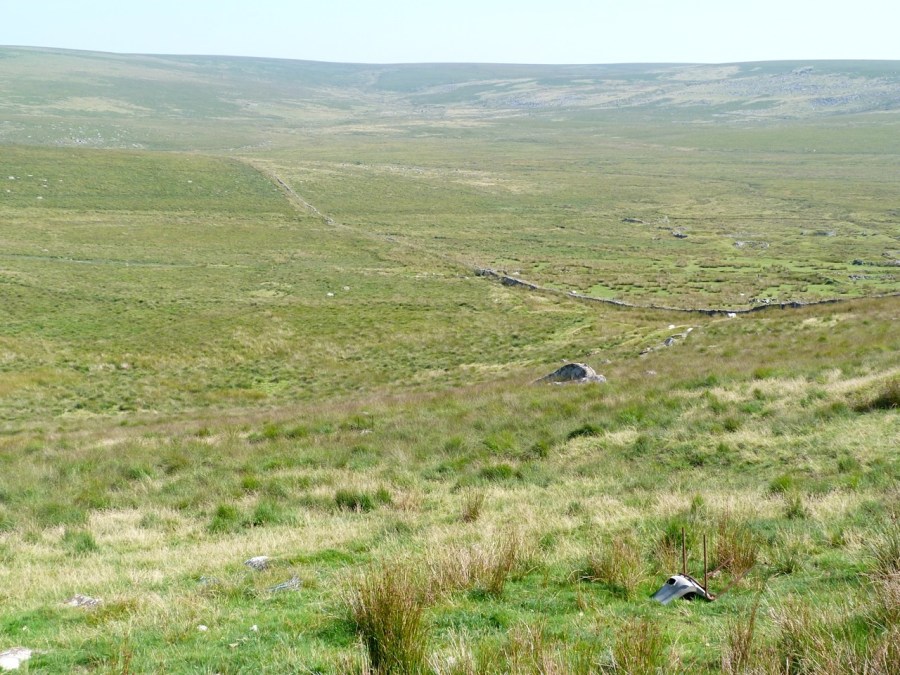
Summer 2013, and a 3-generation expedition to Dartmoor for a few days. I had vaguely heard about the – hobby? healthy outdoor activity? sport? – of GEOCACHING, the search for a concealed container in a (usually) remote place using clues. Or in some cases, coming across one by accident. However DARTMOOR LETTERBOXING was a variant new to me… Much the same principle, but on a smaller scale. Letterboxing originated on Dartmoor but has spread widely to many other places. As the official website puts it, “Letterboxing is an outdoor pursuit with similarities to orienteering. A small pot (the letterbox) containing a stamp and visitors’ book is hidden on the moor, and a clue is written to lead others to its position. Clues may be as simple as a map reference and list of compass bearings, or may be more cryptic. When a letterbox is found, the letterboxer takes a copy of the stamp, as well as leaving their own personal print in the visitors’ book. Letterboxing began on Dartmoor but is now popular in areas all over the world.”
The quest originally began when Berry (then 7) was having a riding lesson on the moor. They reached a gateway and Adele said there was something interesting close by it. She was a bit mysterious about it, so at Berry’s suggestion we decided to investigate the next day…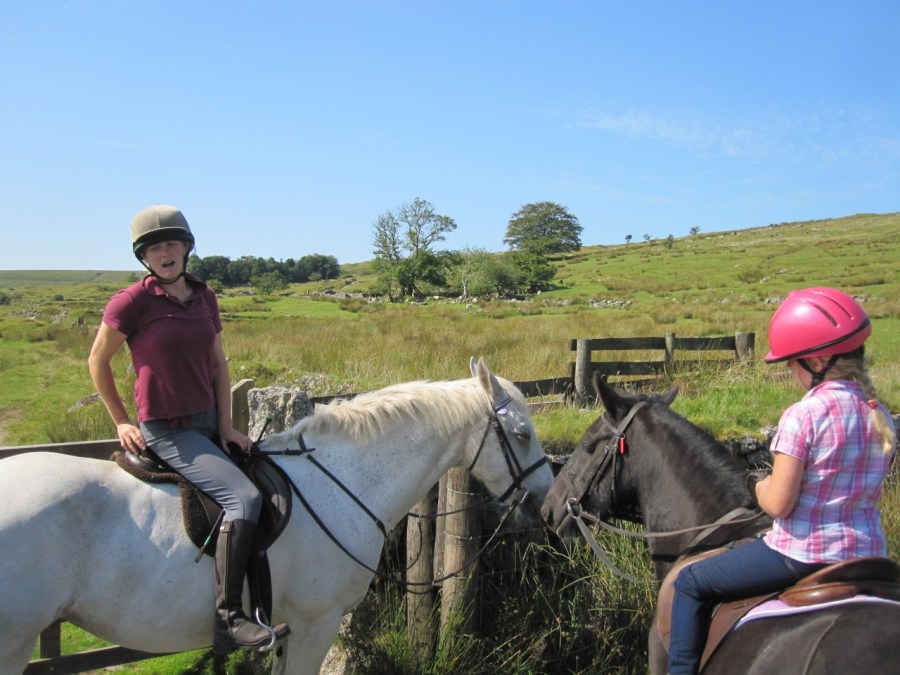
This is the same gateway, set in a long dry stone wall (see header image). It looked a promising place to start the search
Berry is something of an expert at this sort of task, and worked her way methodically along the wall towards the gateway checking the crannies (avoiding a barbed wire fence). And there, almost entirely concealed in the stones at the side of the gate, was a Letterbox. It is shown here after discovery and retrieval – originally it was almost invisible. Inside was a small notebook to sign and date, and some tiny mementos that previous finders had left in the container. Then Berry replaced the Letterbox in its original position for someone else to discover…
The sun broke through the clouds, and after a major paddling session in a pool formed by a stone dam in a small stream, it was time for sustenance….
Chocolate Brownie Heaven… 
I wouldn’t dream of giving away this location, but I think I can leave a broad clue: “Hound of the Baskervilles”. Part 2 will feature a rather more adventurous and fortuitous (i.e. no clues) Letterbox find at the top of a Tor on Dartmoor last summer.


 Splosh! Gull Photobomb! It wasn’t there when I decided to press the trigger…
 Itchy neck? You just have to scratch it…
 Relaxed now, thanks…


 Last sight of the one on the small rock: “Hey, photographer, for !@£$%&* sake leave me alone, ok?”
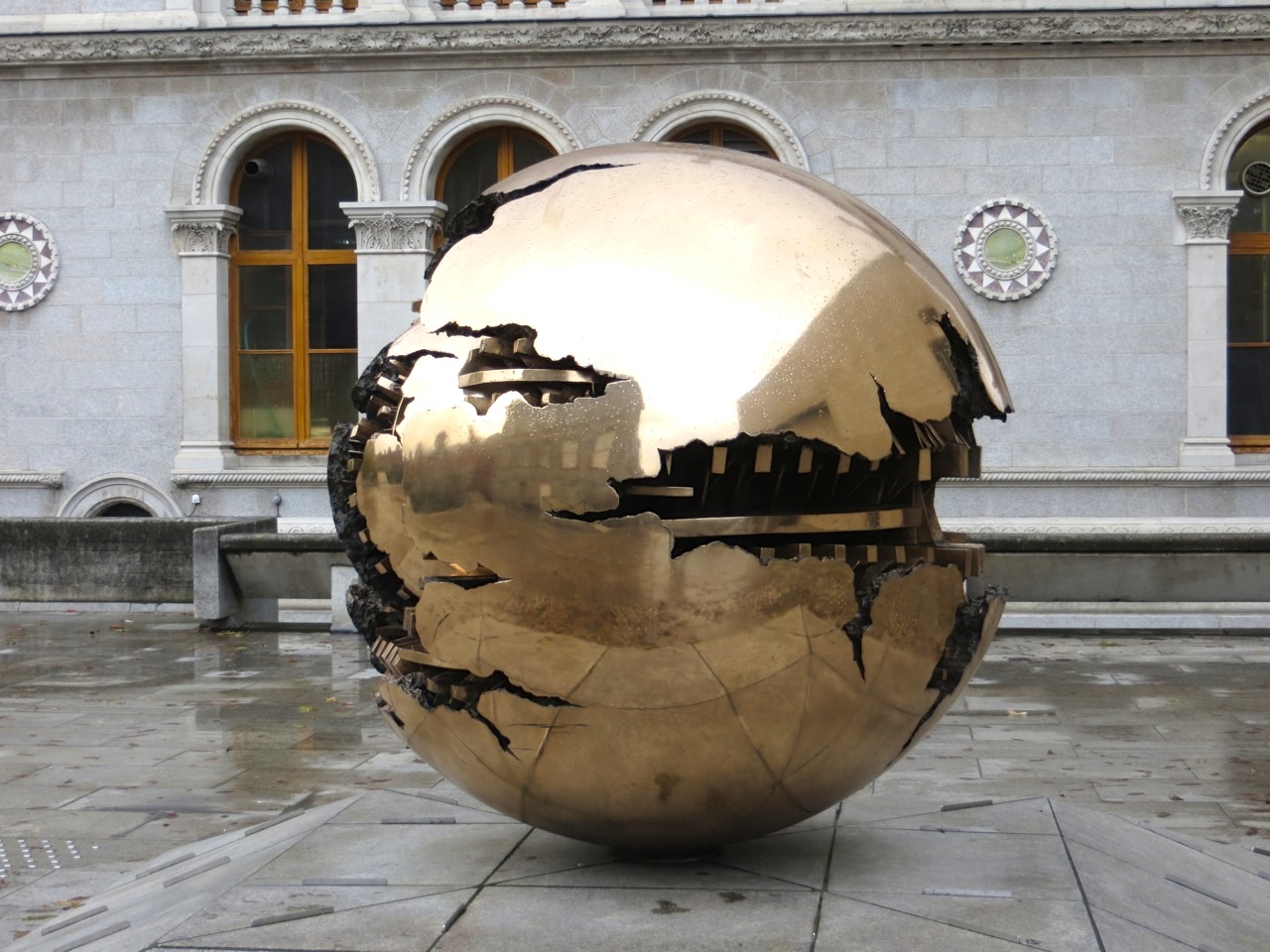
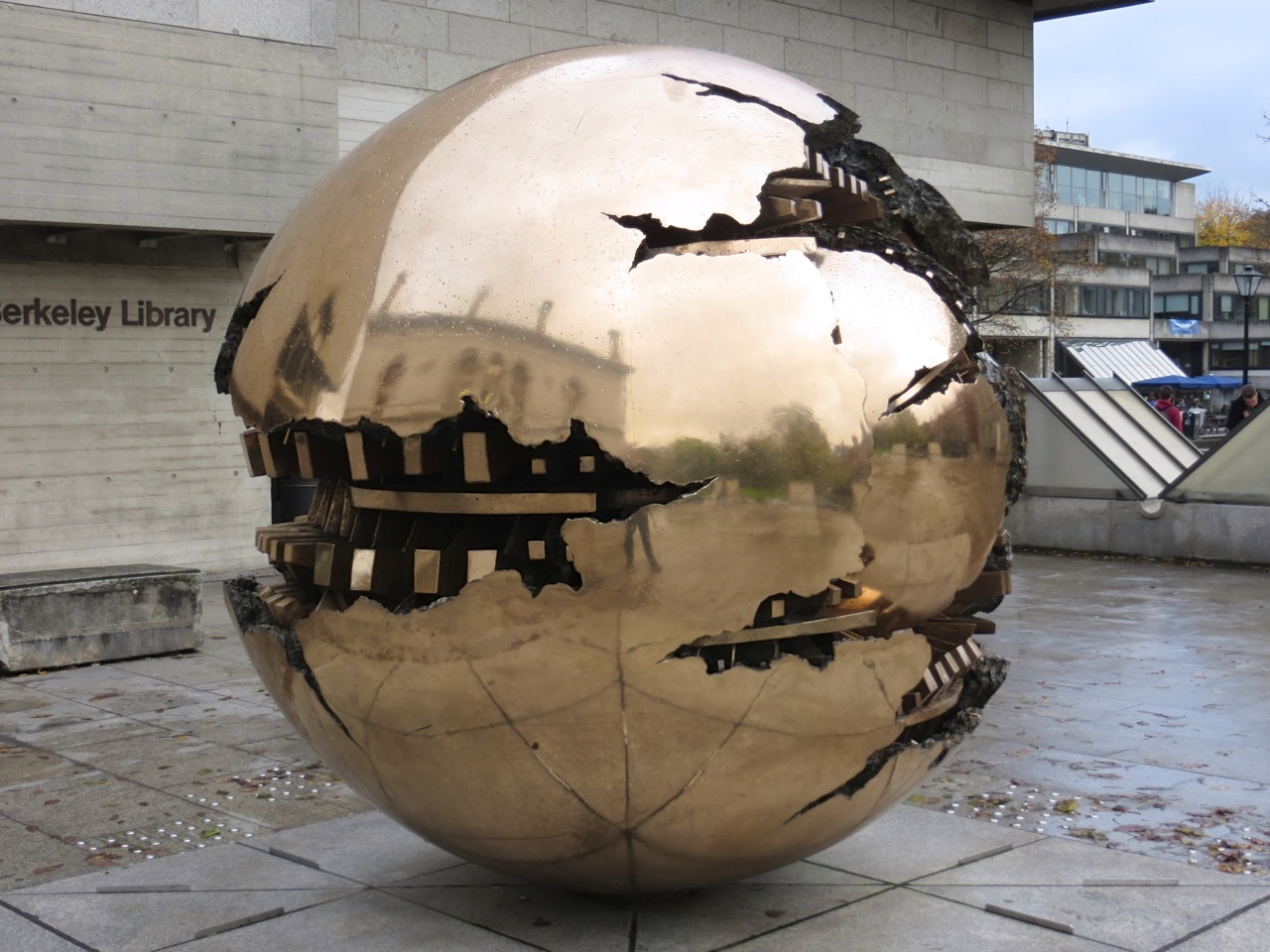
A short trip to Dublin brought the chance to wander round Trinity College, always an enjoyable experience. I’d either failed to notice the strange sculpture on the Berkeley Library forecourt on previous visits, or it has only arrived fairly recently. On a grey rainy day, it looked unpromising from a distance.
On closer inspection, it was fascinating. The large bonze was donated to TCD by the artist, Arnaldo Pomodoro. As the TCD website says, “other similar works exploring this spherical format are on display at locations such as the United Nations plaza in New York, the University of California at Berkeley, the Museum of Contemporary Art in Tehran, the Ministry of Foreign Affairs in Rome, and the Cortile del Belvedere at The Vatican Museums. This sculpture underwent a major conservation project in 2008 which brought the surface of the piece back to its original condition while also restoring its complex sub-structure and pivot.”
Here are some photos taken as I walked round the work. I was struck both by the reflected ‘cityscapes’ – possibly post-apocalyptic – that seemed to appear, and by the complexity of the construction.
Arnaldo Pomodoro ‘Sfera con Sfera’ bronze (click here for artist’s biography, pdf)




Click here to read the poem ‘Six Ways of Looking at a Pomodoro’ by John Scattergood (pdf document)
Credits: TCD website for info & links; all photos RH
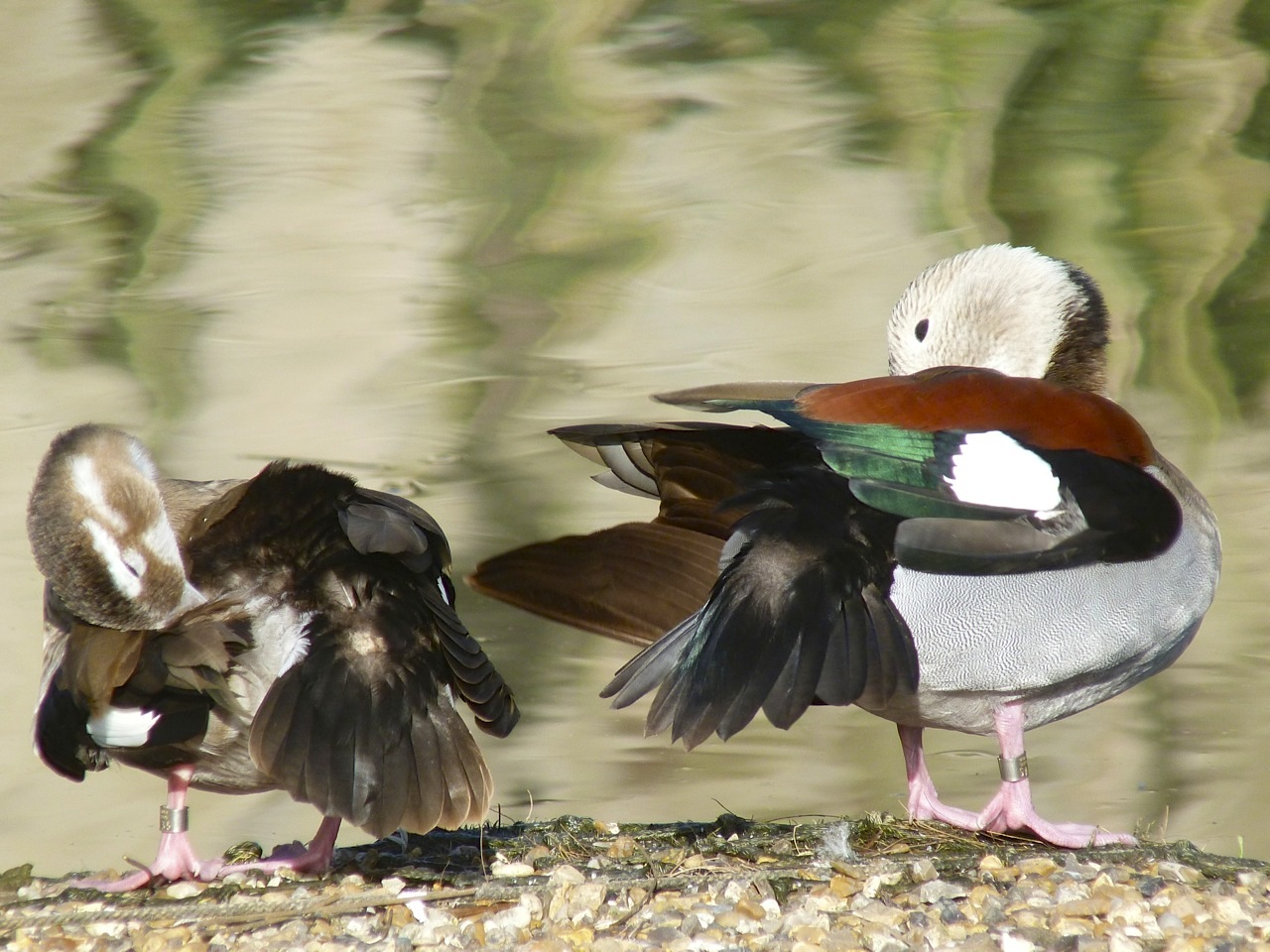
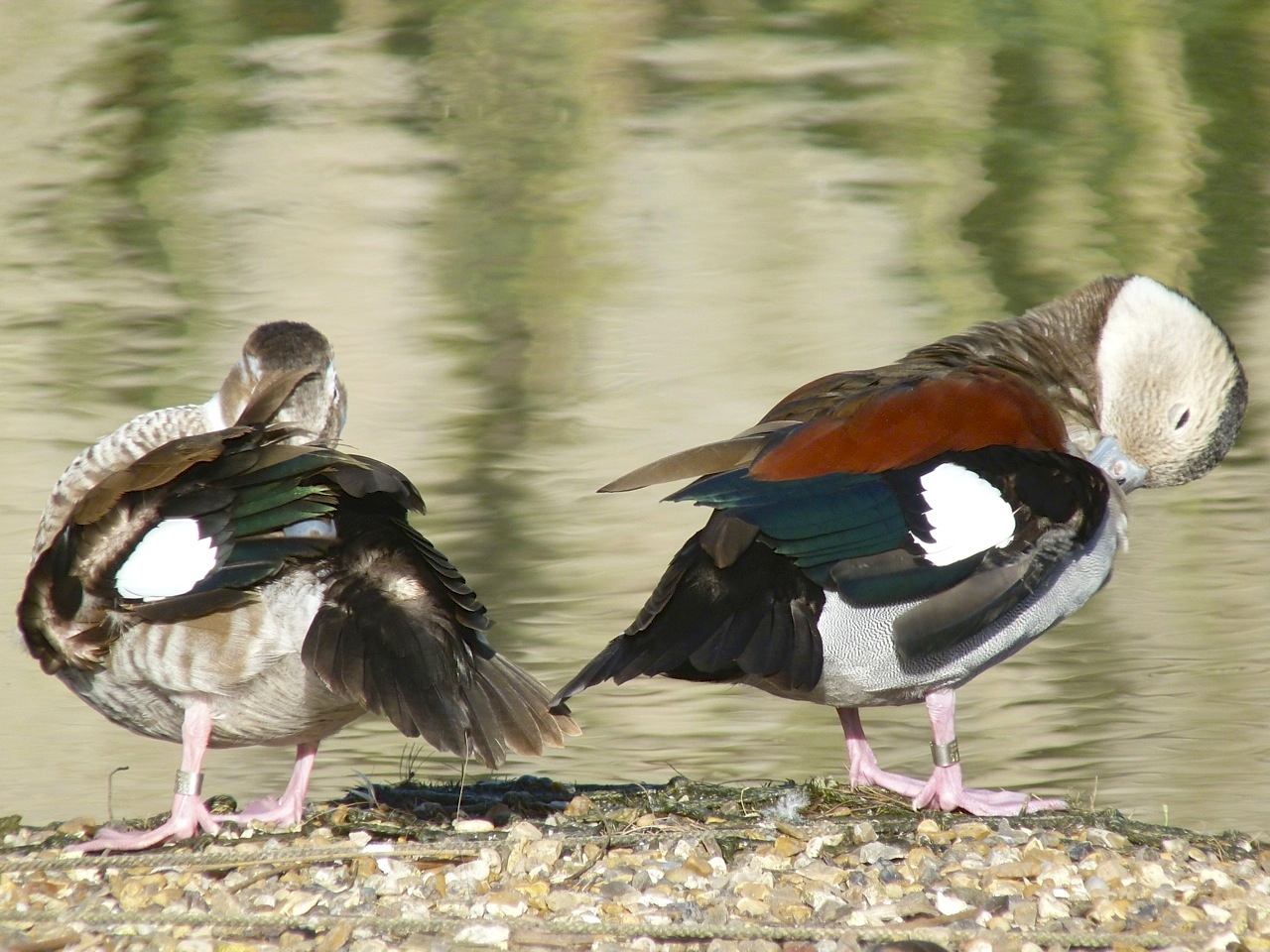
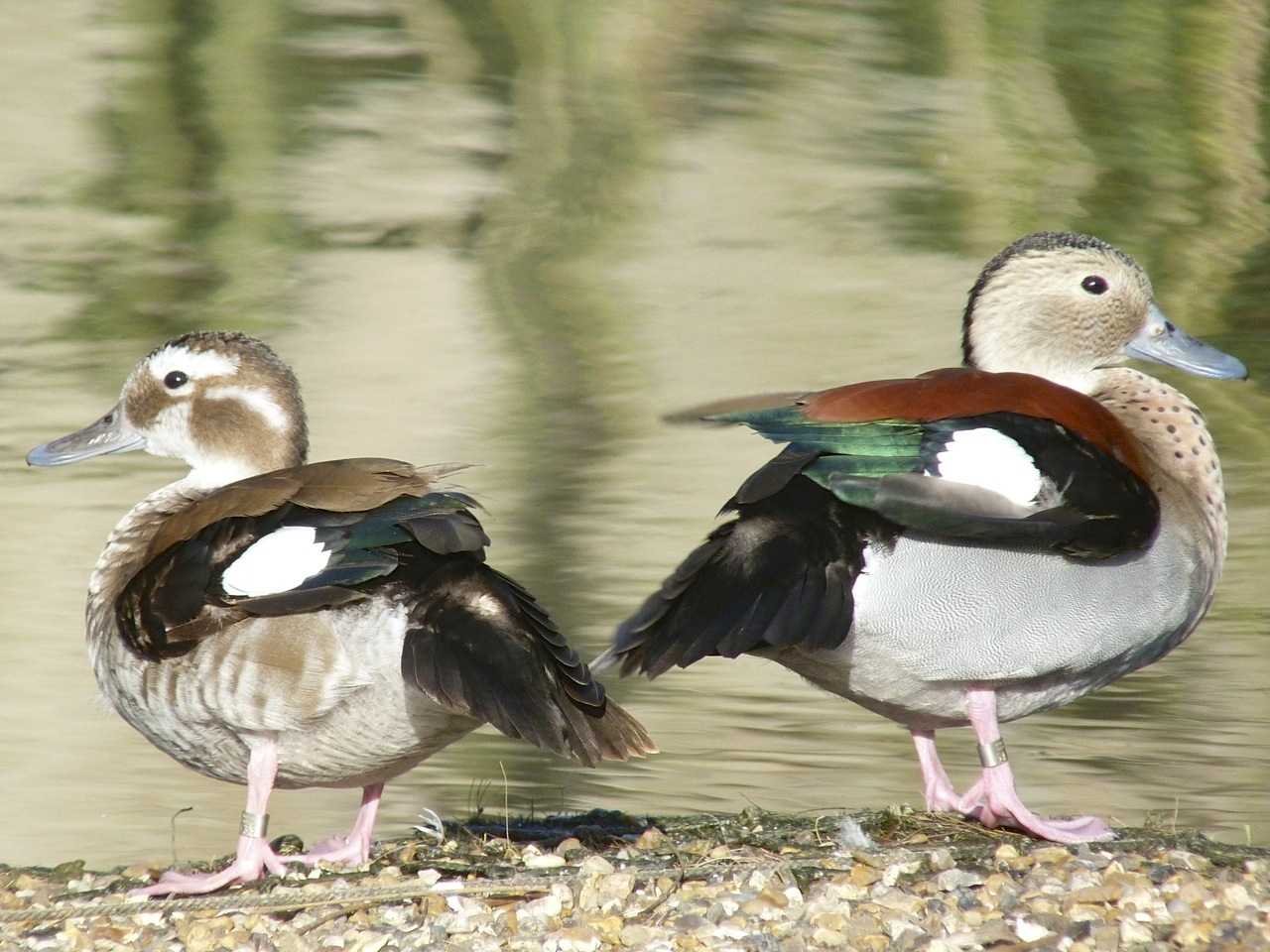
This sequence shows a pair of Ringed Teal preening in late autumn sunshine. The series of images shows the movements of both birds and the marked variations in the colouring of the male over a few minutes. At one stage the vivid green sheen of the wings gave way to dark blue. I was also trying to use the water behind them to create an impressionistic effect, which has worked in a way.





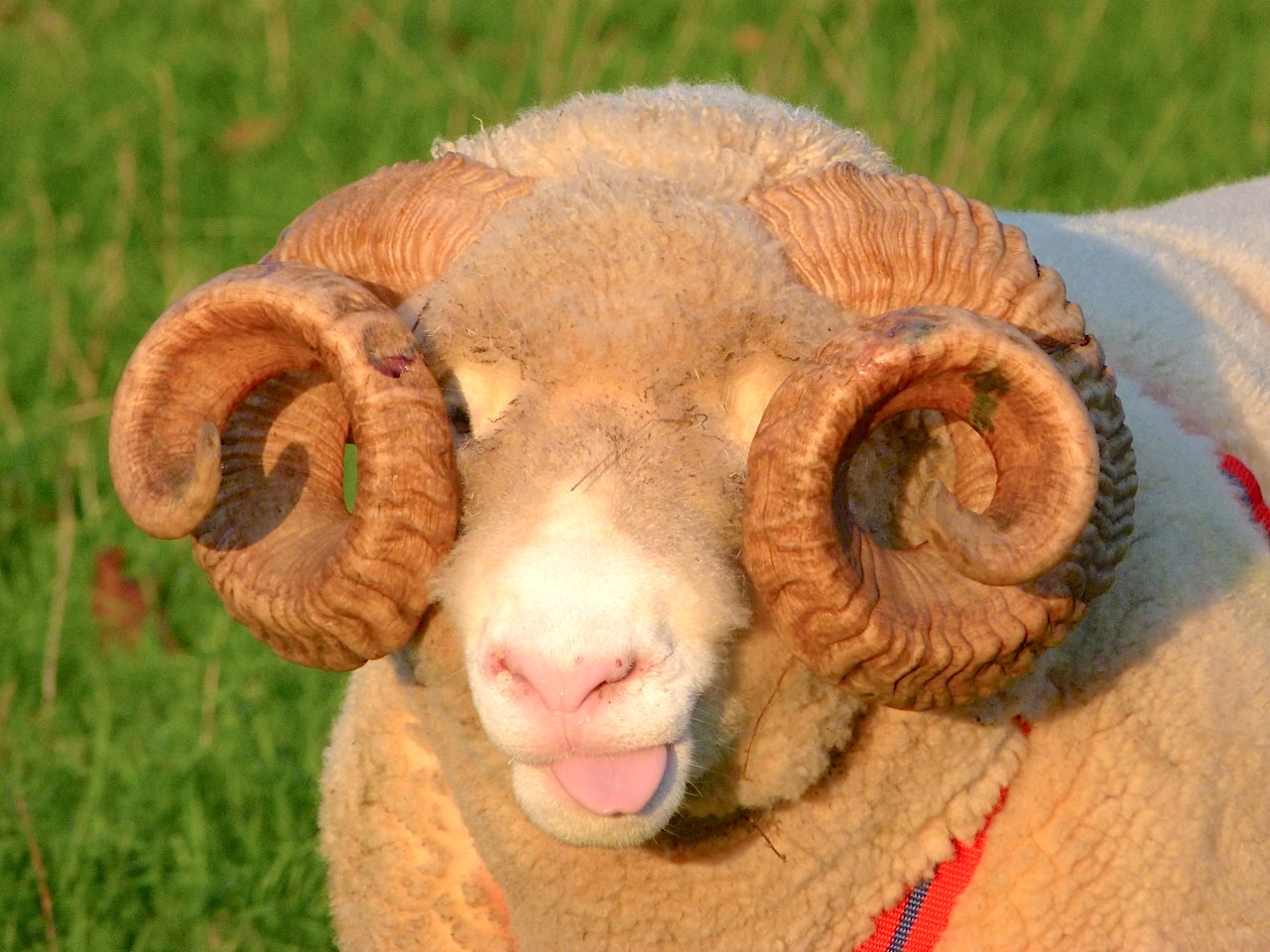
Sheep supposedly have peaceful, grazey lives. Counting them is allegedly soporific. But in reality they lead busy and productive lives. No sooner do they lamb than it’s time for the circle of life to begin again for them. In the evening sunshine the field gate swings open. A truck’s catch is slipped. Enter the ram, harnessed for action to mark his conquests and raring to go…
Some photos were taken after the ram had been investigating the 7 ewes in the field rather closely. Two had lambed, 5 were pregnant. The ram is demonstrating a FLEHMEN RESPONSE – see http://en.wikipedia.org/wiki/Flehmen_response which explains it better than I can, and with a particular reference to sheep.




 ROLLING HARBOUR GALLERY