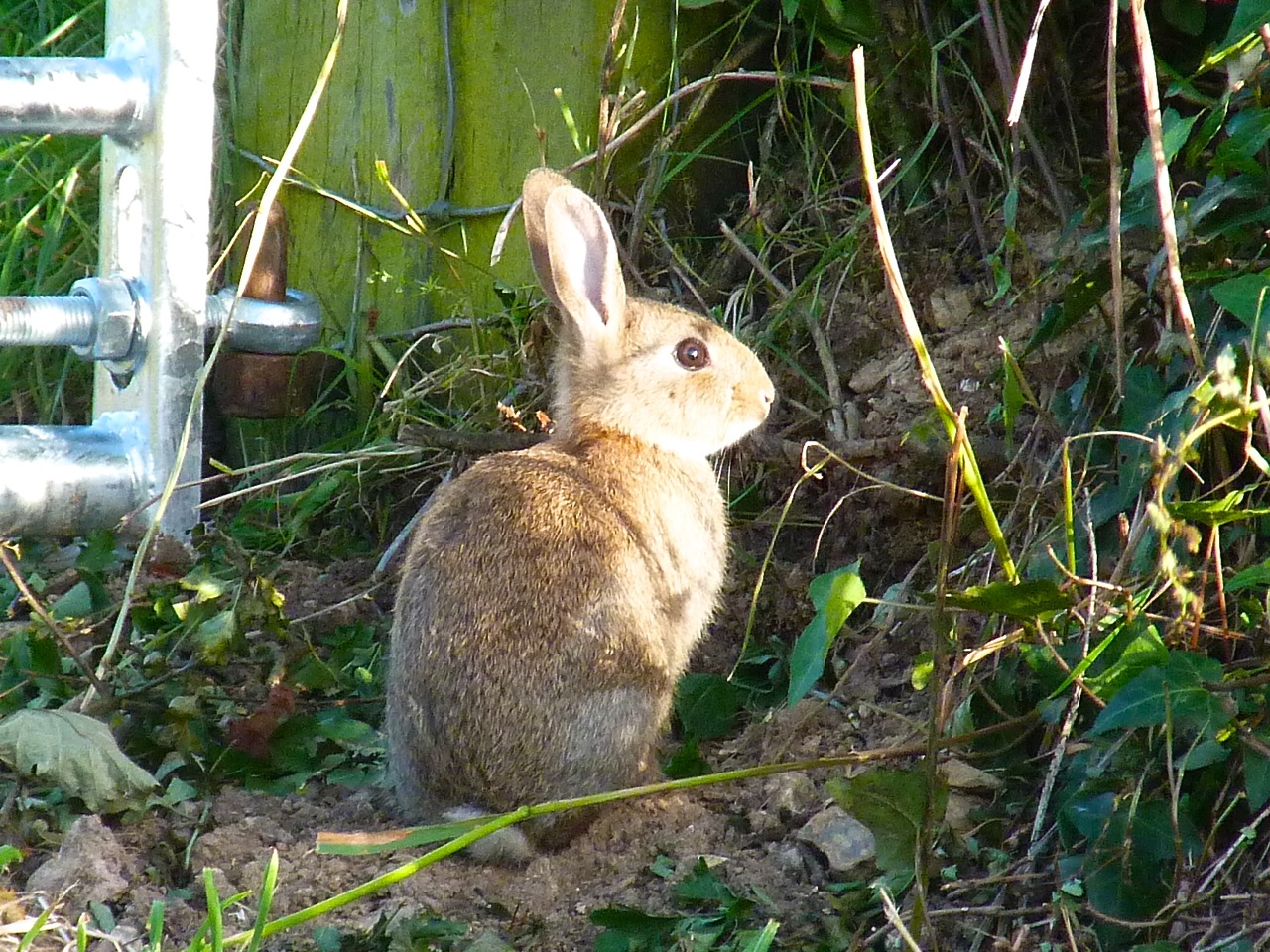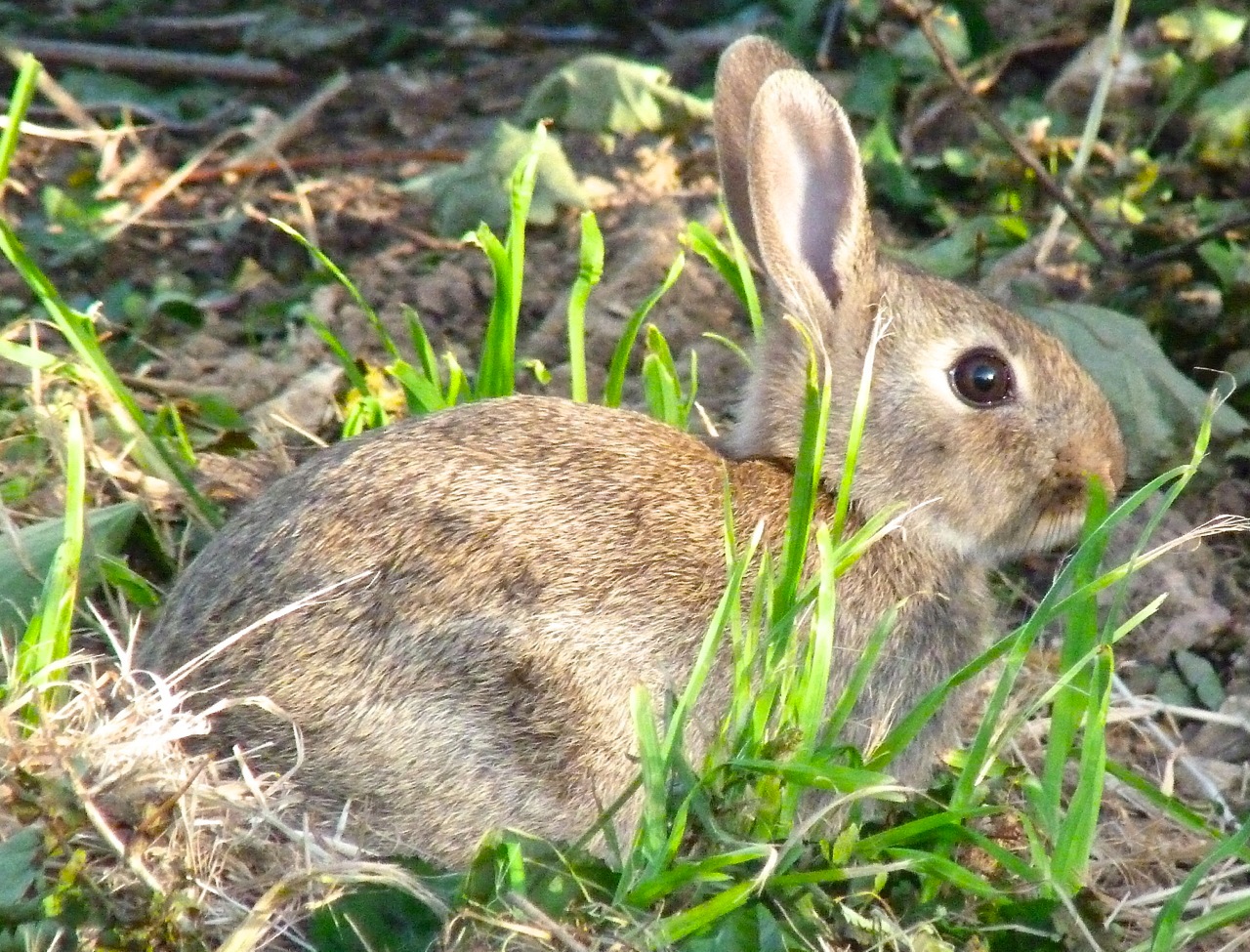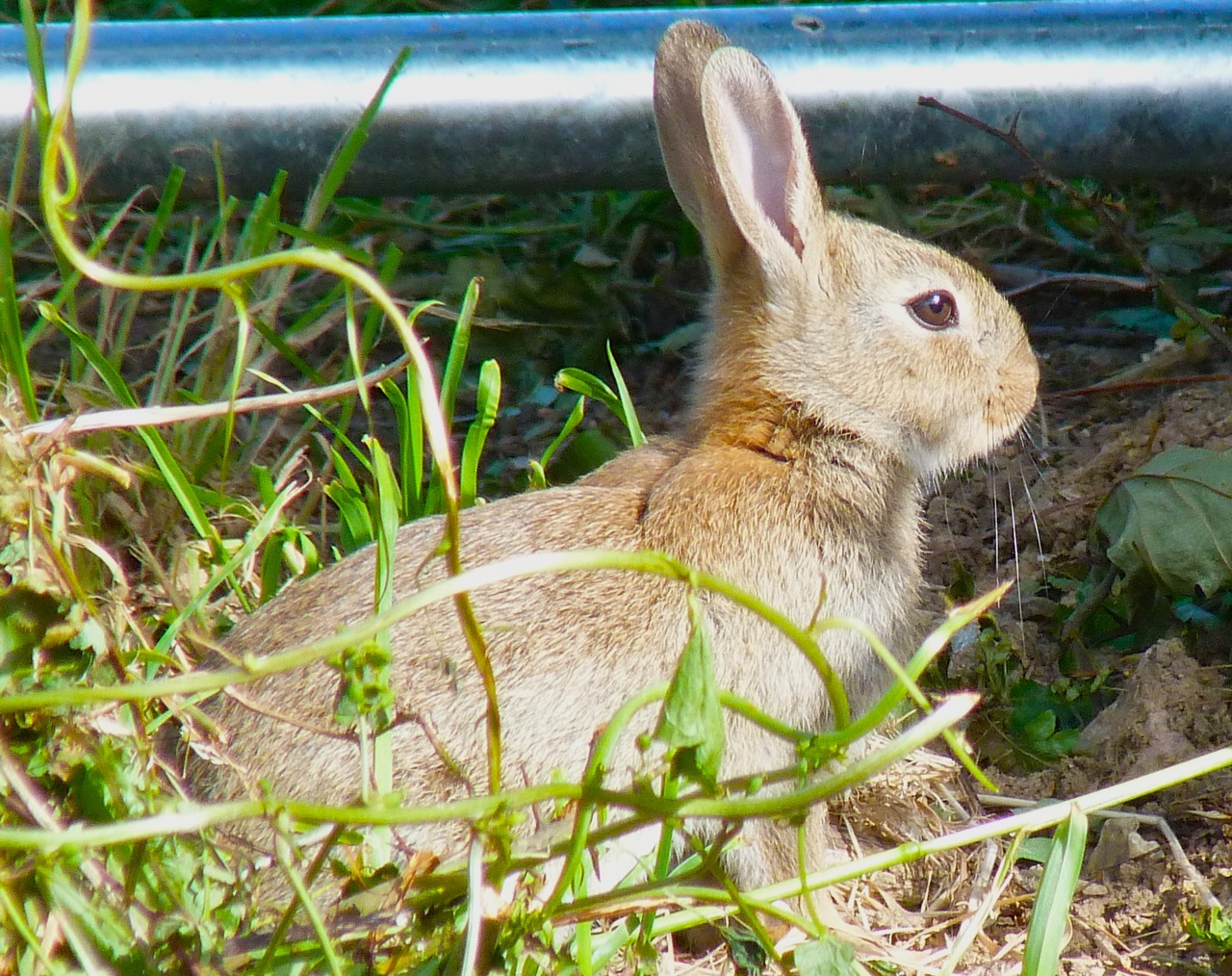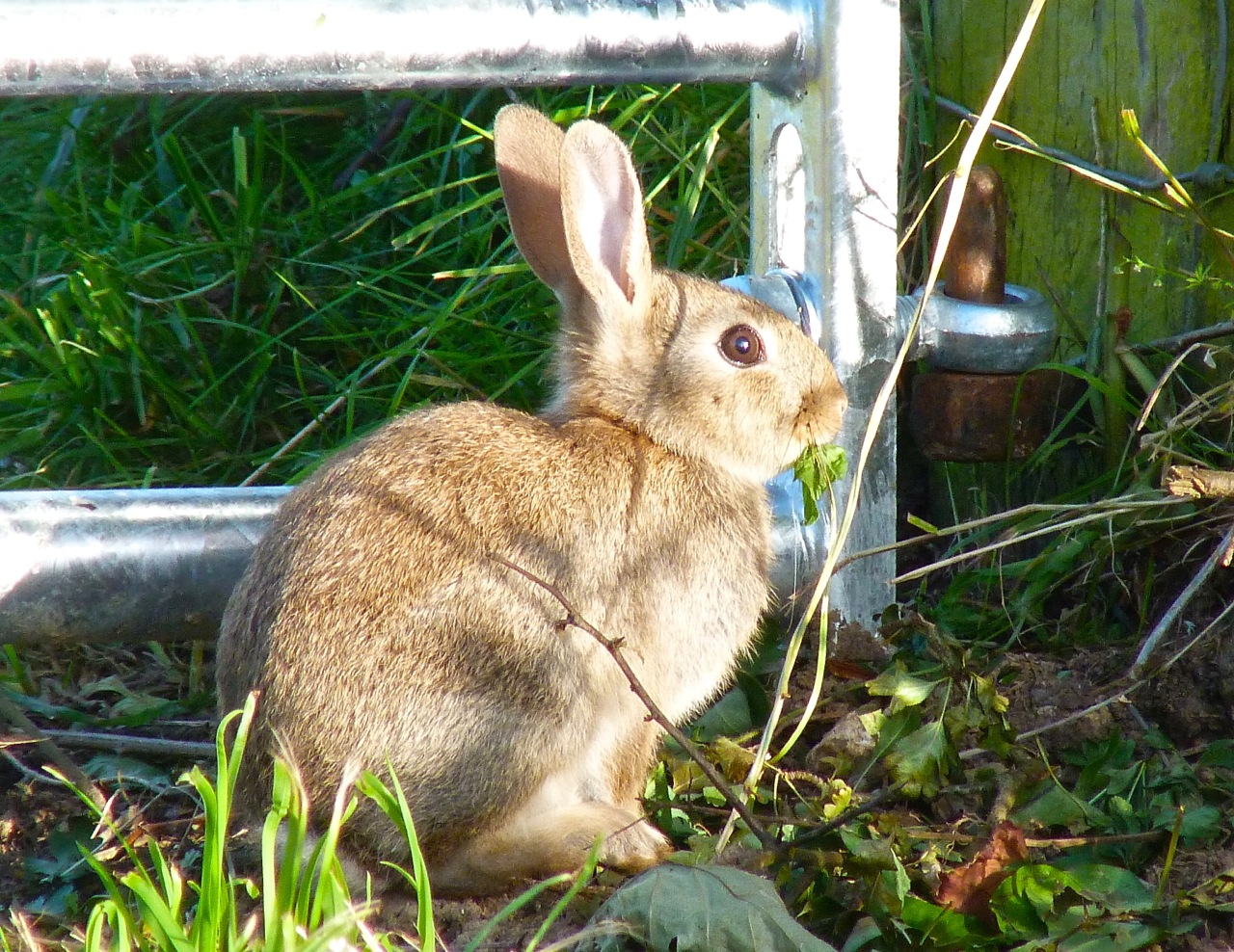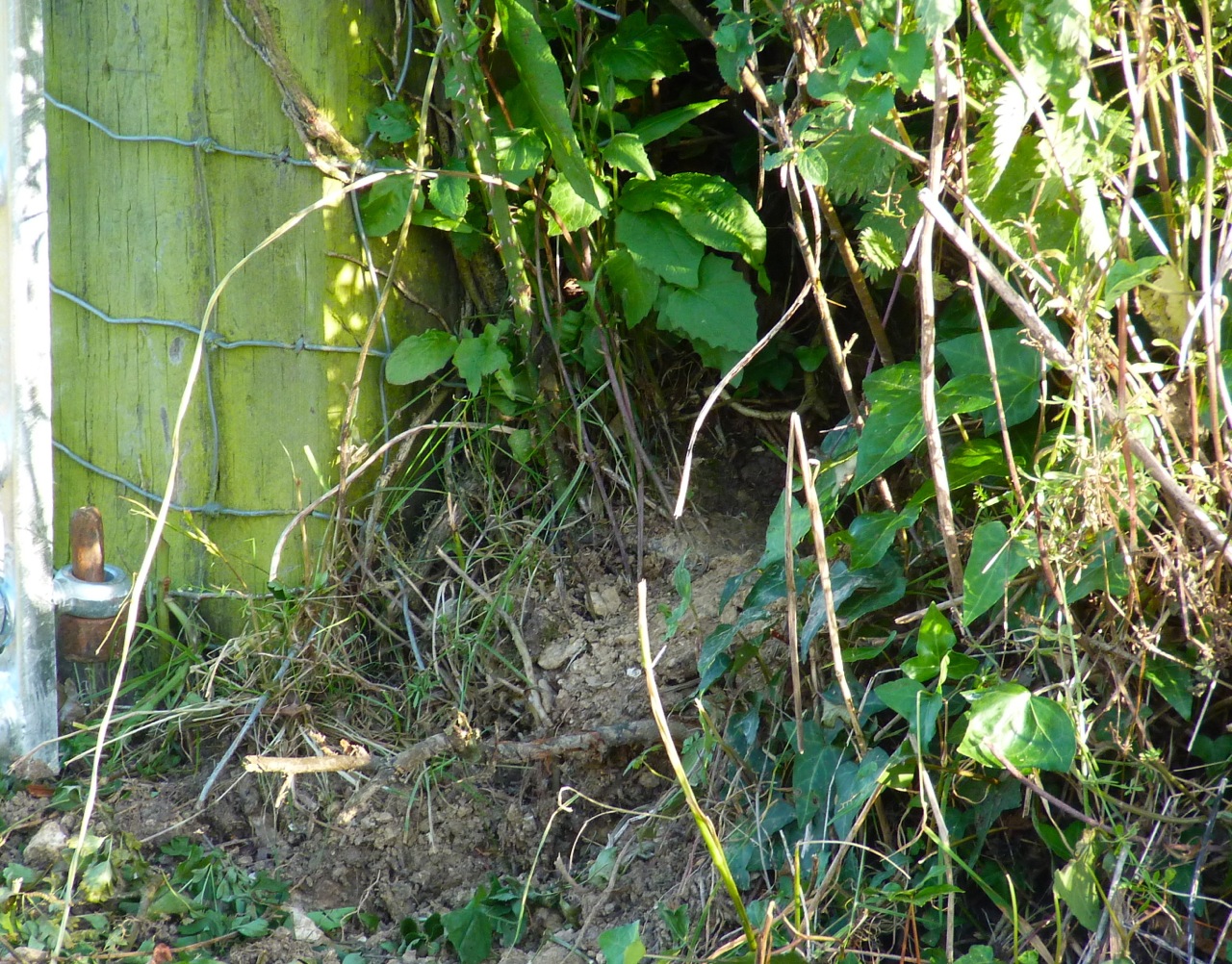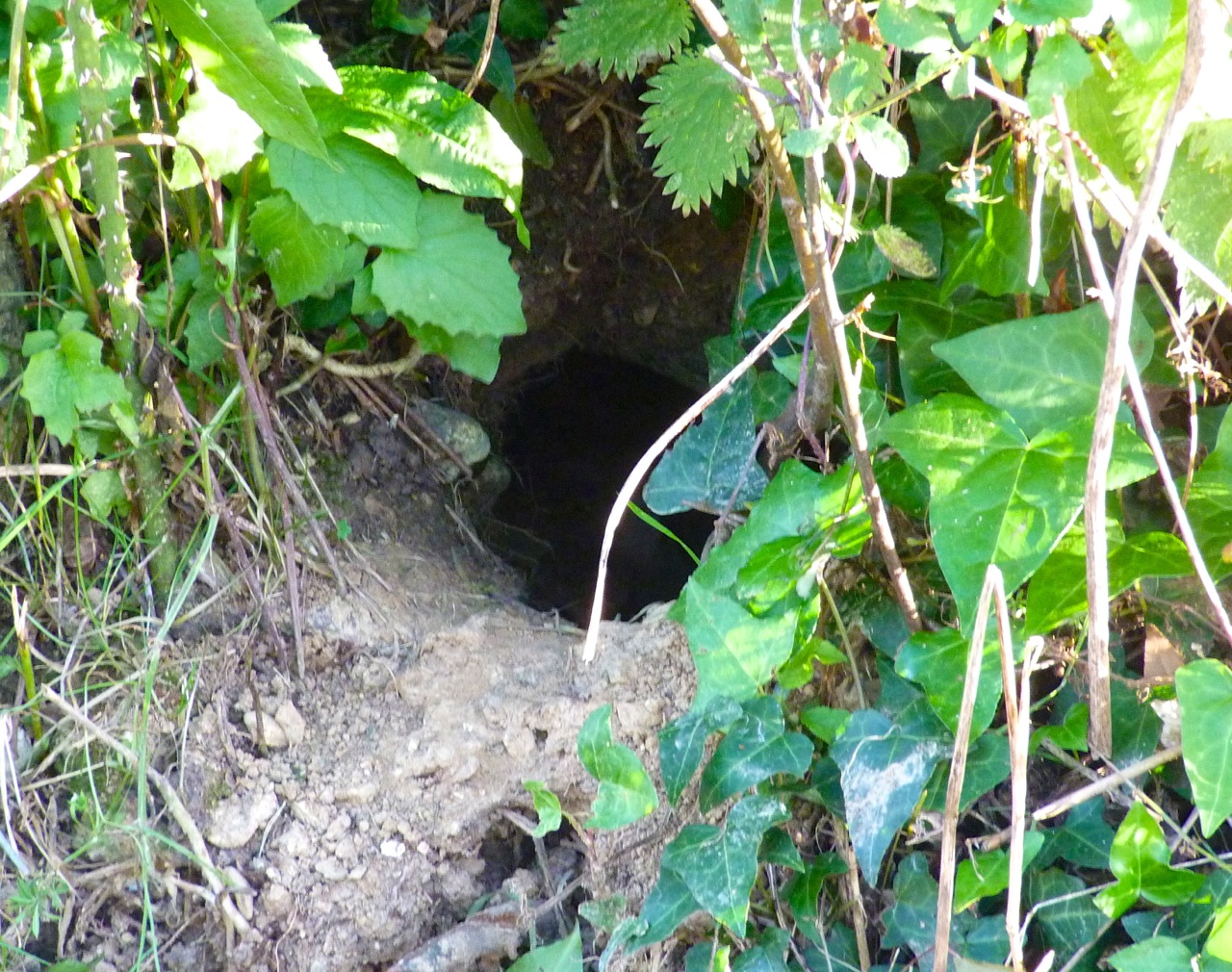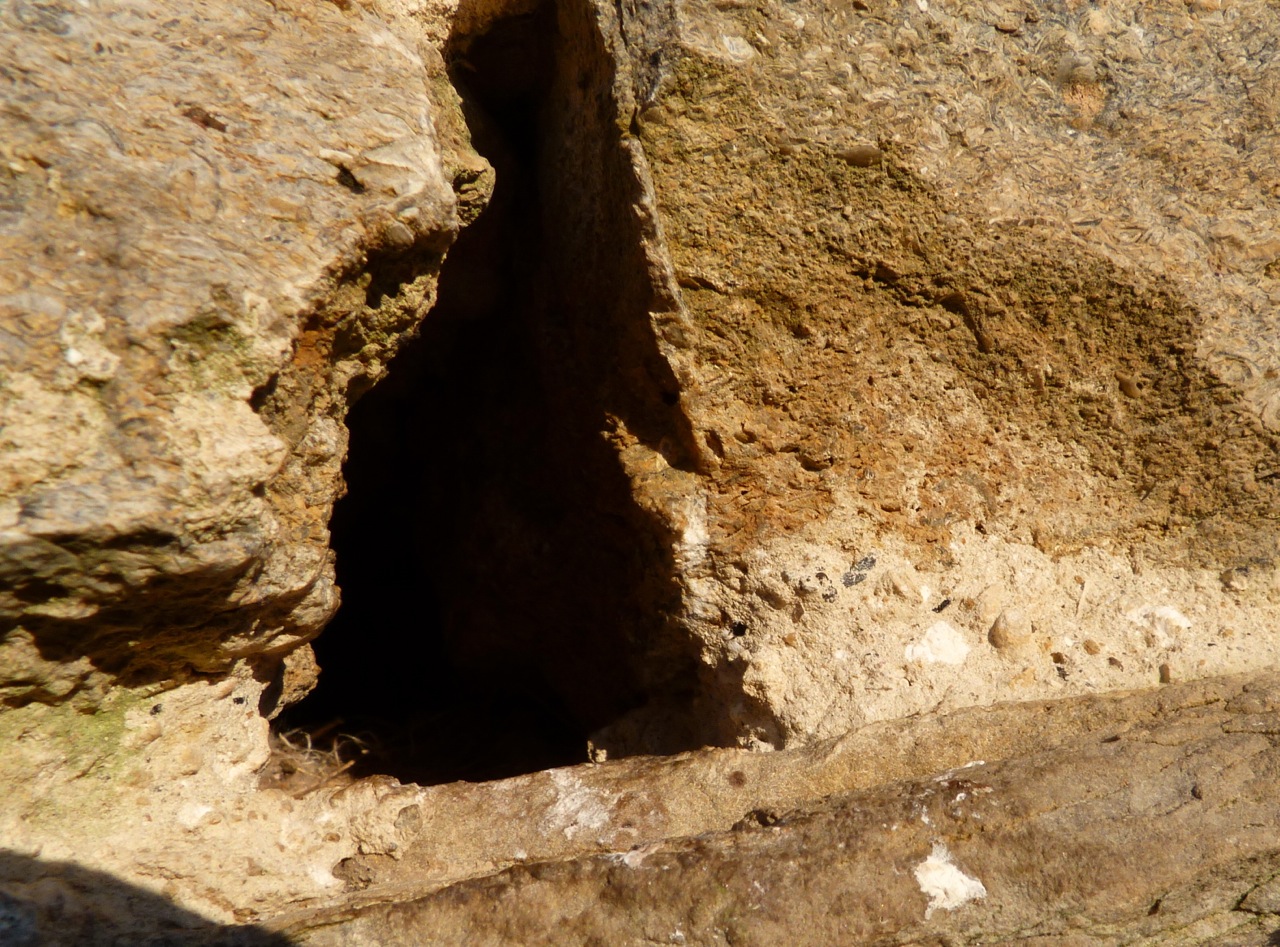
With a camera, OK? Clearing a gateway to the field opposite our house has revealed a burrow. It’s no surprise, it’s a good year for rabbits in this part of Dorset, and I have already filled 3 burrows dug in our garden… But I suspect there’s a massive warren, and they just pop up again somewhere else. A couple of nights ago I took a few photos of rabbits enjoying ‘Silflay’ (© Richard Adams, Watership Down), the evening feed in the open. A glitch eradicated them. Yesterday evening in the sunshine, I took some closer shots of 2 rabbits by the burrow. Very picturesque. As long as they stay that side of the road…
Author: Rolling Harbour
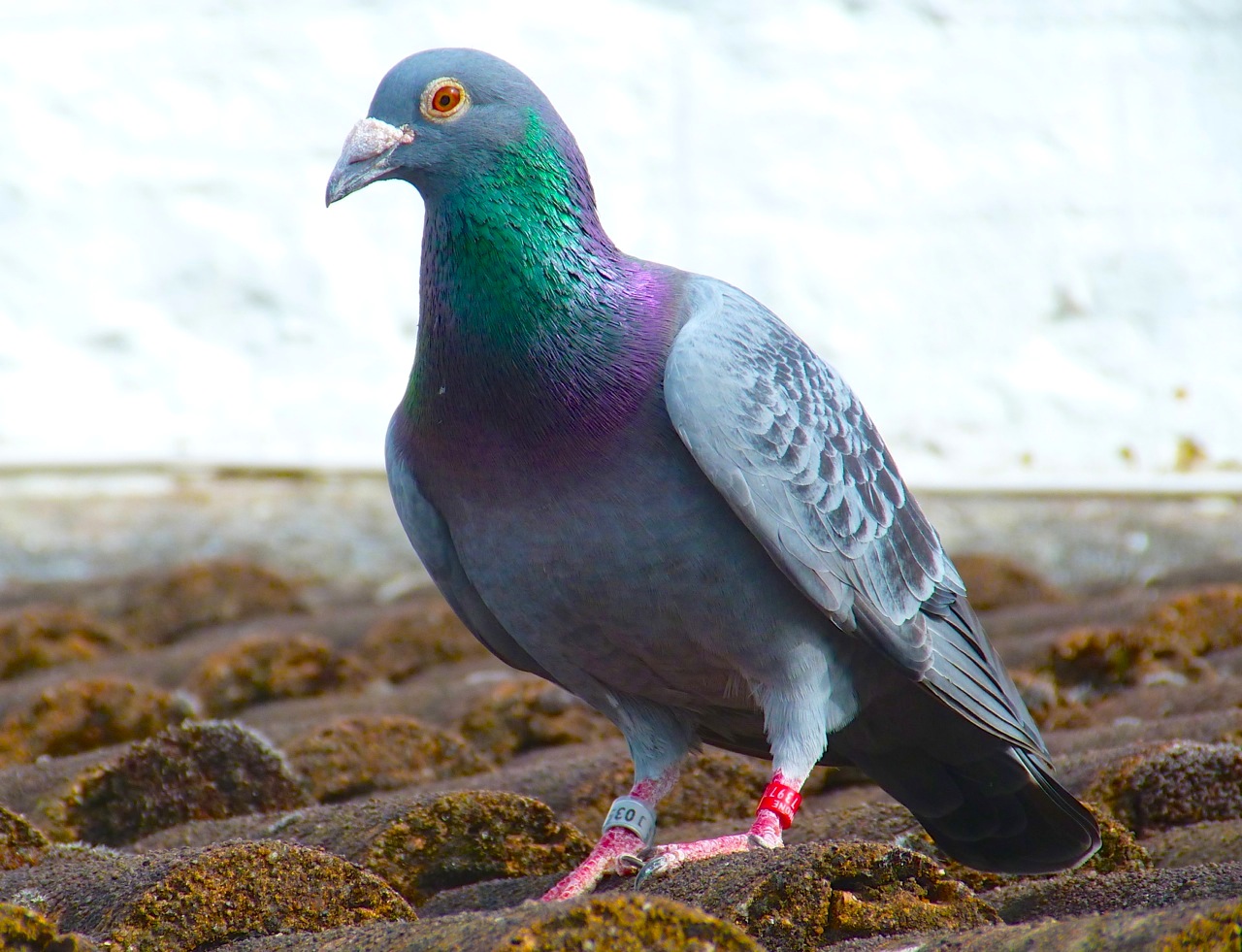
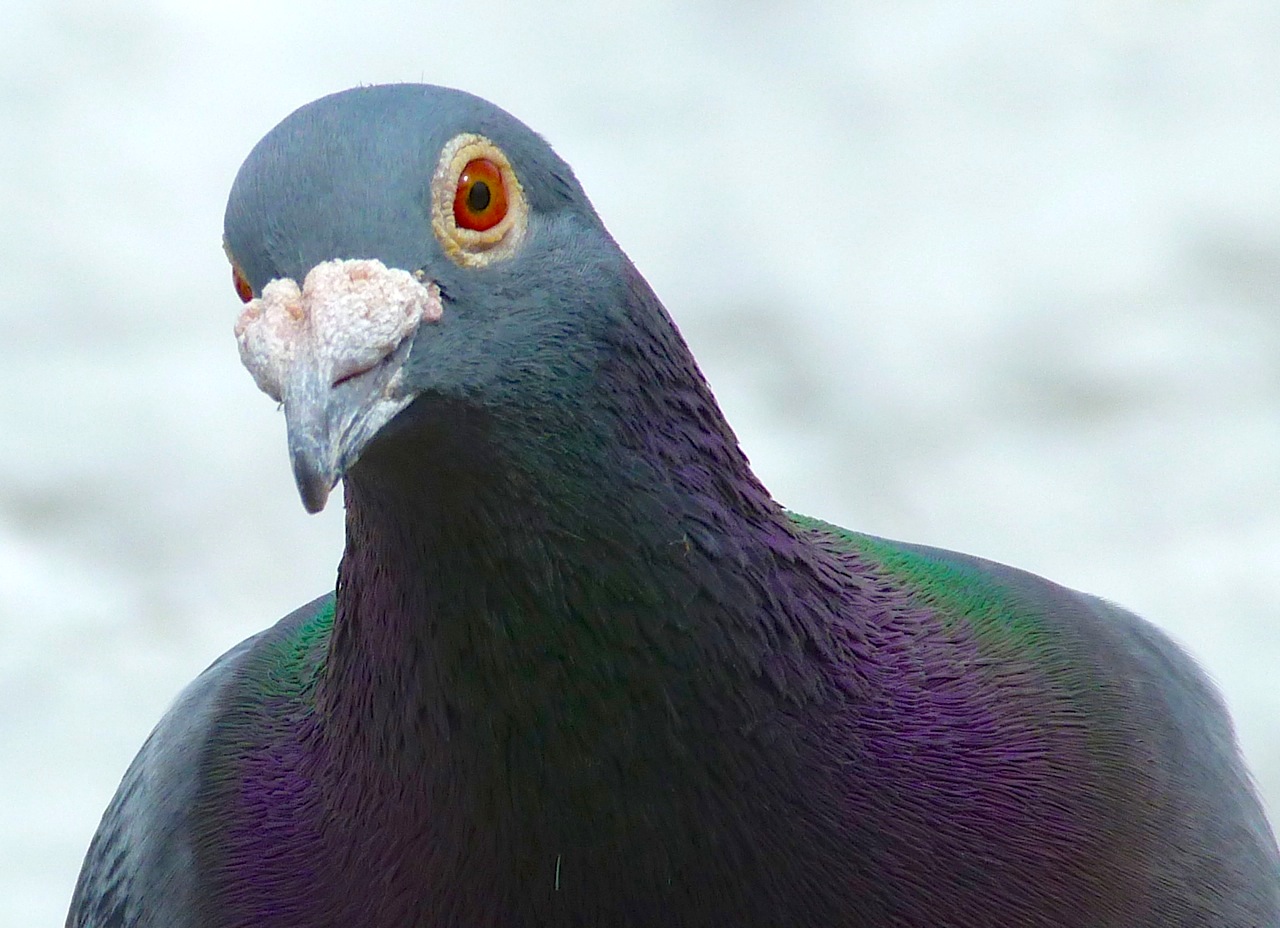
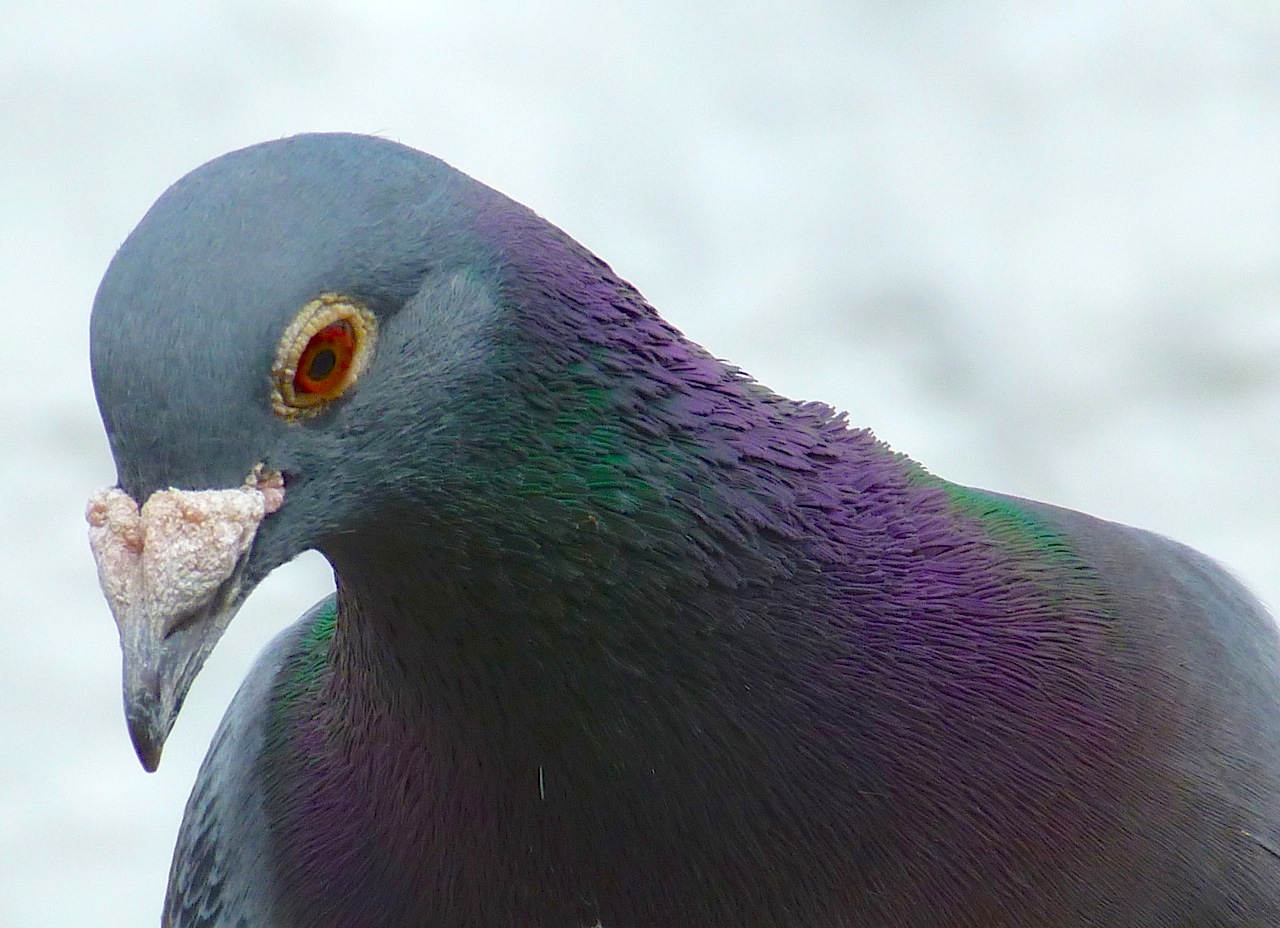
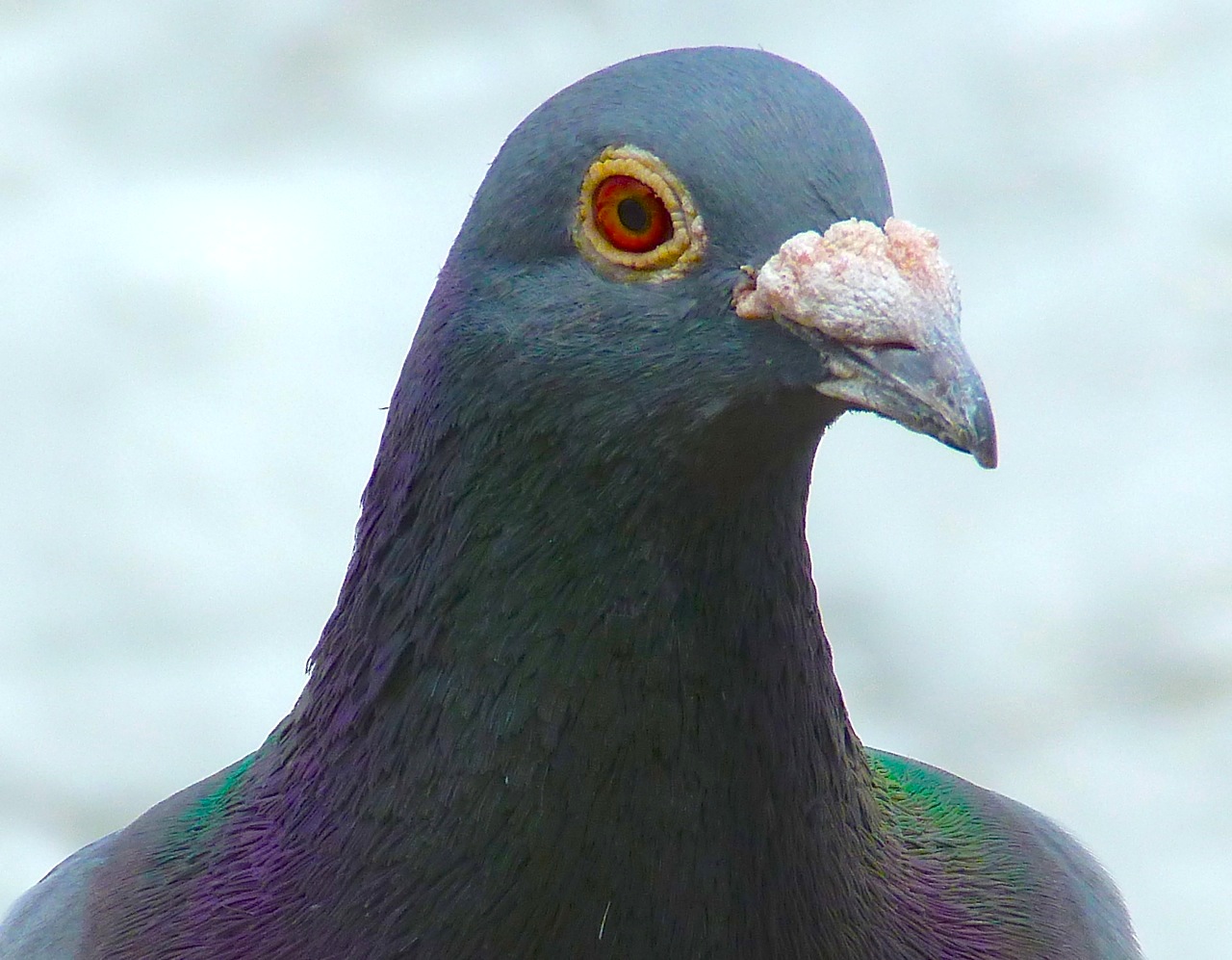
A HOMING PIGEON TAKES A REST IN DORSET
We had a visitor yesterday. He announced his arrival by tramping around on a length of corrugated plastic roofing. I noticed he was ringed, double ringed in fact. So he was clearly an important visitor. I spent ages trying to get the numbers on the 2 rings, especially the ‘inside’ parts. When his legs were visible, he was too far for me to make out the numbers. When he was close (some corn helped), he was too plump for me to get a glimpse of his inside leg. In the end, once he had happily made himself at home and strolled into the house, I lay drown and photographed his undercarriage. Undignified for both of us, but by zooming on-screen I got the full numbers. So if anyone out there owns J03547 (Jersey prefix?) with a phone number 739776, I’ve got your bird…
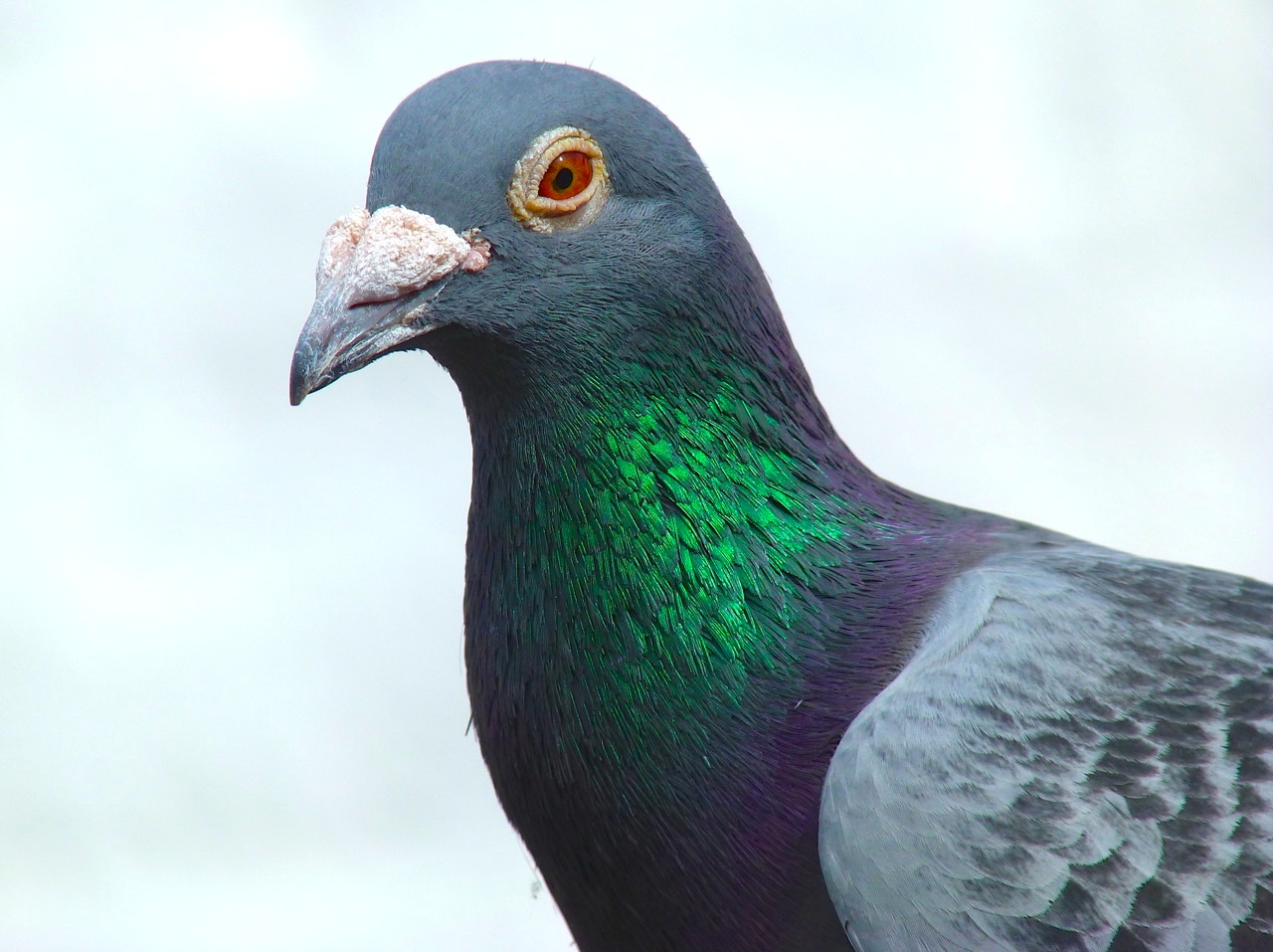
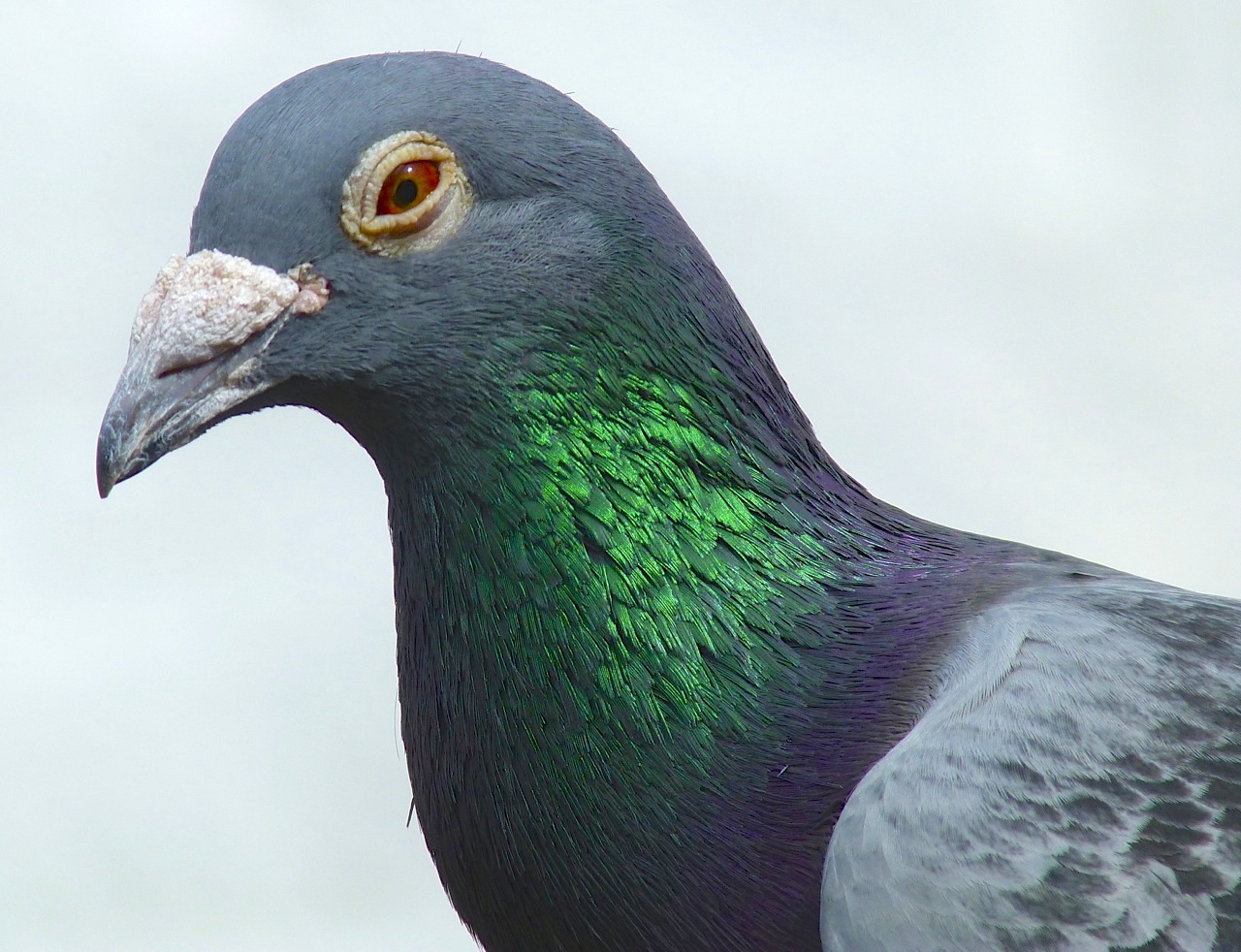
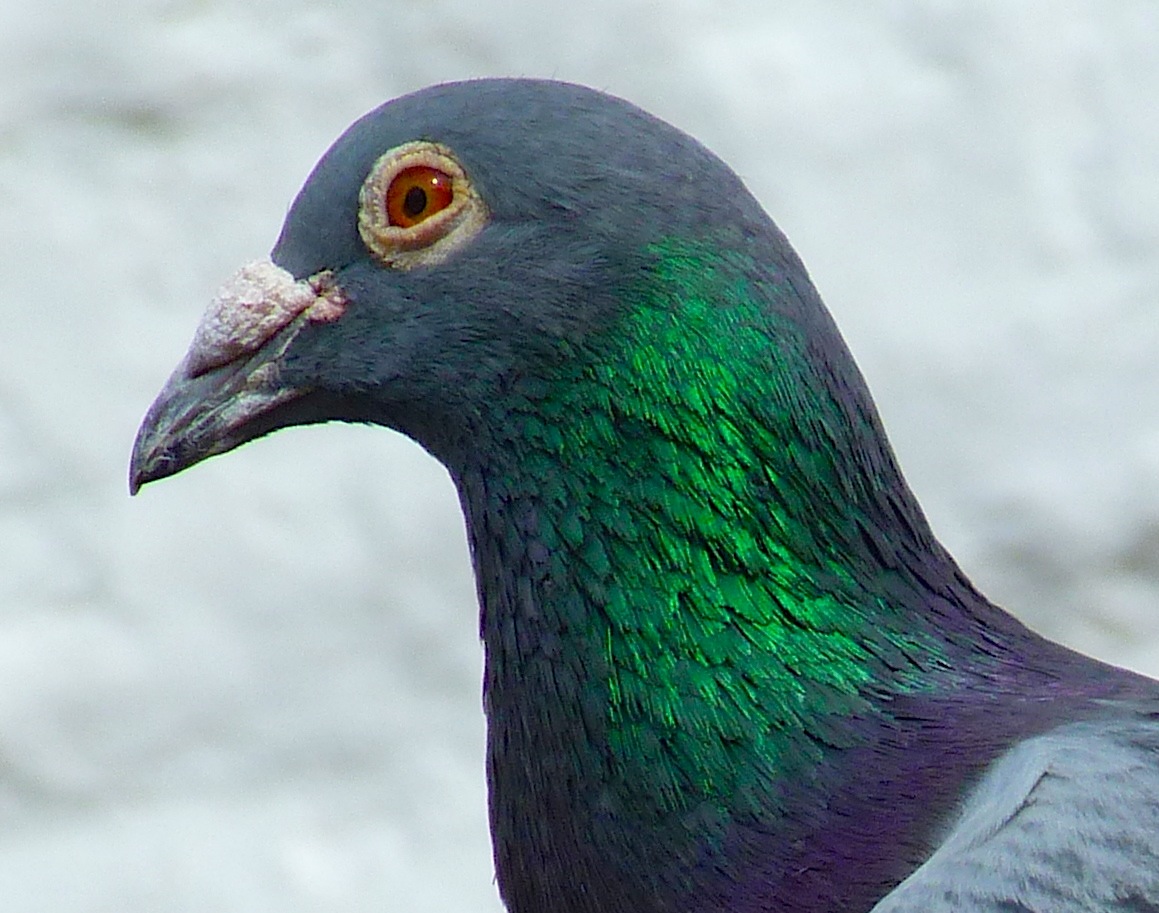
He was very tame, but slightly reluctant to let me touch him. He ate corn from my hand, though, and lapped up some fresh cold water. He seemed in excellent condition. He settled down on a low roof for the night, a very safe roost and I assumed that by this morning he would have continued on his way. Not a bit of it: he’s still here. Maybe I made life too comfortable. I checked online, and apparently in these circumstances it is good to welcome the visitor, feed it (seeds, corn, strictly no bread) and give it water. If it’s still around after 48 hours, withdraw the gratis bed and breakfast arrangement and in due course the message will be got. You hope. Meanwhile, I had the perfect opportunity to take some head shots, having noticed the iridescence of the vivid green and purple colouring in watery evening sunlight. The green in particular was startlingly bright, very like the exotic and glorious sheen on a cuban emerald hummingbird (see http://rollingharbour.com for examples). And this on a ‘mere’ Columba…
HOUSE SPARROW CHICKS IN THE NEST IN A HOUSE…
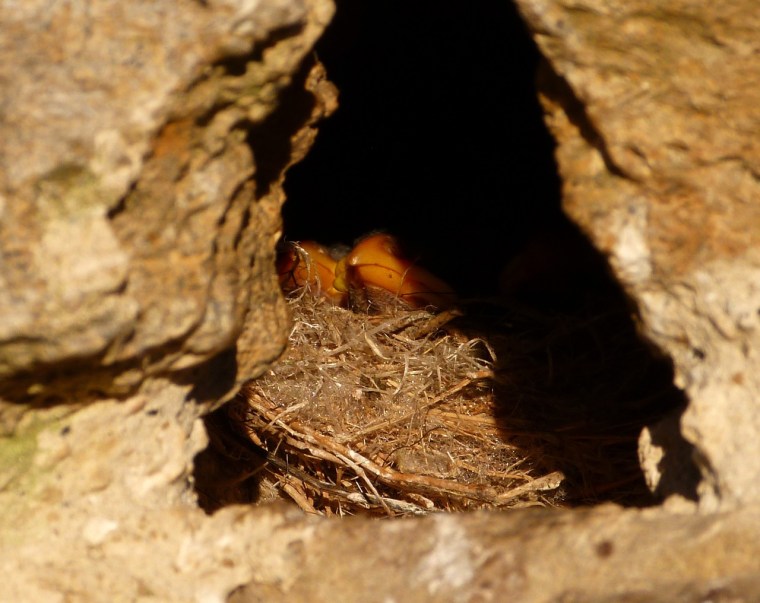
The gable end wall of our house is very old thick stone, and full of holes. Some are deep enough for sparrows to nest in, which they do every year. Mrs RH is quite keen to fill the holes; I enjoy the annual sparrow nesting routines in the holes, and in the gaps under the gable eaves. Last year I recorded the sounds emerging from the largest hole as the chicks grew. This year, I tried photography. The problems, without special equipment, were lighting and focus. I wasted a vast number of shots on useless photos before realising that I only had to wait until the evening sun was full on the wall. Here are some resulting photos. A few days later, they had flown!
Apart from the noise of the chicks awaiting food, nothing much to see here…
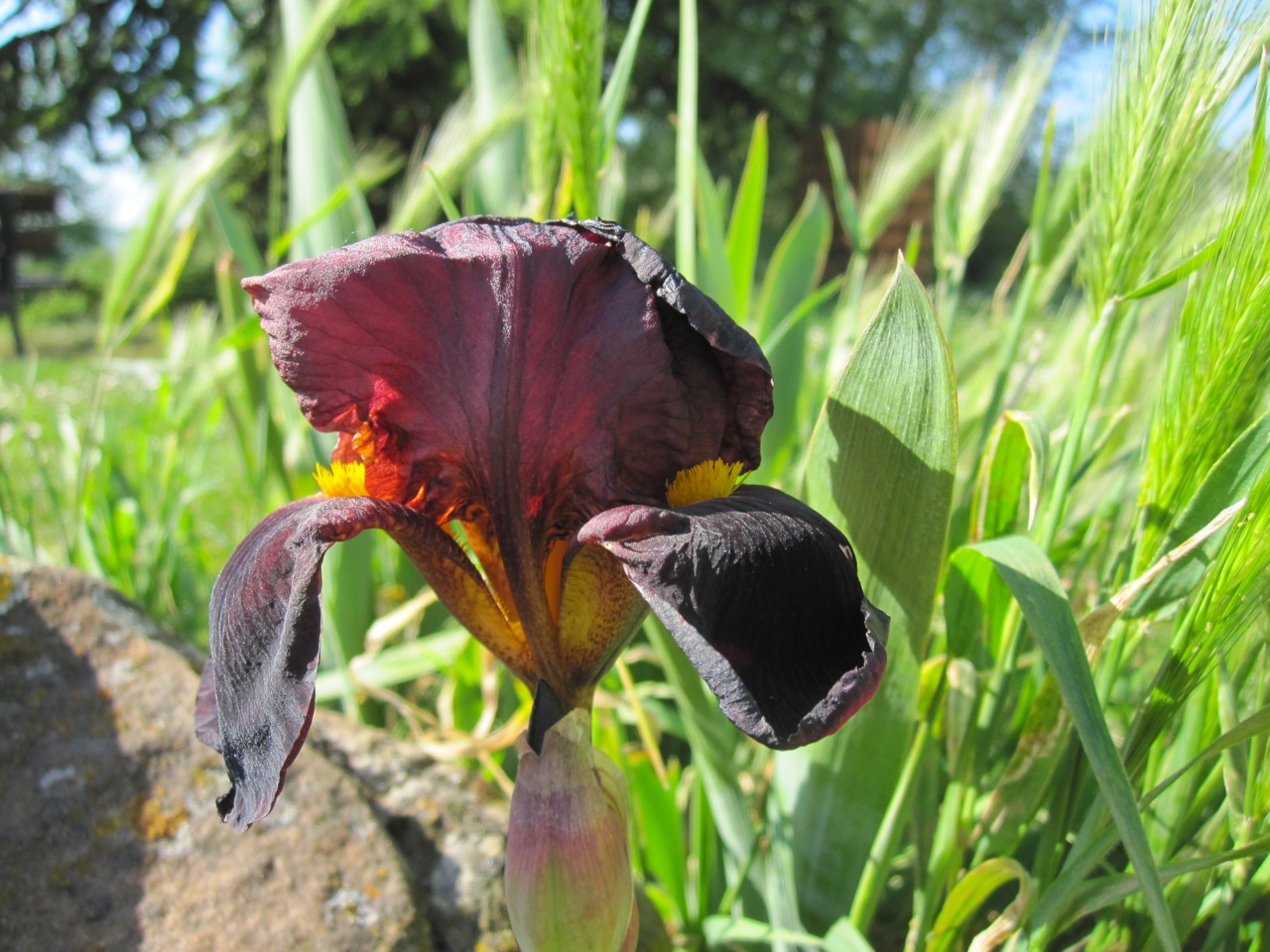
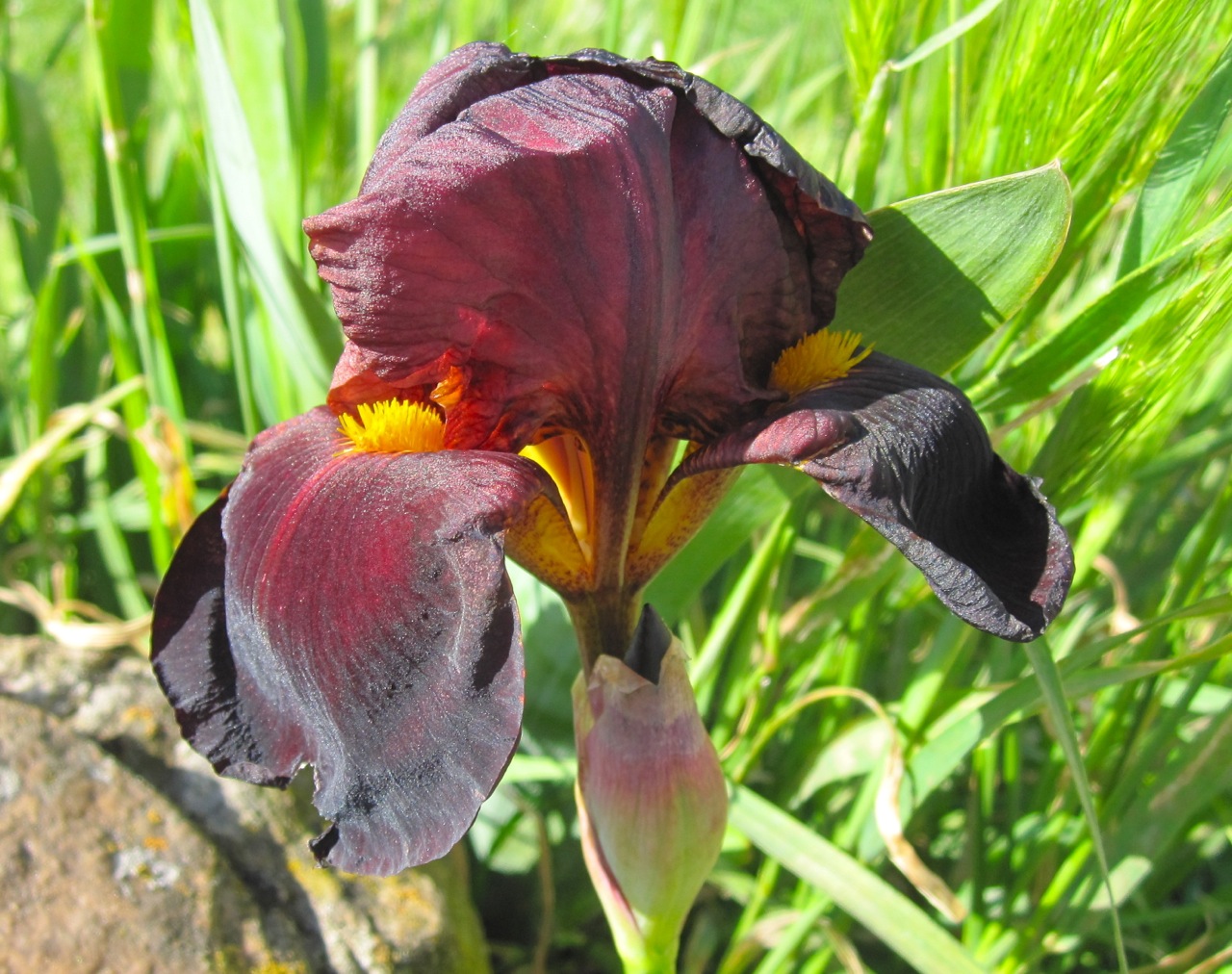
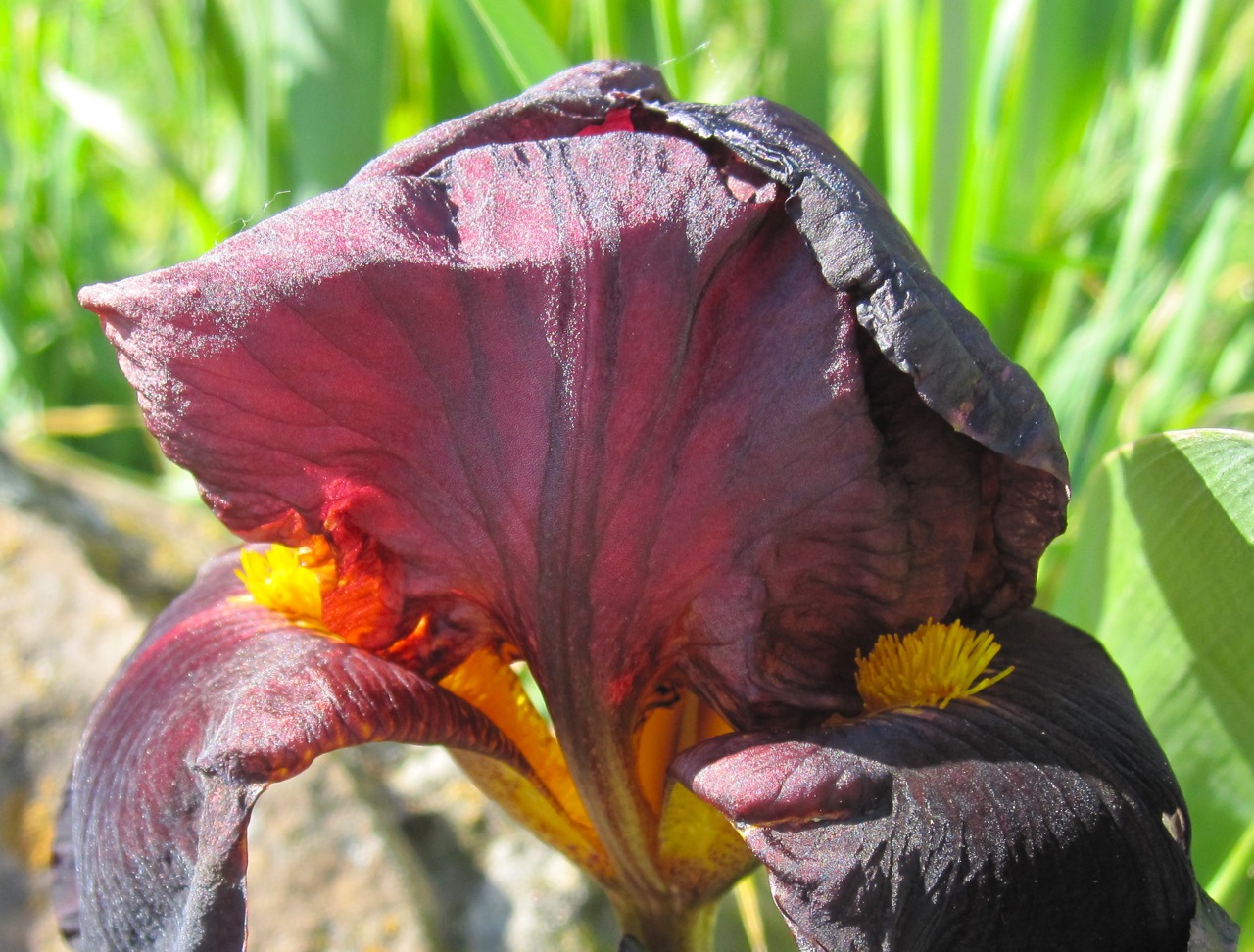
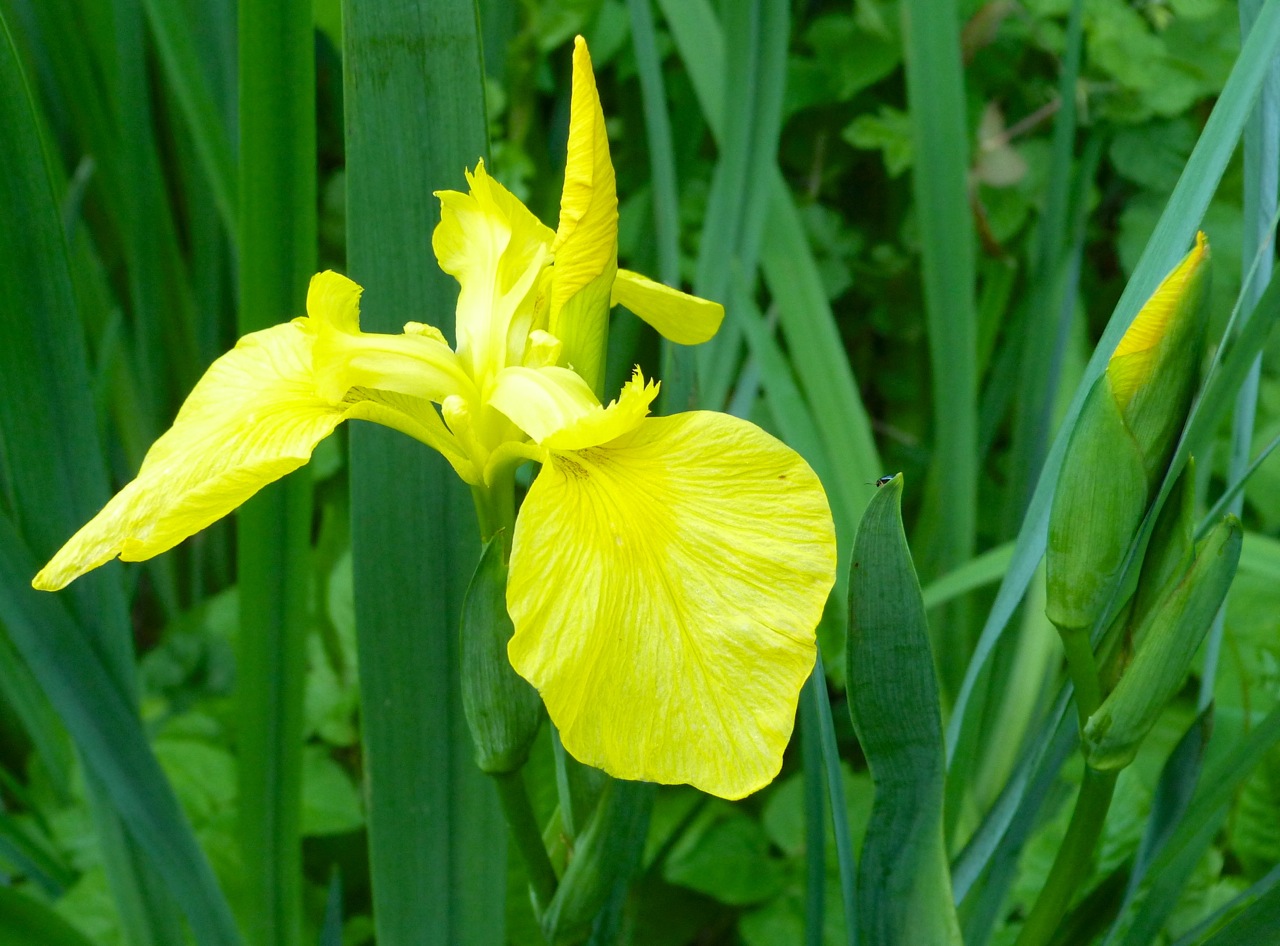
‘WAVING FLAGS’: MAY IRISES IN FULL BLOOM
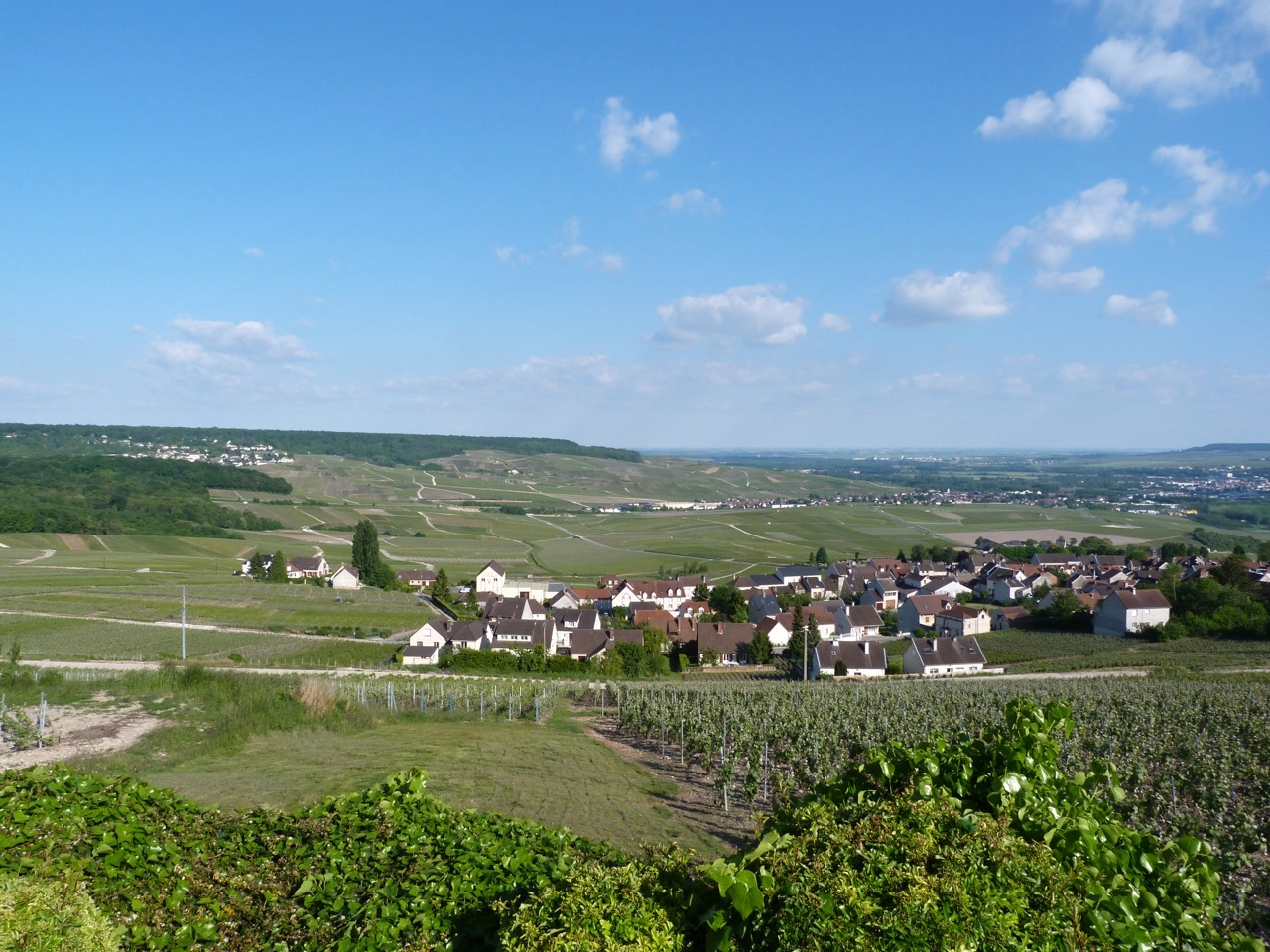
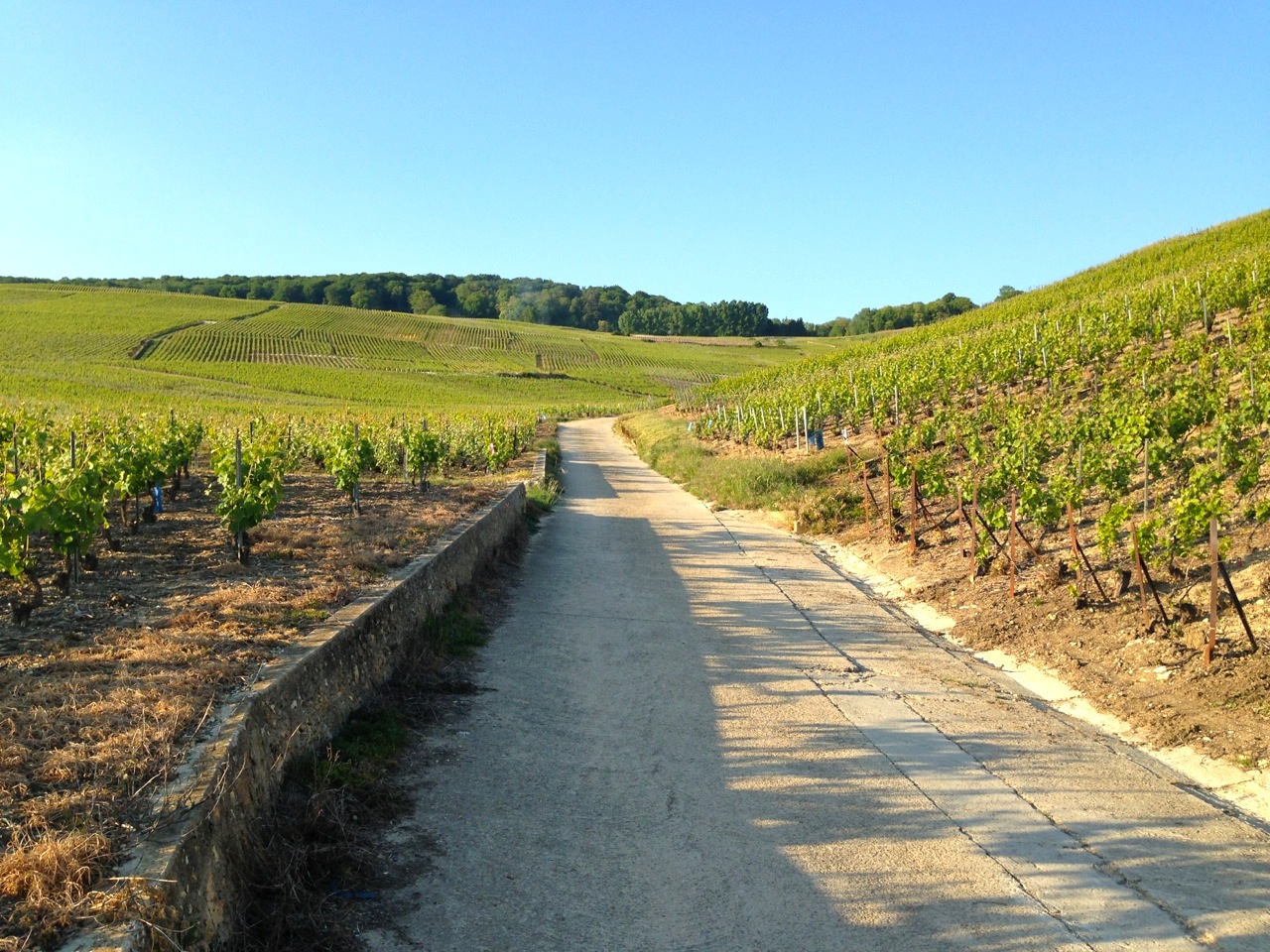
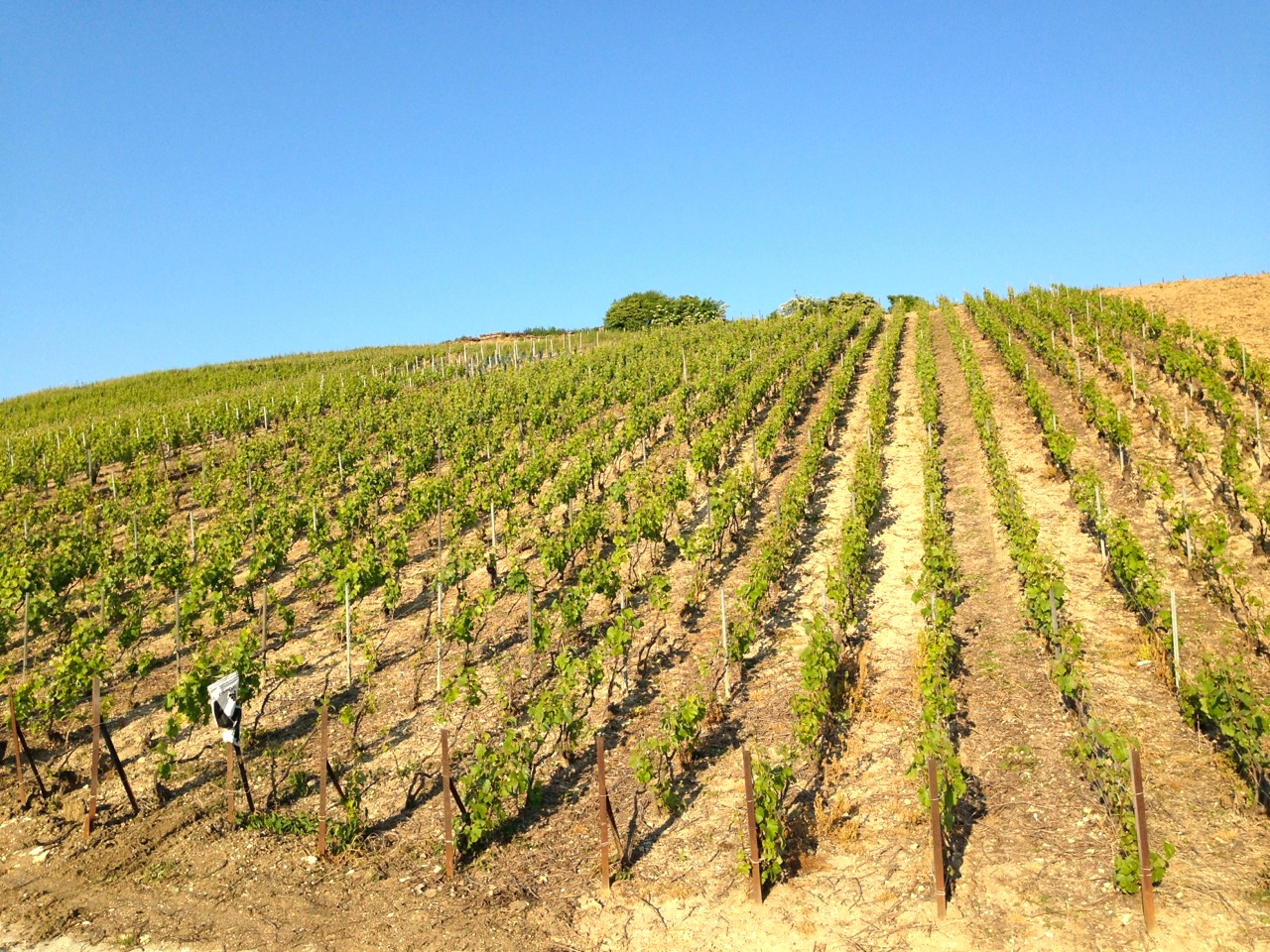
VINEYARDS IN CHAMPAGNE
The hillsides of the fertile valley of the Marne west of Epernay are almost entirely dedicated to the vine and its various products – not just champagne and wine, but also ratafia (like sherry only far nicer) and marc. There are major producers here, such as Moët et Chandon and Lanson. However every village – for example Damery and Cumières – has many independent producers or Récoltant manipulates (RM) who produce wine from their own grapes in small quantities. These operations are often found in unassuming and apparently small village houses, with the equipment for wine production housed in the basement. None of this champagne is exported but it is often of outstanding quality, outdoing many or most mainstream non-vintage champagnes at a fraction of the price. The only problem is, one has to go and get it; and a special occasion is the only way to justify the expedition… Here are some spring vineyards above Cumières.
The poppies are starting to flower, a reminder of grimmer times in this area
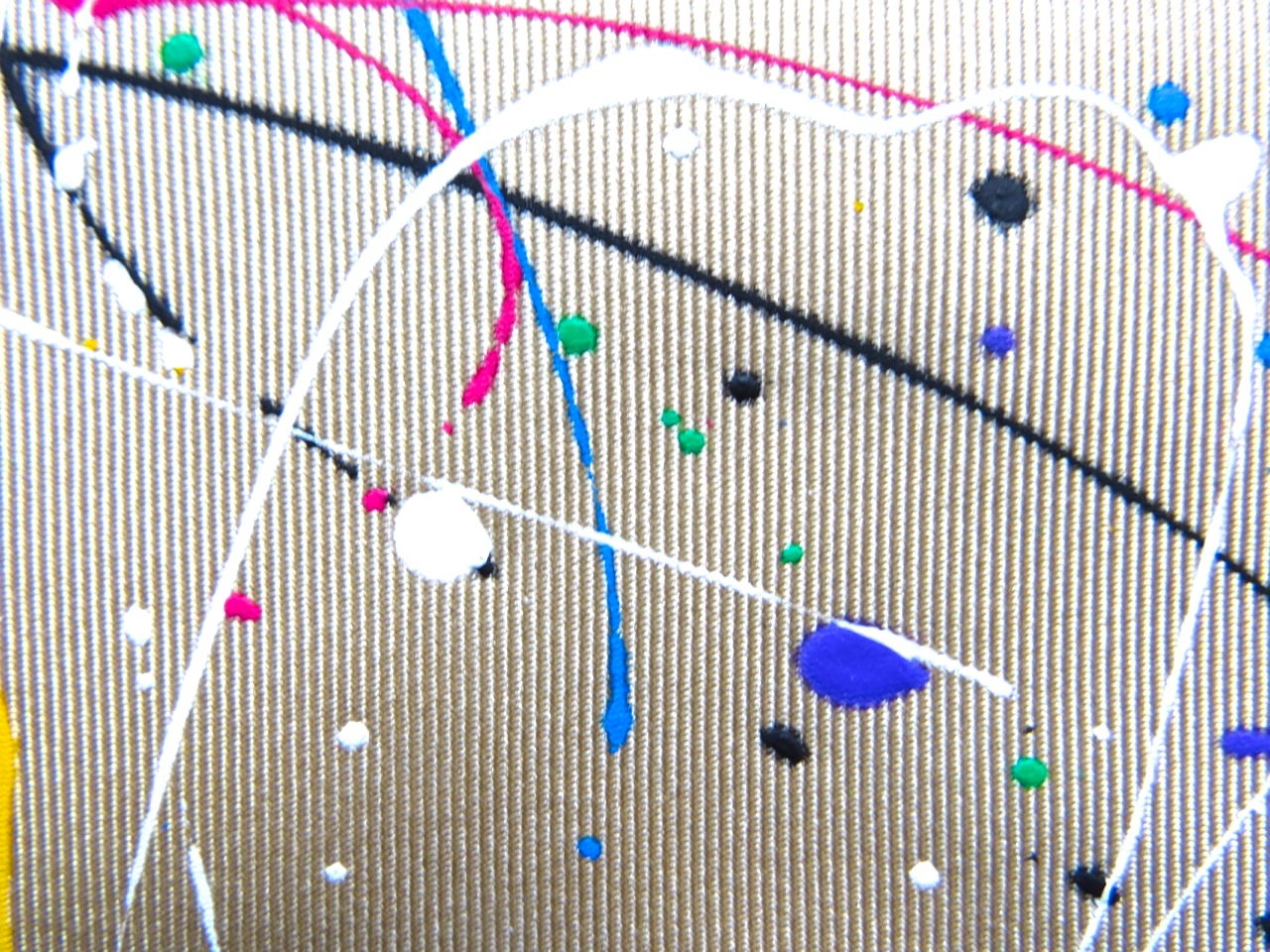
TALKING ‘JACKSON POLLOCKS’: PAINTING ON SILK
This sequence of paintings on textured silk is an anomaly for this blog, concerning neither wildlife, countryside, buildings or any of the other random subjects usually featured. I just liked them. I wonder what you will make of them…
If you like the ‘pictures’ in these photos, then you may enjoy the tie I will be wearing for our son’s wedding next month – a unique creation hand painted onto silk, despite which it cost an astonishingly small amount. And if you hate it, I’m still going to wear it anyway because although it’s not a tie I’d ever have imagined wearing (and I wear them only very rarely these days) I love it!
‘ALL THE VIEWS, NONE OF THE CLIMB’
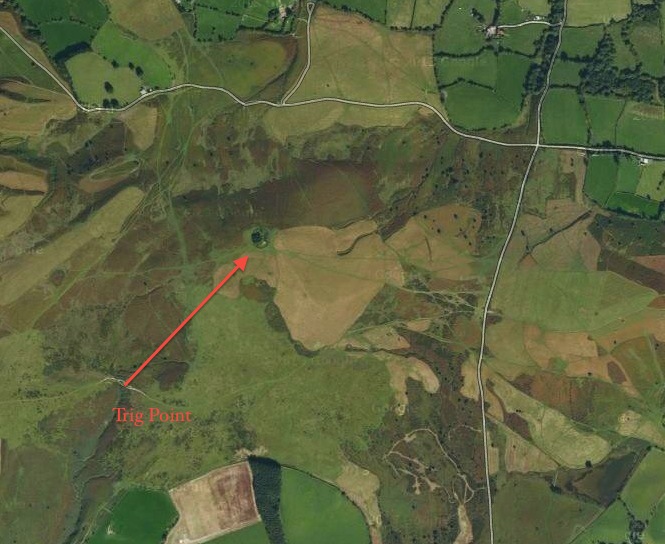
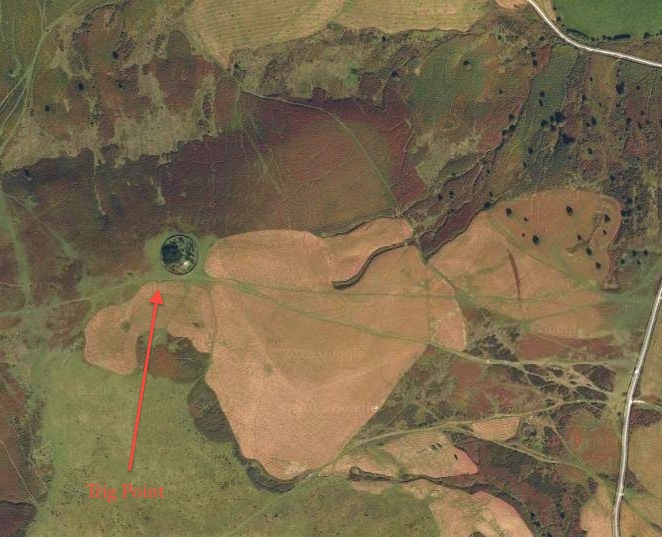
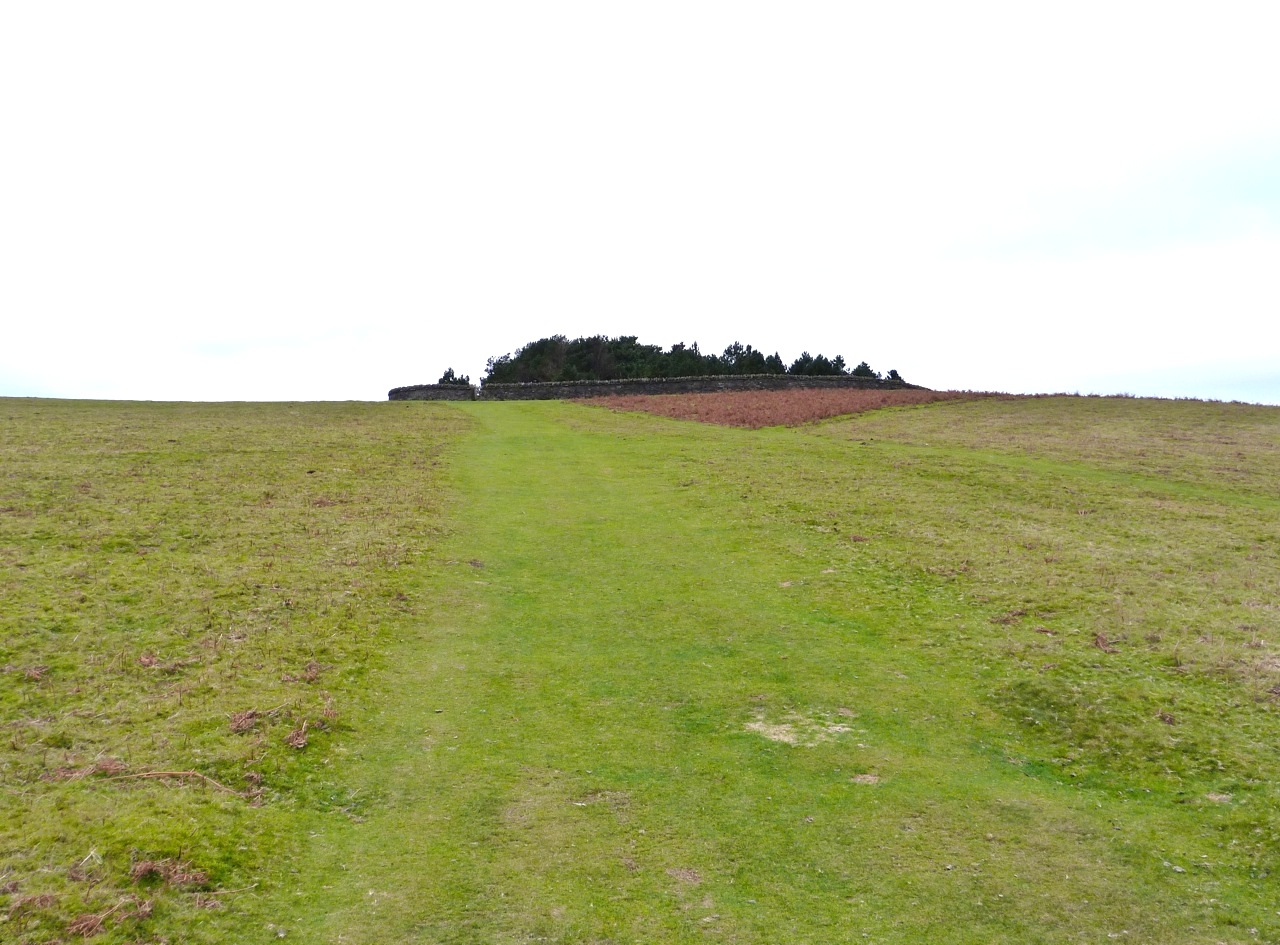
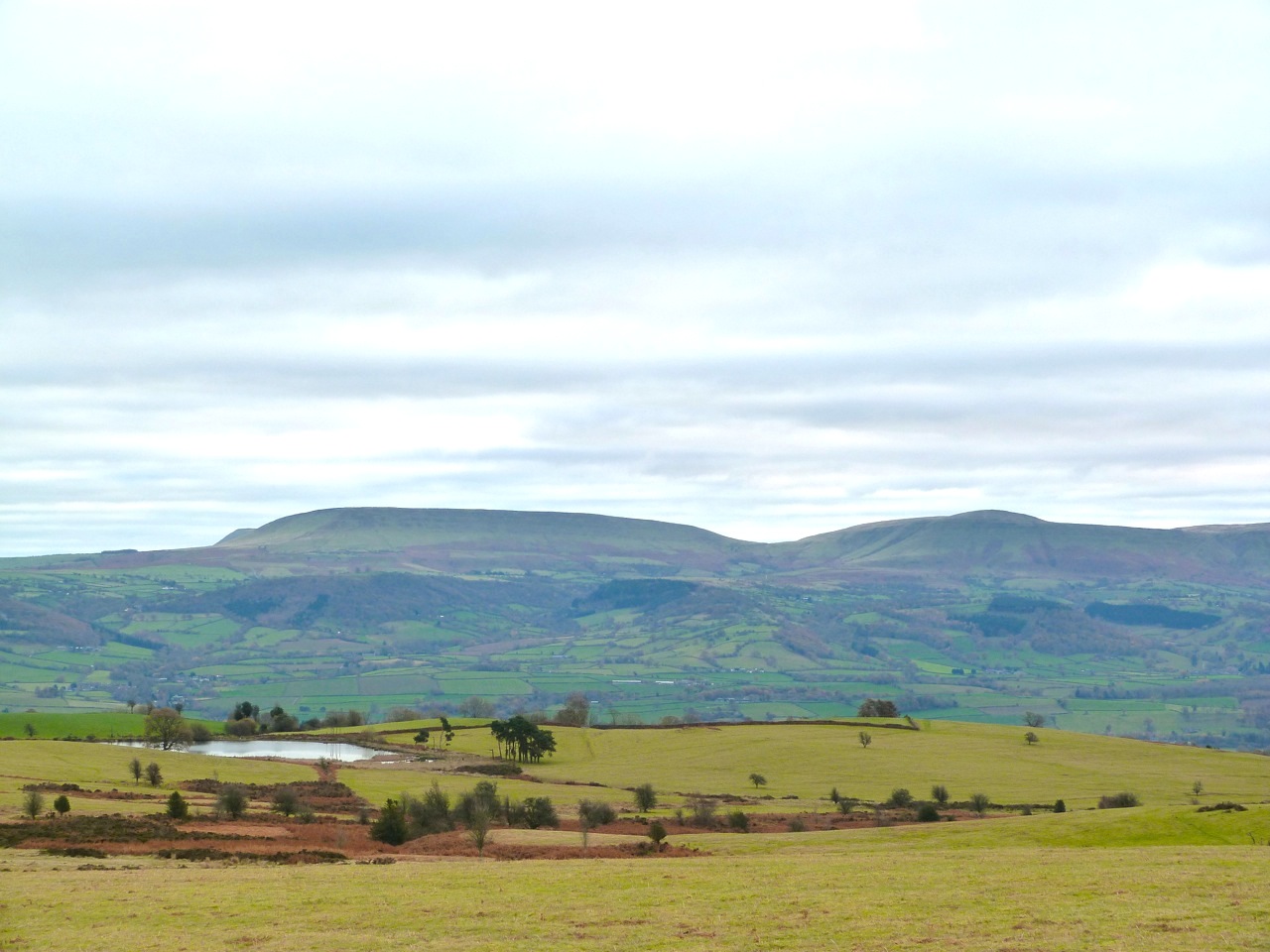
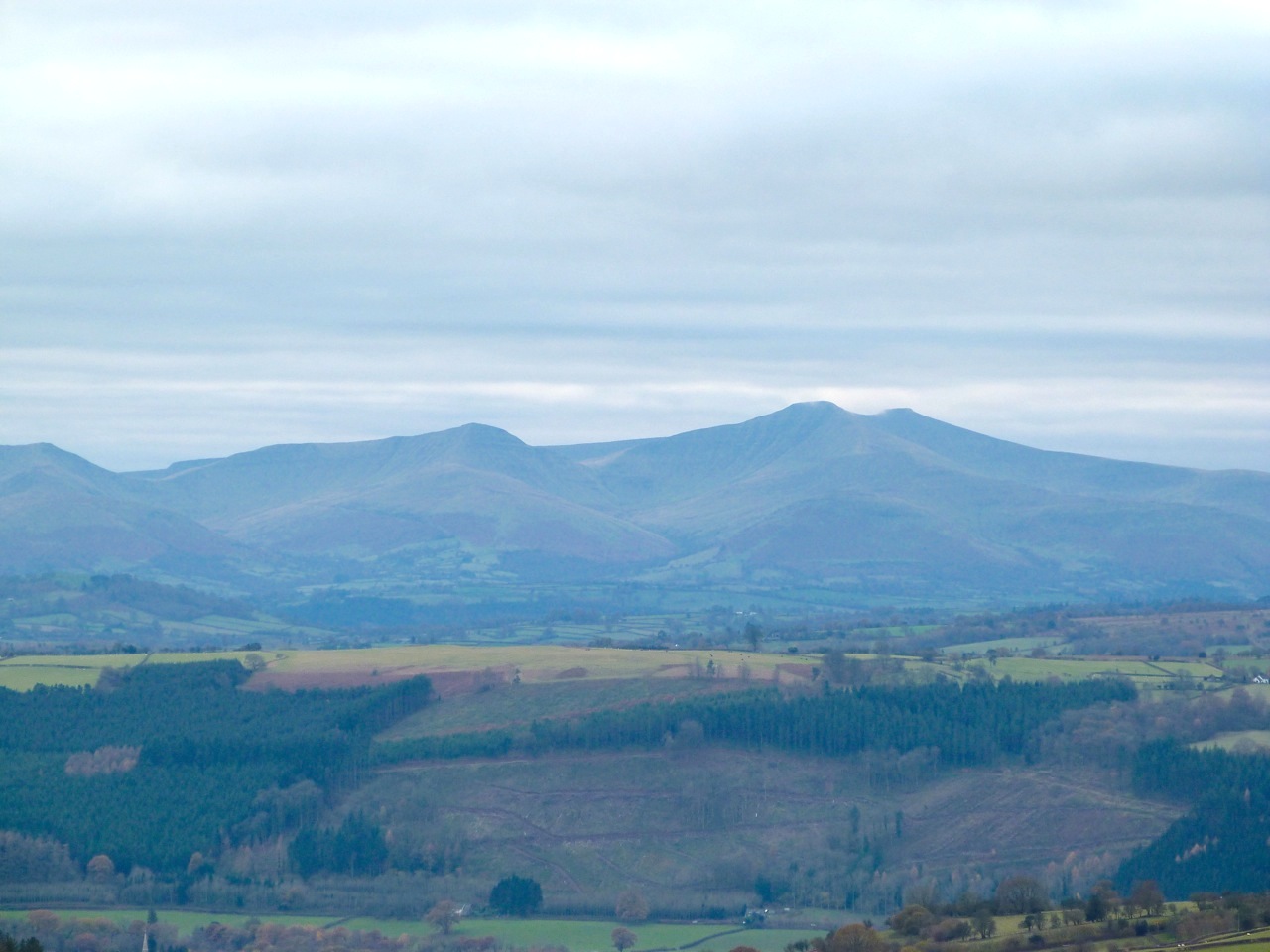
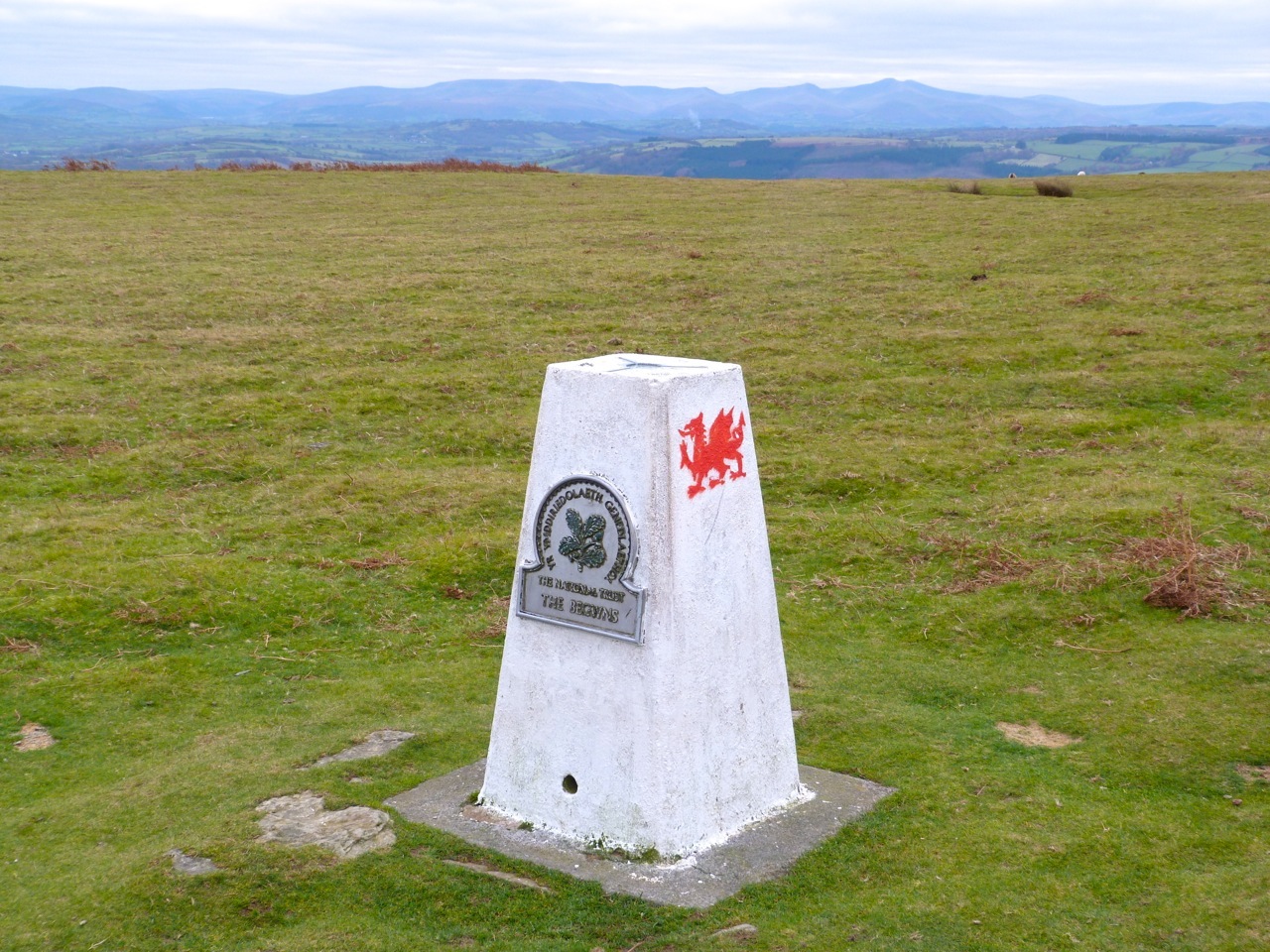
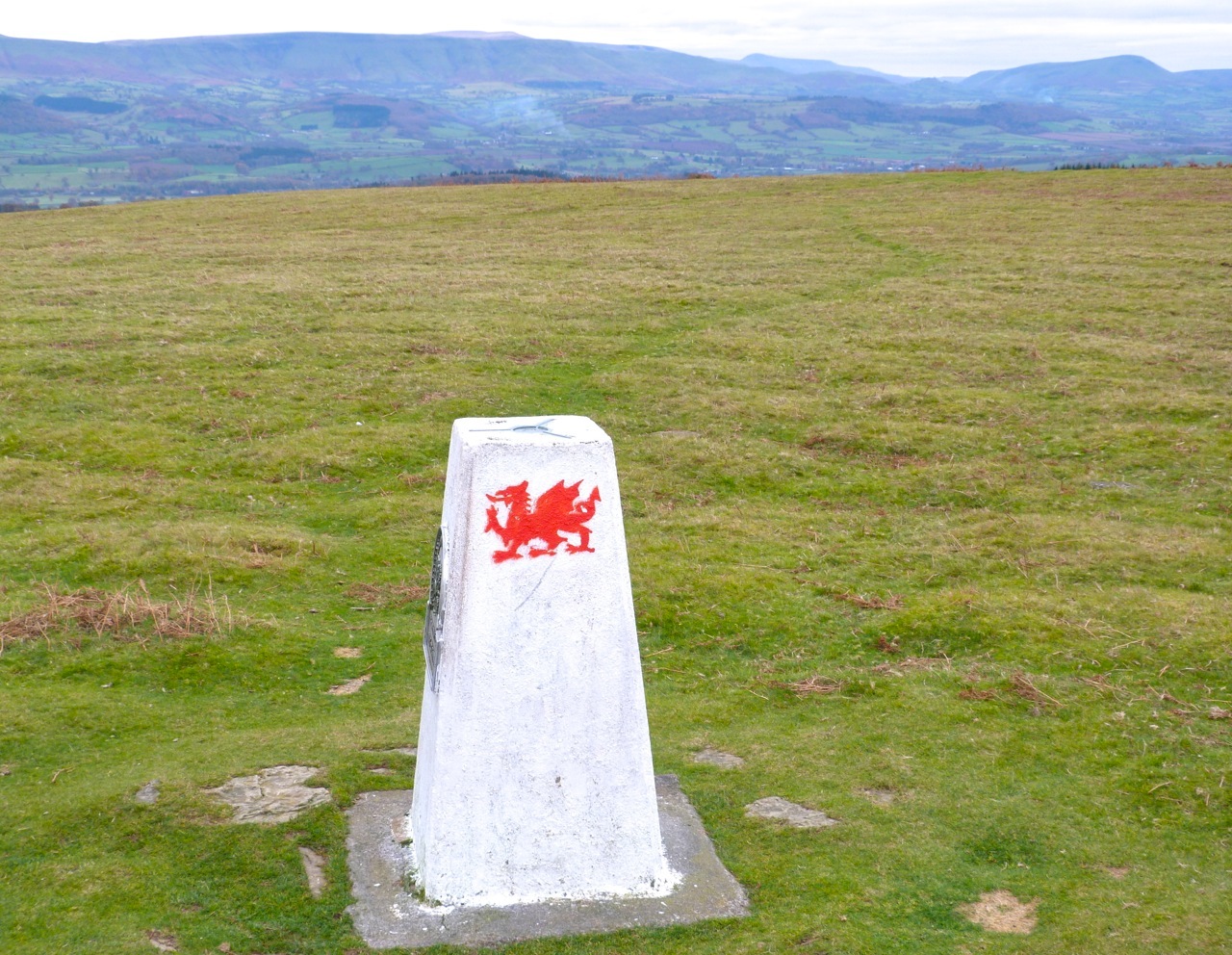
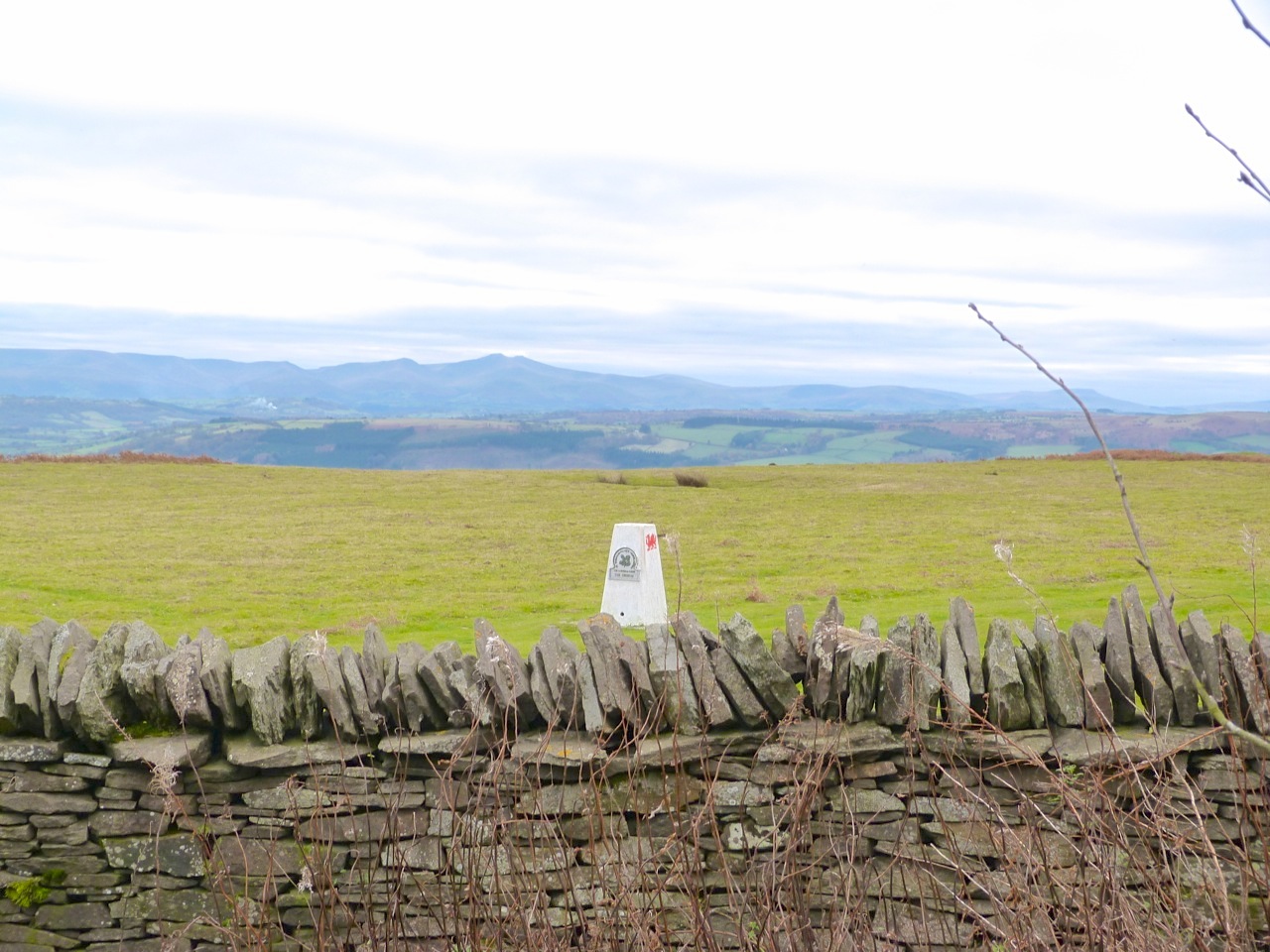
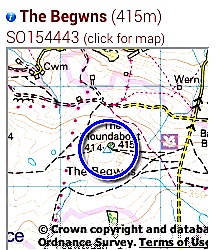
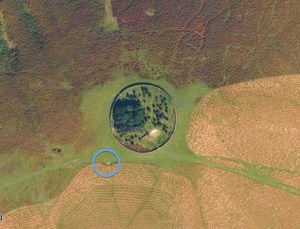
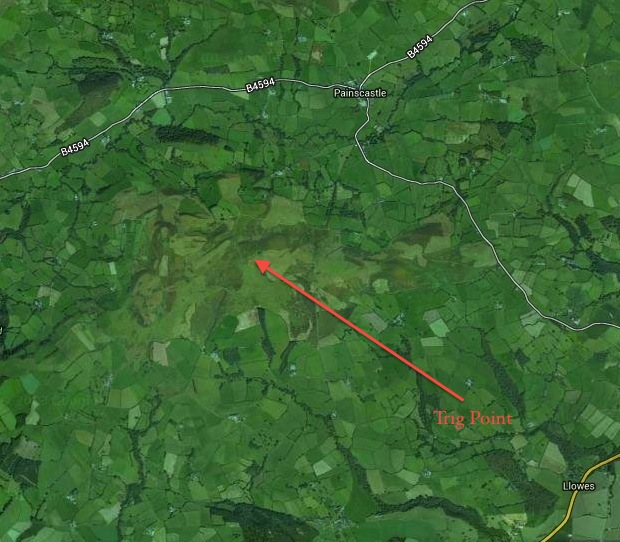
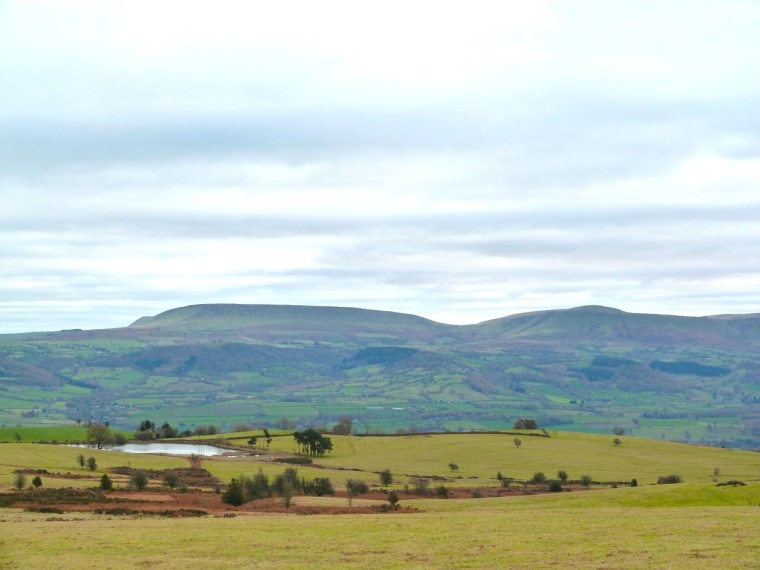
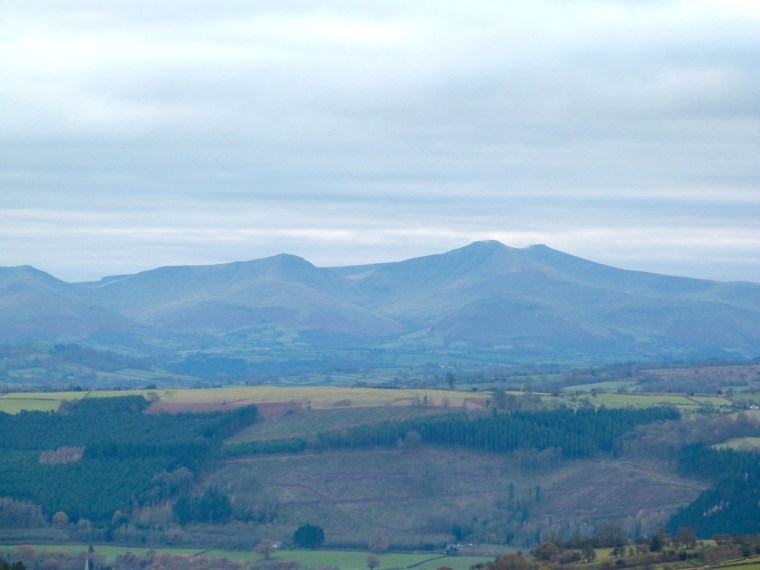
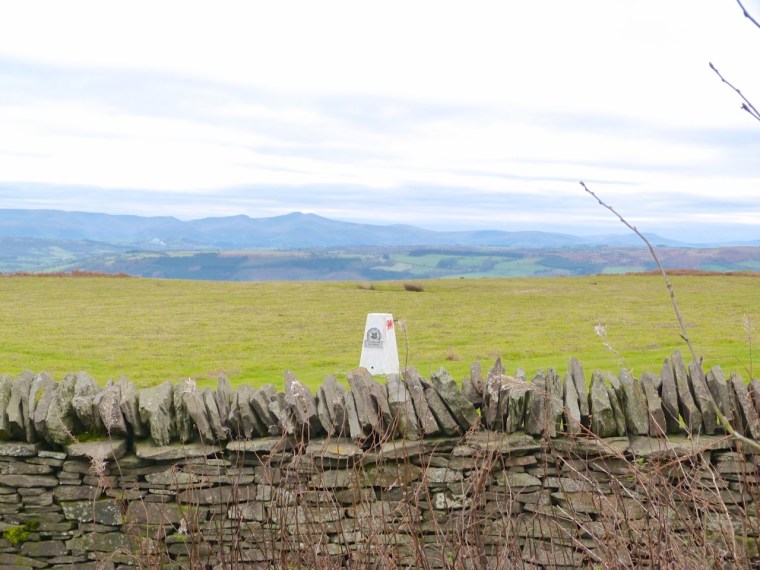
In Welsh border country not far north of Hay-on-Wye are the Begwyns, modest hills in unspoilt surroundings with far views to the Black Mountains to the east and the Brecon Beacons to the south. This is National Trust land: you can see their Begwyns page HERE with a useful circular walk map. A gentle uphill stroll takes you to a feature called The Roundabout, built for the Millennium. There is a trig point nearby with magnificent views through 270º. It must be wonderful on a sunny day; ours was not, yet we could see for miles. The photos are quite poor, however…
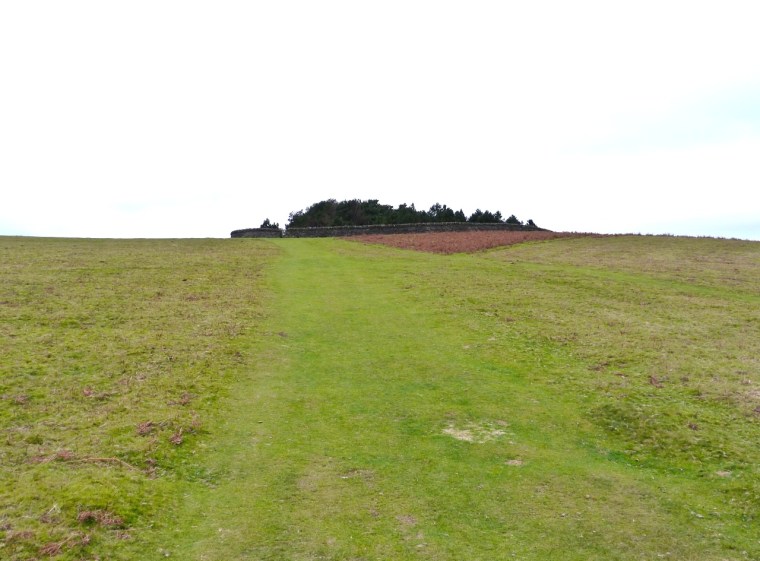
It’s an easy ramble up from the road to The Roundabout
To the east is the northern end of the Back Mountains – Hay Bluff and Twmpa
To the south are the Brecon Beacons, with the summit of Pen-y-Fan in the clouds![]()
To the west are distant views towards Carmarthenshire
The Trig Pillar stands at 414m ASL. The first 2 views looks south to the Brecon Beacons

This view looks south east to the southern end of the Black Mountains above Crickhowell
The Trig Pillar and stone-built The Roundabout 
The Trig Pillar taken from inside the Roundabout
Within The Roundabout is a stone circle with seats round it, like a medieval meeting place
Sadly there’s no view from inside The Roundabout. Here’s the inscribed Millennium Stone
ST GEORGE, PORTLAND, DORSET: UNUSED BUT NOT UNLOVED
St George, Portland stands high up on Portland, Dorset. Built from the famed local Portland stone in an unusual mish-mash of styles, it is now in the care of the Churches Conservation Trust, which will at least ensure its survival even if services are no longer regularly held there. Pevsner calls it “the most impressive c17 church in Dorset”.
The church and churchyard contain plenty of reminders of Portland’s past both as a significant stone quarrying area, and as a place of major nautical importance. There can’t be many churches with a memorial for those killed by a press gang.

The churchyard is rather wild in places and contains some large commemorative statues. We were intrigued by one quite tidy grave (below) and were left wondering about the design – the little roofed gateway, the raised apart in the top right corner. What does that indicate?

The thick grey walls of St George are typical of the local stone.

The unkempt churchyard is a good place for wildlife, with plenty of hunting perches for kestrels
WHAT TO DO IF YOU FIND A BABY SONGBIRD OUT OF ITS NEST…
There’s plenty of advice on this fraught topic to be found on the internet and elsewhere, much of it common sense. I haven’t seen it set out as simply as in this graphic from the US, leavened with a good dose of humour too. Well, it made me laugh, anyway. I normally put my own stuff on this blog, but occasionally it’s worth making an exception. I have to say that if the answer to the first question is ‘Yes’ and the injury is serious, there may in fact be a need to take more swift and drastic action for the bird’s own sake. That’s another topic, however…
SPRING IN THE AIR IN DORSET THIS WEEK
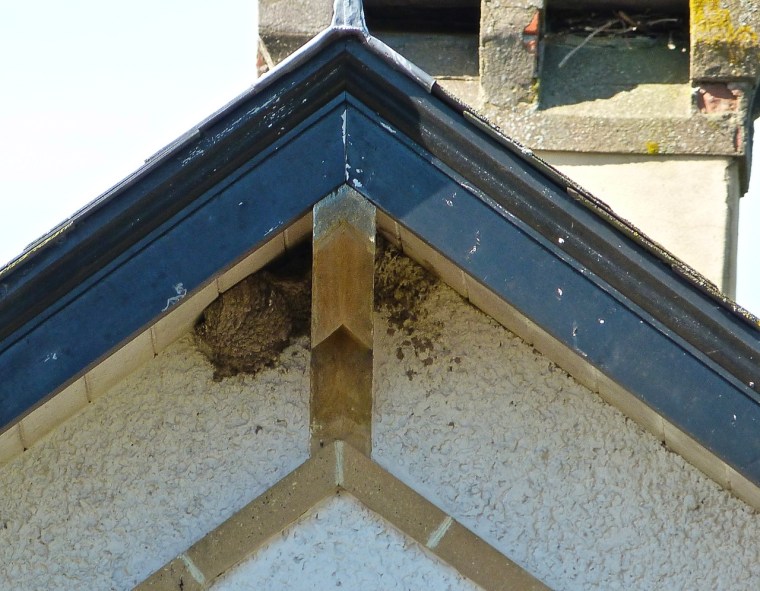
The sun is shining, the birds are twitterpating (©Disney), the trout season has opened. Also, the first swallows arrived on Tuesday, followed by the martins on Wednesday. These birds are already checking out the mud nests under the eaves that remain from last year.
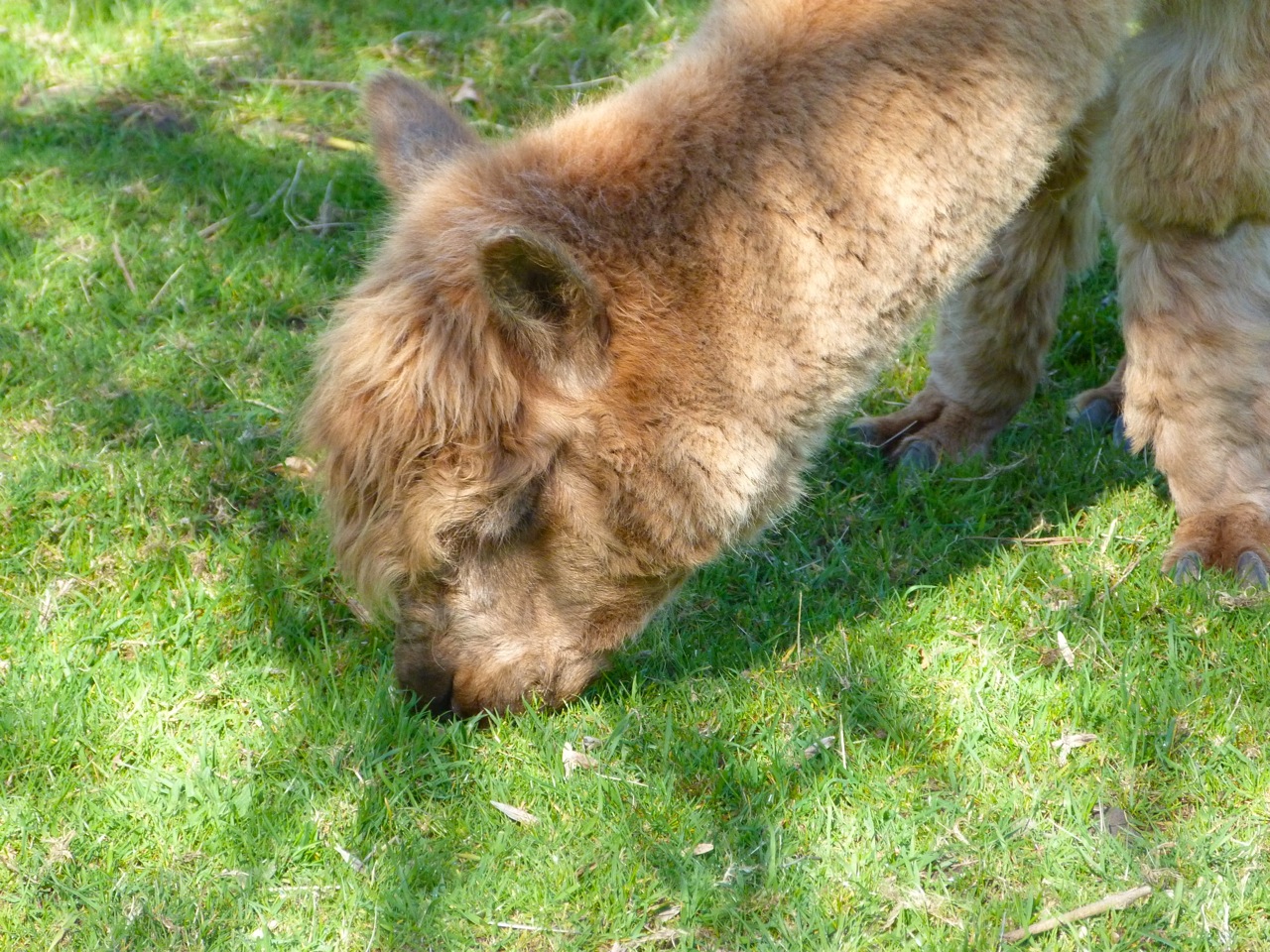
The hedges are suddenly greening up and the grass is beginning to grow fast. The Alpacas, formerly the official lawnmowers for the paddock, have been banished to another field to give the ground a rest. That means resorting to the mechanical method for the first cut of the year.

Some creatures appear to have got Spring fever. The rabbits for a start, who are clearly ‘going at it’ for all they are worth. And the sheep over the road surprised me one evening when I opened the kitchen door (the notice on the gate is good for their self-esteem). 
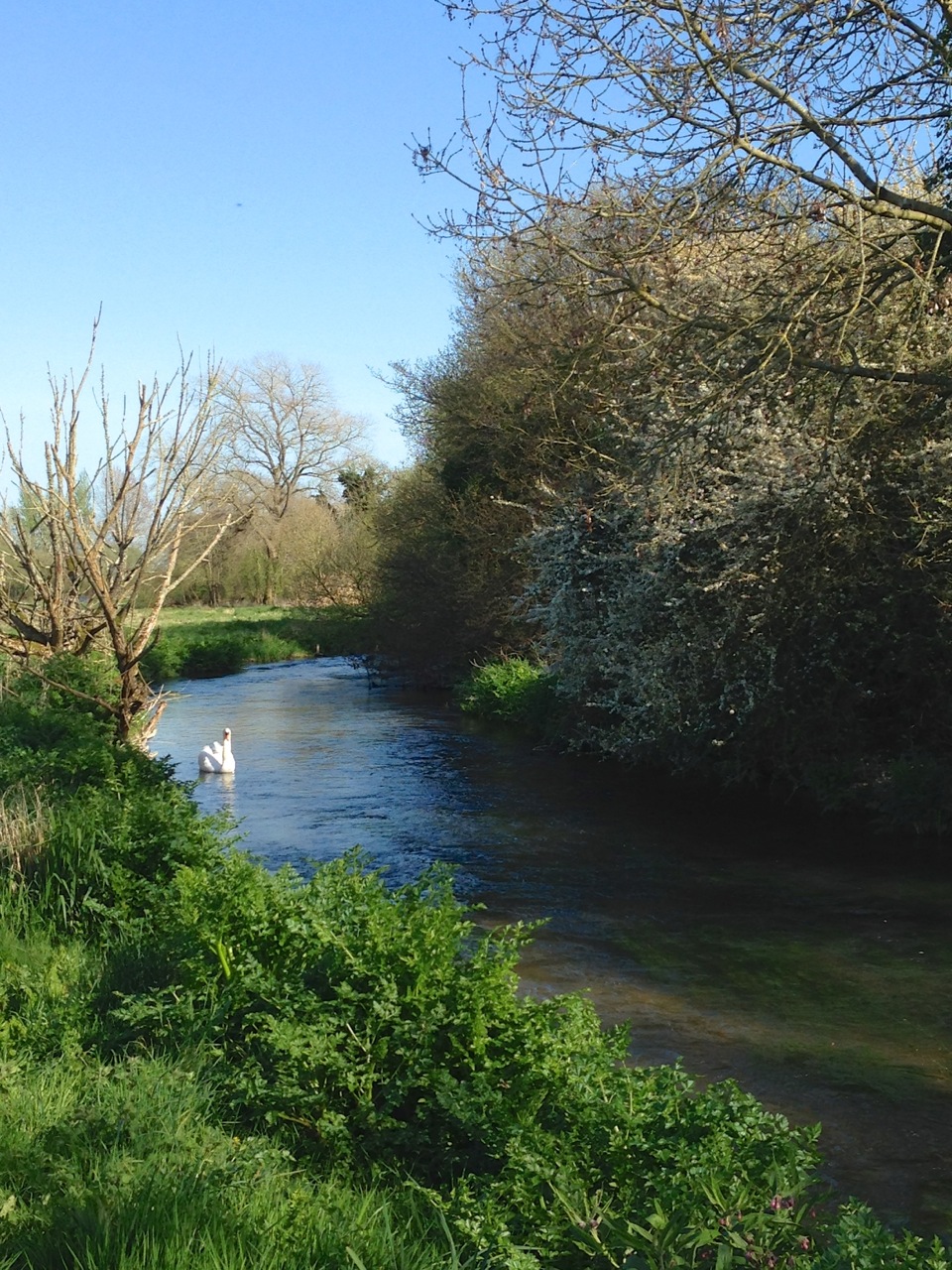
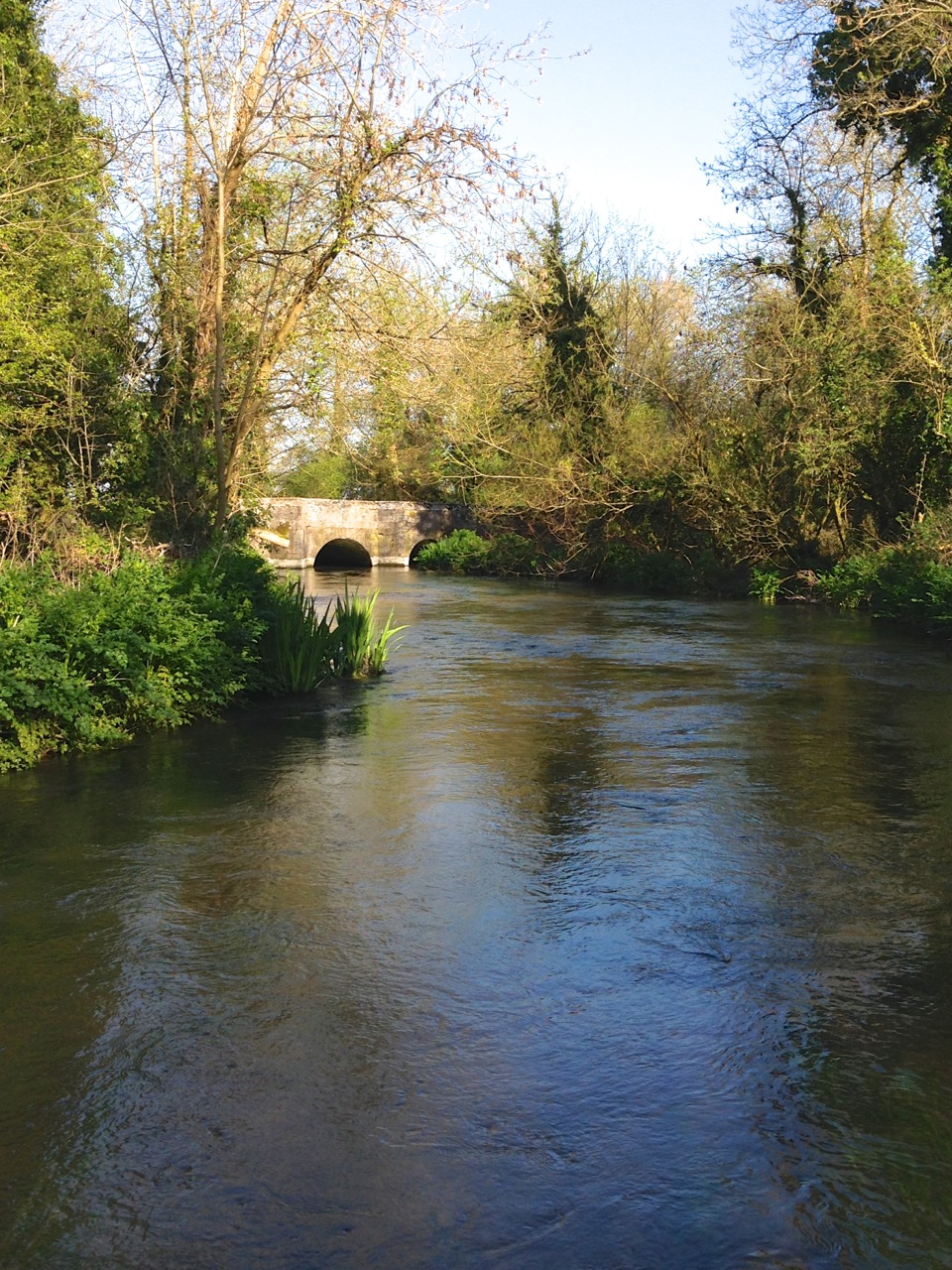
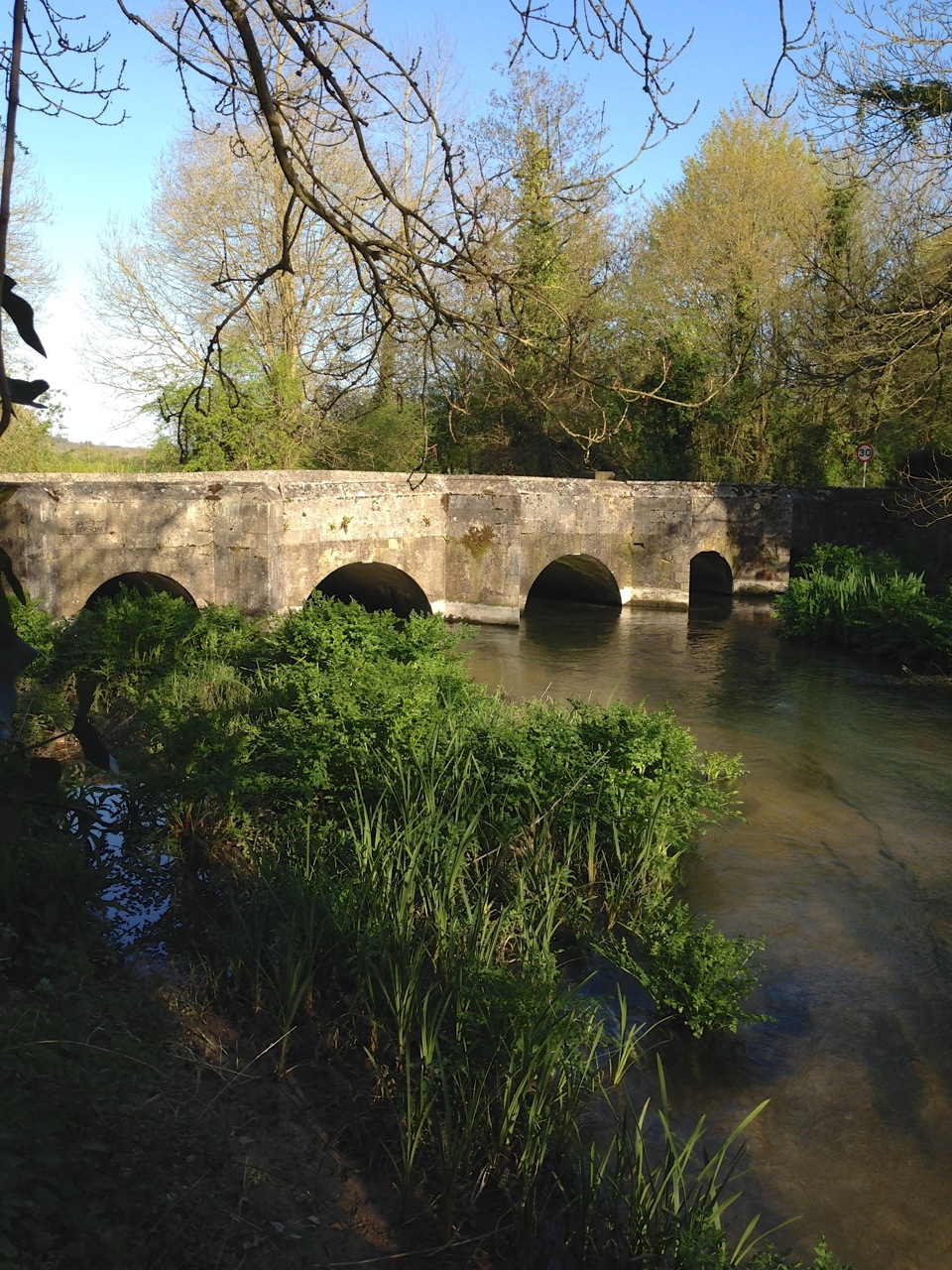
My first fishing of the season yesterday, on the River Piddle (as in Tolpuddle) – very pretty, pretty unproductive… Today on the River Frome, the swallows were skimming insects off the surface of the water. There were heron and egrets, and a pair of common sandpipers clearly looking for a suitable nesting site. It’s been a great Spring week.

The moon and stars have been wonderful all week. There have been plenty of moon photos around, pink or otherwise, but one evening Mars was gleaming brightly too. Only one shot was steady enough to use – at maximum zoom most of the images looked like squiggles.