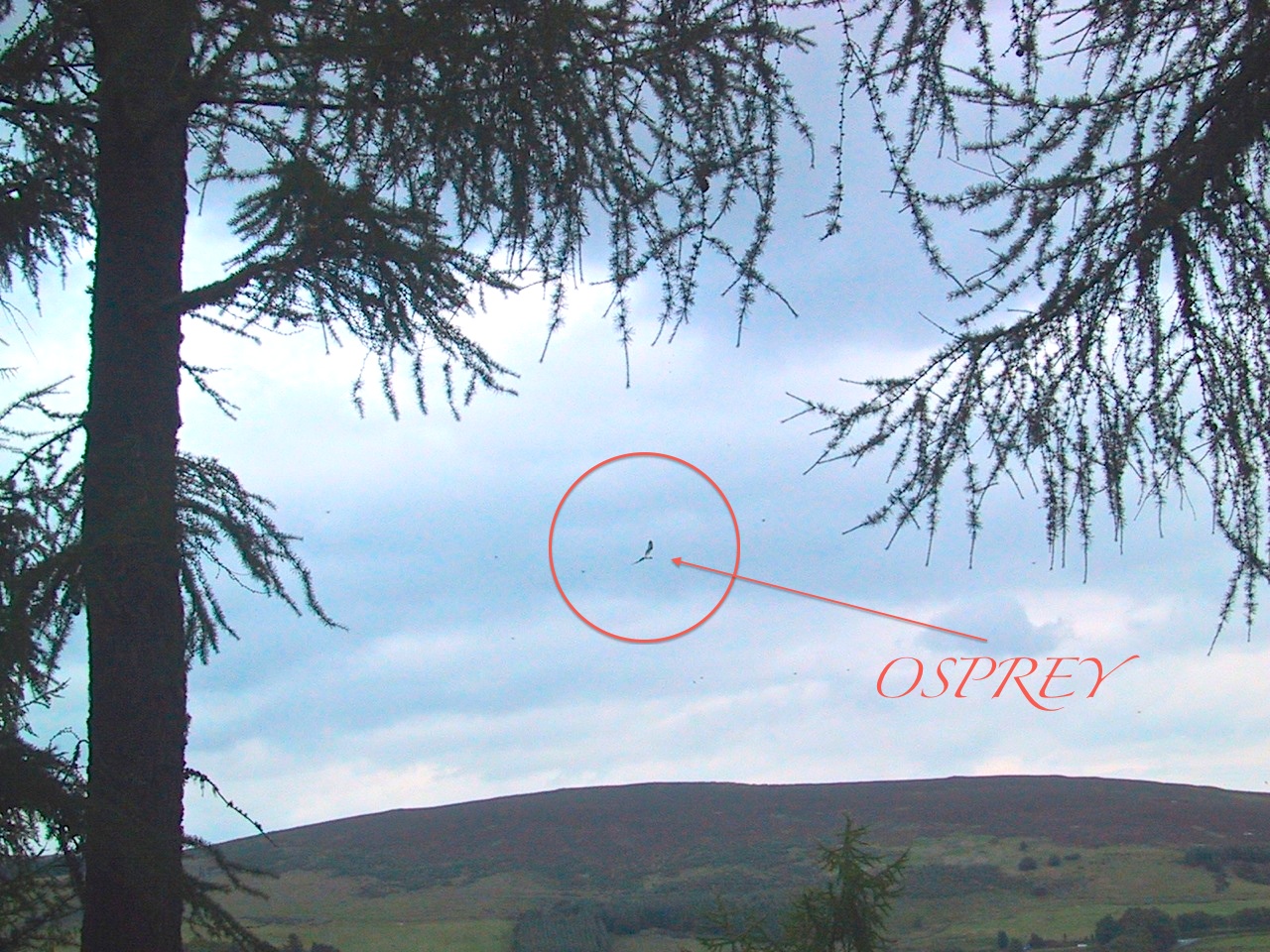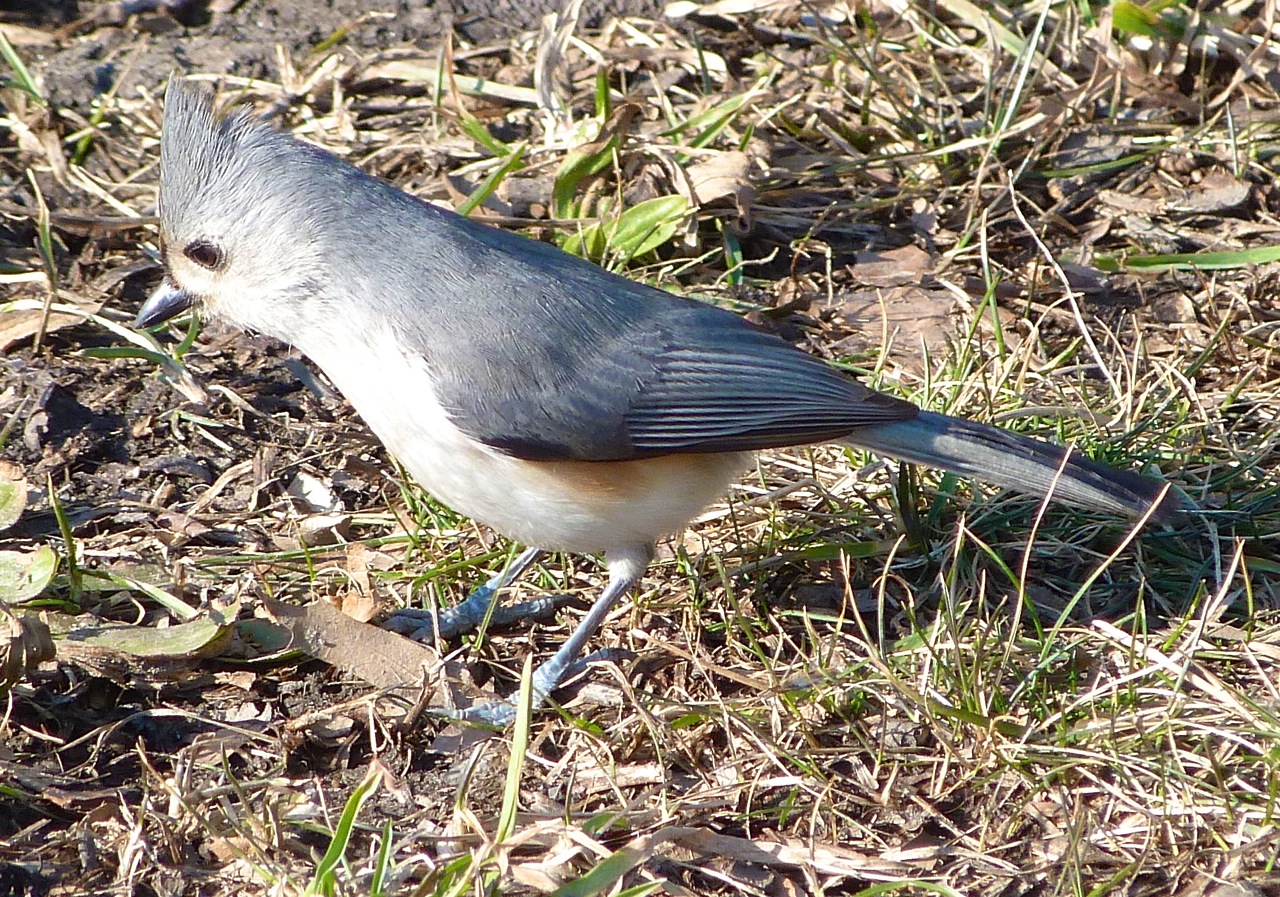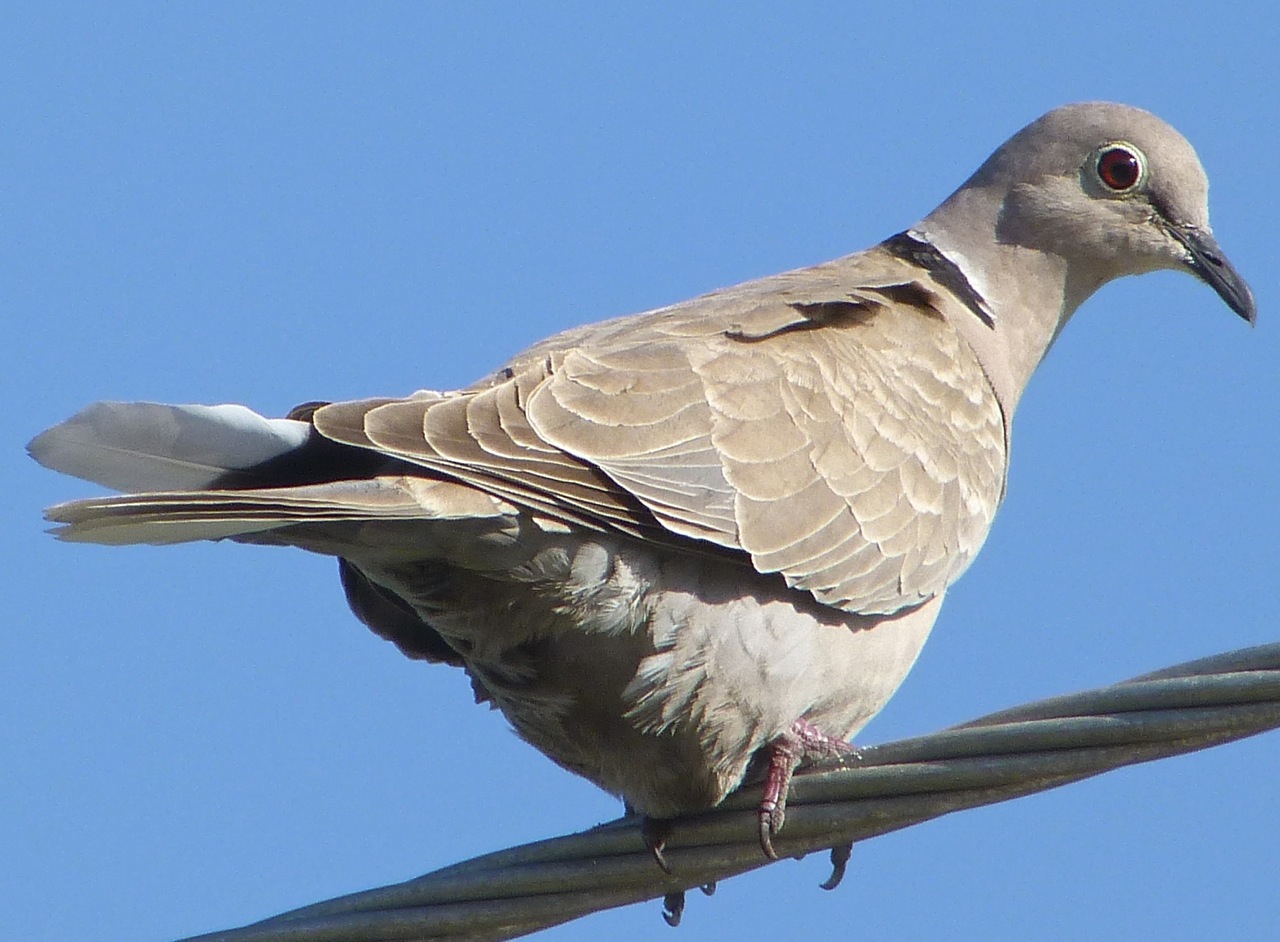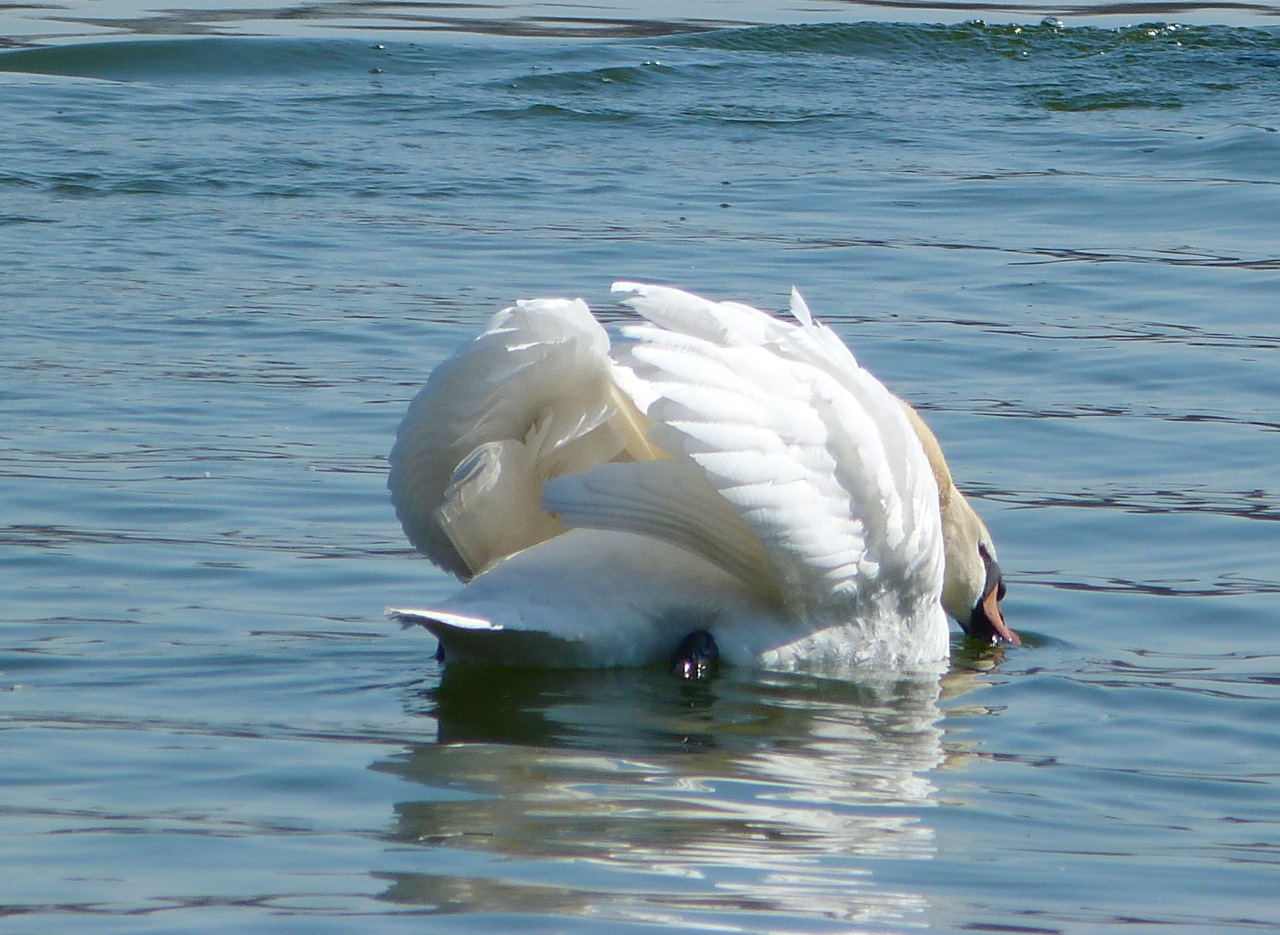
COLLARED DOVE
PIGEON
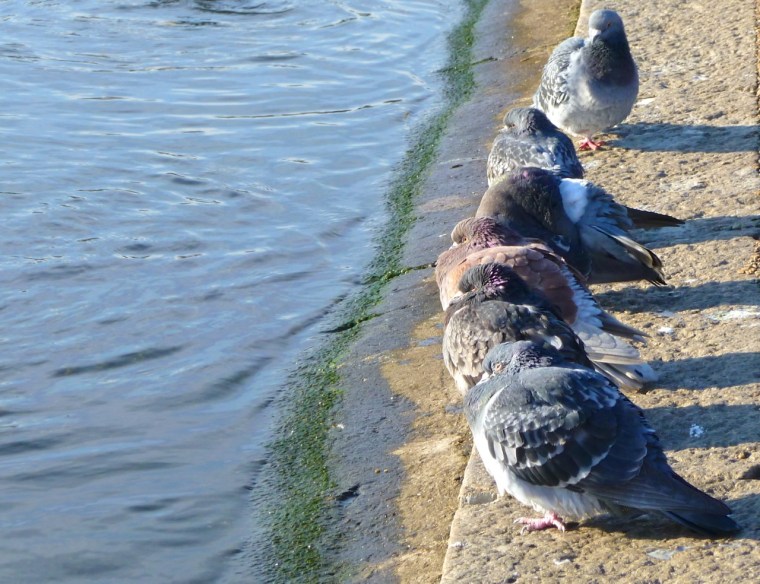
COLD PIGEONS

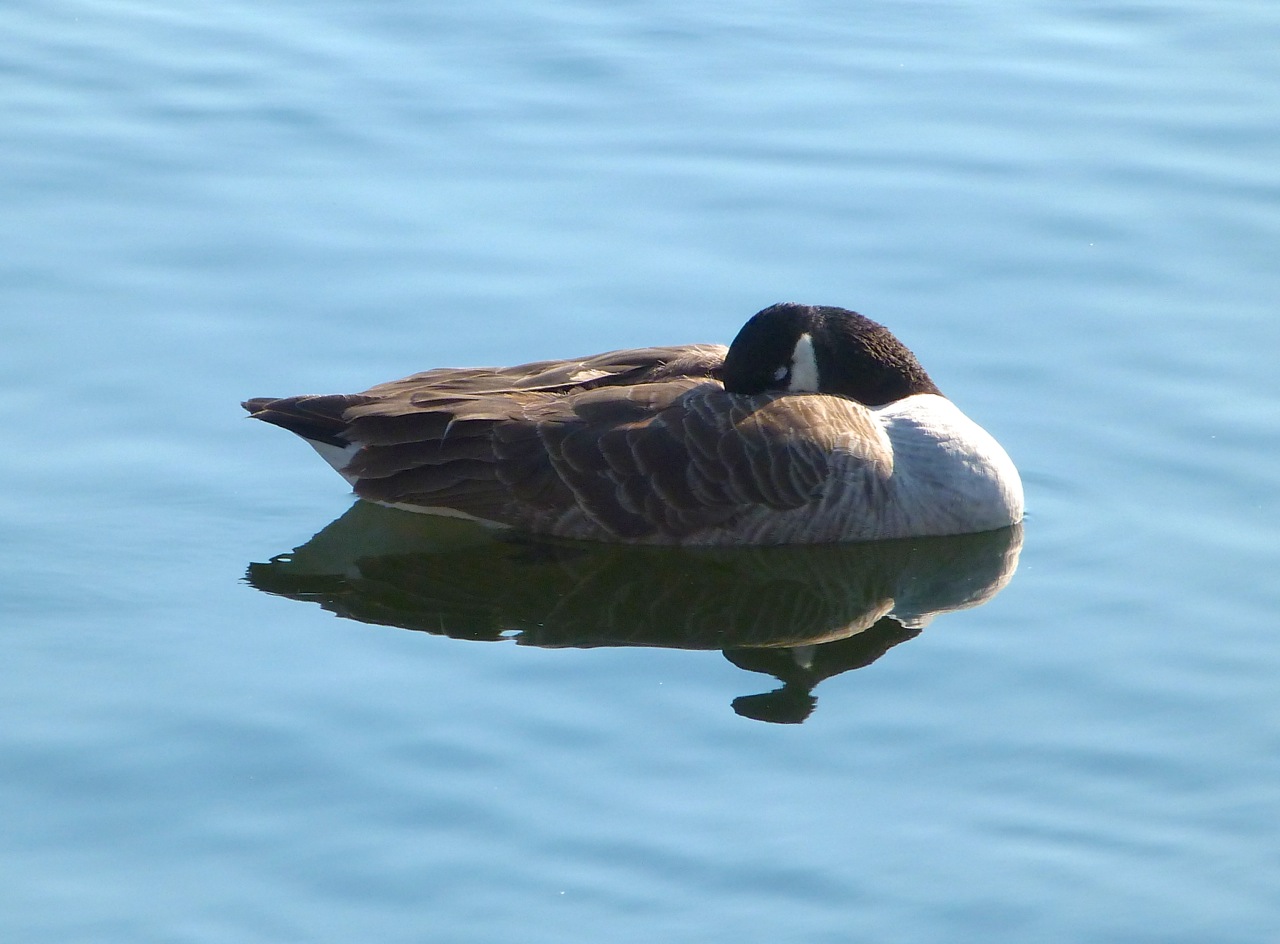
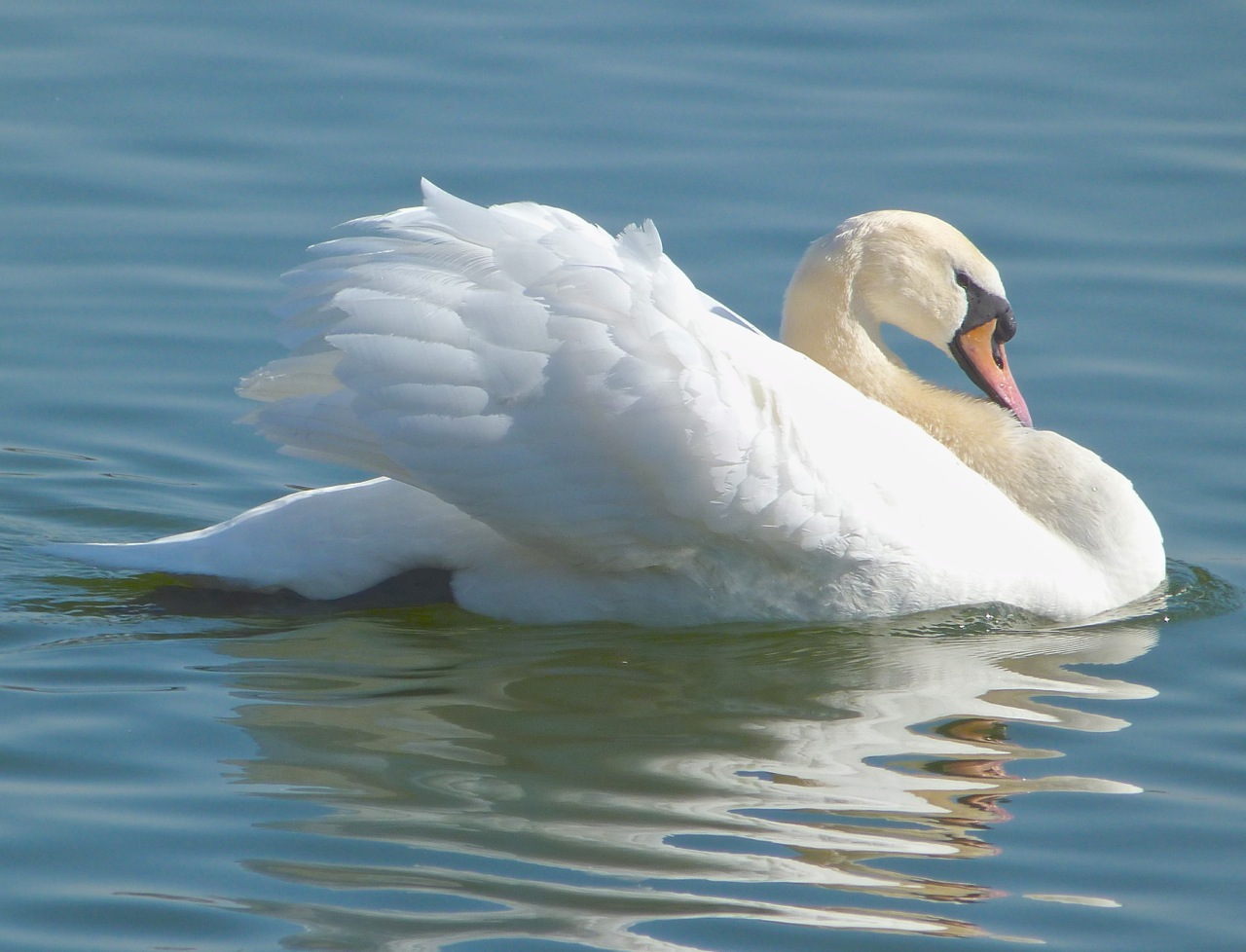
GOOSE
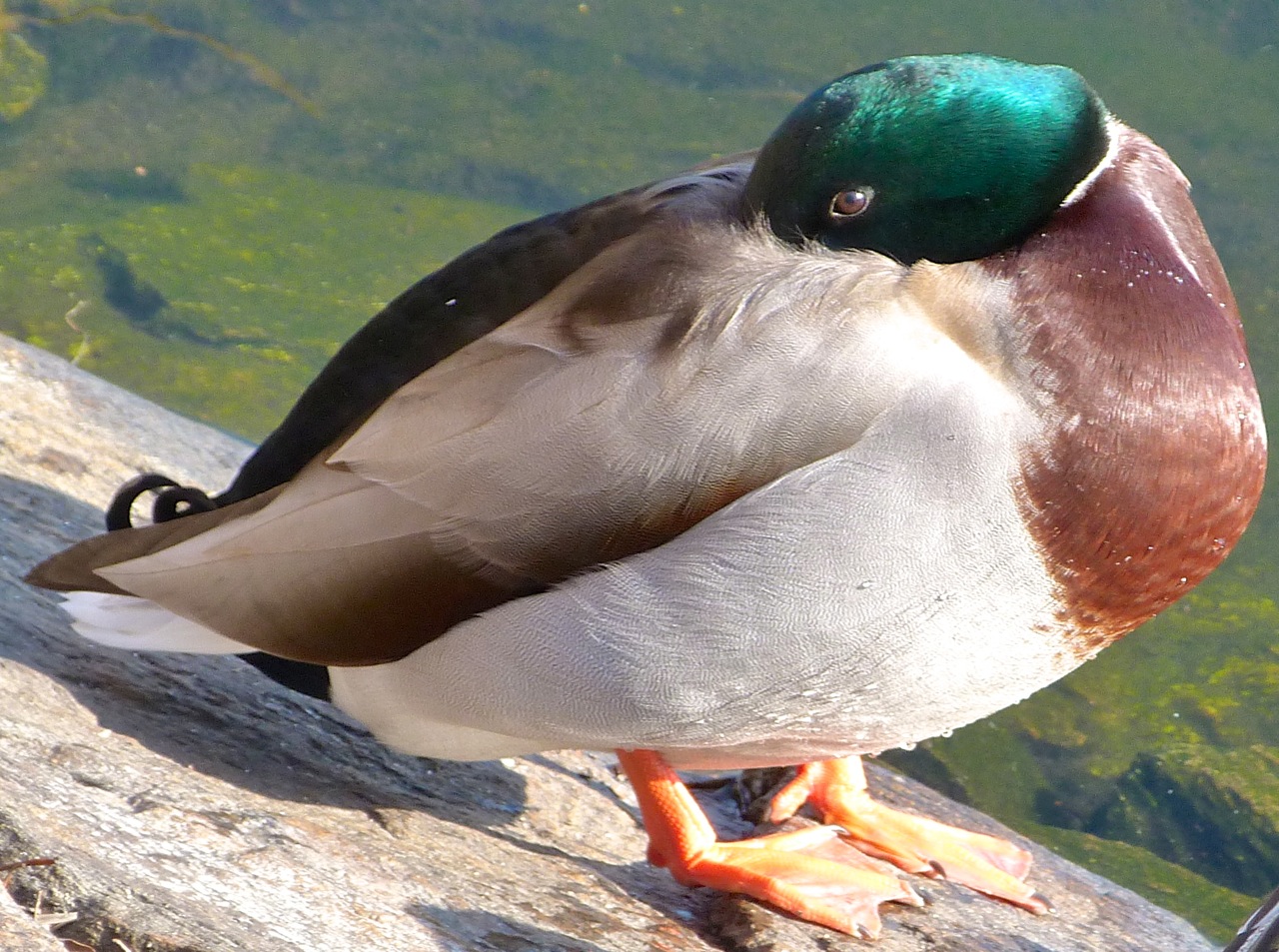
MALLARD
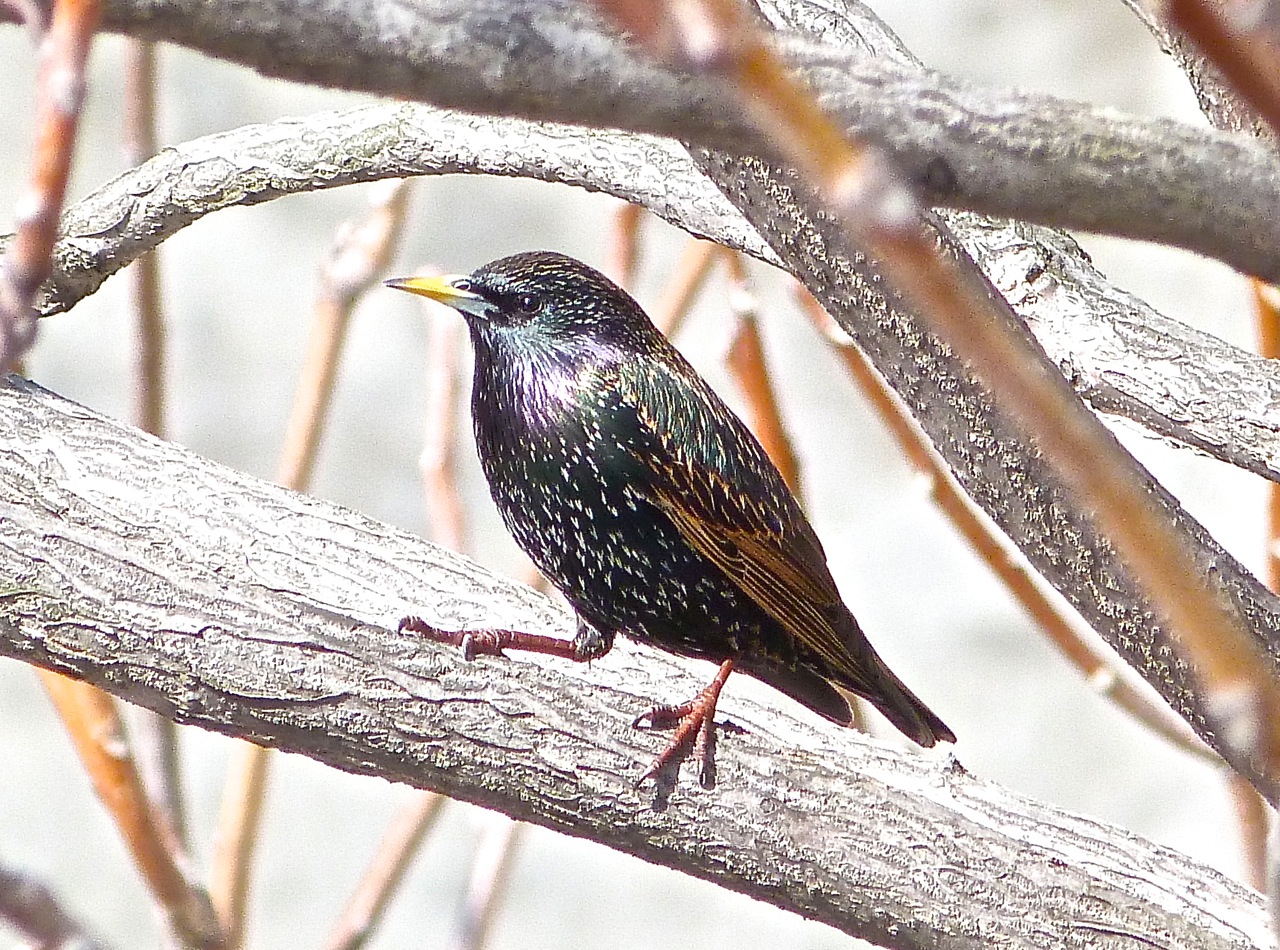
STARLING
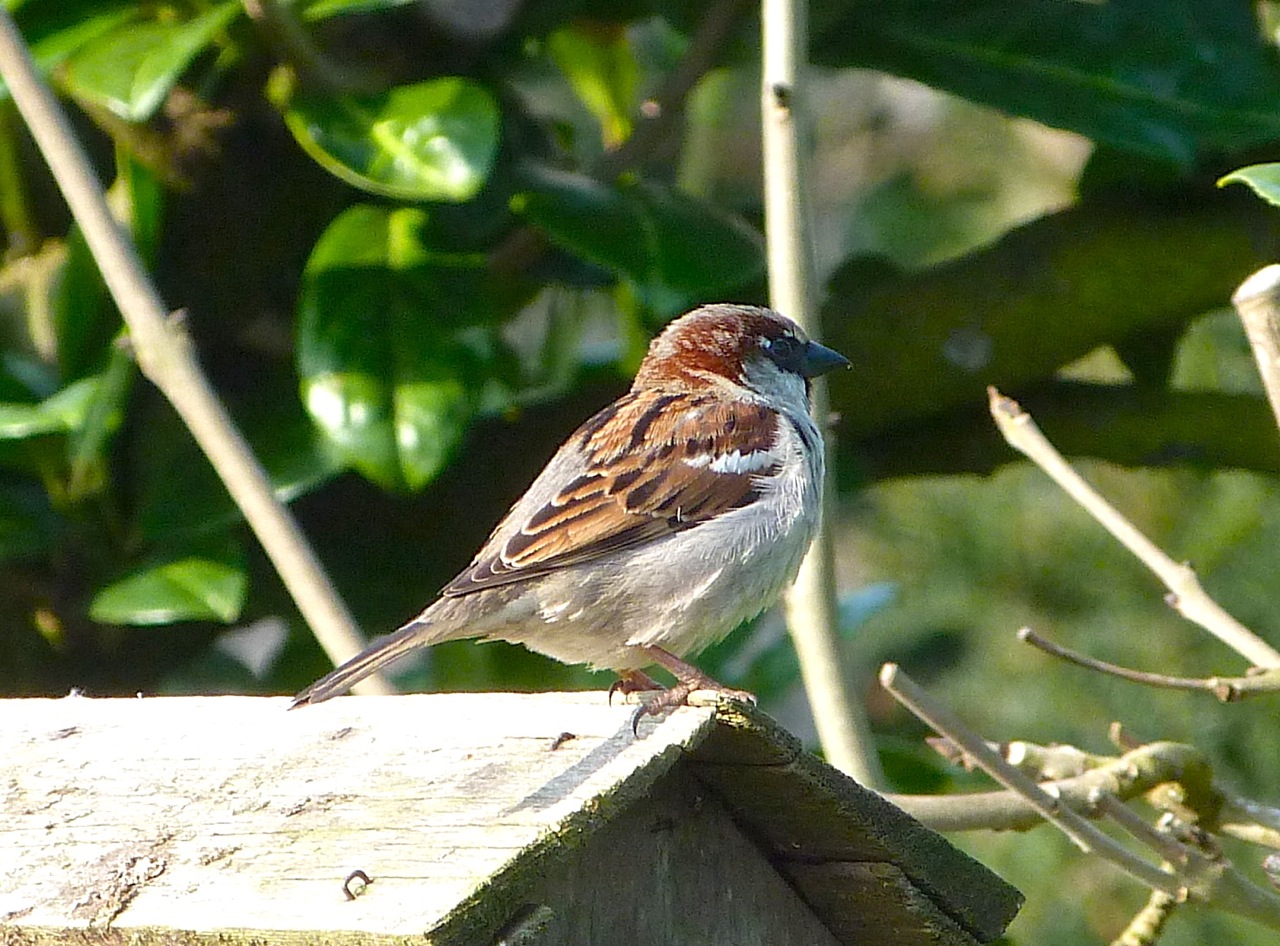
SPARROW
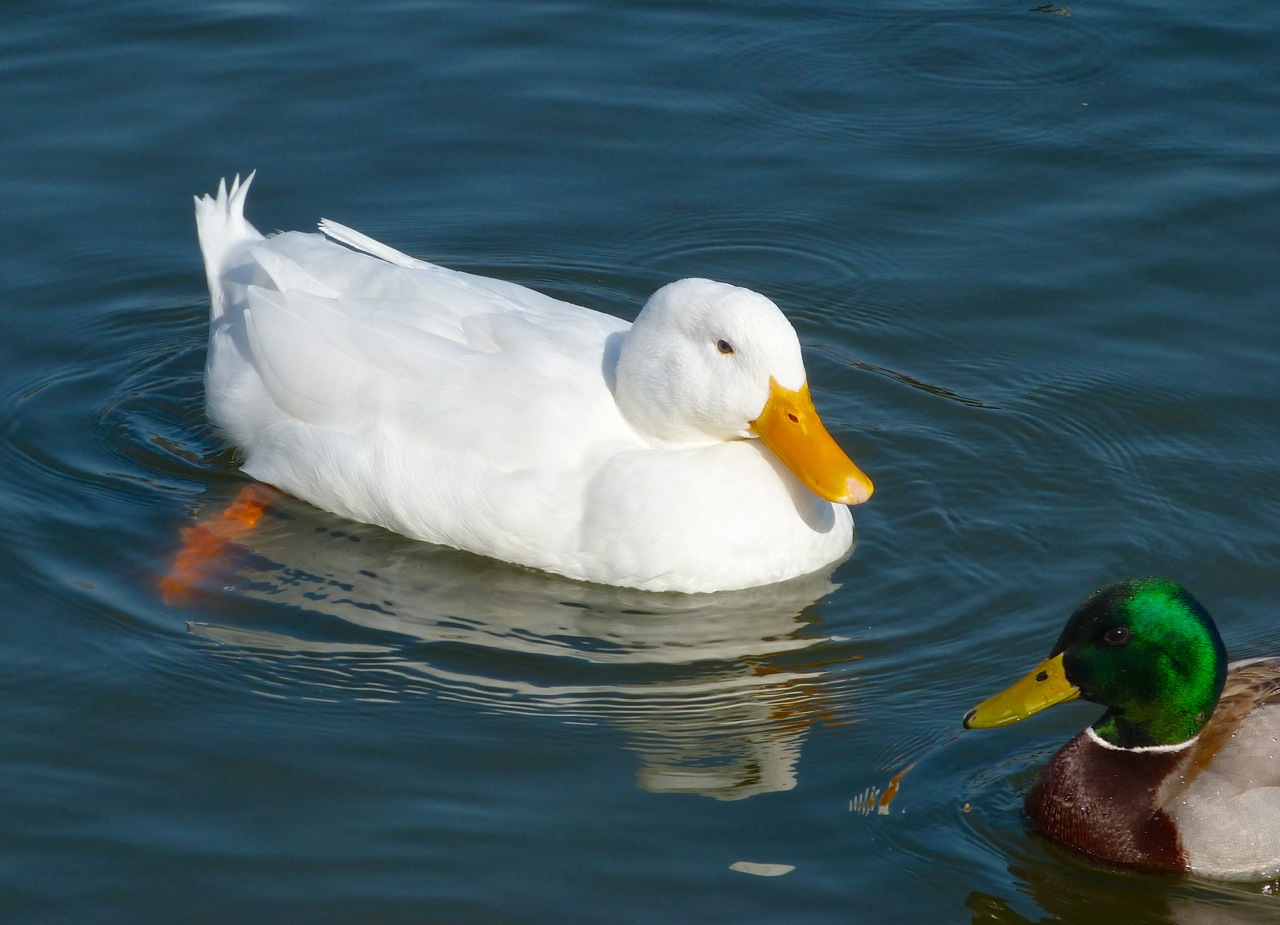
WHITE DUCK
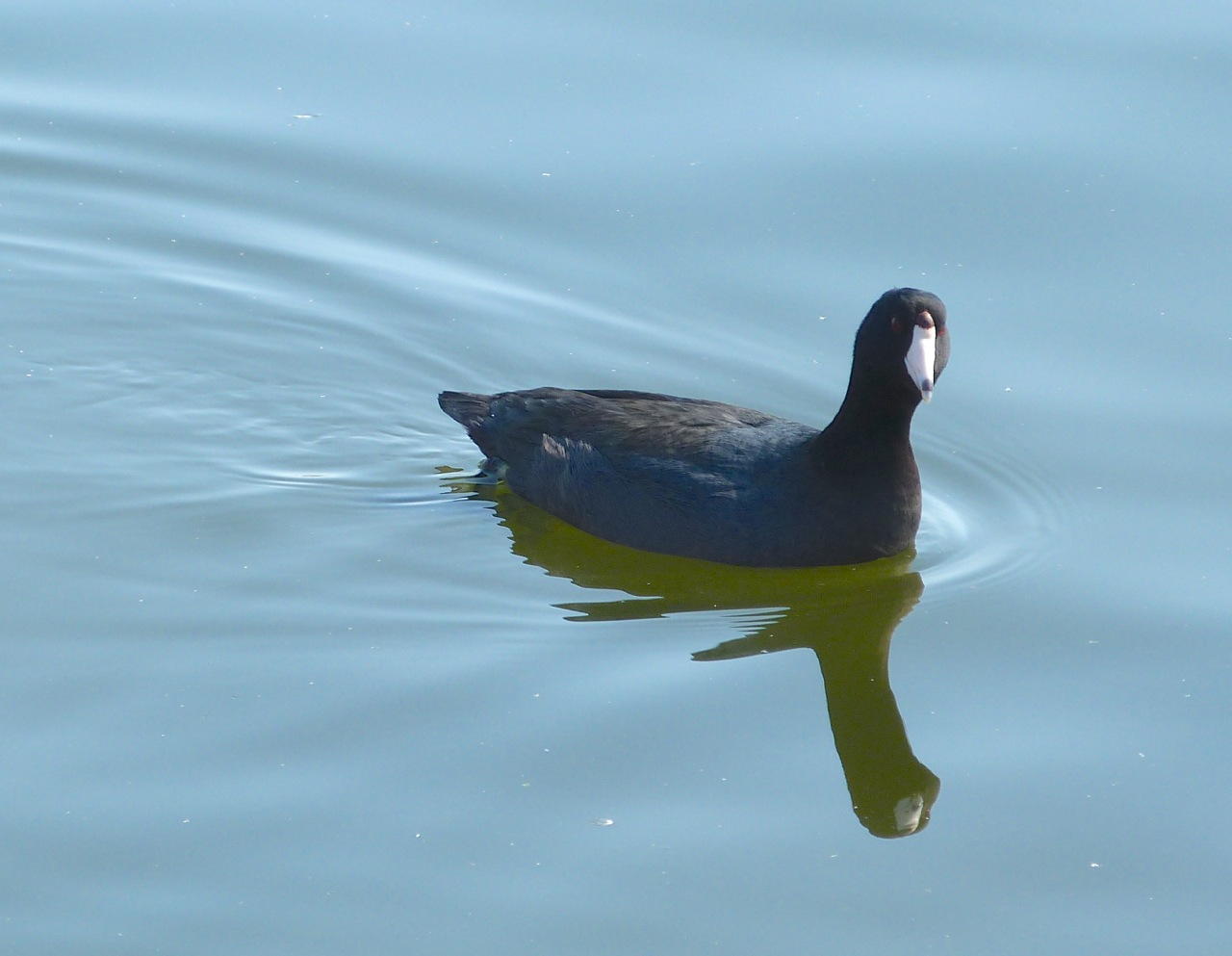
COOT
GULLS
It’s always interesting to get a new viewpoint of a city, for example London. A plane is perfect for that, except that planes bound for Heathrow are generally flying too high for anyone to do more than spot the general layout and the main landmarks. Photos are unlikely to be worth bothering with, even if your have a window seat. However, London City Airport offers more opportunity. Flying in last week, I realised it might be worth getting the iPhone out to see what I could do with it through the mist and cloud. The answer was, take rather poor pictures. Then I thought about turning them black and white. Suddenly they took on a new look, both old-fashioned and rather intriguing. I thought so anyway, so here they are.
TOWER BRIDGE with CITY HALL
THE THAMES & DOCKLANDS
THE HSBC BUILDING (CITY MELTDOWN…)
MILENNIUM DOME
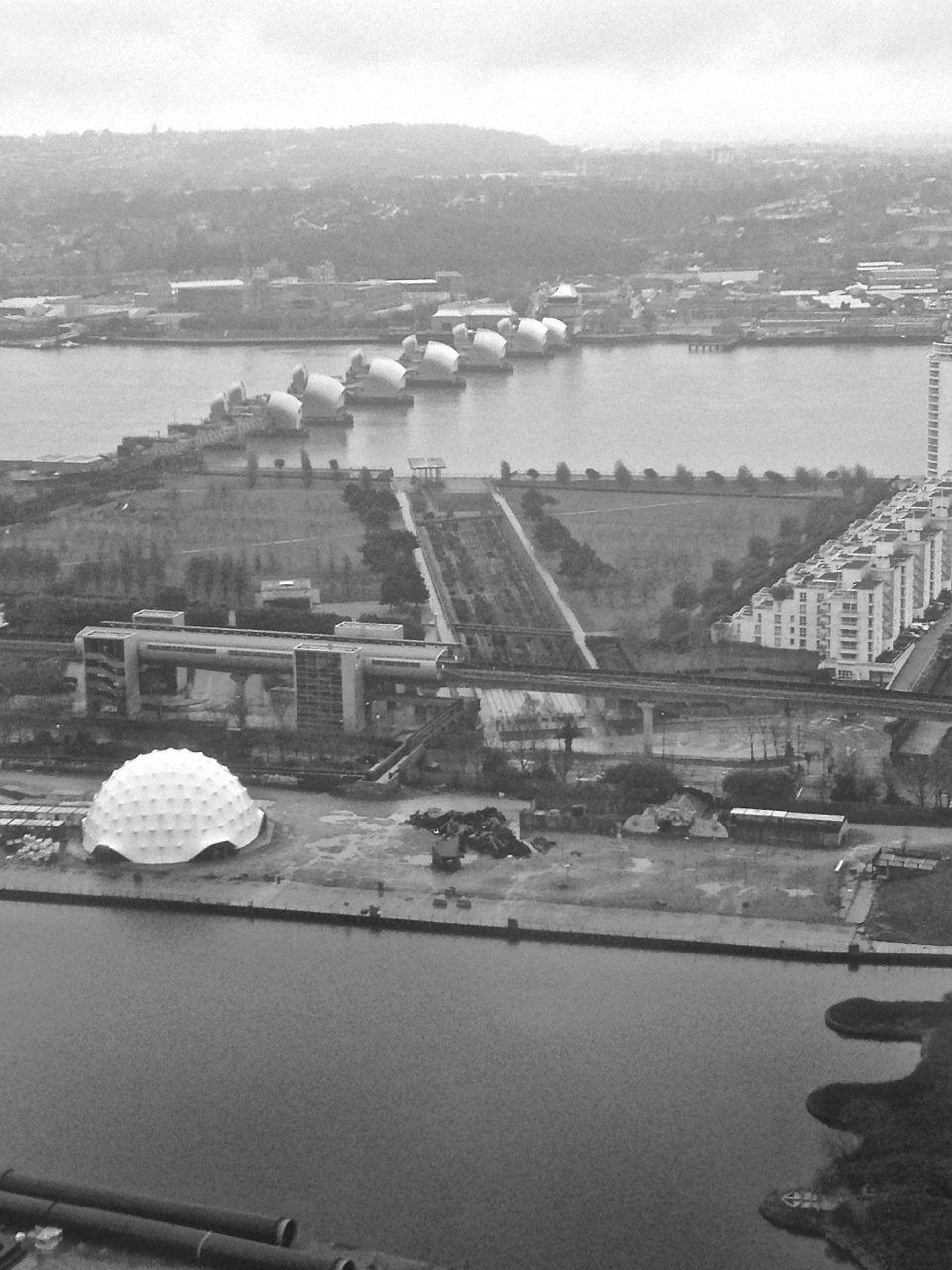
THAMES BARRIER
CONVENTIONAL NEW YORK TRANSPORT
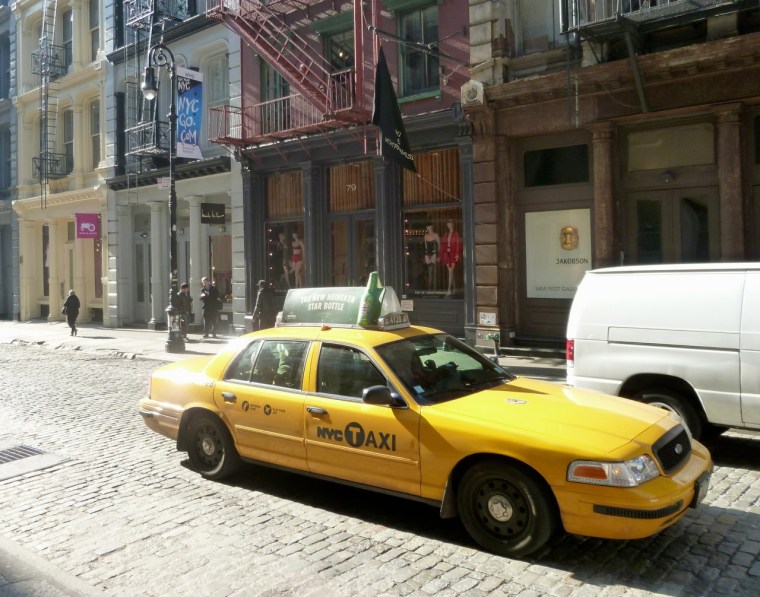
UBIQUITOUS YELLOW CAB
PRIVATE CAR (BUT DON’T STUPIDLY PARK AT COLUMBUS CIRCLE)
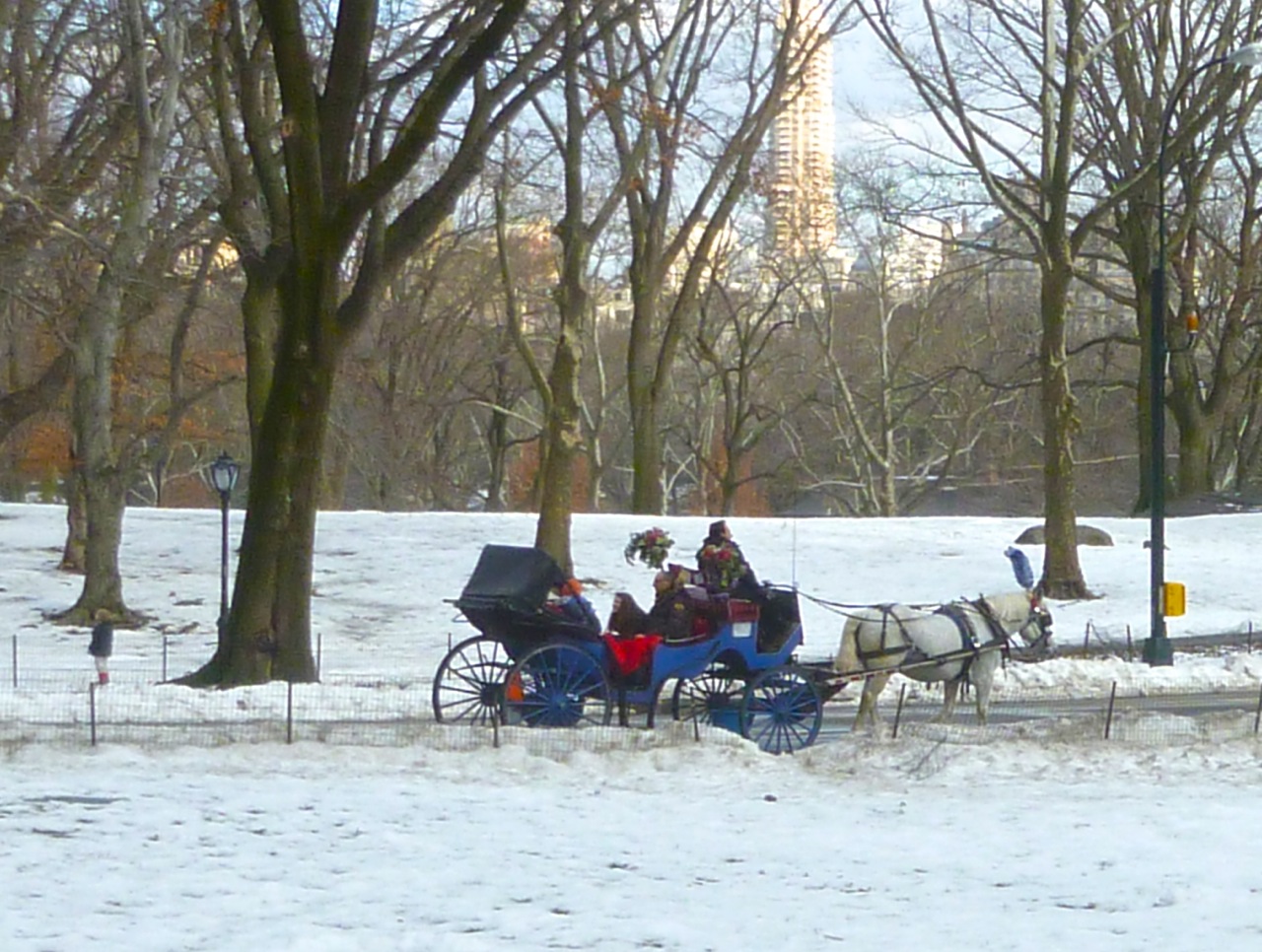
“TOURIST TRAP” IN CENTRAL PARK 
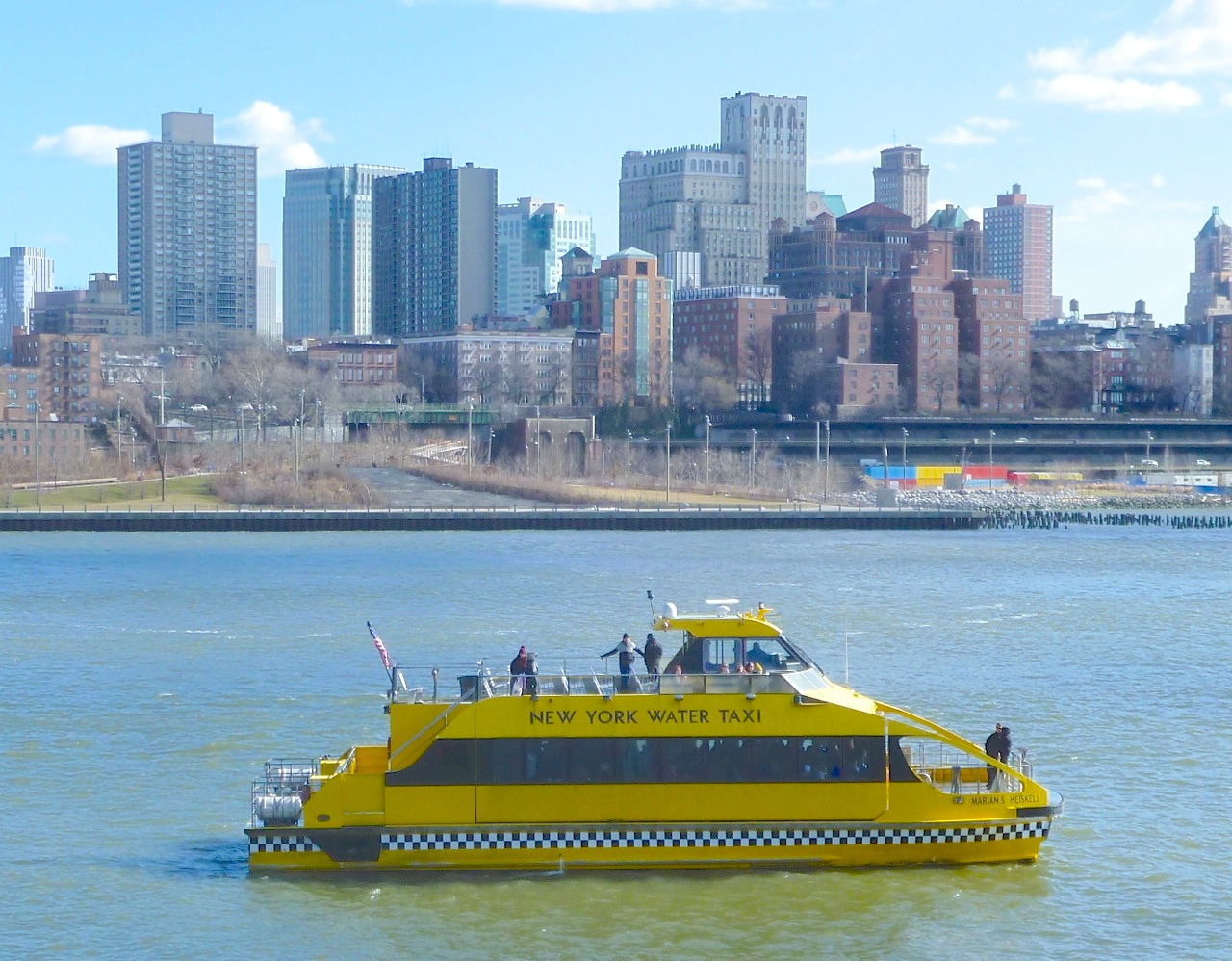
NEW YORK WATER TAXI (BROOKLYN VIEW)
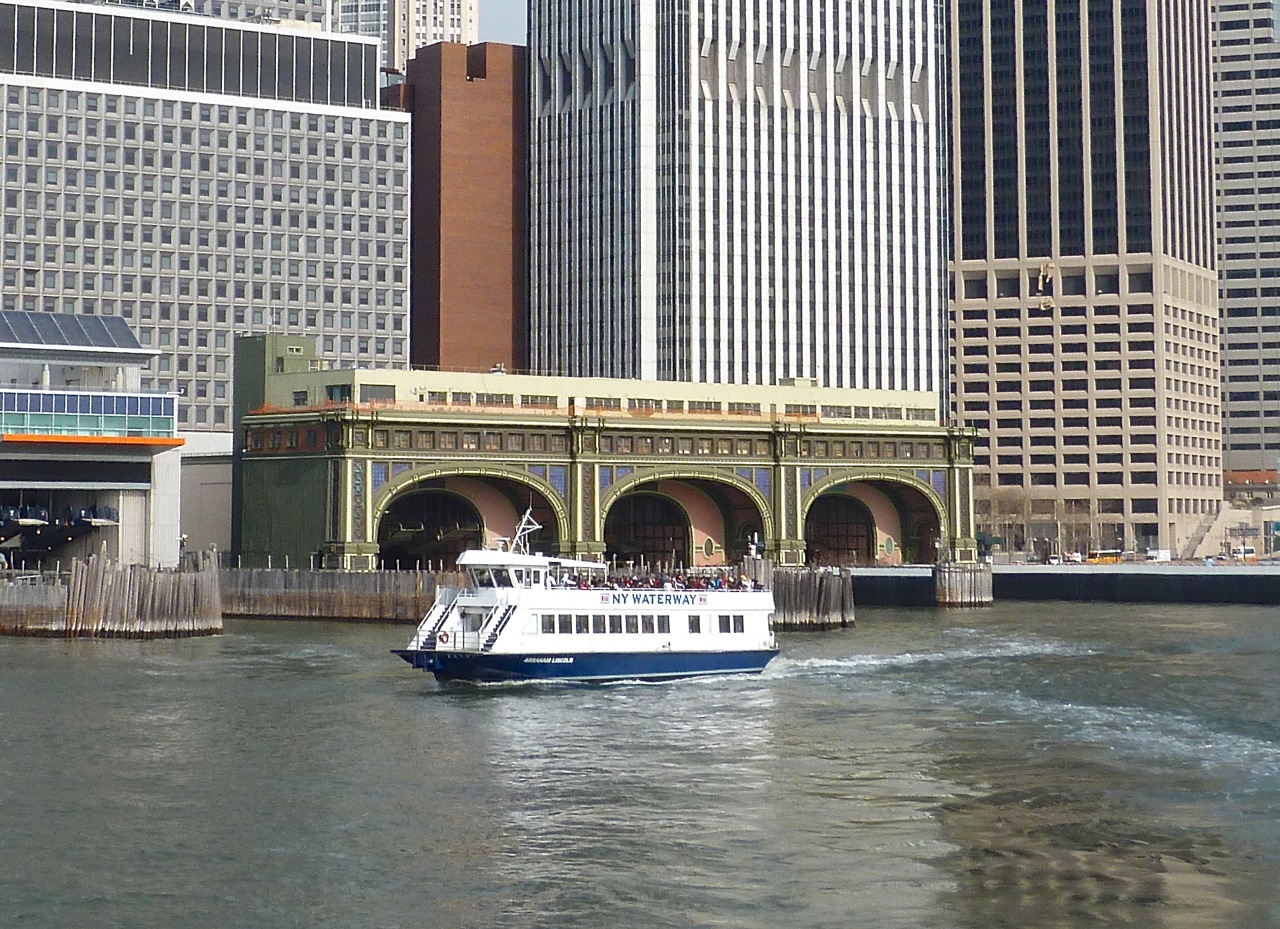
STATEN ISLAND FERRY (THE BEST FREE RIDE IN THE WORLD

CIRCLE LINE FERRY ( TAKE A TRIP RIGHT ROUND MANHATTAN)
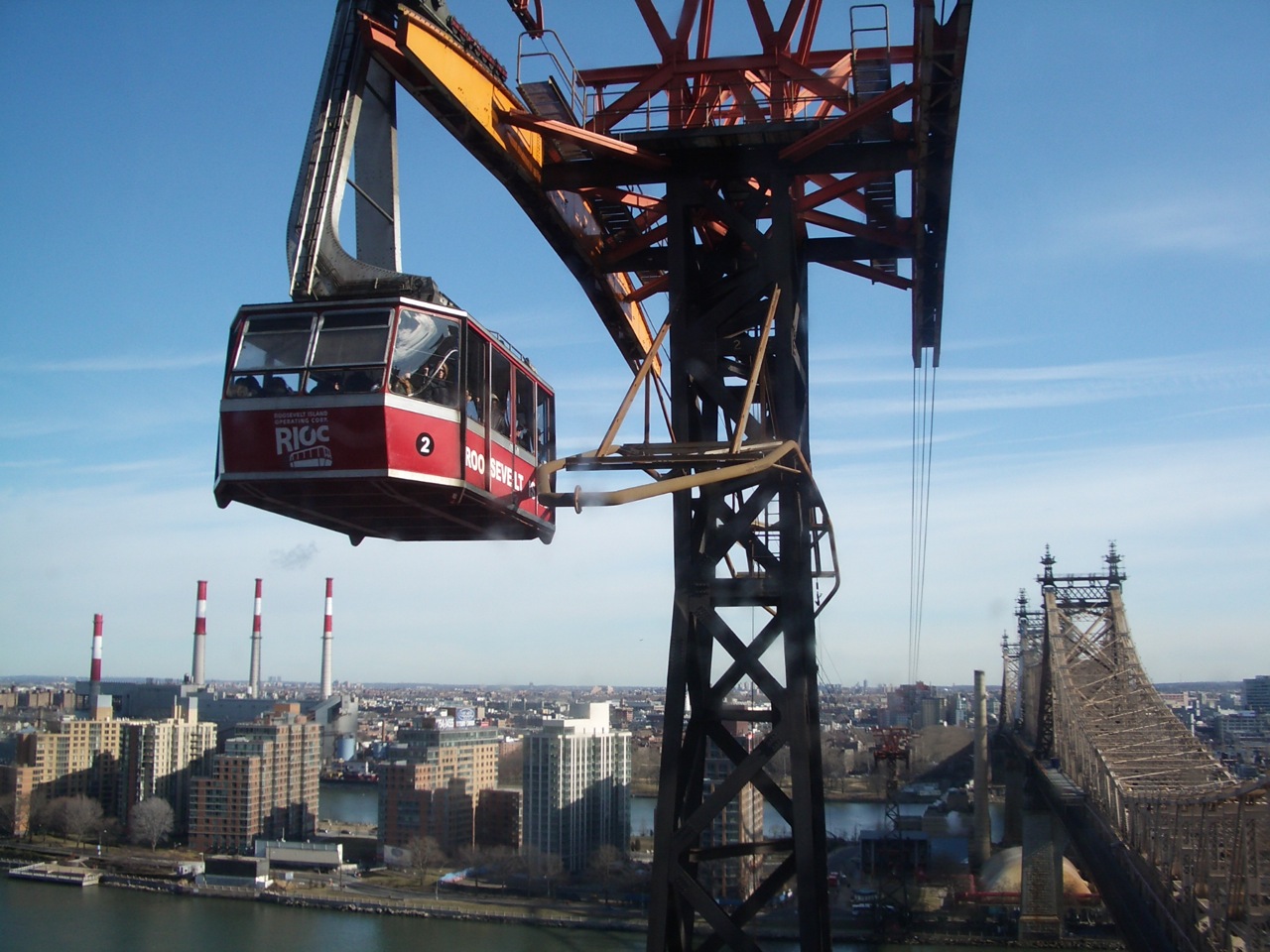
LESS CONVENTIONAL METHODS
Two minutes of excitement crossing high over the East River. See THE LIGHTHOUSE & the newly restored BLACKWELL FARMHOUSE (1796), possibly the oldest private house in New York City
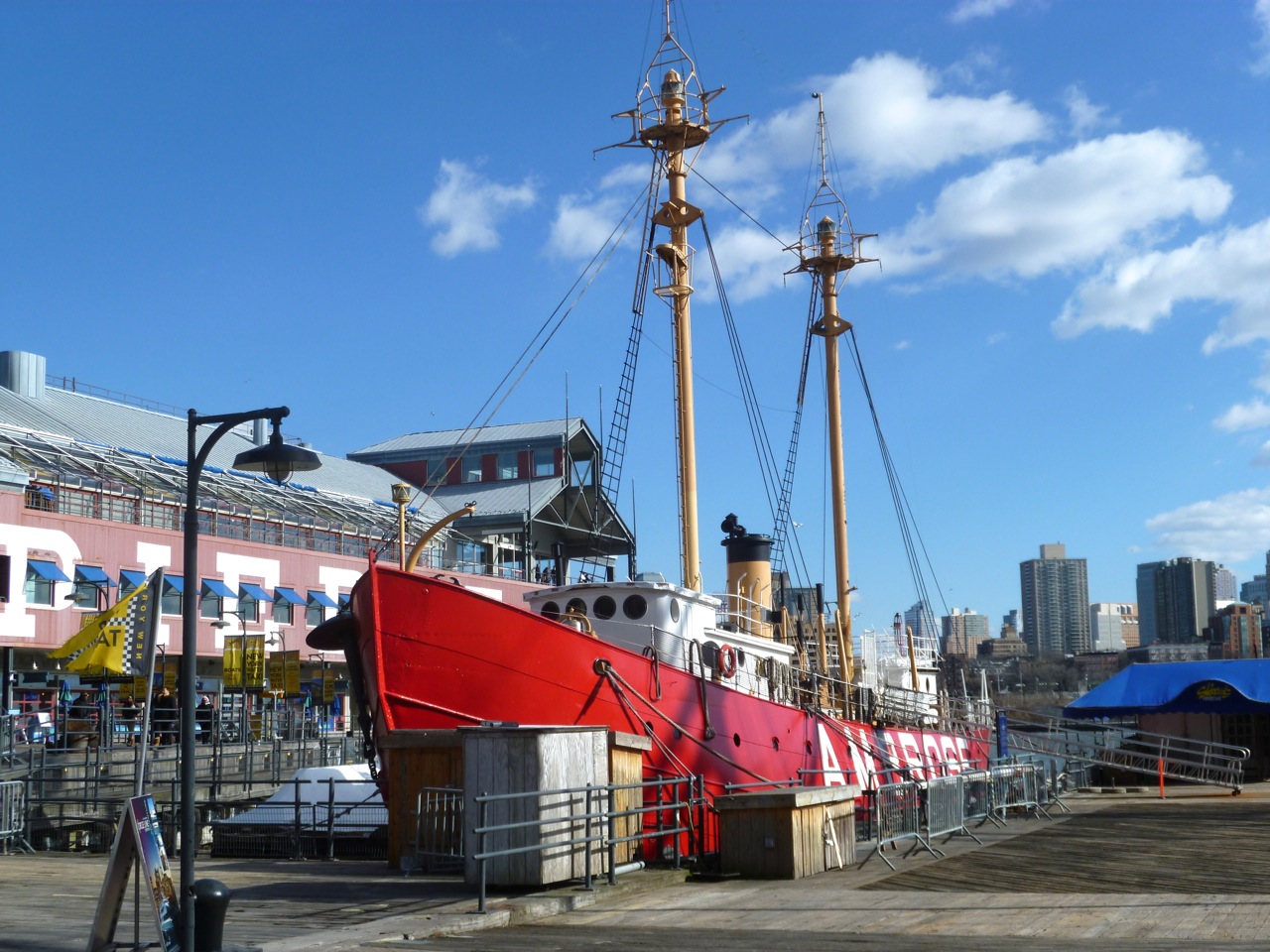
TALL SHIP (in fact a training vessel, so you won’t get very far)
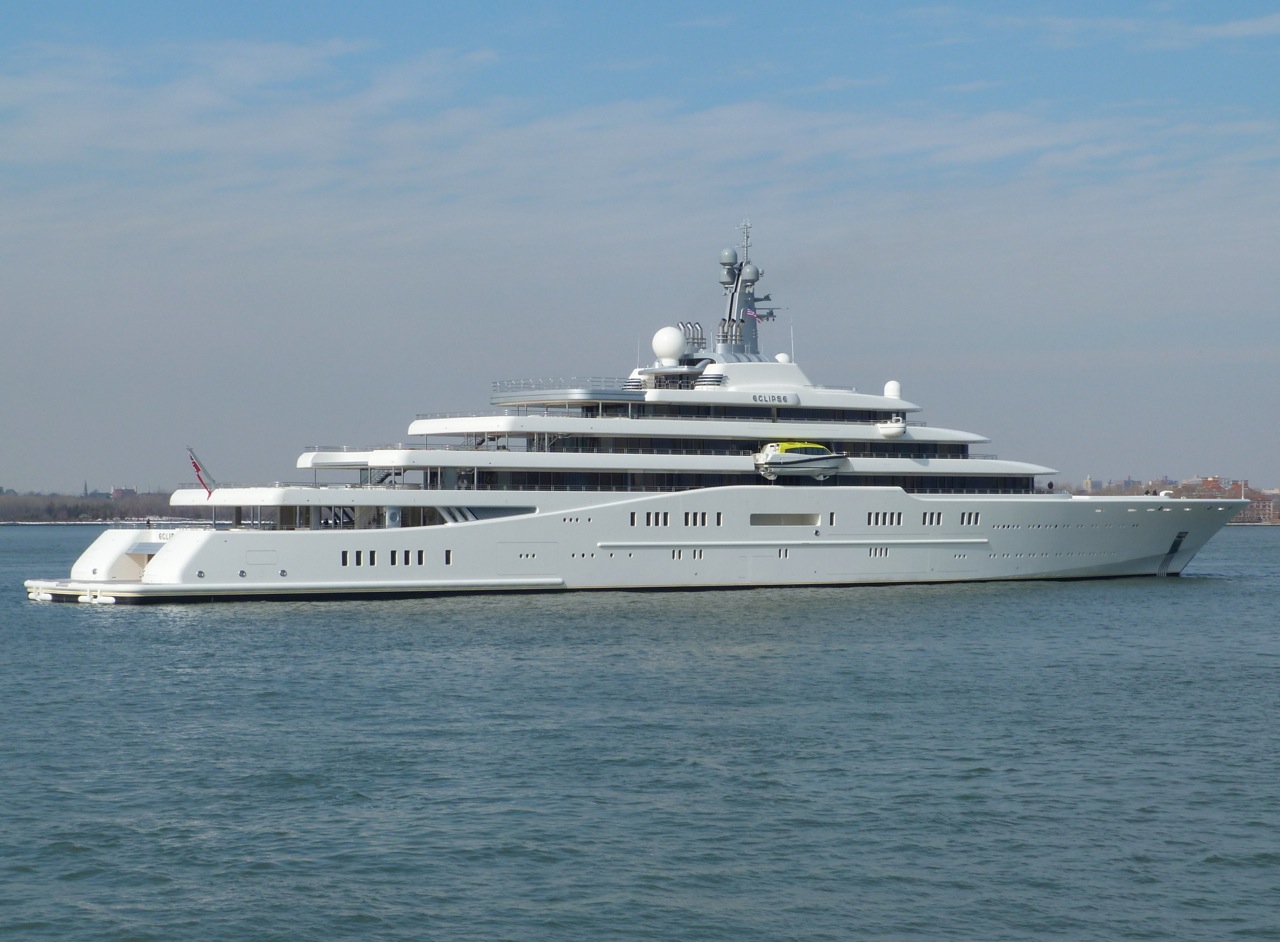
PRIVATE GIN PALACE (LIMITED AVAILABILITY)
LEFTFIELD – FOR SPECIALISTS ONLY
CONTAINER SHIP (or maybe a tug) 
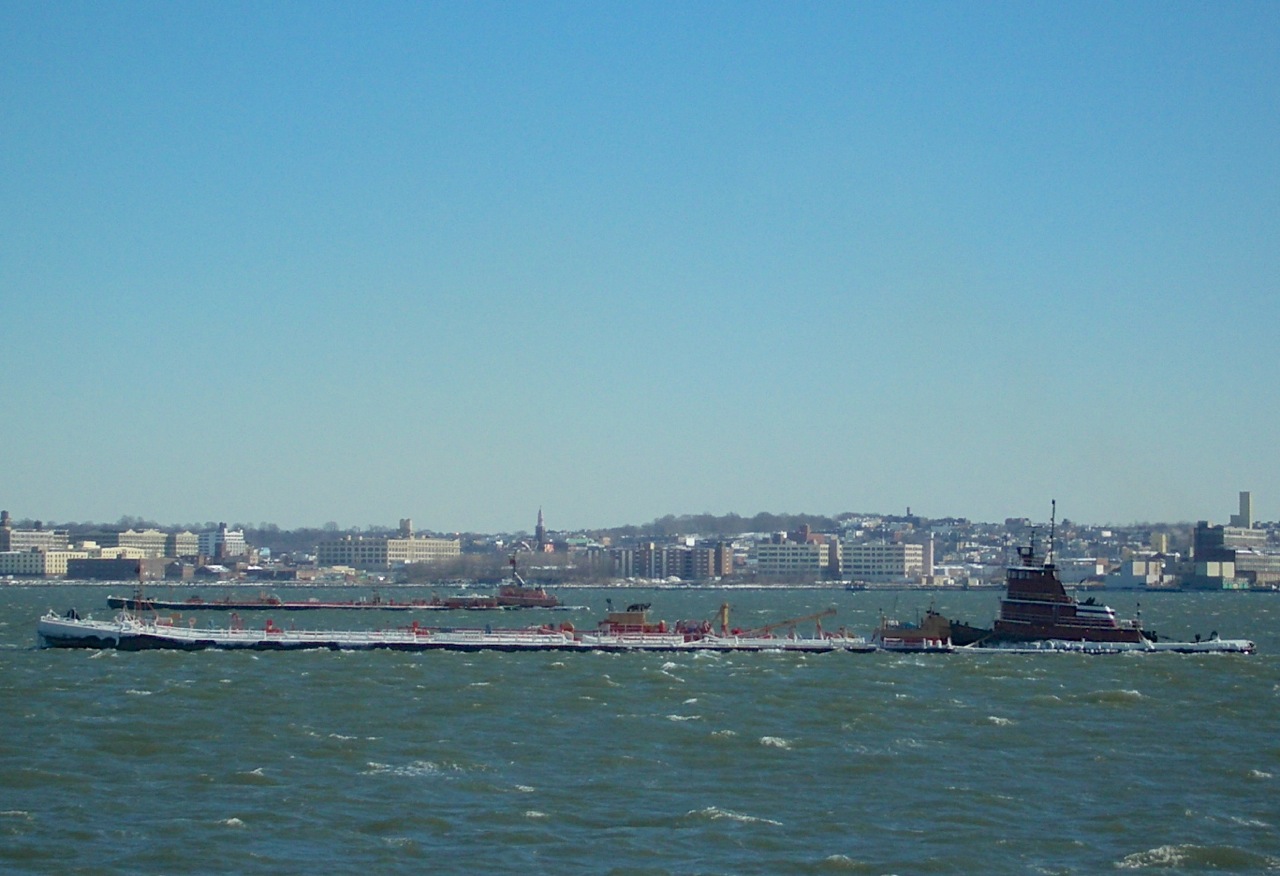
ICE-BOUND BARGE IN THE EAST RIVER 
ICE-BOUND BARGE IN THE HARBOUR
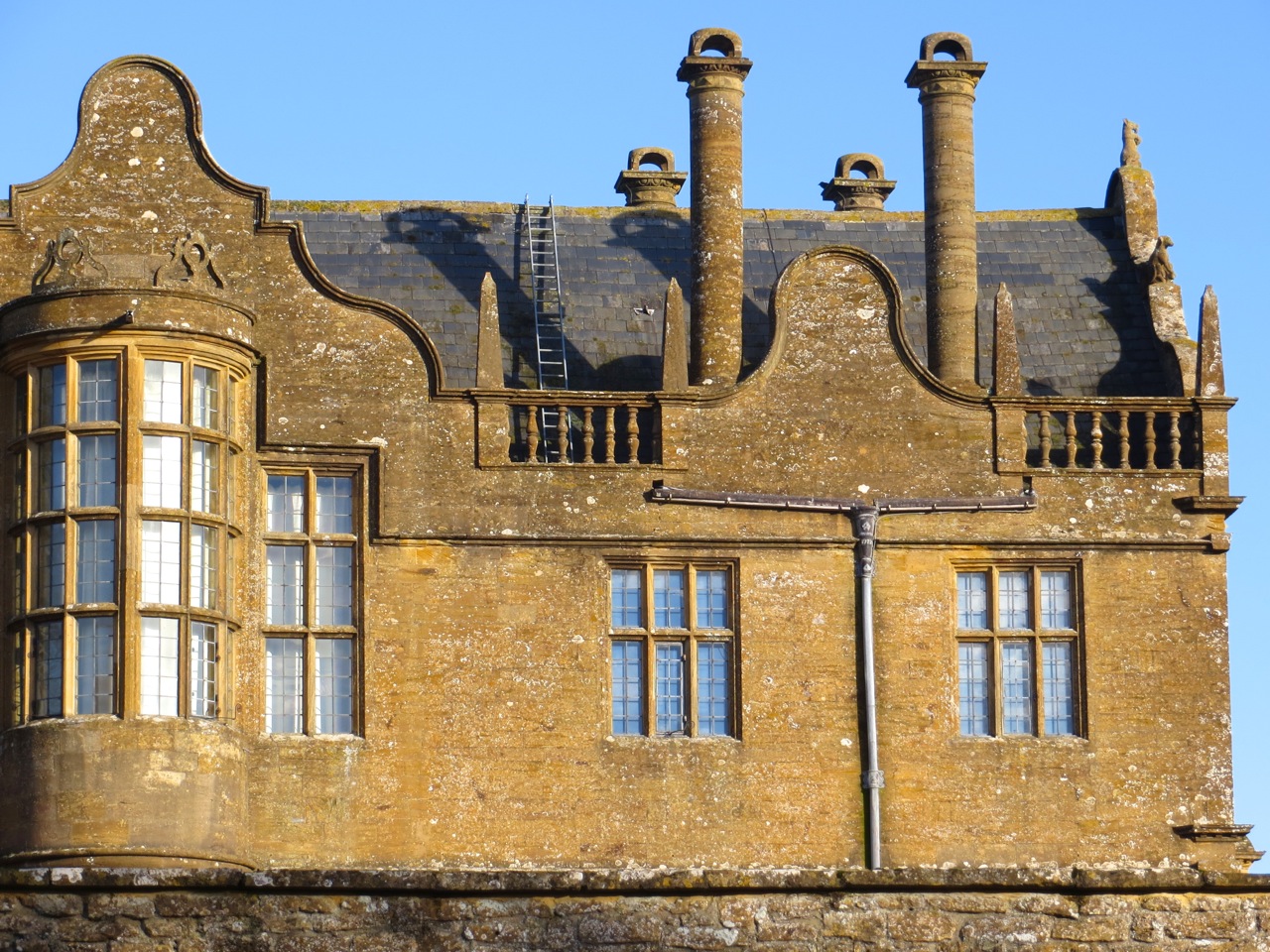
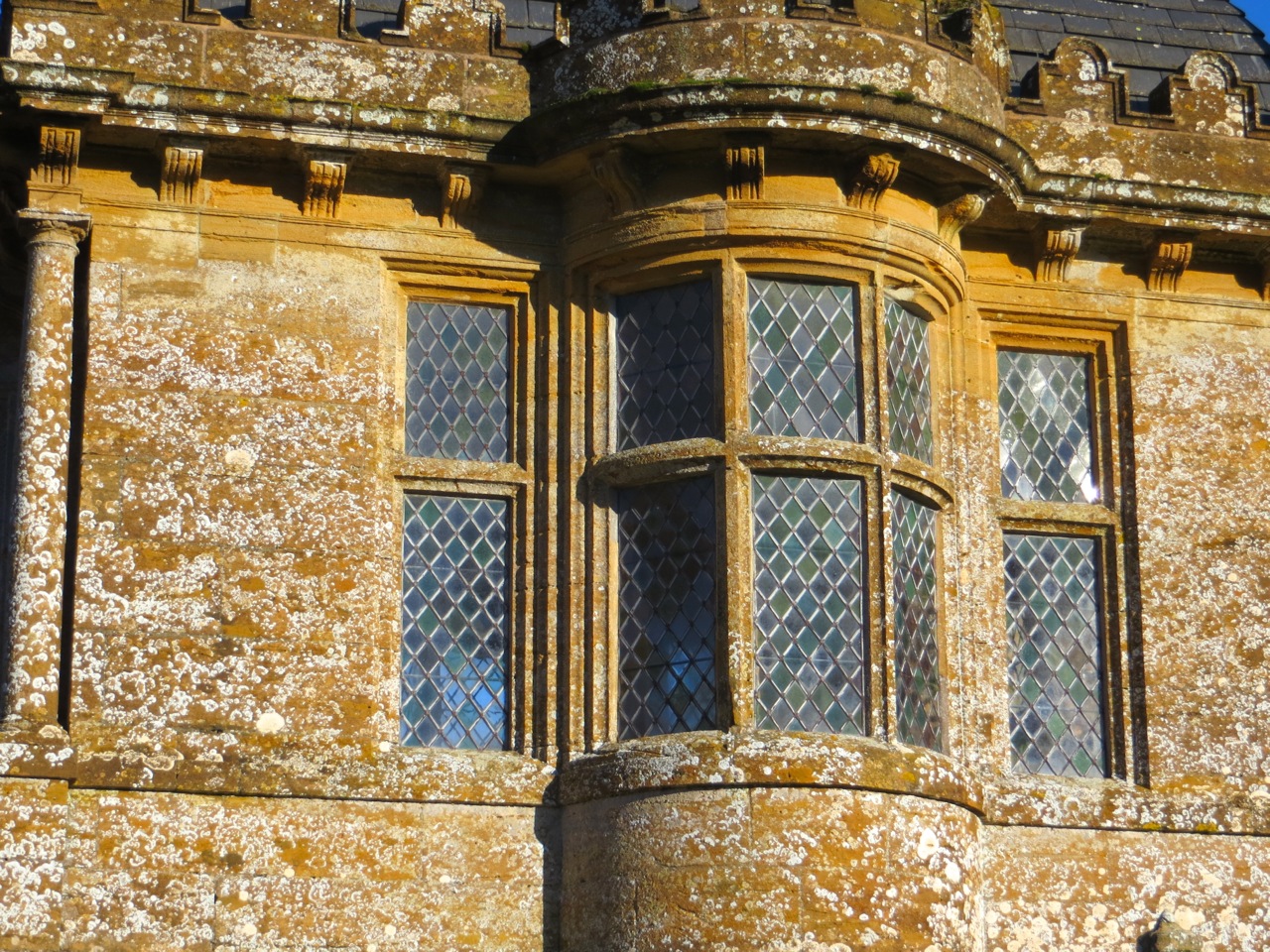
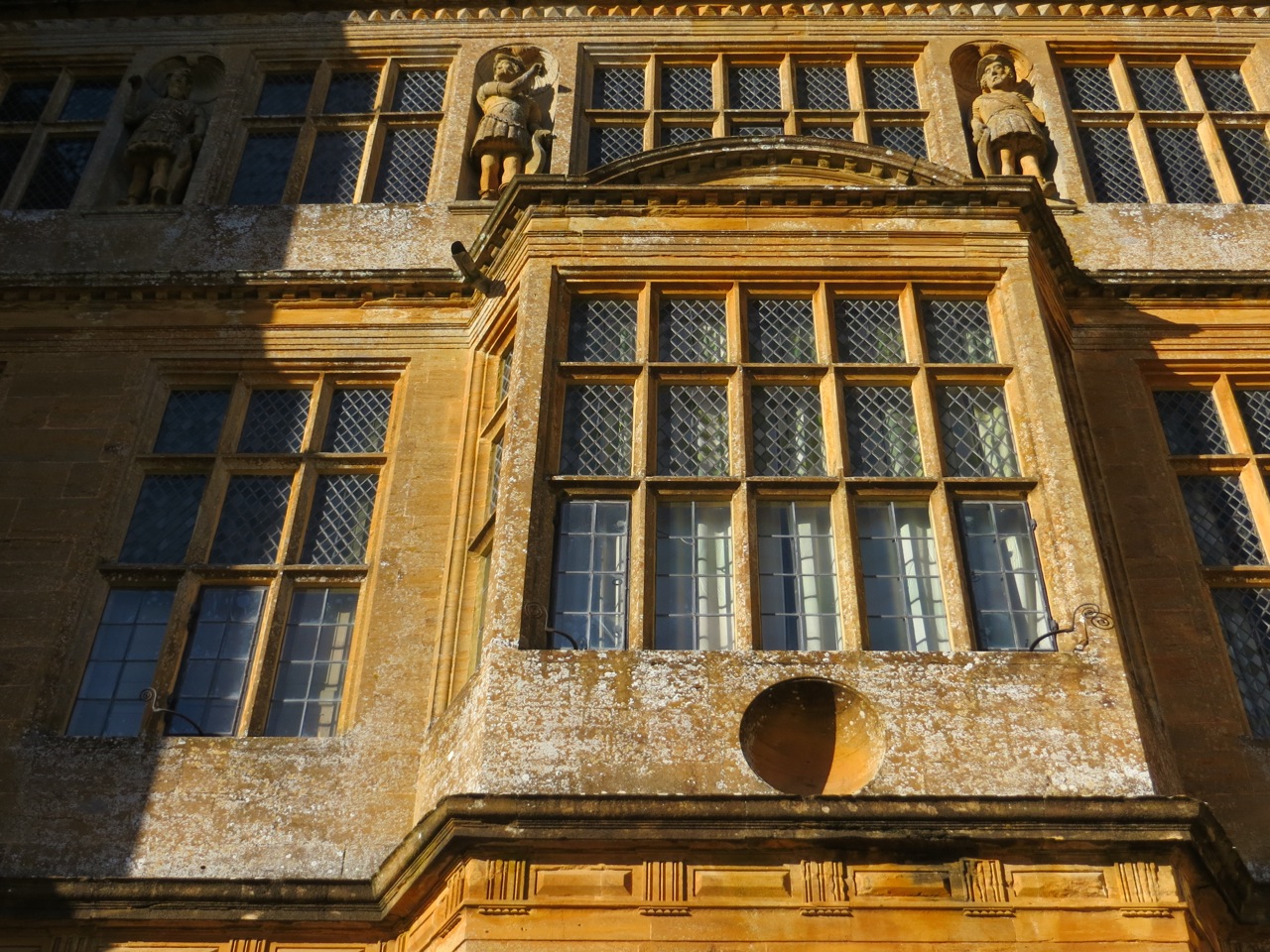
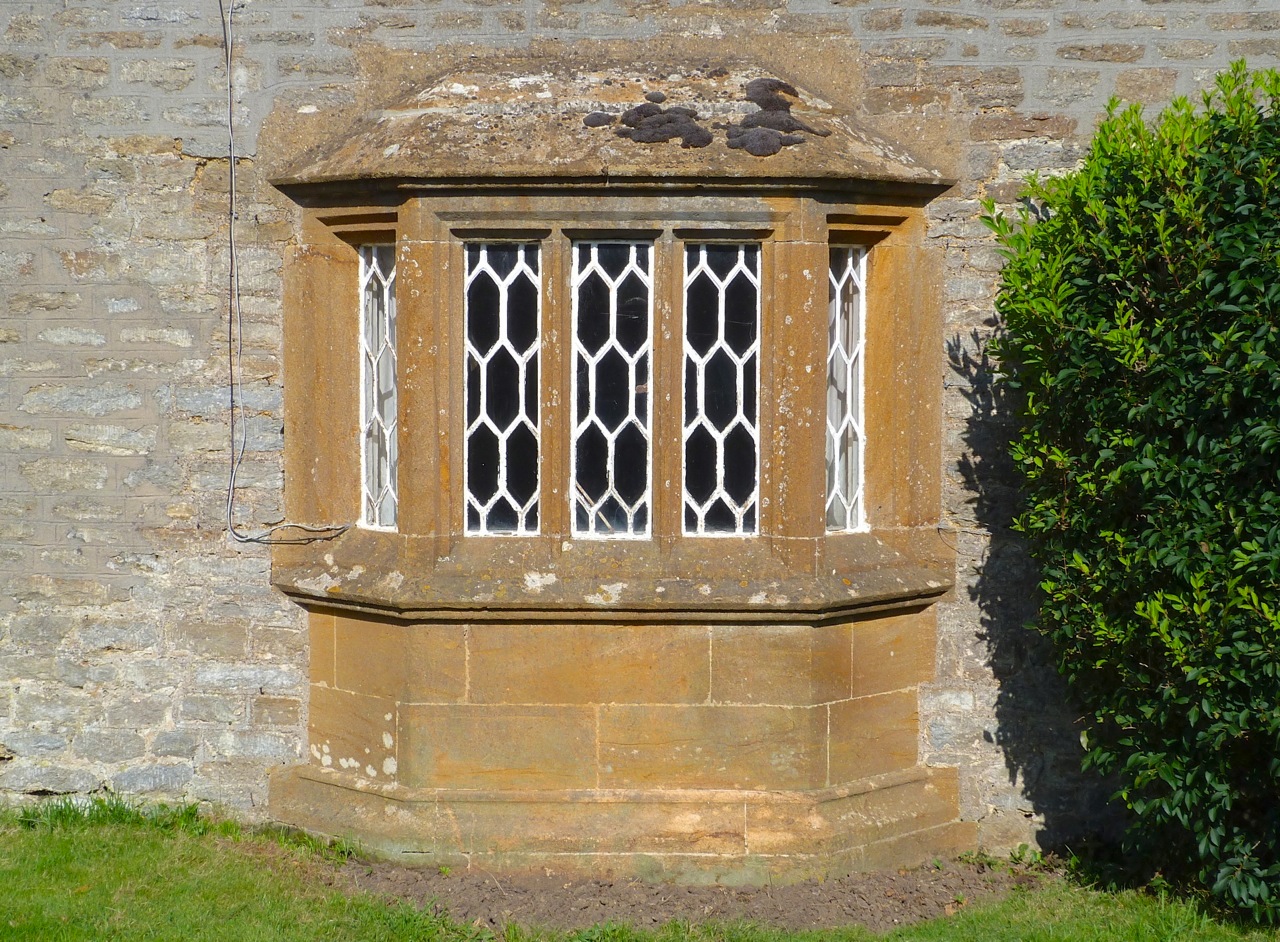
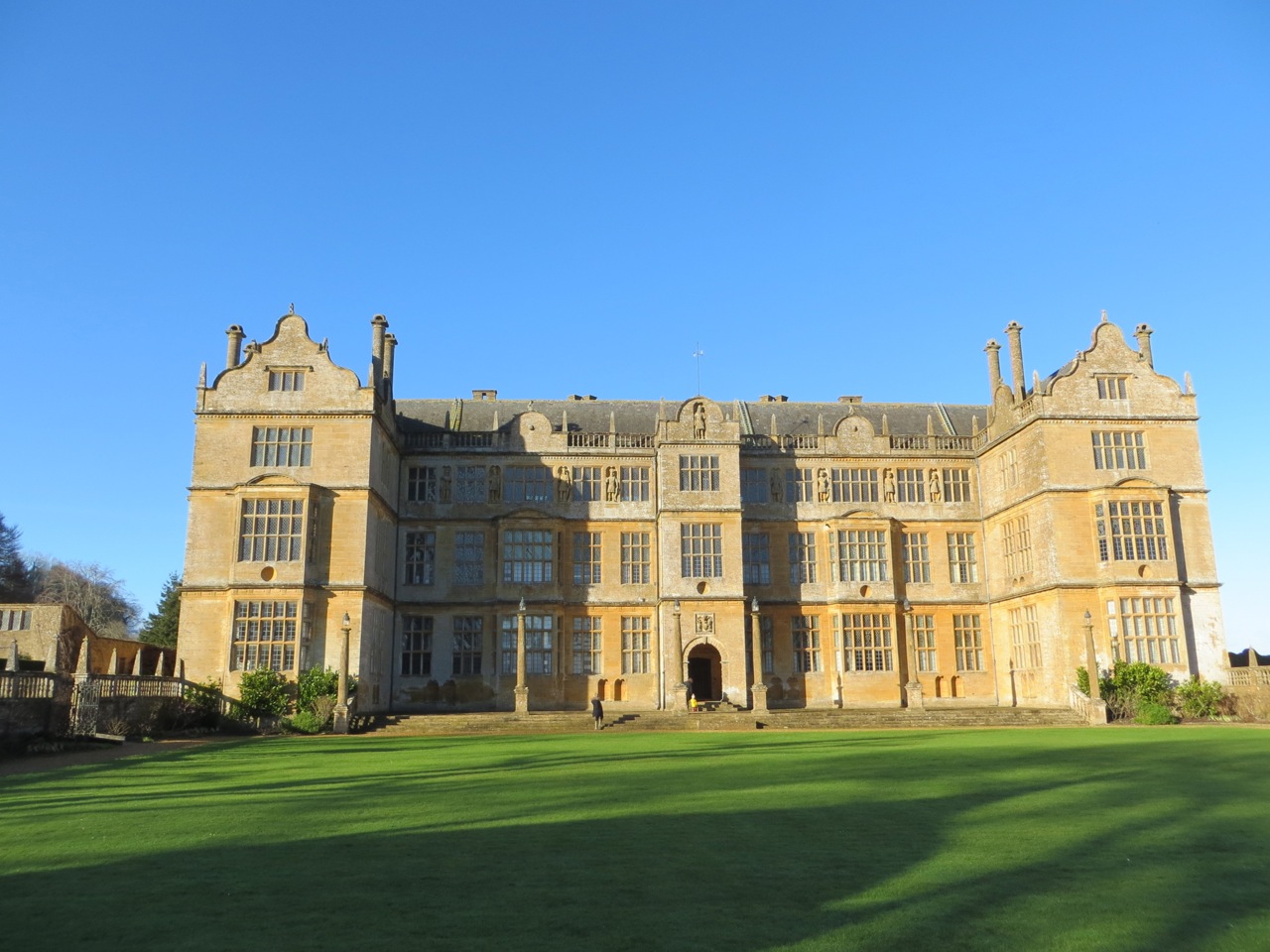
Montacute House is a late Elizabethan country house in Somerset, and is considered to be one of the finest houses from the Elizabethan era. It has survived almost unchanged. It was built in the 1590s from local ‘ham stone’ from the nearby Ham Hill quarries, a jurassic limestone known for the beauty of its honey-gold colouring. It remained in the Phelips family until the early c20, and became one of the first National Trust properties in 1927. By then it had largely been emptied of its contents. Today it houses an important collection of pictures from the National Portrait Gallery. Unsurprisingly the house and its grounds are much used for films and TV costume dramas.
A sunny day in early January was the perfect time for a family expedition to Montacute, including Genevieve (18 months, cute) who was more interested in the fish in the pond than anything else.
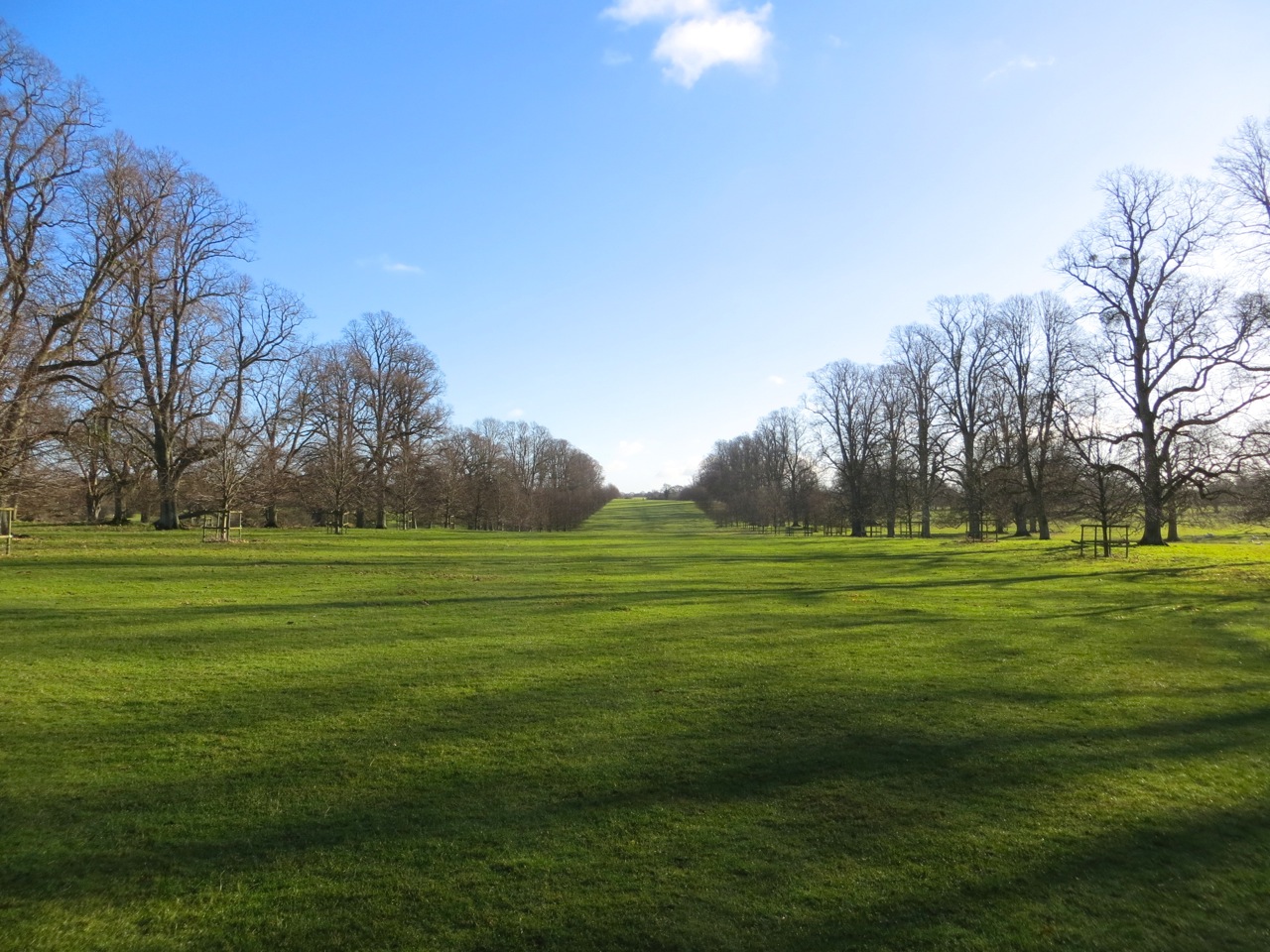
In between two pavilions are gates onto a long ride stretching far into the distant parkland


The Phelips Coat of Arms above the front door
A ‘welcome’ message that I suspect is not an original feature…
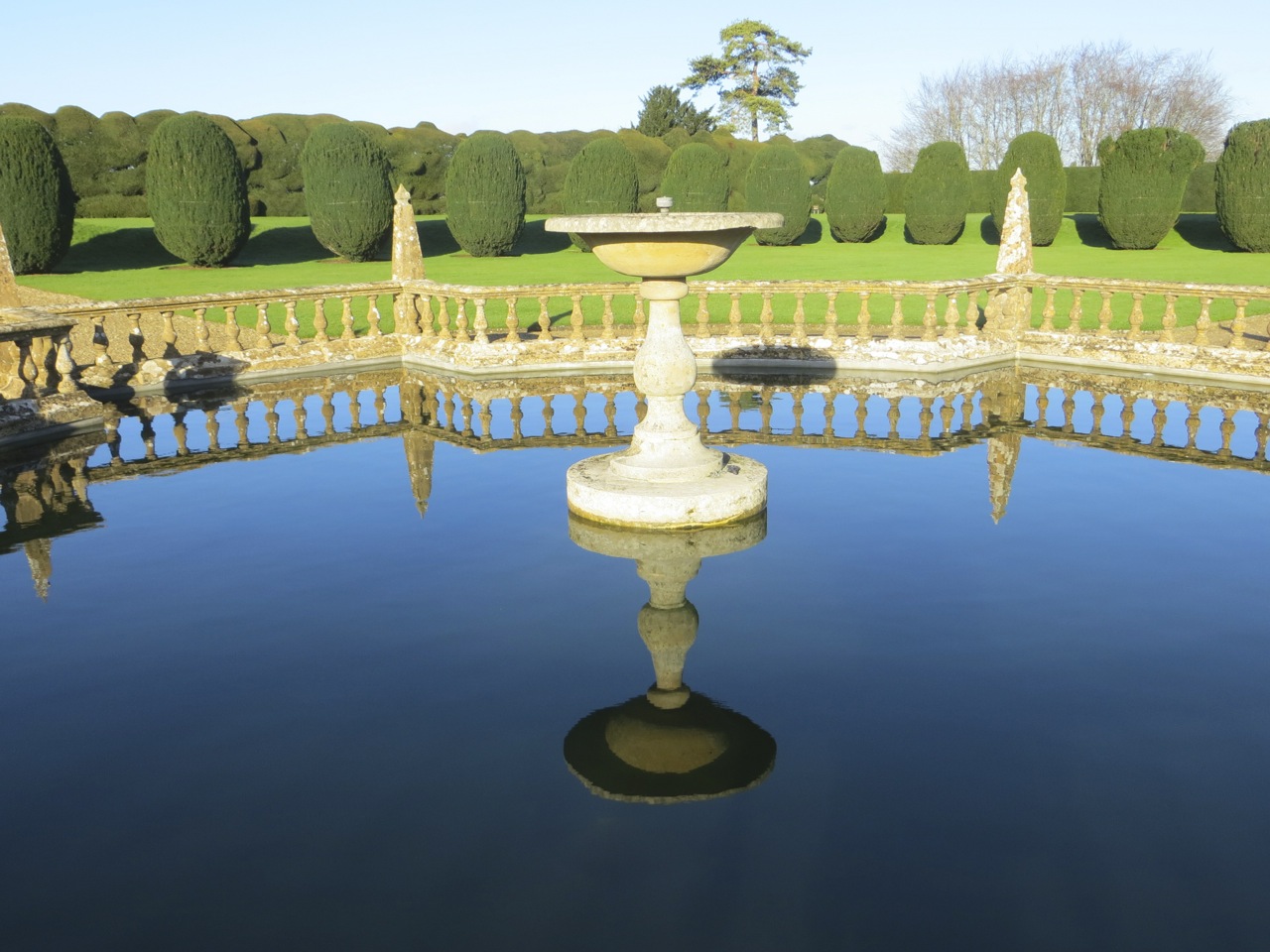
Adornments on the garden walls, the first presumably a fountain in days gone by

Part 2 will show some of the architectural detail of Montacute, and more of the gardens
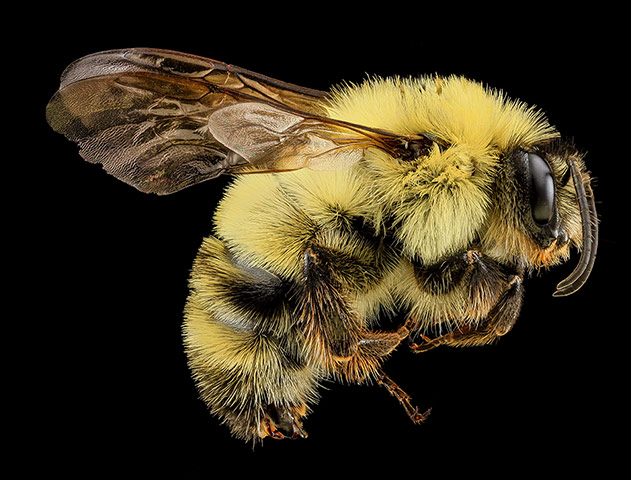
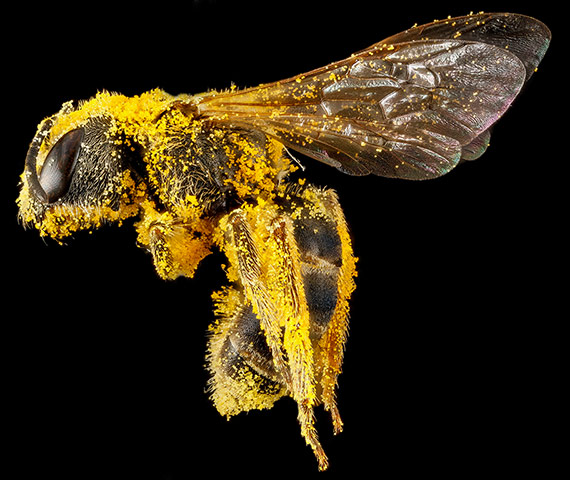
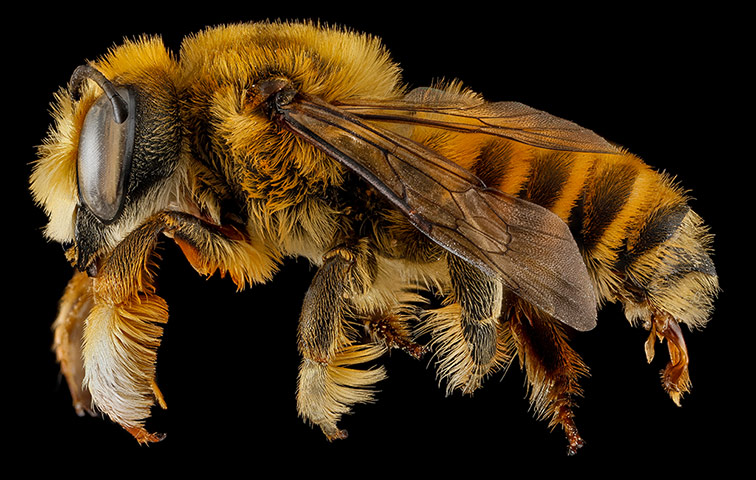
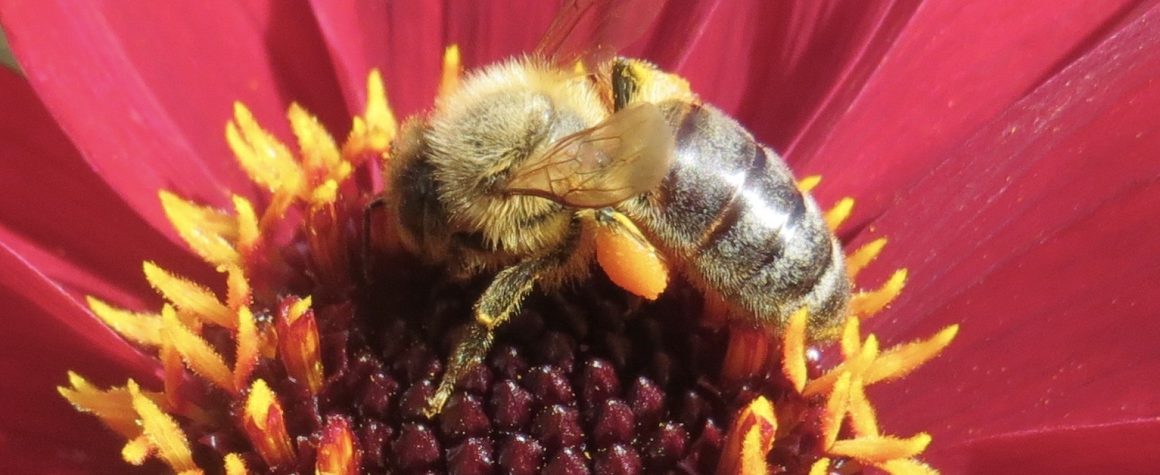
Following up my last bee post, here are some more amazing macro shots of bees from Sam Droege and the USGS Bee Inventory and Monitoring Lab. This time, it’s up close and personal…
This is in fact a jumping spider, but I just couldn’t leave it out…
All photographs: Sam Droege and the USGS Bee Inventory and Monitoring Lab
My general rule is to try to stick to posting my own photos, with occasional illustrative borrows. But rules are made to be broken, and sometimes images that are so astounding that they are irresistible are made available online. The Guardian website showed some bees from the USGS Bee Inventory and Monitoring Lab that are compelling… here are a few ‘in flight’, from their massive reference library of bee species. If you hover over each image, you’ll get the ID and location of the bee.
All photographs: Sam Droege and the USGS Bee Inventory and Monitoring Lab
Between Louisburgh, Co. Mayo and Killary Harbour to the south – the boundary with Galway – is a fertile plain. This gives way to an area of wonderful high mountains and loughs, and some of the best salmon fishing in Ireland. The plain is drained by rivers, and is the perfect location for one of Ireland’s great natural resources: PEAT.
The backdrop to the north includes the spectacular conical pilgrimage mountain CROAGH PATRICK, rising more than 2,500 feet almost directly out of the sea. Peat workings can be seen from the main road south, but they are best viewed by taking a side road through boggy countryside to the more remote areas.
In places the cut turf is stacked like old-fashioned corn stooks, in gently curving rows. The effect is of some organic work that the sculptor ANTONY GORMLEY might have dreamed up.
We don’t often see redwings in our garden on the western edge of central London. It is not their natural territory. Occasionally when mid-winter weather has been very cold, with frost-hardened ground, they will venture to the city for food. Two days ago I was watching a pair of blackbirds apparently courting in a tree at the end of the garden, when 5 redwings landed in the branches beside them. By the time I had found my camera and returned to the window, only one redwing remained. I fired off some shots rather hopefully through the glass, before the bird flew off…
Speckled front and pale flash above the eye – check
A bit of zoom to confirm the ID
We last had a redwing in the garden couple of years ago, during a prolonged frosty period. I was watching it on the lawn from an upstairs window when suddenly out of the air came a blur of speeding feathers followed by a loud squawk. A sparrowhawk had found its breakfast. I watched it eviscerate to redwing and feast on it for about 15 minutes. After it flew off, I examined the scene of the crime. All that remained of the redwing was a pathetic ring of feathers and its orange beak. The bones and even the feet had all gone. There was a sad little area of melted frost where the deed had been done. Here is a sequence of photos of the drama, mostly taken through glass in the early morning. Notice the growing ring of ripped out feathers as the corpse disappears…