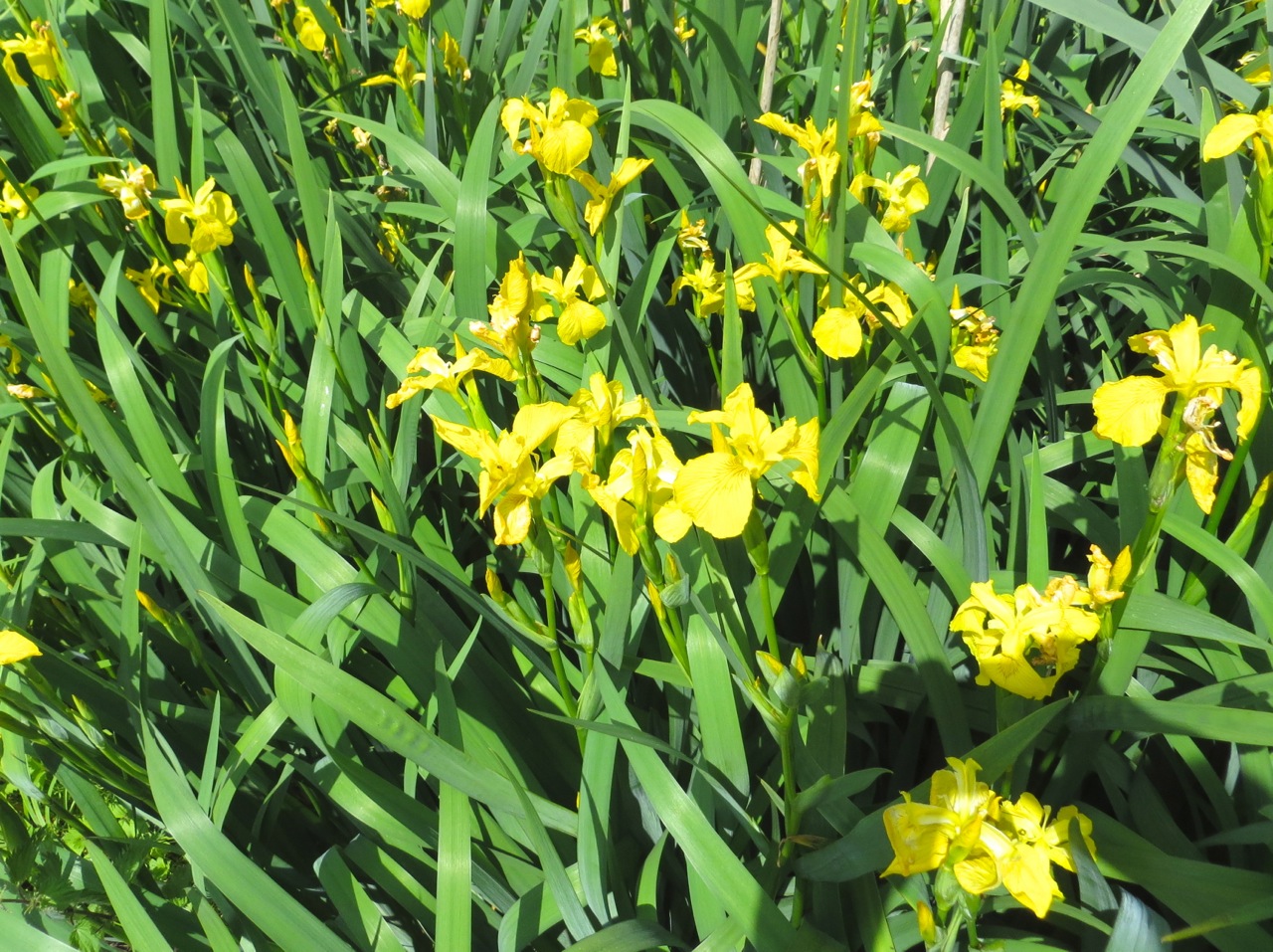
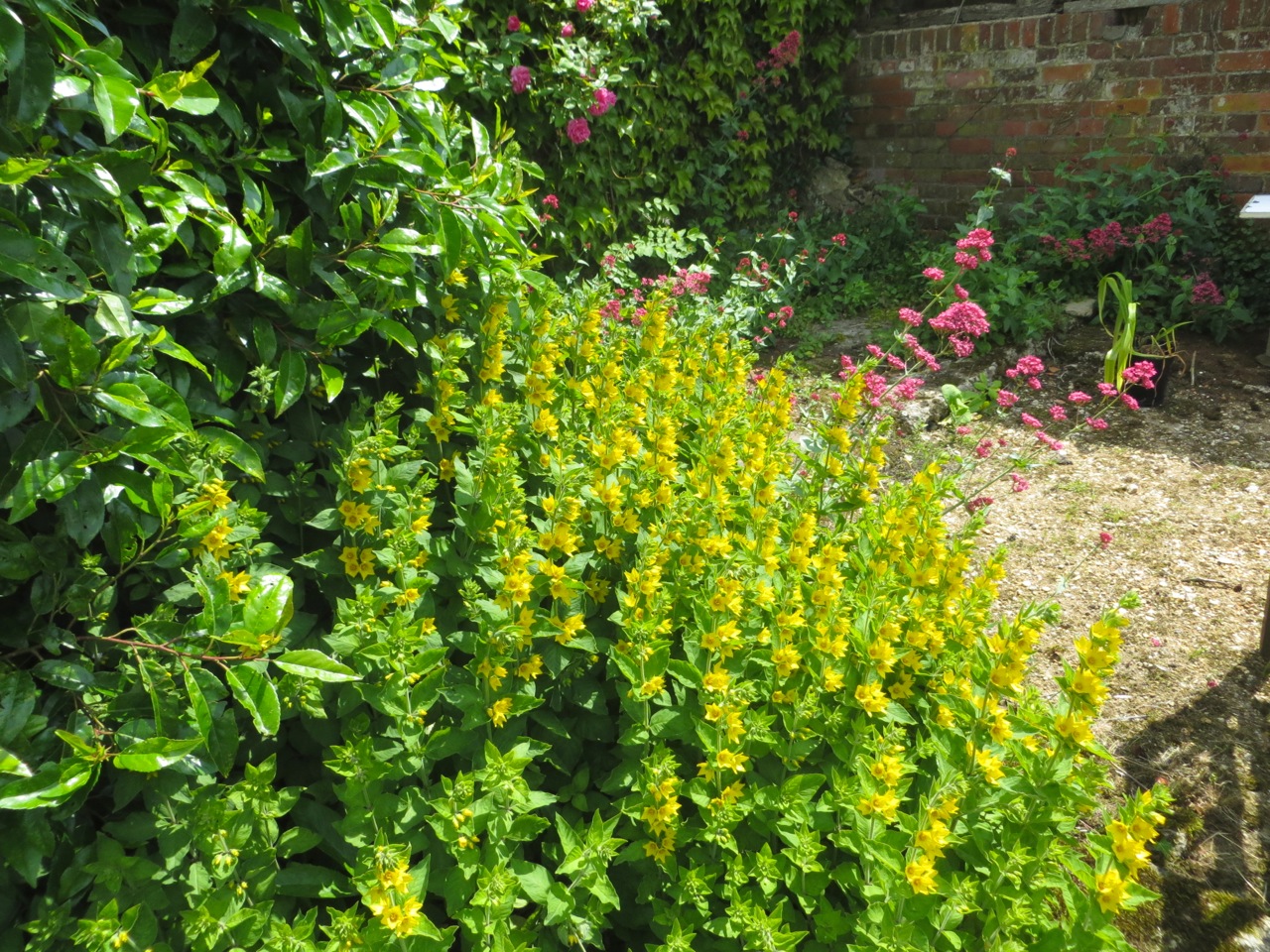
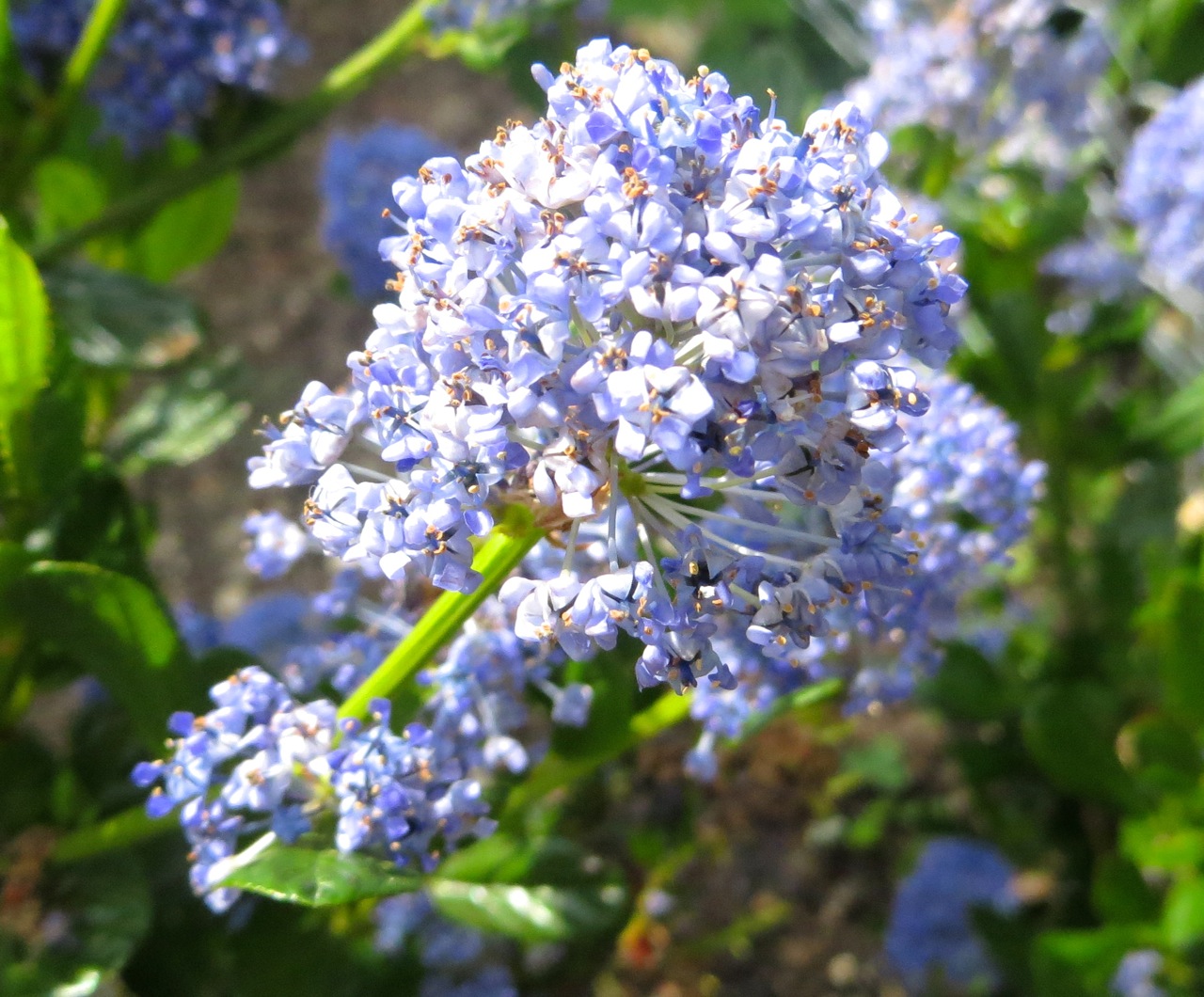
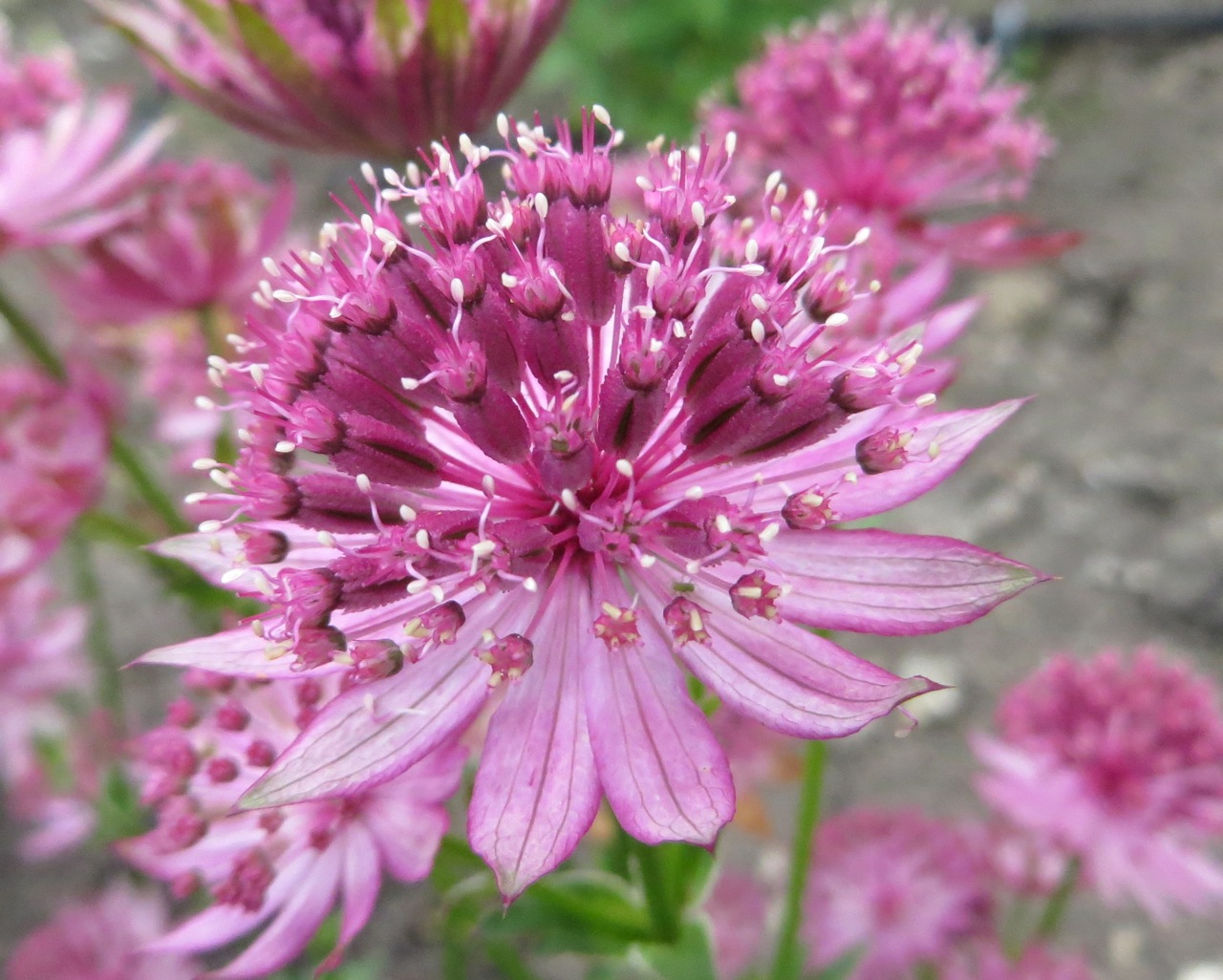
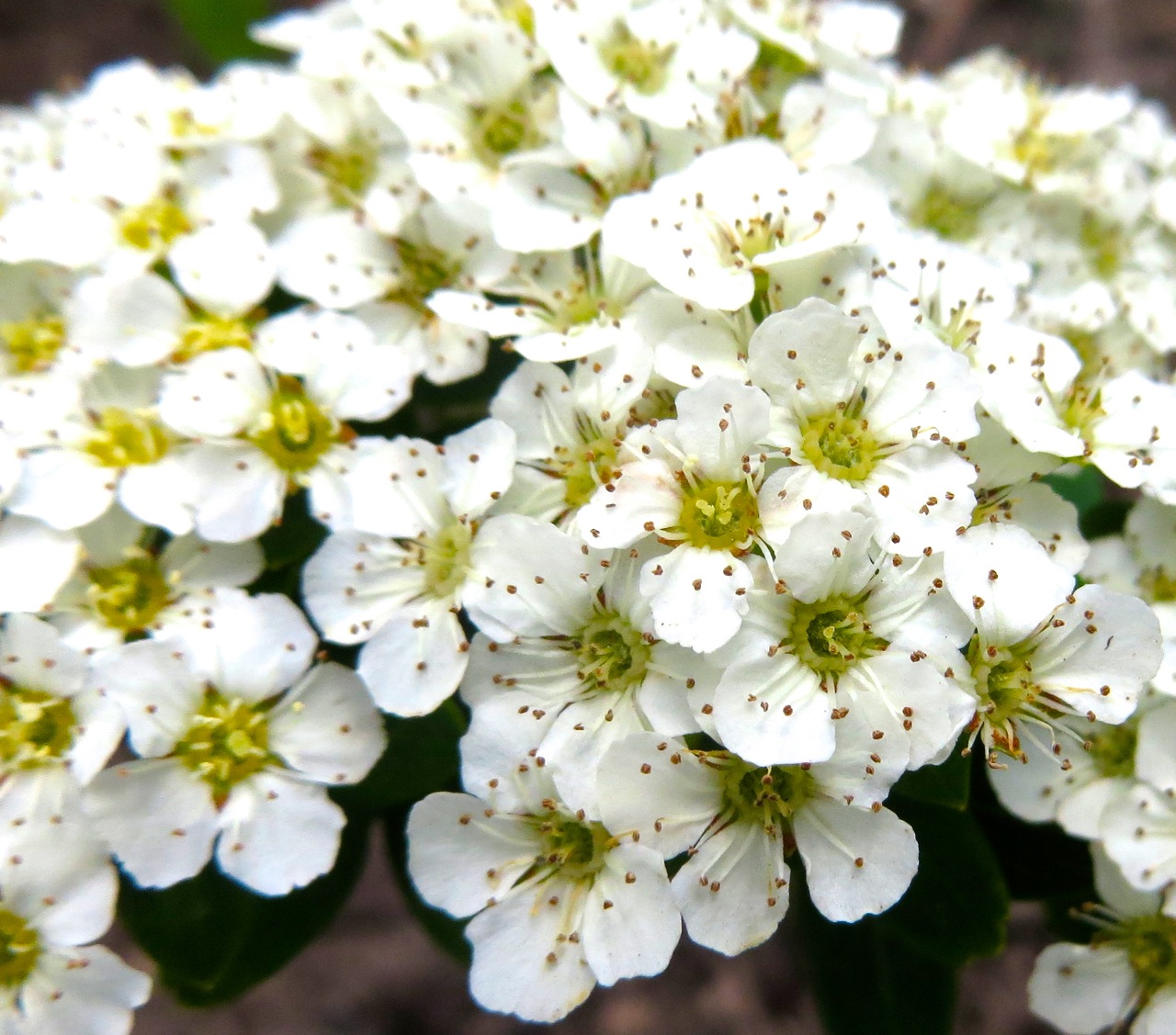
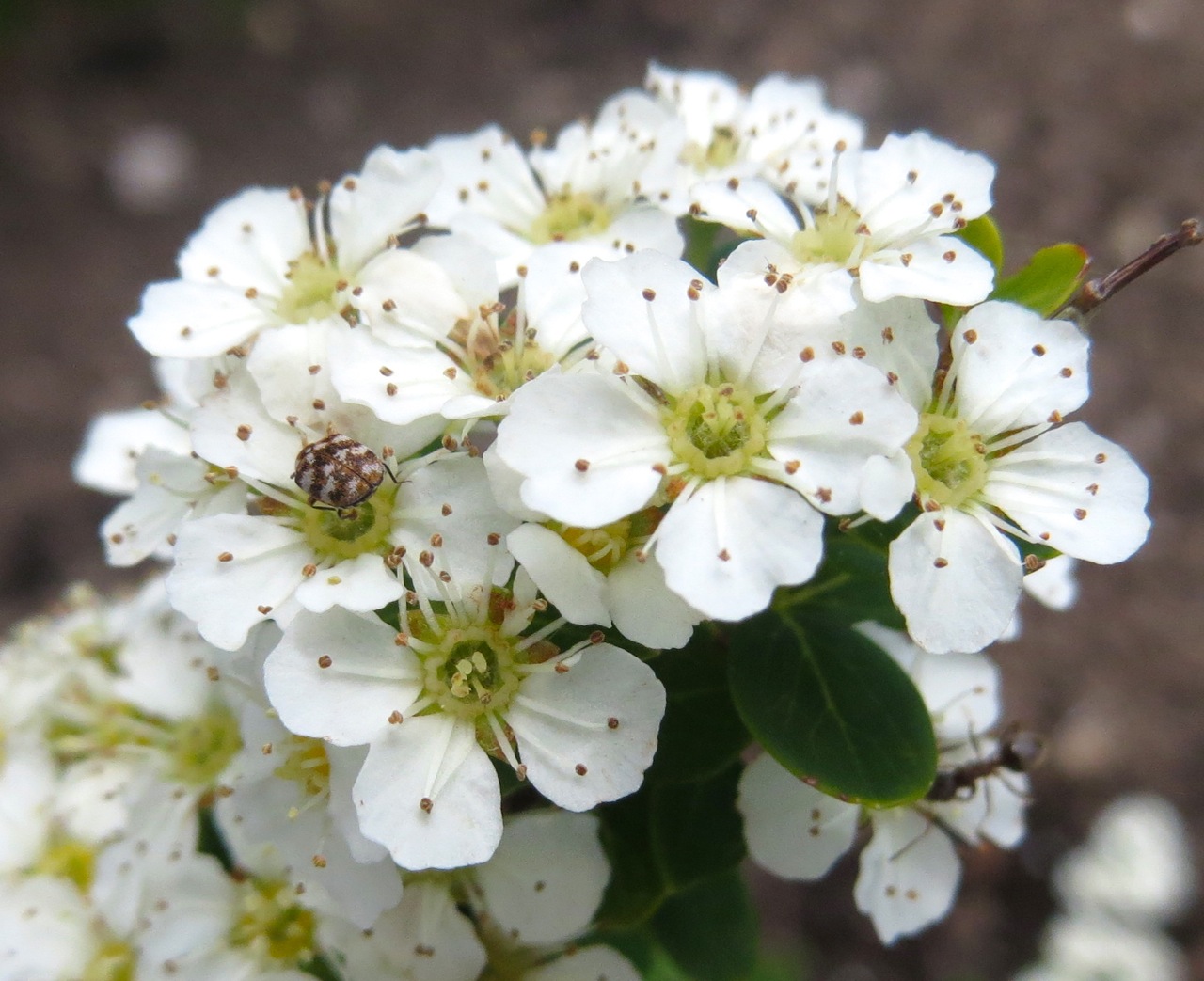
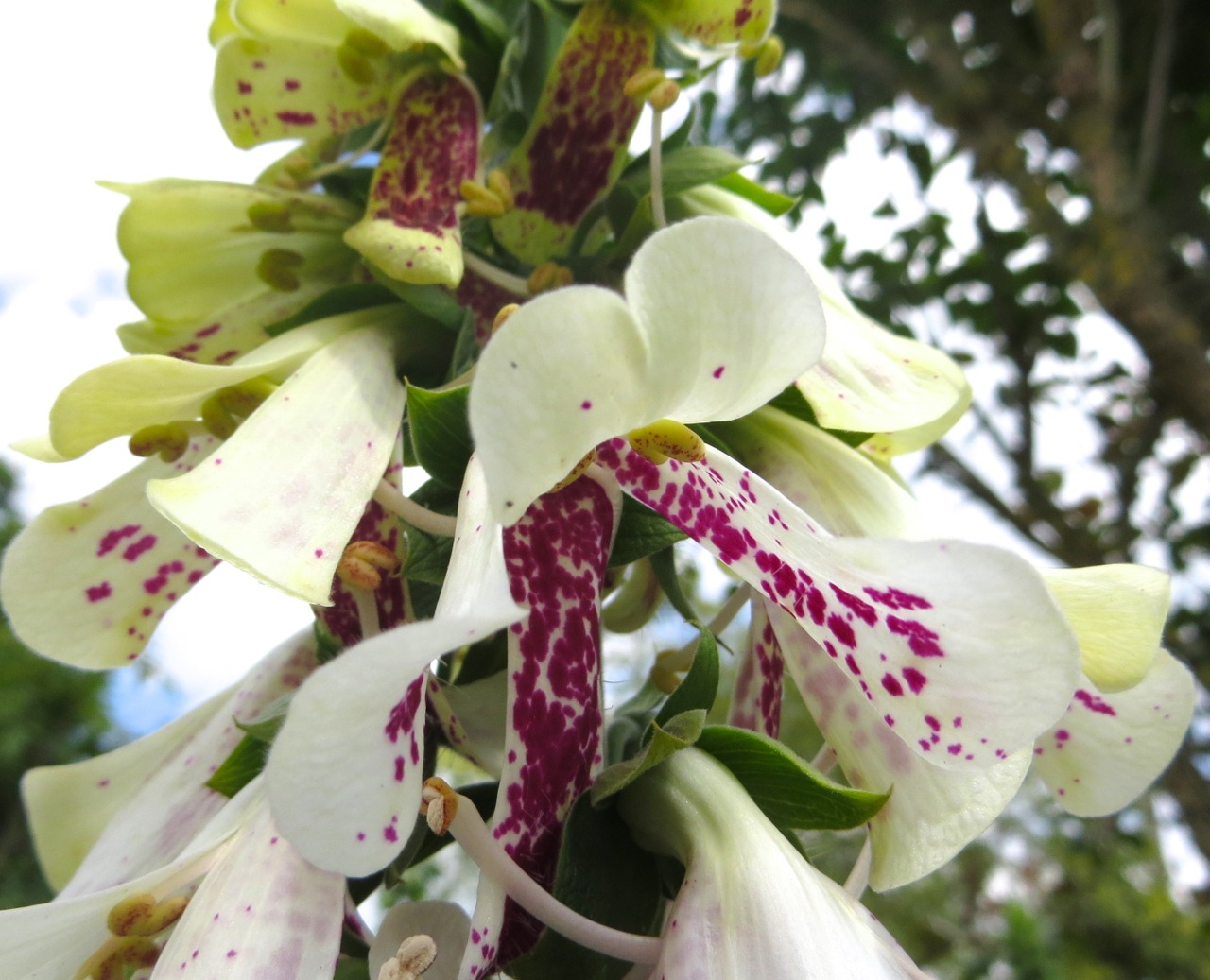
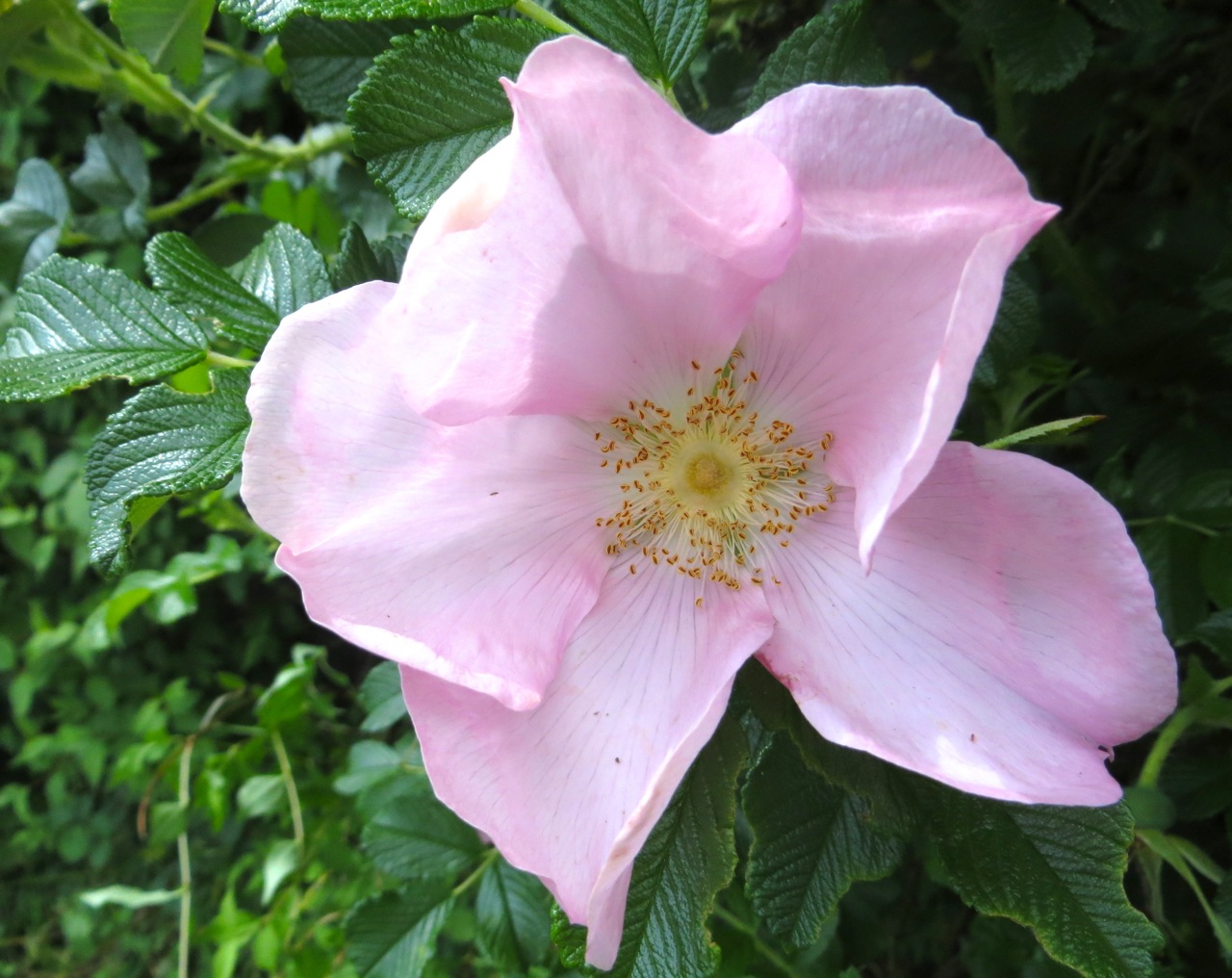
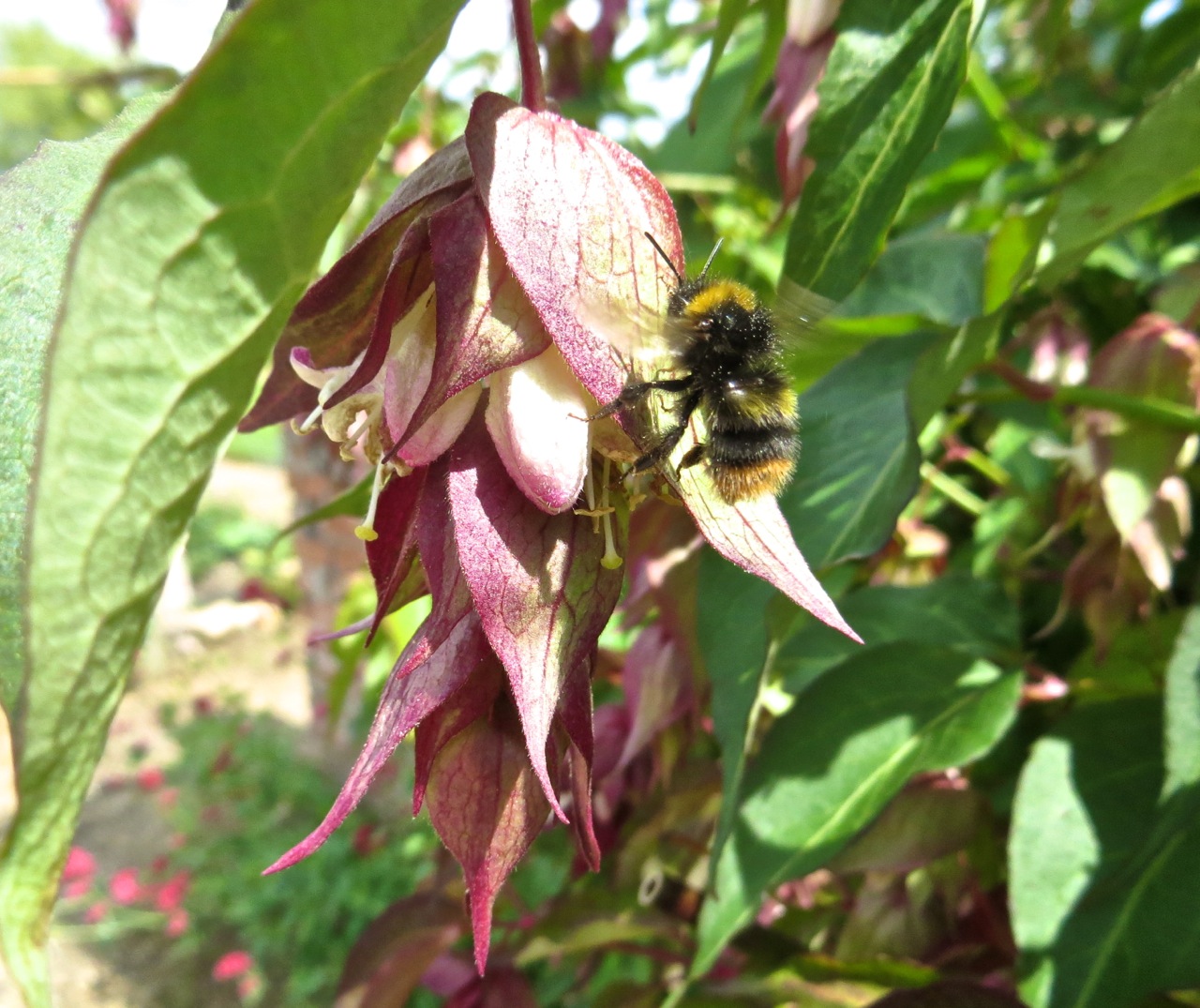
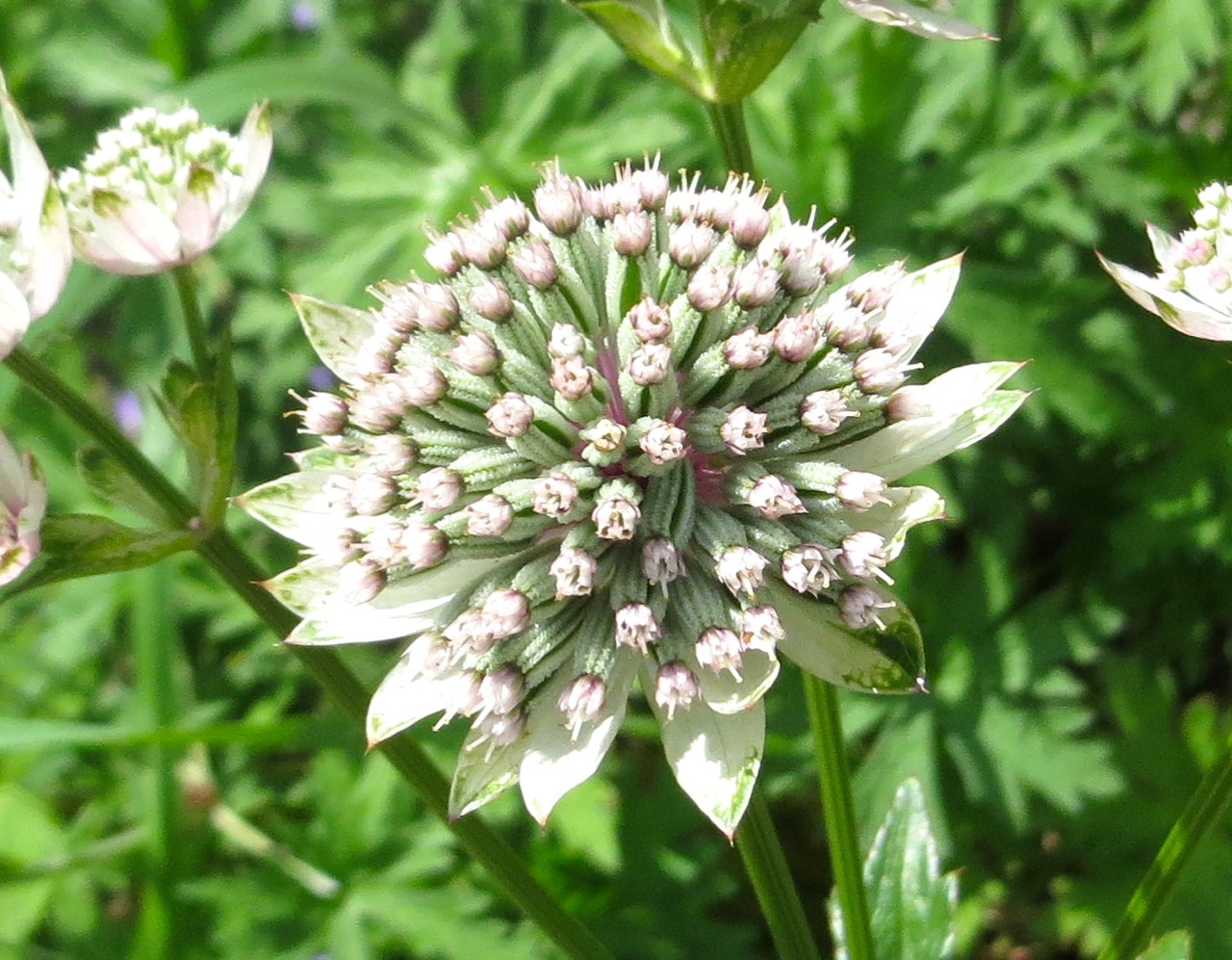
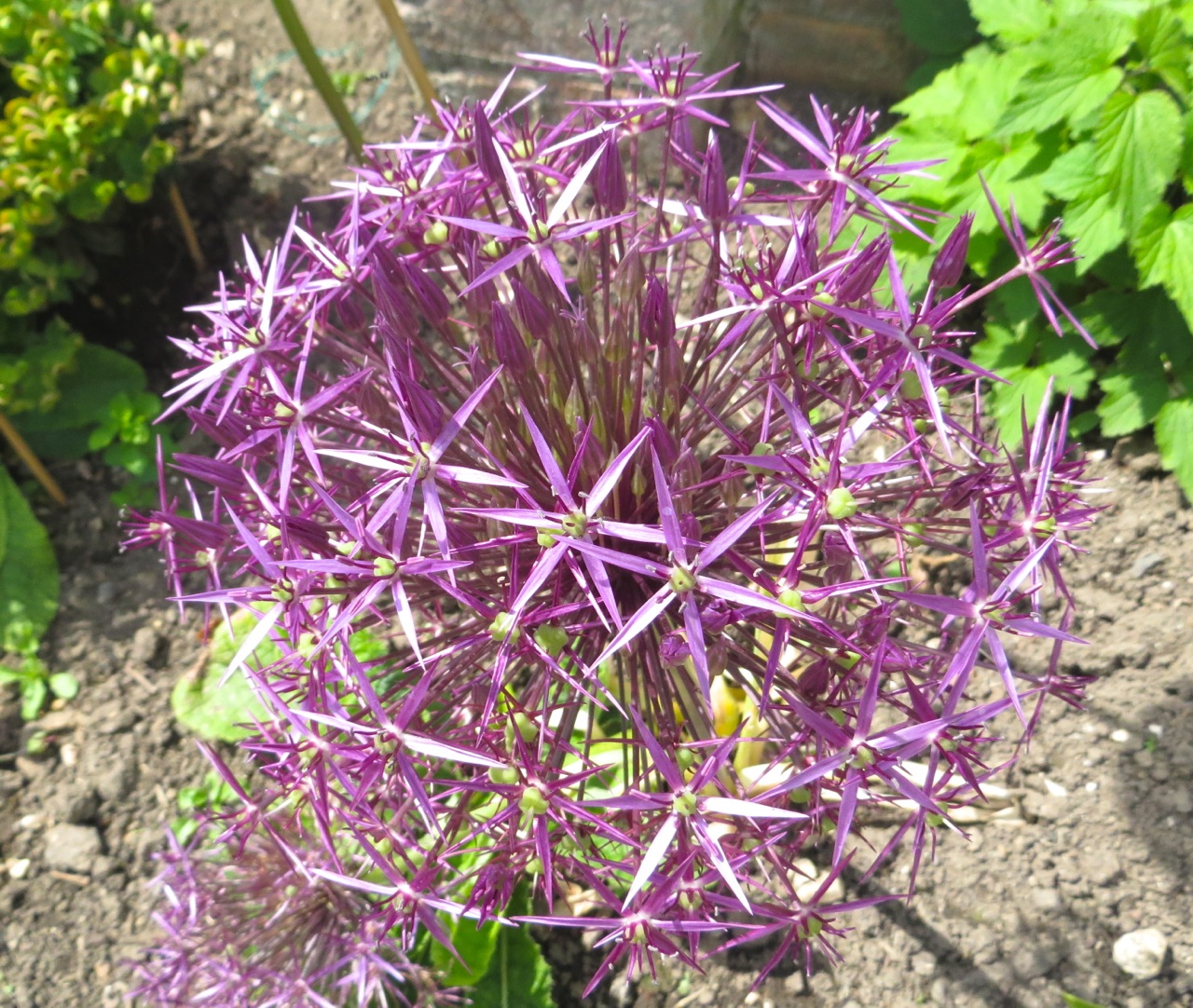
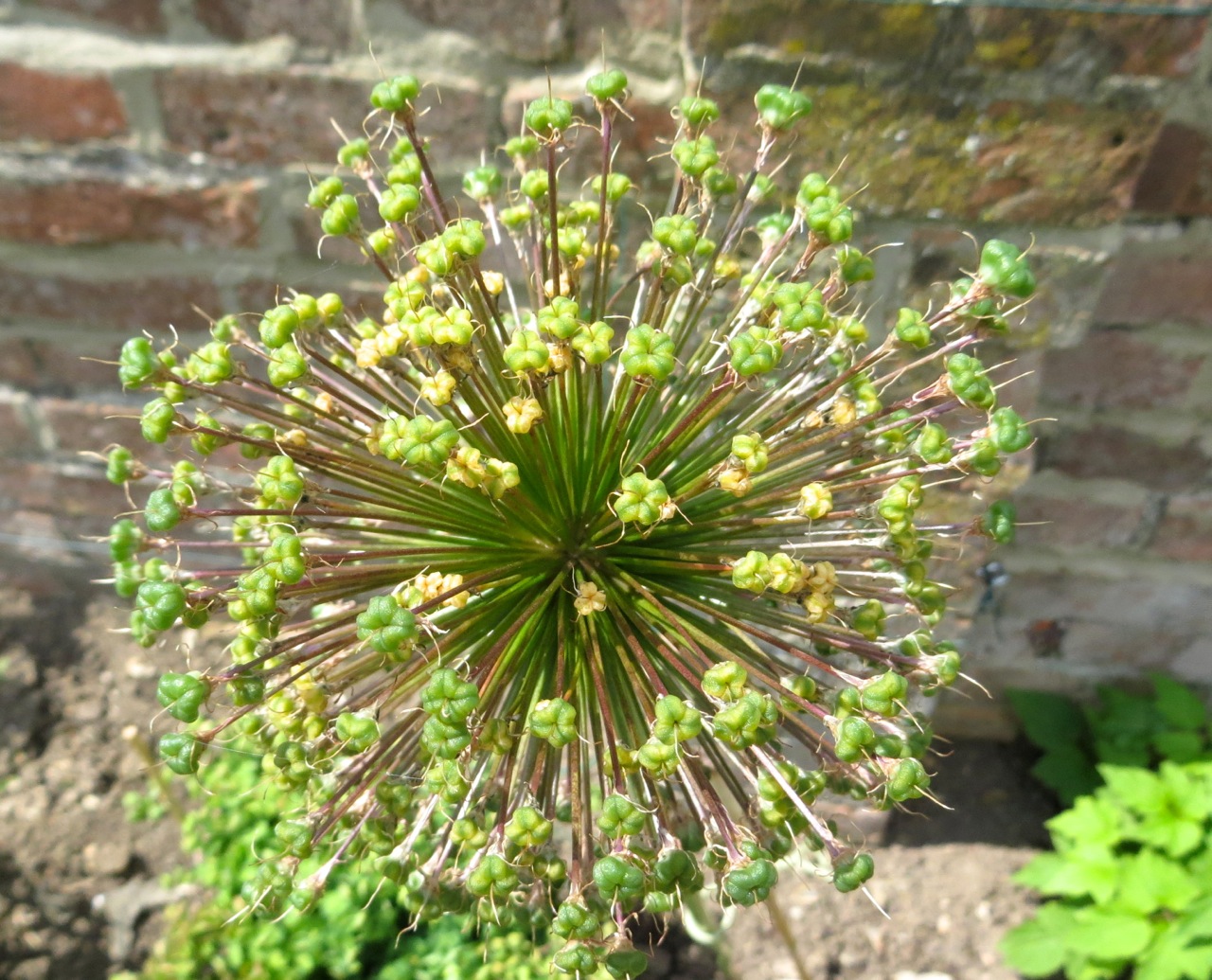
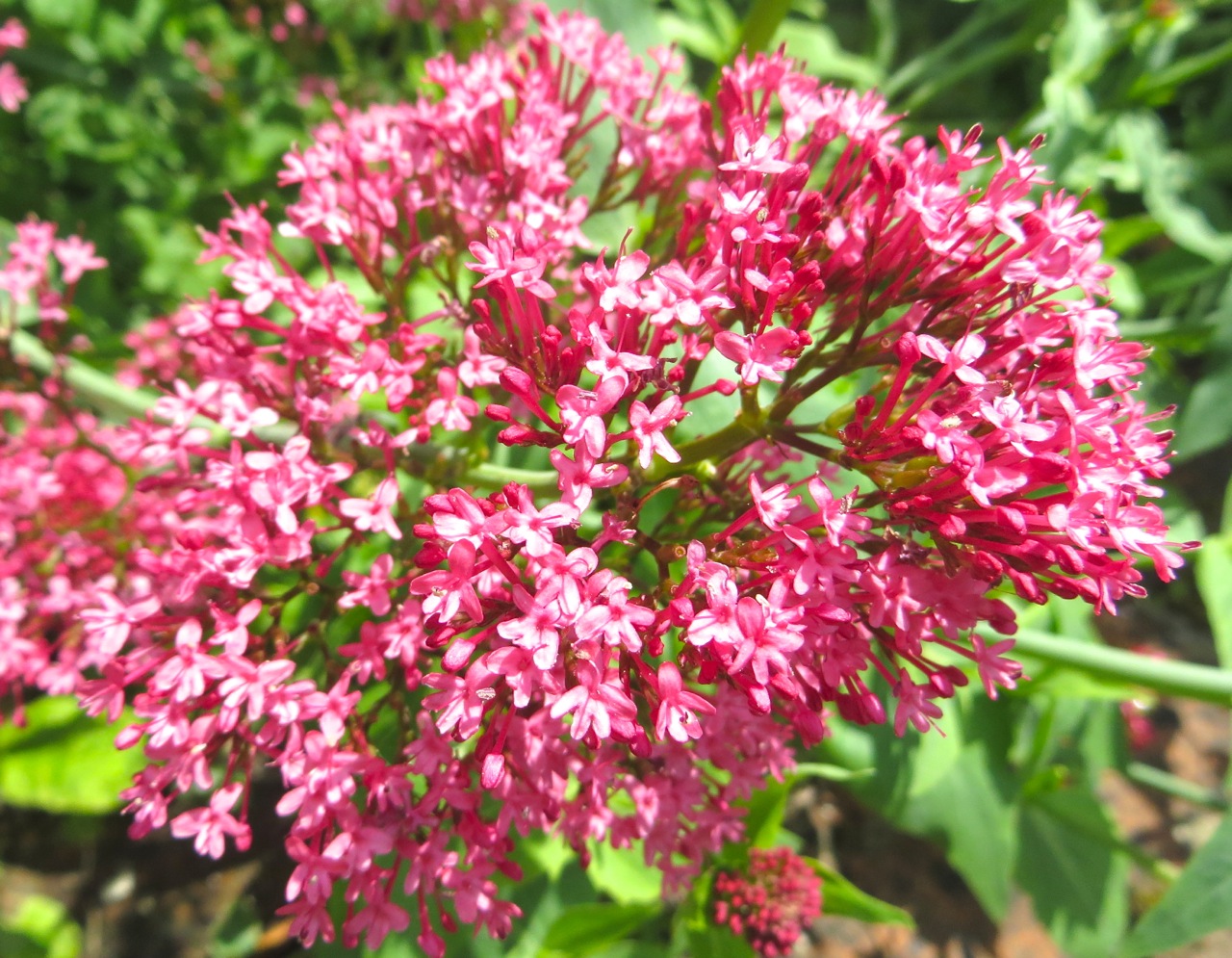
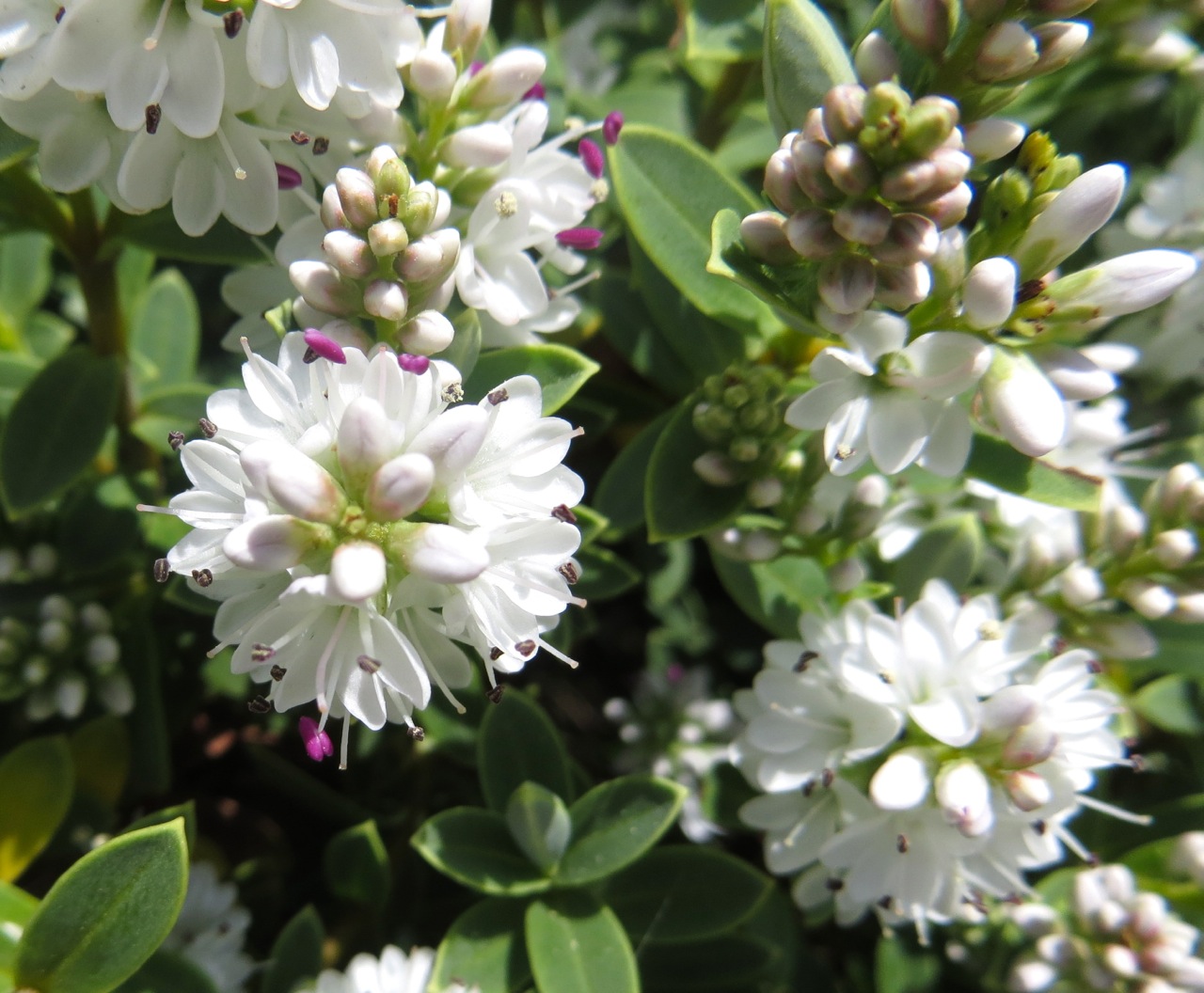
Here’s a second bunch of flowers from a Dorset garden in June. Those few who kindly sniffed the first bunch may have wondered why none was labelled. That’s because, for most of them (apart from the obvious ones) I have no idea of the names. Or did once, but have forgotten them. And for familiar ones, I feel putting “Pink Rose” isn’t much help if you really want to know if it’s a Rosaflora Grandiloquens “Dame Edna Everage” or not. If I name 2 or 3 but not the rest, it still looks a bit… wrong. So it’s just ‘flars’, as Eliza Doolittle might say.




Author: Rolling Harbour
Indispensible blog for Abaco Bahamas: Birds, Marine mammals, Reef fish, Bonefishing & a miscellany of hurricanes, shark attacks, shipwrecks, books, recipes & cocktails
A BUNCH OF FLOWERS FROM DORSET (1)








GARDEN FLOWERS IN 10 MINUTES OF SUNSHINE (LONDON)
HONEYSUCKLE

WEIGELA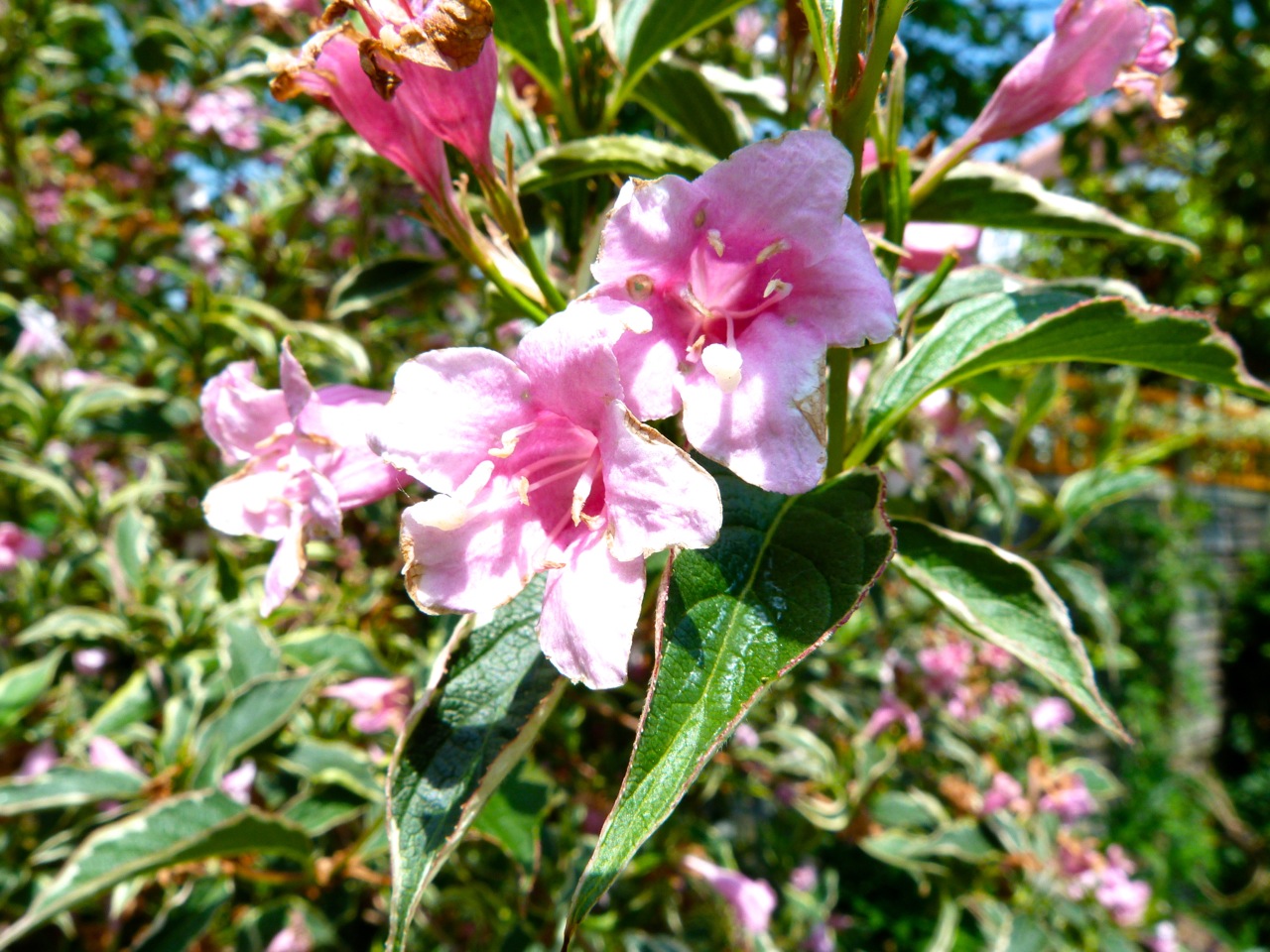

OH YOU KNOW – IT’S A CARNATION… OF SORTS… ISN’T IT?

WHITE FOXGLOVE

CANTERBURY BELL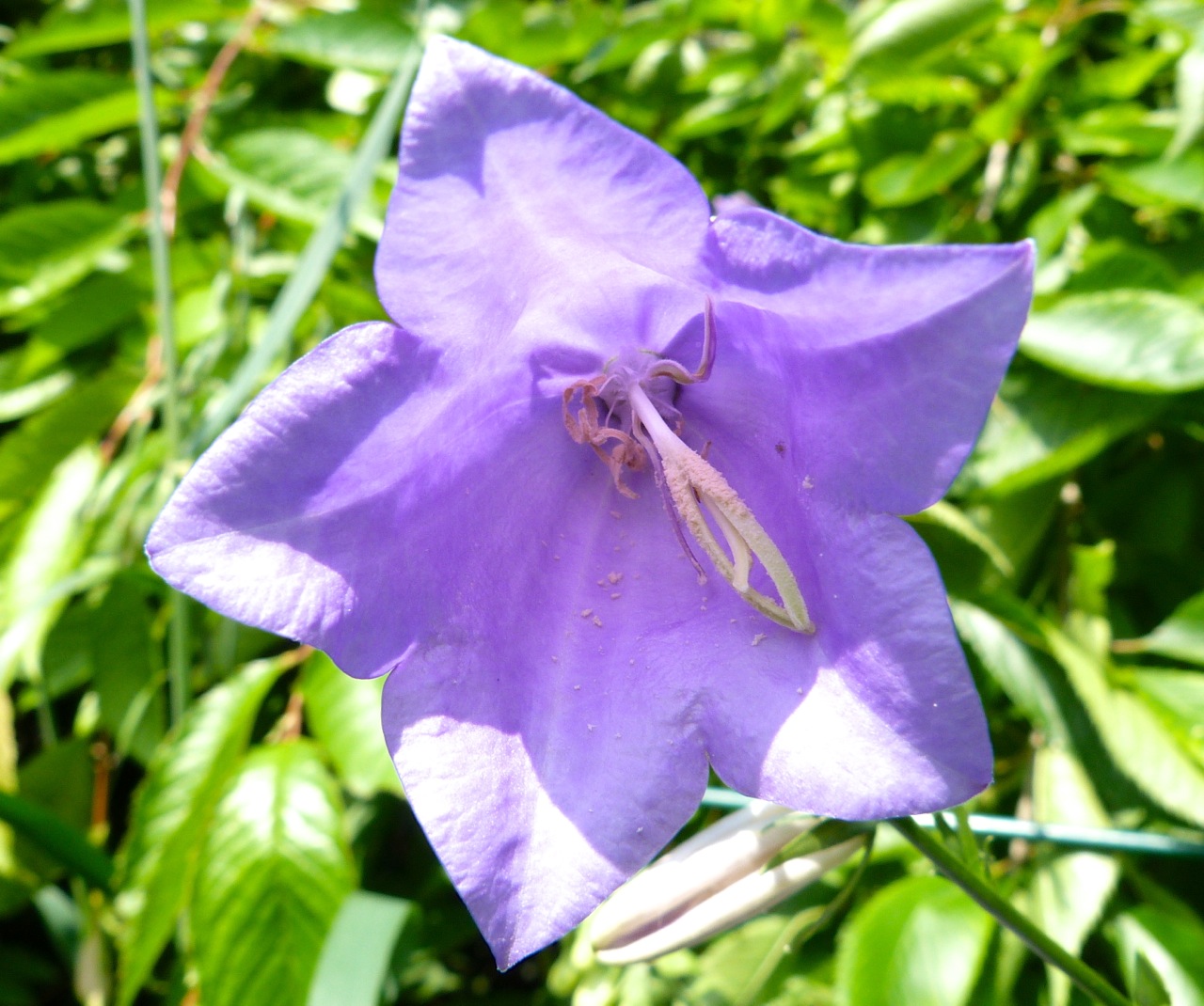
BLUE NONCOGNOSCO [Cornflower ‘Centaurea’ – thanks Amelia]
PINK FOXGLOVE
MINIATURE RED ROSE
(replete with whitefly – a job for the weekend)


PURPLE IRIS
THAT USEFUL PLANT THAT GROWS BETWEEN PAVING STONES [= Campanula – thanks again Amelia]
ARUM LILY
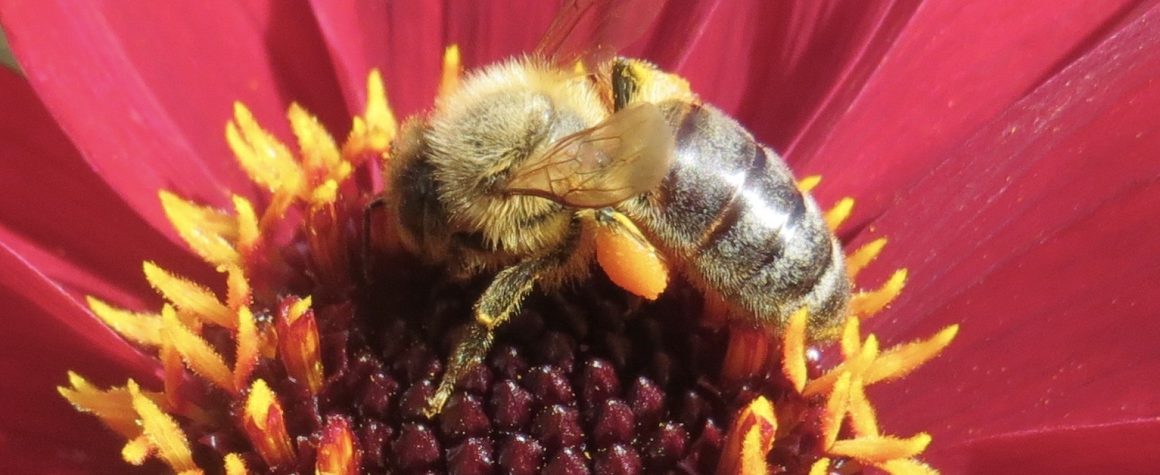
DON’T WORRY. BEE HAPPY…
A strange yellow disc appeared intermittently in the sky today. It is warmer. Time to venture into the garden. First stop – the lupins. Bees in residence? Check. Looking closely, I notice that they part the individual pods with their legs to get at the contents. There’s certainly bags of what they are after, to judge by the leg pouches.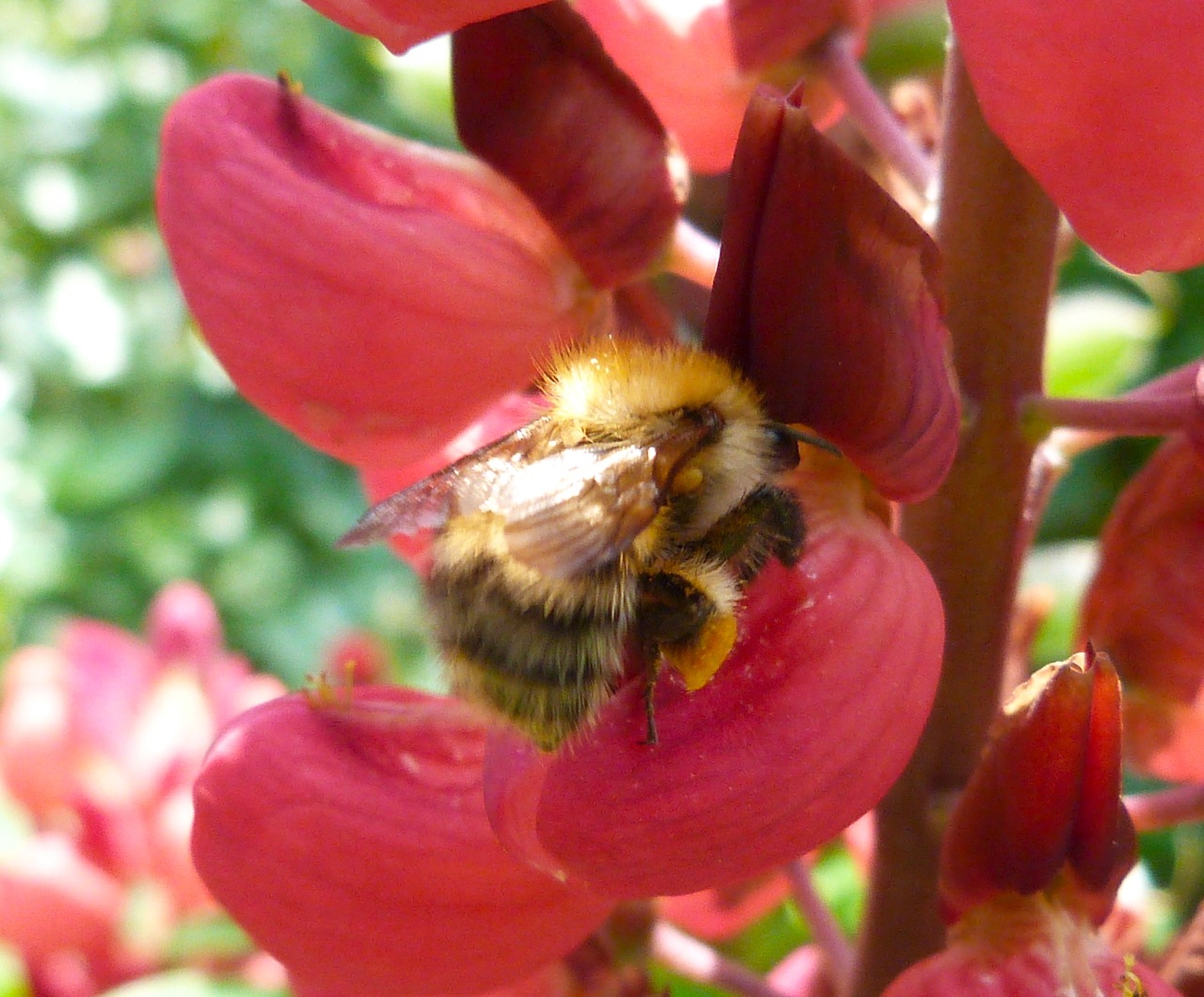


Next stop: the nice pink flowers that are called… well, if someone wants to remind me, please use the comment box. They came from a nice house in Kent and have flourished on my regime of benign neglect.
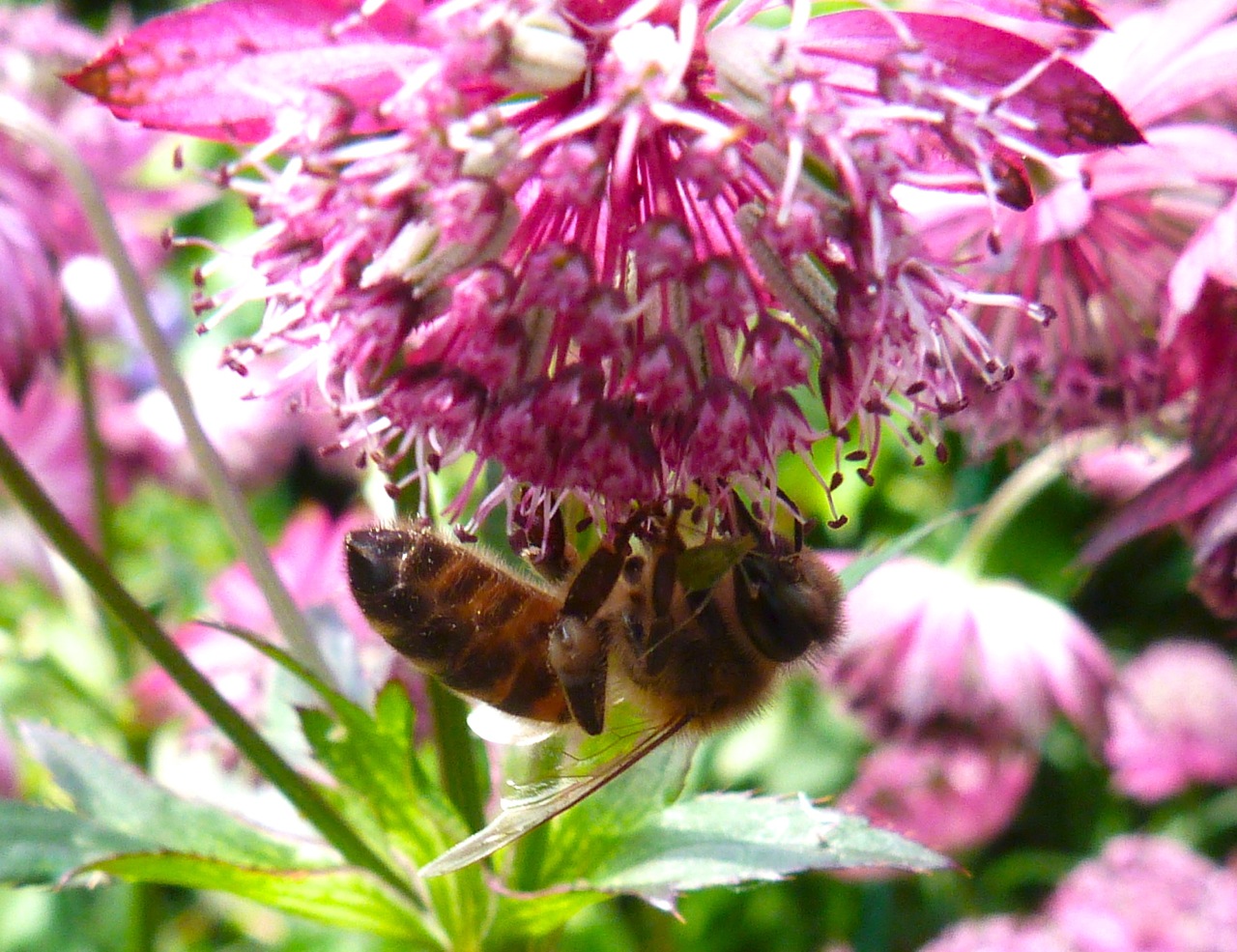
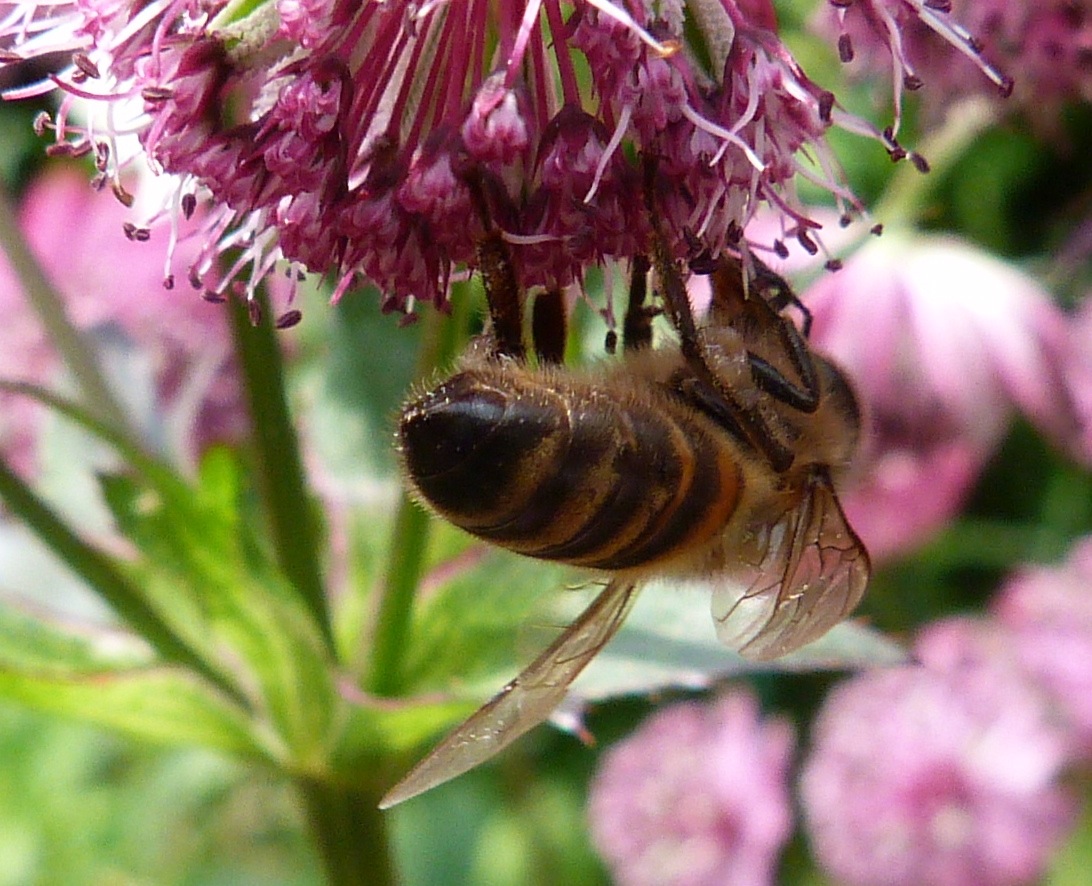
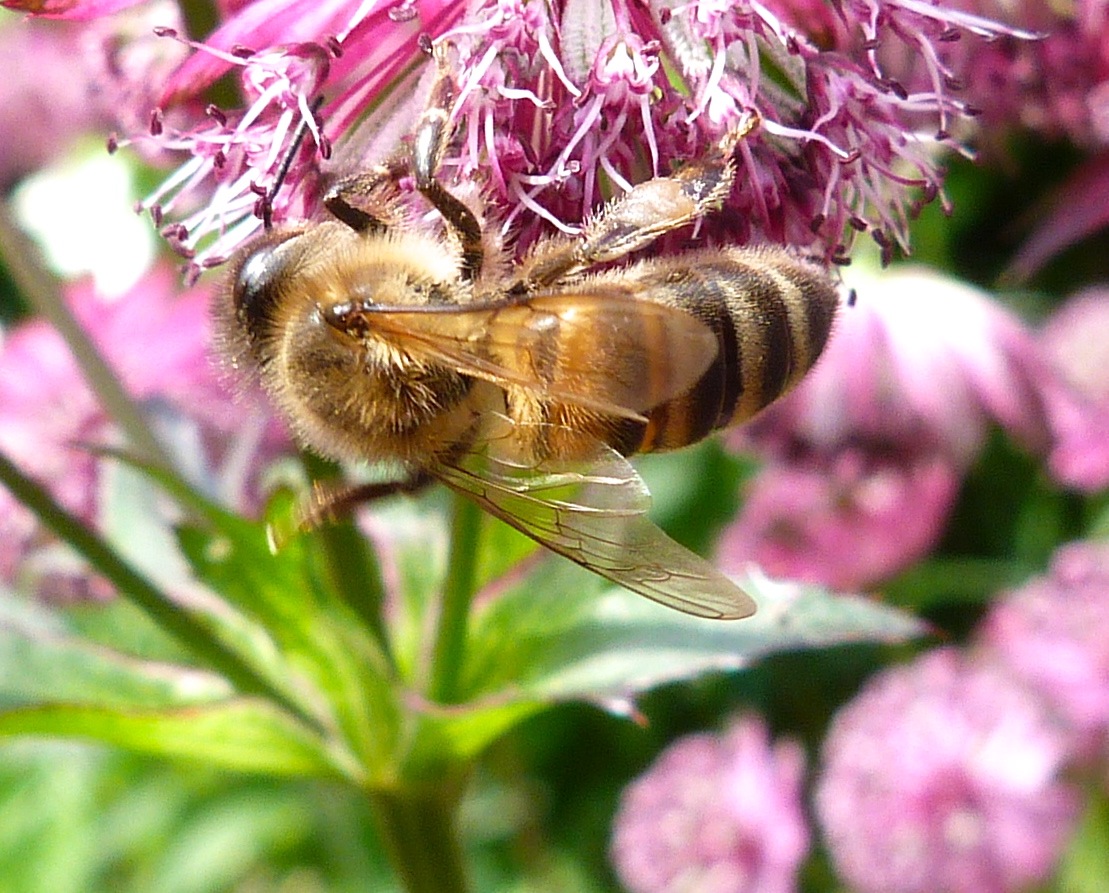
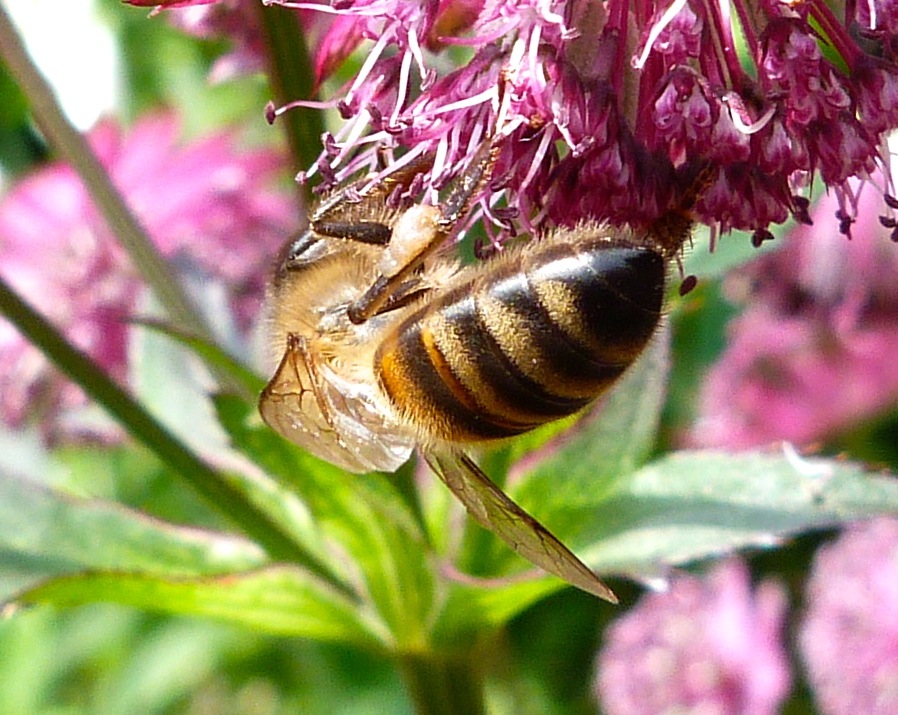
Now that blue thing – Canterbury Bell, is it? Bee inside? Tick.
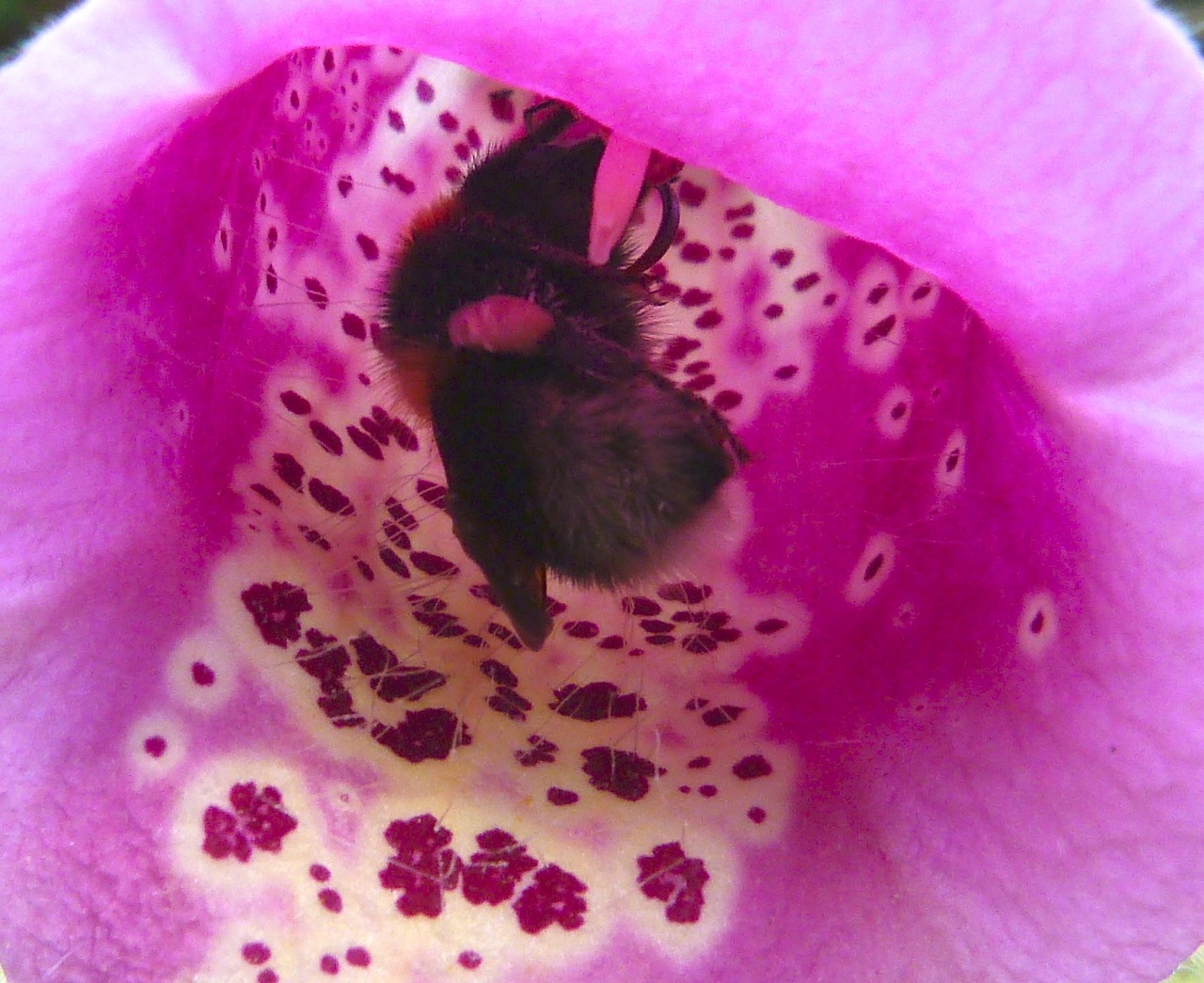
The foxgloves seem popular with the bumbles today. Only the purple ones, not the white ones. Such pretty patterns close-up, and such long hairs inside. The technical term for these is… forgettable.

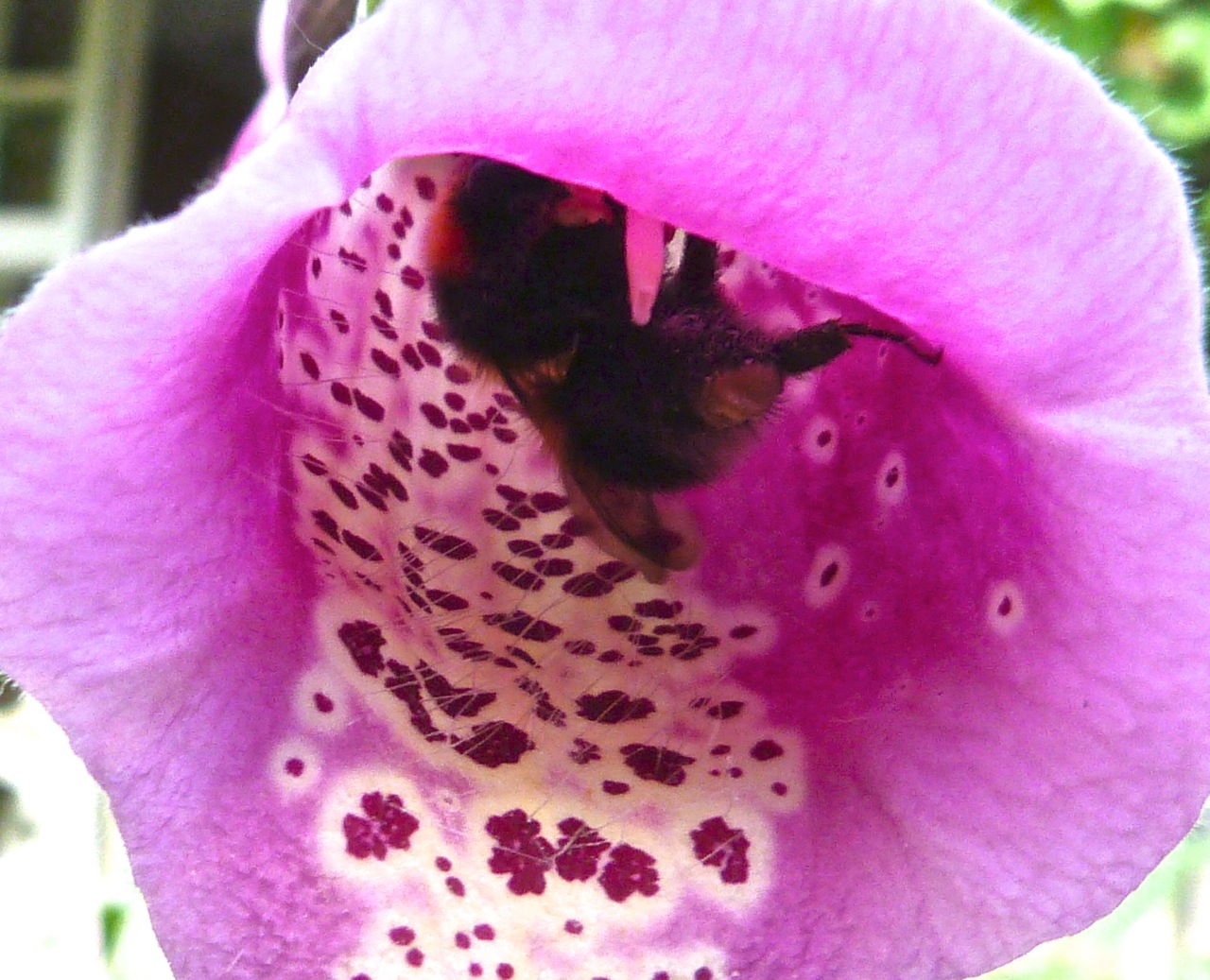
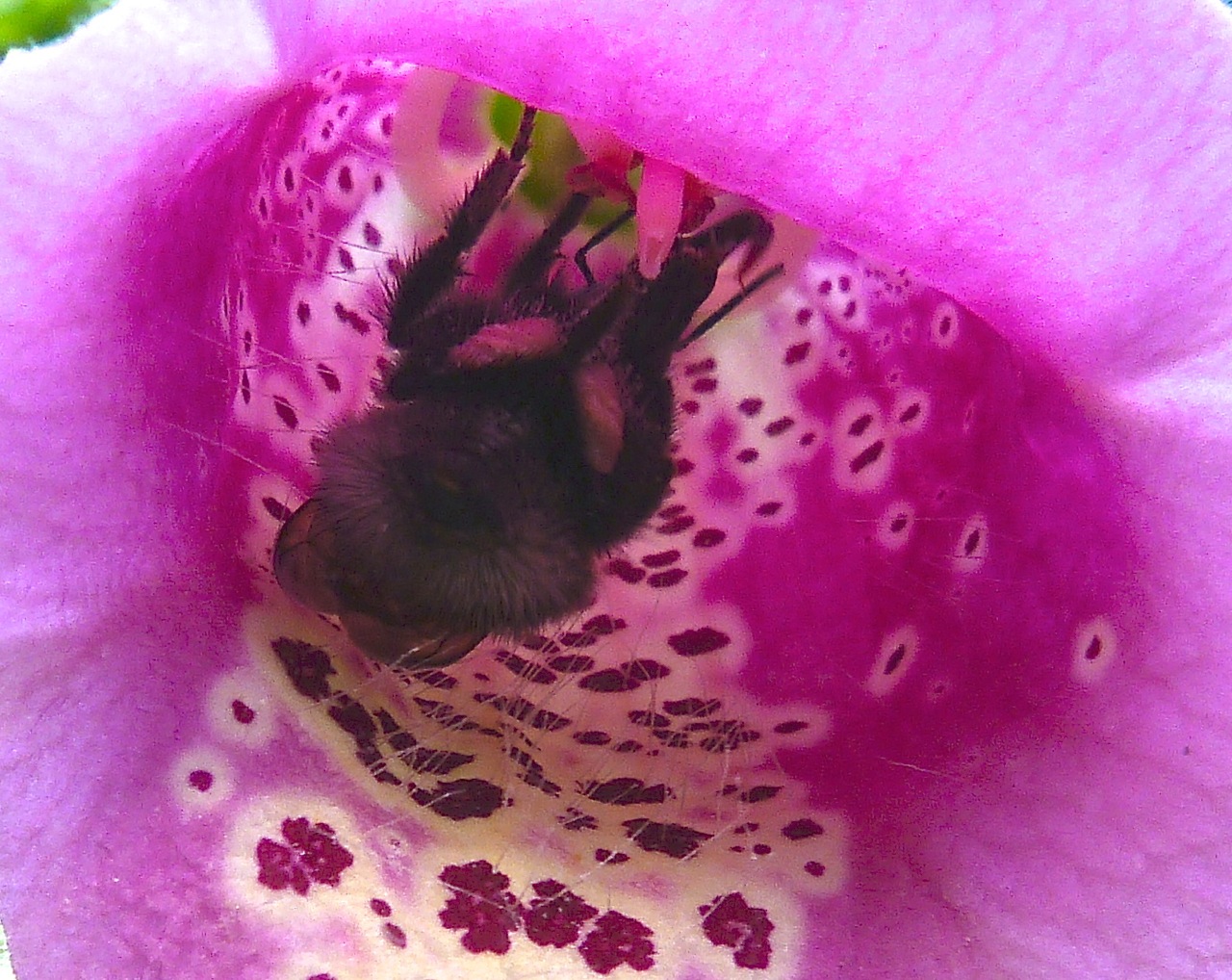
GOOD GRIEF! When I pressed the ‘publish’ button, this turned out to be my 100th post on this ramshackle, poorly curated website. Thanks to the select, small (but slightly increasing) numbers who turn up to have a look from time to time. This isn’t my main project, but it’s a place to put a few nice pics from time to time. Merci, all. RH
THE WOODPECKER SAGA: TWO HAPPY ENDINGS
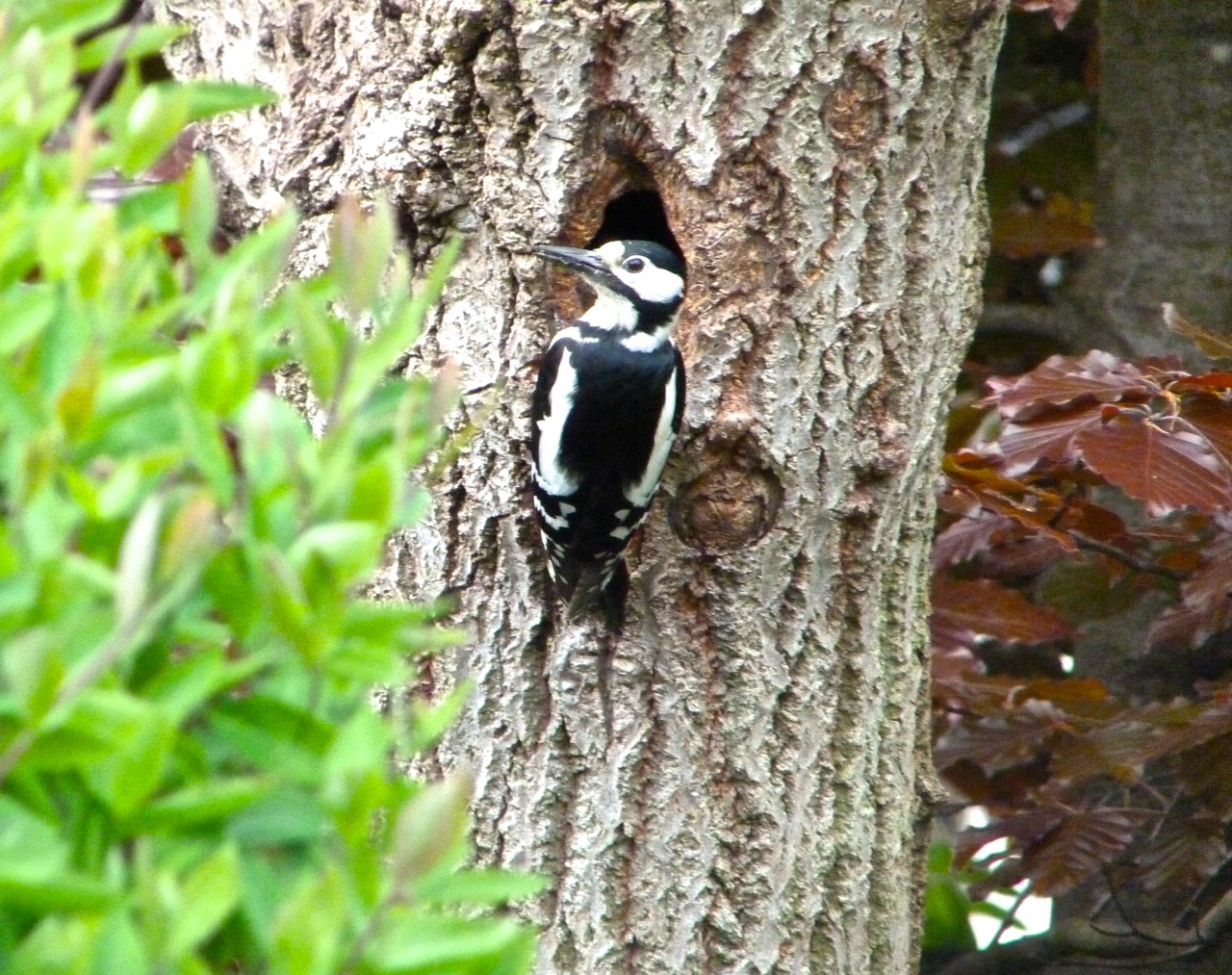
GREAT SPOTTED WOODPECKERS, LONDON
The babies have flown! On Friday morning, the sound from the tree was a cacophony, with both parents appearing to urge their kids to leave home. By the time Mrs Harbour got back from work in the evening, they were gone. The nest was empty, and there was silence. So we never said goodbye, but we can say “good luck”.
WEST INDIAN WOODPECKERS, ABACO
During the week, the babies have appeared with increasing bravery at the nest-hole 
Feeding no longer involved a parent diving into the box with bugs, but feeding at the entrance
The heads began to stick out further…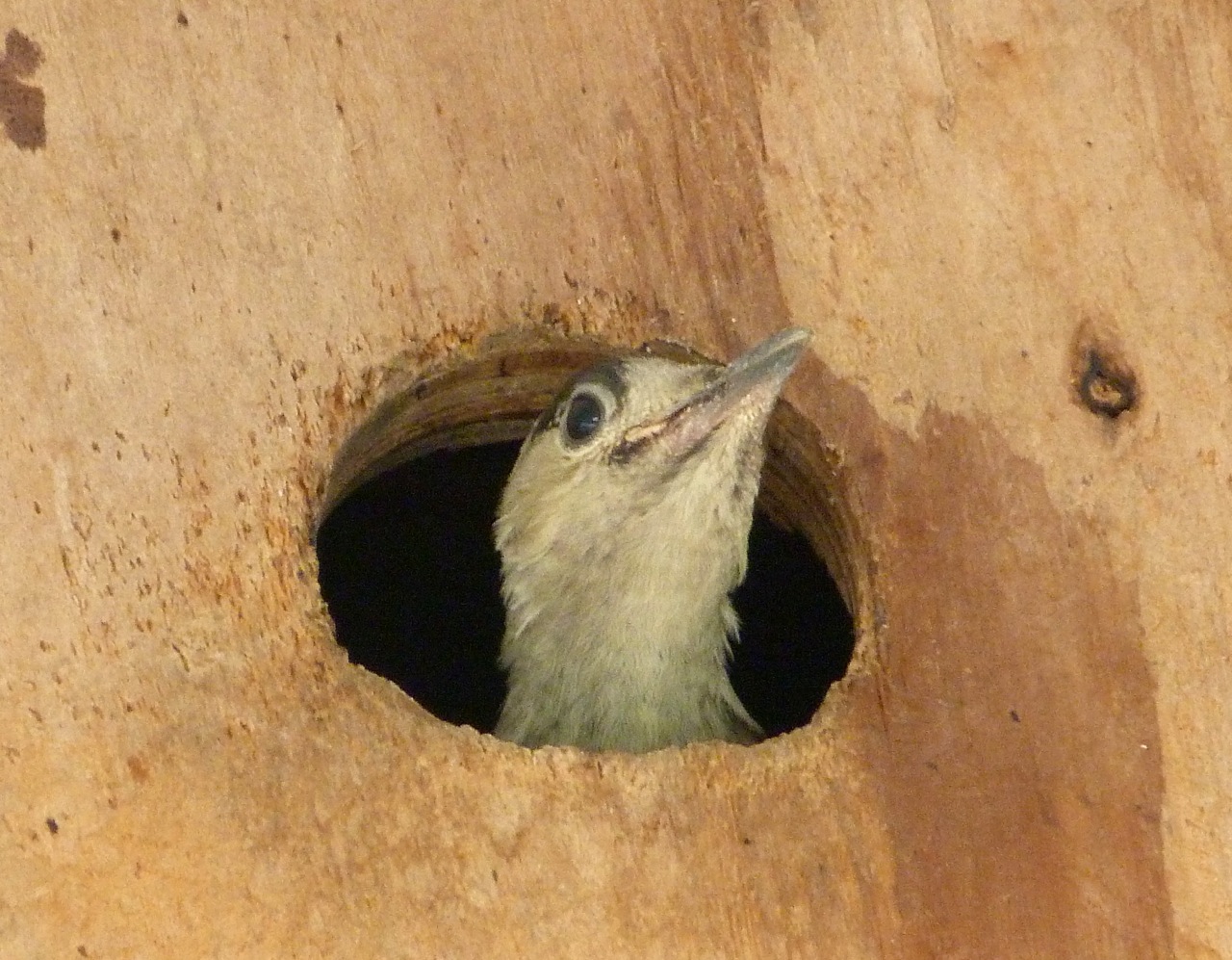
…and the parents’ job got easier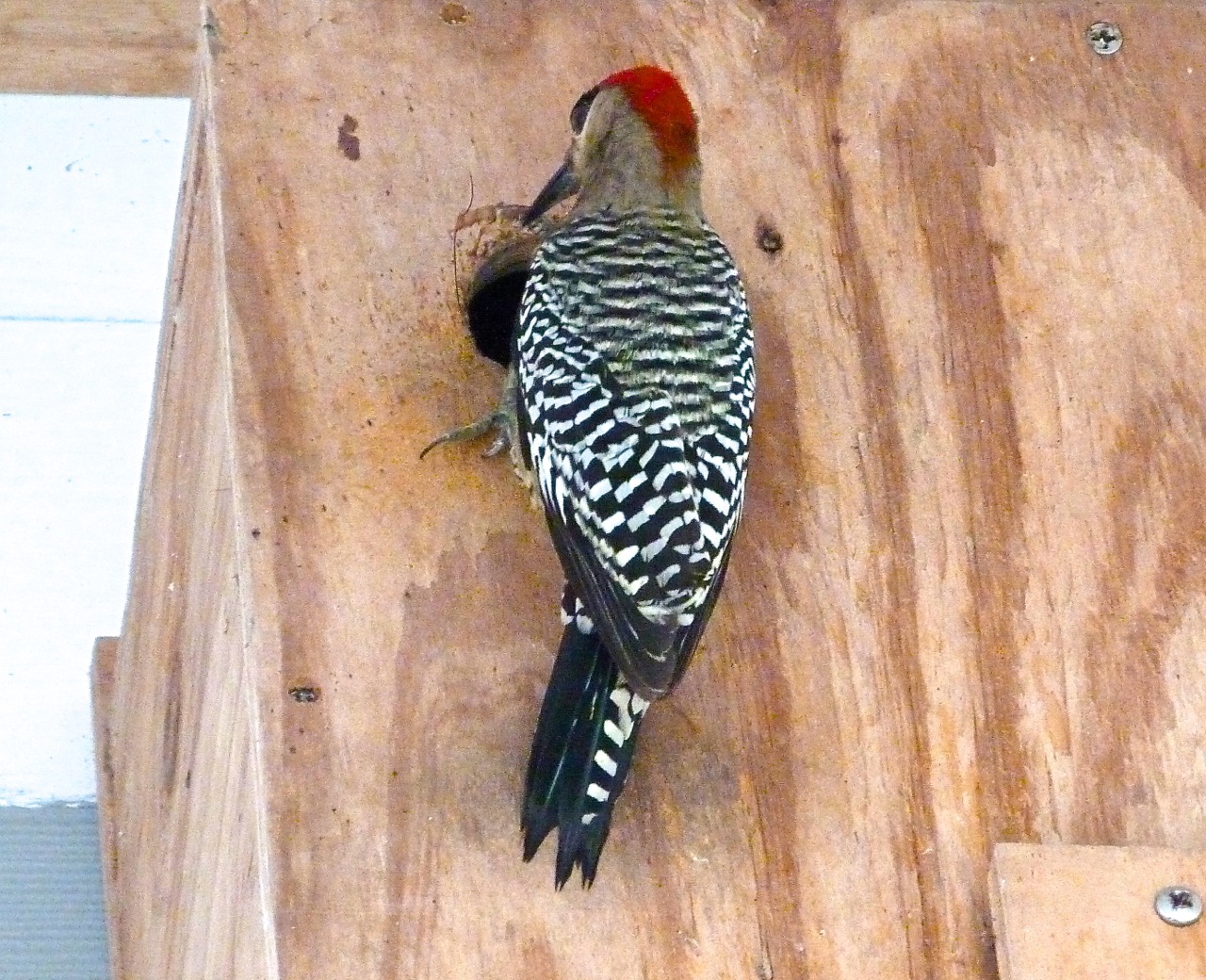
At 6.47 a.m. this morning, the first fledgling took flight, first to the roof, then to a tree. He’ll hang around for a couple of days, being fed less and less until he can stand on his own two feet. Fly on his own two wings, even. Meanwhile his parents are getting on with their next stage of family planning. They are spending increasing time in and around the second nest box, and – there’s not getting around it – copulating in public. The results will be their third family of the season.
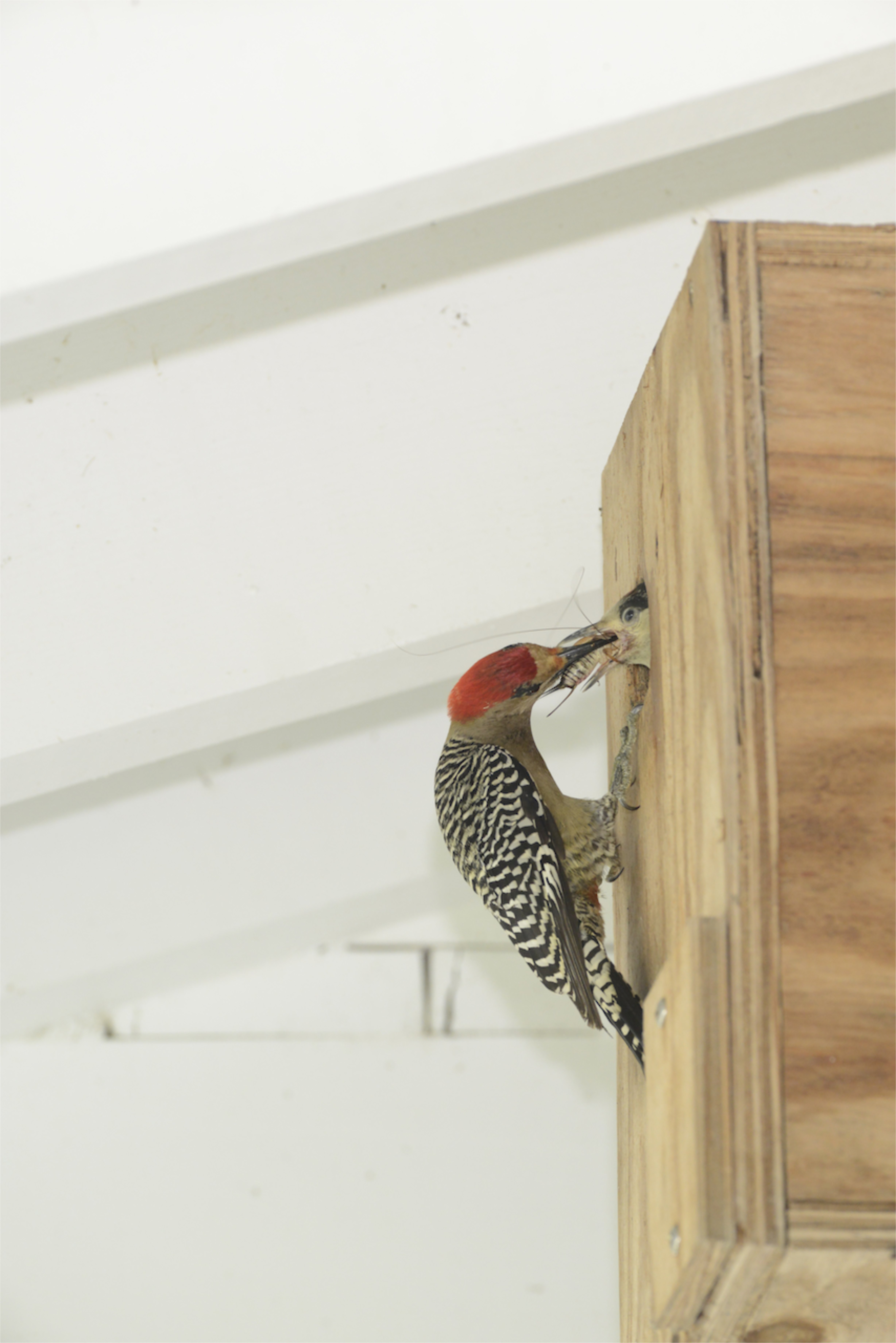
So all is well in woodpecker land. I’ll finish the story with a photo taken by Tom Sheley, a wildlife photographer from Ohio, and his magnificent image taken a couple of days ago. Imagine being a chick expecting a tasty bug and getting one this size rammed down your throat…
LATER Here’s a very short mobile phone video of a young squawker peering out at the wide world. I have better camera ones in another format, but for some reason WordPress is only accepting .MOV files at the moment…
WOODPECKER NEST BOXES: CORRECT & INCORRECT USES
I have left behind in the inner ‘burbs of London one family of woodpeckers, with fledglings almost ready to fly. I’ve immediately exchanged them for a family of West Indian Woodpeckers, at exactly the same stage, in the middle of nowhere. Here are a few comparative images. For some reason my ability to upload sound files of the raucous nestlings being fed is thwarted by a glitch, so I’ll add one in due course.
TAKE ONE PAIR OF WEST INDIAN WOODPECKERS

GIVE THEM A COUPLE OF NEST BOXES TO PREVENT THEM DESTROYING THE ROOF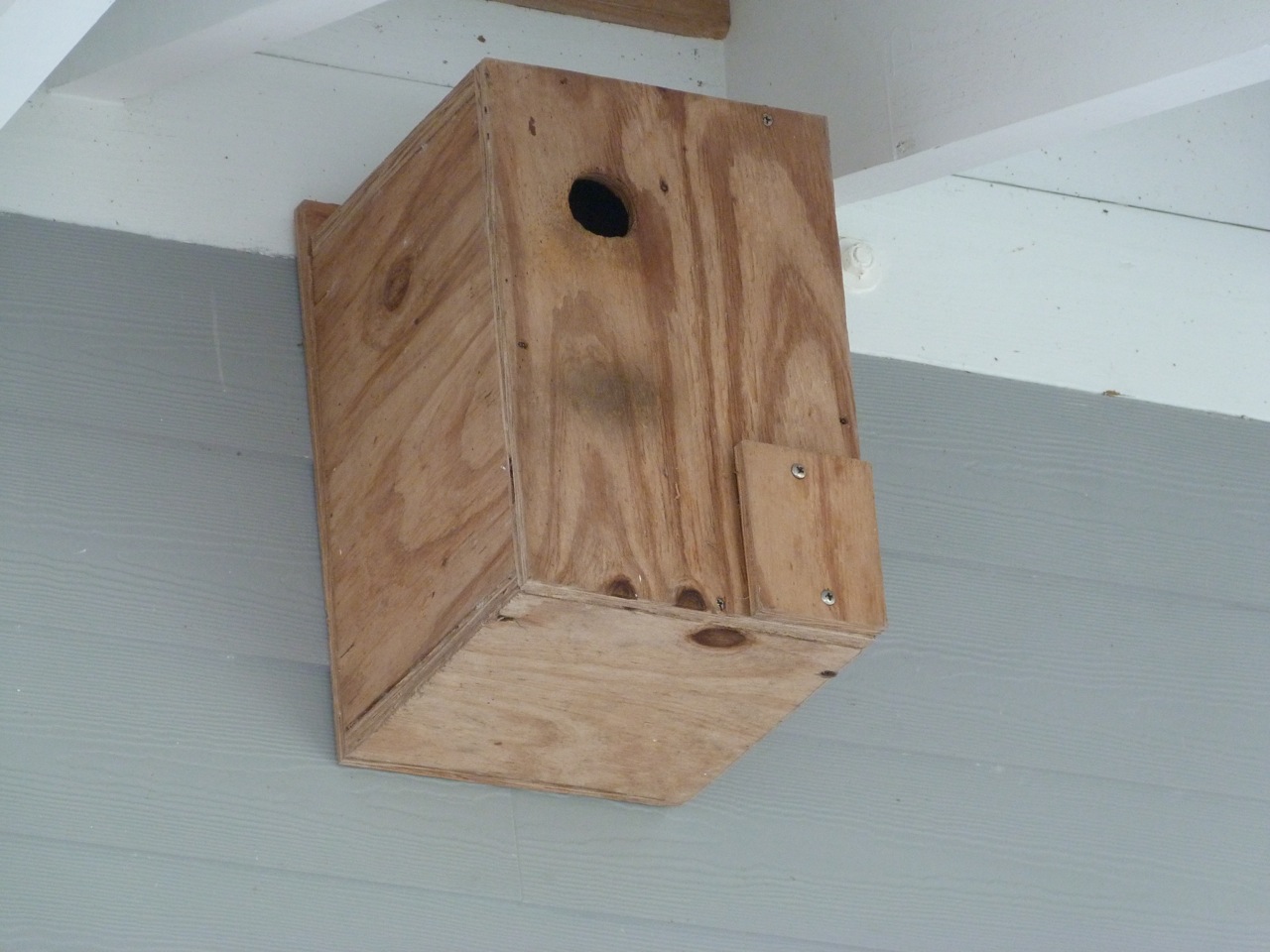
SOONER OR LATER, THEY WILL PRODUCE A FAMILY – OR EVEN TWO IN A SEASON
HOWEVER, AN UNUSED NESTBOX IS ATTRACTIVE TO WILD HONEY BEES TOO…
GREAT SPOTTED WOODPECKERS (5) THE FIRST CHICK SIGHTING!
This is a rather brief update about the woodpeckers in our silver poplar. The chicks – 4? 5? 6? – have been getting louder and more insistent daily. Dawn till dusk. *Whispers* it’s actually quite tiring after a while. I’ve been hoping to see one – and then to watch them fly. Today, I saw a chick for the first time. Tomorrow, I leave for ROLLING HARBOUR. I won’t see them fly this year, but I have taken some recordings over the last few days, and a few short videos. And a few photos. I haven’t got time to sort all that out now, so I’ll sign off with some photos from today… including the first sighting of a chick. It’s huge! The photos aren’t brilliant – low light on a drizzly day, a bit of distance necessary to avoid disturbing the birds. In the end I took some photographs from an upstairs window to get an angle into the nest.
The parents work flat out feeding their not-so-little babies. Mum…
Dad…
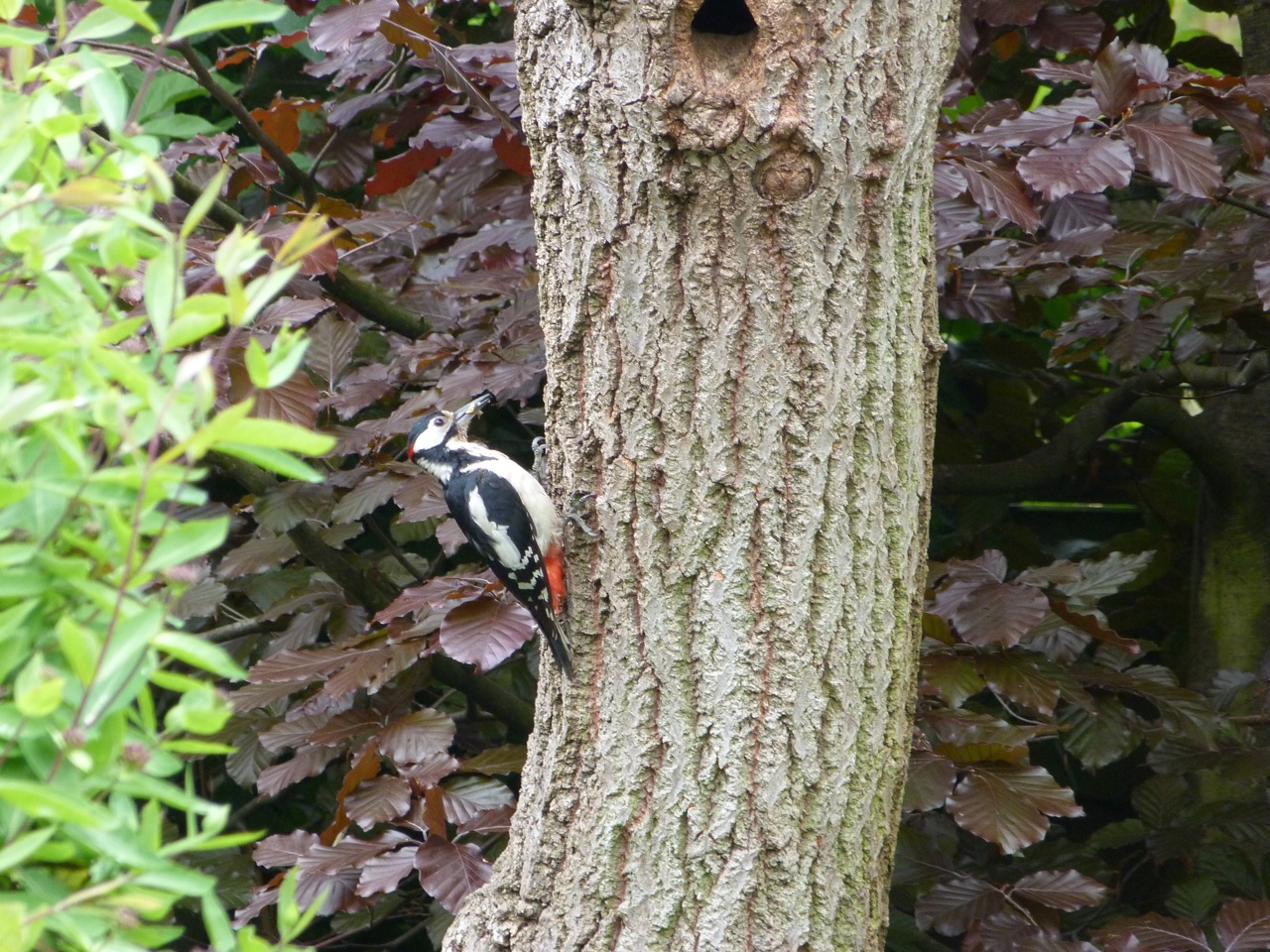
Both…

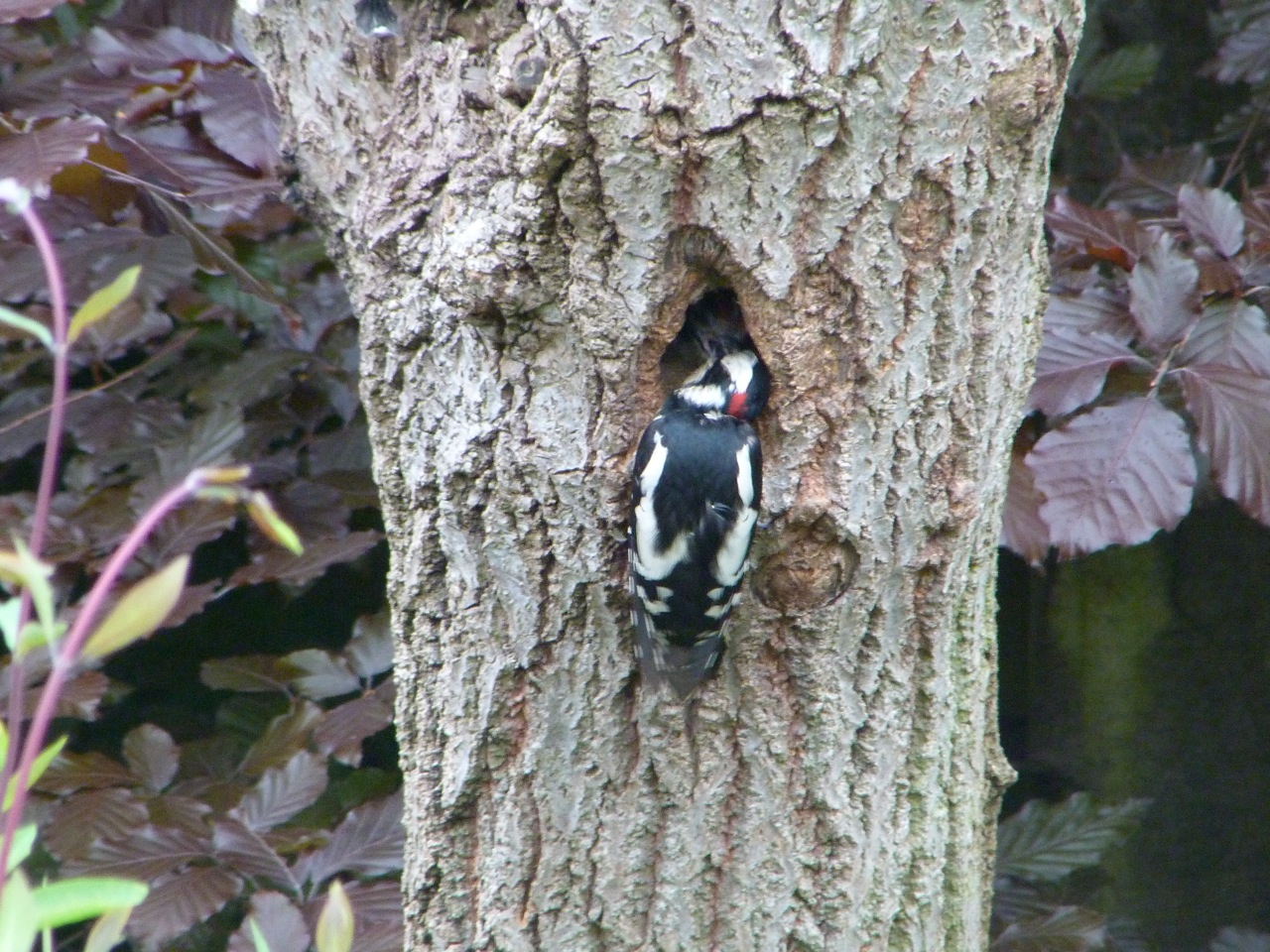
What goes in must come out… and both parents remove the pellets 
And finally, a chick appears. I suspect this is the loudest and largest, climbing onto its brothers and sisters to get first dibs at the insects ceaselessly brought to the nest. I was surprised to see such a vividly coloured head.

RECORDING BIRDS THE EASY WAY

RECORDING BIRDS THE EASY WAY
I have refined my blurb in my last woodpecker post about a simple way to use an iPh@ne or other smart phone to record birds, getting the resulting m4p file onto your computer, and converting the file to an mp3. I’ve added some stuff, in particular some practical field notes based on my own trial and error experience. There are also 3 recordings, which include examples of minor hitches. One was not setting the volume on max to record (the first 2 examples) – turn up your volume for these! If anyone has anything to add, by all means use the comment box…
The revised and expanded material can now be found at my main blog ROLLING HARBOUR
GREAT SPOTTED WOODPECKER (4): NESTLING SOUNDS (LOUDER!)
 It has now become clear that the insistent purring noise deep within the nest-hole is not made by the adult woodpeckers singing restful lullabies to the chicks. That was my vivid and homely imagination. It’s the chicks themselves!
By last night the sound had become louder – I could hear it 15 feet away from the tree. And instead of one agglomerated soft churring sound, it had become fragmented, like several very tiny contented cats being stroked simultaneously. There is a great deal of parental activity, and every morning the parents have a good clear-out of the nest. The greenery underneath is covered in debris.
I made another short recording of these new sounds last night, which I uploaded to Xeno-Canto. You can listen to the simple recording or try the Xeno-Canto one below it, which shows the first 10 seconds as a sonogram and gives more information.
RECORDING 1 (20.05.2013 – 19.00)
xeno-canto XC134275  |
    |

RECORDING 2 (21.05.2013 – 17.00)
Another 24 hours later, the chicks are turning up the volume, and can now be heard from even further away. Here is another recording made from exactly the same distance – about 6 inches – from the nest-hole as before. Again I’ve put in a simple audio version, with a Xeno-Canto upload and sonogram below for those who might be interested. The sonogram shows the same pulsing effect, but the increased noise registered can quite easily be seen. Tomorrow I abandon the chicks for a few days, and I will report back next week. When the little birds start peeping out of the hole at the world outside, I hope to get some photos.
| xeno-canto XC134423 |
|

Chiswick, West London, England, United Kingdom
For a simple guide to recording birds on your iPhone or whatever, and converting the result to an mp3 file, see previous post or click for direct link HERE
GREAT SPOTTED WOODPECKERS (3) NEST SOUNDS
 First, apologies to anyone who received notification of a new post and (possibly) some half-written draft gibberish… I pressed the publish button instead of preview. And not for the first time, either. So I junked the draft and am starting again.
The woodpecker nest is now a hive of activity, to mix creature habitation descriptors. I’ve kept a low profile near the tree so as not to disturb the birds. The weather has been too gloomy to bother with photos. However I did an experiment with an iPh@ne, using a method (see below) I hit upon during a birding trip in March. Some results were good enough to upload to the excellent Xeno-Canto bird sounds website. When the male and female had a nestling-duty changeover, I crept up behind the tree and held the phone up high, close to the nest-hole. The male was making the most extraordinary sound, just as if he were purring softly to his babies.
I turned the recording into an mp3, only to discover a problem uploading it direct via WordPress. So I have had to resort to the rather cumbersome Soundcloud instead, until I can add the mp3 in a more streamlined format. So here is the recording – turn your volume up a bit. Very fortunately, there was a lull in the noise from nearby road-works / building works / Police sirens / car alarms / barking dogs.
Has anyone heard anything like this, I wonder? I can’t find any reference to it online.
RECORDING BIRDS
- Use the Voice Memo app on an iPhone (I presume other smart phones have a similar app).
- Once you have it onscreen, turn the phone round 180 deg and the image will swivel round too. This enables you to point the microphone in the direction of the sound, while having the controls the right way up.
- Turn the volume up to max before you record. You may be surprised how well it works.
- Handle the phone carefully so it doesn’t record you touching it as well.
- The recording saves in m4p format, and you can email it to your computer direct from the app (or to anywhere else).
- Drag / save the file onto your desktop from the email. When you open it, it will (a) play and (b) appear in your iTunes library (or whatever you use).
CONVERT RECORDING TO MP3
- Having opened the recording, to convert the file to an mp3 (generally the preferred version for uploading elsewhere) in iTunes, go to your iTunes library and search for ‘memo’. There it is!
- You can rename it at this stage if you wish.
- Then go to ‘File’ on the top bar, and in the drop-down menu, near the bottom, go to ‘create new version’. It will offer you mp3 (and maybe other things, which ignore).
- Click ‘mp3’ and a second recording file will appear in your library. That’s your mp3.
- Drag it onto your desktop and do what you want with it.
I’m guessing here, but I suspect other smart phones with a similar voice memo app will be similar. Apologies if this is all blindingly obvious and written in the elementary computer language ‘eggy-peggy’. It took me a while to get it sorted out, and I hope the details above will help the lo-tek computer user to do this painlessly.

 ROLLING HARBOUR GALLERY