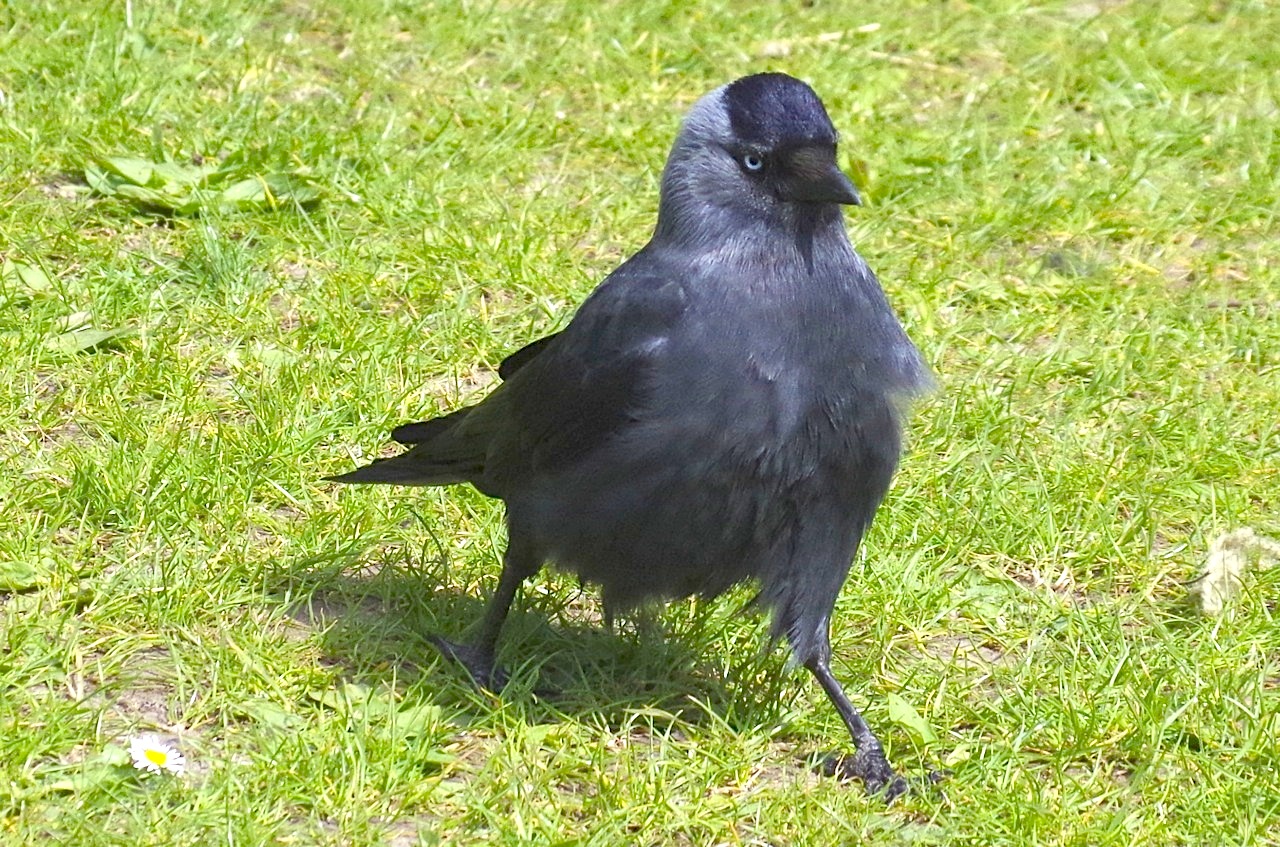
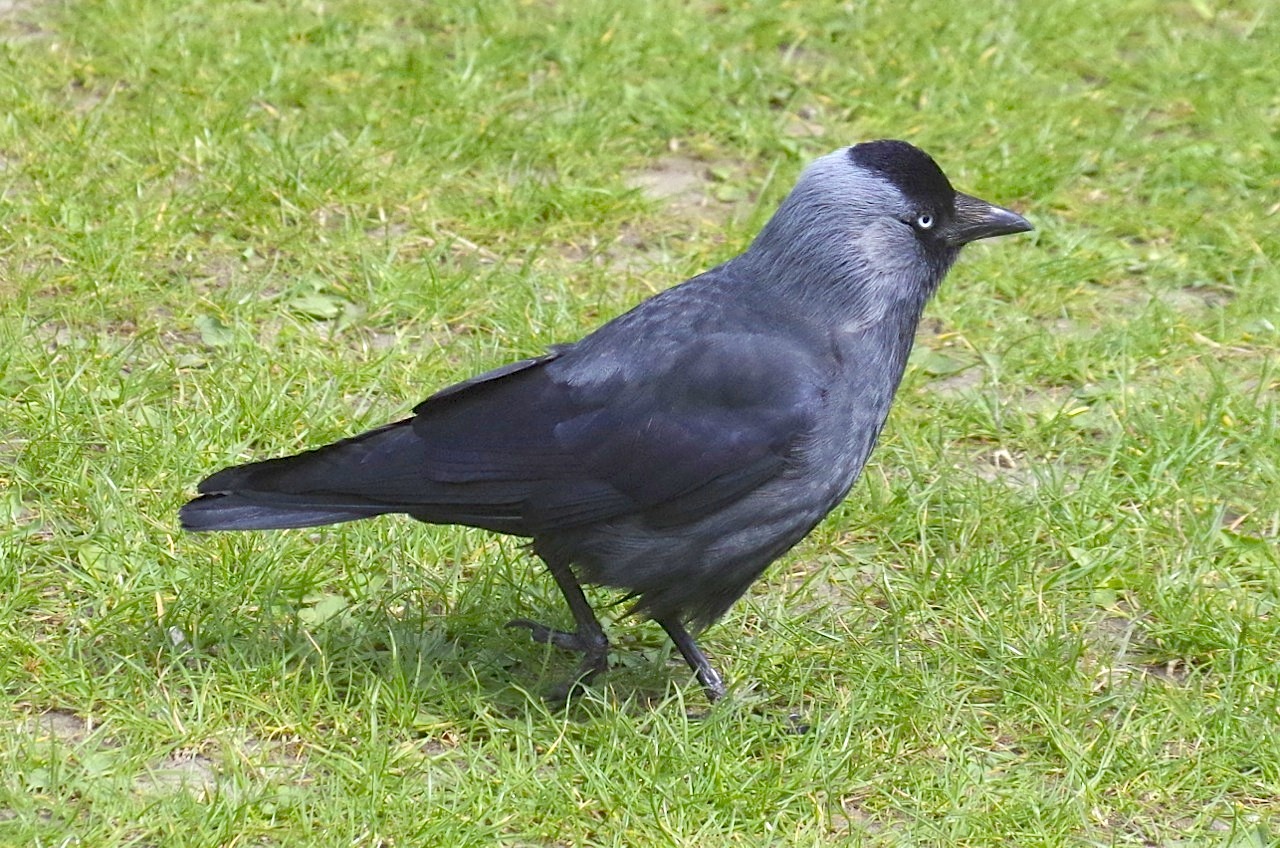
Sometimes a sequence of photos suggests a narrative. I’m not sure I have ever been so close to a jackdaw before, but this one completely ignored me as it practised what appear to be its marching steps…
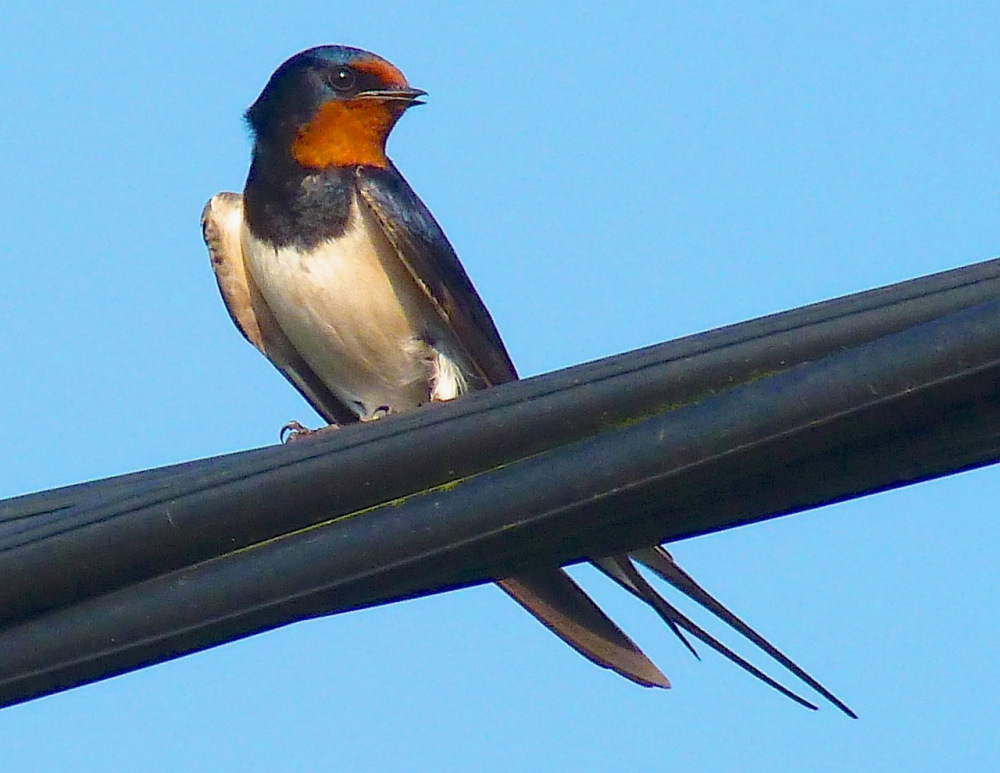
We saw the first few swallows of summer here in Dorset yesterday. Two singletons and a group of three. Their arrival is about a week earlier than usual. One swallow may not make a summer (though it works for eating an oyster), but since there were five of them, I reckon early summer is here.
I have been neglecting this blog recently because a lot has been going on… However while clearing out some old photograph files, I was stopped in my tracks when I found this tiny Australasian owl. I saw it in an owl sanctuary last summer, but had forgotten all about it – I had been concentrating on another species, the Burrowing Owl. I feel it deserves a wider audience!
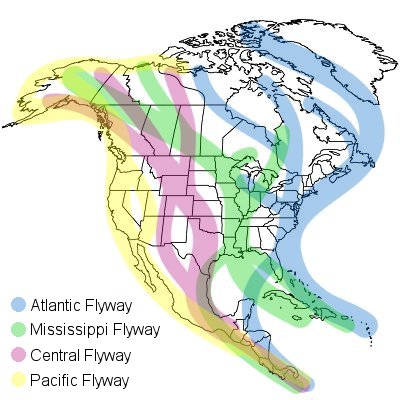
Strange as it may seem, New York City is a great place for birding. The city may not sleep, and maybe neither do the birds, but nonetheless there are several excellent locations to see a wide variety of species. NYC lies right on the East Atlantic Flyway, the eastern migratory route of the USA. Along it, birds hurtle forth and back twice a year, from tiny warblers to large shorebirds, as they seek winter warmth nearer the equator before returning in summer.
wqed.org
The optimum hotspot is CENTRAL PARK, in particular The Ramble (central) and the secluded Pond / Ravine walk by a pretty stream (north). This is definitely the first place to head for if you have half a day to spare. There’s a very good Central Park website (link above). You’ll also find a CP birding map online, and several websites devoted to birding CP from which you can get or make your own checklist (caution: some sites are a bit… intense). Among books, I have Birds of Central Park by Carl Vornberger and The Ramble: A Wilderness West of 5th by Robert A. McCabe. These are small coffee table books to enjoy rather than field guides, and can be found on Amazon (.com), ABE and occasionally eBay.
It’s worth mentioning PROSPECT PARK BROOKLYN as another good place for birds. It is very large and has plenty of water, which is excellent for water fowl and geese. I’ve seen chipmunks there too (well, I was excited, anyway). There’s the added bonus that the BROOKLYN MUSEUM is right there – perfect for a morning followed by an afternoon in the park.
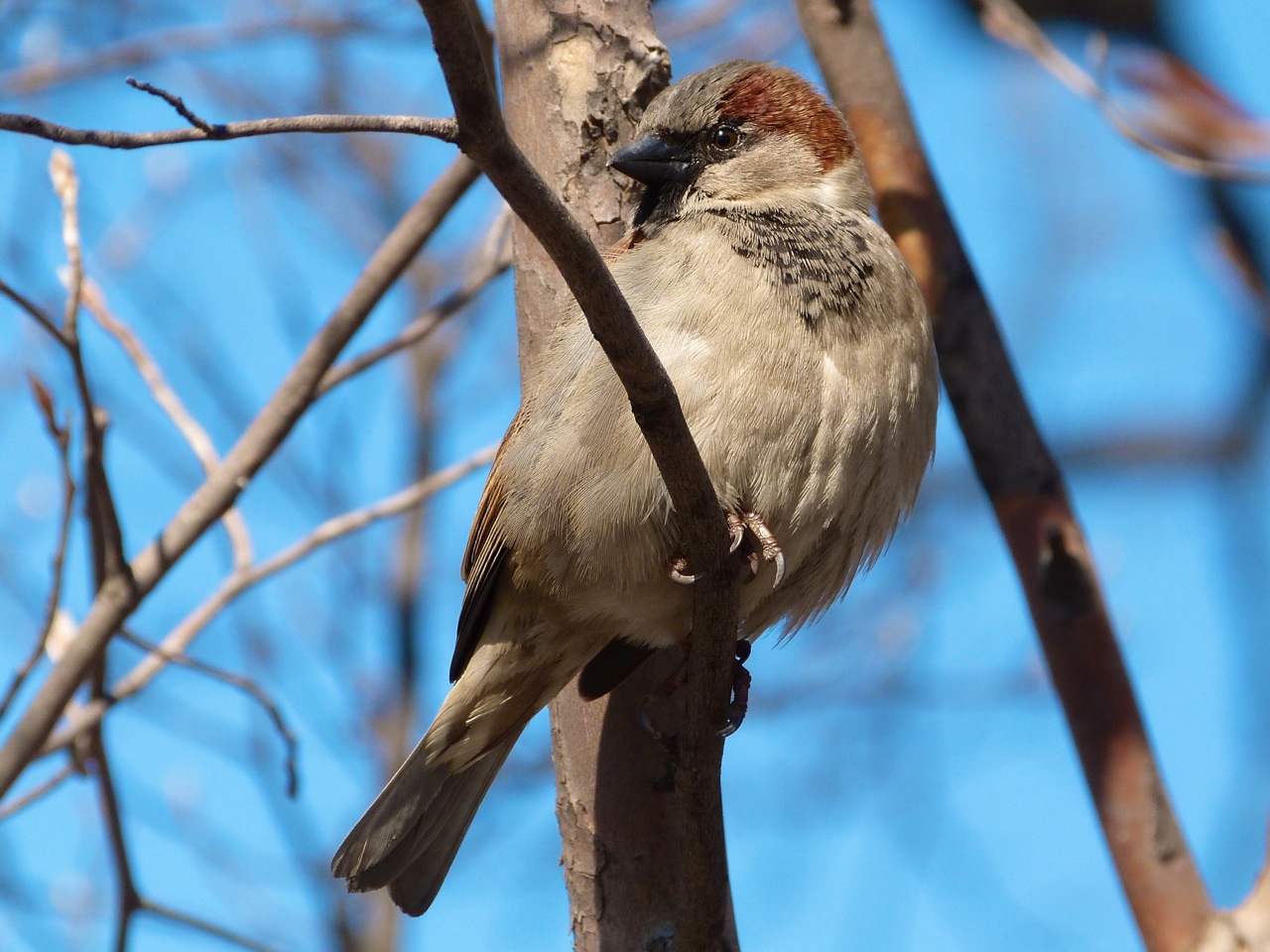
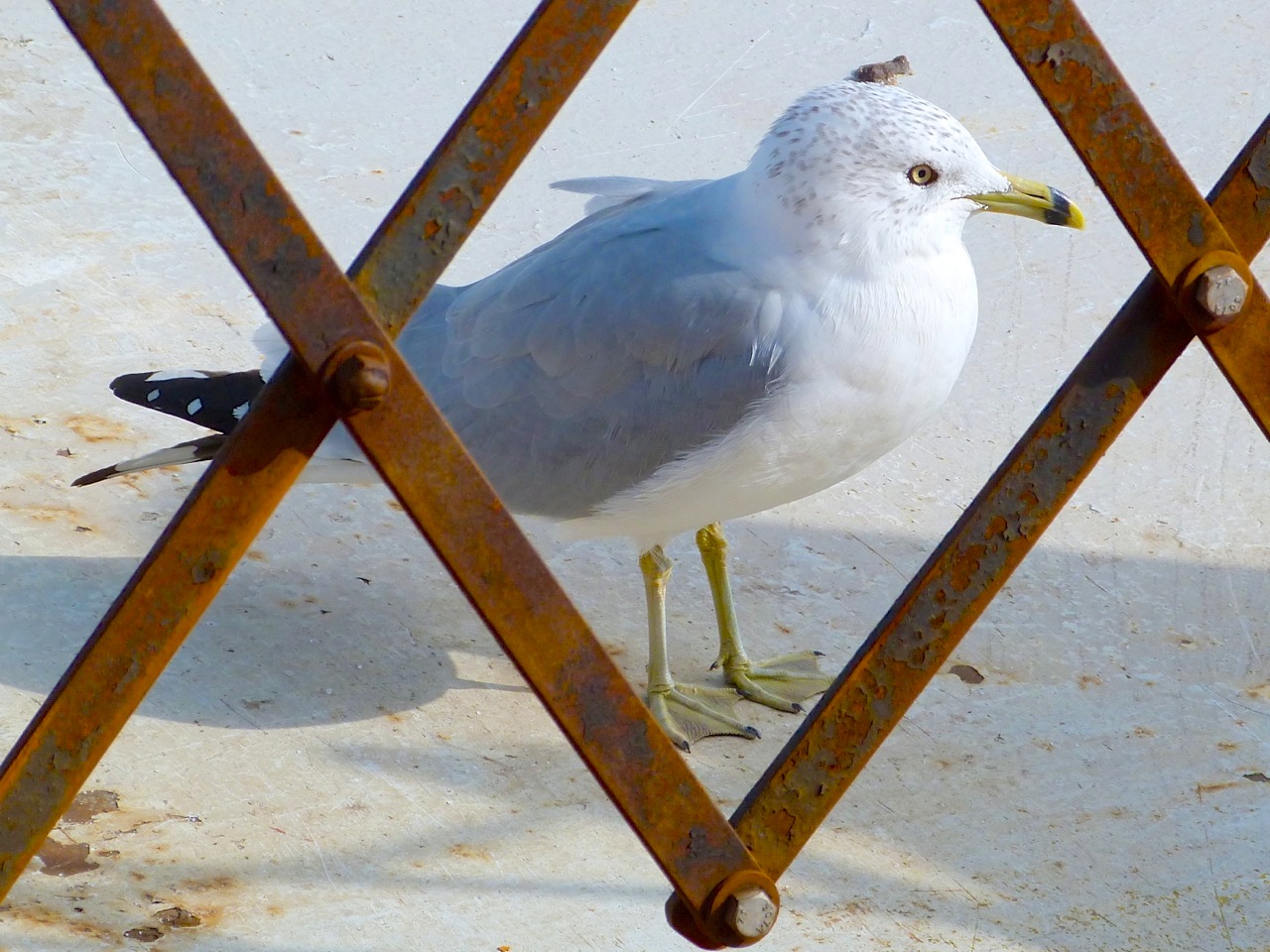
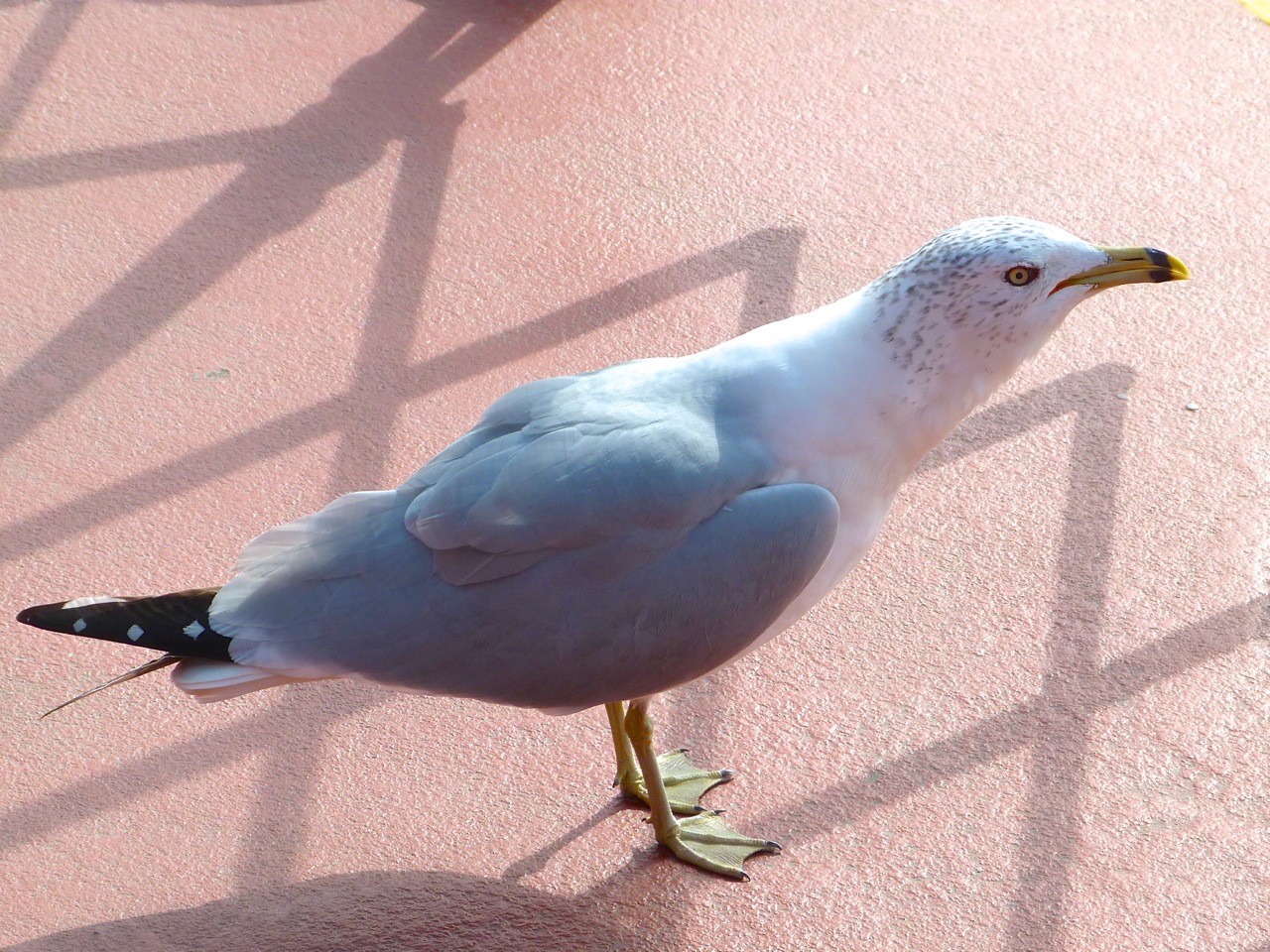
Here are a few birds photographed in and around the City when temperatures remained below freezing despite a bright sun. There’ll be some more soon.
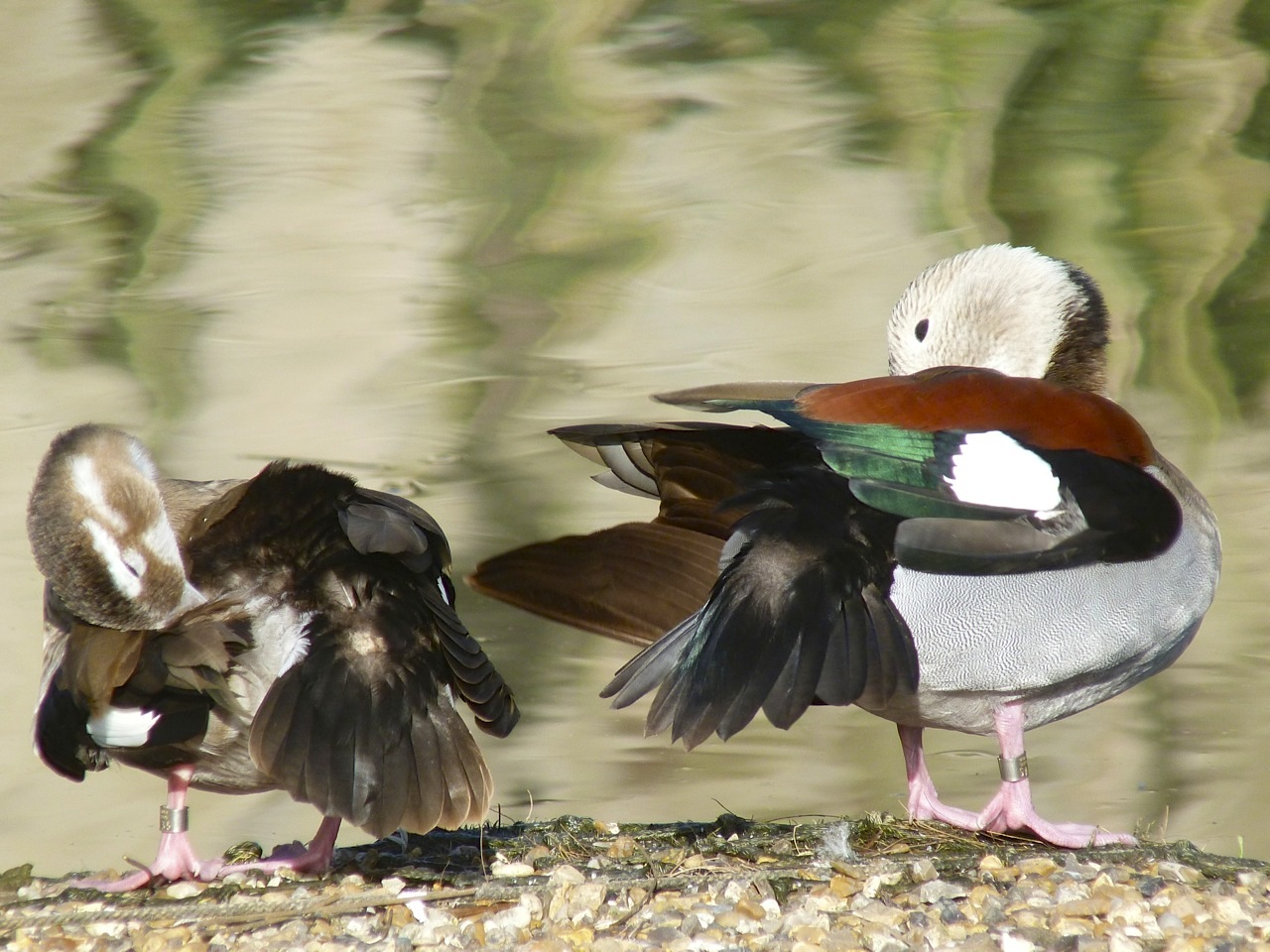
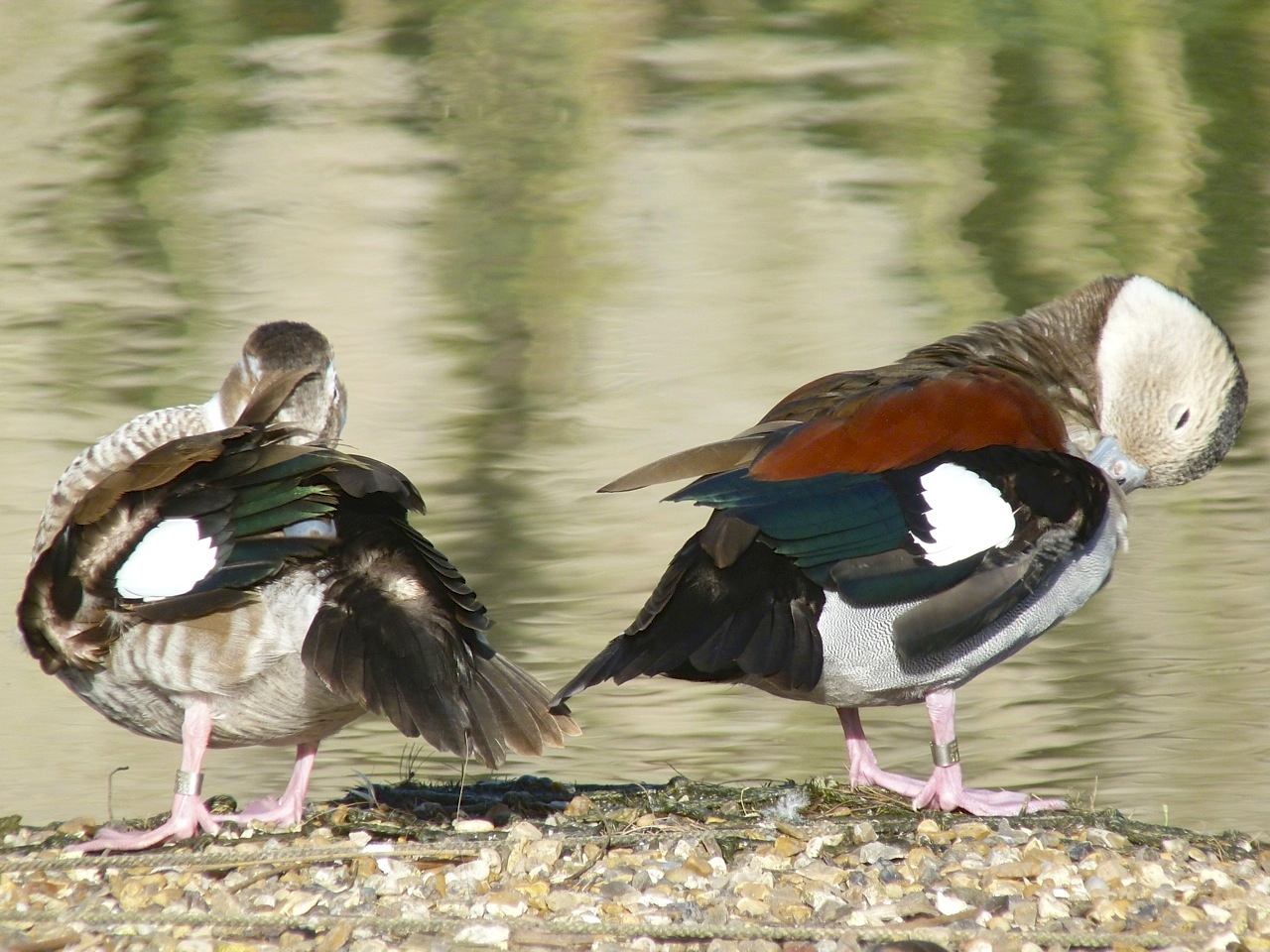
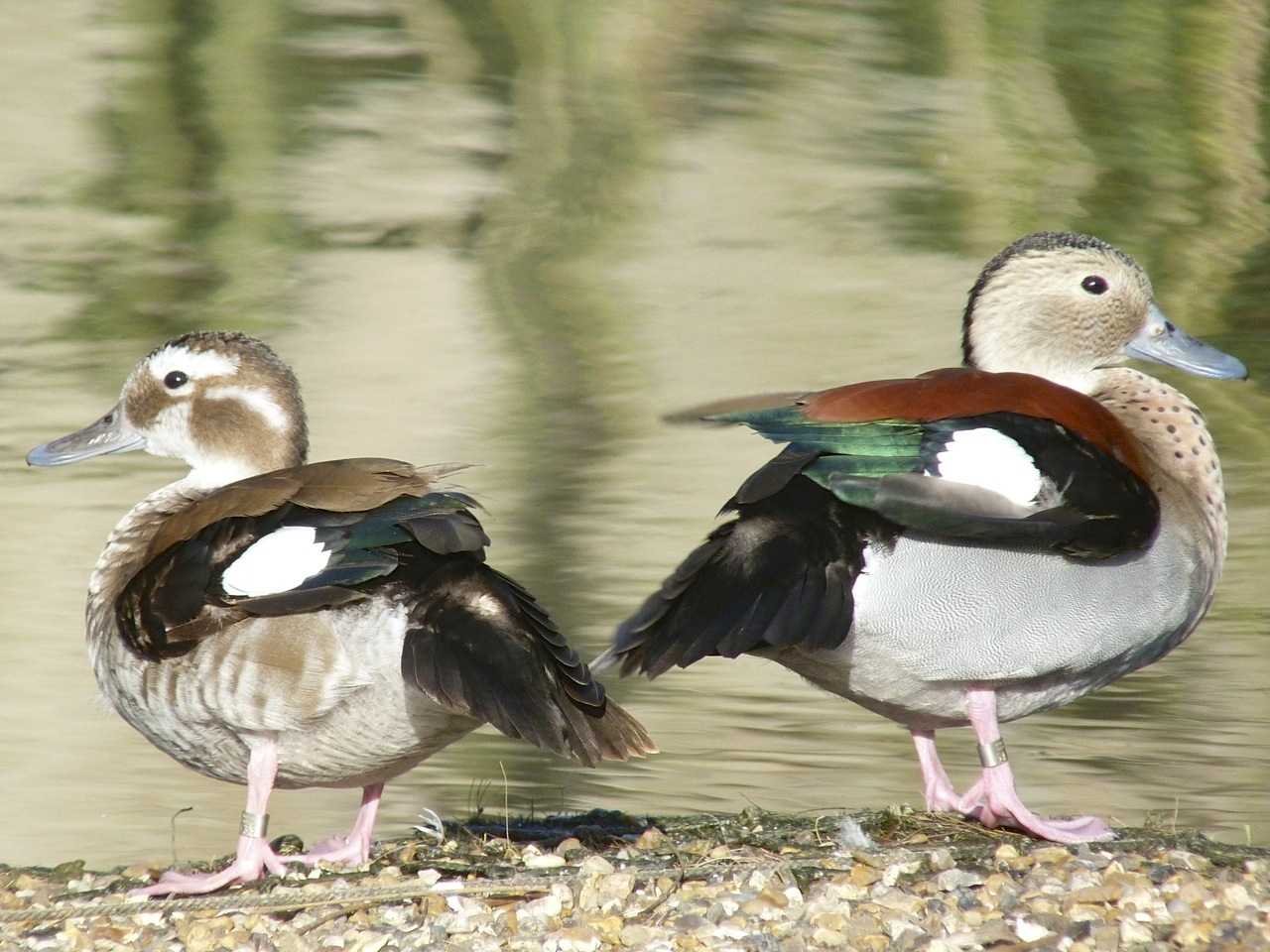
This sequence shows a pair of Ringed Teal preening in late autumn sunshine. The series of images shows the movements of both birds and the marked variations in the colouring of the male over a few minutes. At one stage the vivid green sheen of the wings gave way to dark blue. I was also trying to use the water behind them to create an impressionistic effect, which has worked in a way.
Halloween. Frequently a wet, cold and dreary day concluding with dubiously decked-out children ‘scarily’ collecting sweets with watchful parents in the shadows (and the odd teenage chancers ditto, but without the parents ). But this year on a warm sunny October 31st I went to have a look at some birds. To start with here are some black-headed gulls (winter plumage) enjoying a serious bathing and preening session at WWT Barnes.
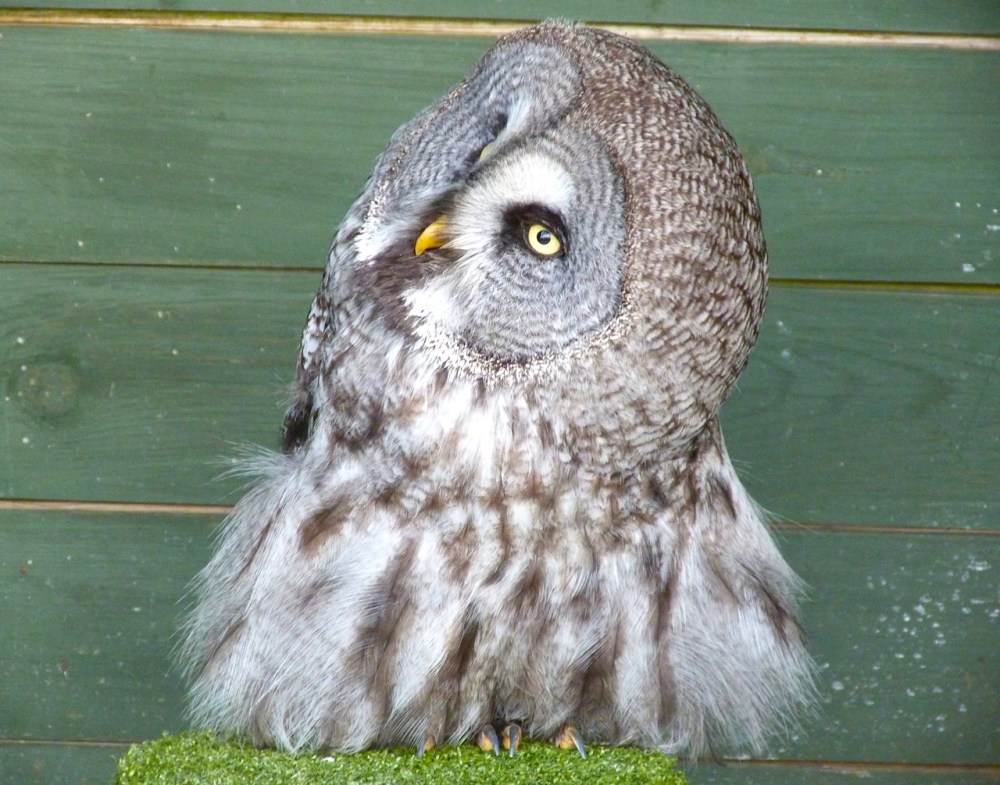
I met this remarkable-looking bird at an owl sanctuary near Bodmin. I saw a sign to the place on my way back from Cornwall to Dorset, and diverted to investigate. I found a large, well-kept enterprise with plenty of birds, visitors and school parties. There was a very informative open-air display of several species that were explained in turn, and which visitors were in most cases permitted to stroke. A very worthwhile diversion that I’d recommend to anyone trekking along the A30 with a bit of time to spare. The place is called THE SCREECH OWL SANCTUARY.
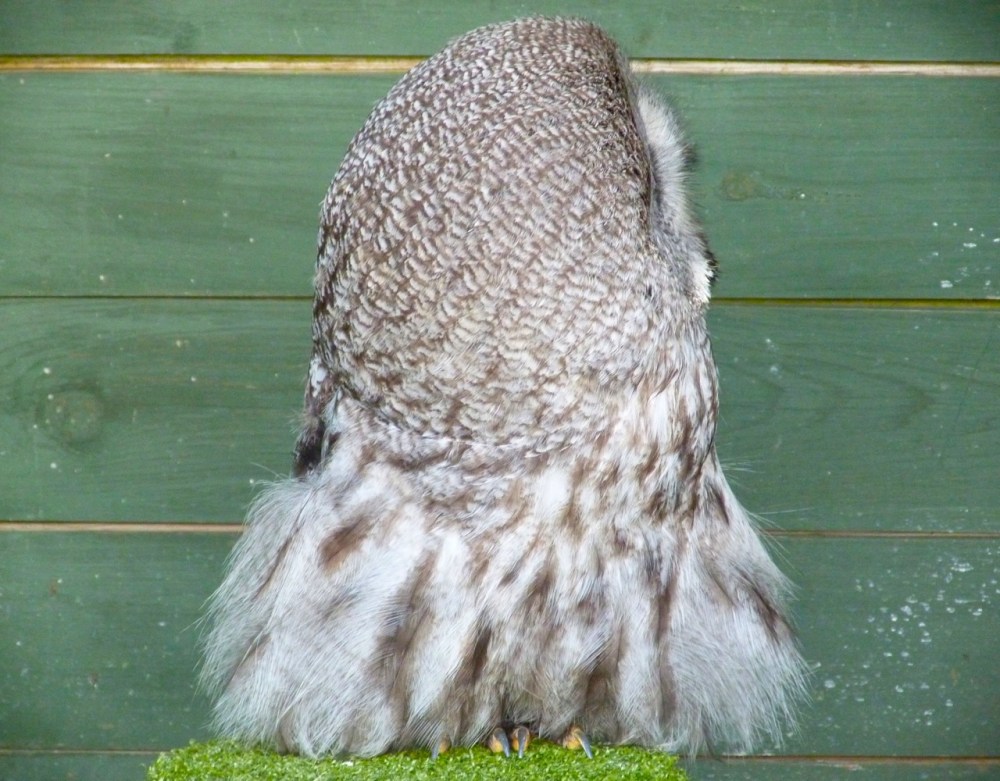
Many owl species can rotate their necks through 270º or more. This one managed a 180º rotation effortlessly, with its feet in identical positions.
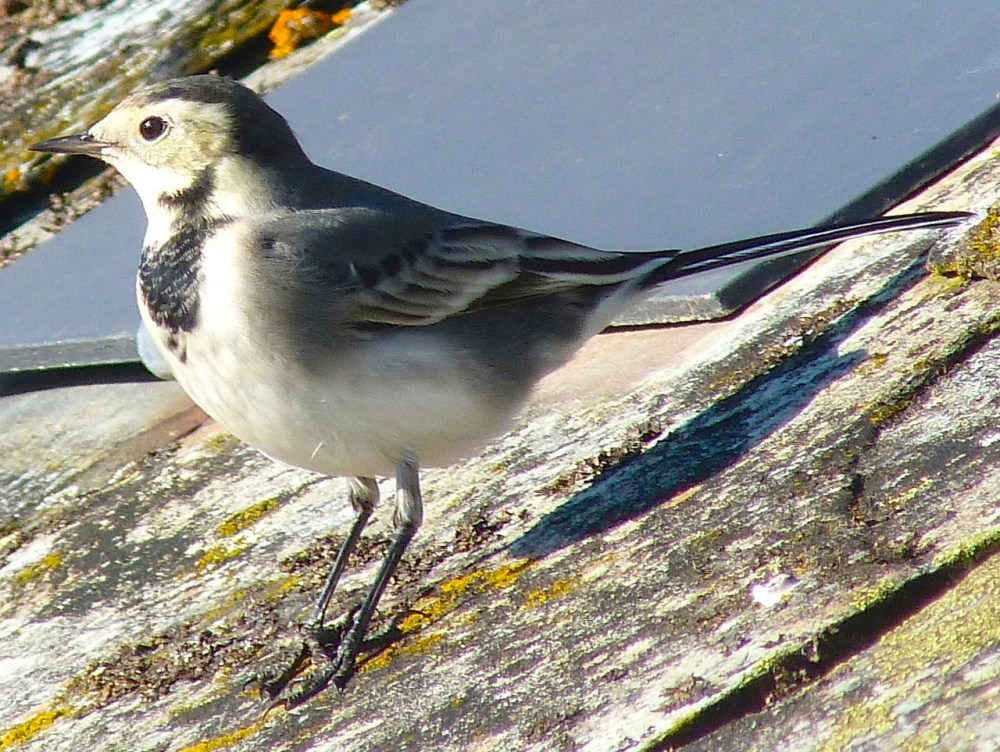
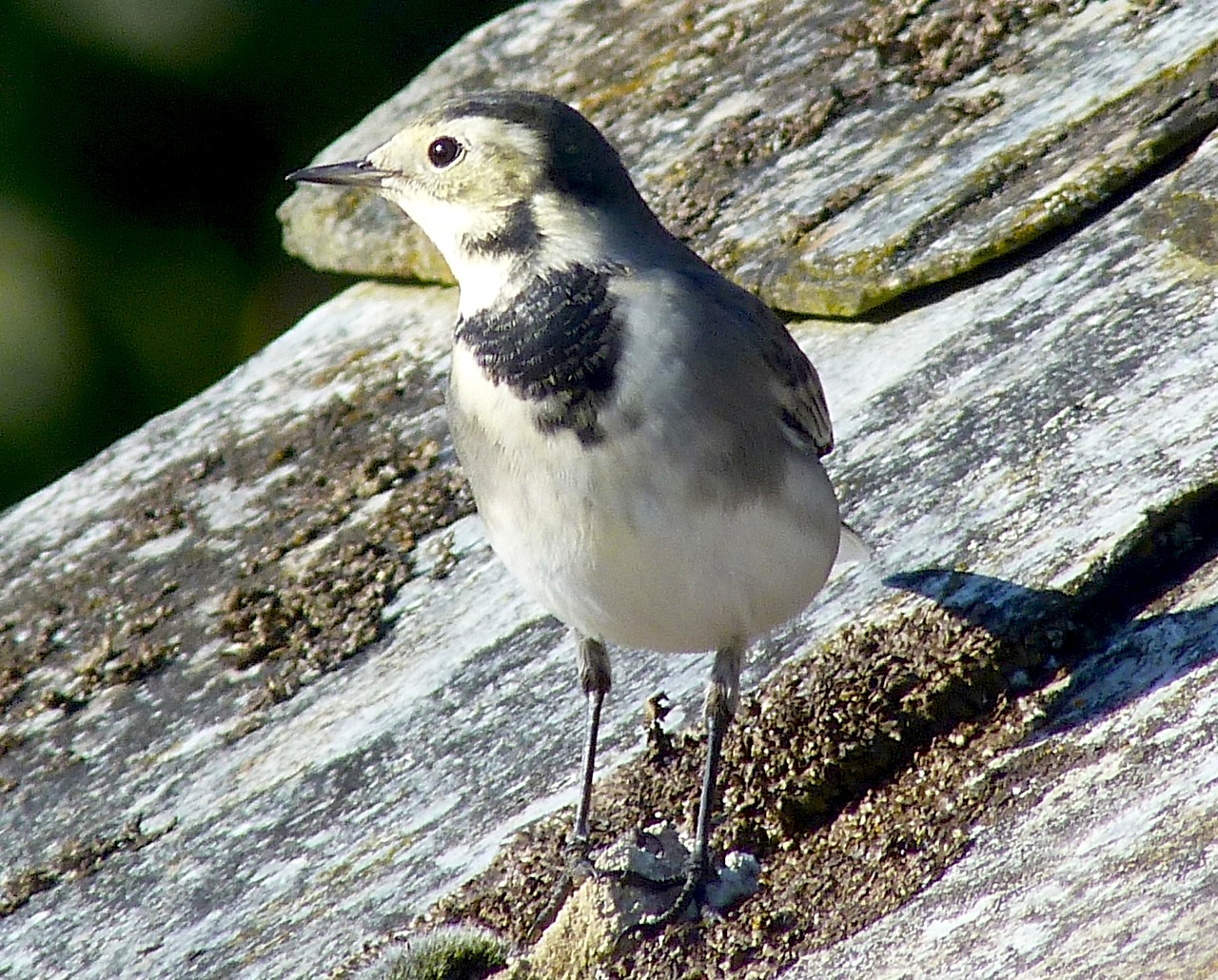
We are lucky enough to have pied wagtails – usually just one pair – in the garden every year. They raised a family and for much of the summer there were 4 patrolling the roof ridge. Recently, prolific evening fly hatches have provided them with great sport as they hawk for the insects from the roof, fluttering briefly into action and returning to their perch. On some evenings they have been joined by up to 2 dozen other wagtails, and for half an hour at dusk they have looped and swooped round and round, eating on the wing. I wondered if there was a collective noun for wagtails to go with the charms, murmurations, murders and parliaments that other birds are awarded. The only one I found was in a jocular list by a determinedly downbeat birder, who applied the term ‘a permanent narcissism of wagtails’.




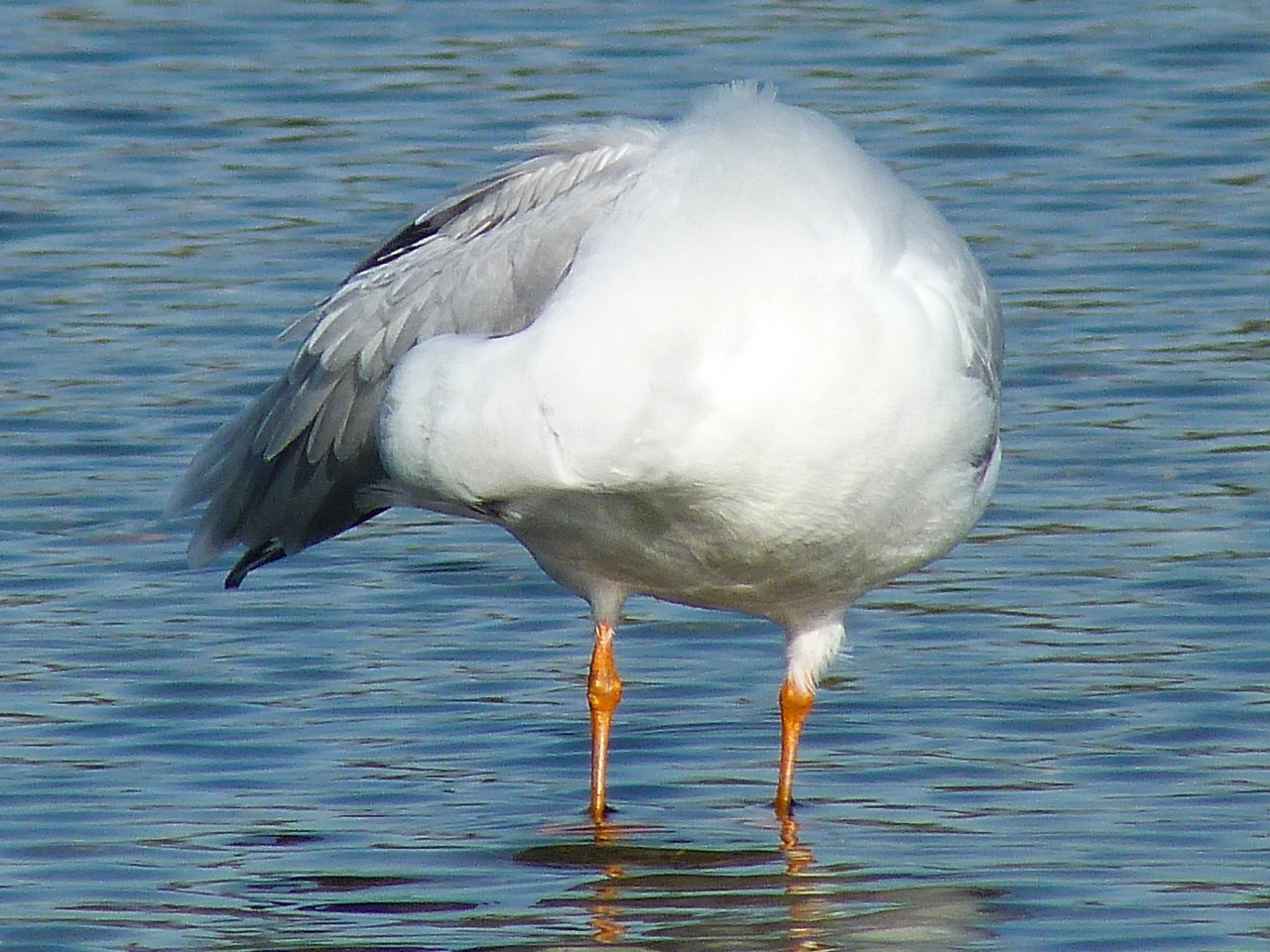
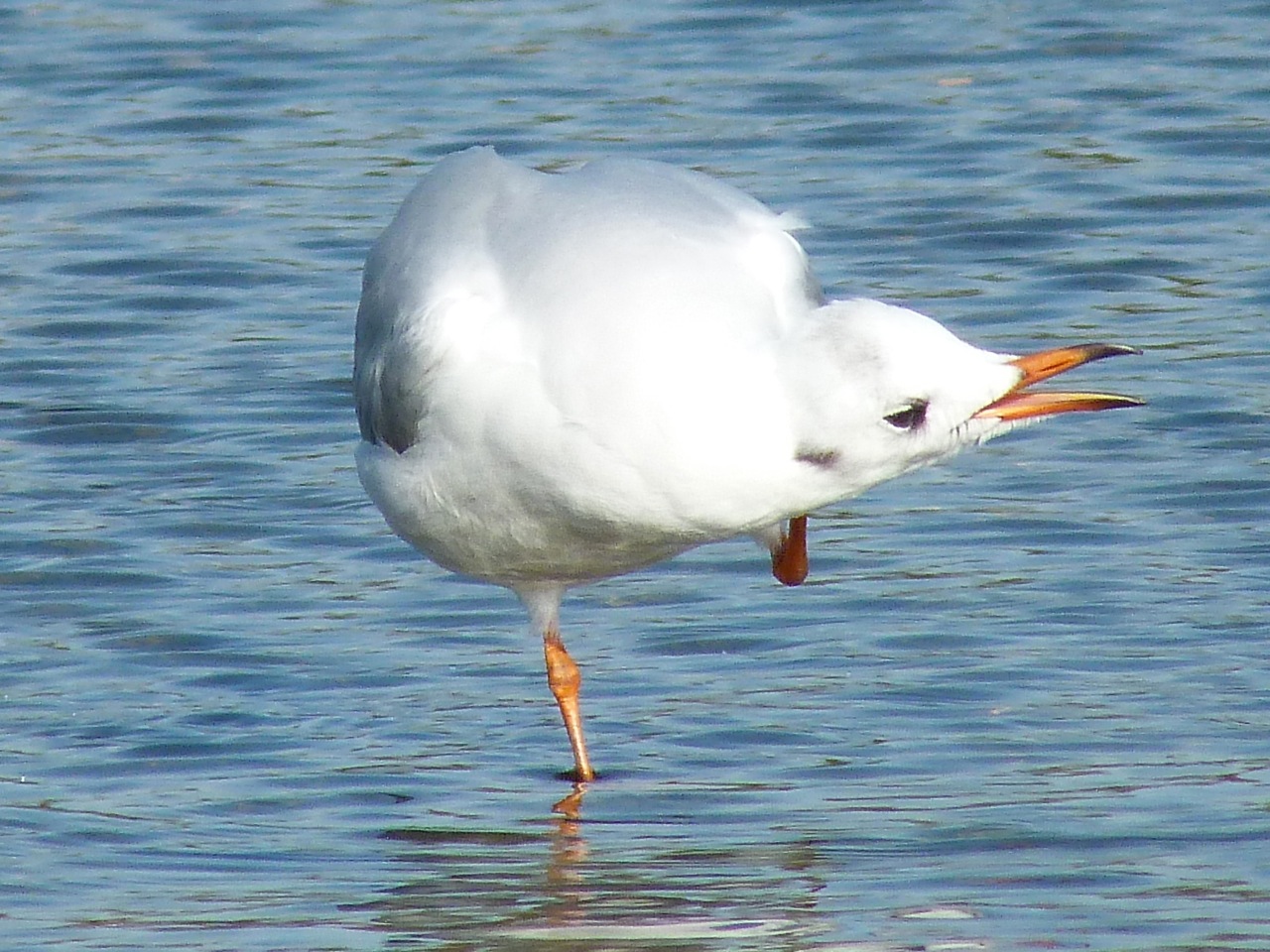


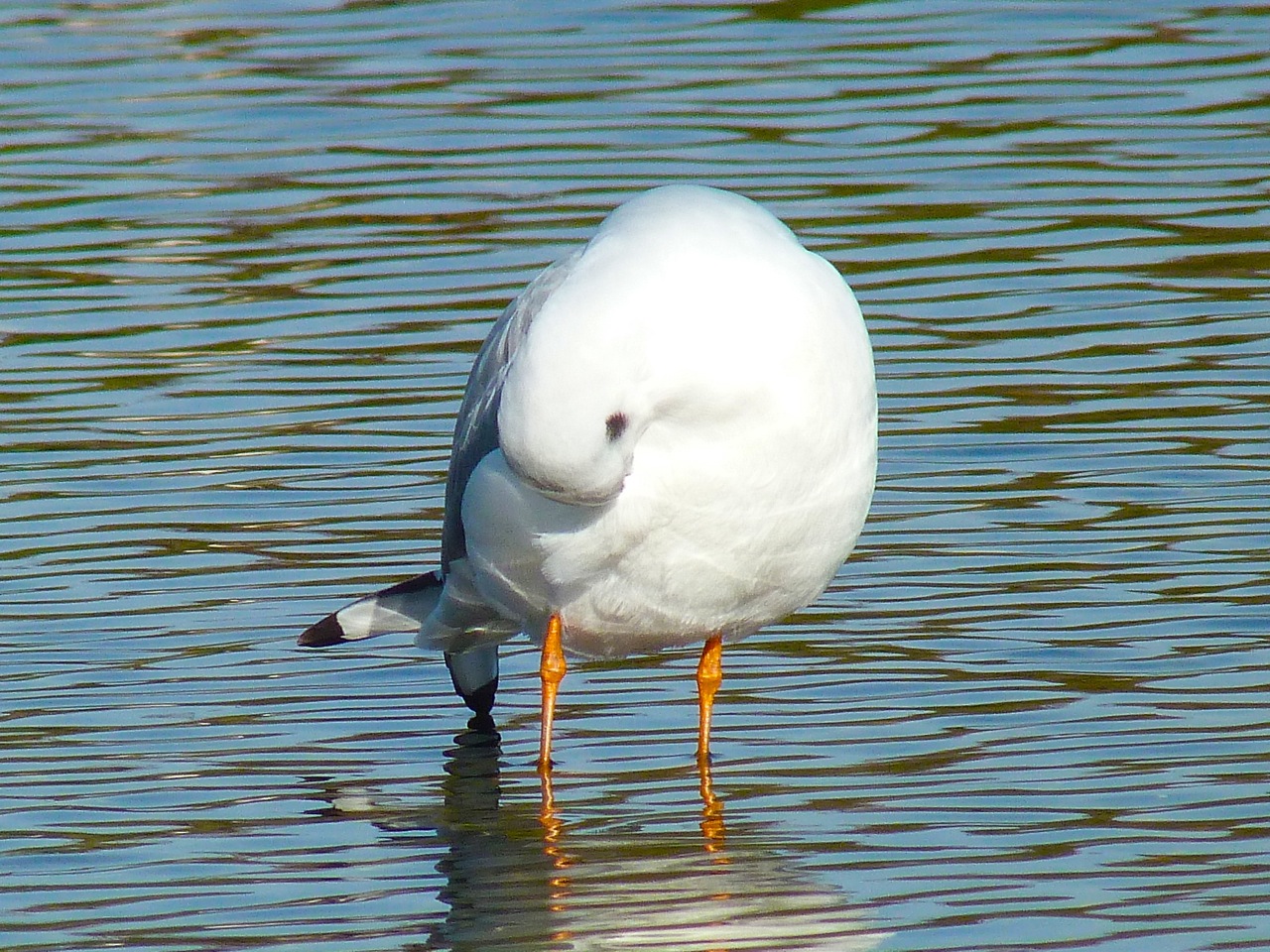
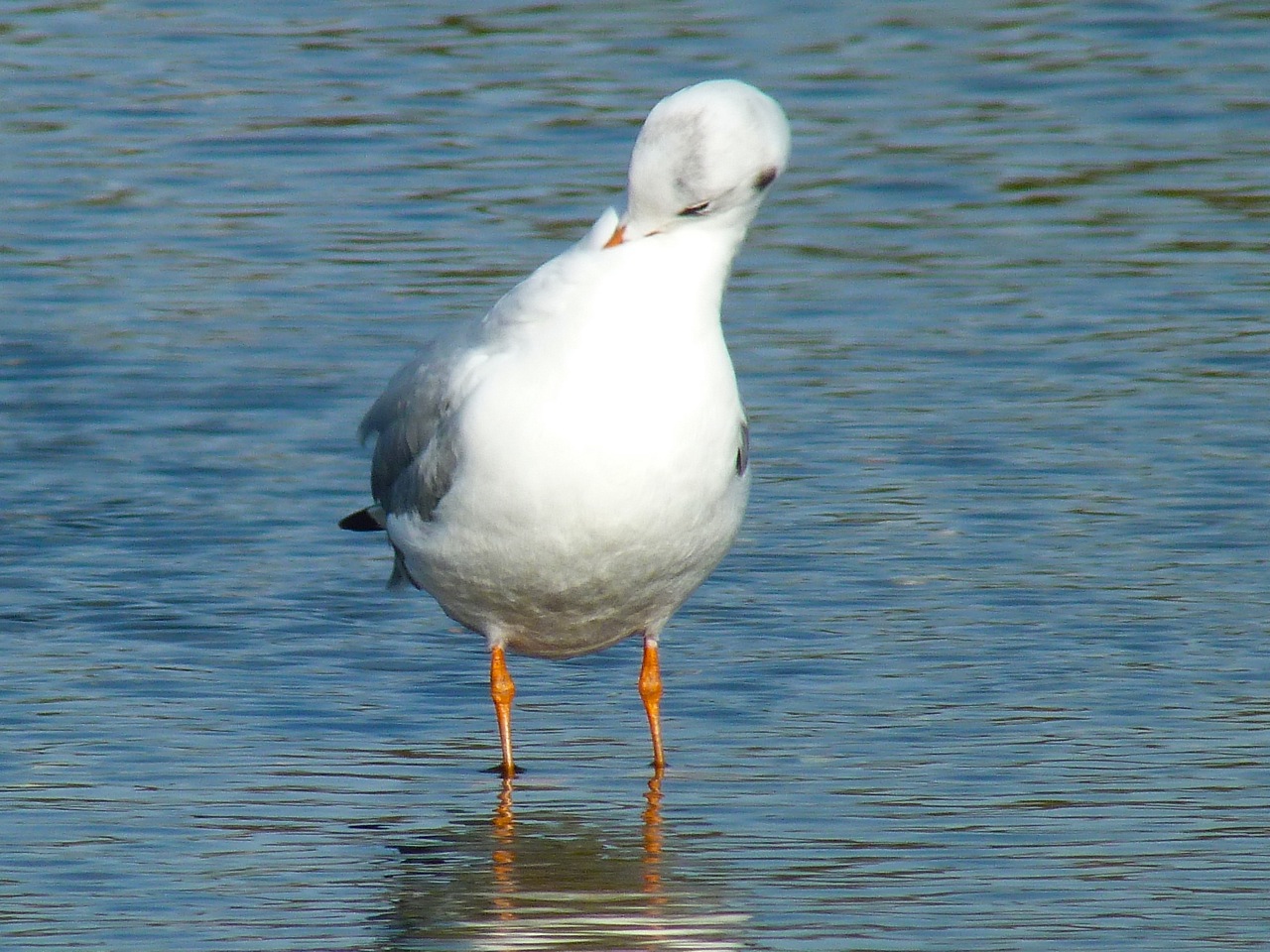




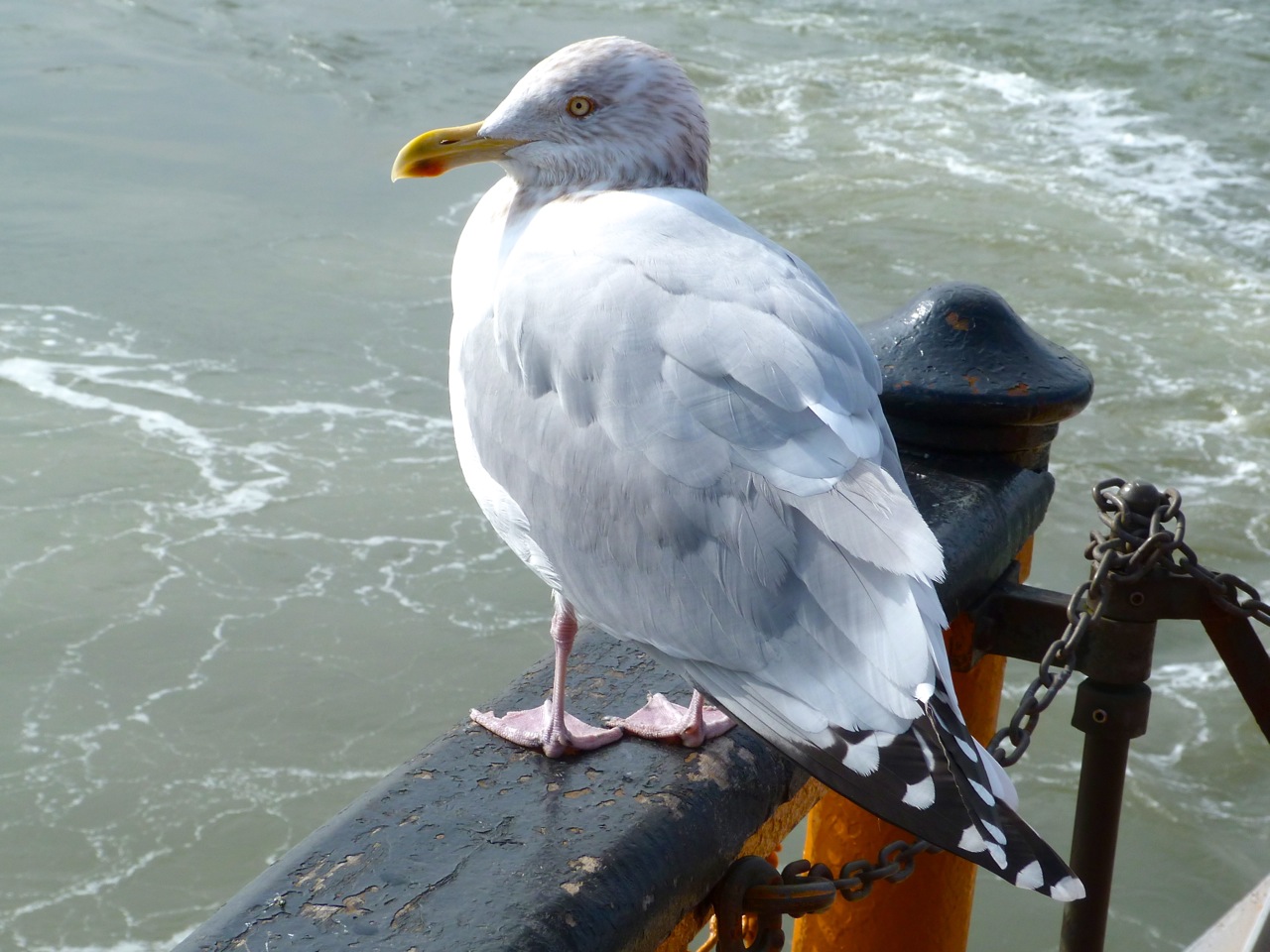
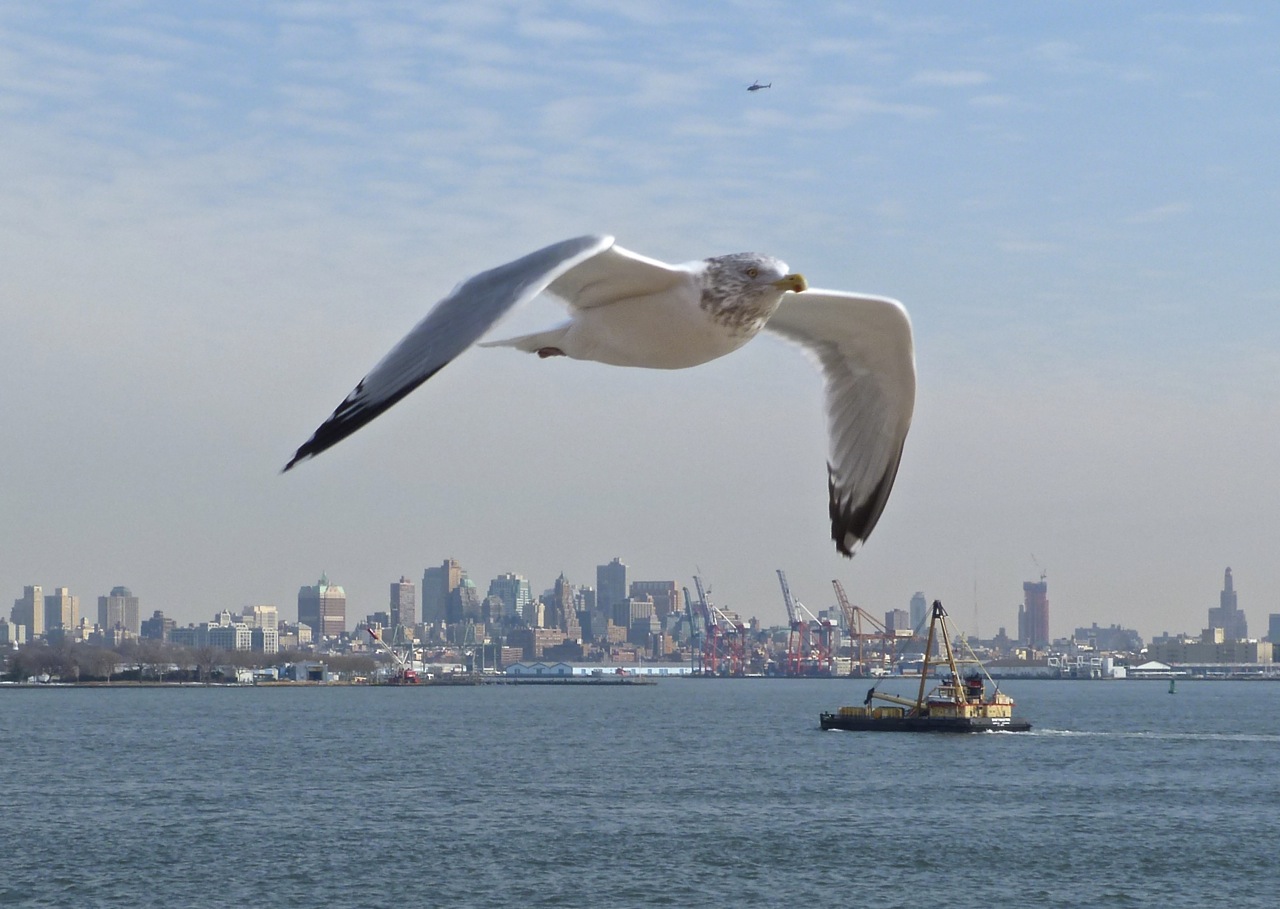


 Splosh! Gull Photobomb! It wasn’t there when I decided to press the trigger…











 ROLLING HARBOUR GALLERY