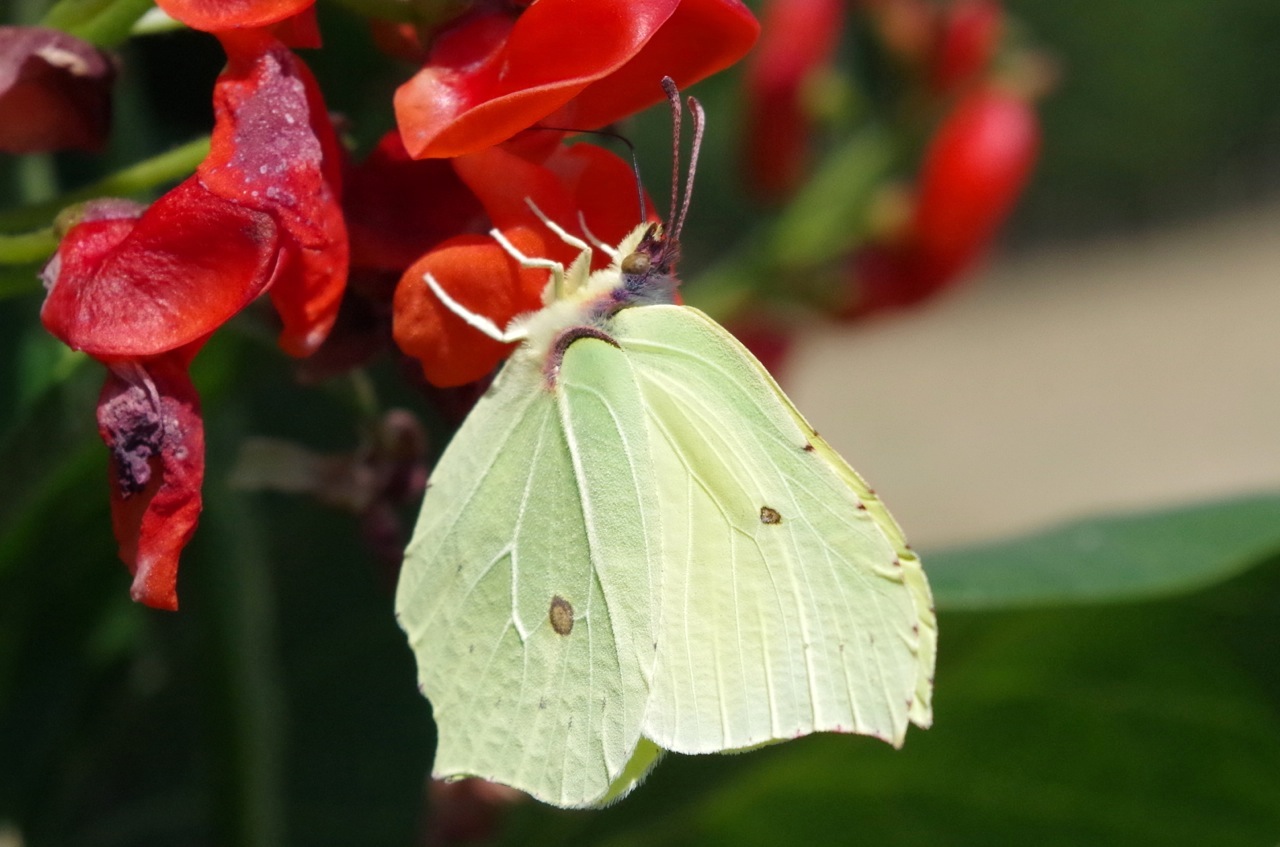
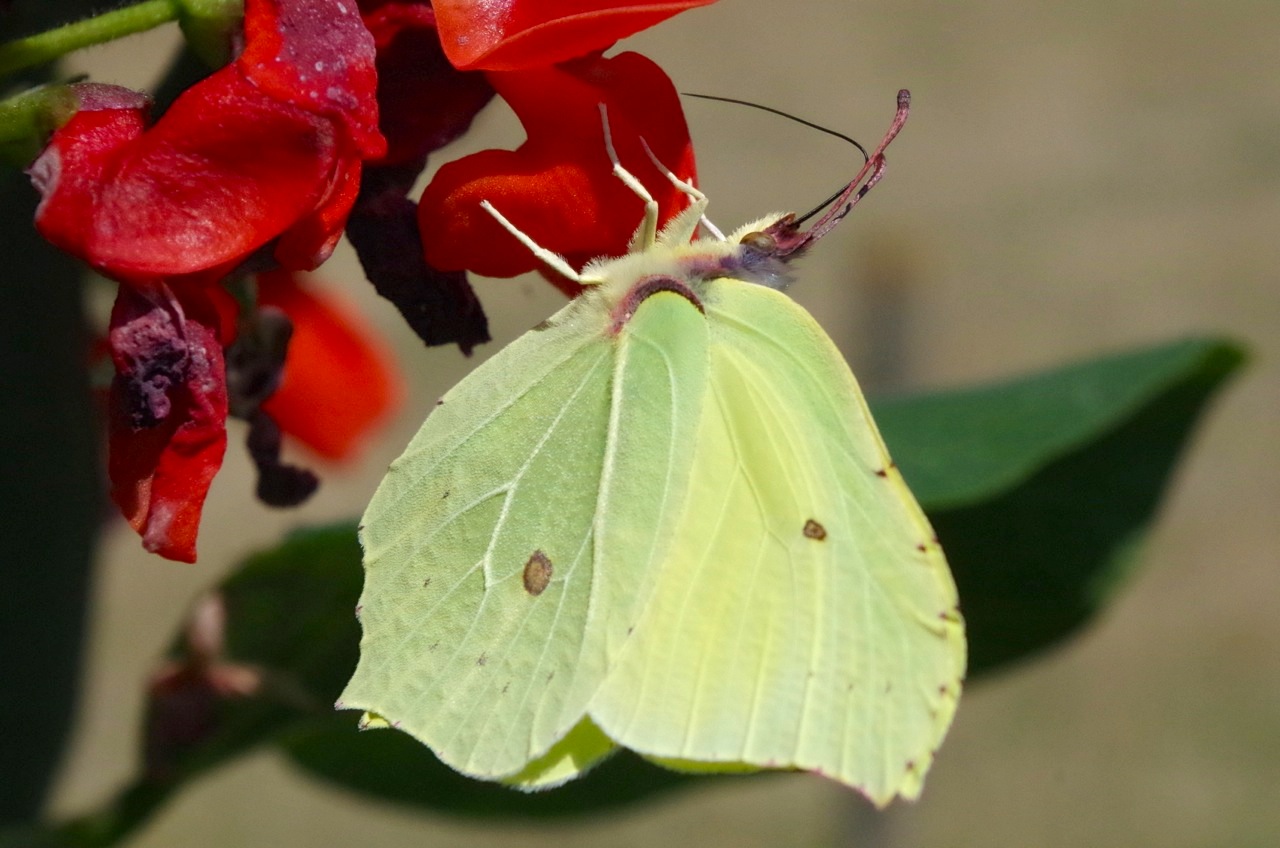
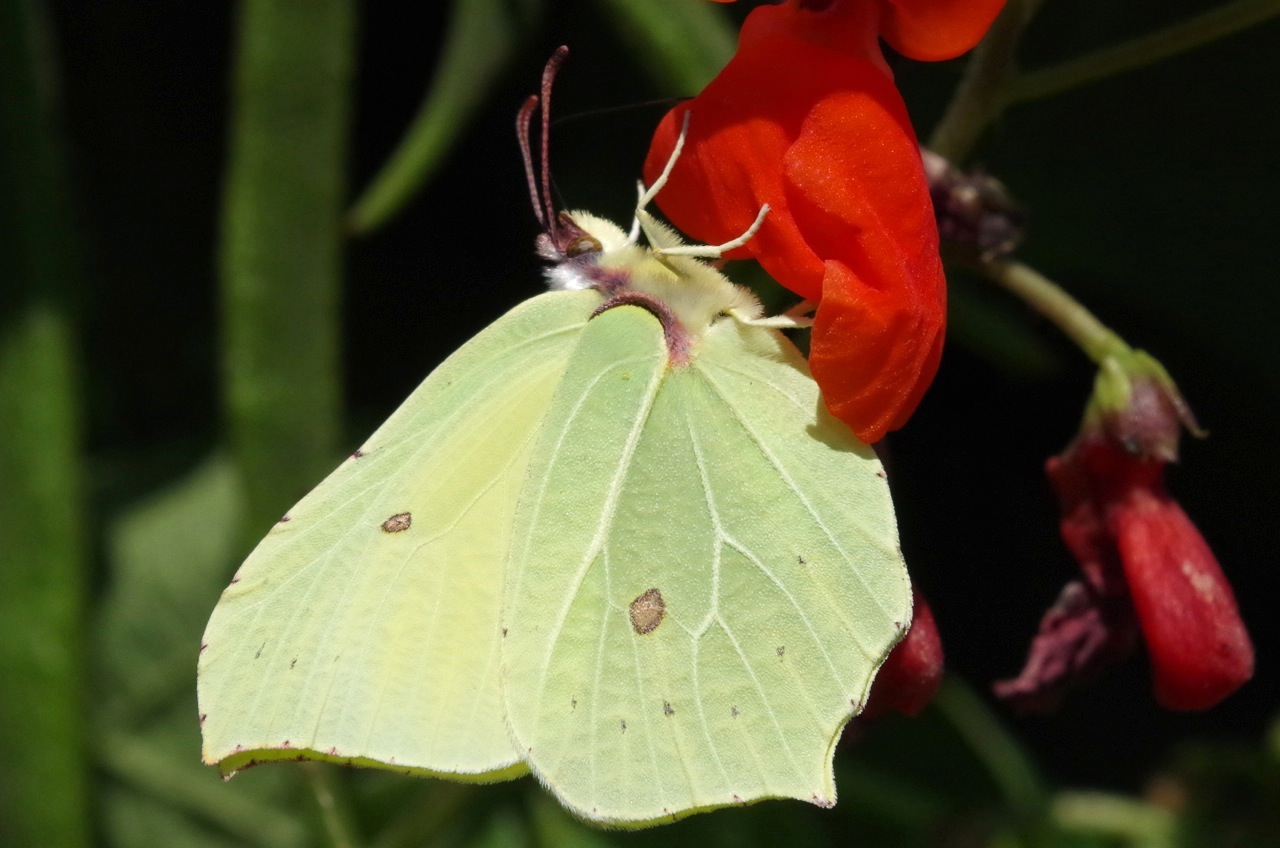
It’s high summer in the garden. That means beans. Beans does not mean Heinz in garden terms. Beans means butterflies, in this case a brimstone feeding on the bright fiery runner bean flowers. This female is a pale greeny yellow; males are a more striking bright yellow.
Category: DORSET
SUMMER BEES IN A DORSET GARDEN (1)
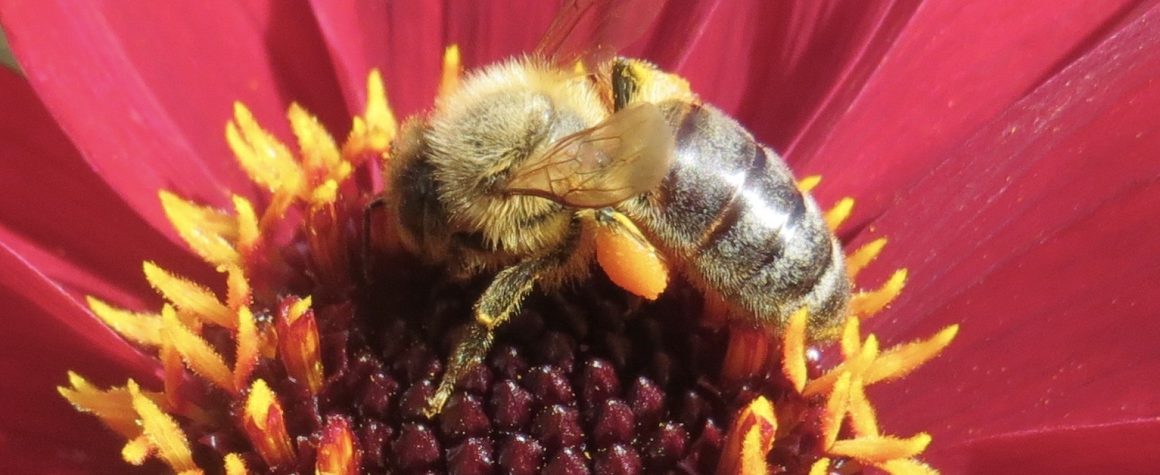
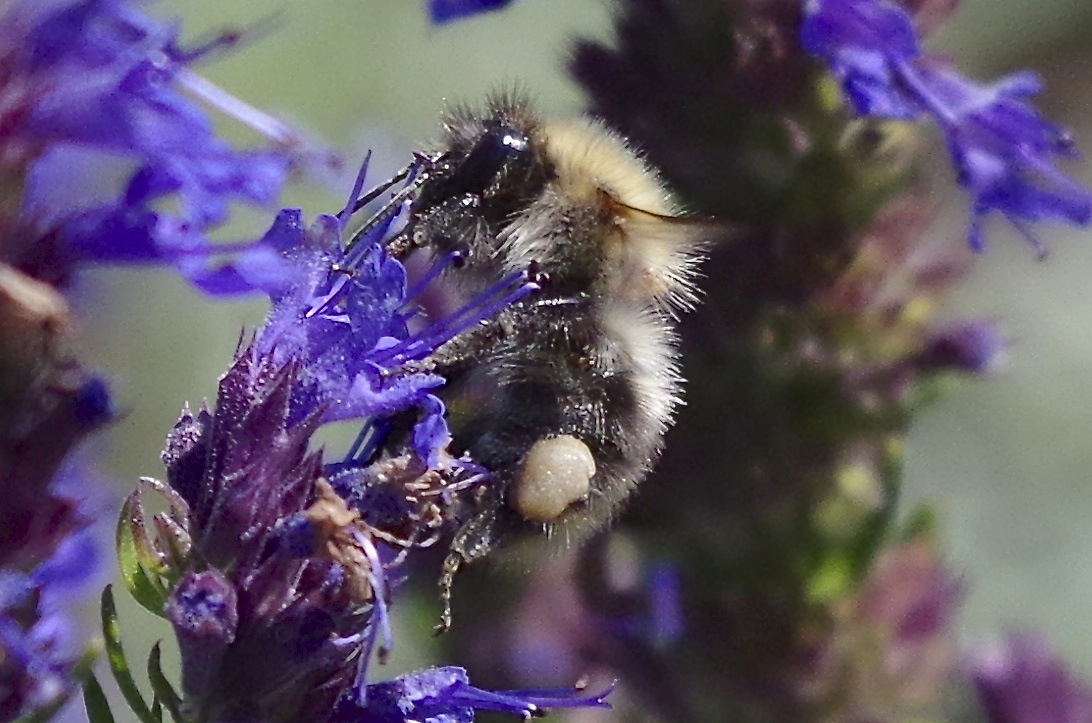
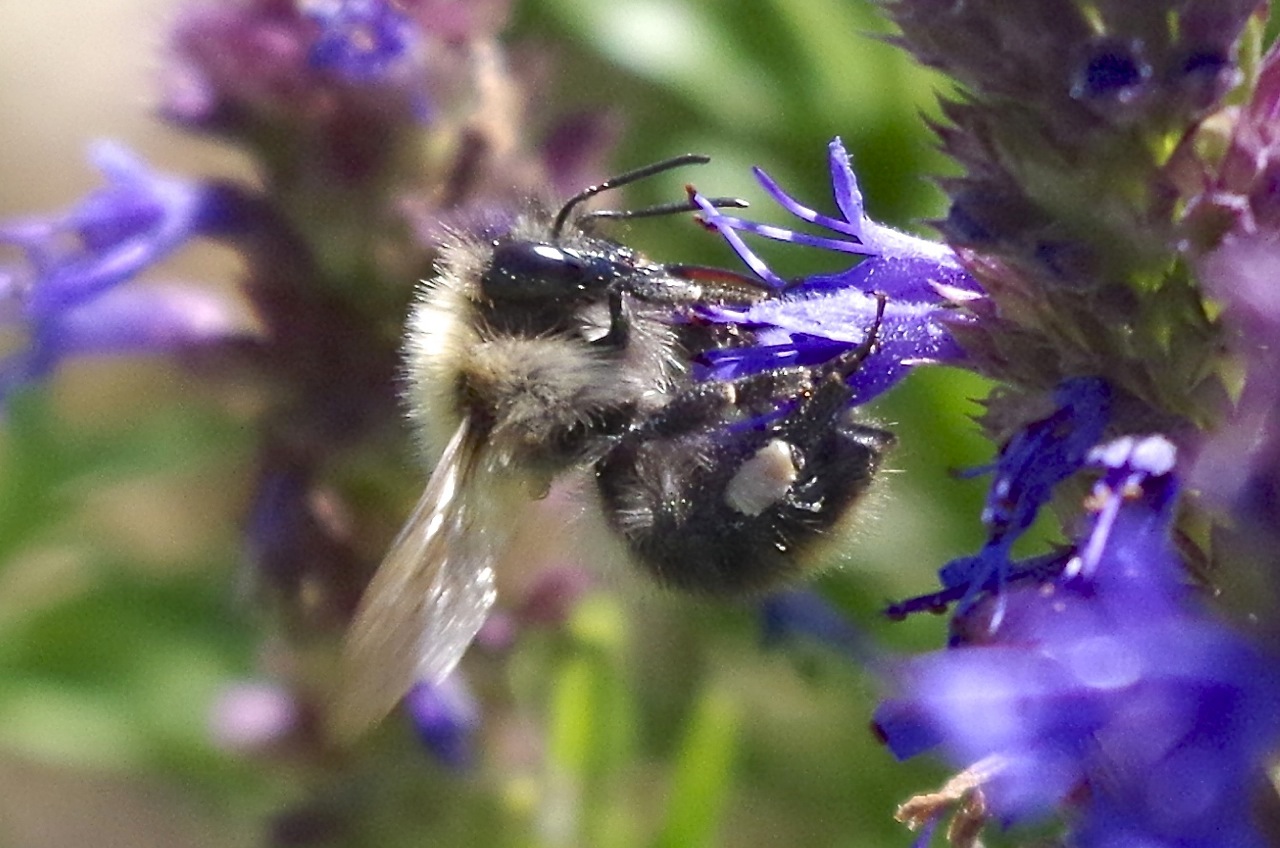
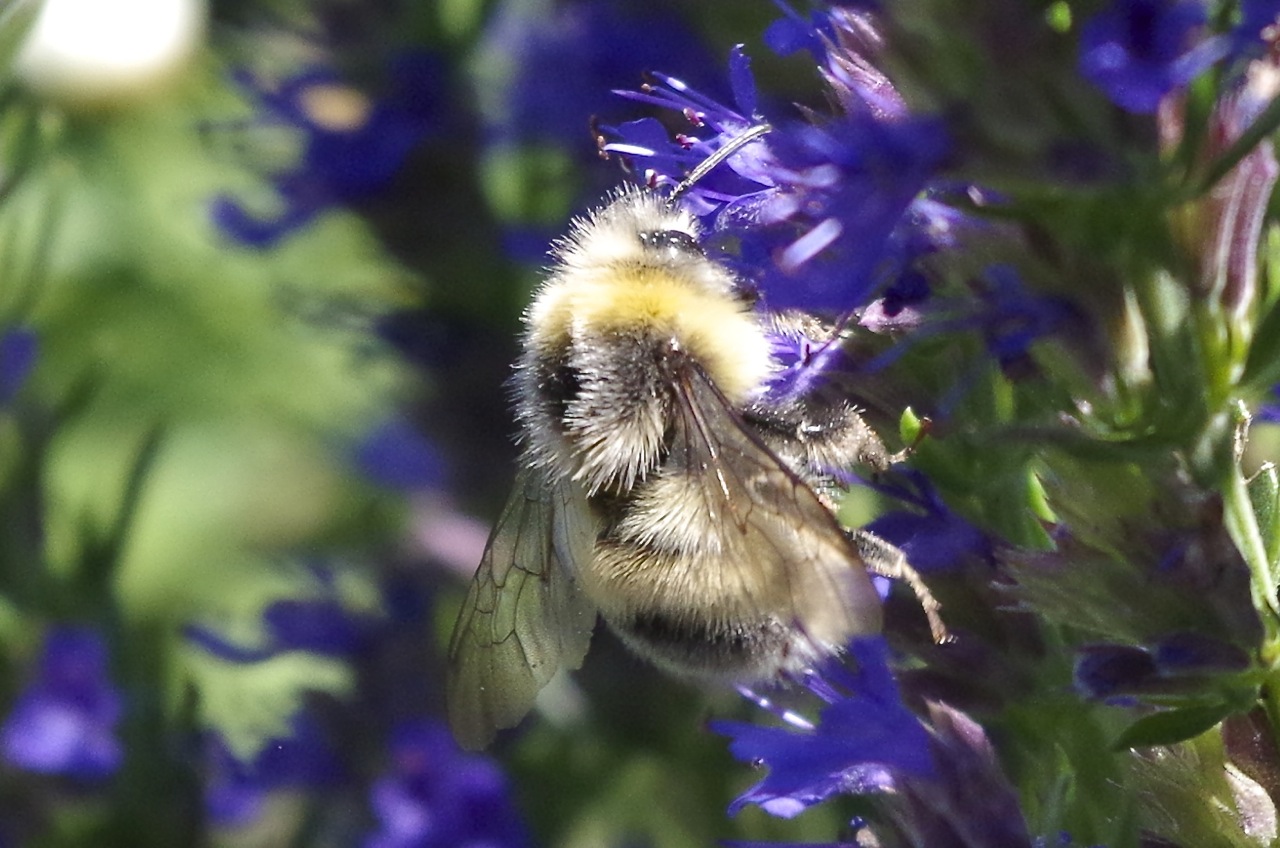
The sun was out, the bees were out and I was out trying camera settings having failed spectacularly to come to terms with a new(ish) SLR. The problem remains me, not it, but I sense that the hatred is mutual. Anyway, a few bee shots worked well enough to use… This is my favourite bee, tiny and pale, far smaller than the sturdy yellow and black bumbles jostling for the space on the hyssop and lavender. I like the way their packed saddlebags matched their colouring. There are probably two or even three different species of bee here for all I know, but it’s hot and I can’t be bumbled to look it up…
This is the first year I have taken on board the number of mites the bees carry. #1 has a fine one under the wing; and I saw one bumble with a smart necklace of mites. I realise they are mostly non-parasitic (apparently), and maybe it is even a sign of good bee health…
GATEKEEPER BUTTERFLIES ARE BACK
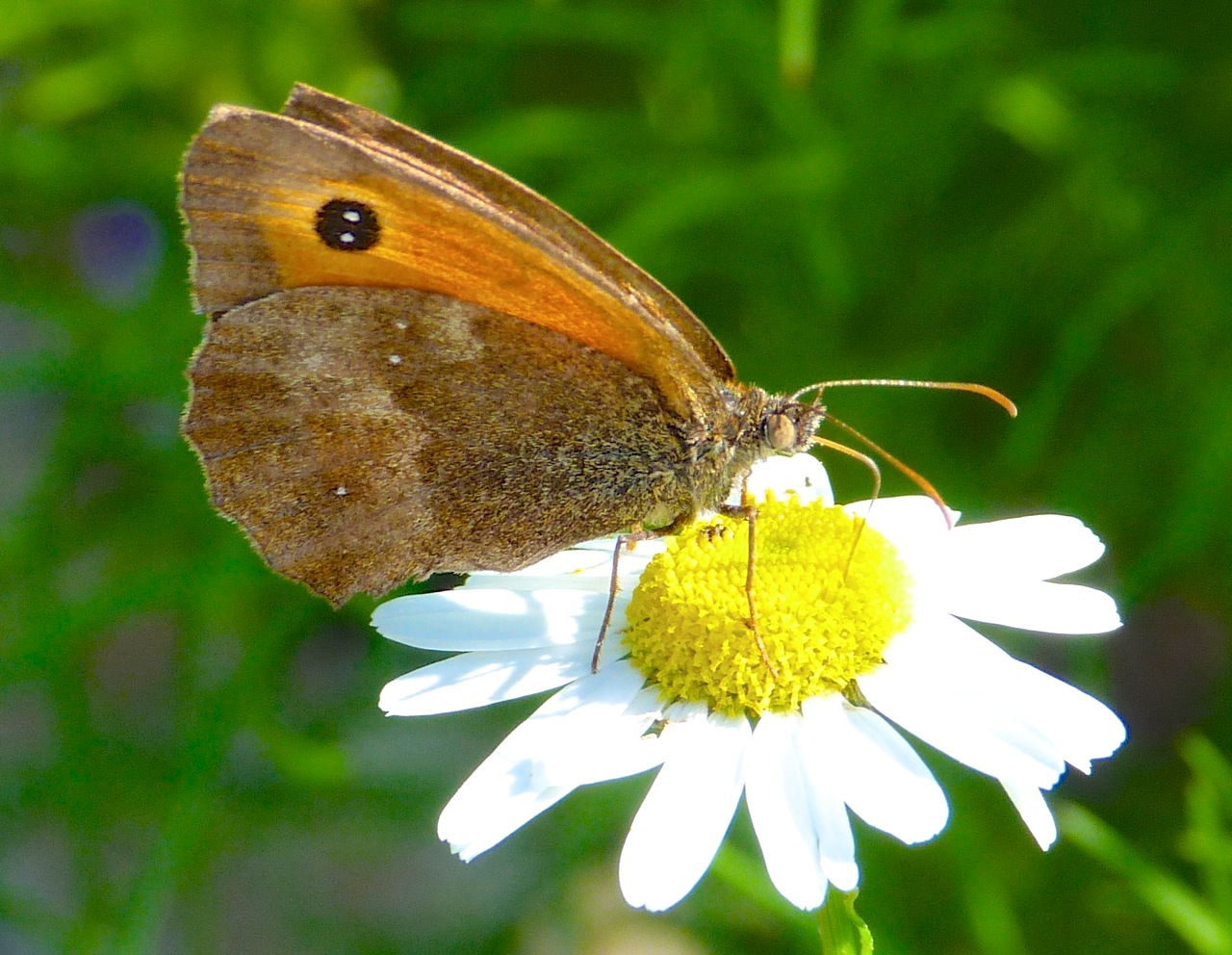
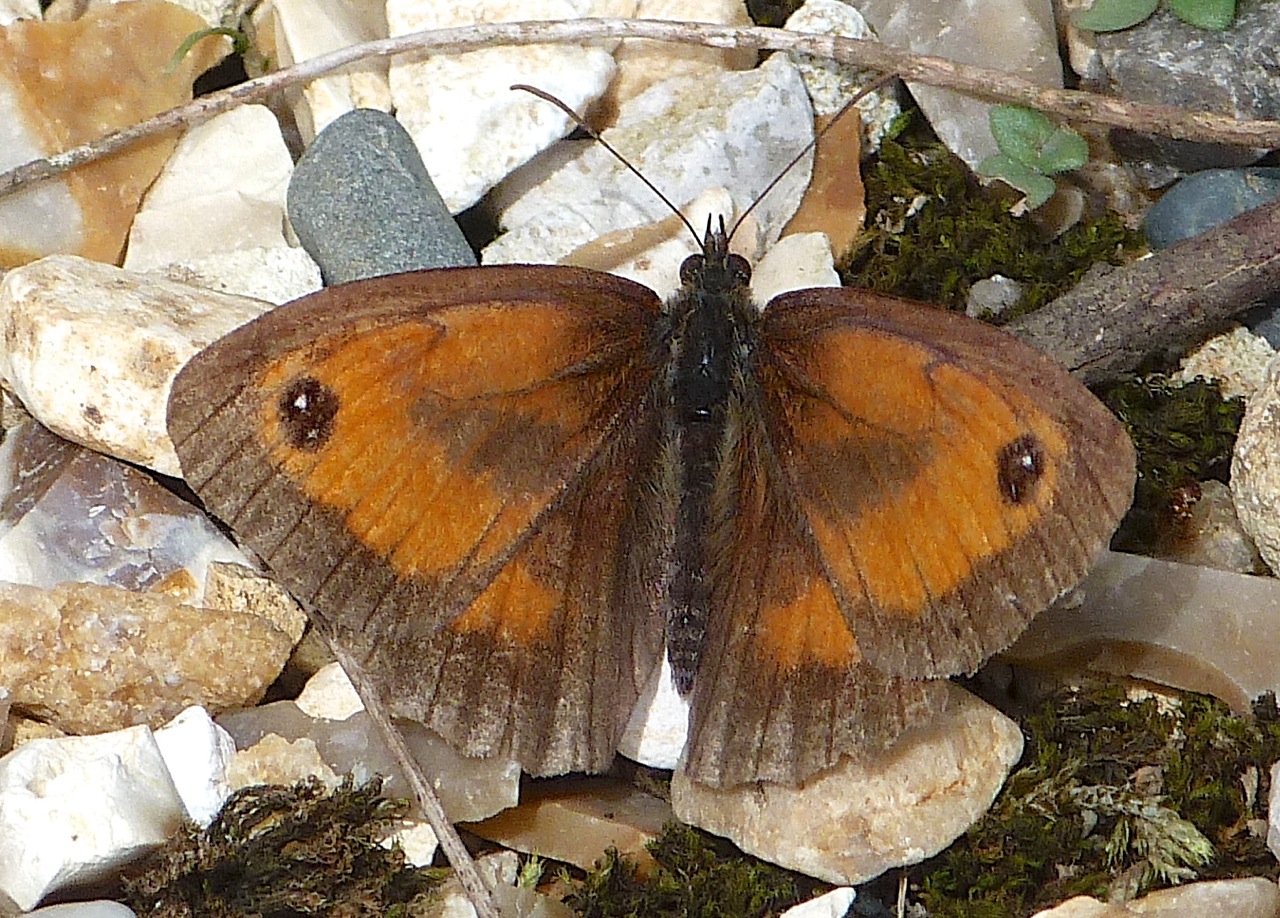
This is the first Gatekeeper I have seen this year. We have had an unusually prolific season for meadow browns over the last few weeks, which in ‘closed wing’ position I find easy to confuse with gatekeepers, unless I can see the wing spots clearly. But this one was obligingly drying its wings – they are very undamaged so I assume it is a very recent arrival (in butterfly form, anyway), maybe even today. 
BEHOLD: A BEE HOUSE
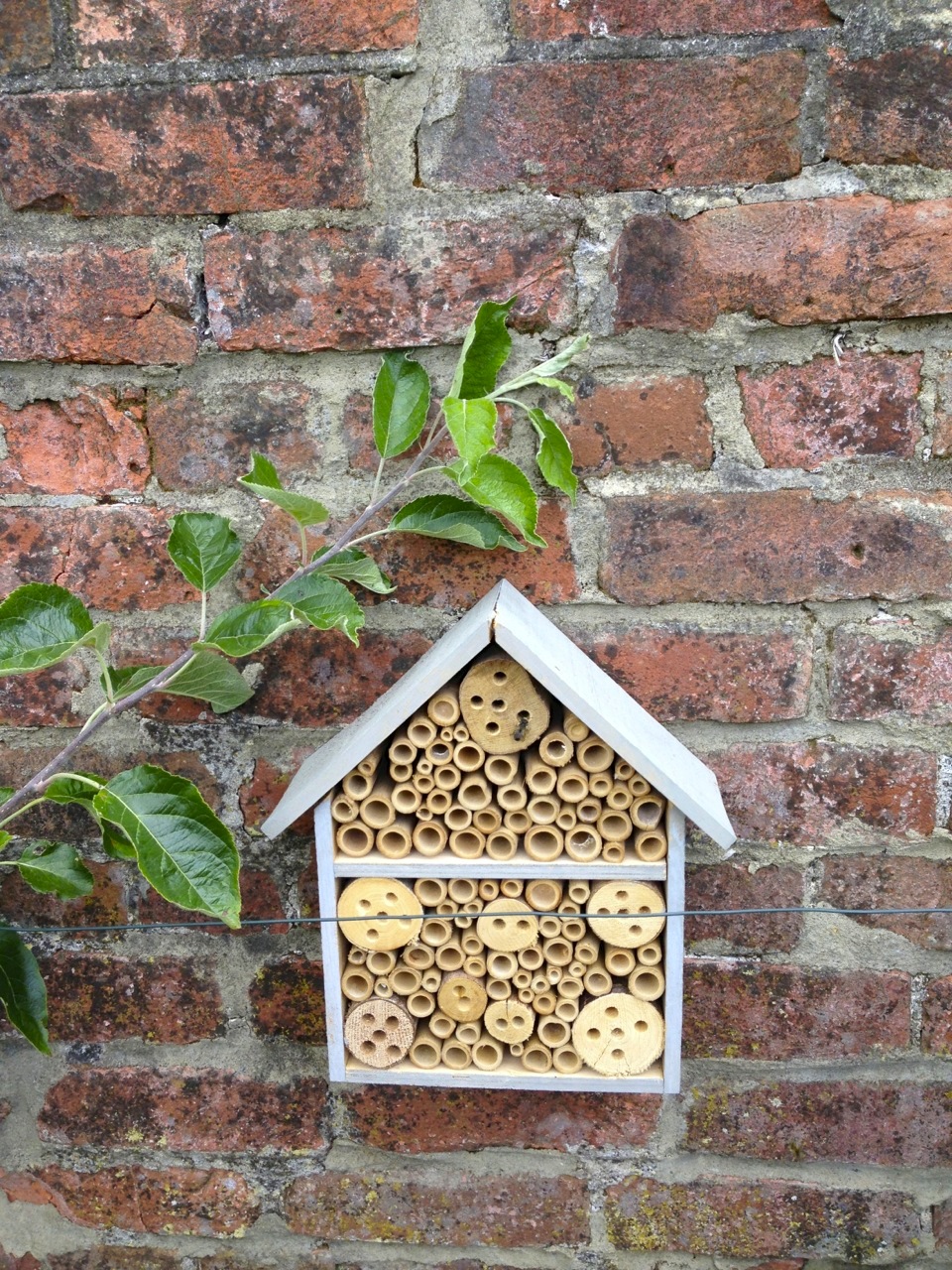
I was given a bee house in May. Previously I was the proud owner of a bumblebee nest box, which didn’t seem to be a success until, in early Spring 2014, I watched a small, dozy bumblebee crawl out of it, slowly get its act together, and fly off…
I wasn’t certain how a bee house would work, so I put it in a quiet south-facing out-of-the-way corner, later adding a pot of lavender under it.
After a couple of weeks of nada and niente, I decided to move the house to a length of wall that stayed longer in the morning sun, and to dispense with the lavender.
This looked more promising, but I was highly doubtful that such a fine multi-apartment abode would find favour with the bees. The holes looked good – a range of large down to very small – but still, it looked a bit… NEW. I thought it would need to be weathered for 6 months to get rid of the smell of ‘shop’.
Gratifyingly soon, however, I was proved wrong. One morning we found (a) a bee inspecting one of the penthouse suites and (b) 2 partial wax caps
Note bees on the roof and on the lower storey; 2 partially capped cells on the upper storey
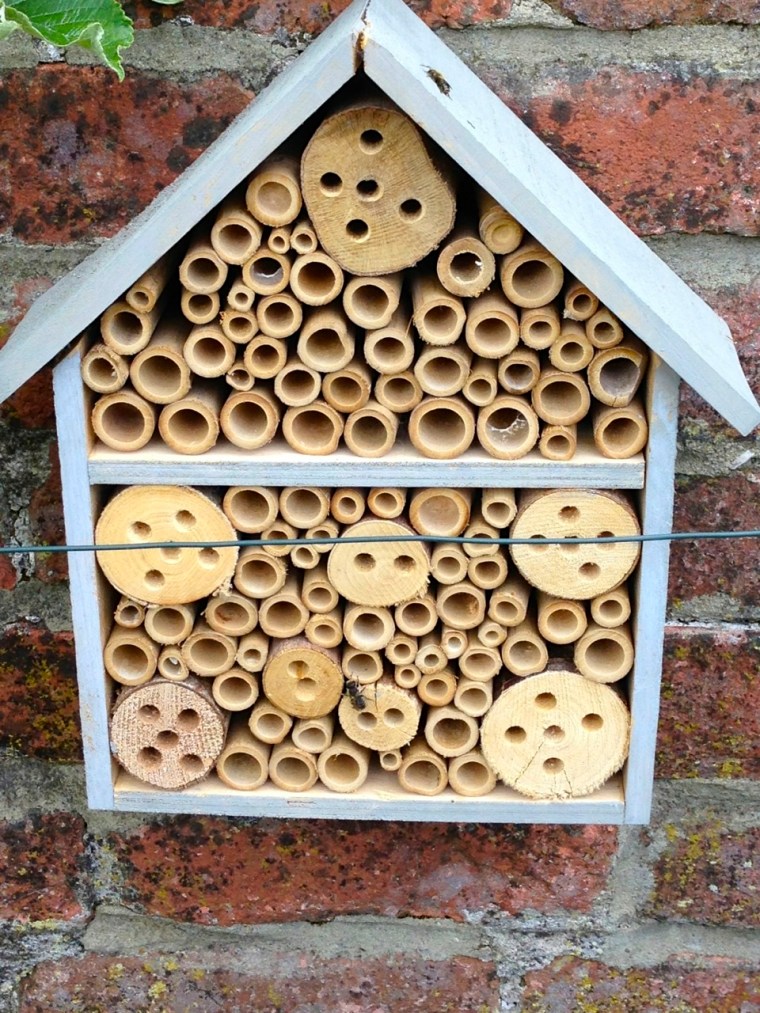
The following morning there was evidence of further activity – one completely capped cell
Since then a number of bees have taken overnight accommodation in the bee house. They prefer the holes drilled in wood over bamboo holes for a short stay, and at any given moment there are two or three small faces visible.
So overall we are pleased to report that the experiment can be counted a success. The garden has been revitalised during the last 2 years following 20 years or so of benign neglect, and bee-friendly plants have been a priority. So far, so good.
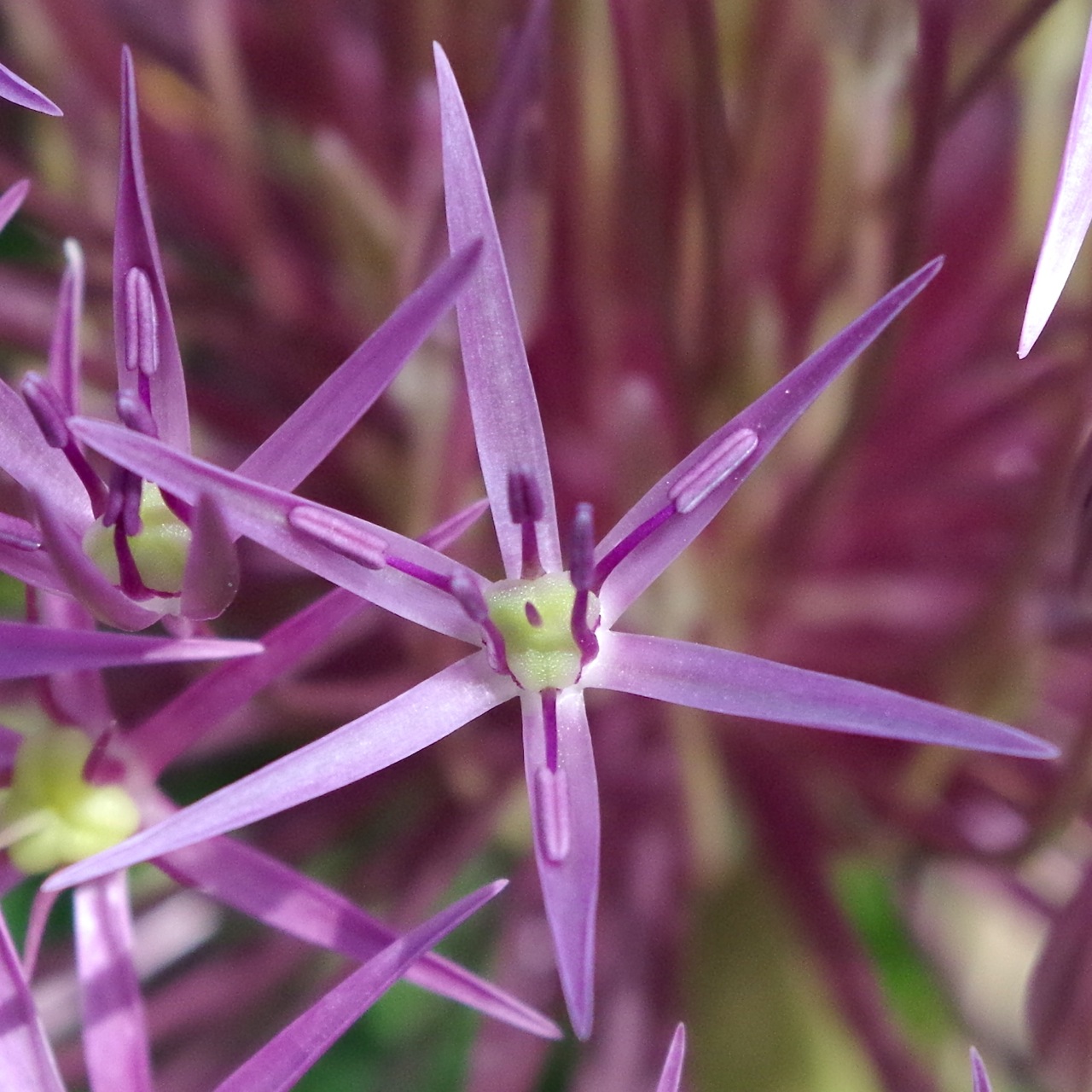
ALLIUM STUDIES, DORSET
JACOB SHEEP, DORSET: THE MOWERS ARE BACK
Until the beginning of the year we had some beautiful DORSET SHEEP in the field. They arrived last summer with their lambs, carefully numbered but rather random in their choice of maternal feeding station. They had a guest to stay, the RAM. Then they were left to themselves for the winter before being relocated to allow the grass to recover.
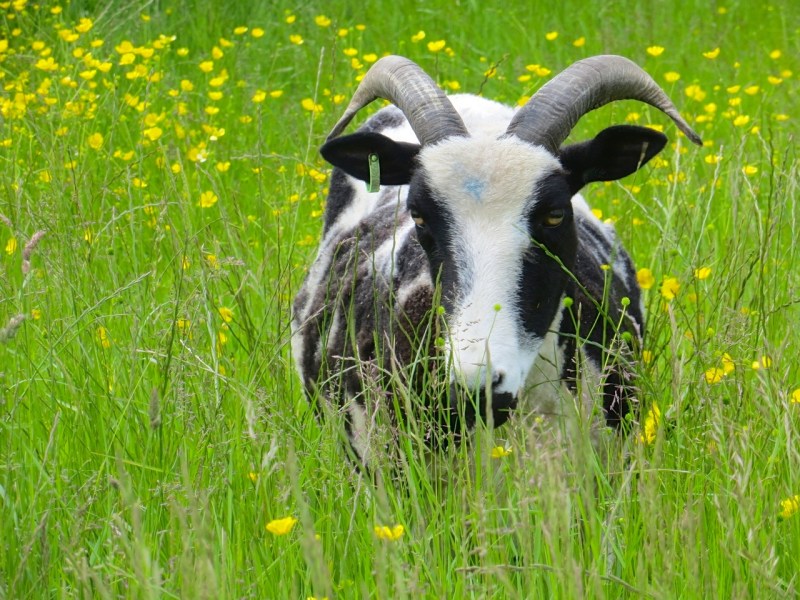
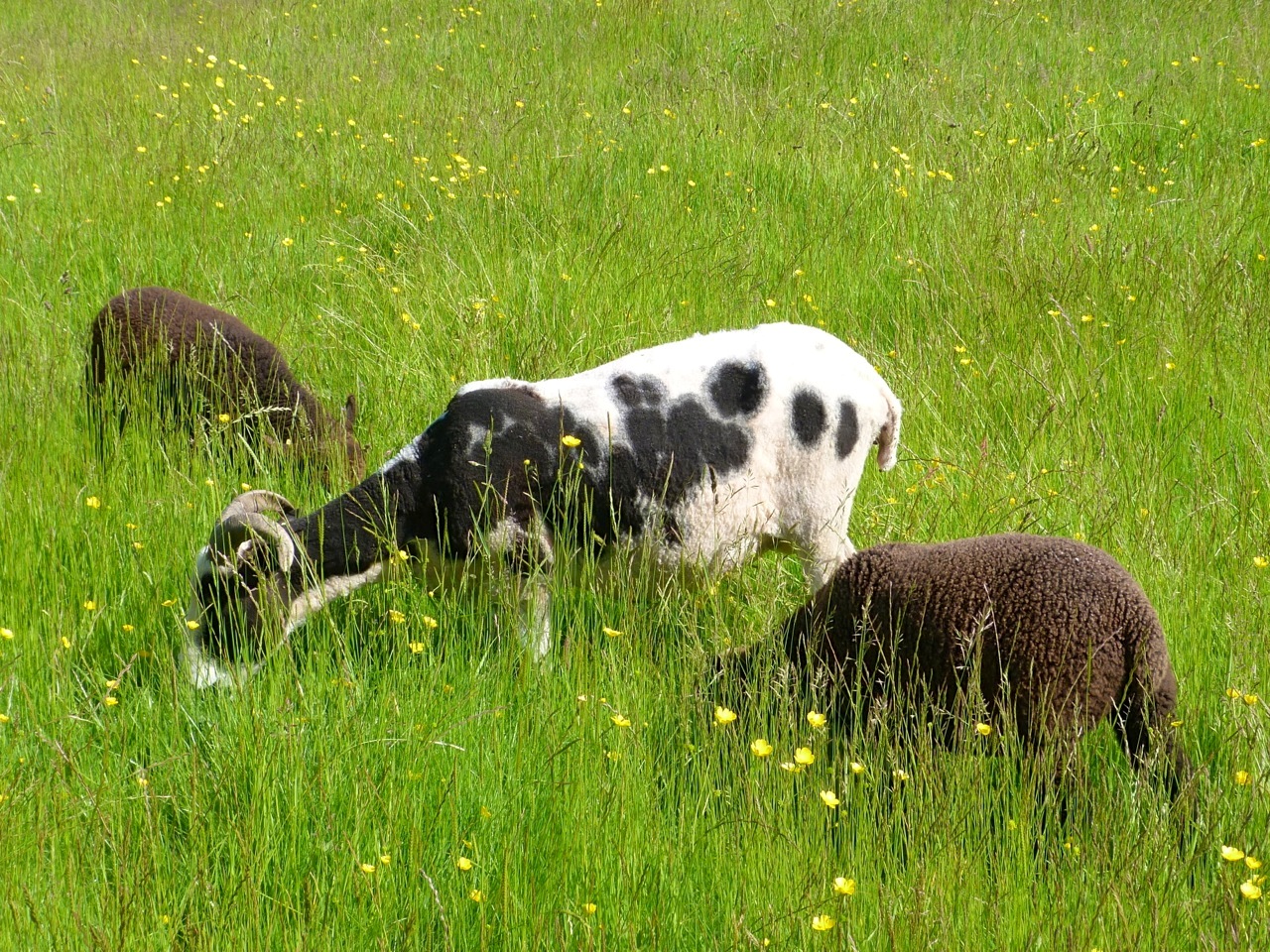
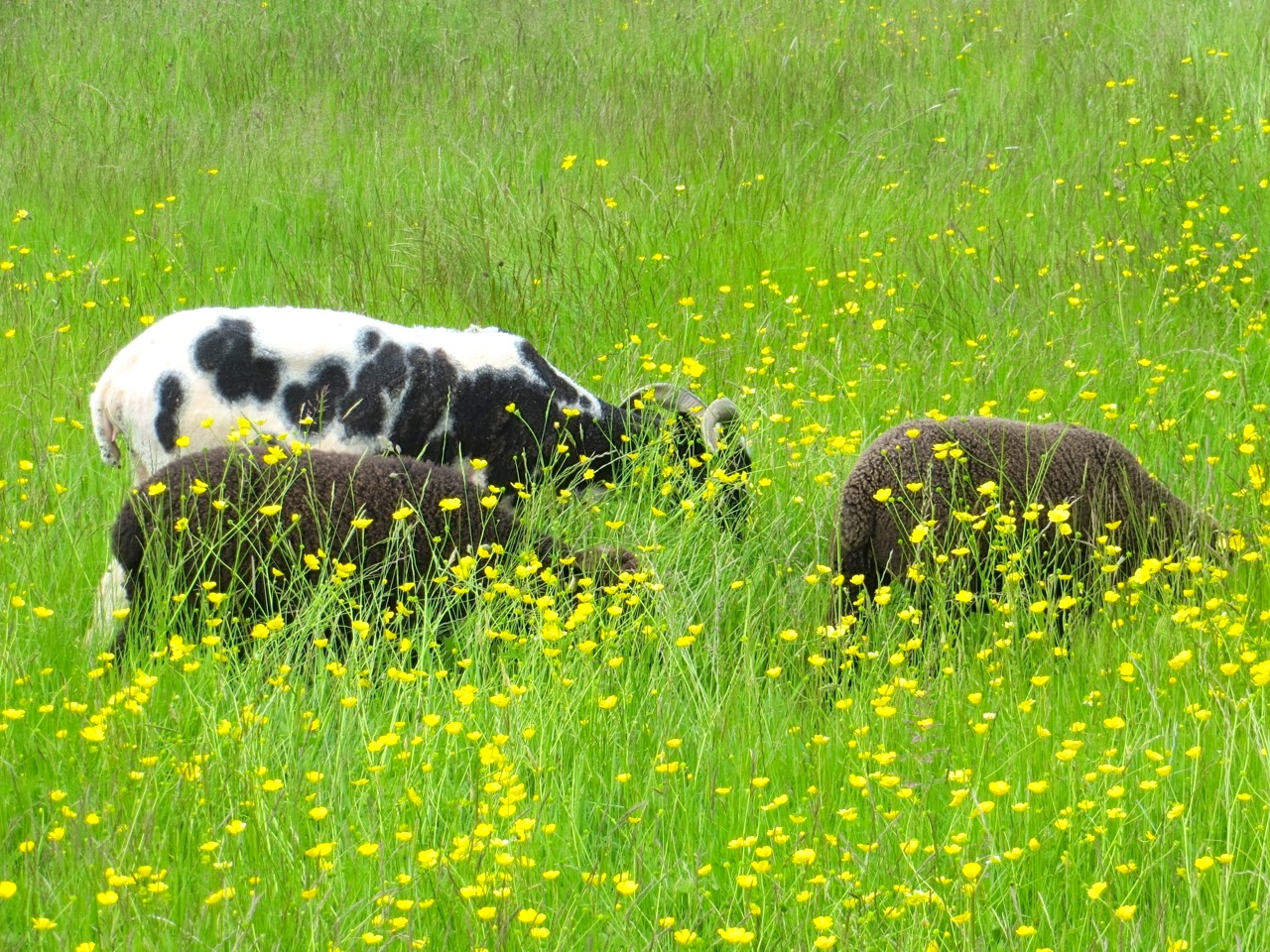
This time last year our son’s wedding took place in the field, and it had been smartened up for the purpose (Mrs RH and I had our wedding reception in the same field nearly… erm… x0 years ago). This spring, the grass has grown lush and replete with buttercups, ready for the next ovine mowers to graze. They arrived last weekend, 6 freshly shorn adult Jacobs with their 10 lambs between them. Here are some studies of the one I want (perversely) to call Daisy, with her lambs…
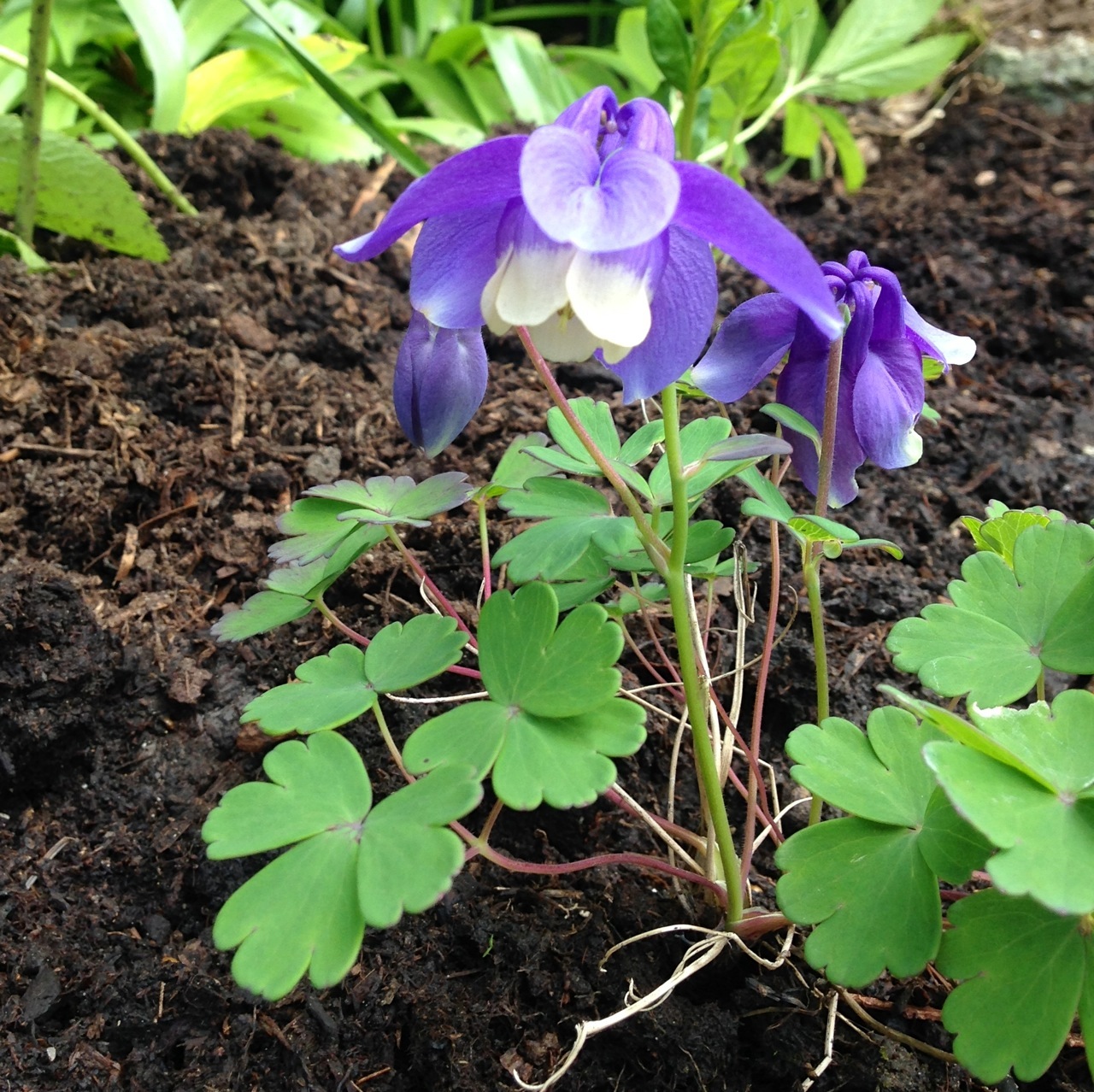
“ASSORTED AQUILEGIA…”
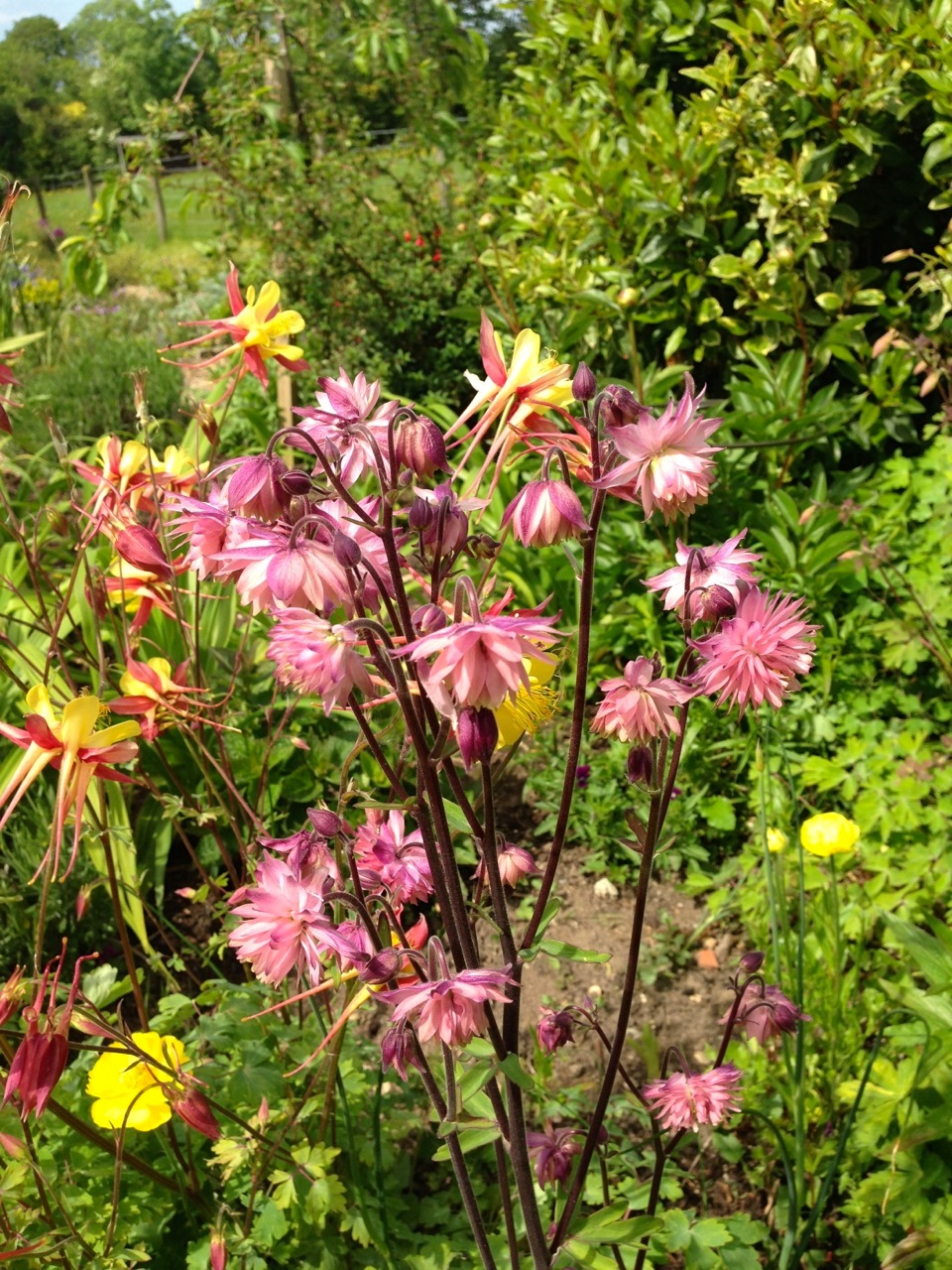
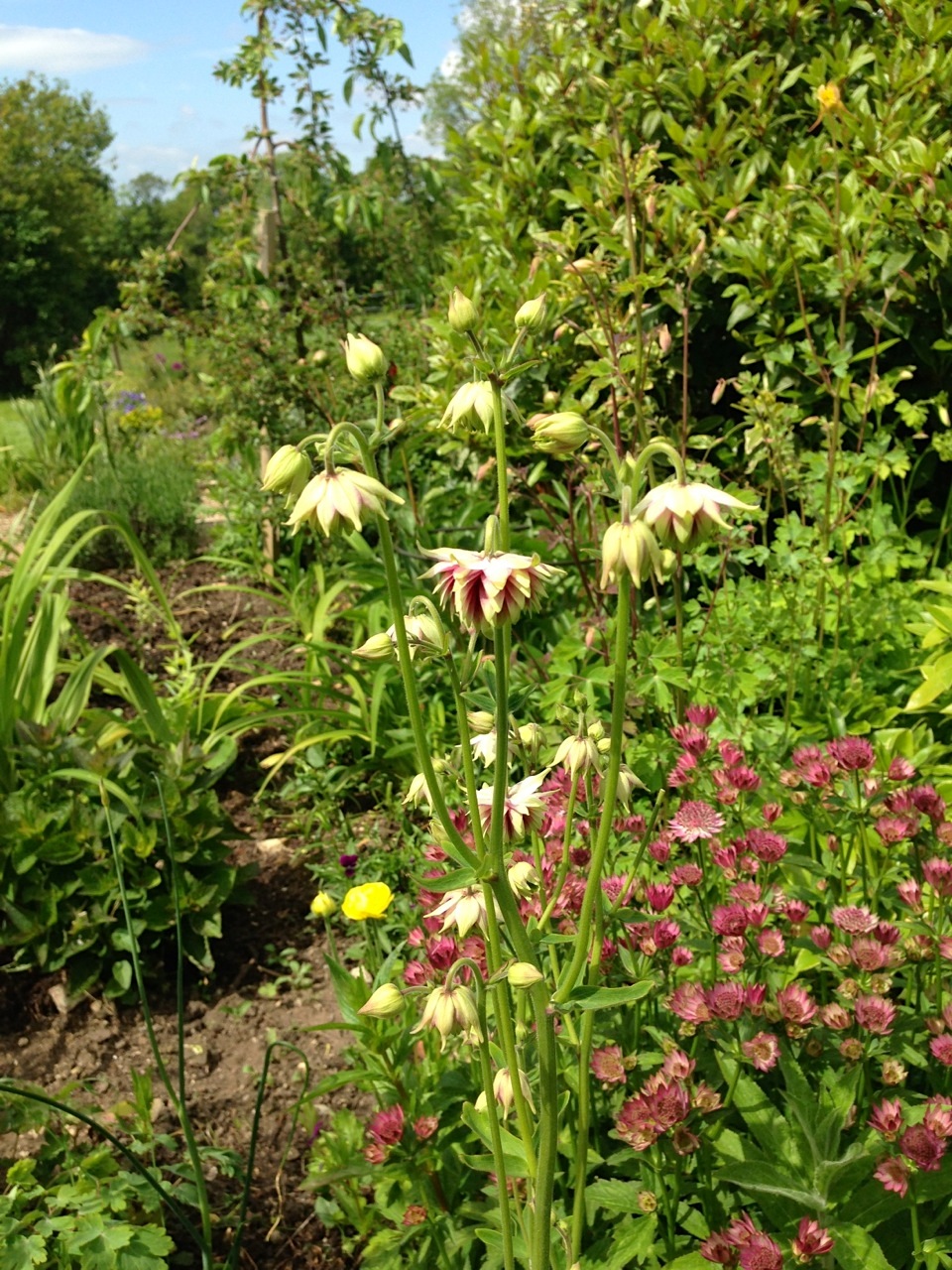
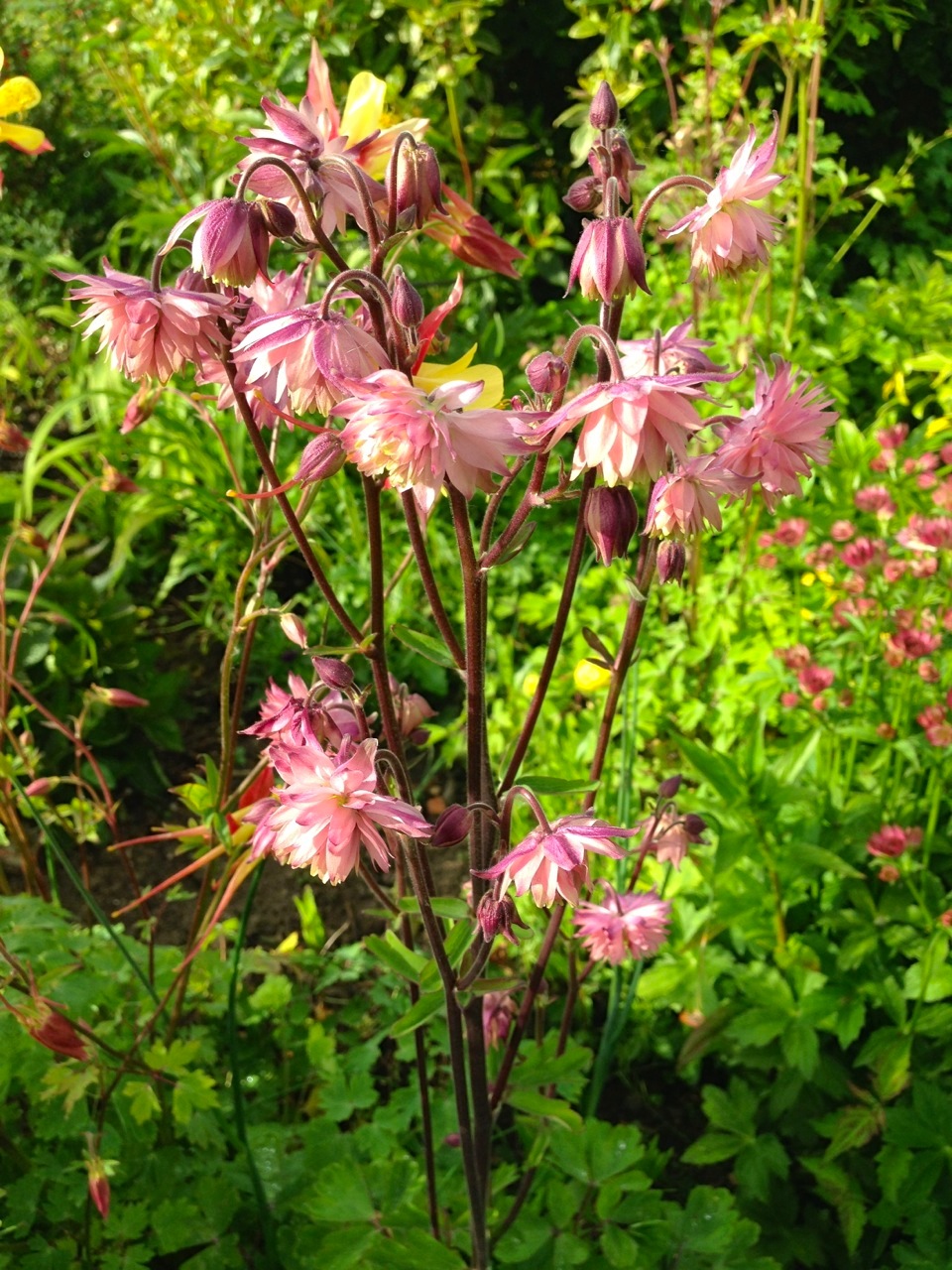
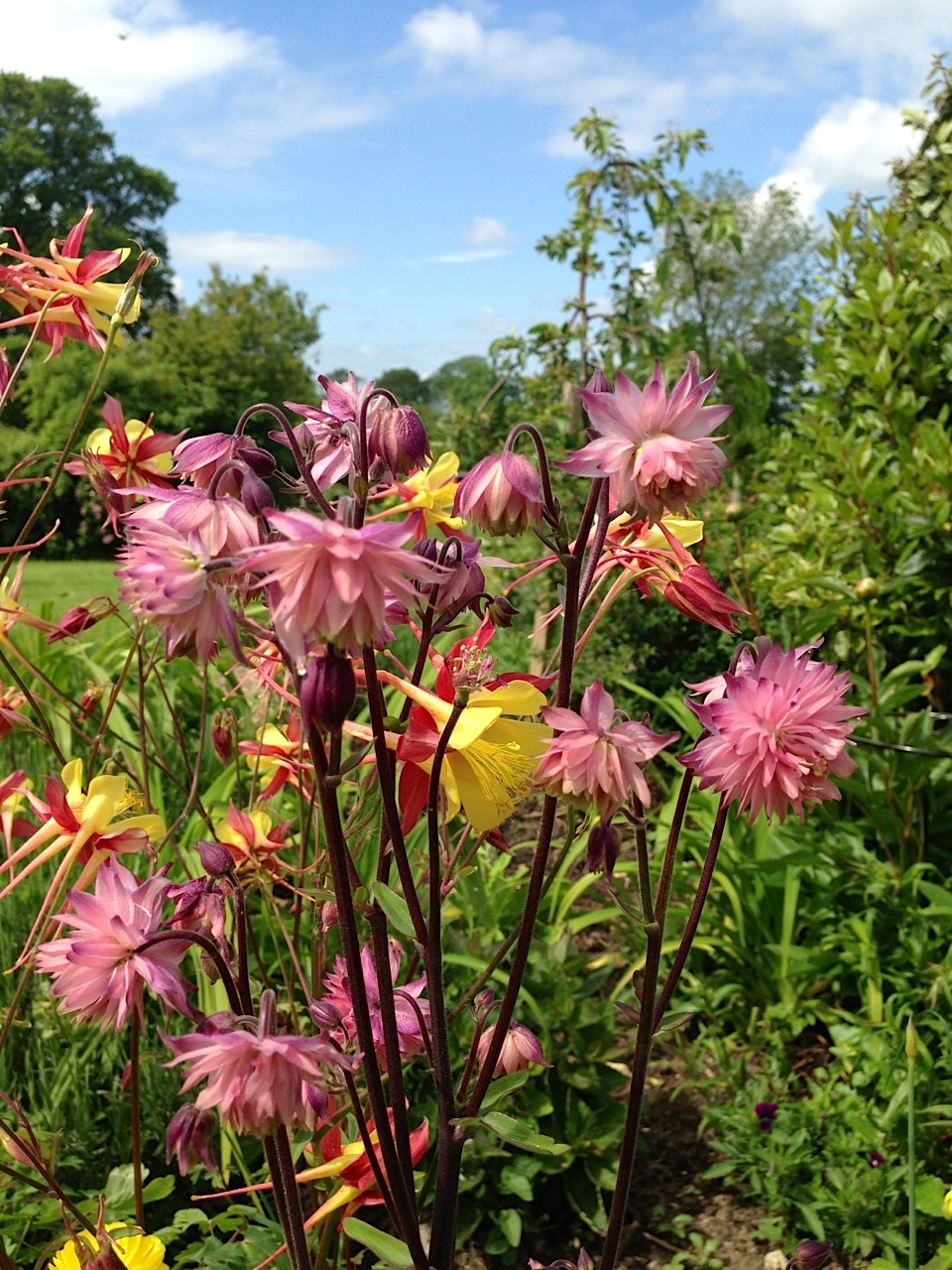
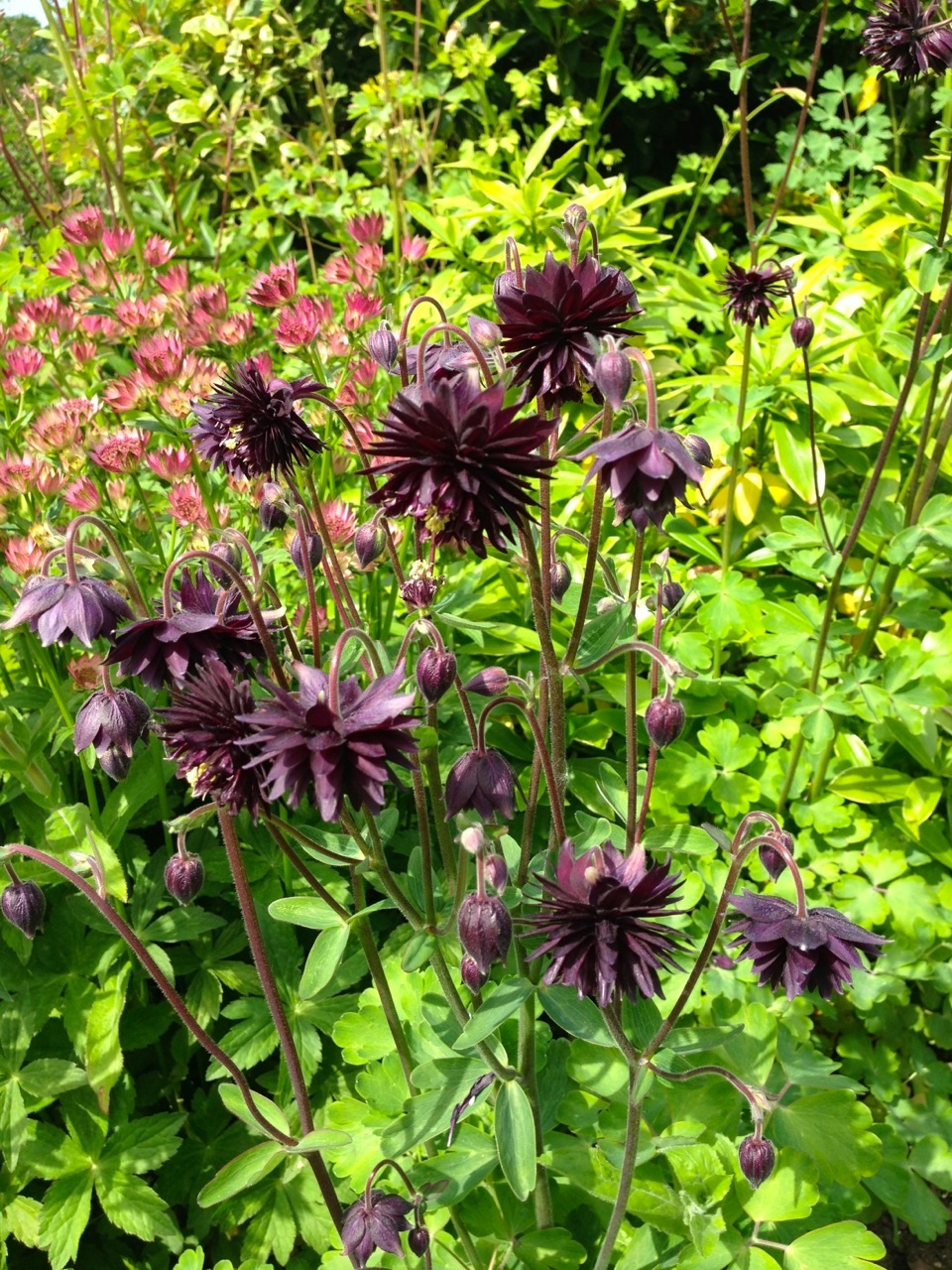
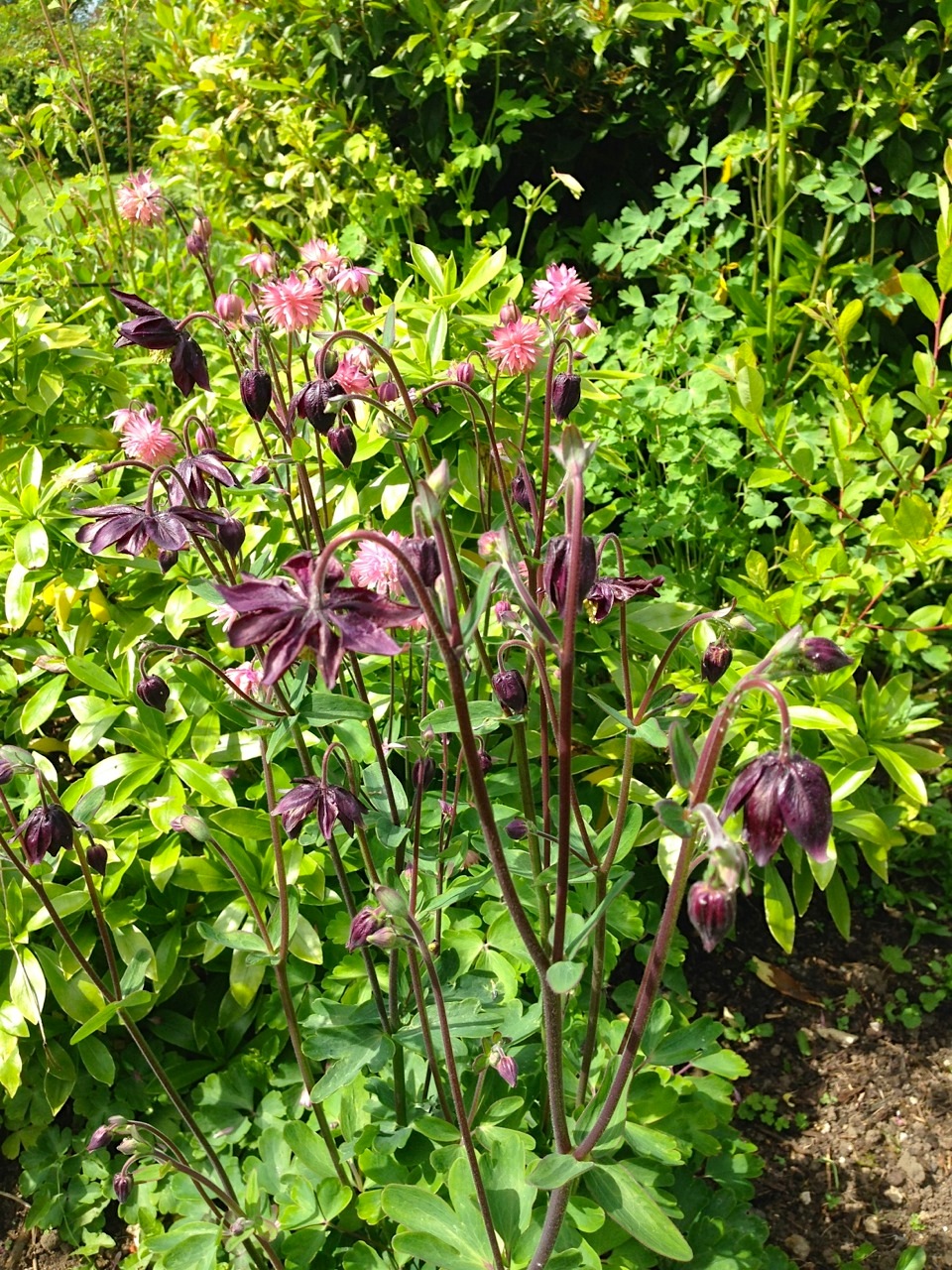
“Assorted Aquilegia” is probably what it said on the packet. But it came from a wholesome source not unconnected with Perch Hill, and the results of the experiment have been gratifyingly immediate and colourful this year. New soil in the beds (after a lengthy lay-off from any serious attempt at cultivation) may have something to do with it as well. Here are some of the flowers snapped on an iPhone this weekend.
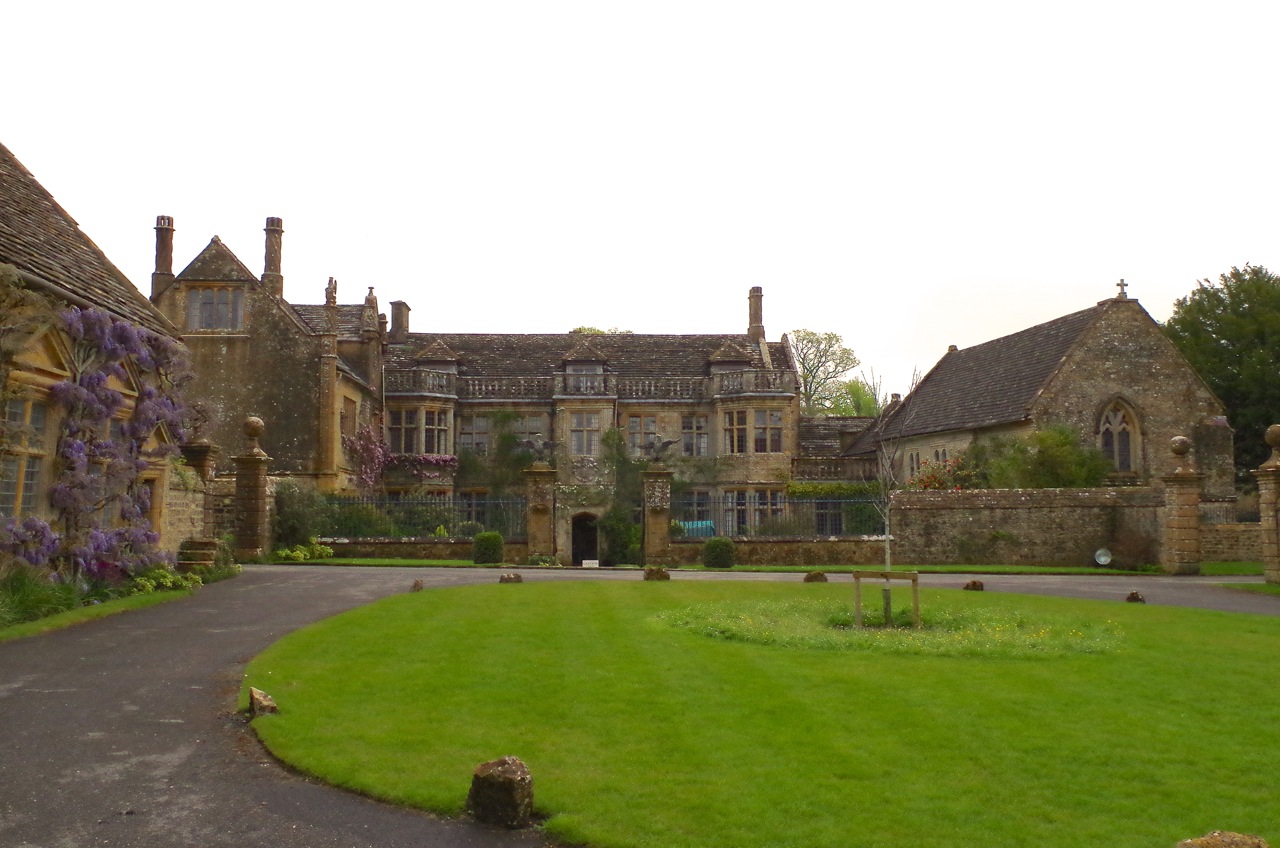
MAPPERTON HOUSE, DORSET: FAR FROM THE MADDING CROWD
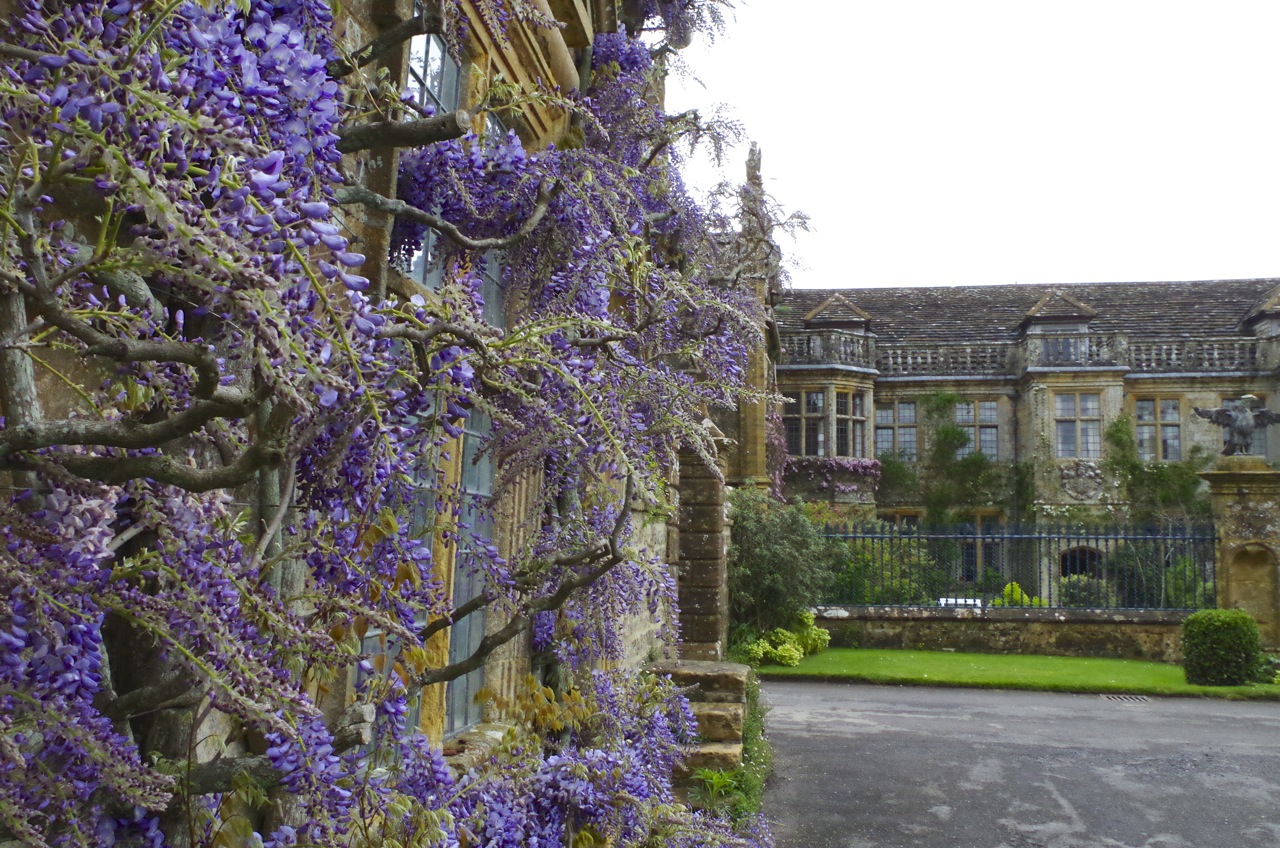
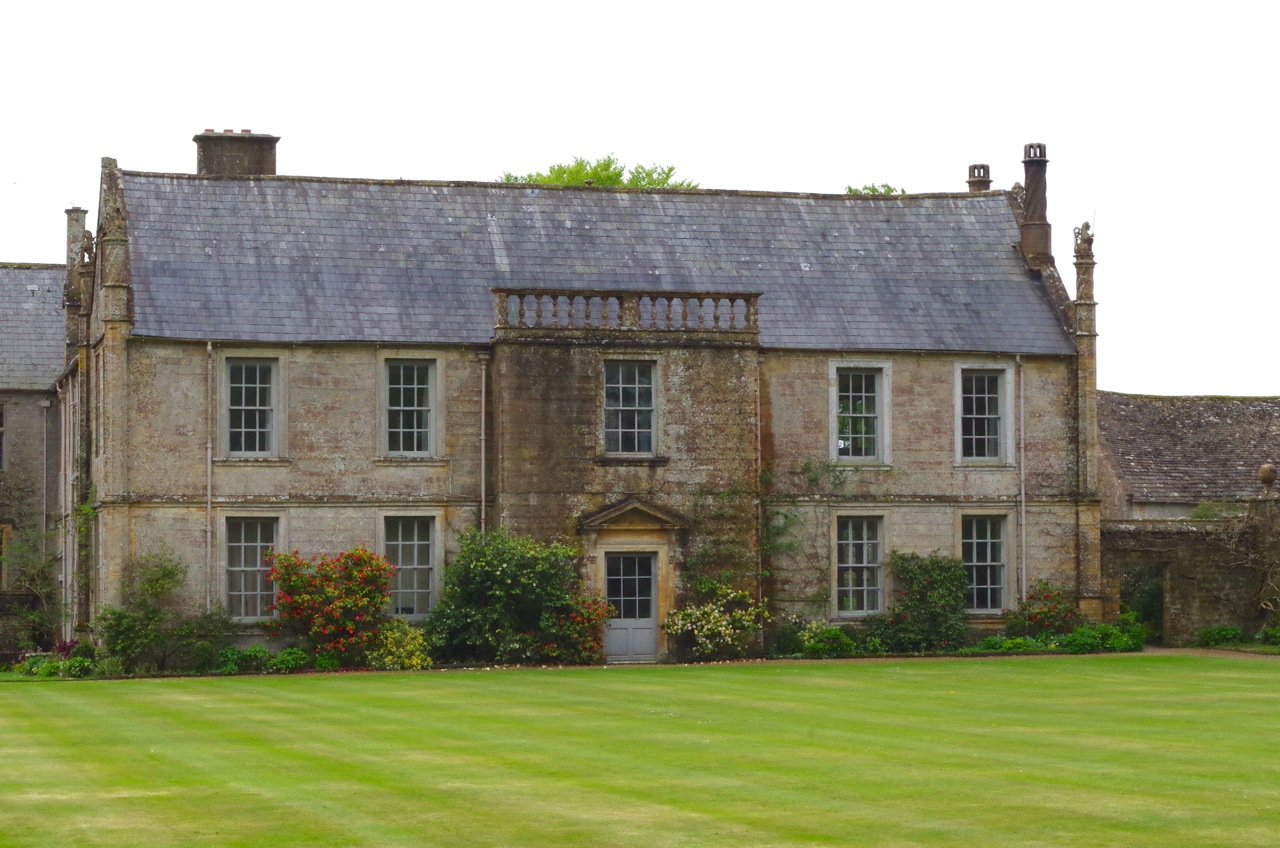
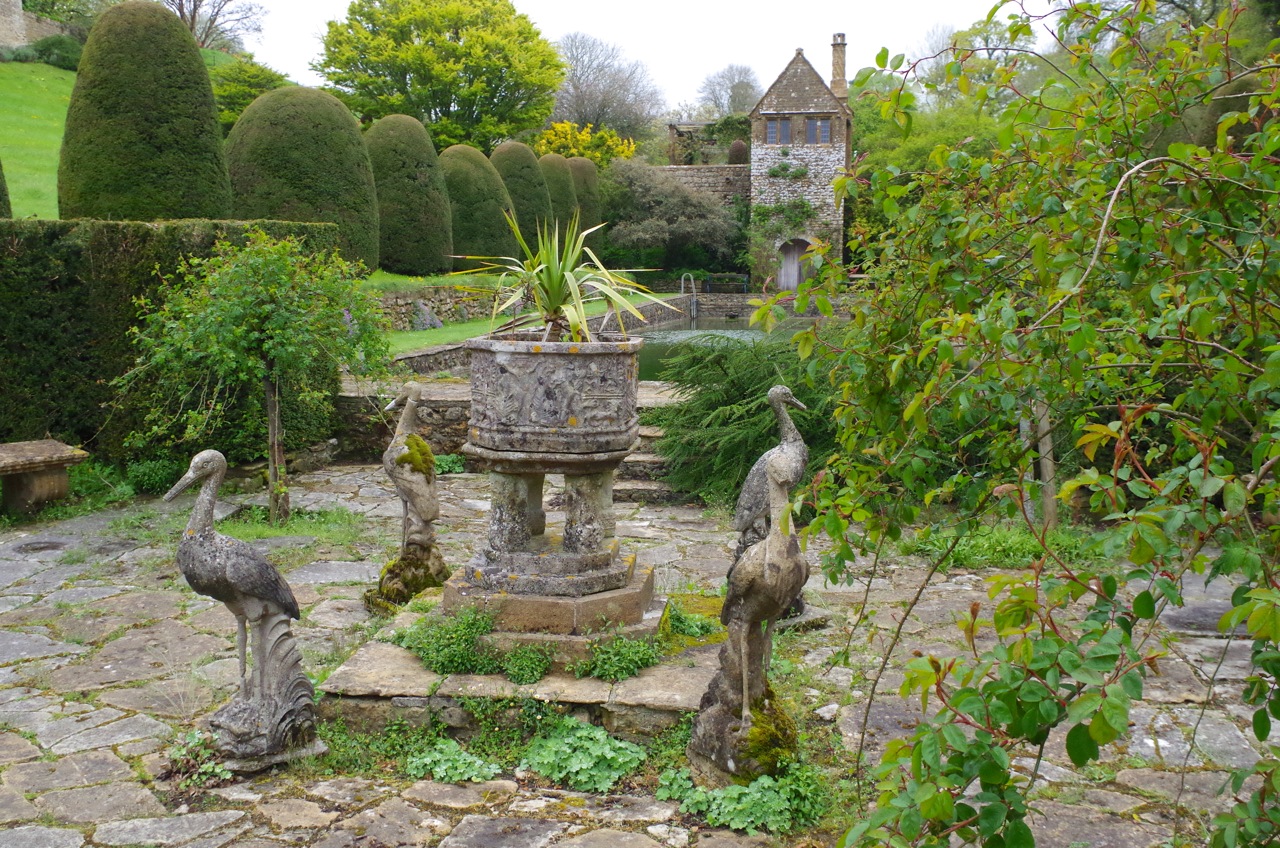
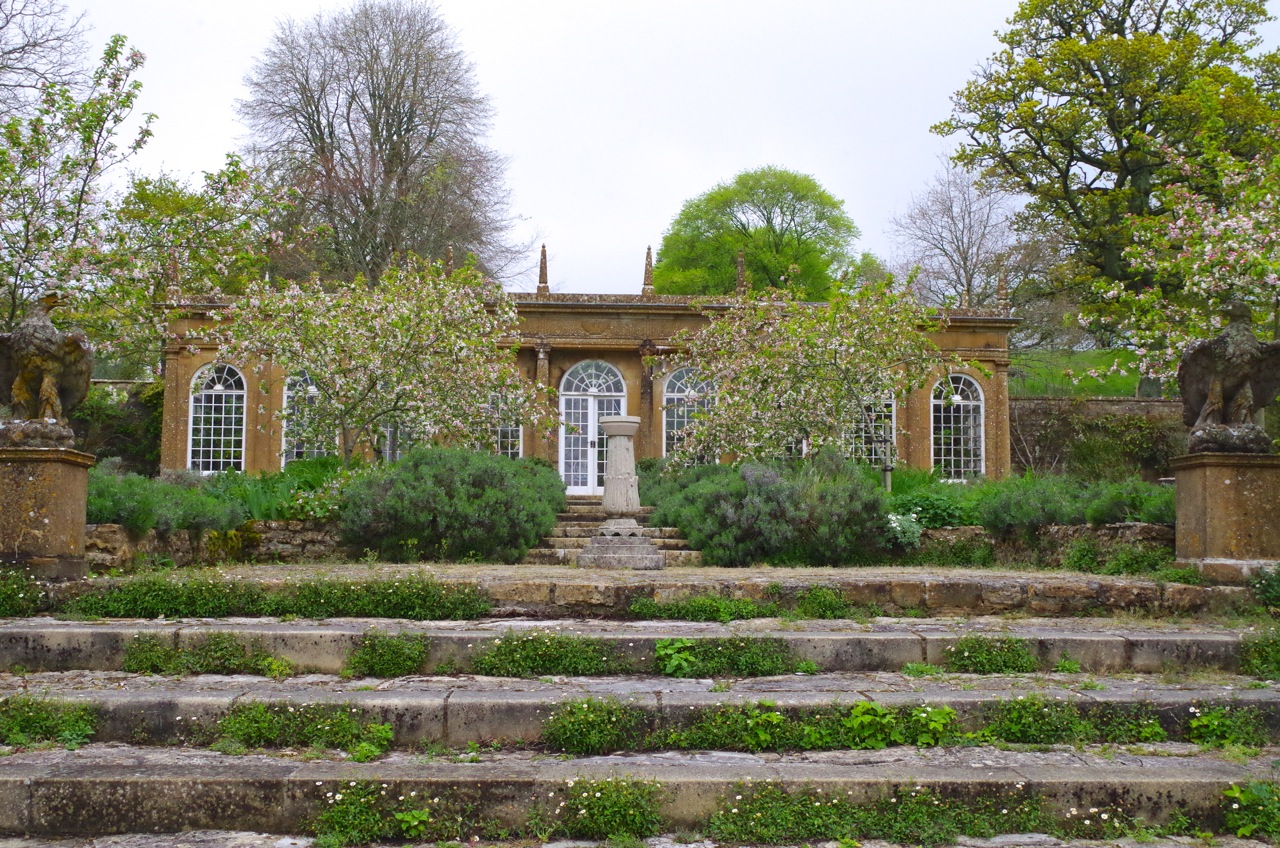
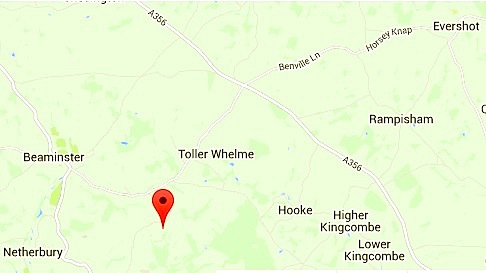
Mapperton House in Dorset is not hard to find, but it is somewhat off the beaten track near Beaminster. In the recent film Far from the Madding Crowd the fine manor house, which dates from the c16, became the farm inherited by Bathsheba Everdene. We planned to see the film the weekend it came out, and spent the morning at Mapperton to get into a Hardyesque frame of mind. A form of ‘method’ film previewing, I suppose. It was a dull day, but here are some photos from our visit. And yes, we thought the film was wonderful, with ‘Bathsheba’ and ‘Gabriel’ excelling in particular…
The later west front of the house
The back of the house, from the gardens
The sundial (base and column old, dial and gnomon new)
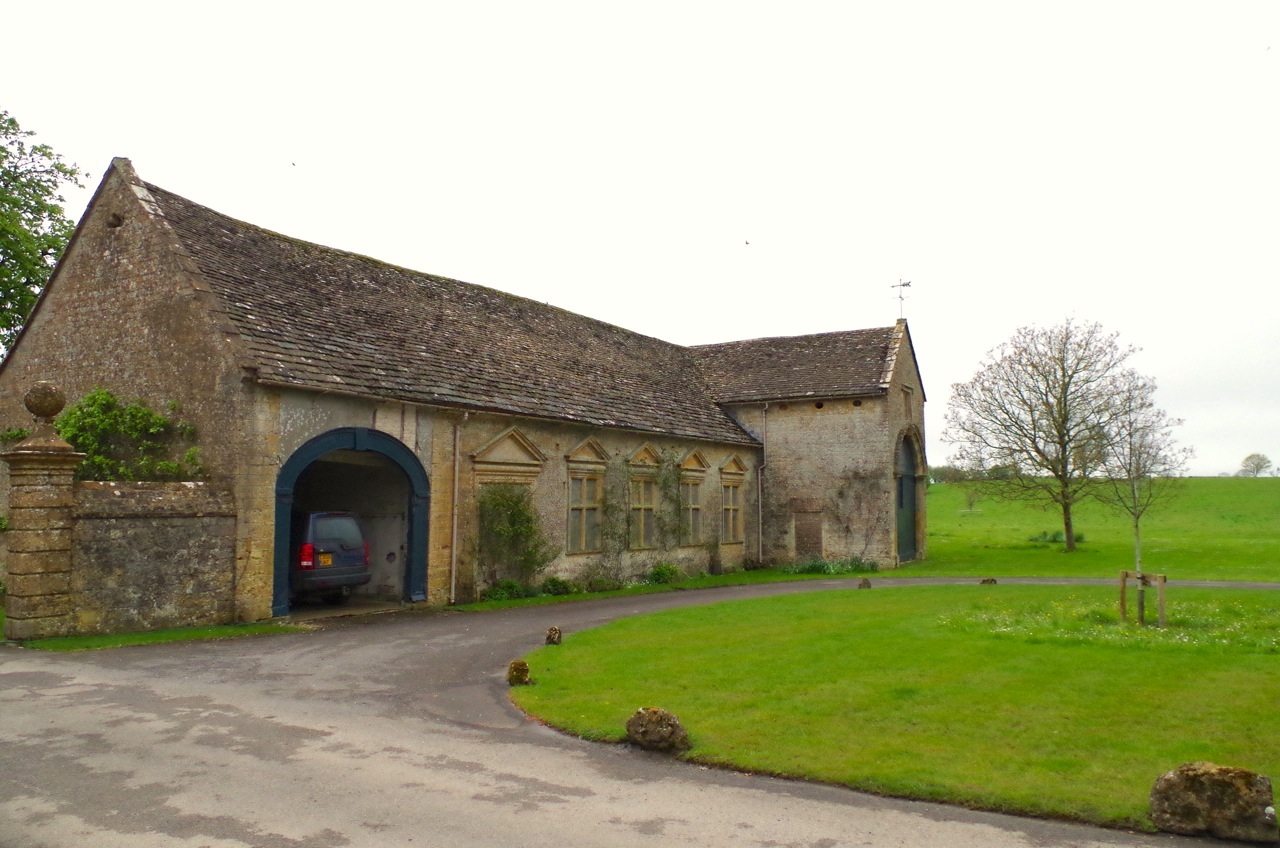
The stables and yard, as seen from the house in the film; and as they are

Note Bathsheba’s modern carriage
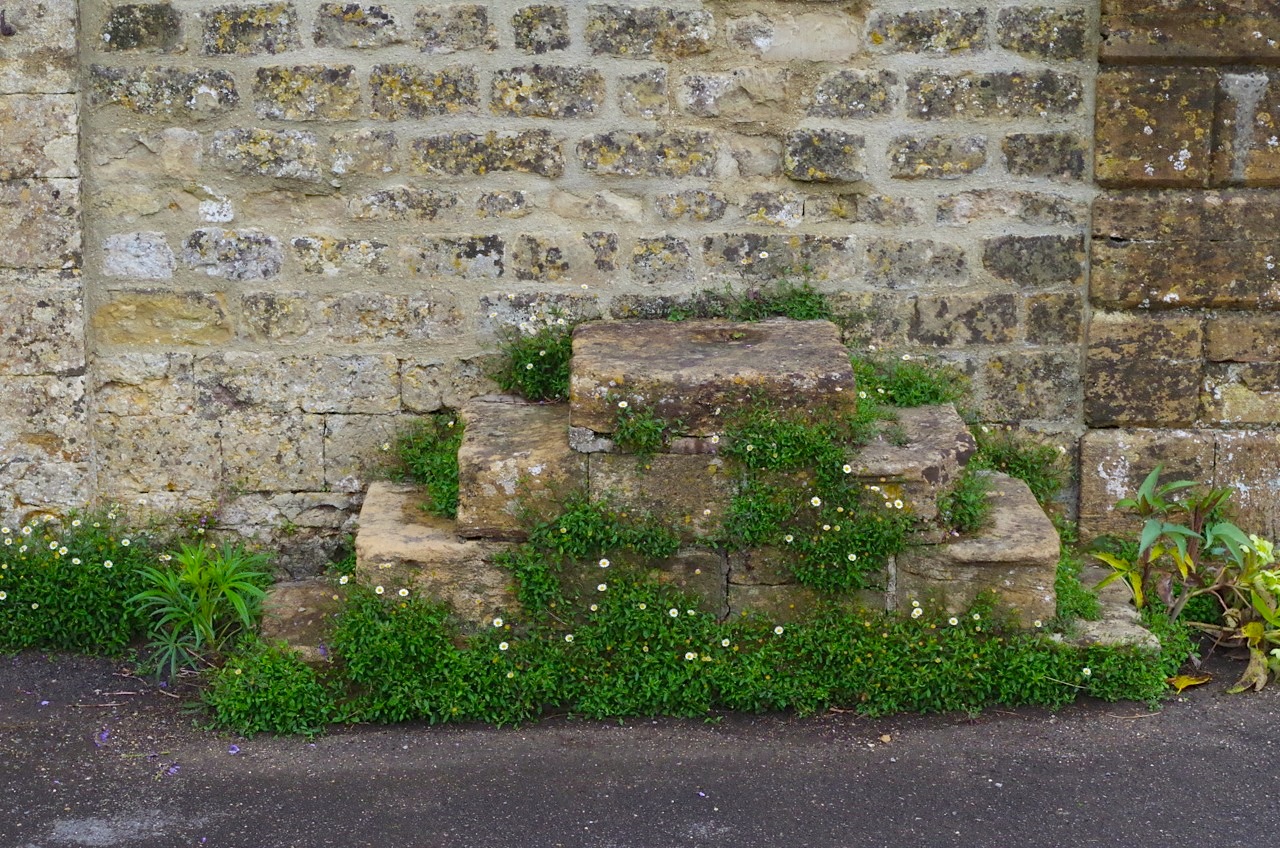
An unusual double-stepped mounting block
St Ambrose, with his hive and bees – one of several very good pieces of stained glass
Yah, Troy here, yah, the thing is I’ve sort of fallen for this feisty farmer girl, ok?

Featuring: Tom Sturridge
Where: Sherbourne, United Kingdom
When: 22 Oct 2013
Credit: WENN.com
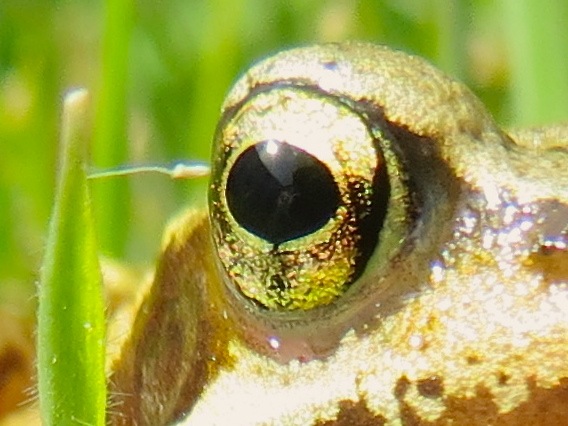
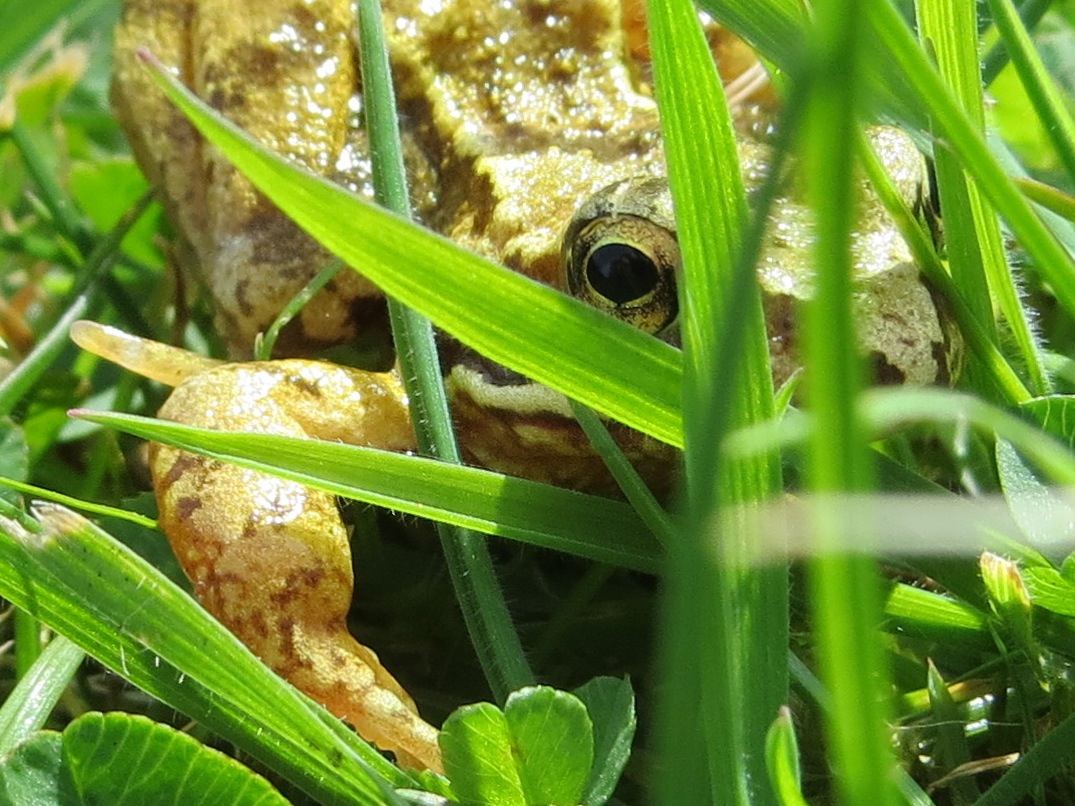
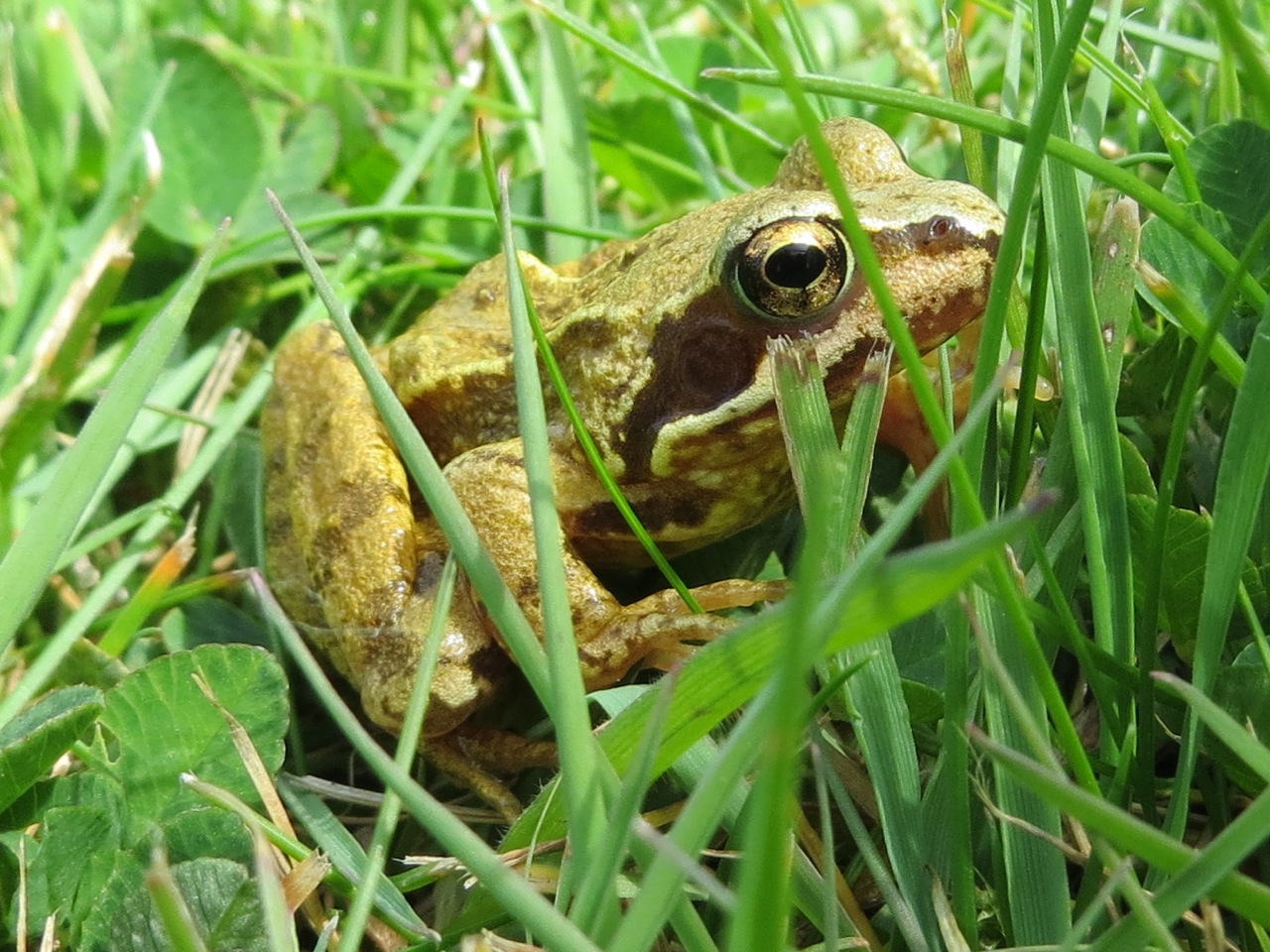
A TINY FROG IN DORSET
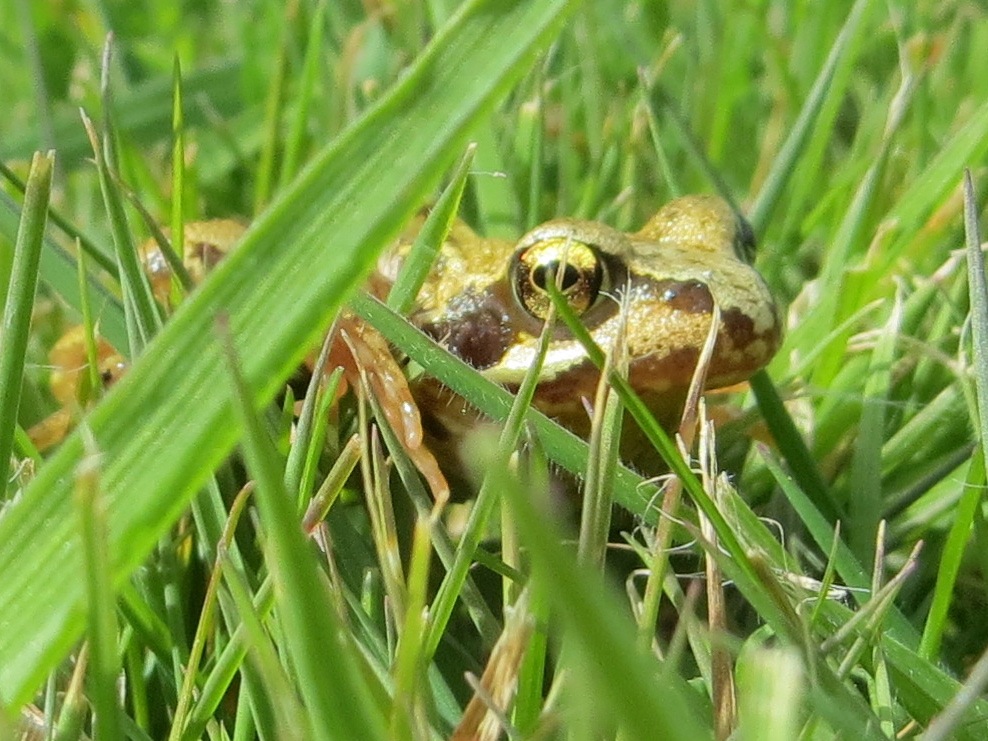
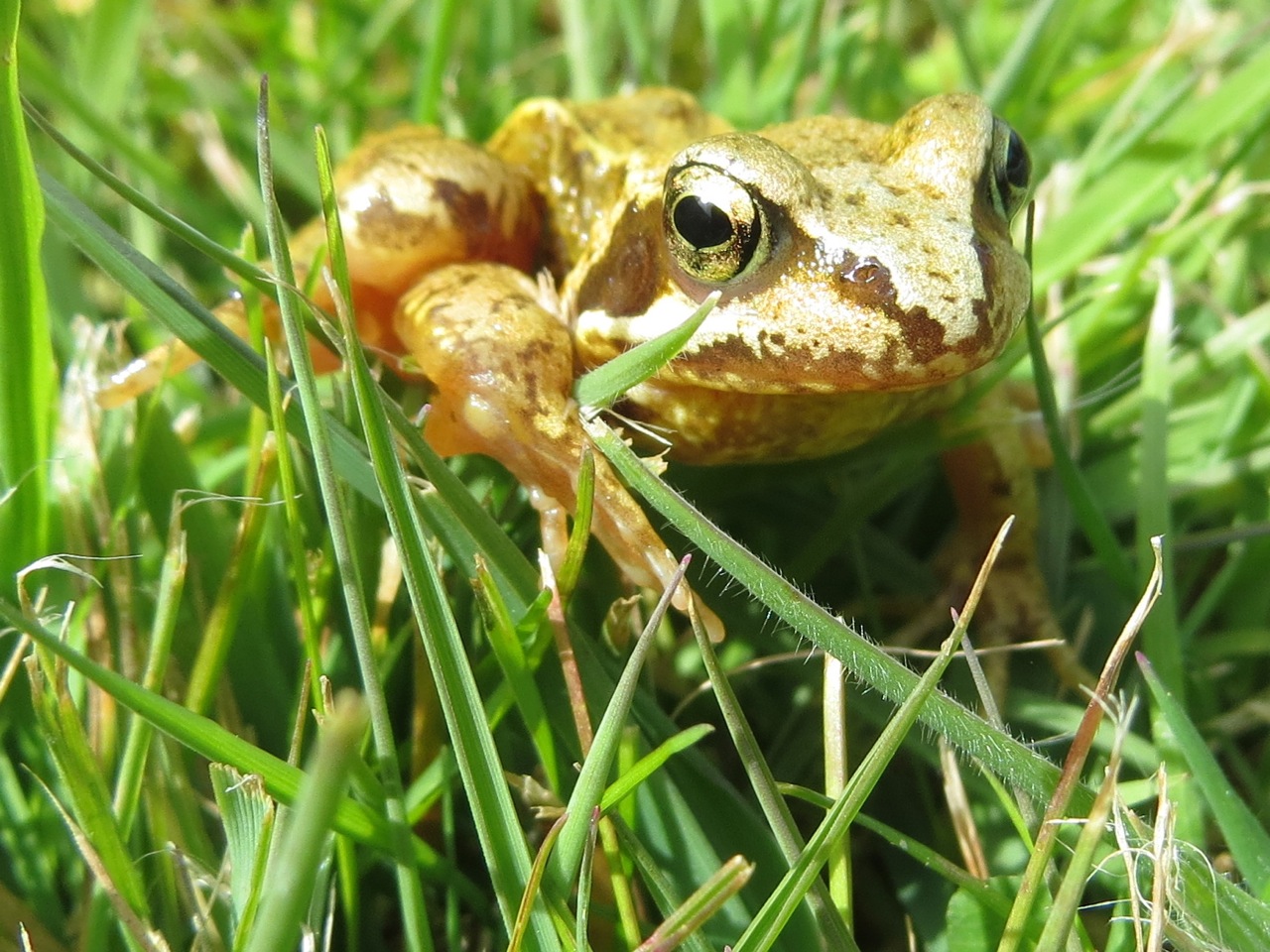
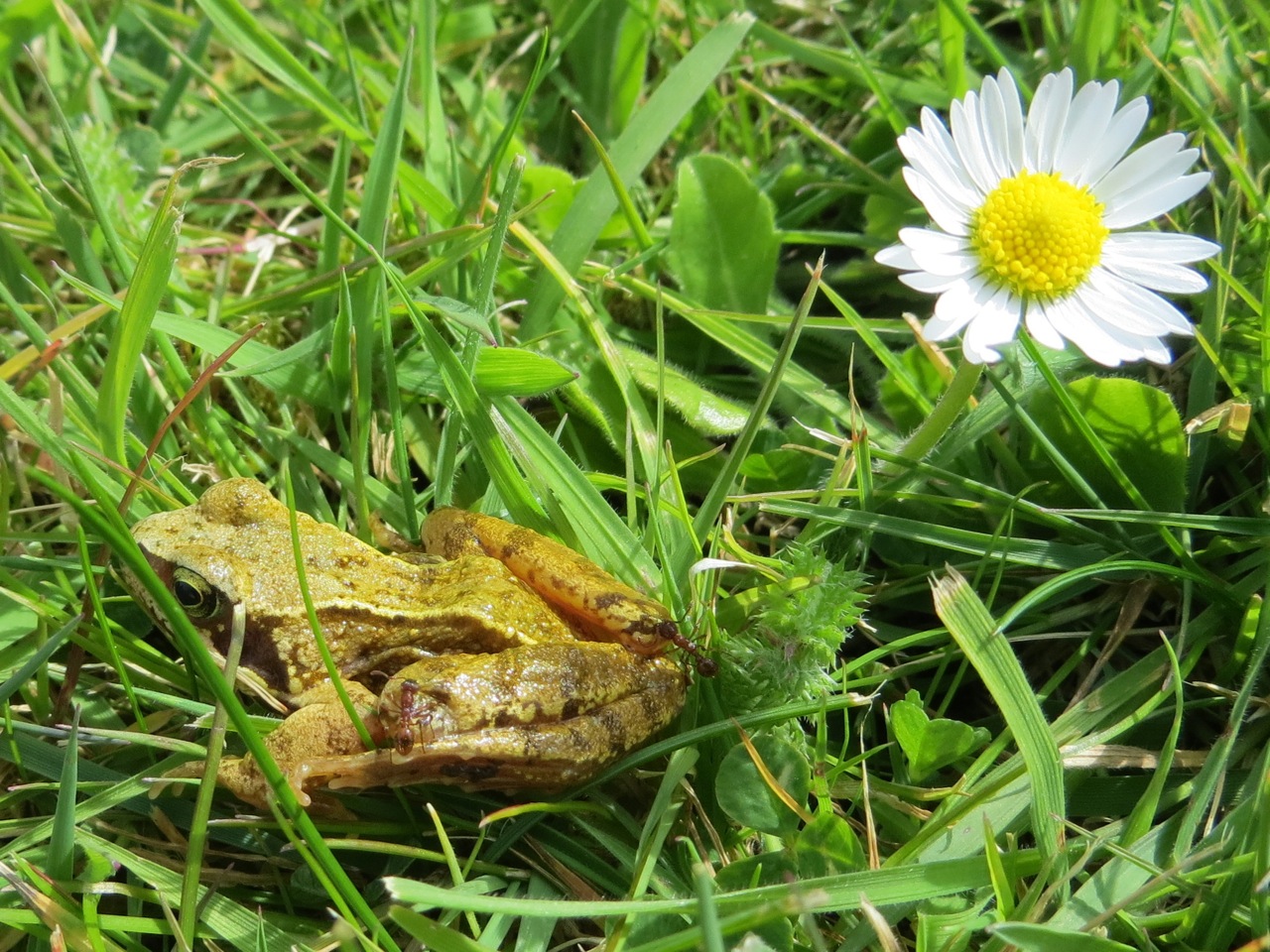
I was lying on the grass for rustic maintenance reasons when something small and greeny-yellow leapt onto my hand. And off again quickly. A tiny frog, dwarfed by mere pea-gravel, yet perfectly formed. It wasn’t in a hurry so I ran indoors, grabbed a camera, and had a leisurely photo session with it. I assume it’s just a juvenile common or garden frog Croakus vulgaris frequentis, but if anyone knows different I’d be pleased to know. You can see me reflected in the frog’s eye in the header image.