JOCUND COMPANY: DAFFODILS IN DORSET


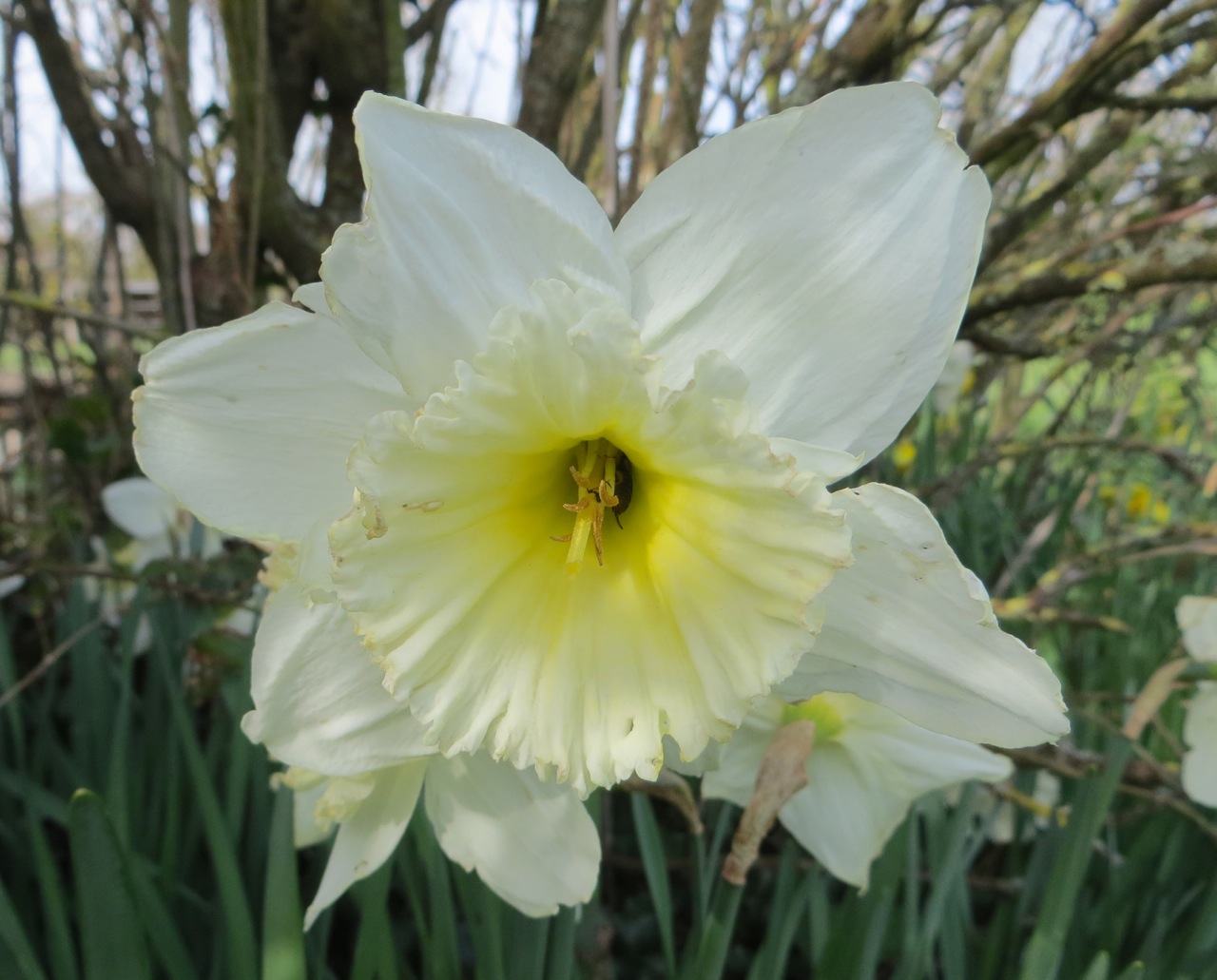
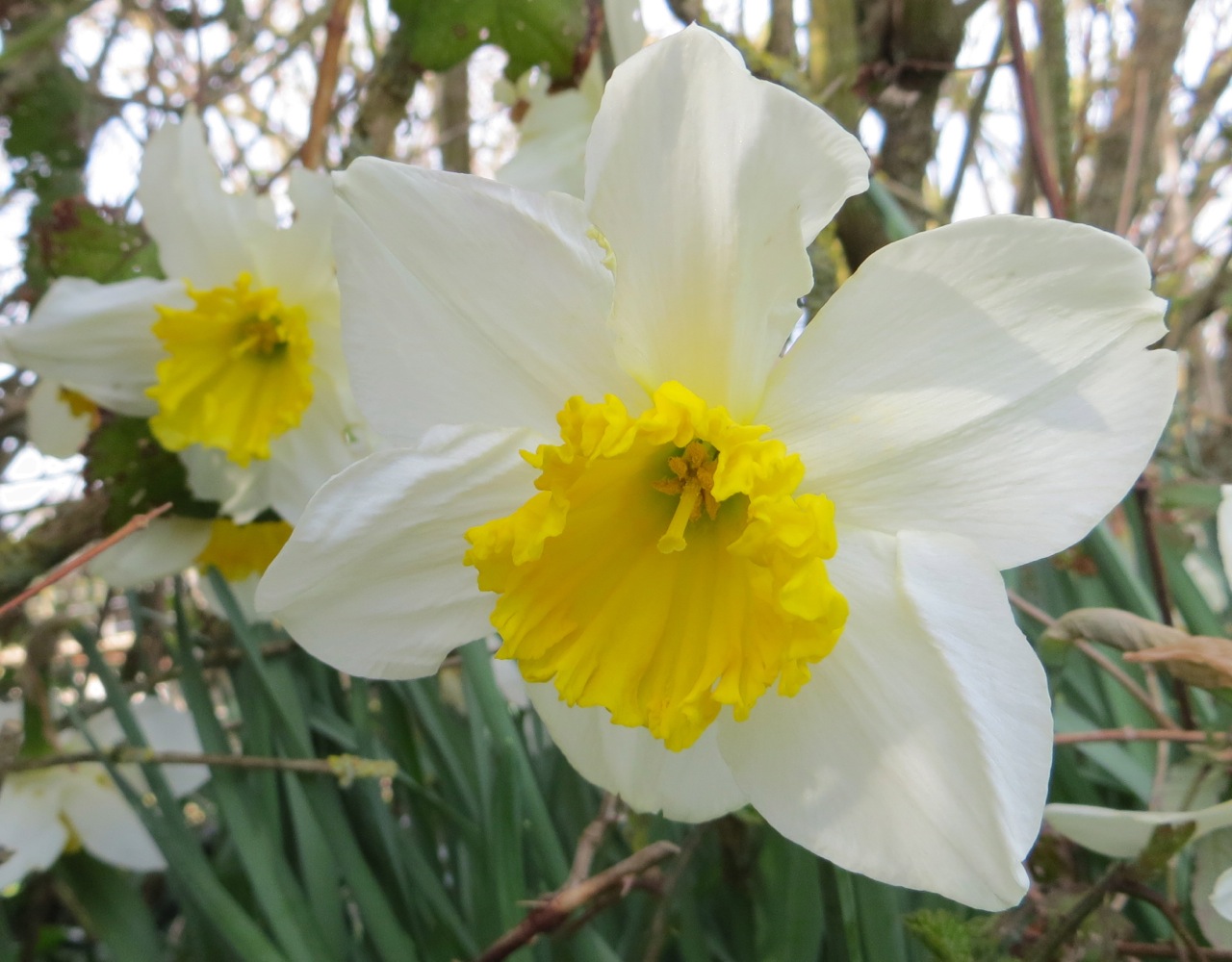
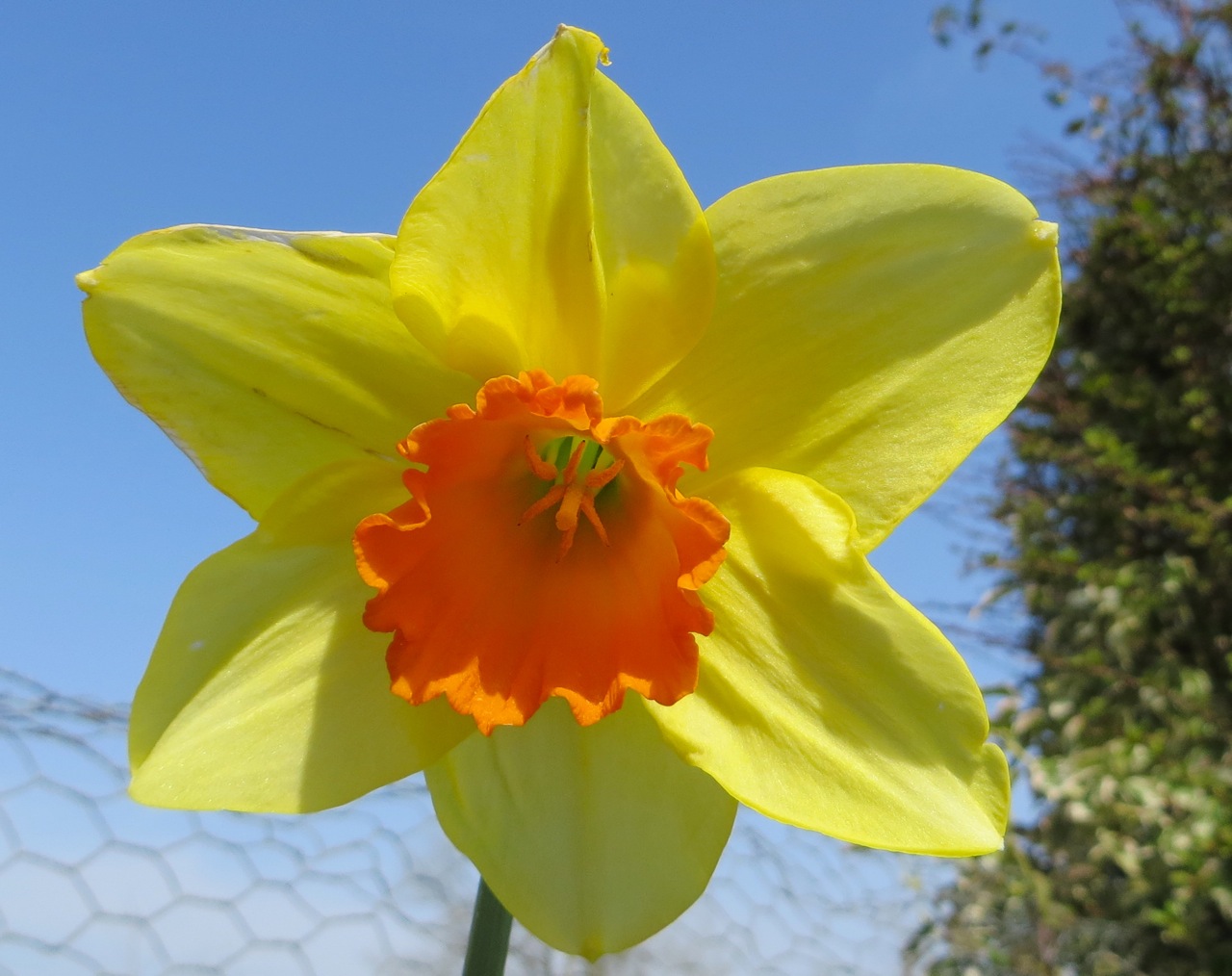
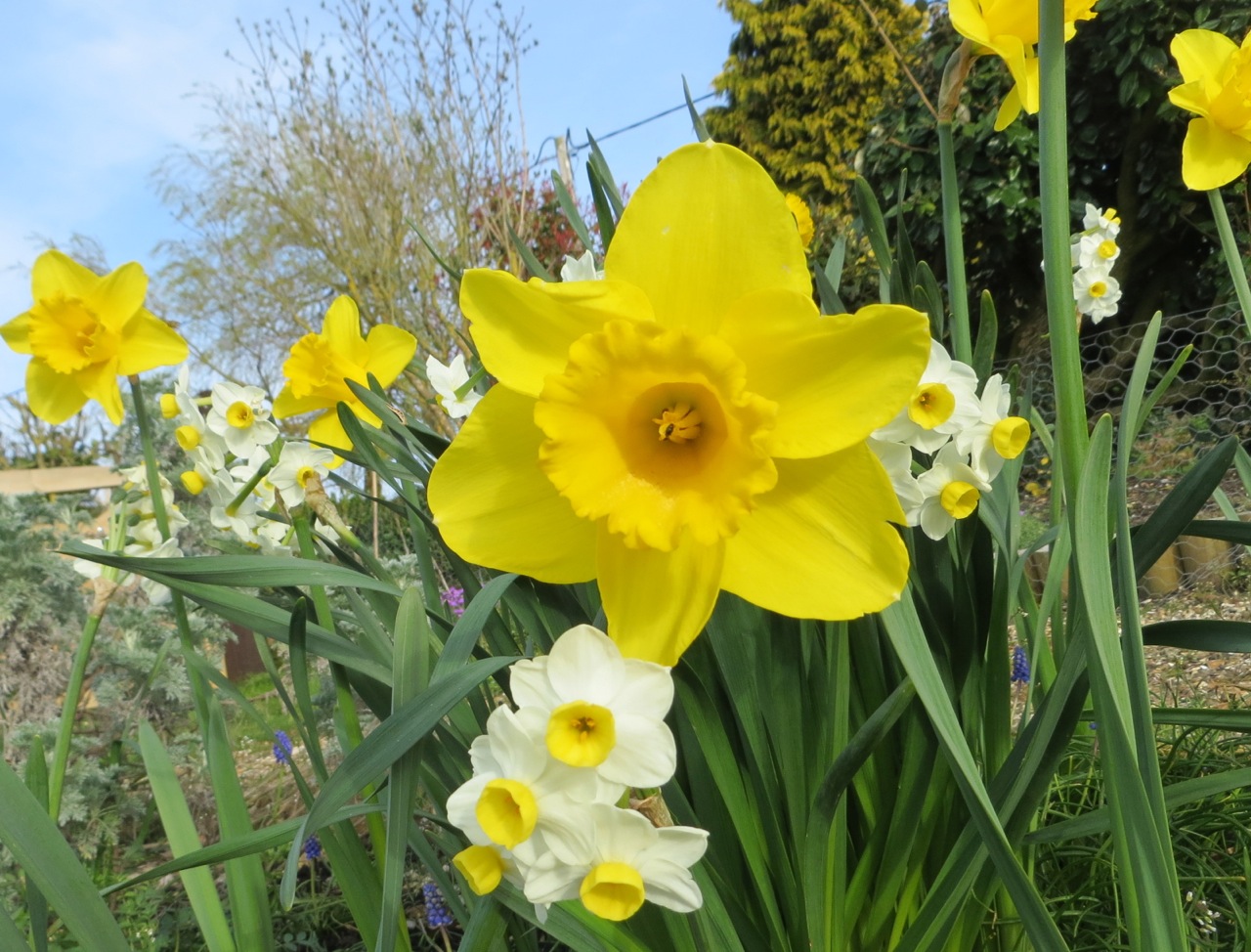
We’ve been away from Dorset for 4 weeks. We left a cold, still-slumbering winter garden and have returned to a colourful Spring one with birds, bees and butterflies. I took a look at the daffodils that are rather randomly dotted around. We let them decide where to grow, and occasionally divide a clump to spread them around a bit. I found eight varieties, of which I only know the name of one (pheasant’s eye) and a half (the half being our nickname for it, see below).

Daffodils at Totnell 1Daffodils at Totnell 2Daffodils at Totnell 3Daffodils at Totnell 4Daffodils at Totnell 5Daffodil Totnell 8Daffodils at Totnell 6

The daffodil below grows on the west coast of Ireland. It is a type of hardy narcissus, with stout leaves and a liking for exposed windy places in the garden. We call it ‘Narcissus Marcus Malus’, because our friend Mark ‘liberated’ some from close to his house in The Burren, Co. Clare. Bad Mark! They are very robust, with small flowers. The second image shows them with a ‘Standard British Daffodil’ (= One ‘Wordsworth’) as in the top image, for size comparison.

Daffodils at Totnell 7aDaffodils at Totnell 7b

DORSET DAHLIA DEFIES THE ONSET OF WINTER


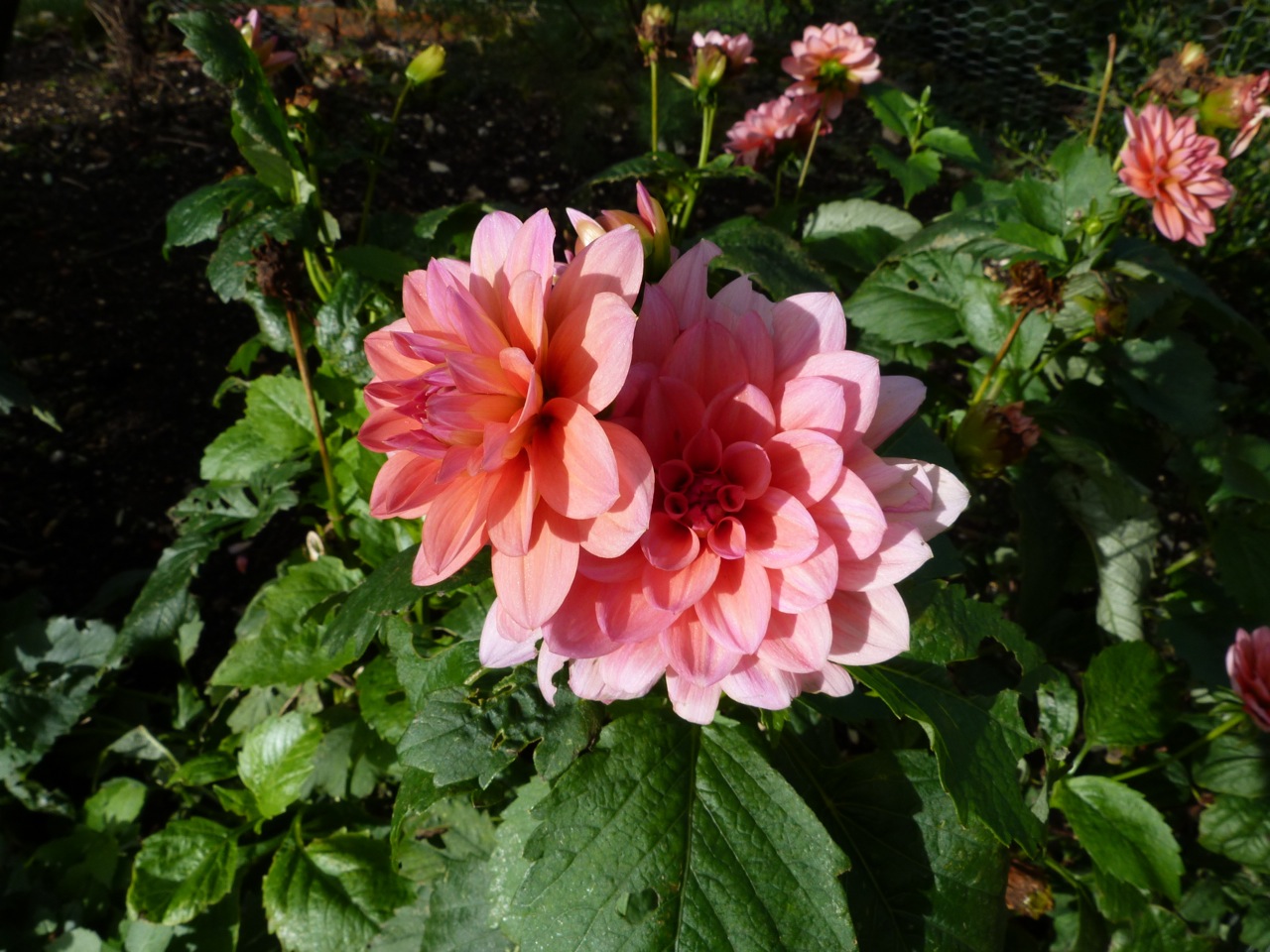
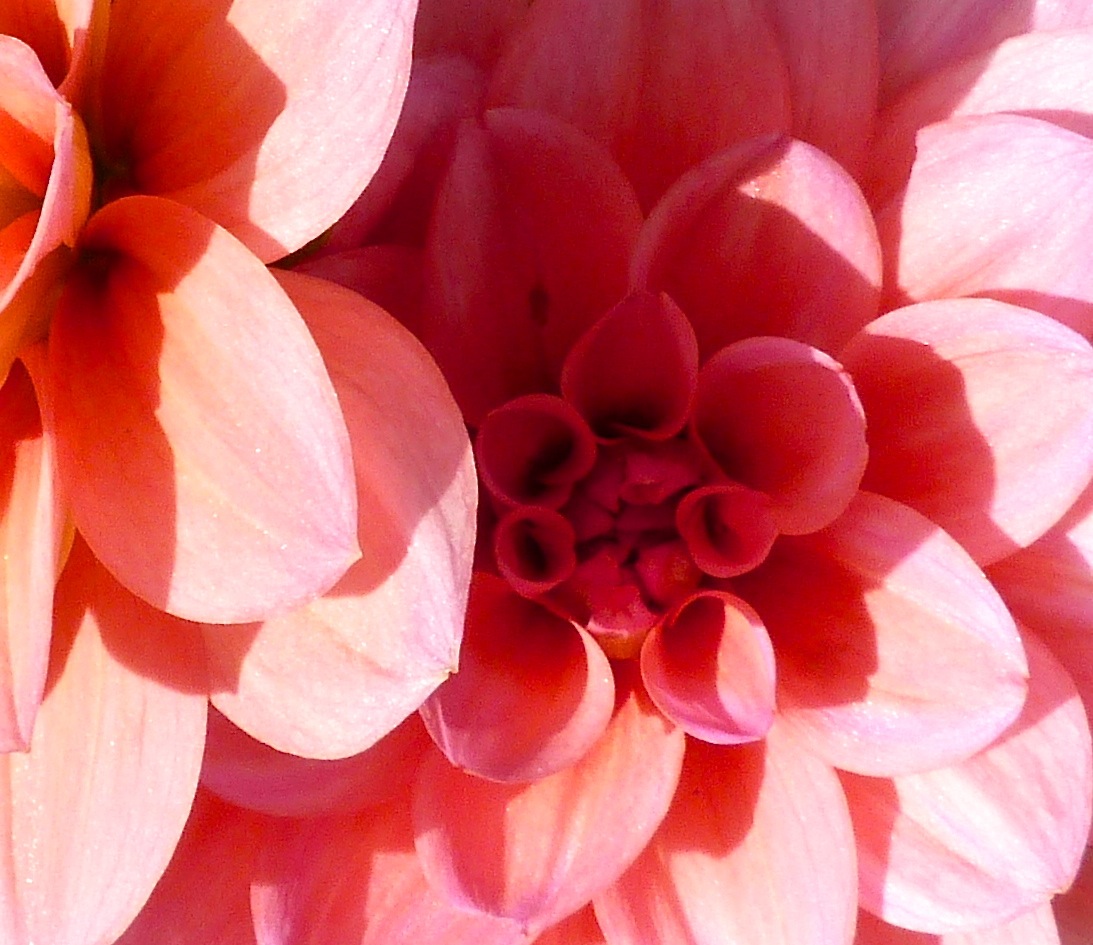
November. A month when summer flowers are over – or if not, get banjaxed by the first touch of frost. Here’s a dahlia, newly planted this year, that decided to keep calm and carry on. For the moment, at least. The flowers are still near-perfect, even at close quarters; and the leaves haven’t yet started to blacken and go squishy in the traditional way. It’s only a matter of time, though…

Dorset Dahlia 4Dorset Dahlia 1Dorset Dahlia 3Dorset Dahlia 5Dorset Dahlia 2

“ROSES ARE RED…” EVEN IN NOVEMBER


November Roses, Dorset 2

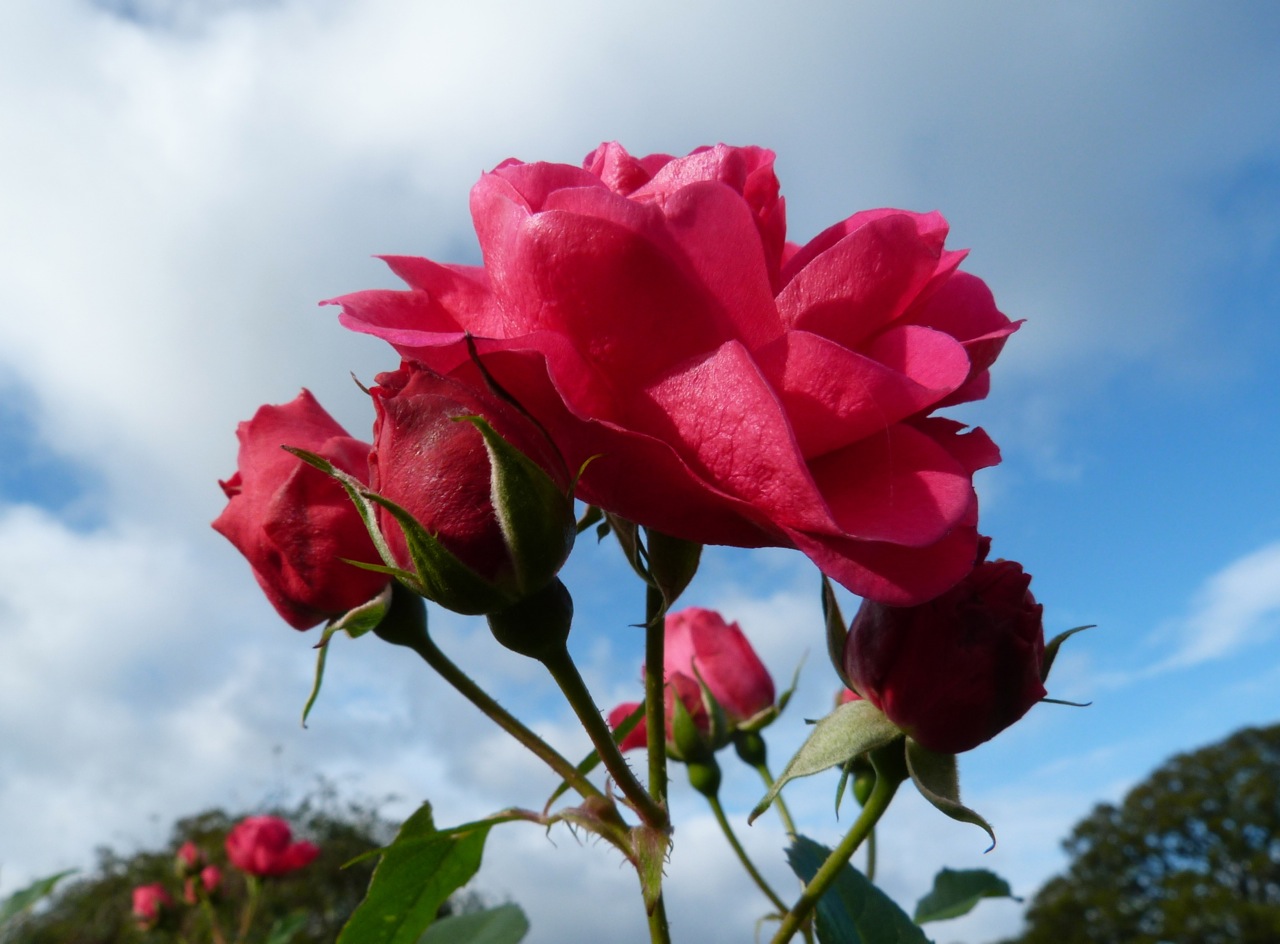
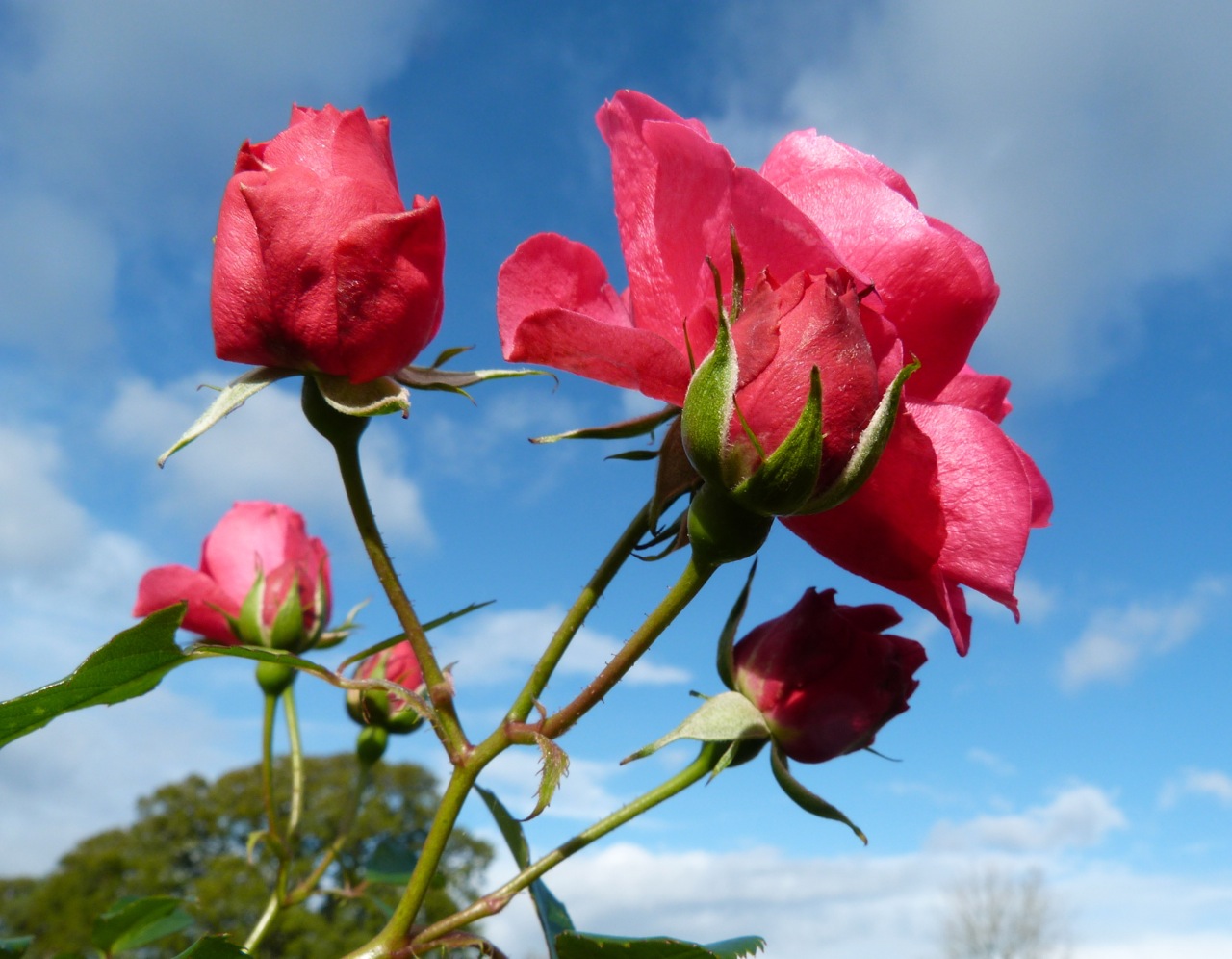
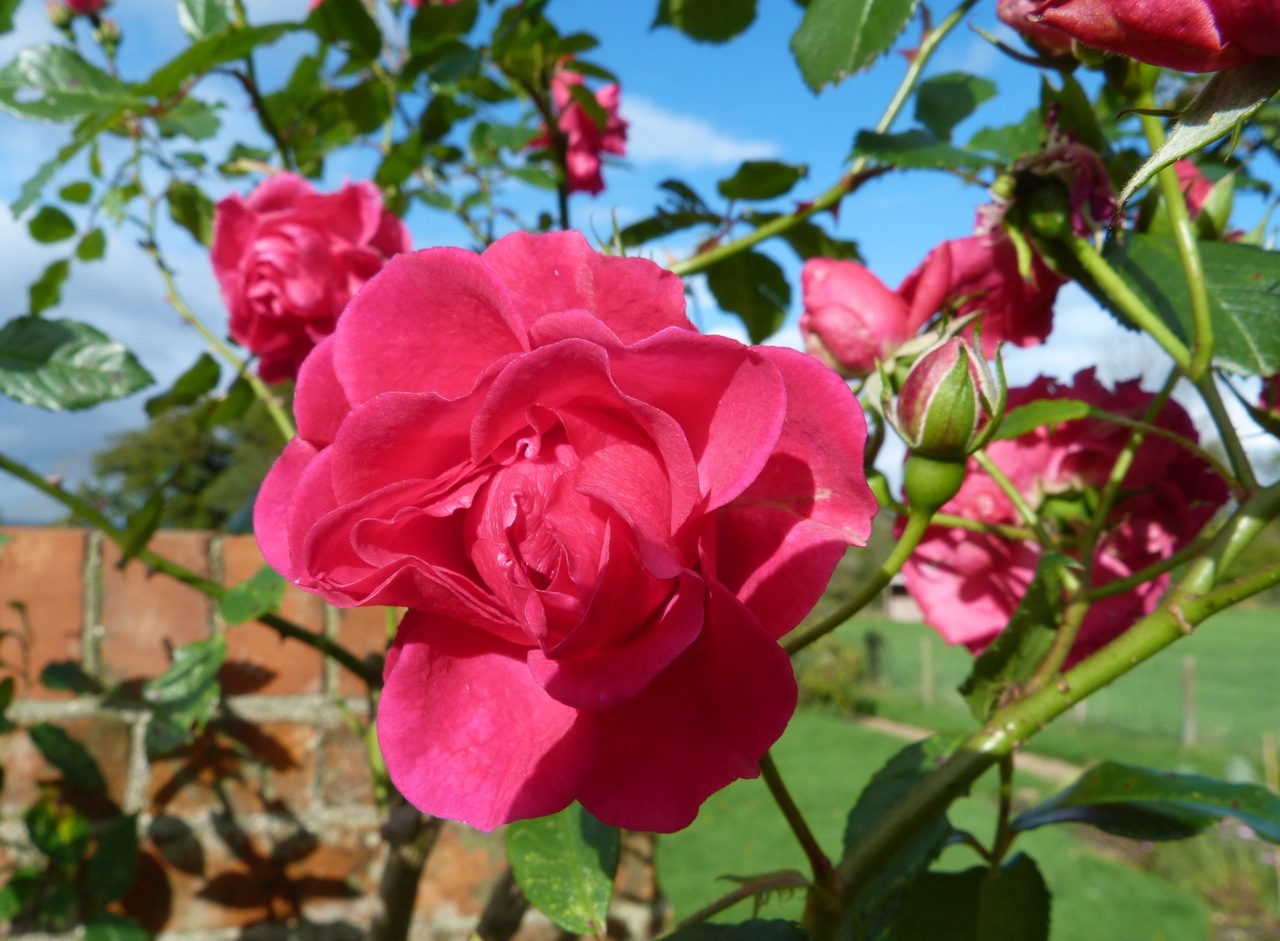
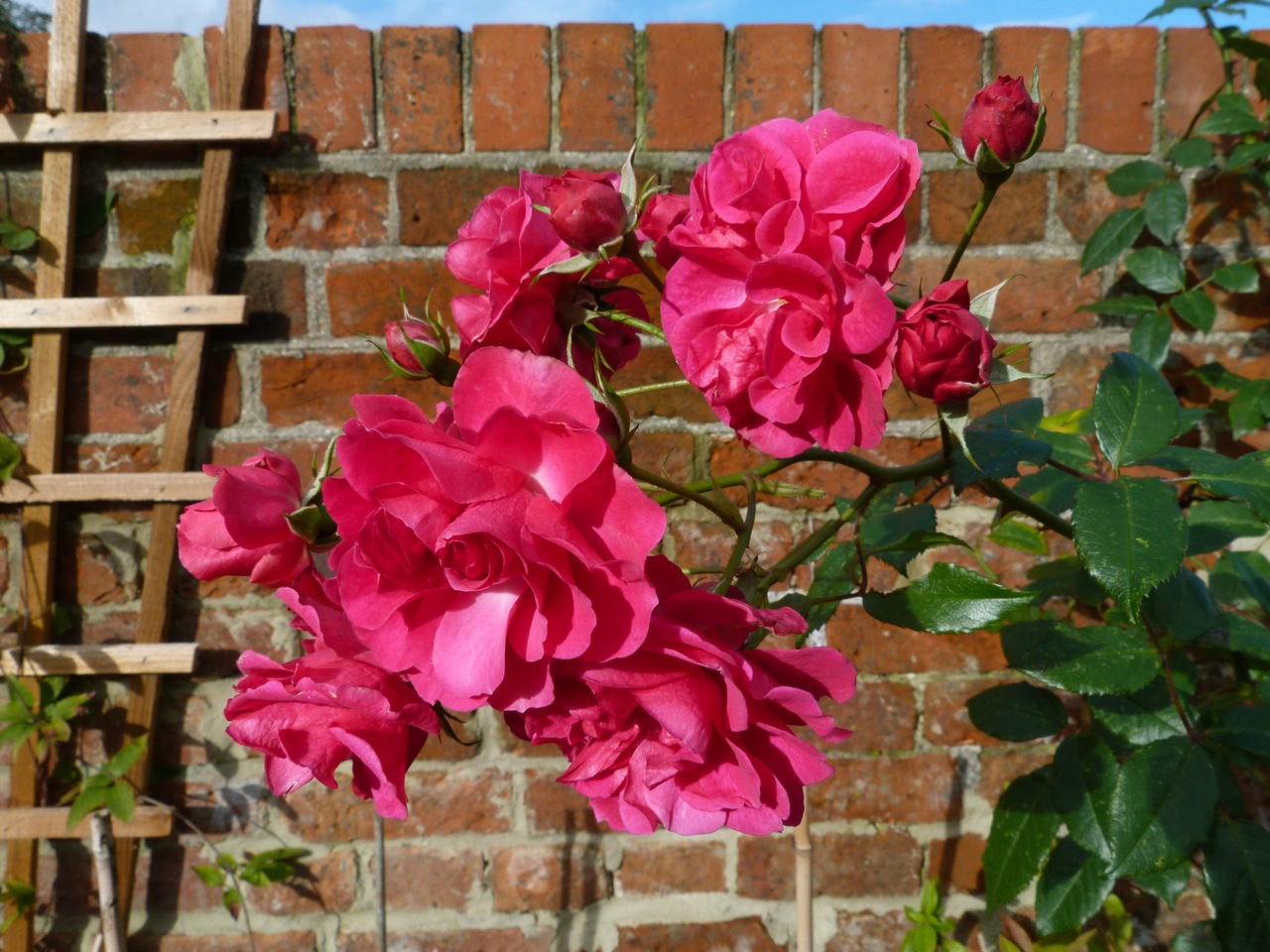
As part of a clearing project in the spring, we rescued an old rose that had been smothered by ivy and creeper. Two thirds of it was dead, and was simply hacked out and removed.  The rest was decidedly unwell, so we took a ‘kill or cure’ approach and cut it right back. It responded by shooting vigorously and is now,  in the first week of November, on its second flowering of the season. Amazingly, the flowers are almost entirely blemish-free; and the formerly diseased leaves are fresh and green. I expect the first frost will spoil them, but on a sunny late autumn day, they are cheerful sight. November Roses, Dorset 7November Roses, Dorset 1November Roses, Dorset 4November Roses, Dorset 3November Roses, Dorset 5

Mrs RH chose and planted this rose when she was in her early teens. It’s good to have revived it now. It would be nice to know the variety.

COX APPLES: FIRST HARVEST (2013)


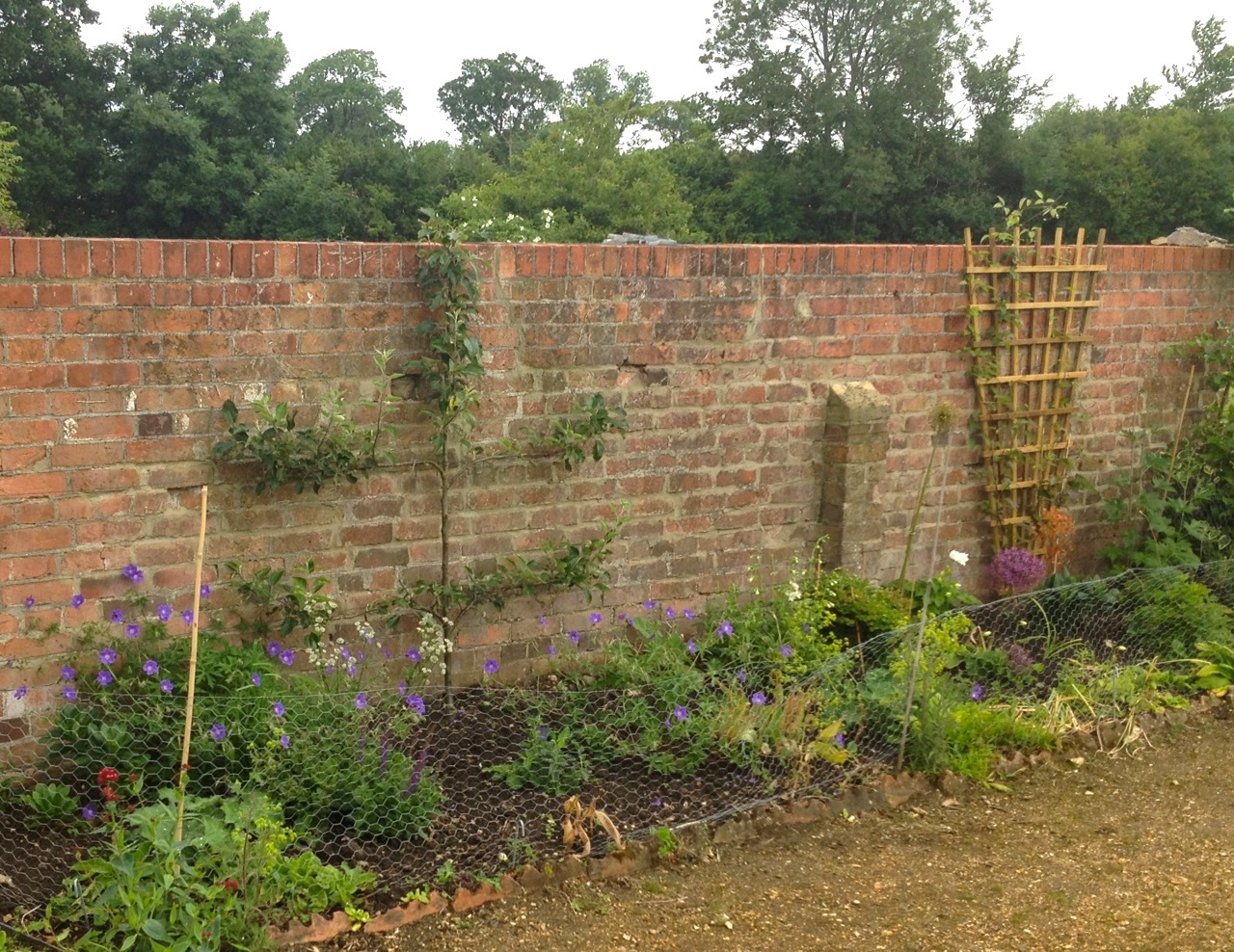
We are gradually restoring a very overgrown garden in Dorset. Part of the work has involved uncovering old walls that were smothered in rampant ivy, in places to a depth of nearly 2 feet; and the beds hidden underneath. This was followed by some approximate repointing ‘à la rustique’. The next stage was to remove the ‘dead’ soil and replace it with fresh topsoil mixed with compost; then to begin the planting. Here is part of the project, in May, showing a new espalier Cox apple tree on the south-facing side of the wall. The wire compound is to keep rabbits out – mostly successfully. The COX’S ORANGE PIPPIN, a classic eating apple, was first grown in 1826 as a hybrid of the Ribstone Pippin. This variety is small, crisp and juicy, with a slightly sharp tang. Completely delicious, in fact.

Cox Apples 2013 6

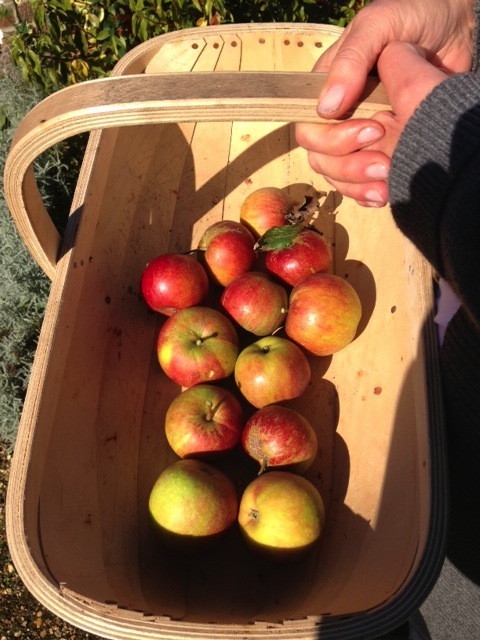
The tree luckily took to its situation and in due course began to produce some promising-looking fruit. Cox’s ripen in October, and should only be picked if the pips rattle when the fruit is shaken. We were amazed to have grown two dozen apples (there were also a couple of outliers that had been eaten, apparently by ants). A few on the lower branches are still not ready to pick – they were rather shaded by plants that grew during the summer. Some we have eaten straight off the tree. Here are a few that we harvested a couple of days ago.

Cox Apples 2013 1

Testing for the ‘pick me now’ rattleCox Apples 2013 2

First Harvest. Next year we will train a third row near the top of the wall. More apples.Cox Apples 2013 3

A POPULAR POPPY WITH SMALL BEES Romneya coulteri


Small Bees at Oxburgh 1

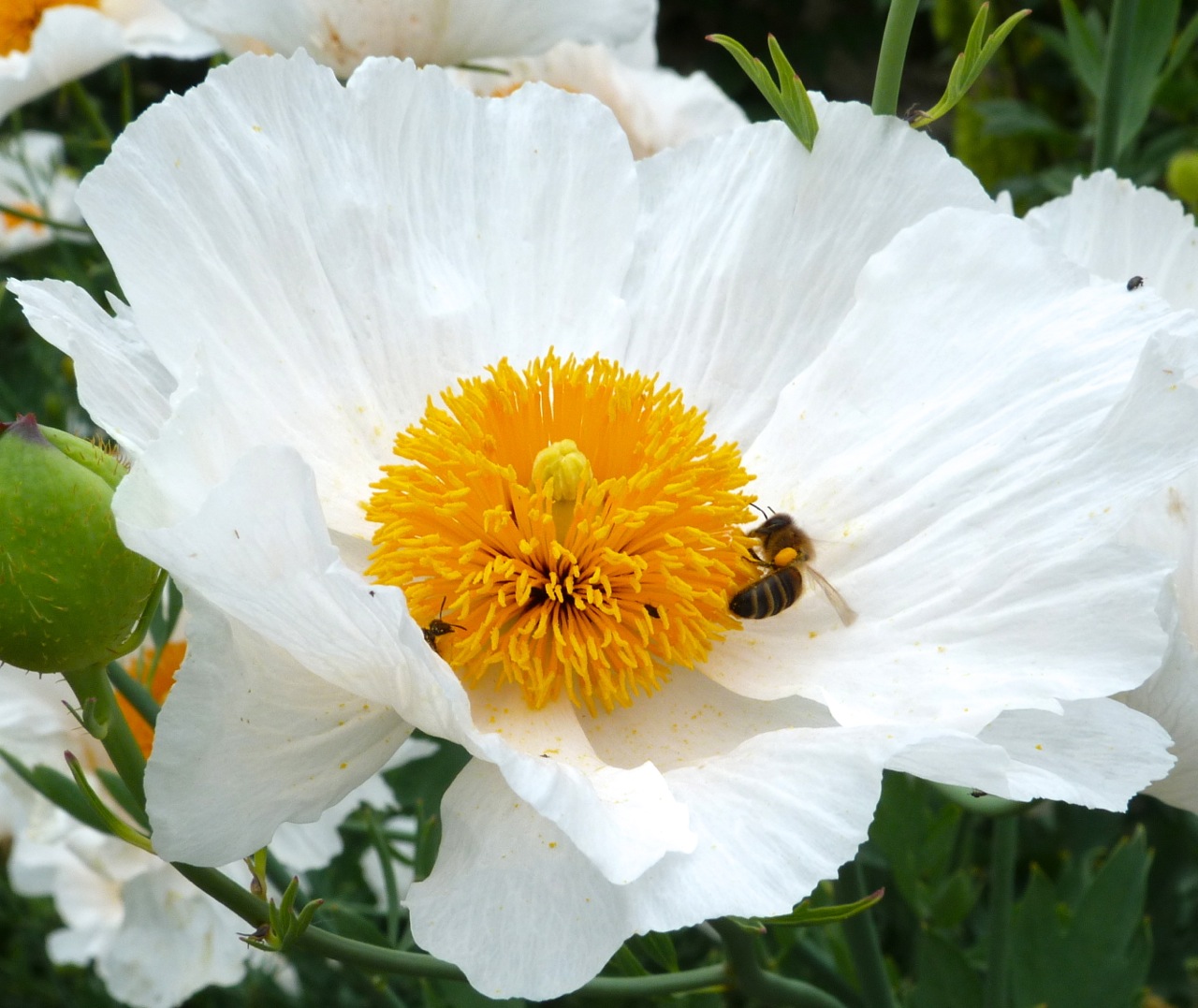
TREE POPPY Romneya coulteri

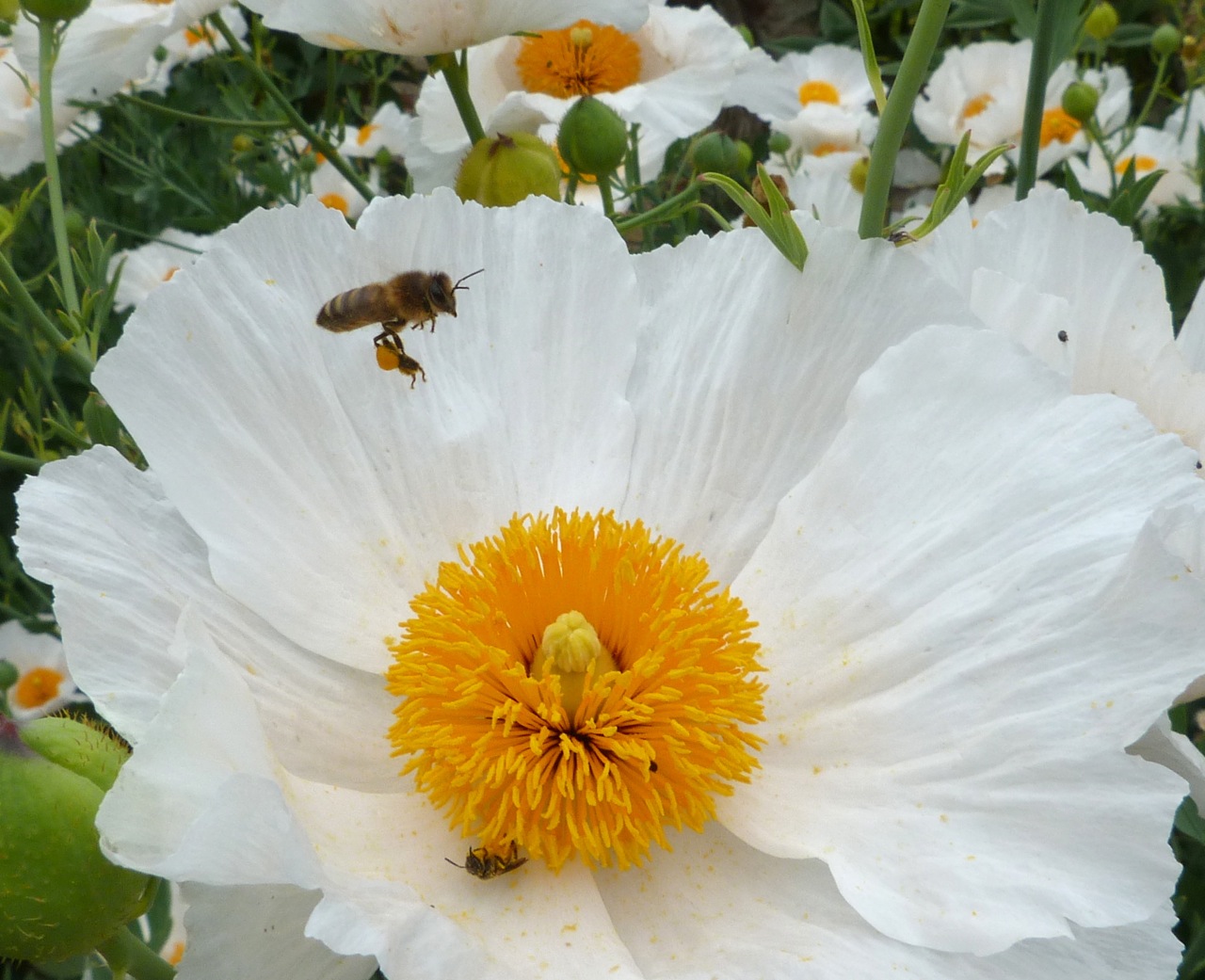
This plant at Oxburgh Hall, Norfolk was a magnet for small bees. We watched them come and go, filling up their little saddlebags. Photos of bees in flight don’t often work well. These are no exception. Still, they do catch the general bizzyness of the proceedings. The plant was lovely, not one we knew. Another new bee plant find for the year, along with Hyssop.
Small Bees at Oxburgh 2 Small Bees at Oxburgh 3 Small Bees at Oxburgh 4 Small Bees at Oxburgh 5 Small Bees at Oxburgh 6 Small Bees at Oxburgh 7White Poppy with Bees 7

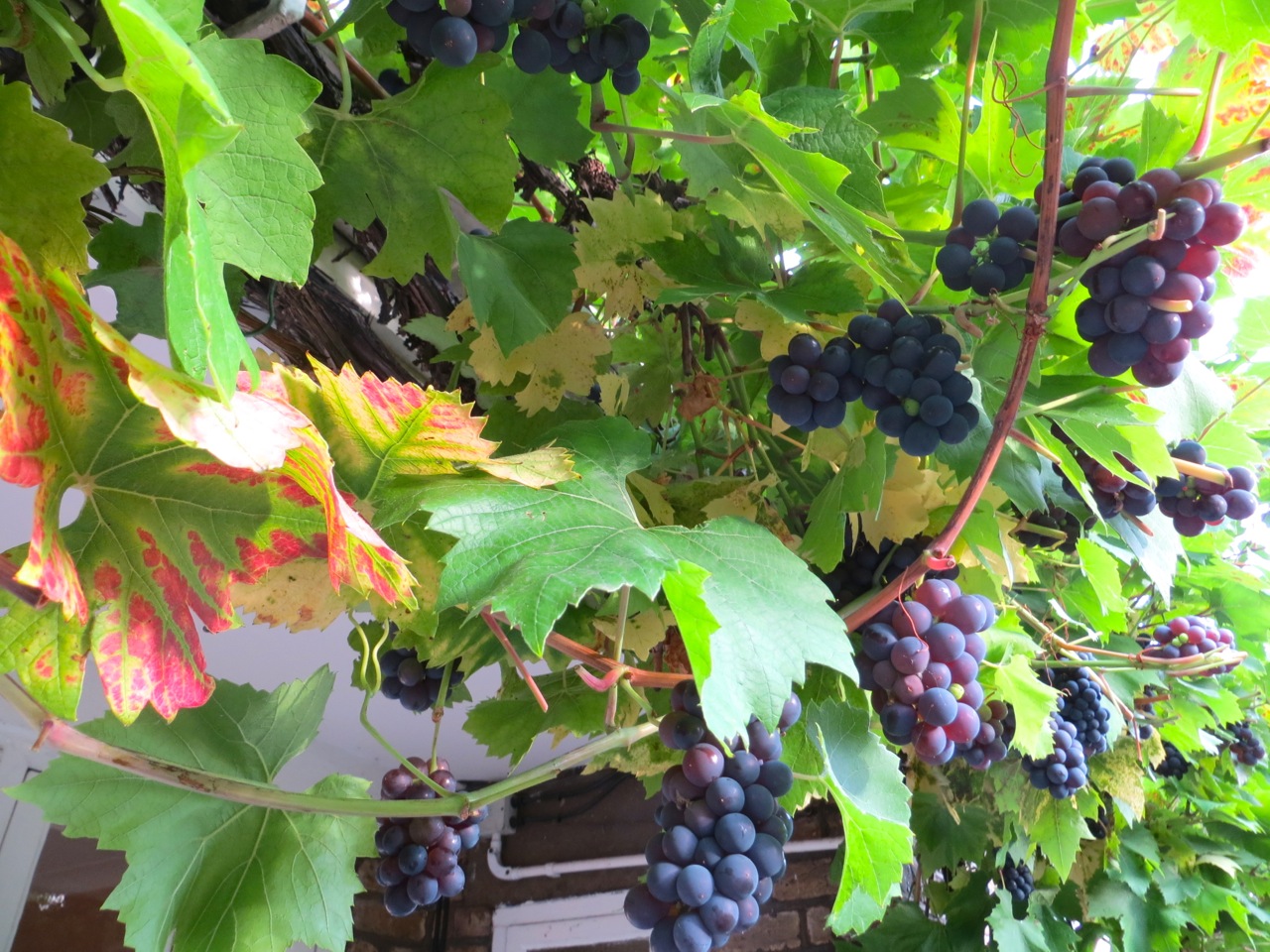
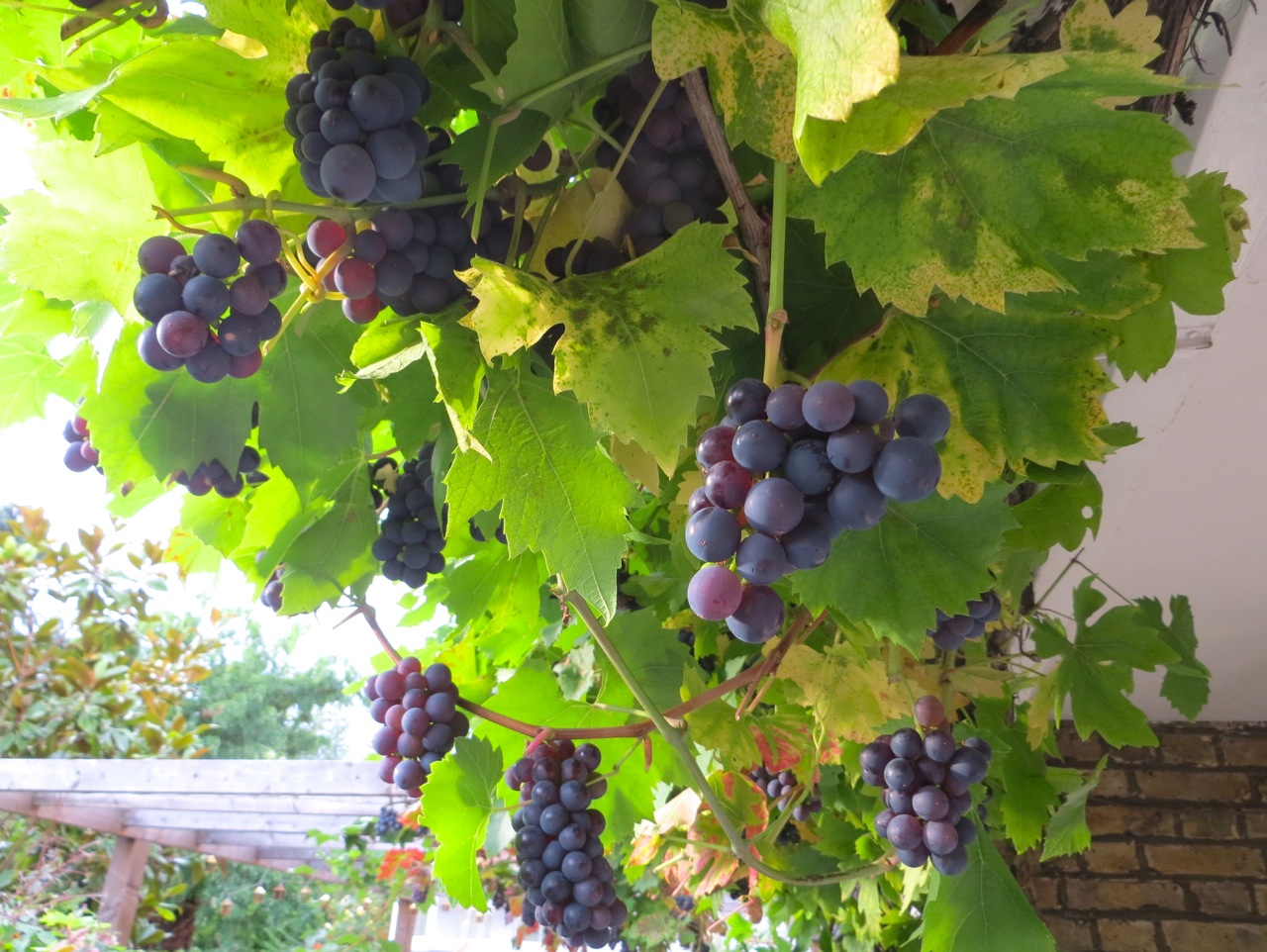
THE GRAPE HARVEST


GRAPE HARVEST

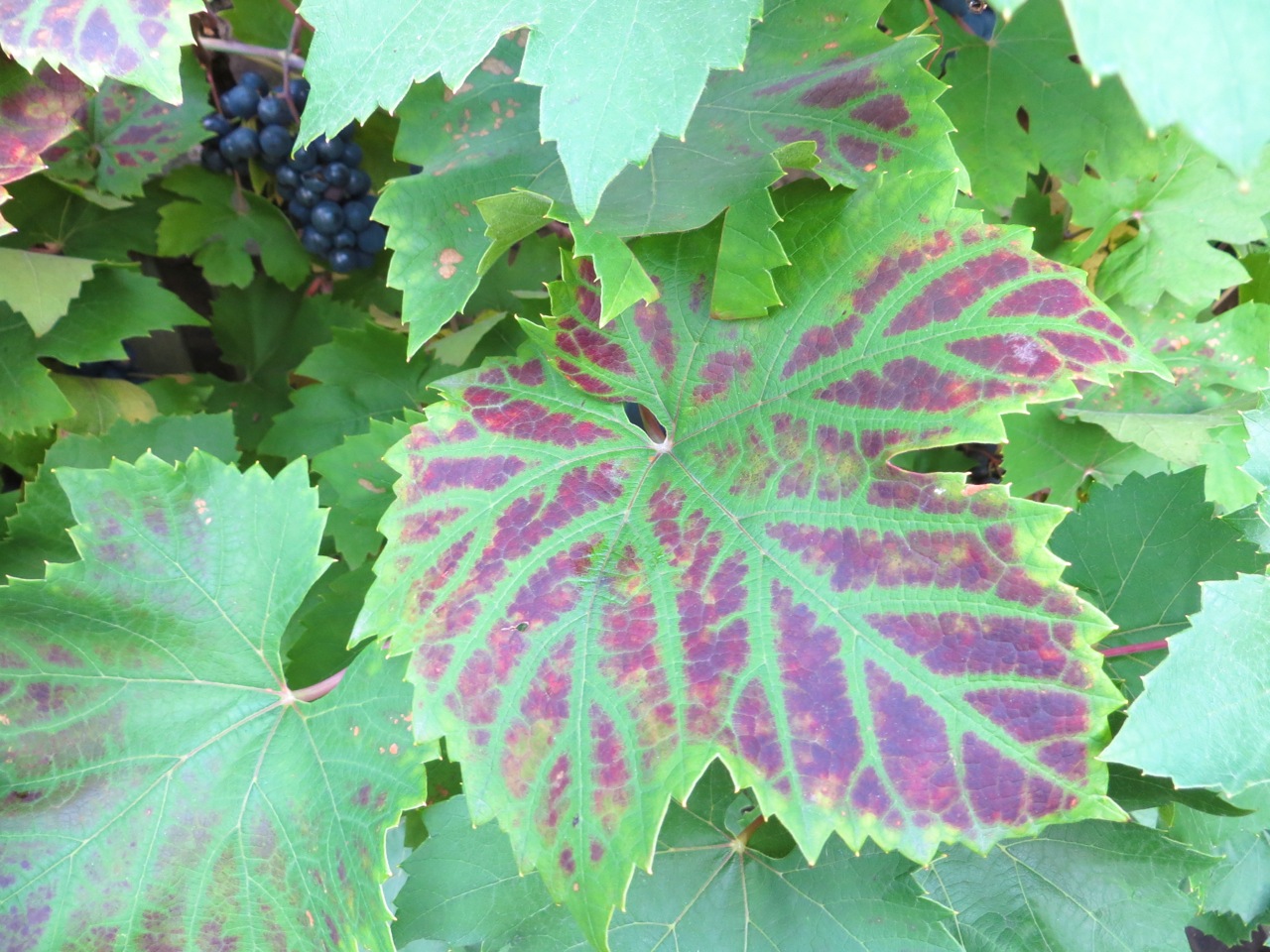
As summer gives way to autumn, the vine leaves start to turn rusty red
Grape Harvest, London 12Grape Harvest, London 11

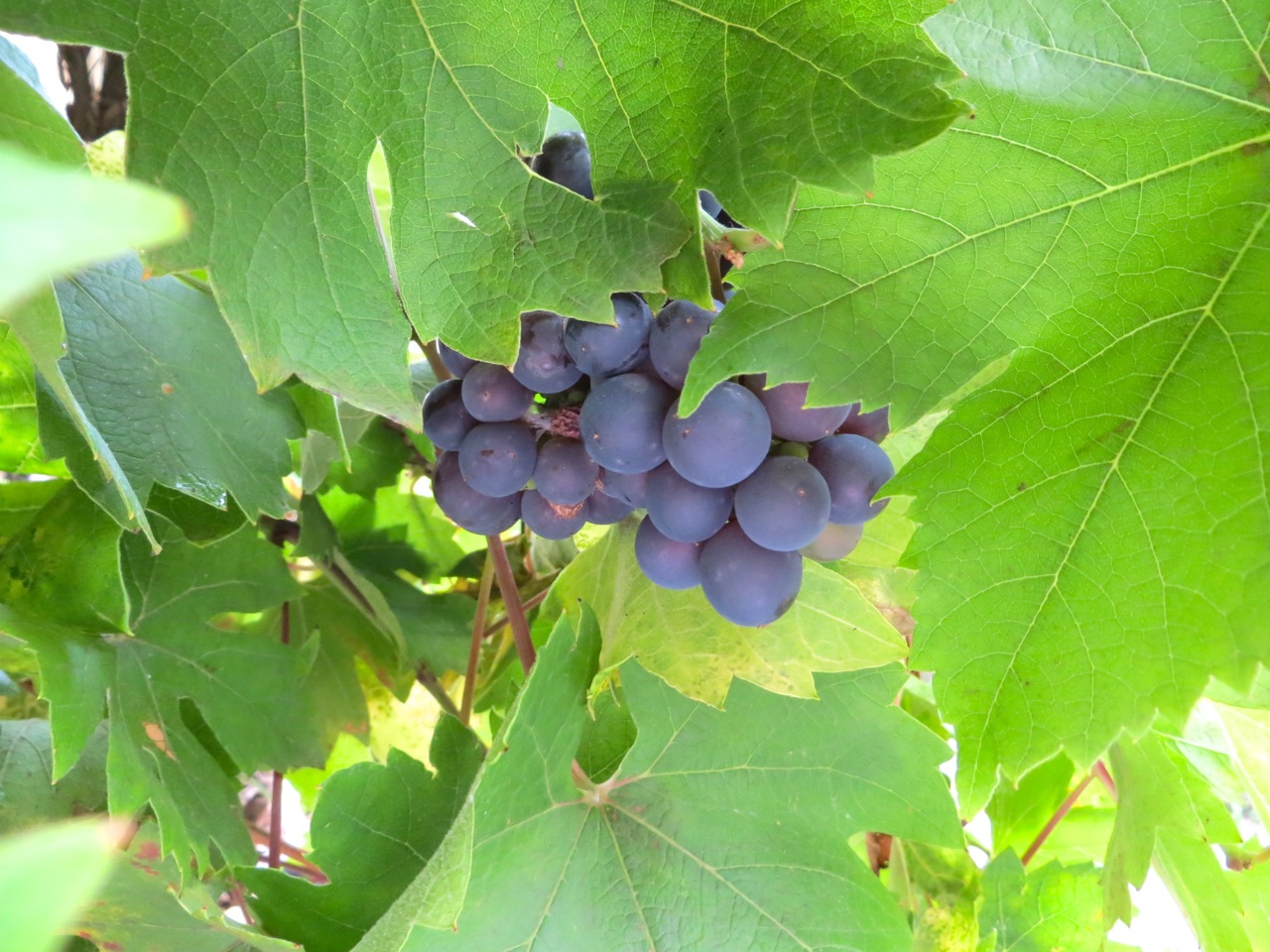
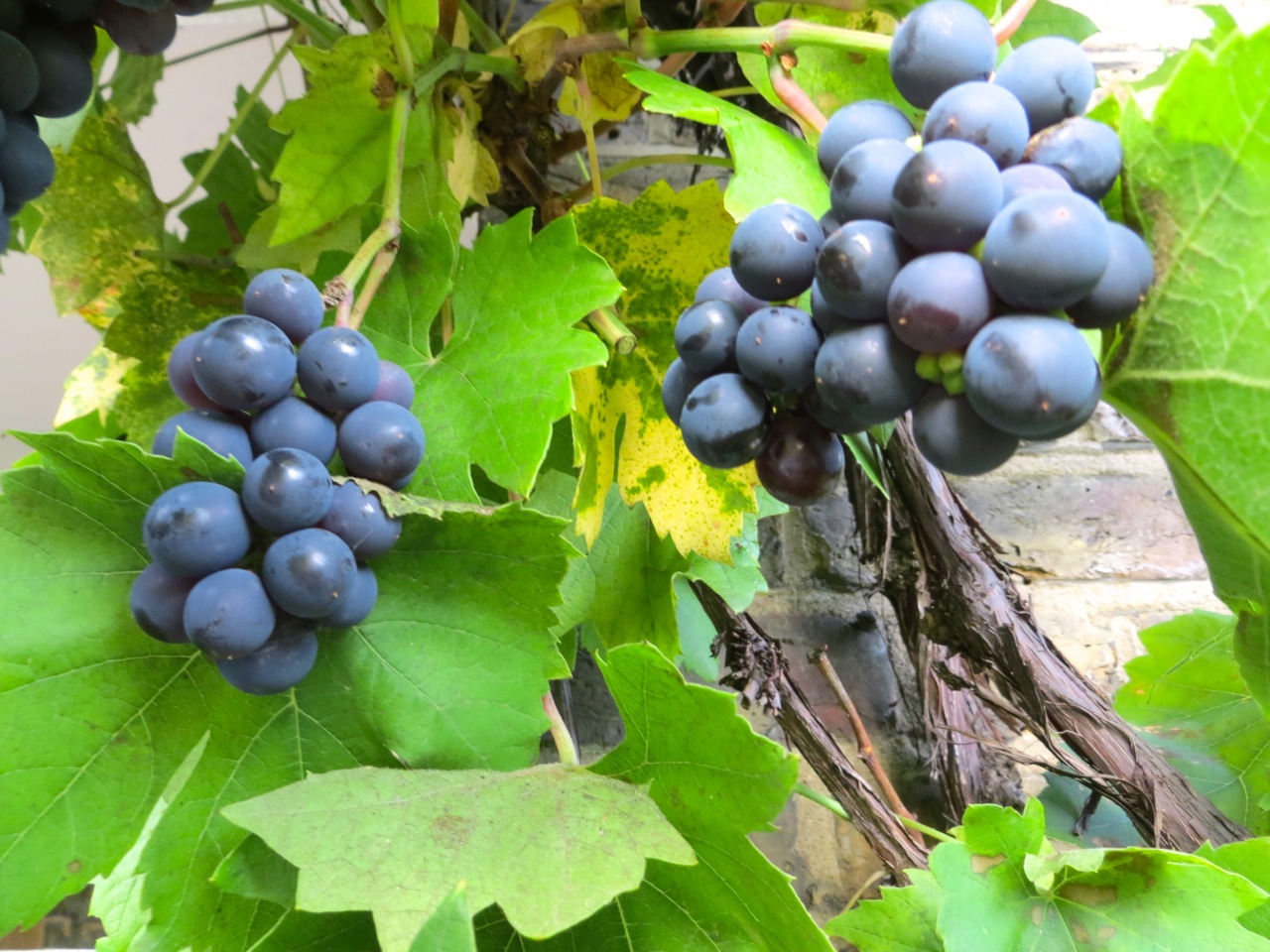
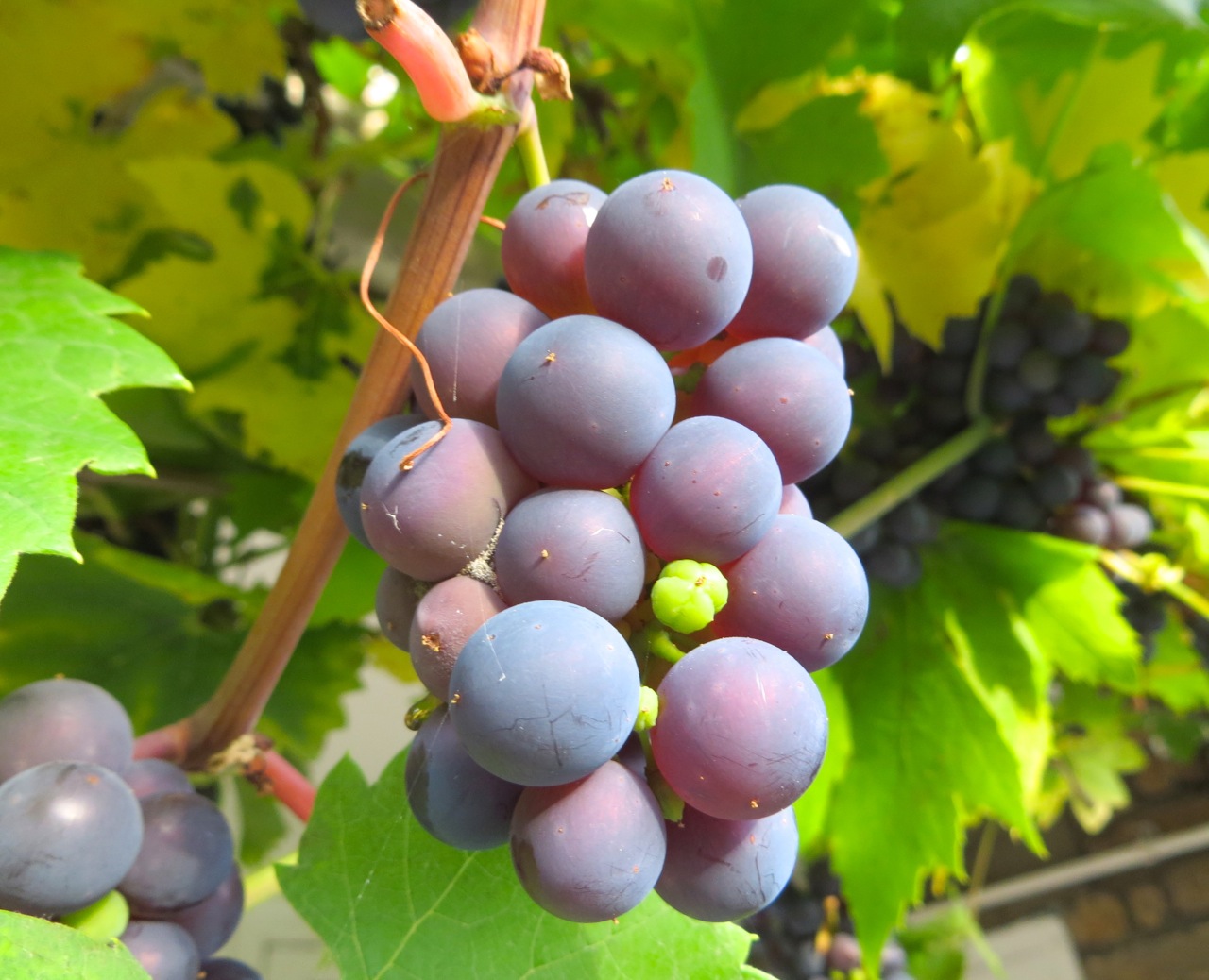
Grapes that have been green all summer gradually turn deep red, almost blackGrape Harvest, London 10Grape Harvest, London 13

This year the grapes have been more prolific than for many yearsGrape Harvest, London 2Grape Harvest, London 5

The bunches are larger, juicier and sweeter than ever beforeGrape Harvest, London 4Grape Harvest, London 3

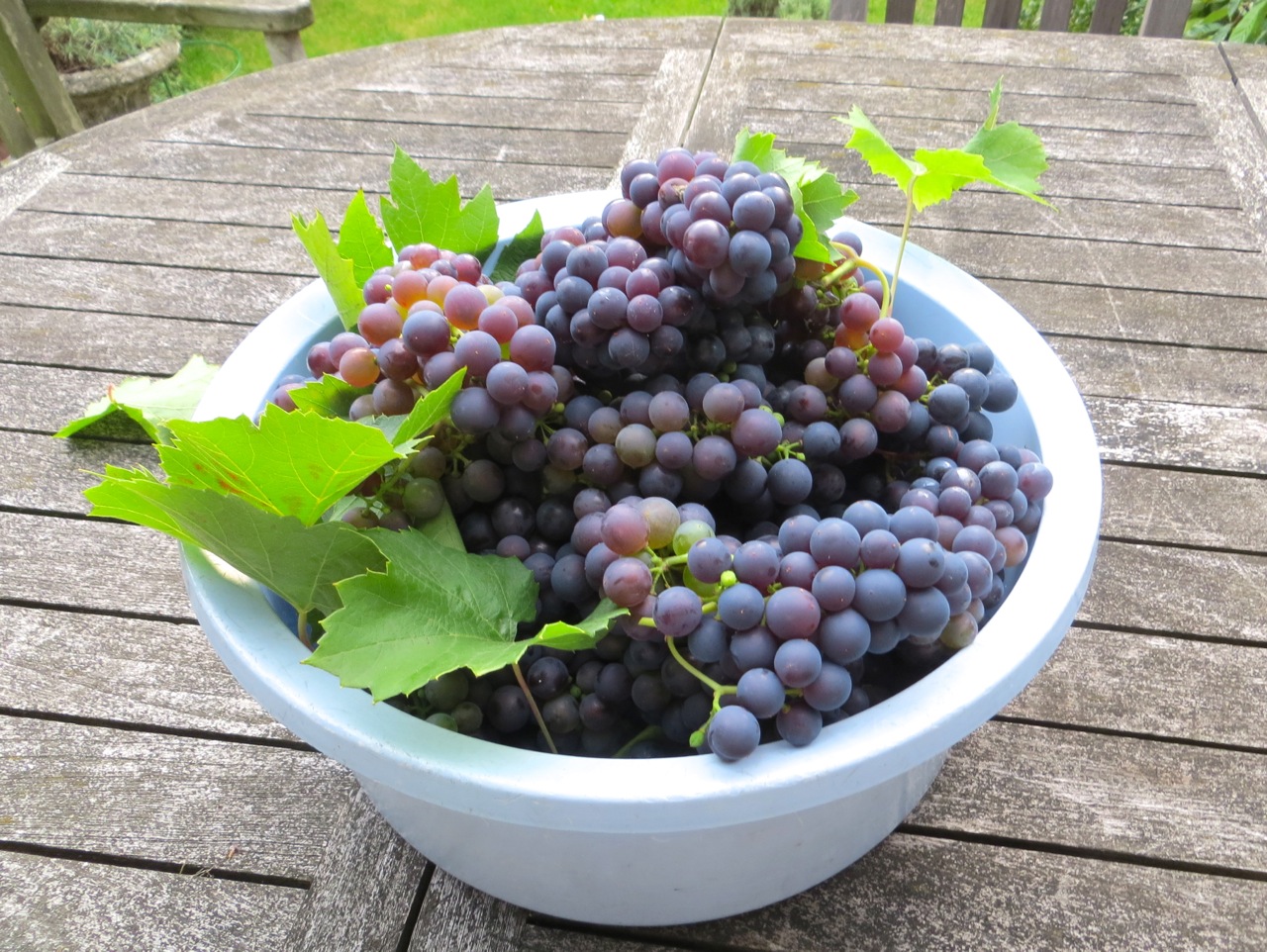
Today was the Vendemmia, the annual grape harvest
Grape Harvest, London 6Grape Harvest, London 7

About 25% of the harvest filled a traditional blue grape-picking receptacle
Grape Harvest, London 8Grape Harvest, London 9And this happened today in… West London

“HONEY RUSH” – LAST ORDERS IN THE SEASON’S FLORAL SALOON


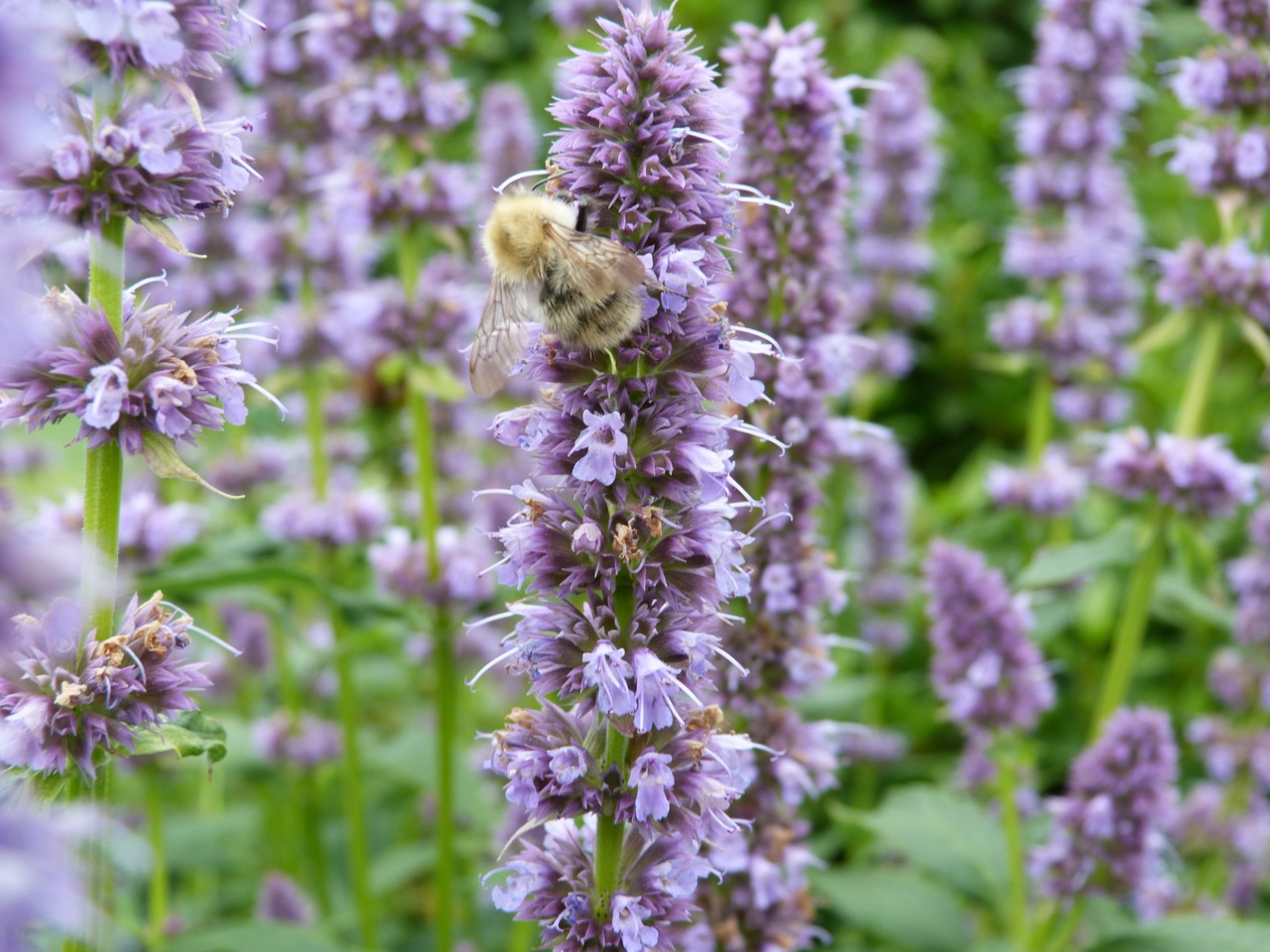
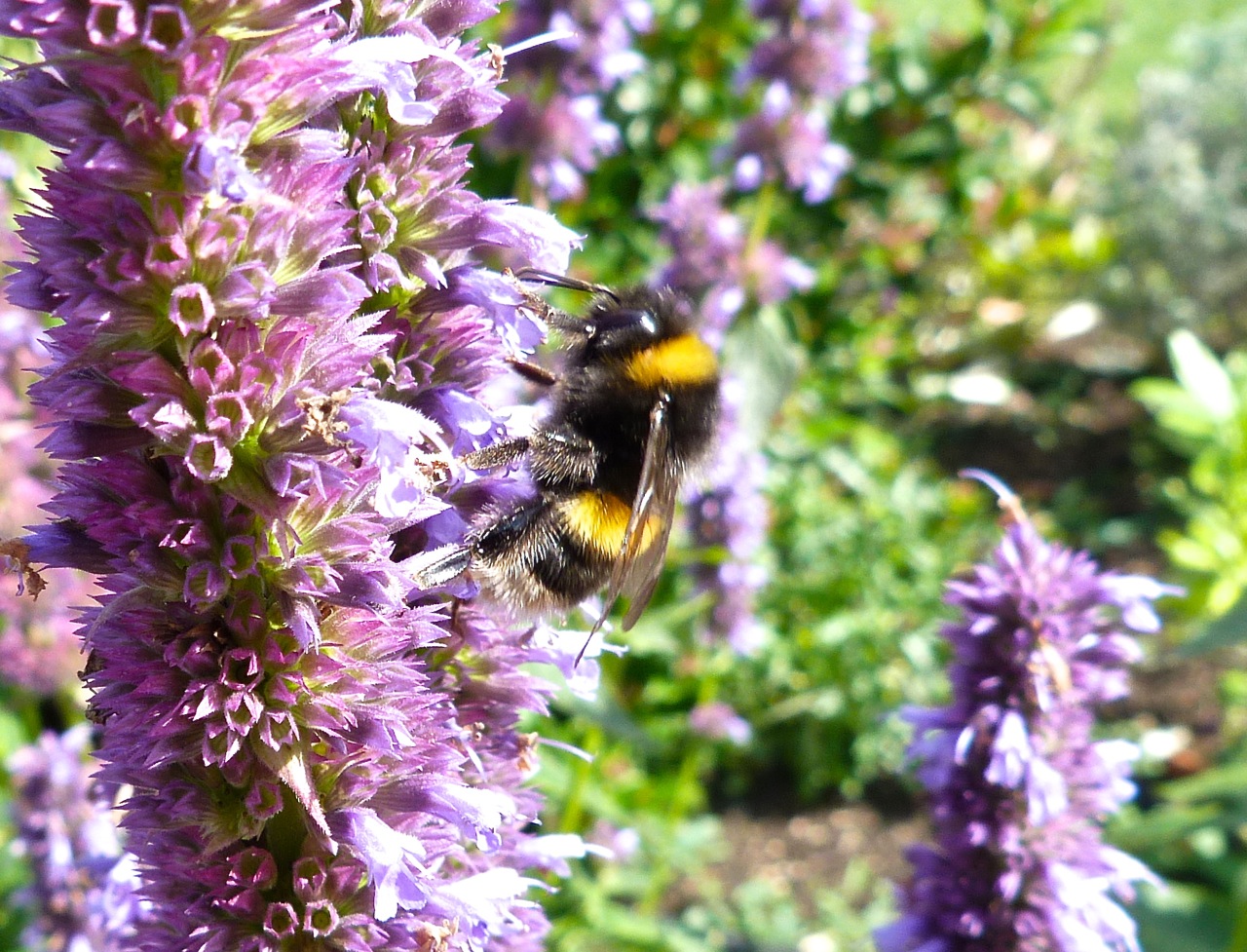
The bees are working overtime as a chill spreads over September and winter downtime looms for them. So busy are they that there is competition for individual flowers  – even though there are more than enough to go round. Bumbles were out in force yesterday, and there are still butterflies around, mainly tiny Small Coppers and Whites of different sizes.

We’ve done a quick assessment of plant popularity this spring and summer that produces this league table:

  1. Hyssop – the runaway winner for bees of many types, ditto butterflies and (new entry) moths. Planted for the first time in May, and has effortlessly thrived (throve? thriven?) to become Nectar Central.
  2. Lavender – perennial success with bees and butterflies. More planted this spring and very well visited.
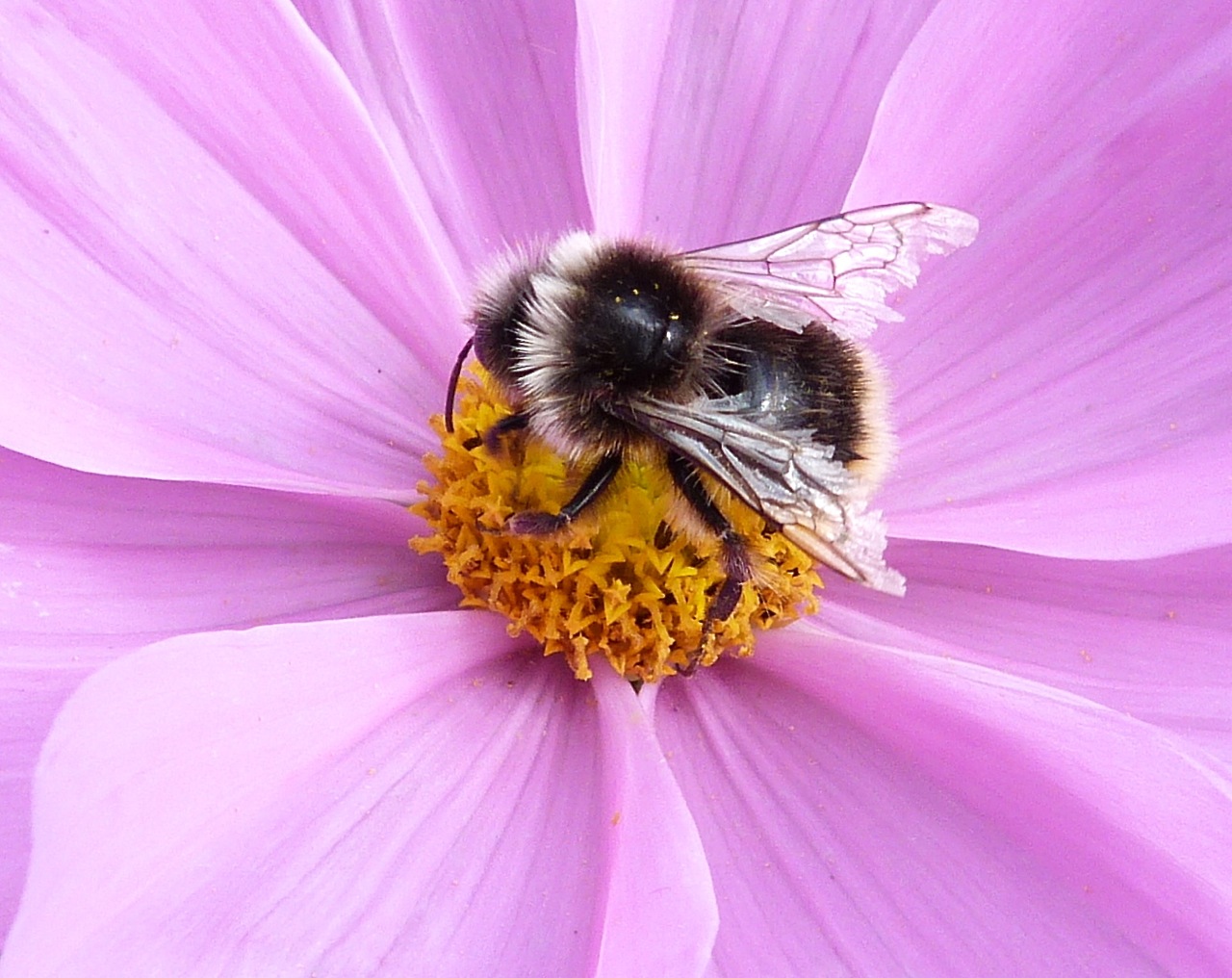
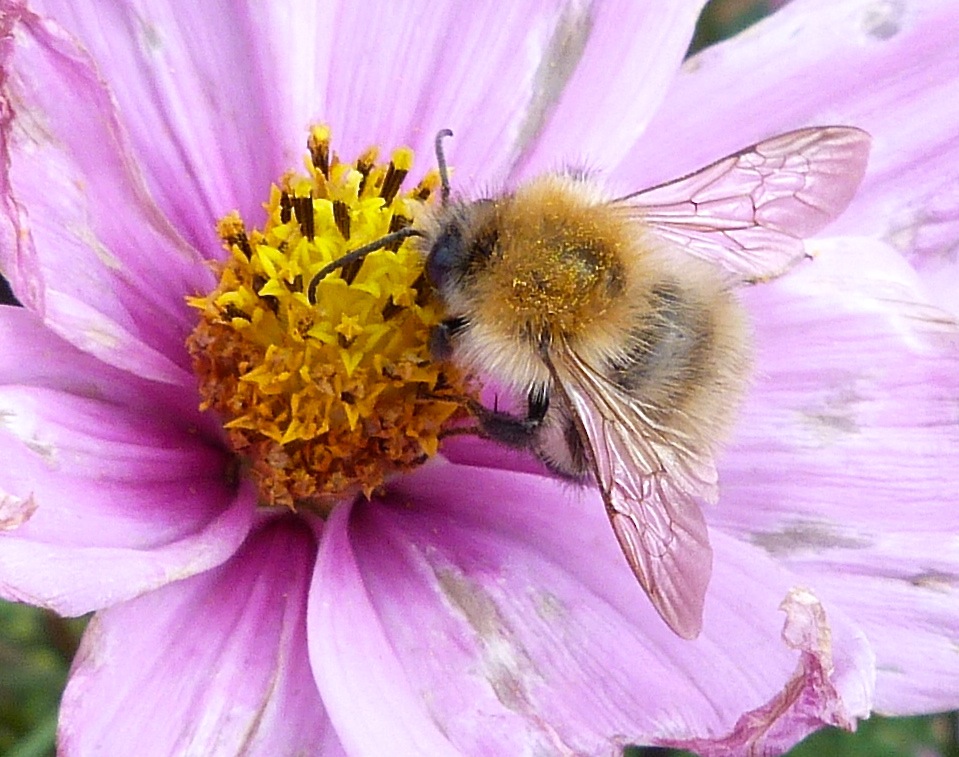
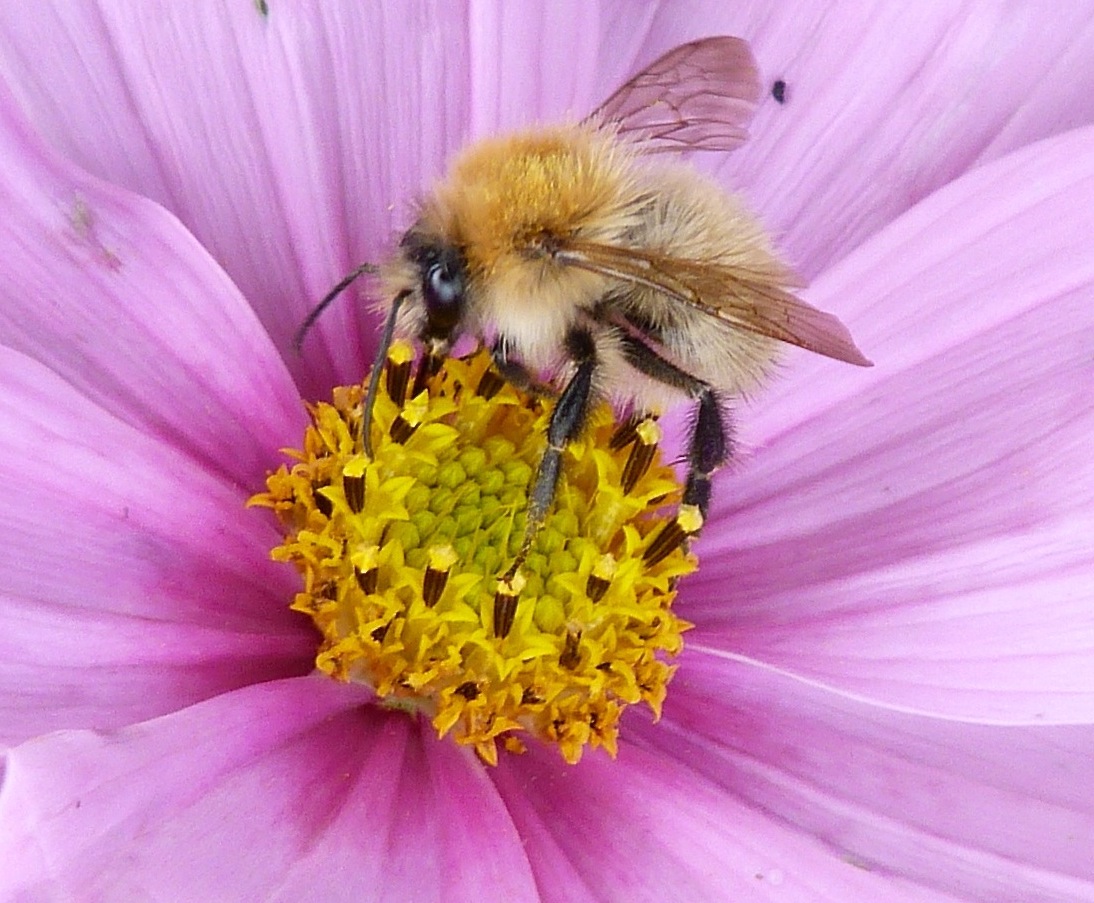
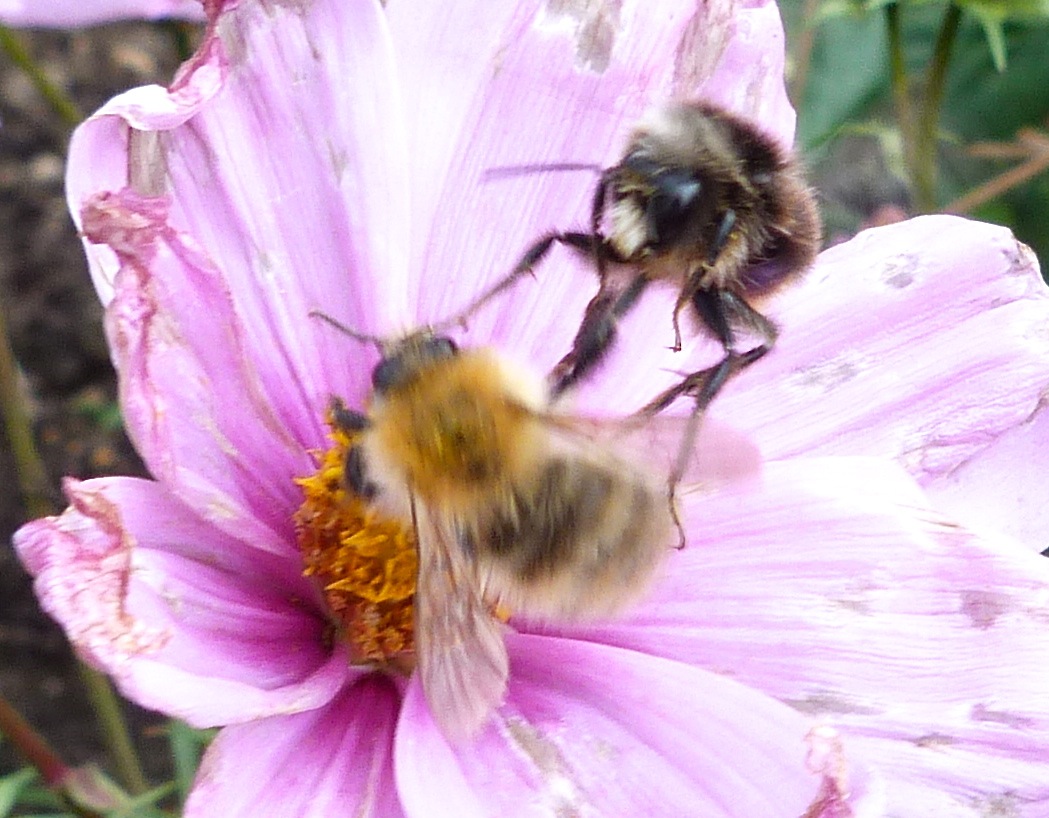
  3. Cosmos – new to the garden this year, a fast and easy grower, and hugely popular with bees, especially bumbles. Also visited by honey bees and butterflies, but only on their way the the hyssop.

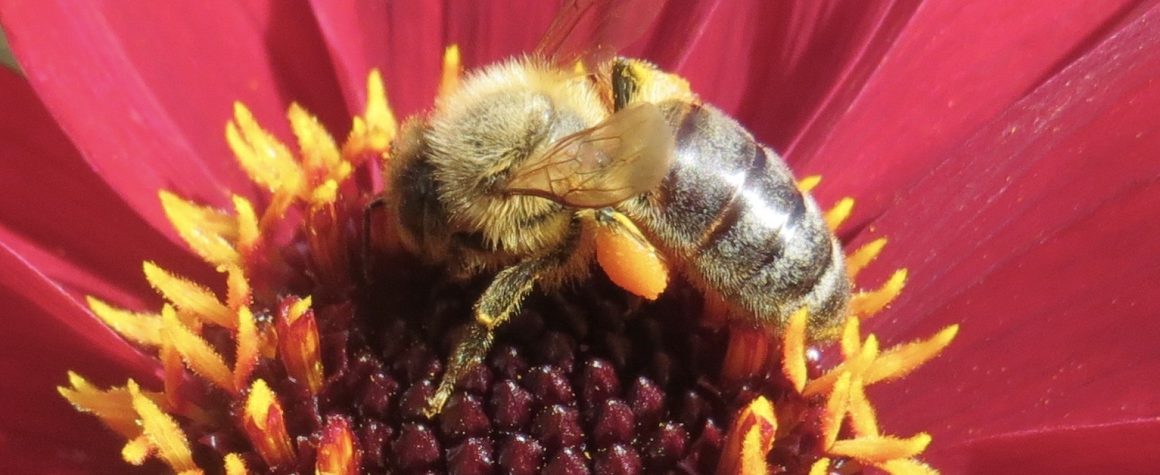
Bees in Dorset Summer's End 1 Bees in Dorset Summer's End 2 Bees in Dorset Summer's End 3 Bees in Dorset Summer's End 4 Bees in Dorset Summer's End 5 Bees in Dorset Summer's End 6 Bees in Dorset Summer's End 8 Bees in Dorset Summer's End 9Blurry, I know, but the intruder arrived from nowhere as I pressed the button… Why it didn’t land on one of several vacant flowers next to this one, I have no idea. Maybe fighting drunk on pollen?Bees in Dorset Summer's End 7

RED ADMIRALS ON BUDDLEIA, DARTMOOR


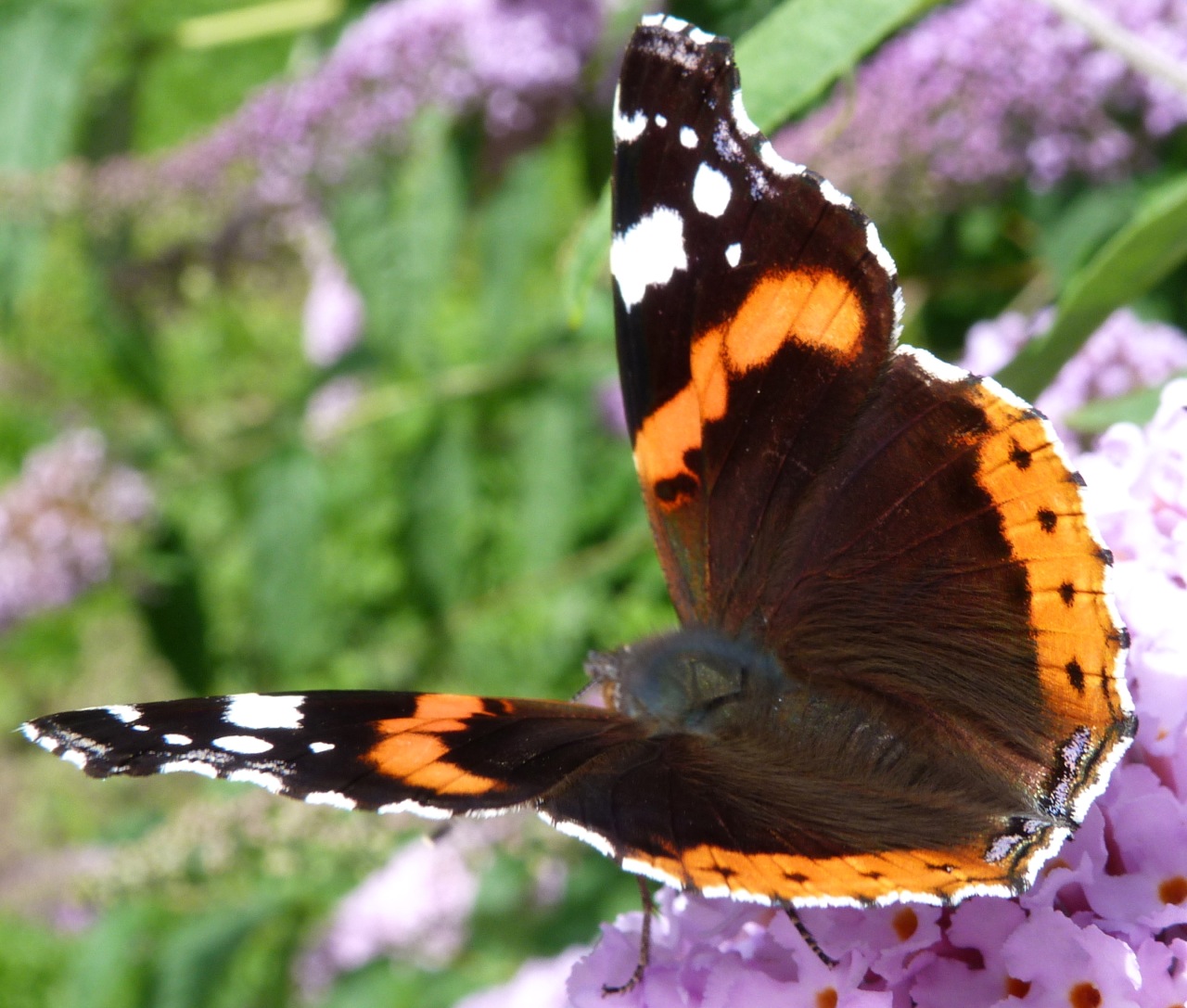
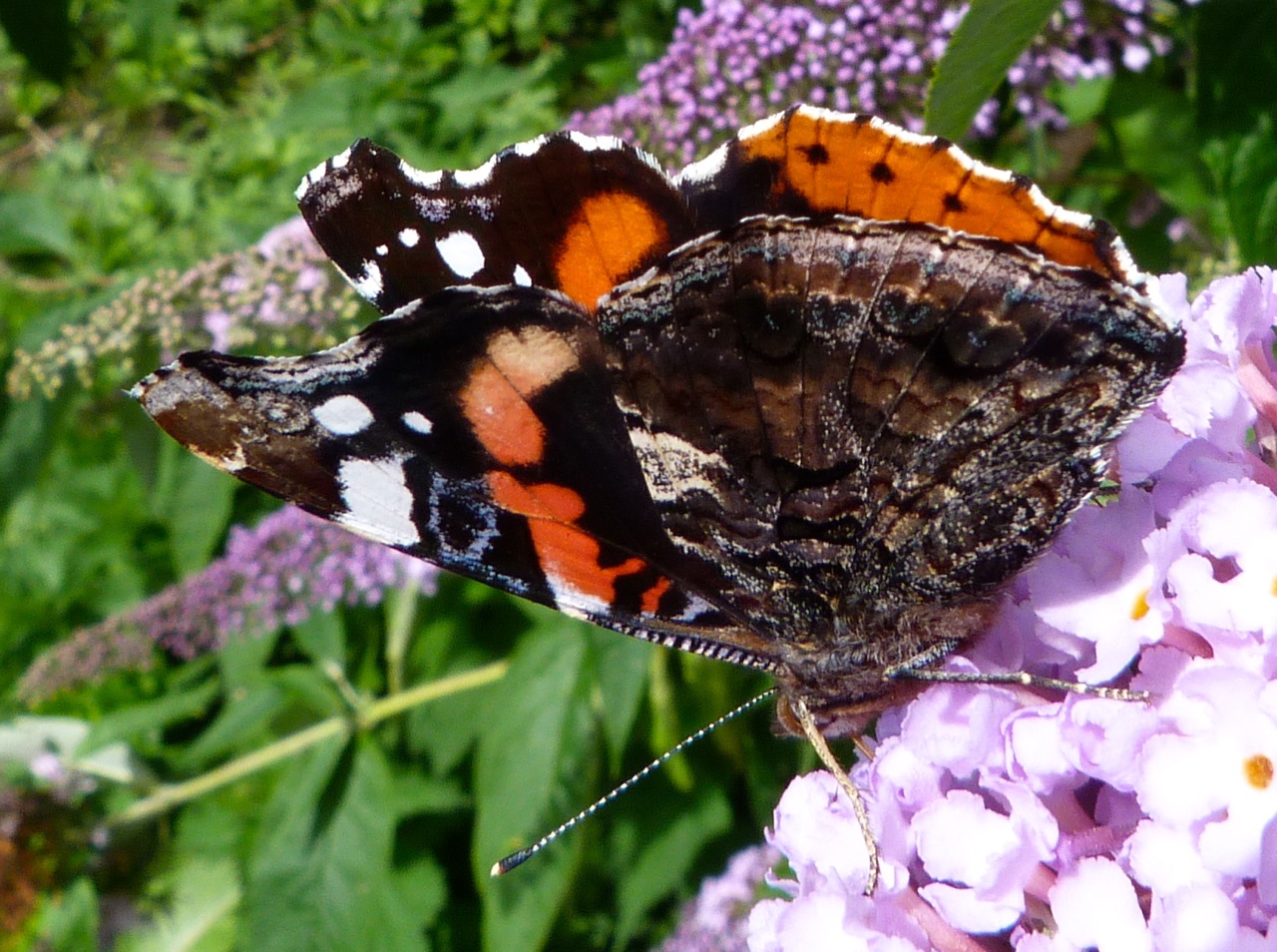
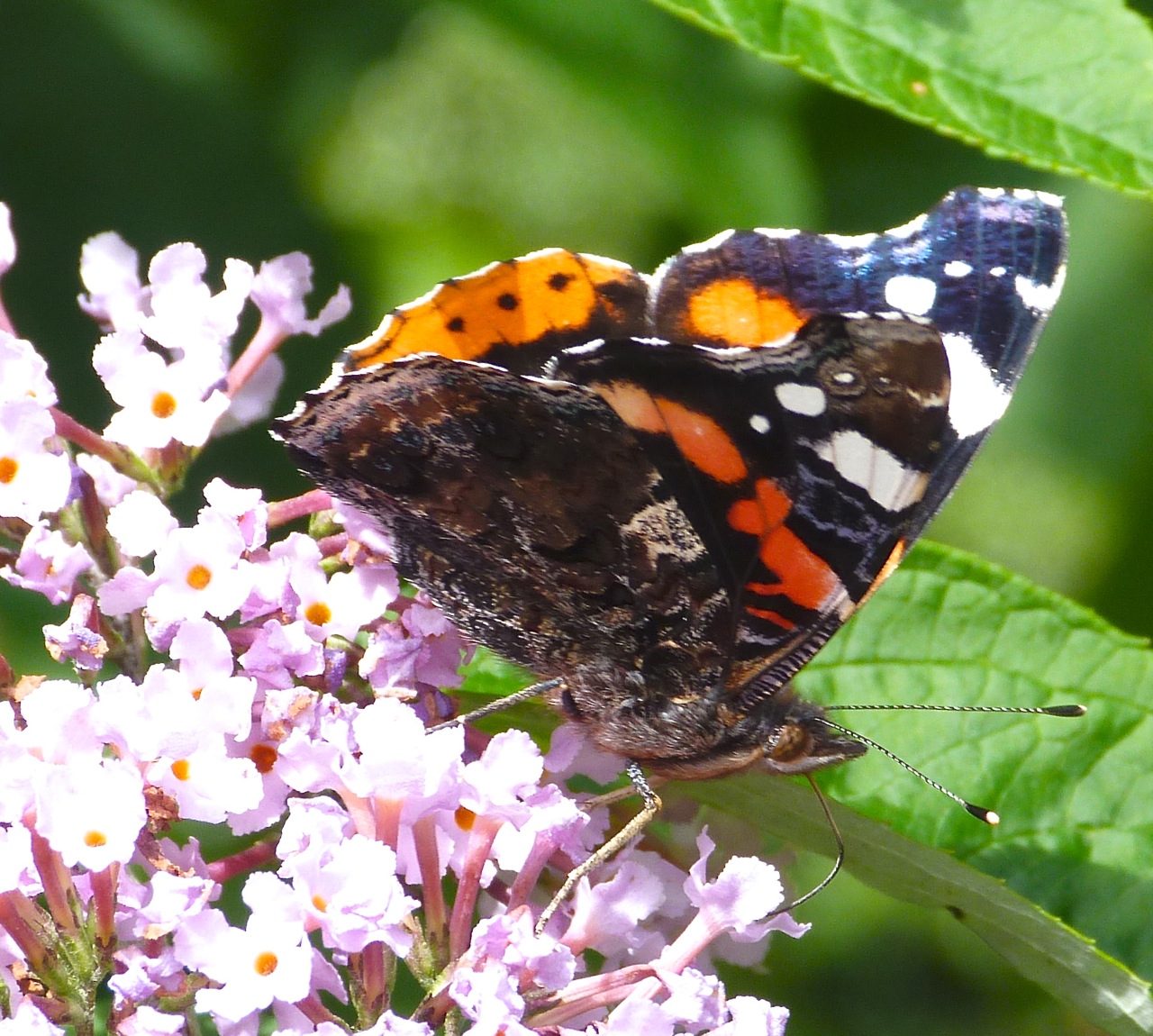
Red Admiral Butterfly on Buddleia, Dartmoor 1 Red Admiral Butterfly on Buddleia, Dartmoor 2 Red Admiral Butterfly on Buddleia, Dartmoor 4 Red Admiral Butterfly on Buddleia, Dartmoor 5 Red Admiral Butterfly on Buddleia, Dartmoor 6

JERSEY TIGER MOTH: DORSET


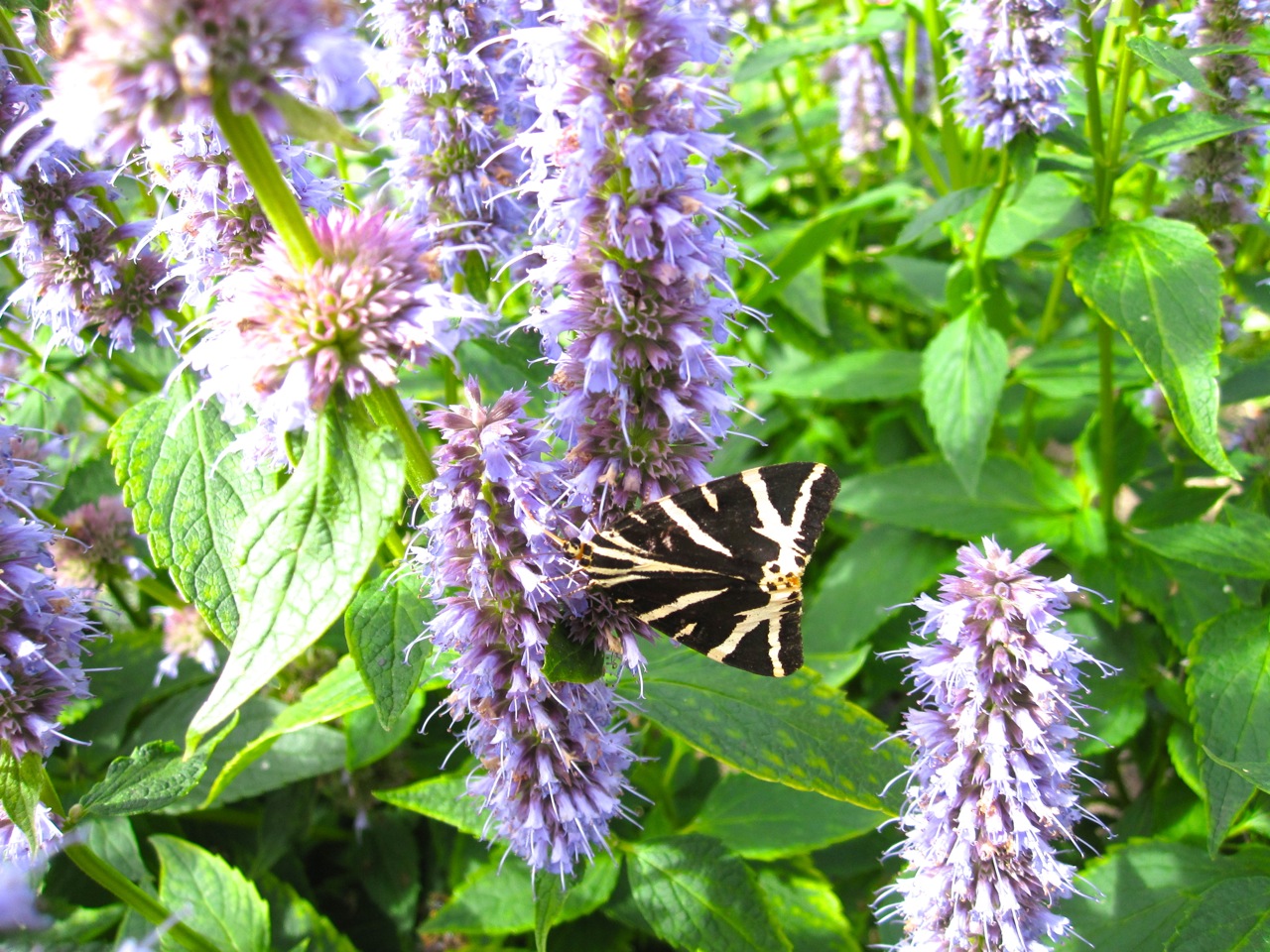
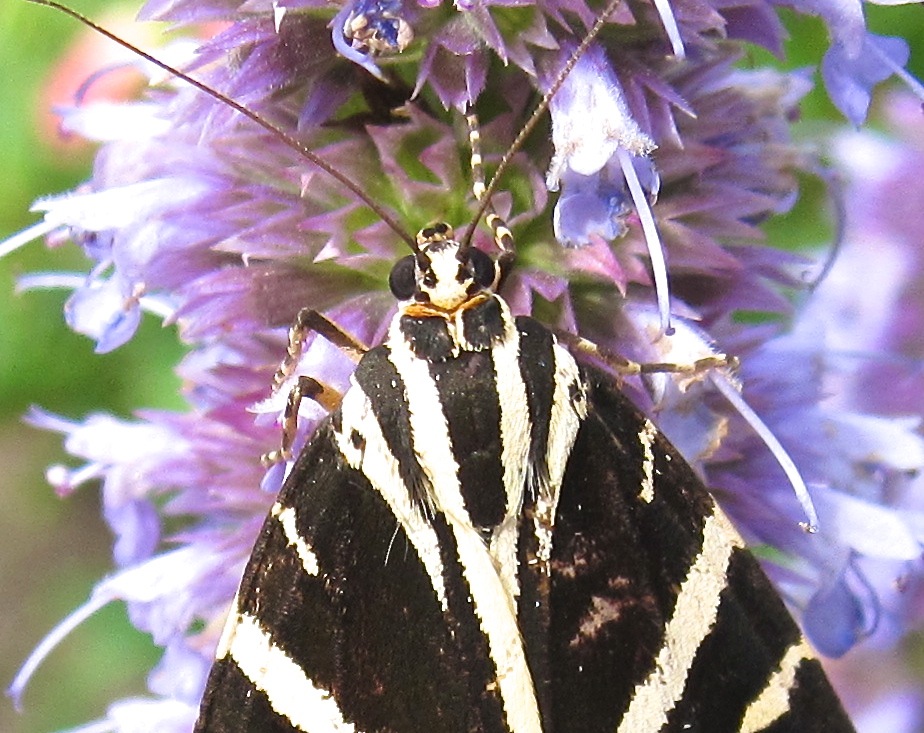
It’s been a remarkably mothy summer. Our interest in moths mainly centres on ‘clothes’ moths, detection, prevention and termination thereof. Suddenly, there are moths I’ve neither seen nor heard of before. MAGPIE MOTH. DRINKER MOTH. And now, on the hyssop last Sunday, a Delta-winged Stealth Moth. It wasn’t in our (basic) book, but a quick online search revealed it to be a Jersey Tiger Moth Euplagia quadripunctaria. UK MOTHS has this to say:

“One of the most attractive of the Tiger moths, this species was until recently restricted in distribution to the Channel Islands and parts of the south coast . On the mainland it is commonest in south Devon, but colonies have recently appeared in Dorset and the Isle of Wight, and it has also been found in other southern counties. It now seems to be expanding its range quite quickly. There is also a thriving population in parts of London, but whether this is due to range expansion or the result of accidental introduction is still unclear. It flies both in the daytime, when it can be found feeding on various flowers, as well as at night, when it is attracted to light. The main flight period is July to September. The hairy larvae feed on a range of herbaceous plants including nettle (Urtica).”

With only a basic camera to hand, I took the first photo, expecting it to fly away at onceJersey Tiger Moth Dorset 1

However it kindly stayed around for a few more shotsJersey Tiger Moth Dorset 2

It carried on feeding happily
Jersey Tiger Moth Dorset 3

It had particularly smart stripy legs…Jersey Tiger Moth Dorset 4

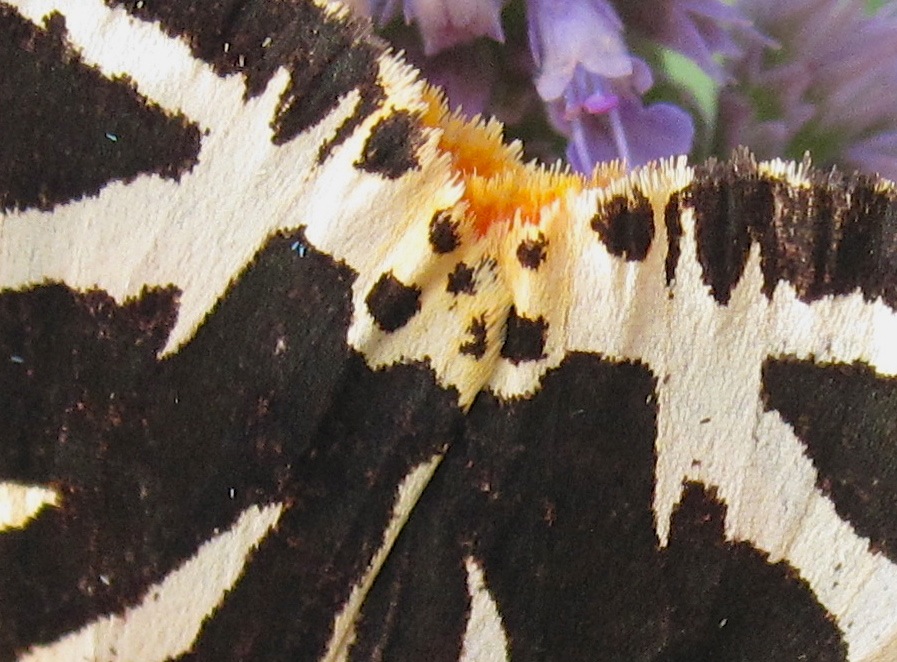
…but I didn’t realise what this hint of orange under the wings indicated
Jersey Tiger Moth Dorset 5

I never got a shot of the full glory of this moth – indeed I had no idea what to expect.  Courtesy of wiki, I now realise that beneath the black and white the moth was bright orange.File:Jersey Tiger Moth.JPG

A SMALL COPPER IN DORSET


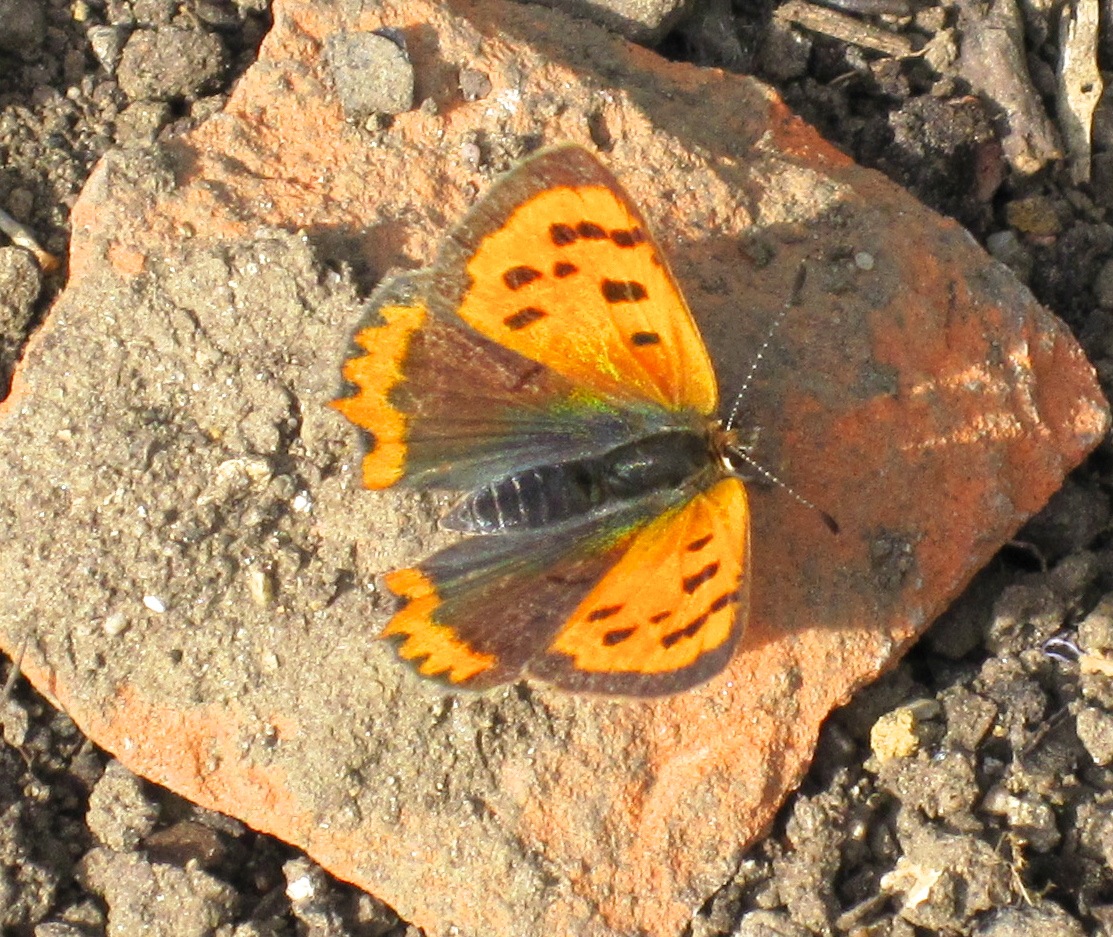
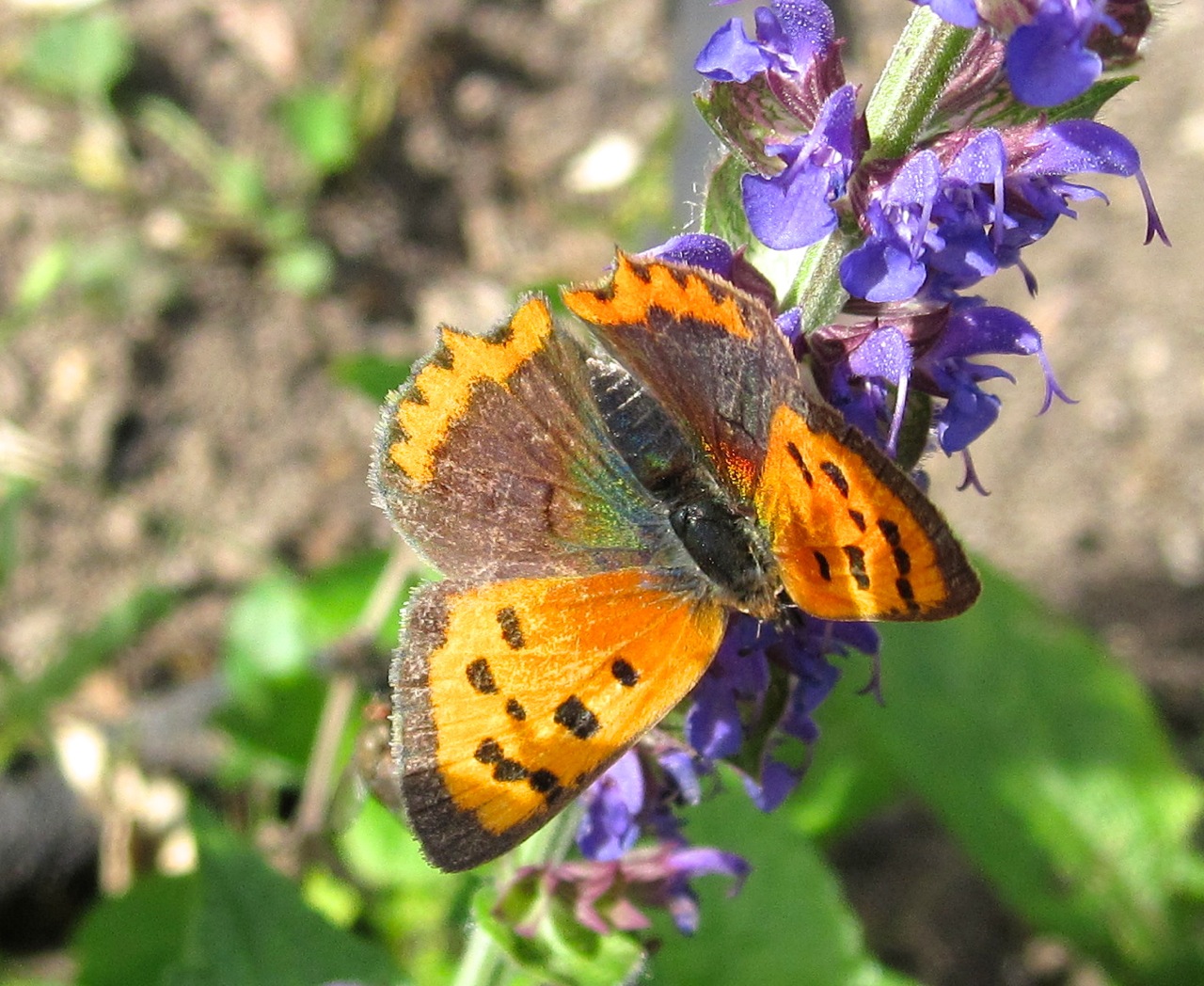
Putting aside thoughts of a ‘Two Ronnies’ sketch about policemen in Dorchester, the small copper referred to is a butterfly I photographed yesterday. I only had a tiny old Canon with me (hello, ‘Two Ronnies’ Church Dignitaries sketch), with its ‘battery dying’ light flashing and no charger to hand. So these pics are the best I could get in a hurry…

It’s been a remarkable late summer for butterflies and moths, with many species I have never seen / noticed before – including this little one. It’s possibly because we planted some hyssop in early May that has flourished. At any given time of day, there have been 3 or 4 butterfly species (mostly Red Admirals, Peacocks, Tortoiseshells and Whites); a couple of moth brands; 3 or 4 bumblebee types (mostly white-tailed and carders); and varied honeybees of indeterminate make. Apart from a white buddleia, we have never had a plant that has been so attractive to flying creatures. Even the flycatchers have enjoyed it.

HYSSOP, WITH VERY PRETTY SMALL BEE [ID welcomed via ‘Comments’]Hyssop with Bee, Dorset

SMALL COPPER BUTTERFLYSmall Copper Butterfly, Dorset 1 Small Copper Butterfly, Dorset 2 Small Copper Butterfly, Dorset 4 Small Copper Butterfly, Dorset 5 Small Copper Butterfly, Dorset 6 Small Copper Butterfly, Dorset 7