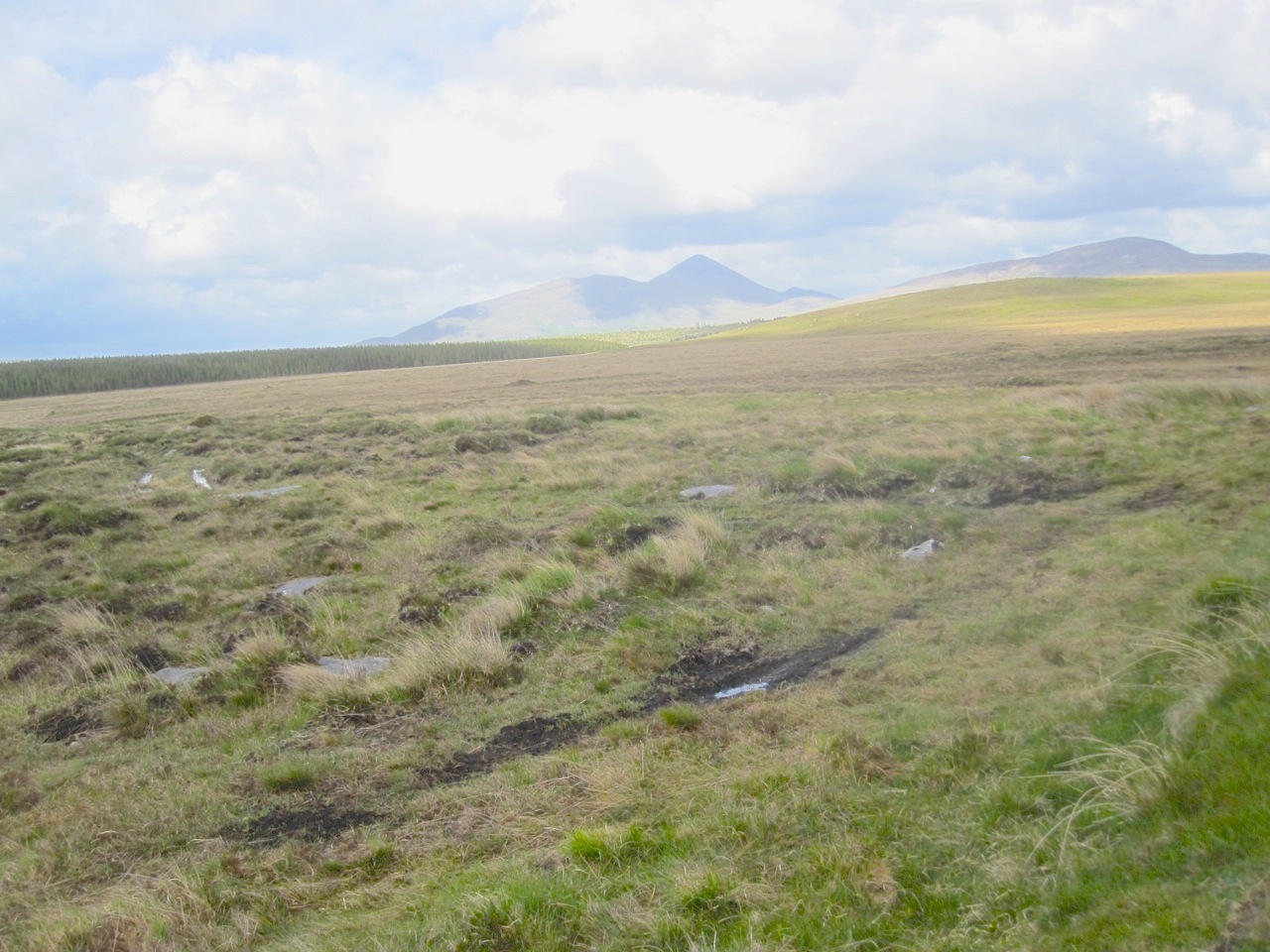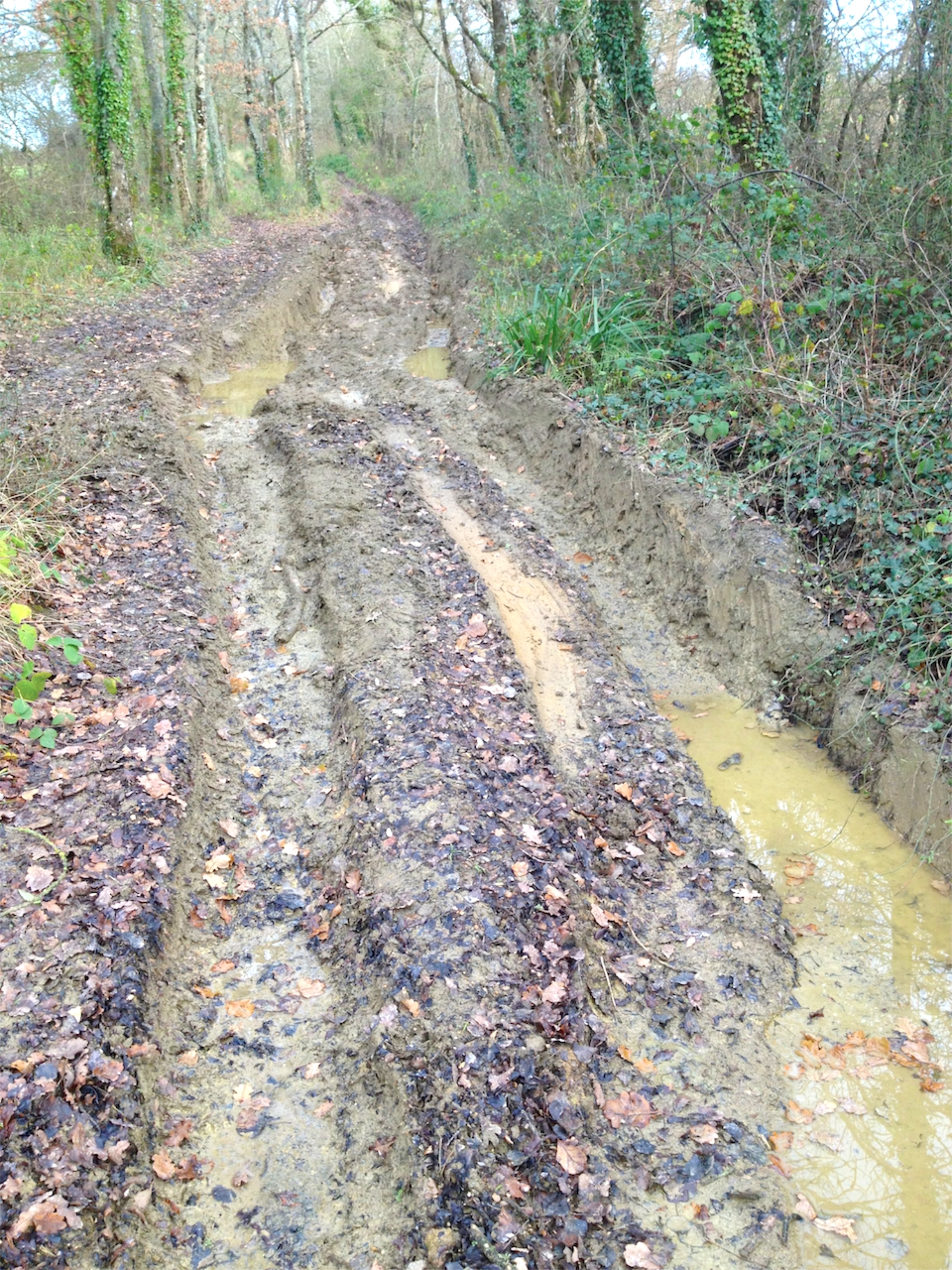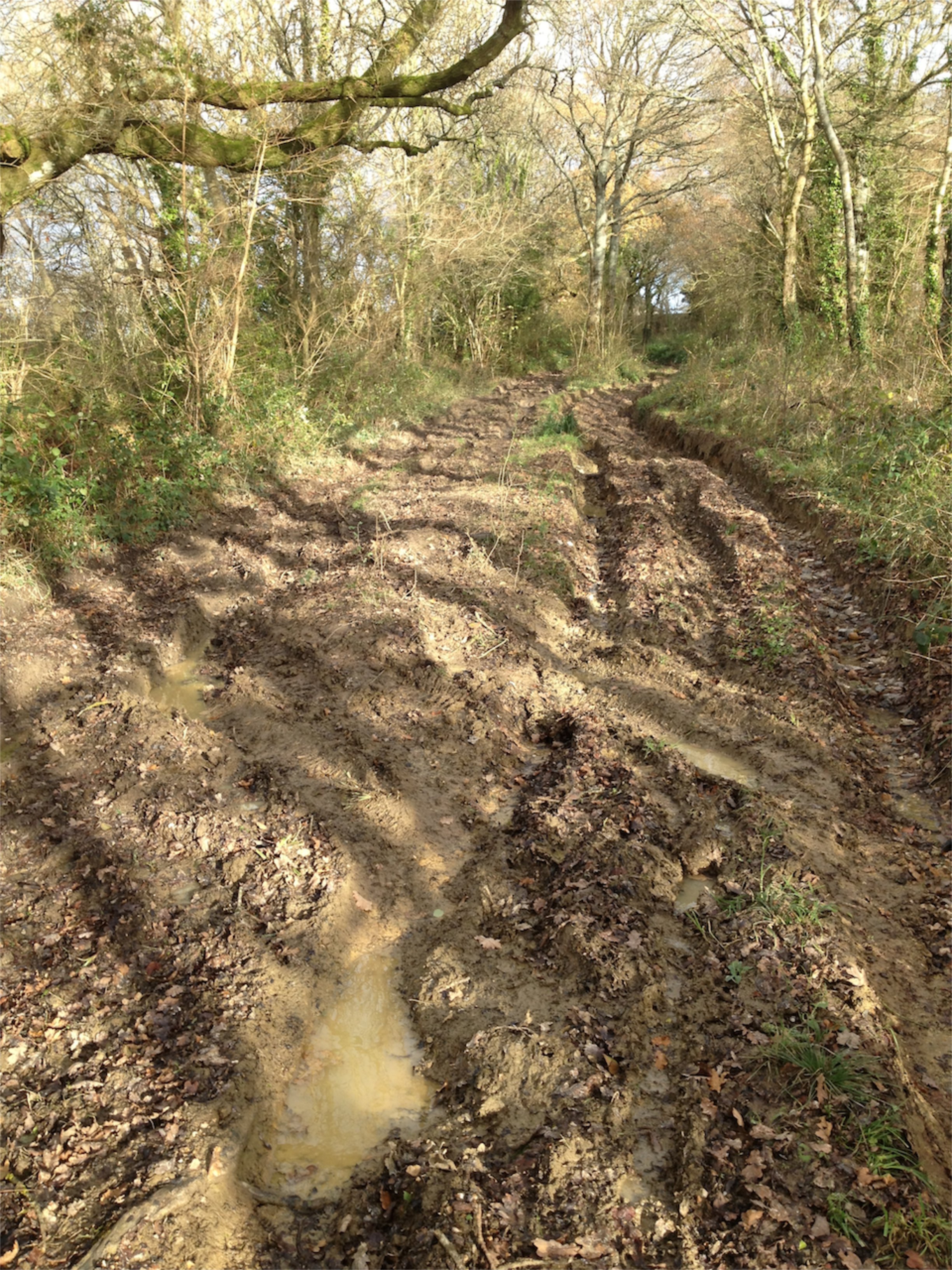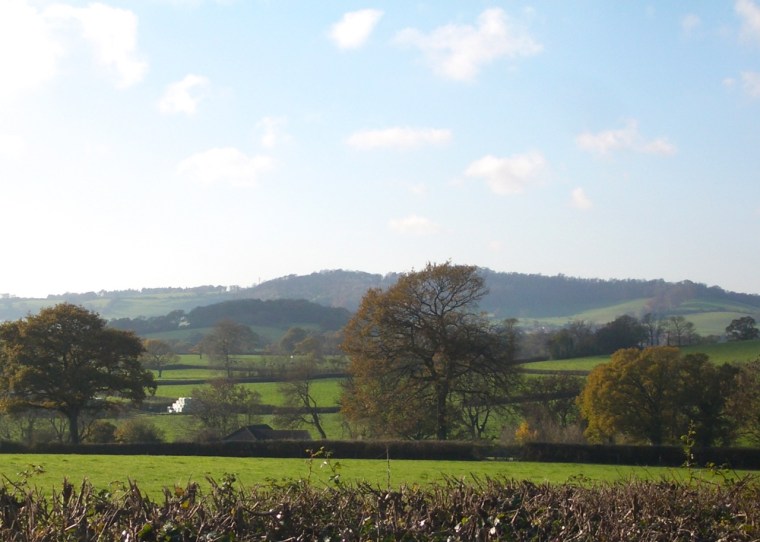
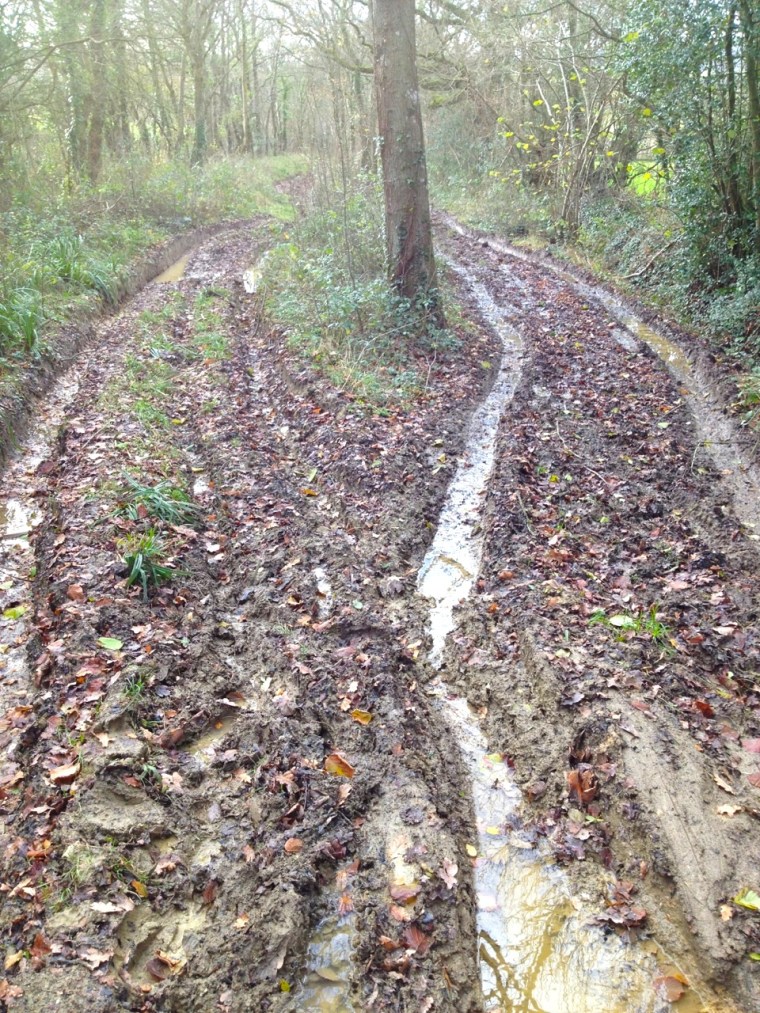
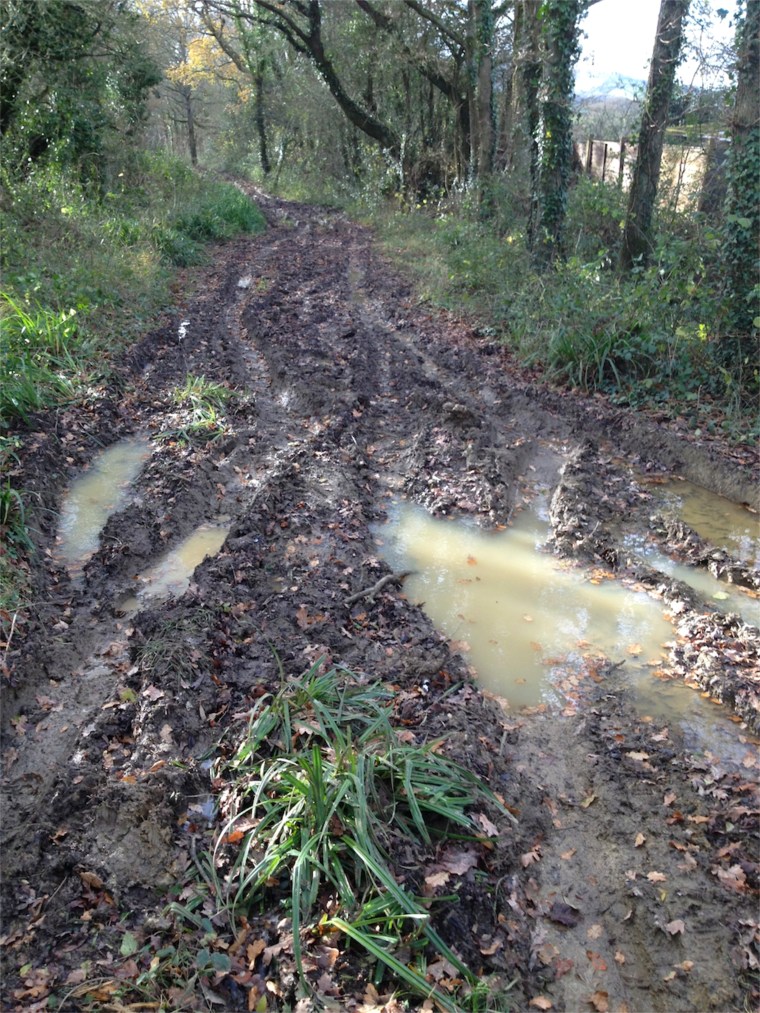
Dorset is to a large extent farming country. We are lucky enough to be in the middle of it, in an area where some farming routines are little changed for centuries. Not in terms of mechanisation and modernised practices, obviously, but simply the question of moving livestock from A to B. Before the arrival of Messrs Tar and MacAdam, most of the ‘roads’ were mainly cattle and sheep droves. Many of the original un-made droves still exist today, a criss-cross rural network of broad green lanes between thick hedges. These historic byways, mostly designated footpaths or bridleways, have become the joy of visiting off-roaders who tear them up for their sport and generously leave them for the rest of us to enjoy the aftermath. They meet from far and wide, enthusiastically and noisily make the complex of droves unwalkable, then zoom off again proudly mud-scarred from their recreation…
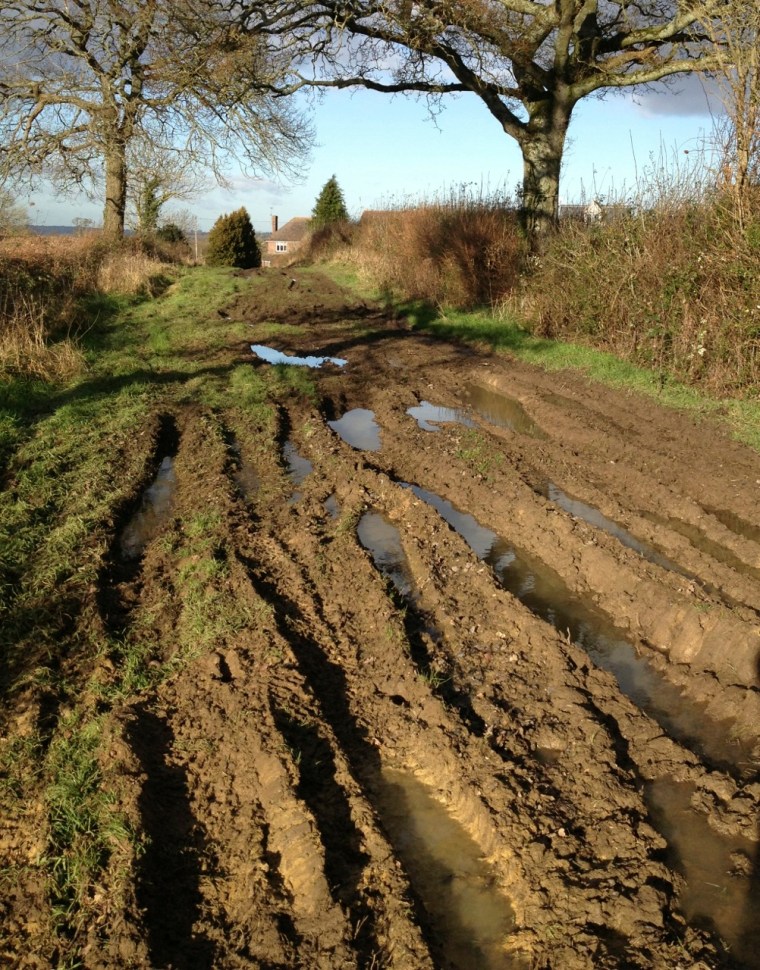
I’d have no problem with that at all, if after exercising their ‘right’ to off-road, they would discover a reciprocal ‘responsibility’ to reinstate the land and leave it exactly as they found it. This sound principle is not, apparently, mentioned in “The Off-Roader & Mud Warrior Handbook”. Maybe it should include a page showing Hohfeld’s Analysis of correlative rights and duties. *


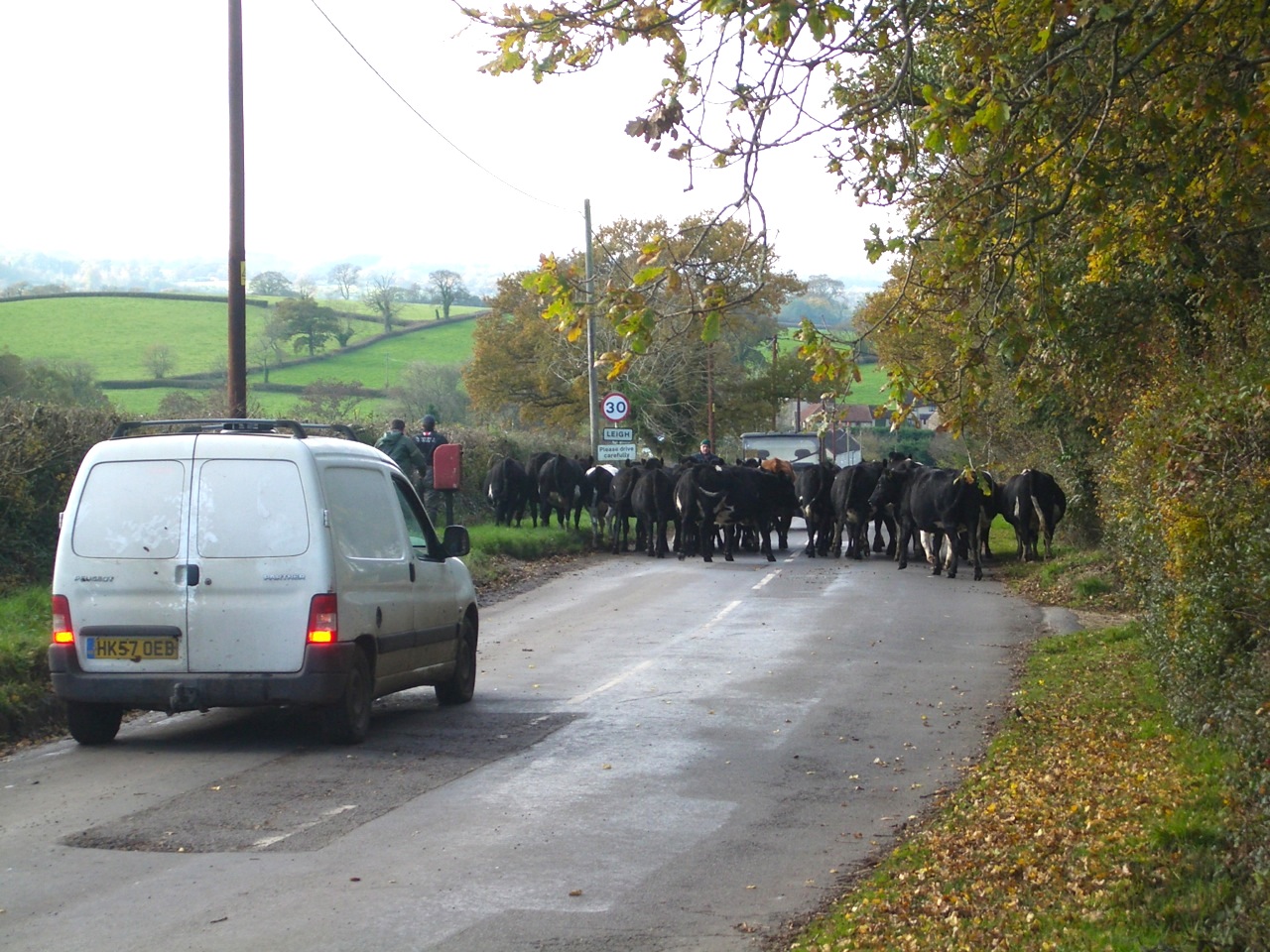
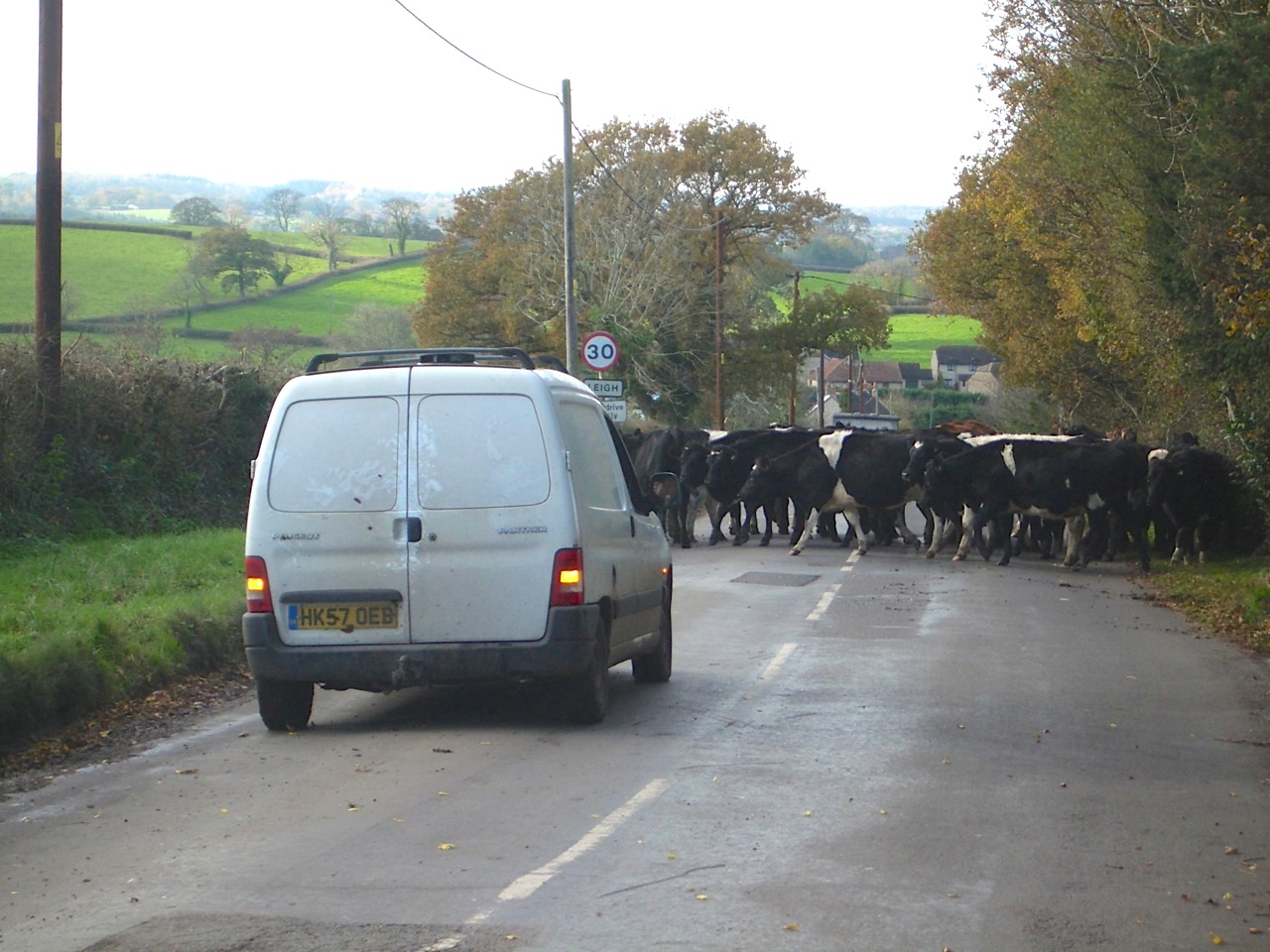
Returning to a more pastoral theme, there are several farms in the village that use nearby fields outside the village for their stock. This entails the regular herding of cattle from farm to field, and in due course back to the farm. Gates are shut. Men with sticks are stationed at junctions to ensure the kine don’t charge down a side road. A tractor precedes the procession, discouraging overtaking by its Massey presence. A van drives behind the herd to encourage the slow forward progress, the sides being banged vigorously when cows begin to hang back. And so they move along the same route as they did in Thomas Hardy’s time and before that, passing our house and leaving copious evidence of their healthy diet in their wake. As they did last week.
Stately progress down the hill to the village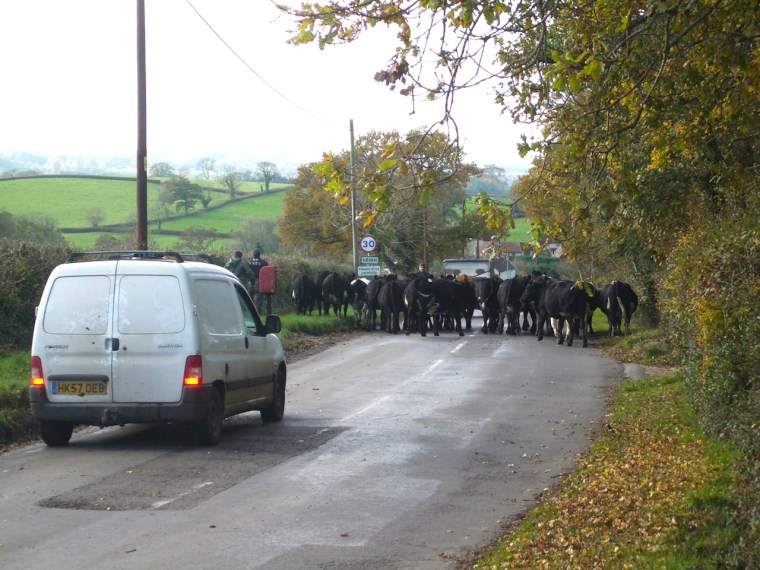
One of several complete cow-panics, and consequent mayhem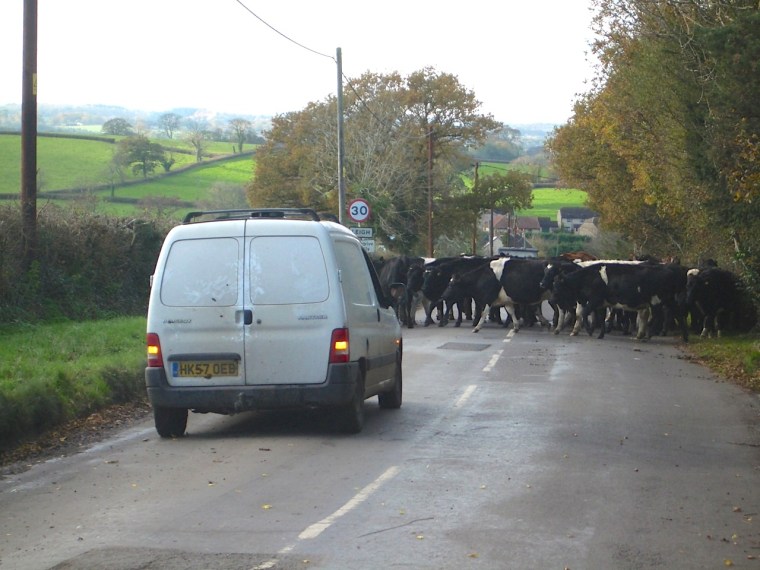
All sorted out and moving generally in the right direction
What of the bovine behaviour mentioned in the heading? I expect I have hinted at one sort. There’s another, though, that is a recent development in the last 10 years, and is increasing in frequency and insistence. I took the brief video below on my phone last year. The cows were mooching along the road, from farm to field, in the usual way. I pulled the car tight into the grassy side of the road to watch them pass. Frankly, there was no other option. The line was long and quite slow – this was indeed a classic lowing herd winding slowly o’er the B-road. I opened my window. Only one animal actually tried to push her head inside the car. Almost as soon as I had stopped the film, a car behind me started hooting. And then the car behind that. They were joined by the approaching cars on the far side of the herd. This impatience is regular and increasingly fractious occurrence, so the farmer told me. So the question might be posed: whose right of way? The cows, with their age-old prescriptive right to wander, supervised, down the road from farm to field; or people in their shiny motors and in a hurry?
HOHFELD’S ANALYSIS – A VOLUNTARY DIGRESSION
Hohfeld, a jurist, attempted to disambiguate the term rights by breaking it into eight distinct concepts. He defined these terms relative to one another, grouping them into four pairs of Jural Opposites and four pairs of Jural Correlatives.
|
|
(1) |
(2) |
(3) |
(4) |
| JURAL OPPOSITES |
|
Right
No-right |
Privilege
Duty |
Power
Disability |
Immunity
Liability |
|
|
(1) |
(2) |
(3) |
(4) |
| JURAL CORRELATIVES |
|
Right
Duty |
Privilege
No-right |
Power
Liability |
Immunity
Disability |
This use of the words right and privilege correspond respectively to the concepts of claim rights and liberty rights. Hohfeld argued that right and duty are correlative concepts, i.e. the one must always be matched by the other. If A has a right against B, this is equivalent to B having a duty to honour A’s right. If B has no duty, that means that B has a privilege, i.e. B can do whatever he or she pleases because B has no duty to refrain from doing it, and A has no right to prohibit B from doing so. Each individual is located within a matrix of relationships with other individuals. By summing the rights held and duties owed across all these relationships, the analyst can identify both the degree of liberty (an individual would be considered to have perfect liberty if it is shown that no-one has a right to prevent the given act); and whether the concept of liberty is comprised by commonly followed practices, thereby establishing general moral principles and civil rights. (Wiki-sourced edit for brevity)


 Photo credit: Kurt Kulac / Wiki