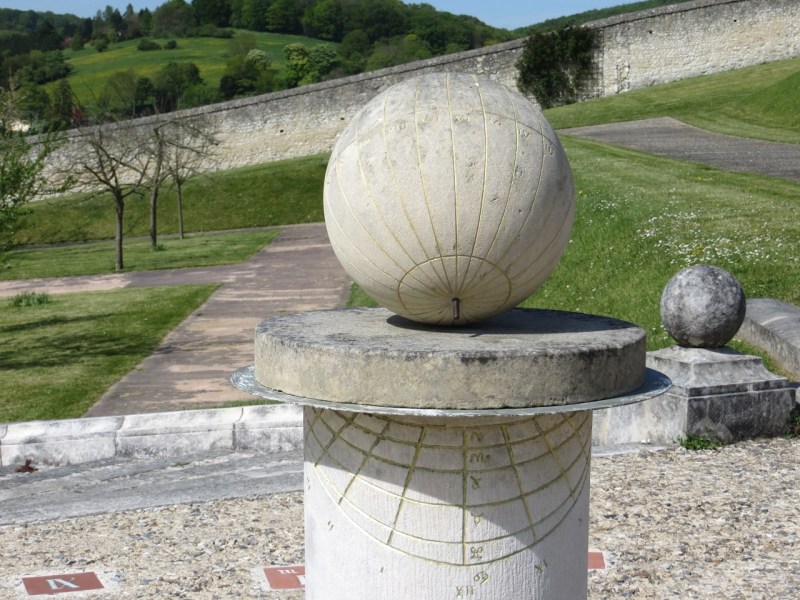
A HANDSOME & COMPLEX SUNDIAL IN NORMANDY


btv1b6902381z

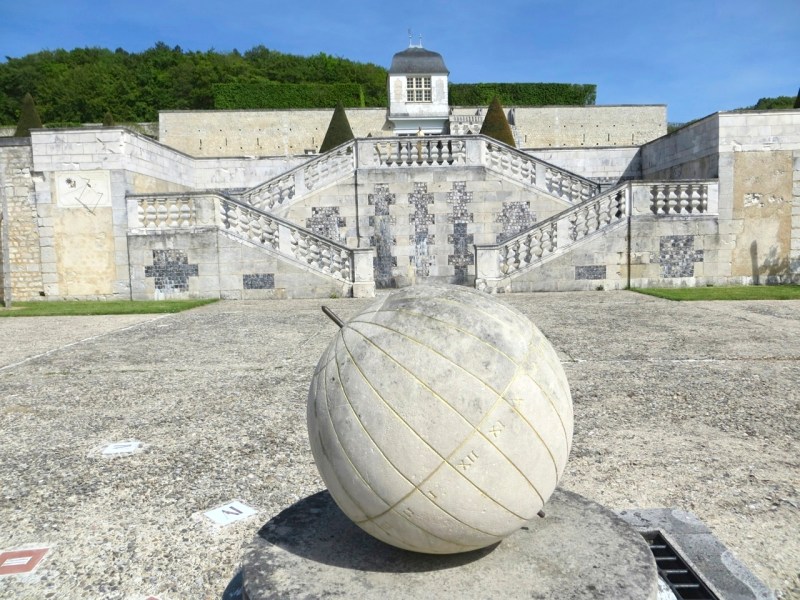
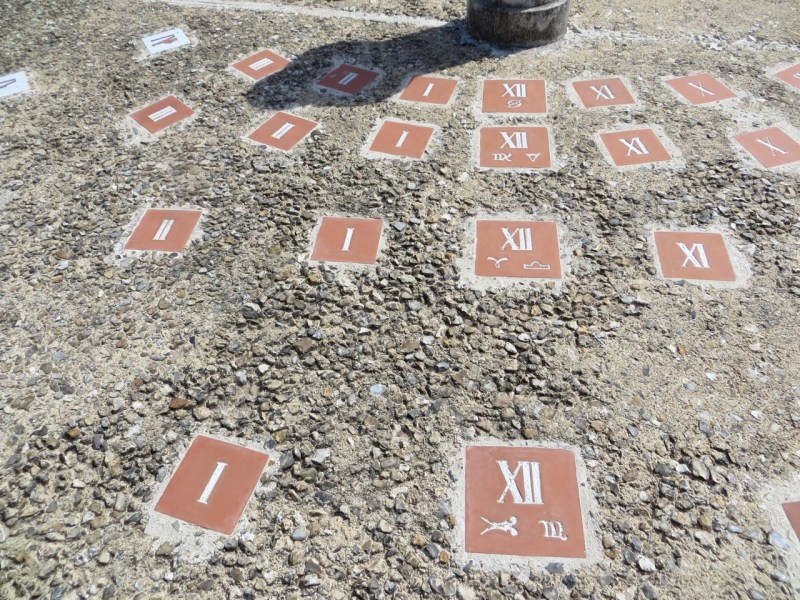
This sundial is something rather special. This decorative dial is both elegant and very complex. It must have taken a long time to devise and lay out accurately. It stands in the extensive grounds of the elegant Abbey Church of St Georges de Boscherville in Normandy. I managed to get hold of a small pamphlet in the Abbey bookshop – it wasn’t on display, and I had to go back to collect it once they found one. Even then I failed to understand the sundial properly, and not simply because of my rusty but workable French. I’m not even going to attempt to describe it, but it photographs well in its picturesque setting, and I have included a shot of the explanatory plaque at the end for the science-minded.

One fact I learnt is that until WWII, France was on Greenwich Meantime. During the occupation, the Germans changed the time zone to Central European time, a practice that has remained ever since.

St Martin de Boscherville Sundial 1.1 1St Georges de Boscherville Sundial 1St Georges de Boscherville Sundial 1.1. 1St Georges de Boscherville Sundial 1.1. 2

St Georges de Boscherville Sundial 1.1. 3St Martin de Boscherville Sundial 1. 1 St Georges de Boscherville Sundial 1.1. 4 St Georges de Boscherville Sundial 1.1. 5 St Georges de Boscherville Sundial 1.1. 6 St Georges de Boscherville Sundial 1.1. 7

Does this help?St Georges de Boscherville Sundial 1.1. 8

JUMIEGES ABBEY: AN ELABORATE EARLY SUNDIAL


Mass (Scratch) Sundial, Jumieges Abbey, France 1

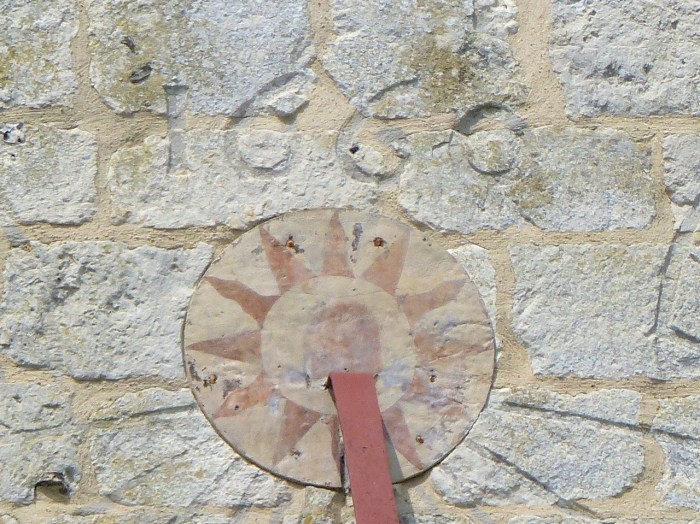
A picnic lunch at the Abbey of Jumièges, Normandy, has much to commend it – not least tranquility and a stunning view. As we sat enjoying the sunshine on our white bench, we both noticed something unusual on the nearest tower, something not mentioned in anything we had read about the Abbey. On the south wall below the 4 levels of arcaded towers you’ll see in the header image a small red item pointing down at 45º. A gnomon – and where there’s a gnomon, there’s a sundial (although the reverse is often not the case). So we went to investigate.

Mass (Scratch) Sundial, Jumieges Abbey, France 3

The Abbaye de Jumièges was a Benedictine monastery founded in 654AD. In the c9, the original abbey was burned down by Vikings, then rebuilt. A new and larger Abbey was consecrated in 1067, and it was further enlarged in the c13. Restoration work was carried out in the late c16. Subsequently, a vast sundial dated 1660 was crudely carved in the south face of the tower.

Mass (Scratch) Sundial, Jumieges Abbey, France 4

The primitive design and execution of the sundial is rather at odds with the architectural precision of the stonework and the daring of the conceit of  building a hexagonal tower on two square ones, and topping it off with a circular tower… just because they could. The rustic sundial has more in common with the medieval Mass or Scratch sundials on churches, primitive devices that originally evolved simply to indicate the time of the next Mass, with the Priest moving a stick into the appropriate hole on the wall to mark the forthcoming canonical hour. From being an ‘event marker’, the addition of a gnomon and roughly scratched numerals placed higher on a church wall would later provide a community with a way to mark the hours – at least when the sun shone.

A rough medieval scratch dial above a church door near Epernay (sans gnomon)France sundial

Longburton Church, Dorset: a more sophisticated scratch dial high on the Ham stone south wall – ?c16Longburton Church, Dorset: scratch sundial

Returning to Jumièges, here is a closer look at the sundial, with embellishments that seem to have been carved freehand and endearingly ineptly for such a splendid and august building. Yet the time markers have clearly been carved with precision. My only negative comment on this exuberant and enjoyable timepiece is the modern gnomon that looks completely out of place to me. Maybe it’s the colour that’s the problem. Or the flat utilitarian blade of metal. Anyway, without glimpsing it from our picnic spot we would never have seen that side of the tower, and we would have missed an unusual treat.

Mass (Scratch) Dial, Jumieges Abbey, France 5Mass (Scratch) Dial, Jumieges Abbey, France 2Mass (Scratch) Dial, Jumieges Abbey, France 7

All images: RH


ROCK FORMATIONS AT THURLESTONE, DEVON (1)


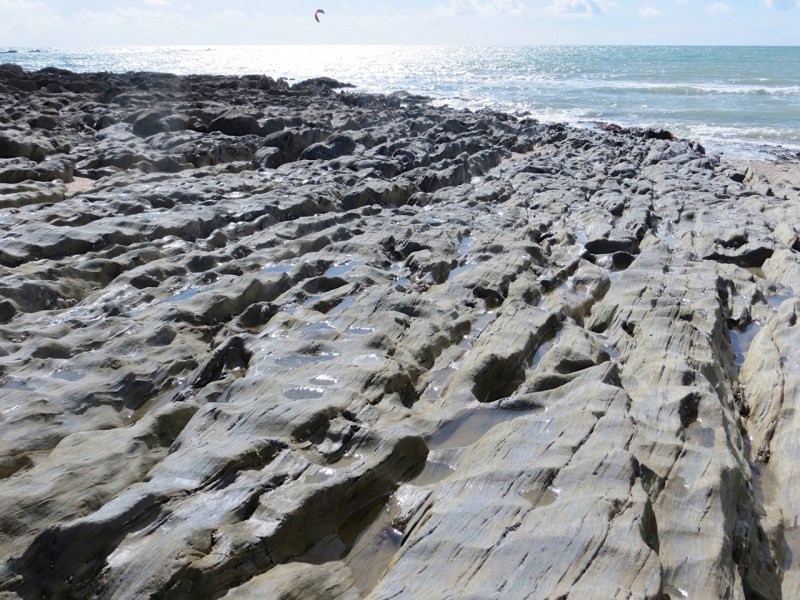
Thurlestone Rocks, Devon (L) 04

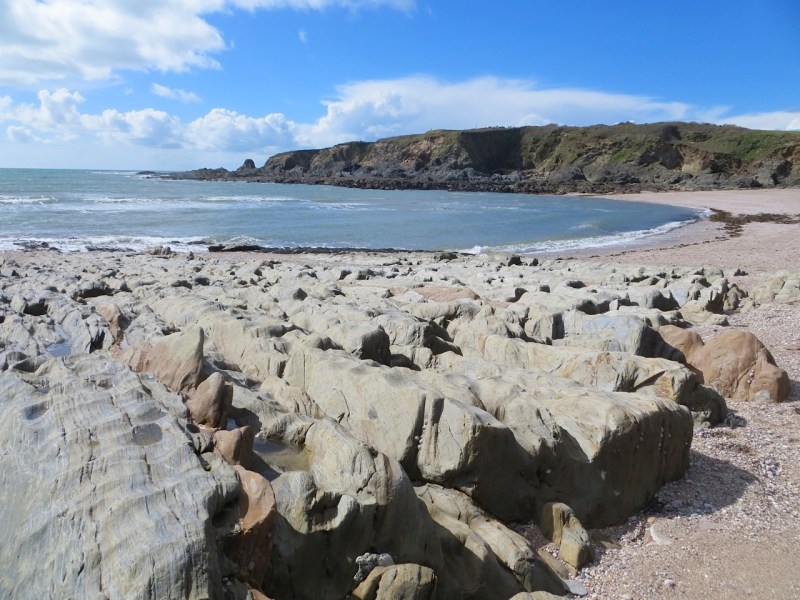
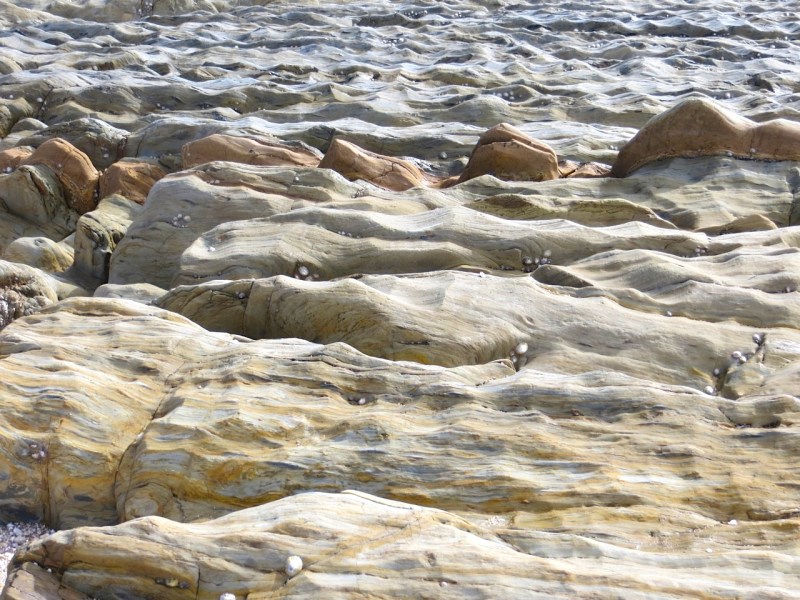
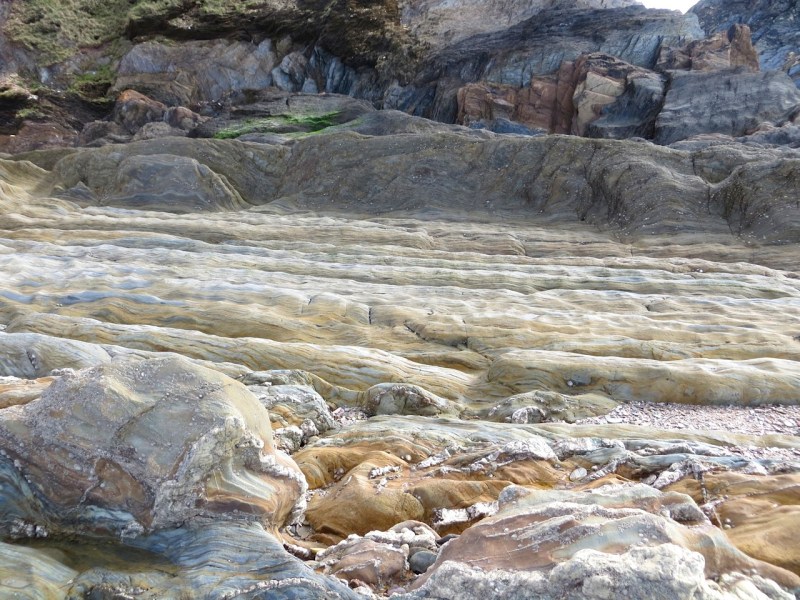
A long weekend spent at Thurlestone, Devon for a family event – a cheerful one – meant time to explore an unfamiliar area. And the rocks on the beach were quite unlike any we had seen before; certainly unlike anything on our part of the Dorset coast, 100 miles or so to the west. So I took some photos. Having no geological knowledge, I can’t say if this is part of the real – or even the flexibly tourist office-defined – “Jurassic Coast”, but I suspect not. Here are some of the strange bumpy many-hued formations.

Thurlestone Rocks, Devon (L) 03Thurlestone Rocks, Devon (L) 02 Thurlestone Rocks, Devon (L) 05Thurlestone Rocks, Devon (L) 01Thurlestone Rocks, Devon (L) 06Thurlestone Rocks, Devon (L) 07Thurlestone Rocks, Devon (L) 08Thurlestone Rocks, Devon (L) 09Thurlestone Rocks, Devon (L) 12Thurlestone Rocks, Devon (L) 10Thurlestone Rocks, Devon (L) 11

CHINESE NEW YEAR AT CHISWICK HOUSE


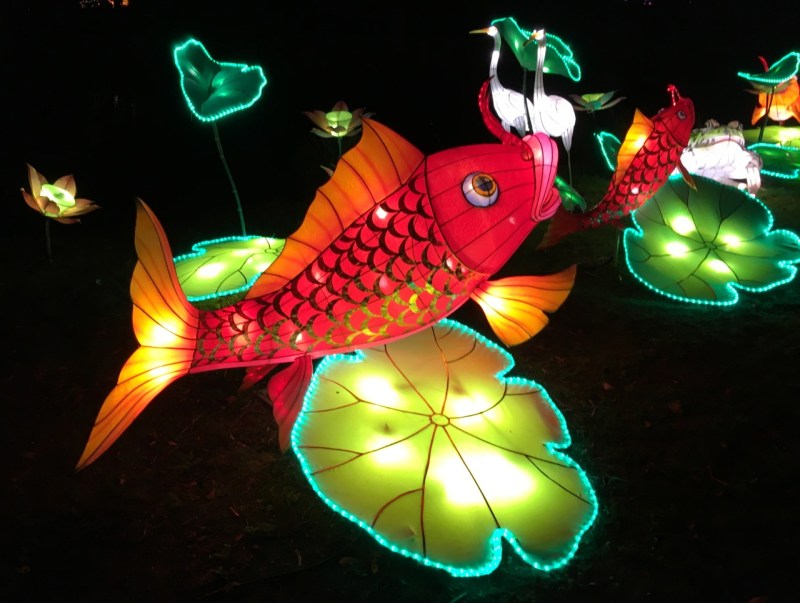
Chinese New Year 2016 Chiswick House 06

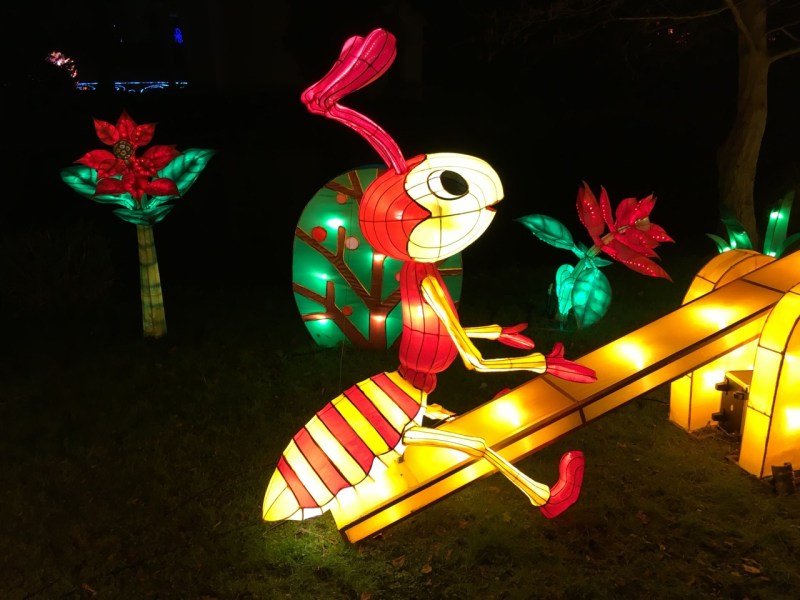
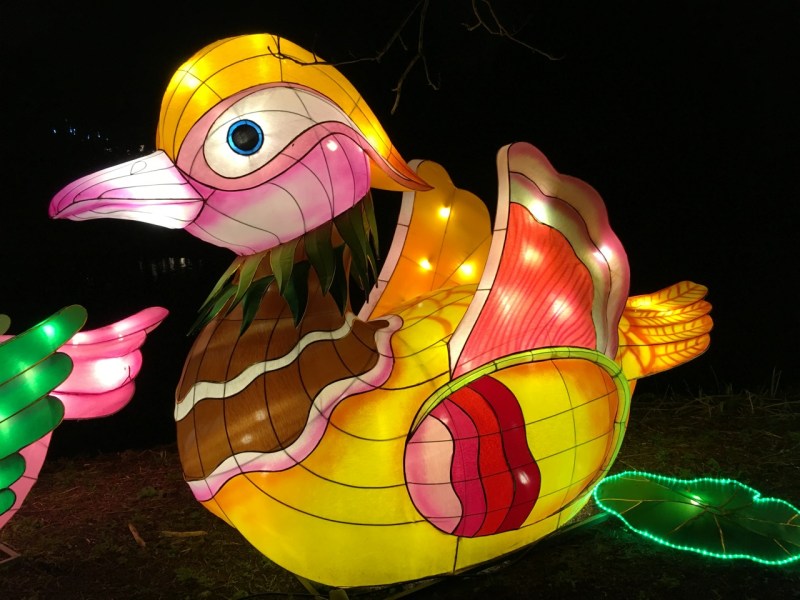
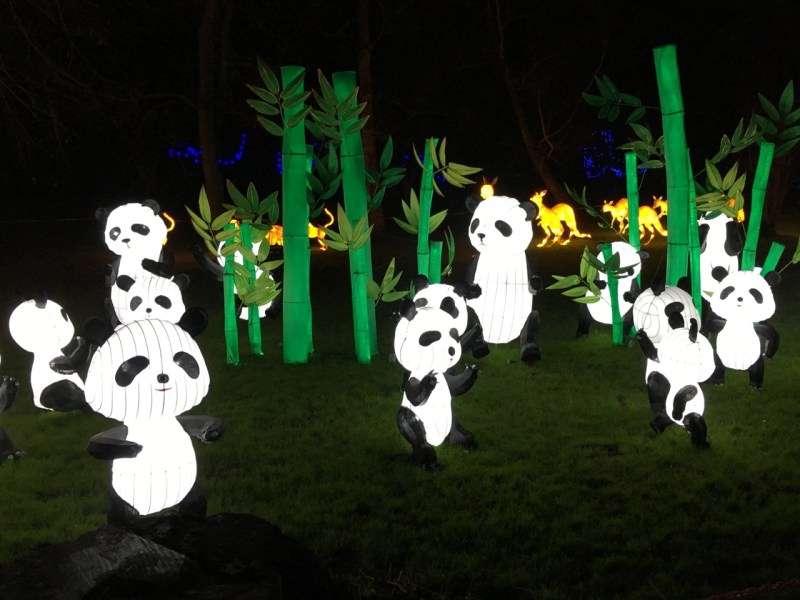
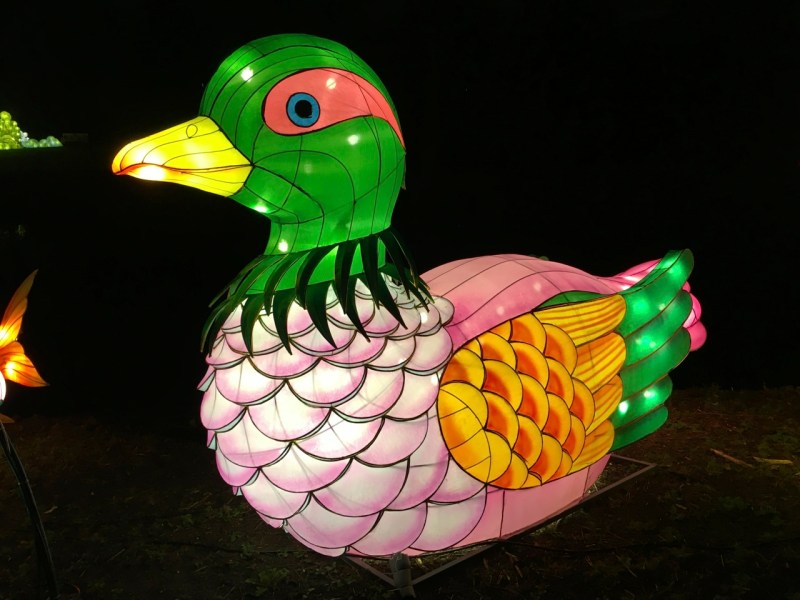
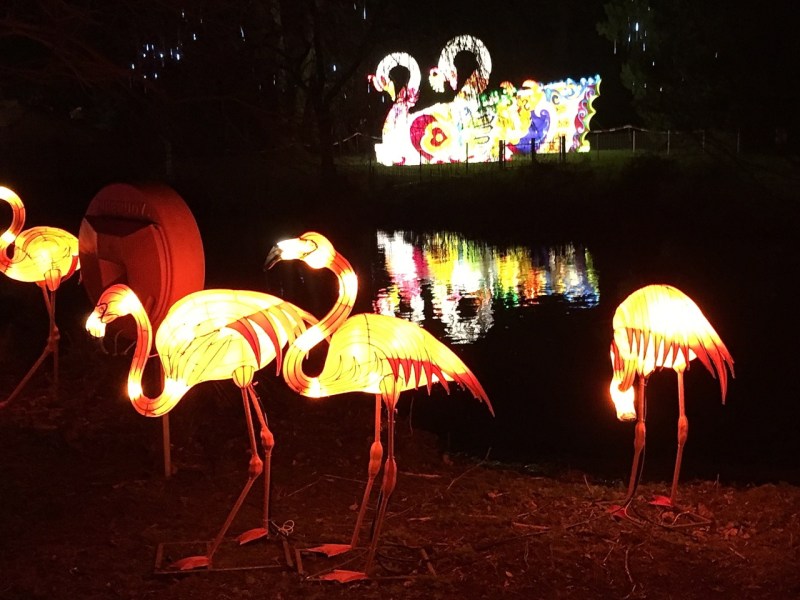
Chinese New Year was celebrated at Chiswick House with a spectacular display of large and colourful inflatable animals from around the world. The same display had previously been used at Longleat. We watched them being installed; and once the event had been opened, it was the perfect place to take children as night fell.

Chinese New Year 2016 Chiswick House 10 Chinese New Year 2016 Chiswick House 09 Chinese New Year 2016 Chiswick House 08 Chinese New Year 2016 Chiswick House 07 Chinese New Year 2016 Chiswick House 05 Chinese New Year 2016 Chiswick House 03 Chinese New Year 2016 Chiswick House 02 Chinese New Year 2016 Chiswick House 01

RAMSGATE HARBOUR, KENT


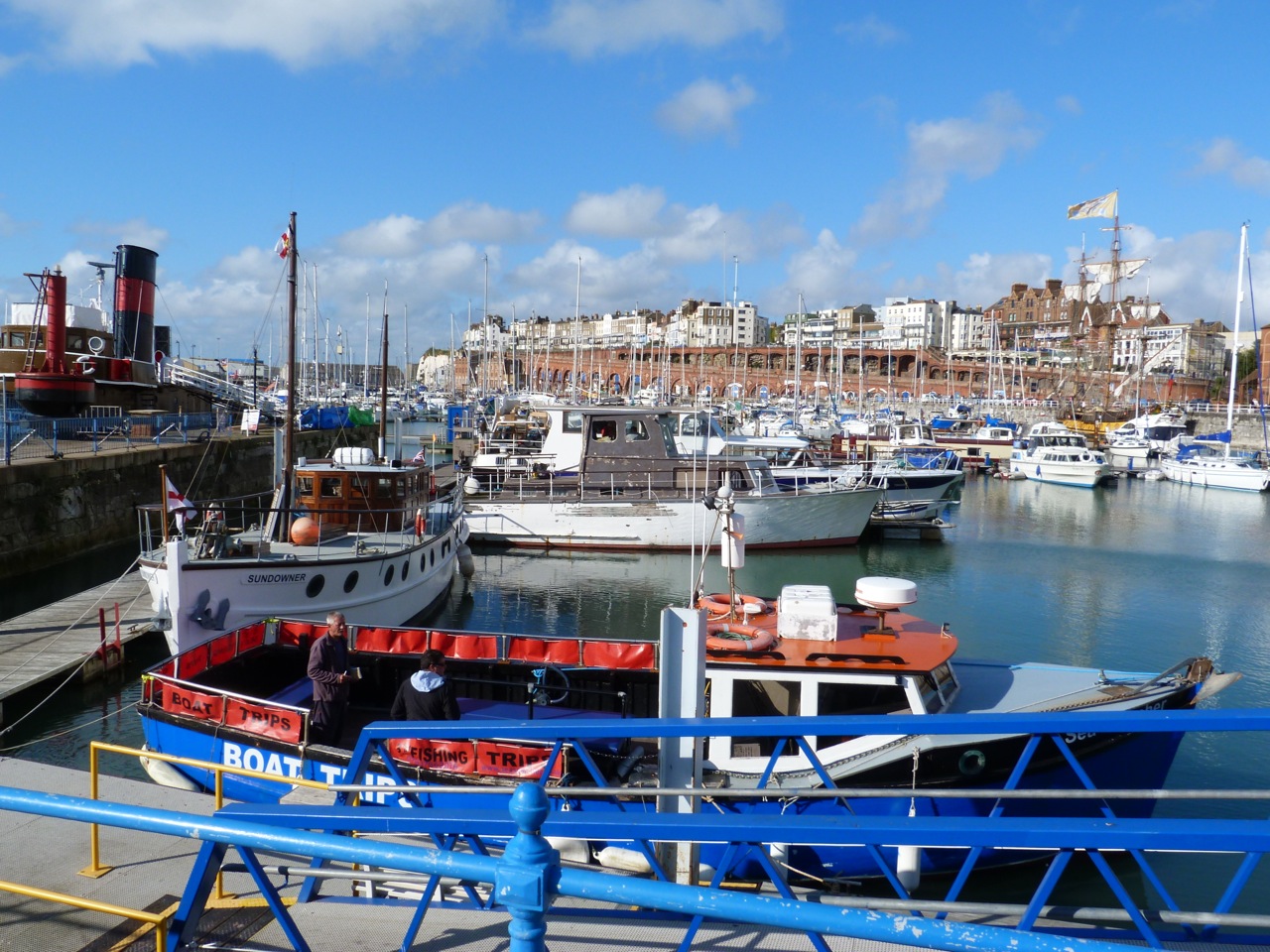
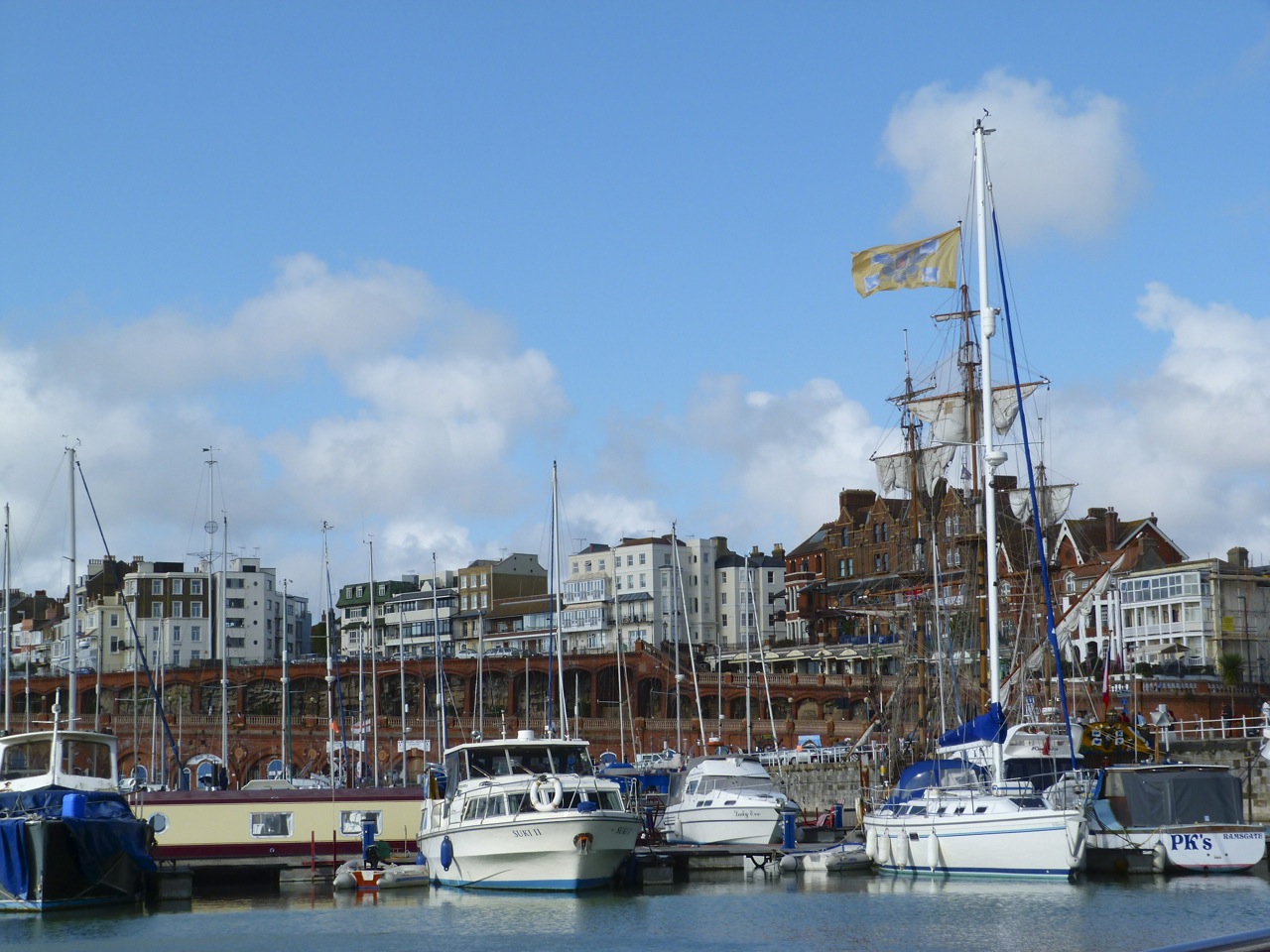
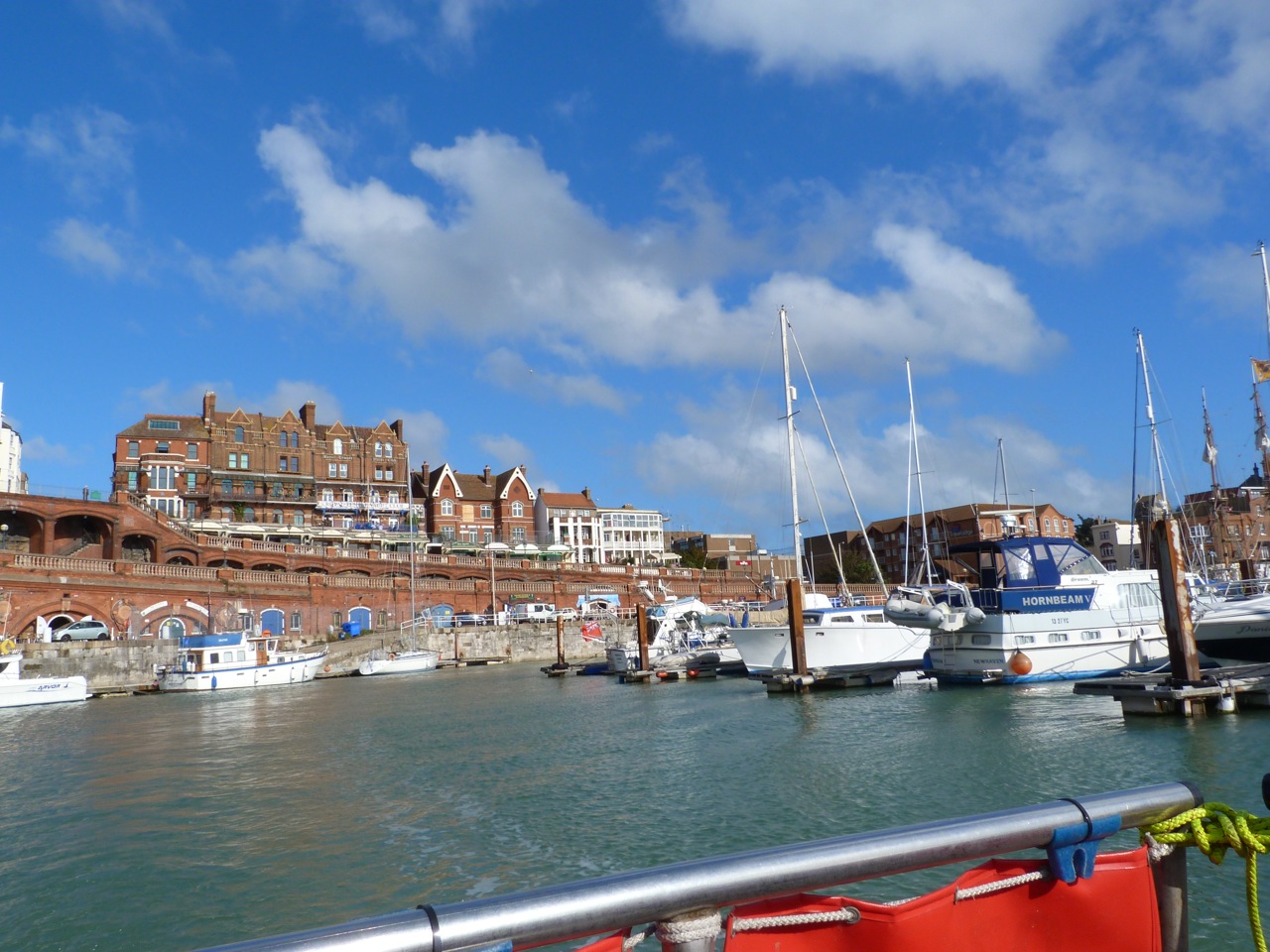
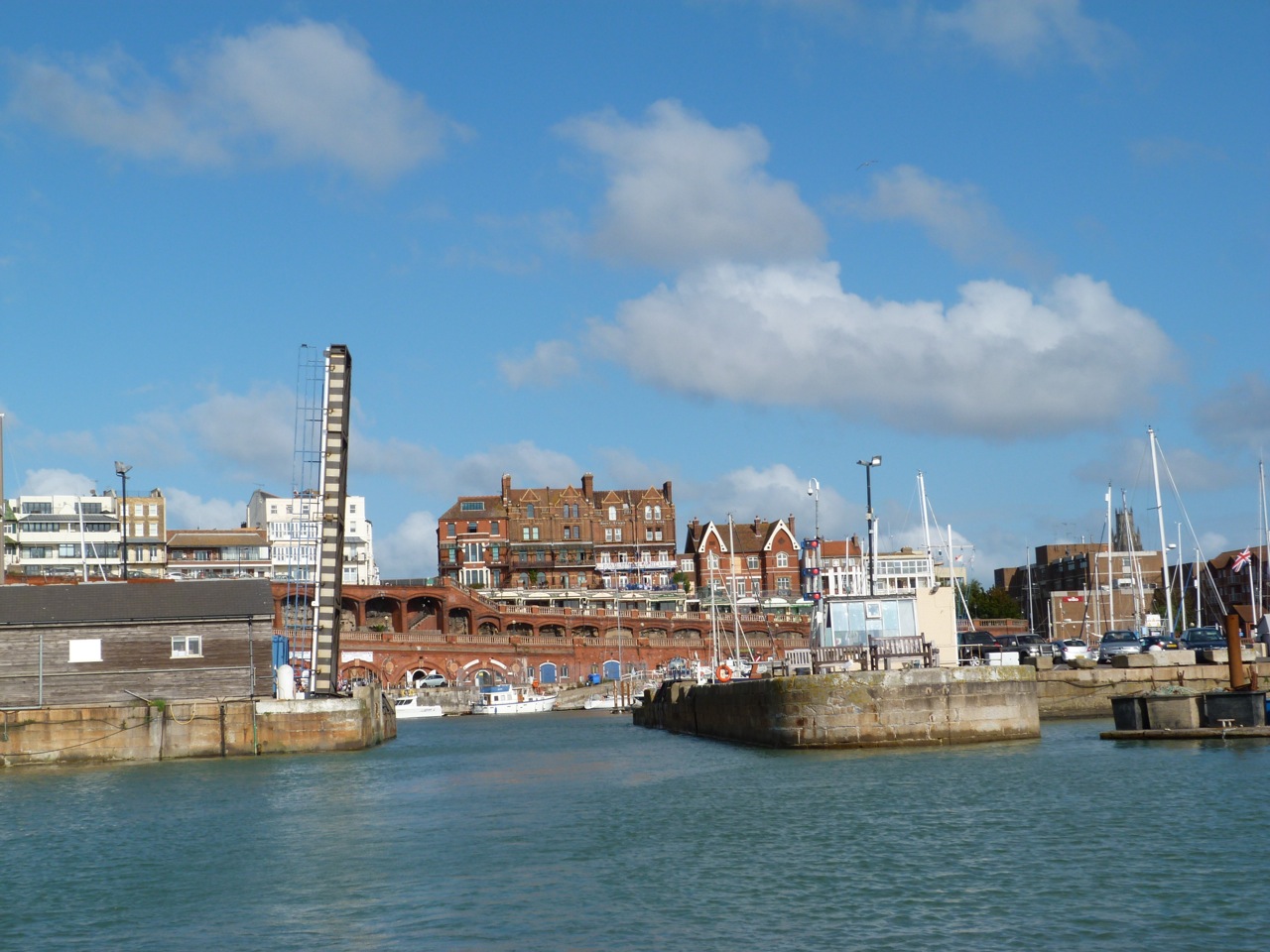
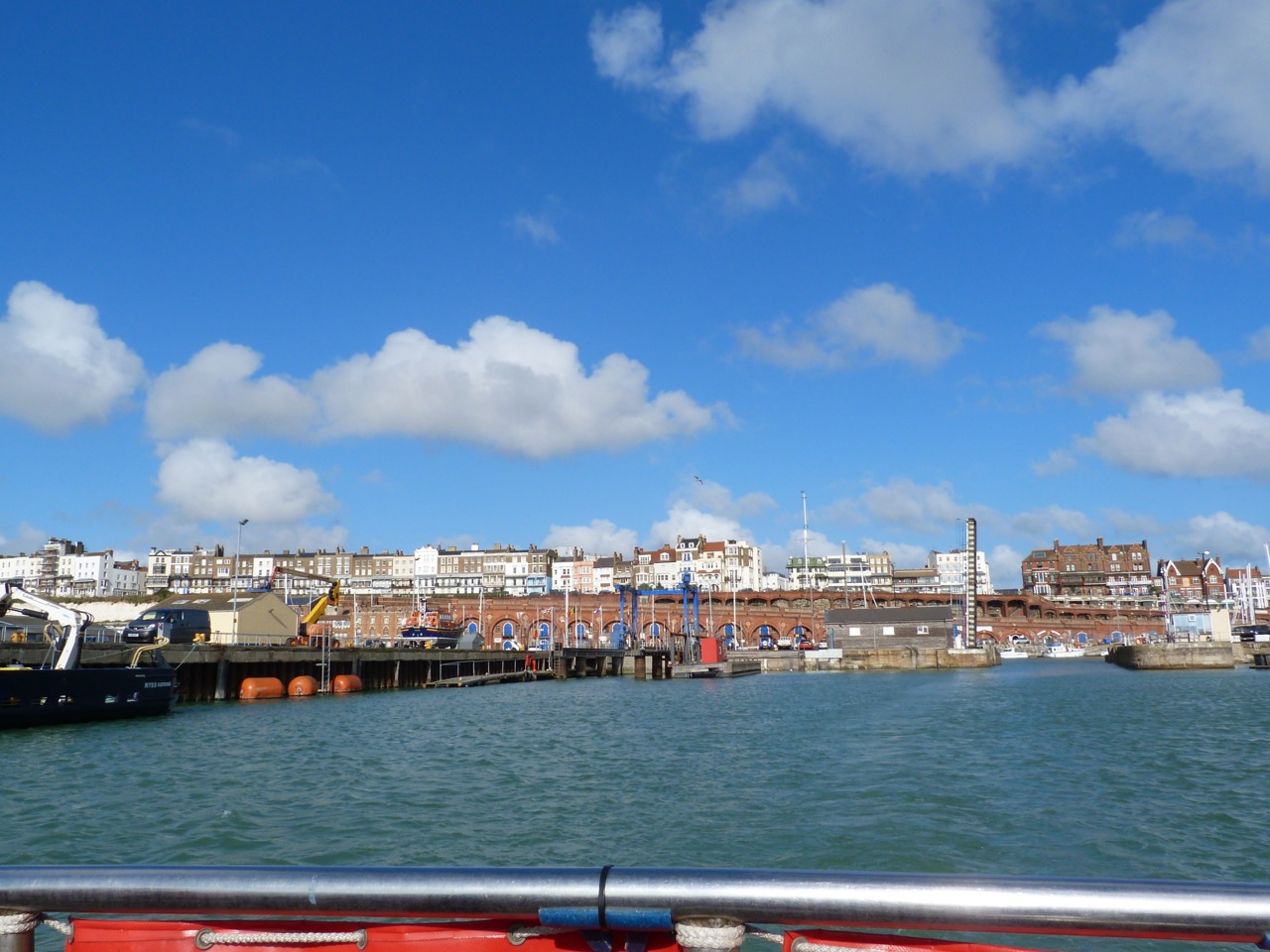
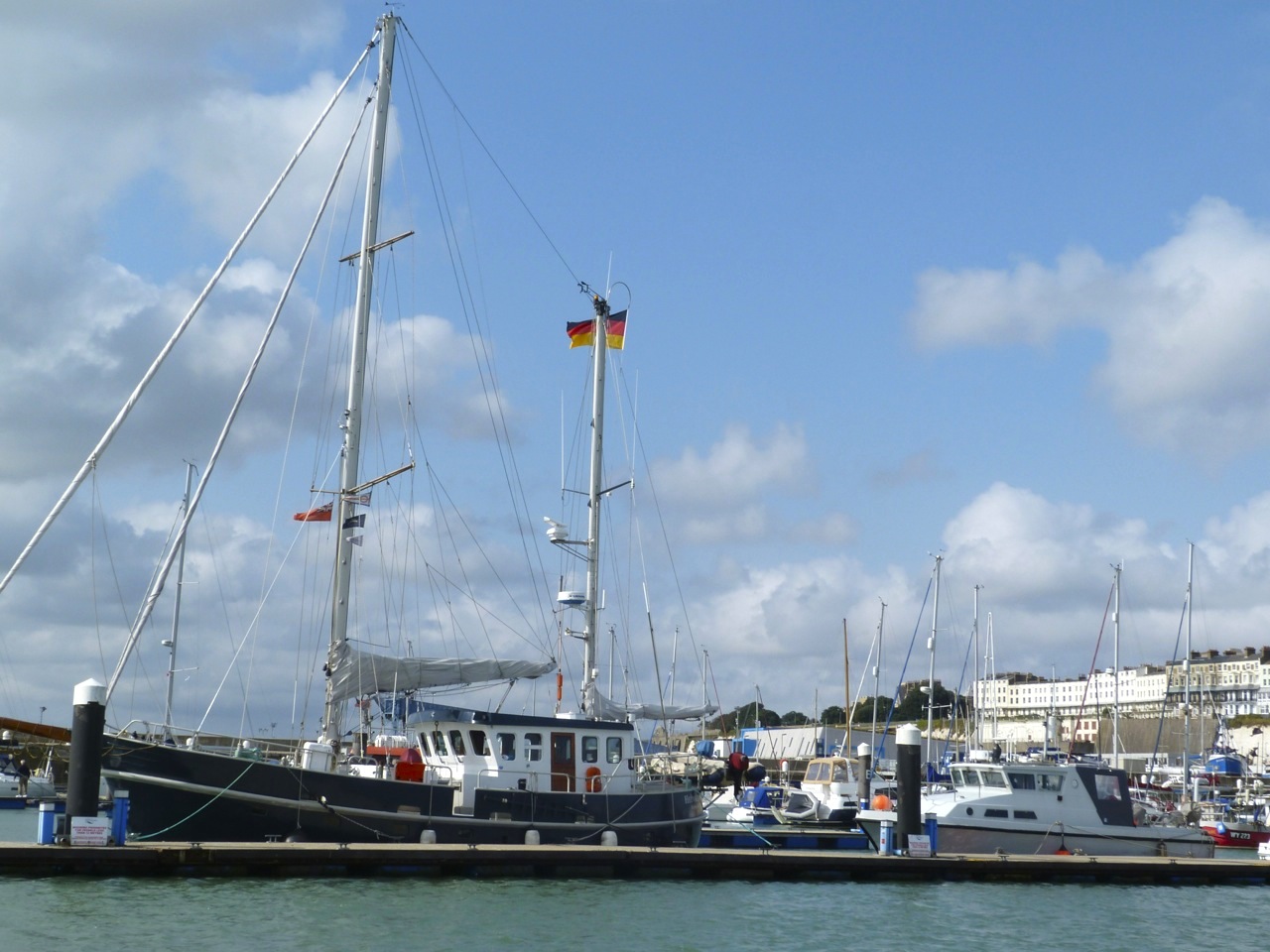
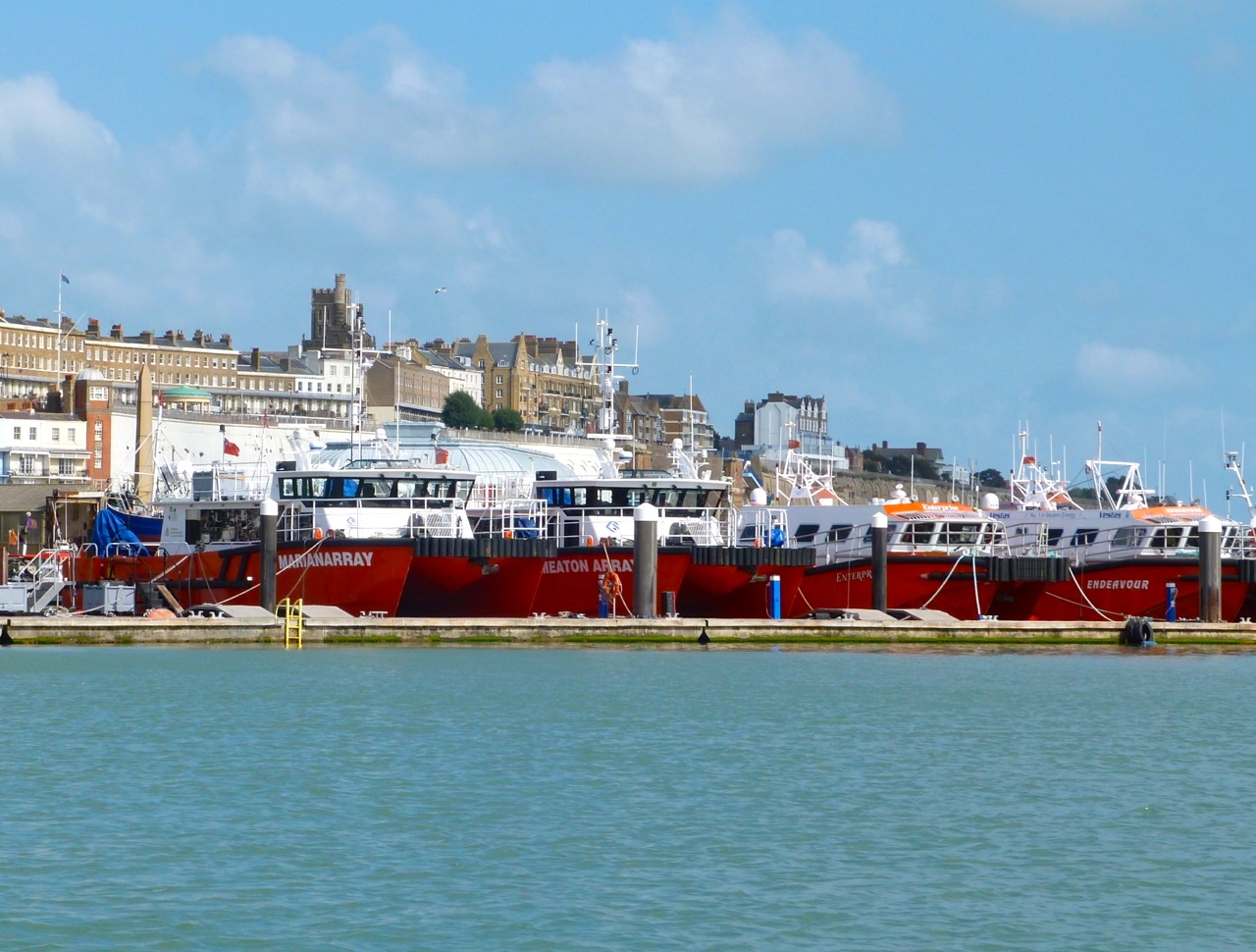
These photographs of Ramsgate Harbour were taken on a bright September day as we went on a 3-generational family seal boat trip, and on our return. Ramsgate Harbour 1 Ramsgate Harbour 2 Ramsgate Harbour 3 Ramsgate Harbour 4 Ramsgate Harbour 5 Ramsgate Harbour 6 Ramsgate Harbour 7

The photo below shows Pugin’s home The Grange, now a Landmark Trust property where we were staying for a family occasion. To the right is St Augustine’s, the church designed by Pugin and completed after his death by his son Edward. It has a nice walled garden, but overlooks the now-defunct ferry terminal, which slightly mars the charm…Ramsgate Harbour 8 Ramsgate Harbour 9 Ramsgate Harbour 10 Ramsgate Harbour 11 Ramsgate Harbour 12

HOOKNEY TOR & AN INFORMAL DARTMOOR LETTERBOX


Hookney Tor & Grimspound Dartmoor - Map

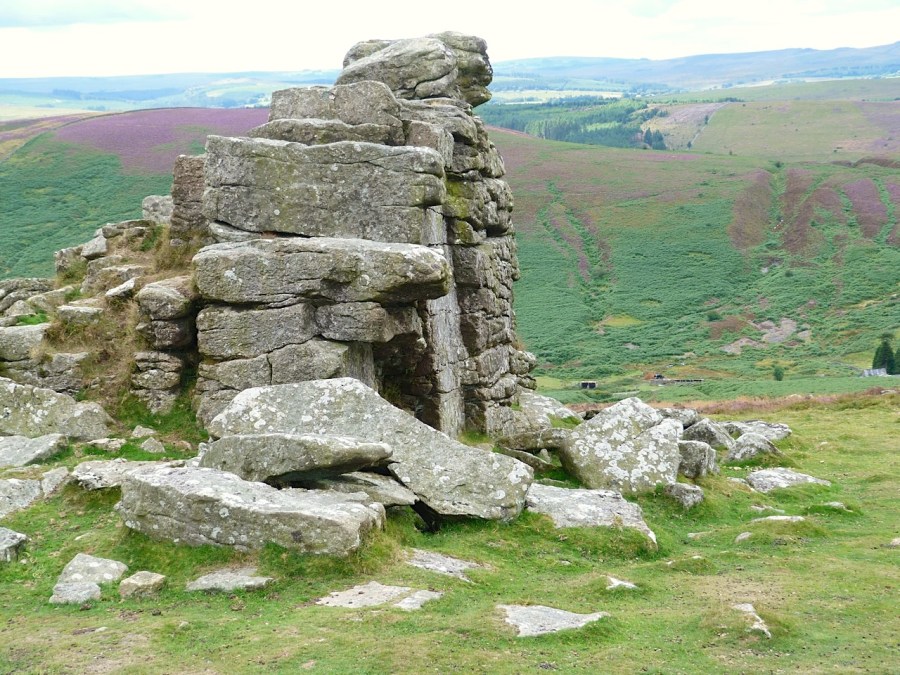
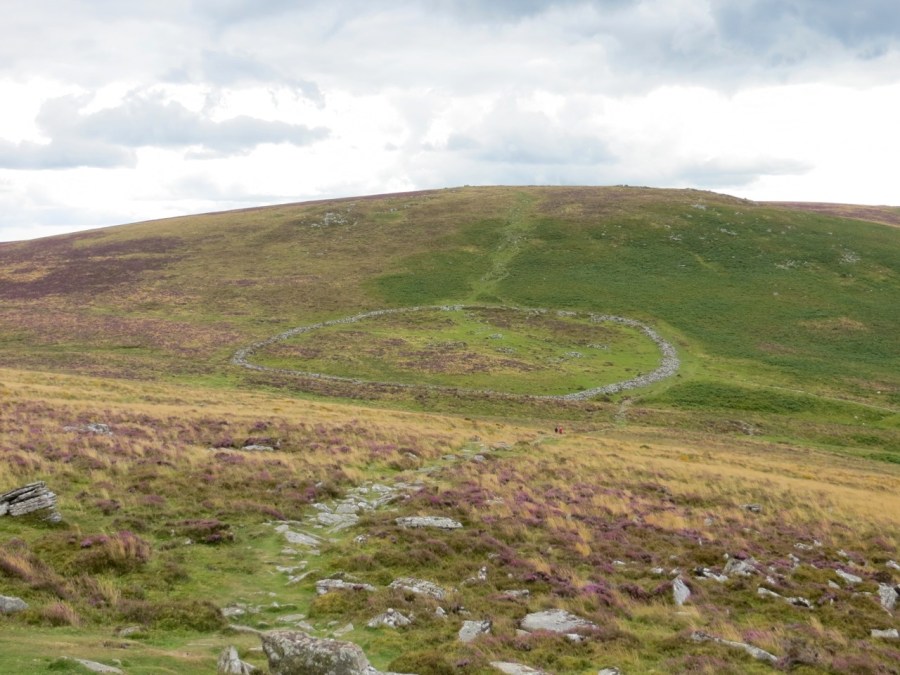
Hookney Tor is a windswept rocky outcrop on Dartmoor at 414m / 1358ft ASL. It watches over the Grimspound, an intriguing bronze-age circular enclosure with the remains of 24 houses, some inhabited until medieval times. It will have a post in its own right in due course. We investigated both with our granddaughter Berry last August during a short holiday together (grandparental treat!) on Dartmoor.Hound Tor 8

Hound Tor 12Hound Tor 5

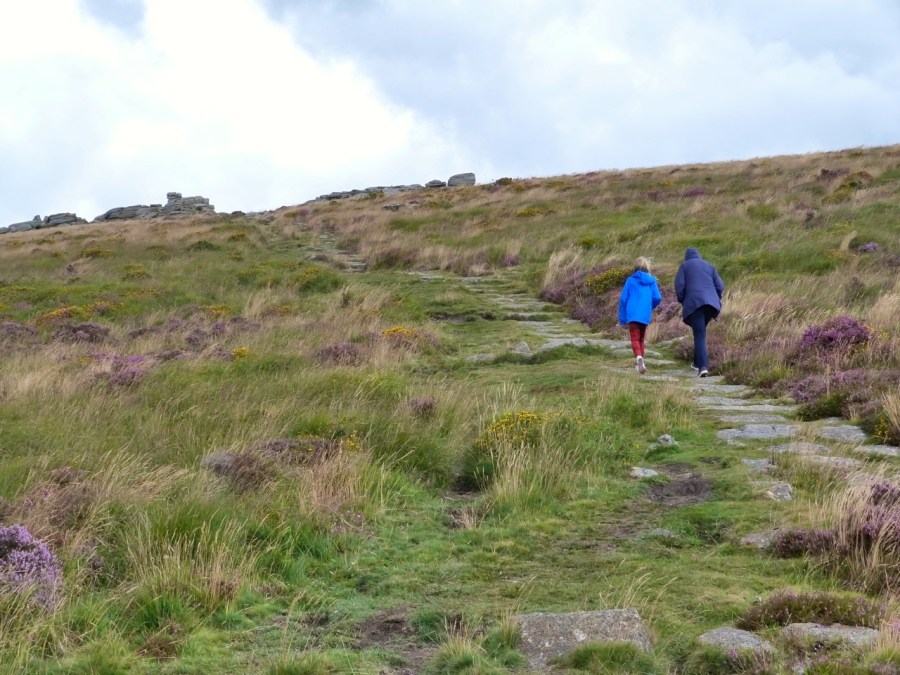
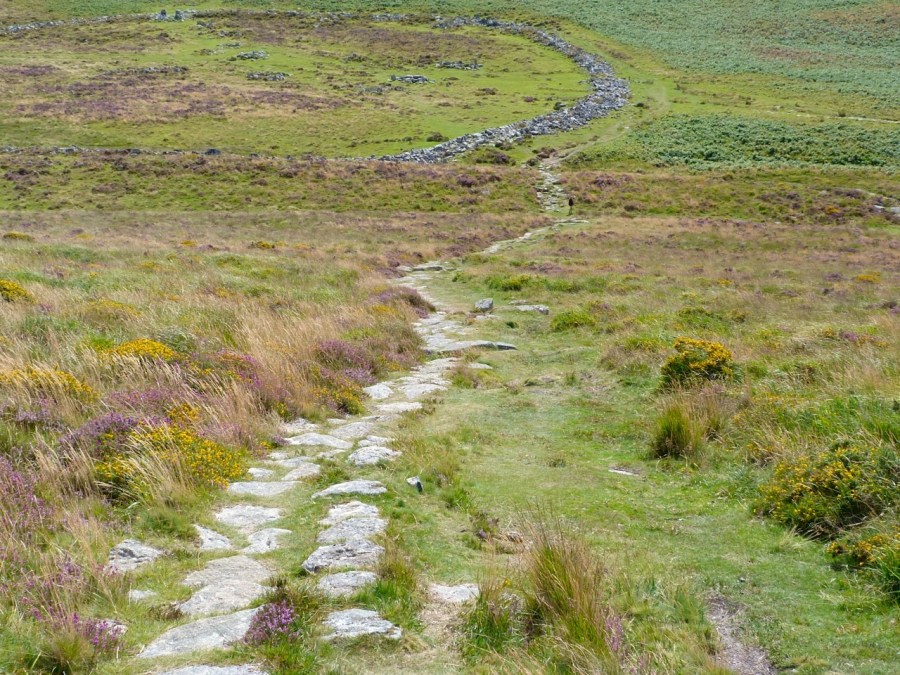
After exploring the Grimspound, there is no doubt about the next achievement to tackle: a steep stony path leads invitingly from the walls to the top of the Tor. As you climb, the Grimspound quickly gets smaller below you. Hound Tor 23Hound Tor 26Hound Tor 3
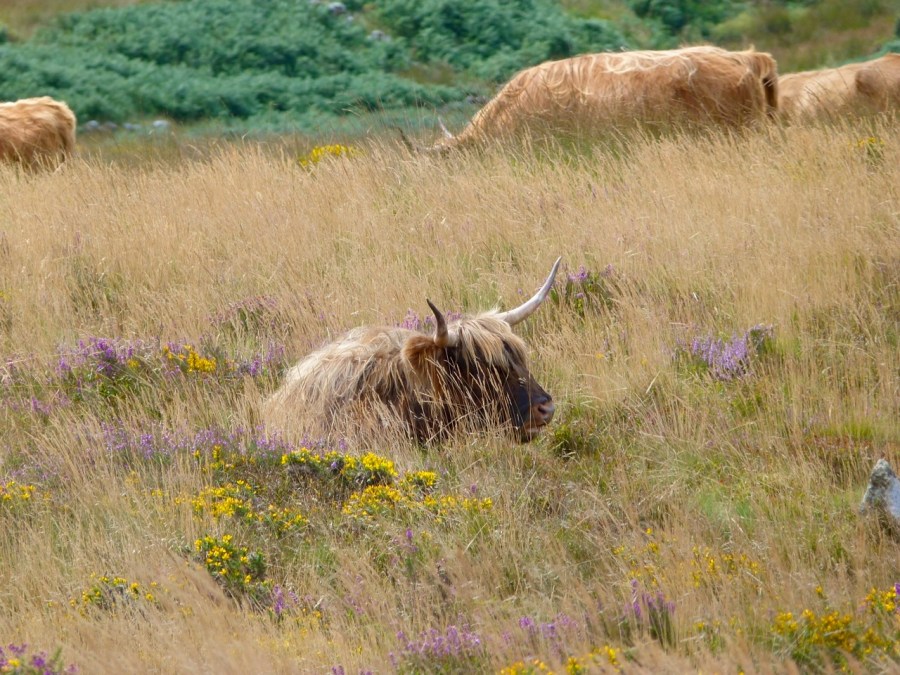
Berry was not the only wild creature on the moor…Hound Tor 22
AN EXCITING DISCOVERY THAT WAS DISAPPOINTING

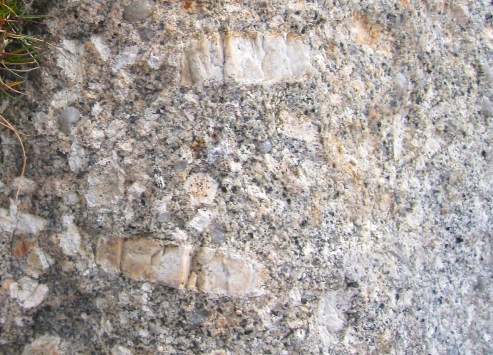
As we climbed, we noticed that the rocks all around were embedded with fossils. Or so we believed. We took lots of photos of these amazing calcified creatures that by some strange process were to be found at nearly 1500ft. Only later, when we did a bit of research online, did we find out the disappointing truth: not fossils, but megacrysts. The technical explanation is as follows:

The main exposure at the Tor is of megacryst granite (also known as “Giant Granite” or “Big-Feldspar Granite”). It is probably from near the roof area of the batholith. The feldpars are of perthitic orthoclase that is porphyroblastic (later replacive crystals) in origin and not phenocrysts (large crystals that have developed in the magma). In some places the southwest England granite megacrysts have been seen to develop into aplite (fine-grained quartz-feldpar veins of late origin), which is possible for porphyroblasts (developing by replacement after the veins) but not for phenocrysts (early and which should be cut through by the veins).

 Hound Tor, Dartmoor. Fossils? No, Megacrysts Hound Tor, Dartmoor. Fossils? No, Megacrysts Hound Tor, Dartmoor. Fossils? No, Megacrysts

A DISAPPOINTING DISCOVERY THAT WAS EXCITING

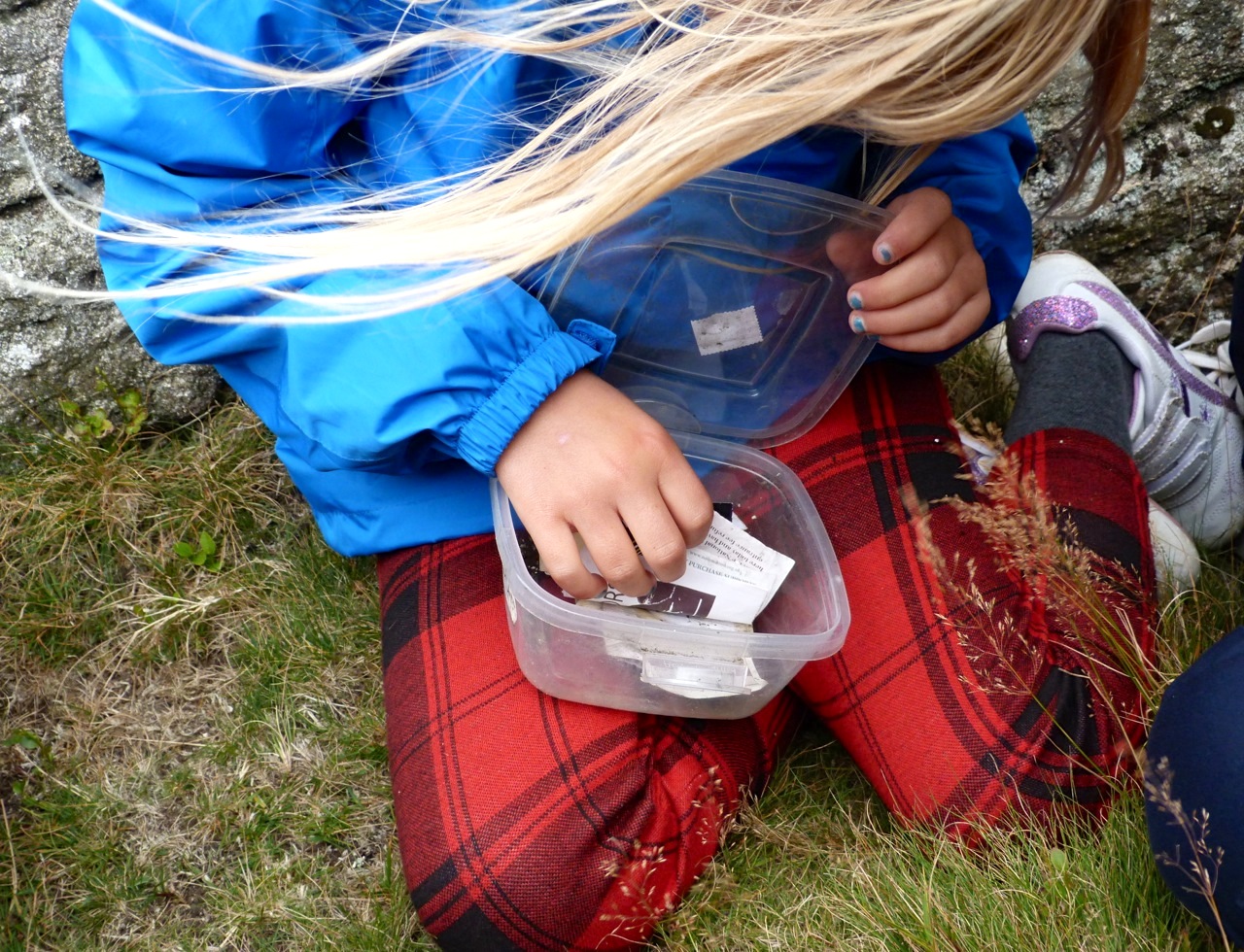
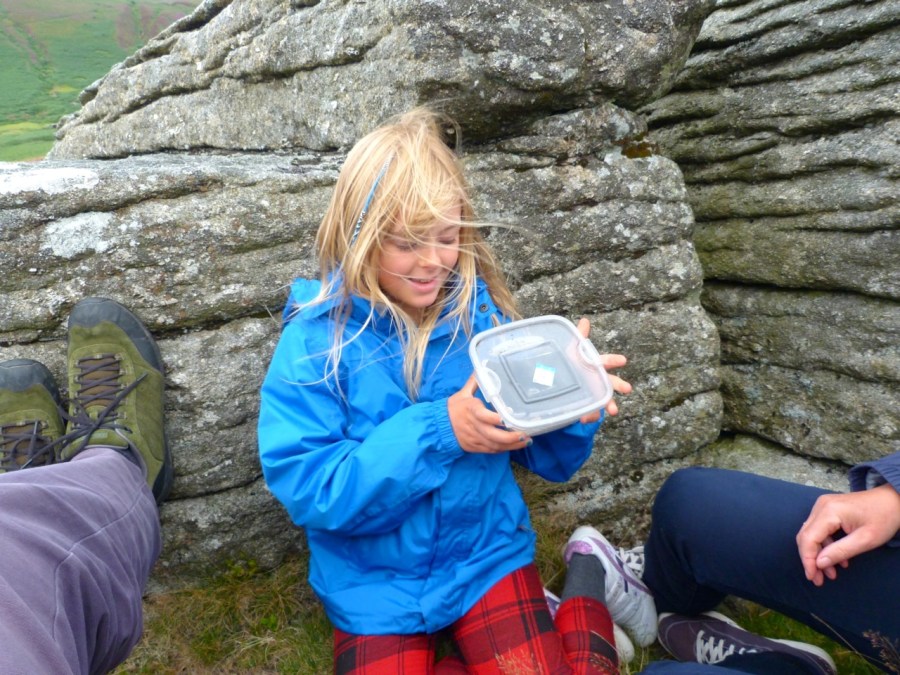
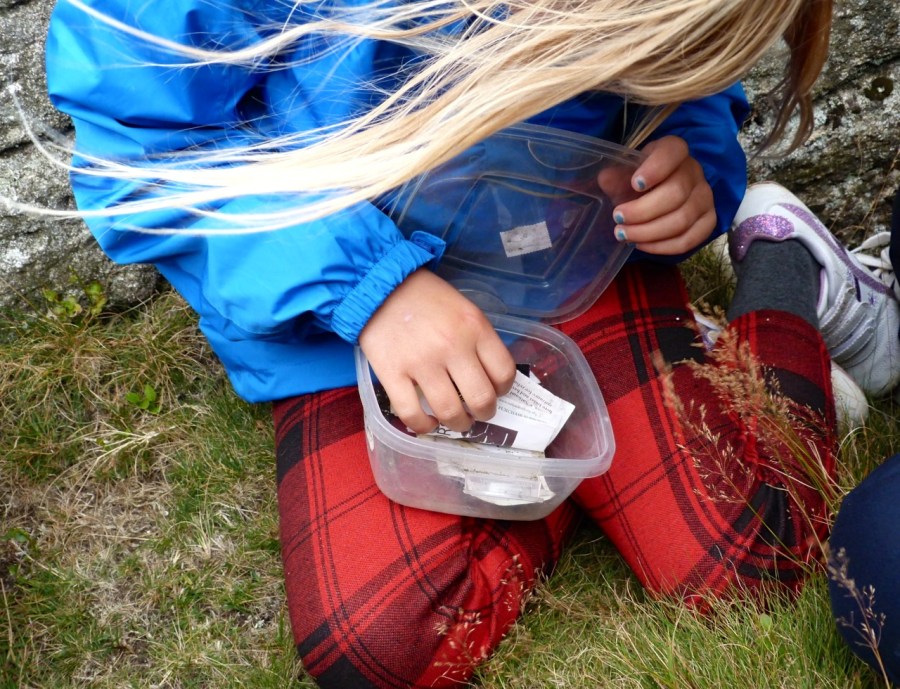
Tupperware at nearly 1500ft? The plastic rubbish left behind by some idle picnicker? But no… Berry spent some time exploring the crannies of the rockiest outcrops, and in the process made her next ‘Letterbox’ discovery… [The previous year’s find is HERE]

Hound Tor 6Hound Tor 13Hound Tor 20Hound Tor 30

Berry was not the first person to discover the box, which had been left by a girl from Surrey, with a message encouraging people to write in the notebook inside. This was already well-filled with the names, addresses, messages and drawings of previous explorers. There was also a strange mix of ‘souvenir’ items people had left – a car park ticket from Alton Towers, a ‘poppy day’ poppy, a couple of smoothed-out sweet wrappers, a button, and other such debris that walkers might find in their pockets… So Berry added a 1p coin, and added her contribution to the notebook. It may not have been an official Dartmoor Letterbox, but it was a lovely idea to have hidden it for others to enjoy.
Hound Tor 18Hound Tor 17Hound Tor 29Hound Tor 15Hound Tor 31

Credit: photos 4, 5, first megacryst, and all agile activity by Berry
SANDWICH SHARING: IMAGES FROM A CINQUE PORT


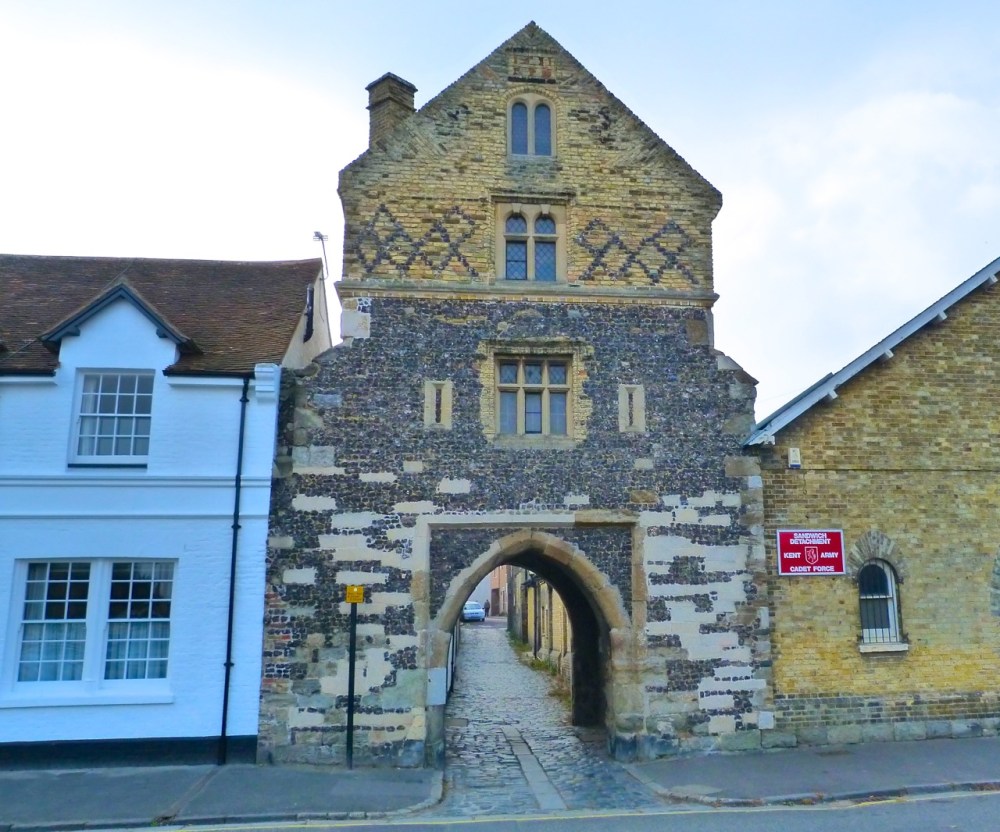
Sandwich is a cinque port, along with Hastings, New Romney, Hythe and Dover – we had some warm family disagreements discussions about these until someone managed to get a phone signal and look them up. The town has a large number of medieval buildings, and we enjoyed a quick look round recently when we were staying nearby.

THE FISHER GATE (1384) on the quaysideSandwich - The Fisher Gate 1384

THE BARBICAN (and toll house)Sandwich - the Barbican

THE TOLL TABLE, 1905

Although viable vehicles using an internal combustion engine had only been in existence for about 6 years (and were few and far between), steam vehicles were not uncommon. It’s surprising to learn the variety of transport methods still catered for in post-Victorian England. I’d like to have possessed a ‘wain’. And a ‘chaise’, for that matter.

Sandwich - Toll table

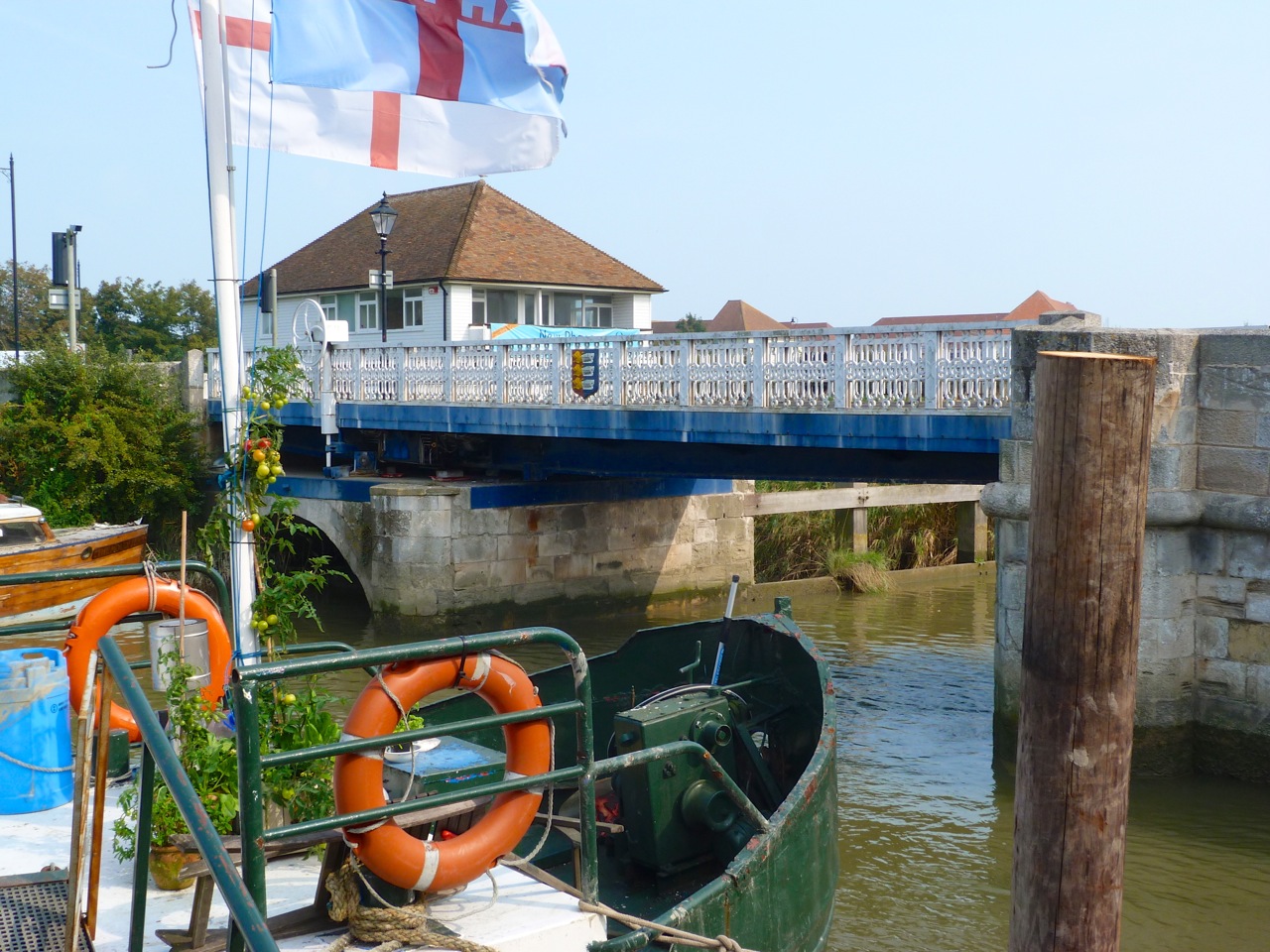
RIVER STOUR at the quayside, with the swing bridge road that now leads to the BarbicanSandwich - River Stour

IS THIS FOR REAL? (looking at the modern screws, I concluded not)Sandwich - 'nothing happened'

ST PETER’S CHURCH (C13 / 14), now in the care of the Churches Conservation TrustSandwich - St Peter's Church c13 : 14

MEMORIAL IN ST PETER’S CHURCH with ambiguous tributeSandwich - St Peter's - Memorial

SANDWICH WEAVERS (1500)  a home and workshop used by Dutch workers in the c16Sandwich Weavers, 1500Sandwich Weavers 1500  Sandwich Weavers 1500

THE SWING BRIDGE OVER THE STOUR

The quayside was used for army embarkations for wars with FranceSandwich - Swing Bridge over River Stour

Too good to miss (from a Kent Events website)OLYMPUS DIGITAL CAMERA 

TALKING ‘JACKSON POLLOCKS’: PAINTING ON SILK


This sequence of paintings on textured silk is an anomaly for this blog, concerning neither wildlife, countryside, buildings or any of the other random subjects usually featured. I just liked them. I wonder what you will make of them…

IMG_2520 IMG_2521 IMG_2523 IMG_2528 IMG_2530 IMG_2532 IMG_2533 IMG_2534 IMG_2536 IMG_2537

If you like the ‘pictures’ in these photos, then you may enjoy the tie I will be wearing for our son’s wedding next month – a unique creation hand painted onto silk, despite which it cost an astonishingly small amount. And if you hate it, I’m still going to wear it anyway because although it’s not a tie I’d ever have imagined wearing (and I wear them only very rarely these days) I love it!
IMG_2519


The Begwyns Trig Point Map 5The Begwyns Trig Point Map 4

 ‘ALL THE VIEWS, NONE OF THE CLIMB’

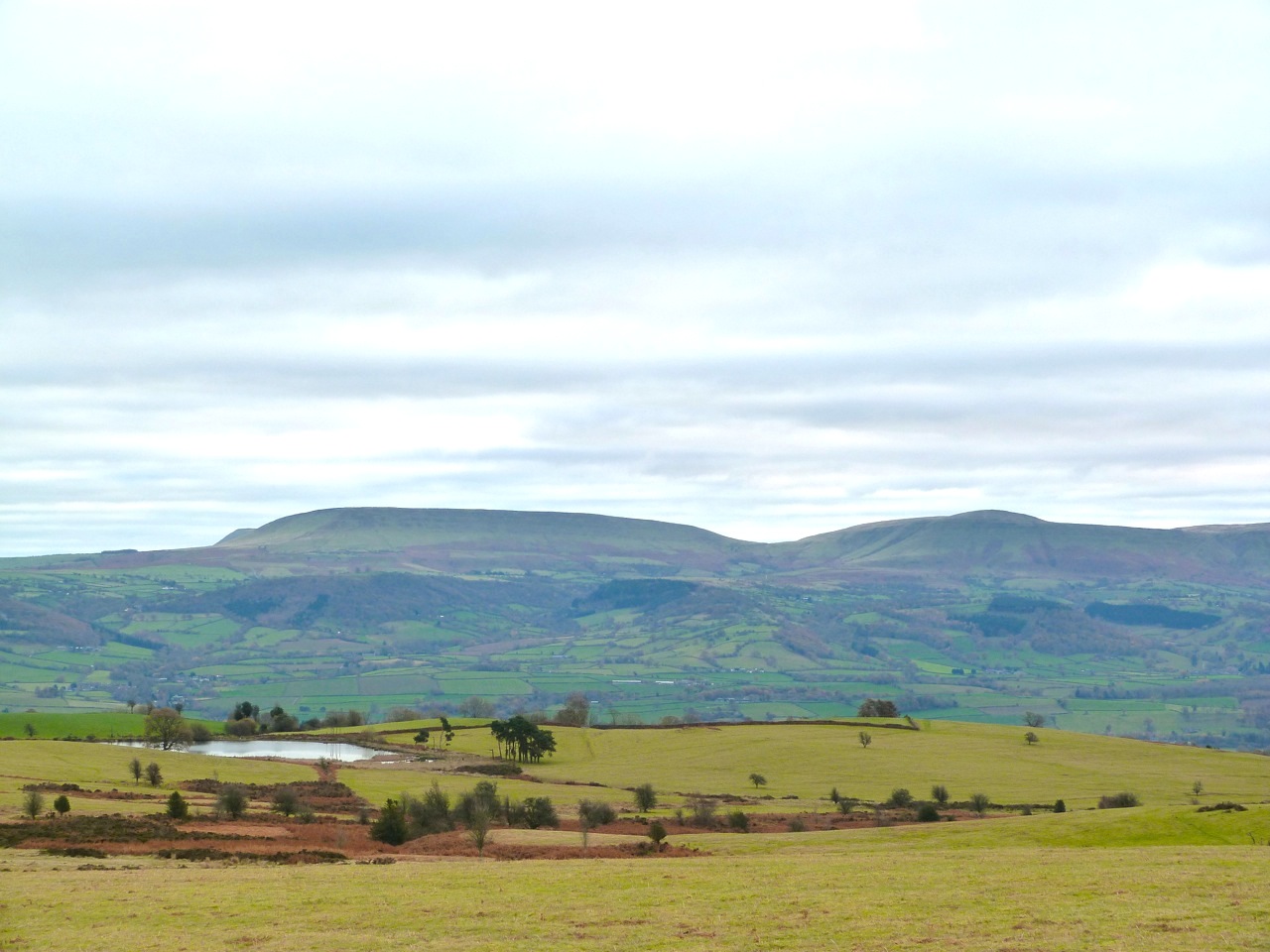
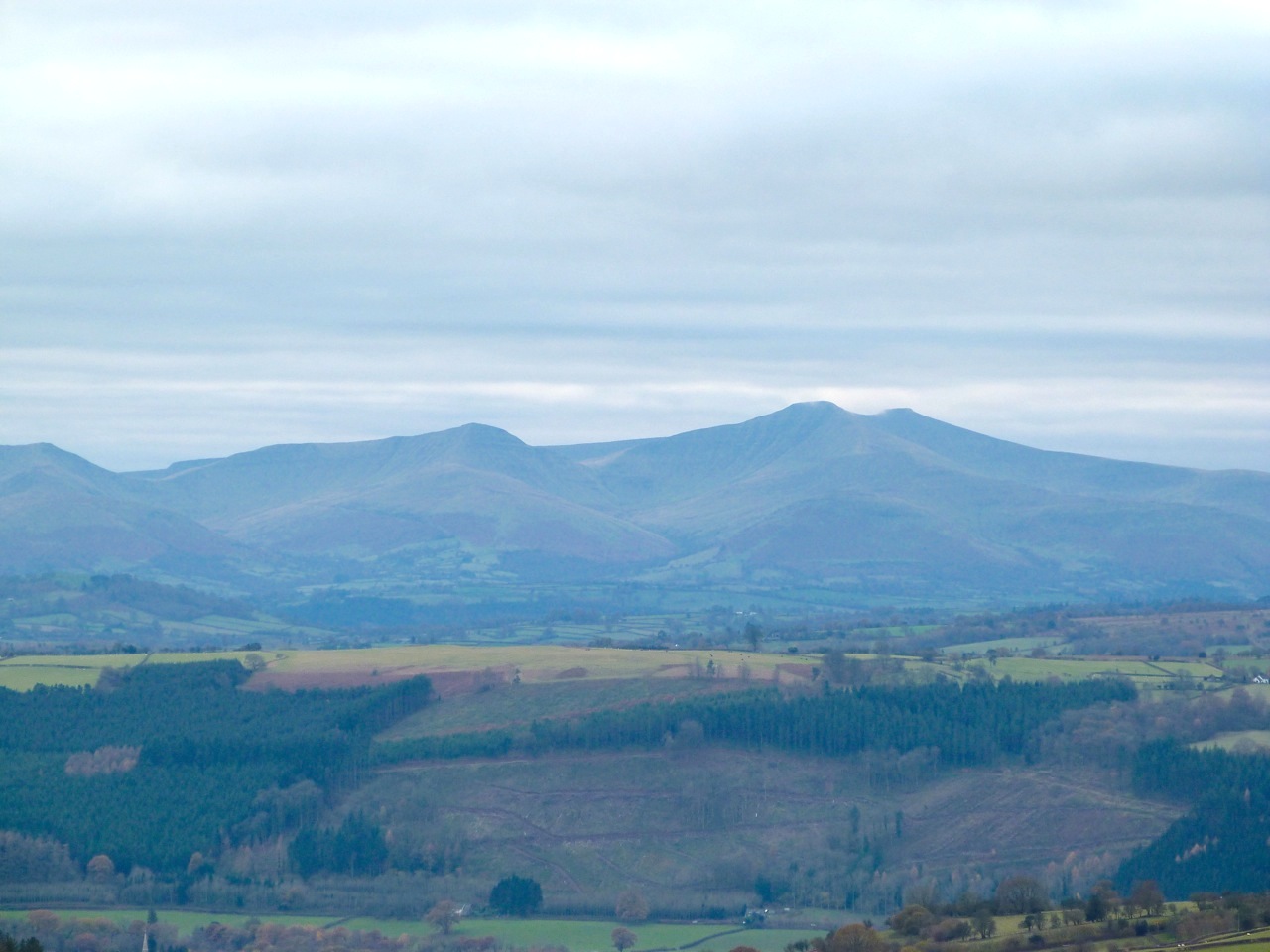
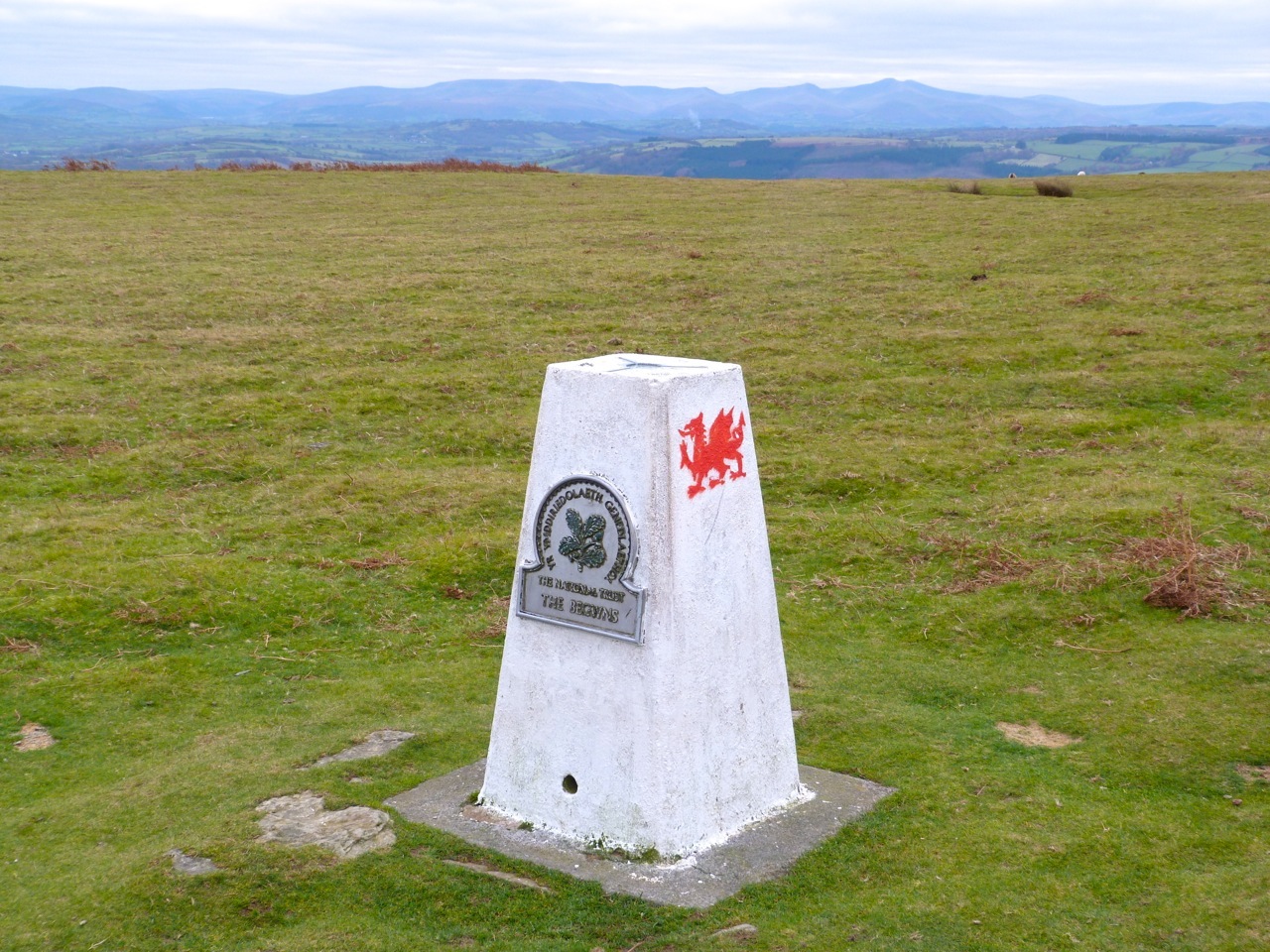
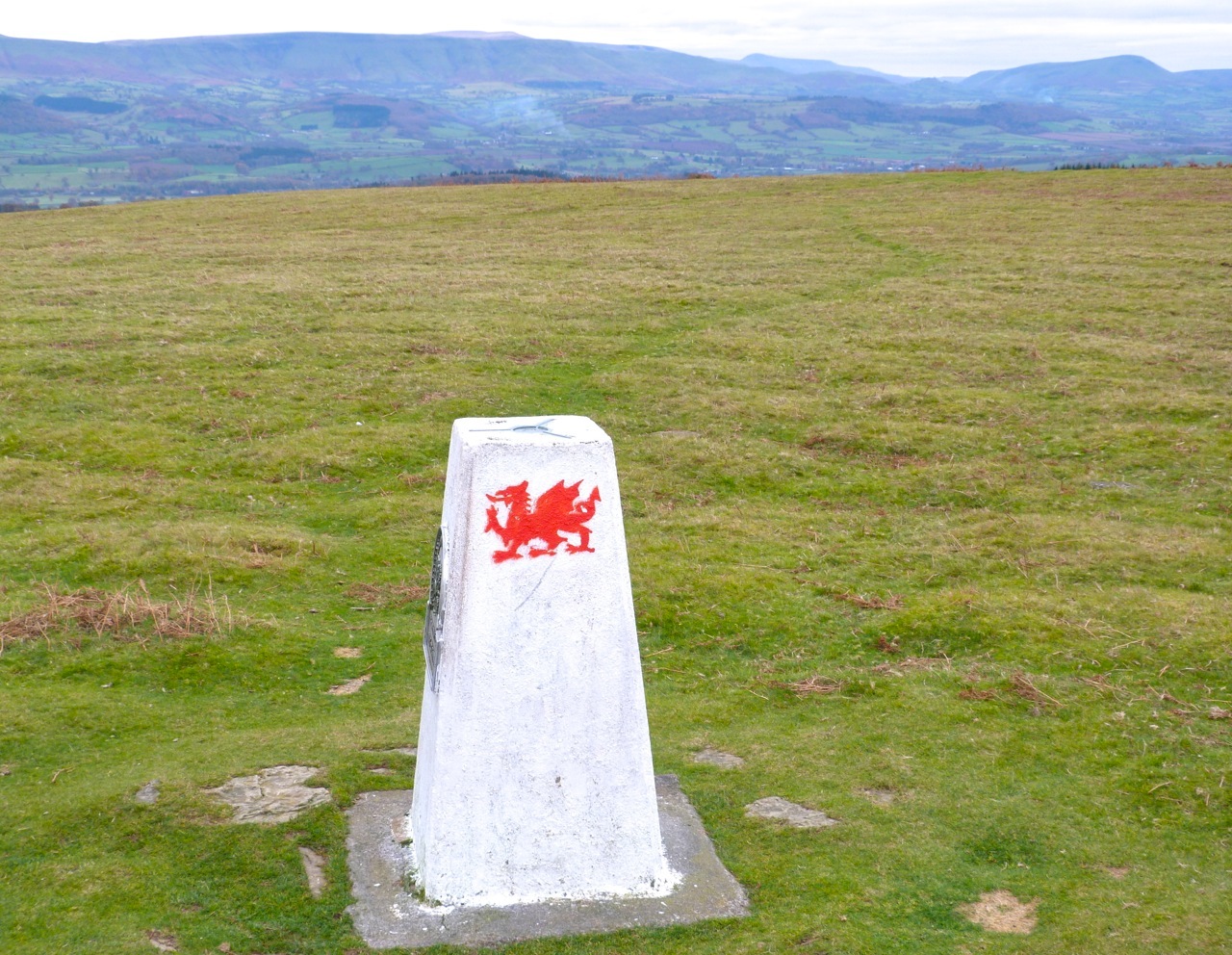
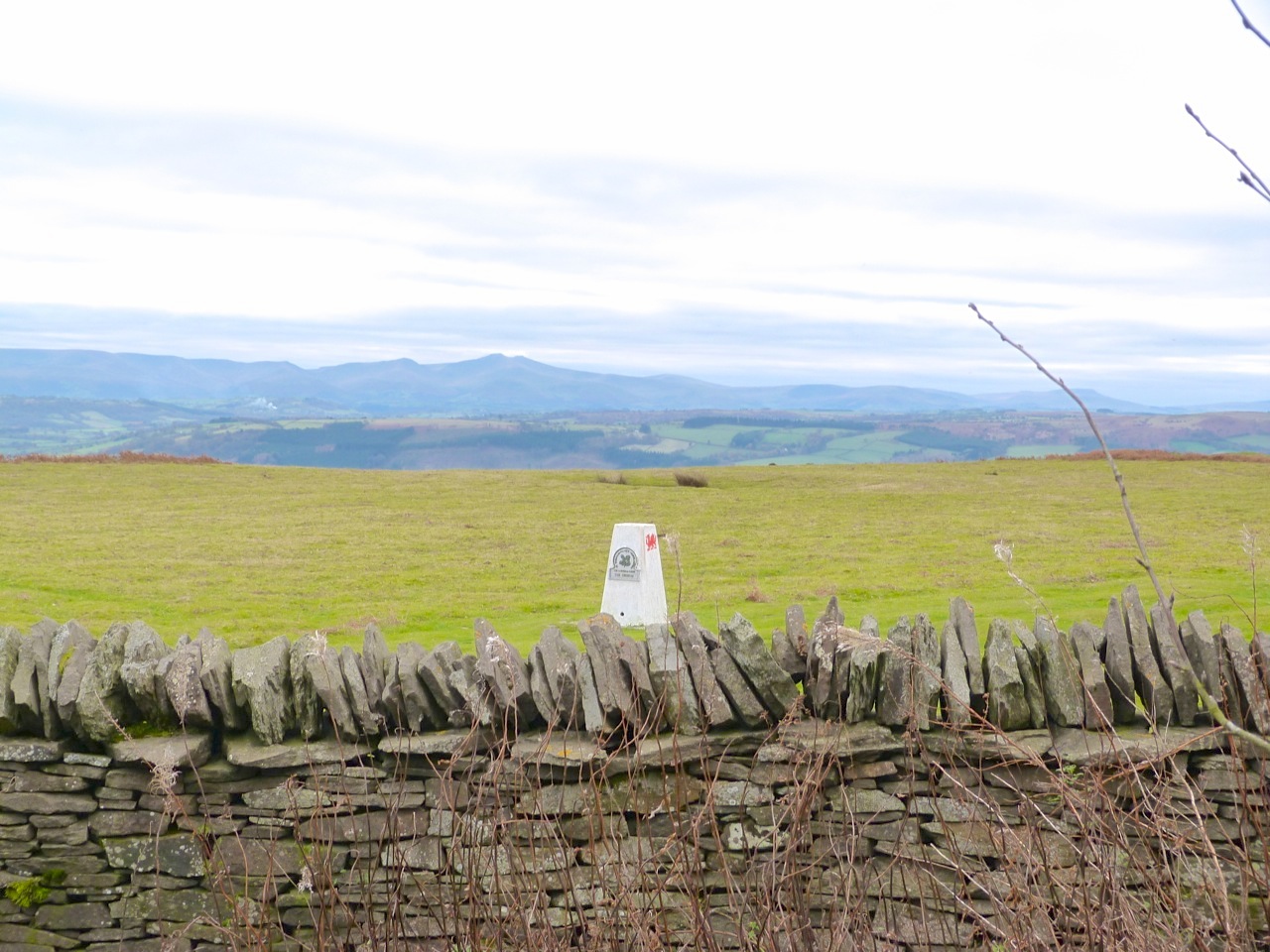
In Welsh border country not far north of Hay-on-Wye are the Begwyns, modest hills in unspoilt surroundings with far views to the Black Mountains to the east and the Brecon Beacons to the south. This is National Trust land: you can see their Begwyns page HERE with a useful circular walk map.  A gentle uphill stroll takes you to a feature called The Roundabout, built for the Millennium. There is a trig point nearby with magnificent views through 270º. It must be wonderful on a sunny day; ours was not, yet we could see for miles. The photos are quite poor, however…
The Begwyns Trig Point Map 1 The Begwyns Trig Point Map 2 The Begwyns Trig Point Map 3

The Begwyns - NT sign

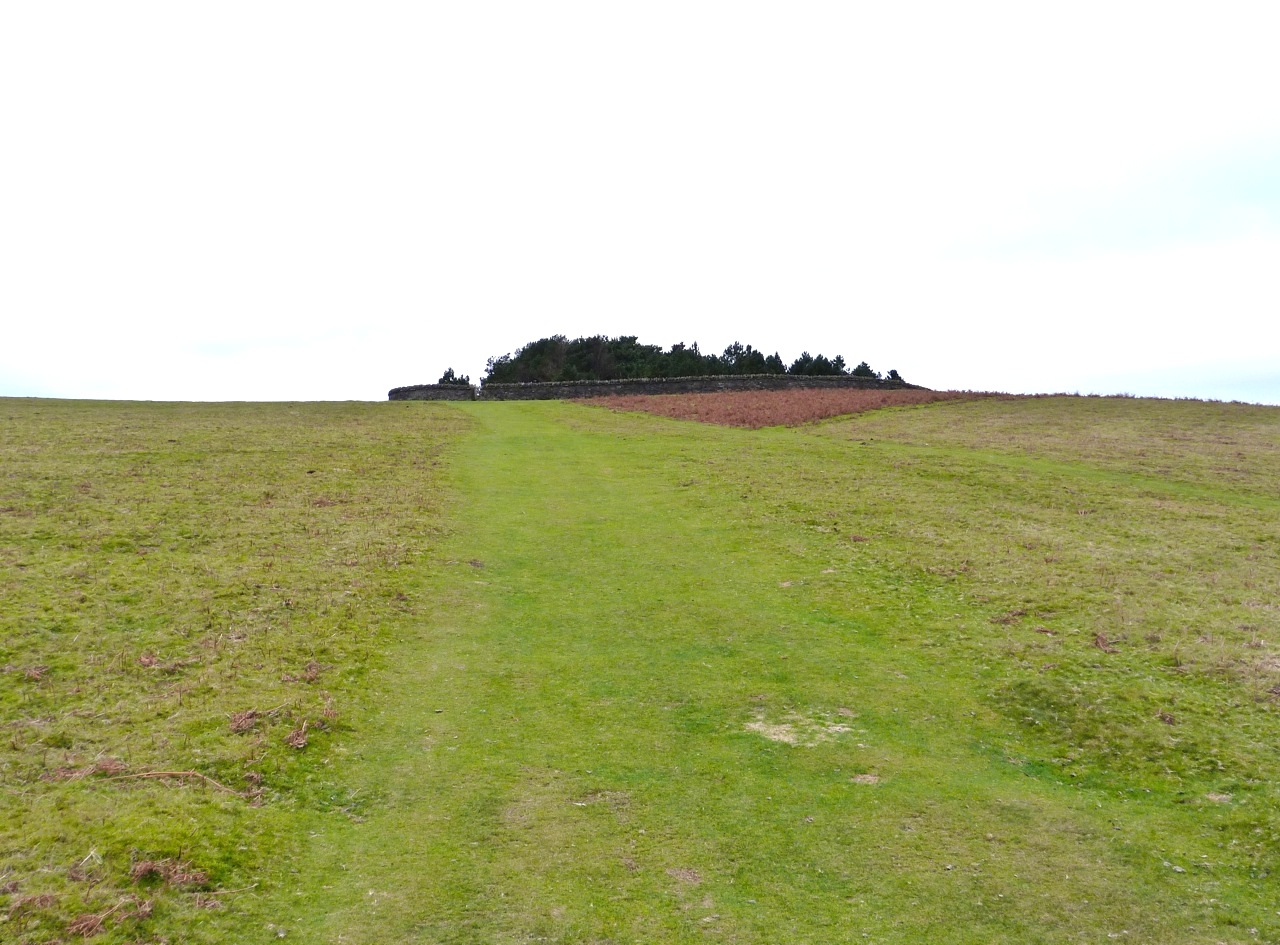
It’s an easy ramble up from the road to The RoundaboutThe Begwyns - Enclosure 1

To the east is the northern end of the Back Mountains – Hay Bluff and TwmpaBlack Mountains from The Begwyns

To the south are the Brecon Beacons, with the summit of Pen-y-Fan in the cloudsThe Begwyns - Brecon Beacons

To the west are distant views towards CarmarthenshireThe Begwyns - Trig Point view W

The Trig Pillar stands at 414m ASL. The first 2 views looks south to the Brecon BeaconsThe Begwyns - Trig Point 1The Begwyns - Trig Point 3

This view looks south east to the southern end of the Black Mountains above CrickhowellThe Begwyns - Trig Point 4

The Trig Pillar and stone-built The Roundabout            The Begwyns - Trig Point & Enclosure

The Trig Pillar taken from inside the RoundaboutThe Begwyns - Trig Point from EnclosureThe Begwyns - Trig Pillar Plate

Within The Roundabout is a stone circle with seats round it, like a medieval meeting placeRoundabout circle

Sadly there’s no view from inside The Roundabout. Here’s the inscribed Millennium StoneRoundabout stone

BRIGHT & BEAUTIFUL: ARUM LILIES


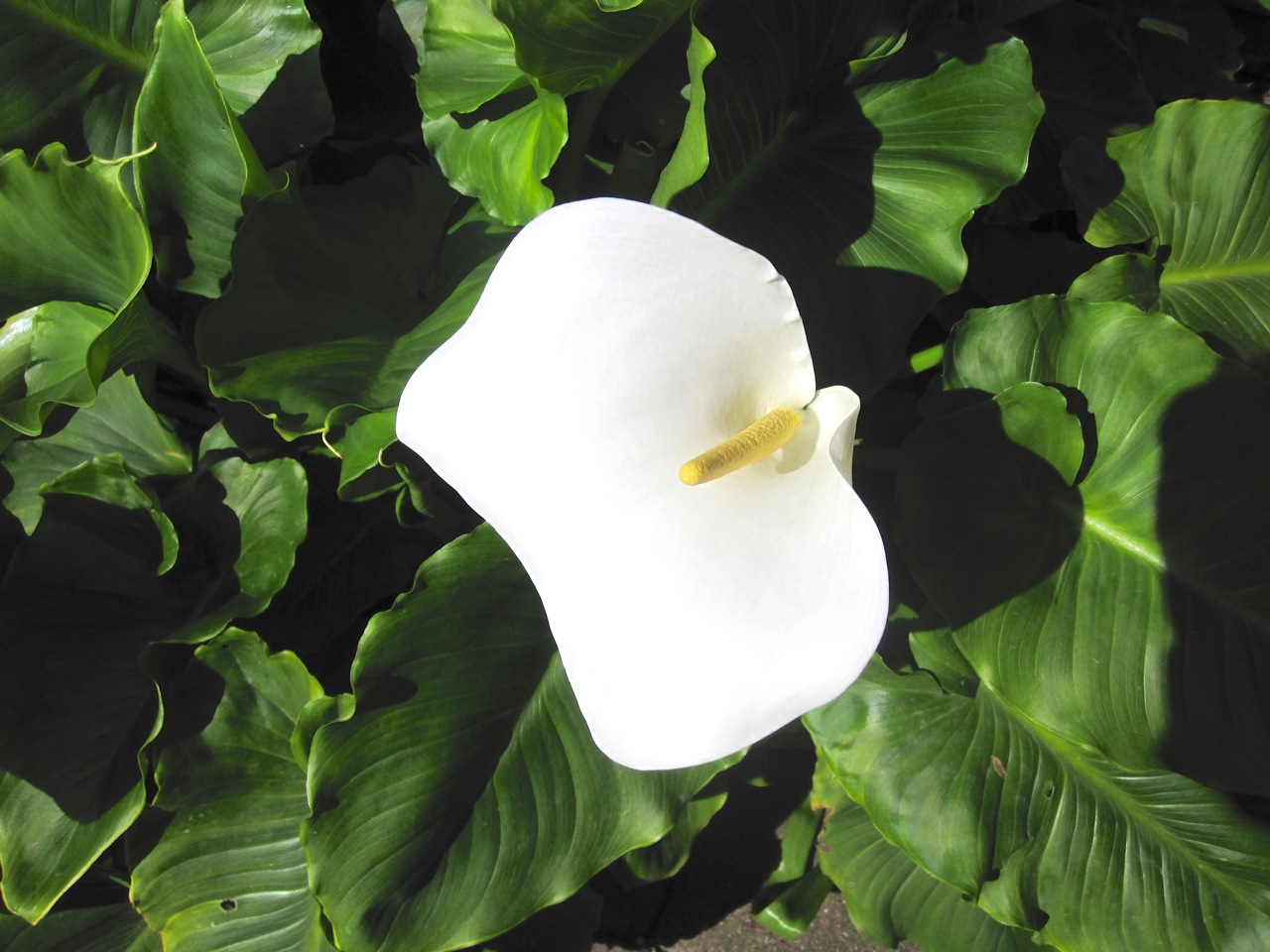
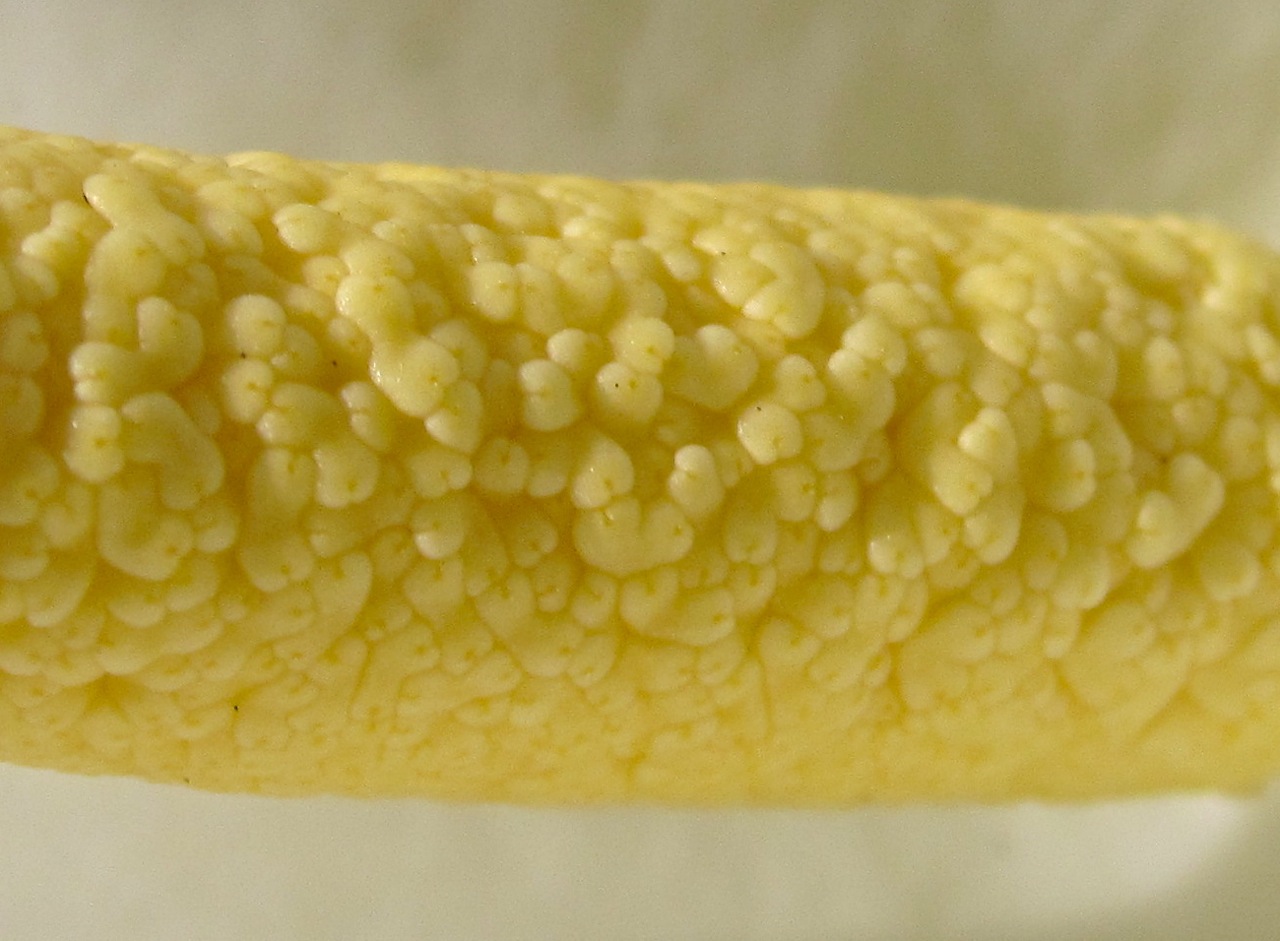
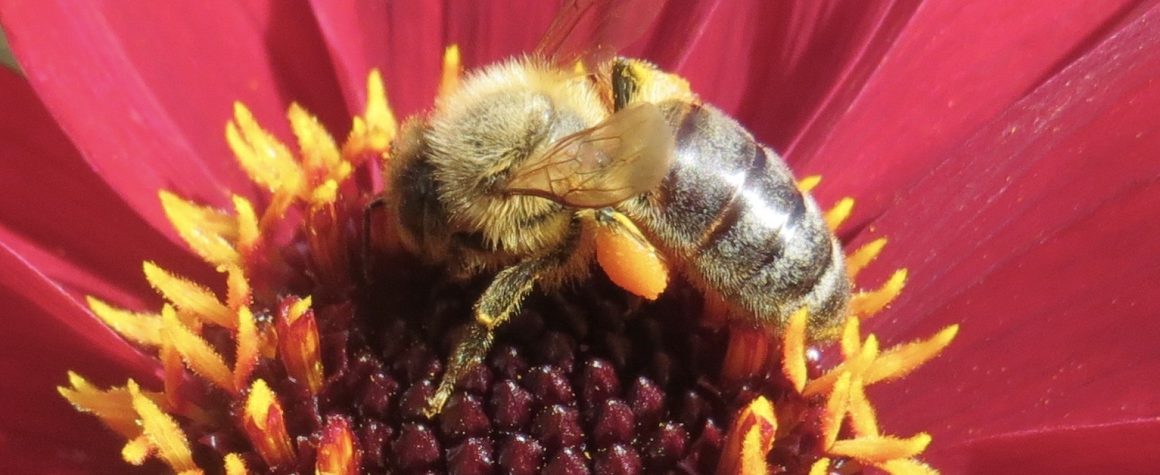
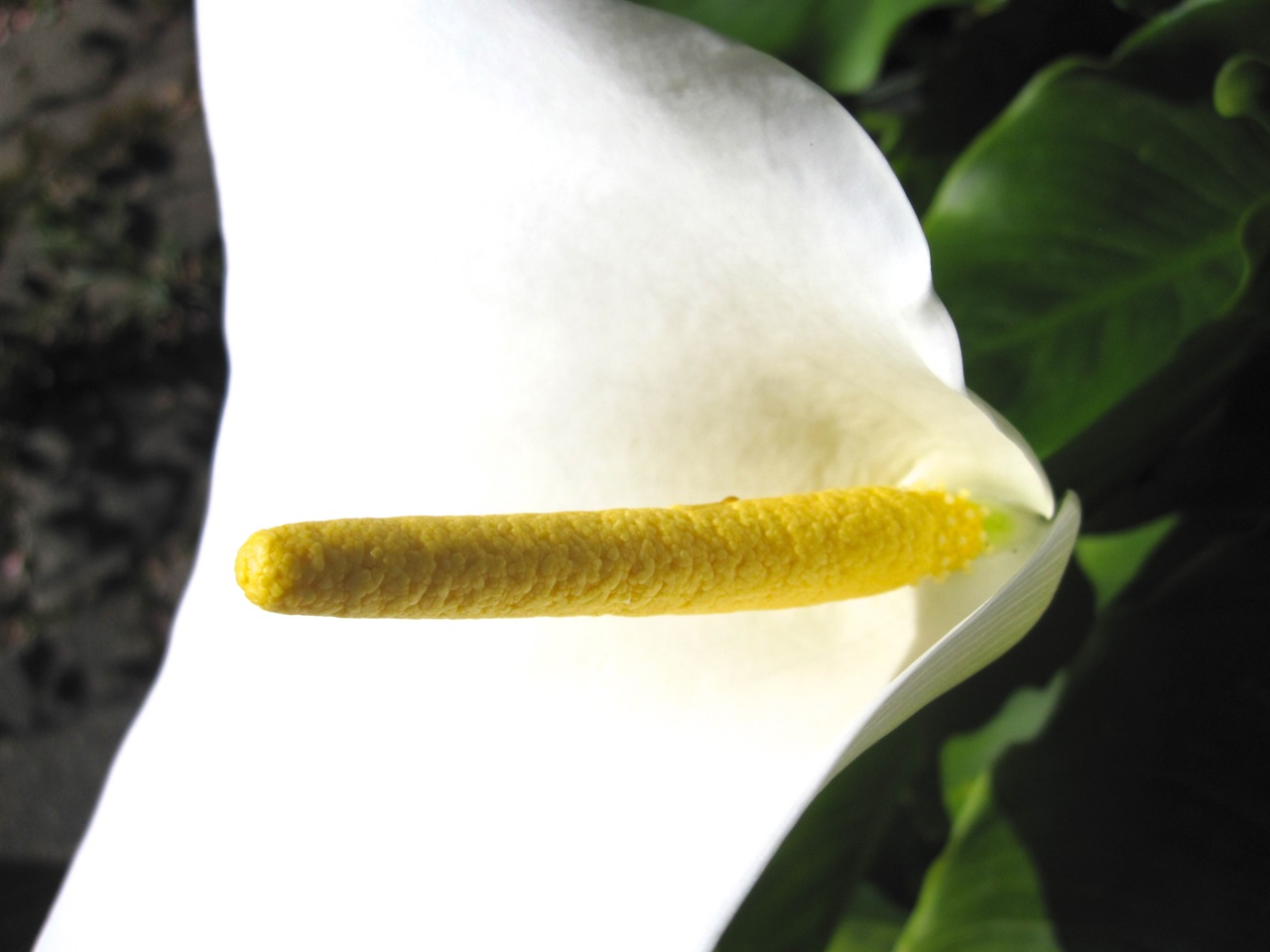
The Arum Lilies (Zantedeschia) have just started to unfurl from their green pointy stage, and the flowers are in flawless condition. I took a closer look at the yellow stick in the middle (spadix – I had to google ‘yellow stick in arum lily’).

Arum Lilies SBA 1 Arum Lilies SBA 2 Arum Lilies SBA 3 Arum Lilies SBA 4Arum Lilies SBA 7

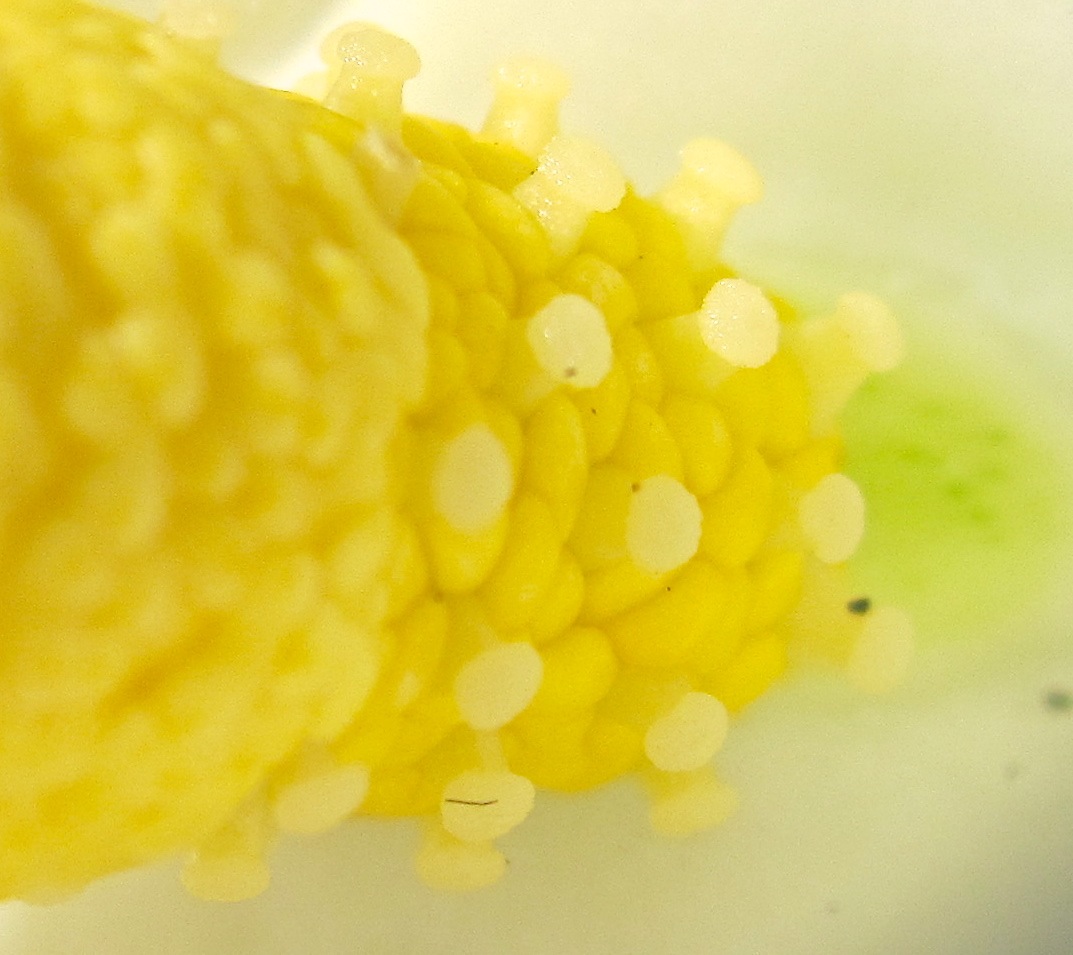
Looking down the spadix, the tightly packed nobbles (nodules?) are beginning to open out into strange little mushroomy shapes. I have no idea what’s going on there, except that it is presumably to do with pollination. Strangely, the bees don’t seem attracted to the flower, which may be poisonous to them.Arum Lilies SBA 5 Arum Lilies SBA 6

Spring. Time to reset the sundial to summertime. This armillary (or bow) sundial was made in Dorset, and rests on a chunk of cut cornish Delabole slate. If you are passing the quarry, they have a slate pile from which you can take offcuts.

Sundial SBA 1