There’s plenty of advice on this fraught topic to be found on the internet and elsewhere, much of it common sense. I haven’t seen it set out as simply as in this graphic from the US, leavened with a good dose of humour too. Well, it made me laugh, anyway. I normally put my own stuff on this blog, but occasionally it’s worth making an exception. I have to say that if the answer to the first question is ‘Yes’ and the injury is serious, there may in fact be a need to take more swift and drastic action for the bird’s own sake. That’s another topic, however…
SPRING IN THE AIR IN DORSET THIS WEEK
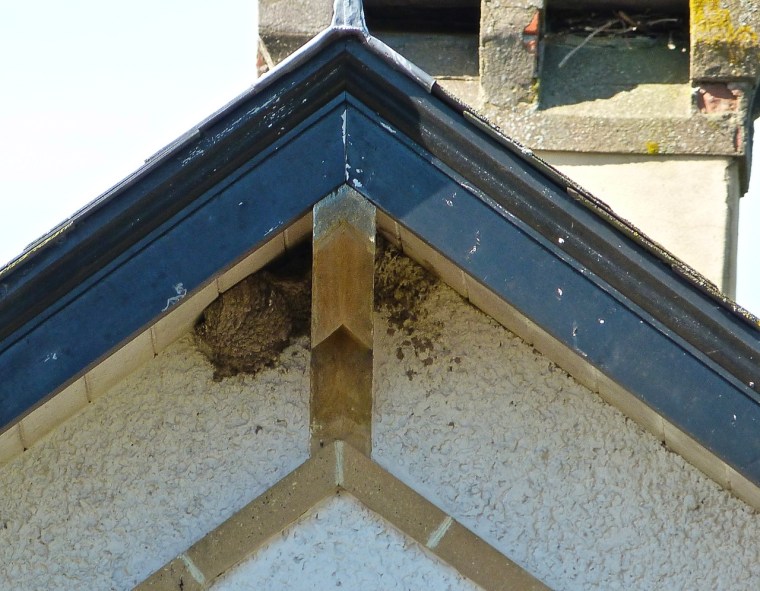
The sun is shining, the birds are twitterpating (©Disney), the trout season has opened. Also, the first swallows arrived on Tuesday, followed by the martins on Wednesday. These birds are already checking out the mud nests under the eaves that remain from last year.
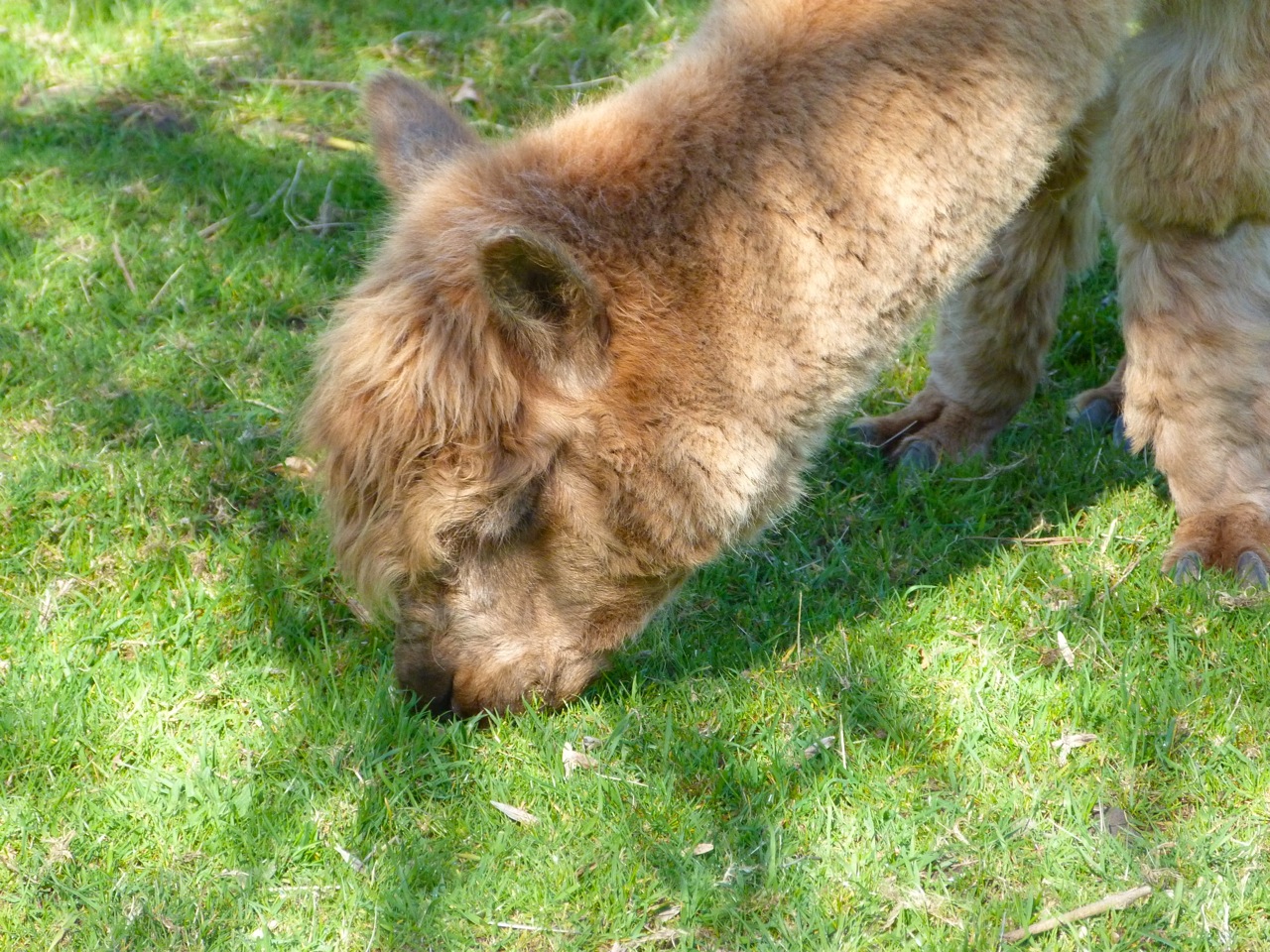
The hedges are suddenly greening up and the grass is beginning to grow fast. The Alpacas, formerly the official lawnmowers for the paddock, have been banished to another field to give the ground a rest. That means resorting to the mechanical method for the first cut of the year.

Some creatures appear to have got Spring fever. The rabbits for a start, who are clearly ‘going at it’ for all they are worth. And the sheep over the road surprised me one evening when I opened the kitchen door (the notice on the gate is good for their self-esteem). 
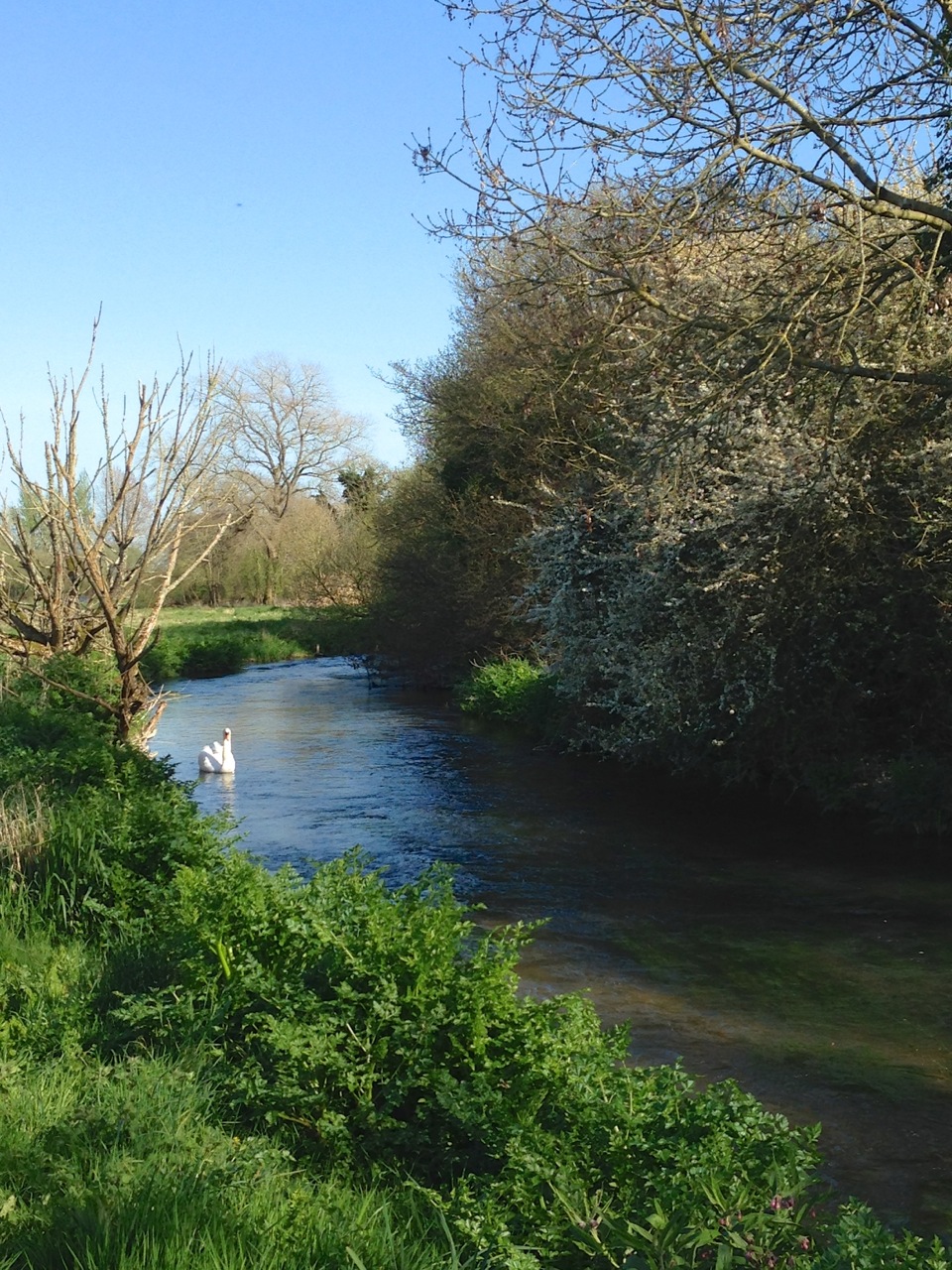
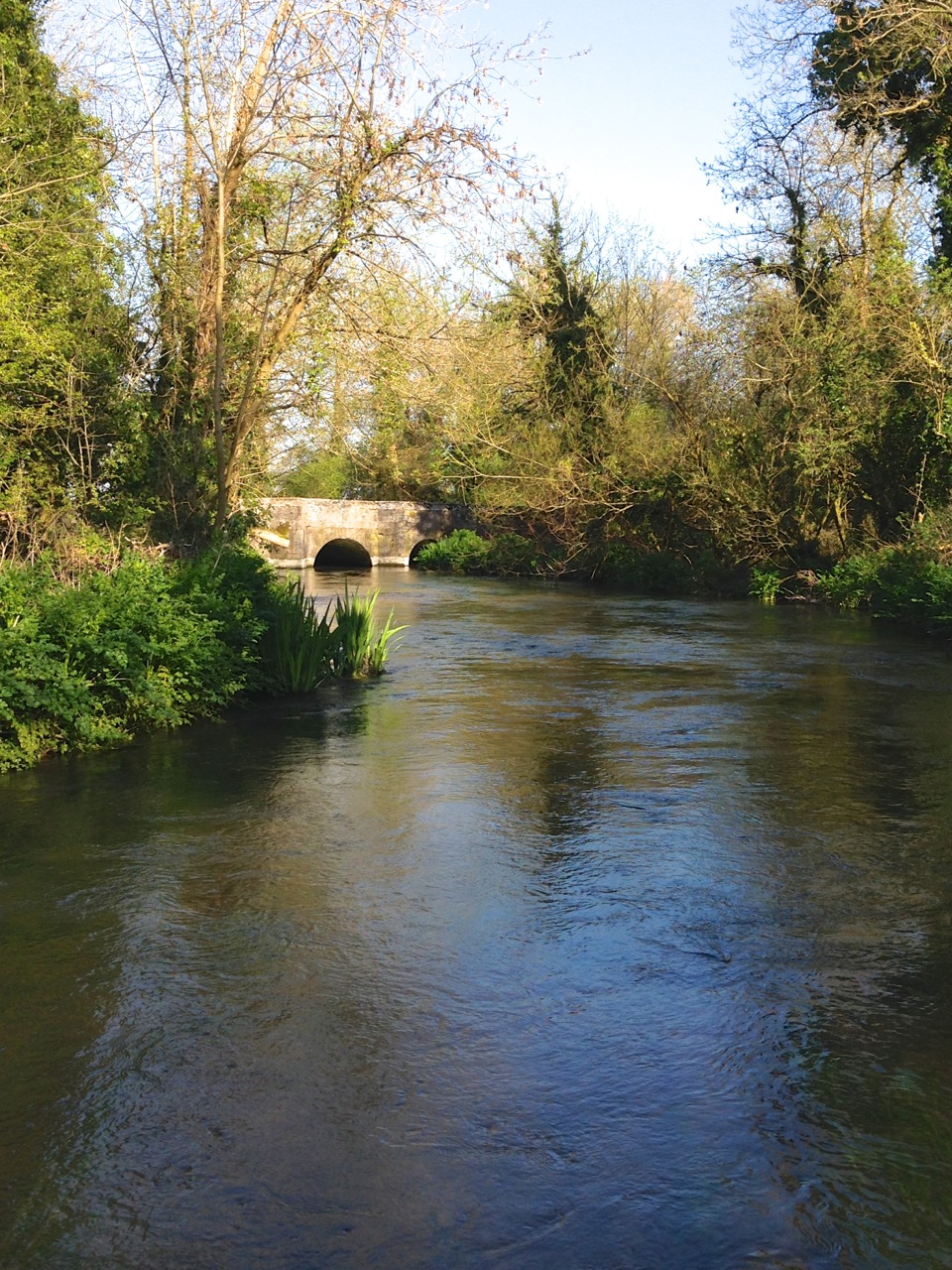
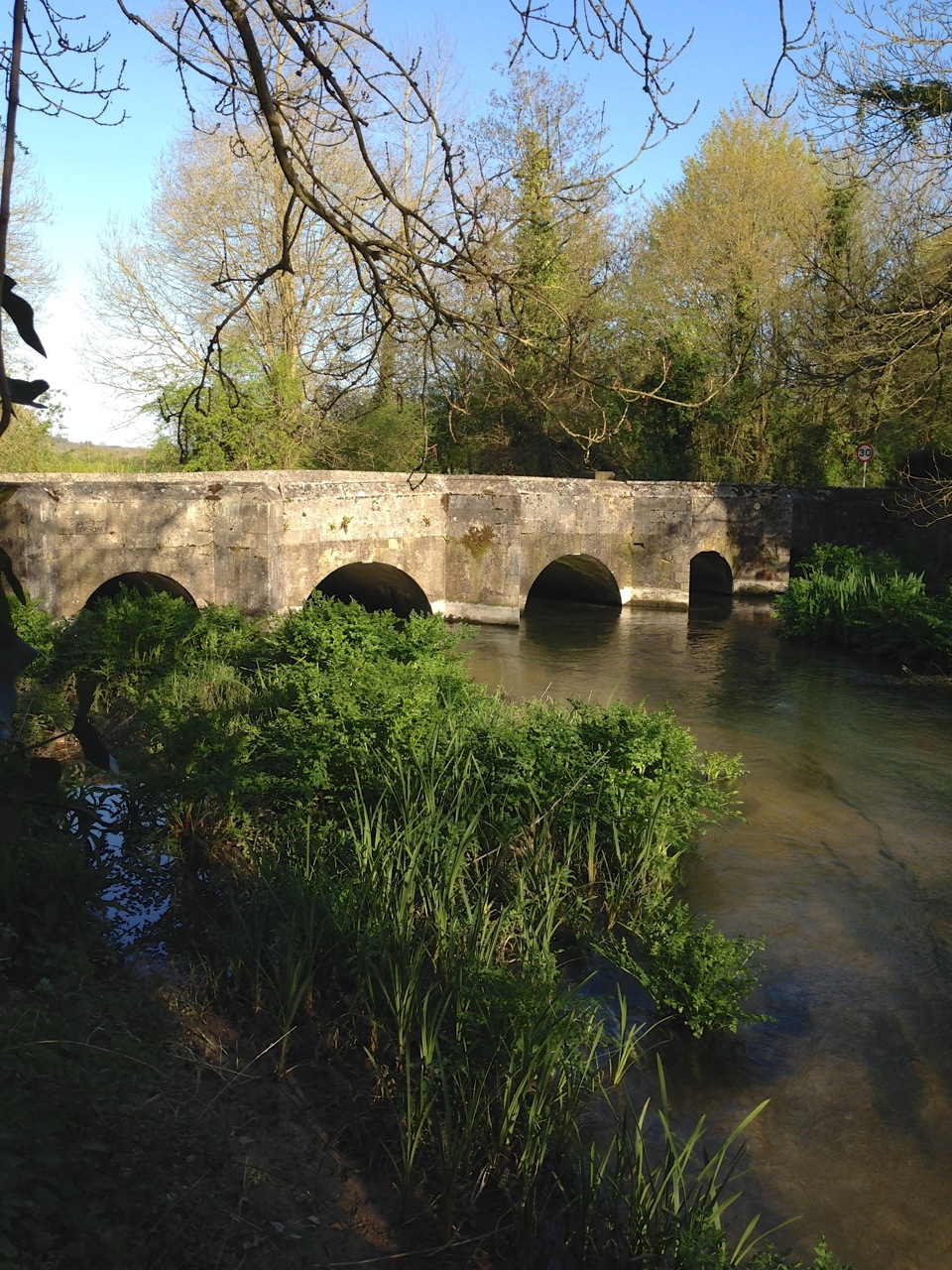
My first fishing of the season yesterday, on the River Piddle (as in Tolpuddle) – very pretty, pretty unproductive… Today on the River Frome, the swallows were skimming insects off the surface of the water. There were heron and egrets, and a pair of common sandpipers clearly looking for a suitable nesting site. It’s been a great Spring week.

The moon and stars have been wonderful all week. There have been plenty of moon photos around, pink or otherwise, but one evening Mars was gleaming brightly too. Only one shot was steady enough to use – at maximum zoom most of the images looked like squiggles.


INSECT (BEE? FLY?) AND A PINK MOON (FOR NICK DRAKE?)
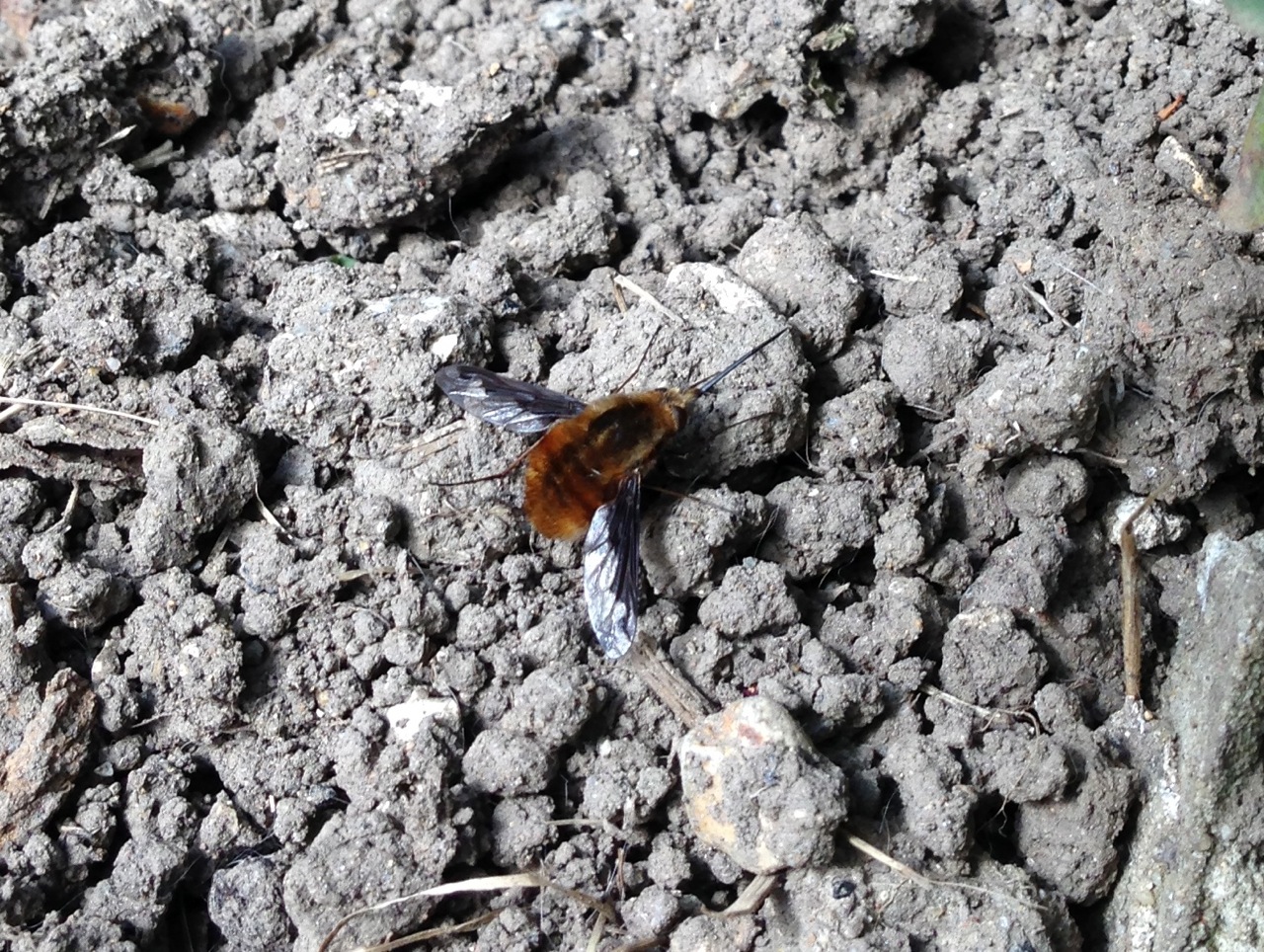
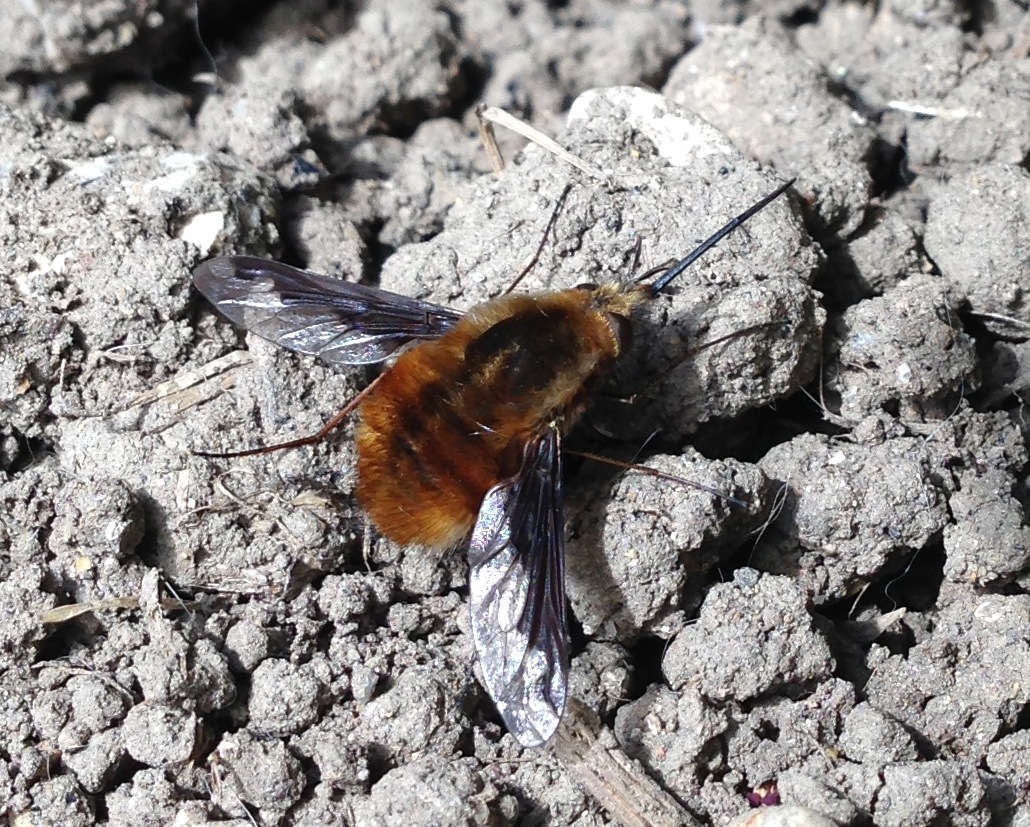
First of all, what is this insect? (Amelia? Anyone? NOW SEE BELOW FOR ID) I saw a couple in the garden last year but had no camera with me. Today I at least had my phone. I’m sure it’s completely obvious – ‘a sting-snouted lesser hornet’ – but I’d like an authoritative ruling. Additional clue: they can hover.

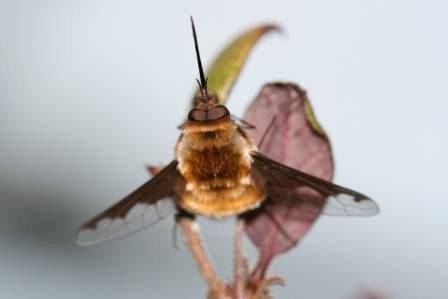
Thanks to Jessica of the excellent blog NATURE IN FOCUS for ID as a member of the Bombylidae family, with the common name of bee-flies (see comments below). That lead me to the Natural History Museum website, where I found a very similar creature Bombylius major. The wing patterns in particular look much the same.Here’s the NHM image.
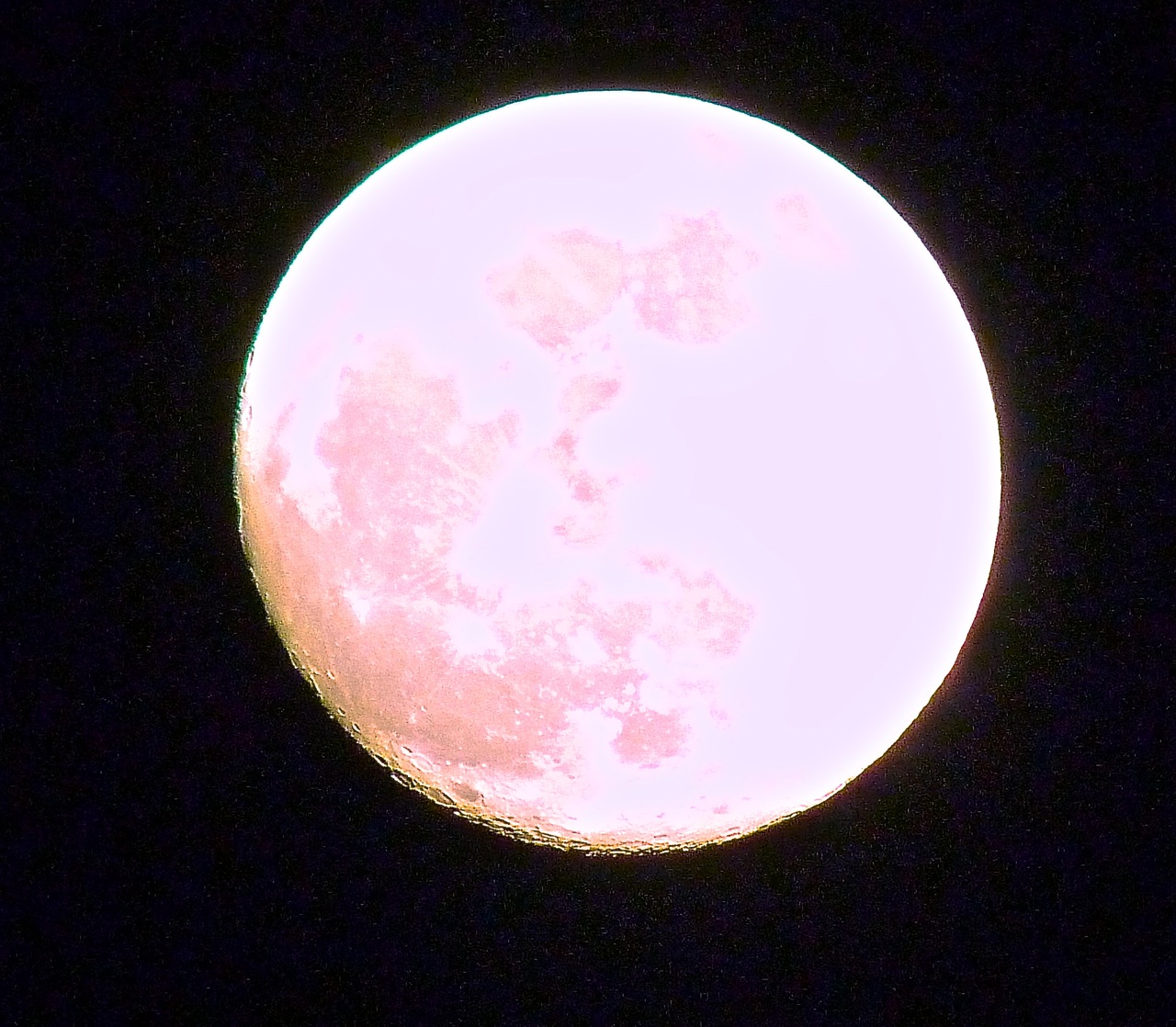
Secondly, there’s supposed to be a pink moon either tonight at around 3.00 a.m. tomorrow morning; or possibly tomorrow night at 3.00 the next night… It’s caused by a lunar eclipse, expected to last from 2.00 am to 4.30. The pink / red is to do with angle and atmosphere (as with dawn and dusk). Apparently. I tried to photograph the moon last night here in Dorset, where the light pollution is not too bad. It shone with extraordinary brightness and ‘flared’ my attempts. I’ve pinked one up in case I don’t wake up for the real thing…
An opportunity to remember Nick Drake, I think… Here’s the full album for nostalgics – and just the title track to follow.
BRIGHT & BEAUTIFUL: ARUM LILIES
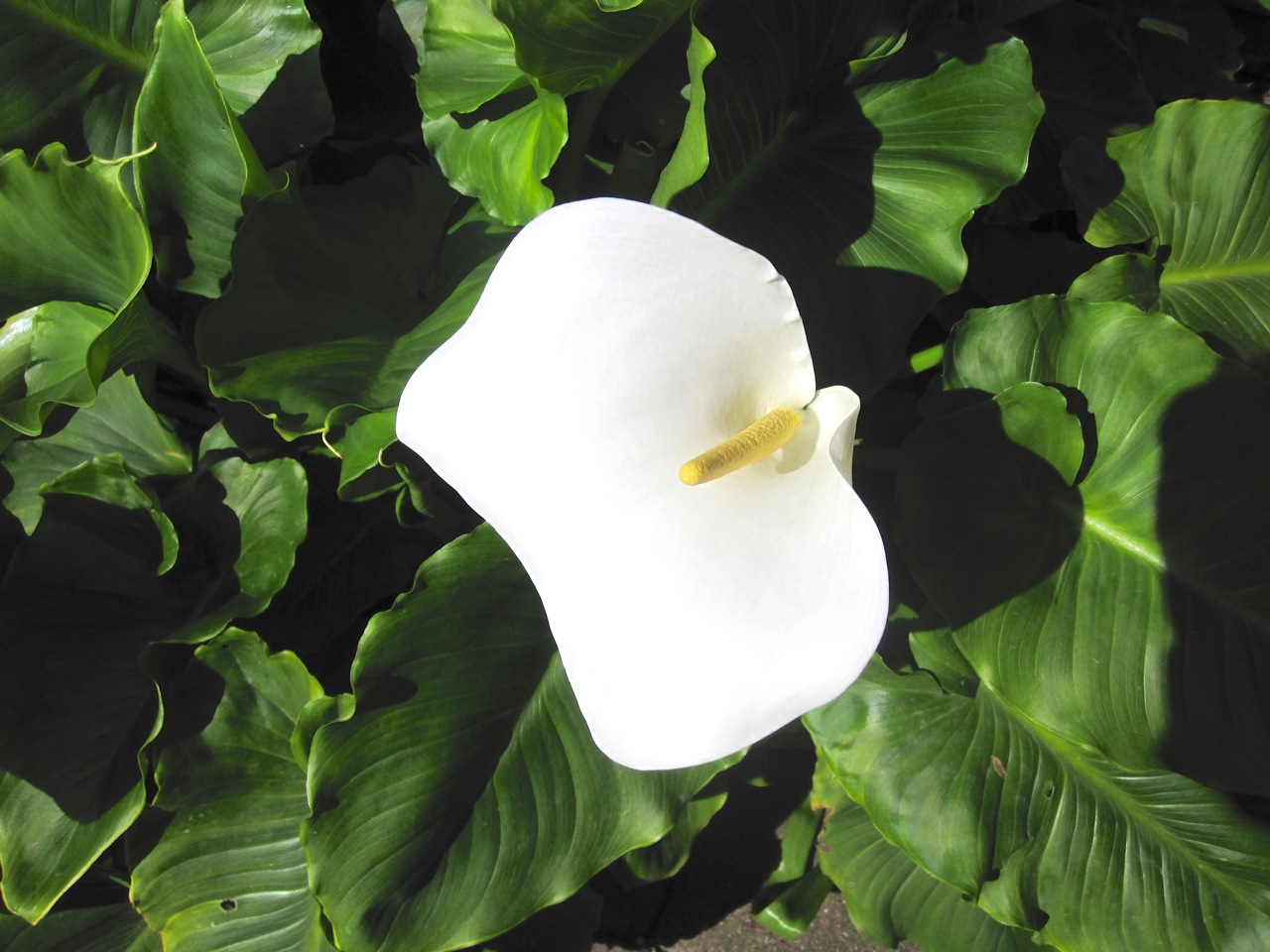
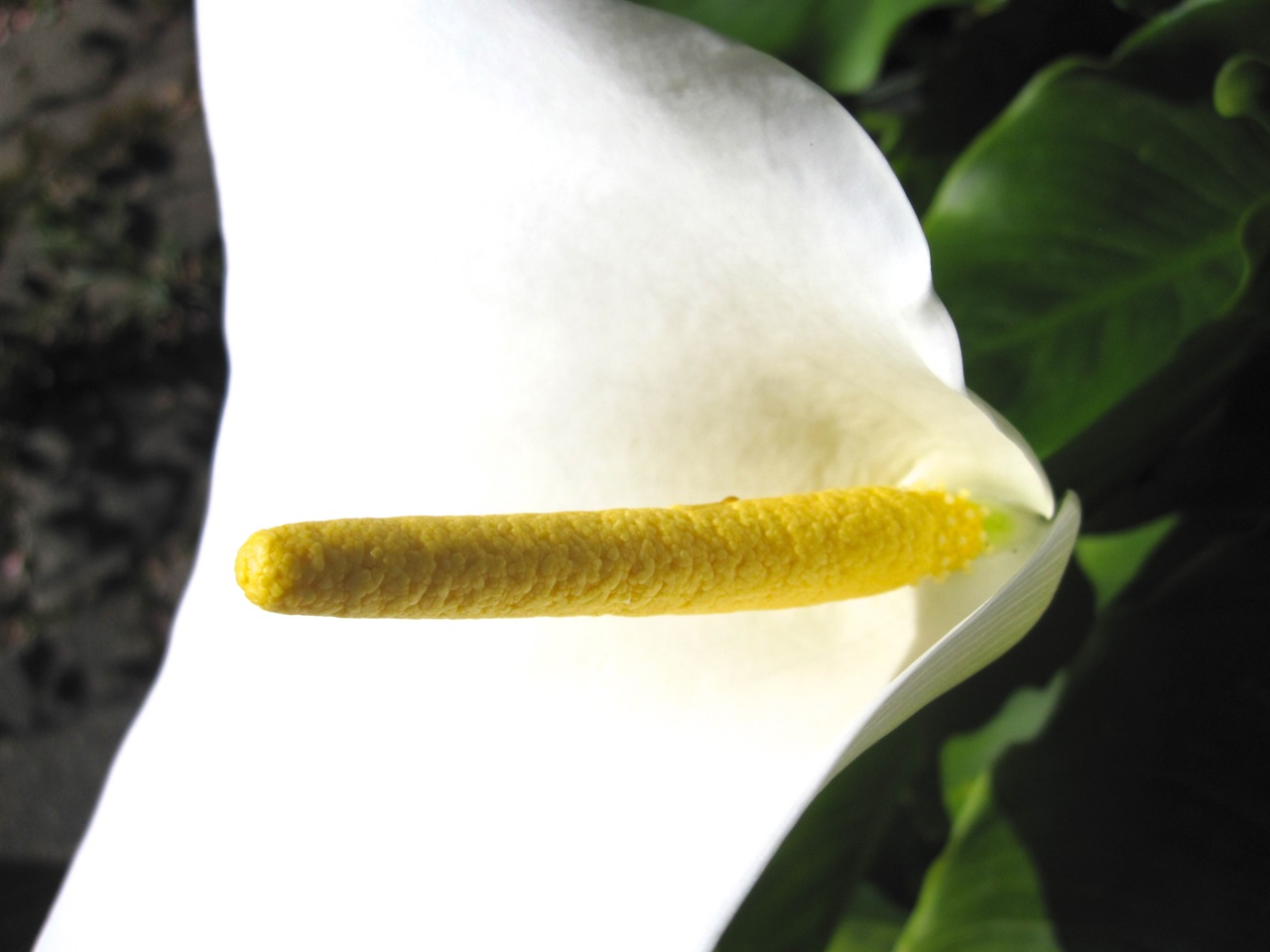
The Arum Lilies (Zantedeschia) have just started to unfurl from their green pointy stage, and the flowers are in flawless condition. I took a closer look at the yellow stick in the middle (spadix – I had to google ‘yellow stick in arum lily’).
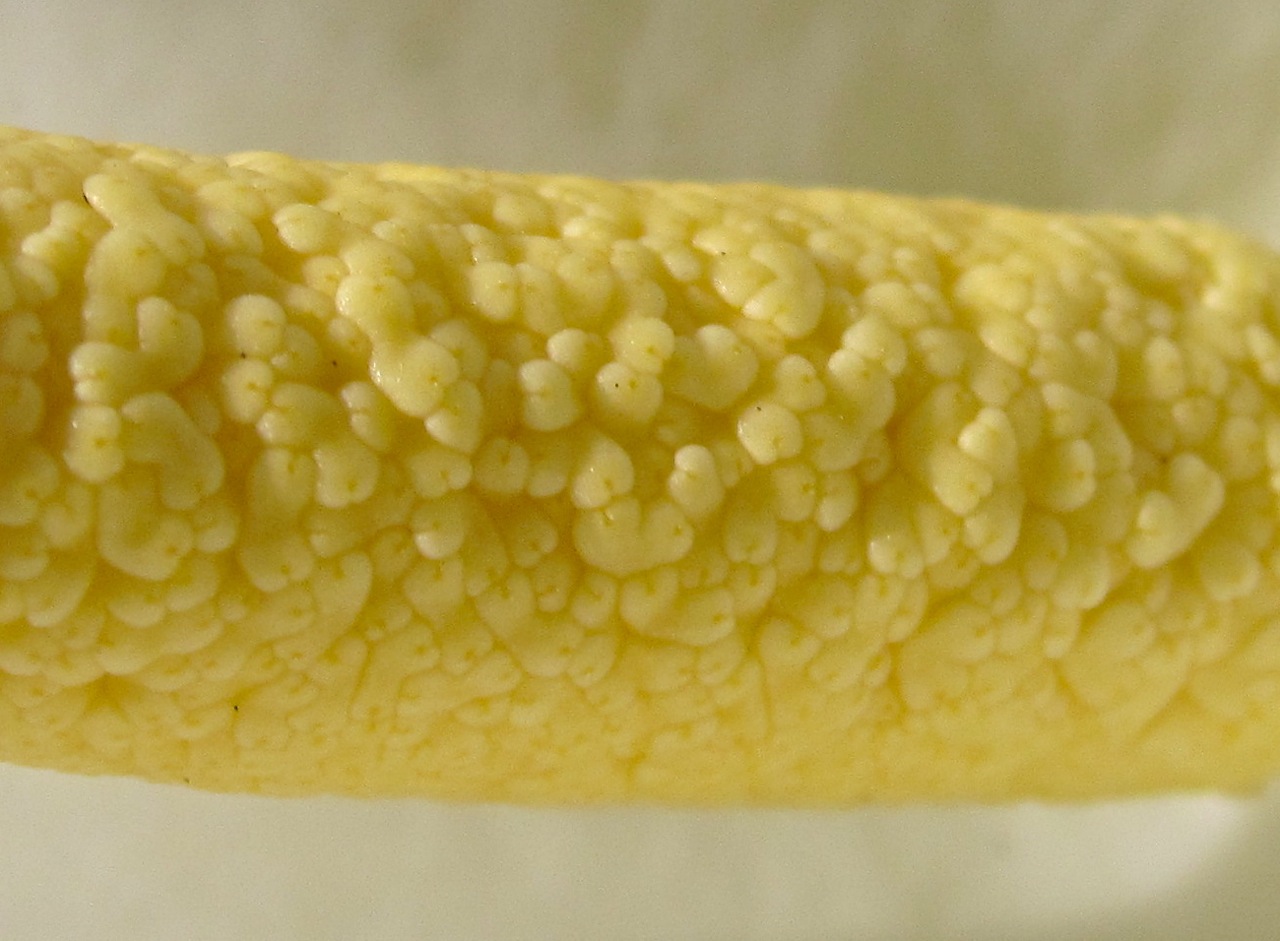
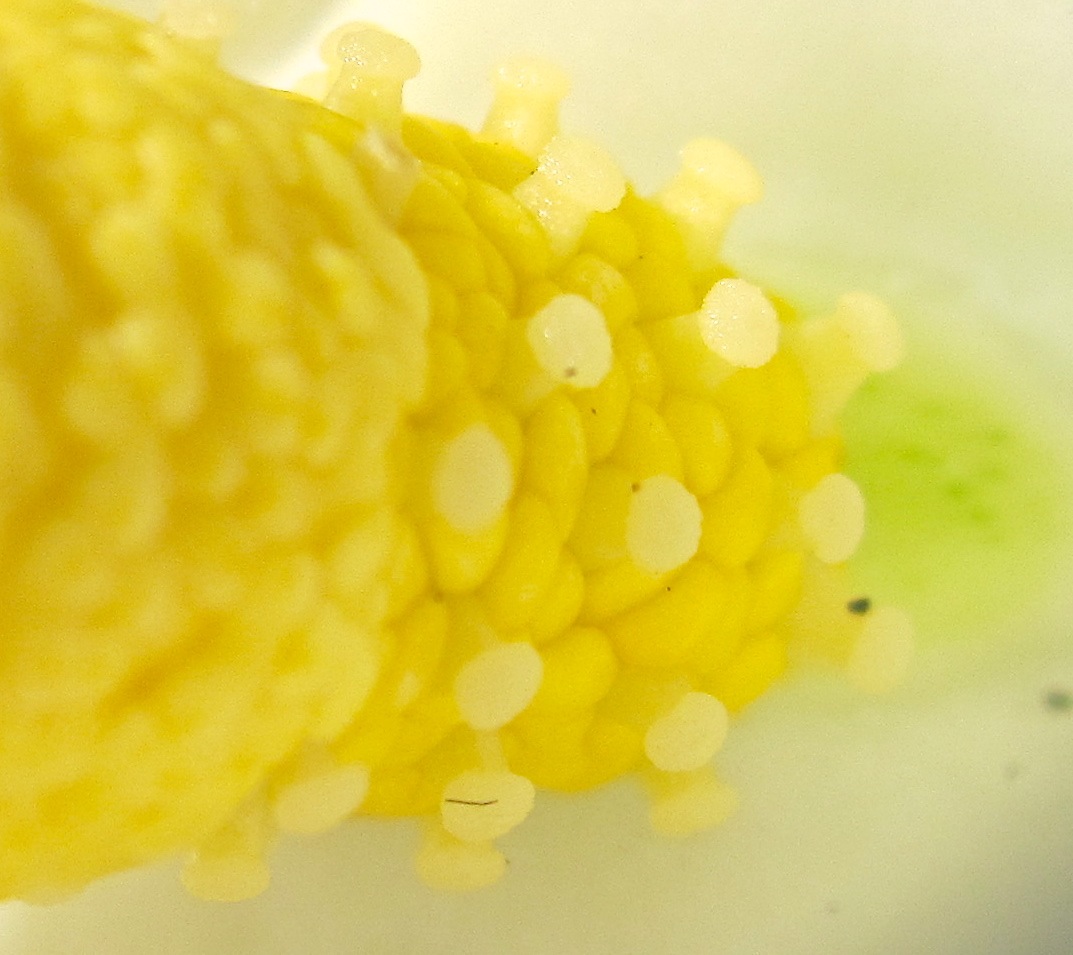
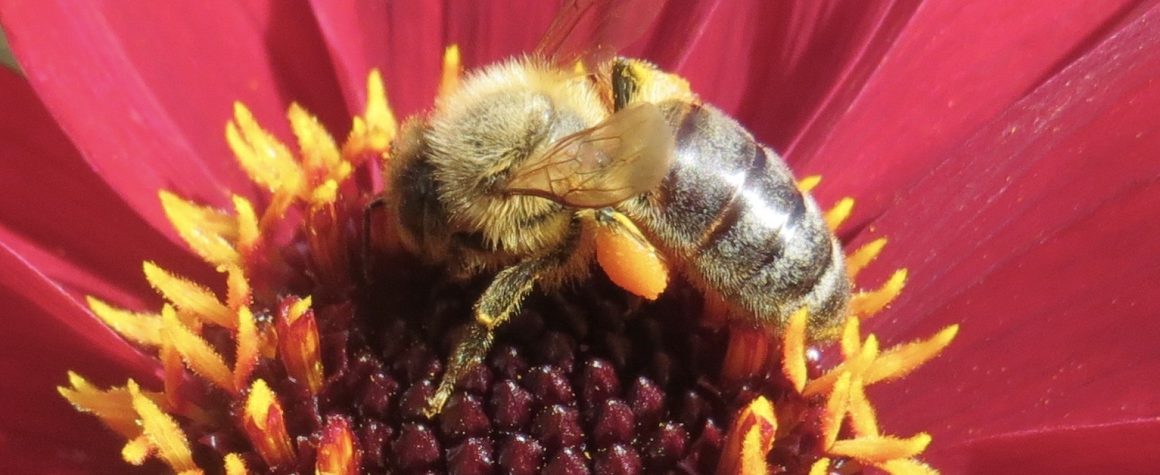
Looking down the spadix, the tightly packed nobbles (nodules?) are beginning to open out into strange little mushroomy shapes. I have no idea what’s going on there, except that it is presumably to do with pollination. Strangely, the bees don’t seem attracted to the flower, which may be poisonous to them.

Spring. Time to reset the sundial to summertime. This armillary (or bow) sundial was made in Dorset, and rests on a chunk of cut cornish Delabole slate. If you are passing the quarry, they have a slate pile from which you can take offcuts.
TUFTED DUCKS ON WIMBLEDON COMMON
A family walk, a new place to explore (notwithstanding that we’ve lived within 5 miles of it for 35 years… ), and a small point & shoot camera. I took advice from the youngest member of the party and snapped these tufted ducks. I was lucky with the light on the water. In the last one I happened to point the camera in the right place just as it surfaced from a dive. No wonder it looks a bit surprised…
DORSET SPRING
JOCUND COMPANY: DAFFODILS IN DORSET
We’ve been away from Dorset for 4 weeks. We left a cold, still-slumbering winter garden and have returned to a colourful Spring one with birds, bees and butterflies. I took a look at the daffodils that are rather randomly dotted around. We let them decide where to grow, and occasionally divide a clump to spread them around a bit. I found eight varieties, of which I only know the name of one (pheasant’s eye) and a half (the half being our nickname for it, see below).
The daffodil below grows on the west coast of Ireland. It is a type of hardy narcissus, with stout leaves and a liking for exposed windy places in the garden. We call it ‘Narcissus Marcus Malus’, because our friend Mark ‘liberated’ some from close to his house in The Burren, Co. Clare. Bad Mark! They are very robust, with small flowers. The second image shows them with a ‘Standard British Daffodil’ (= One ‘Wordsworth’) as in the top image, for size comparison.
OTHERWISE ENGAGED…
CANADA GEESE STUDIES
TRIG POINTS AS THE FOCUS FOR A DORSET WALK
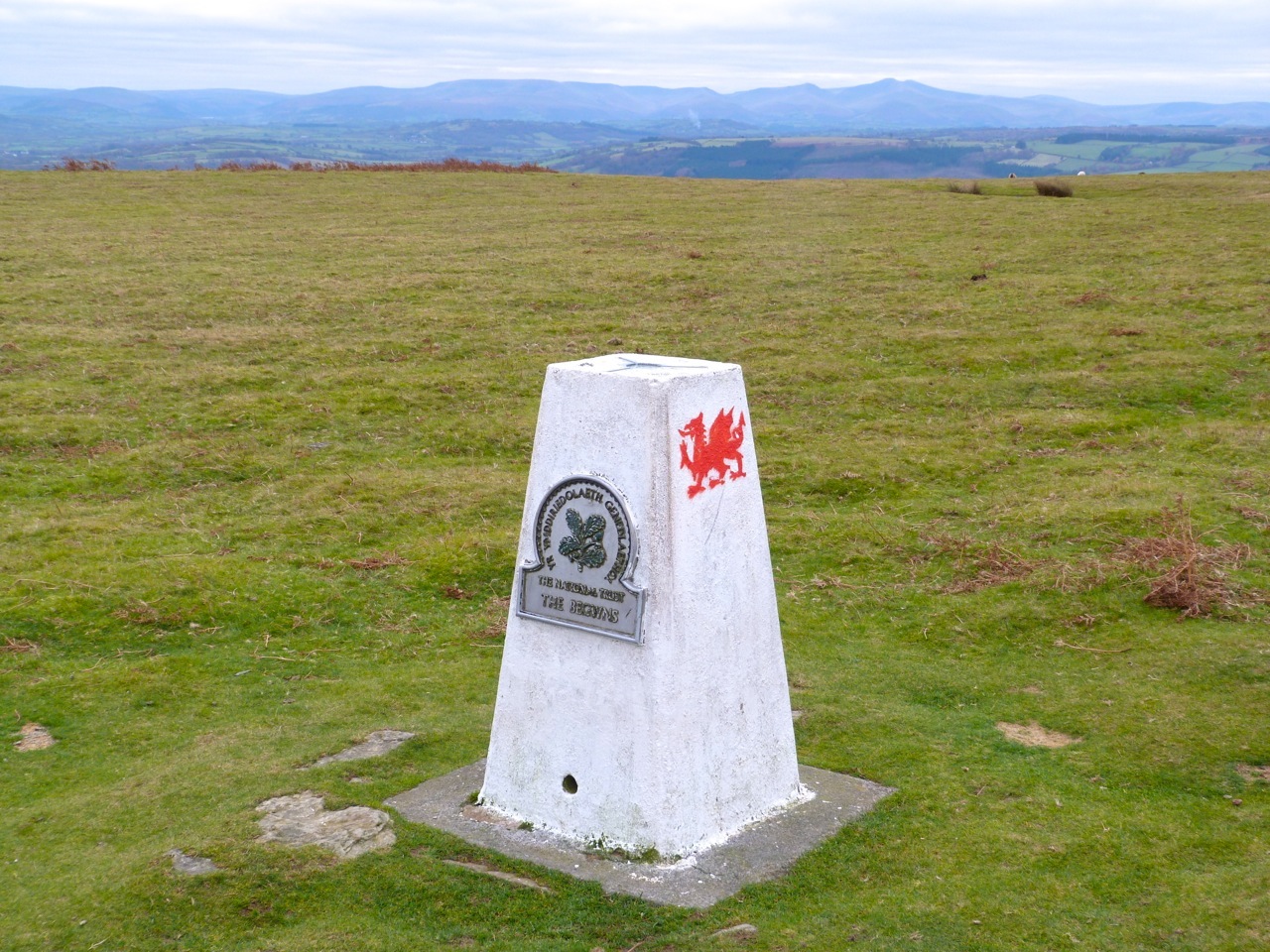
Batcombe in the heart of Dorset is a hamlet of farms, cottages, and a tiny medieval church with a fine stone screen. It is also the name of the long hill that rises steeply above it, which we see from our house. This is green Hardy country. The sinister ‘Cross in Hand’ mentioned in Tess is still there, a small battered stone pillar by the roadside now protected by a neat council fence. The fields have mostly been cleared of flints, on the surface at least. There are three trig points across the length of the hill. The advantage of Trigs is that their tendency to be on high ground often goes with nice countryside and scenery. The middle one on Batcombe is a perfect focus for an easy country walk with huge views in 3 directions, especially south towards Hardy’s Monument and the coast. Time to explore.

TRIG POINT S1513, BATCOMBE, DORSET
Looking back towards the Trig Point down the ‘tractor avenue’


This was one of the few sunny days in February and the ground was firm and dry despite the appalling rain that had flooded the lower land and swathes of the Dorset valleys, e.g. those of the Yeo, Frome and Stour. Every 20 metres or so we put up snipe that were invisible amid the stubble and stones on the ground. We were accompanied throughout by a throng of skylarks. These were annoyingly hard to photograph both on the ground (hard to see) and in the air. Here’s an effort.
Some fields were very flinty, with some surprisingly large chunks. Despite the sunshine, it was easy to image poor Tess (or any other Hardy tragic heroine) shivering out in these fields in terrible winter winds and sleet, clad only in a thin kirtlet and shawl, picking the stones bare-handed and putting them in the thracking stoop for transportation as building material to the expanding Casterbridge.