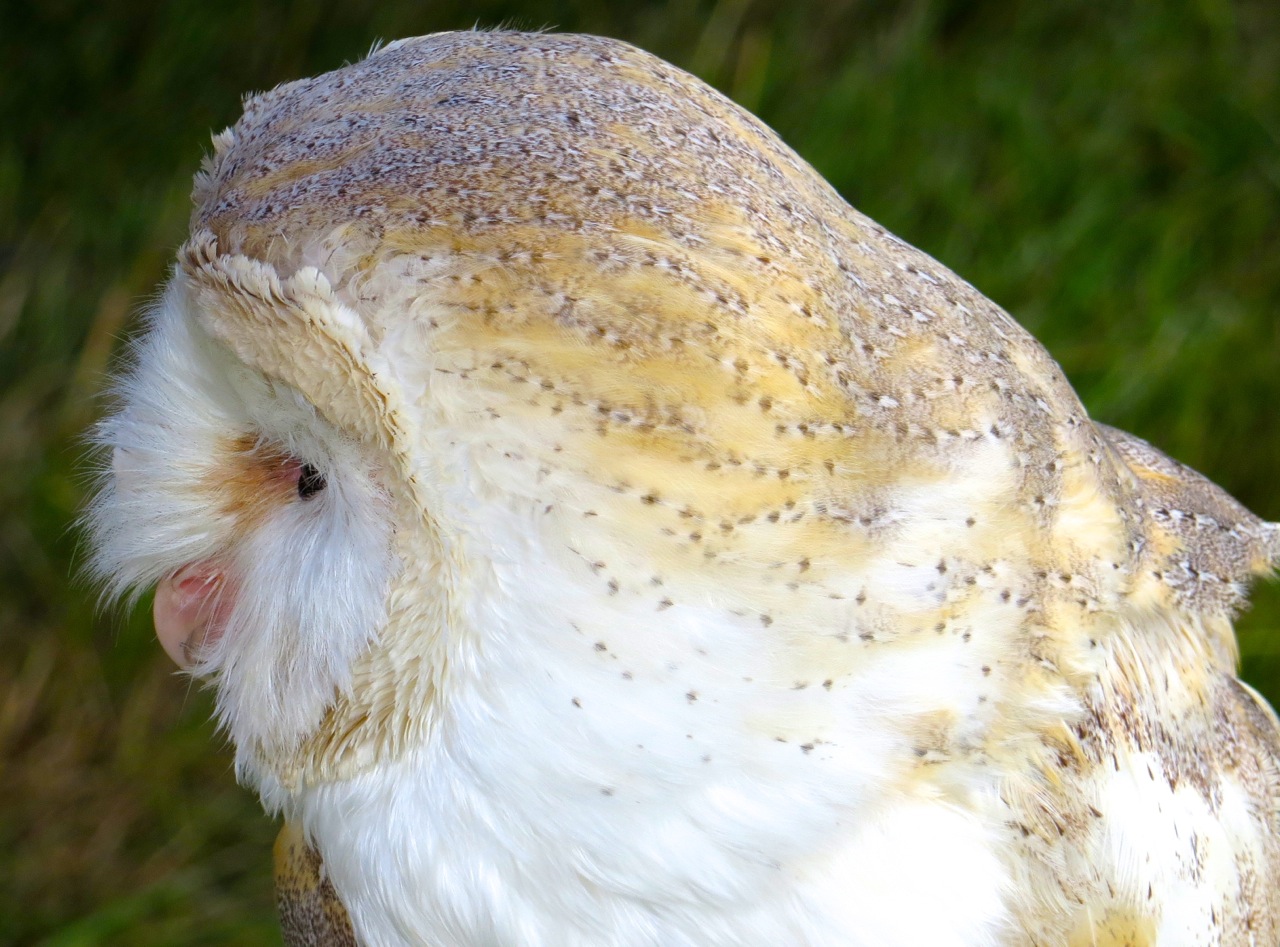
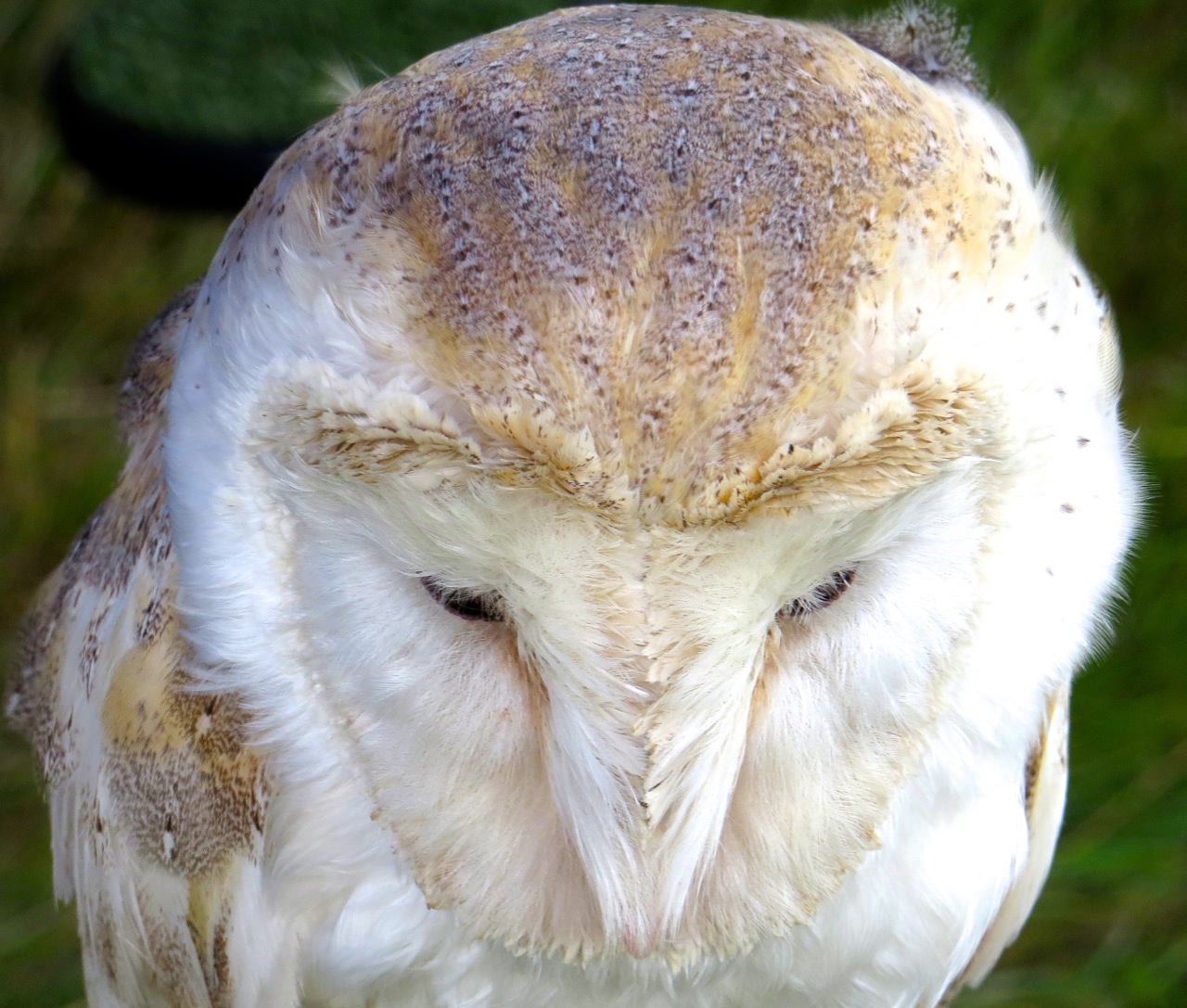
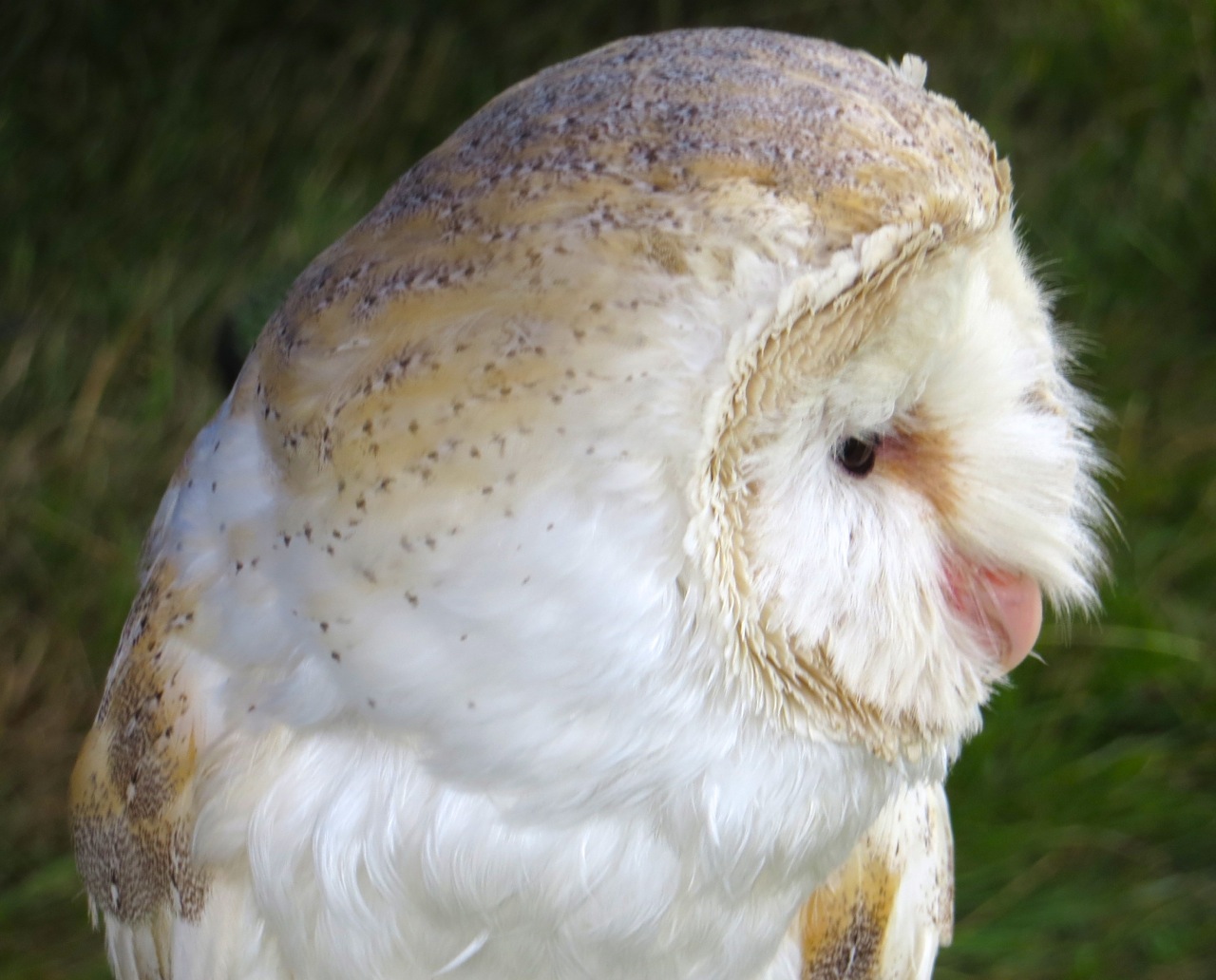
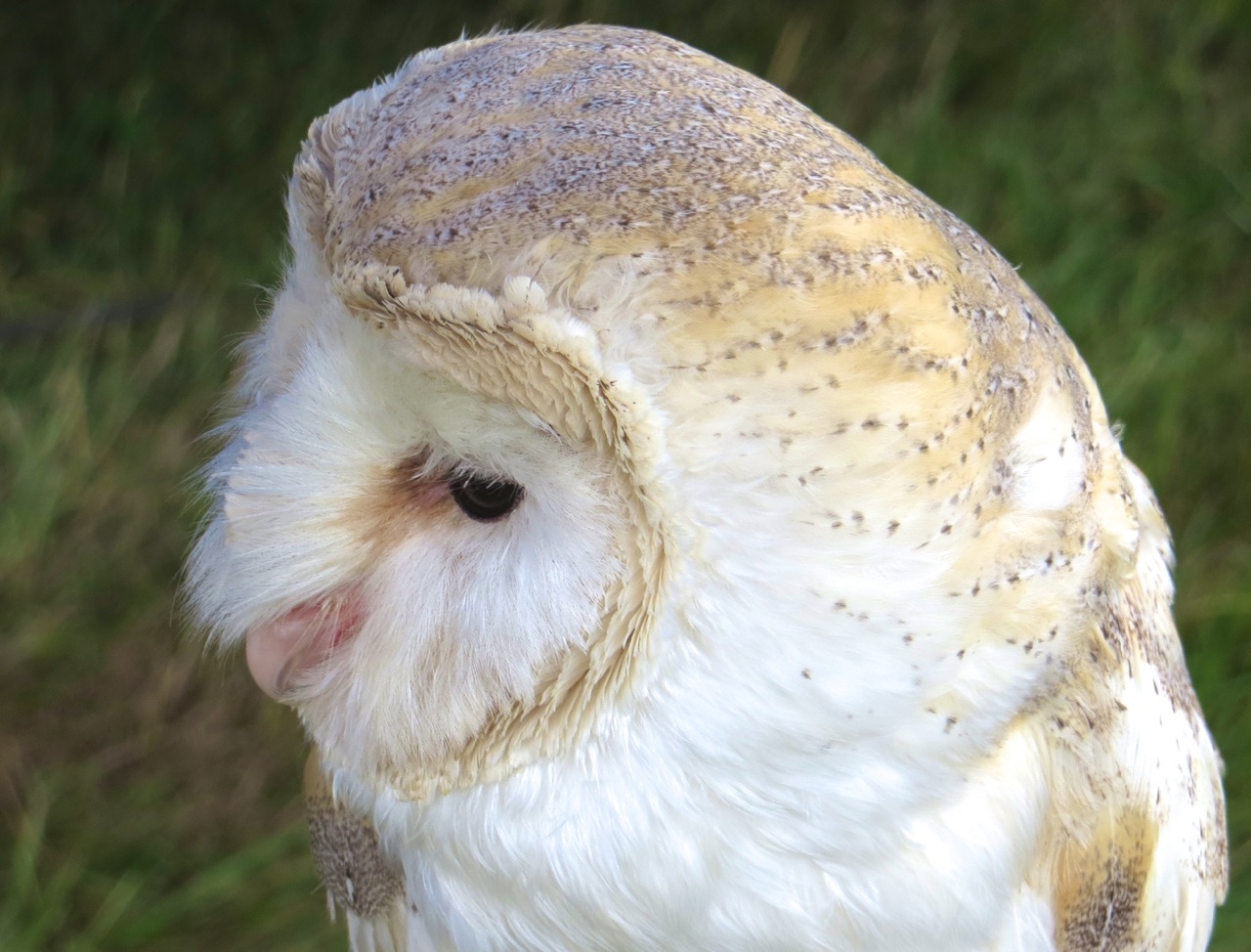
These close-up studies of a Barn Owl Tyto alba in Dorset show different aspects of its head, starting with the characteristic heart-shaped face. Despite their size, Barn Owls weigh only a few ounces and are completely silent in flight.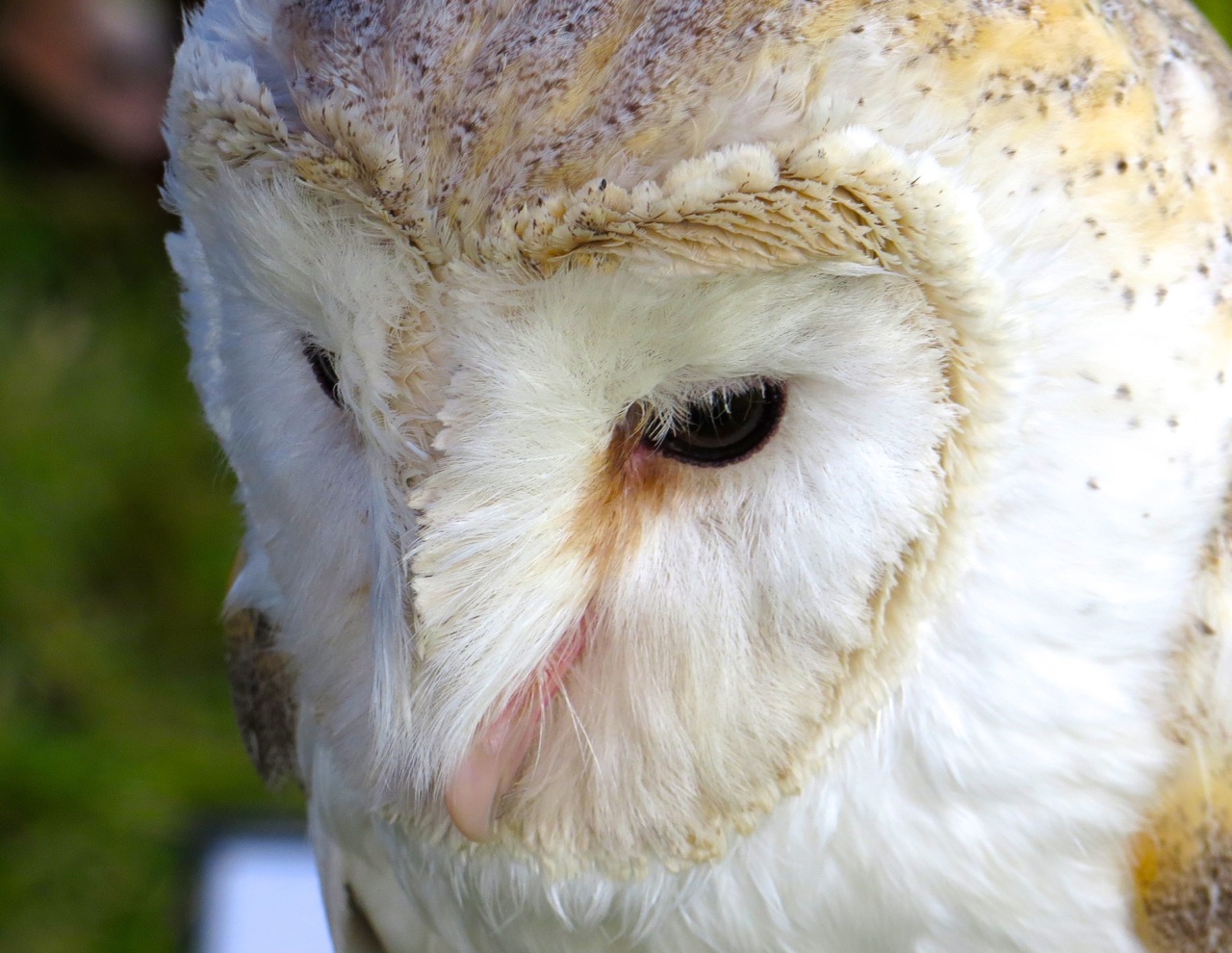
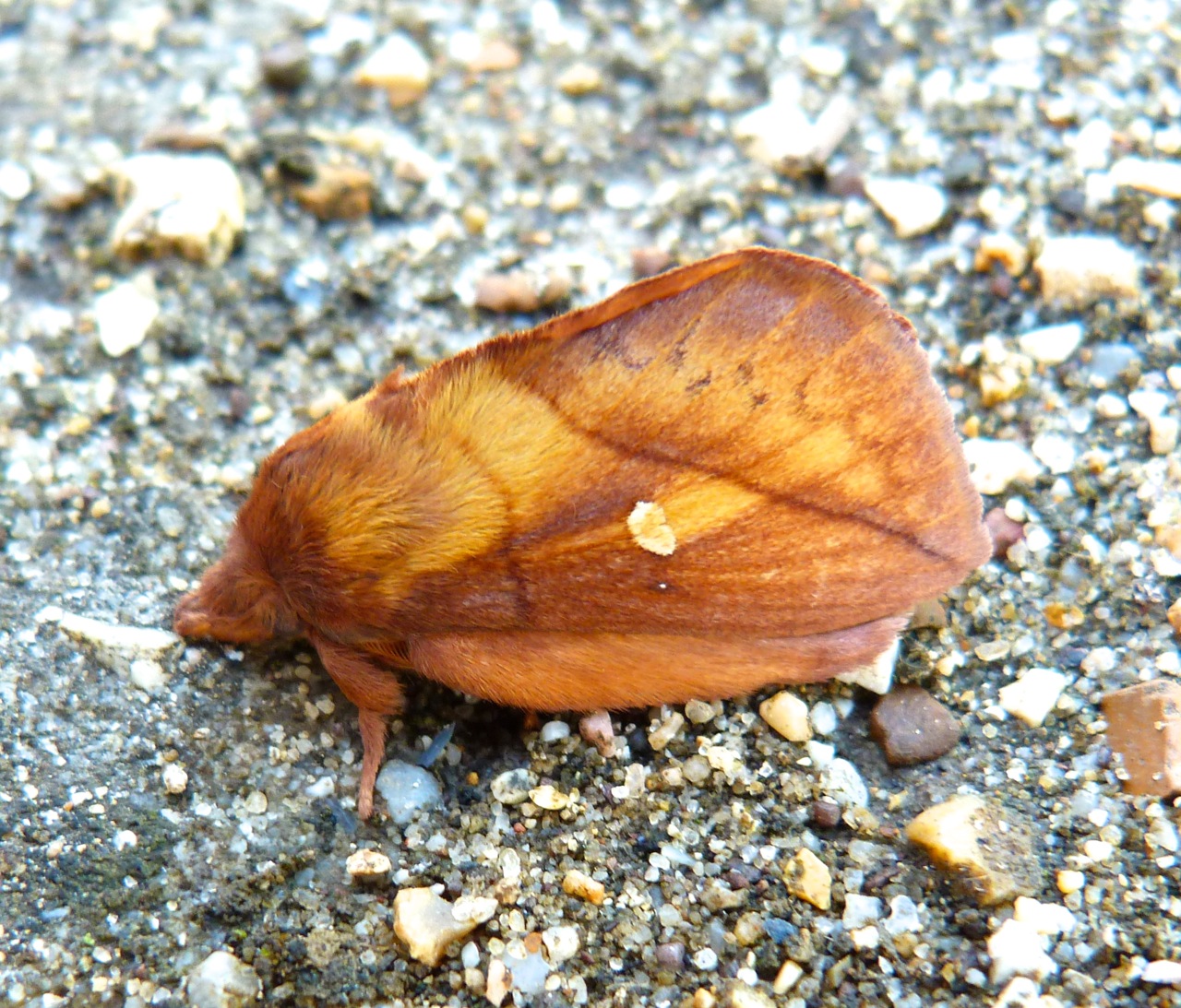
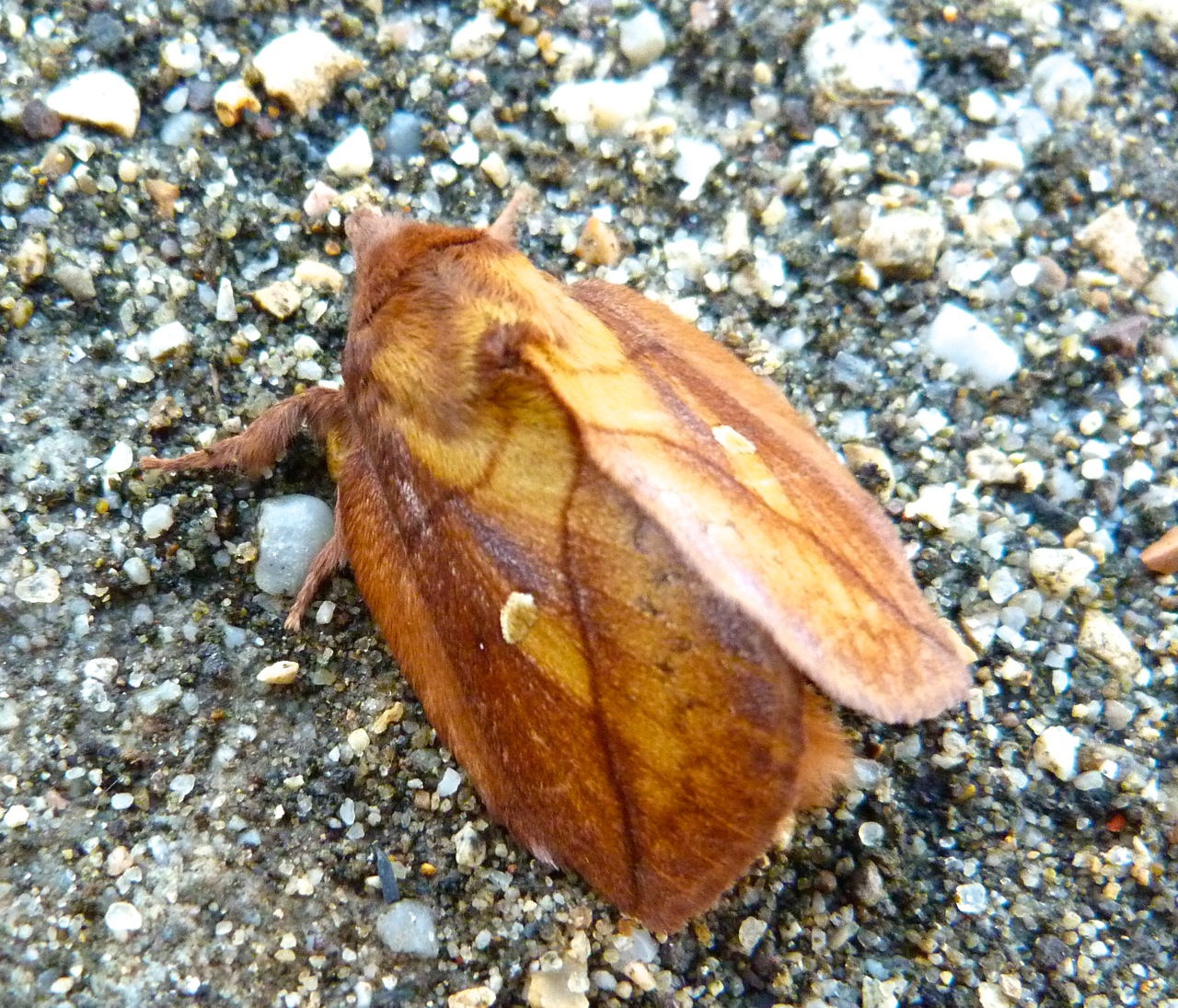
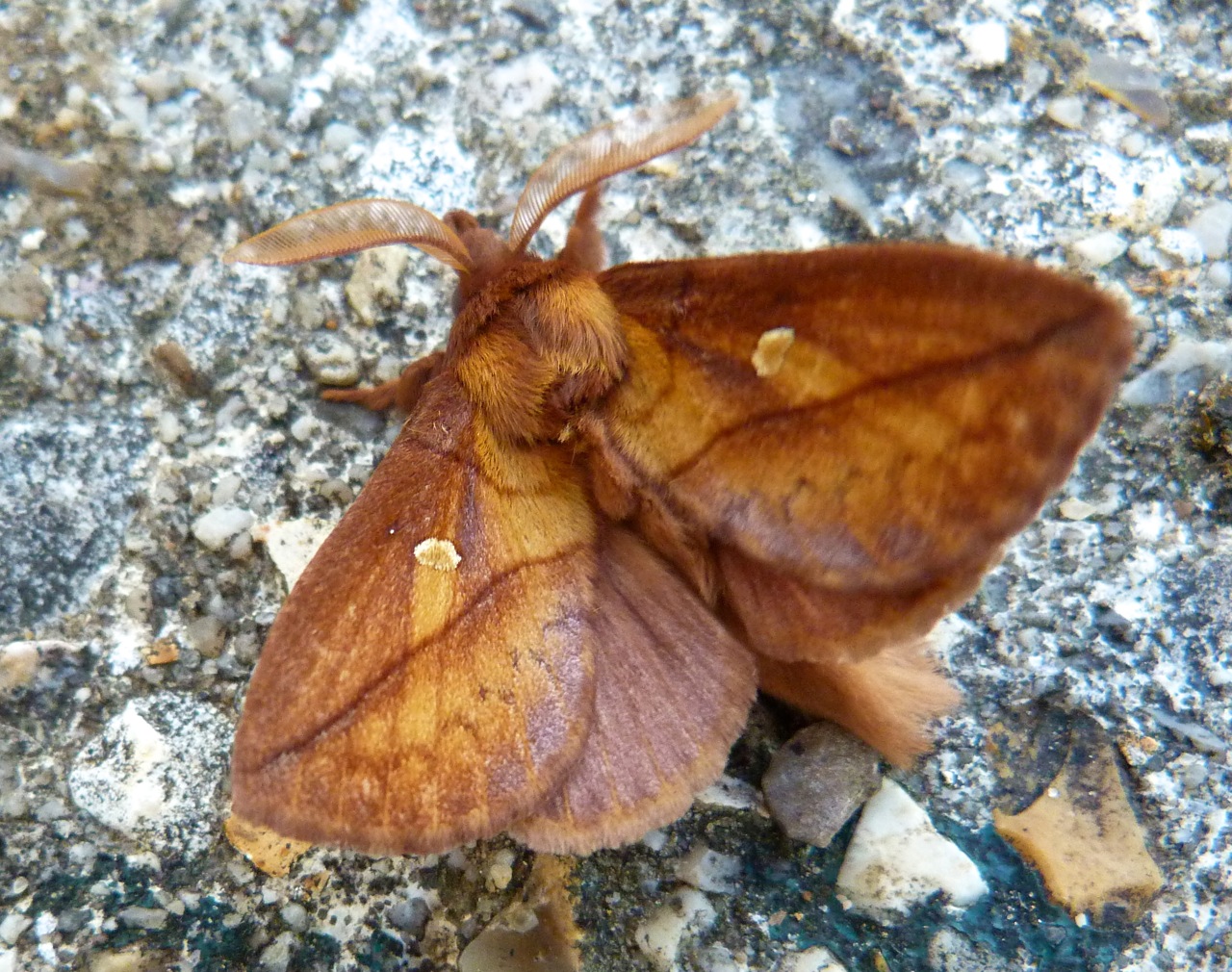
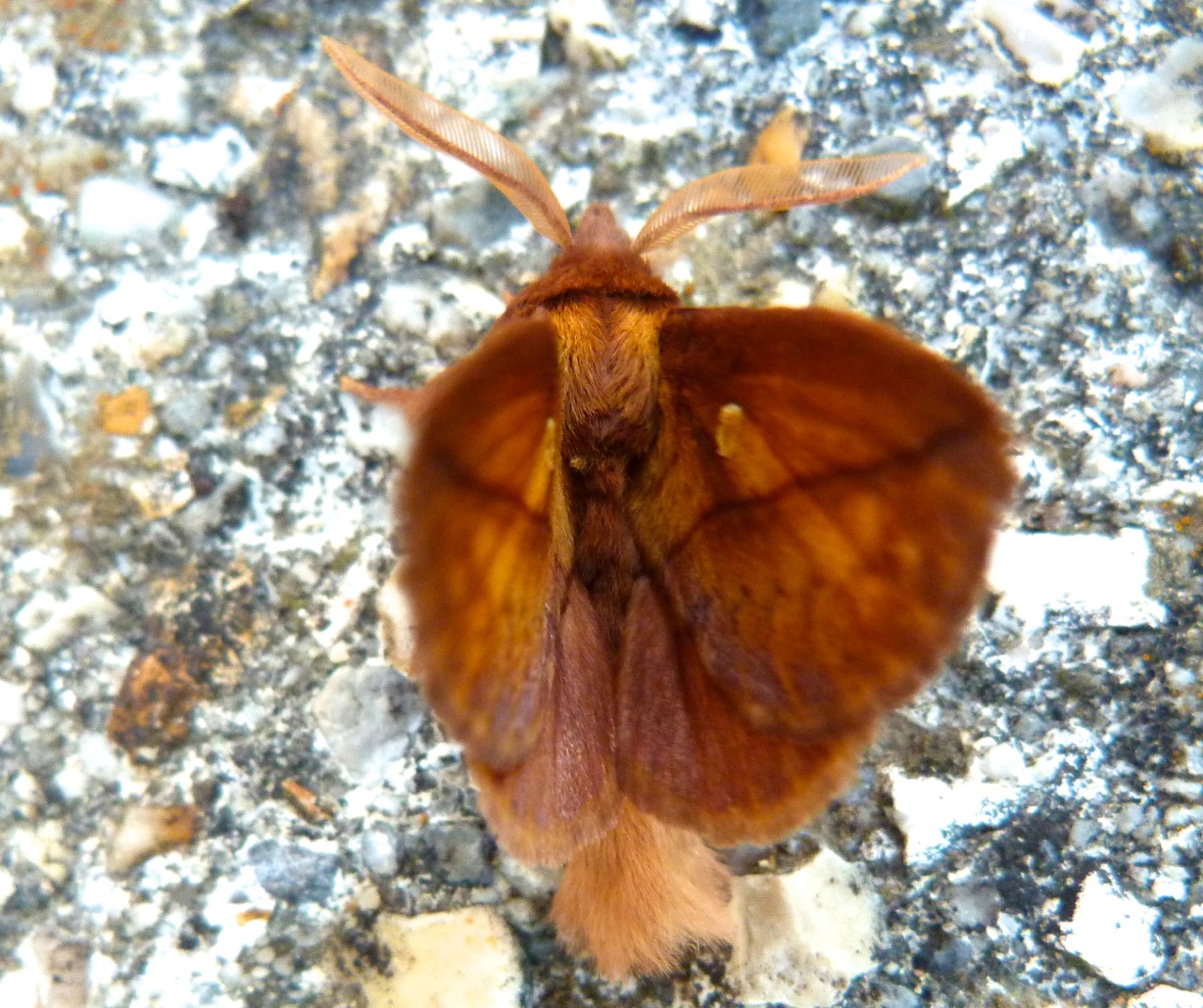
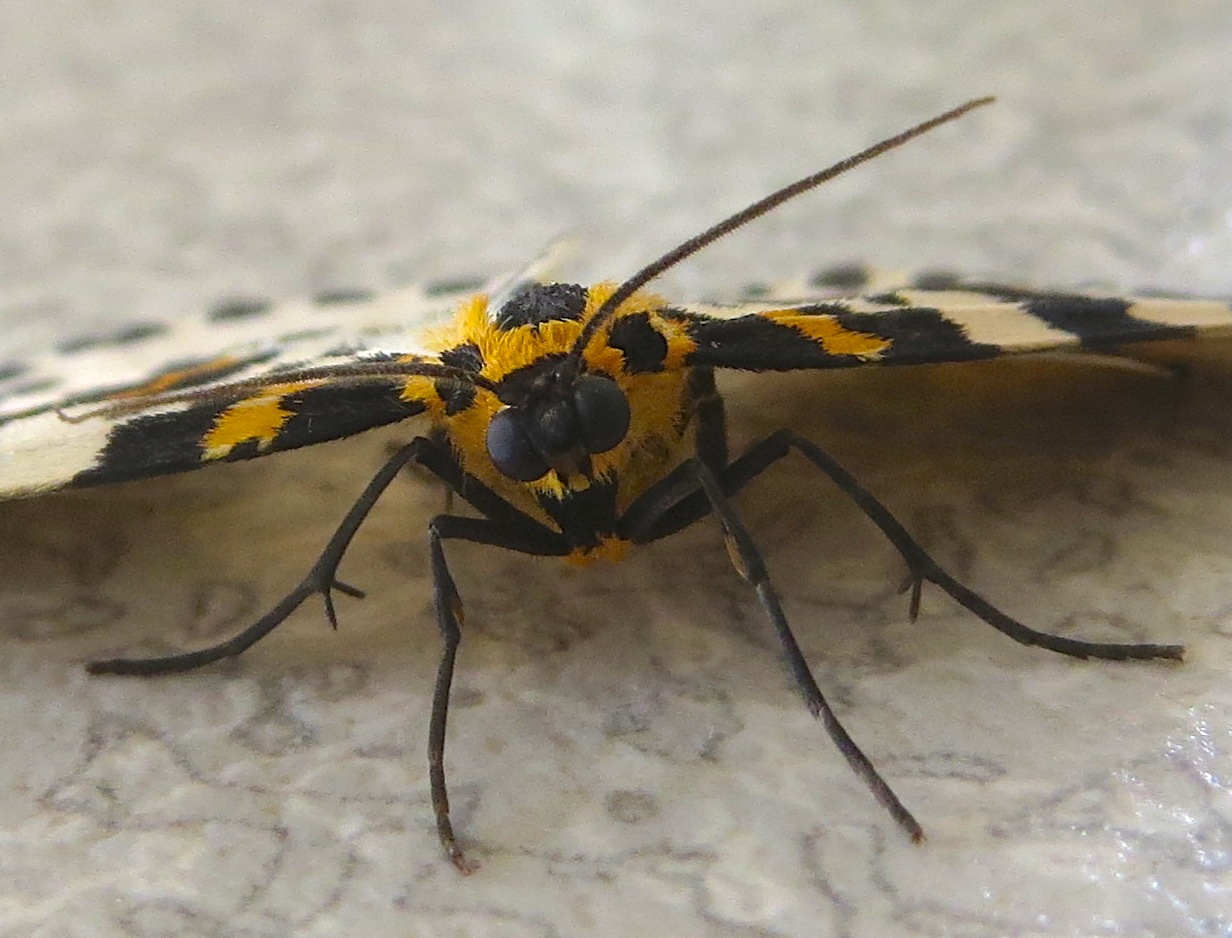
DRINKER MOTH Euthrix potatoria – Dorset
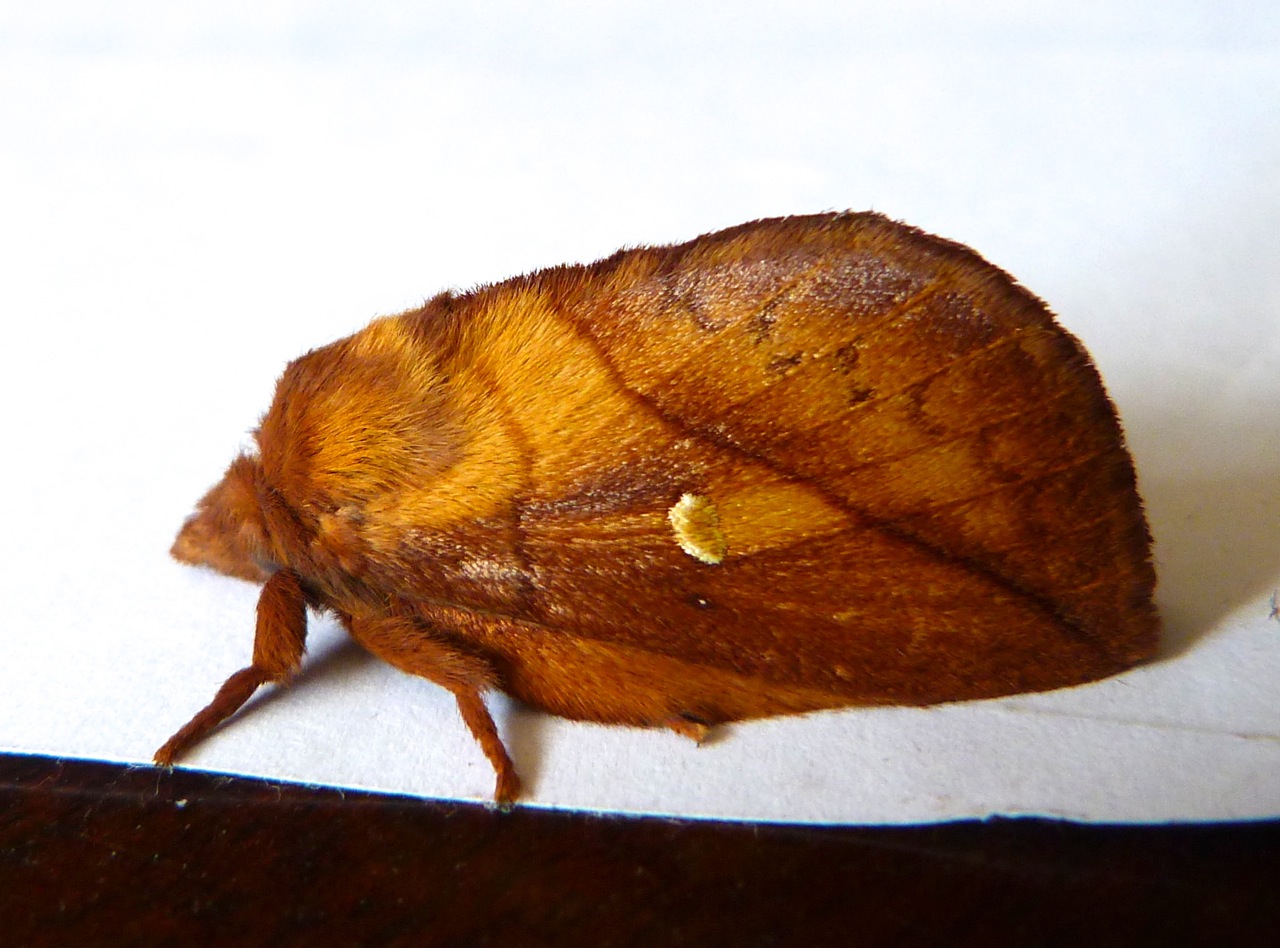
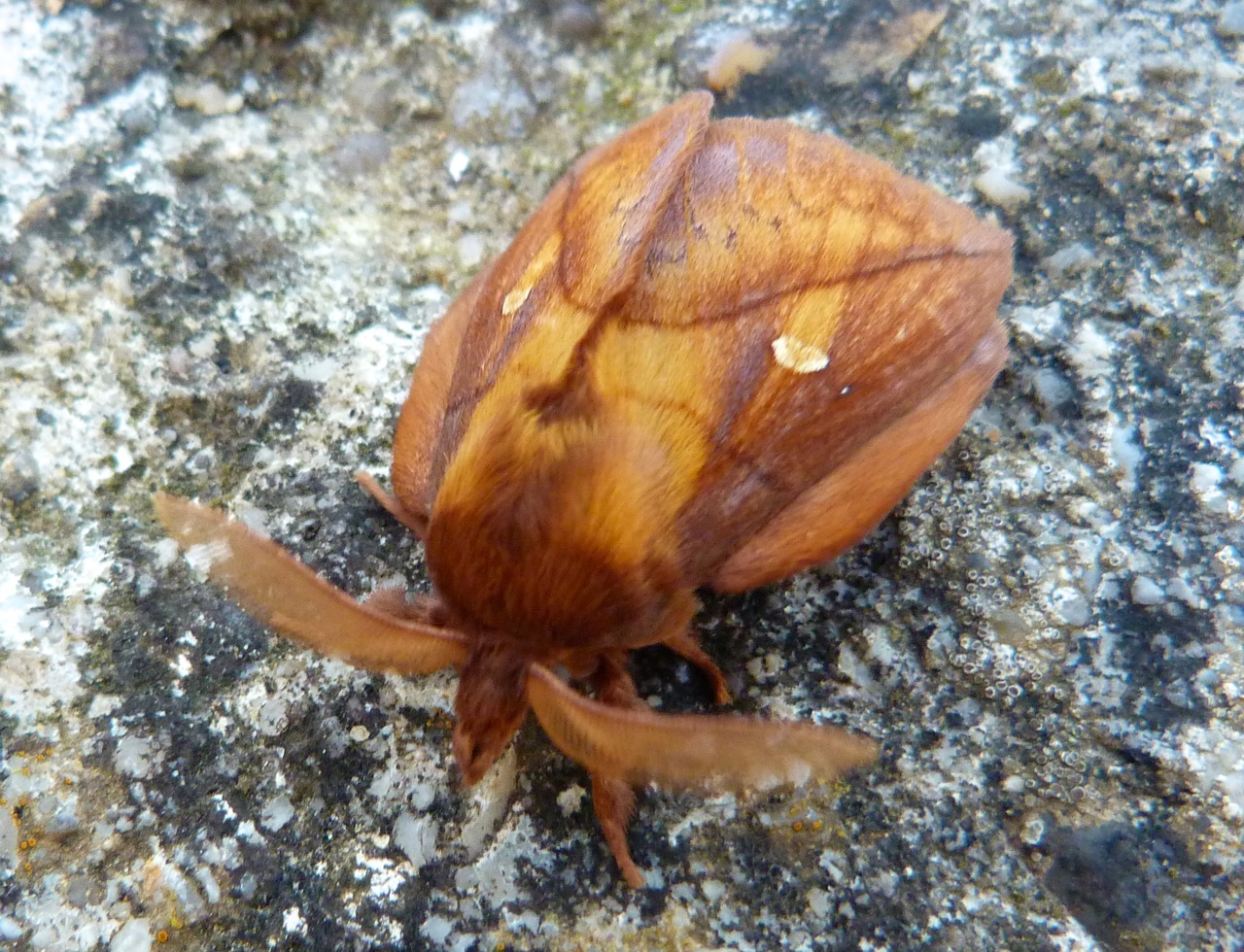
I’ve recently posted images of a moth I have never previously seen / noticed MAGPIE MOTH. Here’s another one that’s new to me – the endearingly alcohol-suggestive ‘Drinker Moth’. I thought at first it was an Oak Eggar moth, until I checked the ID. In some positions it looks more like a tiny mammal – check out those little feet (photo 2), and furry tail (photo 7)… I rescued it from inside the house and took it outside. It didn’t much care for being on a sheet of paper and dropped to the ground, where it fluttered round rather feebly. In the end I put it on a flower to avoid inadvertent underfoot tragedy.


MAGPIE MOTH Abraxas grossulariata
This is an insect I had never knowingly heard of or seen until last weekend when it turned up in the kitchen. The species was once prized by collectors for its marking and colouring, apparently. They like currant and gooseberry bushes. And unwisely flying into kitchens. It’s also the first time I’ve seen or heard the word ‘Abraxas’ other than in the context of Santana’s 2nd album (1970), with its (at the time) controversial cover (Mati Klarwein’s ‘Annunciation’).



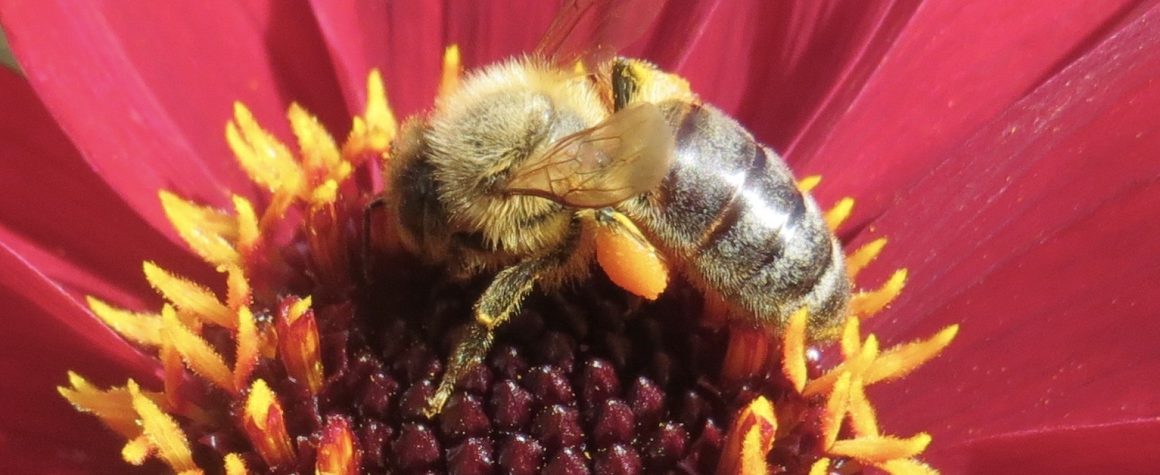
‘BUSY BEE’: COMMON CARDER BEE
 Common Carder Bee Bombus pascuorum
COSMOS: THE FLOWER (with white-tailed bumblebee)
NOW YOU SEE IT…  …NOW YOU DON’T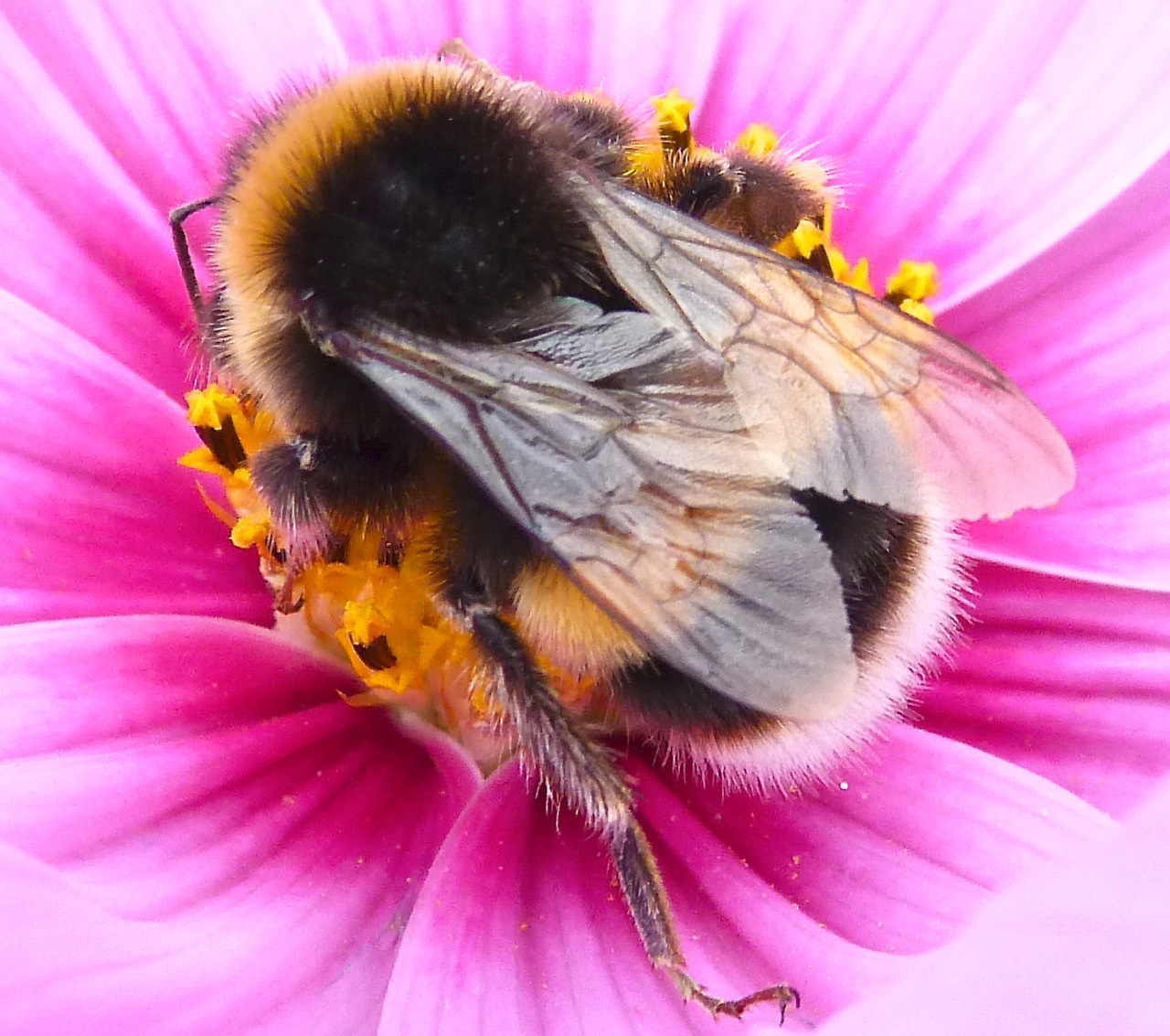
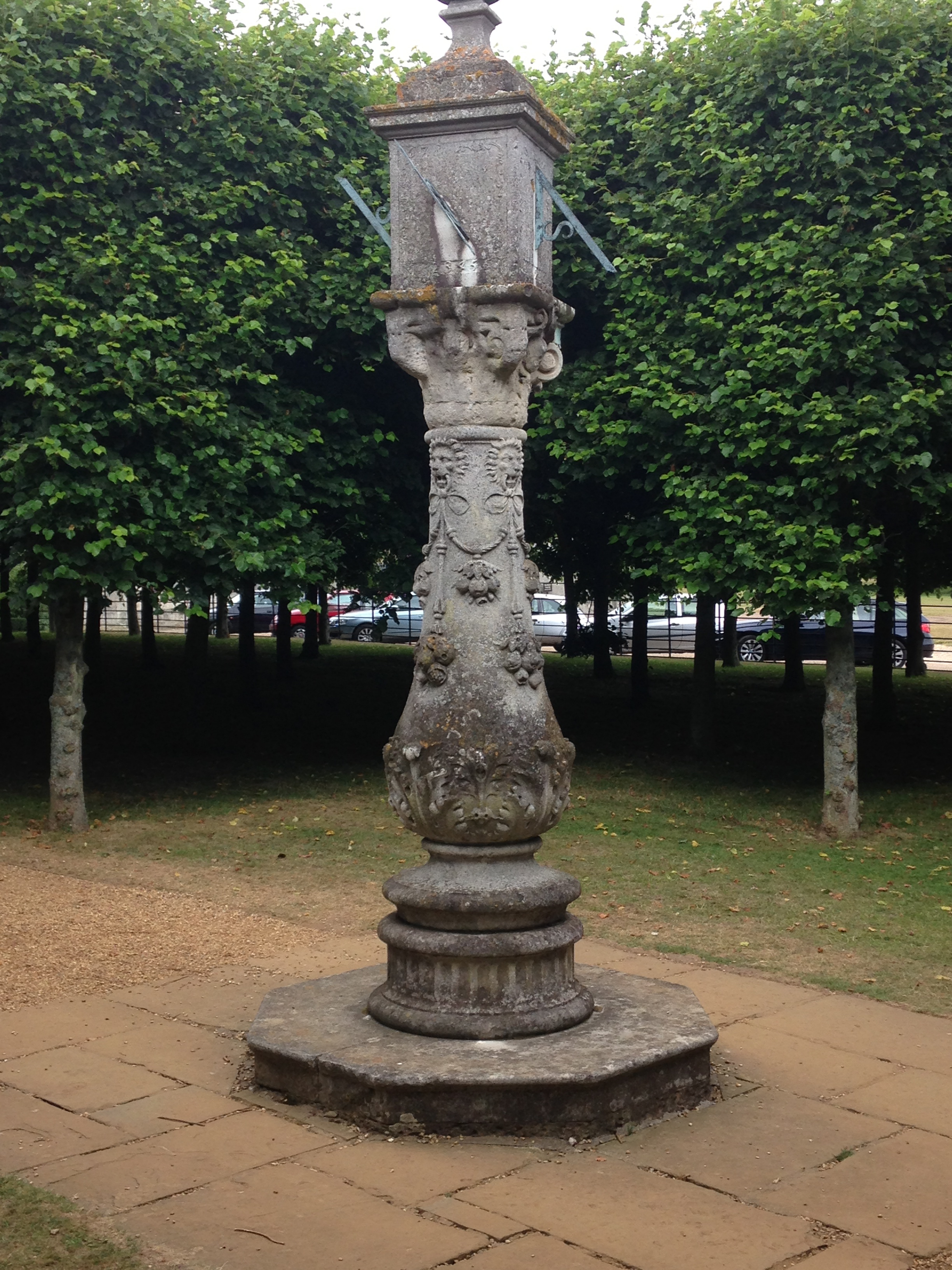
SUNDIALS AT HOUGHTON HALL, NORFOLK
On a recent trip to Houghton for an exhibition, I forgetfully left my camera in the car. Suddenly we were confronted by a fine ornate C18 pillar or column sundial, fit for one of the marginally better-curated theme pages of this sub-blog, SUNDIALS. Resorting to an iPh*ne in low light was far from ideal, so apologies for the quality of the images. Fortunately you can see the ingenious ways in which the 4 gnomons are attached to achieve the correct shadow angles; and the numbering variations of the faces, depending on their orientation. The result is dawn-to-dusk time-telling. Always provided the sun is shining!
1. A FOUR-SIDED C18 PILLAR SUNDIAL IN THE GARDENS AT HOUGHTON


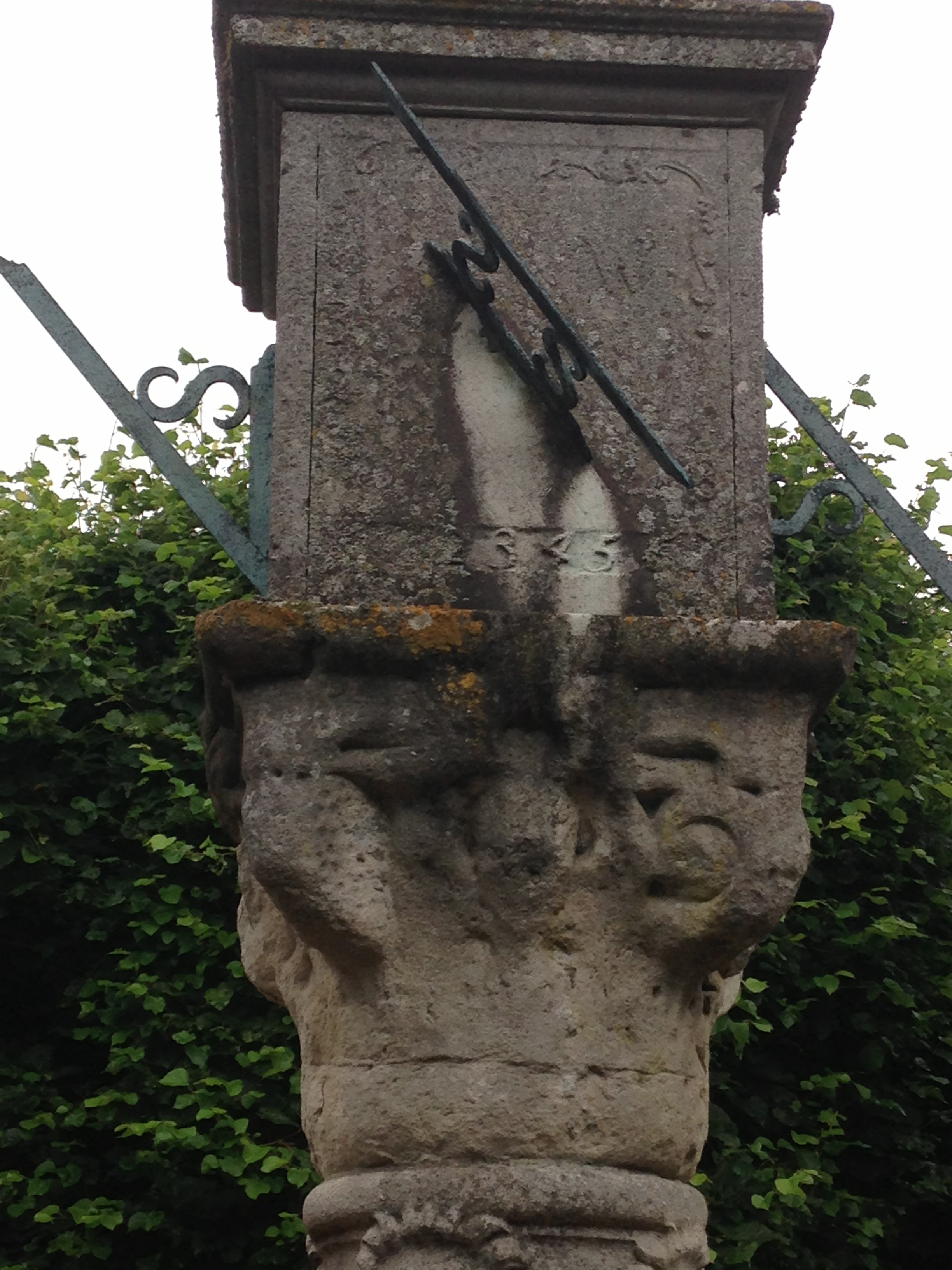
2. A FOUR-FACED SUNDIAL ON AN OCTAGONAL TOWER: HOUGHTON HALL, WEST FRONT
By the time we got to the house a light drizzle was falling and there was no hope of a decent photo. I’ve had to borrow, as credited. I’ve included 1 poor effort at the end simply to give the sundial’s context in relation to the house. Thanks to Elliott Brown for use permission for the first two. You can see these and his other images HERE. Again, you can clearly see the variations in the gnomon placement; and in the numbering / angling of the faces. And, thankfully, proof that the sun does shine in Norfolk.


The image below is credited to Edmund Patrick and licensed via wikimedia commons
Bad weather shot… in all senses

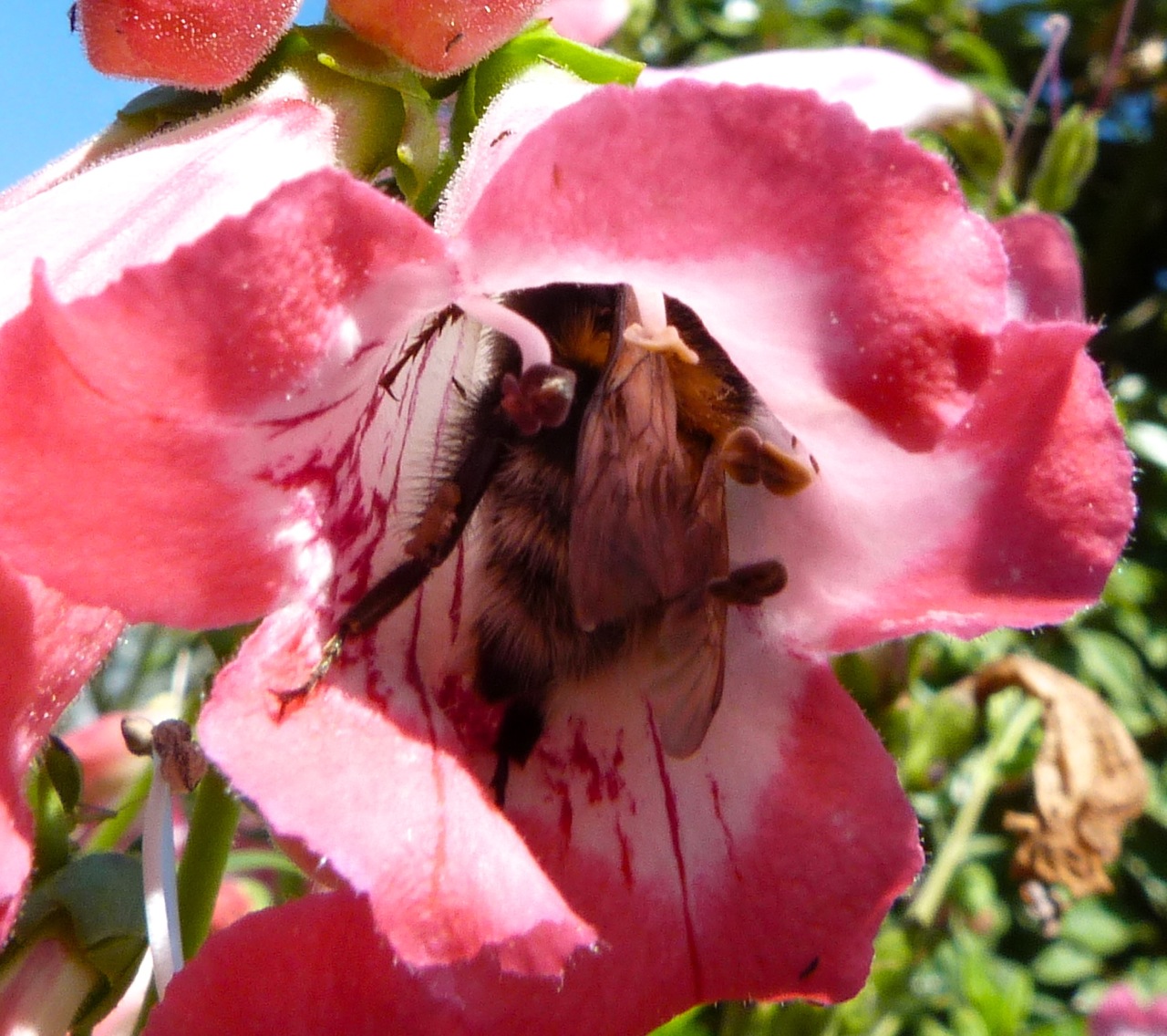
JULY BUMBLEBEES IN DORSET


CABBAGE WHITE BUTTERFLIES DESERVE A CLOSER LOOK?
These cabbage whites – a name redolent with faint scorn (contrast Purple Emperor, Red Admiral, Peacock etc) – were out and about on a warm Dorset July day. They couldn’t actually get at the cabbages / purple sprouting broccoli, where they no doubt would have liked to lay their eggs – too well covered over. So I decided to see if they merited a photo-shoot in their own lepidopteran right. I think close-to they have their own beauty.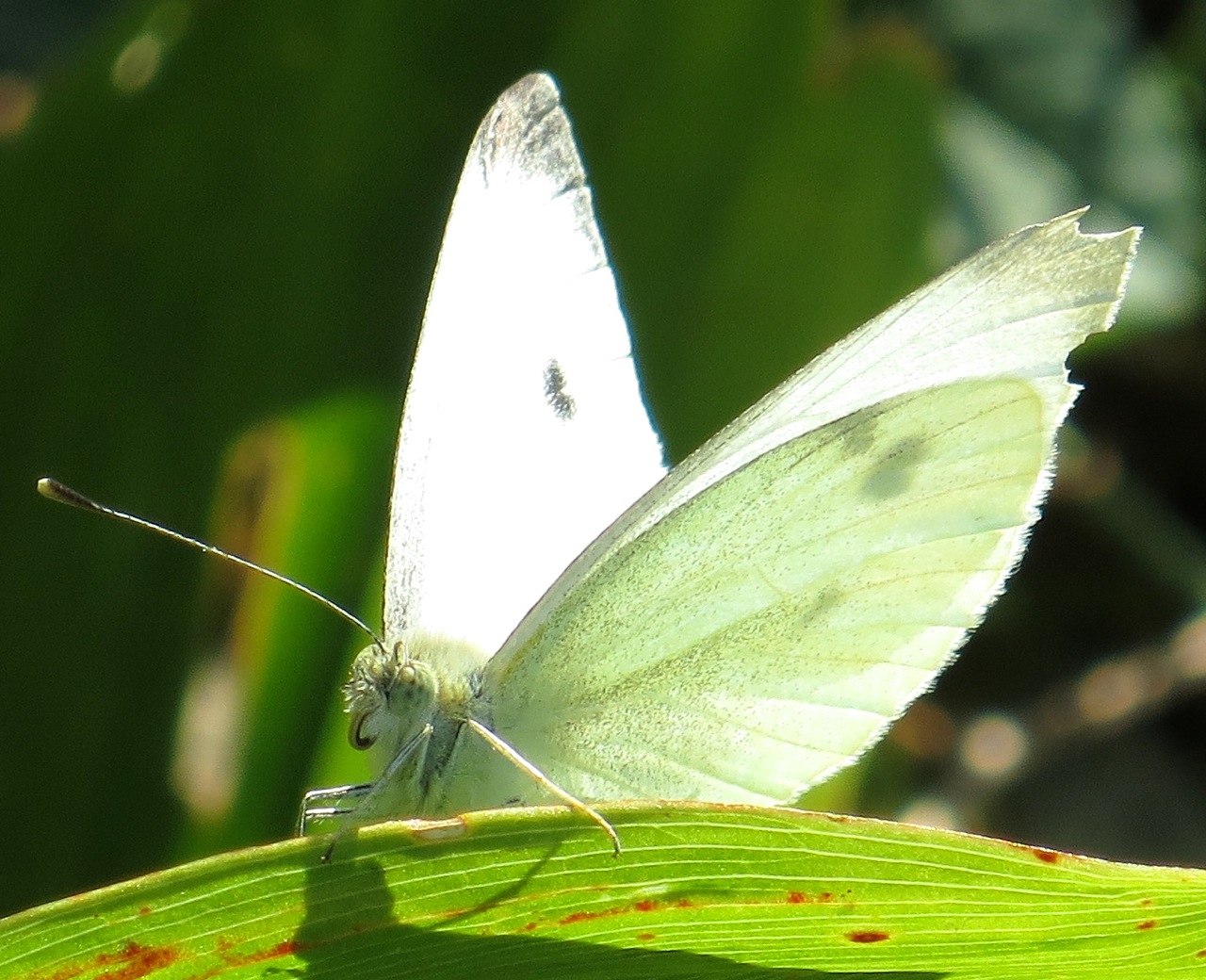
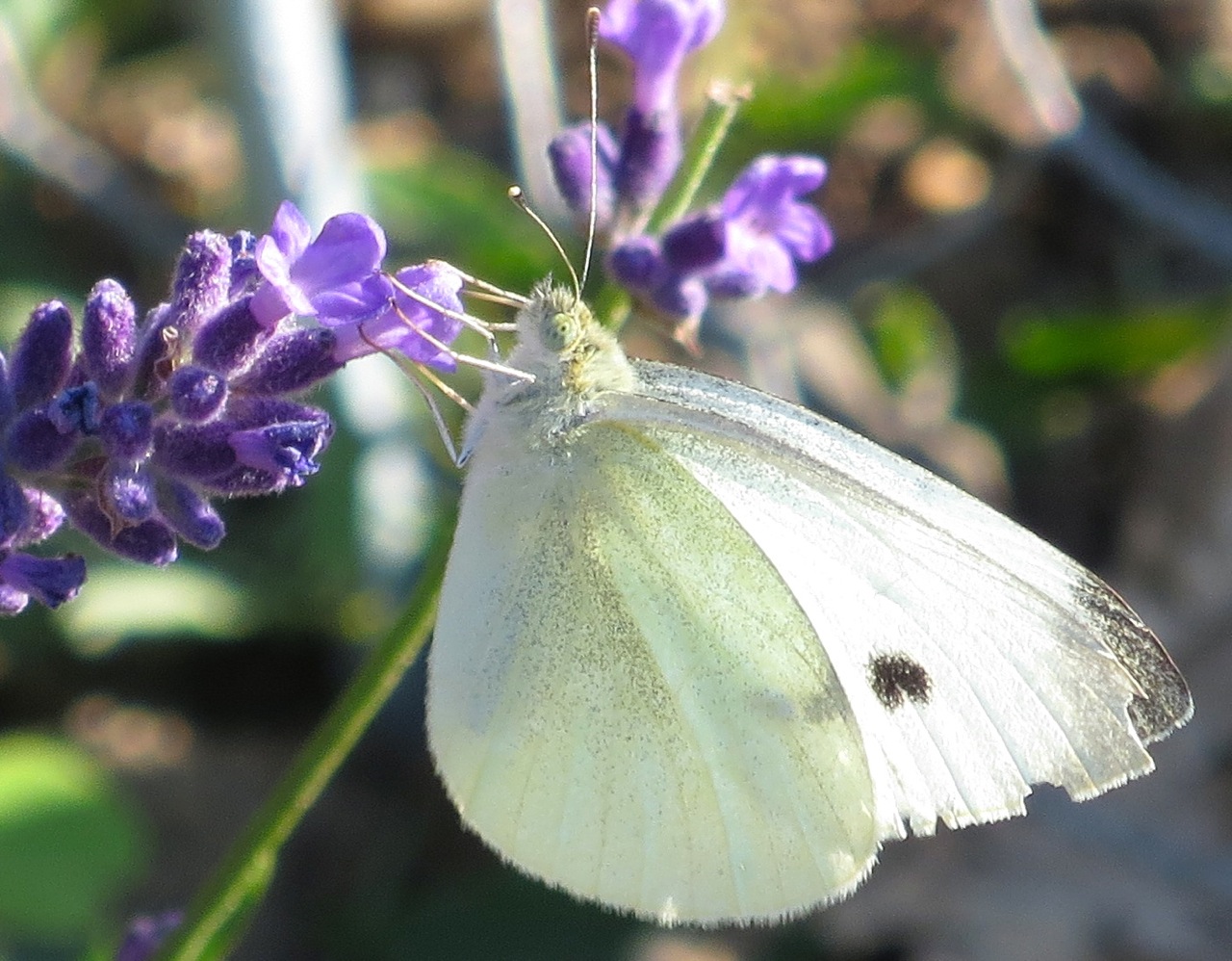


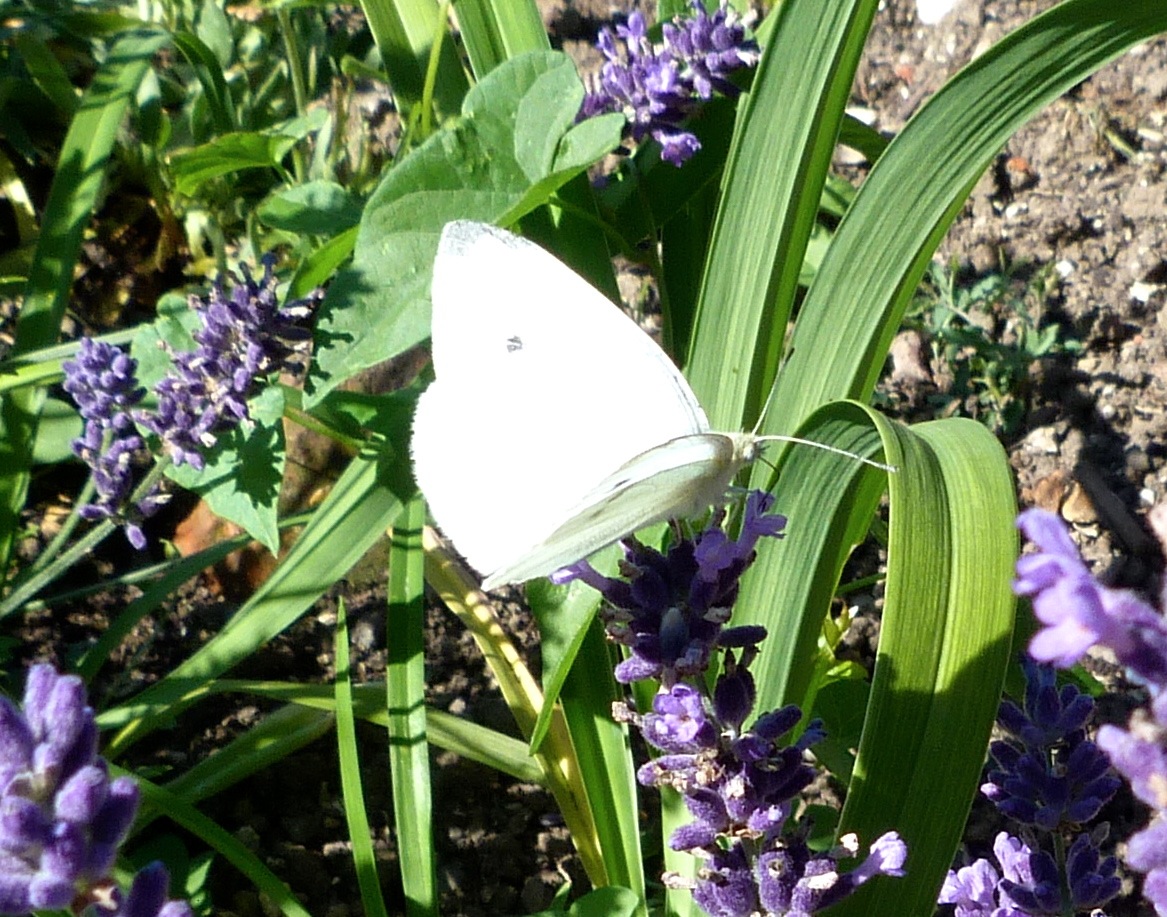
I’m often surprised how ragged the wings of a butterfly can get, without its flight being affected. I guess it is the sign of impending doom though, a rather sad thought…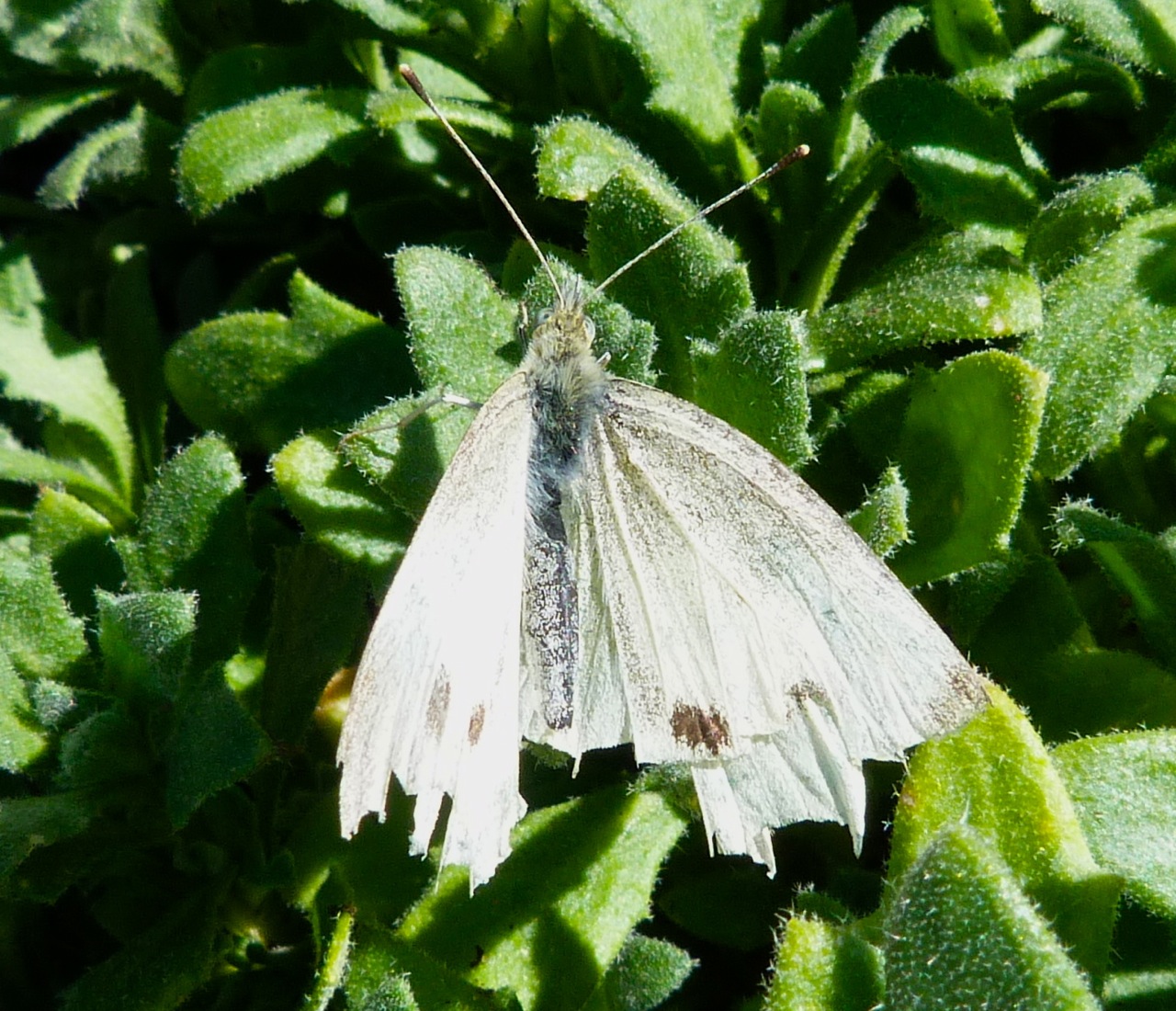
GREEN WOODPECKERS IN DORSET: A FAMILY STORY
This morning my attention was caught by some inept avian fluttering in our field. Two birds, medium size. A flash of red on the head, and a large beak: green woodpeckers. The lack of vivid green ruled out adult males – this was a mother / fledgling education lesson in flying and self-sufficiency. By the time I had grabbed a camera from the house, they had moved further away. I had to creep up to the field fence so as not to scare them, and fire off some distance shots from a slightly awkward position (avoiding barbed wire was one issue). These are quite poor images, as photographs go. But the story is a good and rather sweet one…
Mum!
Uh huh….?
I’m hungry
Hurry up… hungryyyyyyy
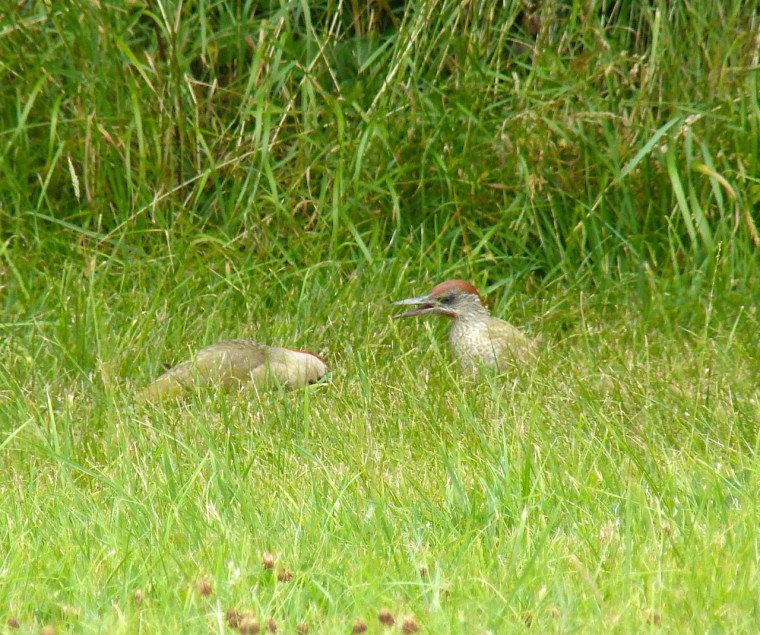
Ok dear, worm coming up. You’ll have to learn to do this for yourself now
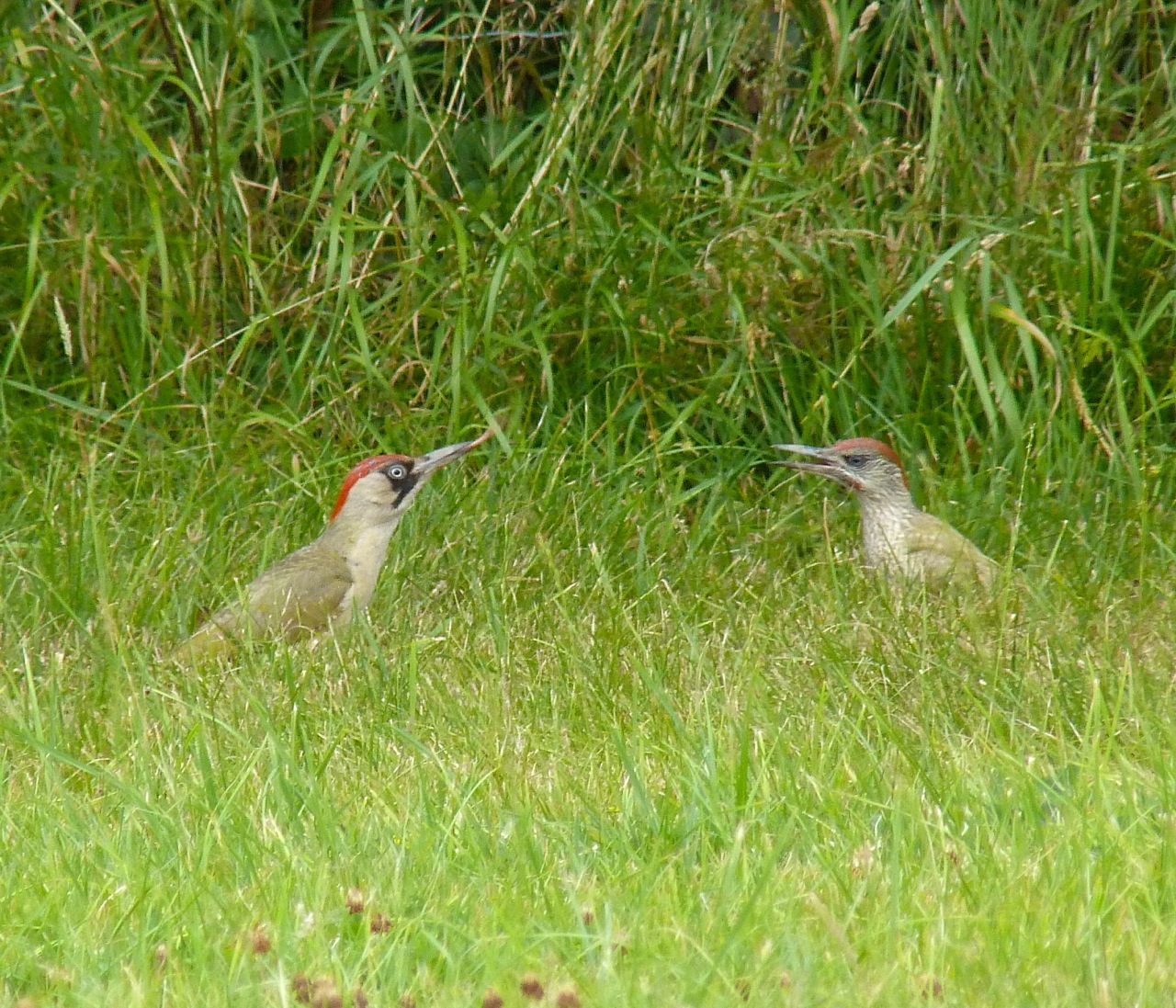
Still hungryyyyyy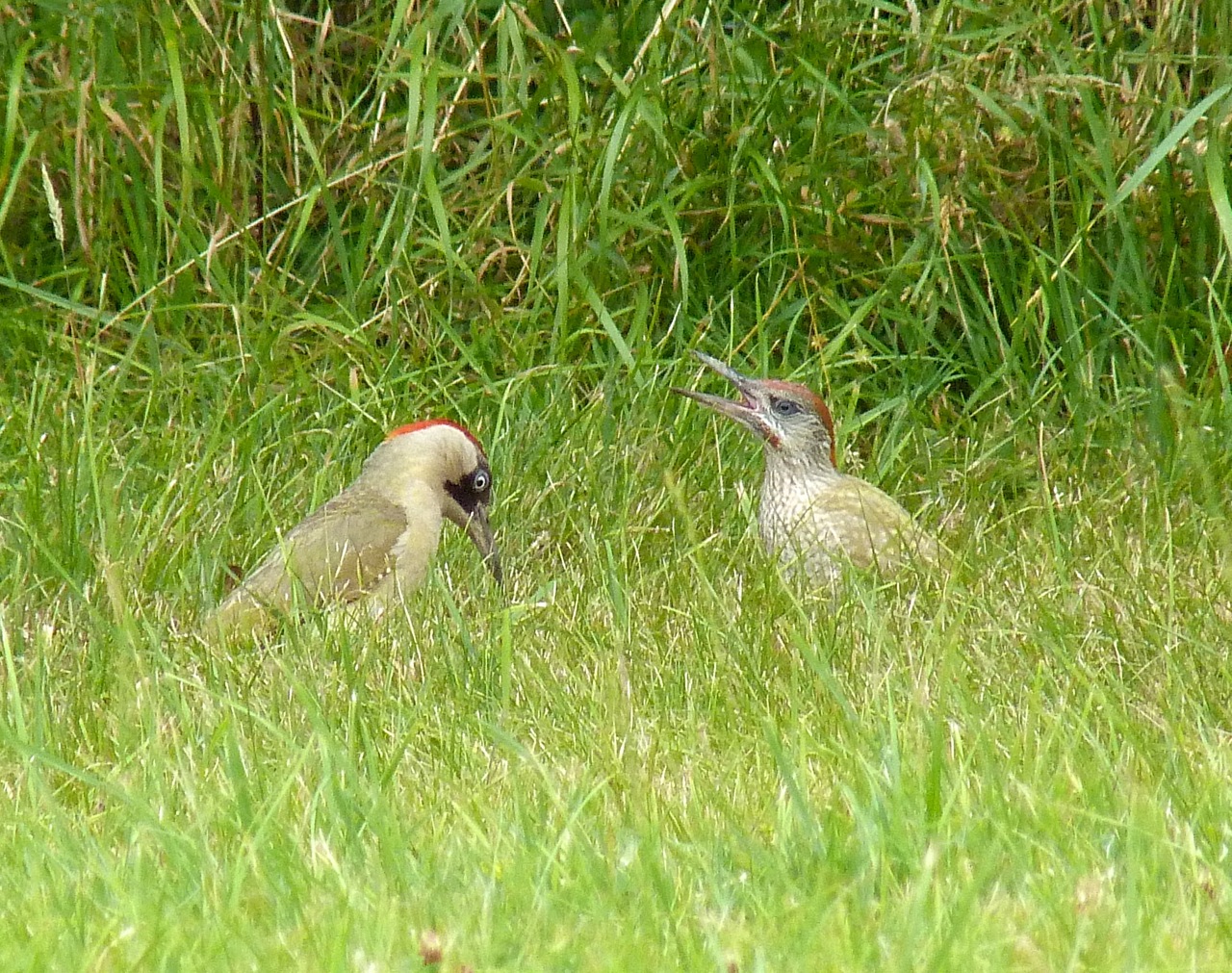
Well here’s a nice bug. Last one. Then you are on your own. Forever.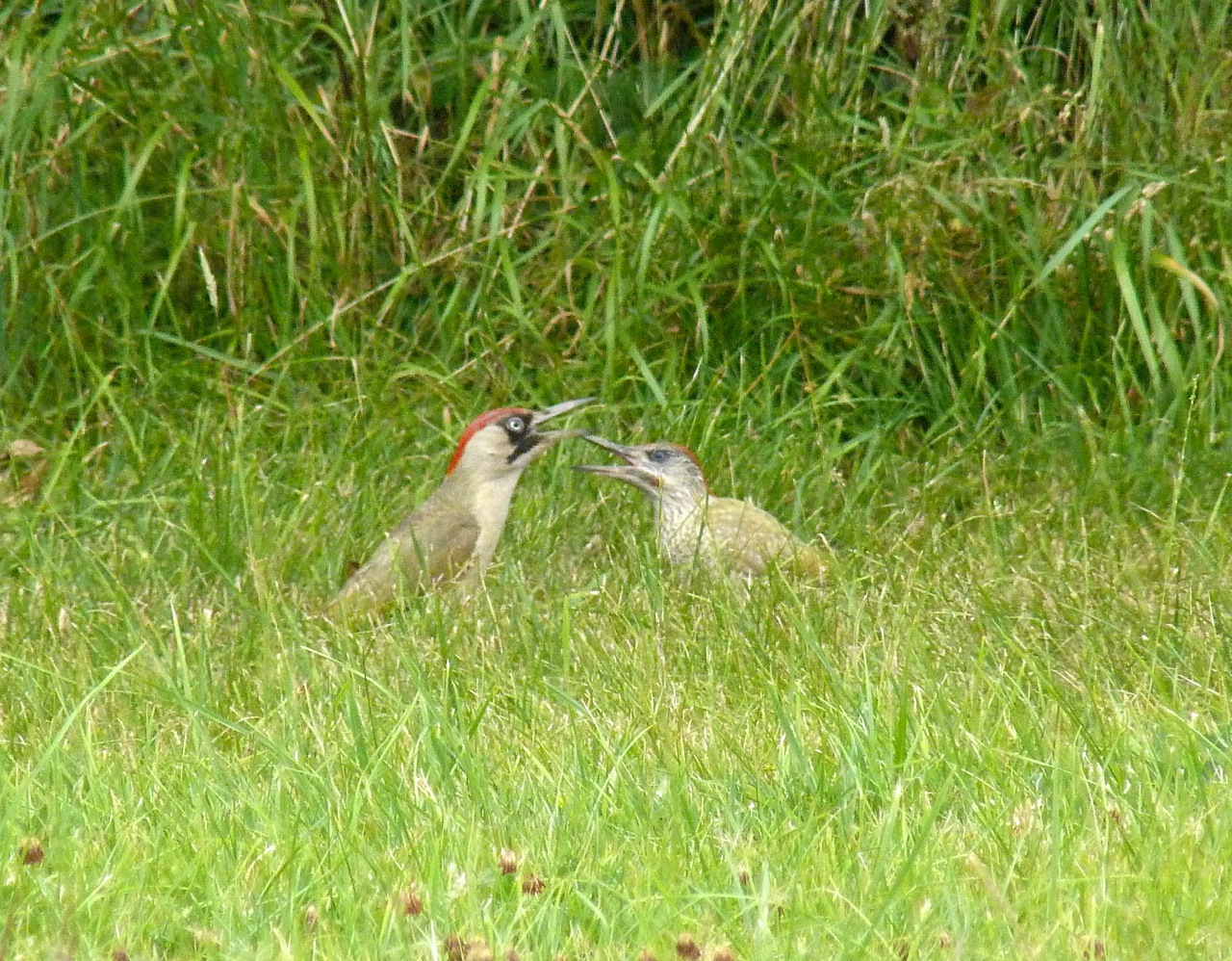
Open wide…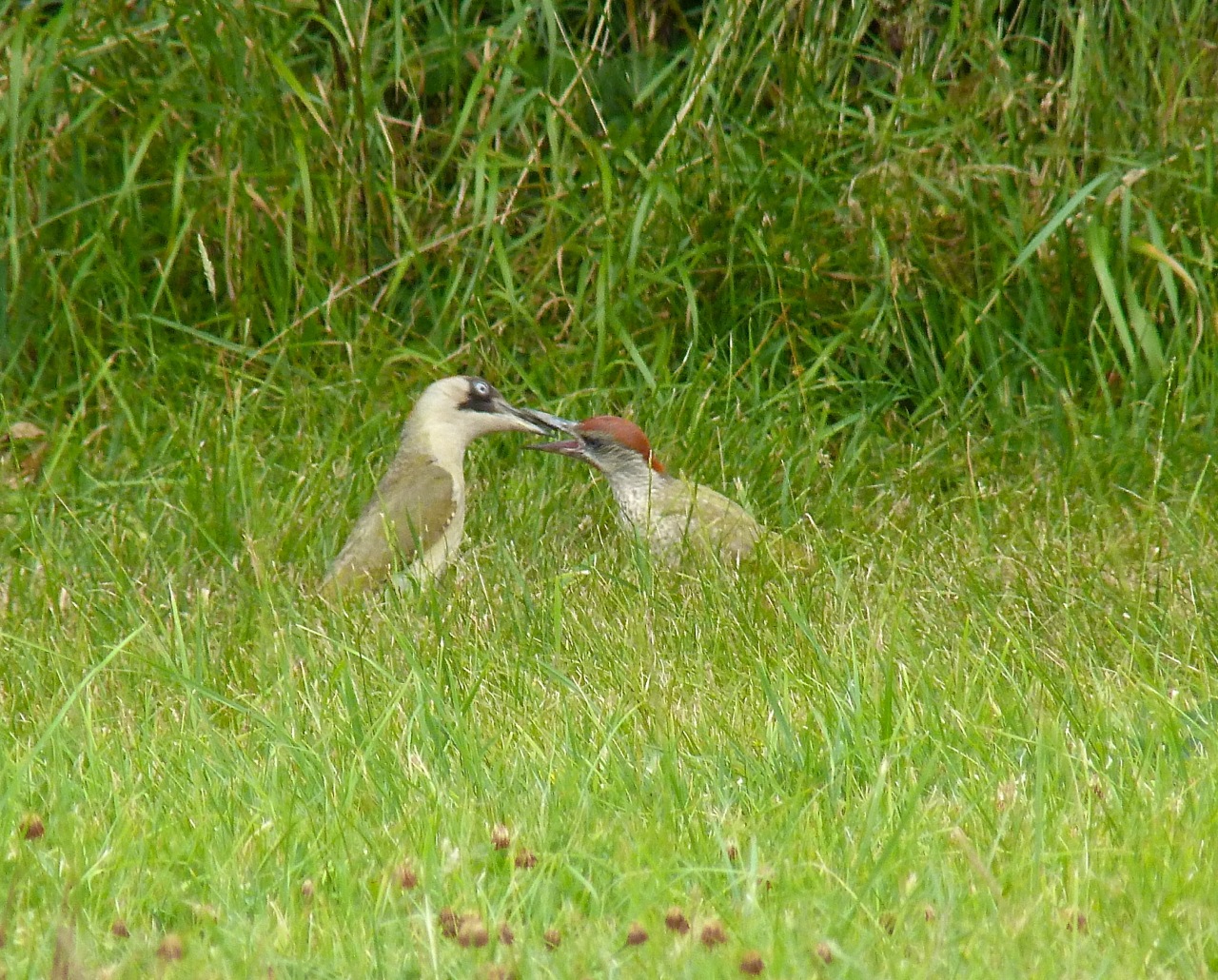
Thanks mum. I’ll be fine now. I think.
Synchronised independence and self-reliance…

A STACK OF CHIMNEYS AT OXBURGH HALL, NORFOLK
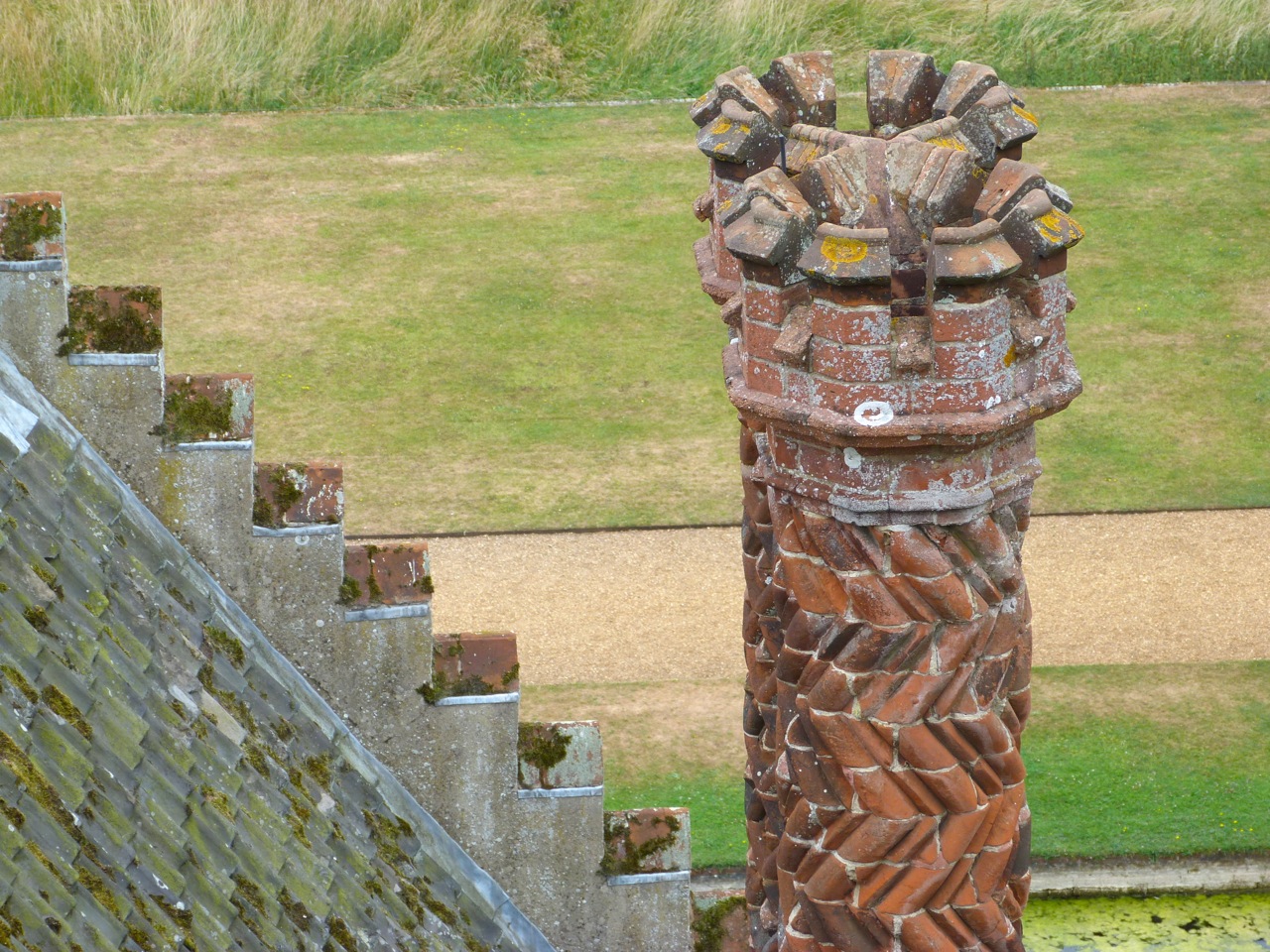
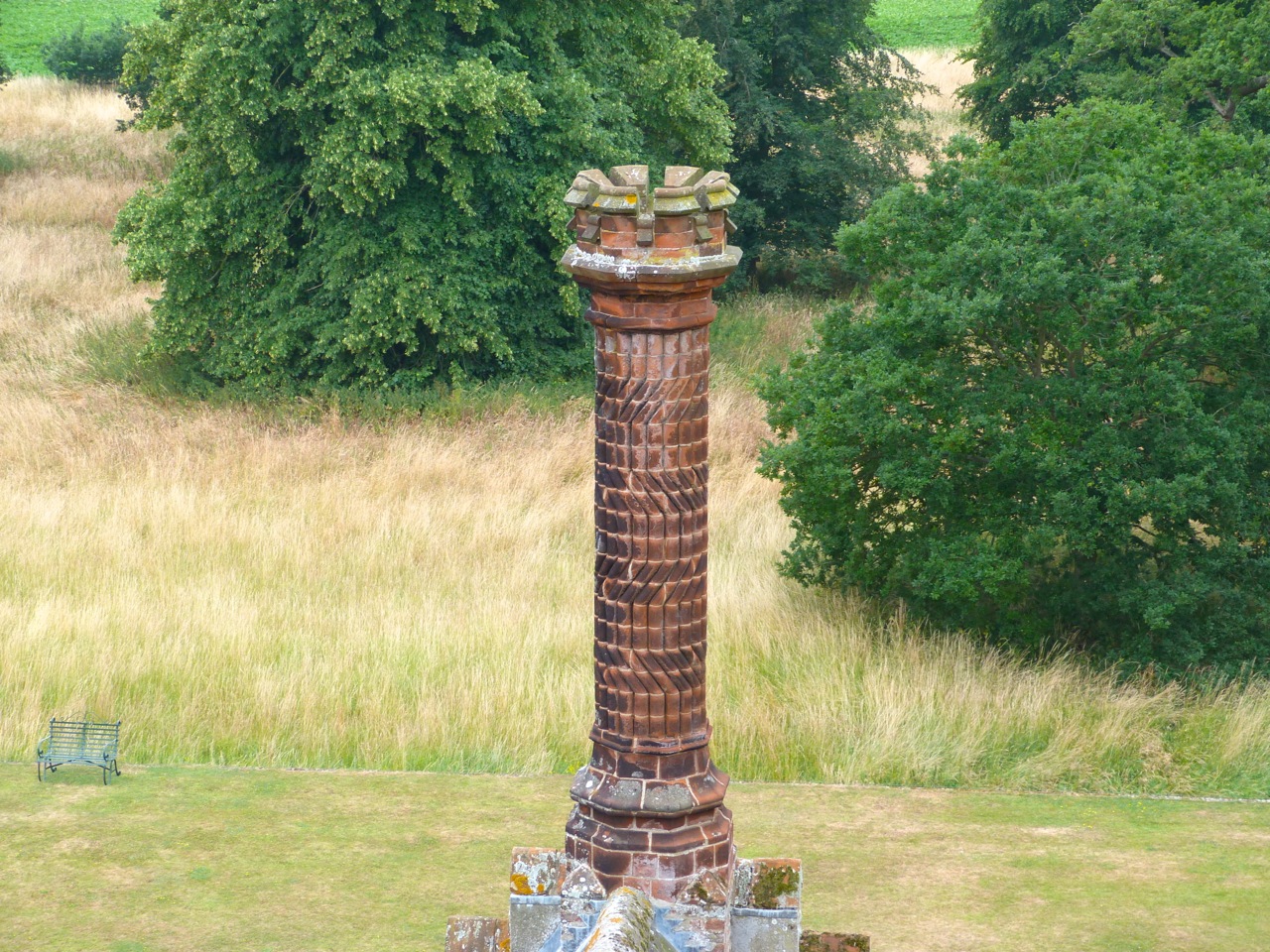
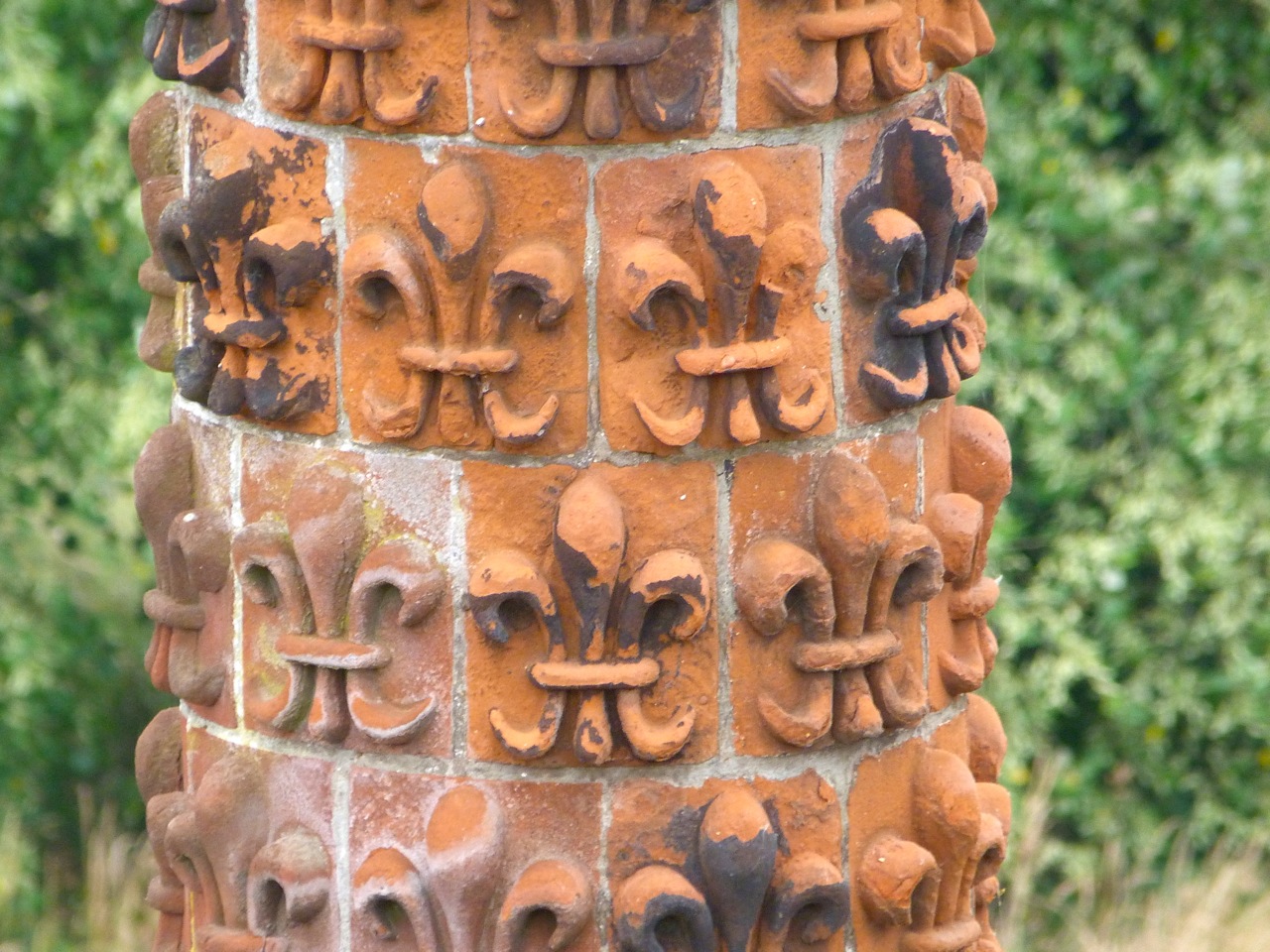
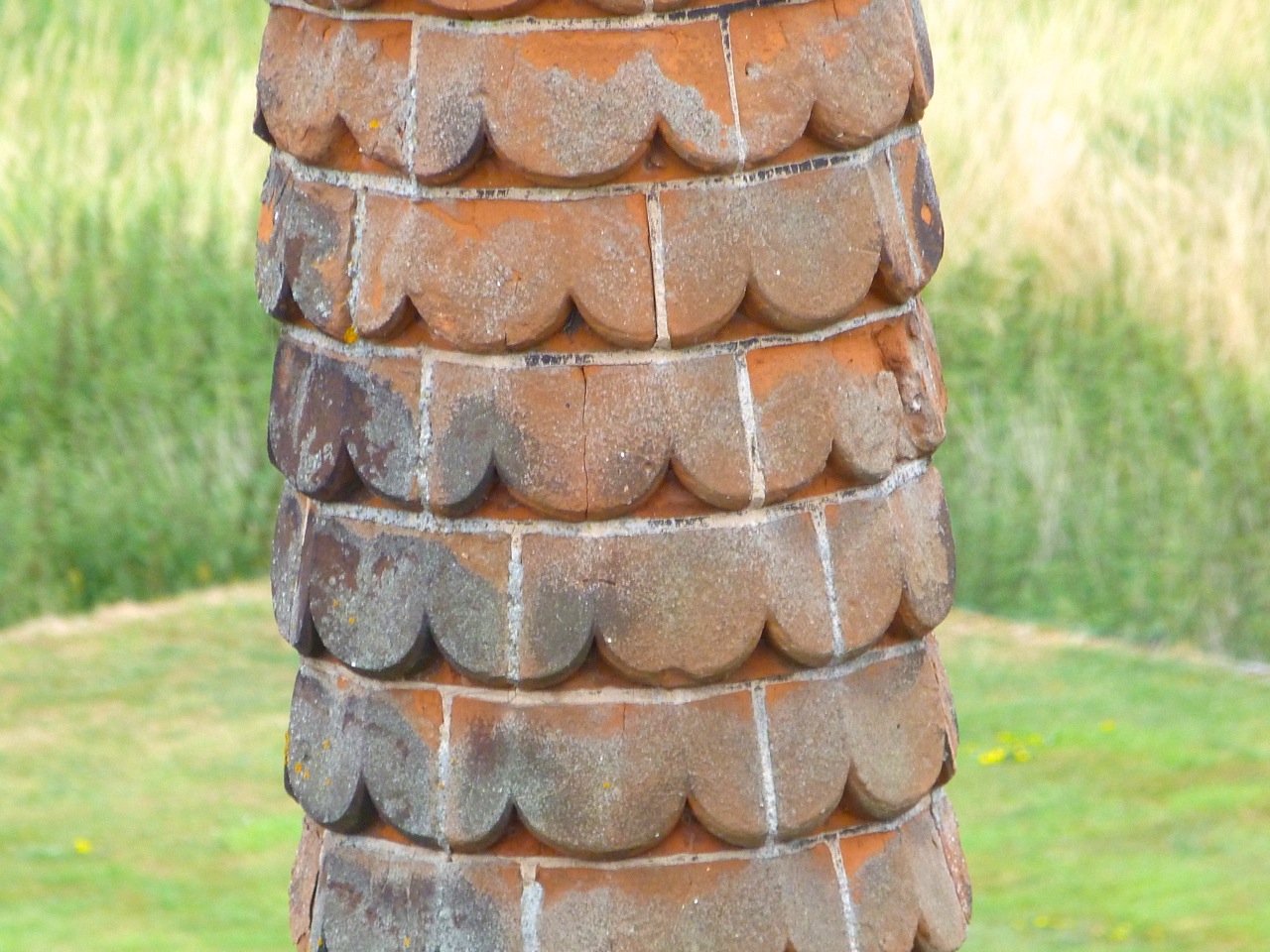
 The medieval core of Oxburgh Hall dates from 1482. In the Victorian era, a number of features were added, including oriel windows overlooking the moat (see above), crow- (‘flemish’) stepped gables and a number of tall terracotta chimneys, all differently patterned. Here are some of them.
1482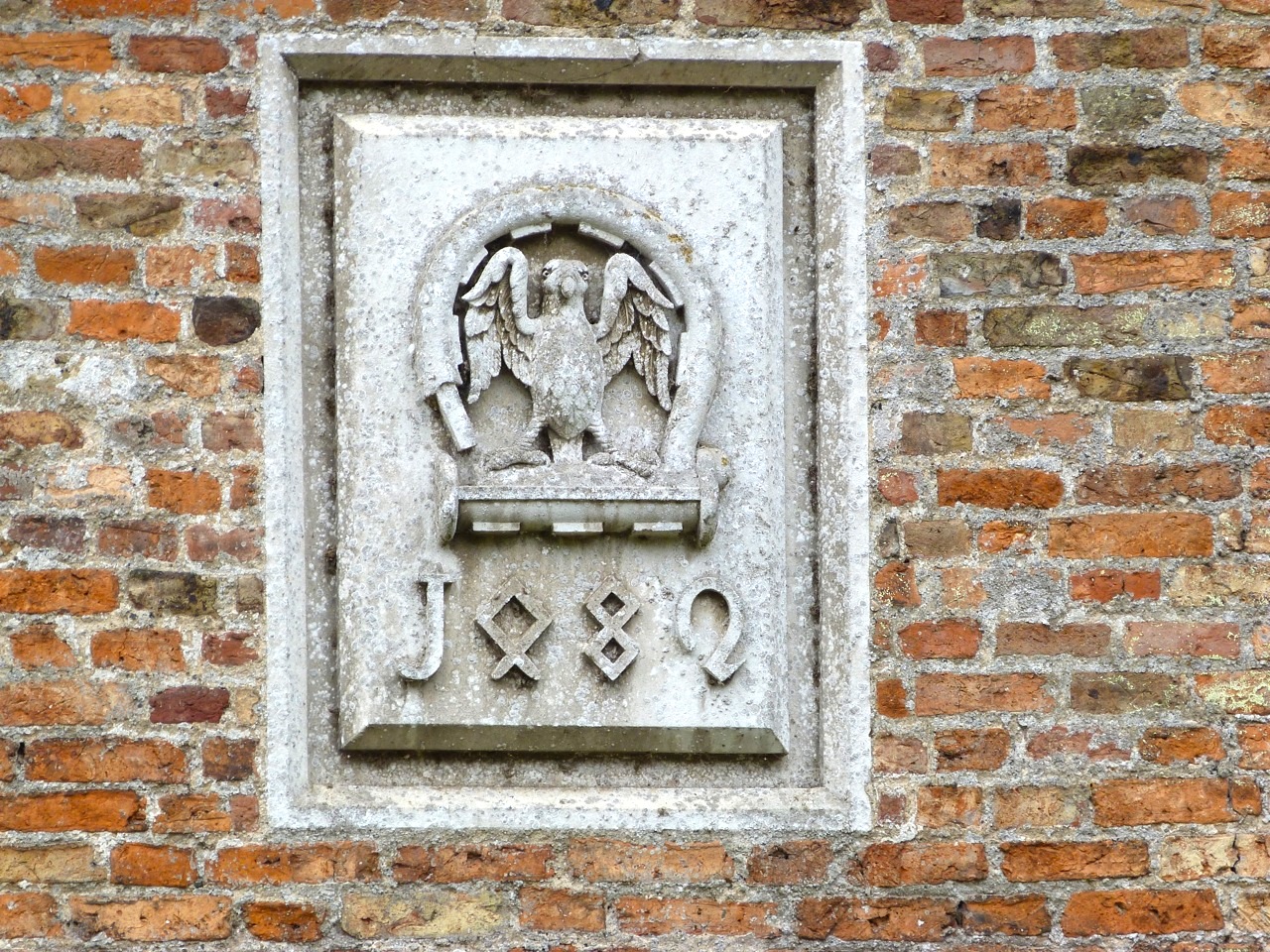





 ROLLING HARBOUR GALLERY