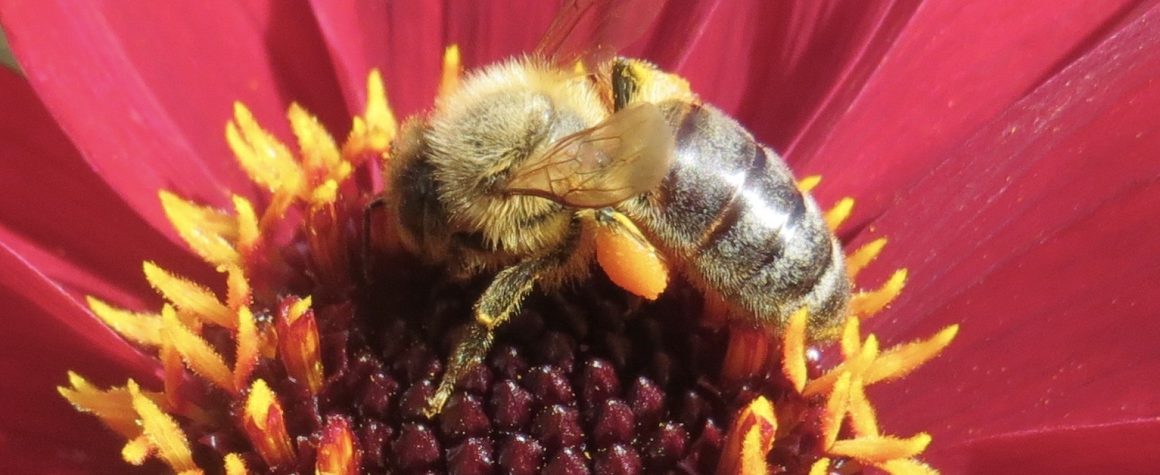
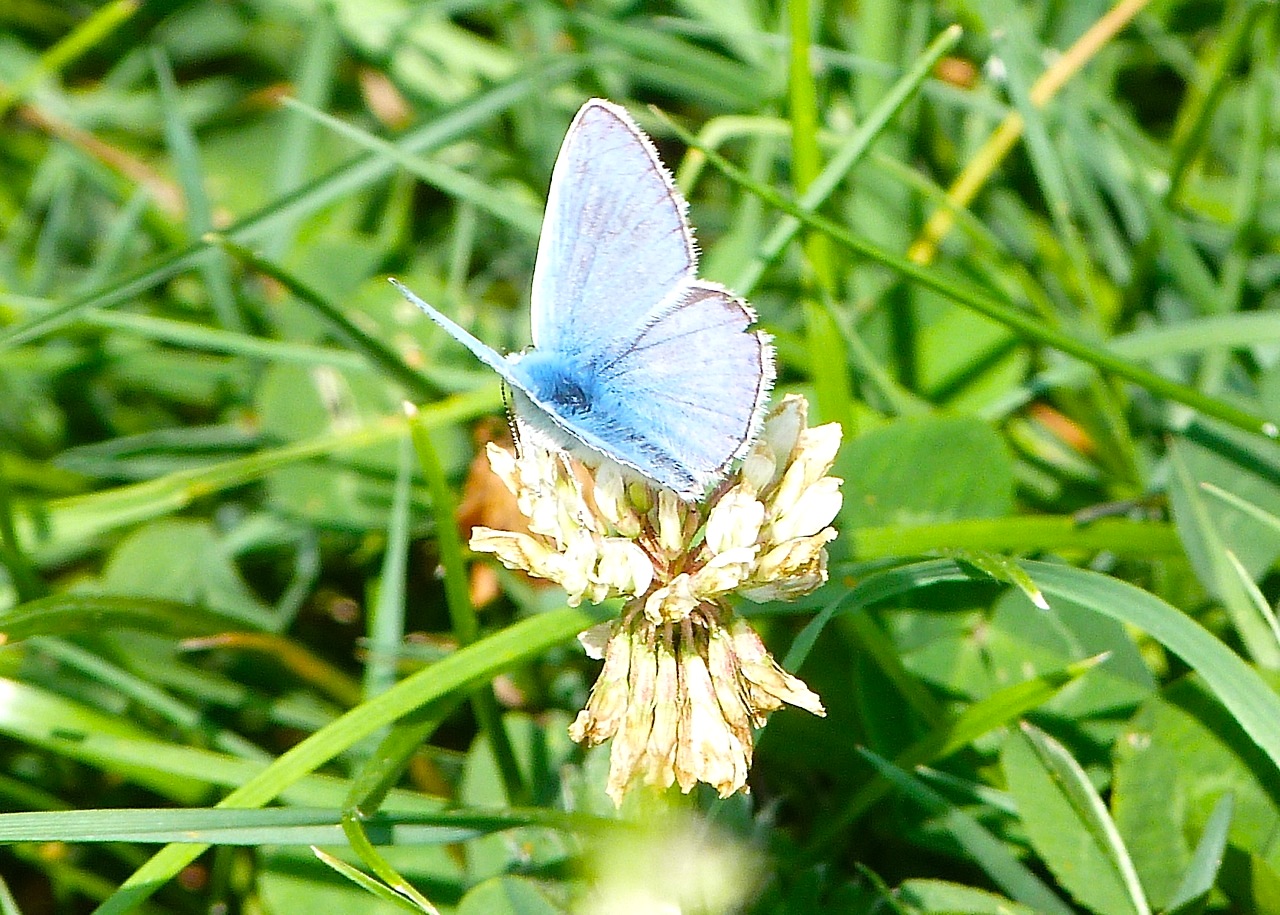
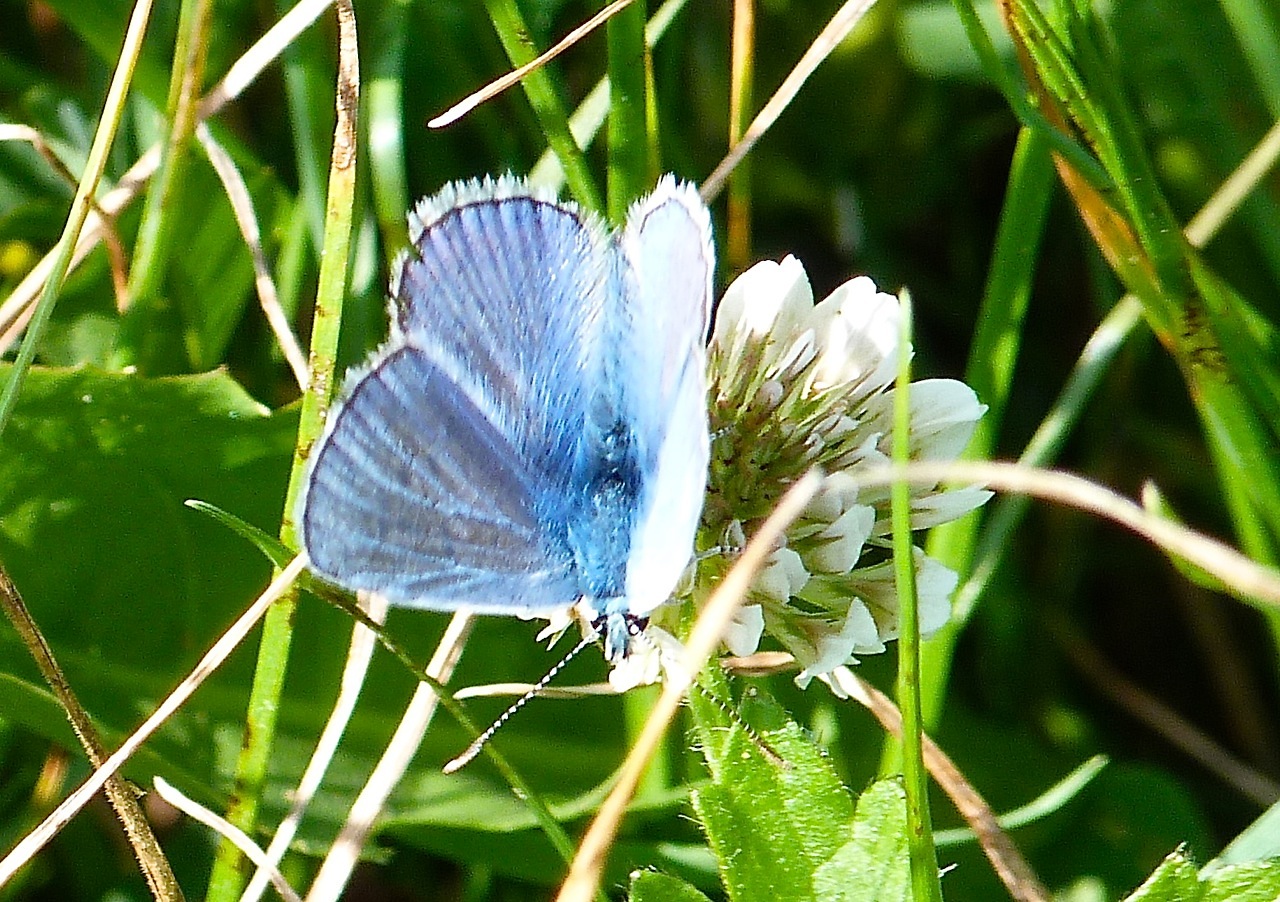
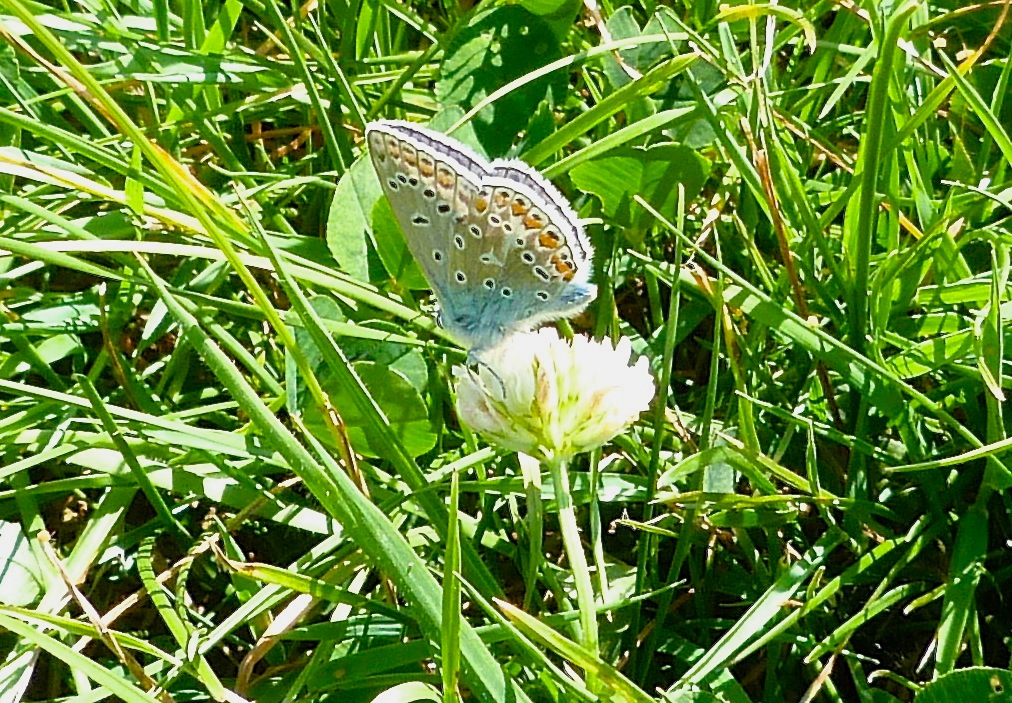
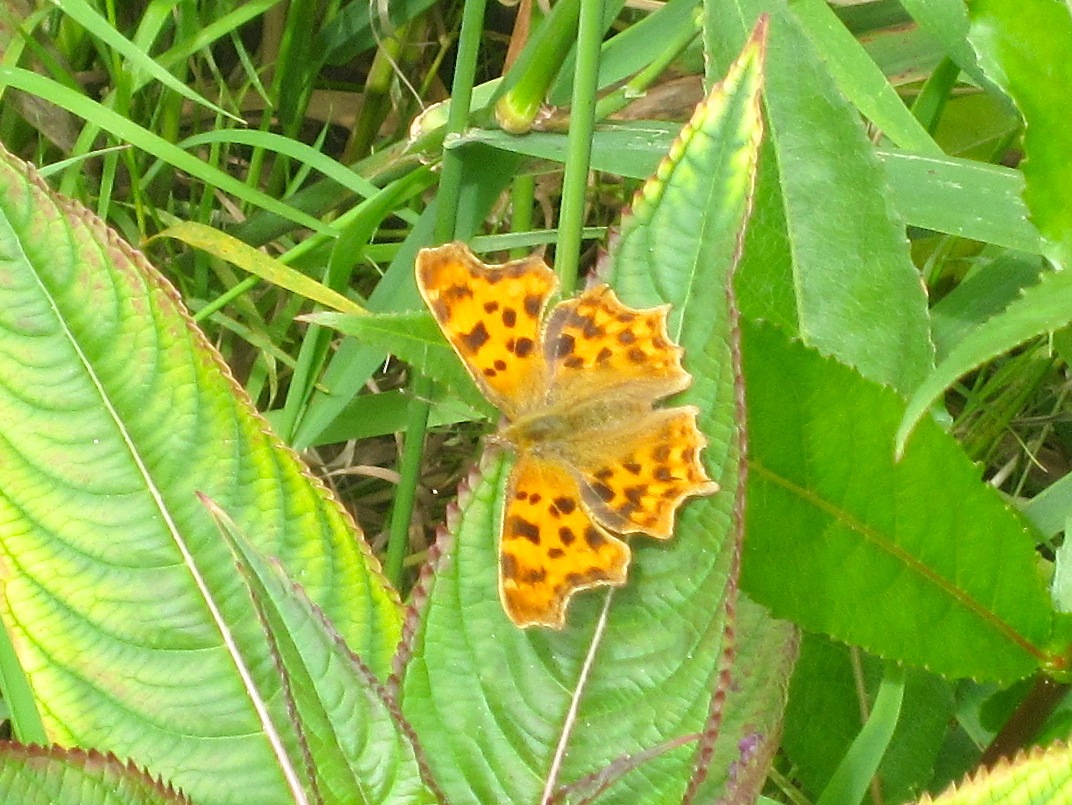
I’ve only noticed the appearance of this pretty little butterfly species in the last couple of days. They are the devil to photograph – very small, often ensuring several blades of grass get between it and you so the focus goes awry, and always on the move. That’s my excuse, anyway.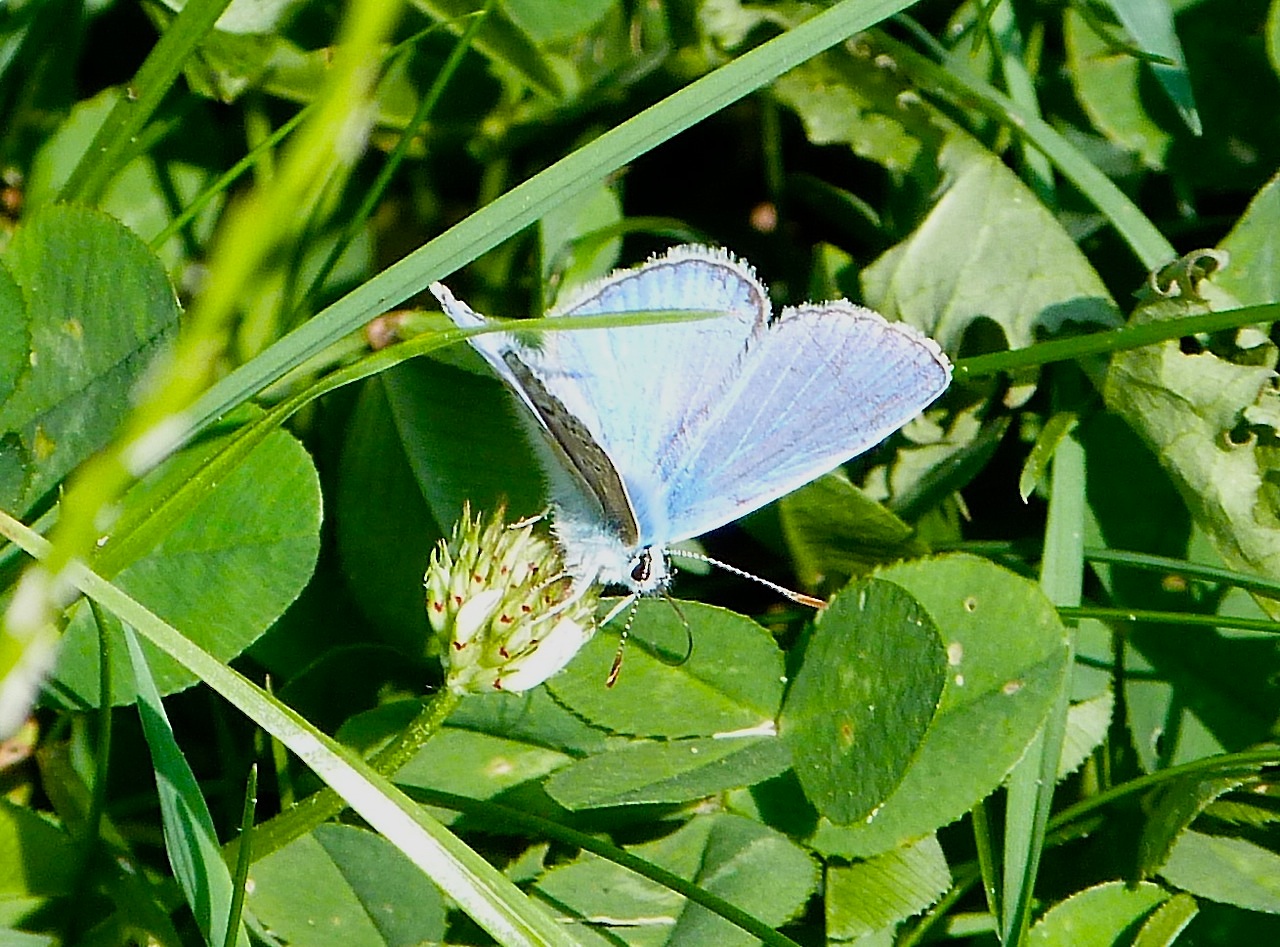

Author: Rolling Harbour
Indispensible blog for Abaco Bahamas: Birds, Marine mammals, Reef fish, Bonefishing & a miscellany of hurricanes, shark attacks, shipwrecks, books, recipes & cocktails
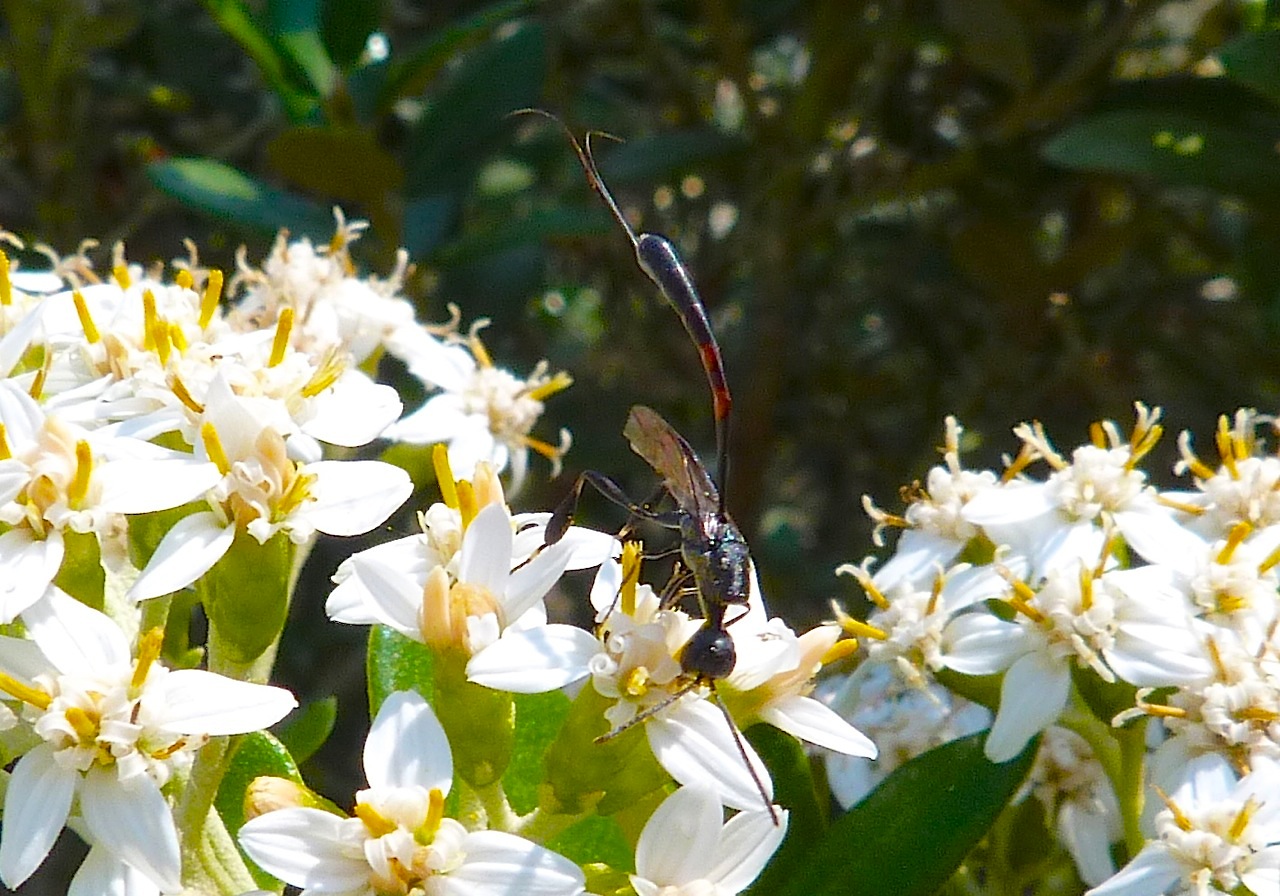
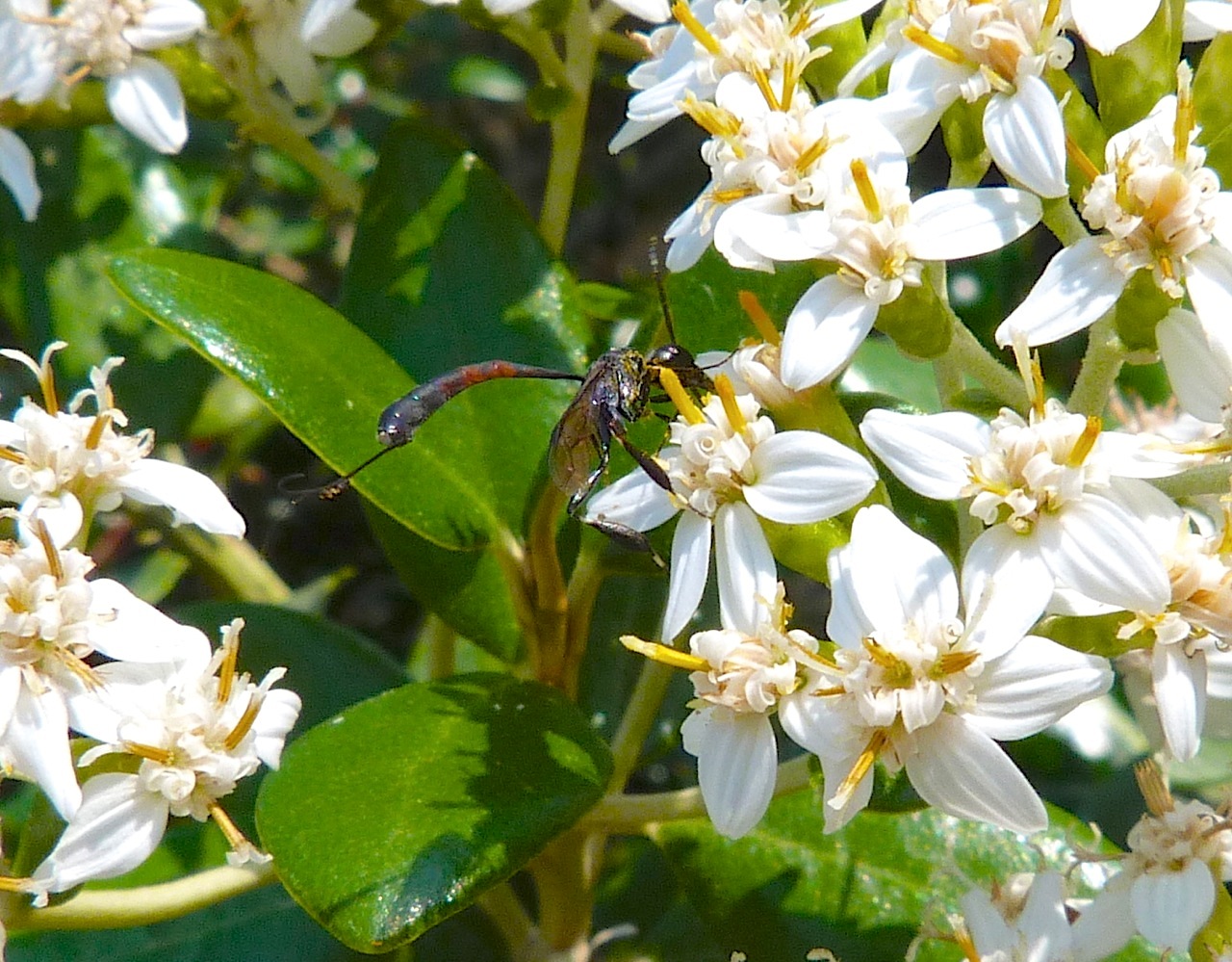
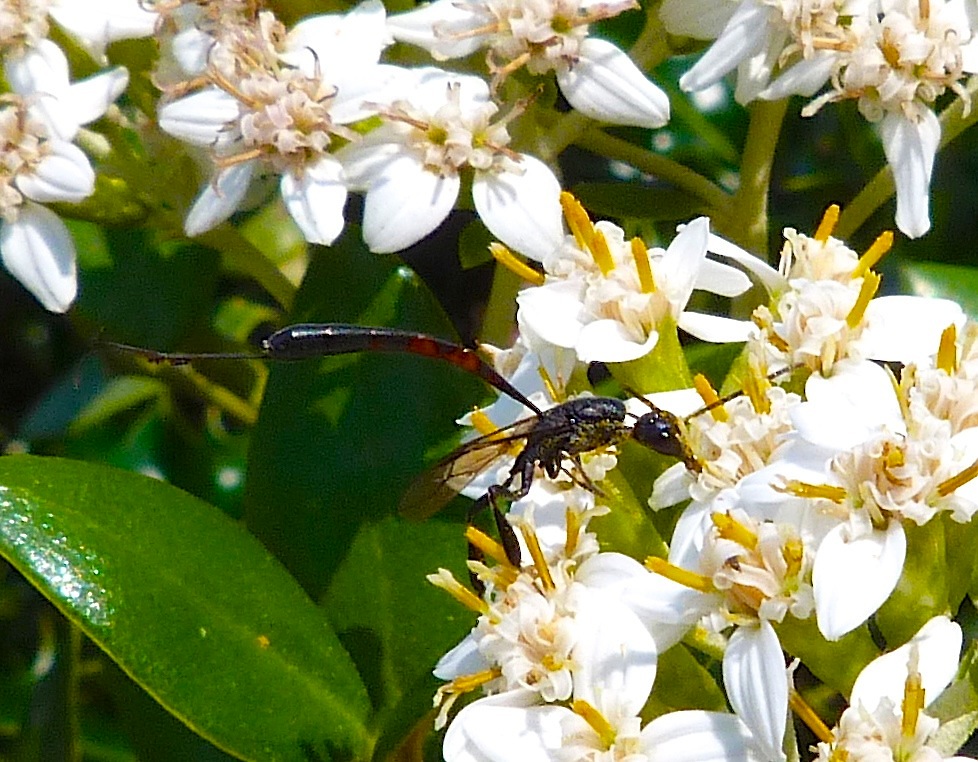
A BUG THAT’S BUGGING ME: ANY ID IDEAS? [It’s a Gasteruption Jaculator, a parasitic wasp]
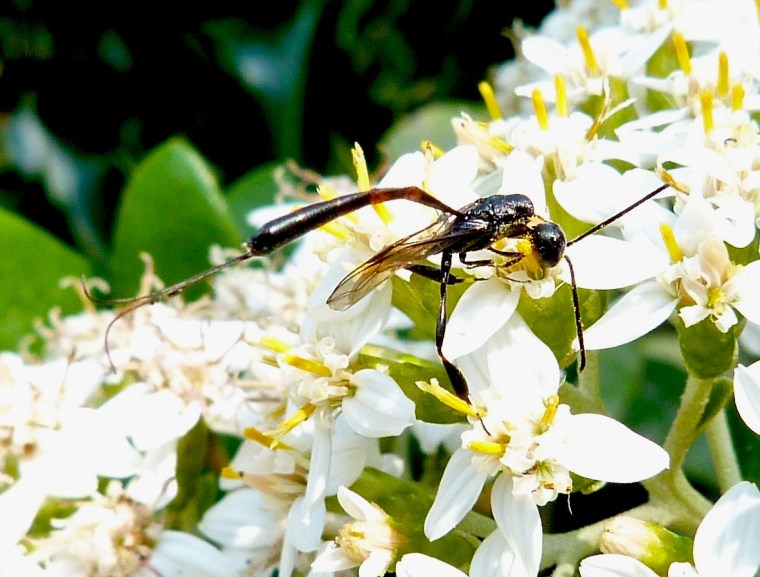 It doesn’t take much to stump me in the natural world, even with online resources. But what the heck is this little bugger I photographed today? It’s probably obvious; maybe it’s an insect in an intermediate state of metamorphosis. Or something. But I’ve never seen one before. Or if I have, I didn’t notice it. The last time I found a mystery insect (not in the UK), it turned out to be a spider or pepsis wasp, also known as a tarantula hawk, which has the second most painful sting of any insect. I posted about this creature in my main blog HERE, but here is an excerpt dealing with the sting and the ‘pain scale’. The sting of these wasps is among the most painful of any insect, though the most intense pain lasts on a few minutes. Entomologist Justin Schmidt bravely submitted himself to the stings of various insects and described this pain as “…immediate, excruciating pain that simply shuts down one’s ability to do anything, except, perhaps, scream. Mental discipline simply does not work in these situations.” Schmidt produced his SCHMIDT STING PAIN INDEX The pain scale, based on 78 species, runs from 0 to 4, with 4 given for the most intense pain. Spider Wasps of the species Pepsis – i.e. Tarantula Hawks – have a sting rating of 4.0, described as “blinding, fierce, shockingly electric. A running hair drier has been dropped into your bubble bath” Only the bite of the Bullet Ant (not found on Abaco!) is ranked higher, with a 4.0+ rating, vividly described as “pure, intense, brilliant pain. Like fire-walking over flaming charcoal with a 3-inch rusty nail in your heel”
ADDENDUM (within 2 hours of posting!)
I knew someone would ride to the rescue. Jessica Winder of the excellent blog http://natureinfocus.wordpress.com has come up with the answer – see Comments for details. Suffice it to say that this creature has the Monty Pythonesque name Gasteruption Jaculator (there are other… no. Im not going down that road). It is a parasitic wasp. WIKI says “The head and thorax are completely black. The head is strongly rounded, the thorax is elongated in a sort of long neck, which separates the head from the body. The abdomen is strongly stretched, broader at the posterior end and placed on the upper chest. The colour of the abdomen is black, with reddish-orange rings. The tibiae of the hind legs are club shaped. In the female the ovipositor is usually very long with a white tip. In resting position, these wasps slowly and rhythmically raise and lower the abdomen. The females of this parasitic wasp lays its eggs by its long ovipositor on the body of larvae of solitary bees or wasps. On hatching its young larvae will devour grubs and supplies of pollen and nectar of its victim. The adults grow up to 10–17 millimetres (0.39–0.67 in) long and can mostly be encountered from May through September feeding on Apiaceae species.” 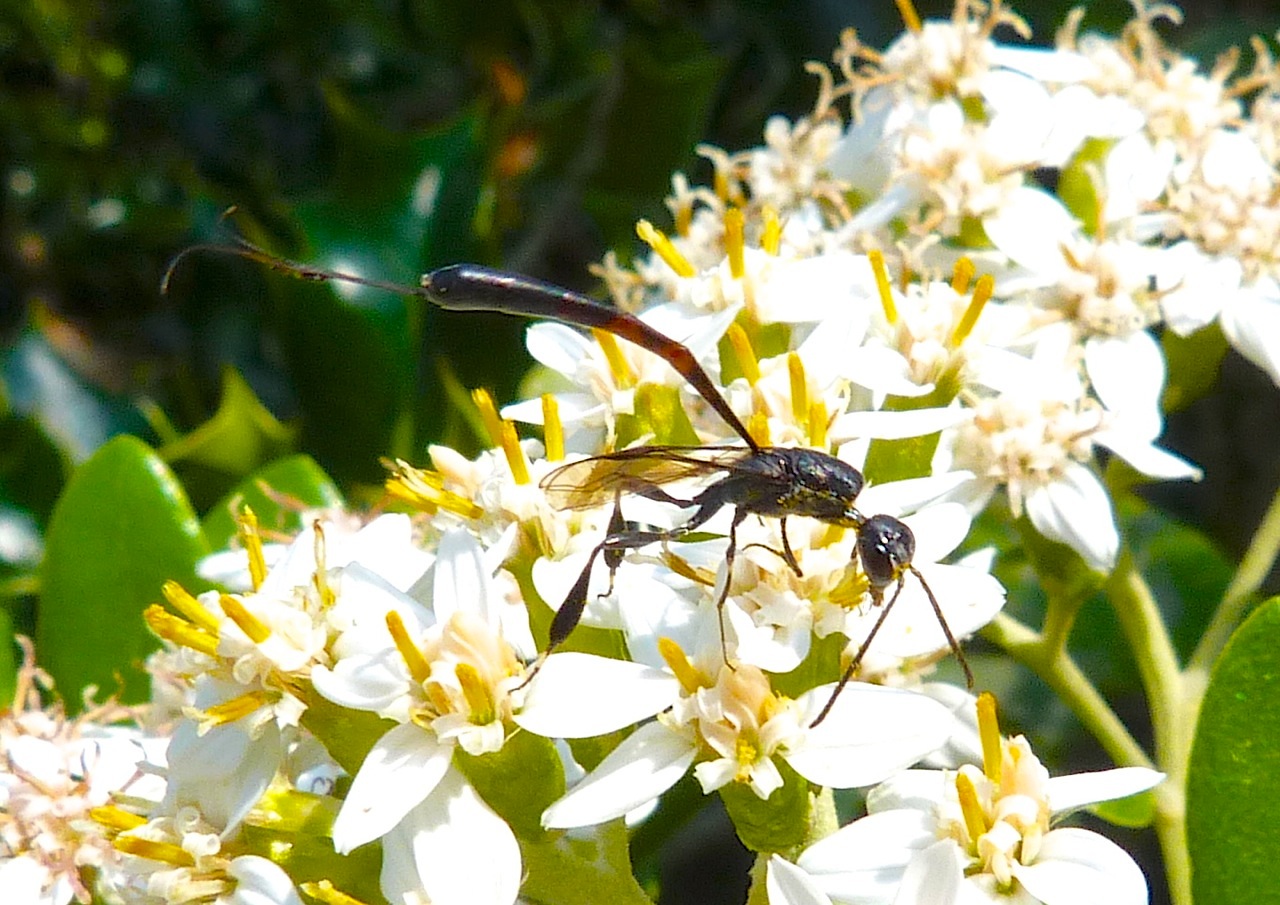


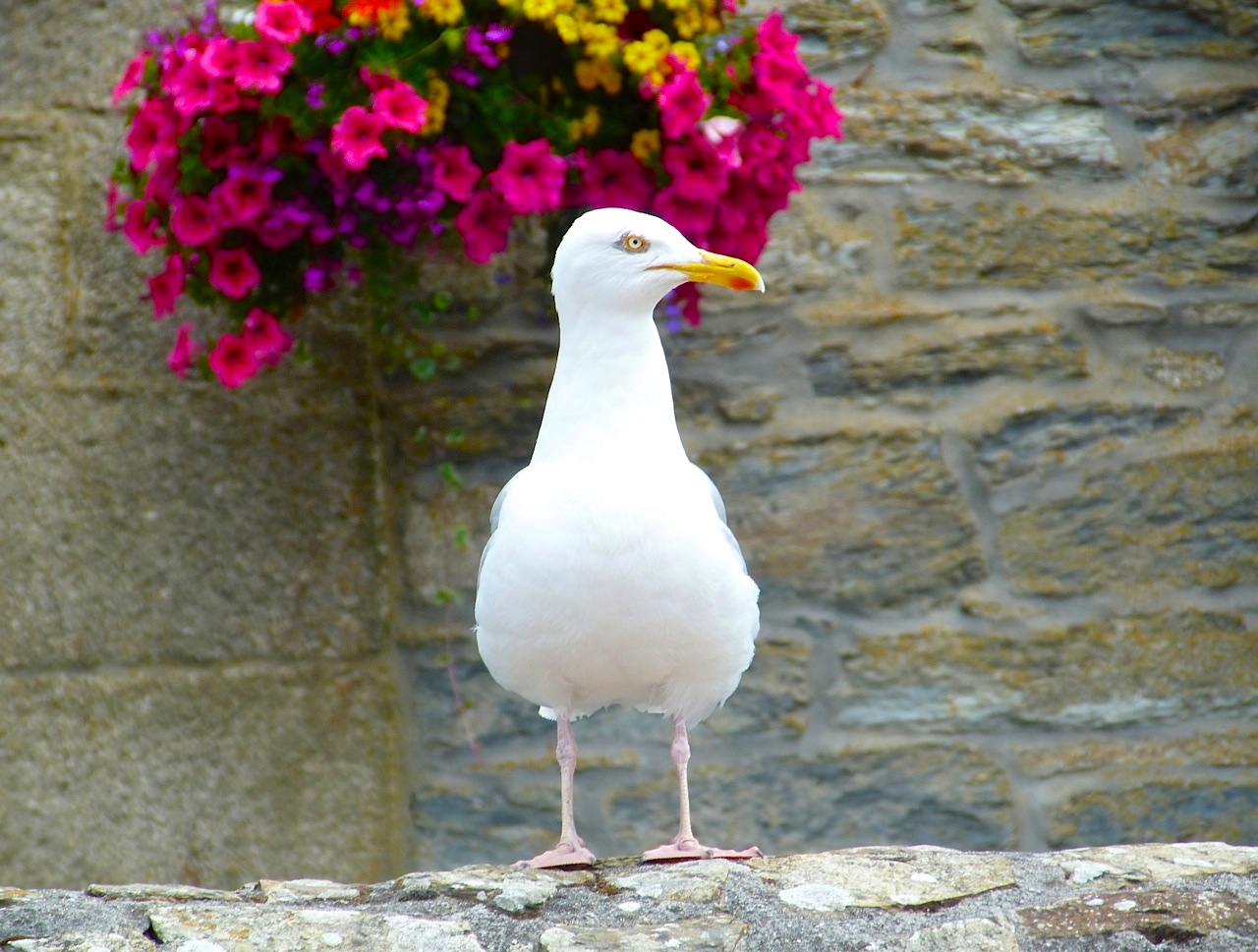
HERRING GULL, CORNWALL (WITH A SENSE OF STYLE)


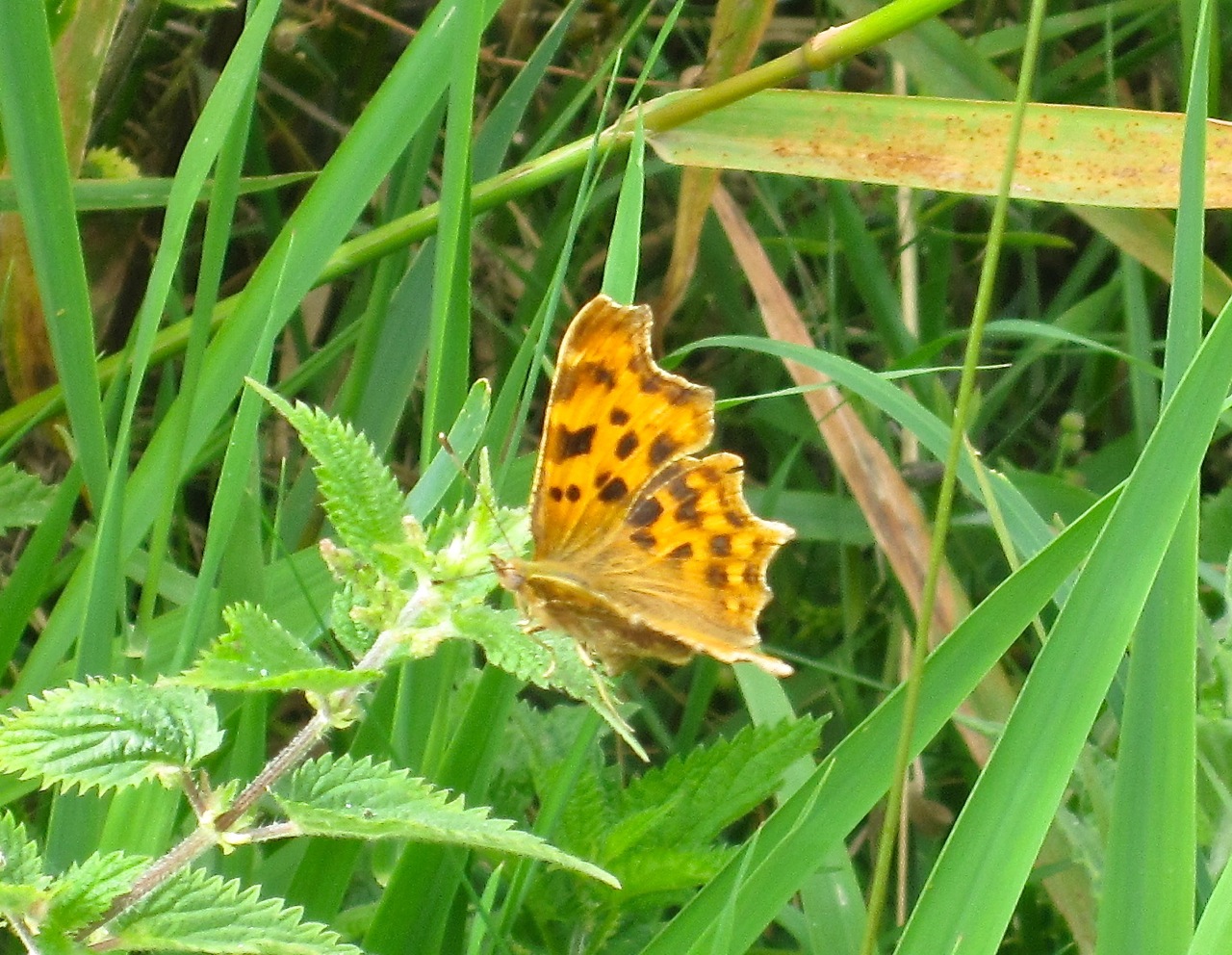
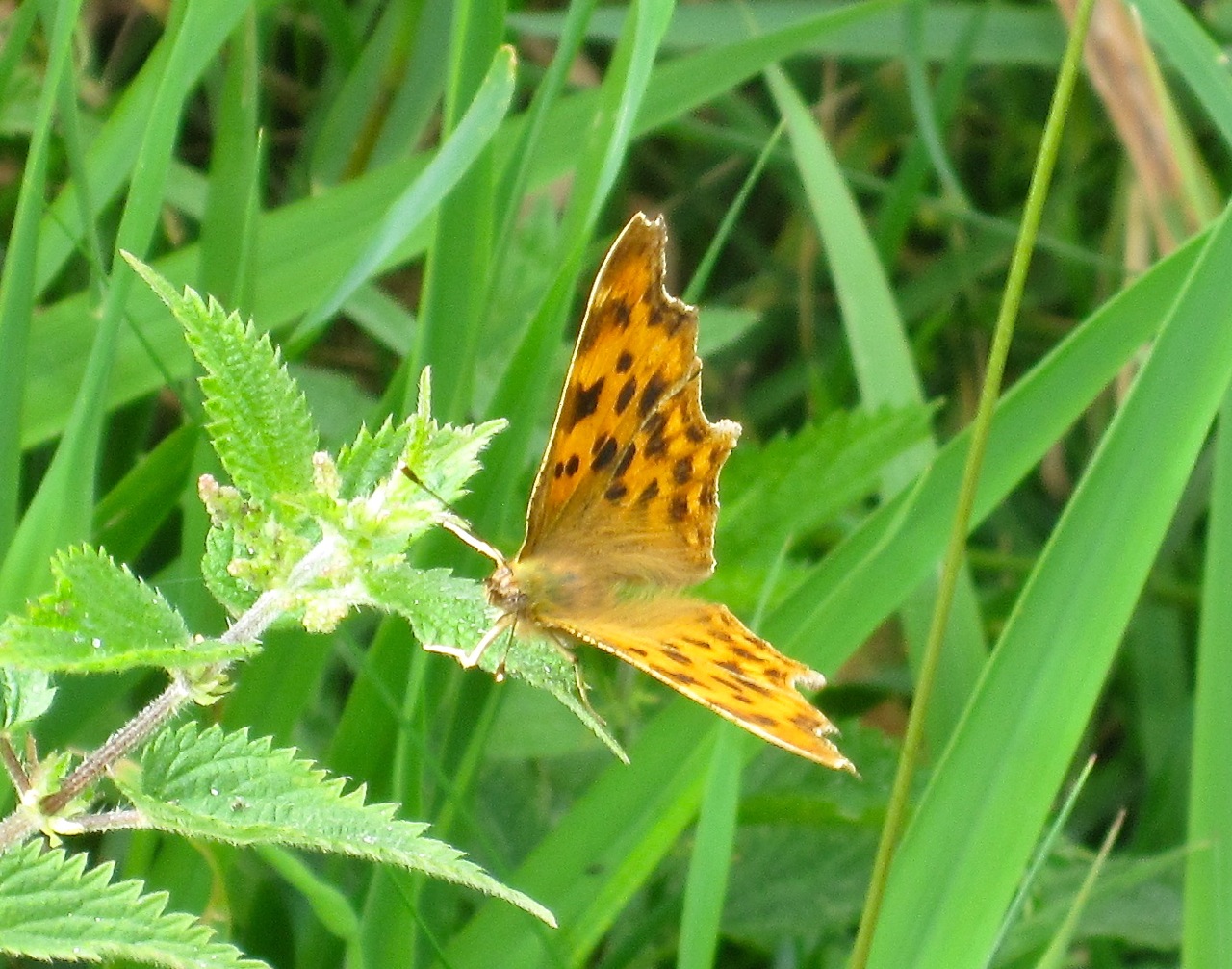
COMMA BUTTERFLY BY THE RIVER FROME, DORSET
I can’t remember when I last saw a Comma, but yesterday there was one fluttering around me as I fished on the Frome. I’d forgotten how comparatively large they are. I only had a tiny camera with me, one that doesn’t matter if it goes in the water. It’s for recording fish, should I ever catch one and have a free hand available as I remove the (barbless) hook and release the fish as quickly as possible. In practice, never.
There were wonderful damselflies – blue, turquoise, reddish and green – but it would have been a waste of time to photograph them. I also saw a white egret (quite common now in Dorset) and 4 kingfishers. Or more likely the same bird 4 times.

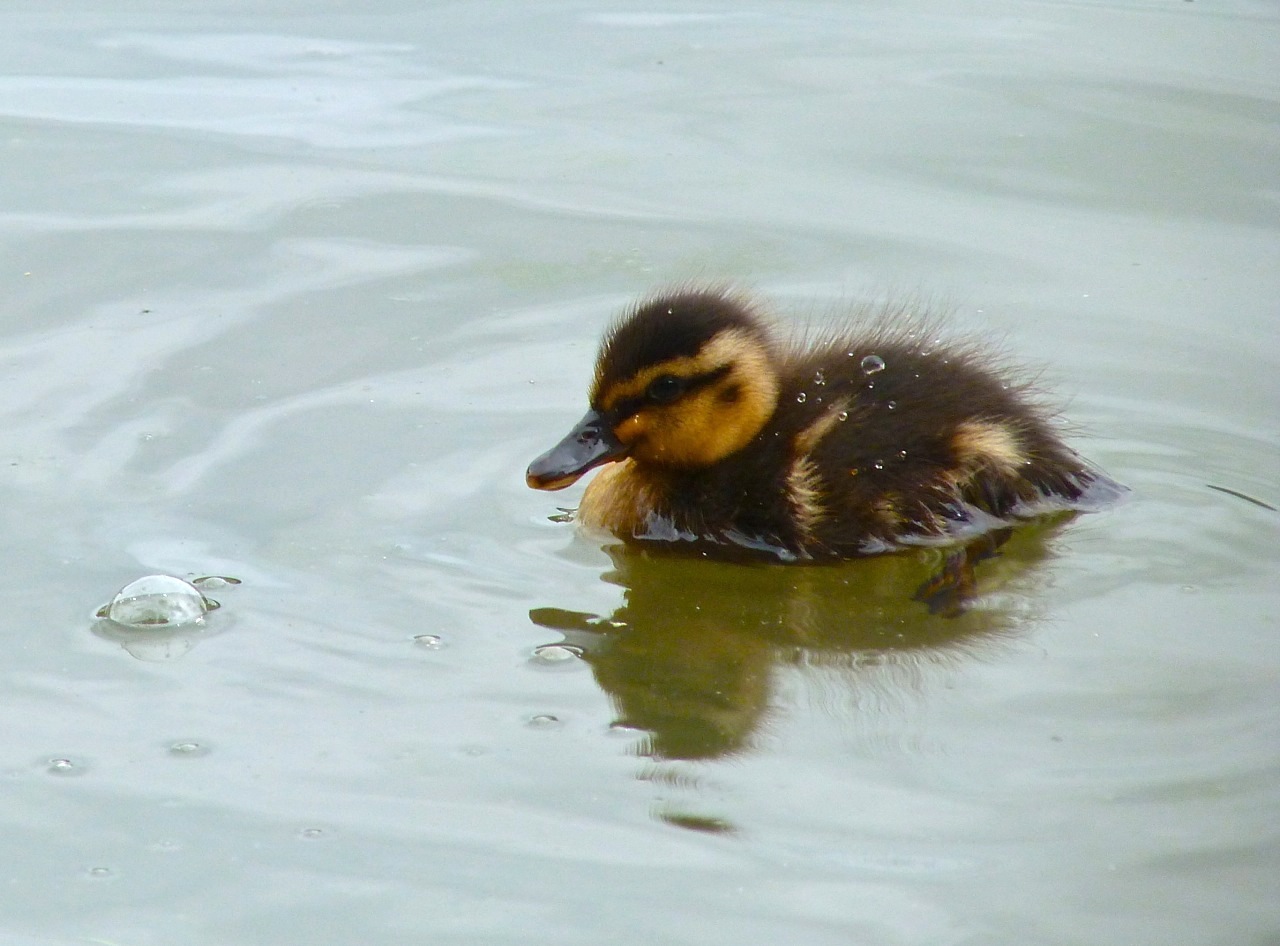
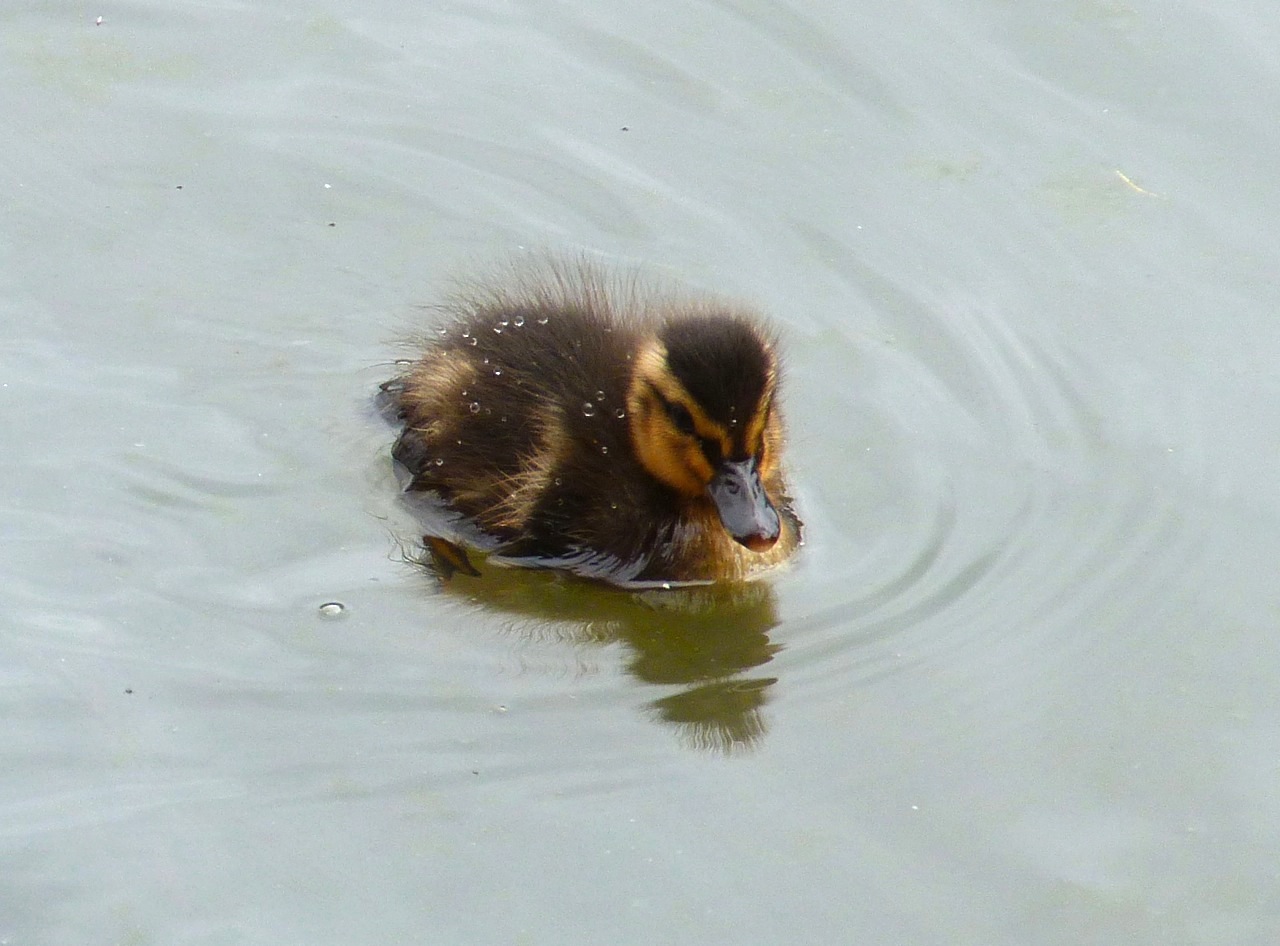
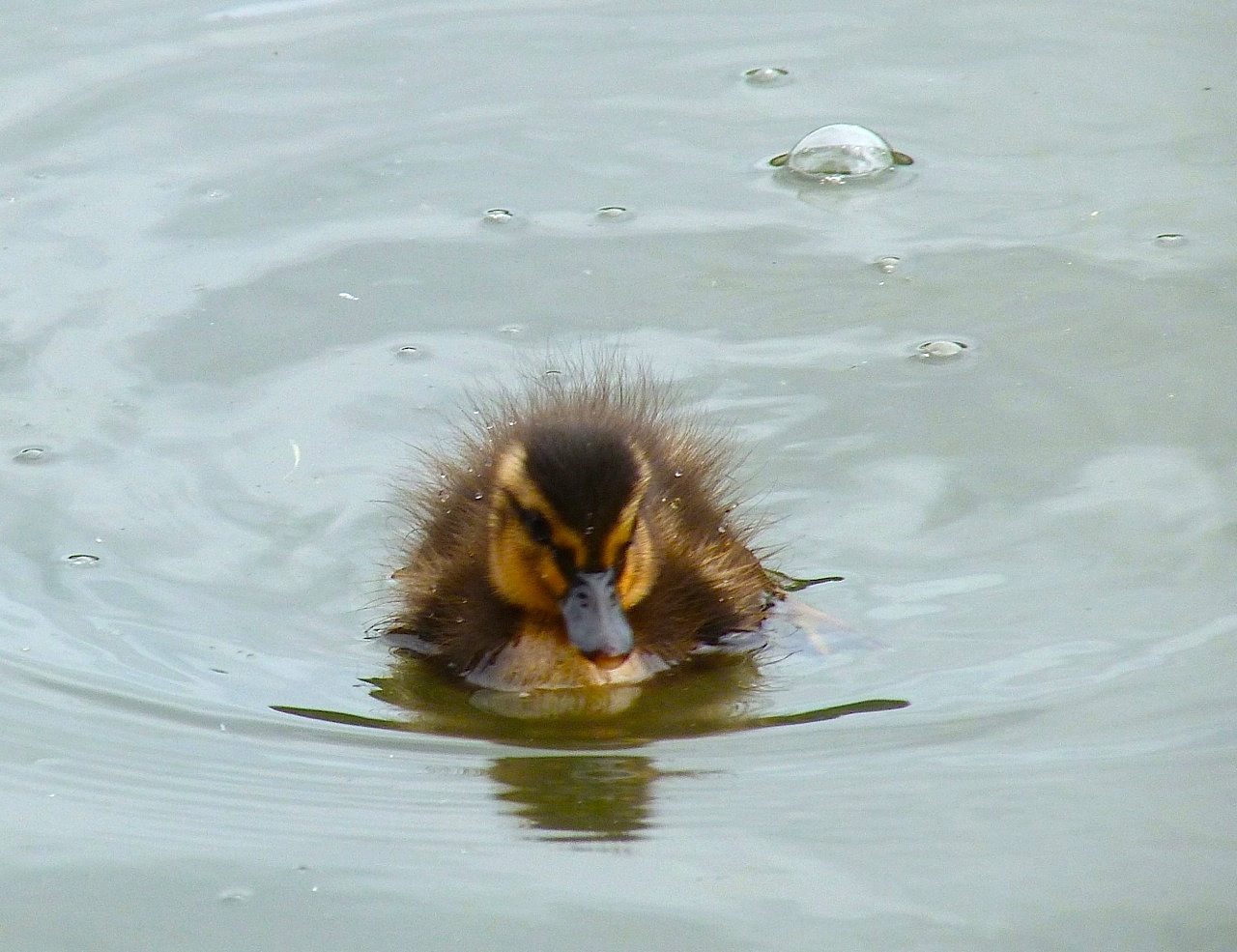
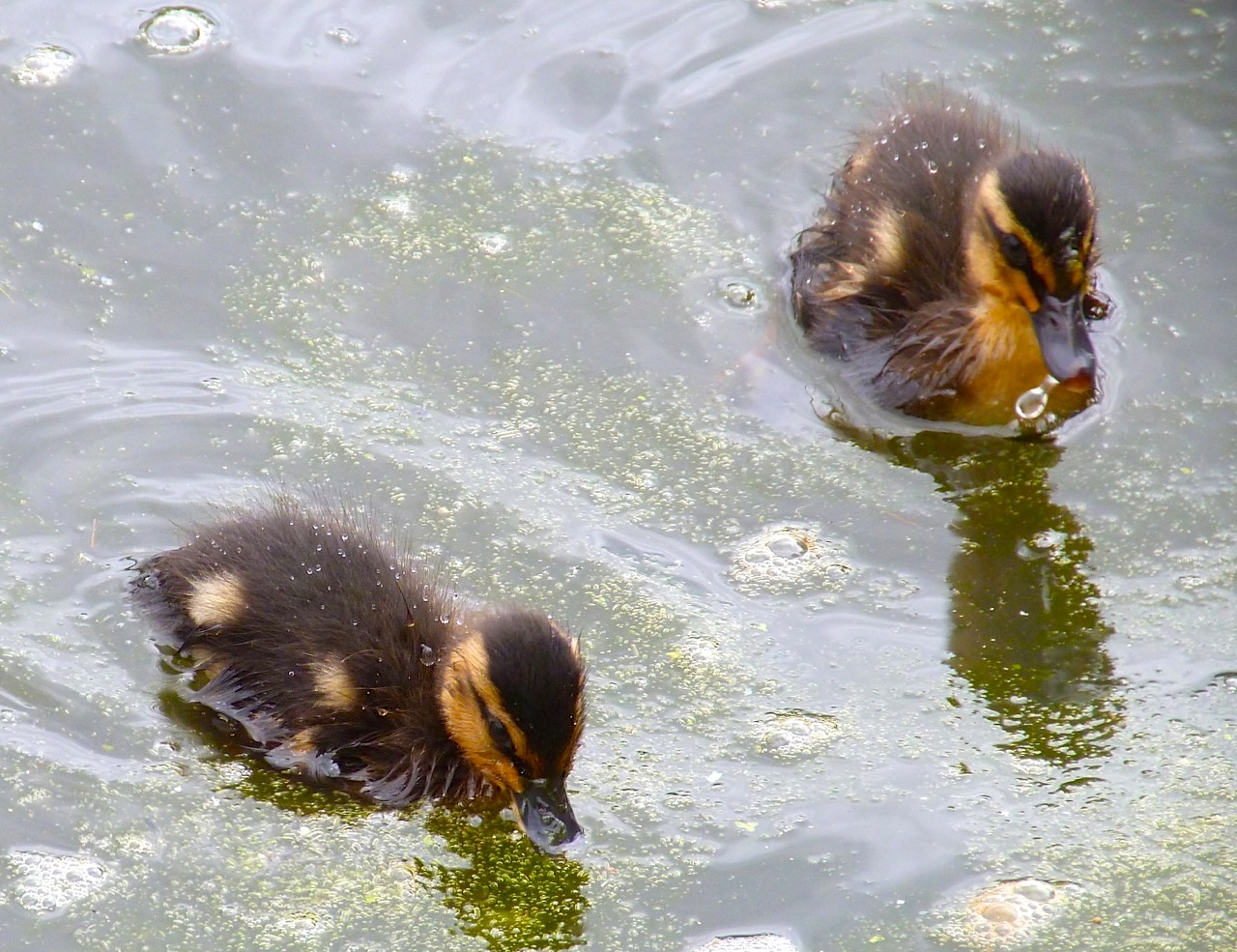
SUMMER DUCKLINGS IN CORNWALL
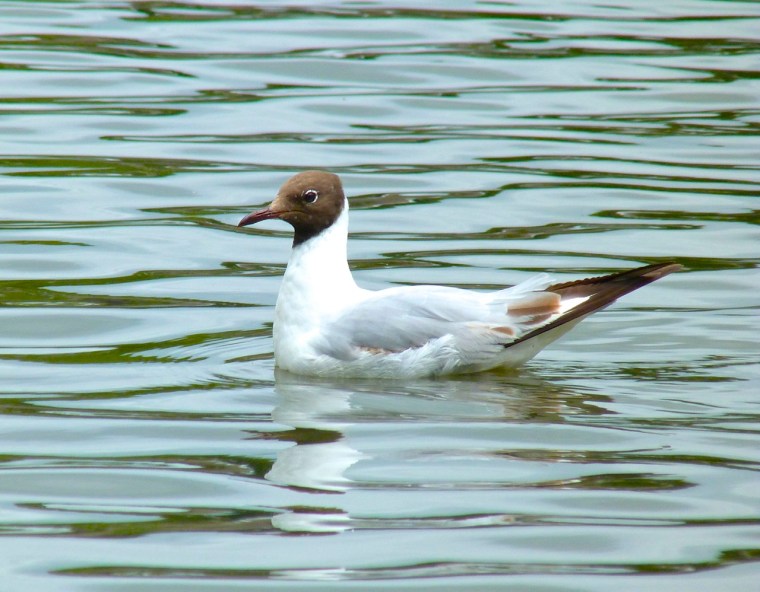
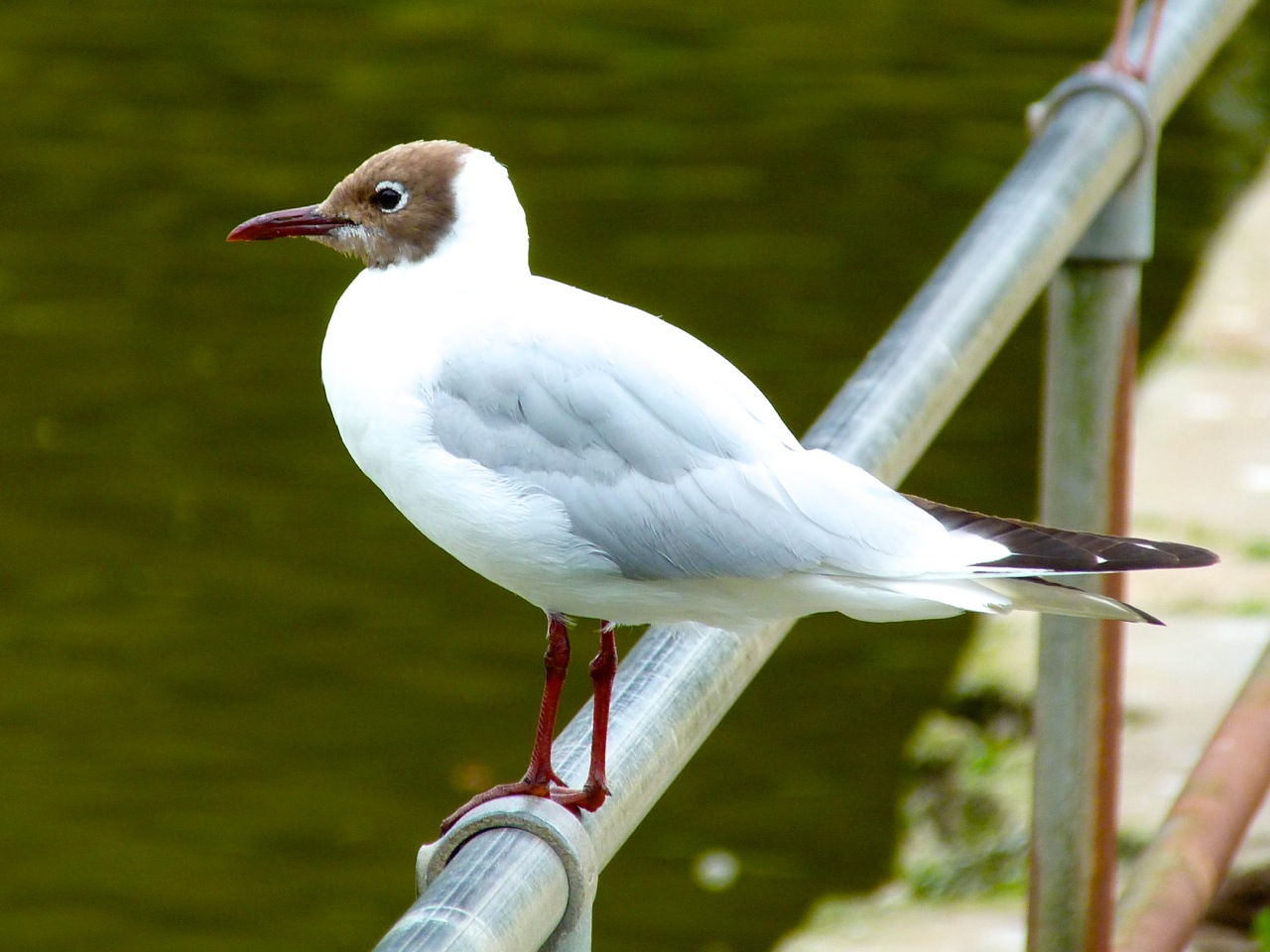
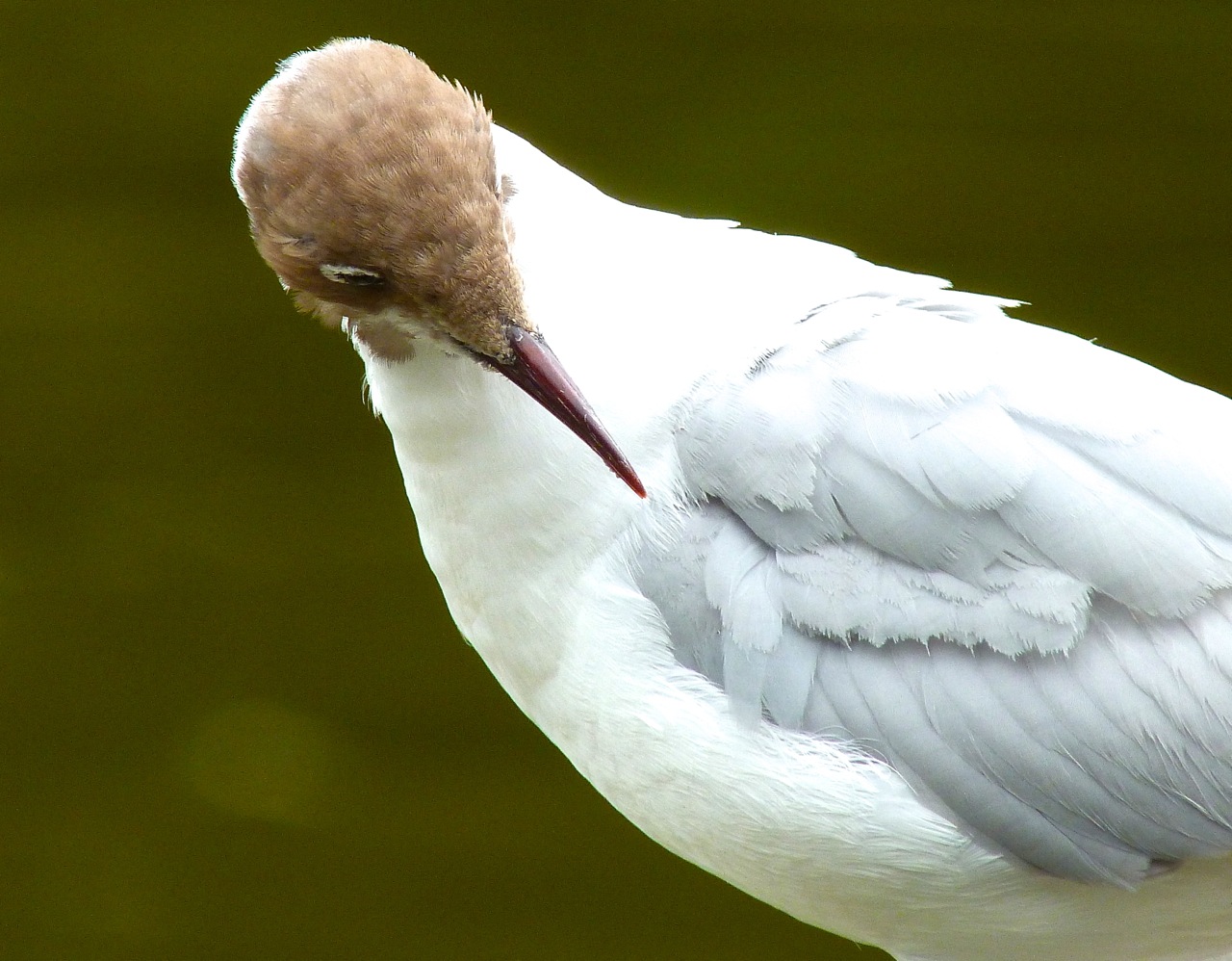
BLACK-HEADED GULL STUDIES, CORNWALL
More properly, the “Chocolate-brown-headed Gull” which is how they appear in summer. These photographs are the first in a prospective series of seabird posts based on photos taken last week in Cornwall.


WREN FLEDGLING STUDIES, DORSET
The first I knew was a light thump against the window as a newly fledged wren chick misjudged its landing on the windowsill. By the time I had grabbed a camera and gone outside, it was sitting happily on the ground, cheeping persistently. It was tiny, yet completely unconcerned by my inching towards it while fiddling with the camera. I fired off a few shots, then it fluttered ineptly to a 5-barred gate. There were other piping little calls around, so plainly there were others. In the end I saw 4 that had flown, and located the nest in the stable – I could hear the plaintive peeping of the last to leave the nest. There were dark and pale birds, presumably male and female. Mostly they stayed separate though in the same area. However I did get one shot of a pair on the top rail of a gate – suitably posed for a caption competition. So here are a few of the photos of miniature versions of what is already one of the UK’s smallest species. For size comparison, the stones are small gravel chips.


Captions?
I tried to get some photos mid-cheep – surprisingly difficult to do. Mostly the attempts did not work out, but I quite liked this little fledgling having a squeak in the middle of an area of gravel
METAMORPHOSIS! SOUTHERN HAWKER DRAGONFLY EMERGENCE
AMAZING DRAGONFLY METAMORPHOSIS SEQUENCE
I very rarely reblog, but this set of photos from Foraging Photographer are so intriguing that they deserve to be shared around…

Actually it’s an incomplete metamorphosis, as dragon and damselflies not have a pupal stage like butterflies. Nevertheless, seeing a fully formed dragonfly emerge from the body of an aquatic nymph is a spectacular thing to see.
I’ve photographed the emergence of an adult dragonfly from its nymph body before – HERE – but I was very pleased to get the chance to do it again on Friday. To see a creature go from this…


to this…
…is one of the most remarkable transformations in nature.
Since we built our pond five years ago, we’ve had a variety of dragon and damselfly nymphs in there. As the pond has developed from bare sand substrate with a few plants through to its current state of abundant overgrown vegetation, different species have made it their nursery, the size of the nymphs (and eventual adults) increasing in size year on year. In the first…
View original post 435 more words
COOT FEET IN CLOSE-UP: GO COMPARE WITH A MOORHEN
My last post was a short video of coots at WWT Barnes feeding weed to their young, something I hadn’t seen before. Last weekend we had our 2-year old granddaughter to stay and took her to Ravenscourt Park (West London) to look at squirrels, ducks and a lot of manky feral pigeons. There were coots on a nest in the middle of the lake; and there were more strutting round on the grass. I don’t think I have ever bothered to notice the peculiarities of a coot’s foot before. To many people, myself included, a coot is mainly a moorhen with a white beak arrangement instead of a red one. So take a look at a foot comparison. Double-click for a detailed view, especially the close-up #3.


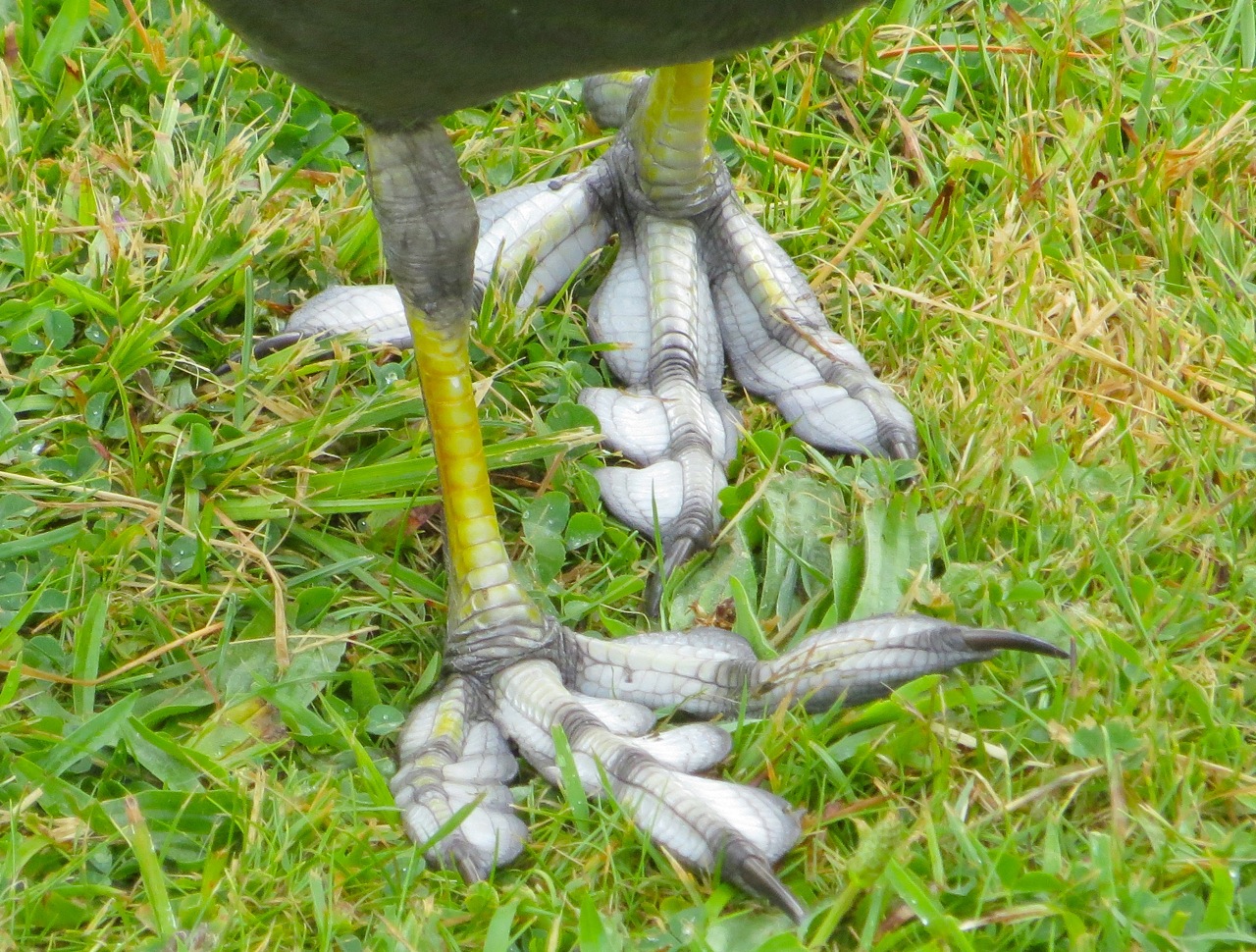
Moorhen’s feet for comparison – completely different structurally
HOW COOTS FEED THEIR CHICKS (VIDEO)
A couple of days ago I wanted to photograph some birds – Black-bellied Whistling Ducks for my main blog – at WWT Barnes at a moment when I had no camera with me. So I had to use my phone. There were some coots feeding their chicks in an amusing routine involving a great deal of work by the parents. I was amused by the little chick that didn’t join the frenzy, but quietly grazed on the vegetation at the edge of the pond.
 ROLLING HARBOUR GALLERY