RED-TAILED BUMBLEBEES (BOMBUS LAPIDARIUS)
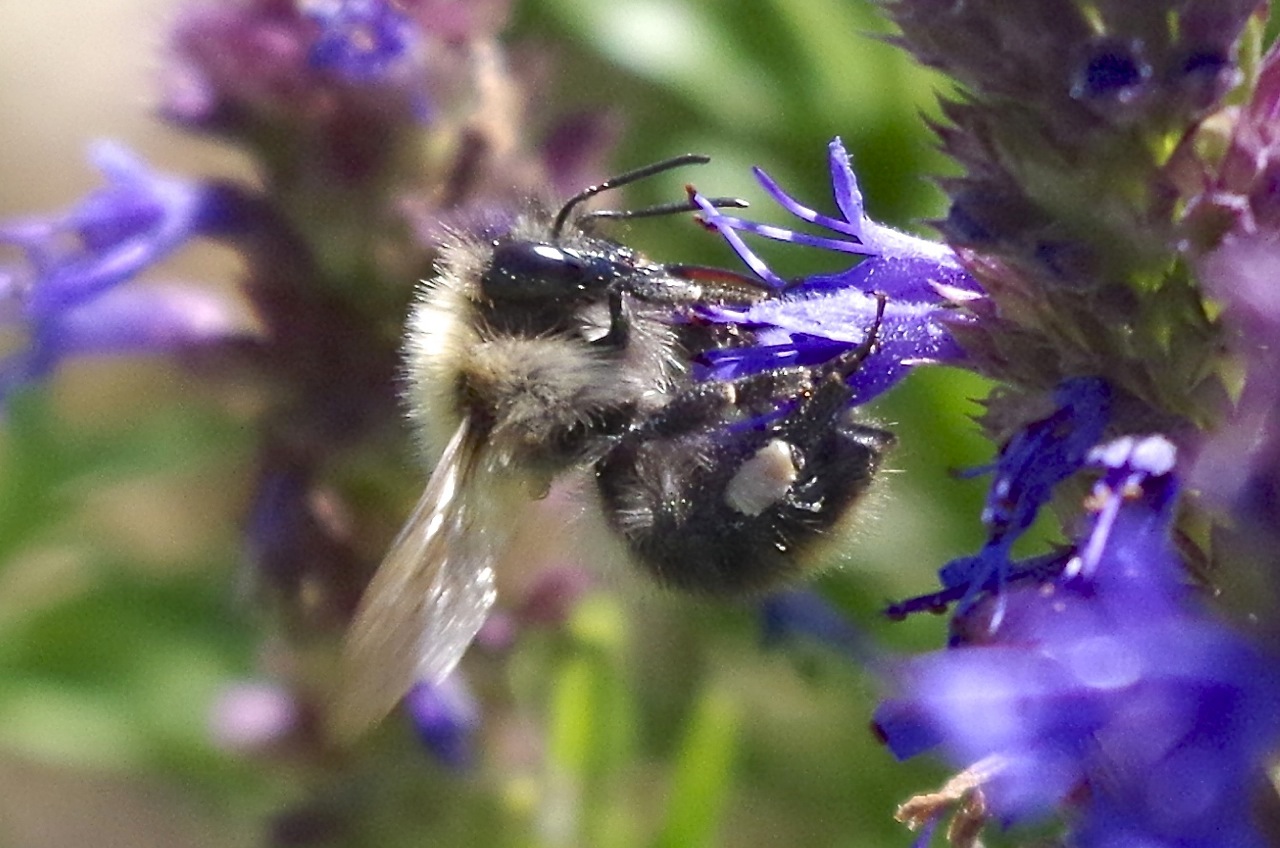
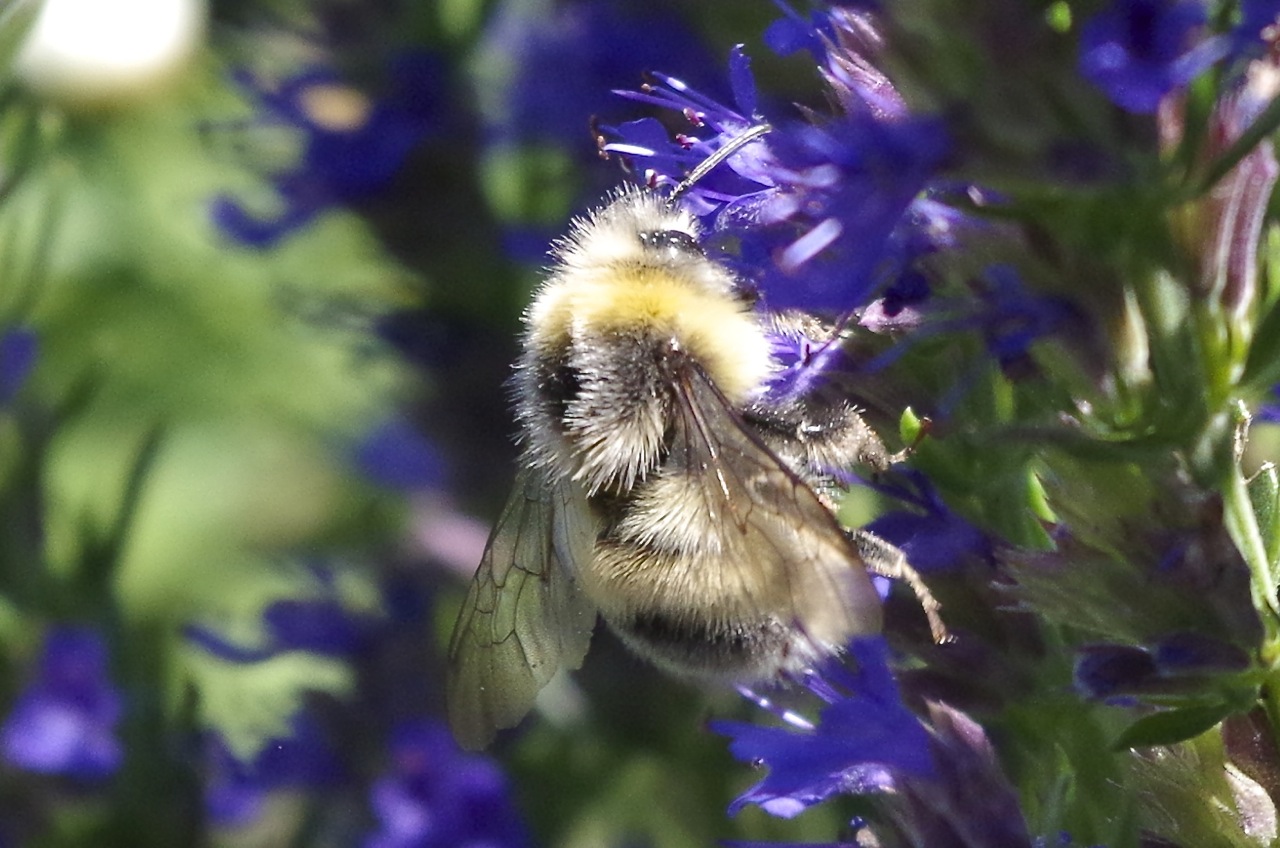
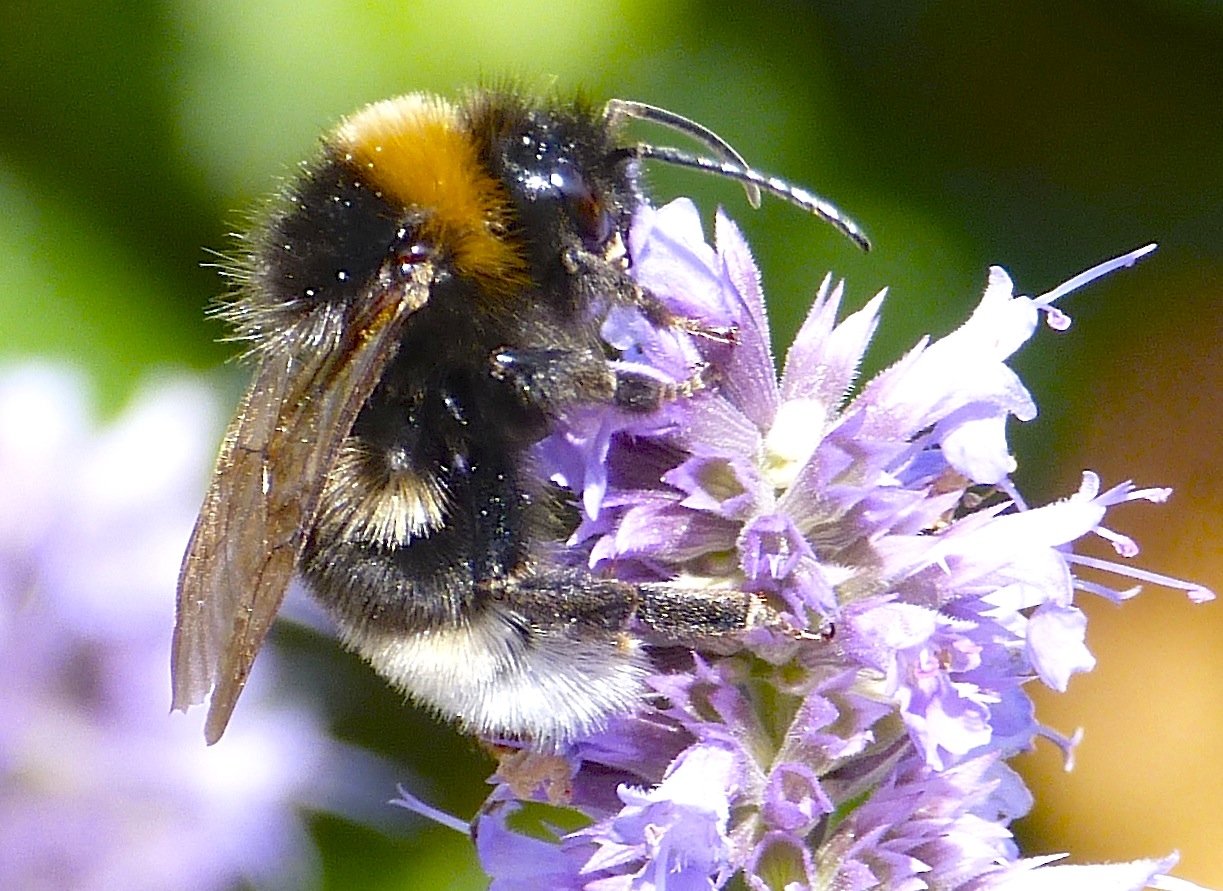
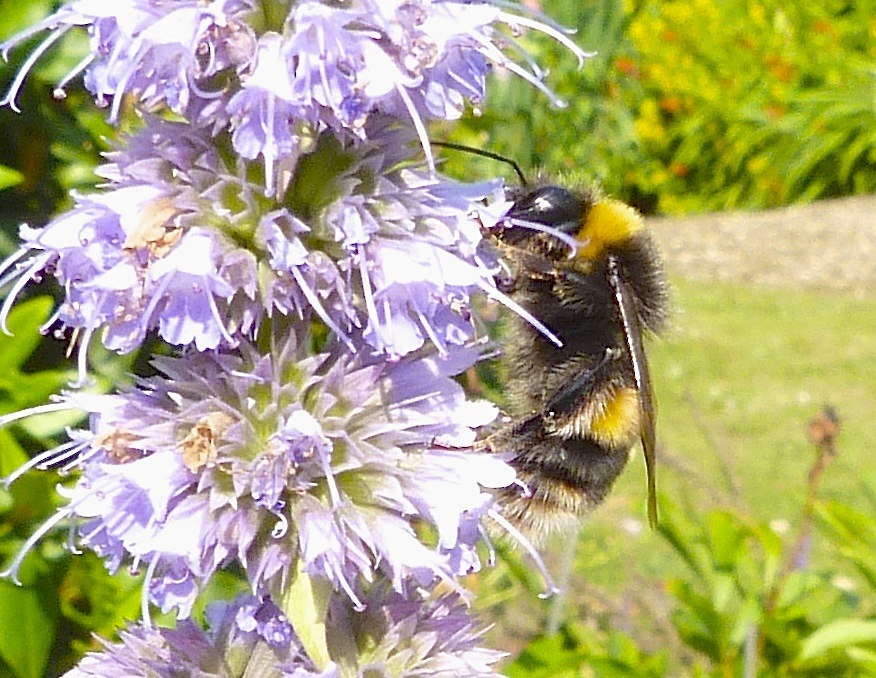
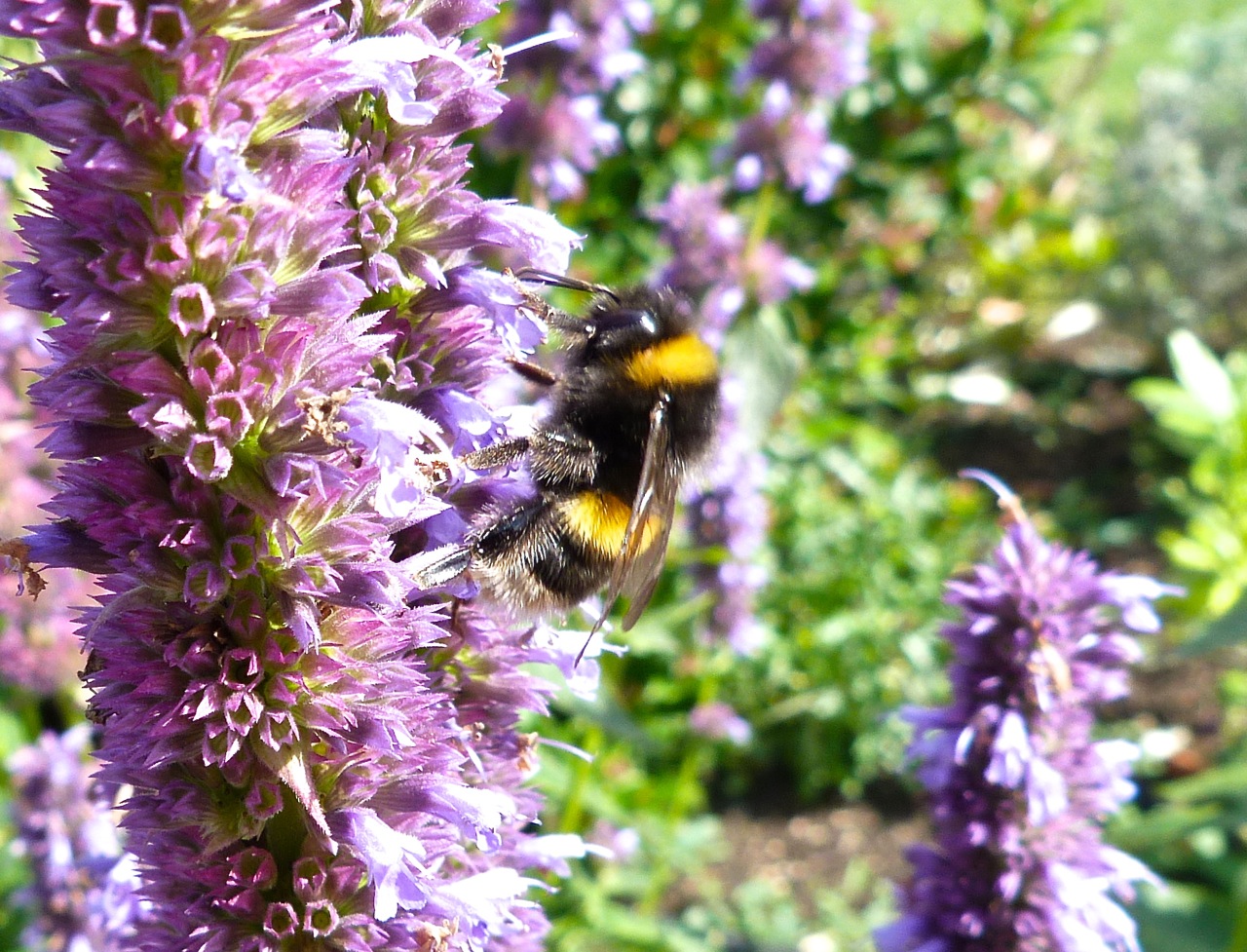
Classic view, feeding on hyssop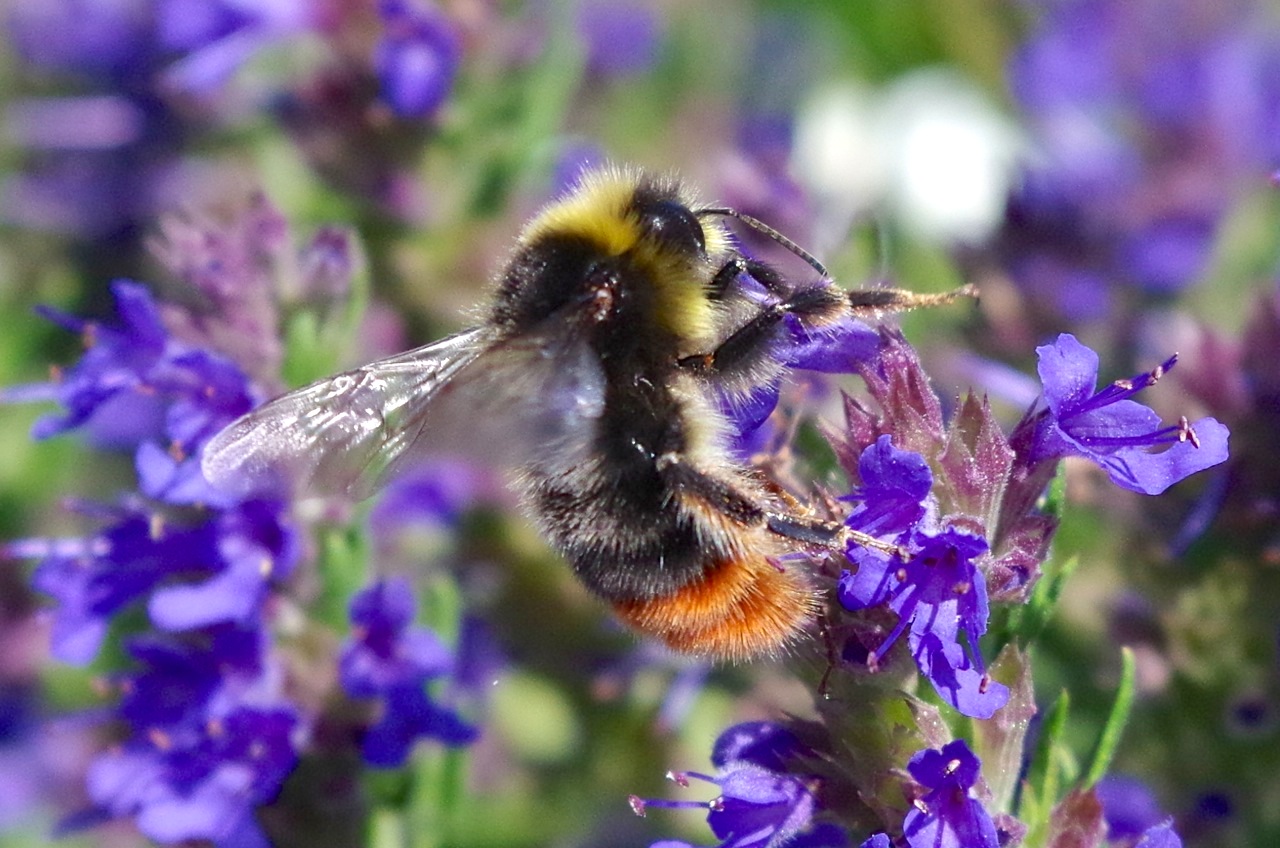
This bee has a fair-sized mite on its back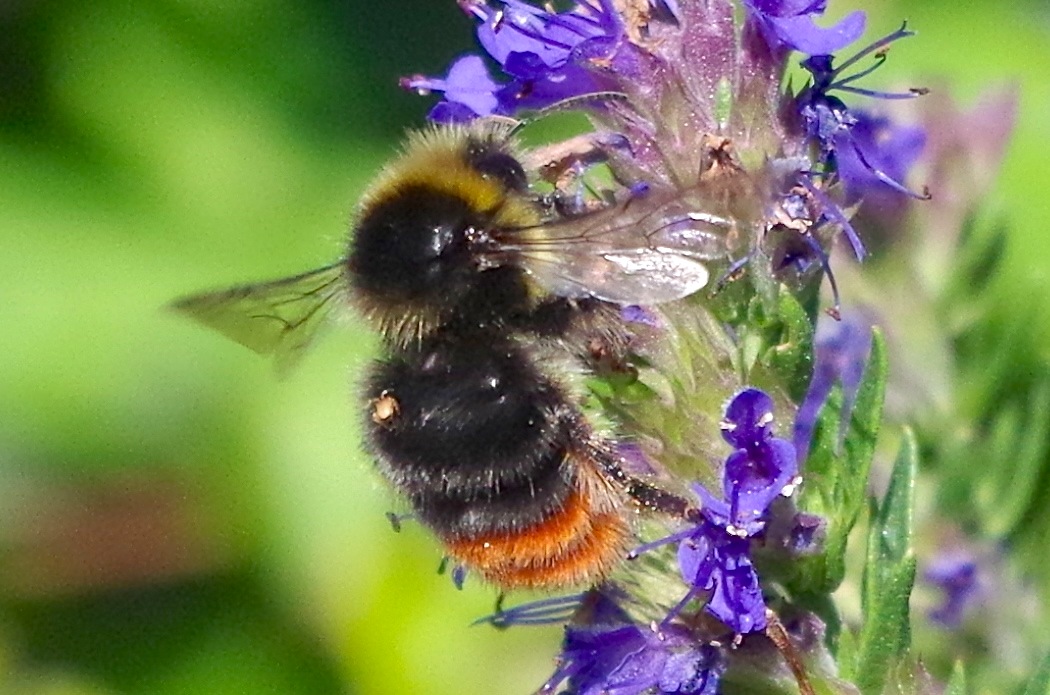
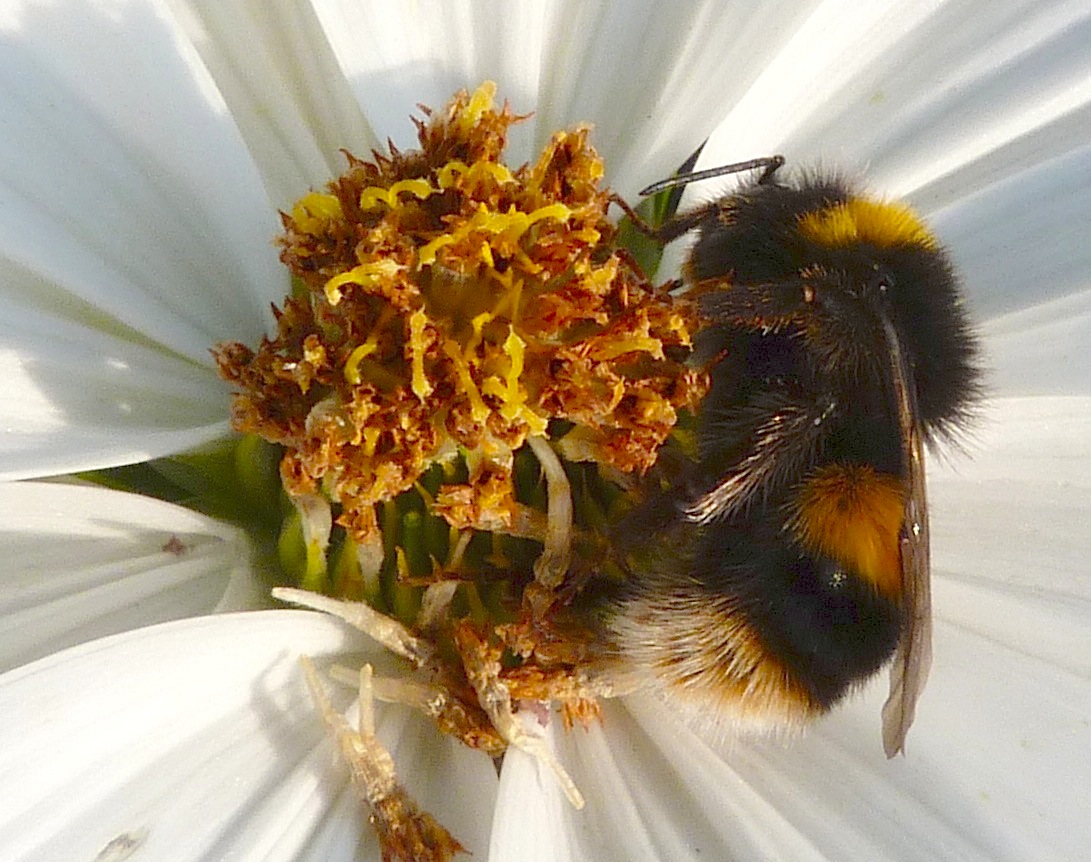
A frankly rather indelicate shot – somehow the light produced this extraordinary colouring of the ‘tail’
RED-TAILED BUMBLEBEES (BOMBUS LAPIDARIUS)
Classic view, feeding on hyssop
This bee has a fair-sized mite on its back
A frankly rather indelicate shot – somehow the light produced this extraordinary colouring of the ‘tail’
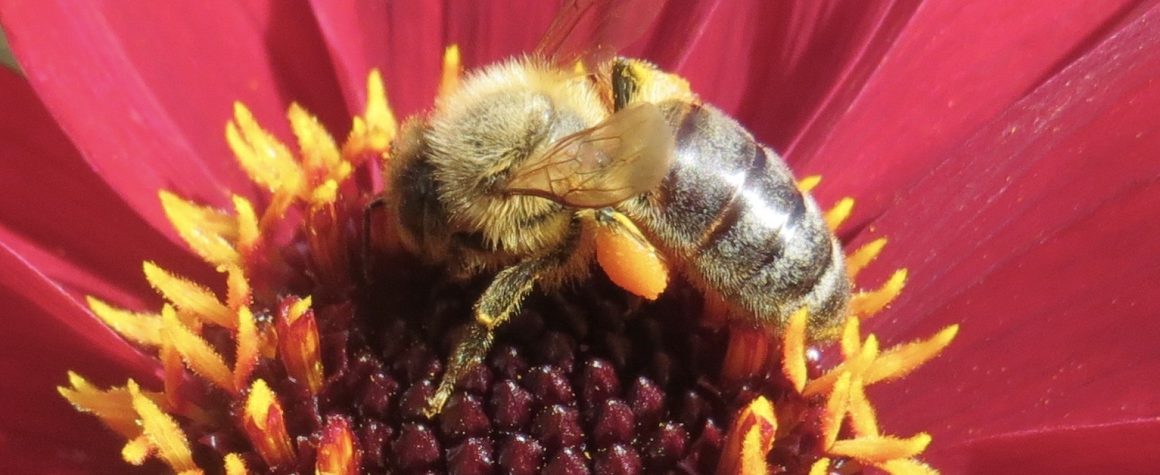
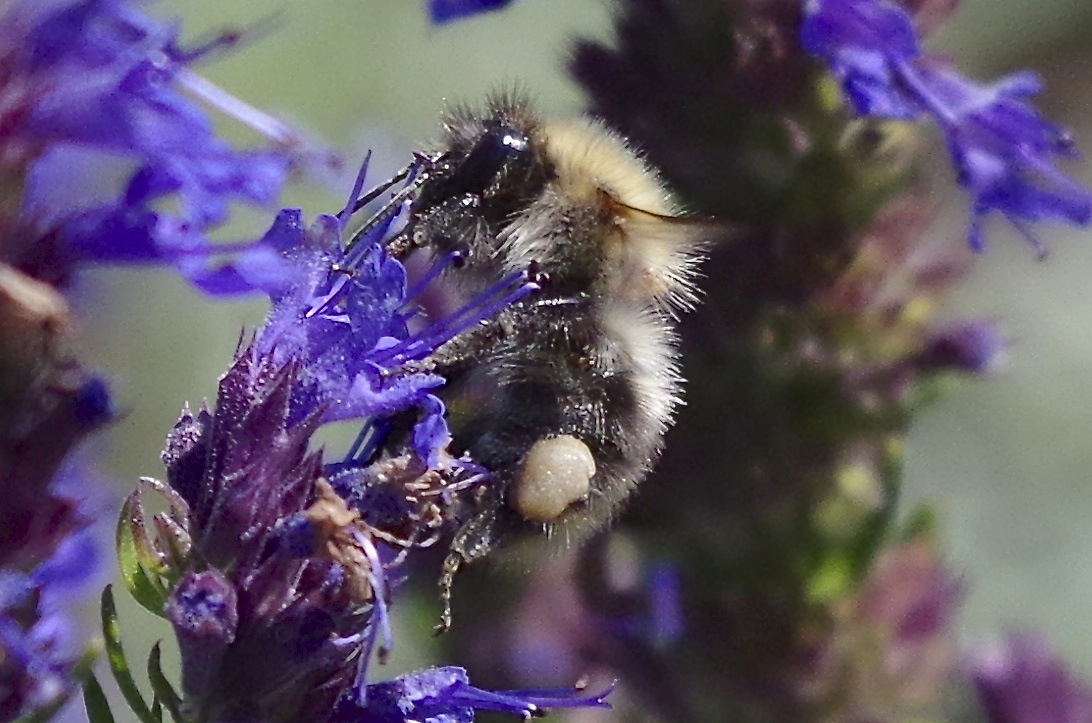
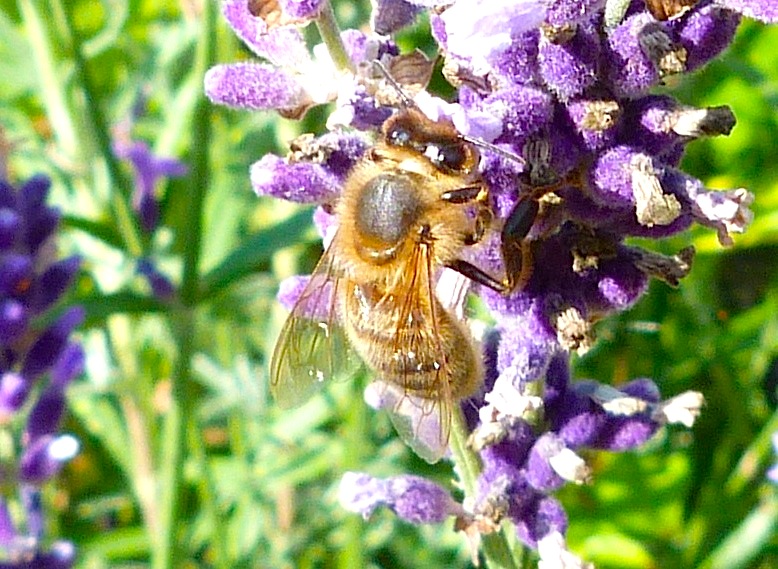
The sun was out, the bees were out and I was out trying camera settings having failed spectacularly to come to terms with a new(ish) SLR. The problem remains me, not it, but I sense that the hatred is mutual. Anyway, a few bee shots worked well enough to use… This is my favourite bee, tiny and pale, far smaller than the sturdy yellow and black bumbles jostling for the space on the hyssop and lavender. I like the way their packed saddlebags matched their colouring. There are probably two or even three different species of bee here for all I know, but it’s hot and I can’t be bumbled to look it up…
This is the first year I have taken on board the number of mites the bees carry. #1 has a fine one under the wing; and I saw one bumble with a smart necklace of mites. I realise they are mostly non-parasitic (apparently), and maybe it is even a sign of good bee health…




I was given a bee house in May. Previously I was the proud owner of a bumblebee nest box, which didn’t seem to be a success until, in early Spring 2014, I watched a small, dozy bumblebee crawl out of it, slowly get its act together, and fly off…
I wasn’t certain how a bee house would work, so I put it in a quiet south-facing out-of-the-way corner, later adding a pot of lavender under it.

After a couple of weeks of nada and niente, I decided to move the house to a length of wall that stayed longer in the morning sun, and to dispense with the lavender.


This looked more promising, but I was highly doubtful that such a fine multi-apartment abode would find favour with the bees. The holes looked good – a range of large down to very small – but still, it looked a bit… NEW. I thought it would need to be weathered for 6 months to get rid of the smell of ‘shop’.
Gratifyingly soon, however, I was proved wrong. One morning we found (a) a bee inspecting one of the penthouse suites and (b) 2 partial wax caps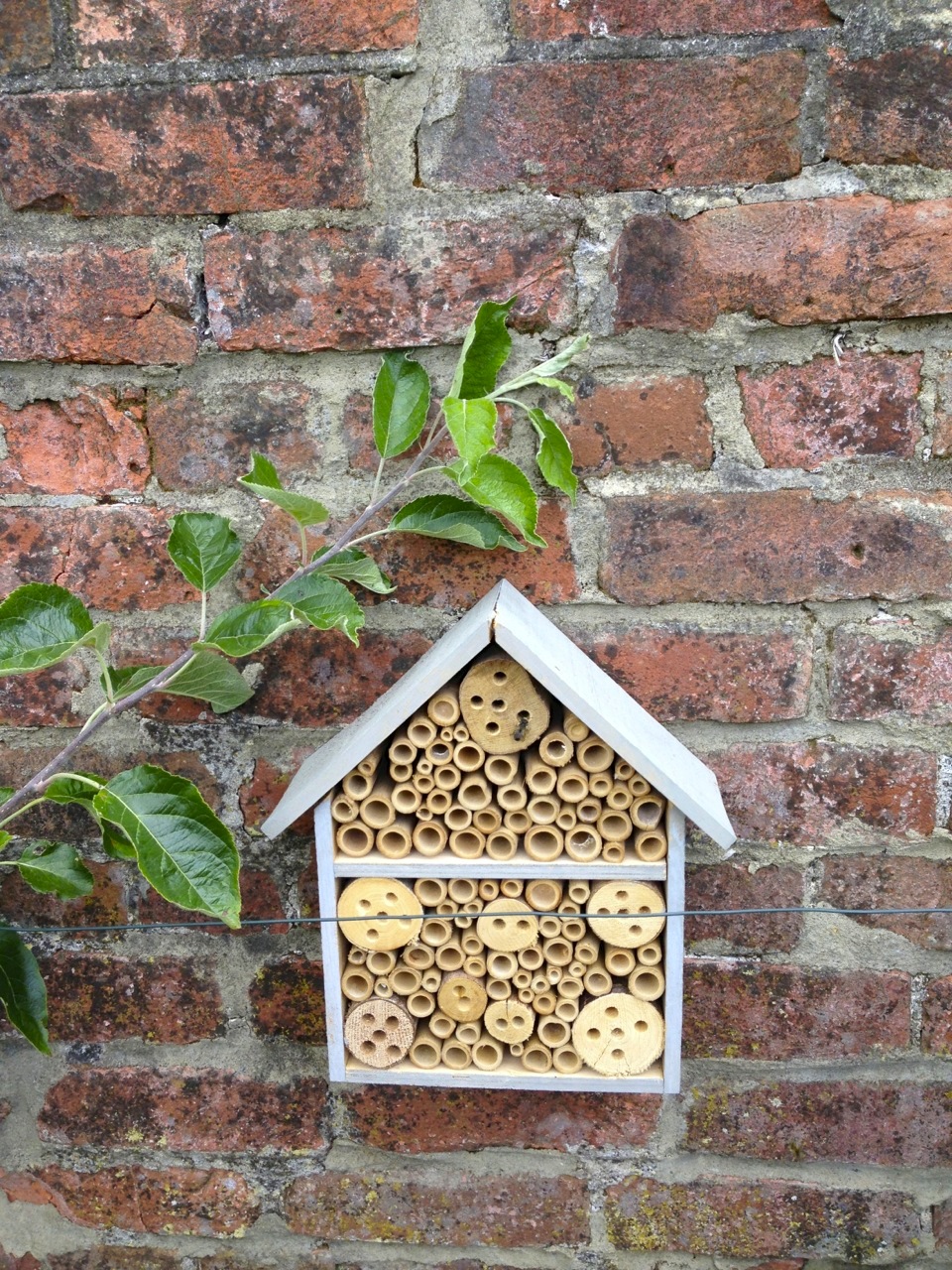
Note bees on the roof and on the lower storey; 2 partially capped cells on the upper storey
The following morning there was evidence of further activity – one completely capped cell


Since then a number of bees have taken overnight accommodation in the bee house. They prefer the holes drilled in wood over bamboo holes for a short stay, and at any given moment there are two or three small faces visible.
So overall we are pleased to report that the experiment can be counted a success. The garden has been revitalised during the last 2 years following 20 years or so of benign neglect, and bee-friendly plants have been a priority. So far, so good.

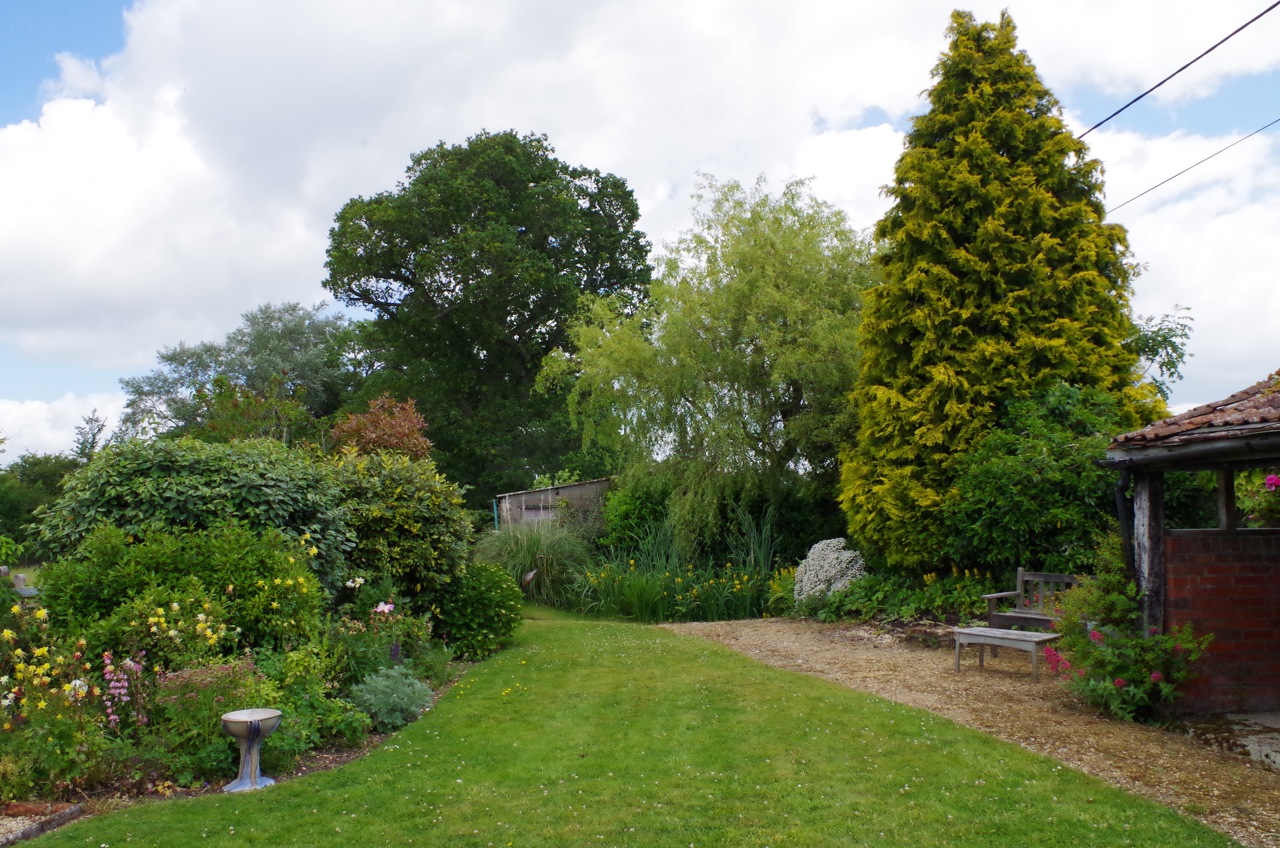
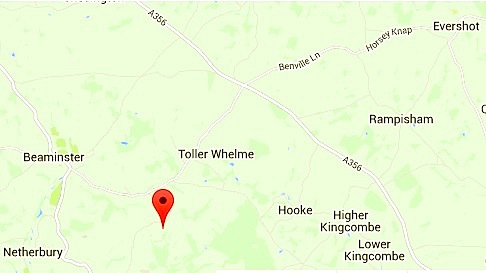
Mapperton House in Dorset is not hard to find, but it is somewhat off the beaten track near Beaminster. In the recent film Far from the Madding Crowd the fine manor house, which dates from the c16, became the farm inherited by Bathsheba Everdene. We planned to see the film the weekend it came out, and spent the morning at Mapperton to get into a Hardyesque frame of mind. A form of ‘method’ film previewing, I suppose. It was a dull day, but here are some photos from our visit. And yes, we thought the film was wonderful, with ‘Bathsheba’ and ‘Gabriel’ excelling in particular…
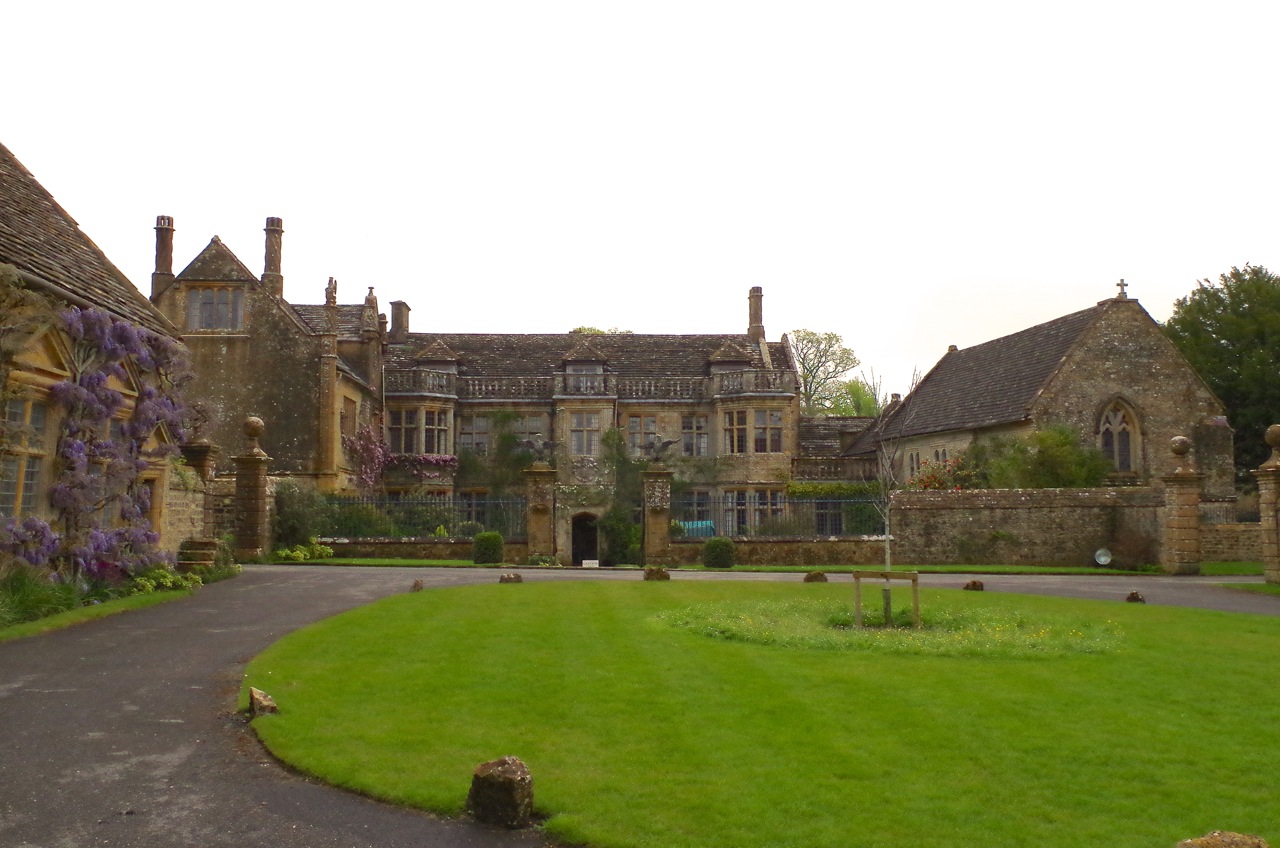
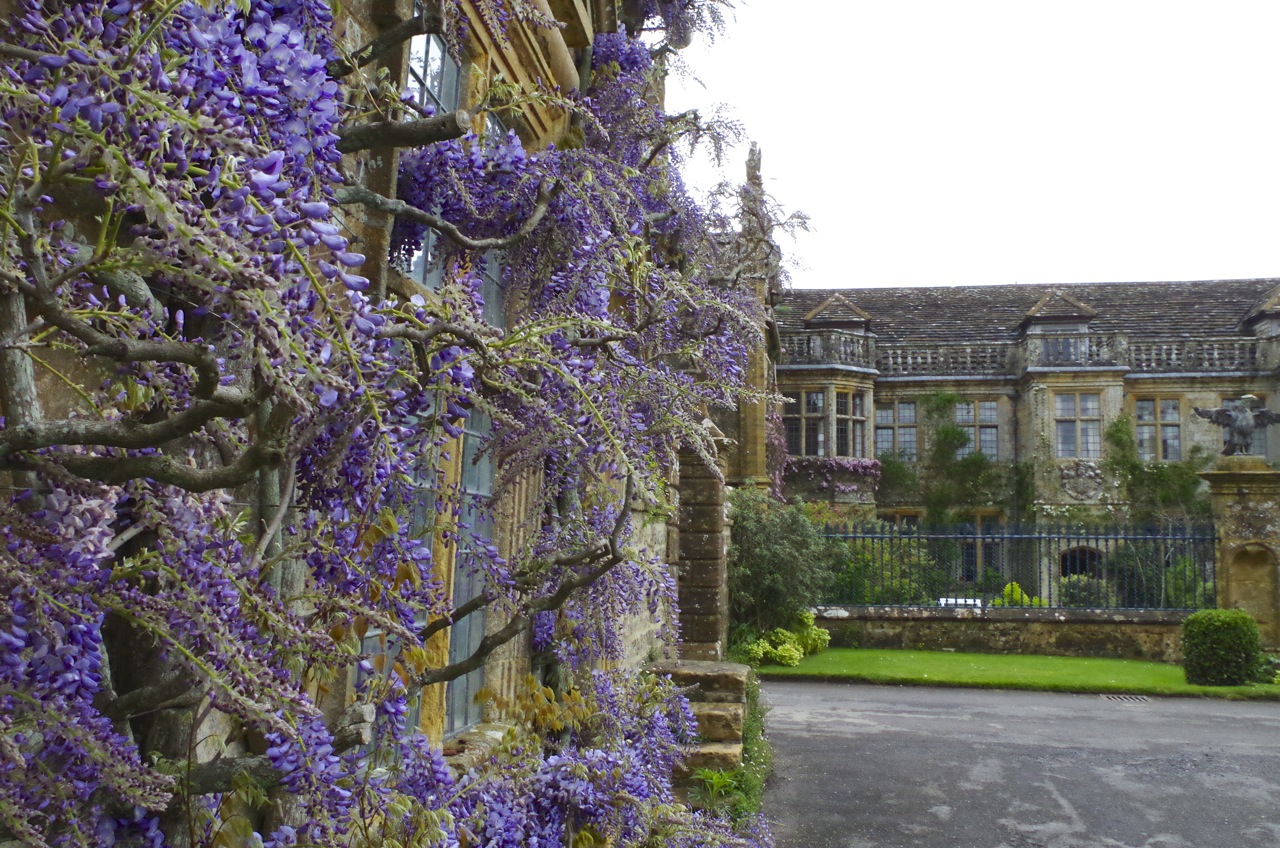
 The later west front of the house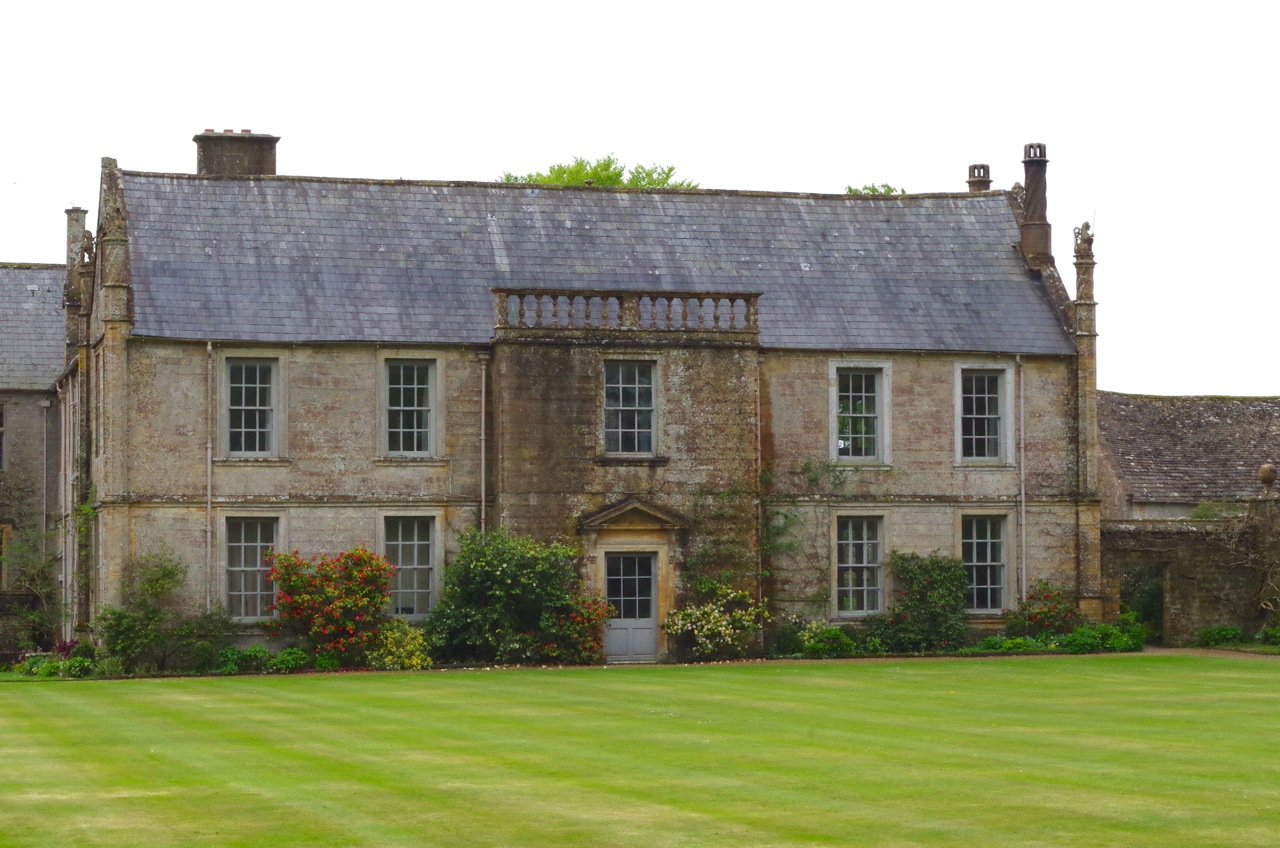
The back of the house, from the gardens
The sunken garden
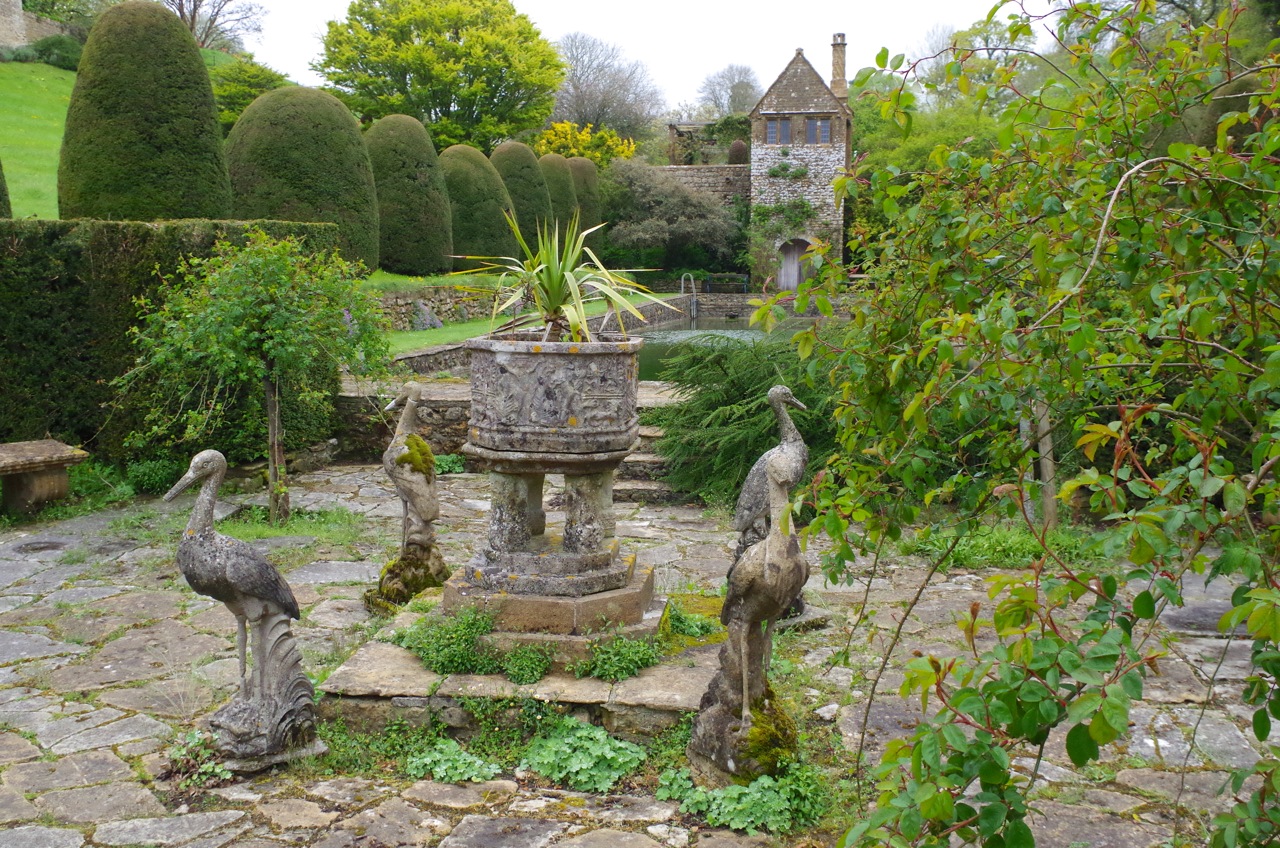
The sundial (base and column old, dial and gnomon new)
The orangery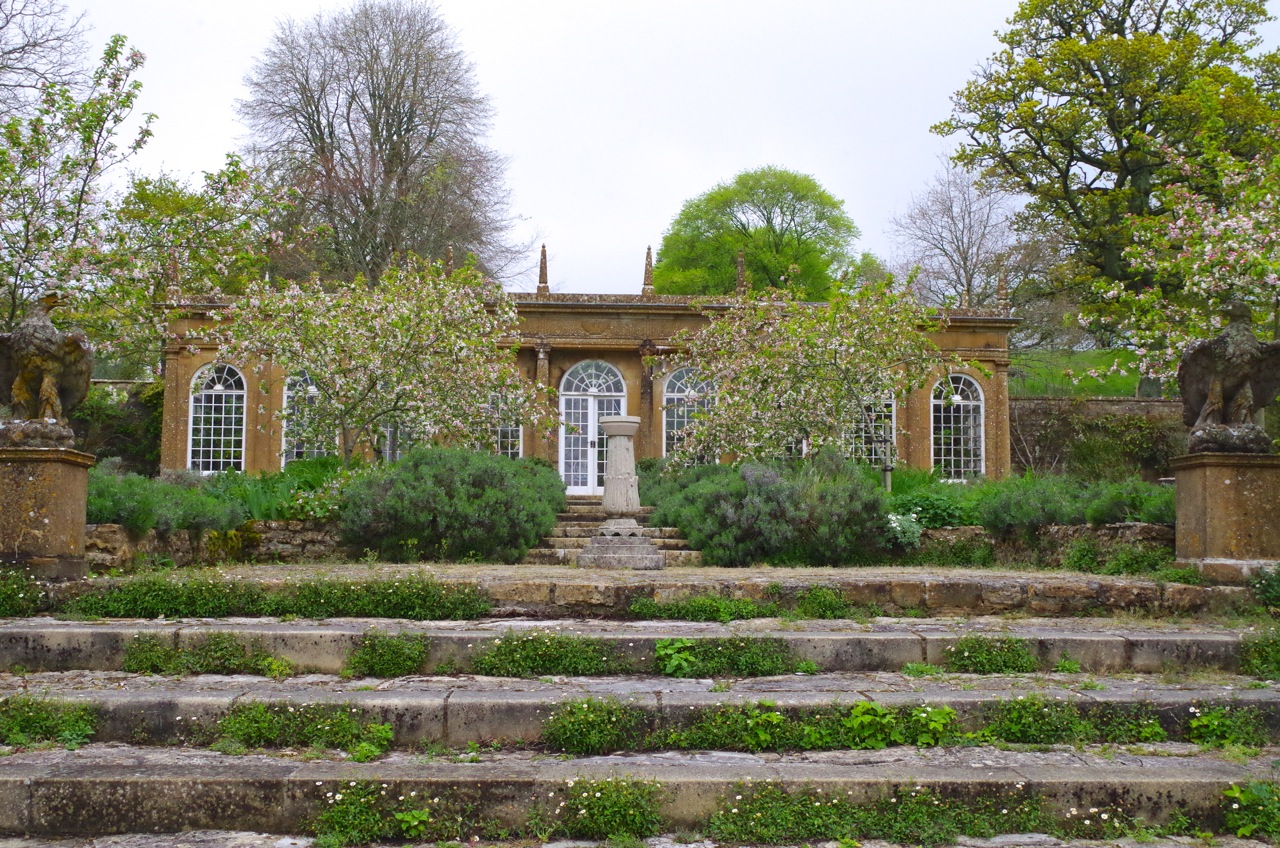
The stables and yard, as seen from the house in the film; and as they are

Note Bathsheba’s modern carriage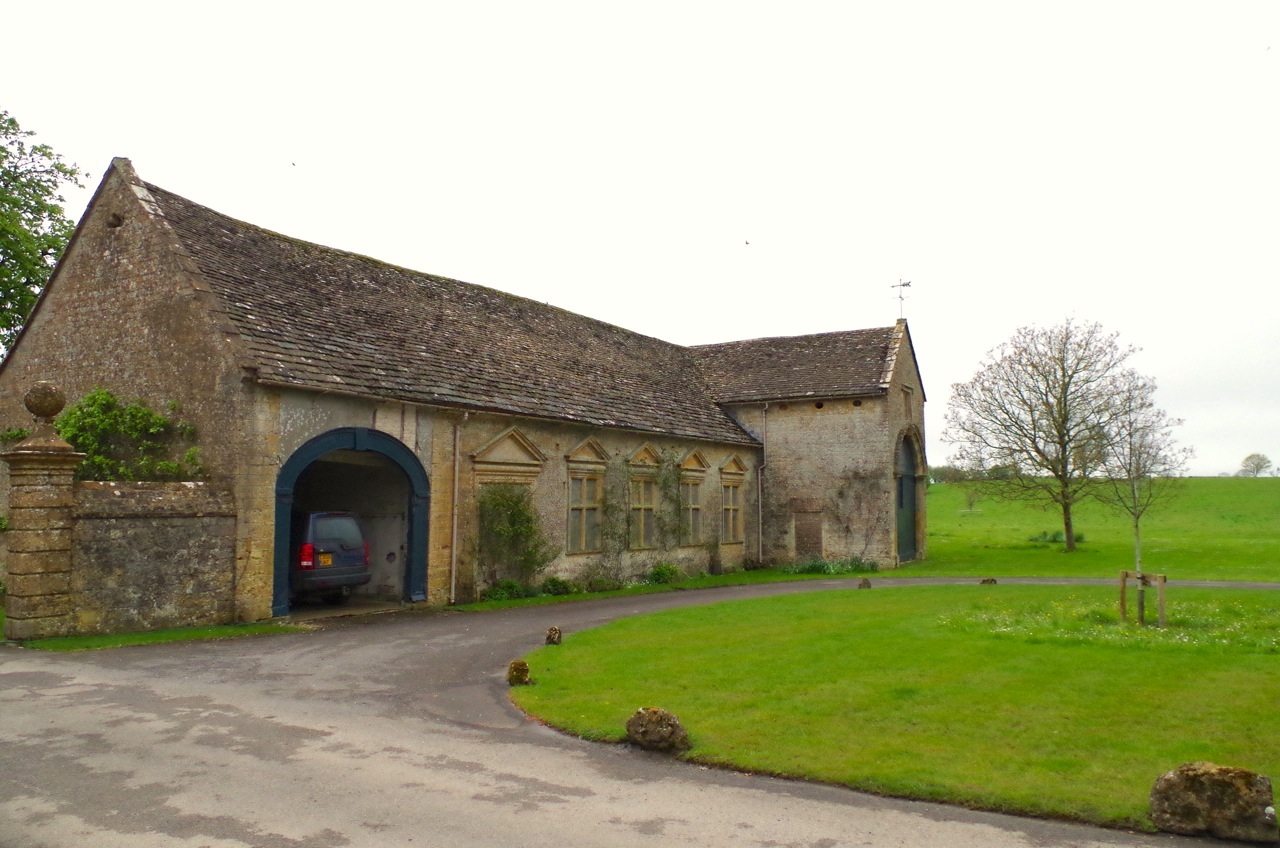
An unusual double-stepped mounting block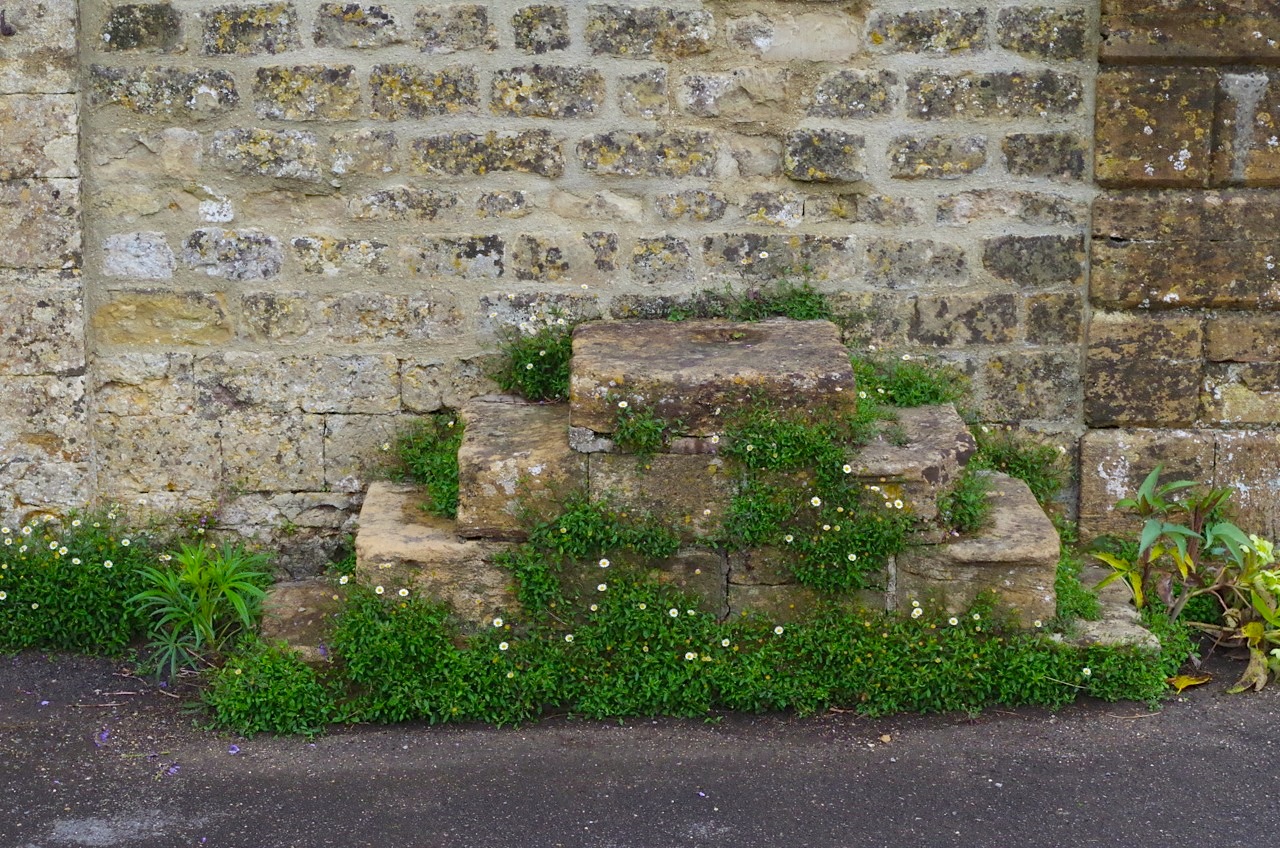
The Chapel
St Ambrose, with his hive and bees – one of several very good pieces of stained glass
Yah, Troy here, yah, the thing is I’ve sort of fallen for this feisty farmer girl, ok?

This is a small selection of bees visiting a Dorset garden during the last month or so. The favoured flowers have been Hyssop, Lavender, Alium and Cosmos. And if anyone knows the name of the pale bee in photo #4, I’d be pleased to know – it’s a real beauty.





First of all, what is this insect? (Amelia? Anyone? NOW SEE BELOW FOR ID) I saw a couple in the garden last year but had no camera with me. Today I at least had my phone. I’m sure it’s completely obvious – ‘a sting-snouted lesser hornet’ – but I’d like an authoritative ruling. Additional clue: they can hover.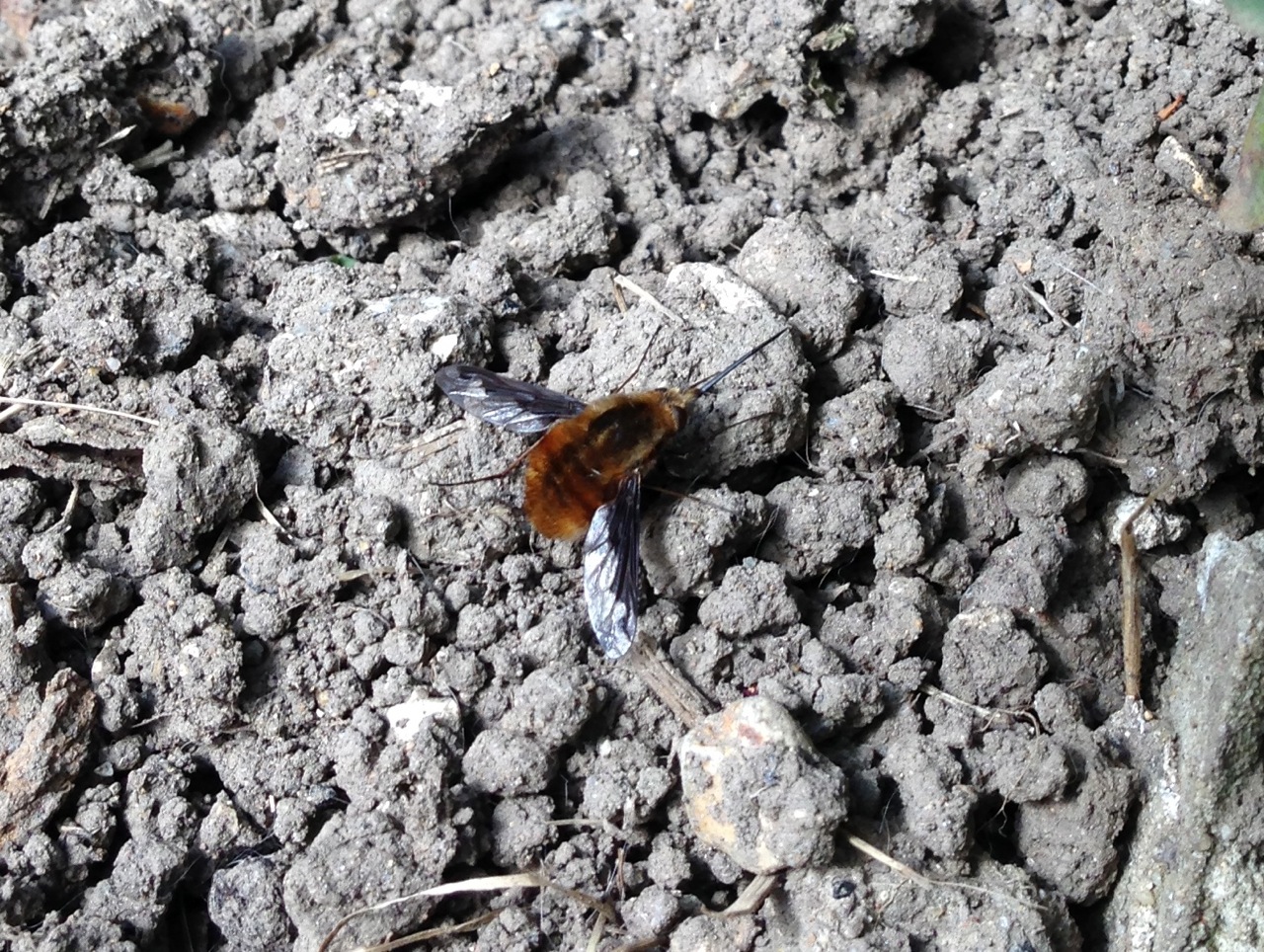
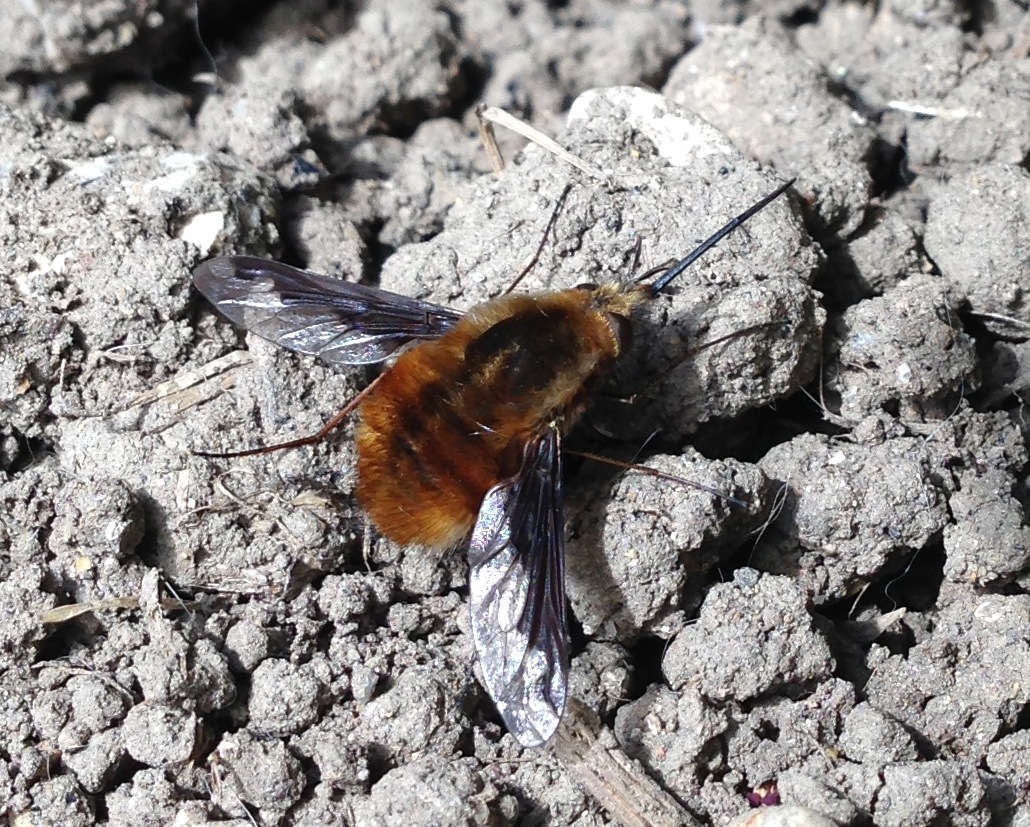
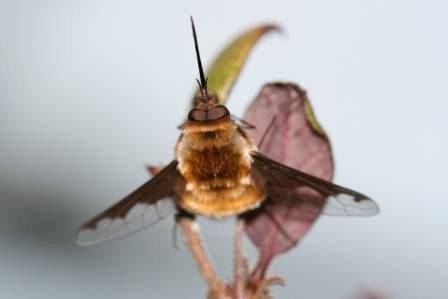
Thanks to Jessica of the excellent blog NATURE IN FOCUS for ID as a member of the Bombylidae family, with the common name of bee-flies (see comments below). That lead me to the Natural History Museum website, where I found a very similar creature Bombylius major. The wing patterns in particular look much the same.Here’s the NHM image.
Secondly, there’s supposed to be a pink moon either tonight at around 3.00 a.m. tomorrow morning; or possibly tomorrow night at 3.00 the next night… It’s caused by a lunar eclipse, expected to last from 2.00 am to 4.30. The pink / red is to do with angle and atmosphere (as with dawn and dusk). Apparently. I tried to photograph the moon last night here in Dorset, where the light pollution is not too bad. It shone with extraordinary brightness and ‘flared’ my attempts. I’ve pinked one up in case I don’t wake up for the real thing…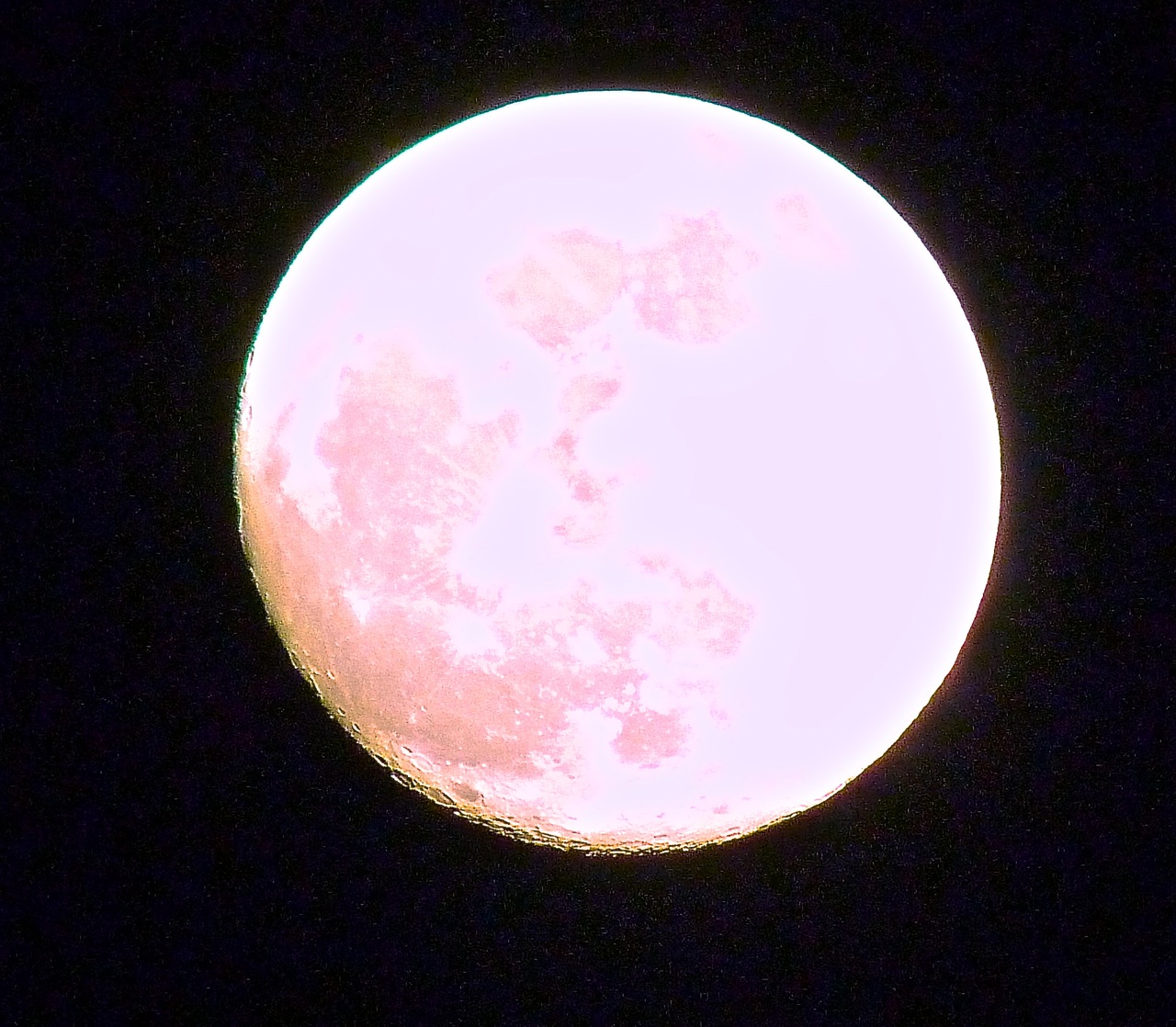
An opportunity to remember Nick Drake, I think… Here’s the full album for nostalgics – and just the title track to follow.
Following up my last bee post, here are some more amazing macro shots of bees from Sam Droege and the USGS Bee Inventory and Monitoring Lab. This time, it’s up close and personal…


This is in fact a jumping spider, but I just couldn’t leave it out… All photographs: Sam Droege and the USGS Bee Inventory and Monitoring Lab
My general rule is to try to stick to posting my own photos, with occasional illustrative borrows. But rules are made to be broken, and sometimes images that are so astounding that they are irresistible are made available online. The Guardian website showed some bees from the USGS Bee Inventory and Monitoring Lab that are compelling… here are a few ‘in flight’, from their massive reference library of bee species. If you hover over each image, you’ll get the ID and location of the bee.

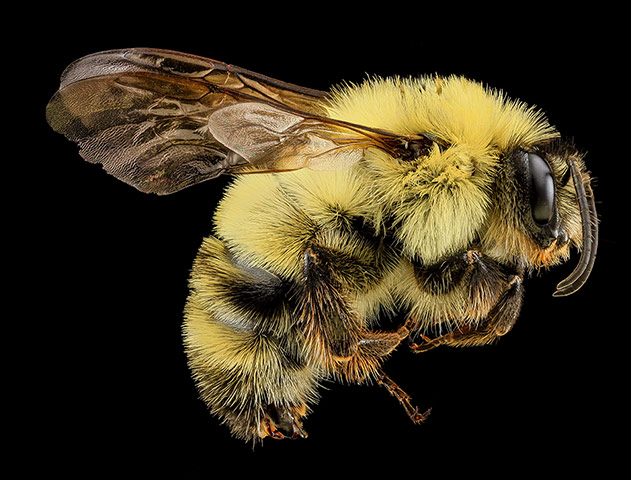


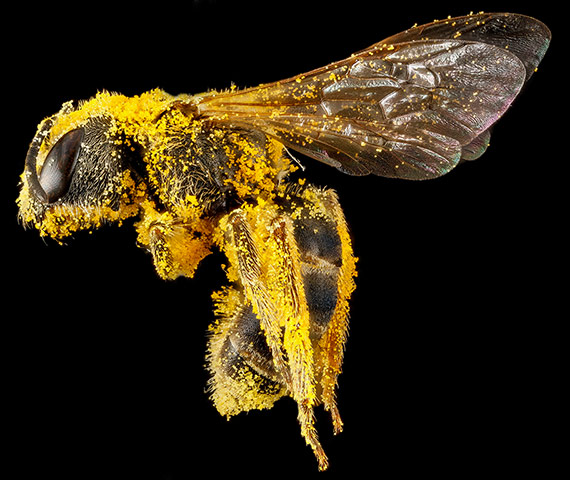

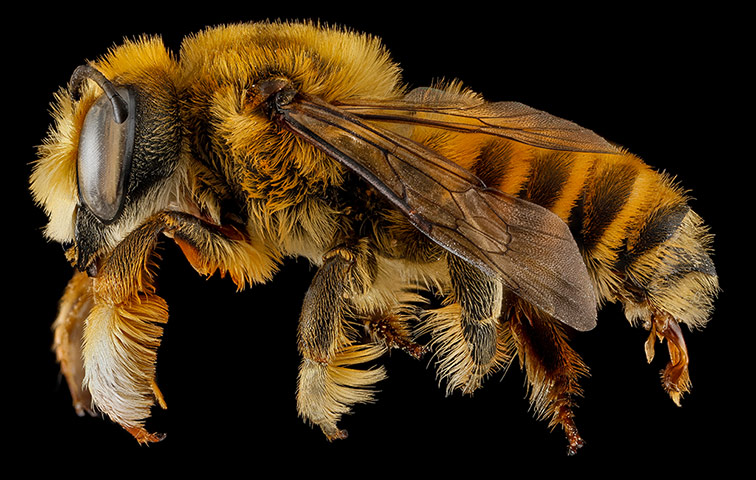

All photographs: Sam Droege and the USGS Bee Inventory and Monitoring Lab

This plant at Oxburgh Hall, Norfolk was a magnet for small bees. We watched them come and go, filling up their little saddlebags. Photos of bees in flight don’t often work well. These are no exception. Still, they do catch the general bizzyness of the proceedings. The plant was lovely, not one we knew. Another new bee plant find for the year, along with Hyssop.
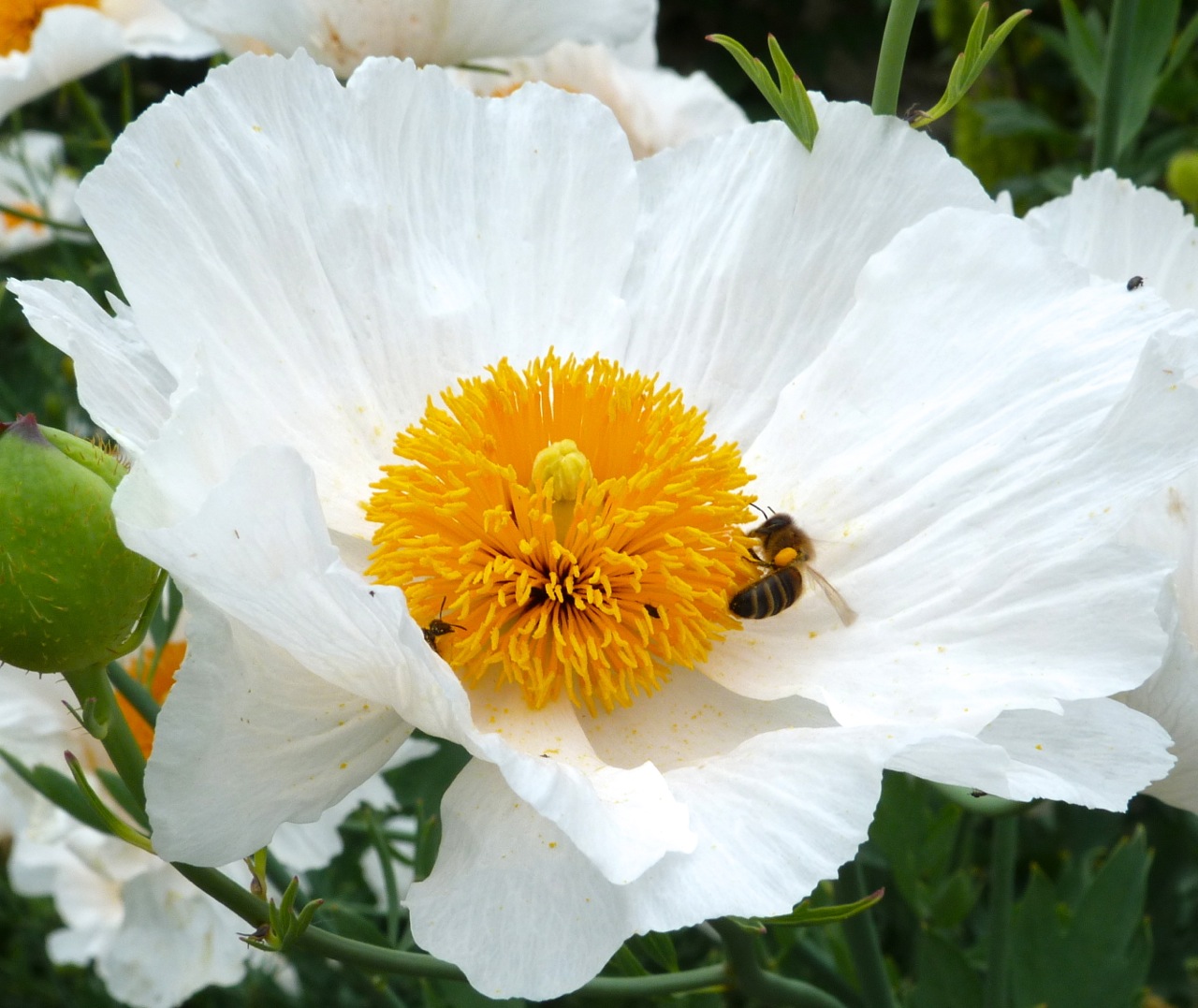

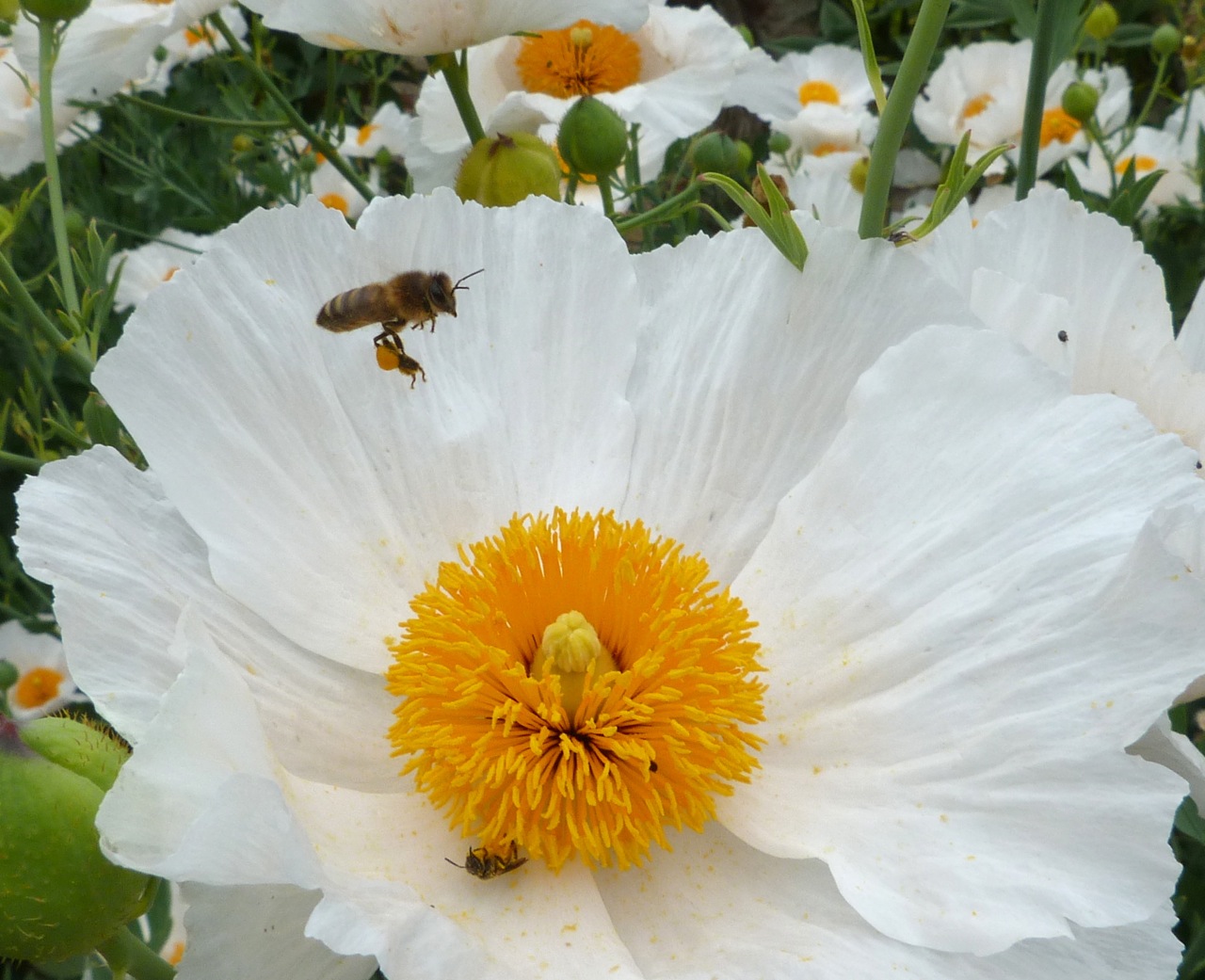


The bees are working overtime as a chill spreads over September and winter downtime looms for them. So busy are they that there is competition for individual flowers – even though there are more than enough to go round. Bumbles were out in force yesterday, and there are still butterflies around, mainly tiny Small Coppers and Whites of different sizes.
We’ve done a quick assessment of plant popularity this spring and summer that produces this league table:



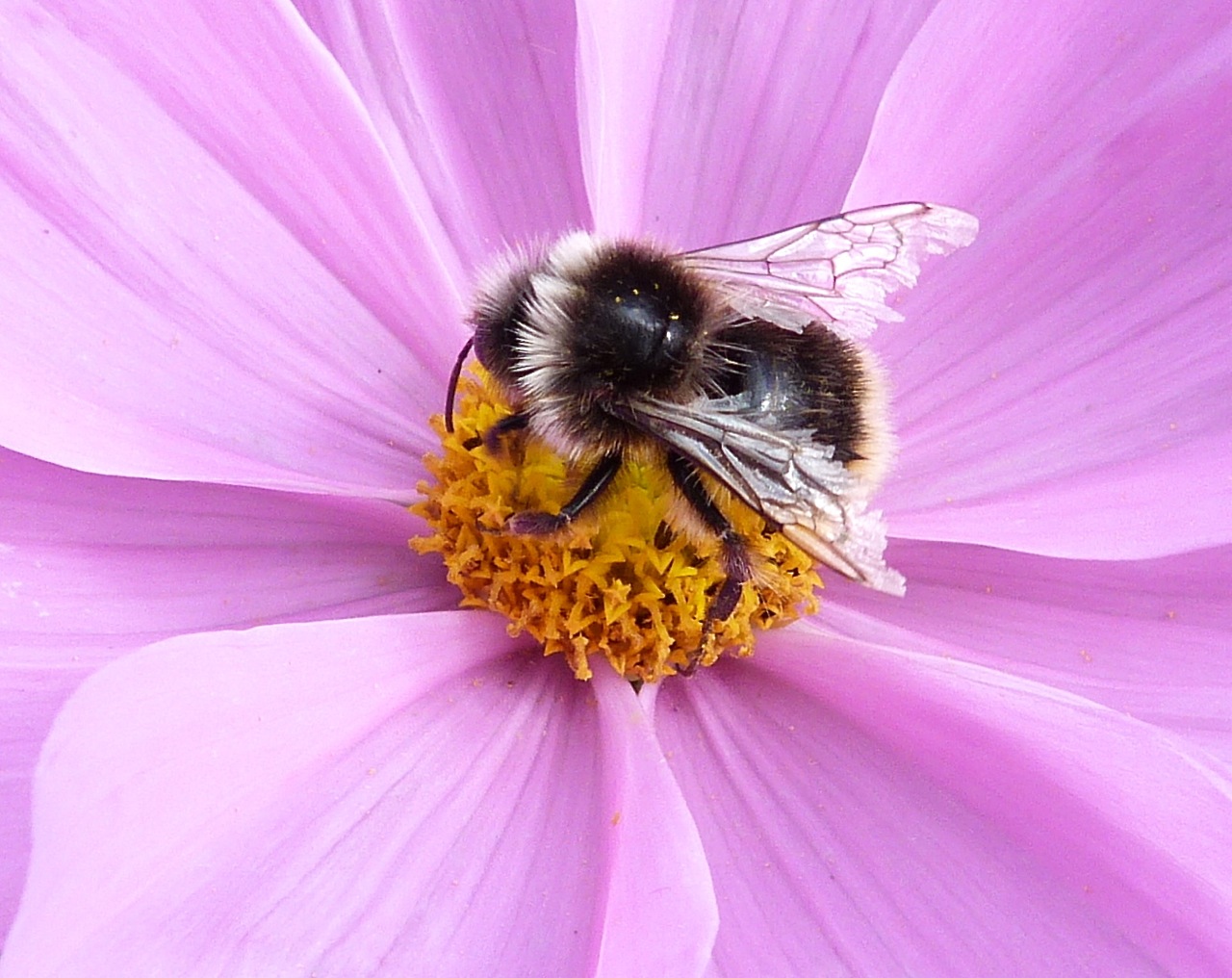
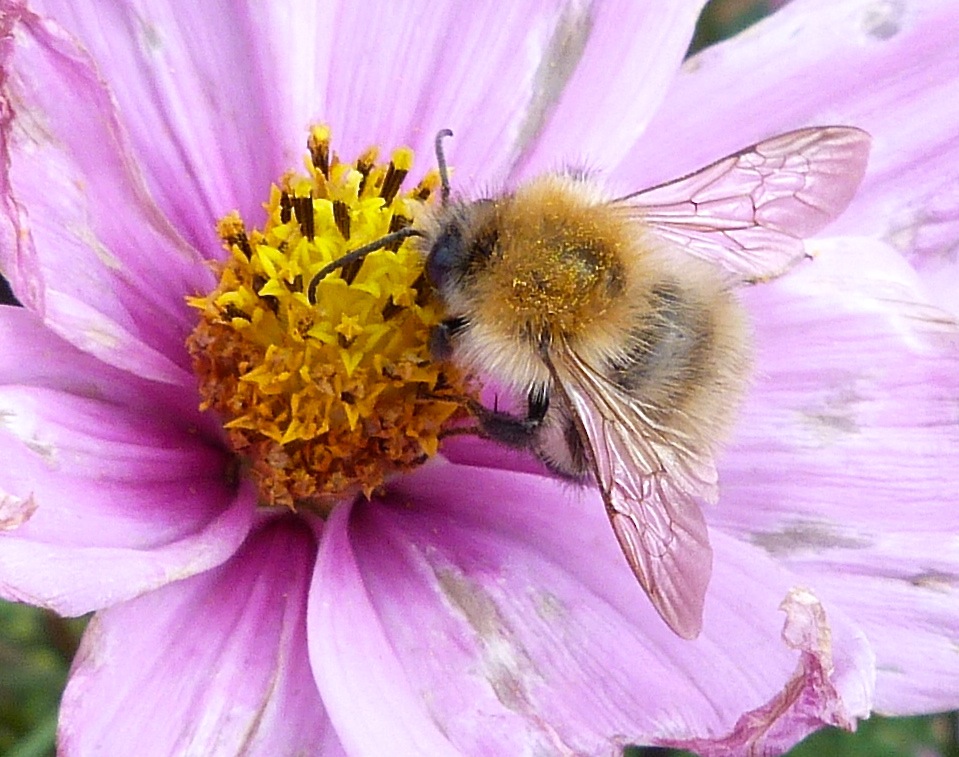

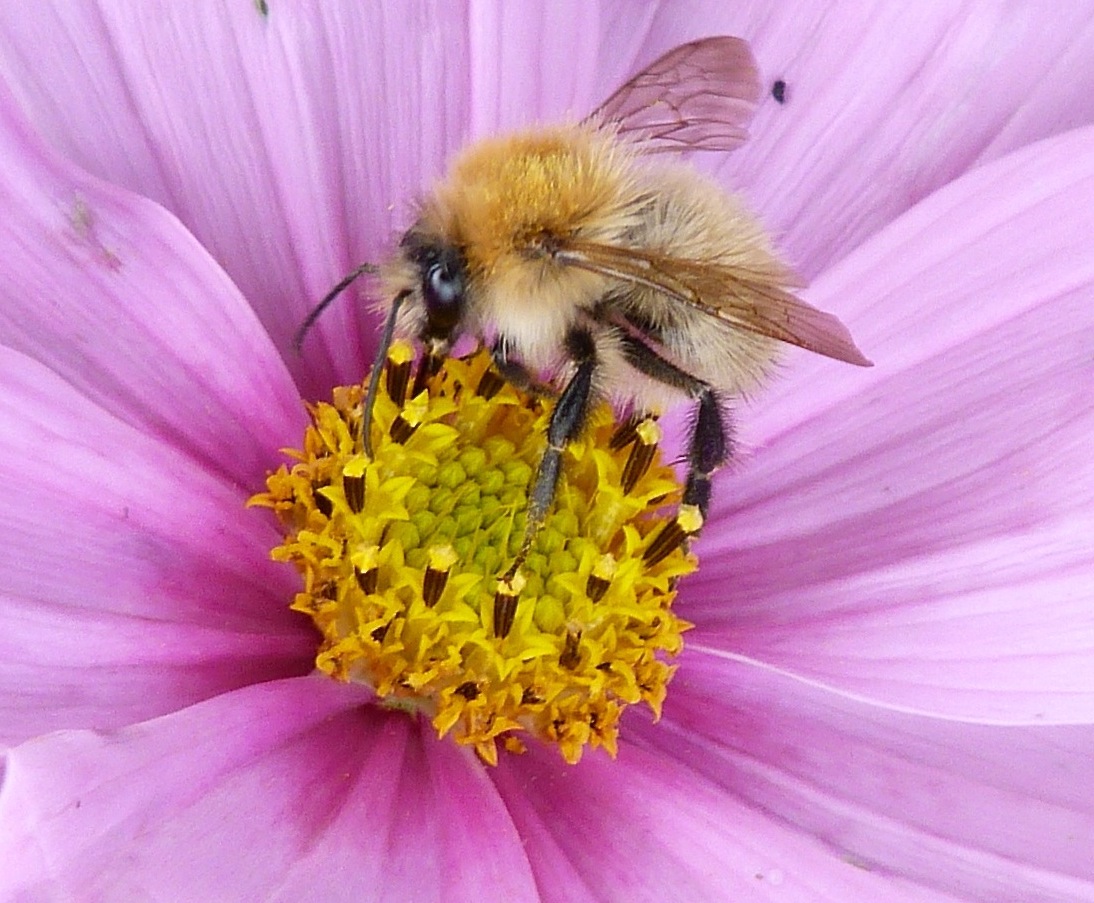 Blurry, I know, but the intruder arrived from nowhere as I pressed the button… Why it didn’t land on one of several vacant flowers next to this one, I have no idea. Maybe fighting drunk on pollen?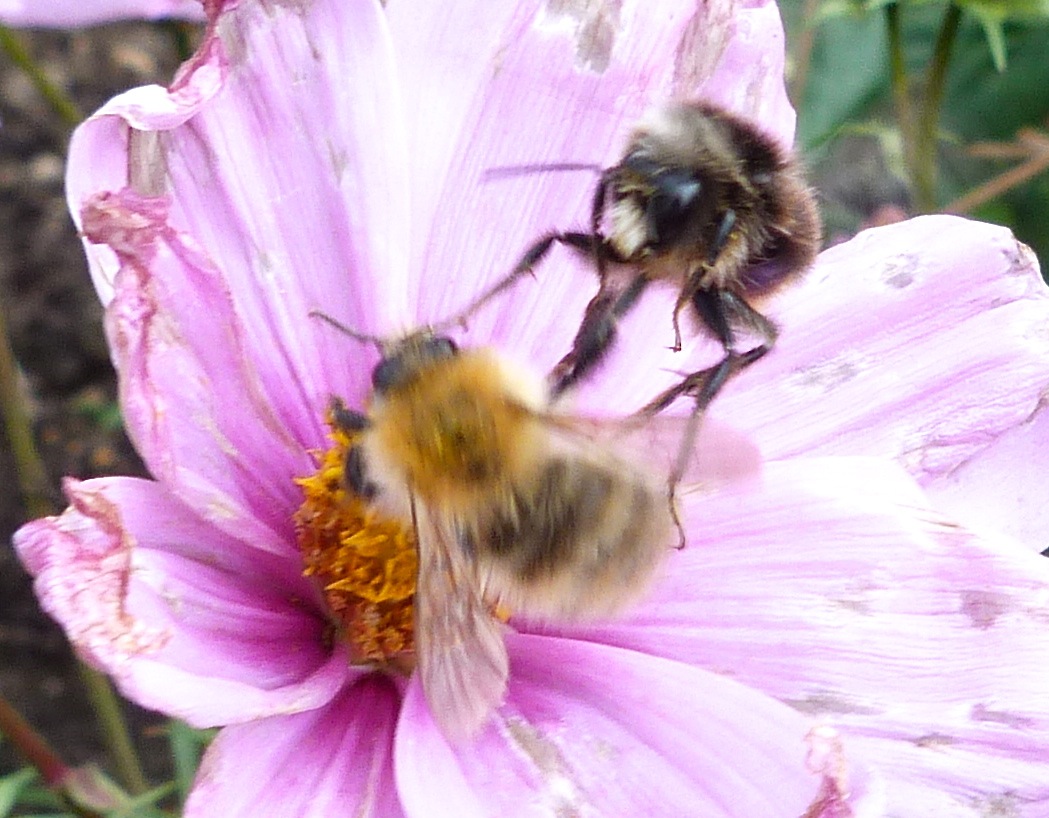
 ROLLING HARBOUR GALLERY