

ALLIUM STUDIES, DORSET

Until the beginning of the year we had some beautiful DORSET SHEEP in the field. They arrived last summer with their lambs, carefully numbered but rather random in their choice of maternal feeding station. They had a guest to stay, the RAM. Then they were left to themselves for the winter before being relocated to allow the grass to recover.

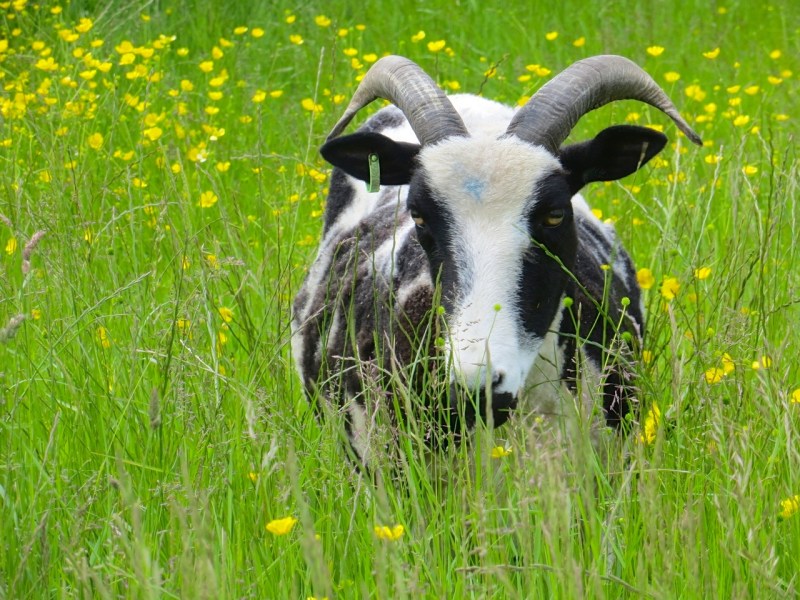
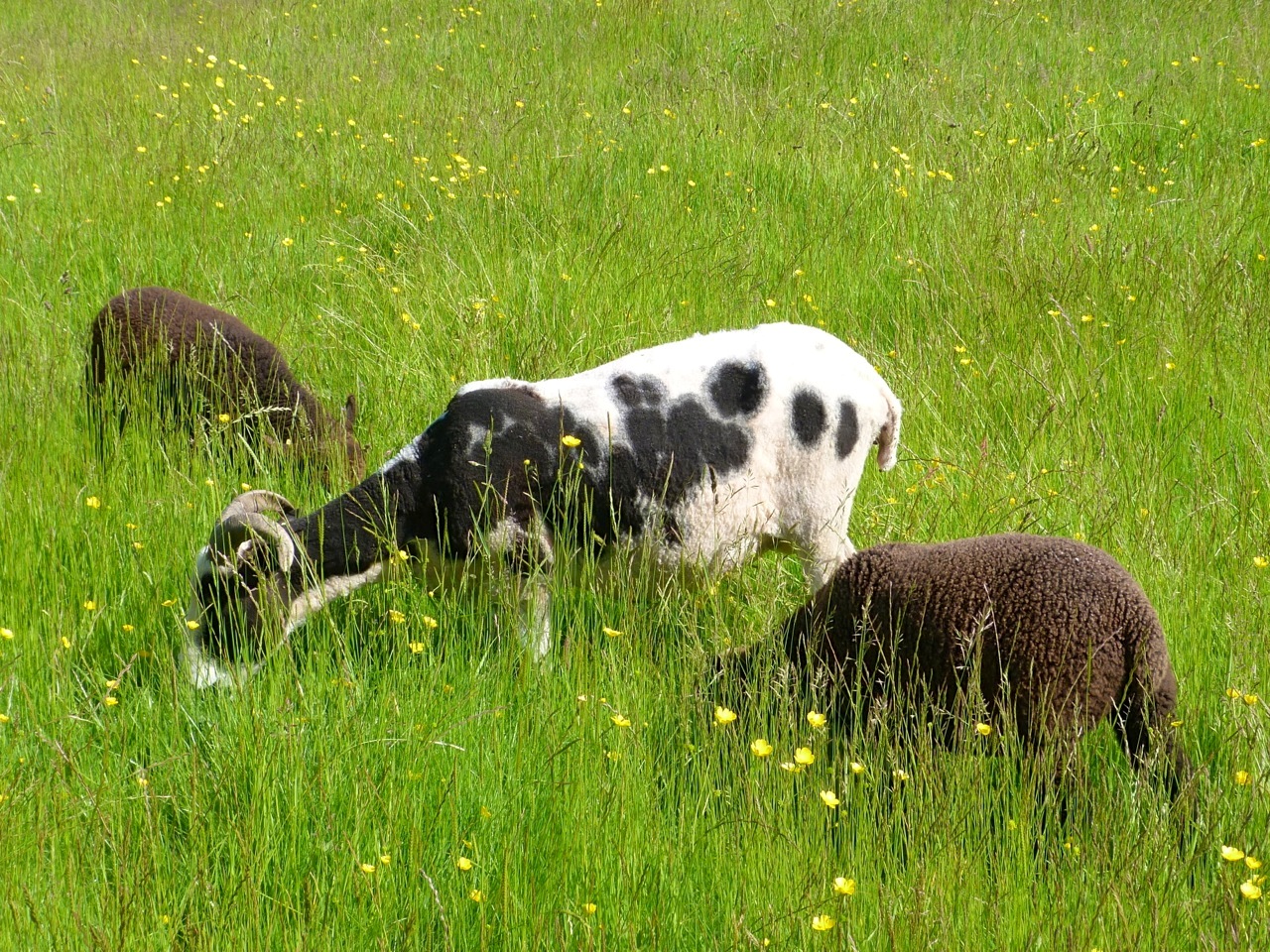
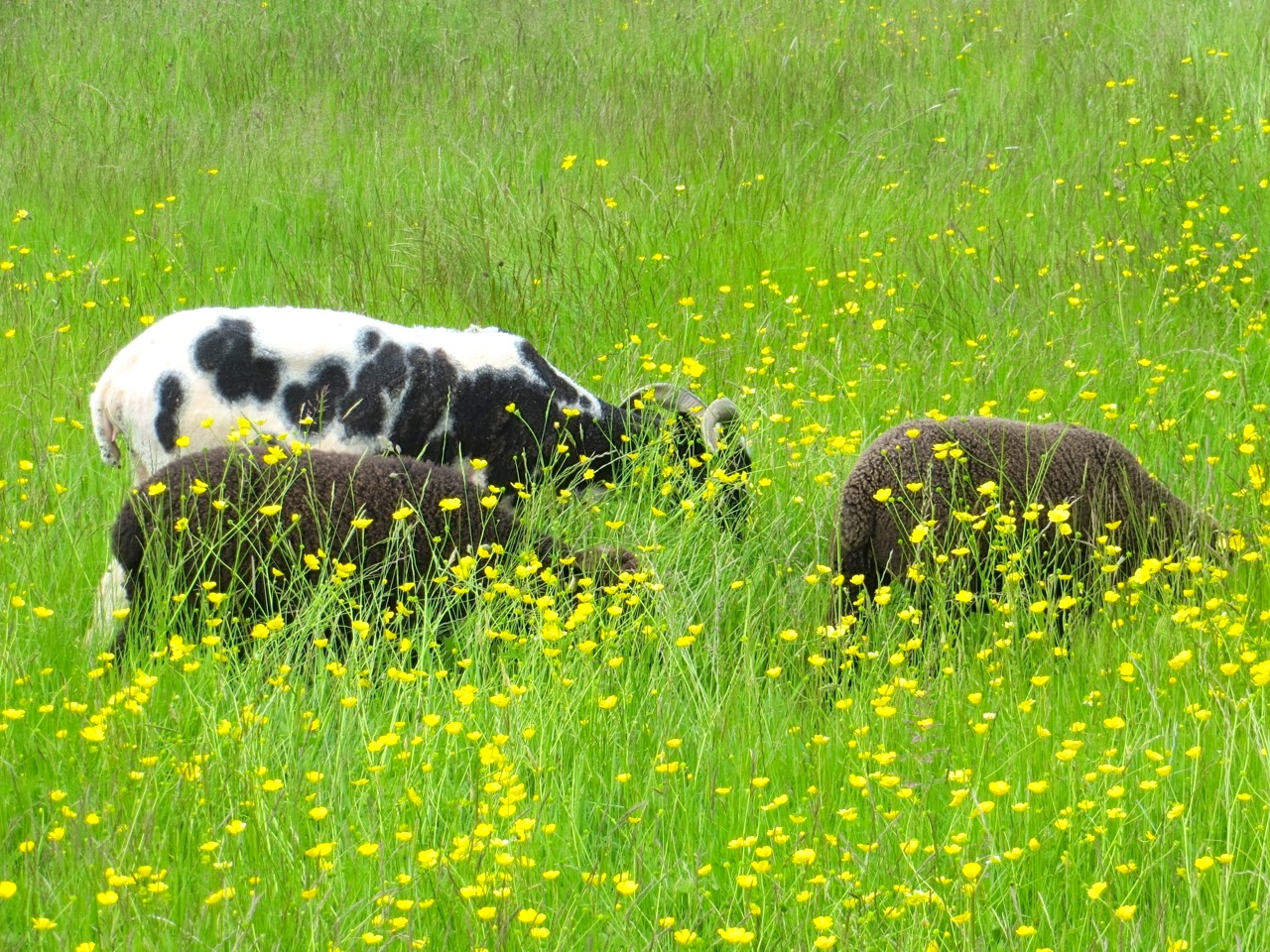
This time last year our son’s wedding took place in the field, and it had been smartened up for the purpose (Mrs RH and I had our wedding reception in the same field nearly… erm… x0 years ago). This spring, the grass has grown lush and replete with buttercups, ready for the next ovine mowers to graze. They arrived last weekend, 6 freshly shorn adult Jacobs with their 10 lambs between them. Here are some studies of the one I want (perversely) to call Daisy, with her lambs…





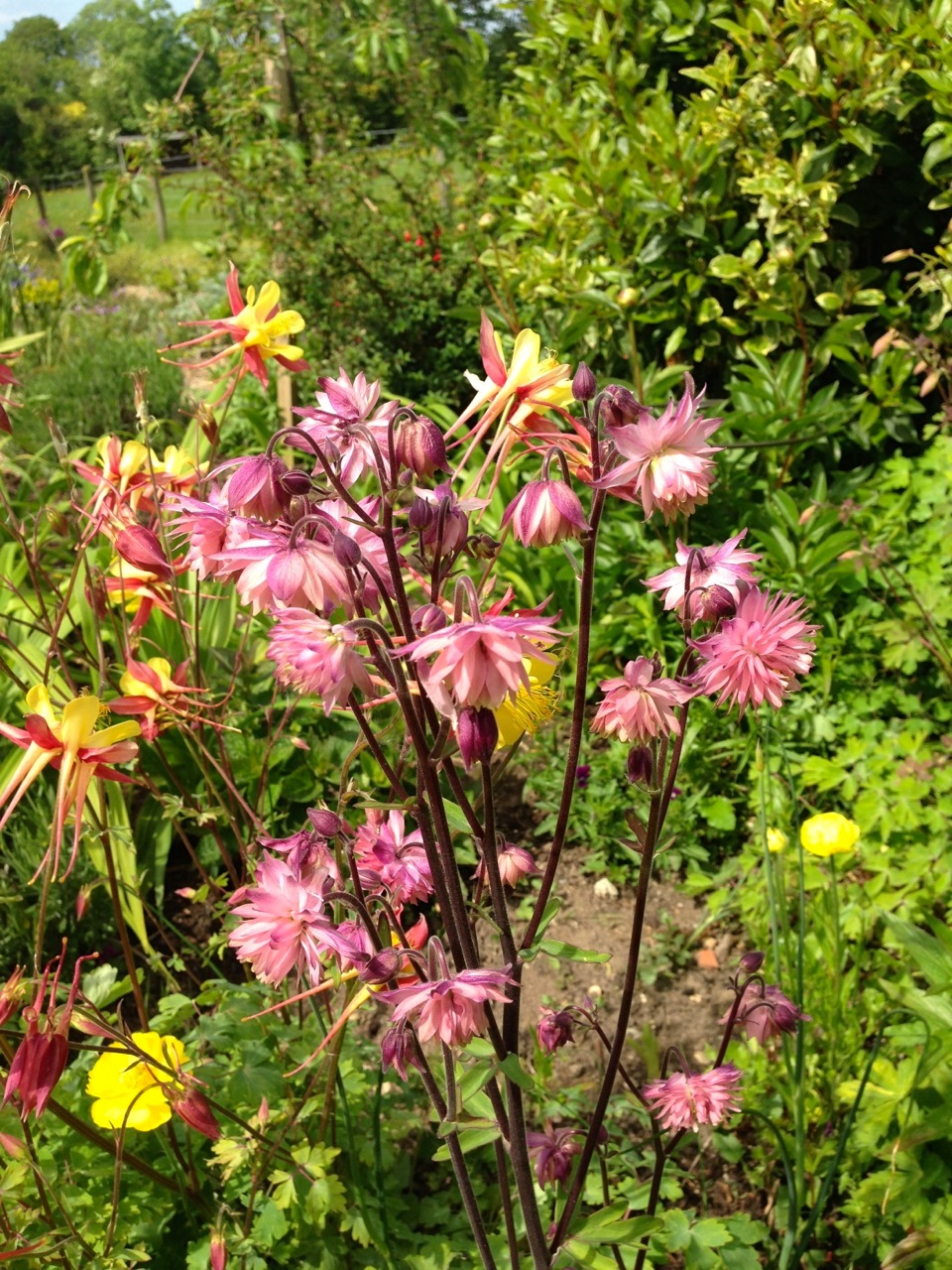
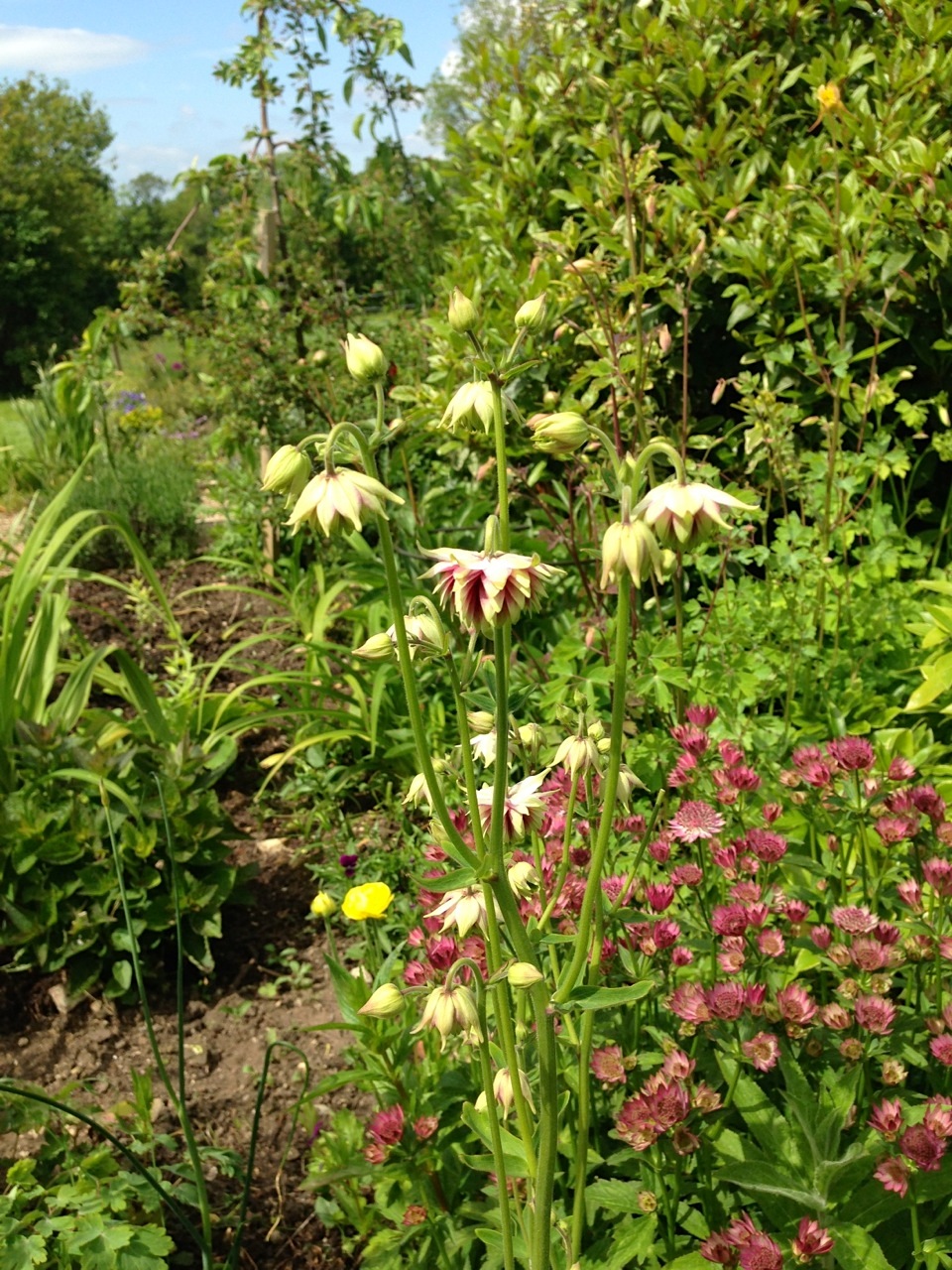
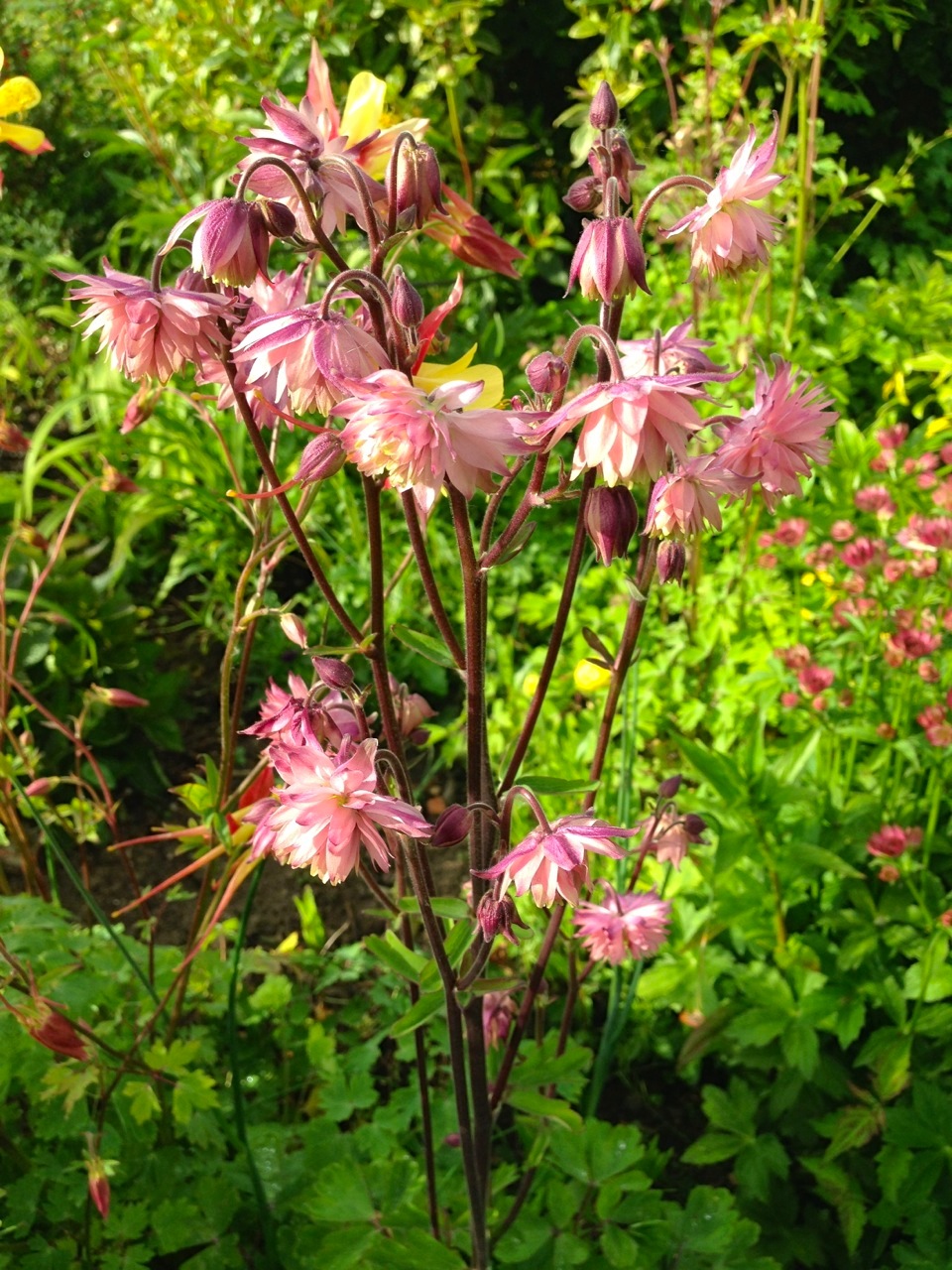
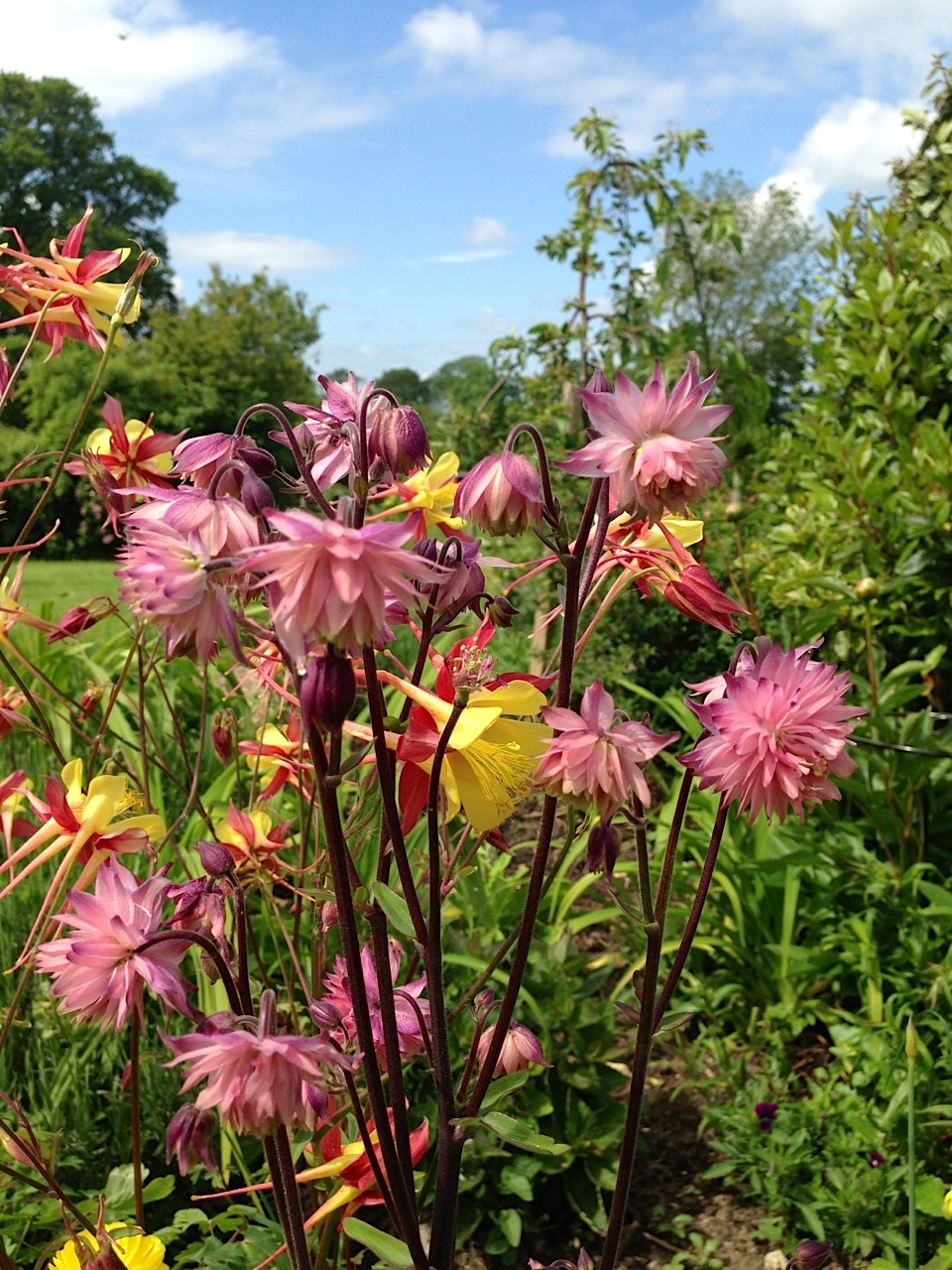
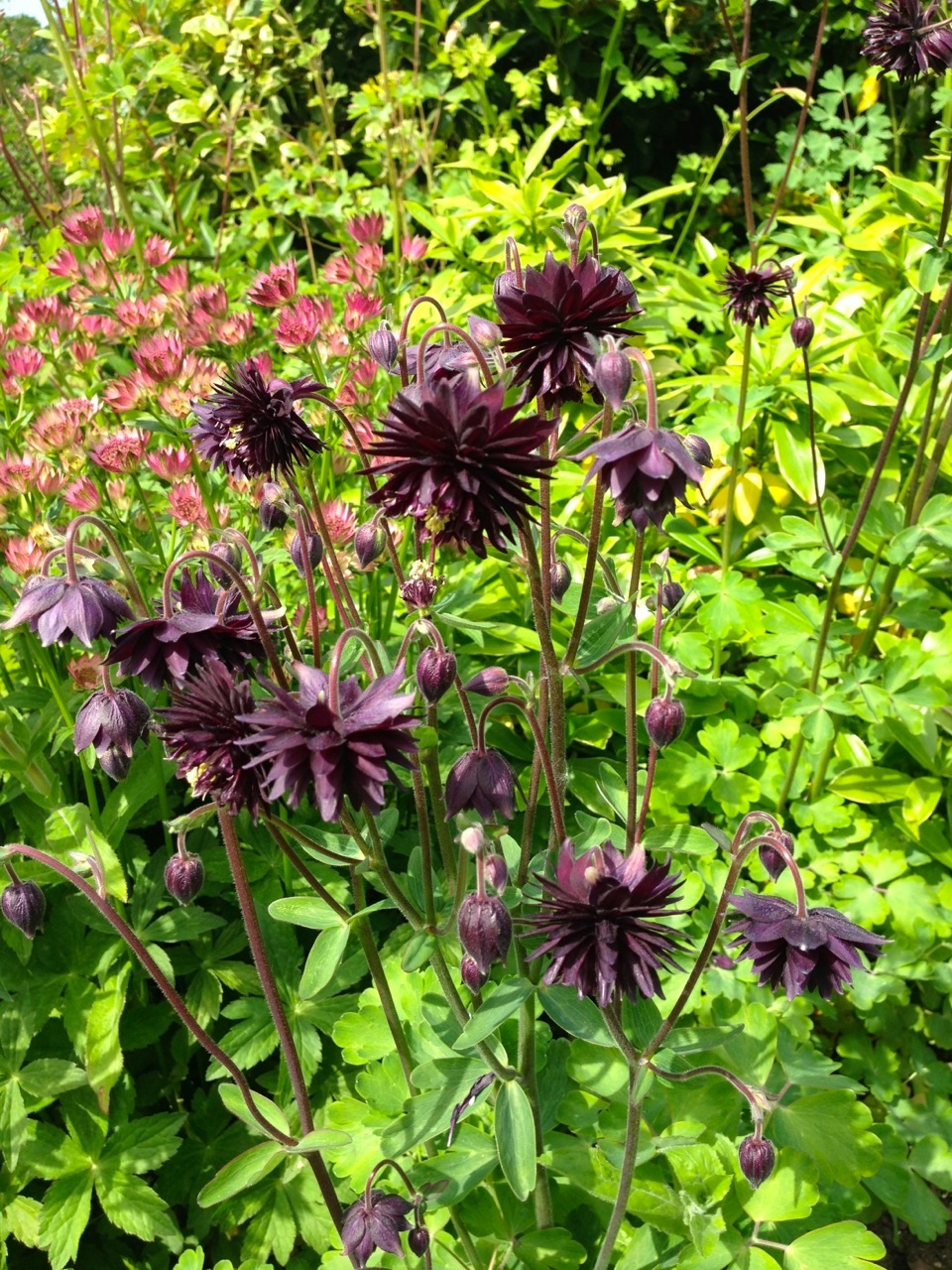
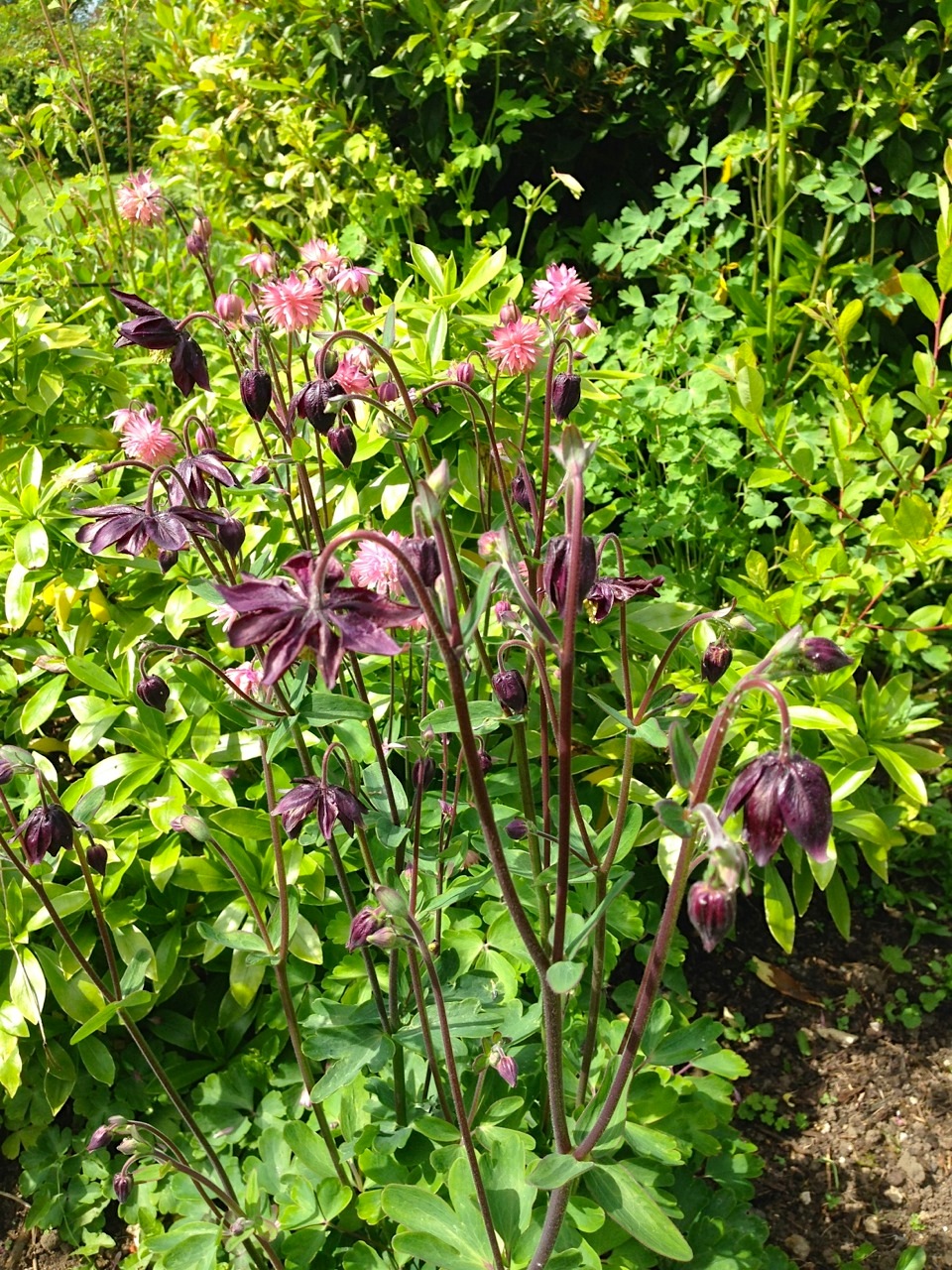
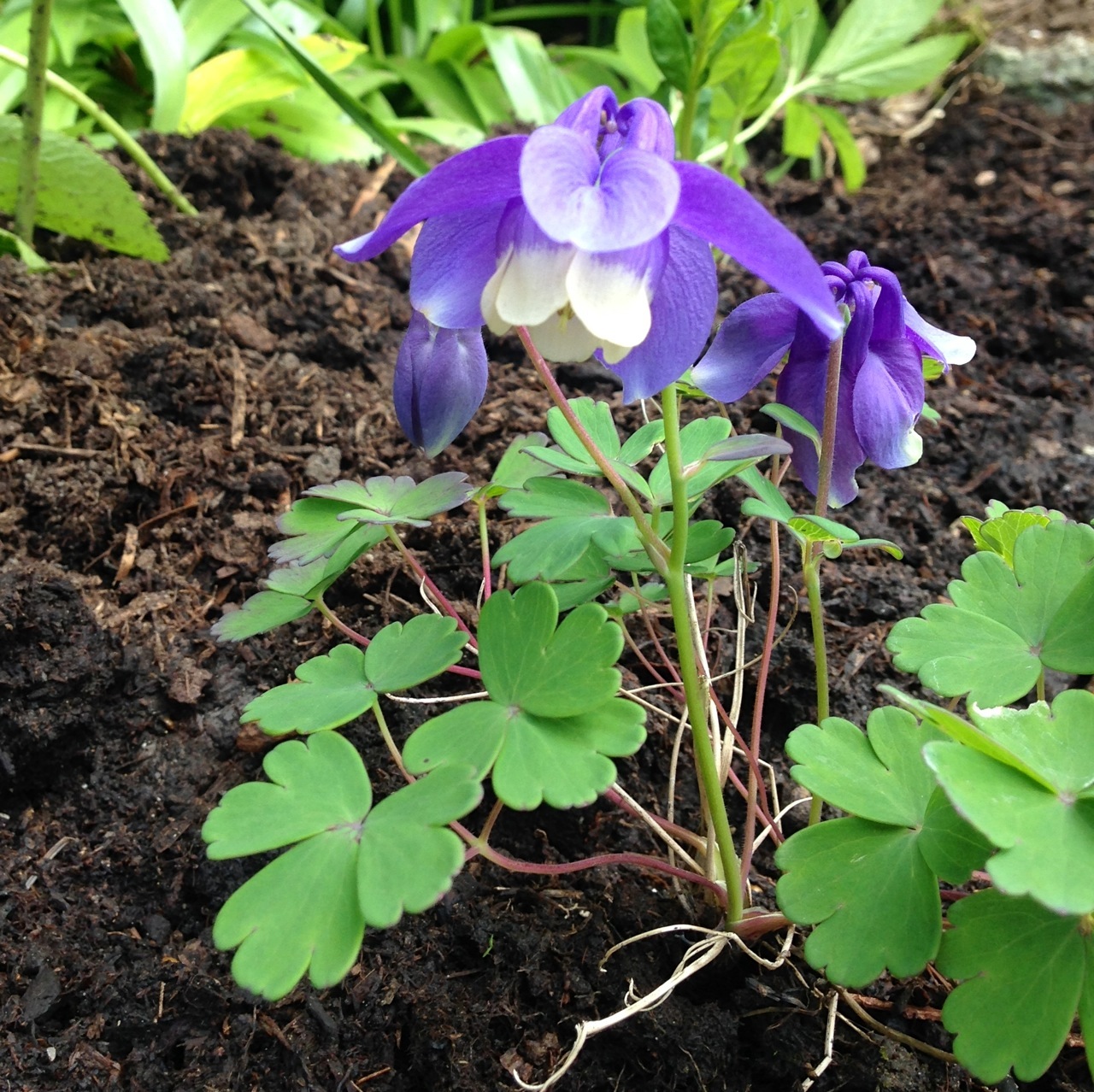
“Assorted Aquilegia” is probably what it said on the packet. But it came from a wholesome source not unconnected with Perch Hill, and the results of the experiment have been gratifyingly immediate and colourful this year. New soil in the beds (after a lengthy lay-off from any serious attempt at cultivation) may have something to do with it as well. Here are some of the flowers snapped on an iPhone this weekend.






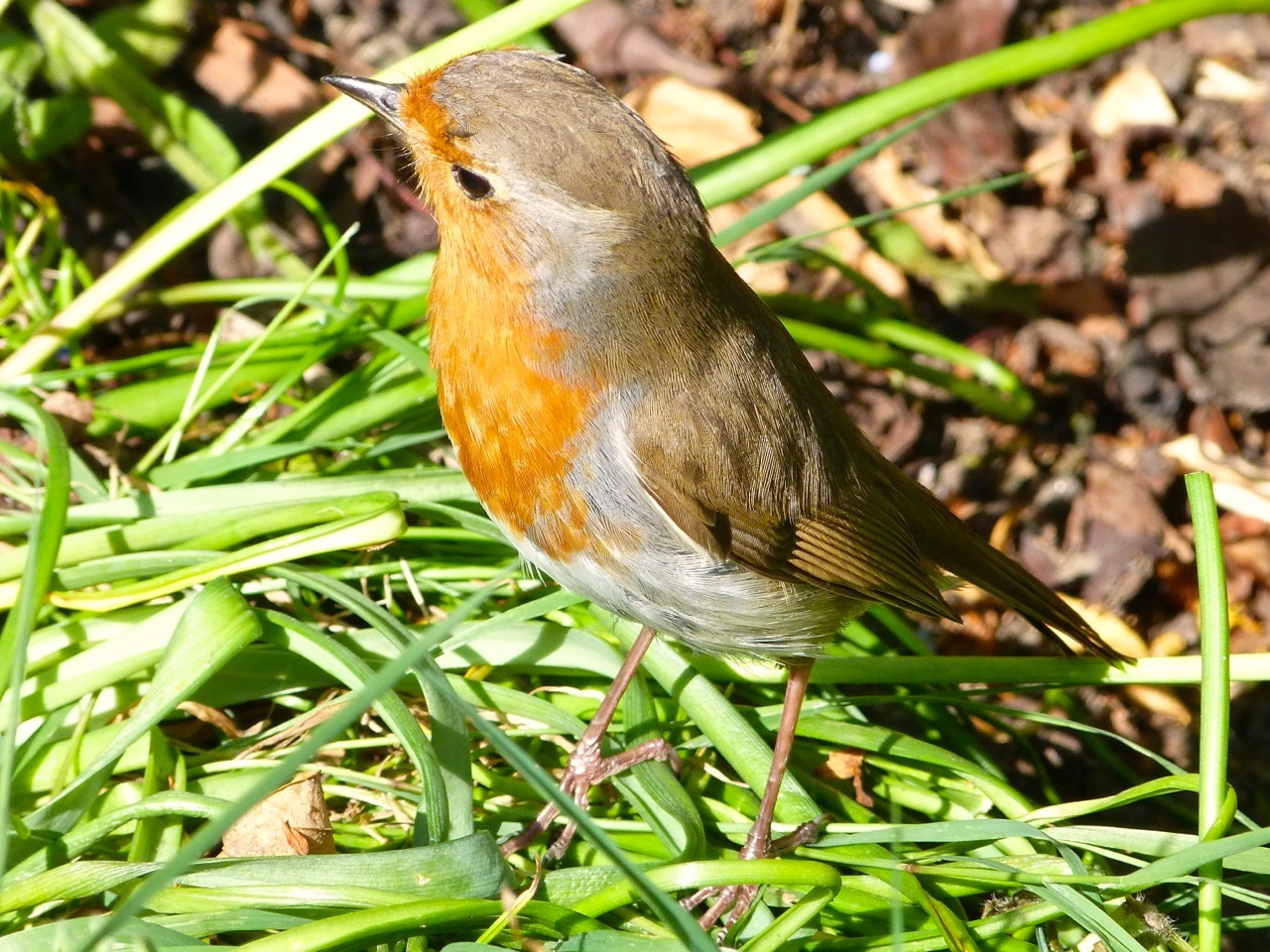
This young robin assisted me while I was gardening by encouraging me to turn more soil for his benefit. He was mostly within arm- or foot-length, and when we got tangled he flew to the edge of the garden rubbish bag. It was there that noticed the intricacy of his feathers, and so I took advantage of a bird’s eye view, so to speak. Click an image twice for a full-scale close-up.


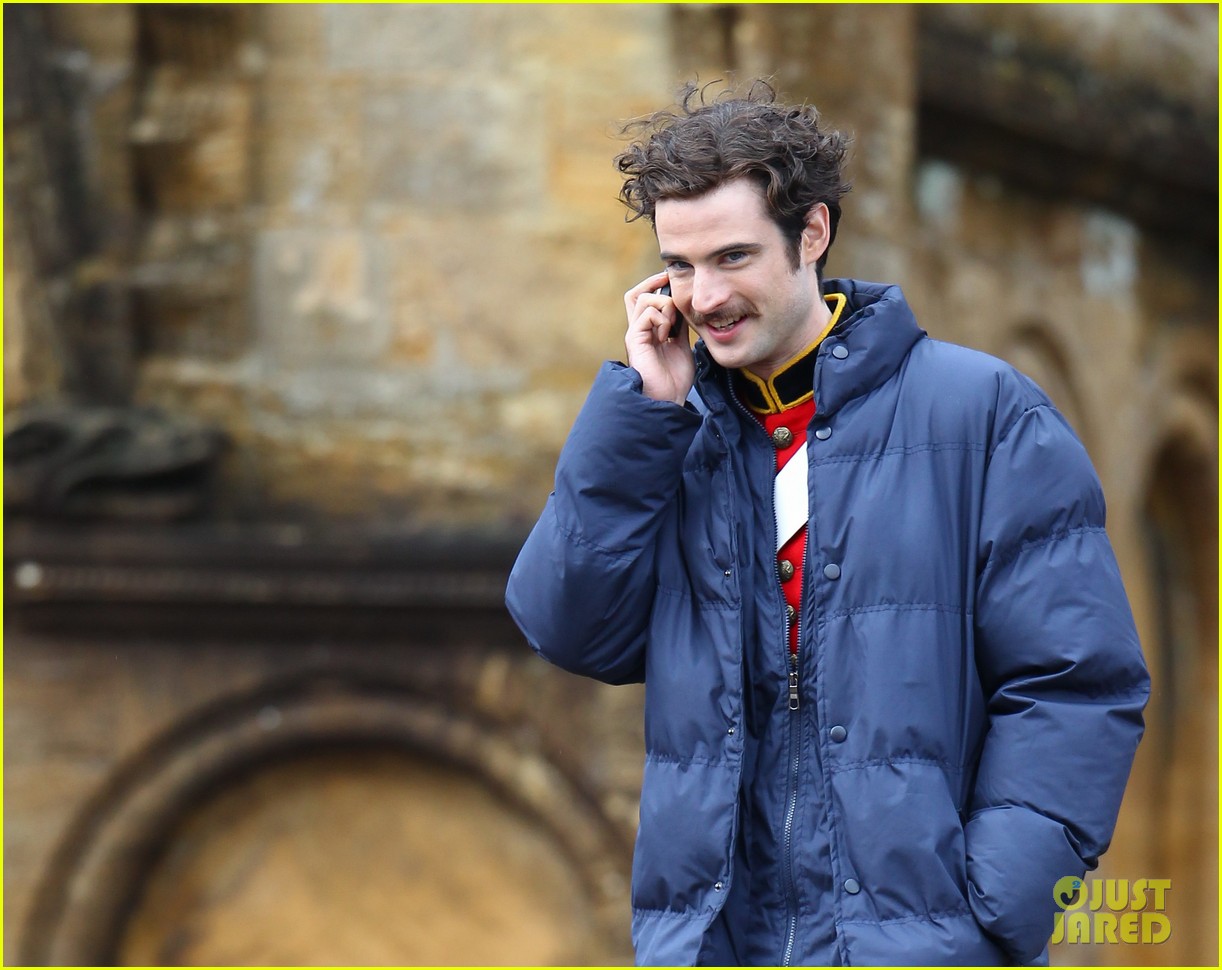
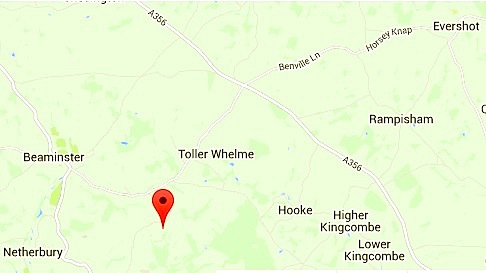
Mapperton House in Dorset is not hard to find, but it is somewhat off the beaten track near Beaminster. In the recent film Far from the Madding Crowd the fine manor house, which dates from the c16, became the farm inherited by Bathsheba Everdene. We planned to see the film the weekend it came out, and spent the morning at Mapperton to get into a Hardyesque frame of mind. A form of ‘method’ film previewing, I suppose. It was a dull day, but here are some photos from our visit. And yes, we thought the film was wonderful, with ‘Bathsheba’ and ‘Gabriel’ excelling in particular…
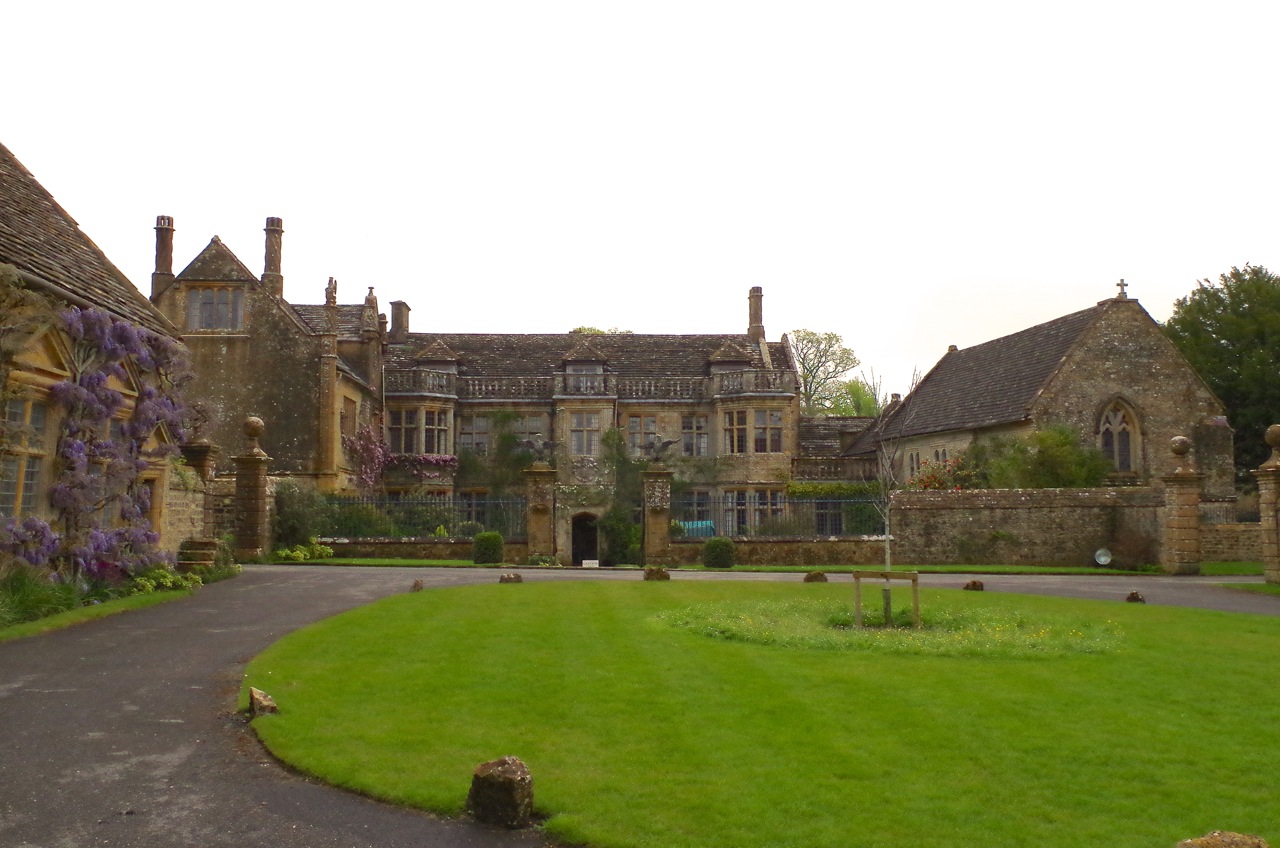
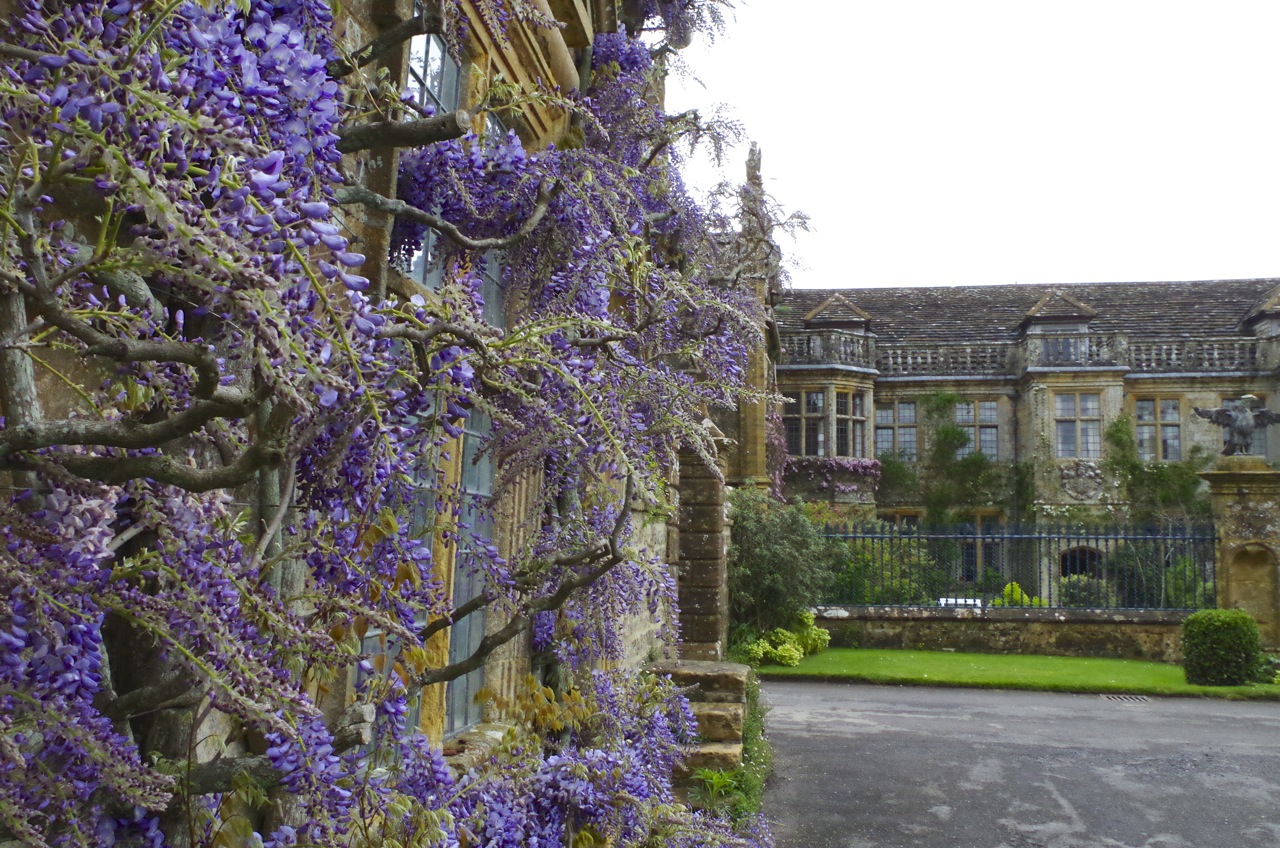
 The later west front of the house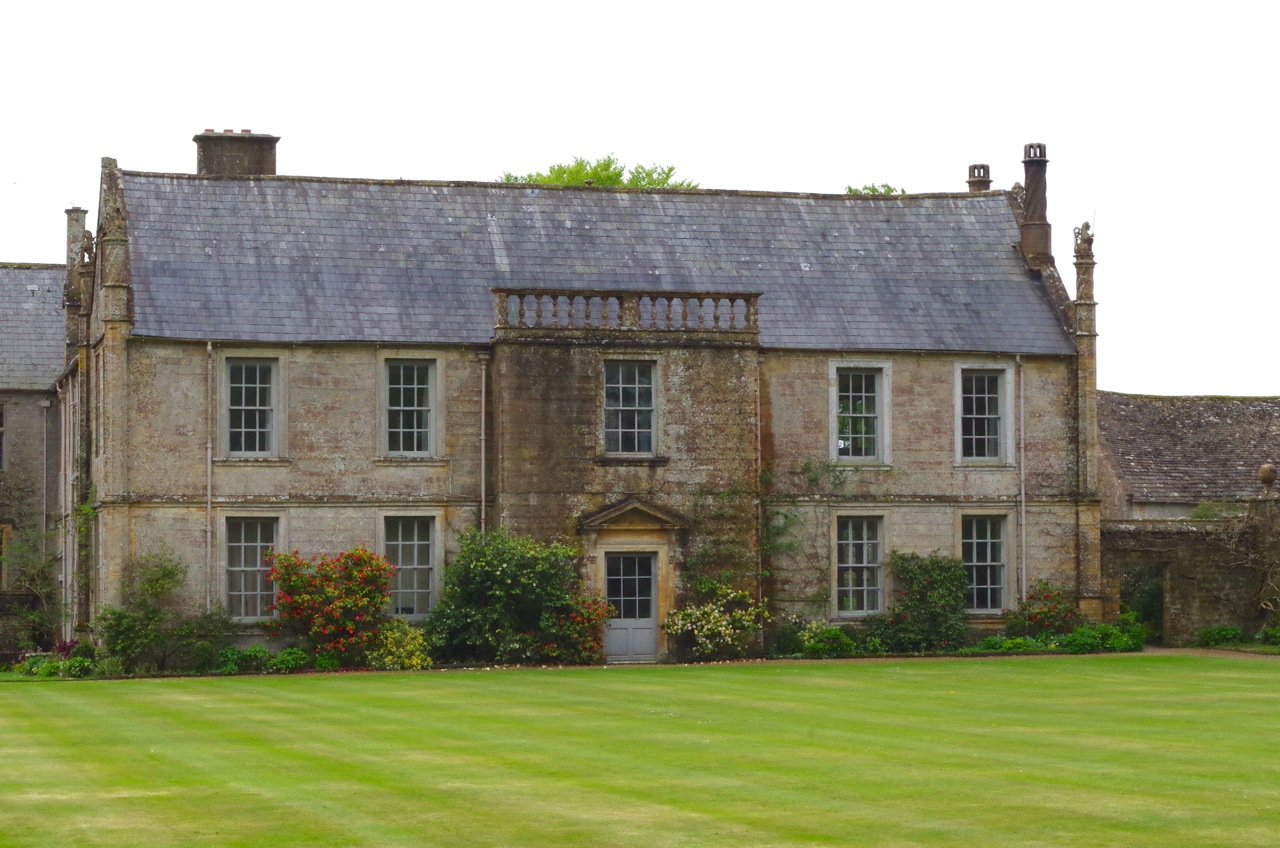
The back of the house, from the gardens
The sunken garden
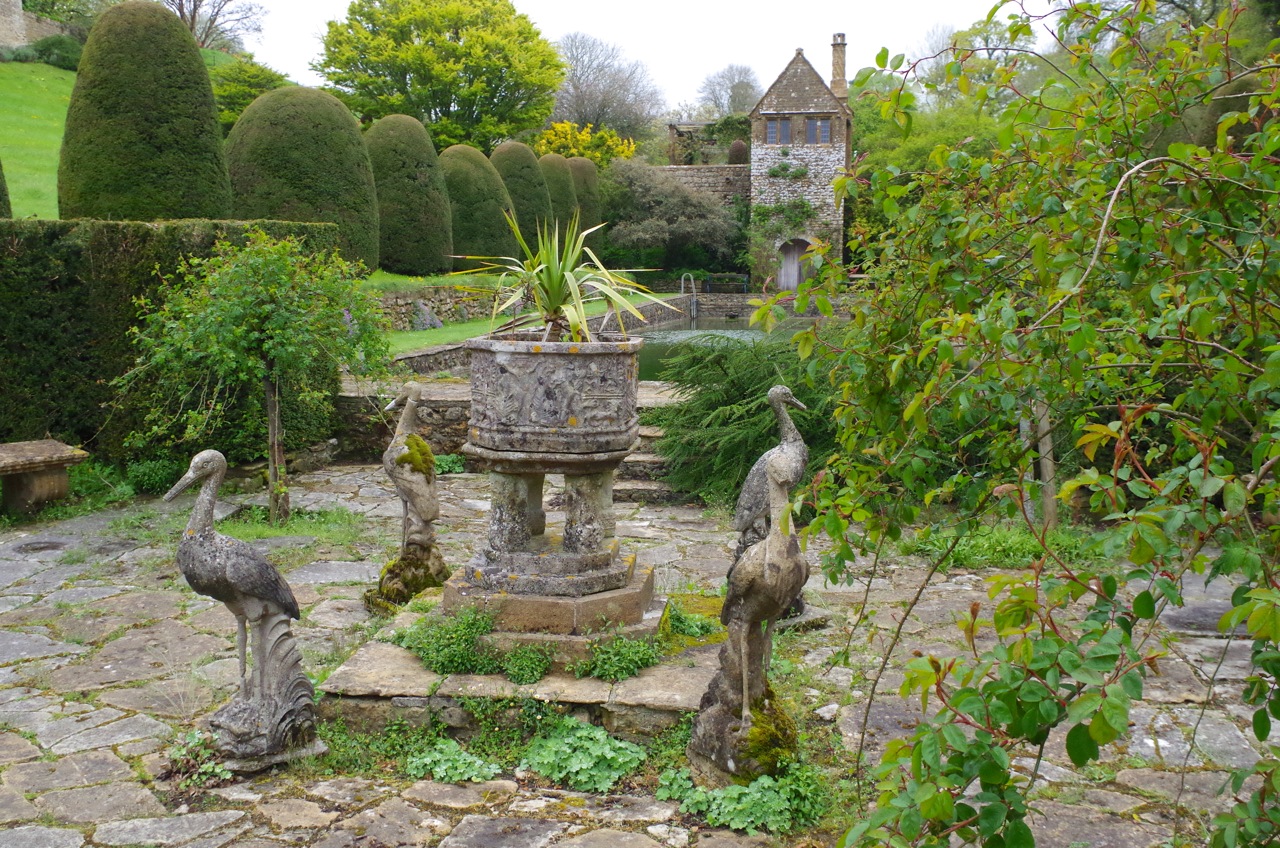
The sundial (base and column old, dial and gnomon new)
The orangery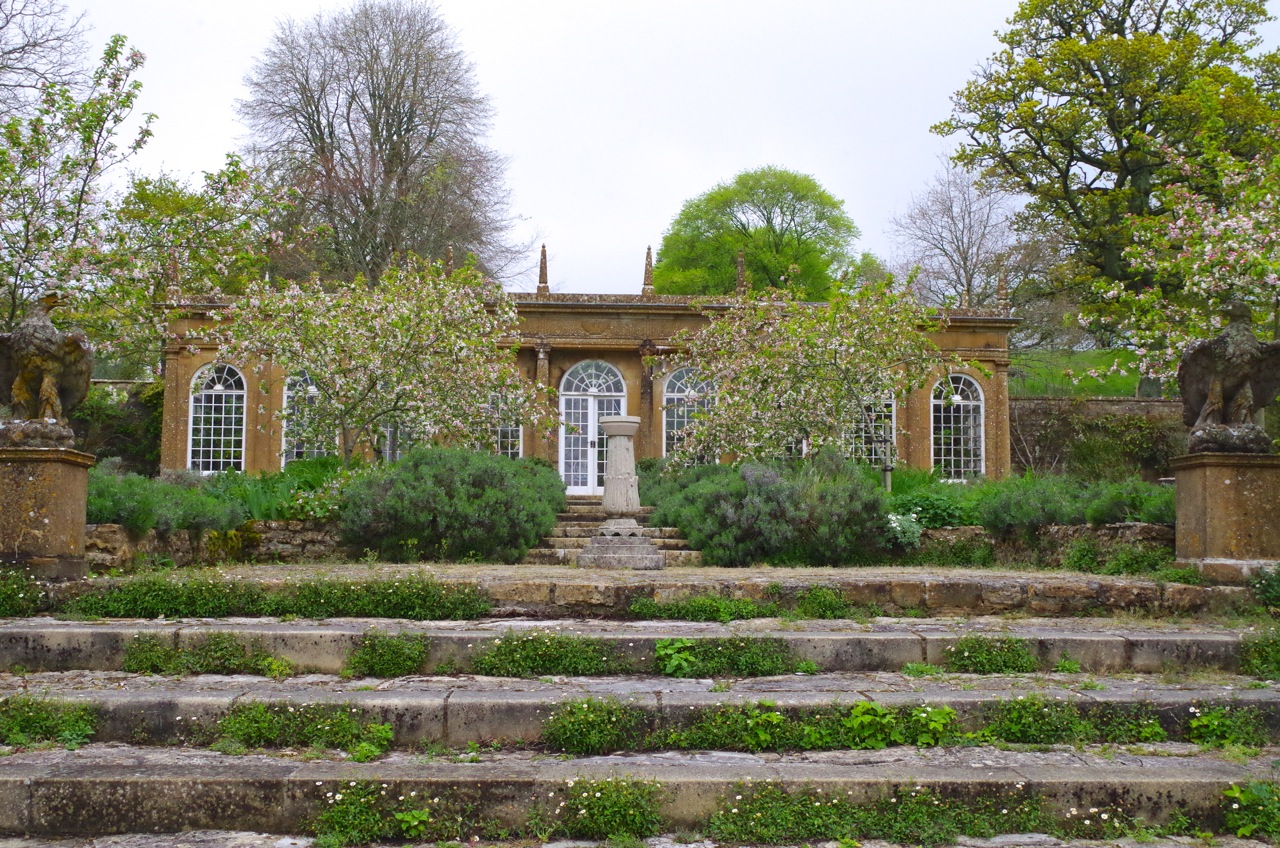
The stables and yard, as seen from the house in the film; and as they are

Note Bathsheba’s modern carriage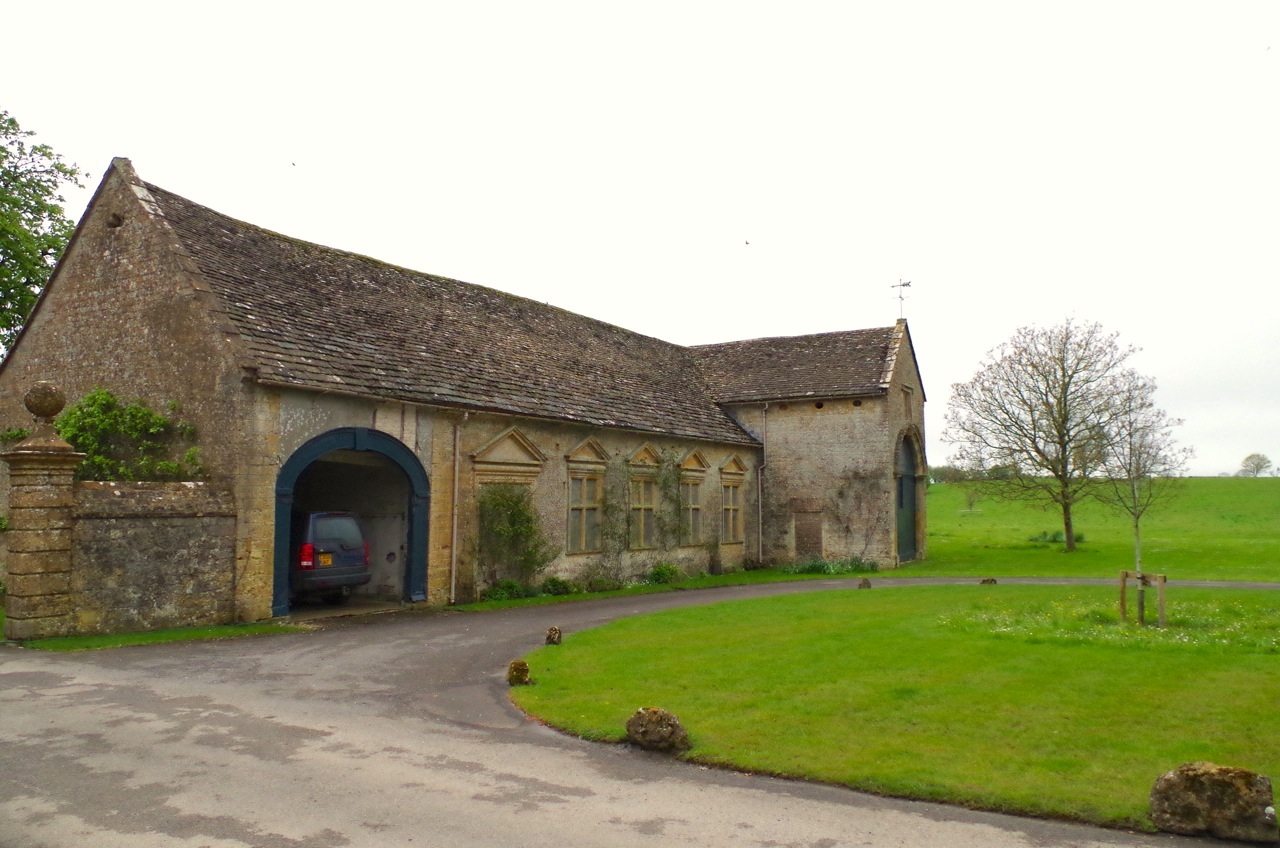
An unusual double-stepped mounting block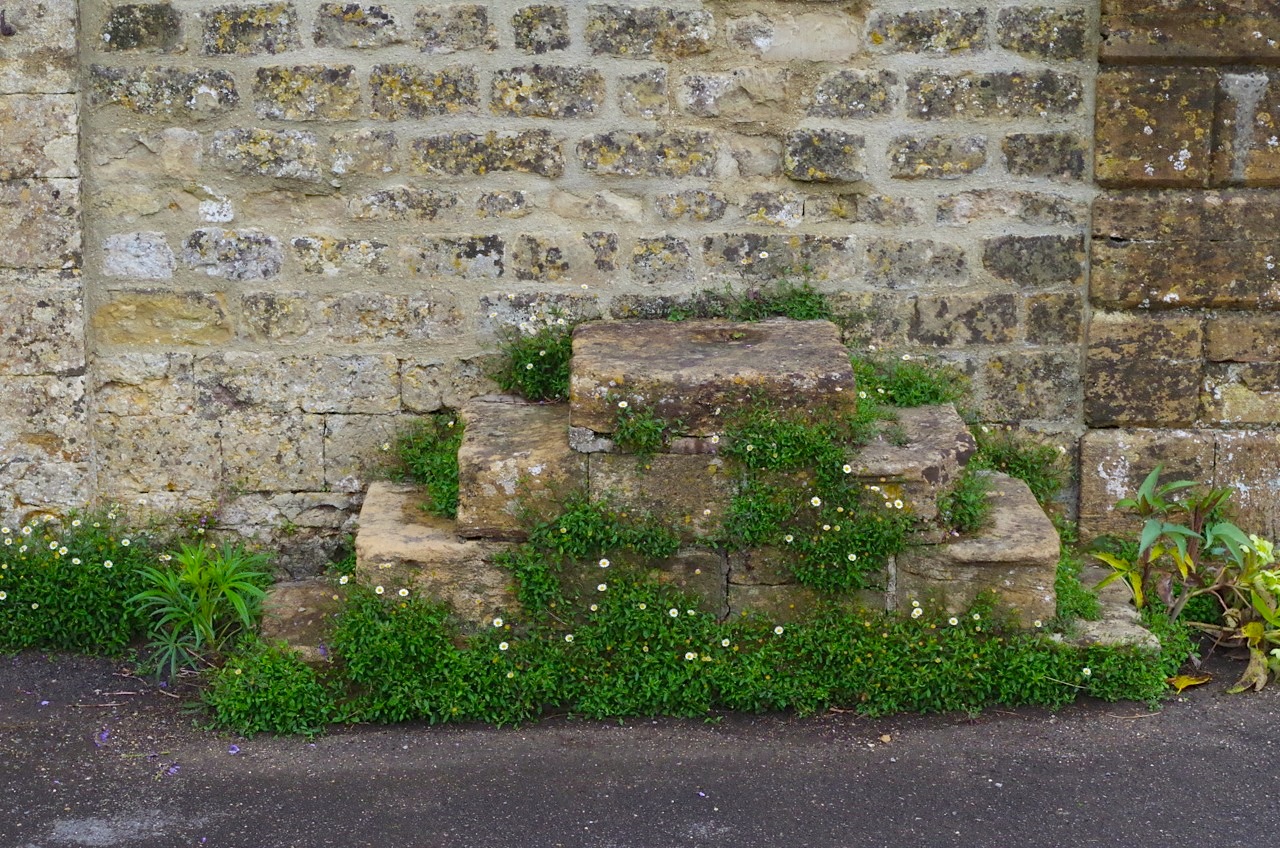
The Chapel
St Ambrose, with his hive and bees – one of several very good pieces of stained glass
Yah, Troy here, yah, the thing is I’ve sort of fallen for this feisty farmer girl, ok?
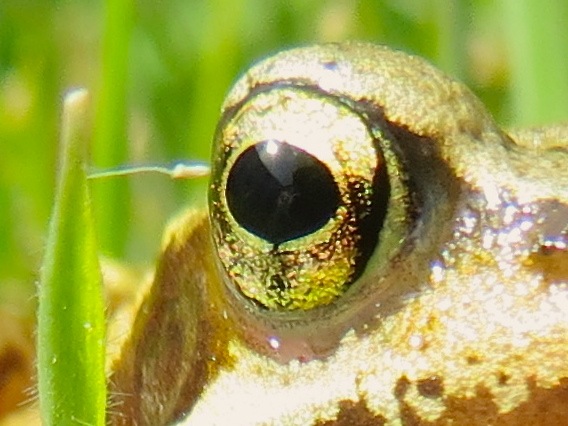 I was lying on the grass for rustic maintenance reasons when something small and greeny-yellow leapt onto my hand. And off again quickly. A tiny frog, dwarfed by mere pea-gravel, yet perfectly formed. It wasn’t in a hurry so I ran indoors, grabbed a camera, and had a leisurely photo session with it. I assume it’s just a juvenile common or garden frog Croakus vulgaris frequentis, but if anyone knows different I’d be pleased to know. You can see me reflected in the frog’s eye in the header image.
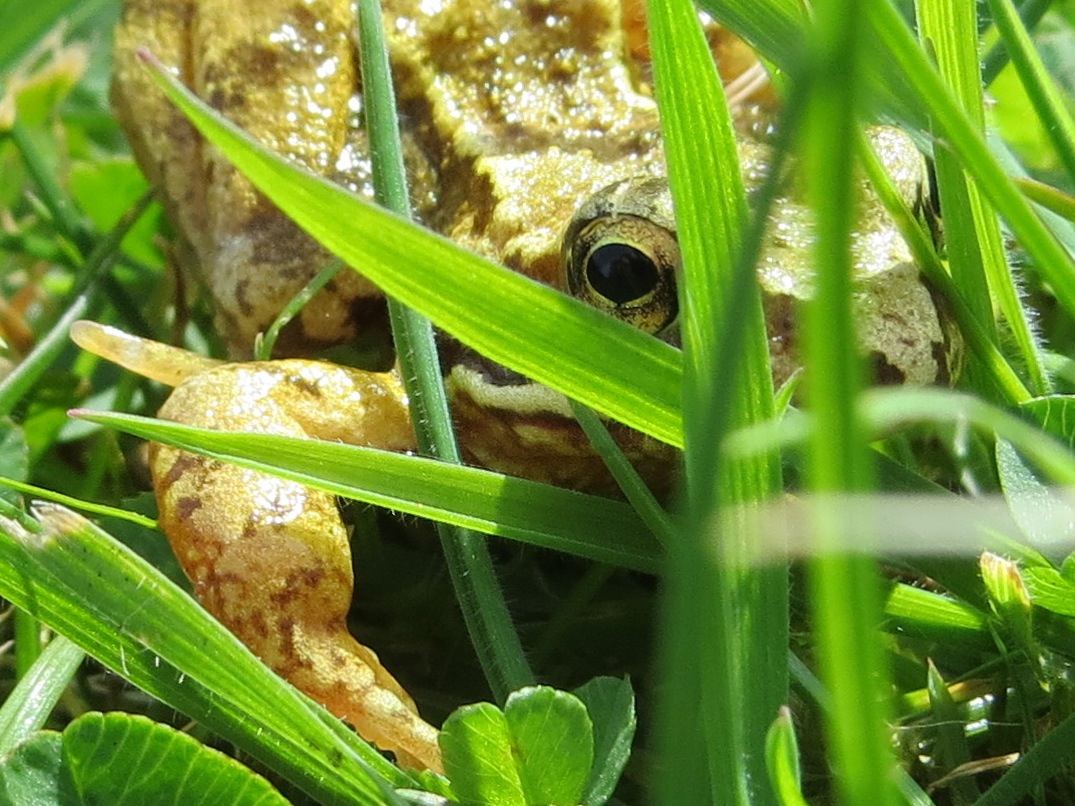
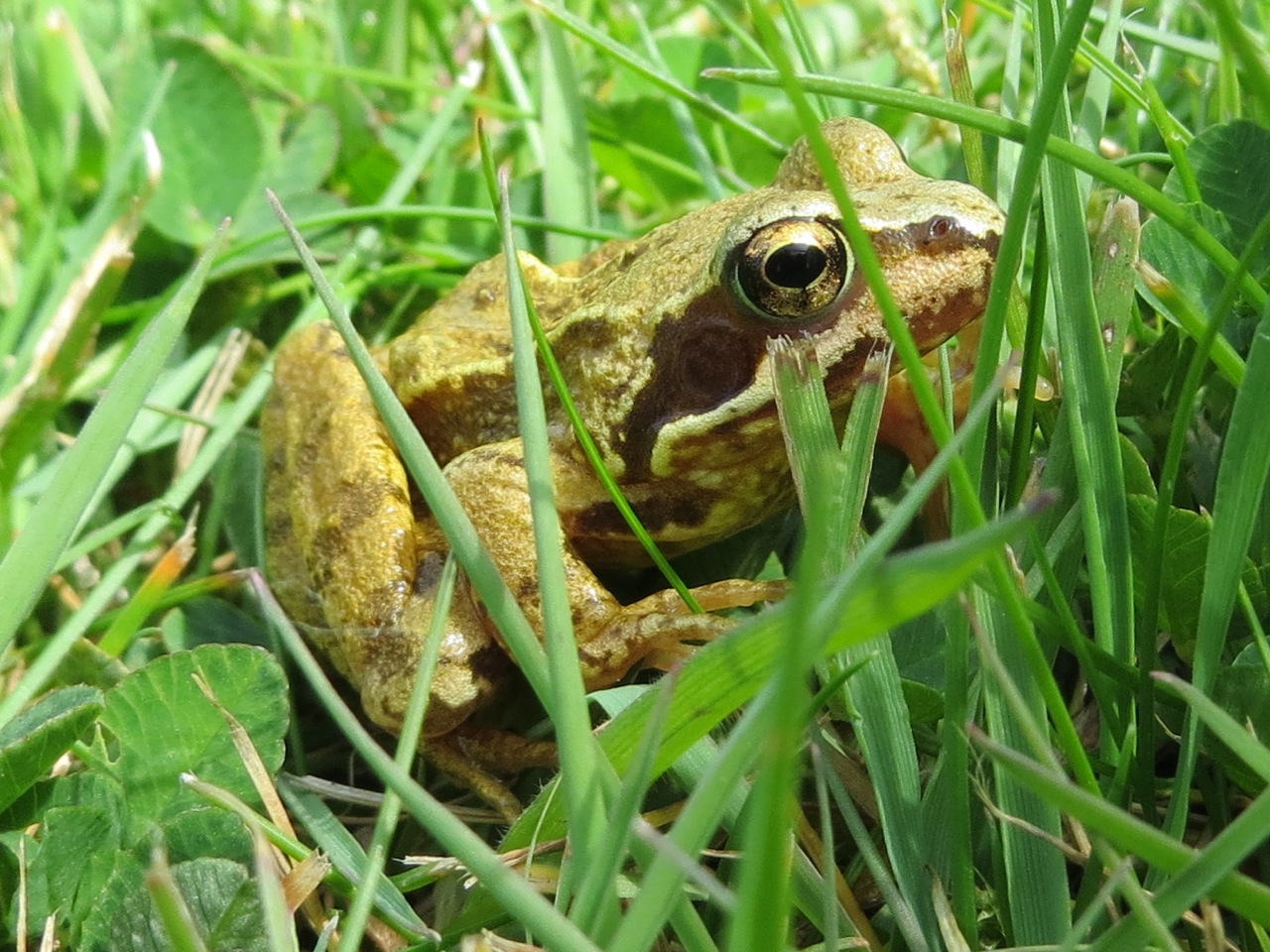
THE FROG HAS PICKED UP A COMPANION
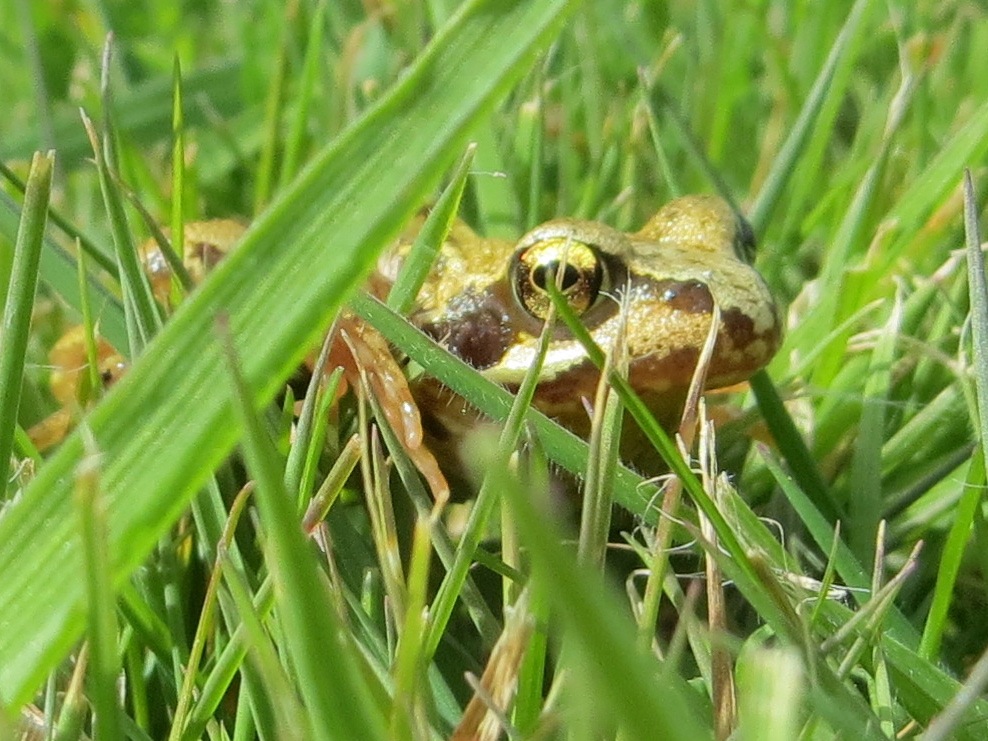

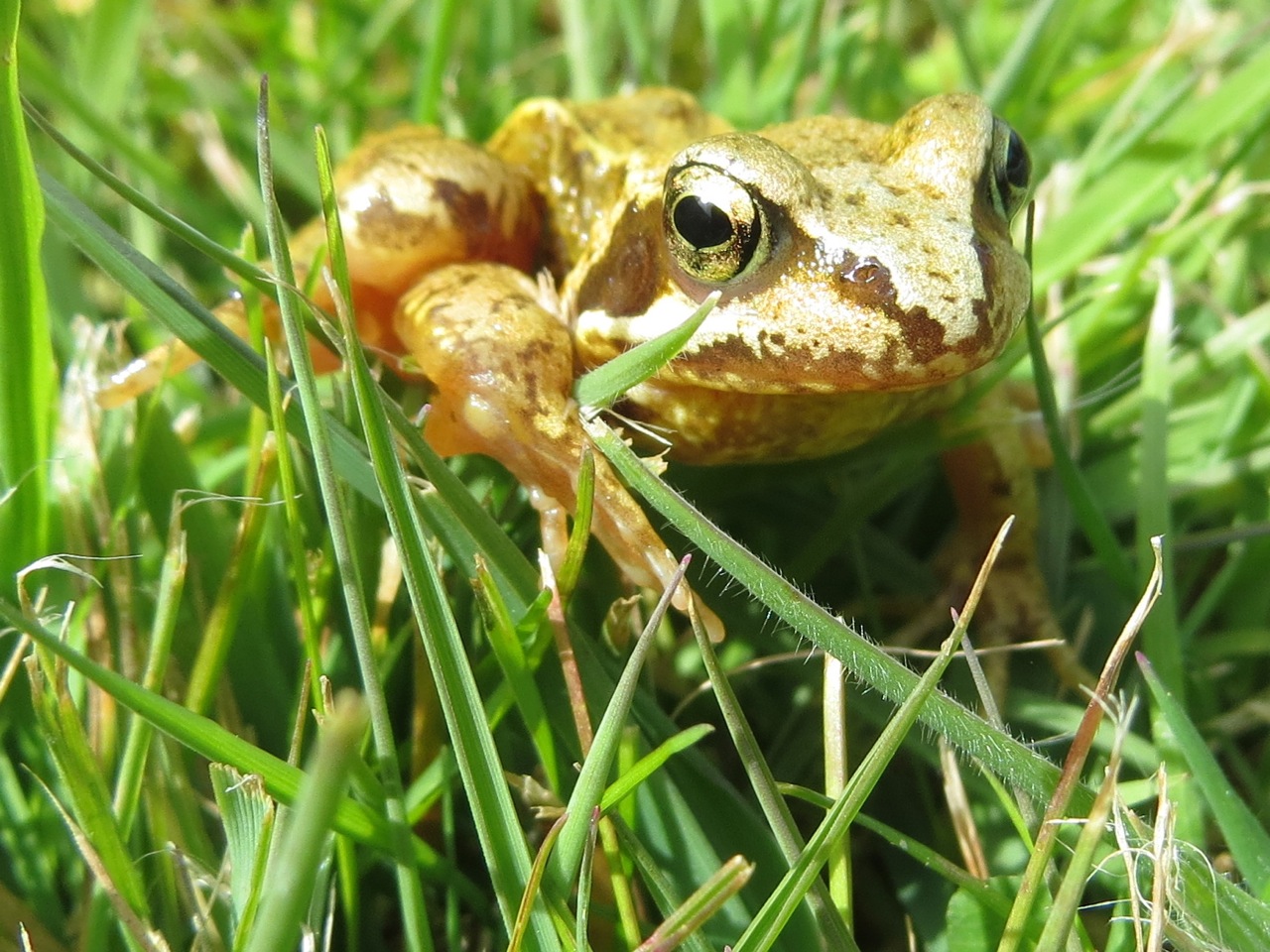

SIZE COMPARISON WITH A LAWN DAISY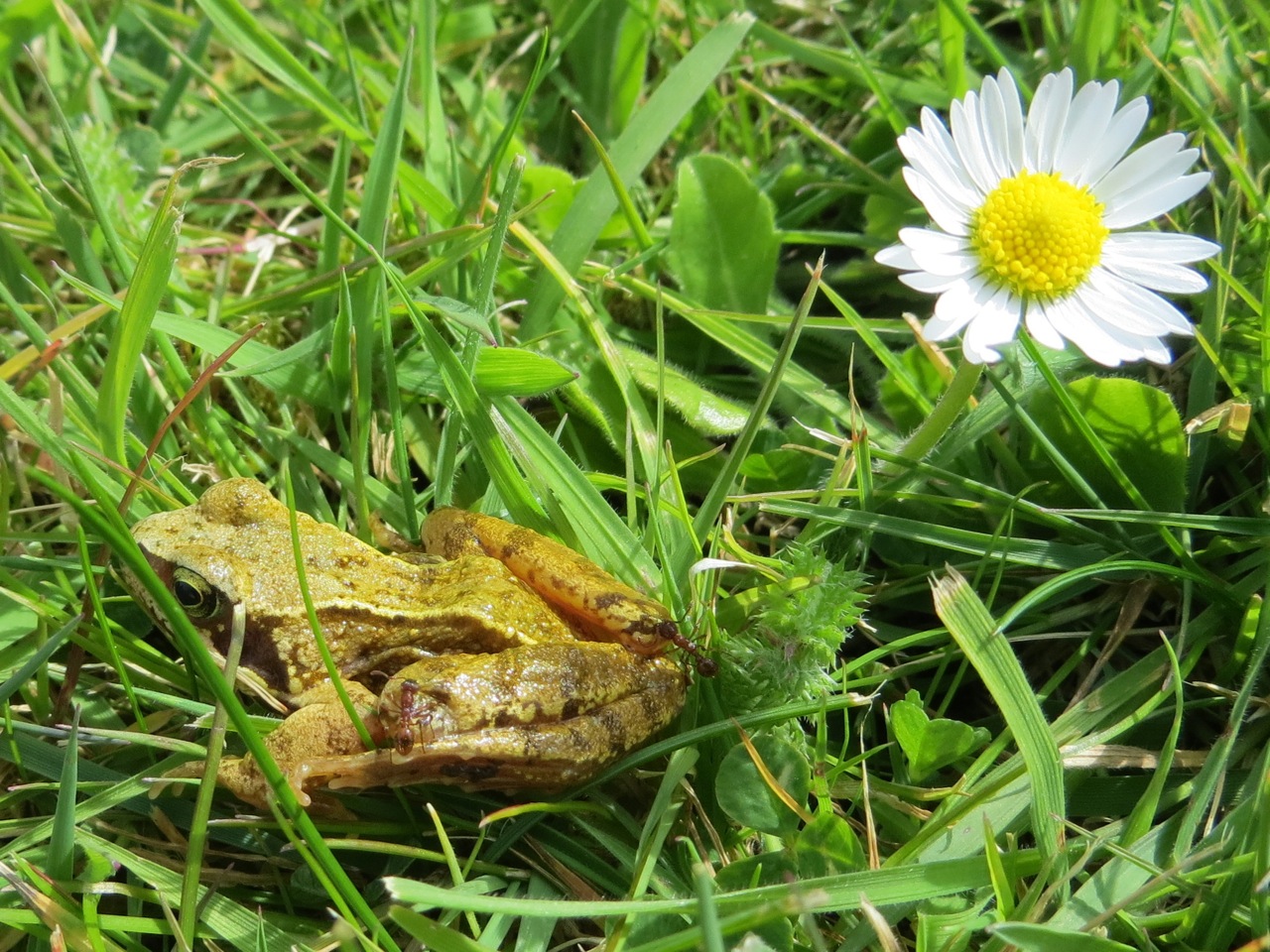
Sometimes a sequence of photos suggests a narrative. I’m not sure I have ever been so close to a jackdaw before, but this one completely ignored me as it practised what appear to be its marching steps…
Lead Off With The Left
Left Foot Firmly Forward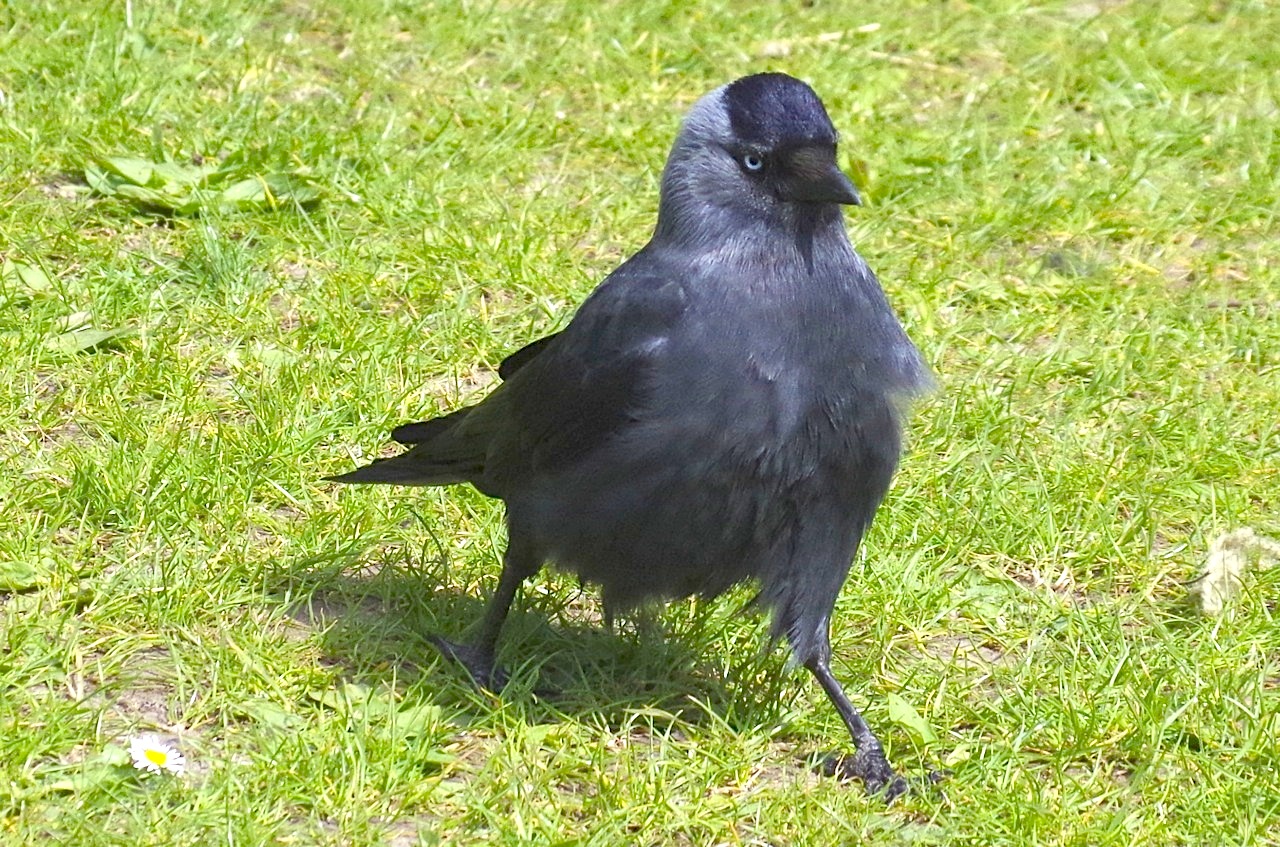
Pause To Change Stride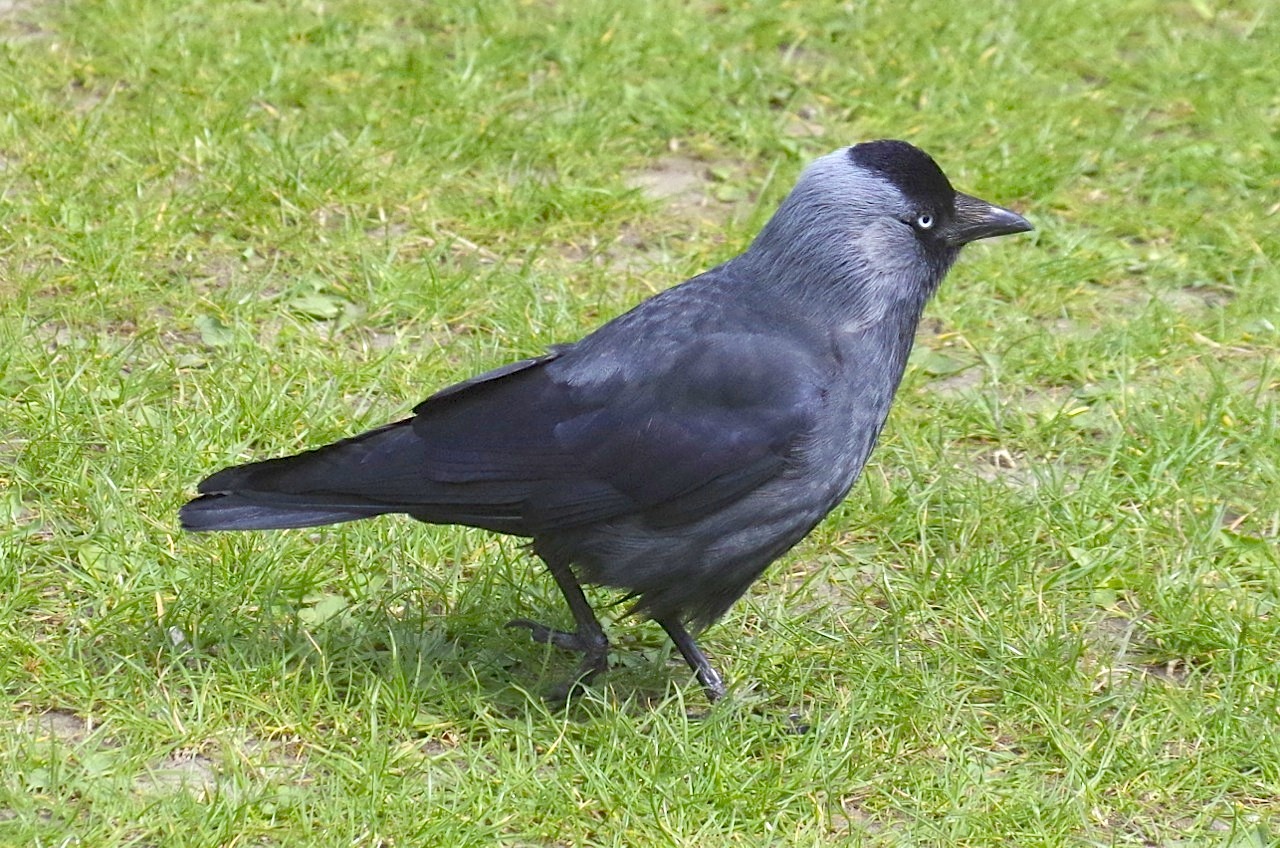
Right Foot Forward…
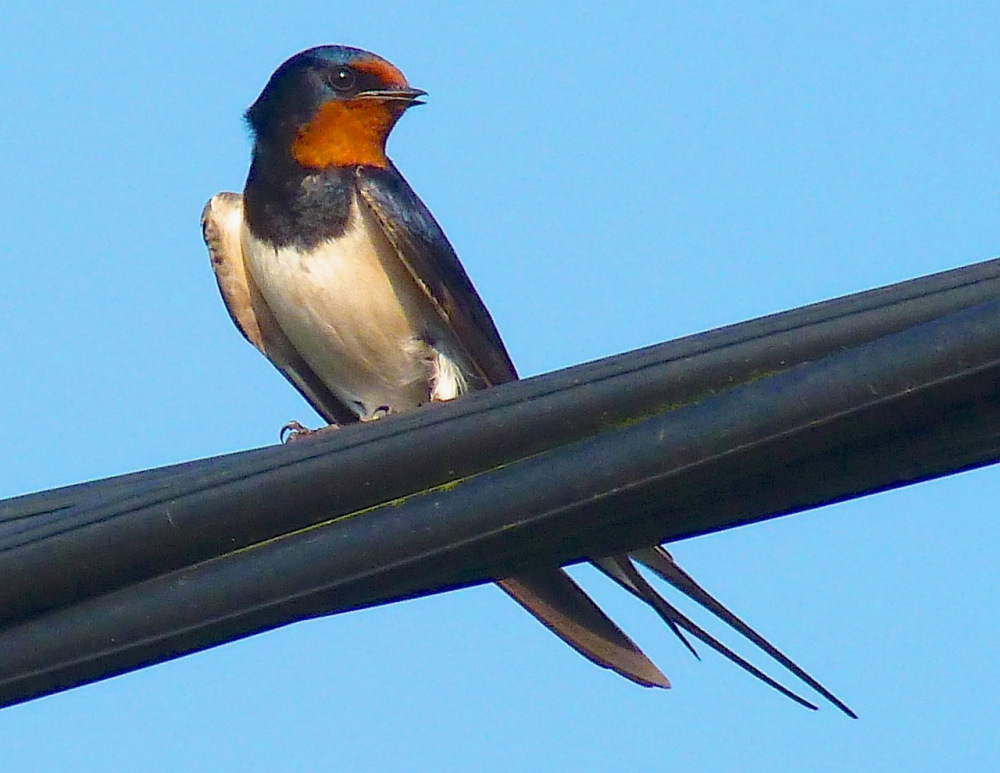
We saw the first few swallows of summer here in Dorset yesterday. Two singletons and a group of three. Their arrival is about a week earlier than usual. One swallow may not make a summer (though it works for eating an oyster), but since there were five of them, I reckon early summer is here.
Easter Monday sunshine after 3 drizzly overcast days. Suddenly the garden is full of birds, bees and butterflies. We have had indoor butterflies right through the winter – all tortoiseshells. They have to be guided gently to an open window. If we haven’t been around for a while, it’s a sadder result. Where on earth have they been coming from? The house may be old, but it is by and large weatherproof and butterflyproof, so they must be emerging in the house…
In the garden we saw plenty of peacocks and tortoiseshells, and several large whites and brimstones. I had a short time to try out a new camera – an alien thing with changeable lenses, a bossy screen, strange settings, too many choices, a mind of its own and an ignorant owner. I deleted almost all the photos, but these just about survived the cut. But they are poor, and nowhere near what can be achieved with my previous camera (which I have kept). But just as I was about to blame my tools and indeed condemn them utterly for incompetence, I realised that the problem is not in fact with the camera at all. Damn. I’ve got to trawl through the 756 page manual again… It’s all my fault!


Even the peacock photos that I had high hopes of were rubbish. This is the dodgy best. Next time out, all will be well… 
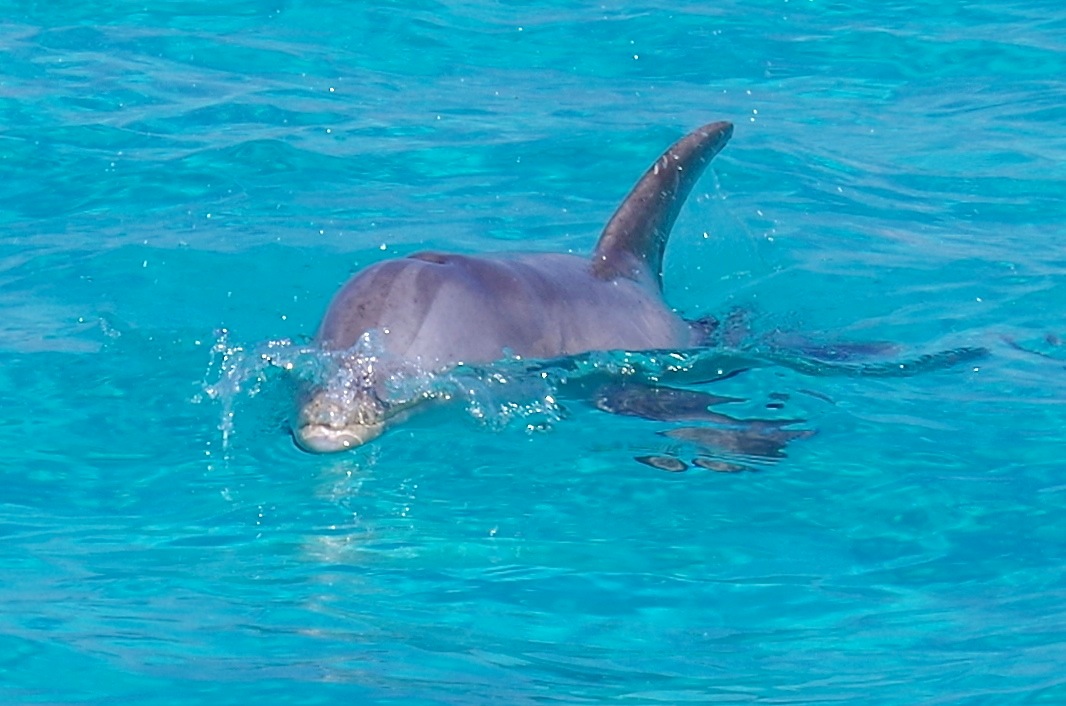
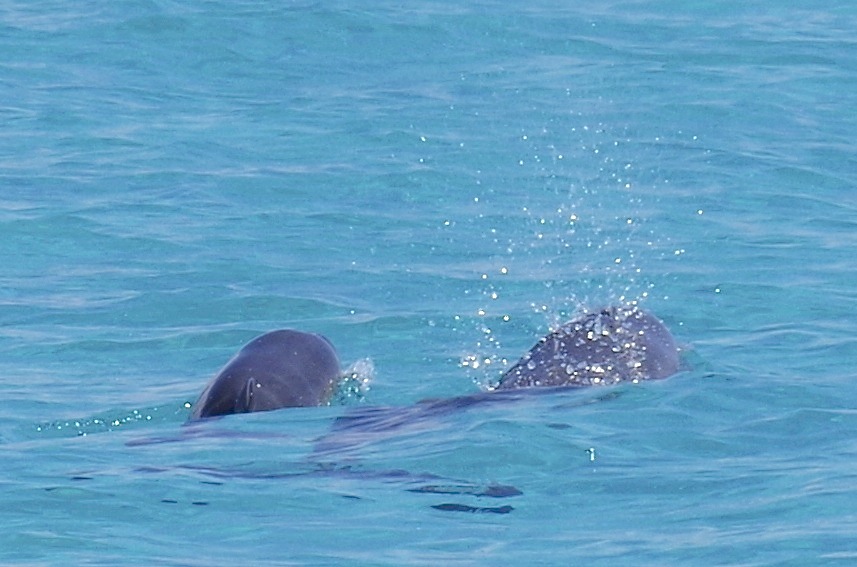
I recently photographed a group of dolphins and posted about them on my main blog (see Sidebar for link). They were not in UK waters, but since Bottlenose Dolphins are also common around the UK coast I thought I’d post a few of the images here as well, with apologies for the few followers who bravely tolerate both blogs…


 ROLLING HARBOUR GALLERY
