“I GET AROUND”: TRANSPORTS OF DELIGHT IN NEW YORK


CONVENTIONAL NEW YORK TRANSPORT

UBIQUITOUS YELLOW CABNYC Transport - New York Cab
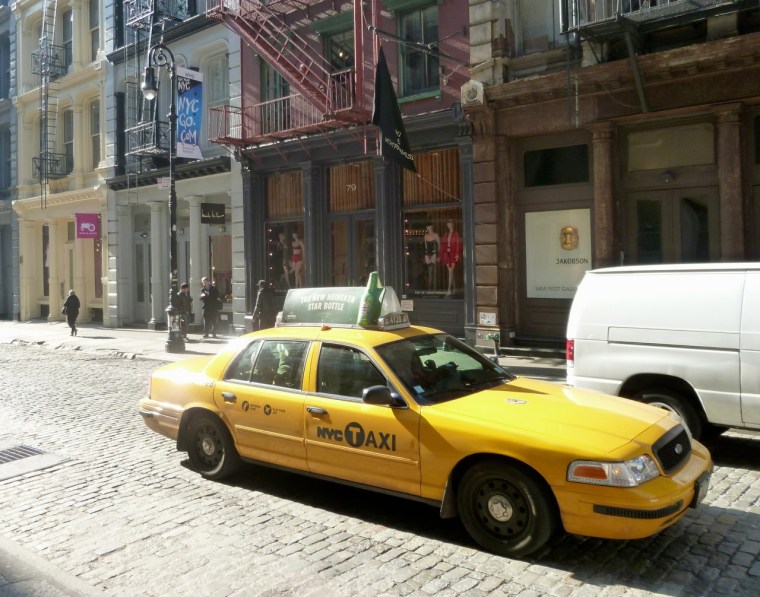
PRIVATE CAR (BUT DON’T STUPIDLY PARK AT COLUMBUS CIRCLE)NYC Transport - Private Motor + Cops

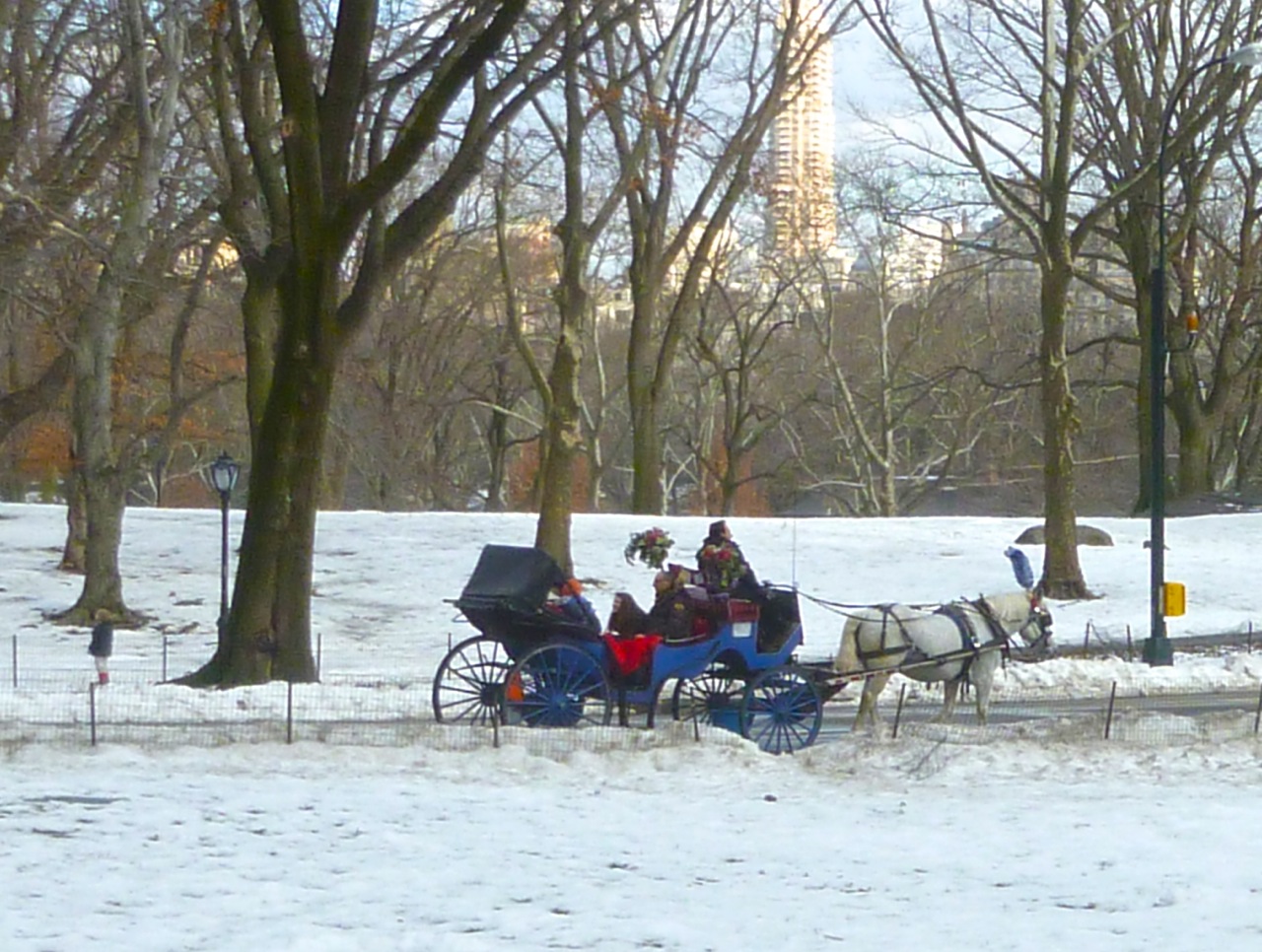
“TOURIST TRAP” IN CENTRAL PARK   NYC Transport - Horse-drawn Carriage

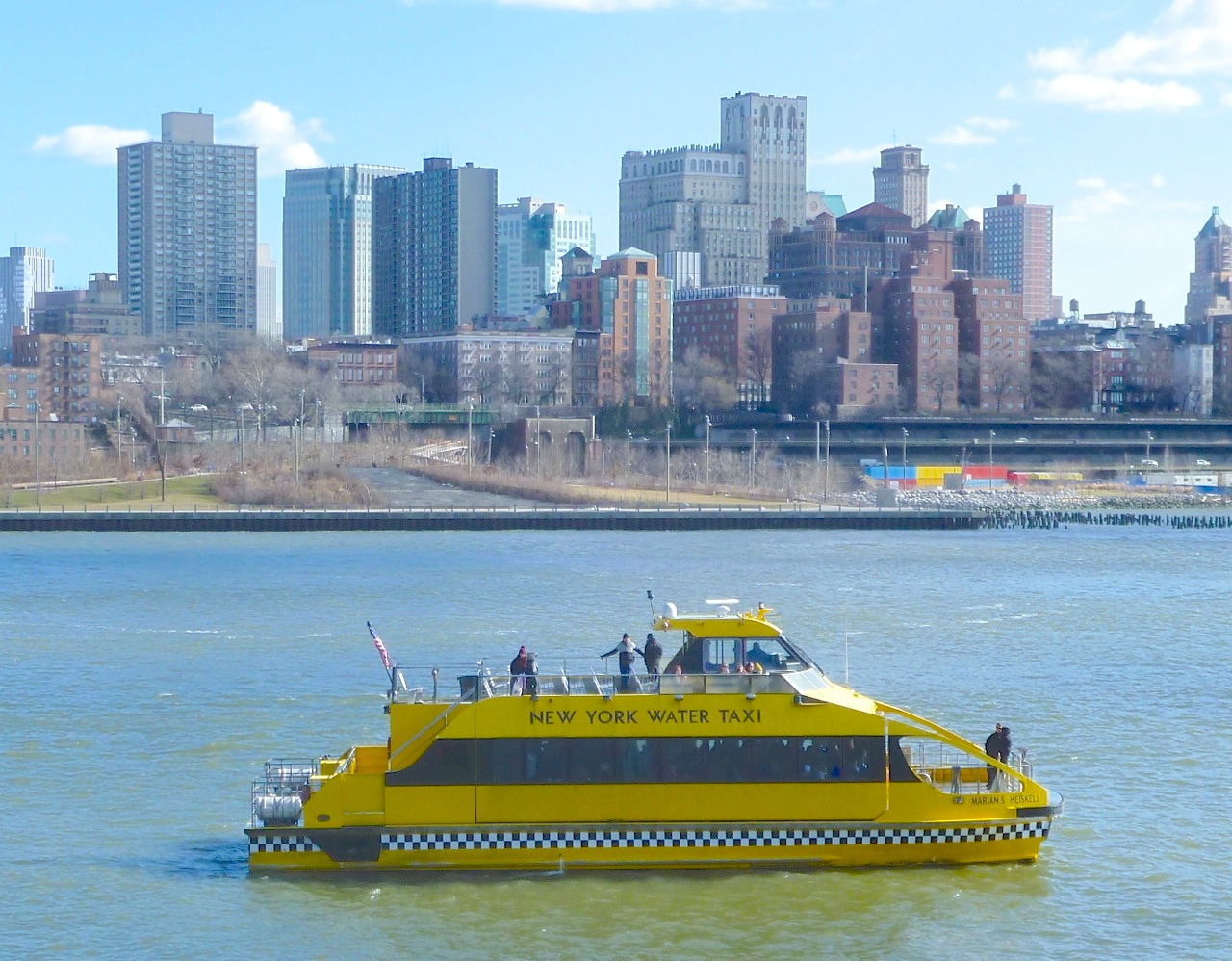
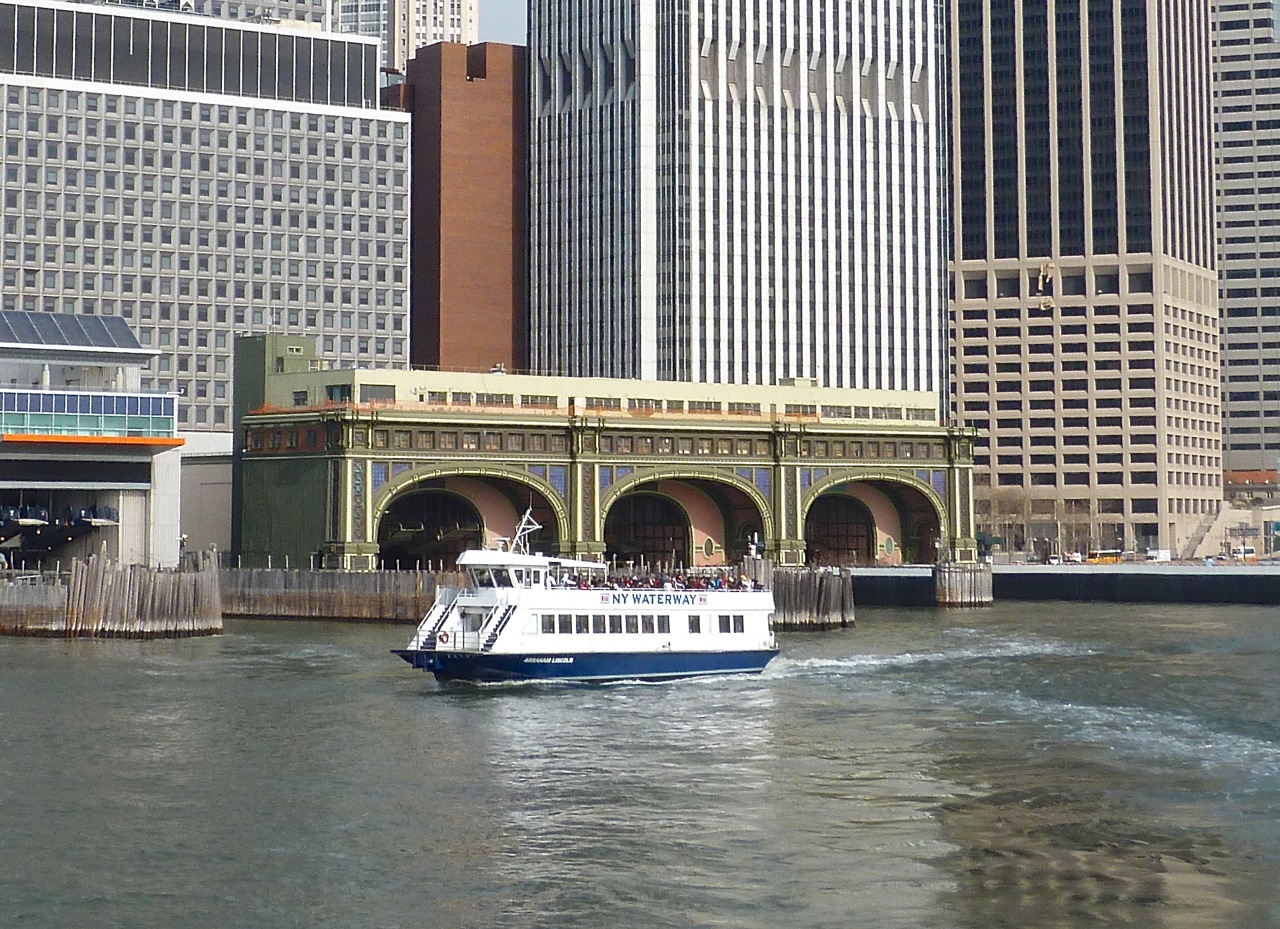
NEW YORK WATER TAXI (BROOKLYN VIEW)NYC Transport - New York Water Taxi 2

STATEN ISLAND FERRY (THE BEST FREE RIDE IN THE WORLD
NYC Transport - Staten Island Ferry

CIRCLE LINE FERRY ( TAKE A TRIP RIGHT ROUND MANHATTAN)NYC Transport - Circe Line Ferry
LESS CONVENTIONAL METHODS

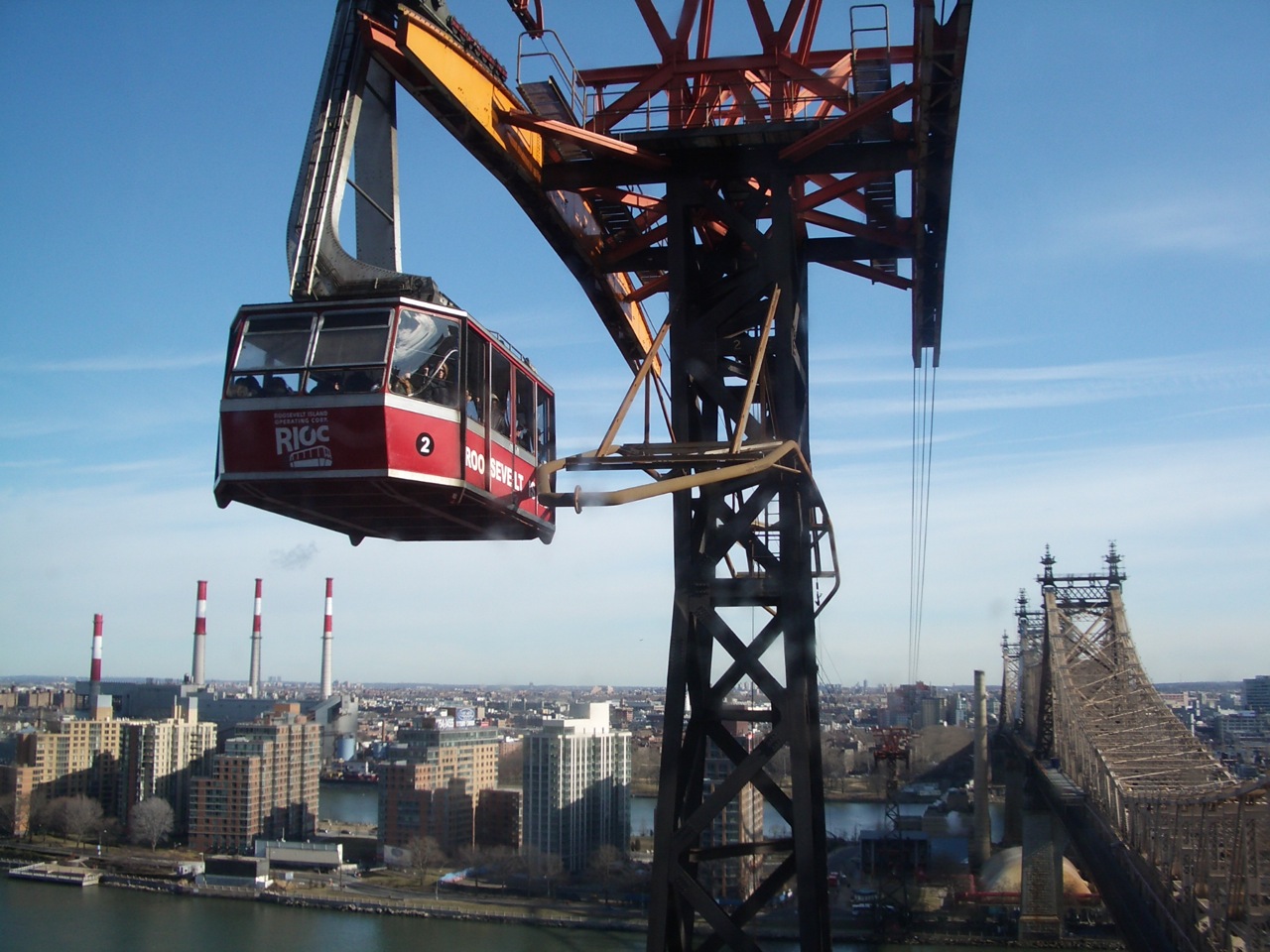
ROOSEVELT ISLAND TRAMWAY 

Two minutes of excitement crossing high over the East River. See THE LIGHTHOUSE & the newly restored BLACKWELL FARMHOUSE  (1796), possibly the oldest private house in New York CityNYC Transport - The Tramway
BUDWEISER LORRY 
NYC Transport - Bud Lorry

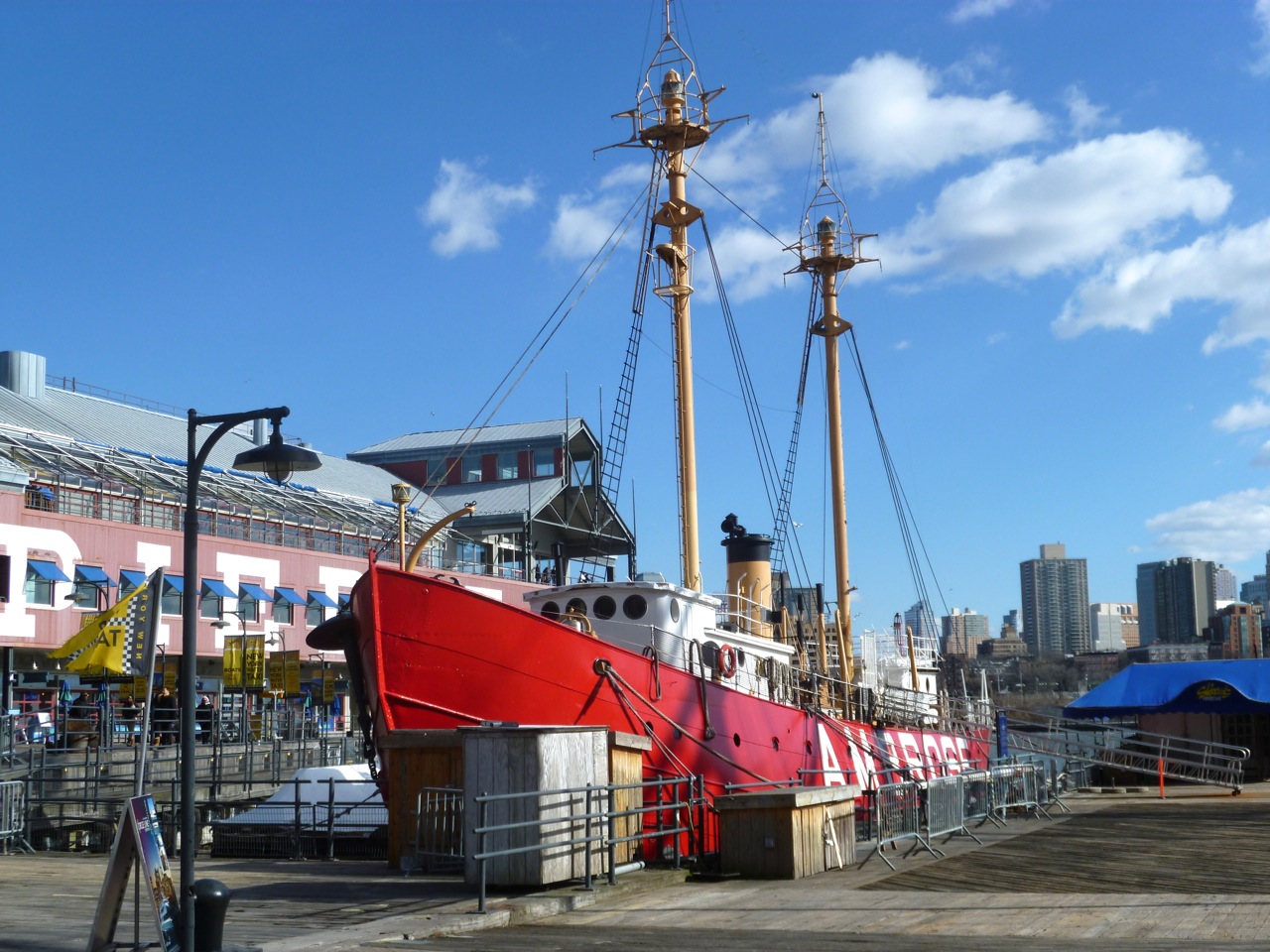
ON  THE  GOOD  SHIP  AMBROSE         NYC Transport - The Good Ship Ambrose

TALL SHIP (in fact a training vessel, so you won’t get very far)NYC Transport - Tall Ship

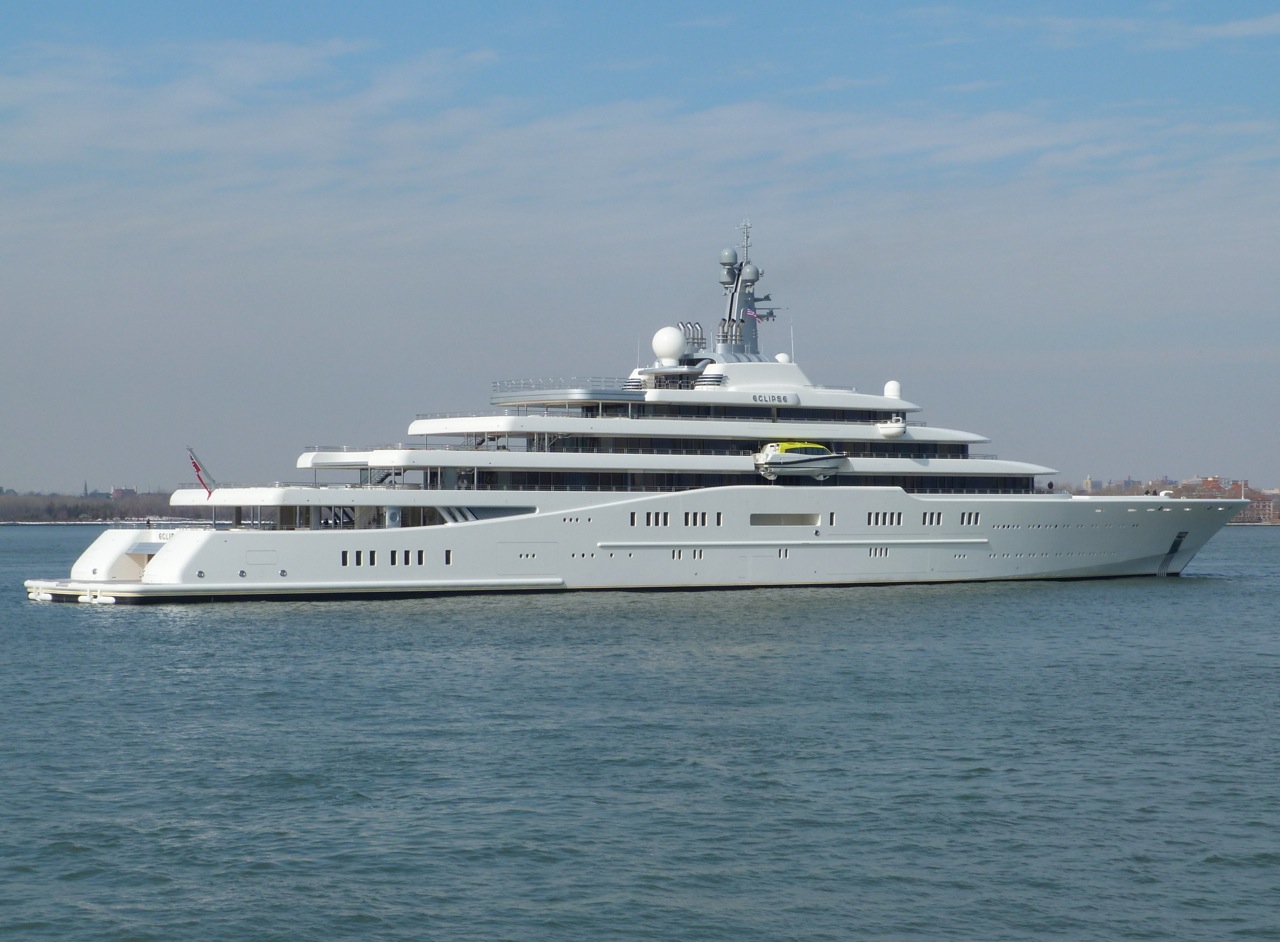
PRIVATE GIN PALACE (LIMITED AVAILABILITY)NYC Transport - Private Yacht
LEFTFIELD – FOR SPECIALISTS ONLY

                                  CONTAINER SHIP (or maybe a tug)                                     NYC Transport - Container Ship

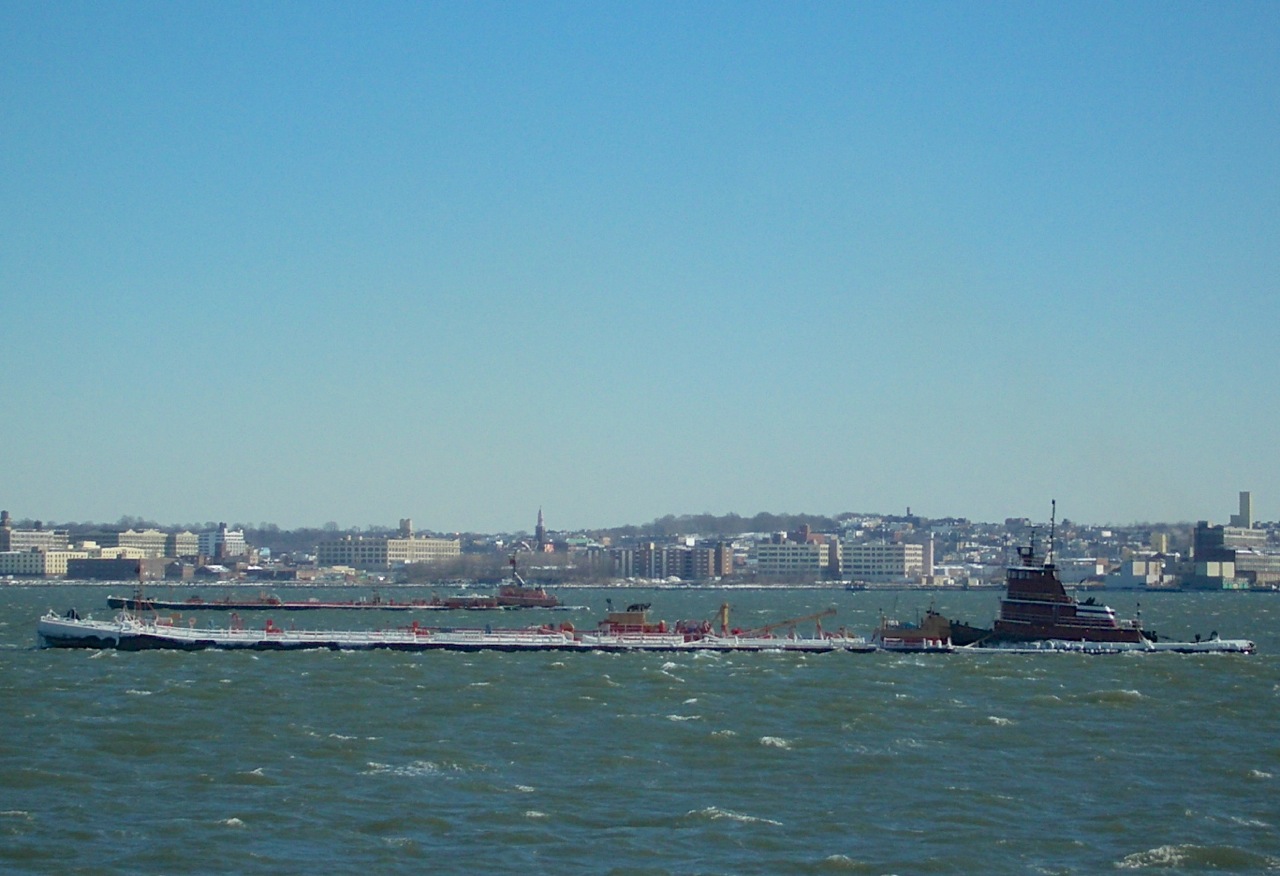
ICE-BOUND BARGE IN THE EAST RIVER      NYC Transport - Frozen Freighter

ICE-BOUND BARGE IN THE HARBOURNYC Transport - frozen long-ship

DREDGER (OR HELICOPTER – OR ON GULLBACK)NYC Transport - Dredger (+ Gull)

GIN PALACE WITH FANCY MASCOT…NYC Transport - Private Yacht with Novelty Mascot

CUTE AND MONTACUTE: A STATELY HOME IN JANUARY SUNSHINE (1)


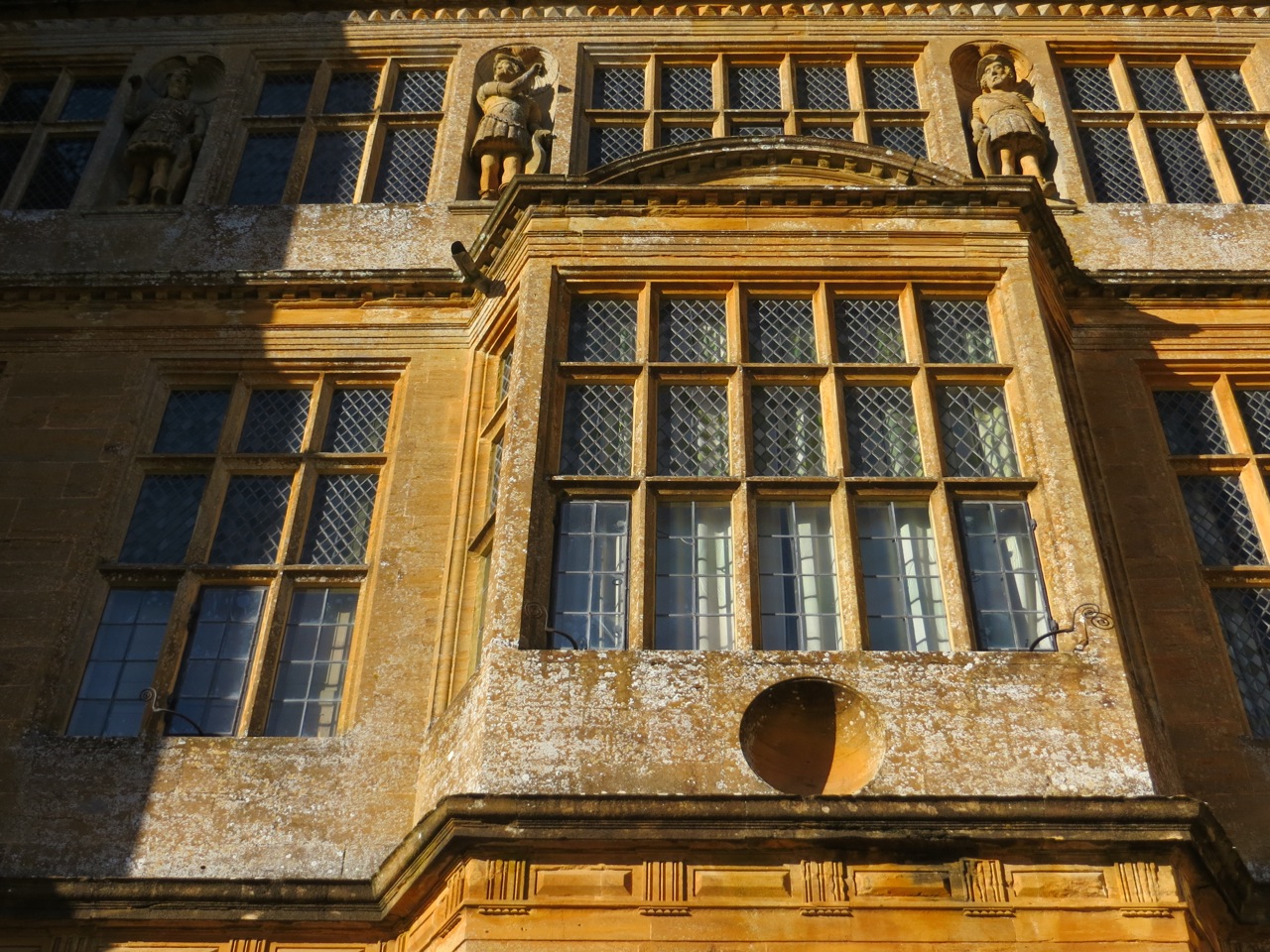
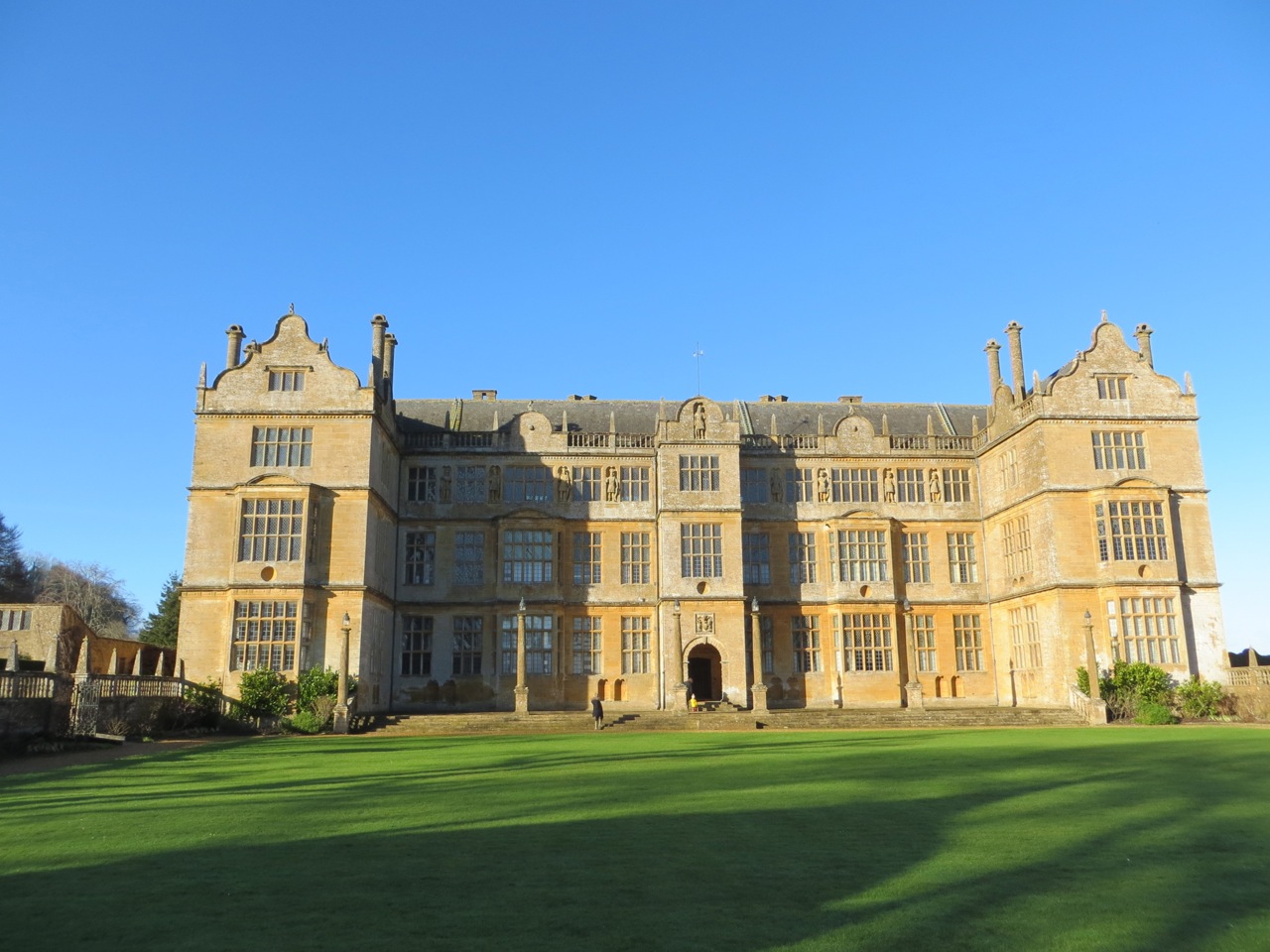
Montacute House 2

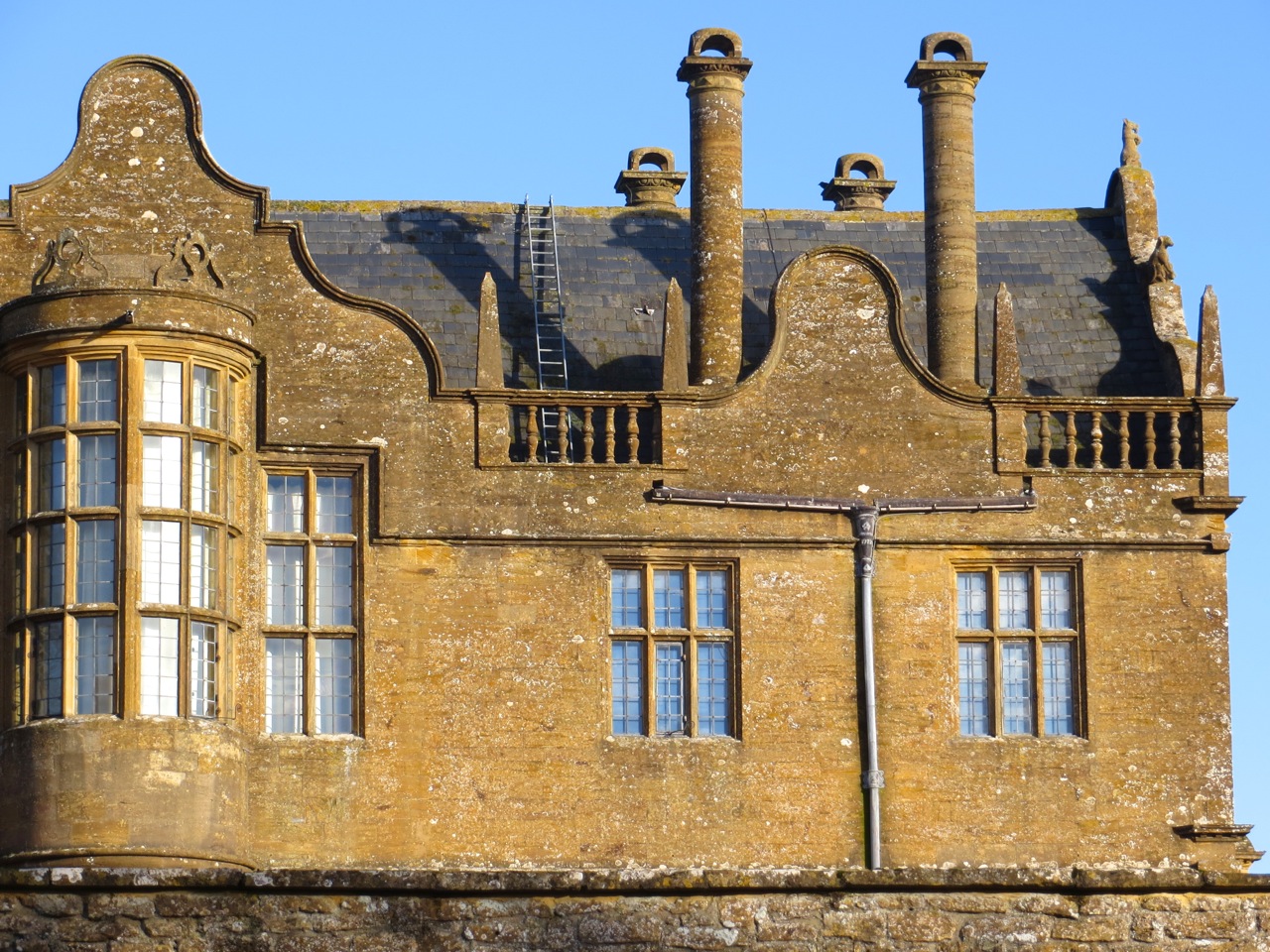
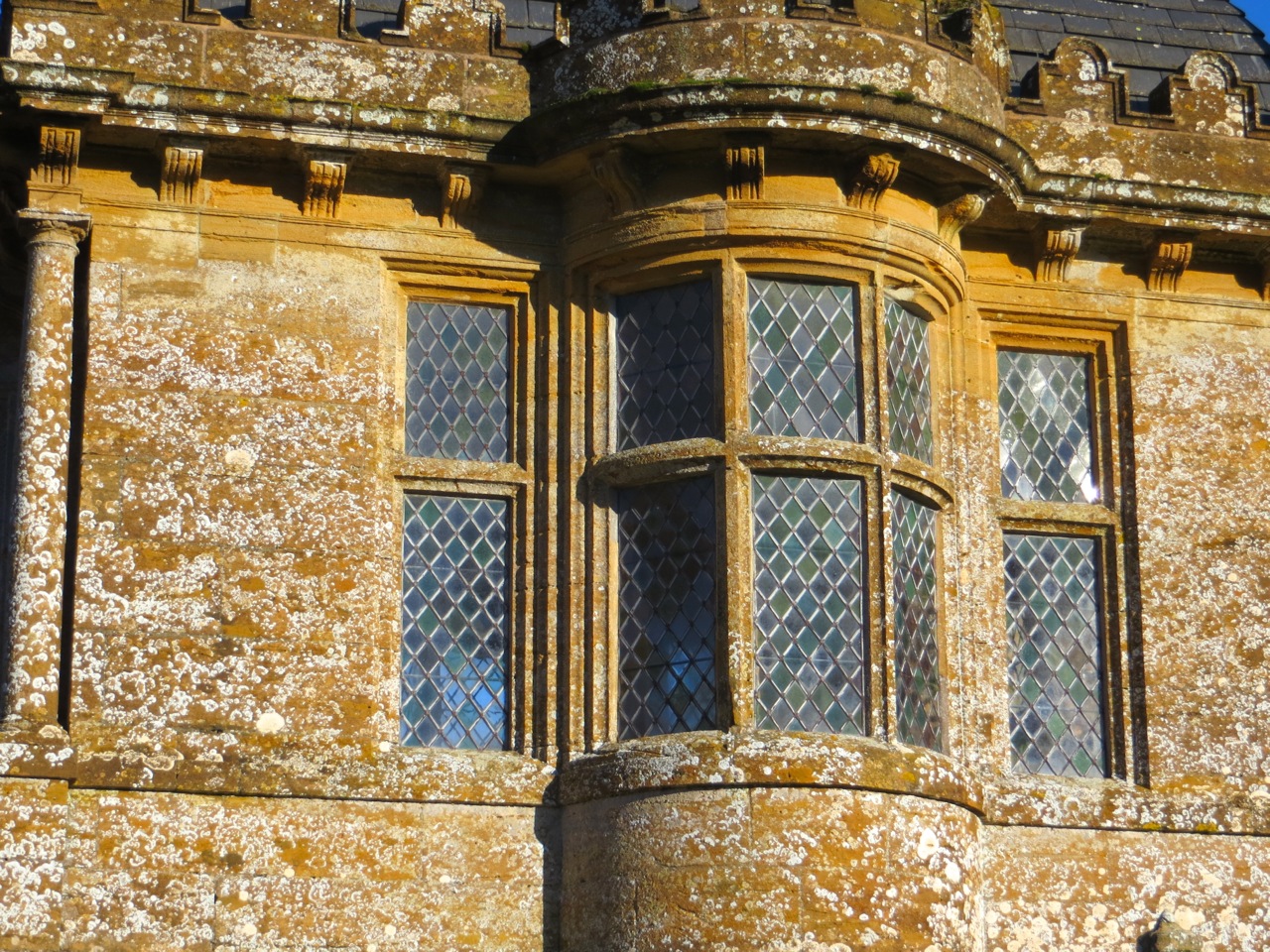
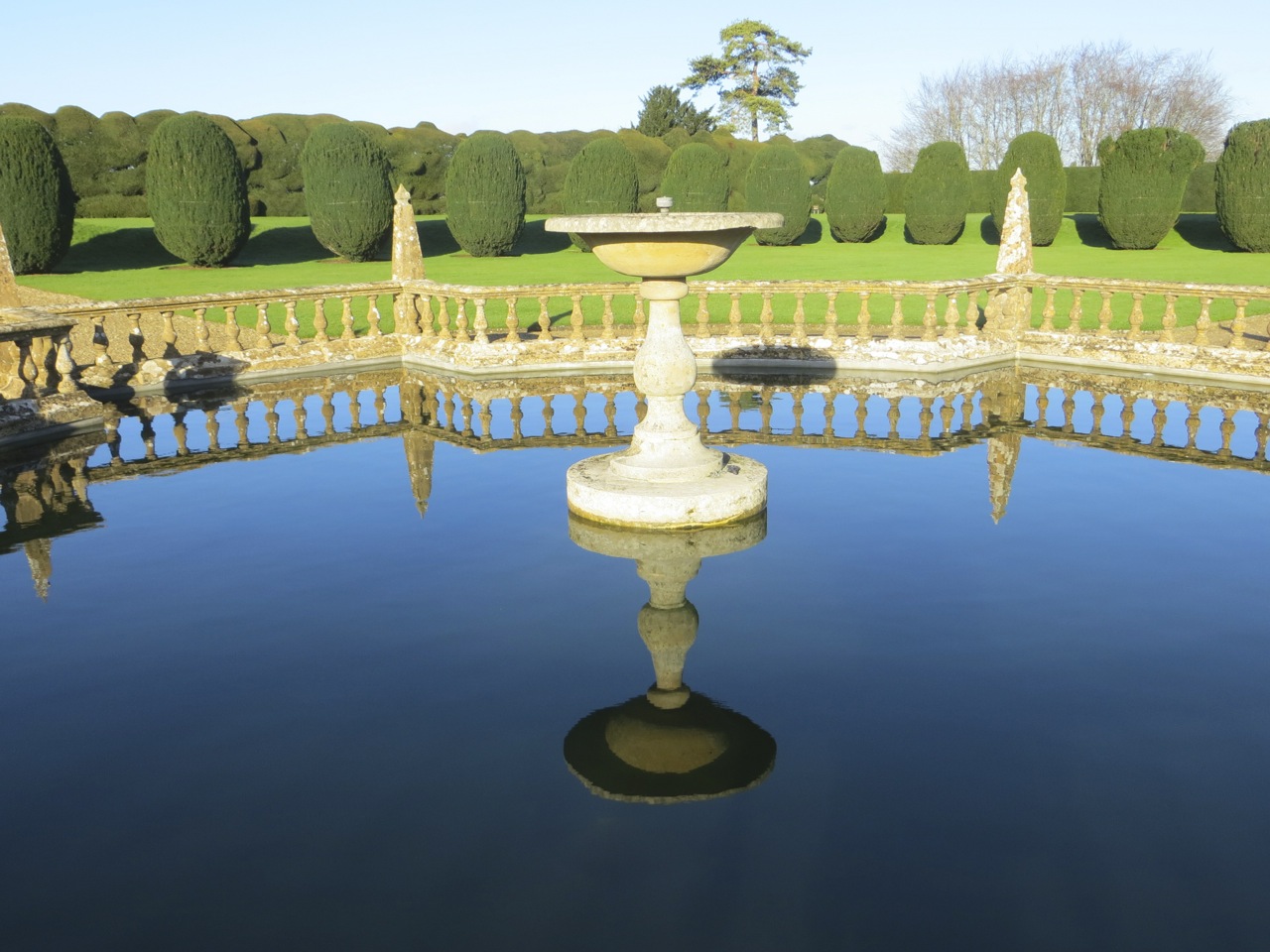
Montacute House is a late Elizabethan country house in Somerset, and is considered to be one of the finest houses from the Elizabethan era. It has survived almost unchanged. It was built in the 1590s from local ‘ham stone’ from the nearby Ham Hill quarries, a jurassic limestone known for the beauty of its honey-gold colouring. It remained in the Phelips family until the early c20, and became one of the first National Trust properties in 1927. By then it had largely been emptied of its contents. Today it houses an important collection of pictures from the National Portrait Gallery. Unsurprisingly the house and its grounds are much used for films and TV costume dramas.
Montacute House 16

A sunny day in early January was the perfect time for a family expedition to Montacute, including Genevieve (18 months, cute) who was more interested in the fish in the pond than anything else.

Montacute House 17

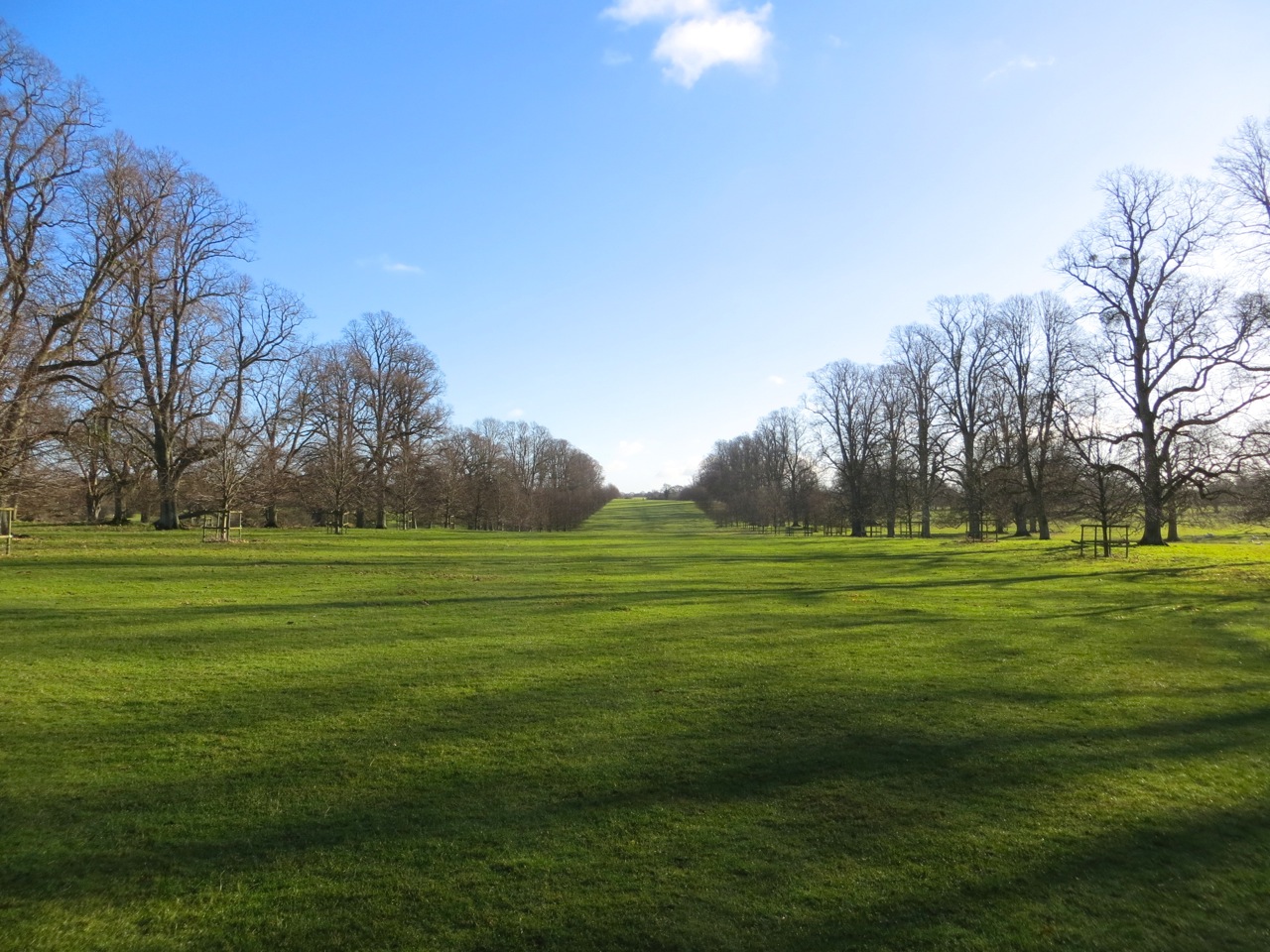
In between two pavilions are gates onto a long ride stretching far into the distant parklandMontacute House 3Montacute House 19Montacute House 11

The Phelips Coat of Arms above the front doorMontacute House 9

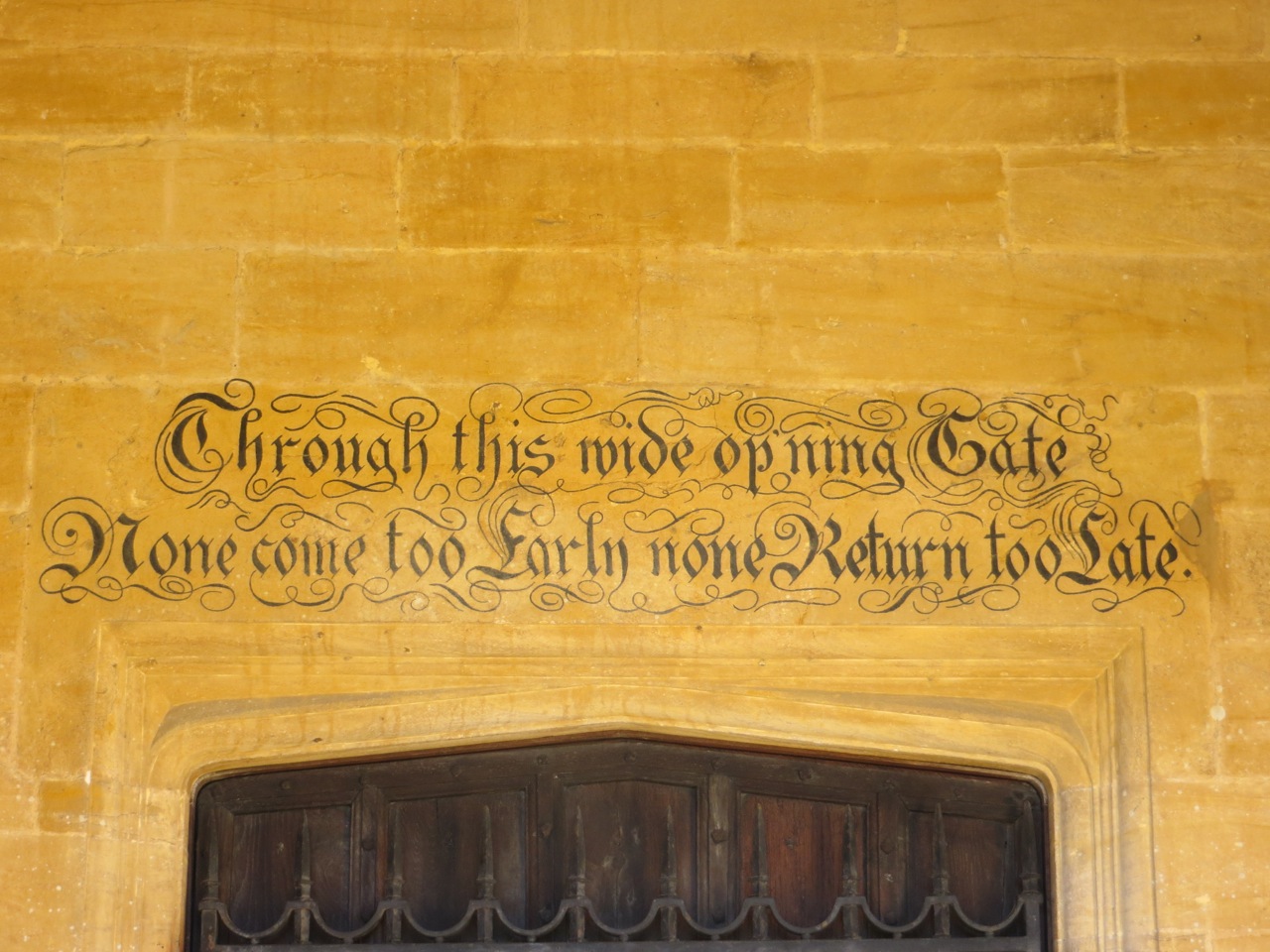
A ‘welcome’ message that I suspect is not an original feature…Montacute House 10
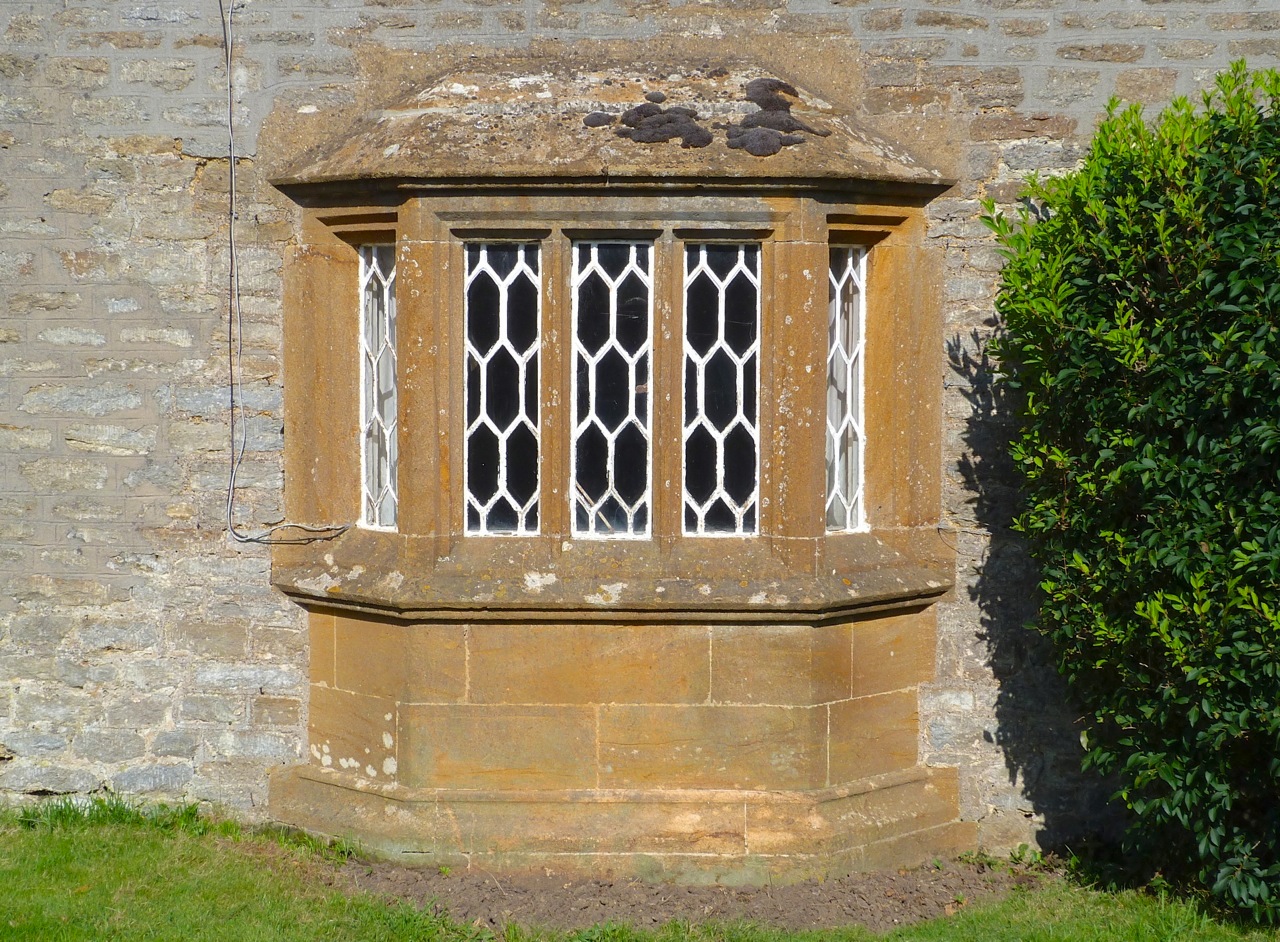
Adornments on the garden walls, the first presumably a fountain in days gone byMontacute House 6Montacute House 15

Part 2 will show some of the architectural detail of Montacute, and more of the gardens

FACE TO FACE WITH BEES: MORE AMAZING MACROS


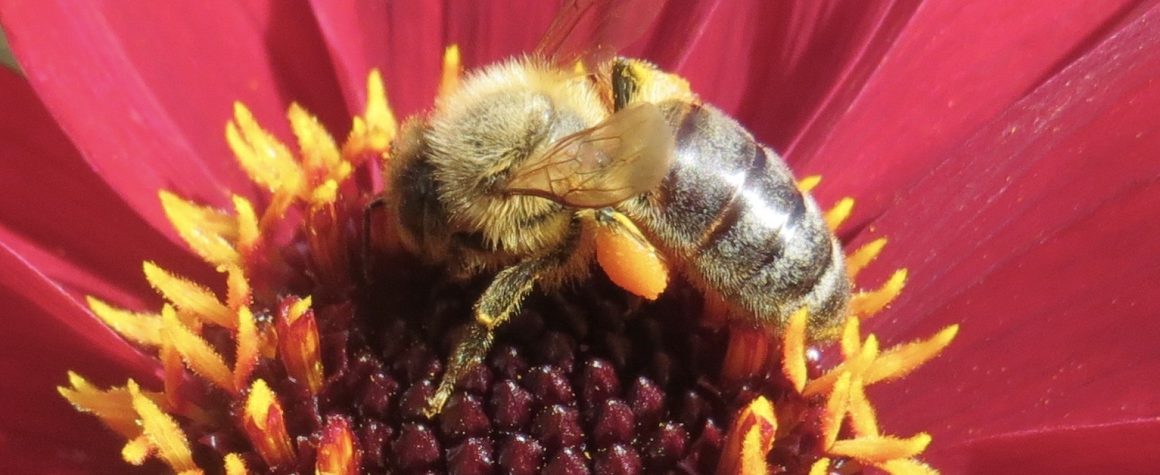
Following up my last bee post, here are some more amazing macro shots of bees  from Sam Droege and the USGS Bee Inventory and Monitoring Lab. This time, it’s up close and personal… 

Macro photograph of bee #11 Macro photograph of bee #13 Macro photograph of bee #14 Macro photograph of bee #6 Macro photograph of bee #9

This is in fact a jumping spider, but I just couldn’t leave it out…Macro photograph of spider All photographs: Sam Droege and the USGS Bee Inventory and Monitoring Lab 

BEES IN FLIGHT: AMAZING MACROS


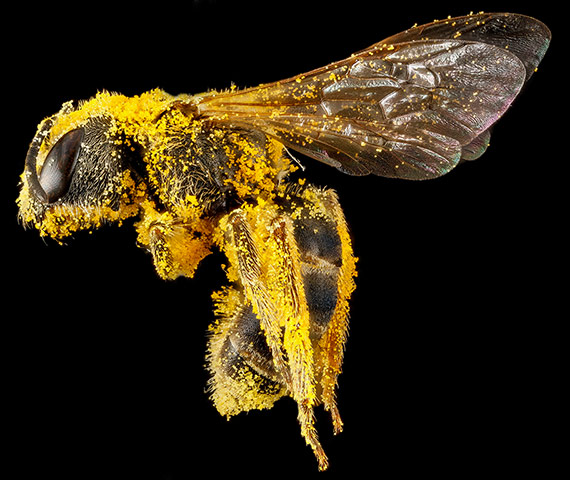
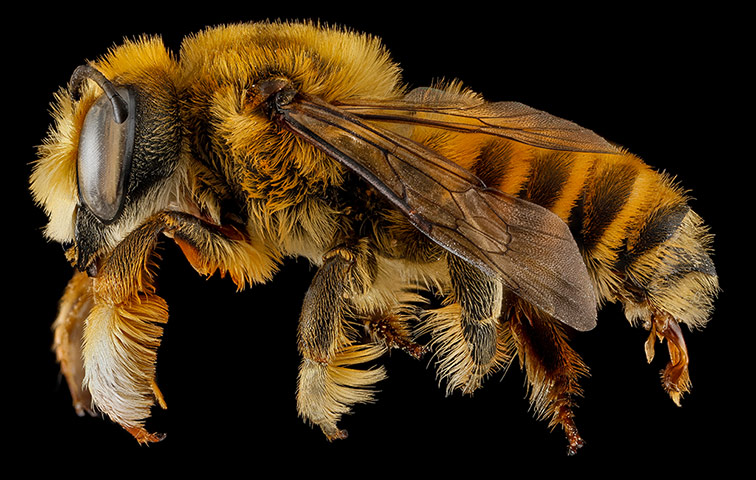
My general rule is to try to stick to posting my own photos, with occasional illustrative borrows. But rules are made to be broken, and sometimes images that are so astounding that they are irresistible are made available online. The Guardian website showed some bees from the USGS Bee Inventory and Monitoring Lab that are compelling… here are a few ‘in flight’, from their massive reference library of bee species. If you hover over each image, you’ll get the ID and location of the bee.

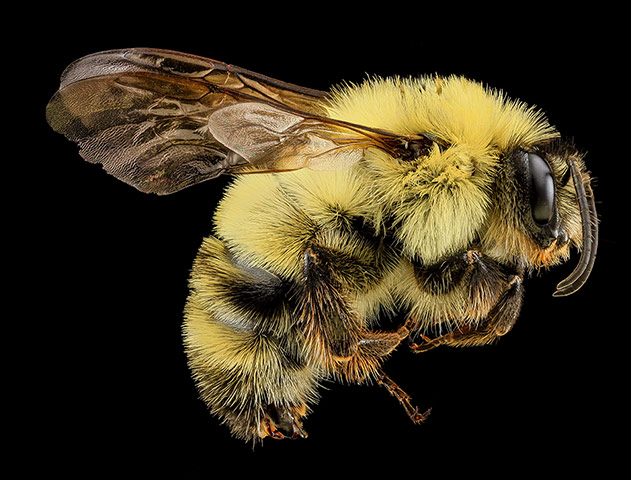
A female Augochloropsis metallica bee, collected from a tomato plant in San Francisco. A female Halictus ligatus bee, from the Morris Arboretum of the University of Pennsylvania A male Euglossa dilemma bee from Biscayne National Park A female Anthophora affabilis bee from Badlands National Park, South Dakota A female Andrena erythronii bee A female Eucera rosae bee from Queen Anne's County, Maryland A male Bombus bimaculatus bee from Wolf Trap National Park A Megachile fortis bee from Badlands National Park, South Dakota A female Centris species bee from the Dominican Republic

All photographs: Sam Droege and the USGS Bee Inventory and Monitoring Lab 

PEAT WORKINGS, COUNTY MAYO


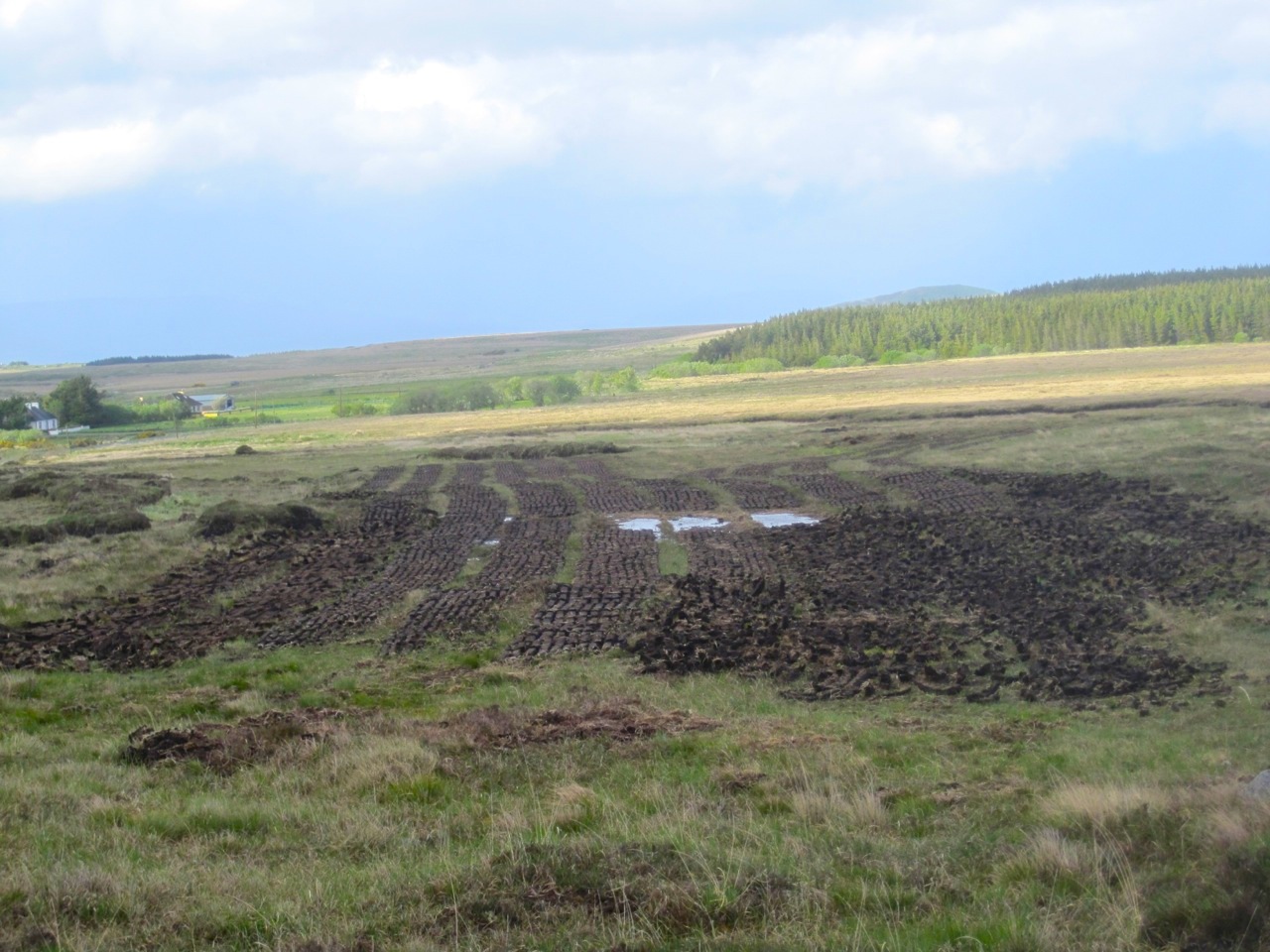
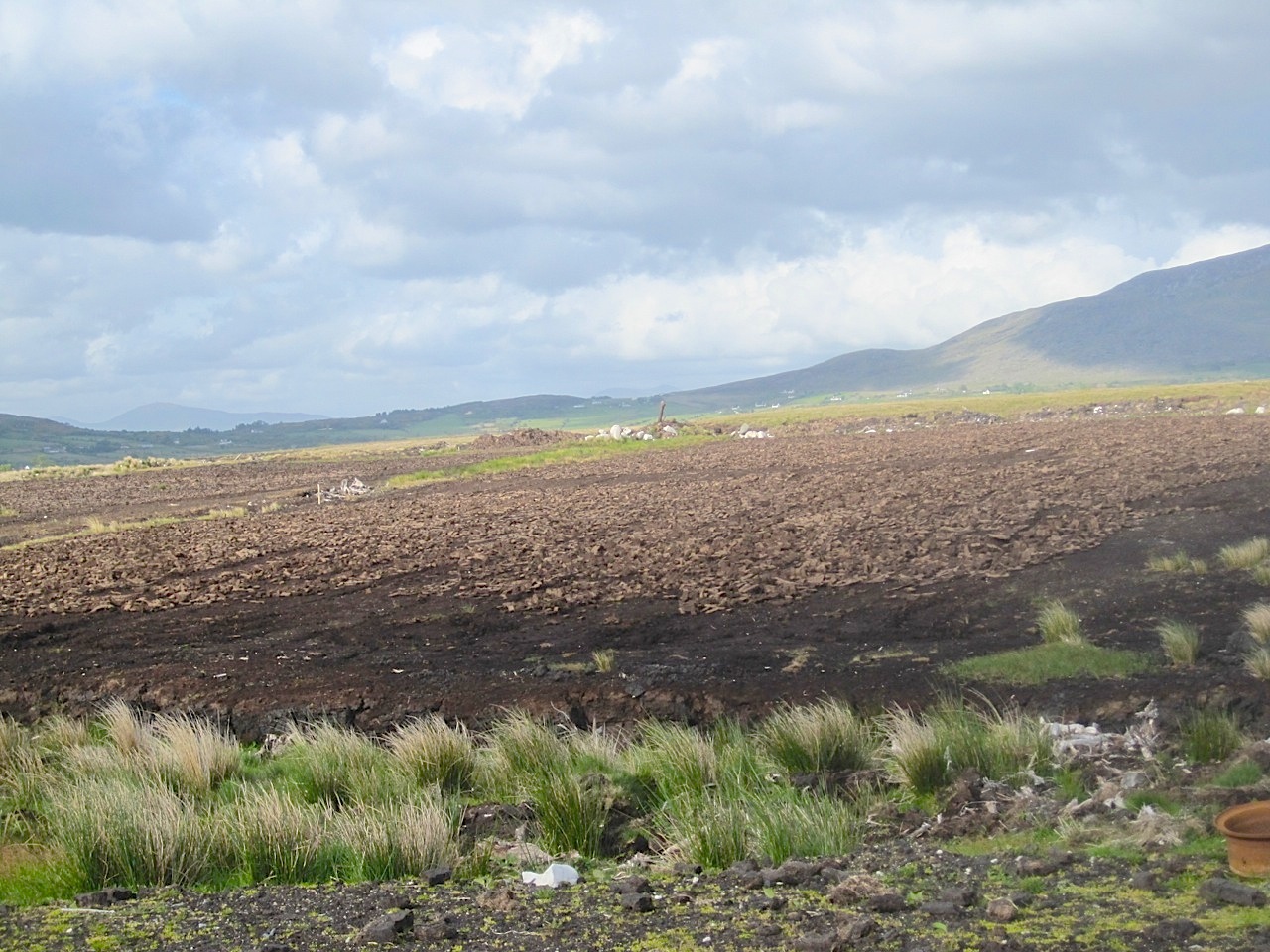
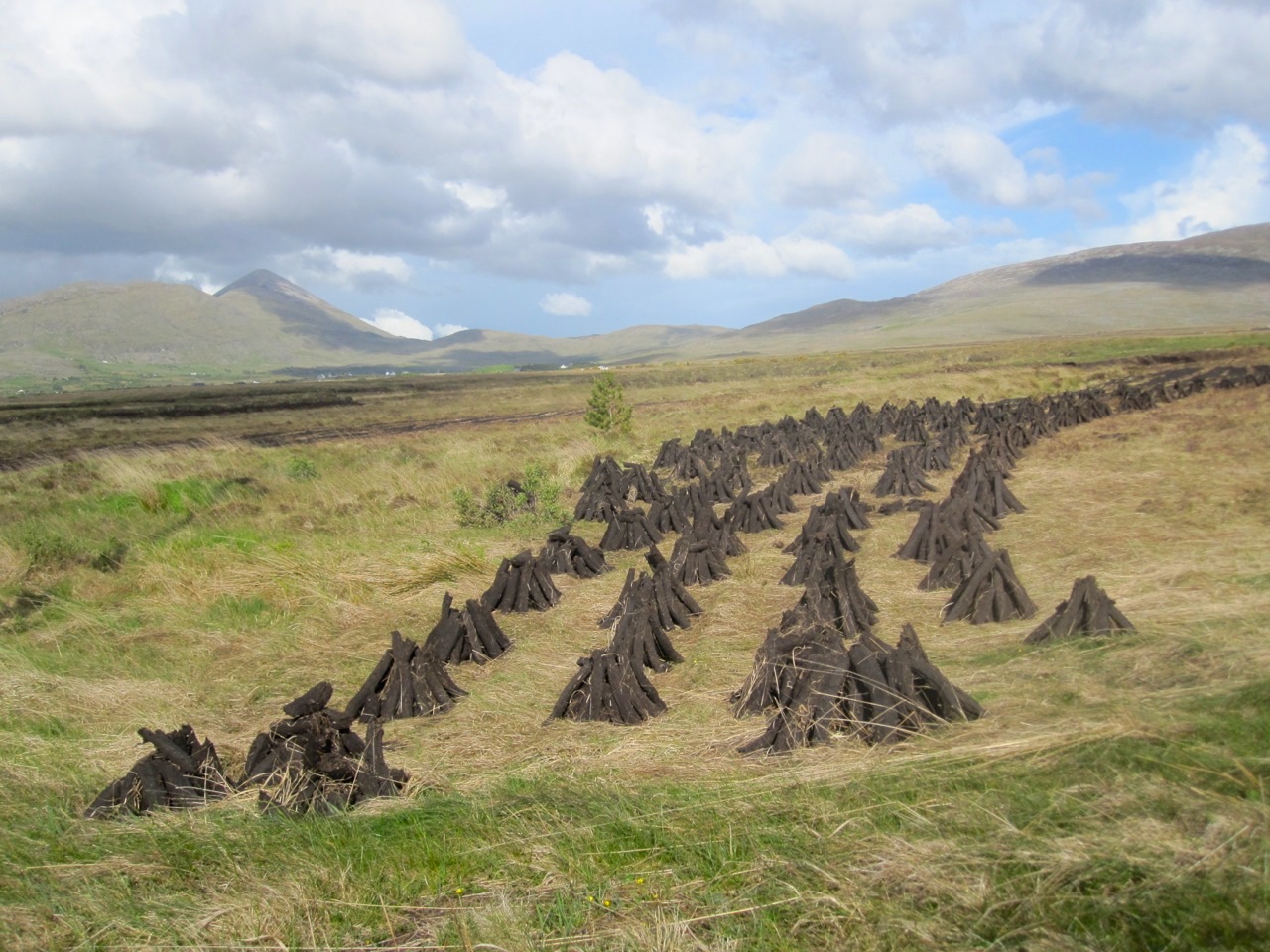
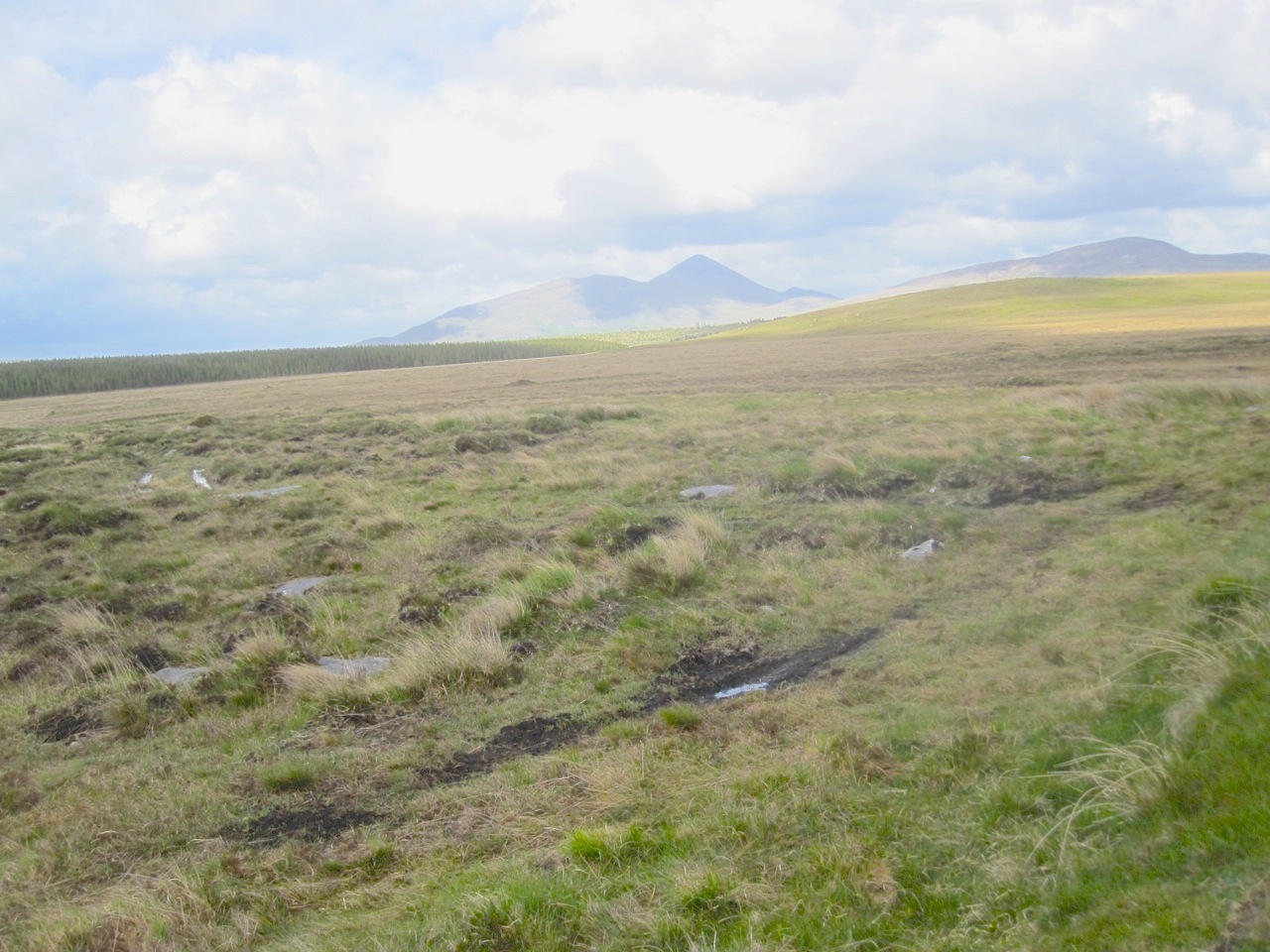
Between Louisburgh, Co. Mayo and Killary Harbour to the south – the boundary with Galway – is a fertile plain. This gives way to an area of wonderful high mountains and loughs, and some of the best salmon fishing in Ireland. The plain is drained by rivers, and is the perfect location for one of Ireland’s great natural resources: PEAT.

Peat Country, Co. Mayo

The backdrop to the north includes the spectacular conical pilgrimage mountain CROAGH PATRICK, rising more than 2,500 feet almost directly out of the sea. Peat workings can be seen from the main road south, but they are best viewed by taking a side road through boggy countryside to the more remote areas.
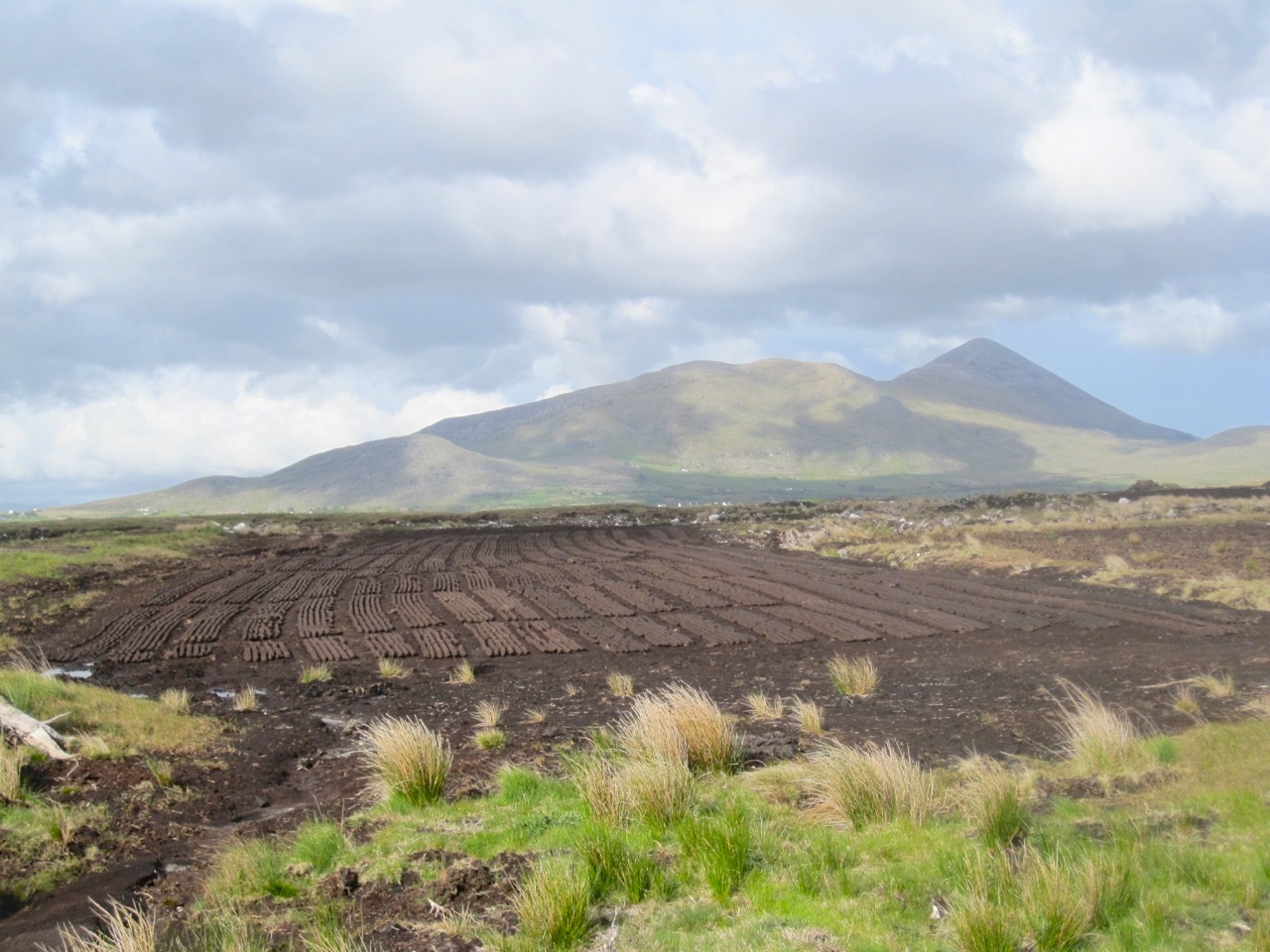
Peat Country, Louisburgh, Co Mayo 1Peat Country, Louisburgh, Co Mayo 6Peat Country, Louisburgh, Co Mayo 2Peat Country, Louisburgh, Co Mayo 5

In places the cut turf is stacked like old-fashioned corn stooks,  in gently curving rows. The effect is of some organic work that the sculptor ANTONY GORMLEY might have dreamed up.
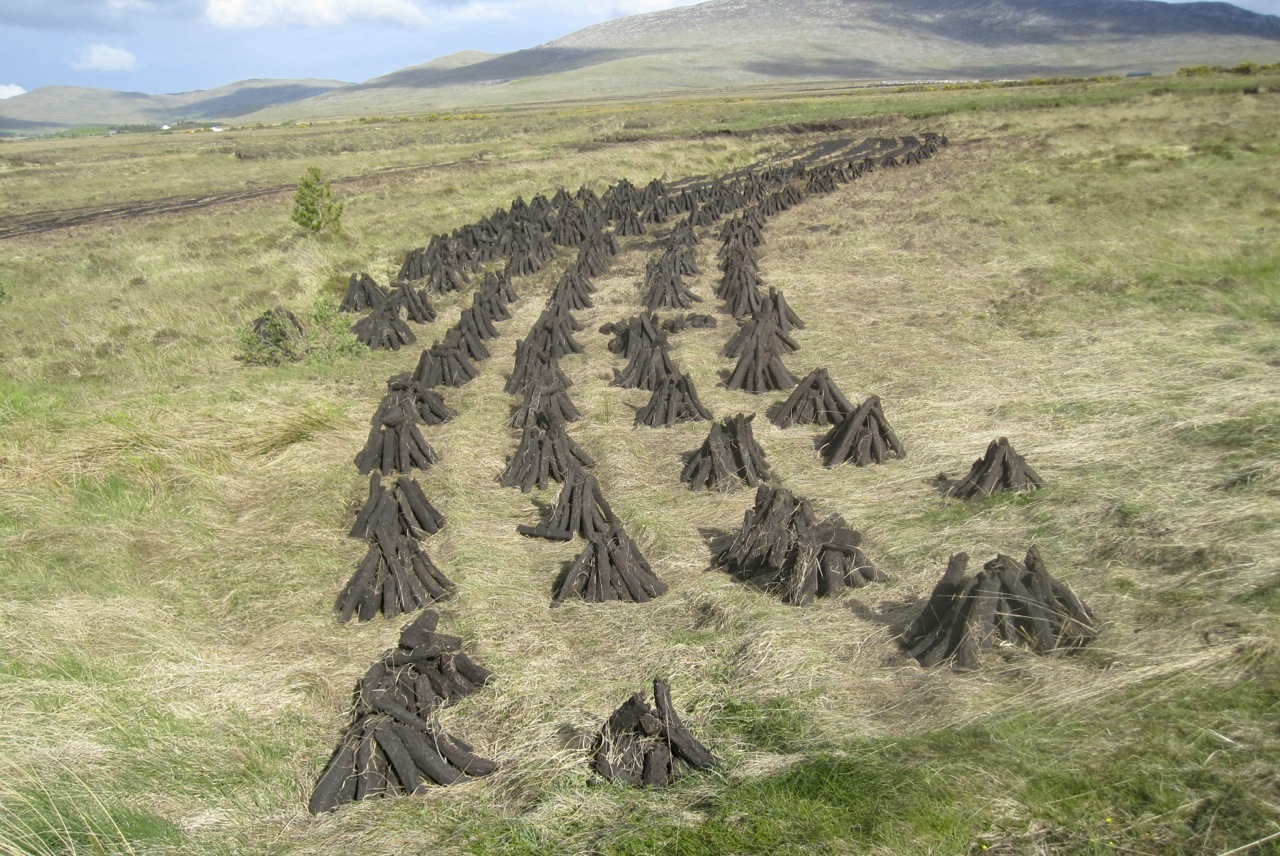
Peat Country, Louisburgh, Co Mayo 4 Peat Country, Louisburgh, Co Mayo 3

RUS IN URBE: A REDWING VISITS LONDON


We don’t often see redwings in our garden on the western edge of central London. It is not their natural territory.  Occasionally when mid-winter weather has been very cold, with frost-hardened ground, they will venture to the city for food. Two days ago I was watching a pair of blackbirds apparently courting in a tree at the end of the garden, when 5 redwings landed in the branches beside them. By the time I had found my camera and returned to the window, only one redwing remained. I fired off some shots rather hopefully through the glass, before the bird flew off…

Reddish underwing – checkRedwing, London 1

Speckled front and pale flash above the eye – checkRedwing, London 2

A bit of zoom to confirm the IDRedwing, London 3

We last had a redwing in the garden couple of years ago, during a prolonged frosty period. I was watching it on the lawn from an upstairs window when suddenly out of the air came a blur of speeding feathers followed by a loud squawk. A sparrowhawk had found its breakfast. I watched it eviscerate to redwing and feast on it for about 15 minutes. After it flew off, I examined the scene of the crime. All that remained of the redwing was a pathetic ring of feathers and its orange beak. The bones and even the feet had all gone. There was a sad little area of melted frost where the deed had been done. Here is a sequence of photos of the drama, mostly taken through glass in the early morning. Notice the growing ring of ripped out feathers as the corpse disappears…

Redwing & Sparrowhawk, London 2 Redwing & Sparrowhawk, London 3 Redwing & Sparrowhawk, London 4 Redwing & Sparrowhawk, London 5 Redwing & Sparrowhawk, London 6

CSI photograph showing the last remains of the victimRedwing & Sparrowhawk, London 1

A RIVER RUNS THROUGH IT… CERNE ABBAS, DORSET


Through and indeed under it, to be strictly accurate. This Dorset village, a few miles north of Dorchester, is well-known, but for (arguably) the wrong reason, the chalk-figure giant on the hill in all his unfeasibly impressive priapic  glory. Some say he represents Hercules (besides the fearsome club, excavations have found traces of some form of covering over the other hand – a manly lionskin for protection? Or for modesty perhaps?). Cerne Abbas, Dorset - The Cerne Giant 2

There are many theories for the giant’s origin and purpose, but the general consensus is that he dates from the c17 or early c18 – he is first noted in records in the mid-c18. Maybe he’s much older. It is said that a belief in the giant as a symbol of fertility encouraged young women of the surrounding area to climb the hill  and sit on his… oh, work it out for yourselves. Let’s move on swiftly.Cerne Abbas, Dorset - The Cerne Giant 3

The fairly recently installed car park overlooking the hill has information boards that are unusually helpful. There’s a good map of the village and its significant features, and another boards with details of the village and its history.Cerne MapCerne Abbas, Dorset - Information Board

In AD 987 a Benedictine Abbey was founded below the giant’s hill. The dissolution of the monasteries erased it, and apart from a gateway (‘Abbot’s Porch) very little remains, though lumps and bumps in a field reveal its extent. Cerne Abbas, Dorset - The Abbey Ruins FieldCerne Abbas, Dorset - Abbey NoticeCerne Abbas, Dorset - Abbey Foundation Memorial

Medieval monasteries were invariably built close to a reliable source of fresh water. The River Cerne runs through the village, with rivulets running right under the main street. It is a trout stream, which doubtless provided food for the monks. However, there was another water source that still exists. St Augustine’s Well, replete with Augustinian legend.Cerne Abbas, Dorset - St Augustine's Well LegendCerne Abbas, Dorset - St Augustin's Well

The water constantly bubbles out of the ground, and has a remarkable clarity.  Although these leaves look as though they are on the surface, they are in fact covered by 3 inches of crystal-clear water.Cerne Abbas, Dorset - St Austine's Well 2

The water from the well runs a short distance to form a millpond, before joining the river.Cerne Abbas, Dorset - The Millpond

The manor house in its present incarnation dates from the 1750s, and is built in the abbey grounds Cerne Abbas, Dorset - Abbey House : Cerne Manor

The church of St Mary’s has a medieval origin, but was expanded in later centuriesCerne Abbas, Dorset - St Mary's Church  The churchyard is also in the abbey groundsCerne Abbas, Dorset - The Churchyard

Outside the church is a reminder of earlier  times for crime and punishmentCerne Abbas, Dorset - The StocksCerne Abbas, Dorset - Stocks

The Pitchmarket is one of the oldest buildings in the village, an excellent though spectacularly misshapen example of a Tudor building.Cerne Abbas, Dorset - Pitchmarket

Cerne Abbas, Dorset - The Pitchmarket

Cerne Abbas was the location of the 1963 film ‘Tom Jones’, starring Albert Finney and Susannah York. If you are interested in seeing stills from the film, showing the village ‘Fielding-ised’ for the film, click HERE. If you want to know more about the book, including a reasonable synopsis, click HERE

  A painted jest from a few years ago…

‘DUCKING & DIVING’: BUFFLEHEADS IN CENTRAL PARK NYC


The Bufflehead Bucephala albeola is a small American duck of the goldeneye family, named for the ‘buffalo’ shape of its head. These shots were taken on the JKO Reservoir in central Park NYC, at a bit of a distance. The ducks were mostly floating peacefully, with the occasional sudden splashy dive. When they surfaced, fat beads of water stayed on their backs. Unfortunately the light / position of the sun meant that I never caught one head on, when the purple and green sheen of the face feathers would be clearly visible. 

Bufflehead Duck Central Park NYC 1Bufflehead Duck Central Park NYC 4Bufflehead Duck Central Park NYC 3Bufflehead Duck Central Park NYC 5Bufflehead Duck Central Park NYC 6Bufflehead Duck Central Park NYC 7

HOODED MERGANSERS IN CENTRAL PARK, NYC


These hooded mergansers were on the JKO Reservoir in mid-Central Park, New York. The colourful male is shown first, then the less flamboyant female.

Hooded Merganser (m) NYC CP 3Hooded Merganser (m) NYC CP 2Hooded Merganser (m) NYC CP 1Hooded Merganser (f) NYC CP 2Hooded Merganser (f) NYC CP 3Hooded Merganser (f) NYC CP 1This bird has just surfaced from a dive, leaving her rather wet and dishevelled

AN ANCIENT LIGHTHOUSE, A TRIG POINT & A FINE VIEW: ST CATHERINE’S DOWN, IoW


St Catherine's Hill Trig Point IoW 1

St. Catherine’s Down is a chalk down near the southernmost point of the Isle of Wight, rising to 240 metres above the level of the nearby sea. There is a rewarding walk from a car park on the road, climbing steadily and in places quite steeply. On the way up there are spectacular views across to the Needles to the west.

St Catherine's Hill Trig Point IoW 8

Eventually the track opens out near the top of the hill to reveal an amazing medieval  prototype for a skyrocket near the summit. St Catherine's Lighthouse, Niton IoW 1

This is in fact St. Catherine’s Oratory, known locally as the ‘Pepperpot’, a stone lighthouse built in the 14th century by Walter de Godeton. It is the second oldest lighthouse in the British Isles – only the Roman-built lighthouse at Dover is older.St Catherine's Lighthouse, Niton IoW 2

De Godeton was convicted of scavenging wine ‘belonging to the Church’ from a shipwreck. He was ordered to make amends, under threat of excommunication, by building a lighthouse. Wreck plunder / lighthouse penance – a rare early example of punishment fitting the crime at a time when theft of a sheep might mean death. Fires were lit in the lighthouse tower to warn ships at sea that they were close to the coastline.St Catherine's Lighthouse, Niton IoW 3

There was an attached chapel at one time – hence the ‘Oratory’ – but it has been long since demolished. A replacement lighthouse was begun in 1785, but never completed. Locally this half-finished building is known as the ‘salt pot’.St Catherine's Lighthouse, Niton IoW 4

The hill is surrounded by unspoilt downland, with long views on all sidesSt Catherine's Hill Trig Point IoW 2St Catherine's Hill Trig Point IoW 3

St Catherine's Hill Trig Point IoW 9

There is also a trig point, providing an  unstrenuous target for ‘trig-baggers’. Anyone interested in using trig points as a purpose for a nice walk and needing an incentive for the achievement might like to look at http://www.trigpointinguk.comSt Catherine's Hill Trig Point IoW 6St Catherine's Hill Trig Point IoW 7St Catherine's Hill Trig Point IoW 5St Catherine's Hill Trig Point IoW 4