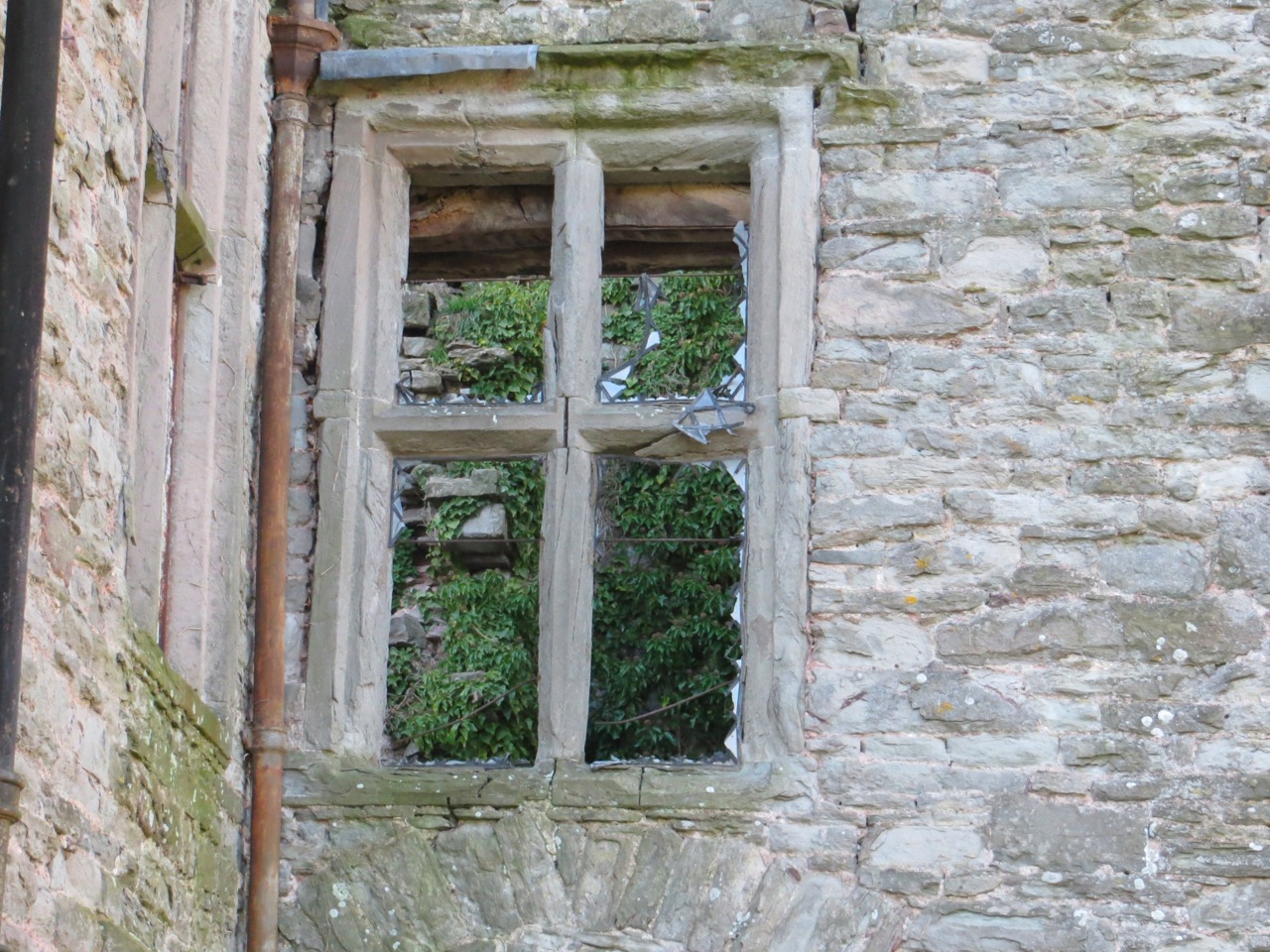
HAY CASTLE: ROMANTIC RUIN (c12th) & JACOBEAN RELIC (1660)


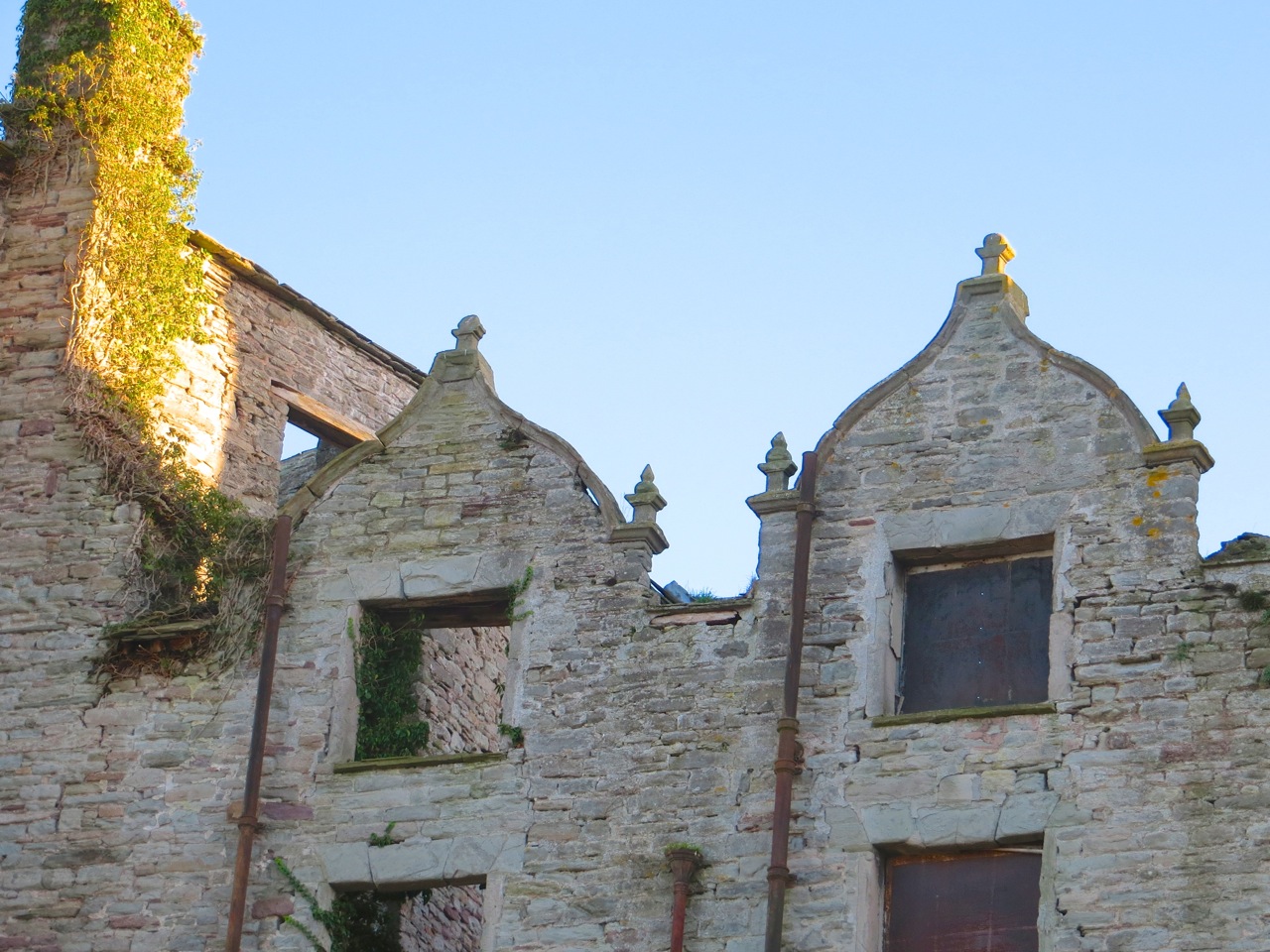
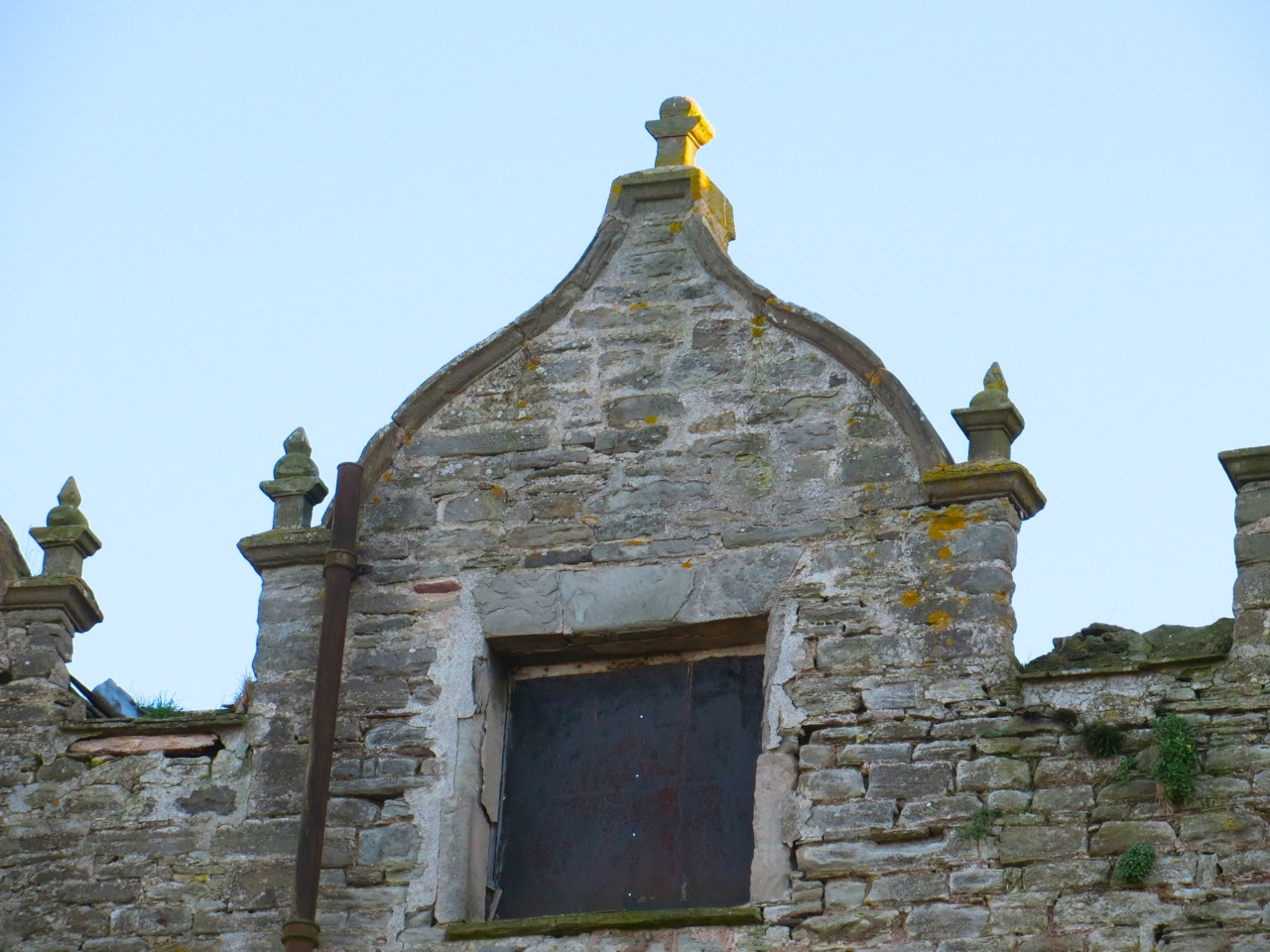
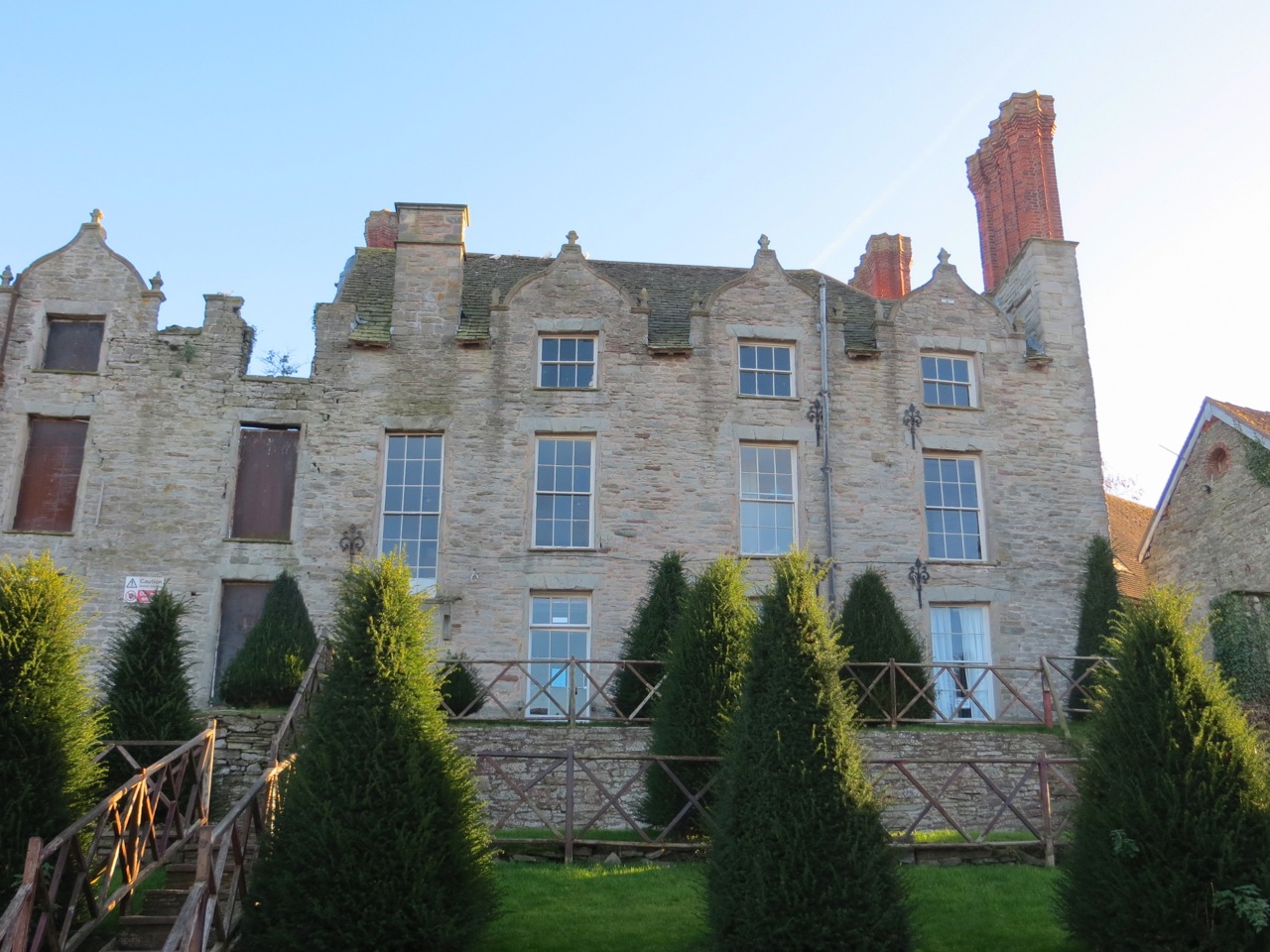
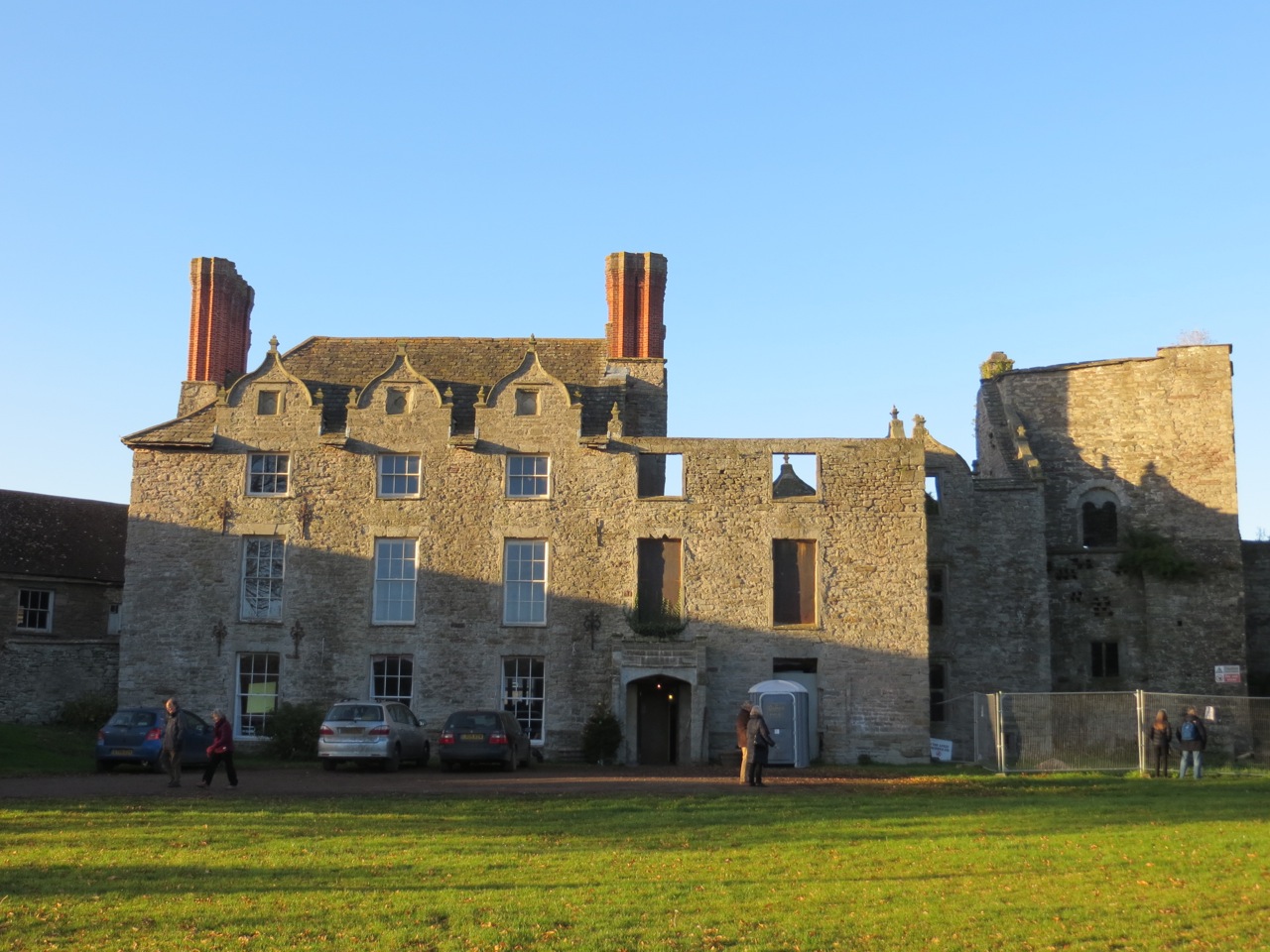
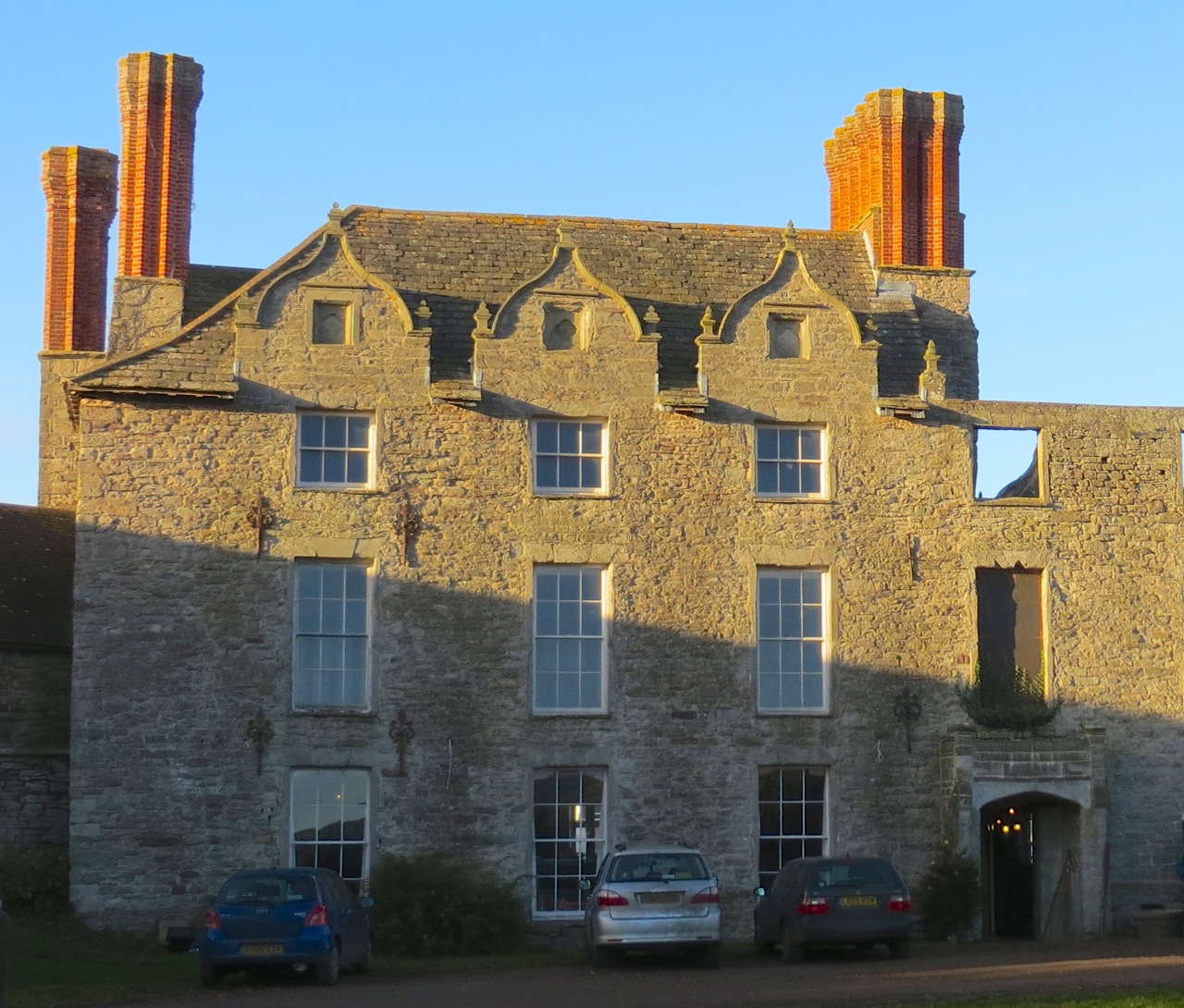
HAY CASTLE dominates the famous little book town of Hay-on-Wye, a fire-ravaged but stately part-ruin. Currently owned by the HAY CASTLE TRUST, a restoration project for this once-gracious building  is underway. I’d started to write my own potted history when it occurred to me that the official one would be (a) more informative and (b) more likely to be accurate. Here it is – click the blue link above for further information about the history and preservation of this important building.

“Hay Castle is one of the great medieval defence structures on the border of England and Wales still standing.  Built in the late 12th century by the powerful Norman Lord William de Braose, its history is long and turbulent.  The castle was sacked by Llewelyn II, the last prince of Wales, in 1233, and rebuilt by Henry III.  Centuries of turmoil followed until the 15th century, when the castle passed into the hands of the Beaufort Estates.  Castle House, a Jacobean mansion, was built alongside the tower in 1660.

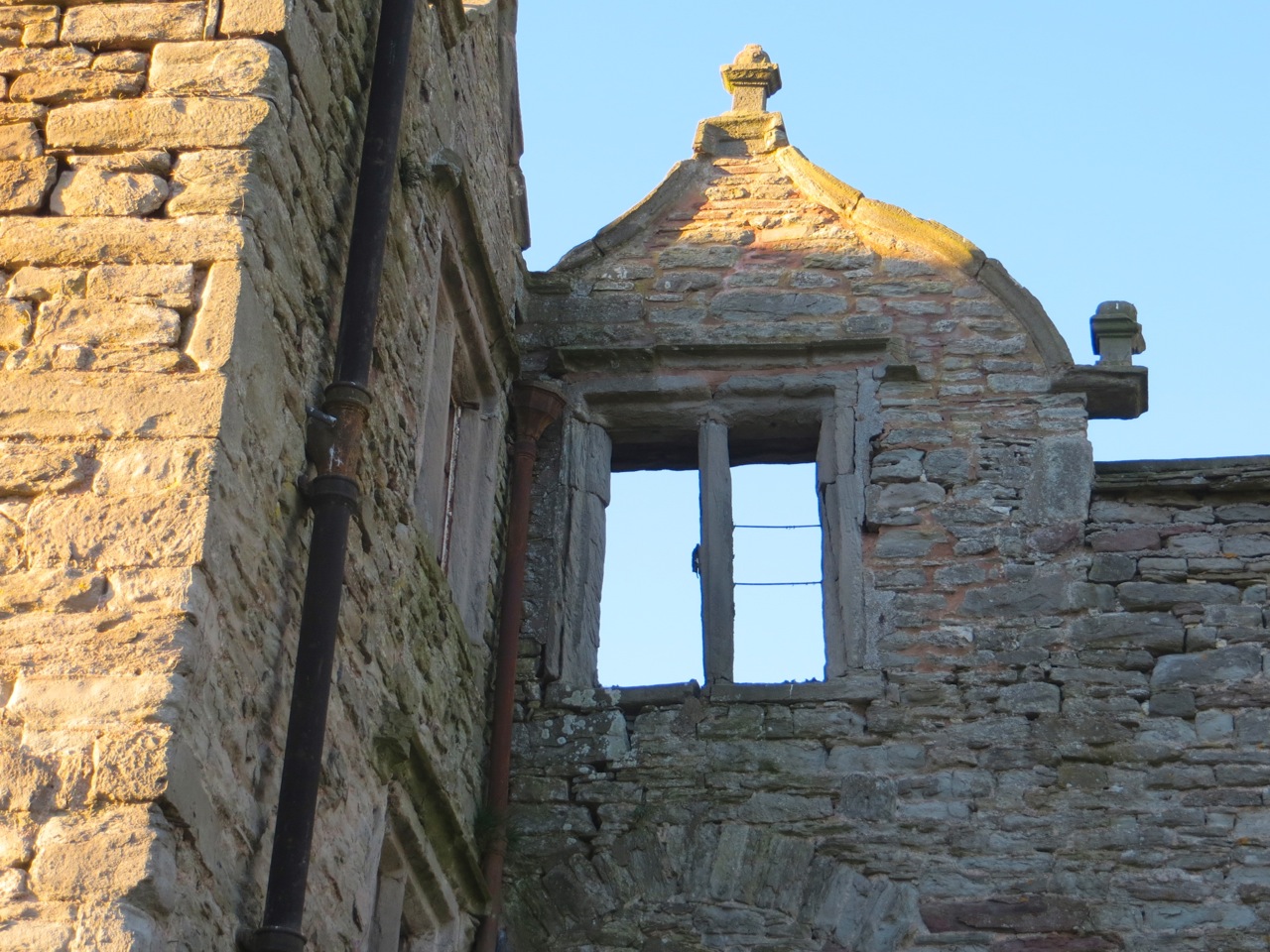
The remains of the castle include a four-storey keep and a beautiful arched gateway.  The multi-gabled Jacobean manor was severely damaged by fire in 1939, and again in 1977.  Remnants of the 18th century formal gardens and 19th century terraced gardens can still be seen.  Owned by bibliophile Richard Booth since the 1960’s, the site was purchased in 2011 by the Hay Castle Trust.”

The summer Hay Book Festival is one of THE literary events of the year. Less well-known is the Hay Festival Winter Weekend. A Wales-related book published by Mrs Harbour was launched at the Castle, with an author’s talk and a party – followed by (and completely unconnected with) a gig containing copious humourous material of questionable taste by comedian Marcus Brigstocke. Here are a few photographs of the castle.

THE VIEW FROM THE TOWN SIDEHay Castle 1 Hay Castle 2 Hay Castle 3 Hay Castle 4 Hay Castle 5

THE CASTLE FROM THE GARDEN SIDE          Hay Castle 6Hay Castle 7Hay Castle 8 

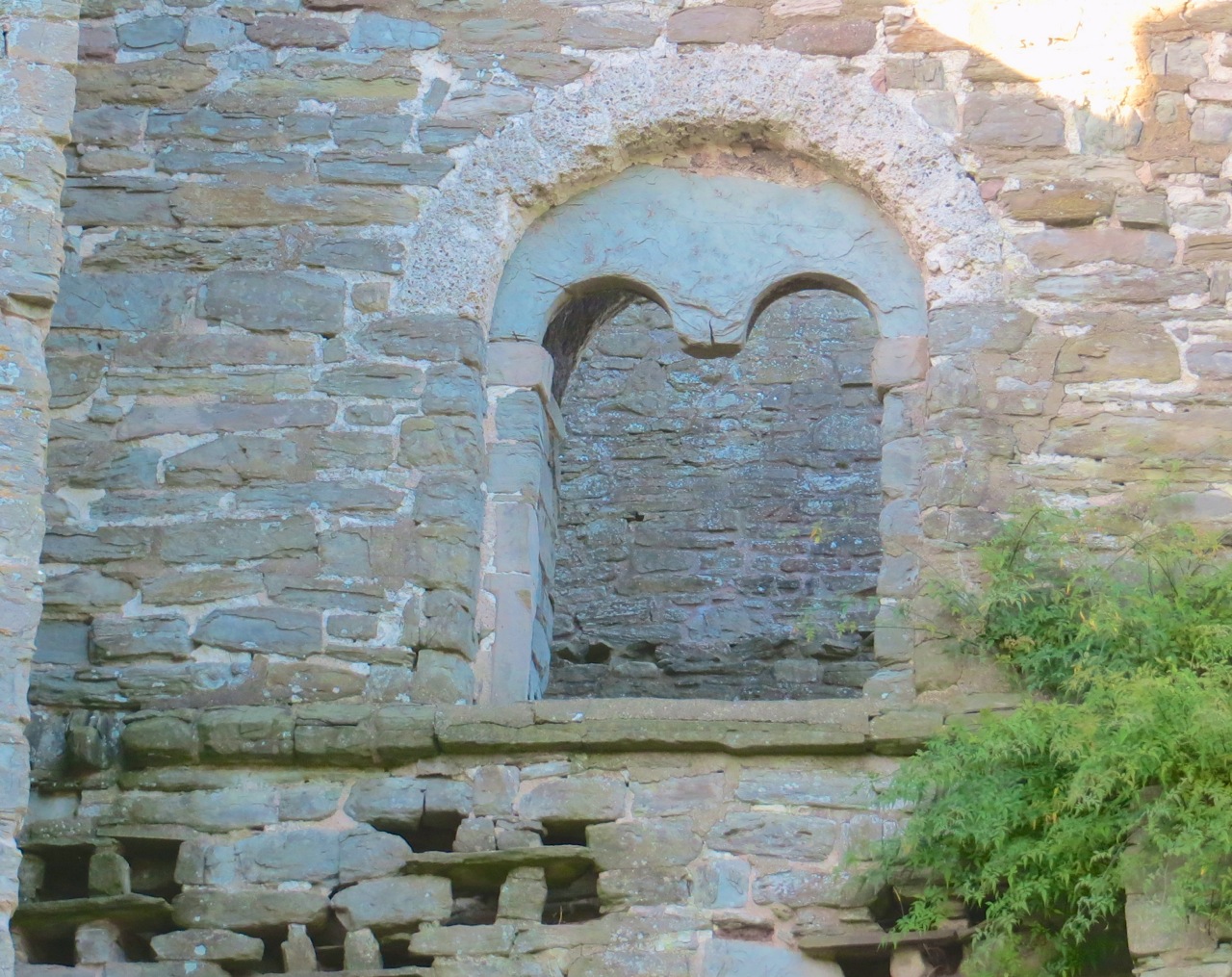
A round-arched window dating back to an earlier period of the castle’s historyHay Castle 9Hay Castle 10

The only occupied part of the ruined side… a perfect place for birds to nestHay Castle 11

hay castle trustMrs RH takes the lectern 2                    "Powys" by Robert Scourfield

AN UNSTRENUOUS HILL WALK AT NEWCHURCH, POWYS


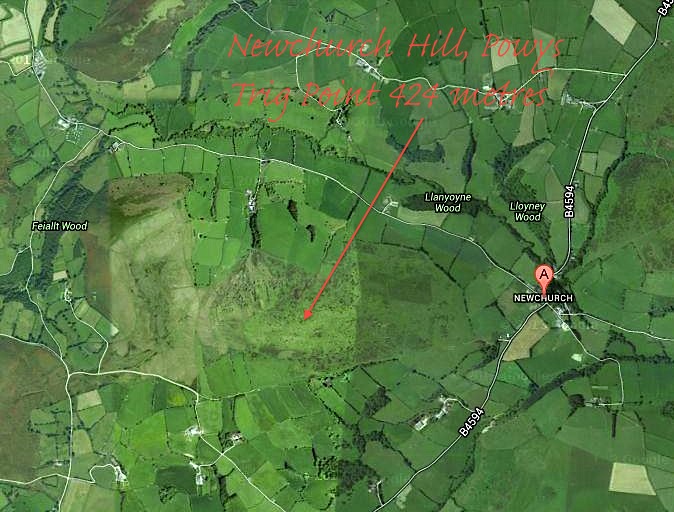
Newchurch Hill, Powys Map jpg

The area round Newchurch is a short distance north of the book Mecca that is Hay-on-Wye. Barely 15 minutes drive will take you to low hill country of moorland and open common, with fine views of the Black Mountains and, more distantly, the Brecon Beacons. We had book-related events to attend in Hay, and a remote farm B&B near Newchurch as base-camp. Behind it, Newchurch Hill and a Trig Point to ‘bag’ while the late November sun shone. 

Easy walking on open terrain, with plenty of sheep for companyNewchurch Hill Powys Walk 1

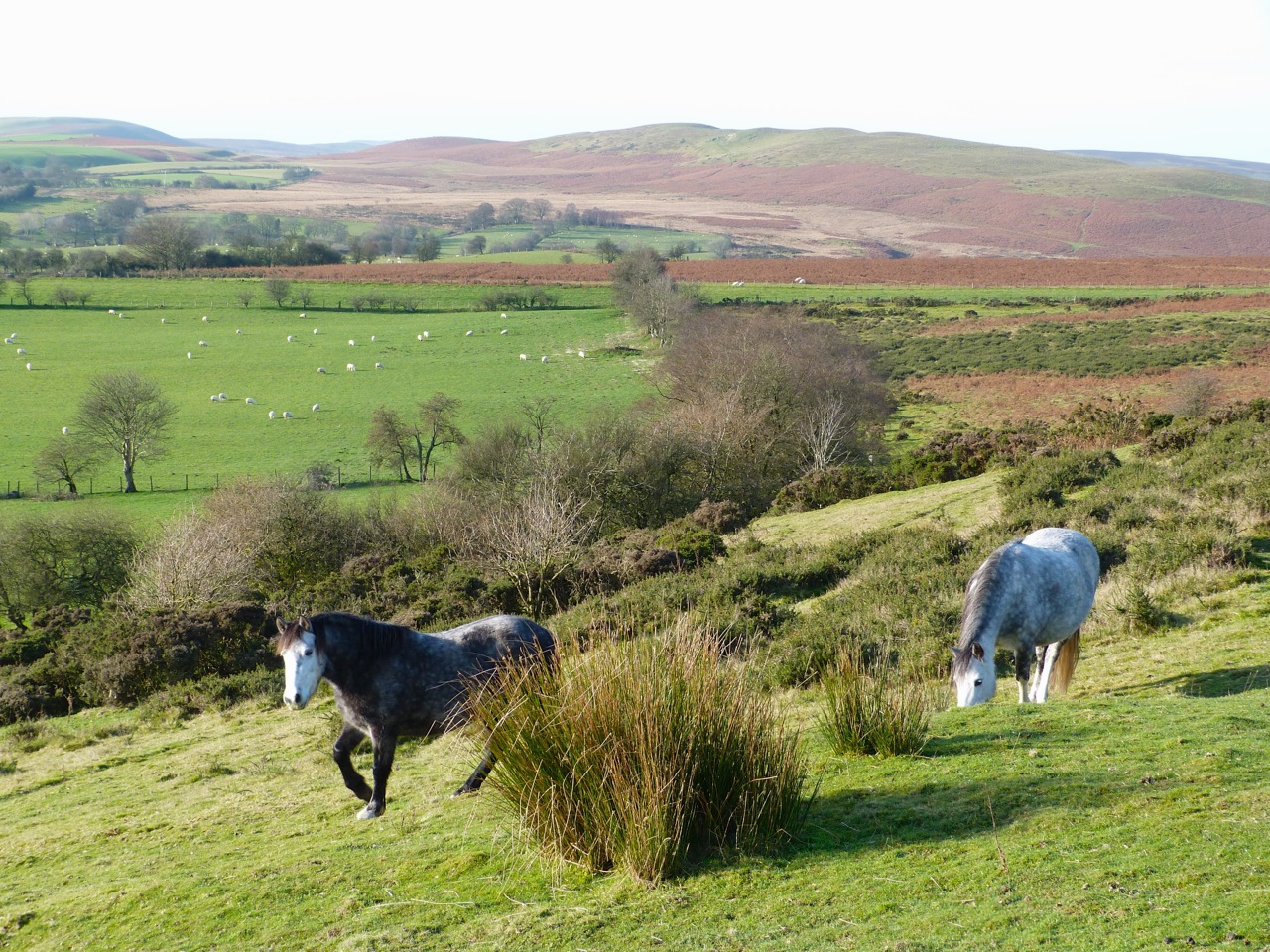
And horses. Most are wild, in that they are mainly  left to their own devices all year round. They are a mix of Welsh mountain ponies, Welsh cobs and perhaps some pit ponies, with other breeds adding to the genetic mix over the years. The greys are the purest bred.Newchurch Hill Powys Walk 2 Newchurch Hill Powys Walk 3 Newchurch Hill Powys Walk 4

There were a number of broad tracks, and because the land was so open the sheep tracks were very clearly defined. This one stretched a remarkably long way. You can just see our trig point target on the skylineNewchurch Hill Powys Walk 5

The trig point marks Newchurch Hill as 424 metres high, and provides extensive 360deg viewsNewchurch Hill Powys Walk 6 Newchurch Hill Powys Walk 7 Newchurch Hill Powys Walk 8

There are any number of ways to get to the top, and to return. This was a tempting track Newchurch Hill Powys Walk 9 Newchurch Hill Powys Walk 10

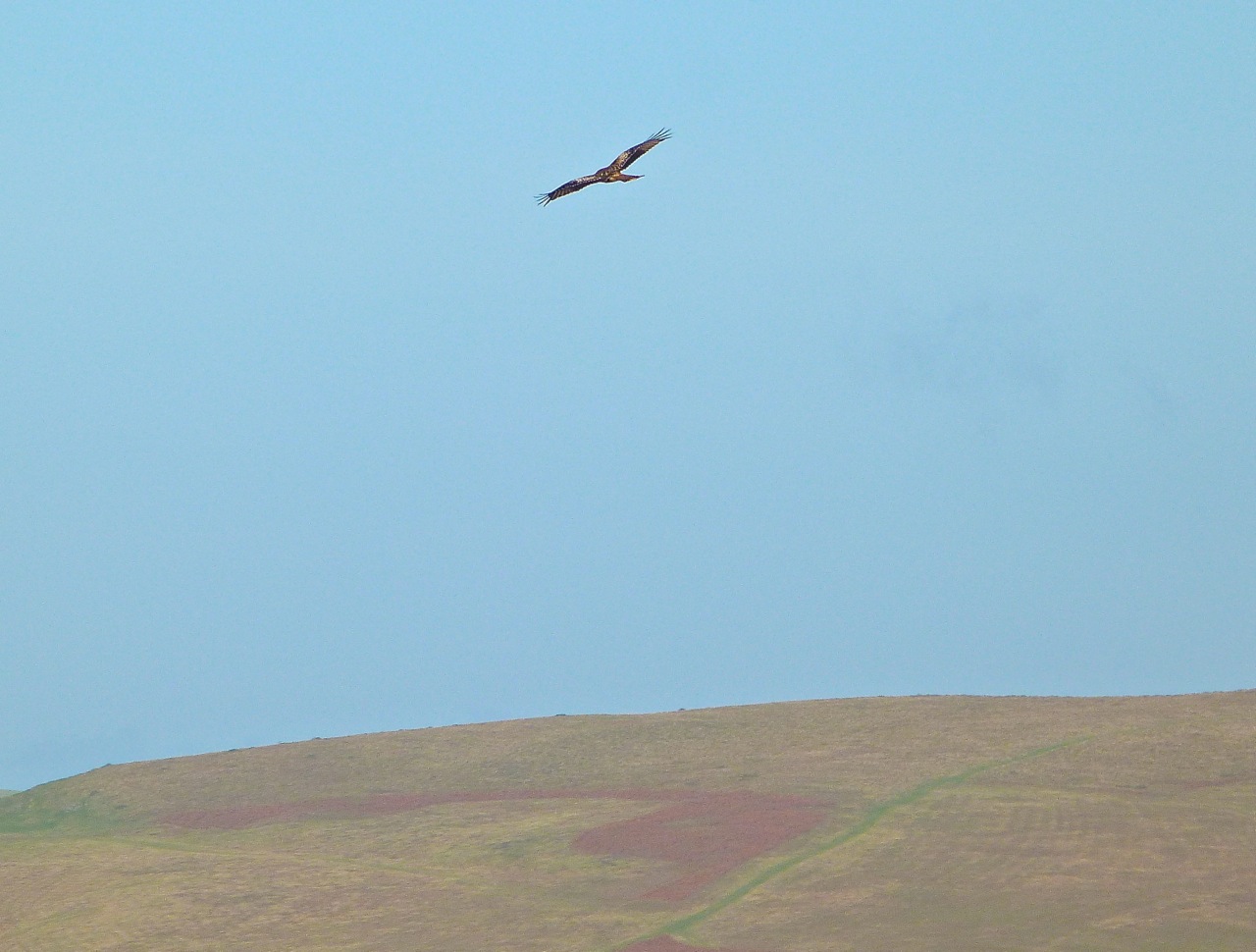
At one stage we were joined by a pair of red kites (the area is known as ‘red kite country’). It was gratifying to find that at one stage we were actually higher than they were. I wished I’d taken a bigger camera…Newchurch Hill Powys Walk 11 Newchurch Hill Powys Walk 12

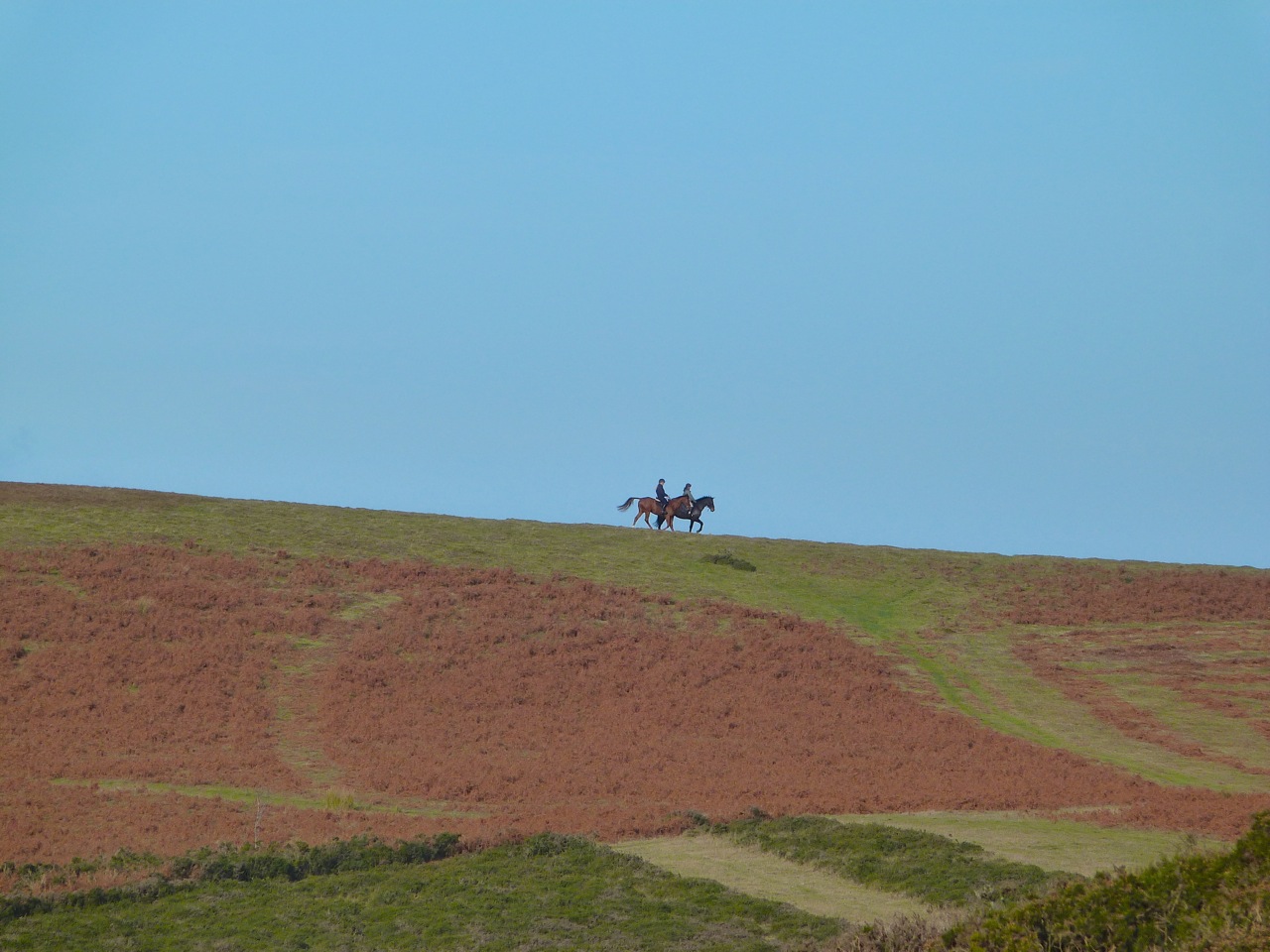
As we walked down, a pair of riders from a nearby stables passed on the skyline Newchurch Hill Powys Walk 13

The stables had the perfect name for spelling out with horseshoes…Newchurch Hill Powys Walk 14

DORSET DROVES, ‘PRIORITÉ AUX VACHES’, & BOVINE BEHAVIOUR


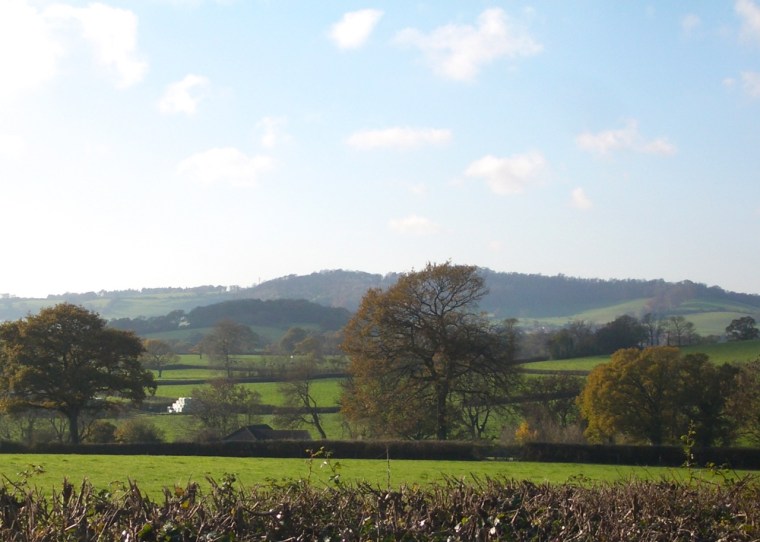
Dorset Fields 1

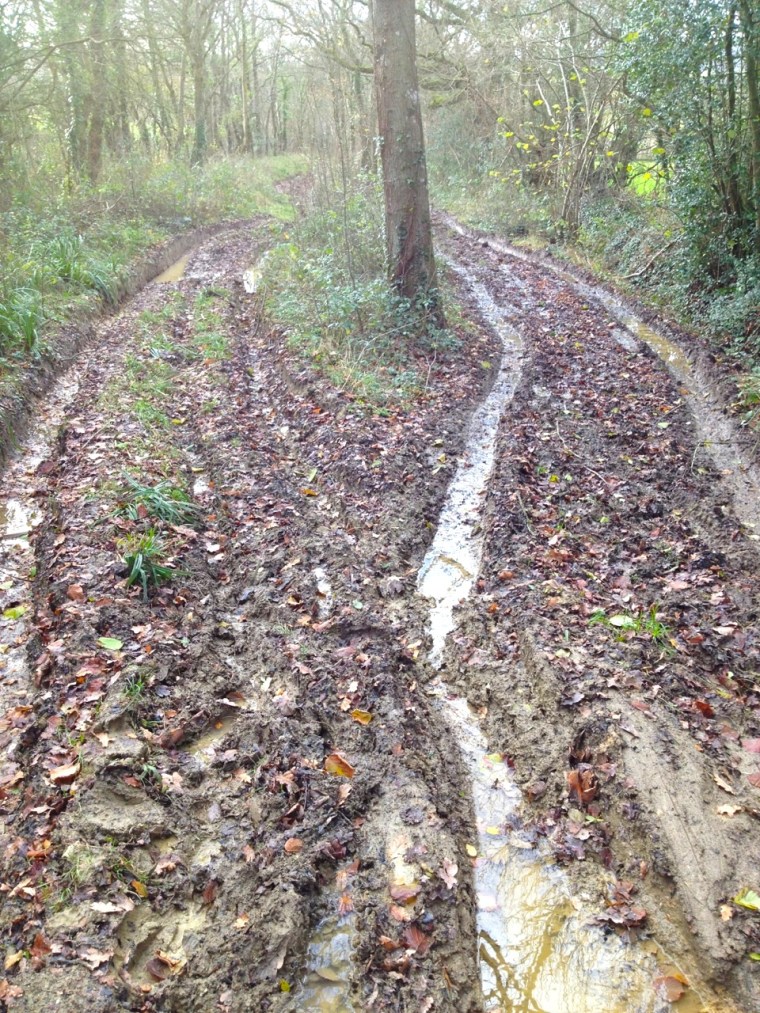
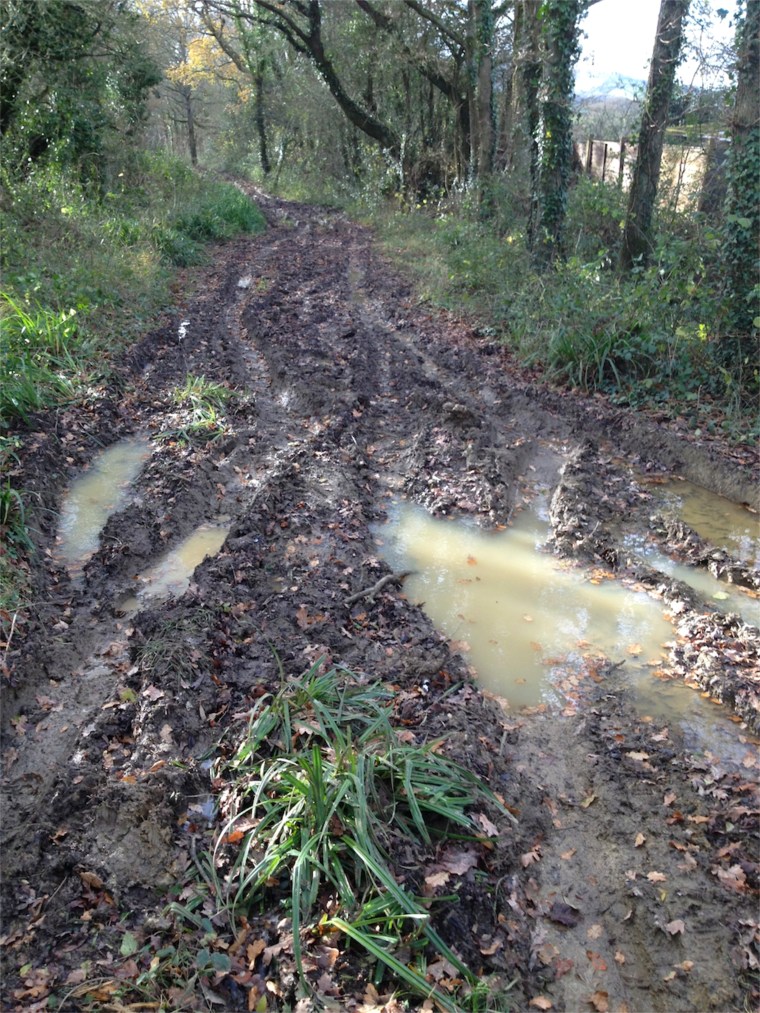
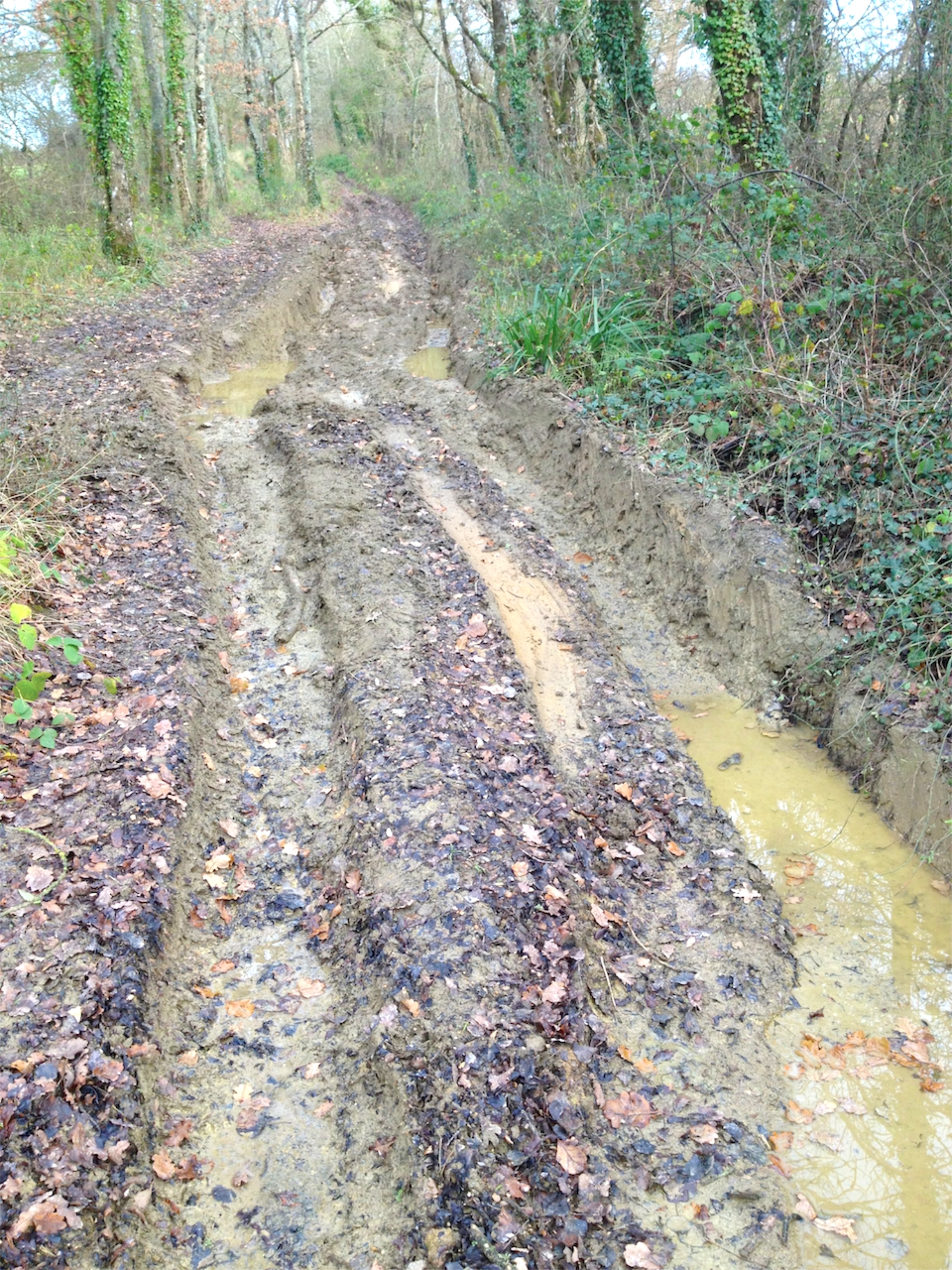
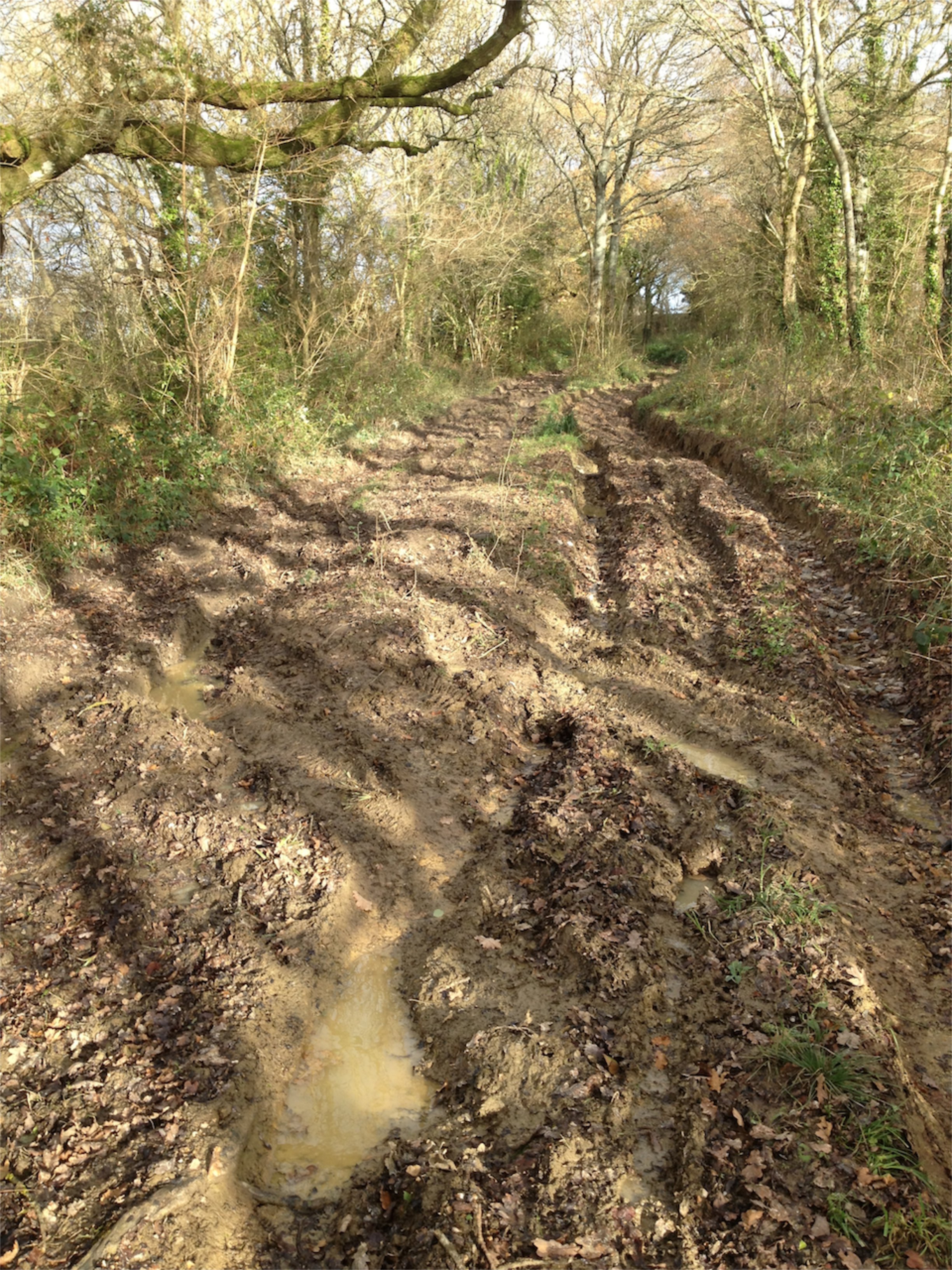
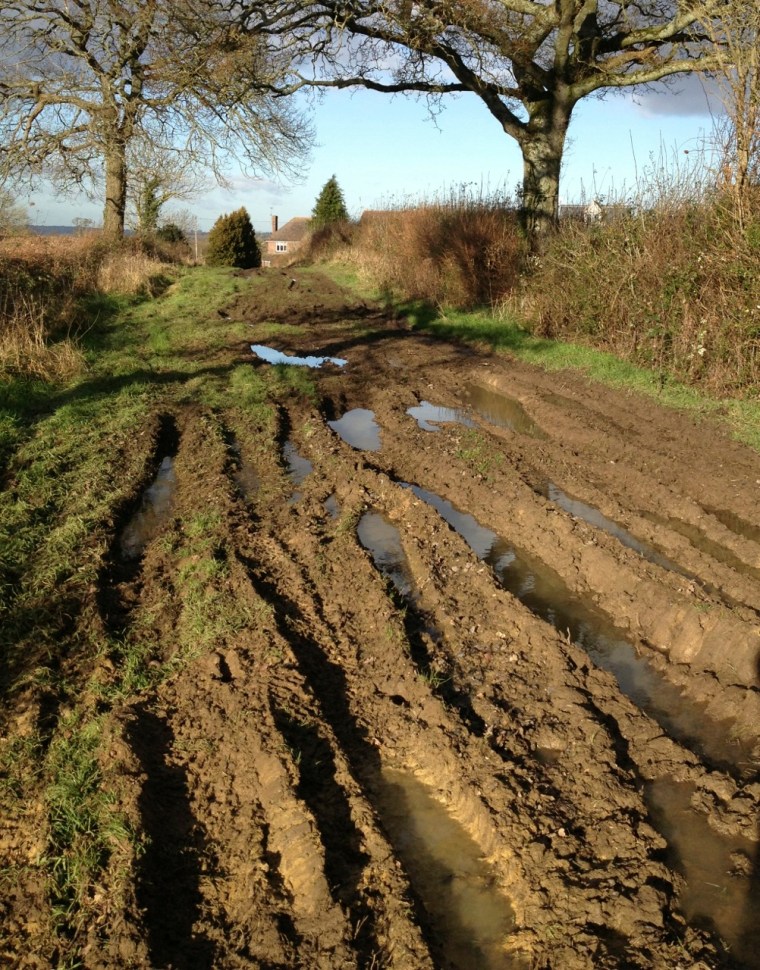
Dorset is to a large extent farming country. We are lucky enough to be in the middle of it, in an area where some farming routines are little changed for centuries. Not in terms of mechanisation and modernised practices, obviously, but simply the question of moving livestock from A to B. Before the arrival of Messrs Tar and MacAdam, most of the  ‘roads’ were mainly cattle and sheep droves. Many of the original un-made droves still exist today, a criss-cross rural network of broad green lanes between thick hedges. These historic byways, mostly designated footpaths or bridleways,  have become the joy of visiting off-roaders who tear them up for their sport and generously leave them for the rest of us to enjoy the aftermath. They meet from far and wide, enthusiastically and noisily make the complex of droves unwalkable, then zoom off again proudly mud-scarred from their recreation…
Dorset Drove 2

I’d have no problem with that at all, if after exercising their ‘right’ to off-road, they would discover a reciprocal ‘responsibility’ to reinstate the land and leave it exactly as they found it. This sound principle is not, apparently, mentioned in “The Off-Roader & Mud Warrior Handbook”. Maybe it should include a page showing Hohfeld’s Analysis of correlative rights and duties. *

Dorset Drove 3Dorset Drove 4 Dorset Drove 5 Dorset Drove 7

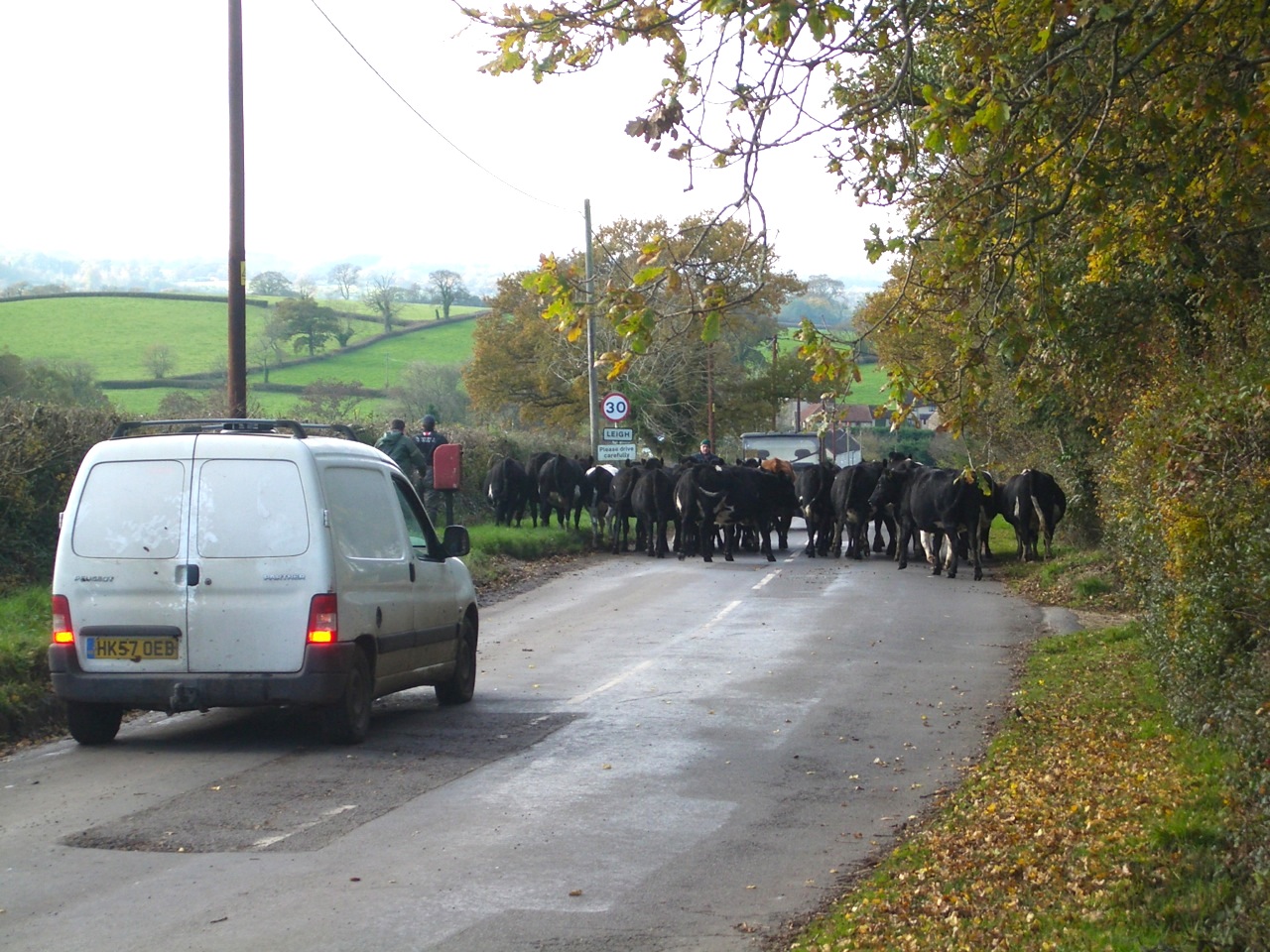
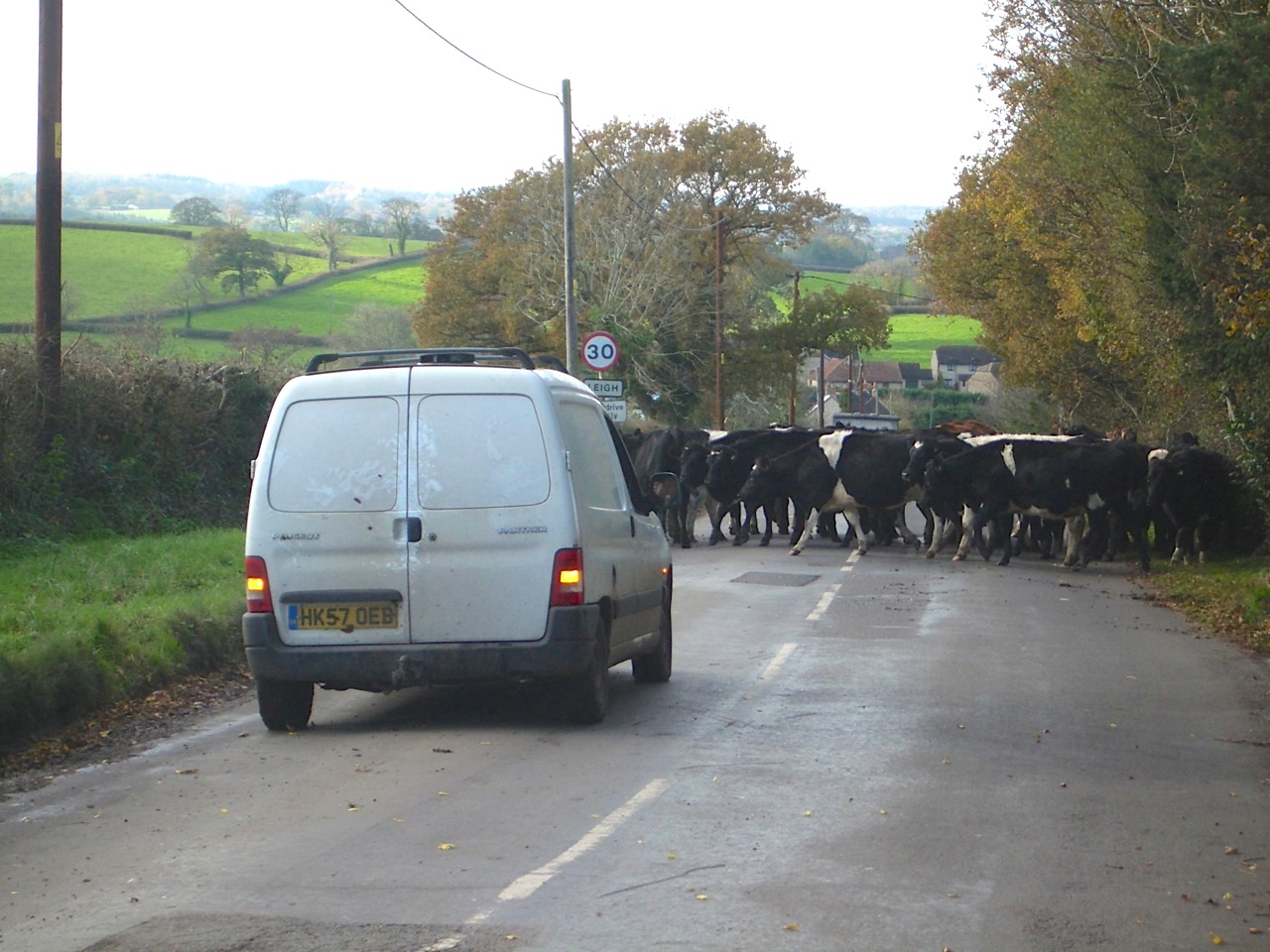
Returning to a more pastoral theme, there are several farms in the village that use nearby fields outside the village for their stock. This entails the regular herding of cattle from farm to field, and in due course back to the farm. Gates are shut. Men with sticks are stationed at junctions to ensure the kine don’t charge down a side road. A tractor precedes the procession, discouraging overtaking by its Massey presence. A van drives behind the herd to encourage the slow forward progress, the sides being banged vigorously when cows begin to hang back. And so they move along the same route as they did in Thomas Hardy’s time and before that, passing our house and leaving copious evidence of their healthy diet in their wake. As they did last week.

Stately progress down the hill to the villageDorset Cow Drive 1
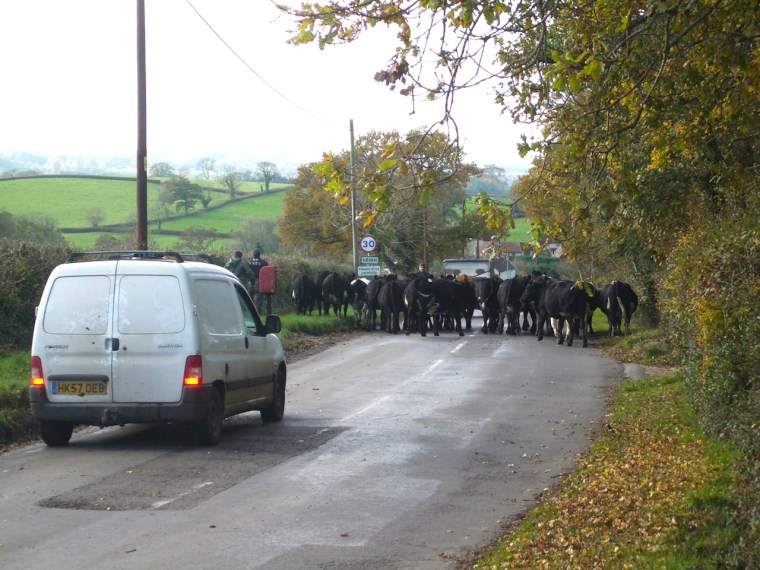
One of  several complete cow-panics, and consequent mayhemDorset Cow Drive 2
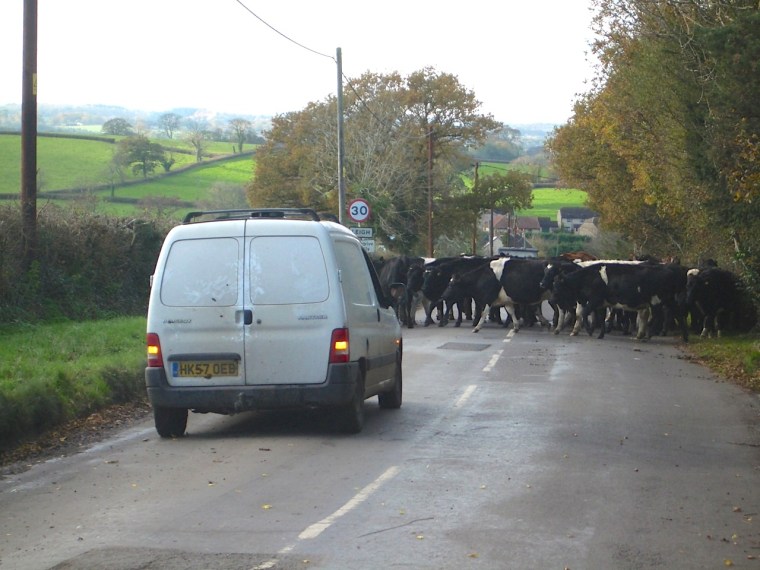
All sorted out and moving generally in the right directionDorset Cow Drive 3

What of the bovine behaviour mentioned in the heading? I expect I have hinted at one sort. There’s another, though, that is a recent development in the last 10 years, and is increasing in frequency and insistence. I took the brief video below on my phone last year. The cows were mooching along the road, from farm to field, in the usual way. I pulled the car tight into the grassy side of the road to watch them pass. Frankly, there was no other option. The line was long and quite slow – this was indeed a classic lowing herd winding slowly o’er the B-road. I opened my window. Only one animal actually tried to push her head inside the car. Almost as soon as I had stopped the film, a car behind me started hooting. And then the car behind that. They were joined by the approaching cars on the far side of the herd. This impatience is regular and increasingly fractious occurrence, so the farmer told me. So the question might be posed: whose right of way? The cows, with their age-old prescriptive right to wander, supervised, down the road from farm to field; or people in their shiny motors and in a hurry?

HOHFELD’S ANALYSIS – A VOLUNTARY DIGRESSION

Hohfeld, a jurist, attempted to disambiguate the term rights by breaking it into eight distinct concepts. He defined these terms relative to one another, grouping them into four pairs of Jural Opposites and four pairs of Jural Correlatives.

(1) (2) (3) (4)
JURAL OPPOSITES
GullBraceLeft.svg
Right
No-right
Privilege
Duty
Power
Disability
Immunity
Liability
(1) (2) (3) (4)
JURAL CORRELATIVES
GullBraceLeft.svg
Right
Duty
Privilege
No-right
Power
Liability
Immunity
Disability

This use of the words right and privilege correspond respectively to the concepts of claim rights and liberty rights. Hohfeld argued that right and duty are correlative concepts, i.e. the one must always be matched by the other. If A has a right against B, this is equivalent to B having a duty to honour A’s right. If B has no duty, that means that B has a privilege, i.e. B can do whatever he or she pleases because B has no duty to refrain from doing it, and A has no right to prohibit B from doing so. Each individual is located within a matrix of relationships with other individuals. By summing the rights held and duties owed across all these relationships, the analyst can identify both the degree of liberty (an individual would be considered to have perfect liberty if it is shown that no-one has a right to prevent the given act); and whether the concept of liberty is comprised by commonly followed practices, thereby establishing general moral principles and civil rights. (Wiki-sourced edit for brevity)
WINTER BRIDGES OF CENTRAL PARK, NEW YORK


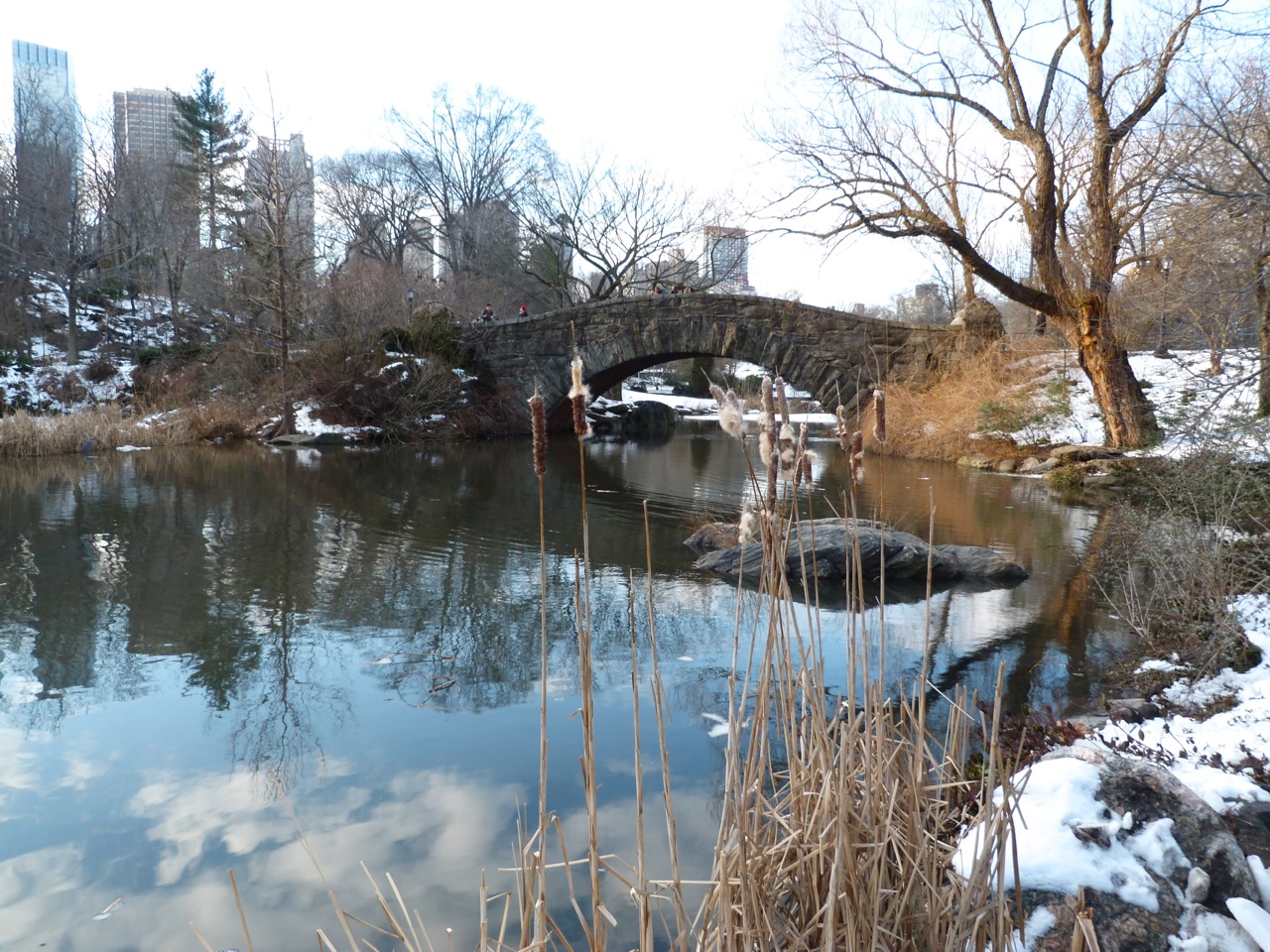
THE POND

Central Park Bridges, NYC 4

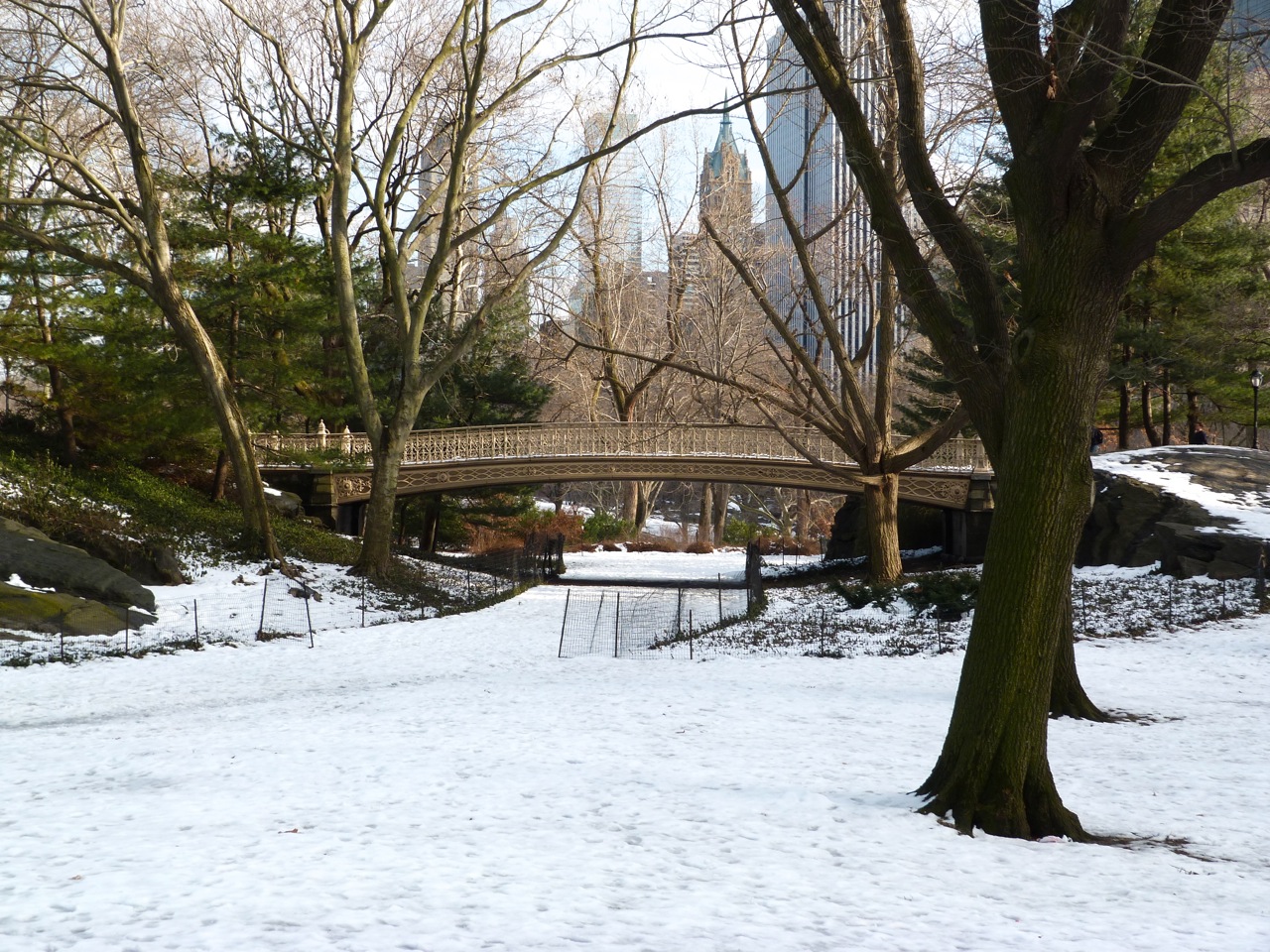
NEAR COLUMBUS CIRCLE

Central Park Bridges, NYC 1

THE DAIRY

Central Park Bridges, NYC 5

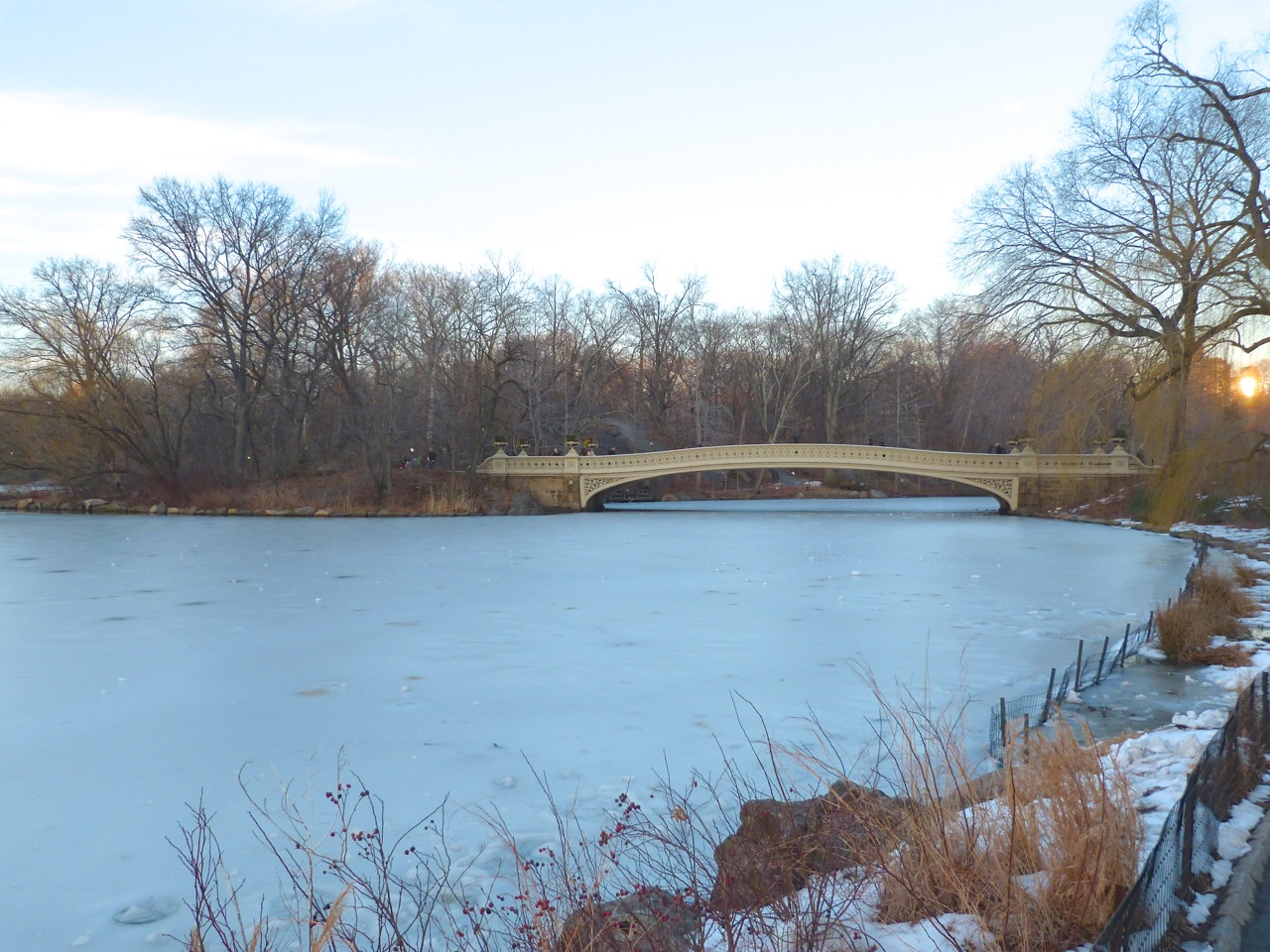
BOW BRIDGE OVER THE LAKE, SUNSET

Central Park Bridges, NYC 7

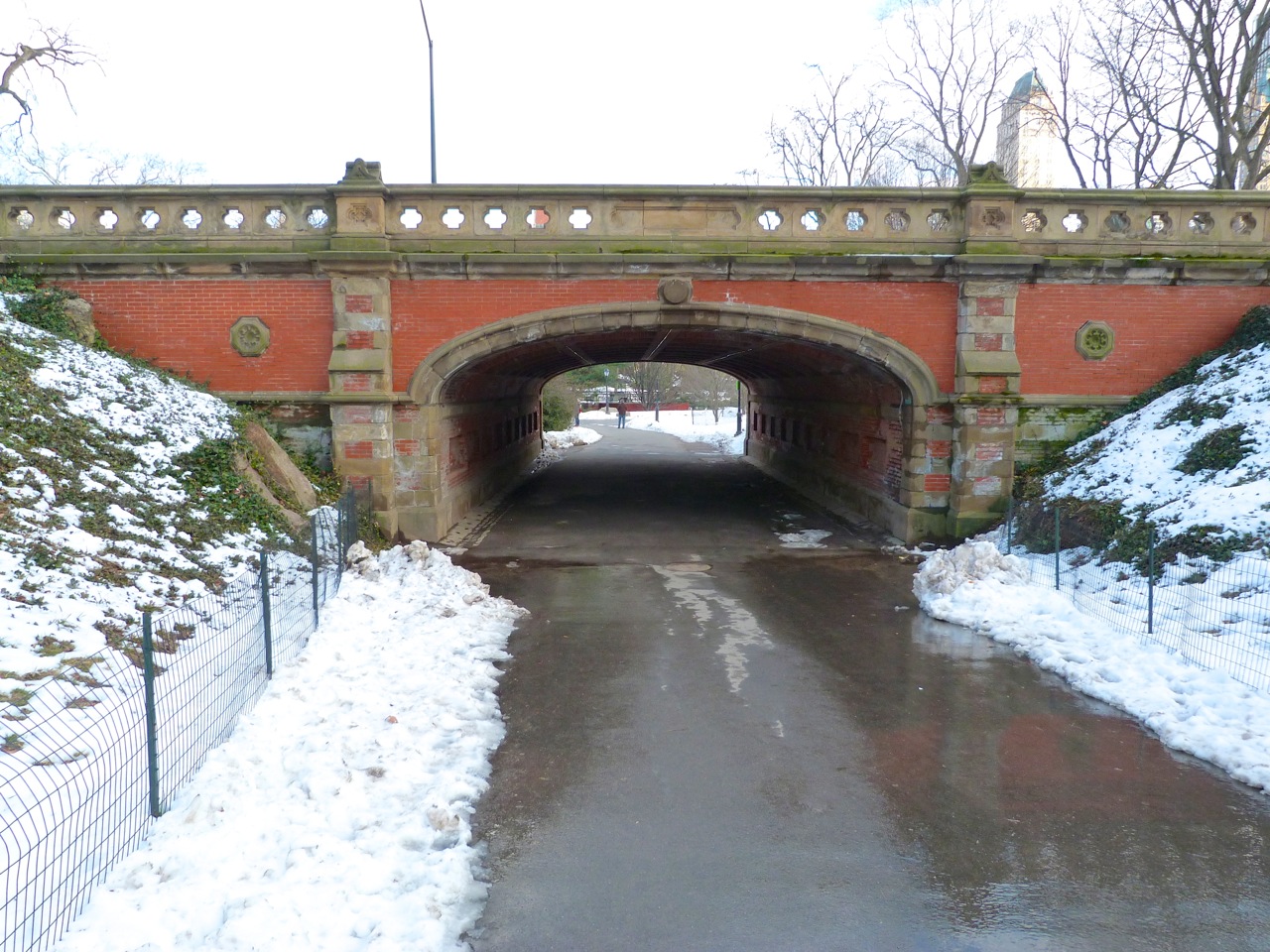
NEAR COLUMBUS CIRCLE

Central Park Bridges, NYC 2Central Park Bridges, NYC 3

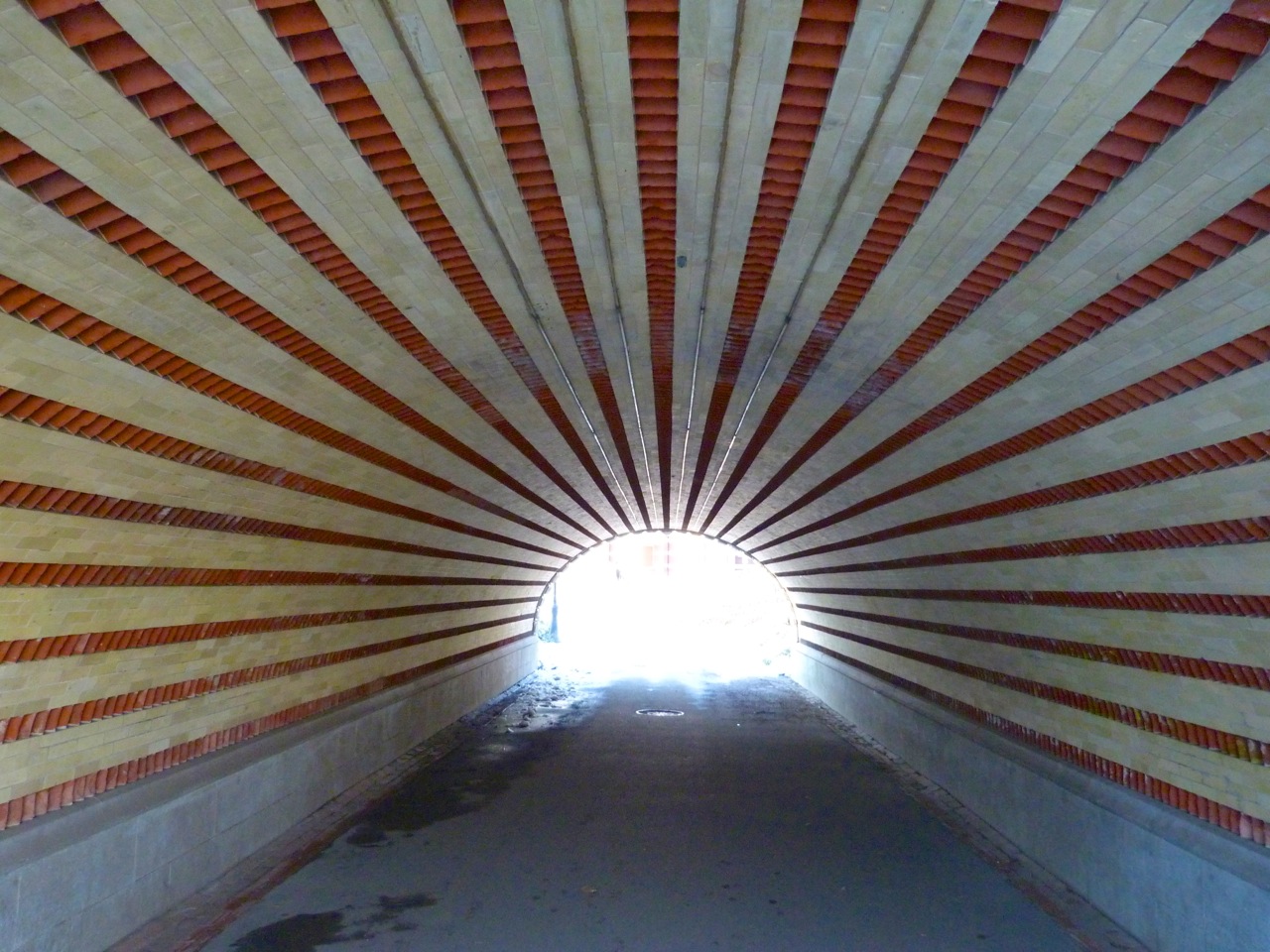
TUNNEL SUNRISE

Central Park Bridges, NYC 6

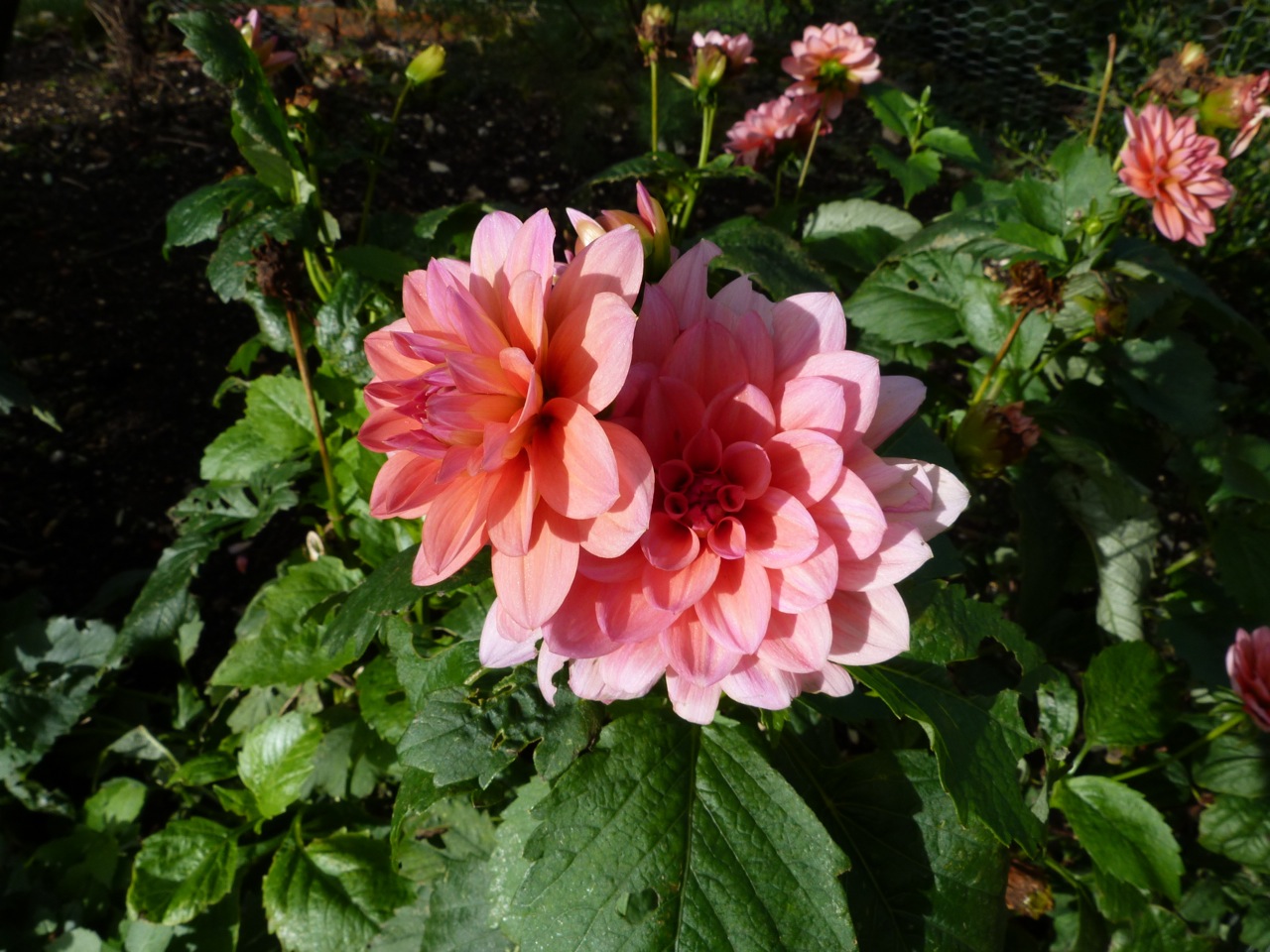
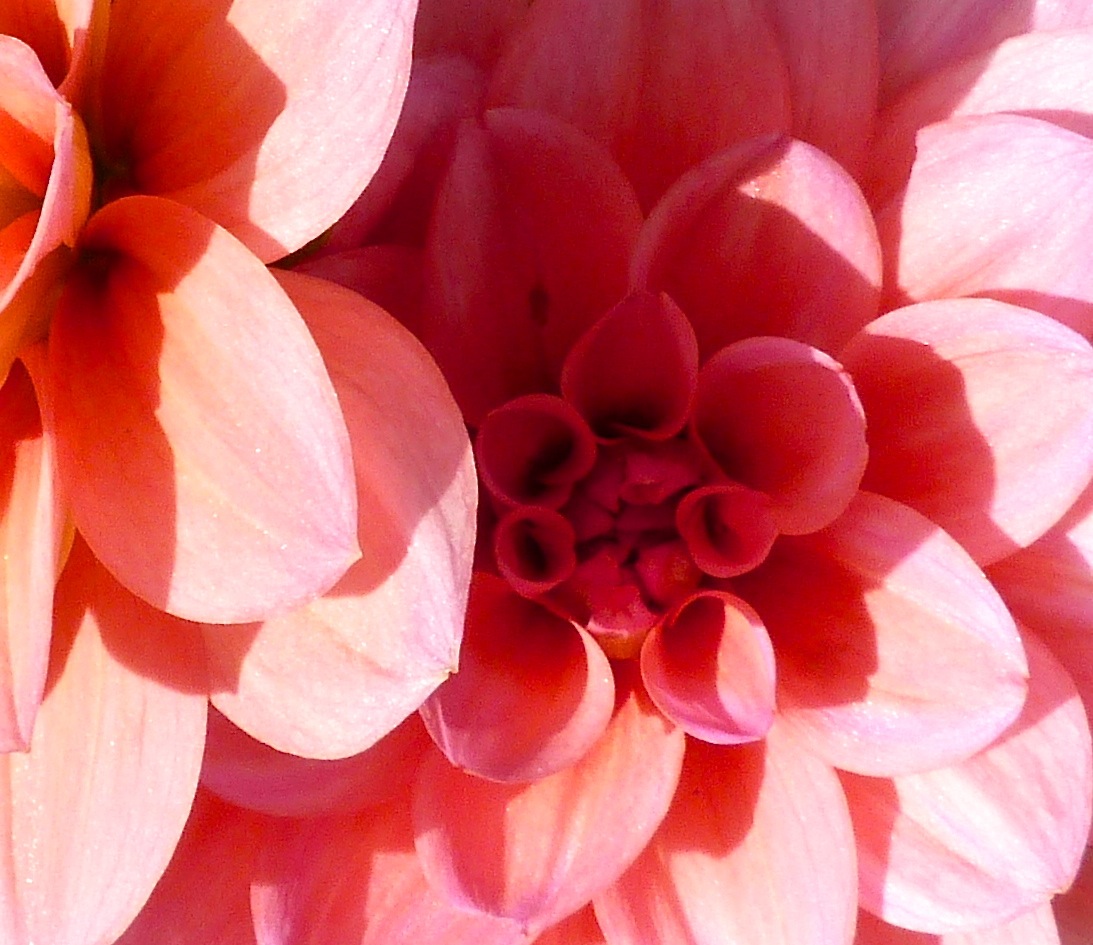
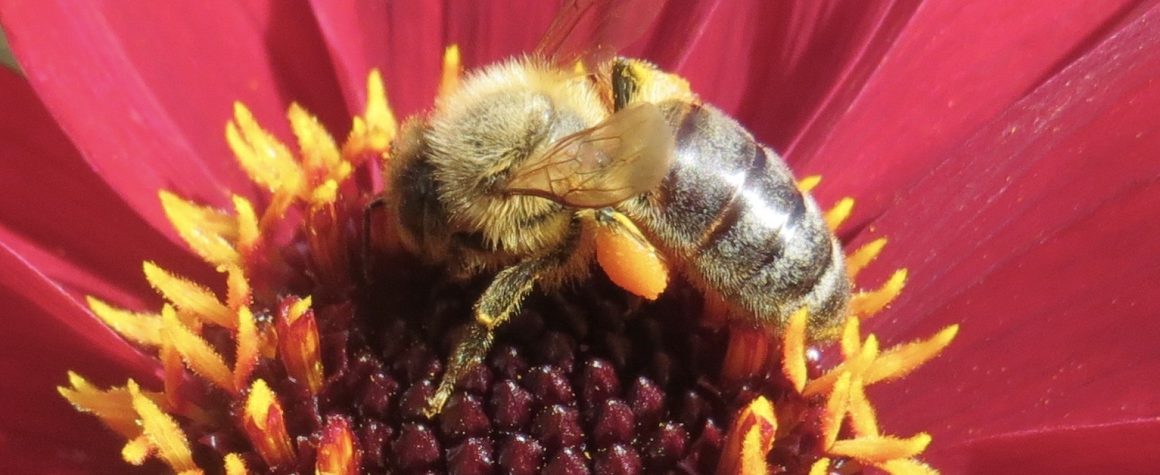
DORSET DAHLIA DEFIES THE ONSET OF WINTER


November. A month when summer flowers are over – or if not, get banjaxed by the first touch of frost. Here’s a dahlia, newly planted this year, that decided to keep calm and carry on. For the moment, at least. The flowers are still near-perfect, even at close quarters; and the leaves haven’t yet started to blacken and go squishy in the traditional way. It’s only a matter of time, though…

Dorset Dahlia 4Dorset Dahlia 1Dorset Dahlia 3Dorset Dahlia 5Dorset Dahlia 2

CENTRAL PARK & ALL THAT JAZZ: “30 BANDS, ONE SET LIST”


Central Park, New York - Bow Bridge & The RambleCentral Park, New York: The Lake, Bow Bridge and The Ramble

9 NOVEMBER 2103. CENTRAL PARK, NEW YORK. 30 BANDS. 1 SET LIST

photo 2

This remarkable event involved 30 different jazz bands spread round different locations throughout the whole of Central Park, simultaneously playing from one carefully timed set list. The ensemble below, the Jazz at Lincoln Center All-Stars (feat. Russell Hall Quartet), were stationed at Cherry Hill, the scenic horse carriage circular turn-around overlooking The Lake and Bow Bridge (see header picture, taken in February)

Central Park Jazz 1

I’m not a jazz person myself, but this sort of open air occasion could get me interested… For anyone who might like to know more details, here’s the set list to give an idea of the breadth of the repertoire and the opportunity for quality soloing. The four-hour event was entirely free. What’s not to like on a misty November day?

12.00 – 1.30 pm

  • Caravan (Juan Tizol)
  • Bemsha Swing (Thelonius Monk)
  • Cherokee (Ray Noble)
  • A Night in Tunisia (Dizzy Gillespie)
  • So What (Miles Davis)
  • Footprints (Wayne Shorter
  • Maiden Voyage (Herbie Hancock)
  • Take 5 (Paul Desmond)
  • Tenor Madness (Sonny Rollins)

Central Park Jazz 2

2.00 – 3.00 pm

  • Take the A Train (Billy Strayhorn)
  • Harlem Nocturne (Earl Hagen)
  • Stompin’ at the Savoy (Chick Webb)
  • Grand Central (John Coltrane)
  • Central Park North (Thad Jones / Mel Lewis)
  • New York City (Gil Scott Heron / Brian Jackson)
  • A Foggy Day in London Town (George Gershwin)
  • Las Vegas Tango (Gil Evans)
  • We live in Brooklyn, Baby (Harry Whittaker)

3.30 – 4.00

  • Encore – Original Material [‘Free-for-all’]

ON KEYBOARDS…

(Note horse carriage passing in the background at 0.10…)

photo 4 copy

SAX APPEAL…

Central Park New York - Bow Bridge & the RambleCentral Park, New York: The Lake, Bow Bridge and The Ramble near dusk

Credits: RH – Bow Bridge images; Mrs RH + iPh@ne – the rest of the Jazz

DARTMEET: AN EASY SCENIC WALK ON DARTMOOR


Dartmoor - Dartmeet Walk 6

This is a simple 3-generation Dartmoor hill walk from a rustic car park just east of Dartmeet, the confluence of the West and East Dart rivers. Unchallenging. Great views. Interesting (pre?)historic trackway. Ponies. A grid of side-tracks to explore. Rocks and stones. Something for everyone. The ringed area below shows the track, which ultimately leads to a ruined village, now barely discernable. 

Dartmoor Walk, Dartmeet 1Dartmoor Track

I find in retrospect that my photos of the route  tended to concentrate overmuch on the  ‘agger and fossum’ aspect of the track. There’s a perfectly good natural track to walk up. It looks a fairly steep start, but I assure you it is easy walking…

Dartmoor - Dartmeet Walk 1 Dartmoor - Dartmeet Walk 2 Dartmoor - Dartmeet Walk 3Dartmoor - Dartmeet Walk 5

Looking back down the hill to the car park        Dartmoor - Dartmeet Walk 4

At the top are inviting side tracks leading off the main oneDartmoor - Dartmeet Walk 7Dartmoor - Dartmeet Walk 9

No walk here would be complete without at least one pony and foal pairDartmoor - Dartmeet Walk 8

There are fine views in all directions, especially from the east right round to the westDartmoor - Dartmeet Walk 10Dartmoor - Dartmeet Walk 11Dartmoor - Dartmeet Walk 12Dartmoor - Dartmeet Walk 13Dartmoor - Dartmeet Walk 14Dartmoor - Dartmeet Walk 15Dartmoor - Dartmeet Walk 16Dartmoor - Dartmeet Walk 17Dartmoor - Dartmeet Walk 18

Not much grows here except grass and the exceptionally hardy gorse and heatherDartmoor - GorseDartmoor - HeatherDartmoor - Heather & Gorse

Dartmoor - Dartmeet Walk 19

Photo credit: Berry (7), who loved the walk & took the more interesting photos

“ROSES ARE RED…” EVEN IN NOVEMBER


November Roses, Dorset 2

As part of a clearing project in the spring, we rescued an old rose that had been smothered by ivy and creeper. Two thirds of it was dead, and was simply hacked out and removed.  The rest was decidedly unwell, so we took a ‘kill or cure’ approach and cut it right back. It responded by shooting vigorously and is now,  in the first week of November, on its second flowering of the season. Amazingly, the flowers are almost entirely blemish-free; and the formerly diseased leaves are fresh and green. I expect the first frost will spoil them, but on a sunny late autumn day, they are cheerful sight. November Roses, Dorset 7November Roses, Dorset 1November Roses, Dorset 4November Roses, Dorset 3November Roses, Dorset 5

Mrs RH chose and planted this rose when she was in her early teens. It’s good to have revived it now. It would be nice to know the variety.

PORTLAND BILL, DORSET – ROCKS & FOSSILS 1


Pulpit Rock is an artificial stack of rocks at the southern tip of Portland. It was created in the 1870s during quarrying as a relic of the industry. It is climbable and is apparently somewhere that the adventurous like to ‘Tombstone’, an activity beyond my imagining.

PULPIT ROCKPortland Bill, Dorset - Pulpit Rock

The flaggy flat areas near the rock are reminiscent of the ‘Flaggy Shore’ of the Burren, Co. ClarePortland Bill, Dorset - Rocks & Fossils 2Portland Bill, Dorset - Rocks & Fossils

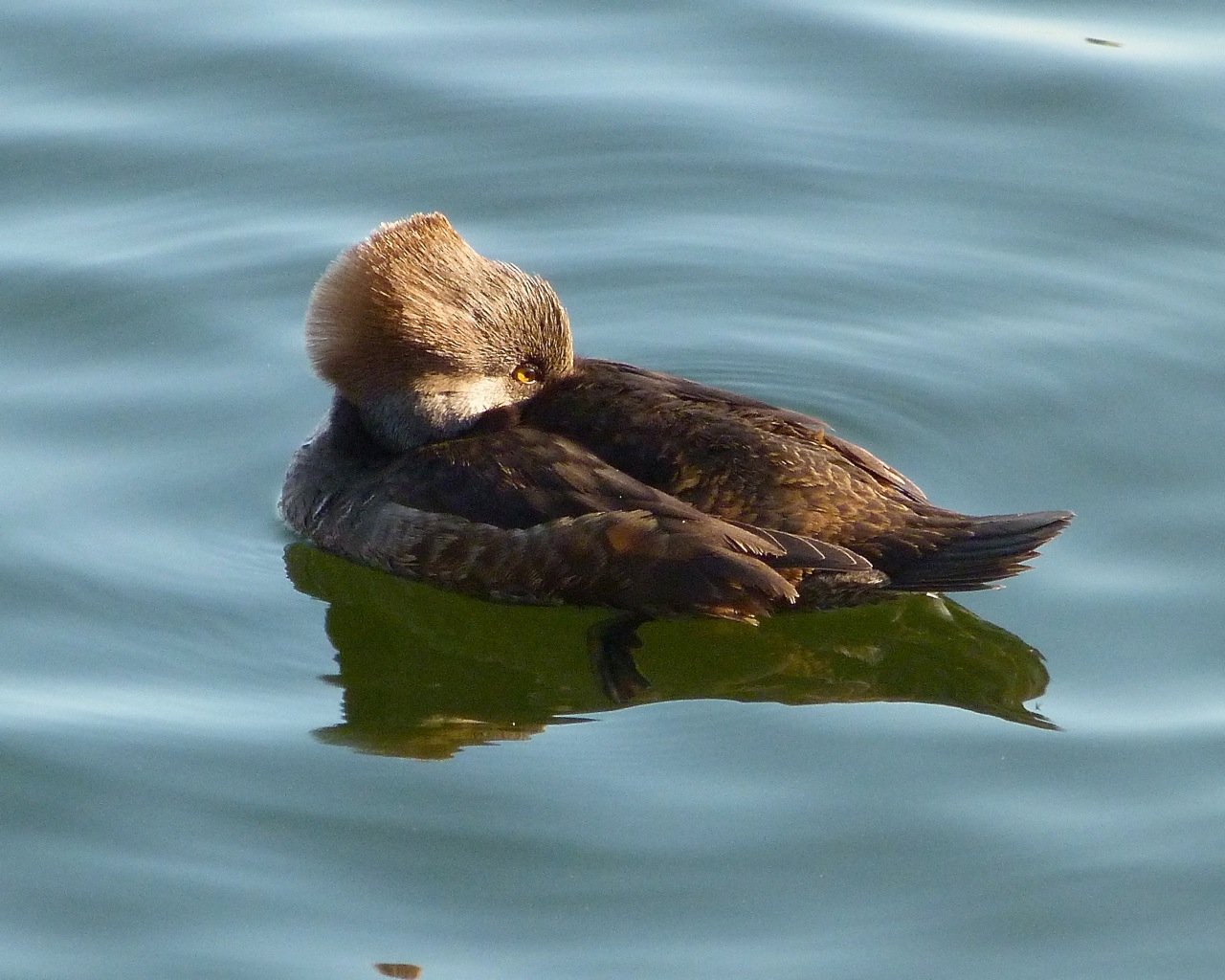
Rock. And a pretty wheatear. There were also meadow pipits, and lots of gulls Portland Bill, Dorset - Rocks & Fossils 3

The rock surfaces all round Pulpit Rock is known as ‘Snail Shore’, embedded with millions of snail, oyster and mollusc shells from what was once the seabed in Jurassic times. Here are a few examples, some surpassingly large.Portland Bill, Dorset - Rocks & Fossils 4 Portland Bill, Dorset - Rocks & Fossils 5 Portland Bill, Dorset - Rocks & Fossils 6 Portland Bill, Dorset - Rocks & Fossils 7 Portland Bill, Dorset - Rocks & Fossils 8

An arty shot of Pulpit Rock to end with, taken into the sun with mixed successPortland Bill, Dorset - Pulpit Rock 2

HEY JUDE! THEY CALL IT STORMY MONDAY…


Earlier today I posted a lot of dramatic  ‘Storm Jude’ images on my main blog, which relates to the island of Abaco, Bahamas and its wildlife. You can see that post HERE. The Bahamas storm season last from July to October, and most years a hurricane or severe tropical storm passes through, leaving a trail of destruction. It’s a part of life, and the settlements and communities are prepared for the annual likelihood of battening down of hatches and disruption. This year has, amazingly, been clear of any major storms. Last year, Sandy passed directly over Abaco; the previous year, it was Irene.

Hurricane Jude? Jude-zilla? Whatever name the UK’s storm of the last 24 hours becomes known by, the country had plenty of warning of its arrival – unlike the last major storm in 1987. Here are some images that a friend send me today of the aftermath of the storm in the Helford River area of Cornwall.

P1020016P1020006P1010960P1010961P1010959P1020015All Photos: Clare Latimer