A collection of seagulls of various ages strutting their stuff on the beach at West Bay, Dorset
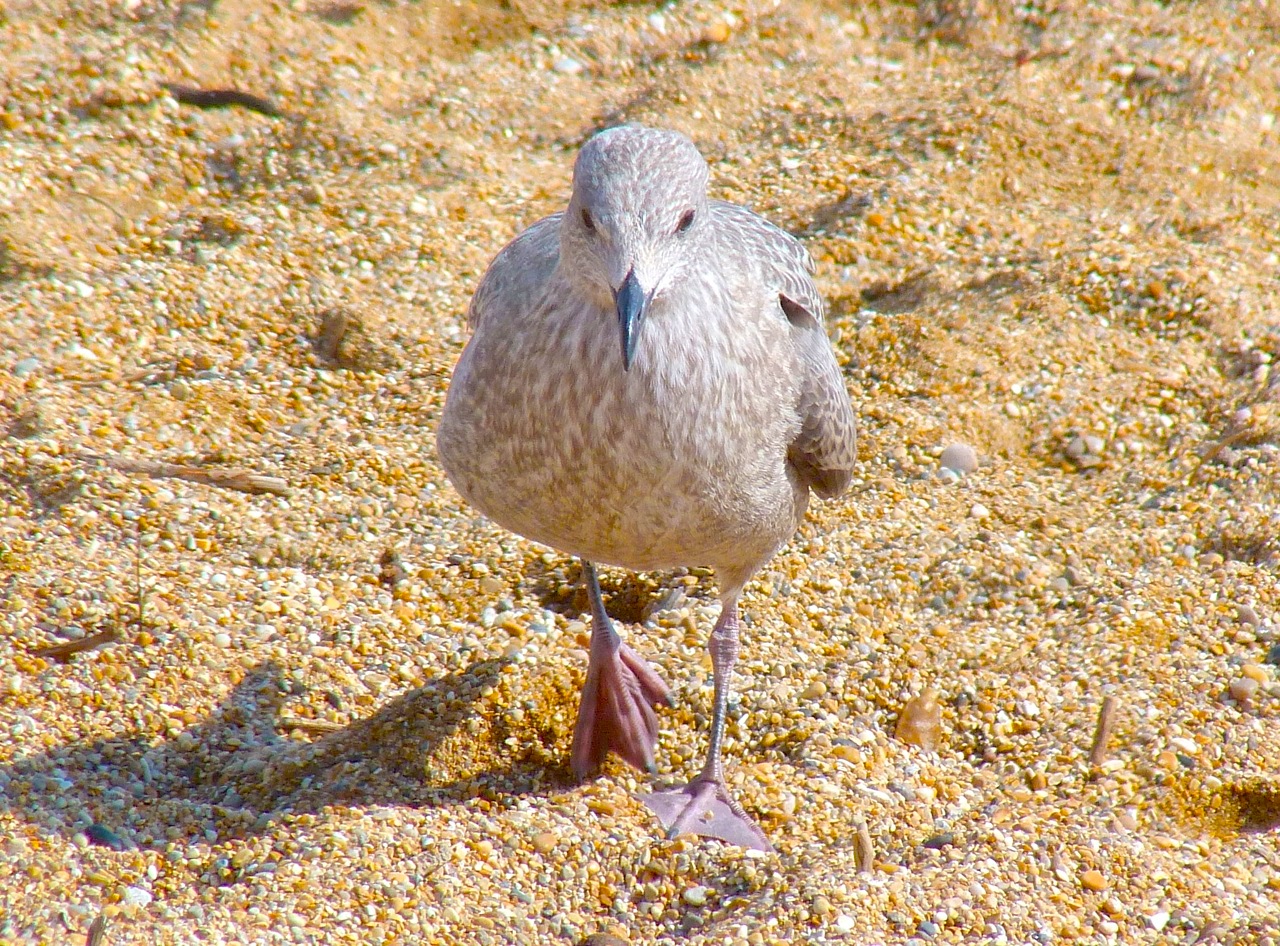
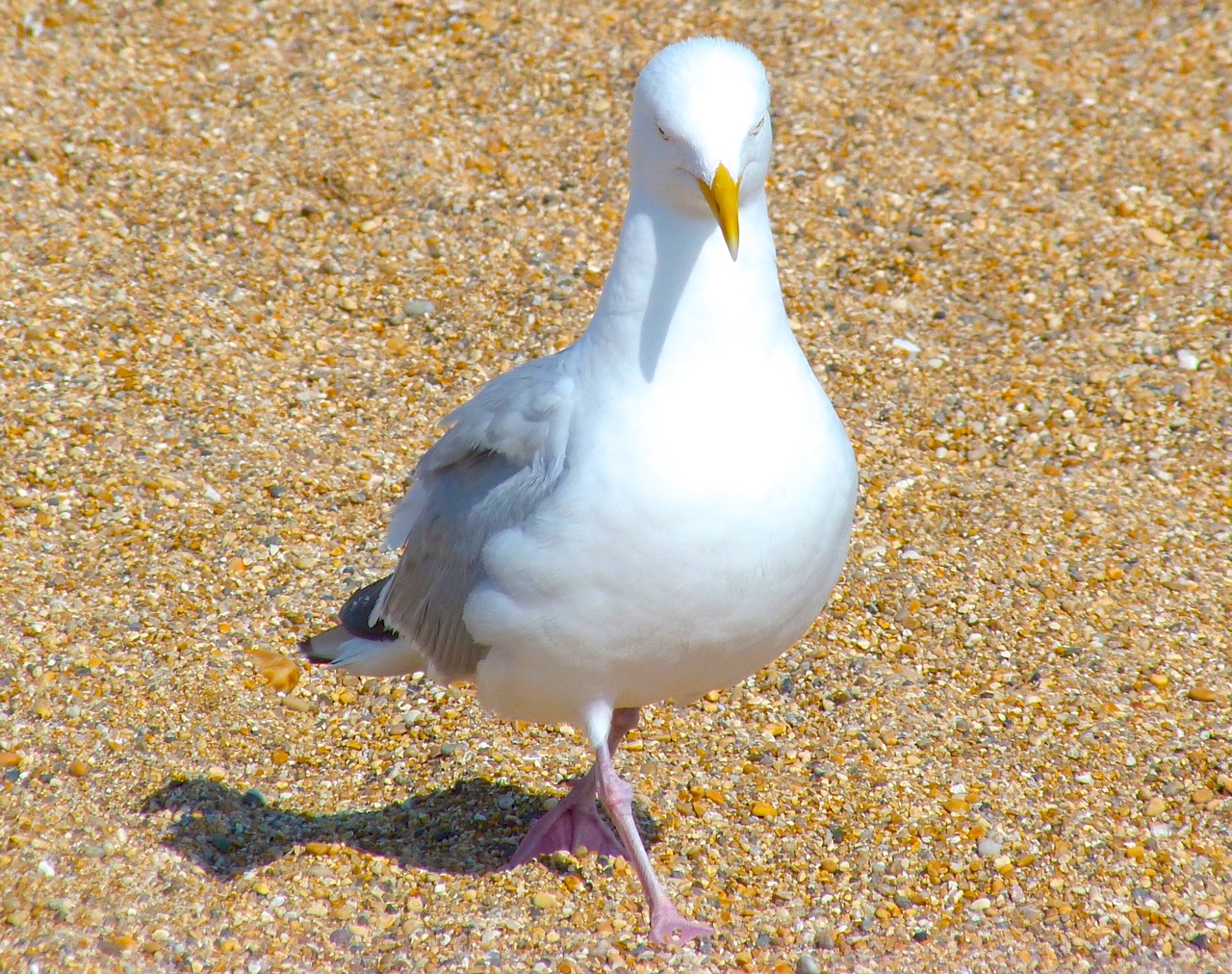


A collection of seagulls of various ages strutting their stuff on the beach at West Bay, Dorset
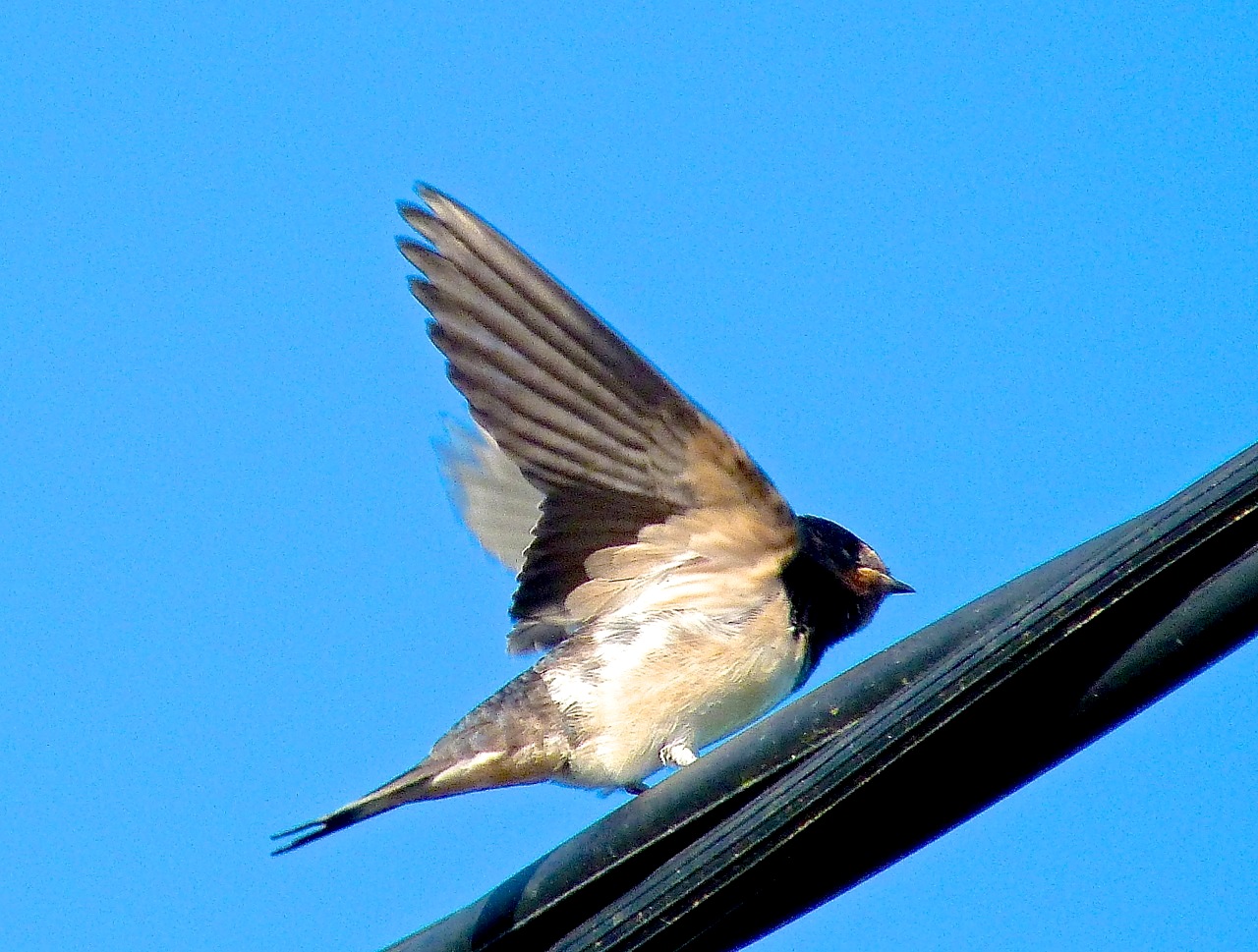
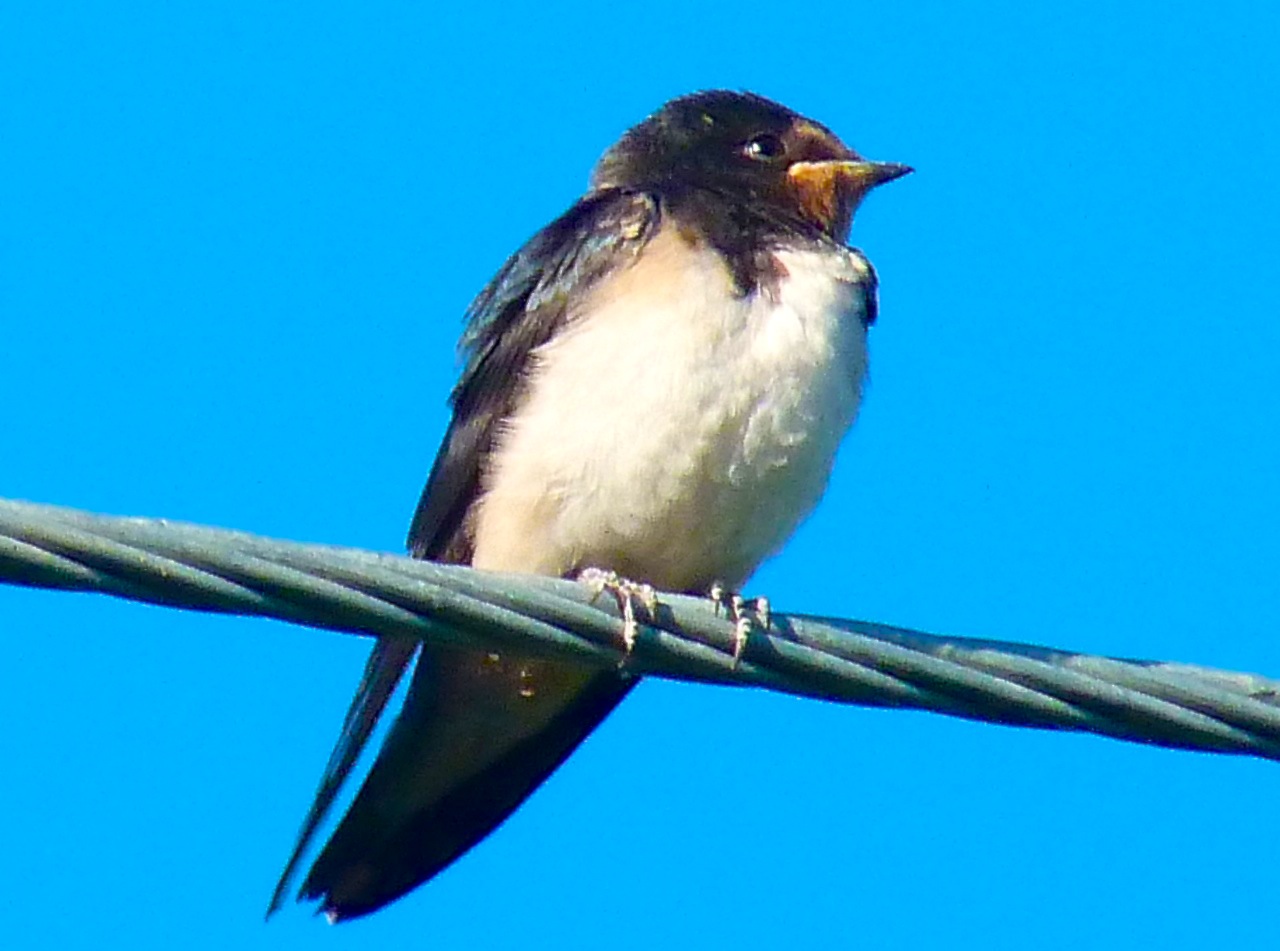
A few photos taken in July and August of swallows in Dorset. Our recently installed upgraded electricity cables are ridiculously large, but at least they provide a solid perch for the birds. The adult swallows shown are followed by a young trainee swallow nabbing a passing insect; and some cute fledglings including one (penultimate) who decides to call for its food the easy way – and the compliant parent… 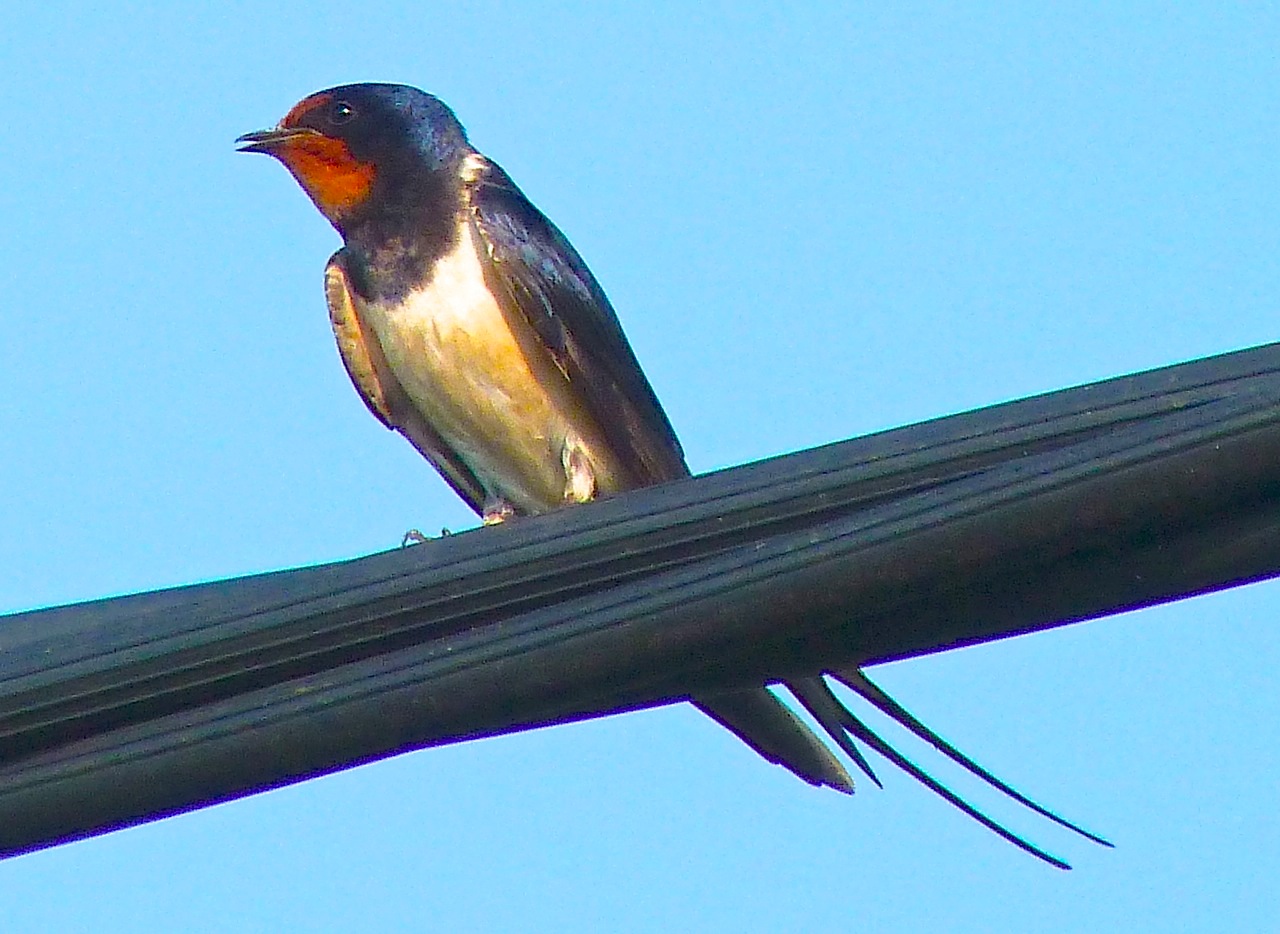





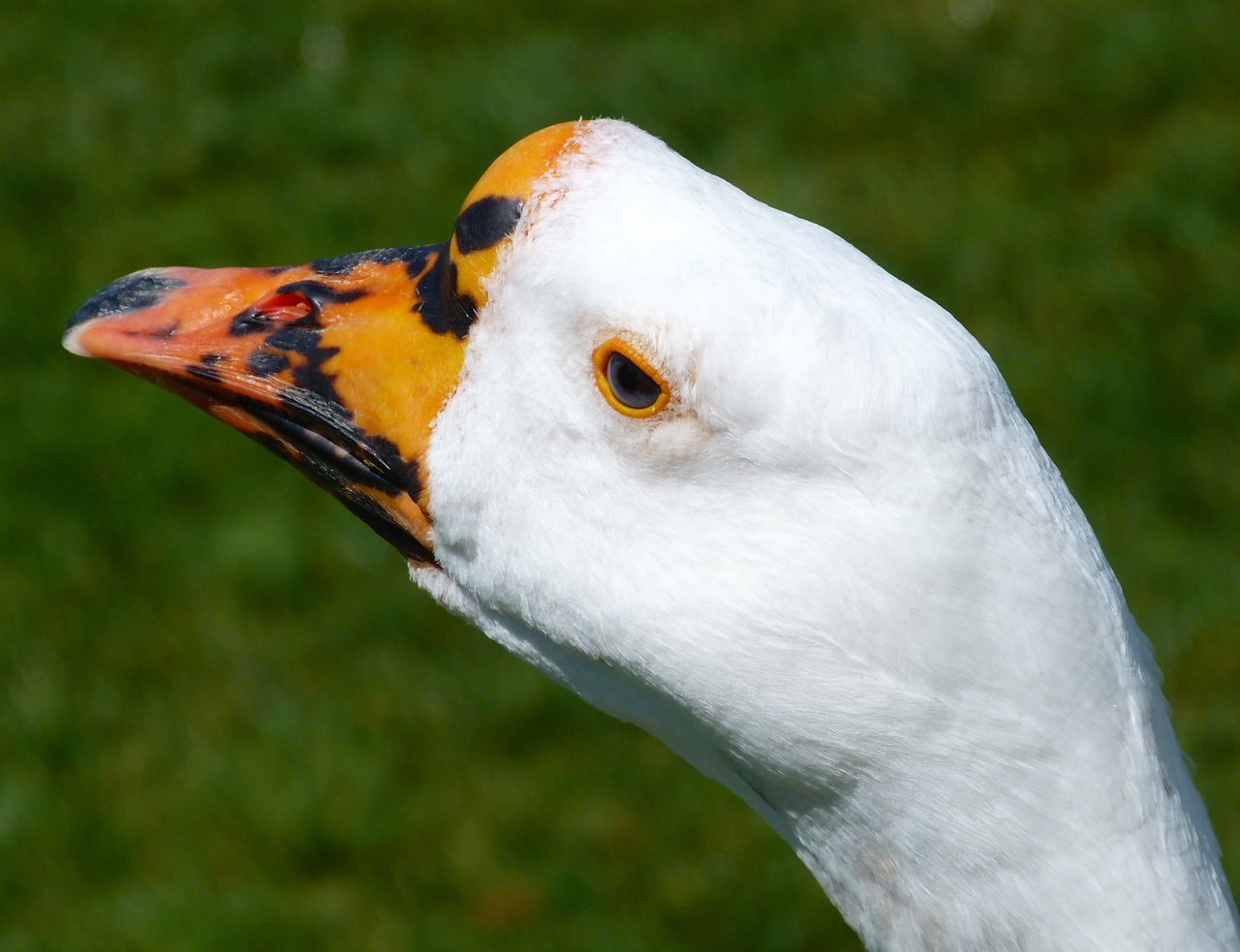
I photographed this bird yesterday in Warwickshire. It was hanging out with several ‘normal’ white geese on the banks of the Avon at Bidford, yet it was not like them. I’ve had a look online for a goose breed with blue eyes, orange eye liner, an orange beak speckled with black and a bulbous forehead. I’ve found nothing like this. The answer may be that it the age or seasonal stage of a particular goose species. Or a strange swan-cross: a swoose or gwan? The last photo shows the whole creature. I’d welcome a definitive ID (it may be completely obvious, but my mind has gone blank on this one… ).



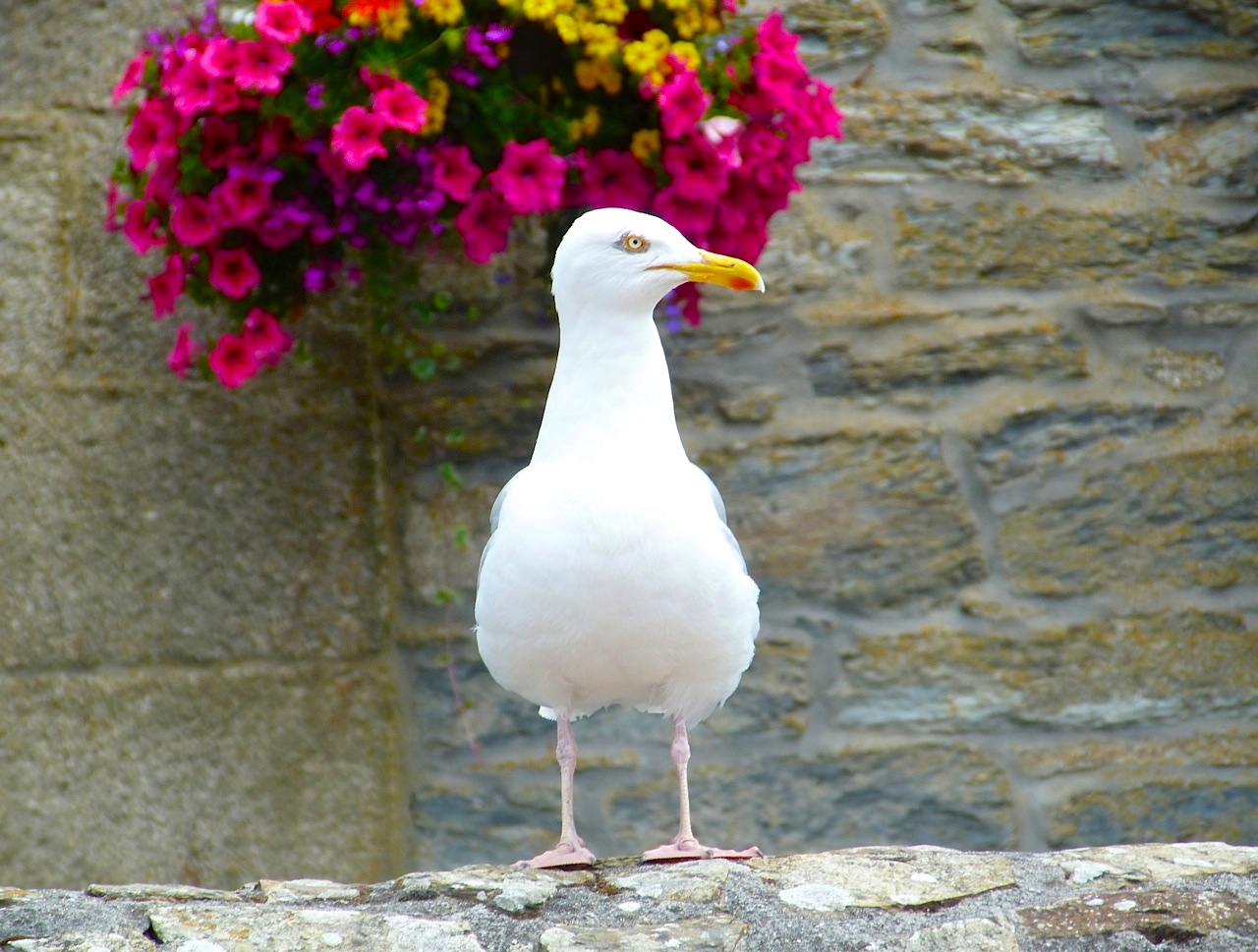


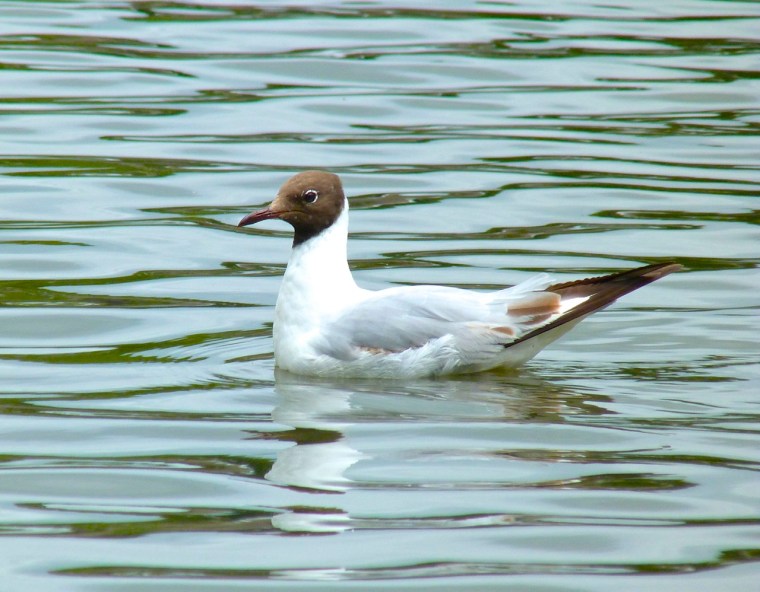
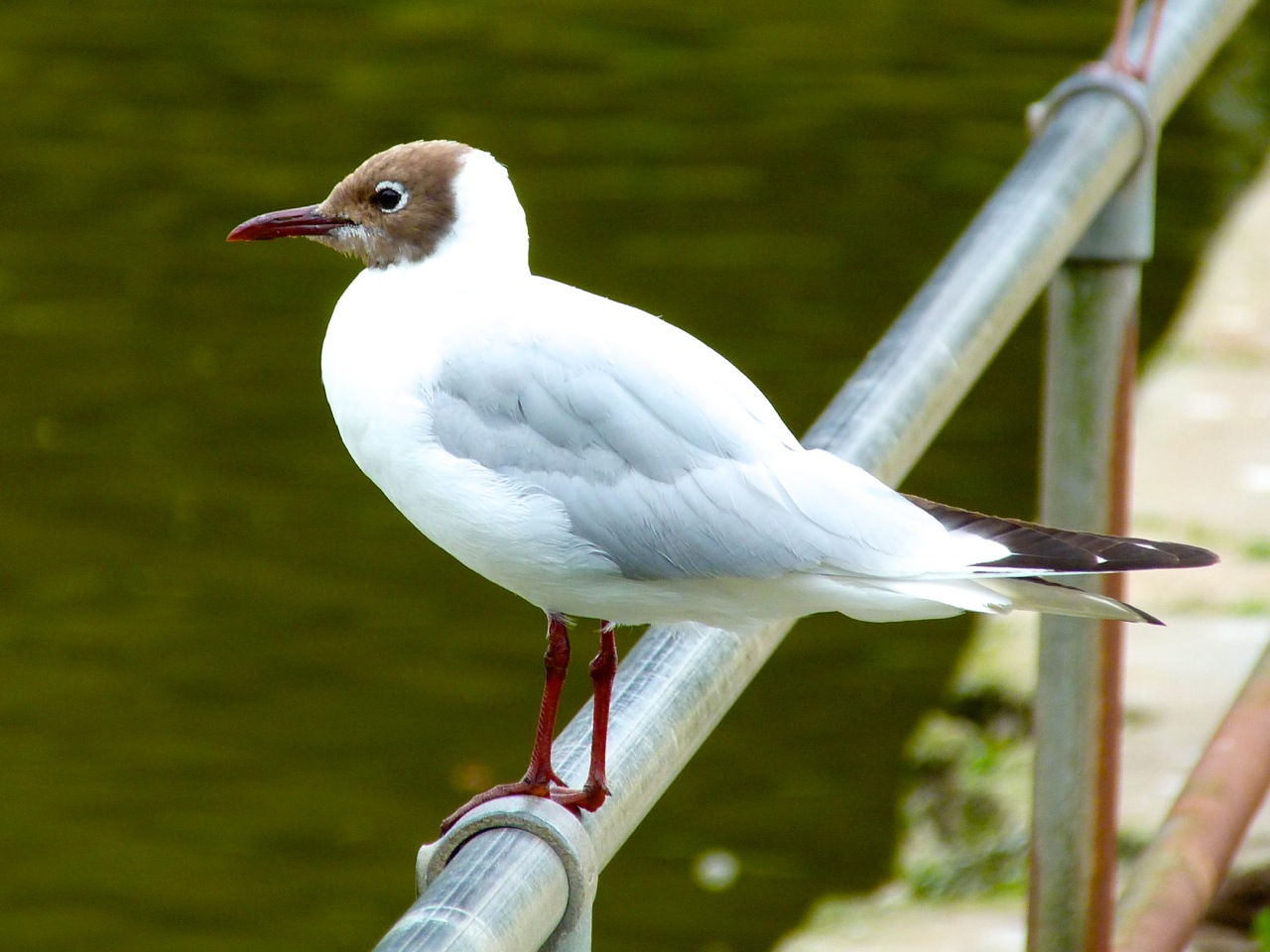
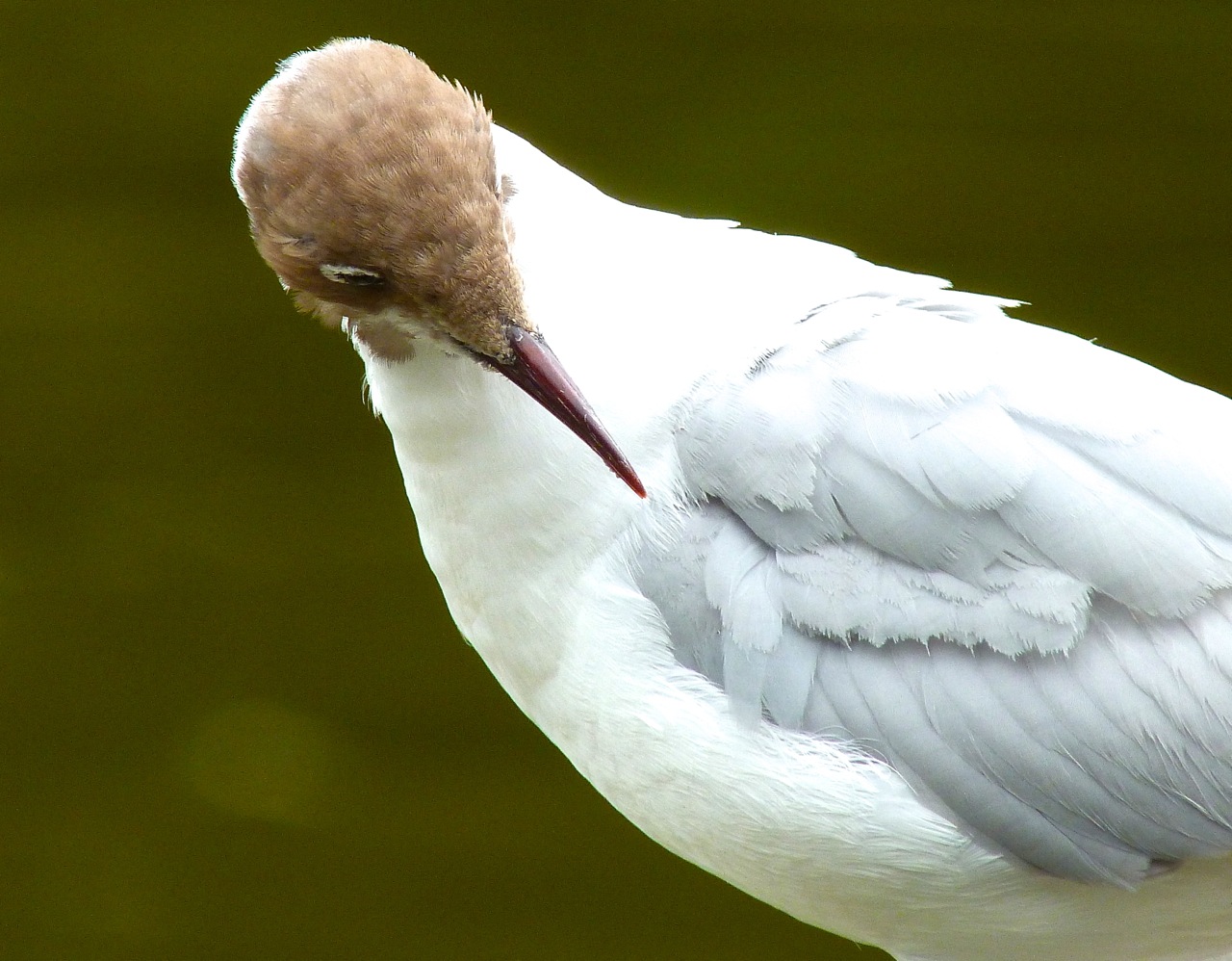
More properly, the “Chocolate-brown-headed Gull” which is how they appear in summer. These photographs are the first in a prospective series of seabird posts based on photos taken last week in Cornwall.


The first I knew was a light thump against the window as a newly fledged wren chick misjudged its landing on the windowsill. By the time I had grabbed a camera and gone outside, it was sitting happily on the ground, cheeping persistently. It was tiny, yet completely unconcerned by my inching towards it while fiddling with the camera. I fired off a few shots, then it fluttered ineptly to a 5-barred gate. There were other piping little calls around, so plainly there were others. In the end I saw 4 that had flown, and located the nest in the stable – I could hear the plaintive peeping of the last to leave the nest. There were dark and pale birds, presumably male and female. Mostly they stayed separate though in the same area. However I did get one shot of a pair on the top rail of a gate – suitably posed for a caption competition. So here are a few of the photos of miniature versions of what is already one of the UK’s smallest species. For size comparison, the stones are small gravel chips.


Captions?
I tried to get some photos mid-cheep – surprisingly difficult to do. Mostly the attempts did not work out, but I quite liked this little fledgling having a squeak in the middle of an area of gravel
My last post was a short video of coots at WWT Barnes feeding weed to their young, something I hadn’t seen before. Last weekend we had our 2-year old granddaughter to stay and took her to Ravenscourt Park (West London) to look at squirrels, ducks and a lot of manky feral pigeons. There were coots on a nest in the middle of the lake; and there were more strutting round on the grass. I don’t think I have ever bothered to notice the peculiarities of a coot’s foot before. To many people, myself included, a coot is mainly a moorhen with a white beak arrangement instead of a red one. So take a look at a foot comparison. Double-click for a detailed view, especially the close-up #3.


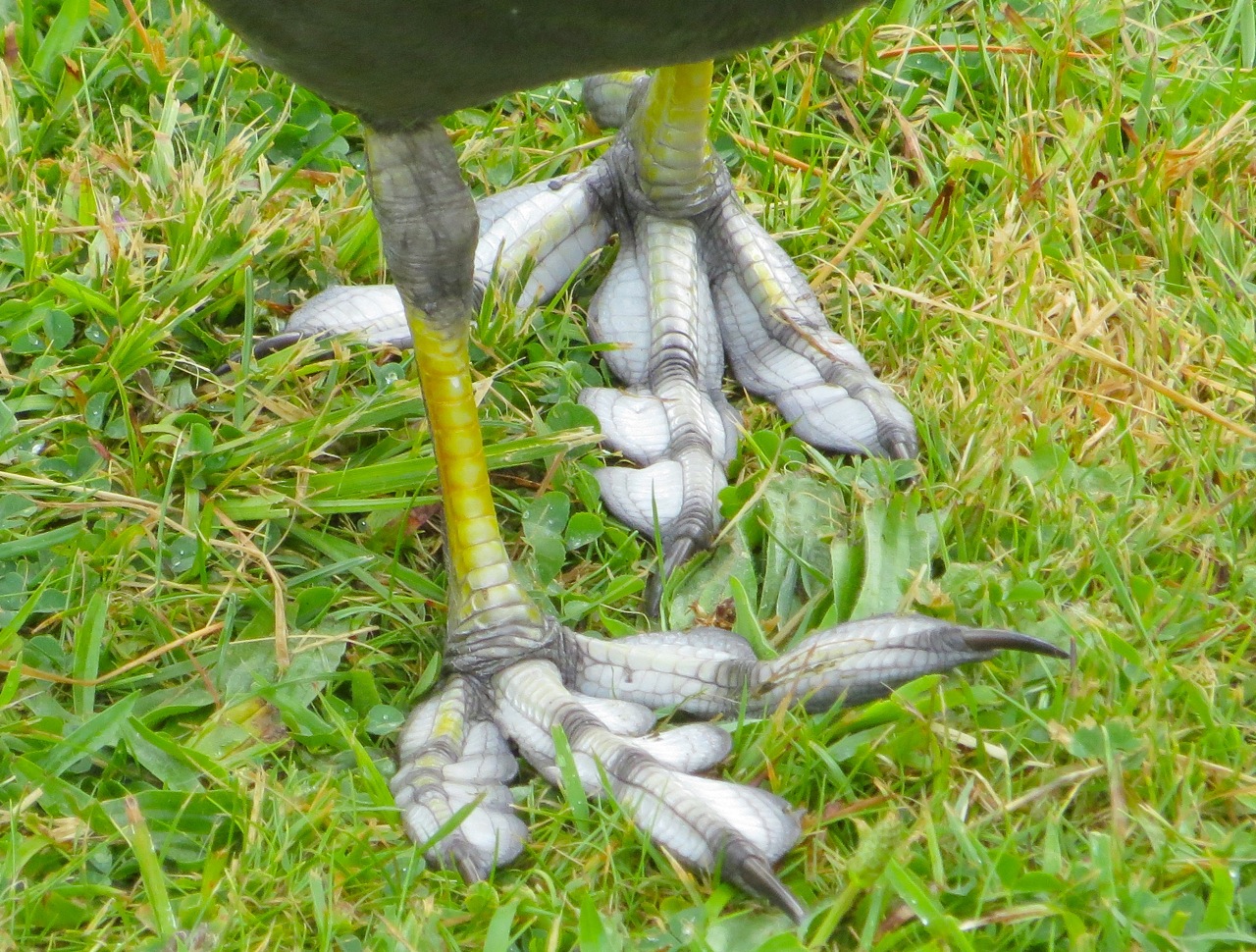
Moorhen’s feet for comparison – completely different structurally
A couple of days ago I wanted to photograph some birds – Black-bellied Whistling Ducks for my main blog – at WWT Barnes at a moment when I had no camera with me. So I had to use my phone. There were some coots feeding their chicks in an amusing routine involving a great deal of work by the parents. I was amused by the little chick that didn’t join the frenzy, but quietly grazed on the vegetation at the edge of the pond.
We had a visitor yesterday. He announced his arrival by tramping around on a length of corrugated plastic roofing. I noticed he was ringed, double ringed in fact. So he was clearly an important visitor. I spent ages trying to get the numbers on the 2 rings, especially the ‘inside’ parts. When his legs were visible, he was too far for me to make out the numbers. When he was close (some corn helped), he was too plump for me to get a glimpse of his inside leg. In the end, once he had happily made himself at home and strolled into the house, I lay drown and photographed his undercarriage. Undignified for both of us, but by zooming on-screen I got the full numbers. So if anyone out there owns J03547 (Jersey prefix?) with a phone number 739776, I’ve got your bird…
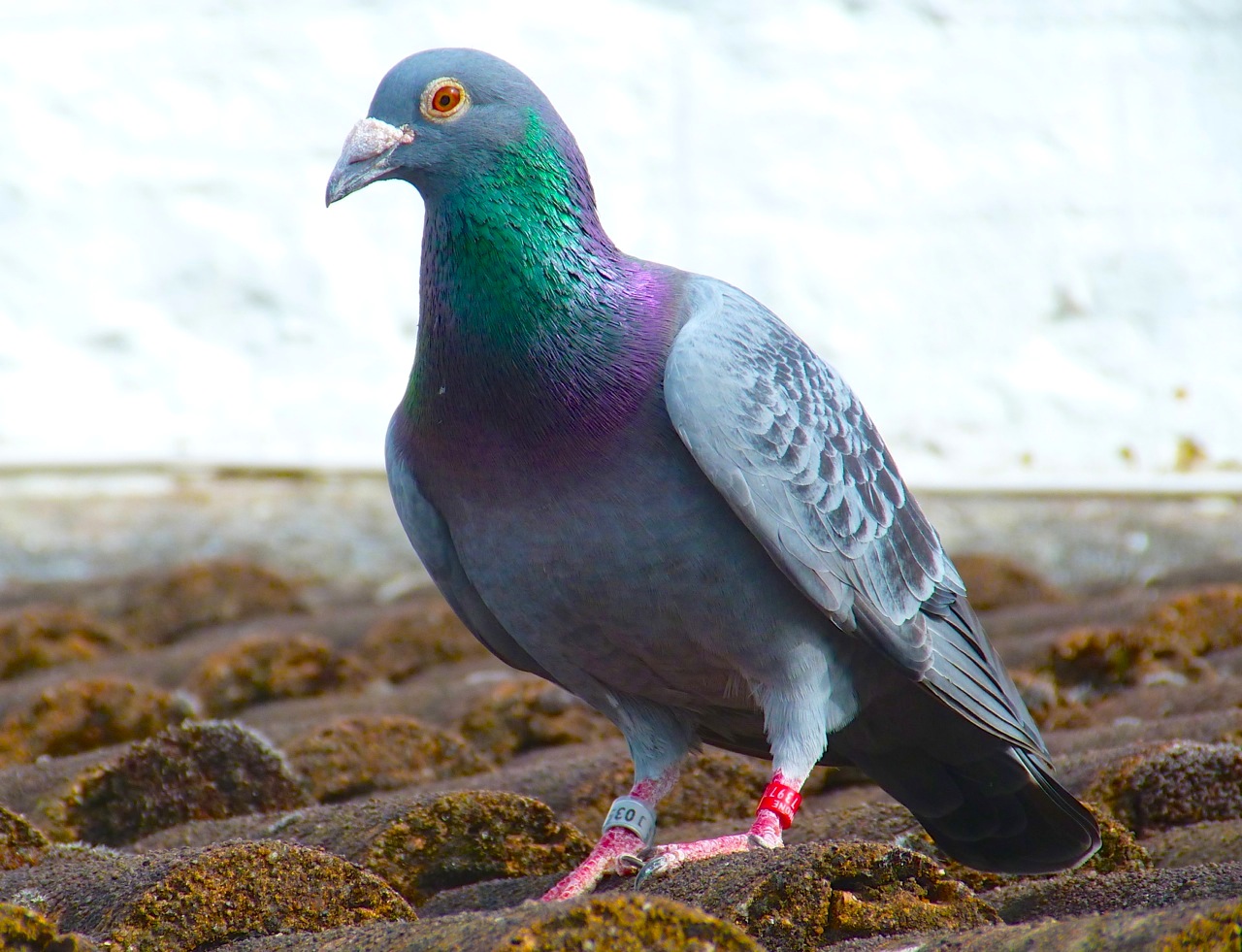
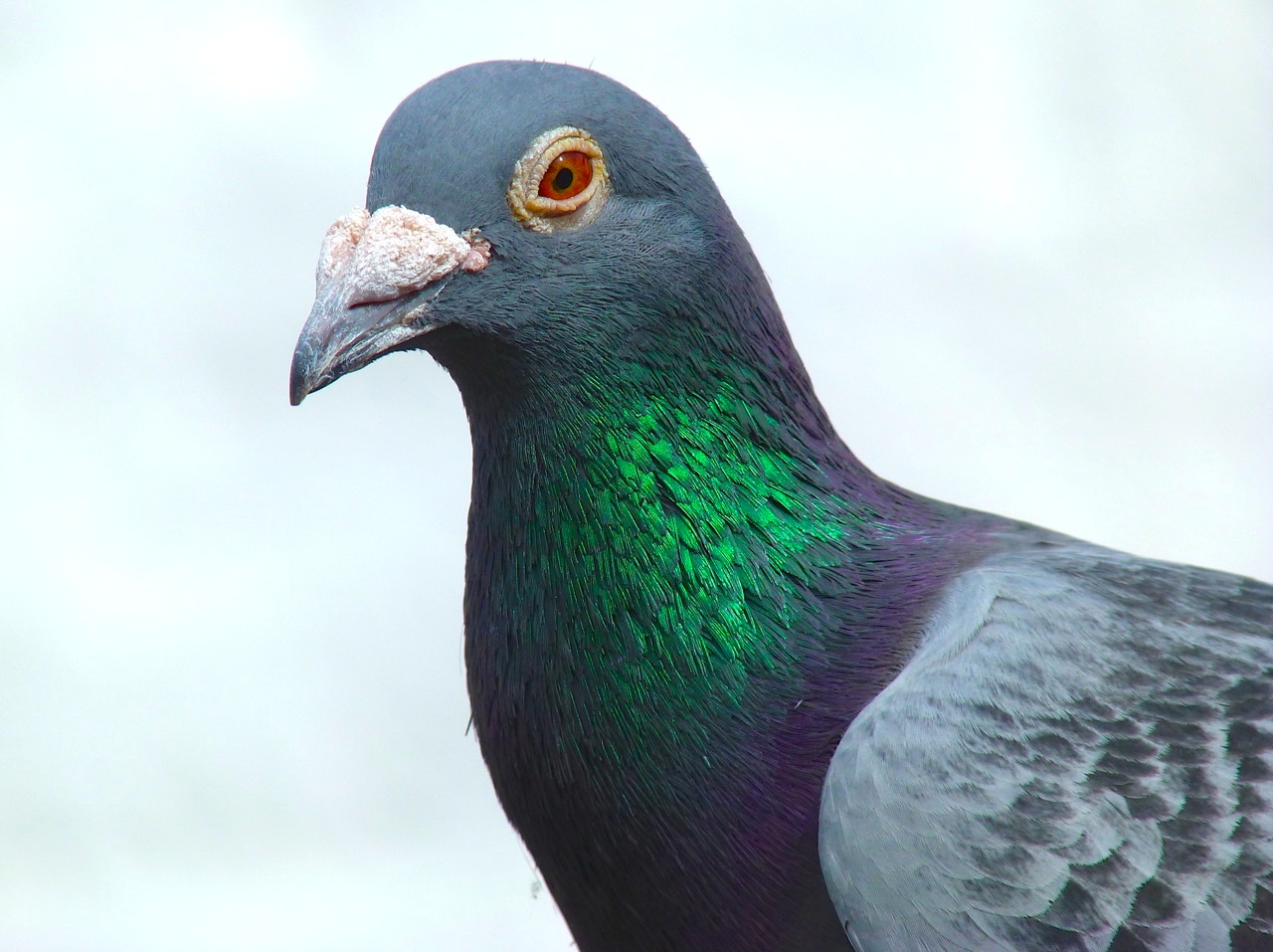
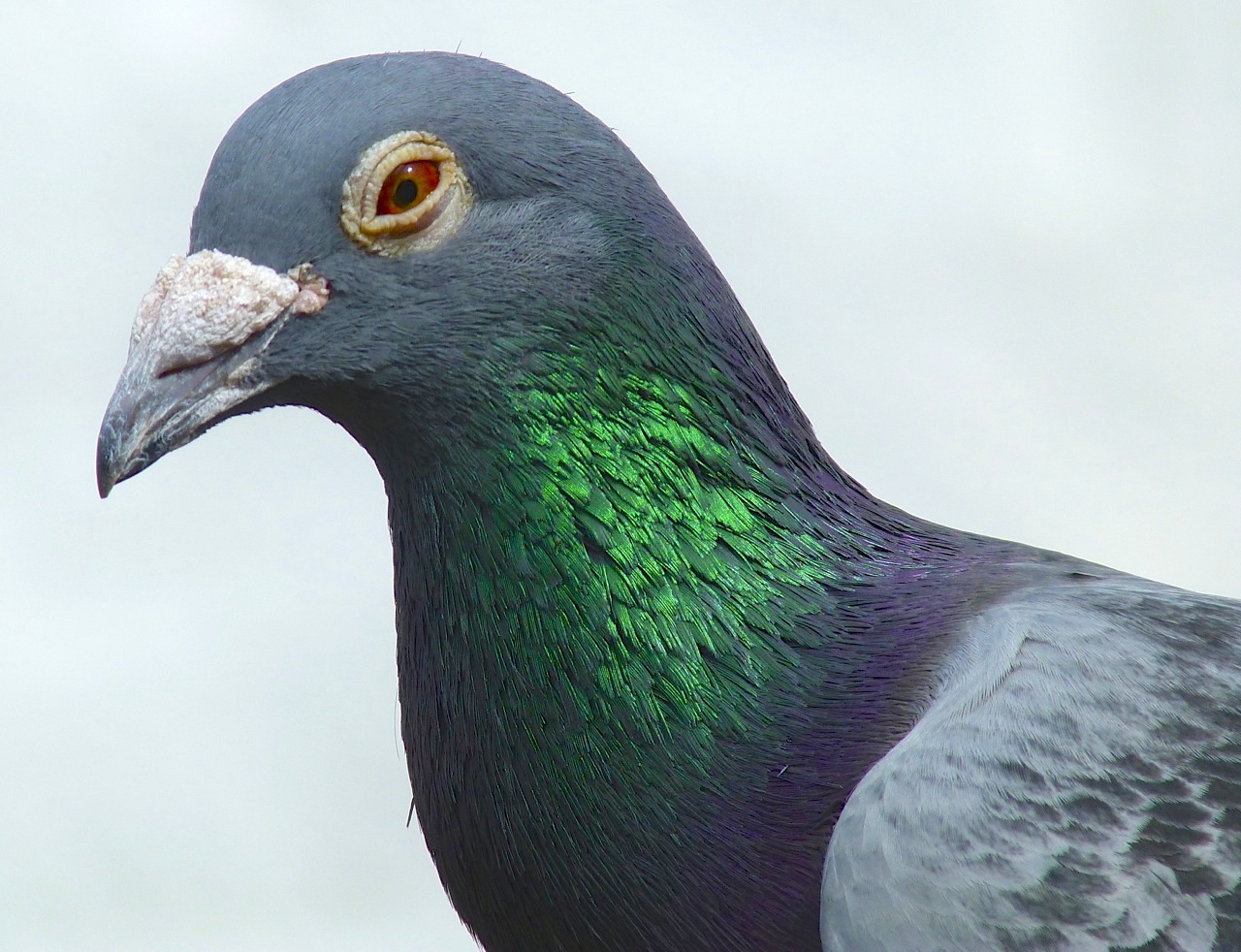
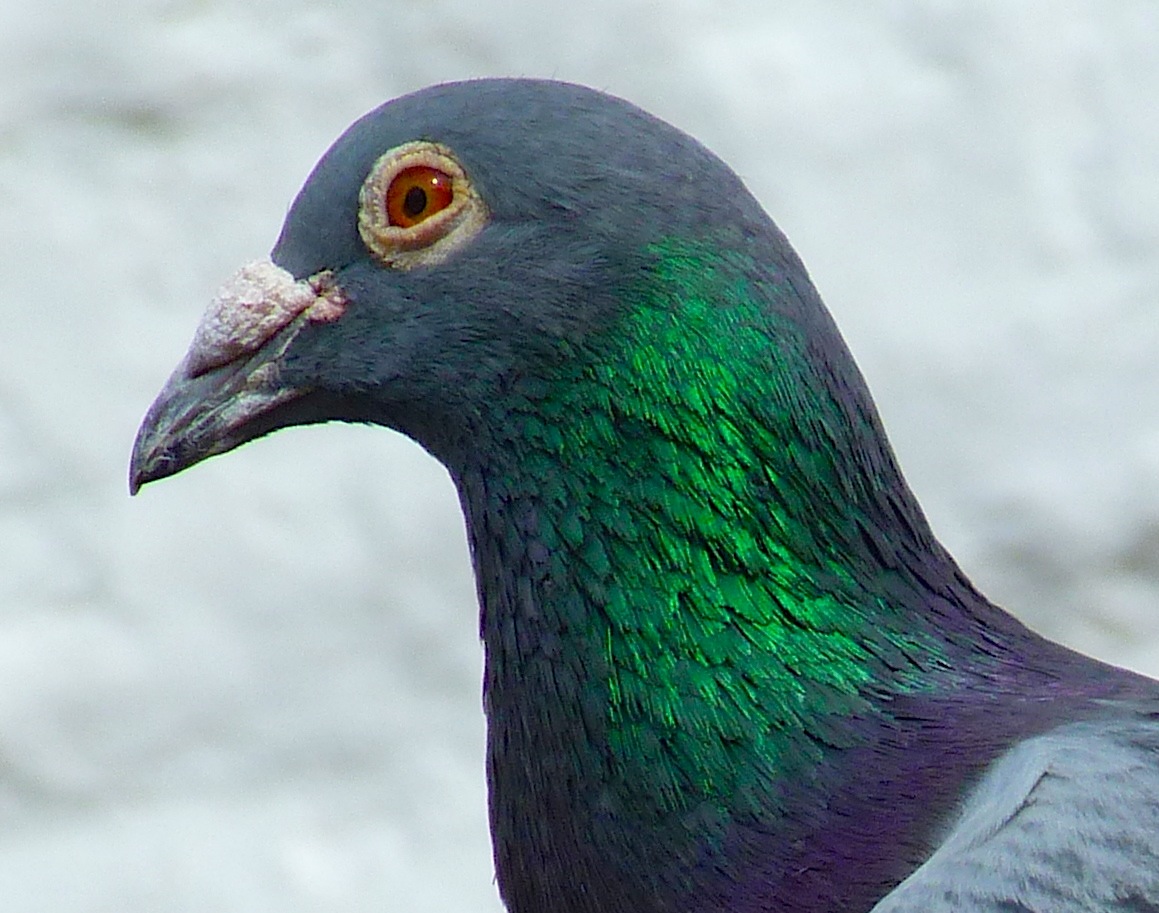
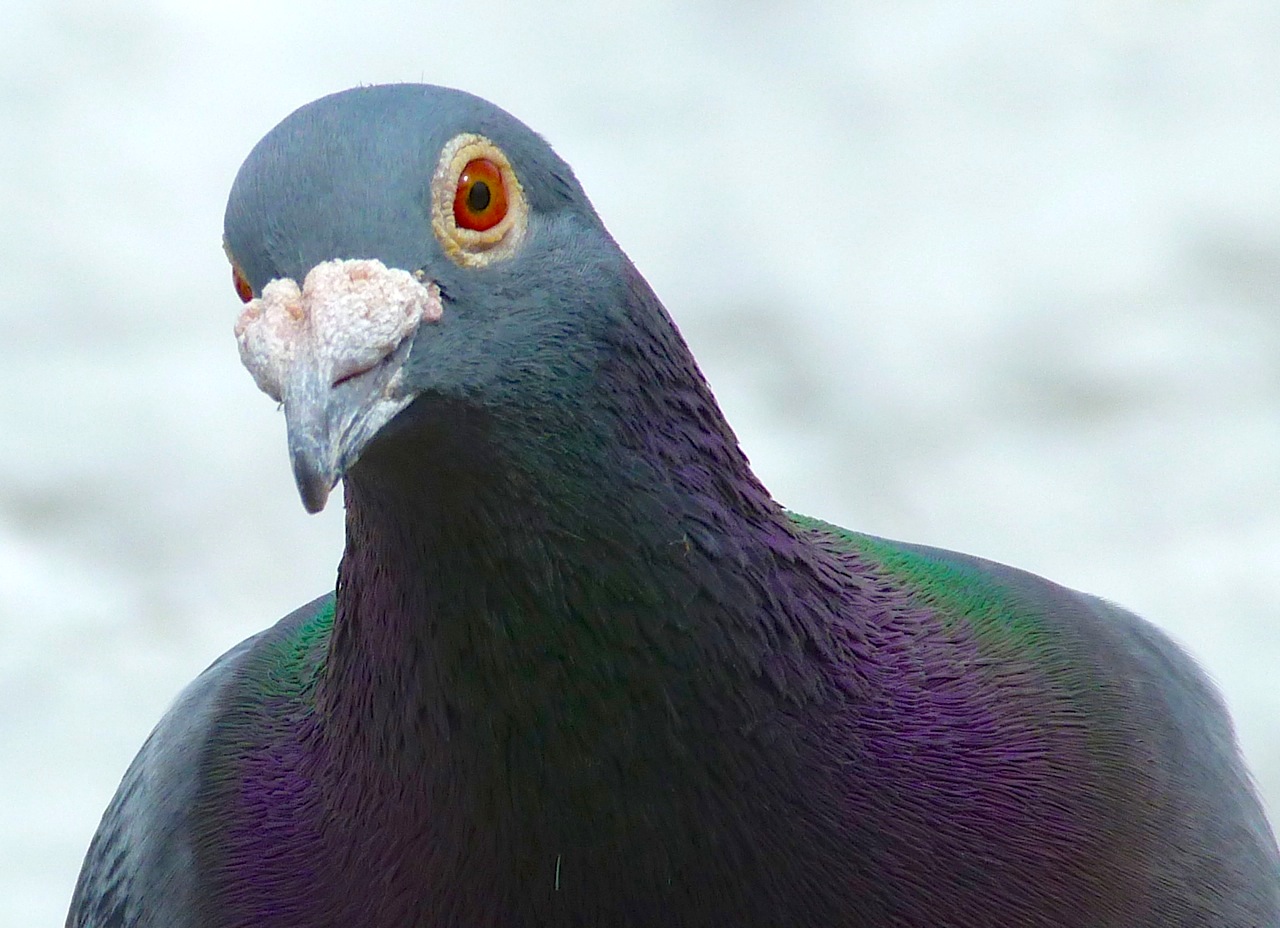
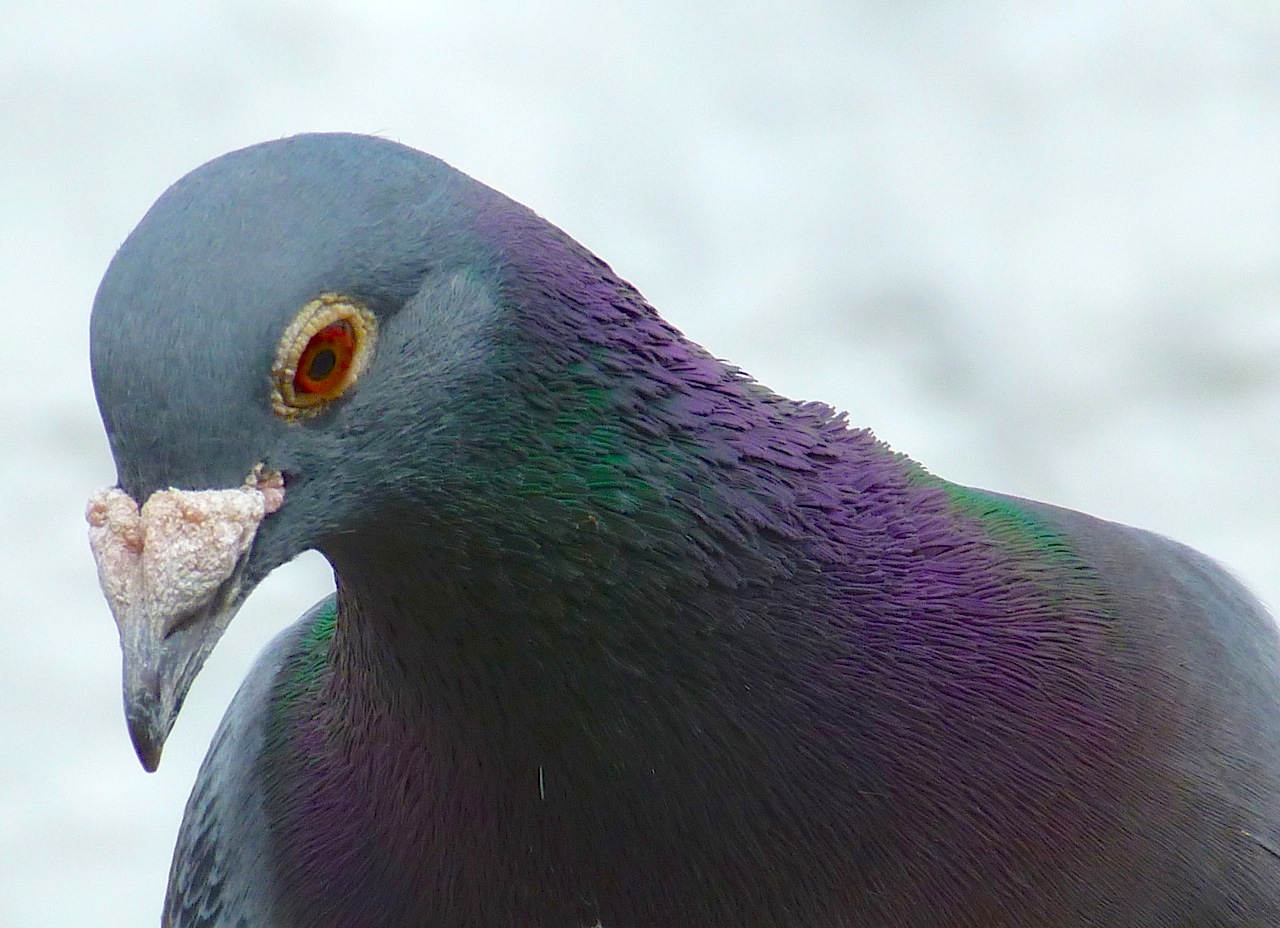
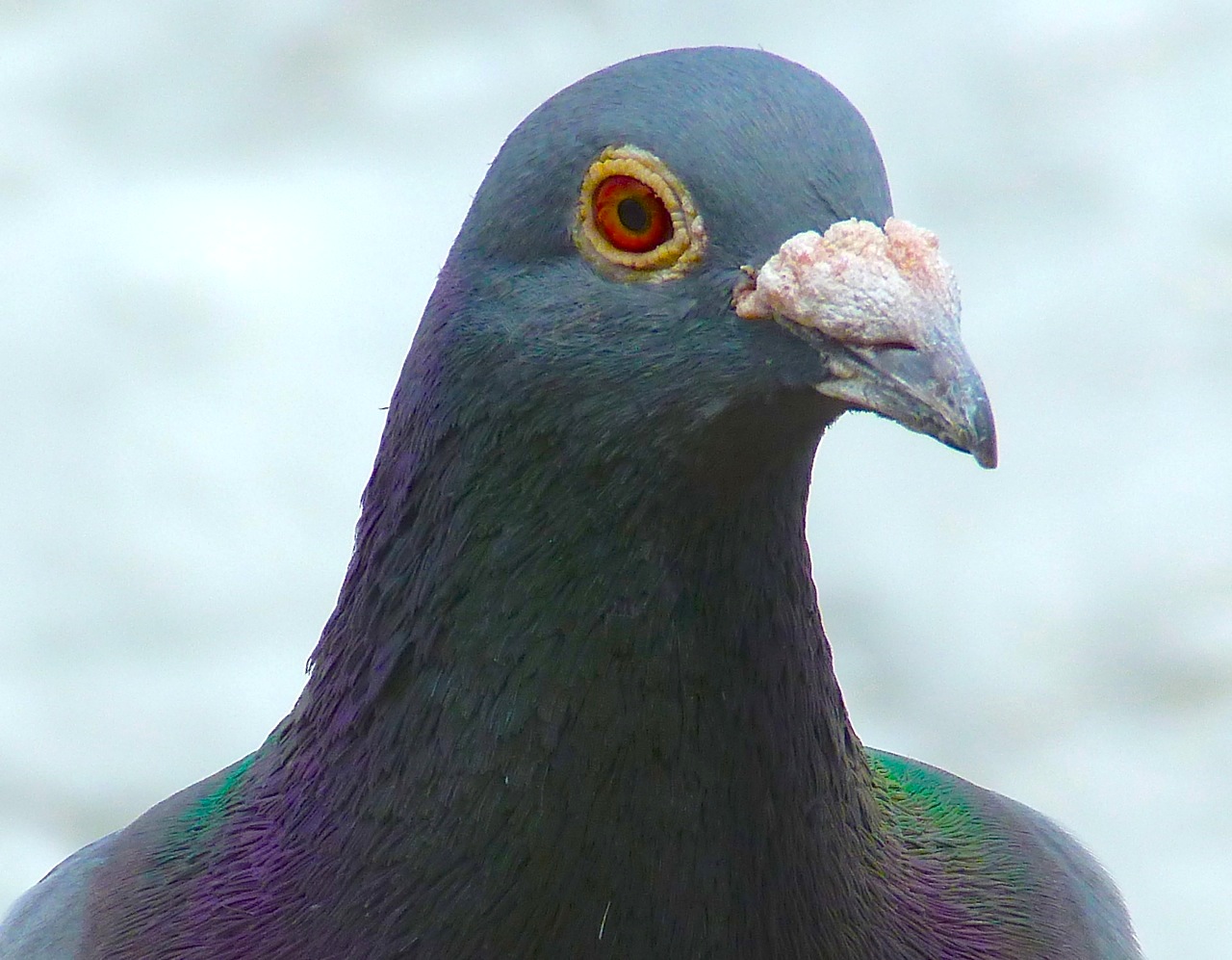
He was very tame, but slightly reluctant to let me touch him. He ate corn from my hand, though, and lapped up some fresh cold water. He seemed in excellent condition. He settled down on a low roof for the night, a very safe roost and I assumed that by this morning he would have continued on his way. Not a bit of it: he’s still here. Maybe I made life too comfortable. I checked online, and apparently in these circumstances it is good to welcome the visitor, feed it (seeds, corn, strictly no bread) and give it water. If it’s still around after 48 hours, withdraw the gratis bed and breakfast arrangement and in due course the message will be got. You hope. Meanwhile, I had the perfect opportunity to take some head shots, having noticed the iridescence of the vivid green and purple colouring in watery evening sunlight. The green in particular was startlingly bright, very like the exotic and glorious sheen on a cuban emerald hummingbird (see http://rollingharbour.com for examples). And this on a ‘mere’ Columba…
 ROLLING HARBOUR GALLERY