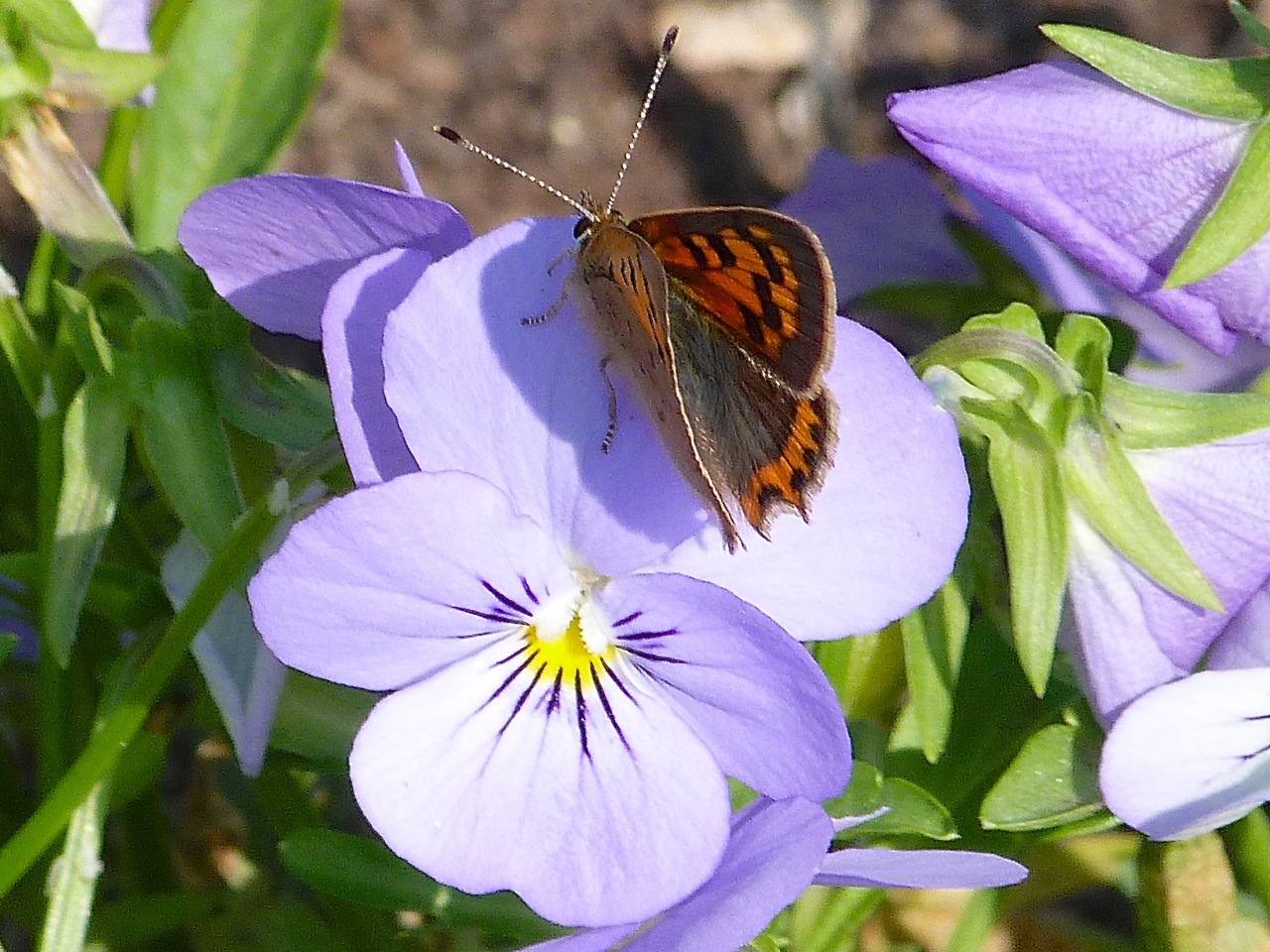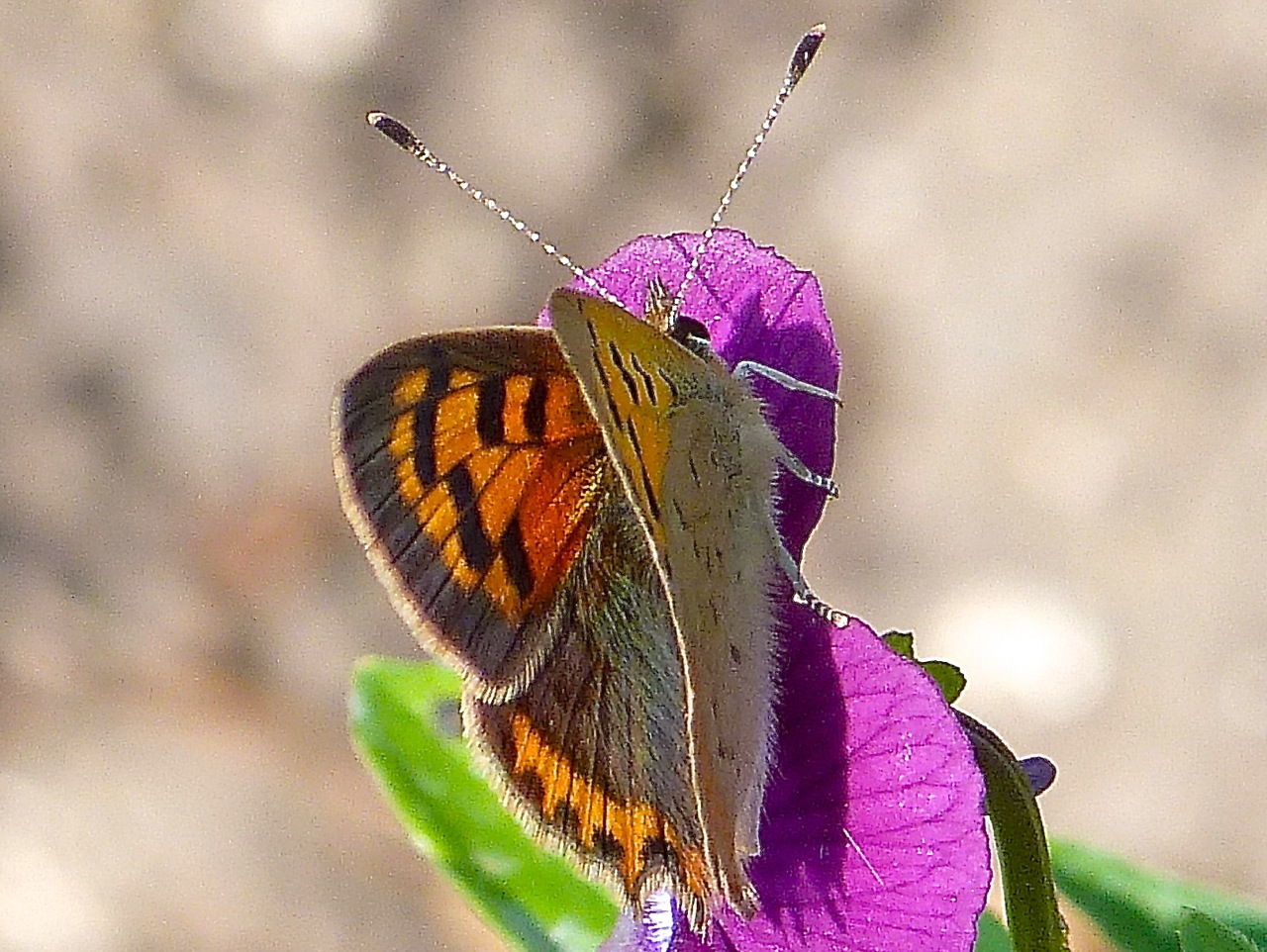
SMALL COPPER BUTTERFLY, DORSET


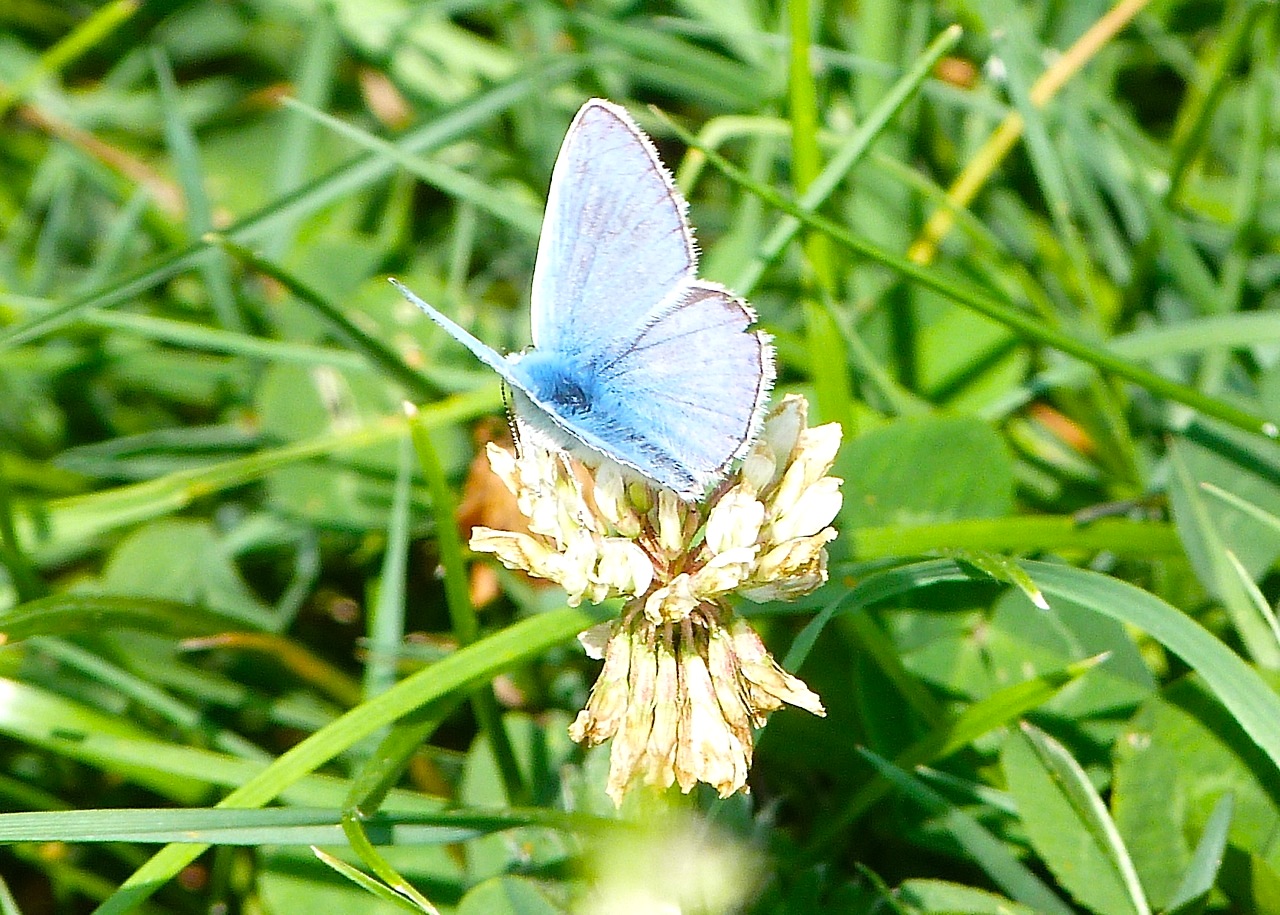
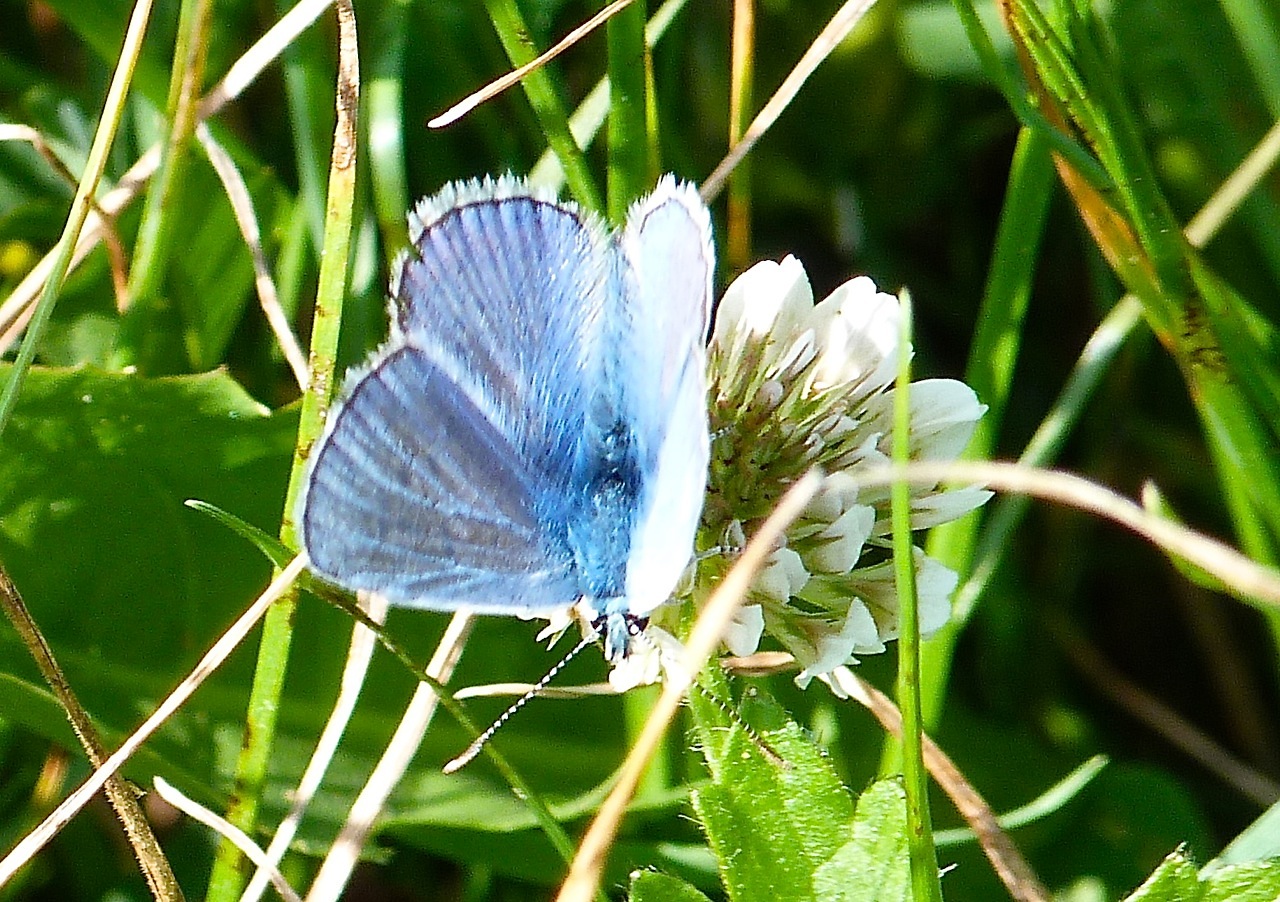
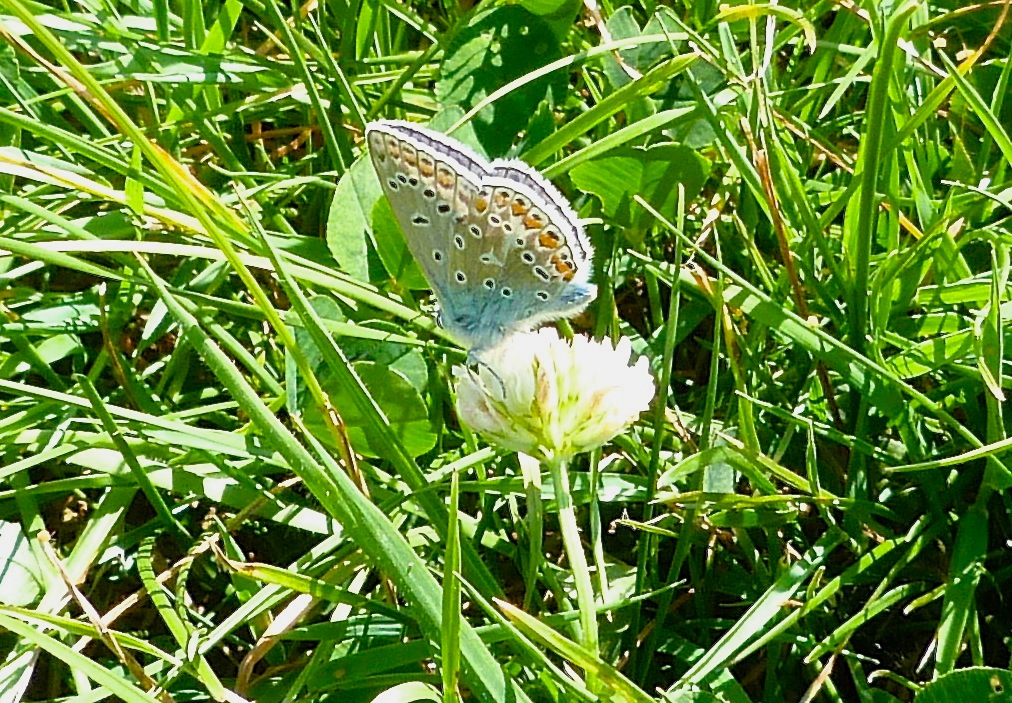
I’ve been waiting for these tiny butterflies to appear, but this is the only one I have seen this year, and then for only a minute or two. Then Hurricane Bertha’s tail-end arrived  and the butterflies have all but disappeared except for the occasional large white fluttering round. The flowers this one was visiting are tiny; and the butterfly looks small, even on them.

Small Copper, Dorset 1Small Copper, Dorset 2Small Copper, Dorset 3

RECENT BUTTERFLY POSTS

COMMA

COMMON BLUE

PAINTED LADY

SPECKLED WOOD

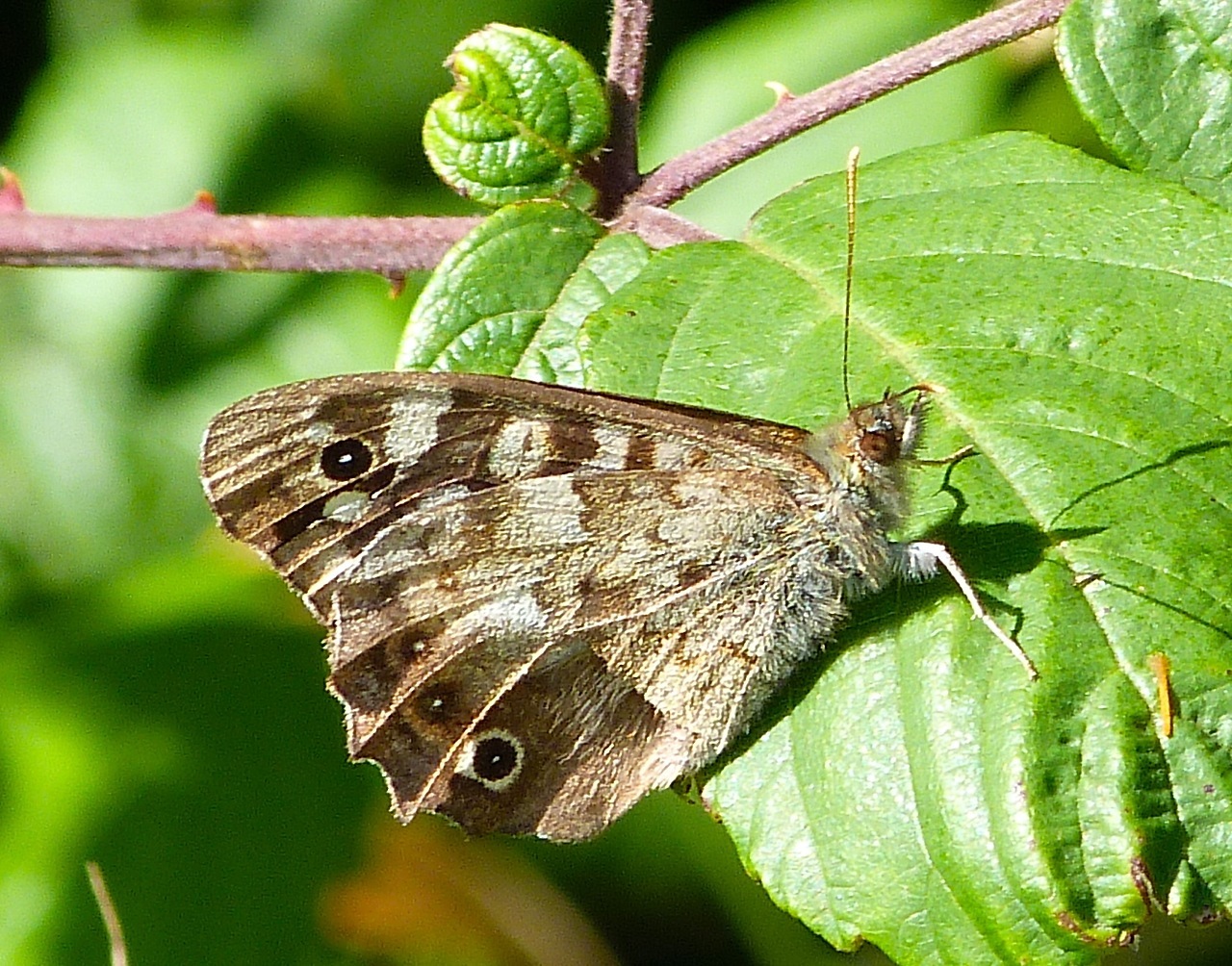
SPECKLED WOOD BUTTERFLY, DORSET


Speckled Woods have just started to appear. Unlike most of the other species in the garden, they are eschewing the flowerbeds in favour of the hedgerows. I saw my first one a couple of days ago in the vegetable garden, but it was by the hedge there and not on the flower side. So maybe its name – and its unshowy dappled colouring – says something about its preferred habitat.
Speckled Wood Butterfly, Dorset 1 Speckled Wood Butterfly, Dorset 4 Speckled Wood Butterfly, Dorset 8 Speckled Wood Butterfly, Dorset 9 Speckled Wood Butterfly, Dorset 10

PAINTED LADY BUTTERFLY, DORSET


Planting hyssop and other bee- / butterfly- / moth-friendly plants in a resurrected border last summer is paying dividends this year. Butterflies and moths that I have never seen (noticed) in the garden before have taken to the new arrangements in a big way. This is the only painted lady I have seen this year, and she didn’t stay long – but I’m glad she paused briefly when I was right there with a camera…

Painted Lady, Dorset 1 Painted Lady, Dorset 2

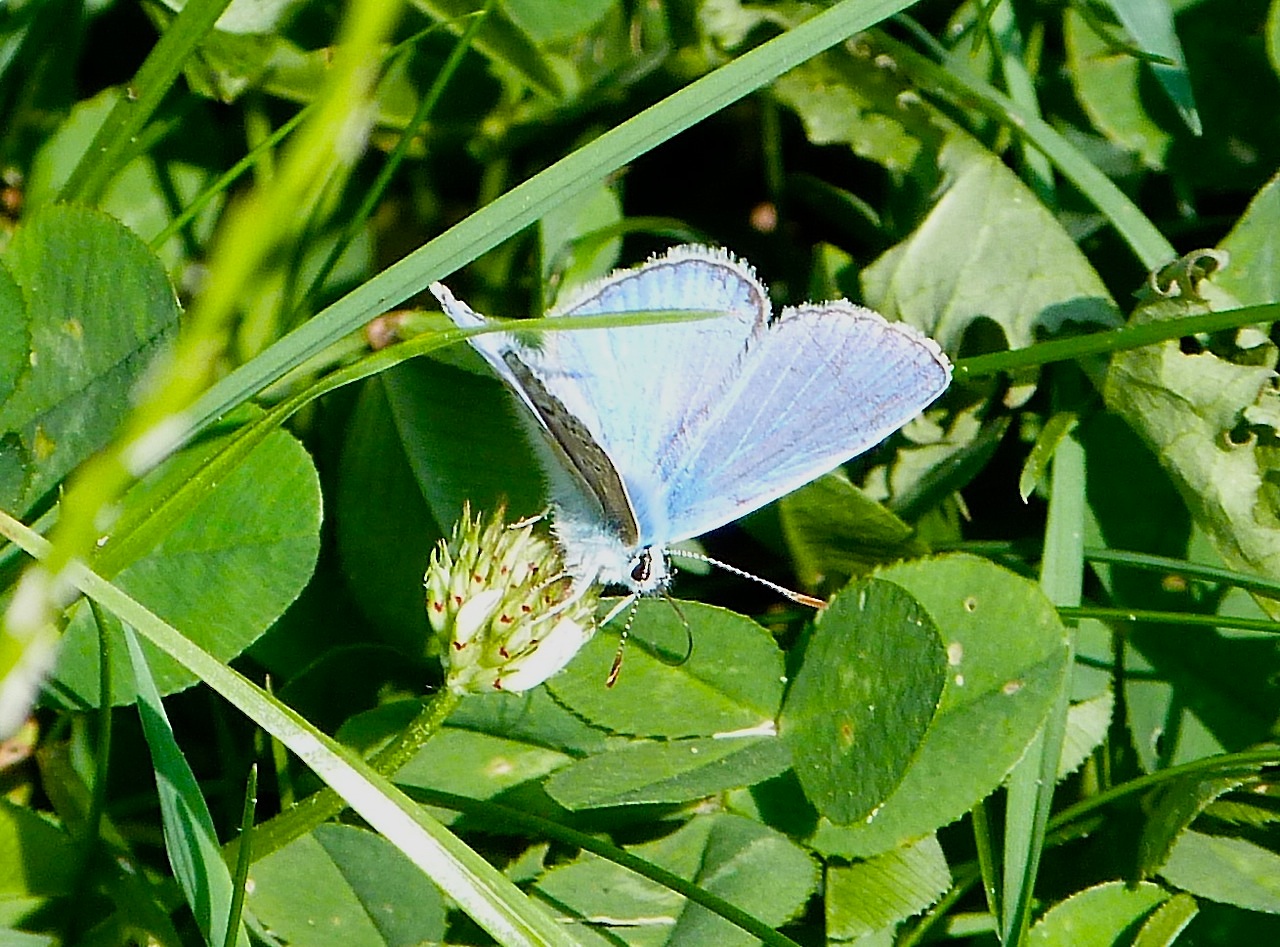
COMMON BLUE BUTTERFLY, DORSET


I’ve only noticed the appearance of this pretty little butterfly species in the last couple of days. They are the devil to photograph – very small, often ensuring several blades of grass get between it and you so the focus goes awry, and always on the move. That’s my excuse, anyway.Common Blue Butterfly, Dorset 4Common Blue Butterfly, Dorset 1Common Blue Butterfly, Dorset 2Common Blue Butterfly, Dorset 3Common Blue Butterfly, Dorset 5

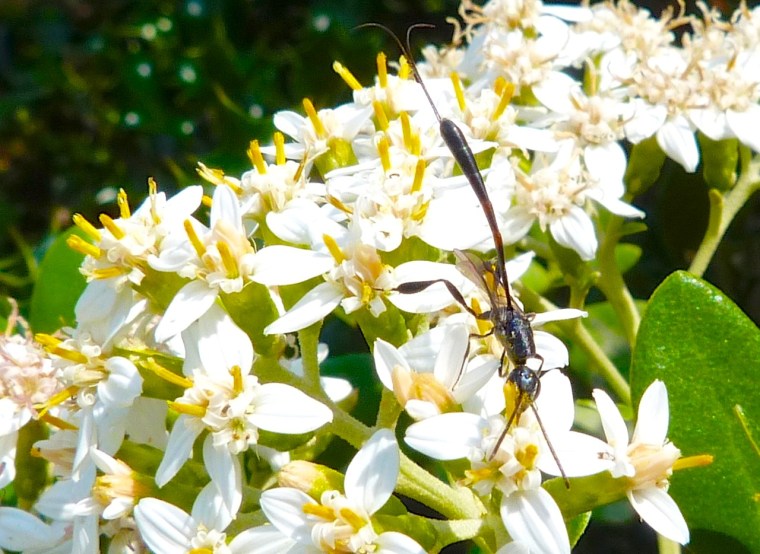
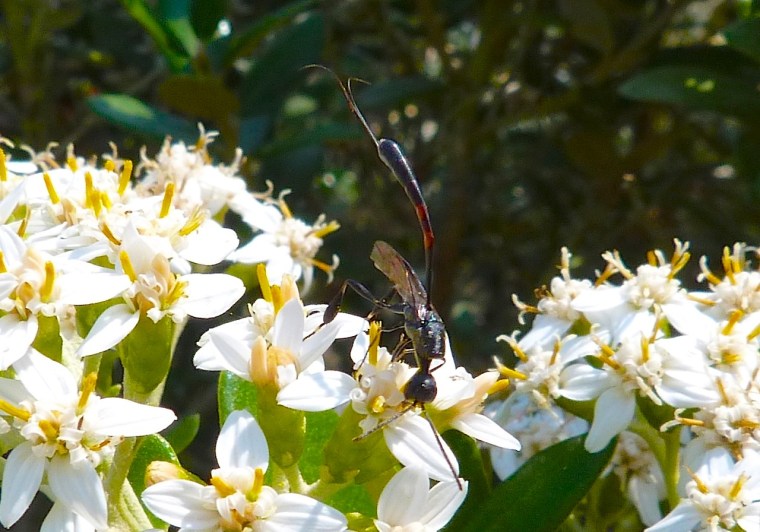
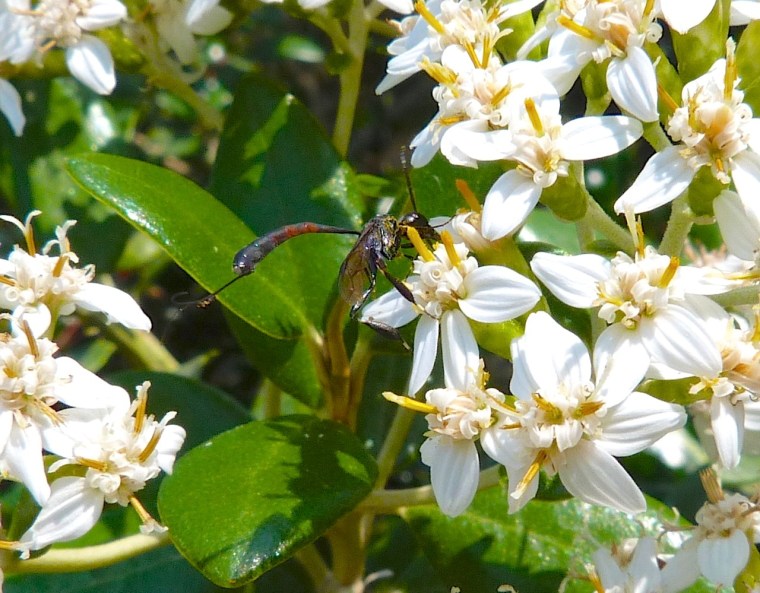
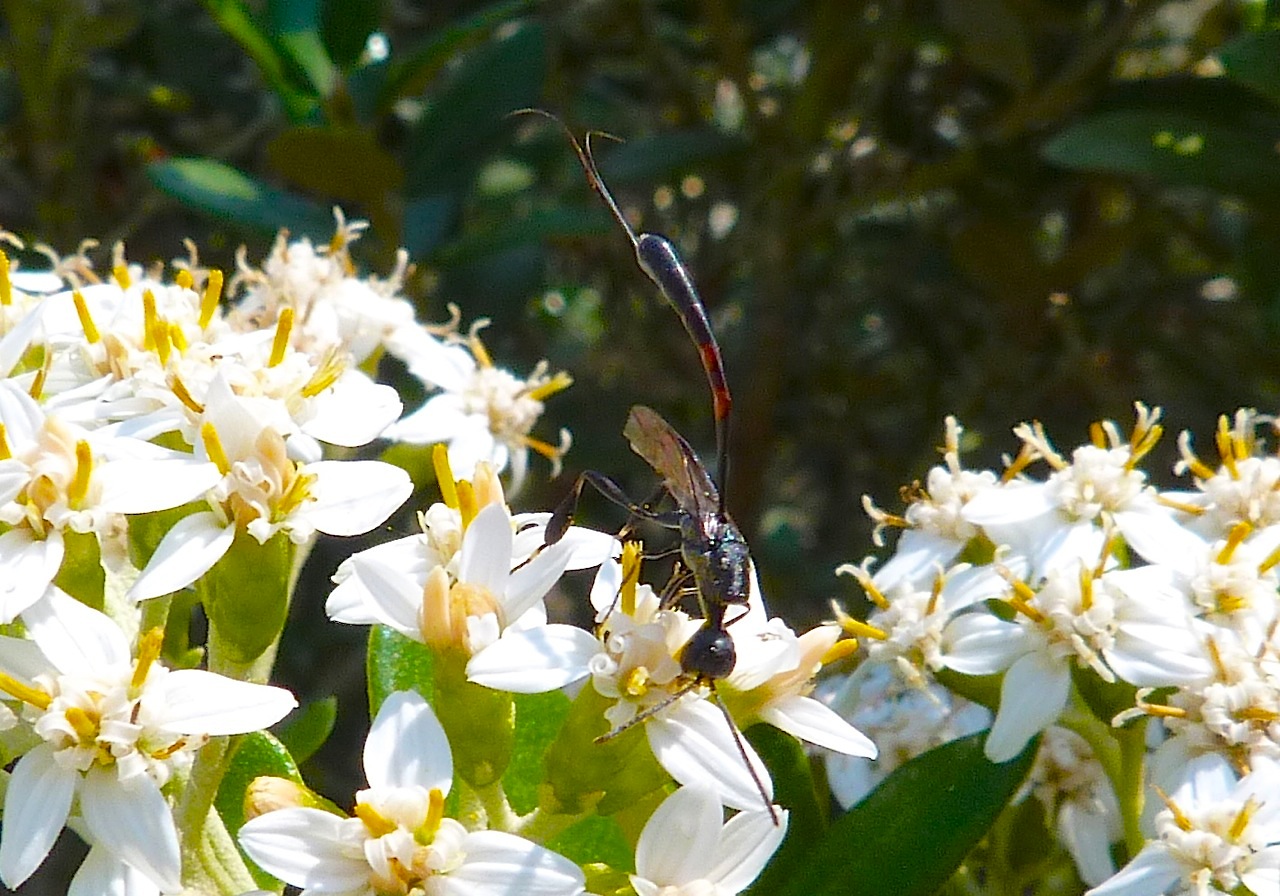
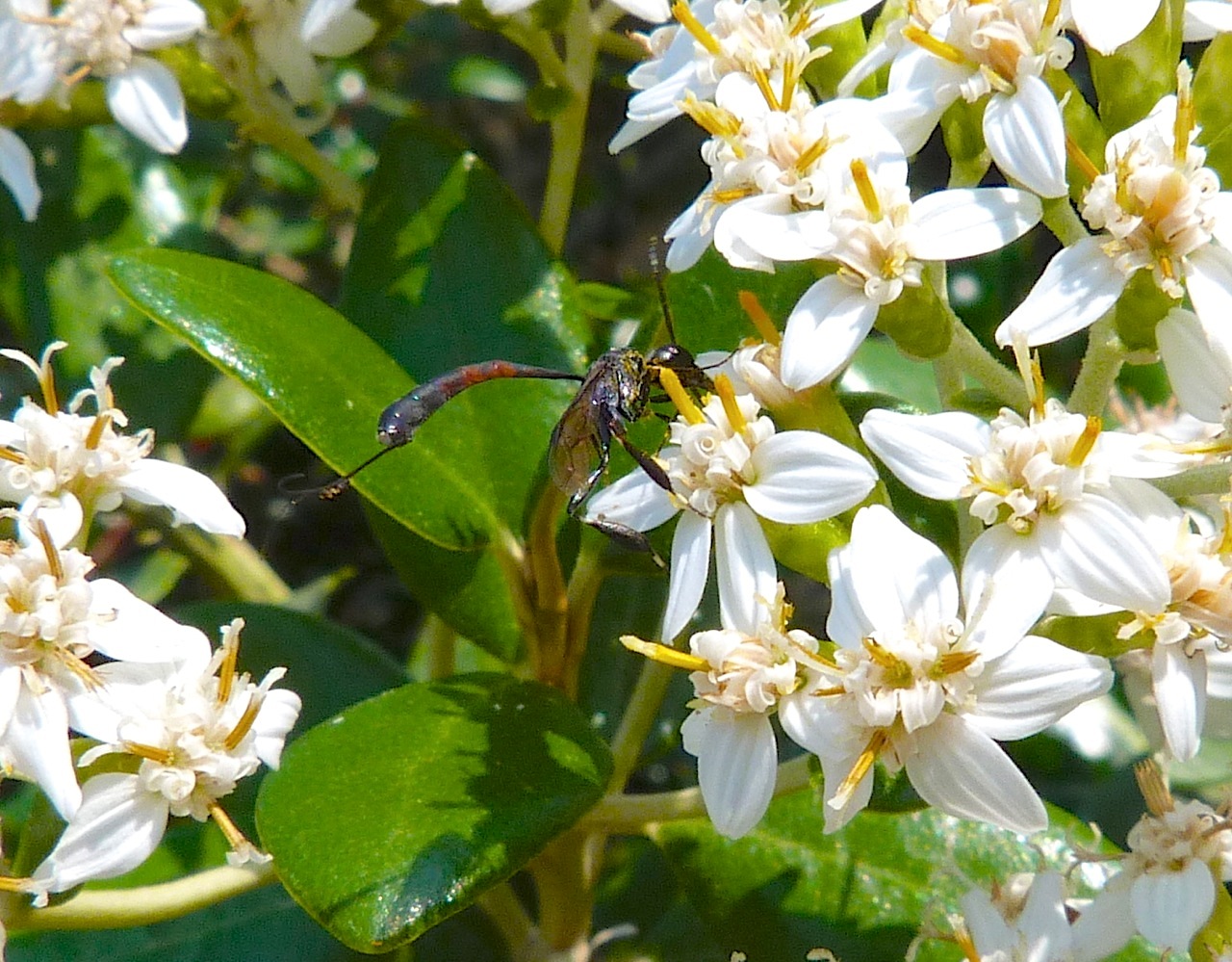
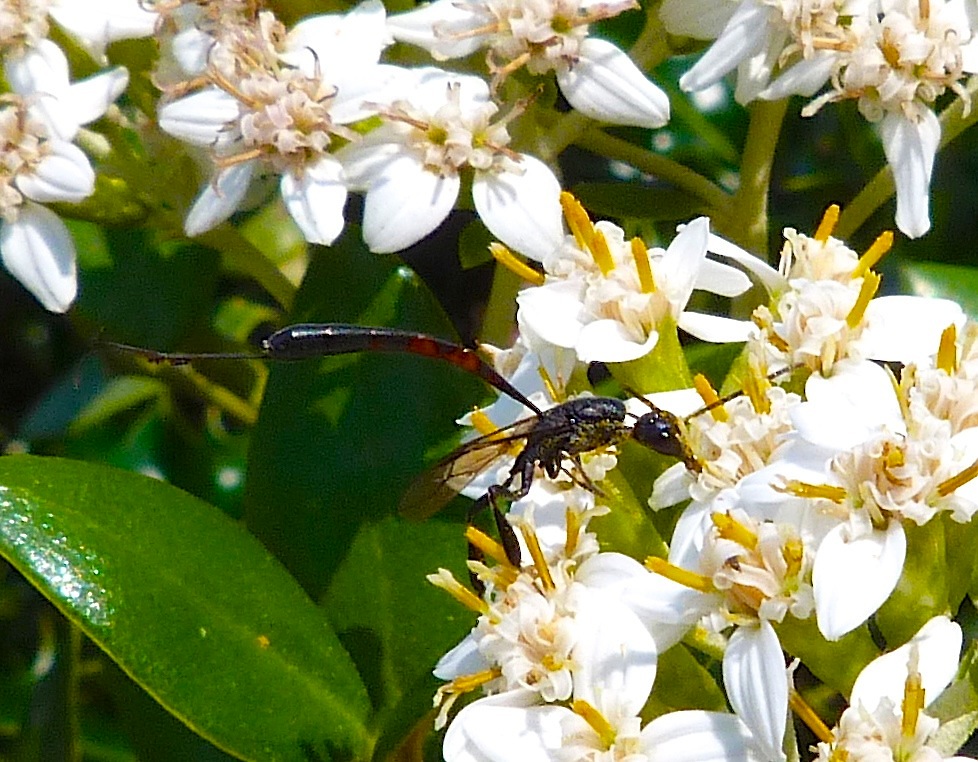
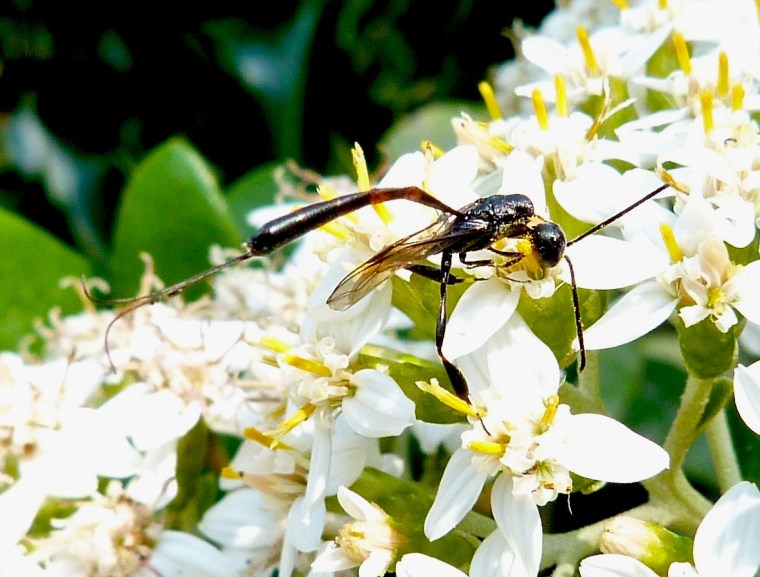
A BUG THAT’S BUGGING ME: ANY ID IDEAS? [It’s a Gasteruption Jaculator, a parasitic wasp]


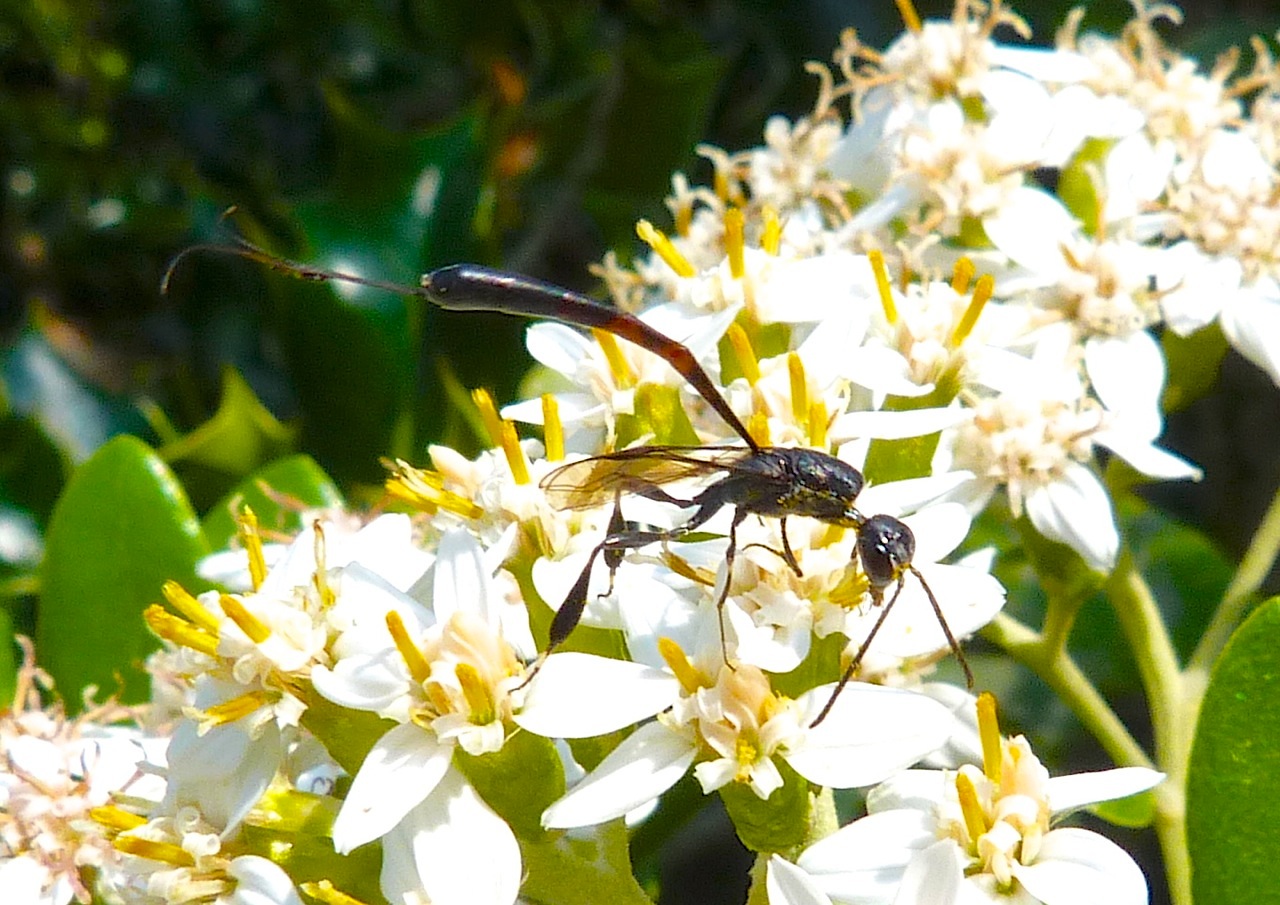
Mystery Insect Dorset03 It doesn’t take much to stump me in the natural world, even with online resources. But what the heck is this little bugger I photographed today? It’s probably obvious; maybe it’s an insect in an intermediate state of metamorphosis. Or something. But I’ve never seen one before. Or if I have, I didn’t notice it. The last time I found a mystery insect (not in the UK), it turned out to be a spider or pepsis wasp, also known as a tarantula hawk, which has the second most painful sting of any insect. I posted about this creature in my main blog HERE, but here is an excerpt dealing with the sting and the ‘pain scale’.  The sting of these wasps is among the most painful of any insect, though the most intense pain lasts on a few minutes. Entomologist Justin Schmidt bravely submitted himself to the stings of various insects and described this pain as “…immediate, excruciating pain that simply shuts down one’s ability to do anything, except, perhaps, scream. Mental discipline simply does not work in these situations.”  Schmidt produced his SCHMIDT STING PAIN INDEX The pain scale, based on 78 species, runs from 0 to 4, with 4 given for the most intense pain. Spider Wasps of the species Pepsis – i.e. Tarantula Hawks – have a sting rating of 4.0, described as “blinding, fierce, shockingly electric. A running hair drier has been dropped into your bubble bath” Only the bite of the Bullet Ant (not found on Abaco!) is ranked higher, with a 4.0+ rating, vividly described as pure, intense, brilliant pain. Like fire-walking over flaming charcoal with a 3-inch rusty nail in your heel”

ADDENDUM (within 2 hours of posting!)

I knew someone would ride to the rescue. Jessica Winder of the excellent blog http://natureinfocus.wordpress.com has come up with the answer – see Comments for details. Suffice it to say that this creature has the Monty Pythonesque name Gasteruption Jaculator (there are other… no. Im not going down that road). It is a parasitic wasp. WIKI says “The head and thorax are completely black. The head is strongly rounded, the thorax is elongated in a sort of long neck, which separates the head from the body. The abdomen is strongly stretched, broader at the posterior end and placed on the upper chest. The colour of the abdomen is black, with reddish-orange rings. The tibiae of the hind legs are club shaped. In the female the ovipositor is usually very long with a white tip. In resting position, these wasps slowly and rhythmically raise and lower the abdomen. The females of this parasitic wasp lays its eggs by its long ovipositor on the body of larvae of solitary bees or wasps. On hatching its young larvae will devour grubs and supplies of pollen and nectar of its victim. The adults grow up to 10–17 millimetres (0.39–0.67 in) long and can mostly be encountered from May through September feeding on Apiaceae species.” Mystery Insect Dorset04 Mystery Insect Dorset05 Mystery Insect Dorset06 Mystery Insect Dorset07 Mystery Insect Dorset09 Mystery Insect Dorset10

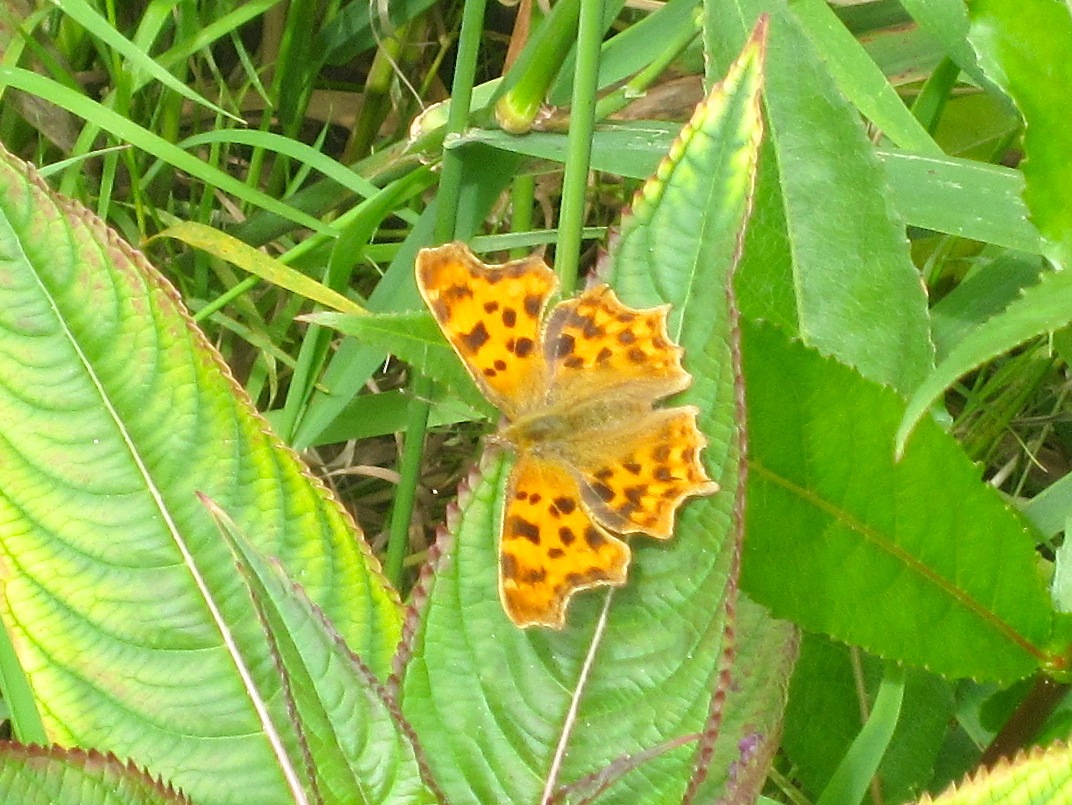
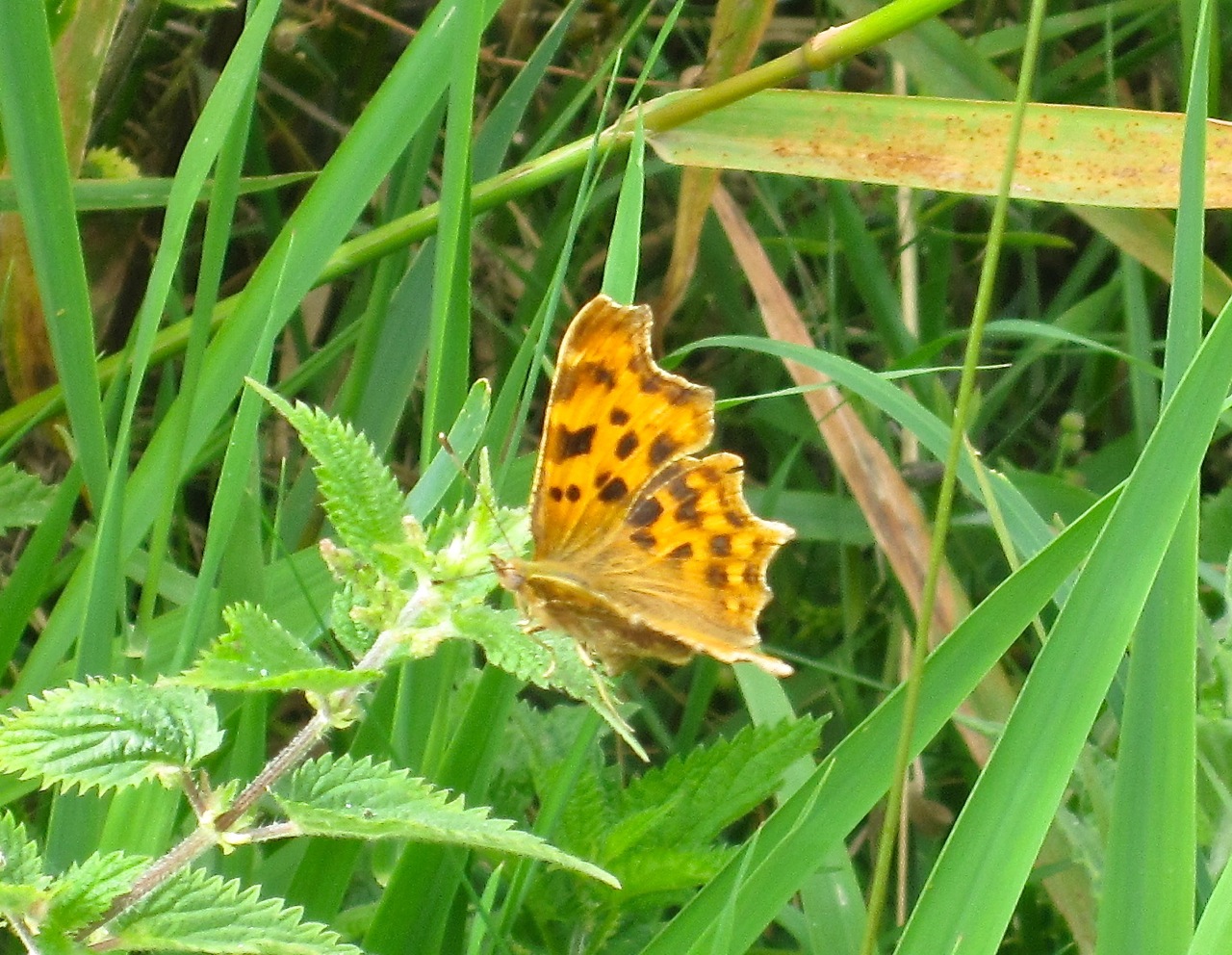
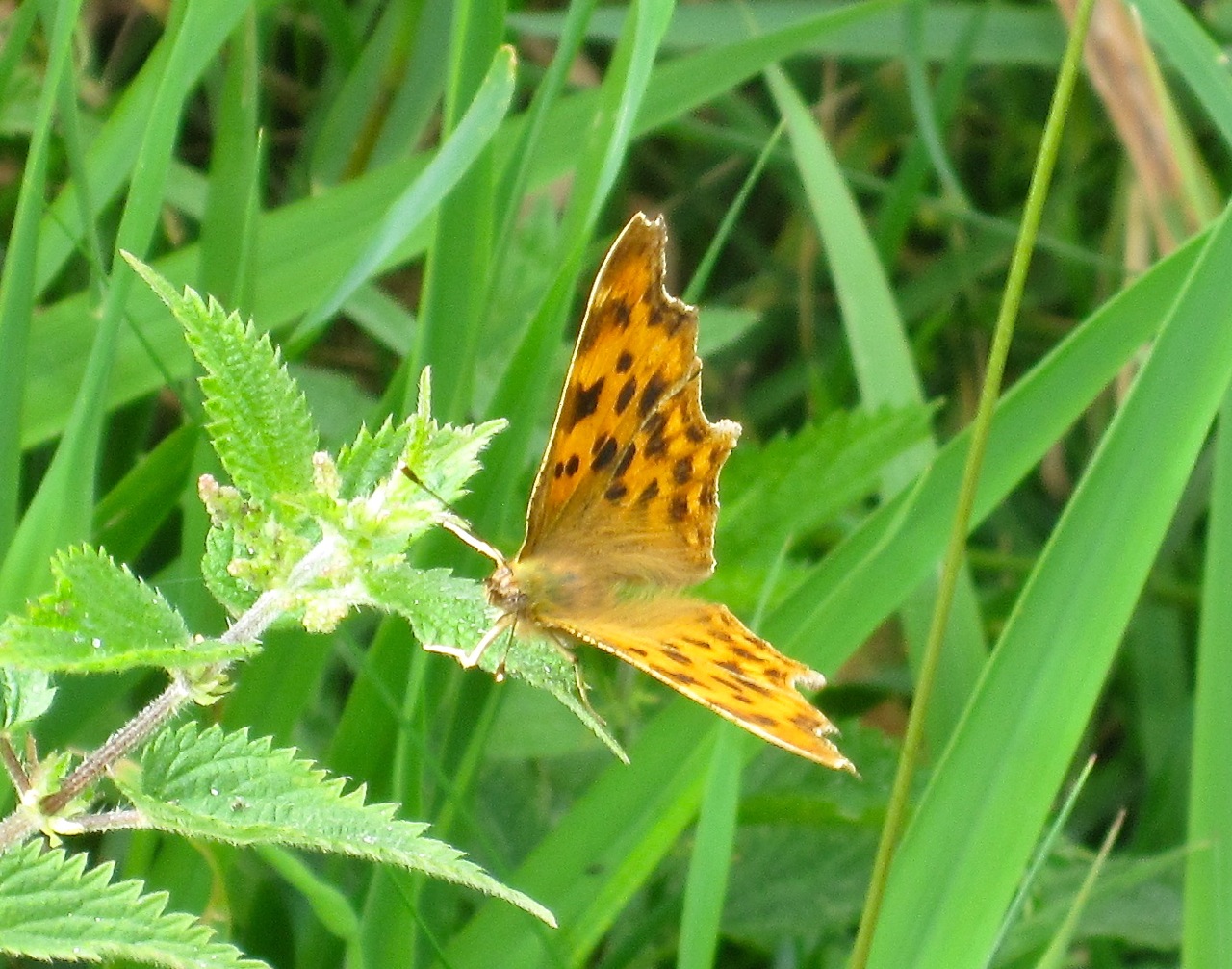
COMMA BUTTERFLY BY THE RIVER FROME, DORSET


I can’t remember when I last saw a Comma, but yesterday there was one fluttering around me as I fished on the Frome. I’d forgotten how comparatively large they are. I only had a tiny camera with me, one that doesn’t matter if it goes in the water. It’s for recording fish, should I ever  catch one and have a free hand available as I remove the (barbless) hook and release the fish as quickly as possible. In practice, never.

There were wonderful damselflies – blue, turquoise, reddish and green – but  it would have been a waste of time to photograph them. I also saw a white egret (quite common now in Dorset) and 4 kingfishers. Or more likely the same bird 4 times.

Comma Butterfly, River Frome, Dorset2Comma Butterfly, River Frome, Dorset1Comma Butterfly, River Frome, Dorset3 Comma Butterfly, River Frome, Dorset4

WREN FLEDGLING STUDIES, DORSET


The first I knew was a light thump against the window as a newly fledged wren chick misjudged its landing on the windowsill. By the time I had grabbed a camera and gone outside, it was sitting happily on the ground, cheeping persistently. It was tiny, yet completely unconcerned by my inching towards it while fiddling with the camera. I fired off a few shots, then it fluttered ineptly to a 5-barred gate. There were other piping little calls around, so plainly there were others. In the end I saw 4 that had flown, and located the nest in the stable – I could hear the plaintive peeping of the last to leave the nest. There were dark and pale birds, presumably male and female. Mostly they stayed separate though in the same area. However I did get one shot of a pair on the top rail of a gate – suitably posed for a caption competition. So here are a few of the photos of miniature versions of what is already one of the UK’s smallest species. For size comparison, the stones are small gravel chips.Wren Fledgling, Dorset 4 Wren Fledgling, Dorset 5 Wren Fledgling, Dorset 6 Wren Fledgling, Dorset 1

Captions?Wren Fledgling, Dorset 2

I tried to get some photos mid-cheep – surprisingly difficult to do. Mostly the attempts did not work out, but I quite liked this little fledgling having a squeak in the middle of an area of gravelWren Fledgling, Dorset 3

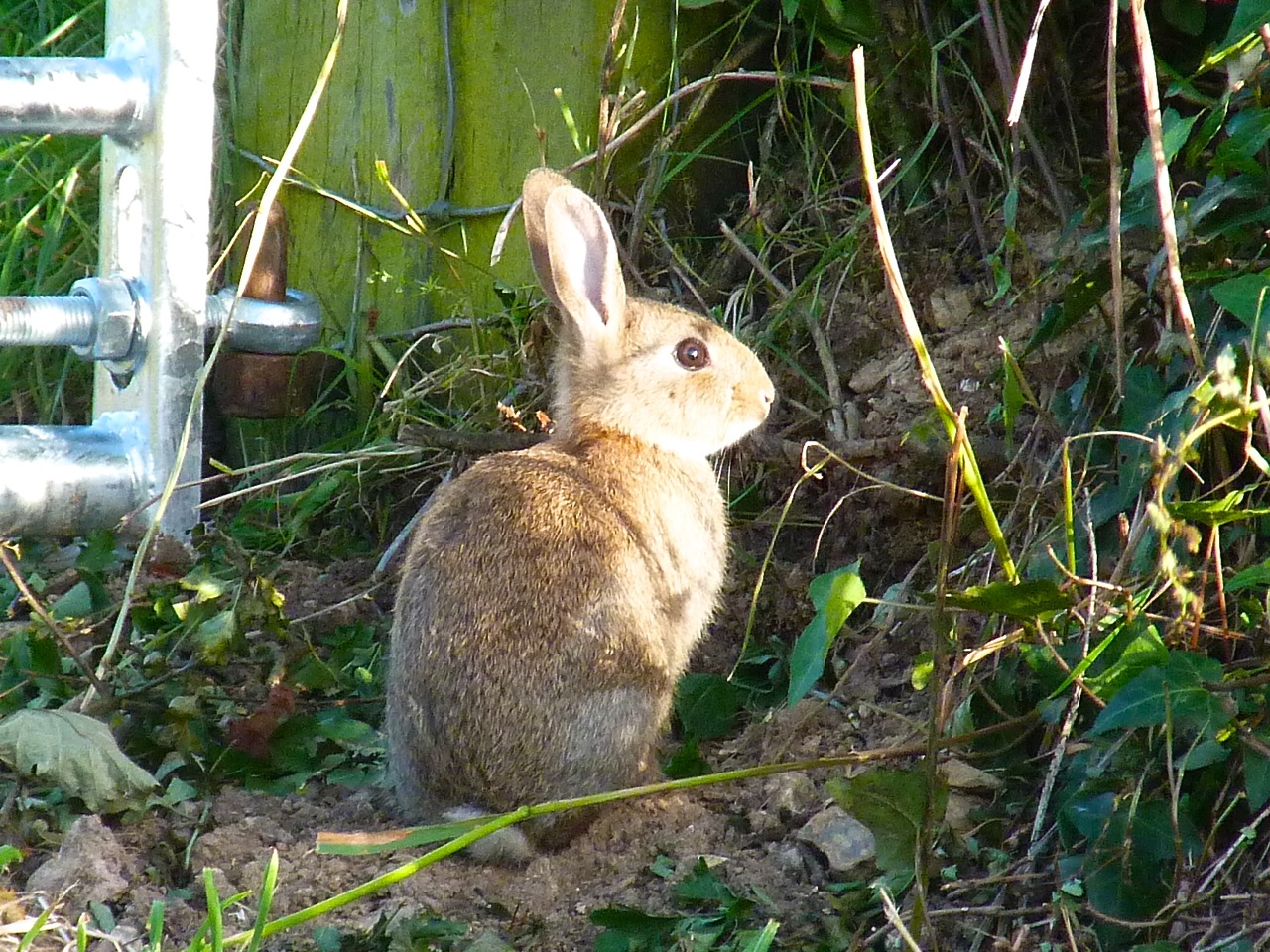
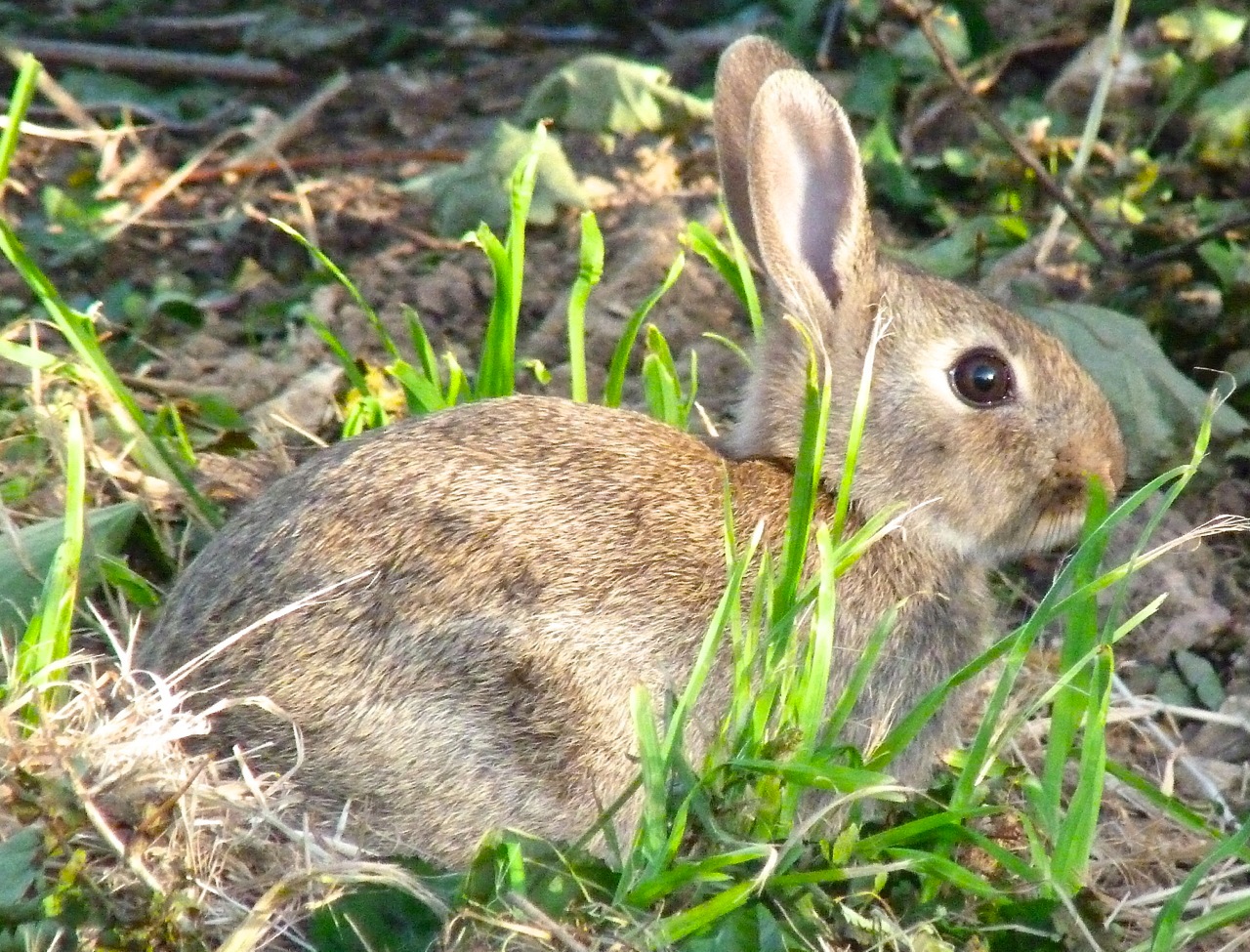
‘SILFLAY’: RABBITS I SHOT LAST NIGHT…


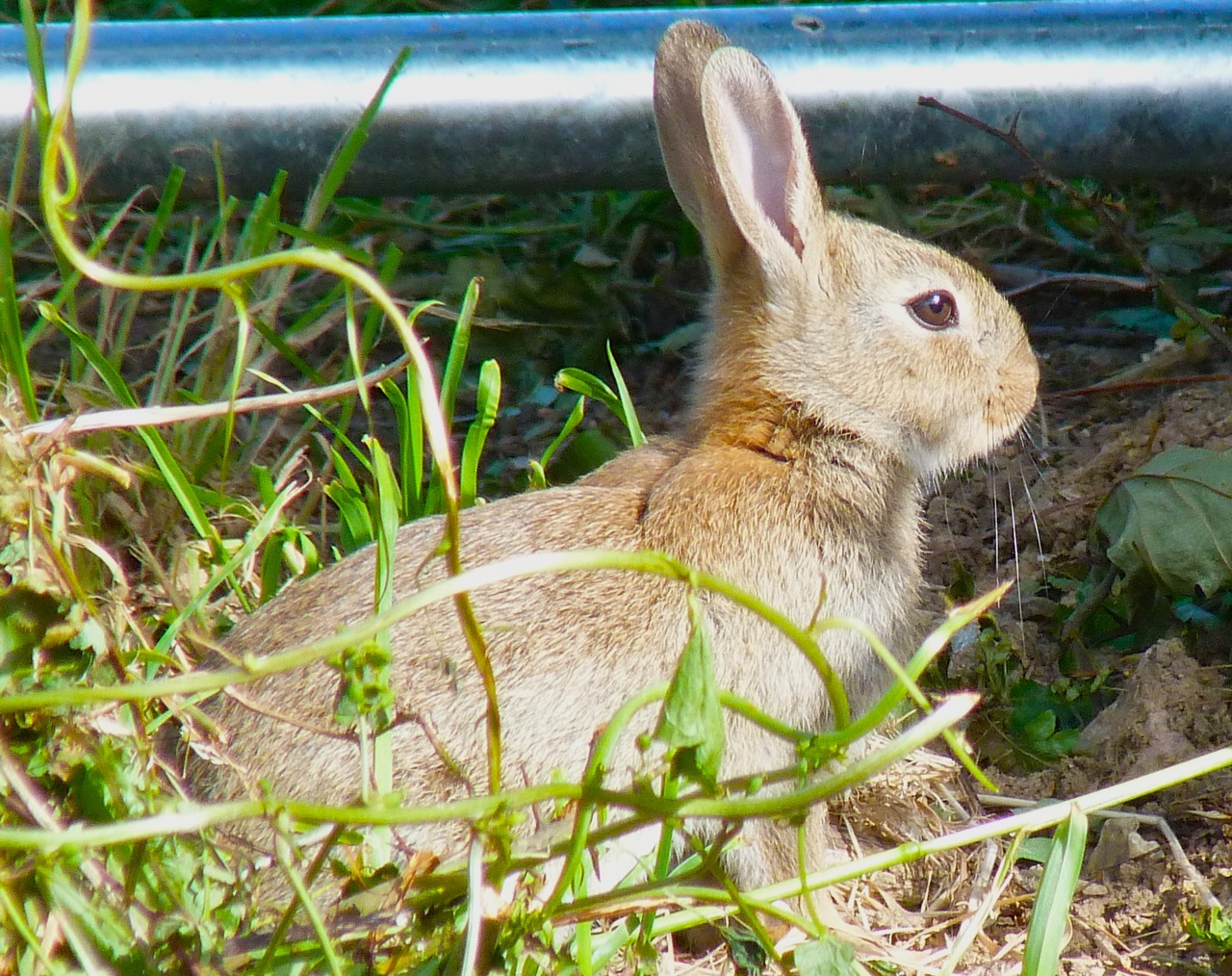
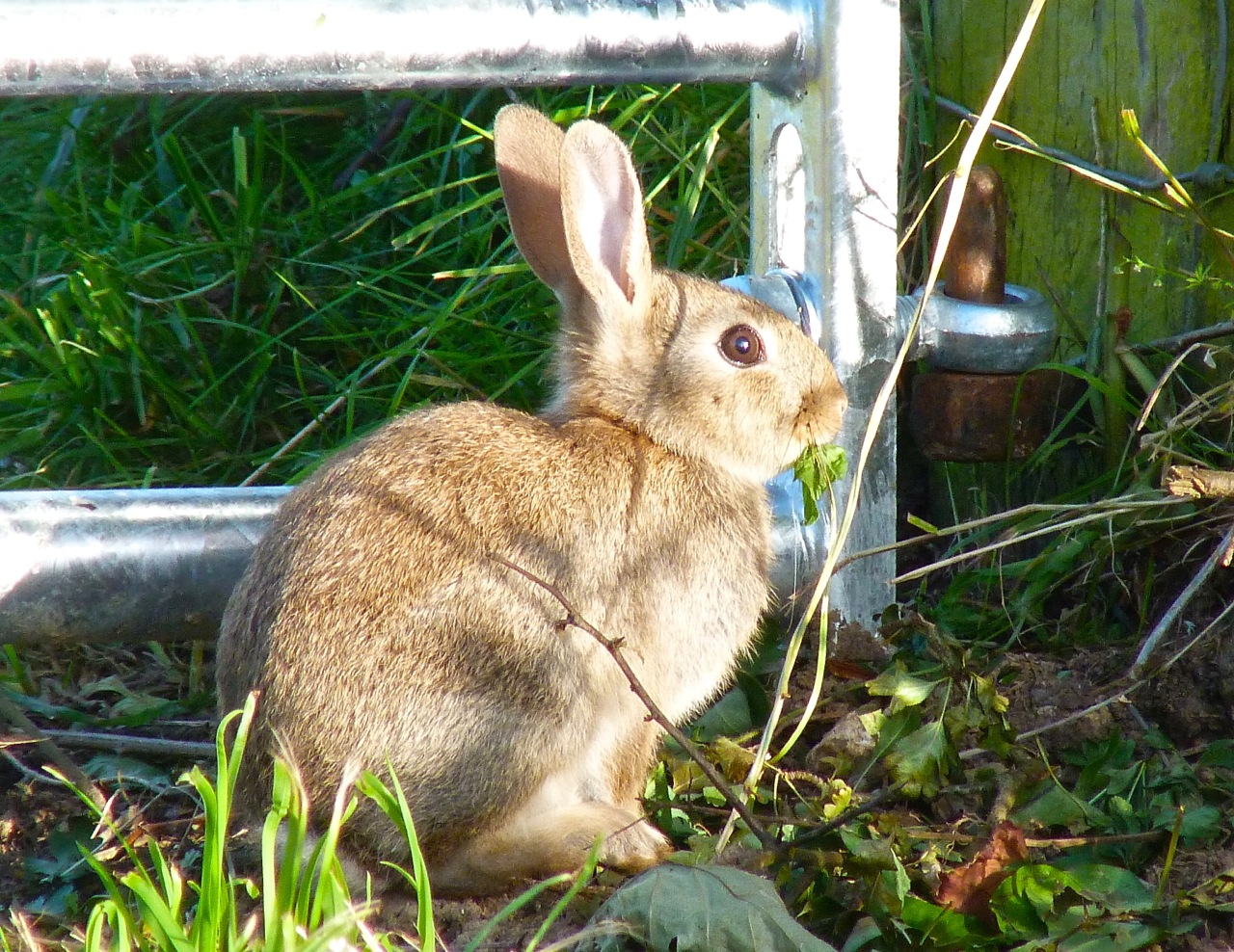
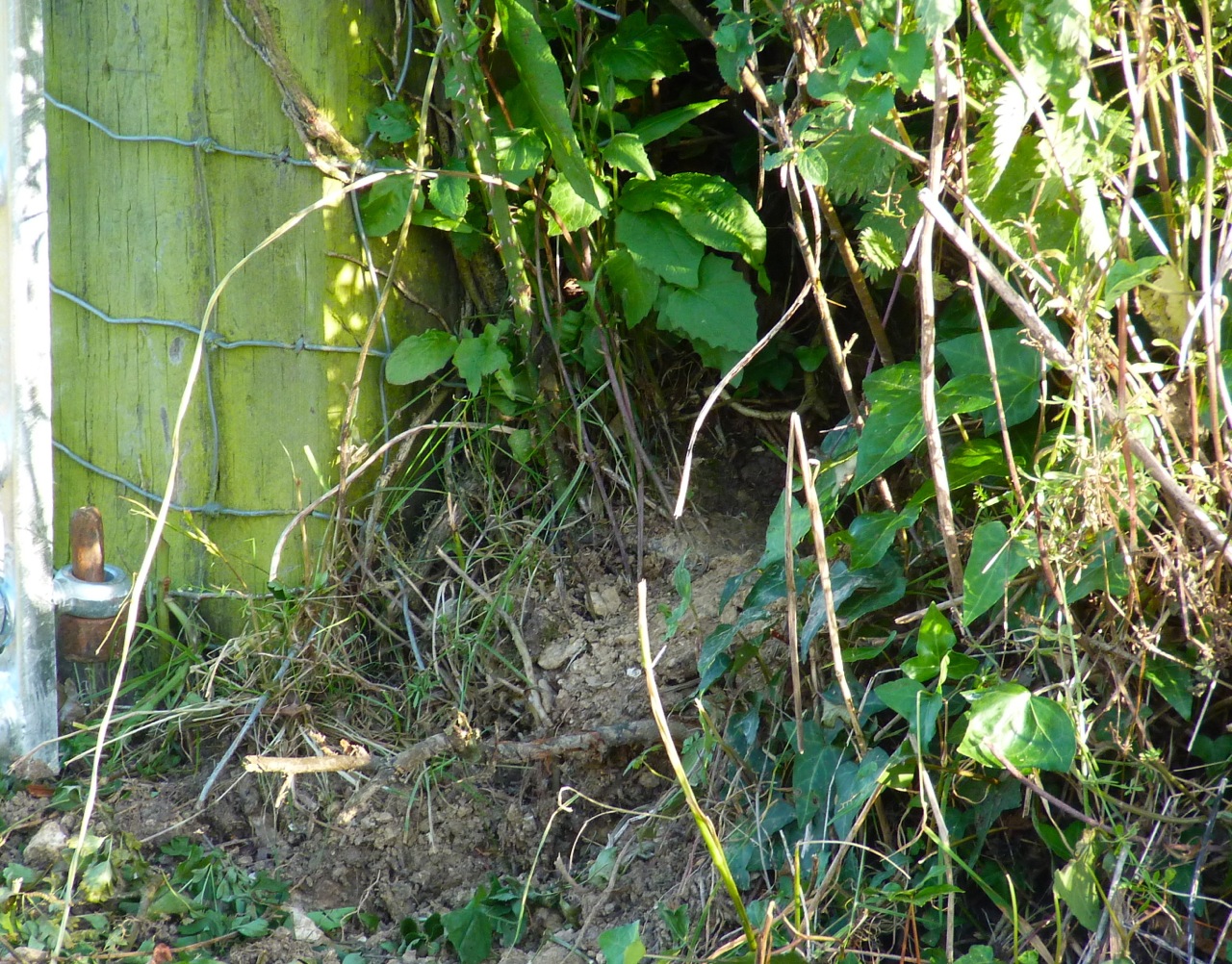
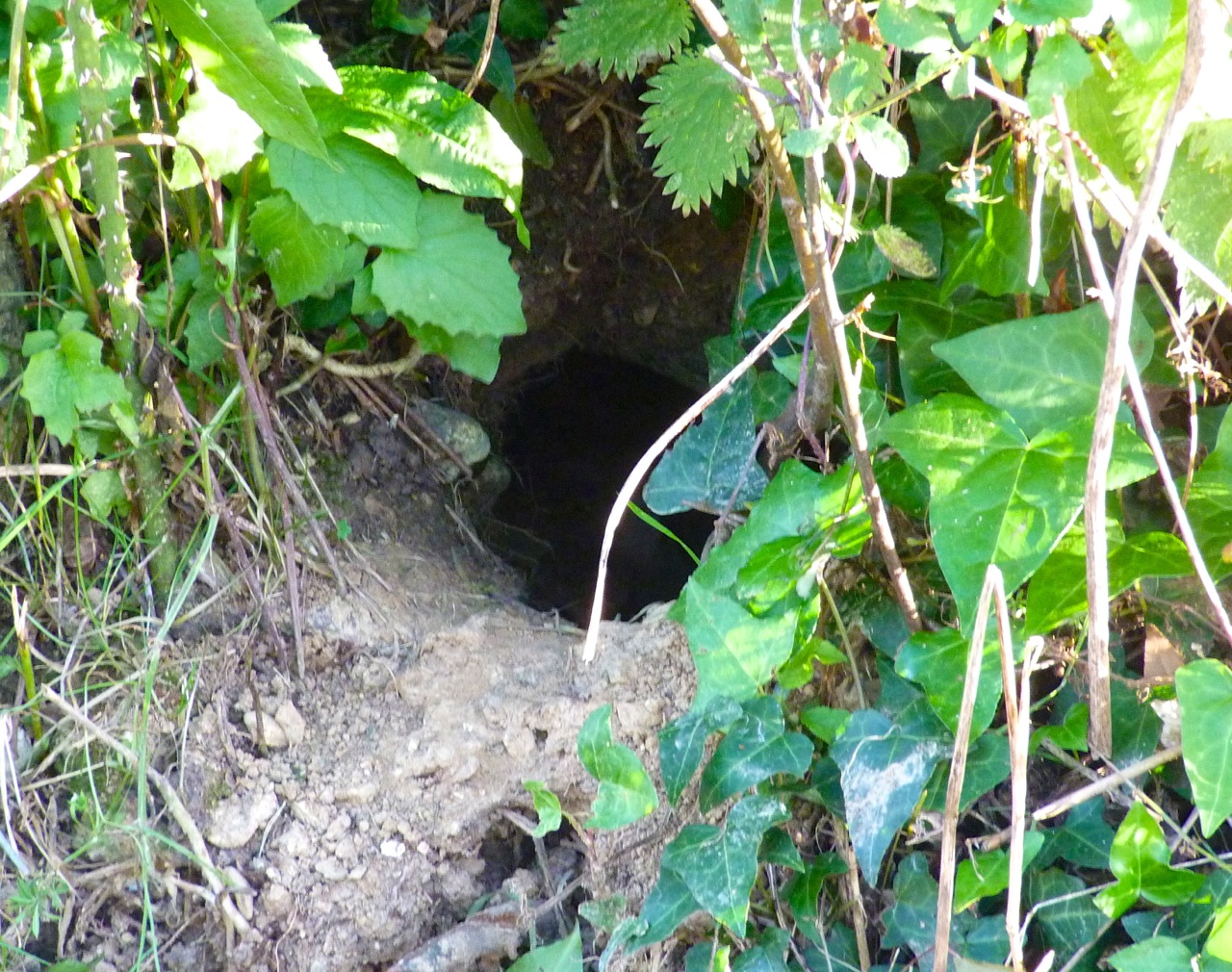
With a camera, OK? Clearing a gateway to the field opposite our house has revealed a burrow.  It’s no surprise, it’s a good year for rabbits in this part of Dorset, and I have already filled 3 burrows dug in our garden… But I suspect there’s a massive warren, and they just pop up again somewhere else. A couple of nights ago I took a few photos of rabbits enjoying ‘Silflay’ (© Richard Adams, Watership Down), the evening feed in the open. A glitch eradicated them. Yesterday evening in the sunshine, I took some closer shots of 2 rabbits by the burrow. Very picturesque. As long as they stay that side of the road…

Rabbit, Totnell, Dorset 1Rabbit, Totnell, Dorset 7Rabbit, Totnell, Dorset 10Rabbit, Totnell, Dorset 4Rabbit, Totnell, Dorset 9Rabbit, Totnell, Dorset 8

A HOMING PIGEON TAKES A REST IN DORSET


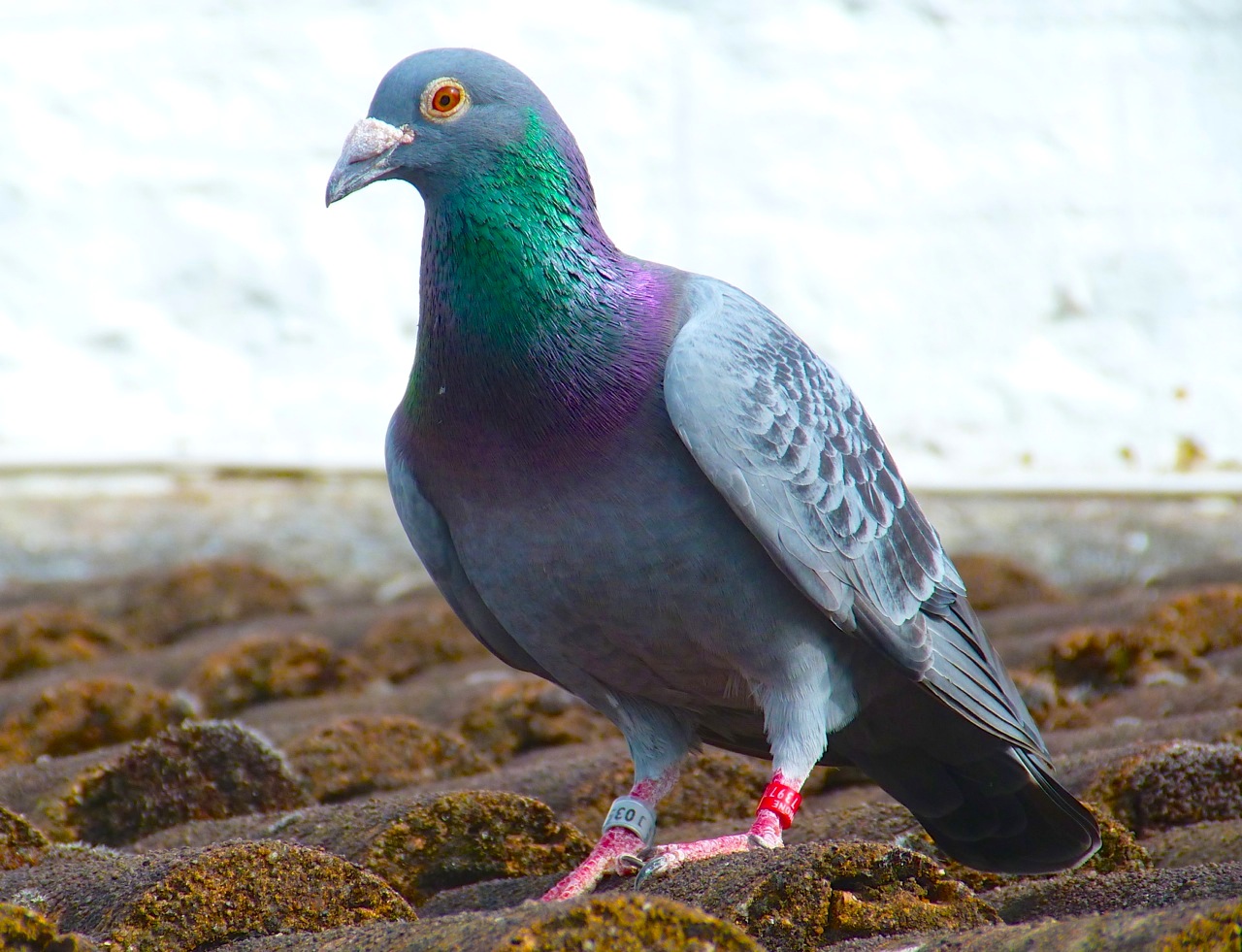
We had a visitor yesterday. He announced his arrival by tramping around on a length of corrugated plastic roofing. I noticed he was ringed, double ringed in fact. So he was clearly an important visitor. I spent ages trying to get the numbers on the 2 rings, especially the ‘inside’ parts. When his legs were visible, he was too far for me to make out the numbers. When he was close (some corn helped), he was too plump for me to get a glimpse of his inside leg. In the end, once he had happily made himself at home and strolled into the house, I lay drown and photographed his undercarriage. Undignified for both of us, but by zooming on-screen I got the full numbers. So if anyone out there owns J03547 (Jersey prefix?) with a phone number 739776, I’ve got your bird…

Homing Pigeon Dorset 1

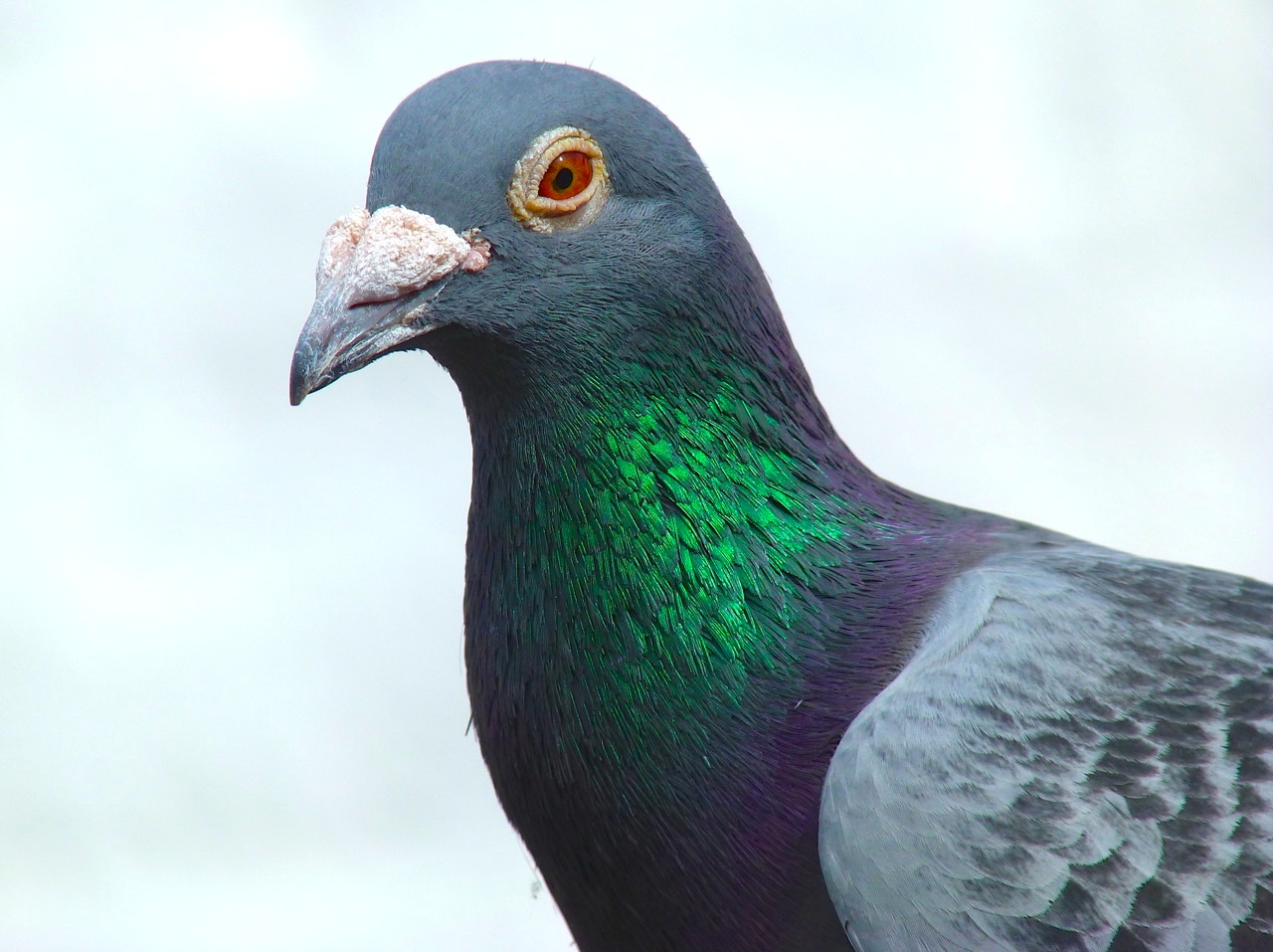
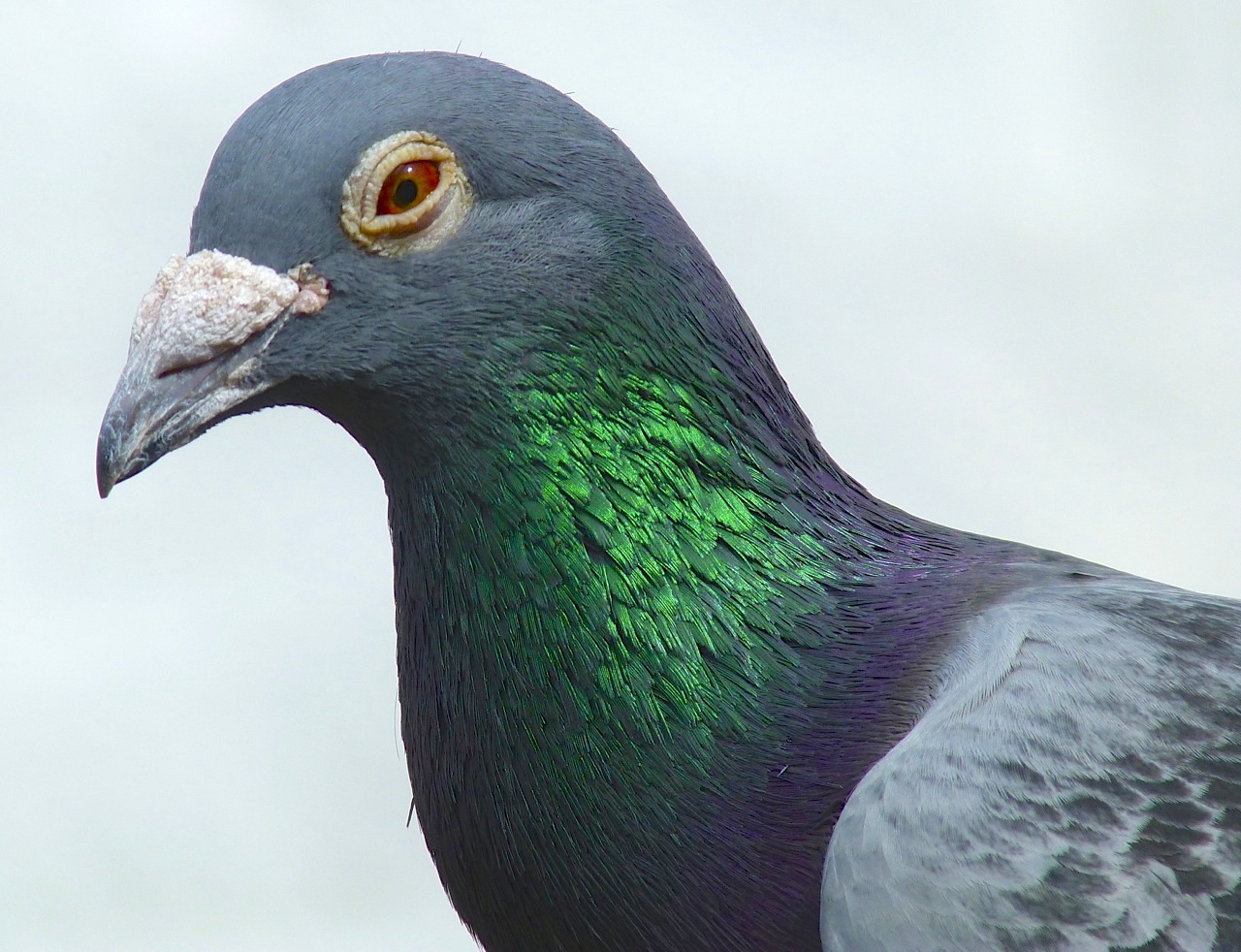
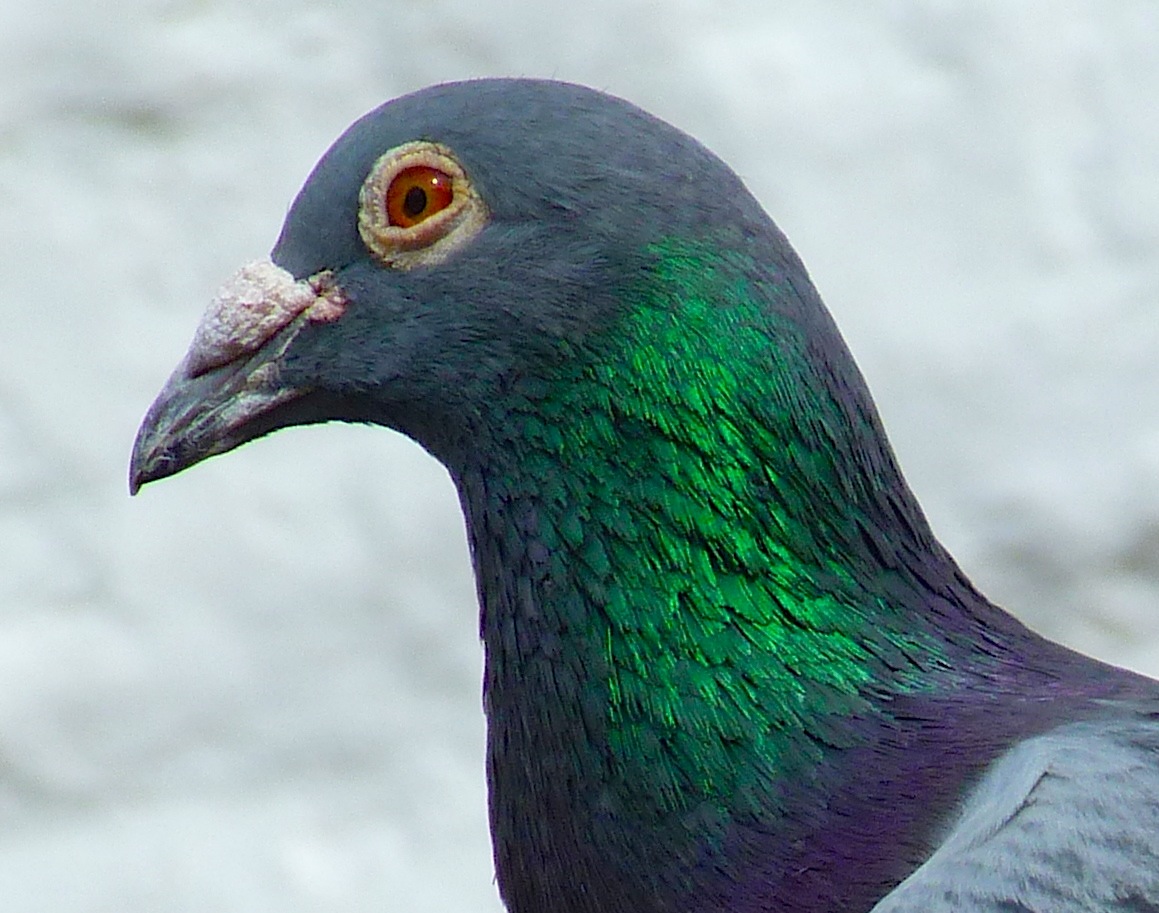
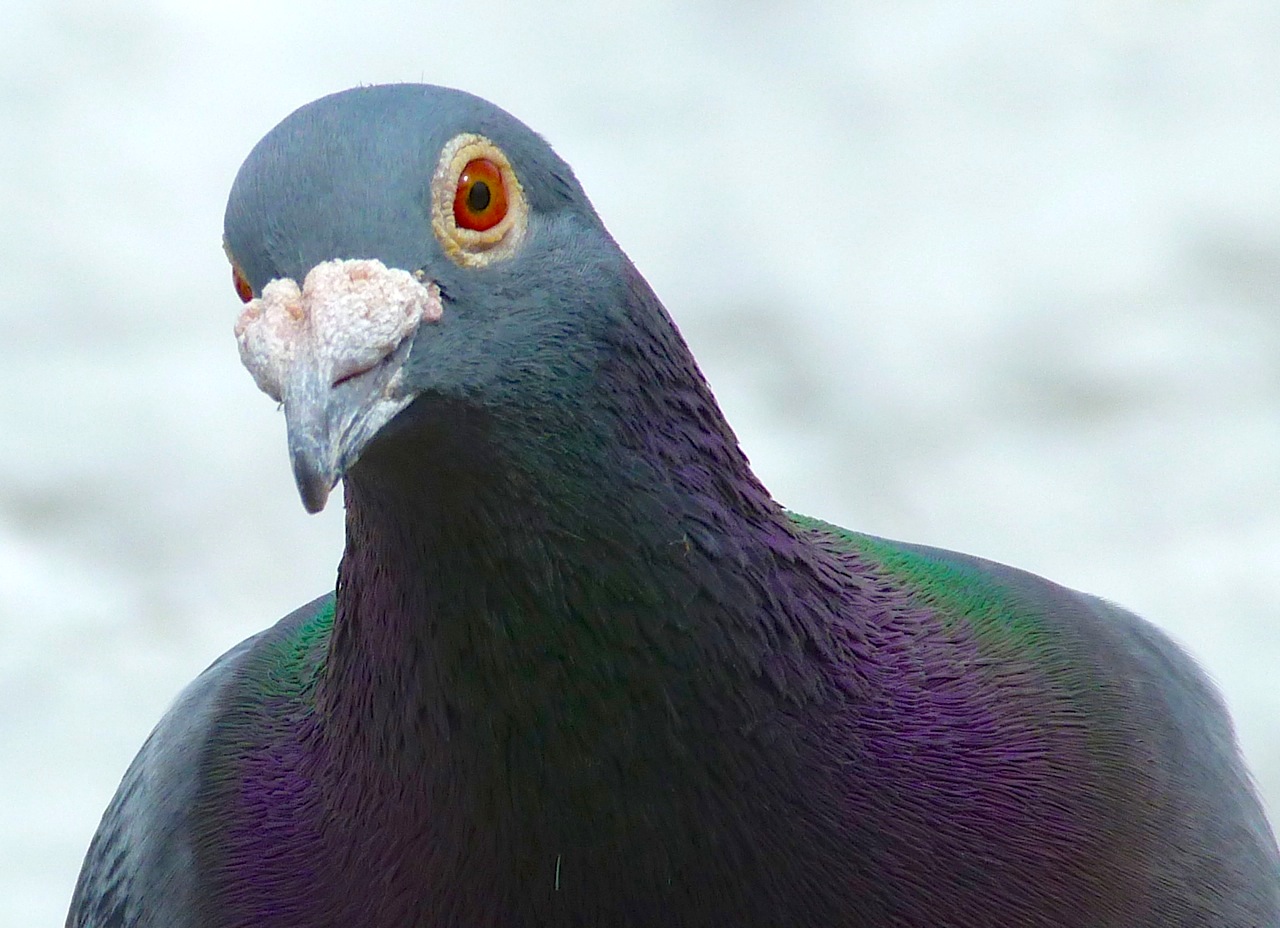
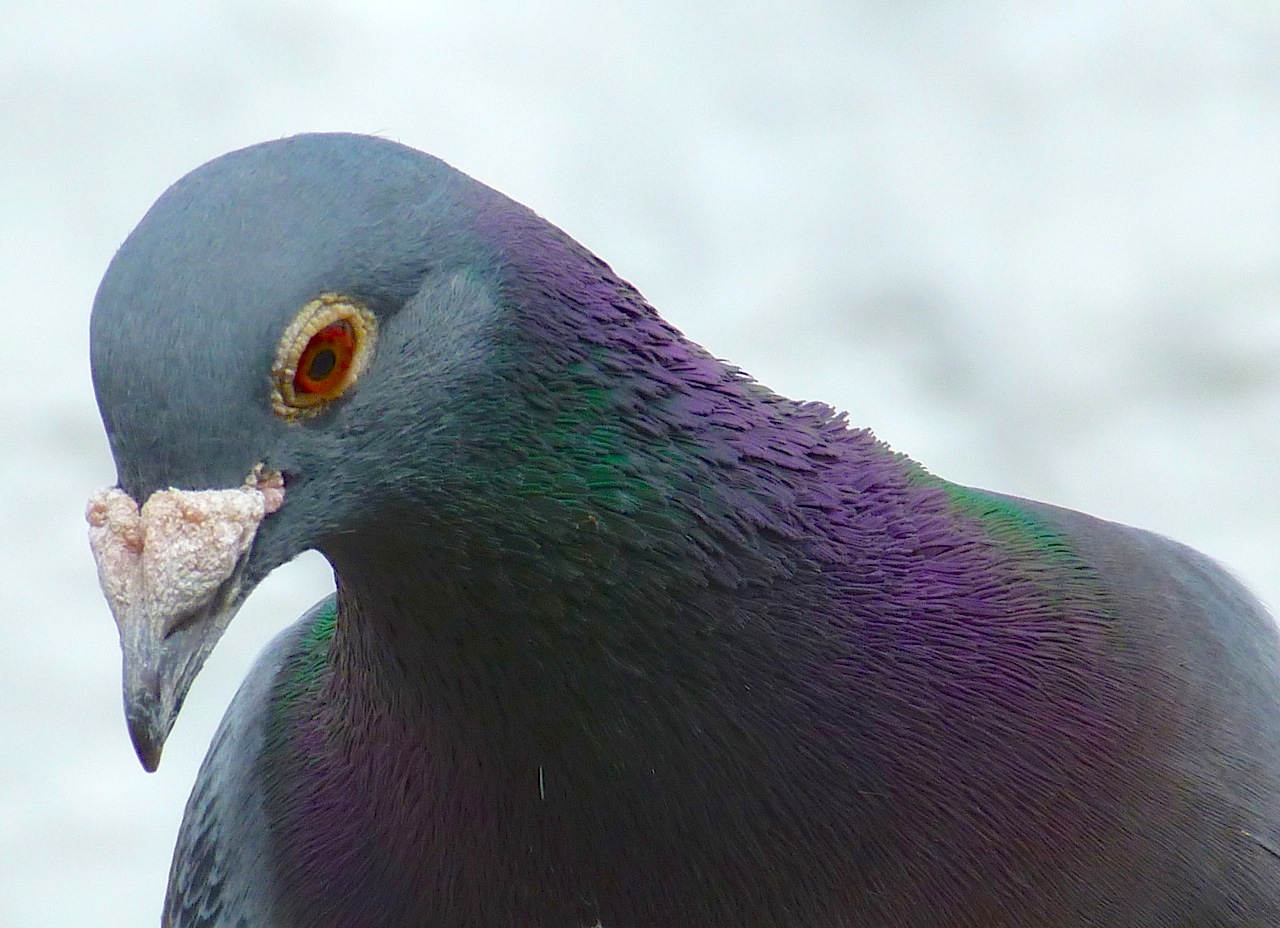
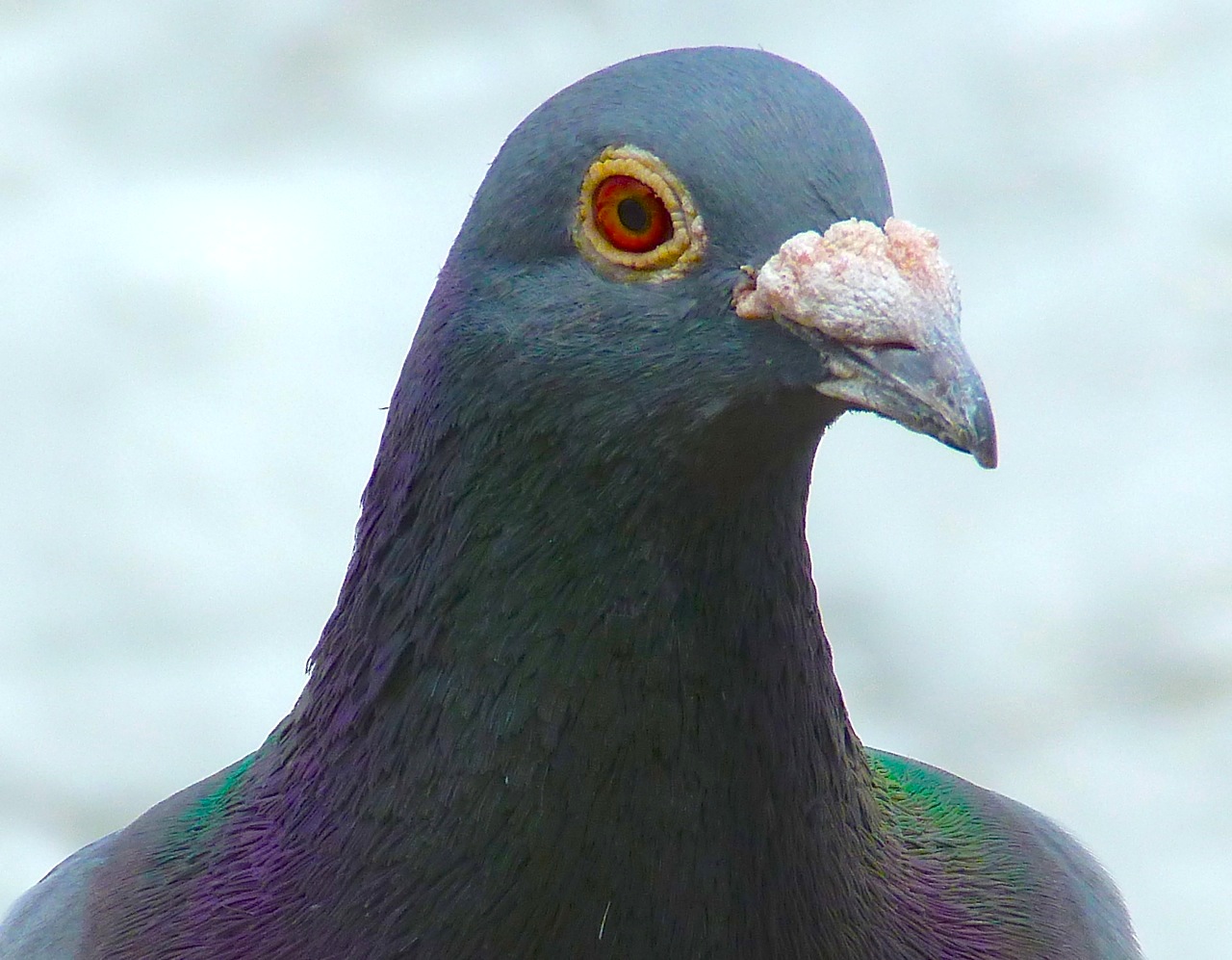
He was very tame, but slightly reluctant to let me touch him. He ate corn from my hand, though, and lapped up some fresh cold water. He seemed in excellent condition. He settled down on a low roof for the night, a very safe roost and I assumed that by this morning he would have continued on his way. Not a bit of it: he’s still here. Maybe I made life too comfortable. I checked online, and apparently in these circumstances it is good to welcome the visitor, feed it (seeds, corn, strictly no bread) and give it water. If it’s still around after 48 hours, withdraw the gratis bed and breakfast arrangement and in due course the message will be got. You hope. Meanwhile, I had the perfect opportunity to take some head shots, having noticed the iridescence of the vivid green and purple colouring in watery evening sunlight. The green in particular was startlingly bright, very like the exotic and glorious sheen on a cuban emerald hummingbird (see http://rollingharbour.com for examples). And this on a ‘mere’ Columba…

Homing Pigeon Dorset 2 Homing Pigeon Dorset 3 Homing Pigeon Dorset 4 Homing Pigeon Dorset 5 Homing Pigeon Dorset 6 Homing Pigeon Dorset 7

HOUSE SPARROW CHICKS IN THE NEST IN A HOUSE…


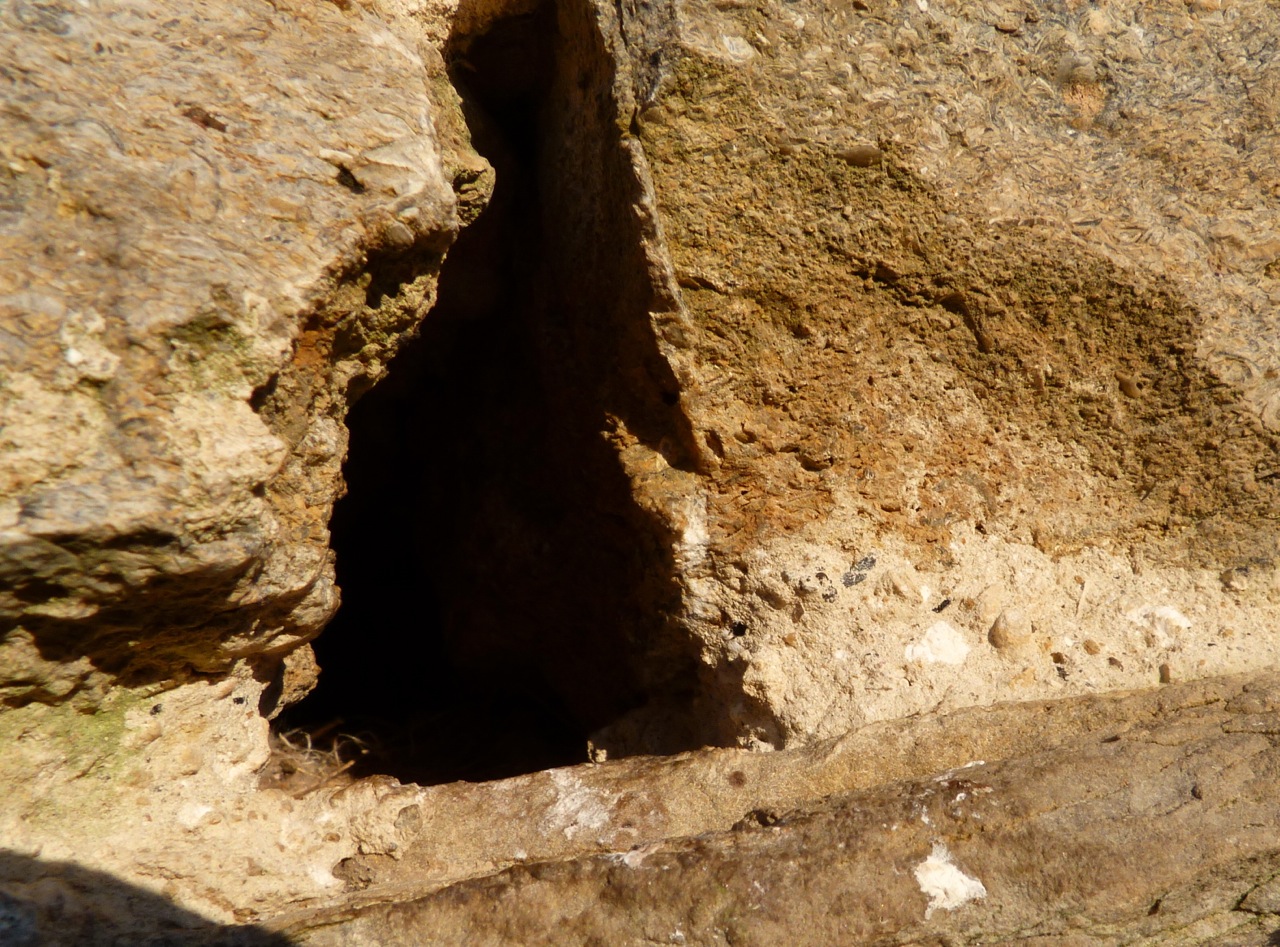
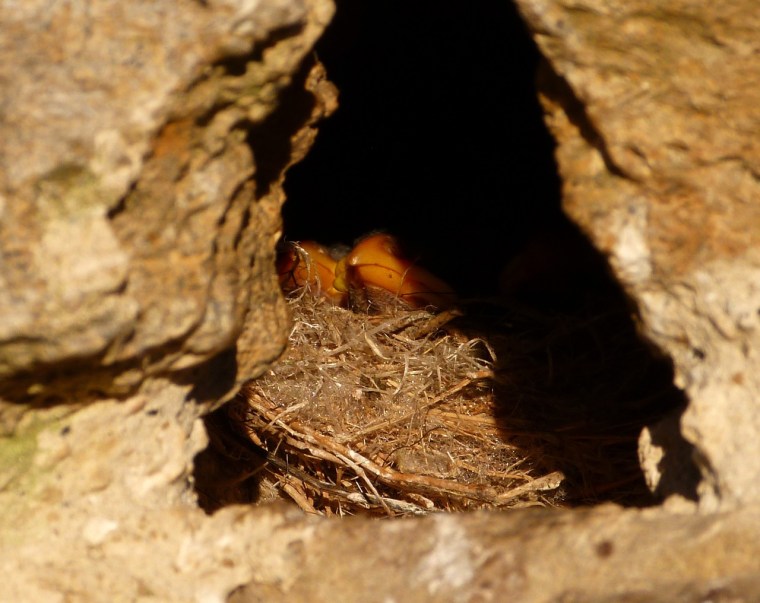
The gable end wall of our house is very old thick stone, and full of holes. Some are deep enough for sparrows to nest in, which they do every year. Mrs RH is quite keen to fill the holes; I enjoy the annual sparrow nesting routines in the holes, and in the gaps under the gable eaves. Last year I recorded the sounds emerging from the largest hole as the chicks grew. This year, I tried photography. The problems, without special equipment, were lighting and focus. I wasted a vast number of shots on useless photos before realising that I only had to wait until the evening sun was full on the wall. Here are some resulting photos. A few days later, they had flown!

Apart from the noise of the chicks awaiting food, nothing much to see here…Sparrow Nest Totnell 1

Half an hour later the sun has helpfully moved roundSparrow Nest Totnell 2 Sparrow Nest Totnell 3 Sparrow Nest Totnell 5

The ‘money shot’!Sparrow Nest Totnell 7Sparrow Nest Totnell 8